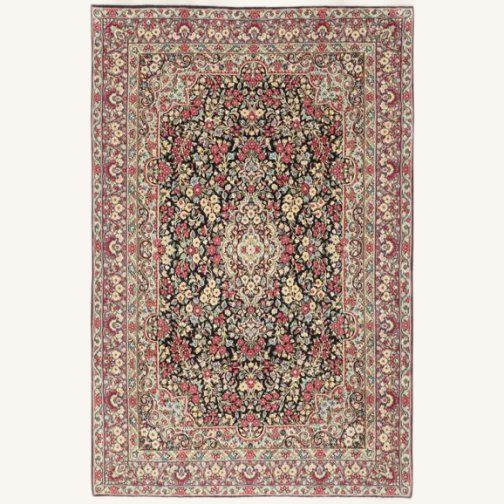
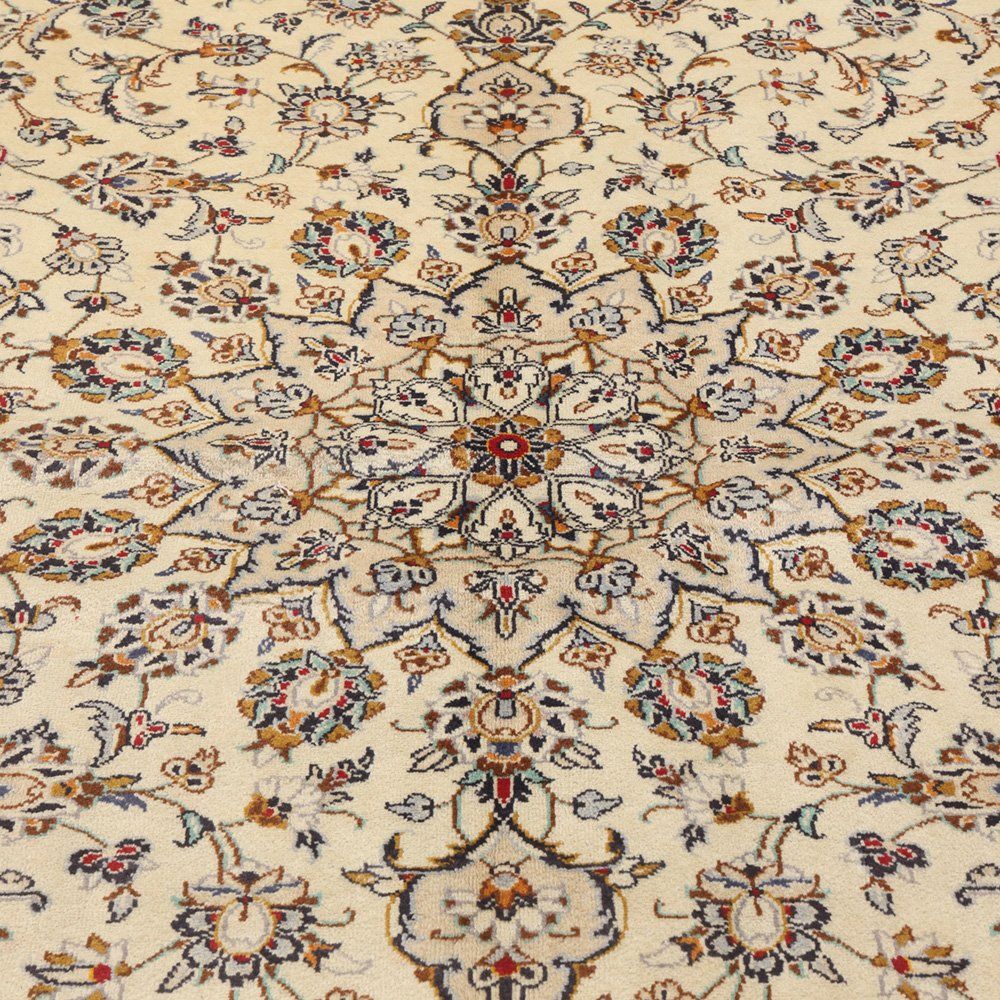
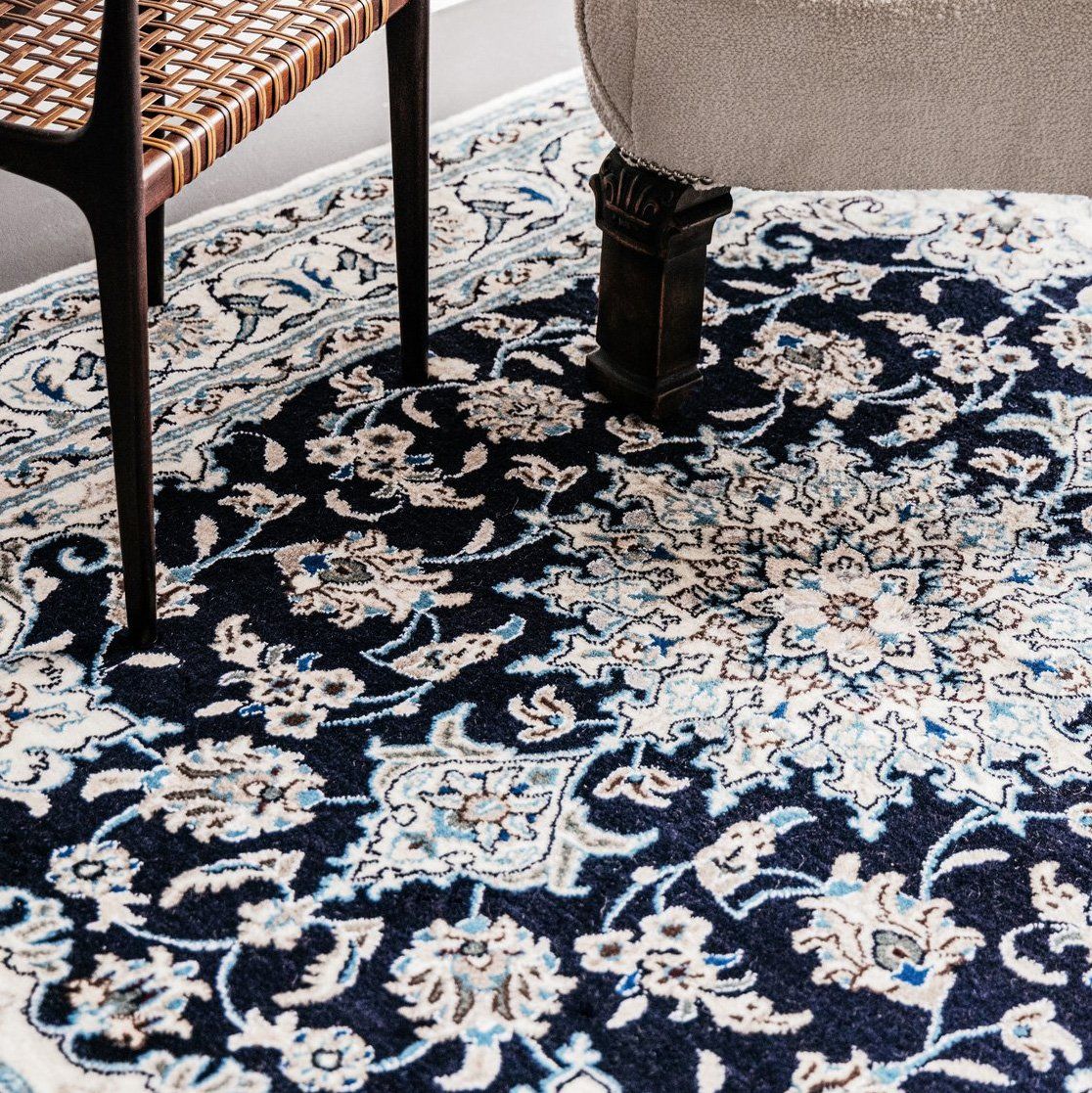
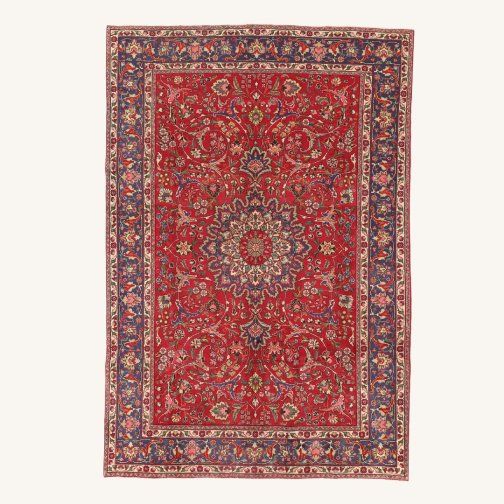
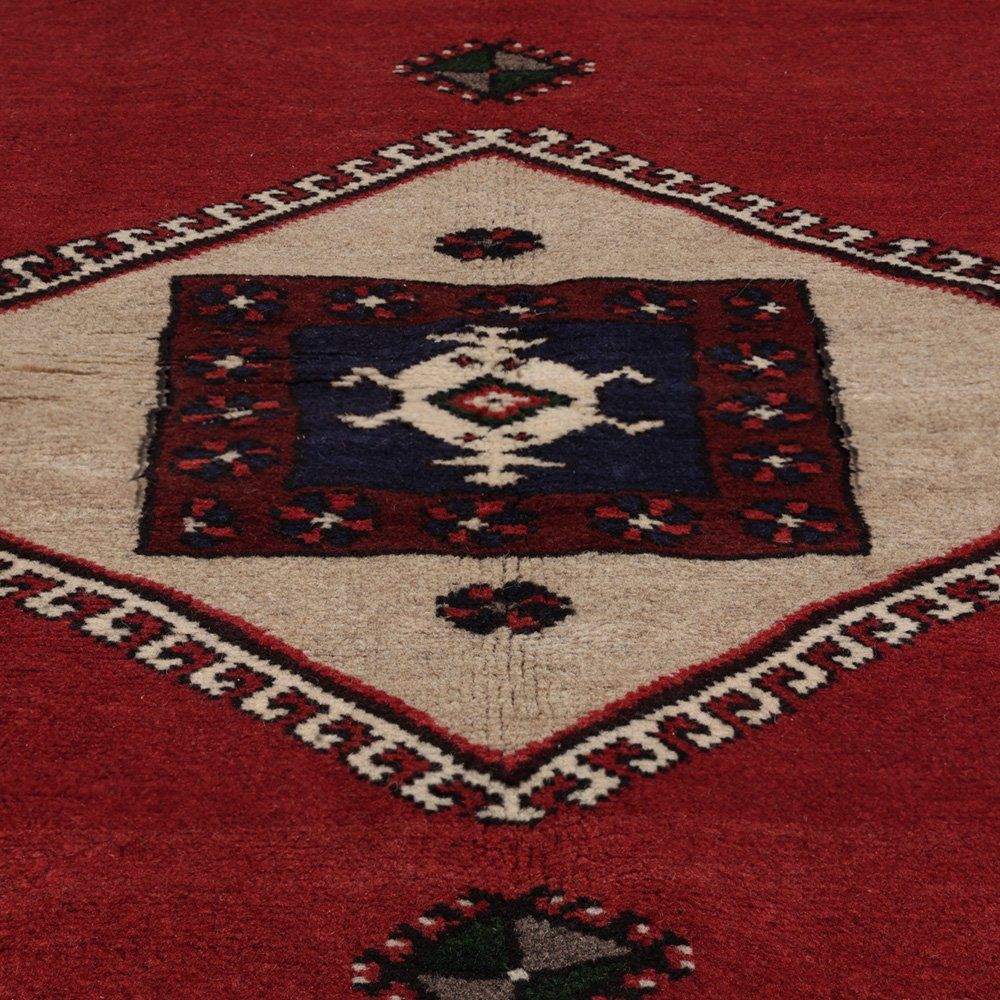
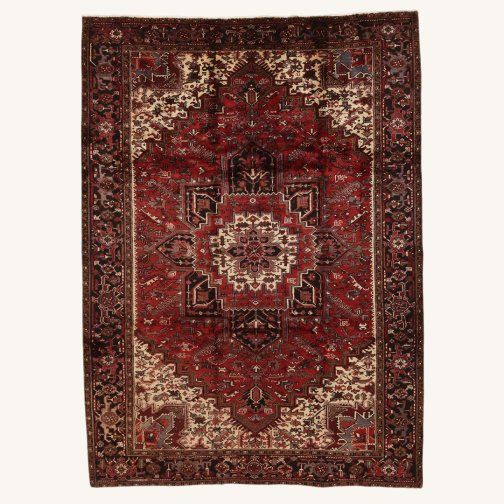
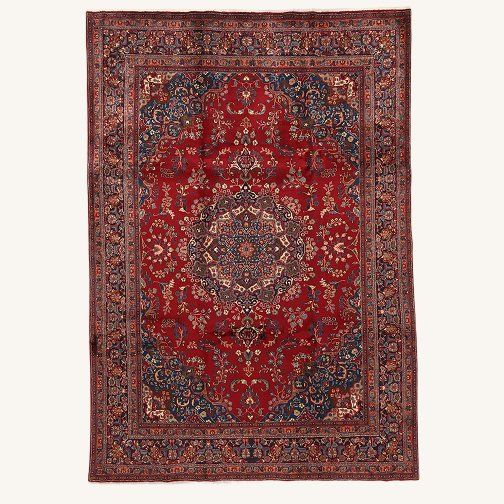
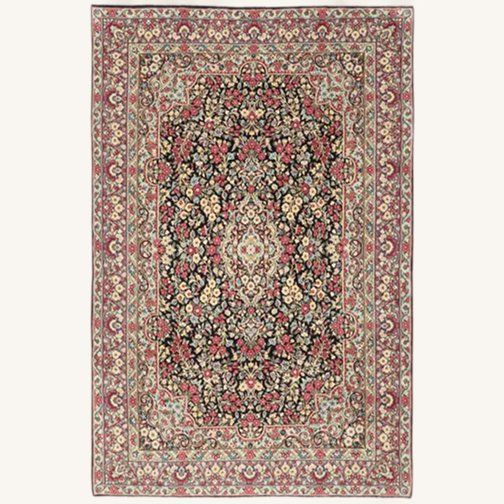
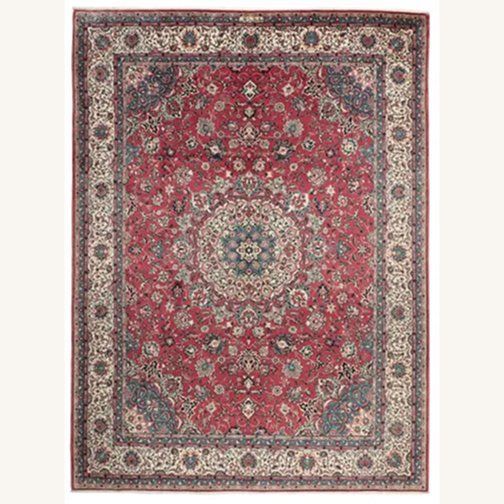
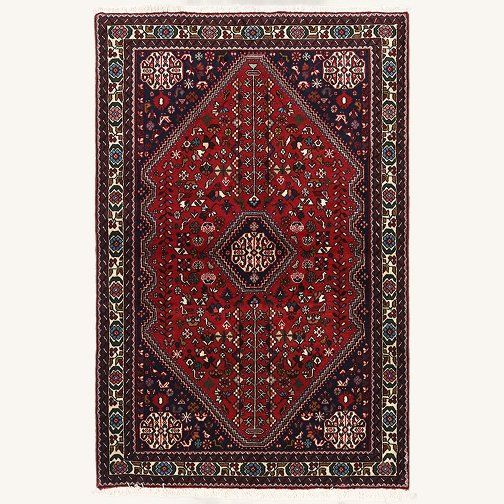
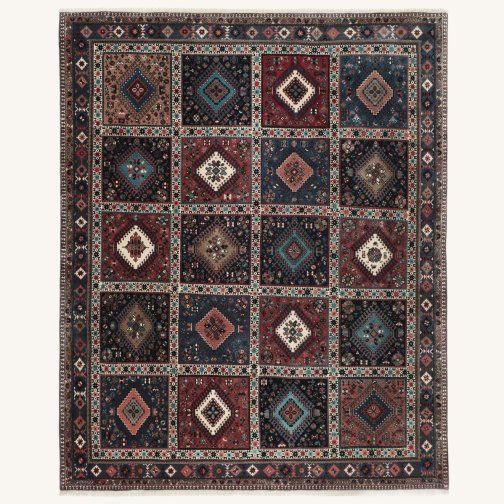
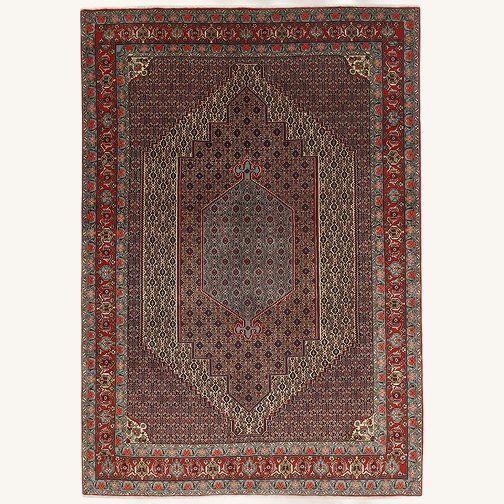
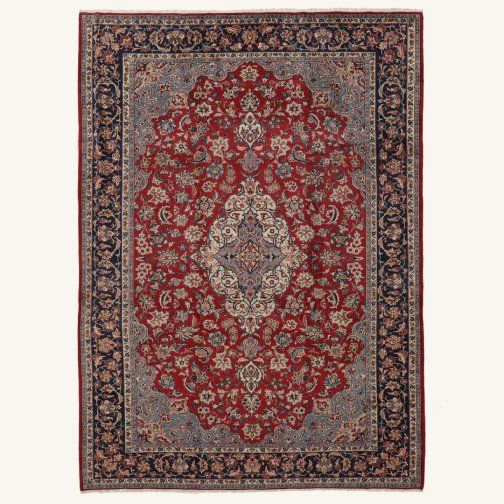
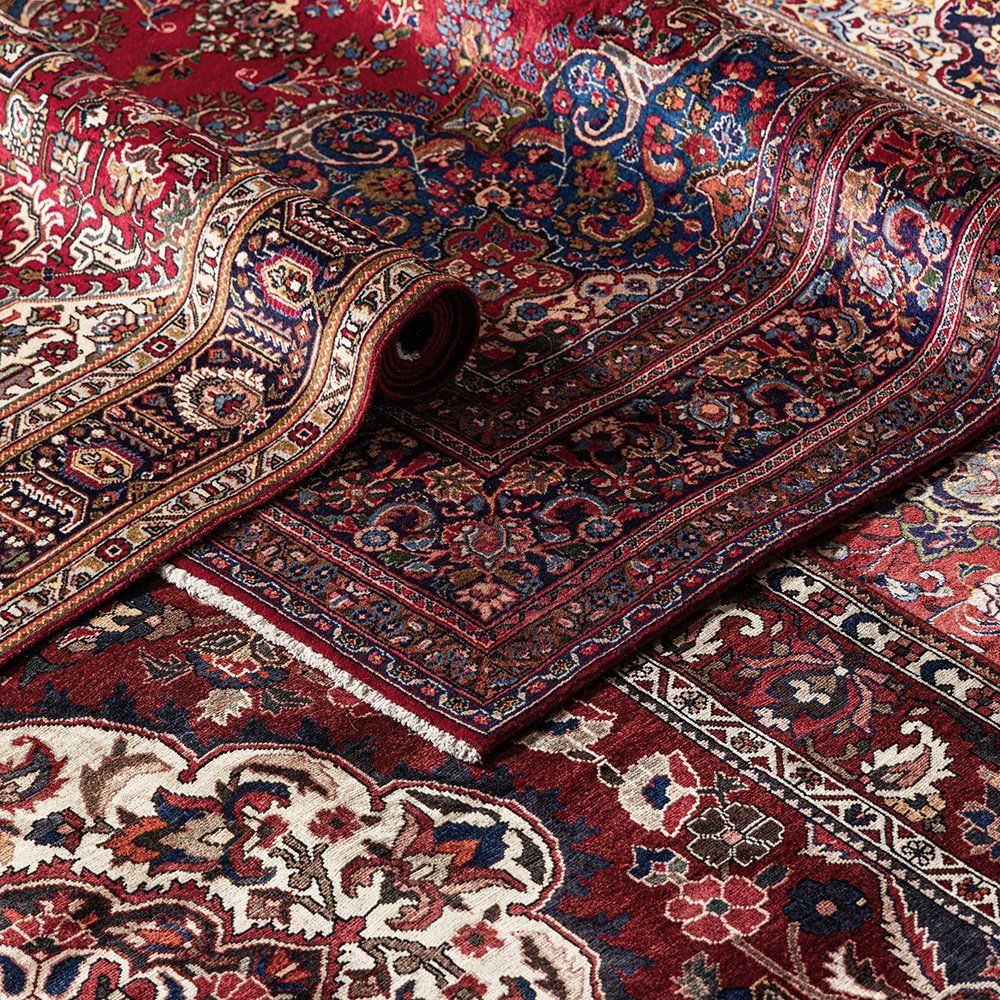
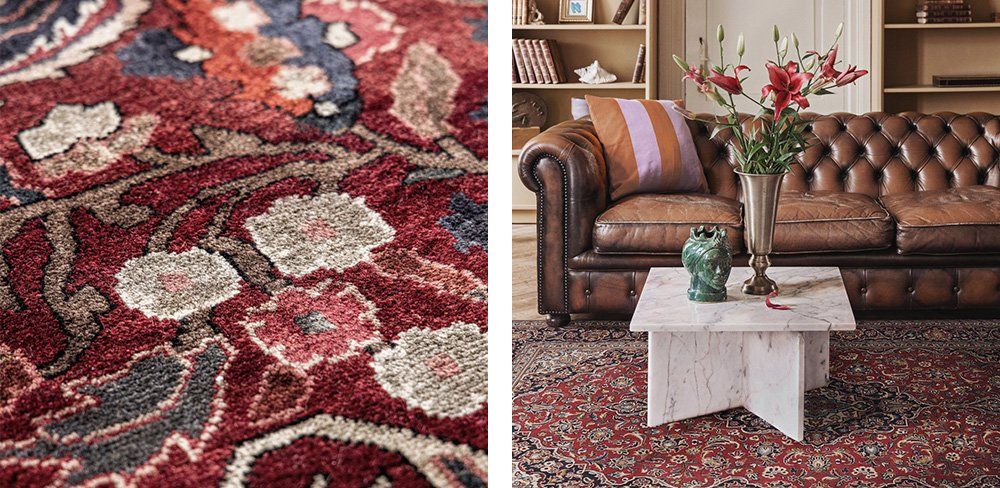
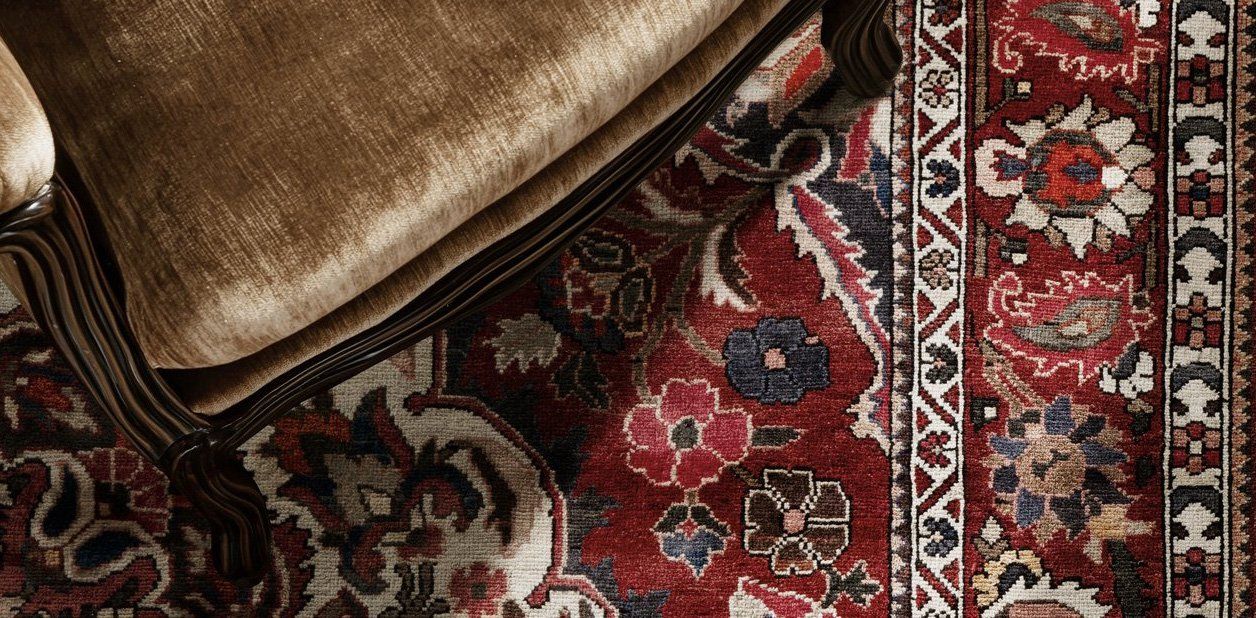
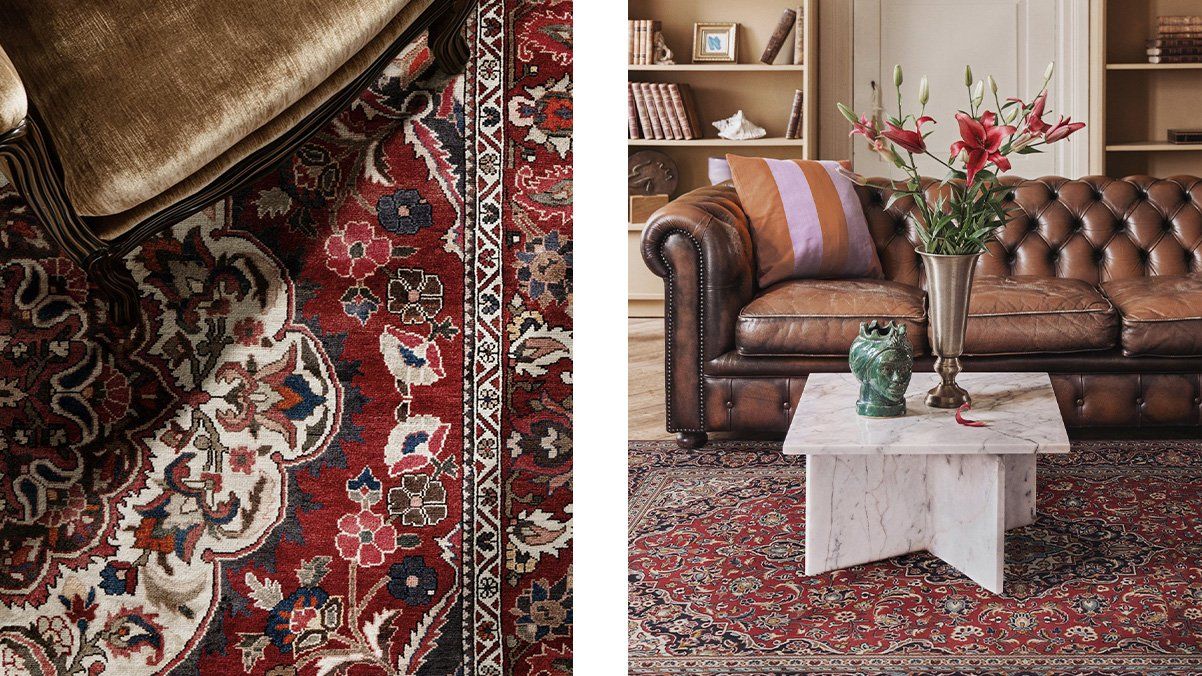
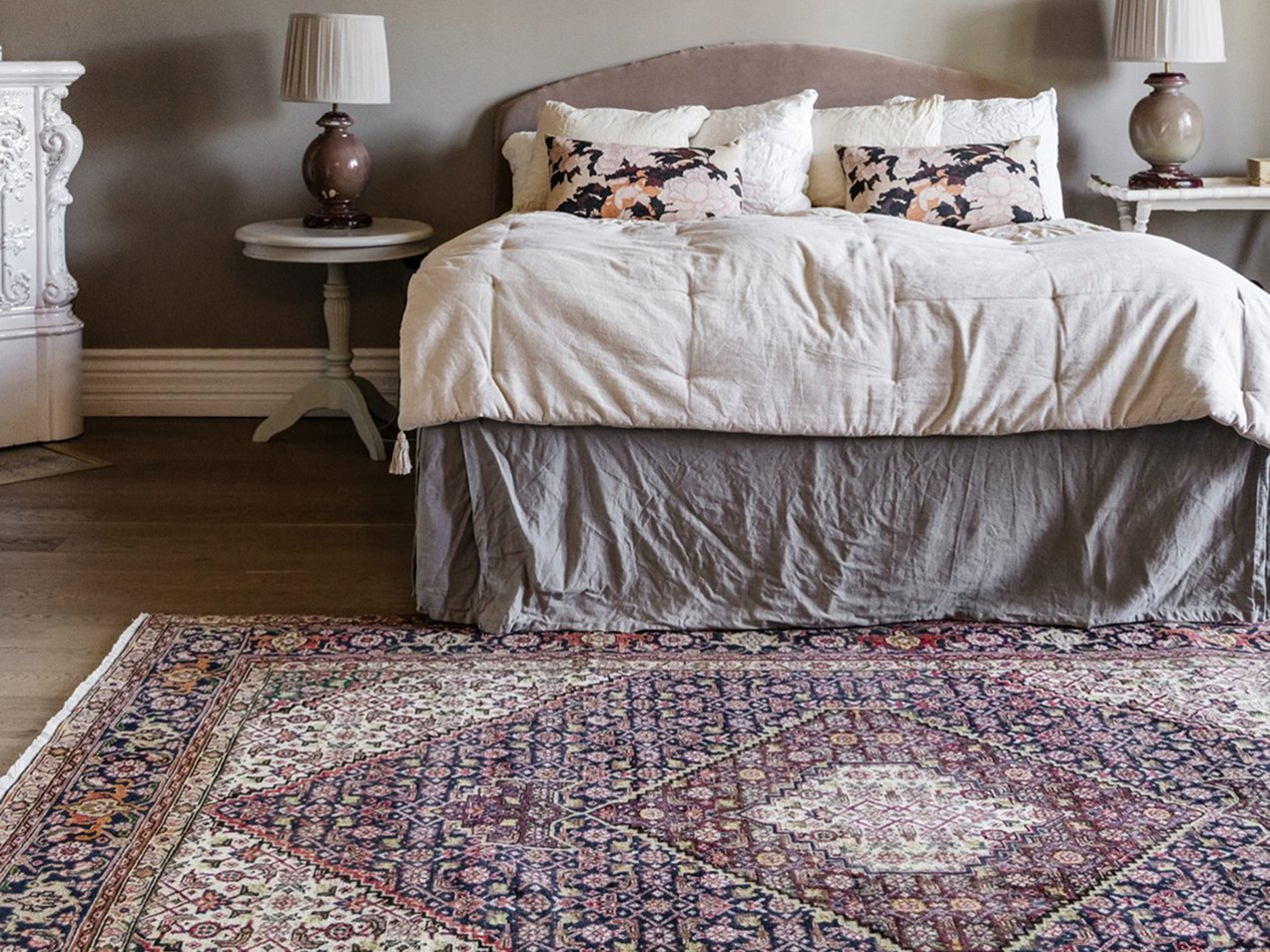
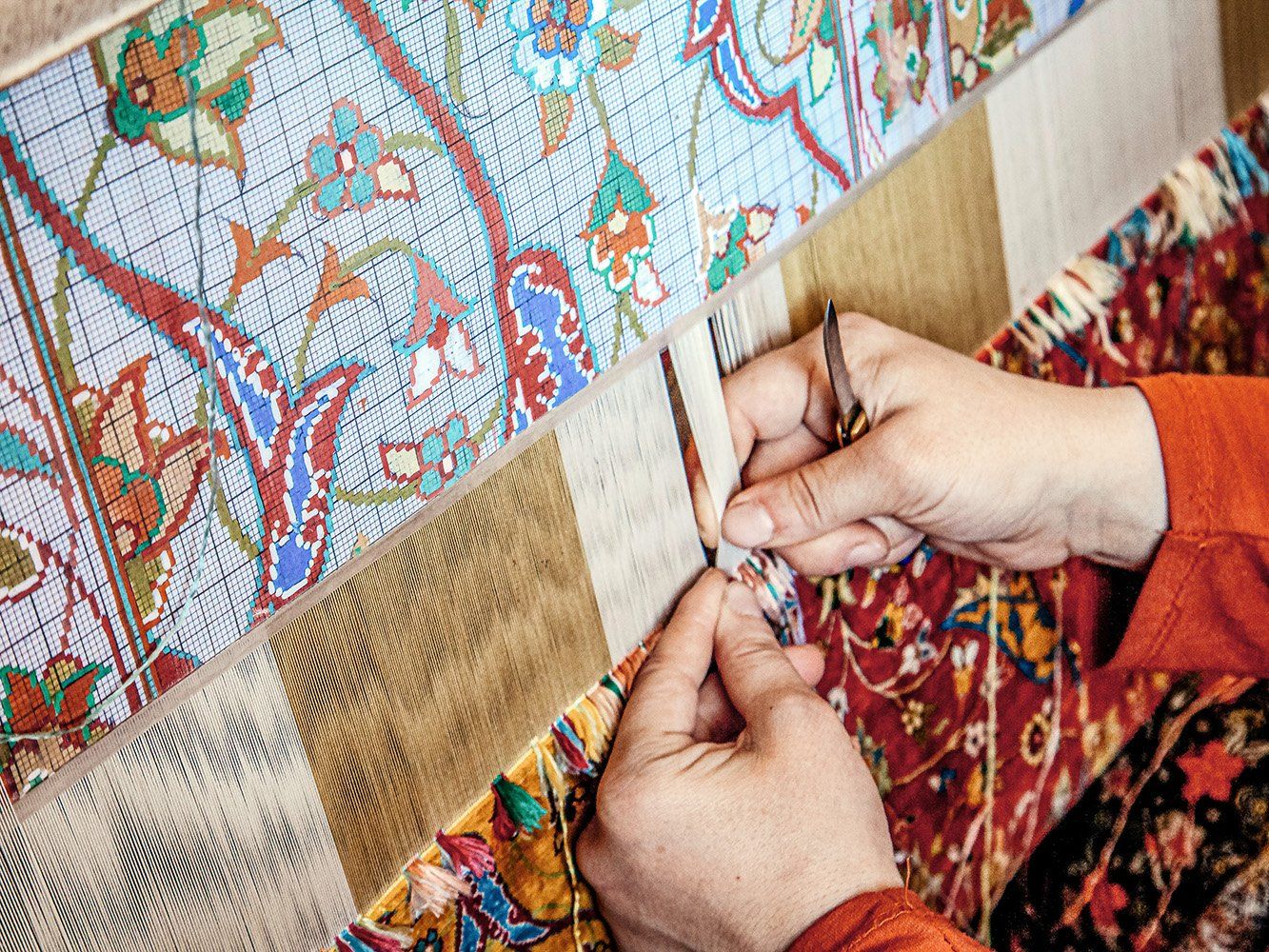
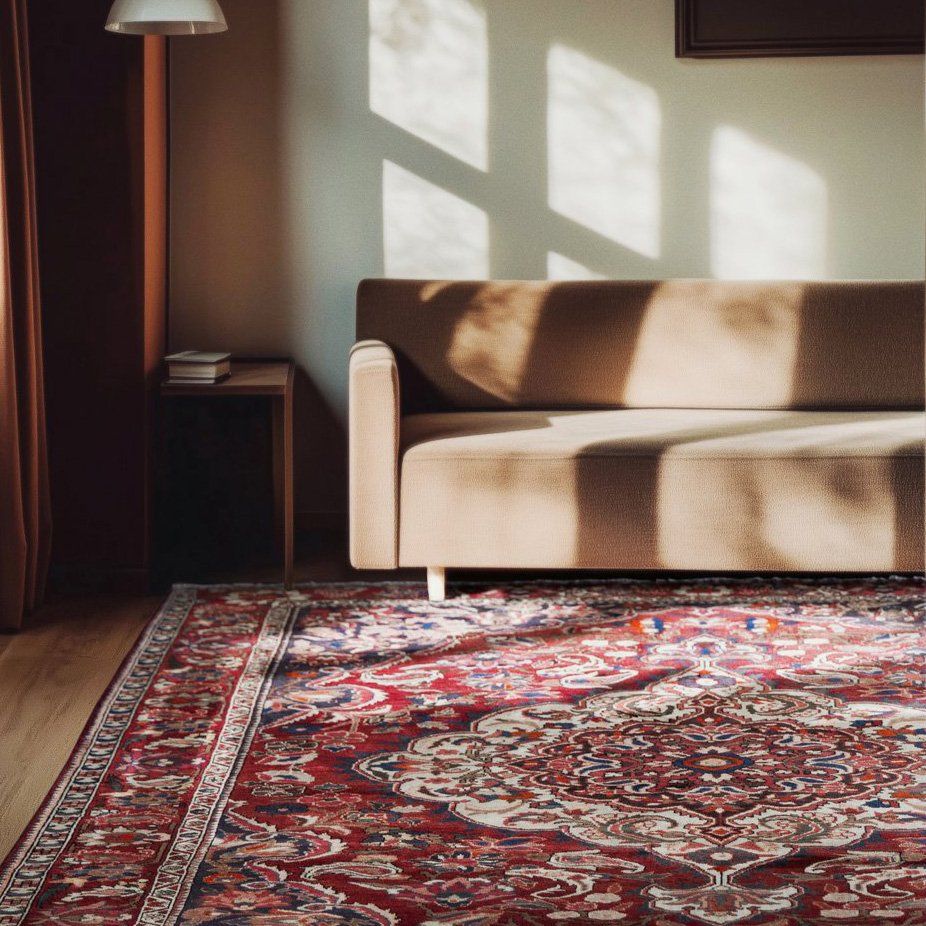
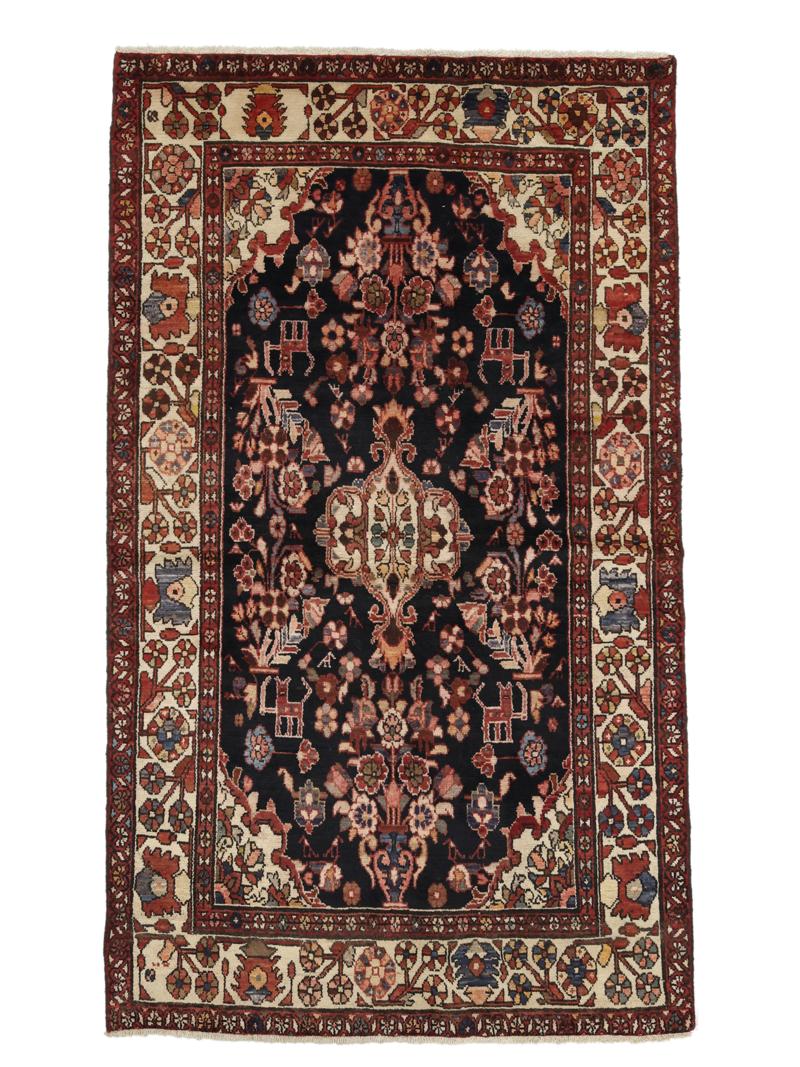
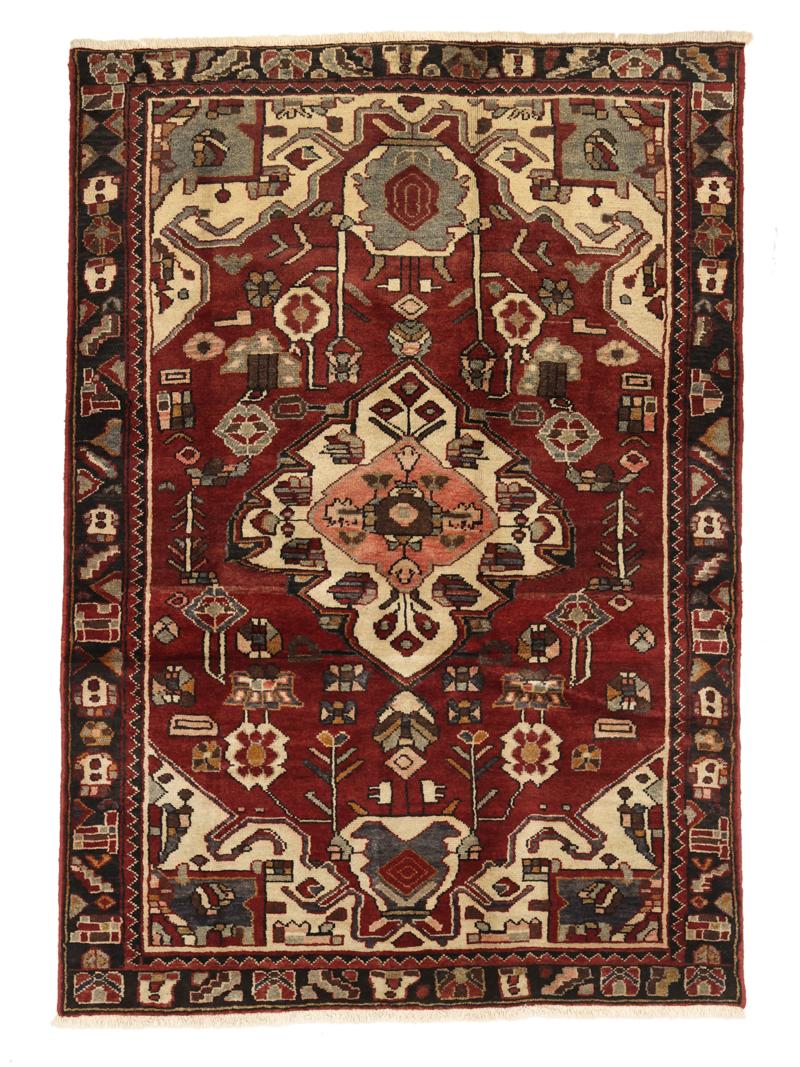
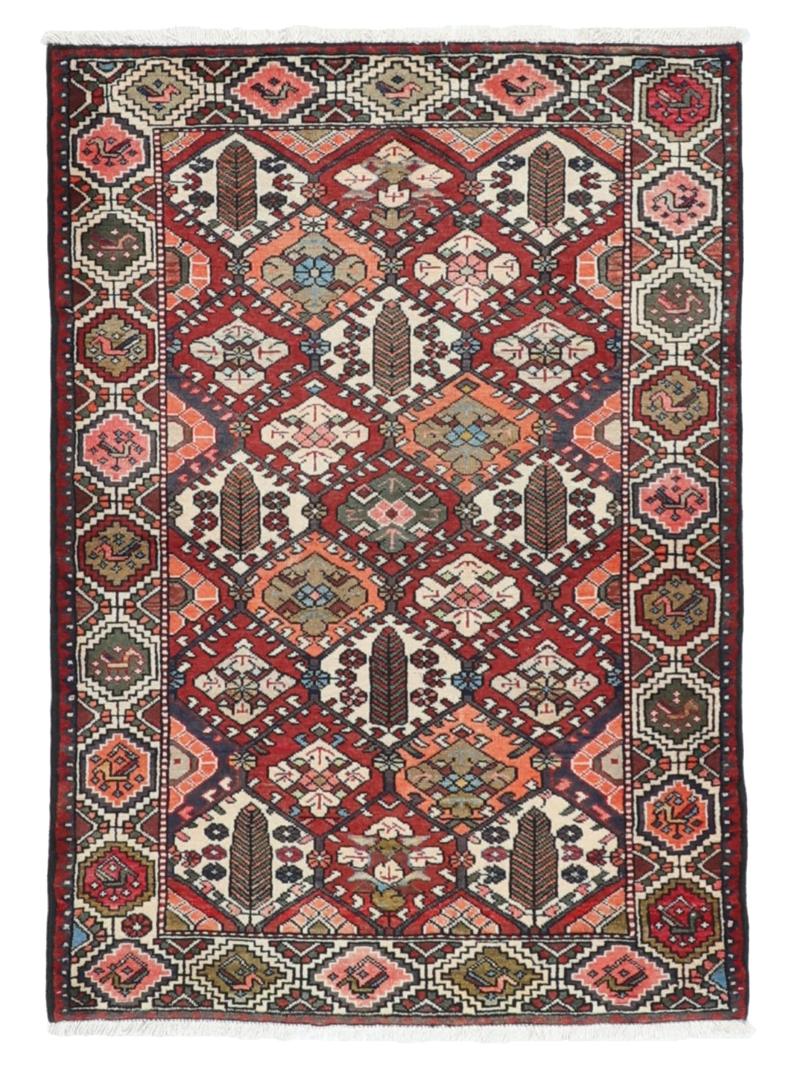
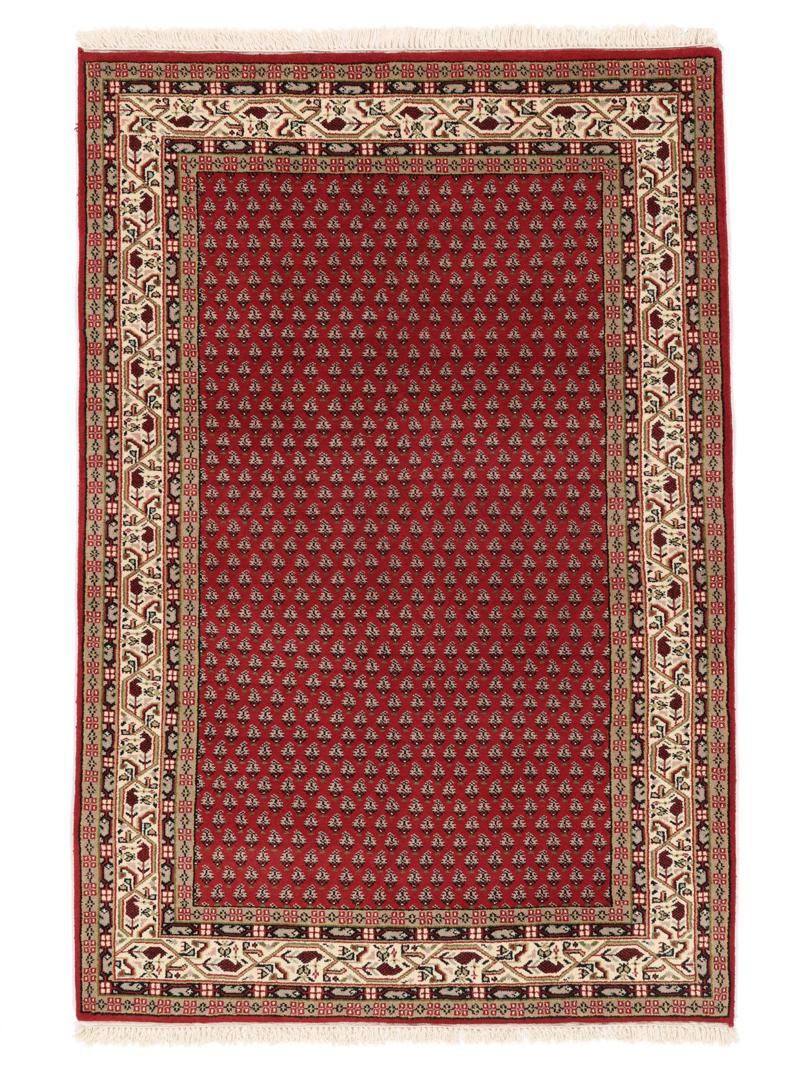
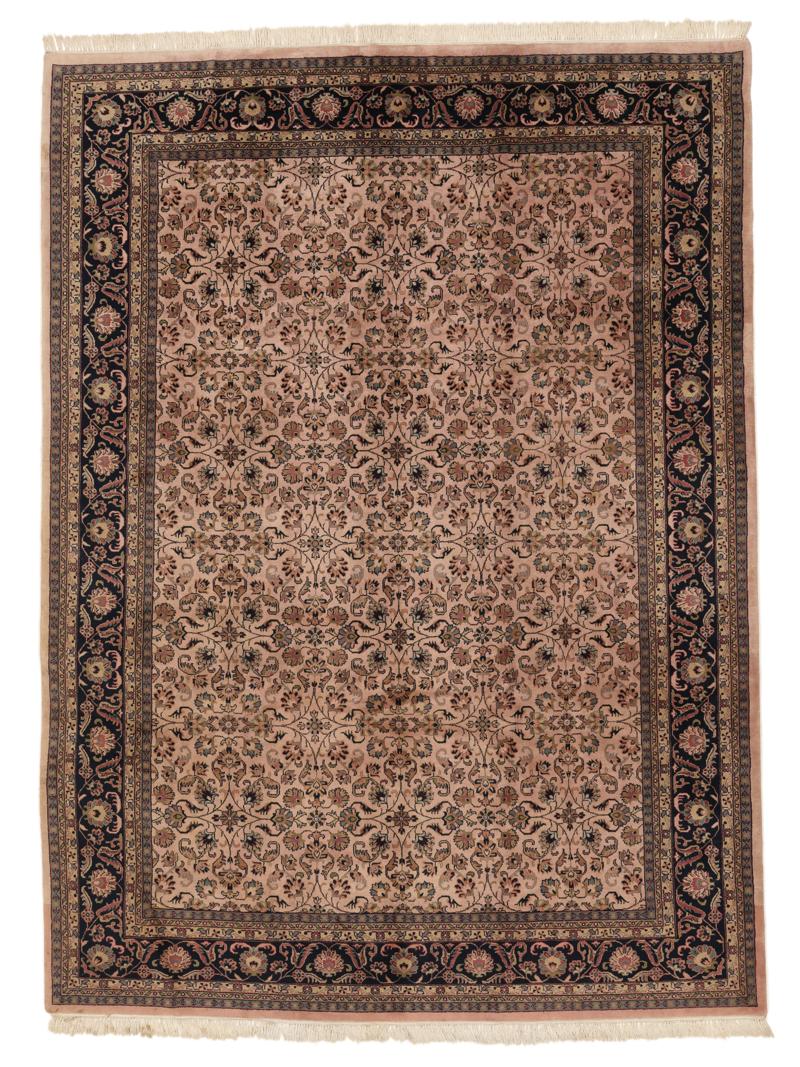
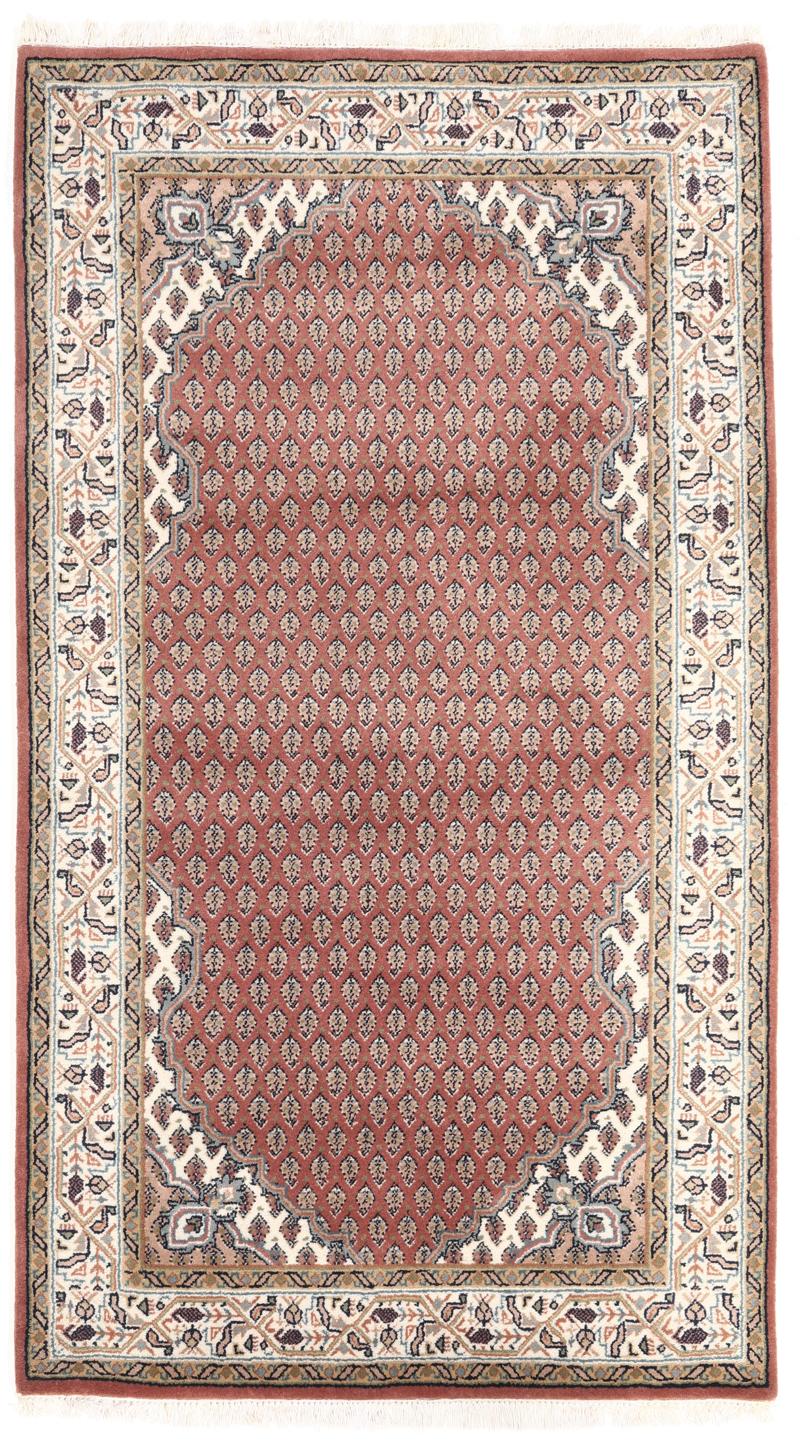
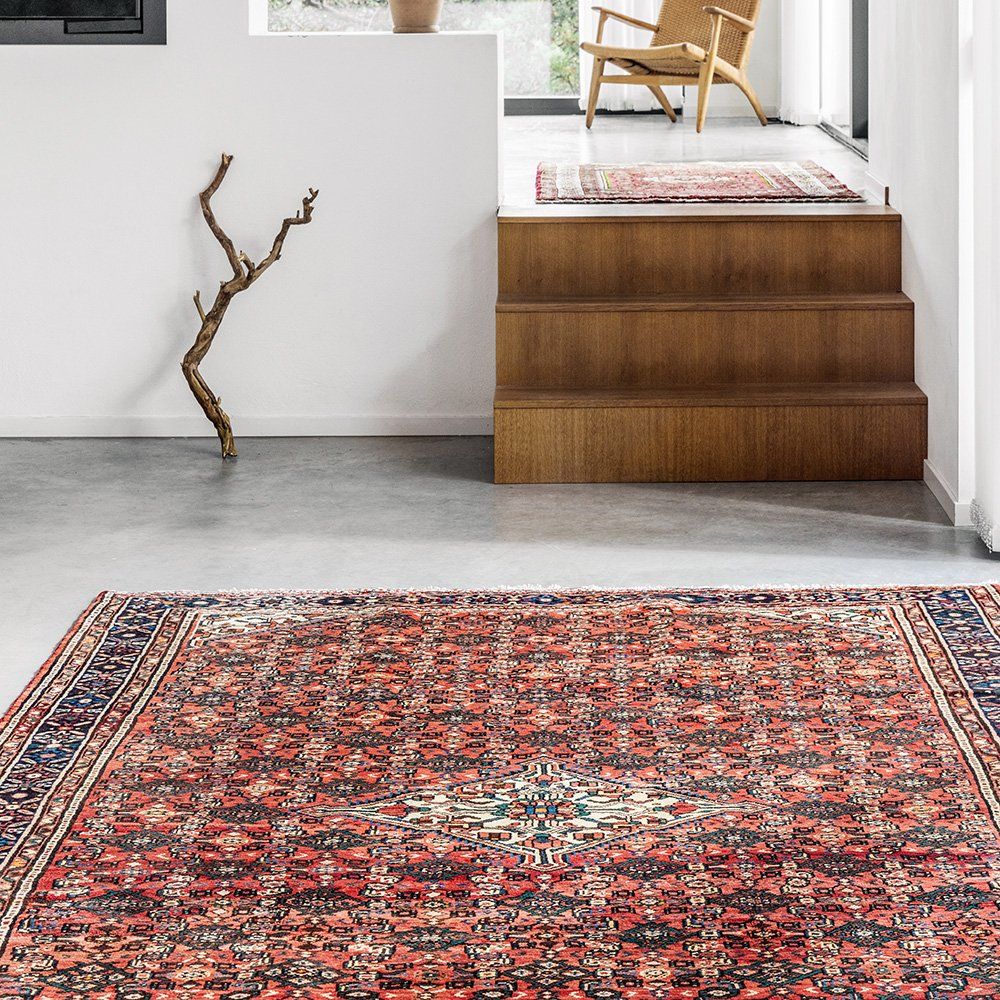
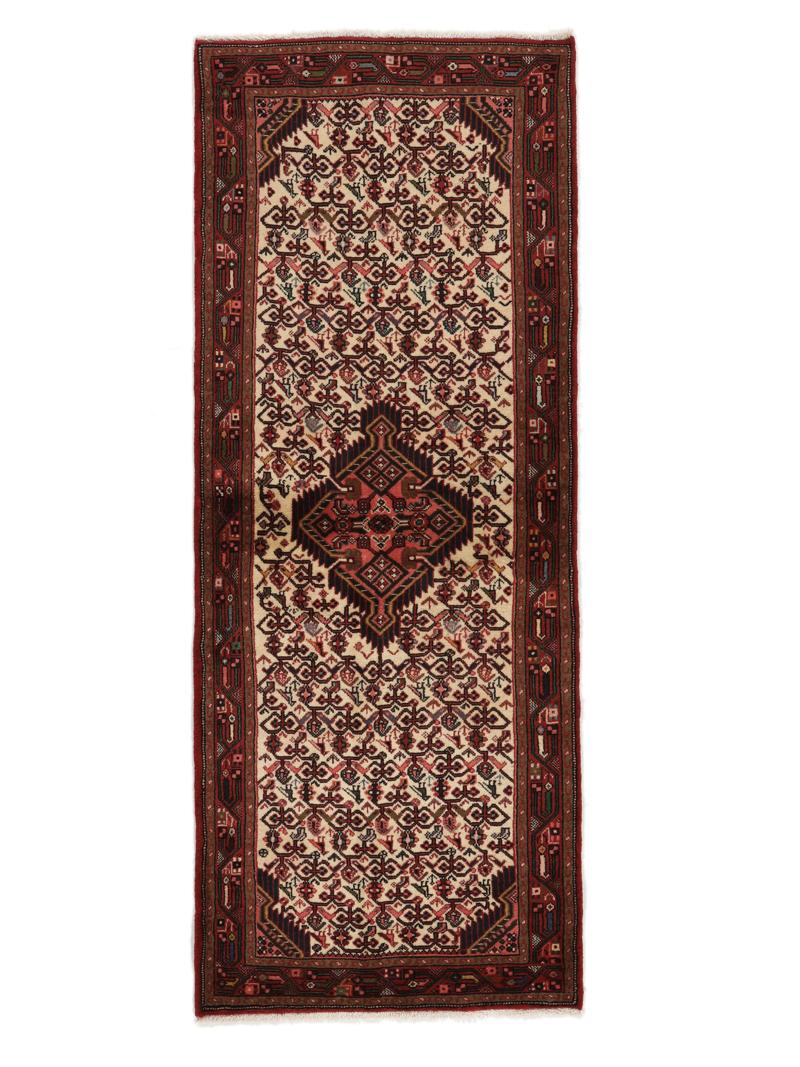
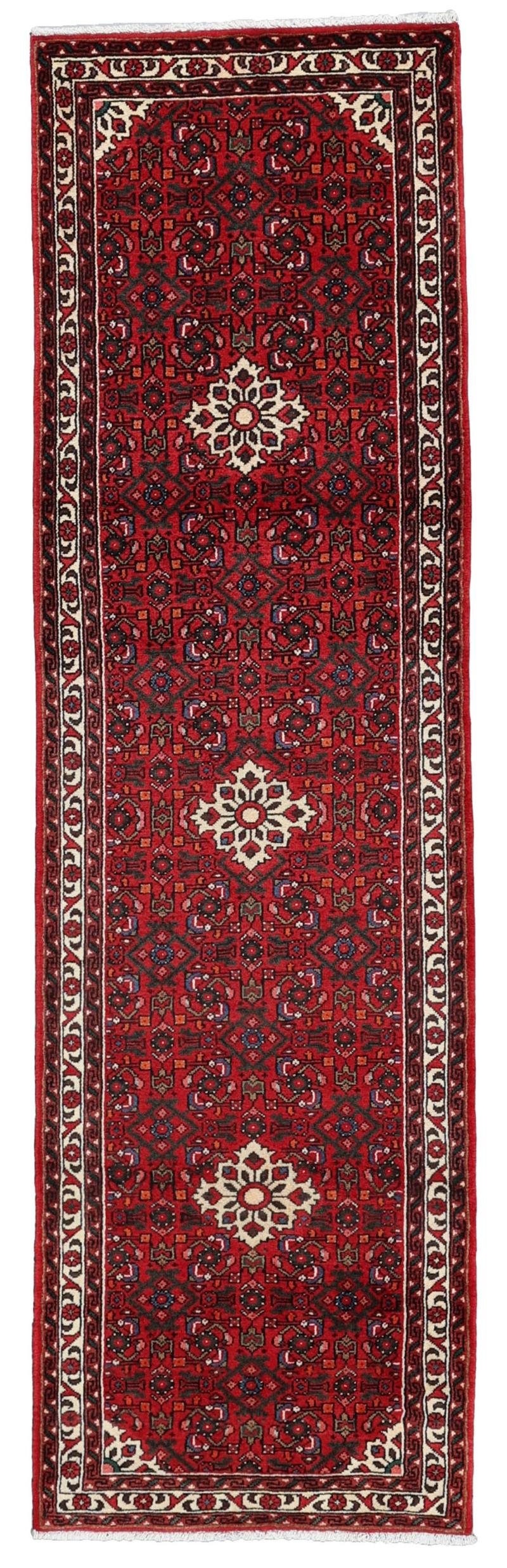
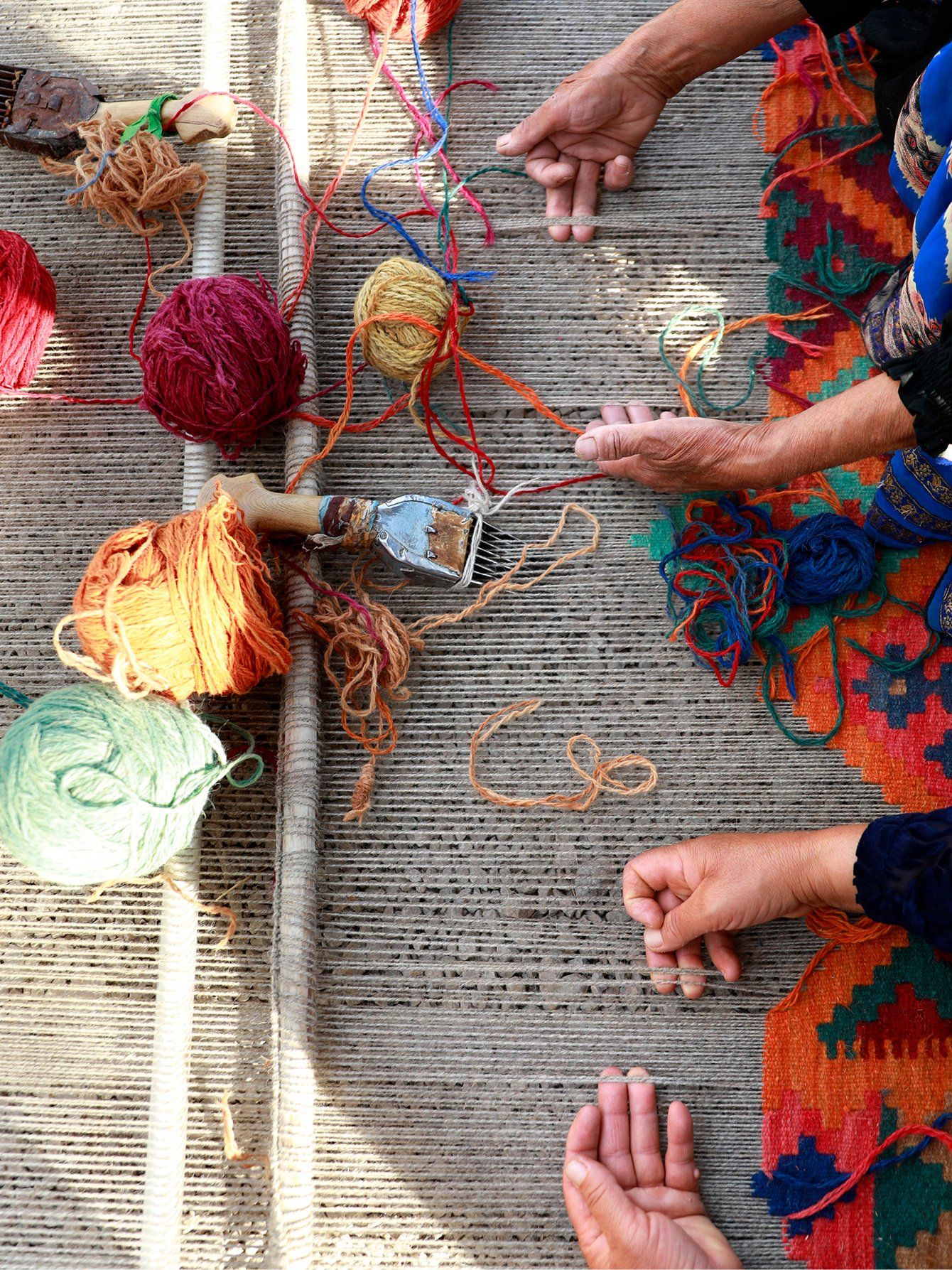
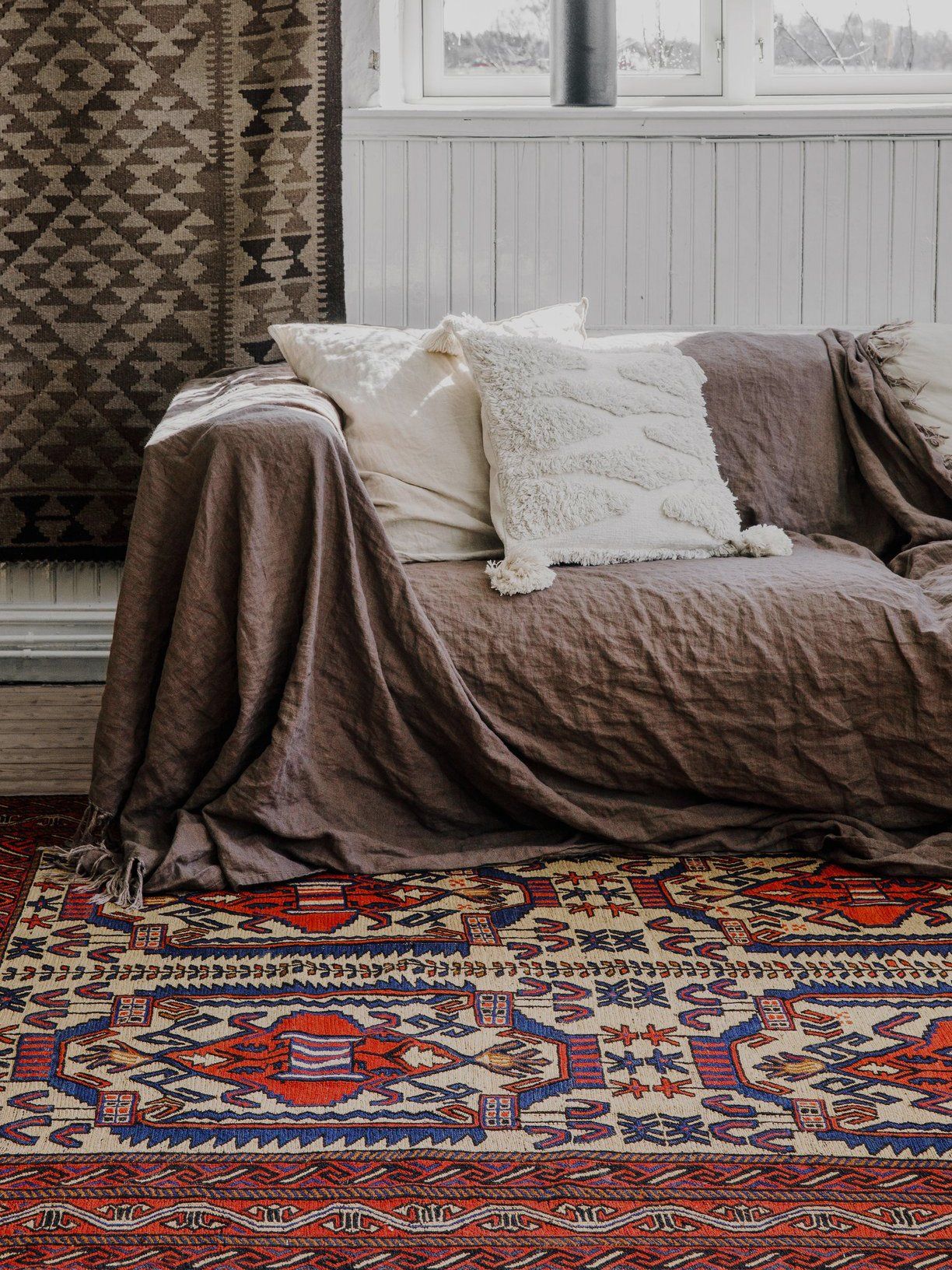
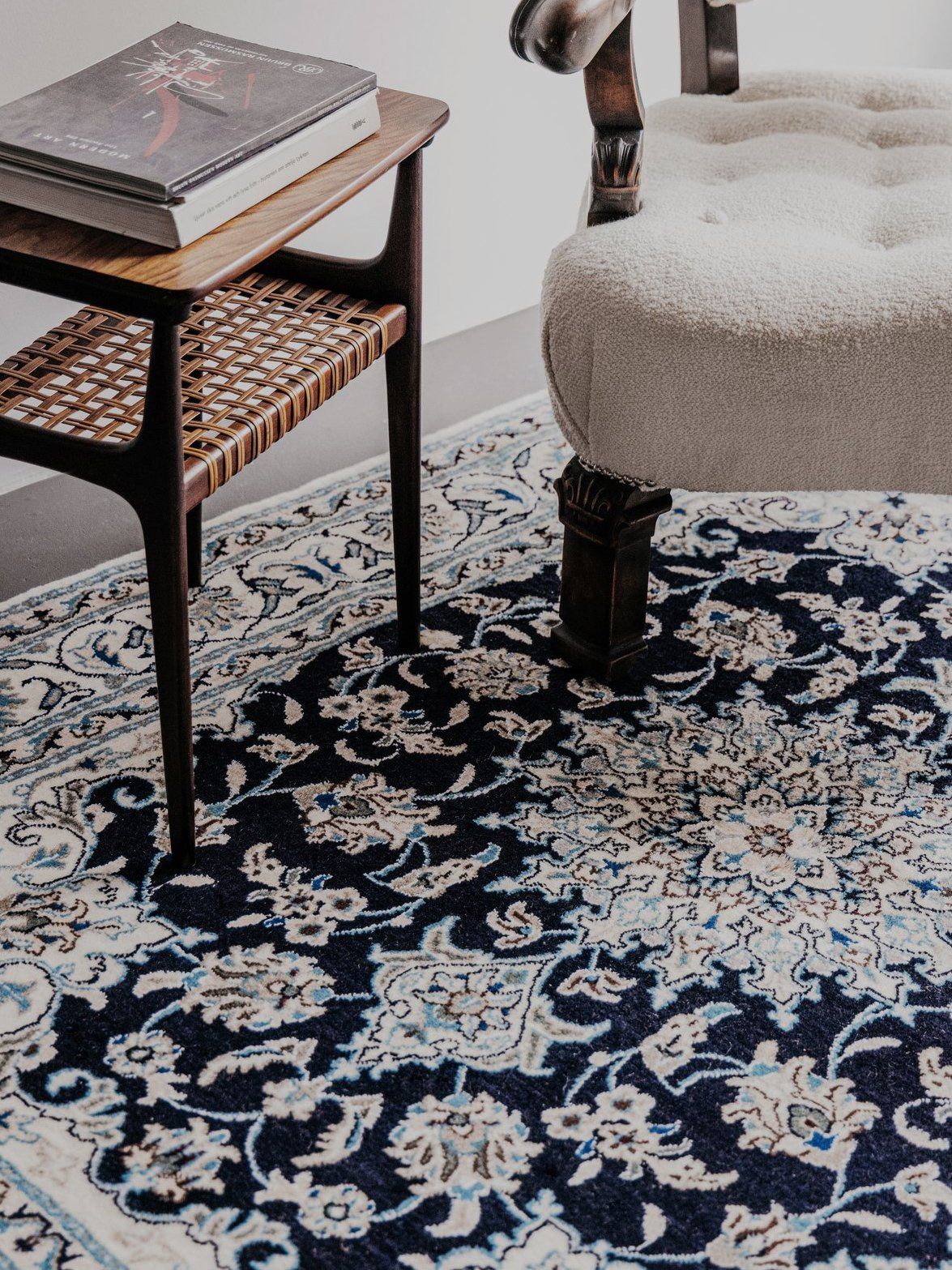
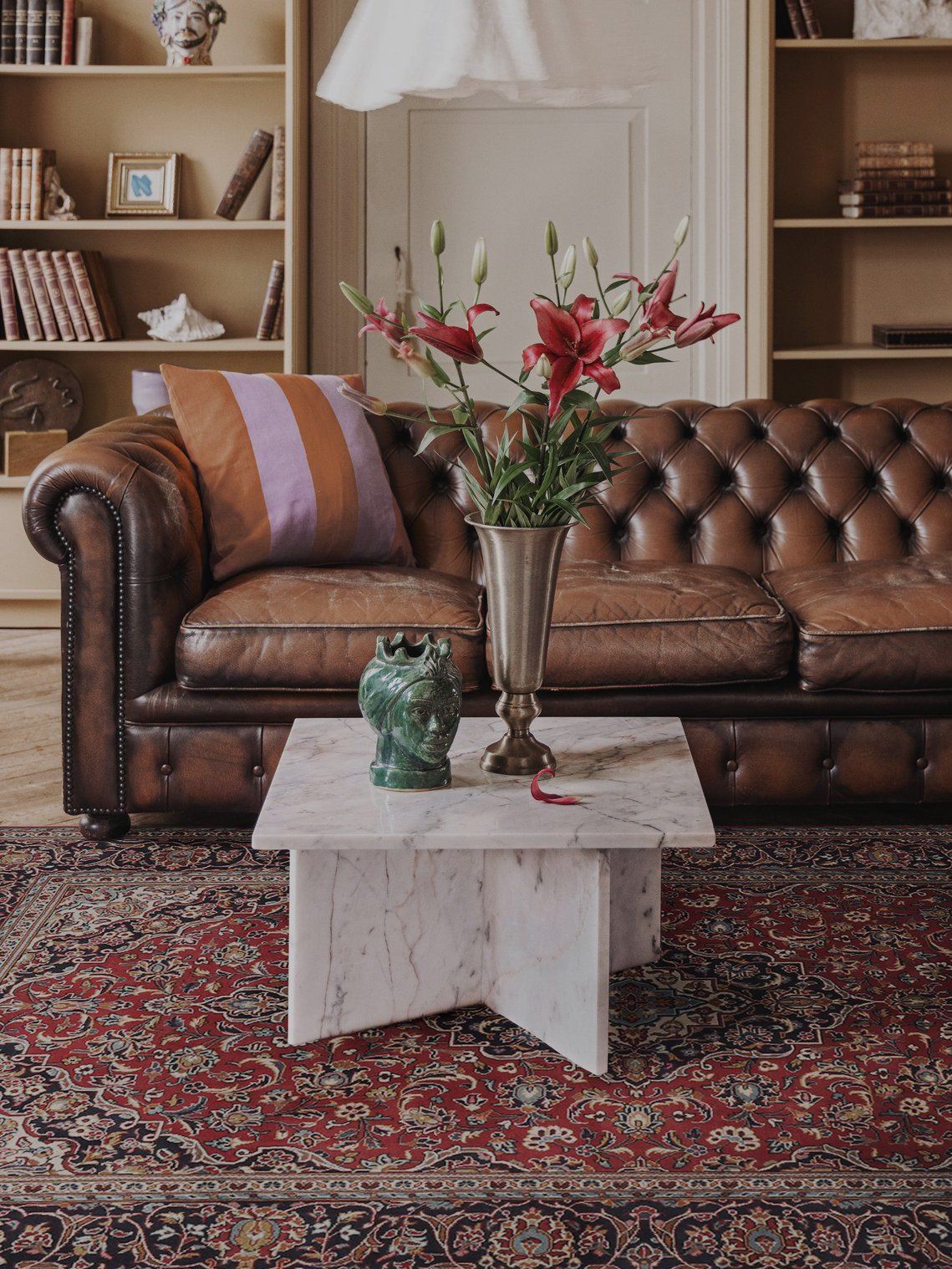
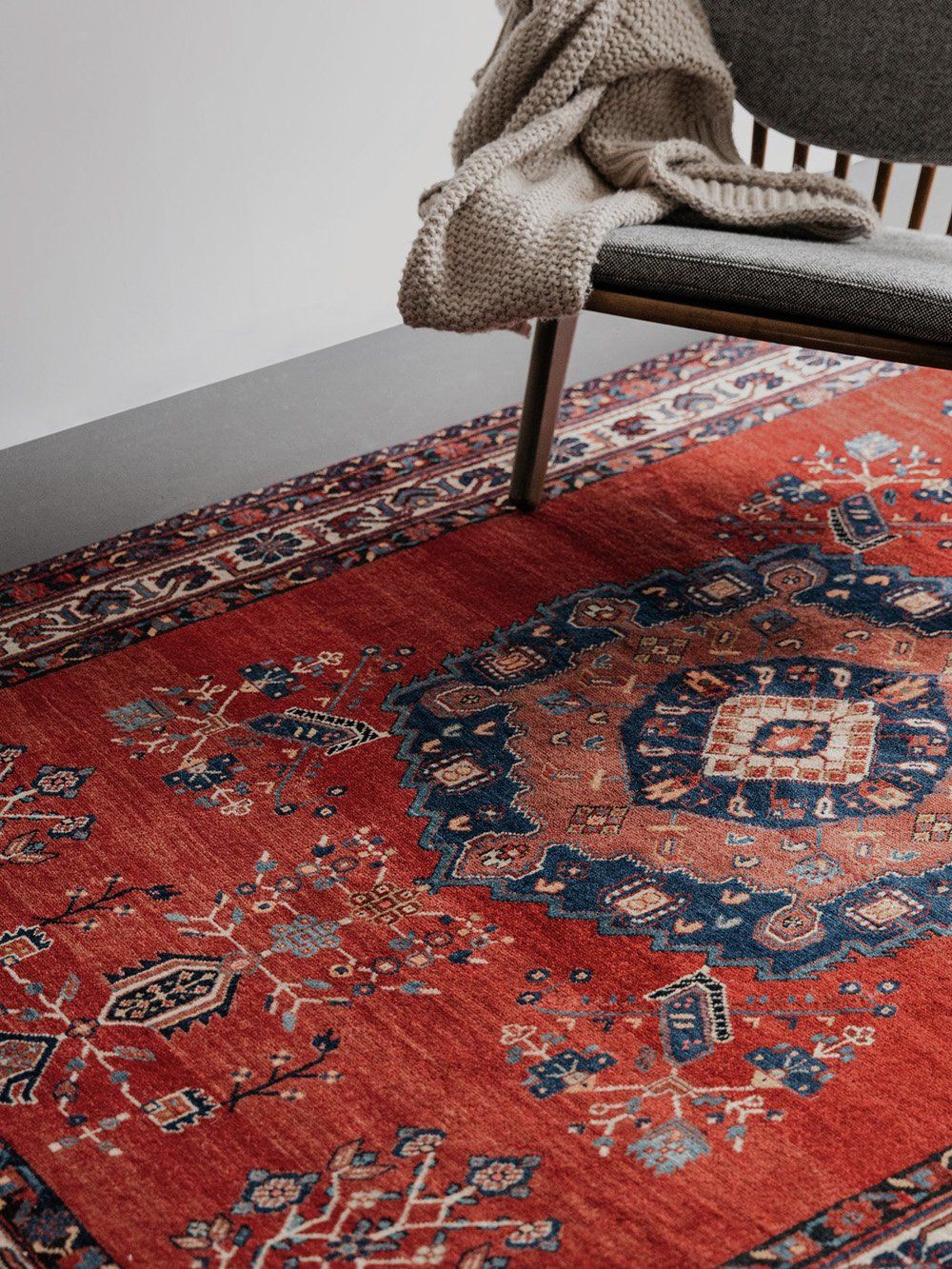
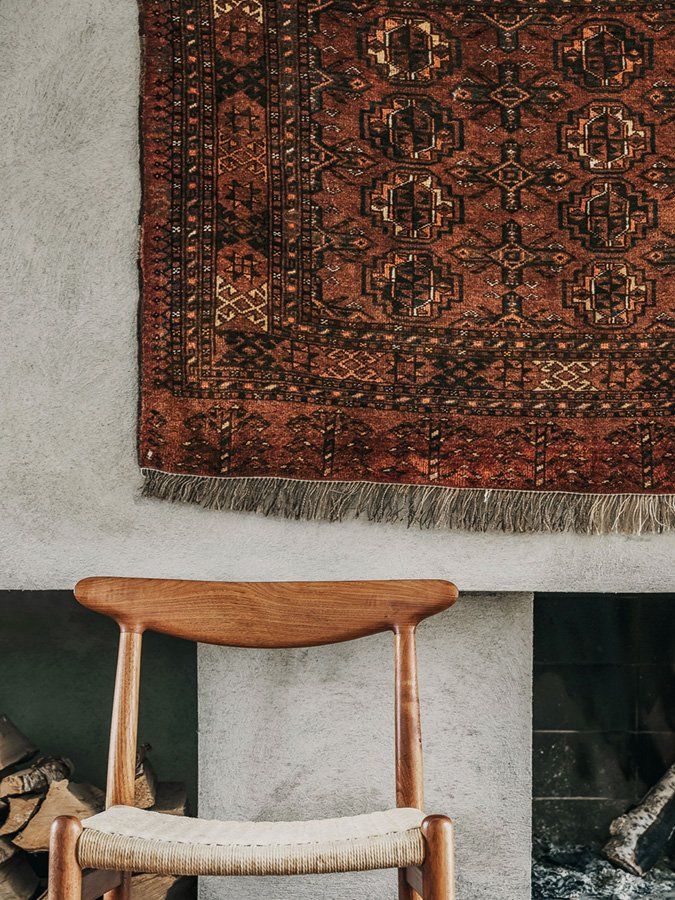
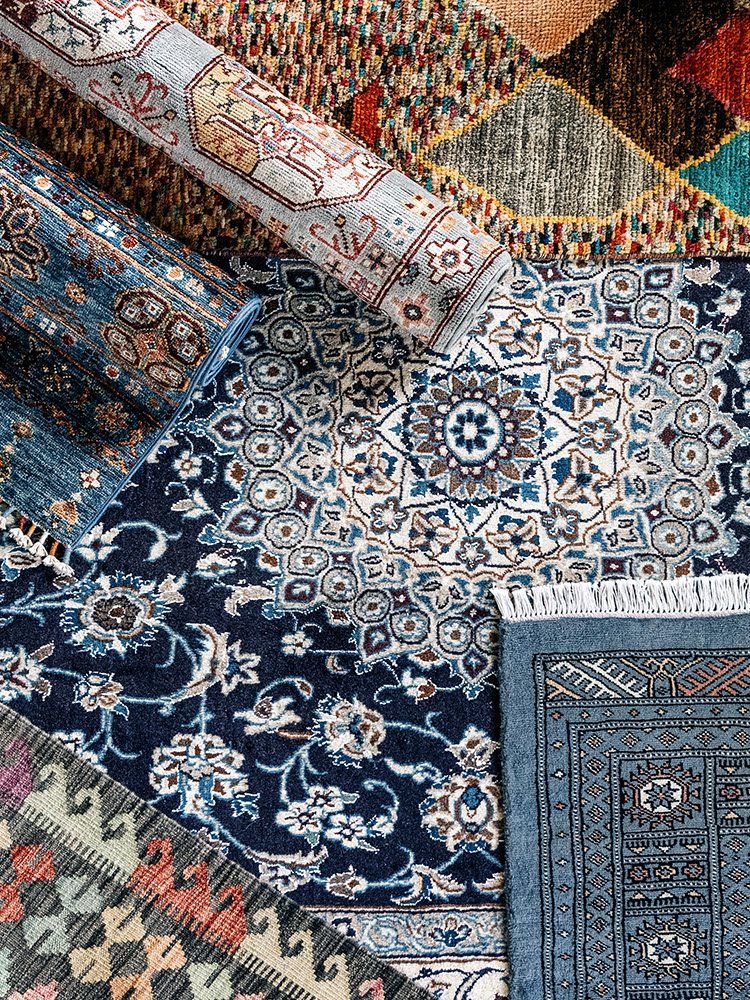
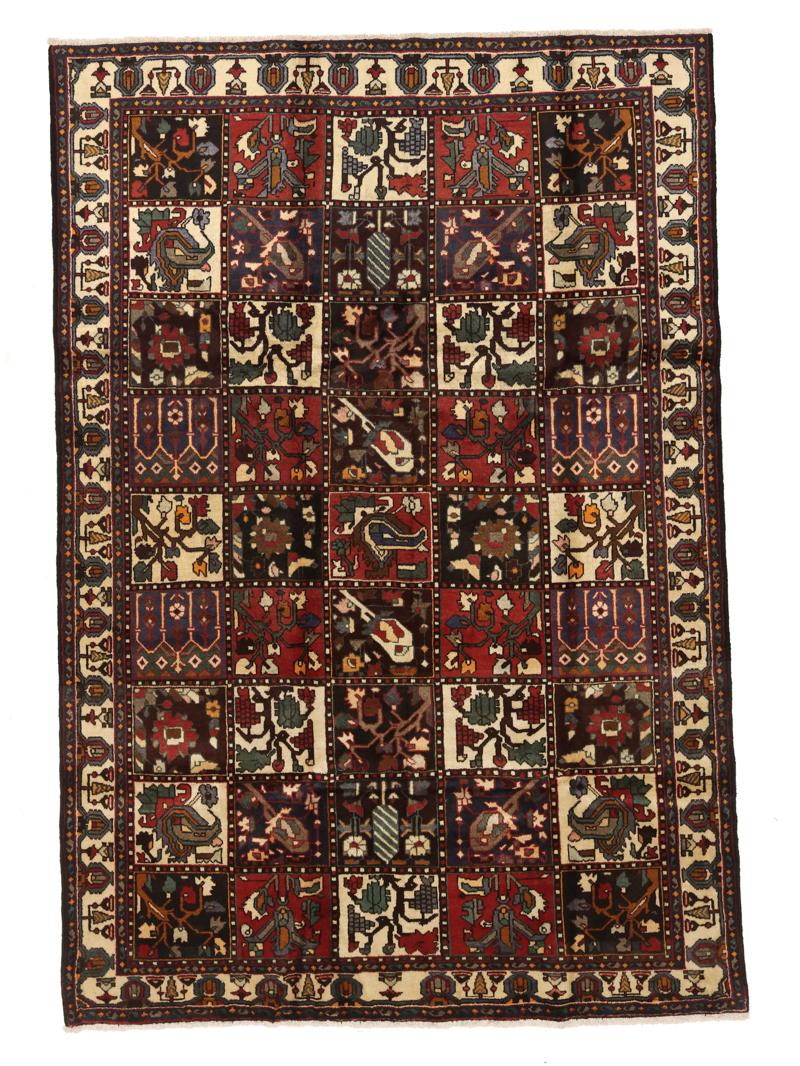
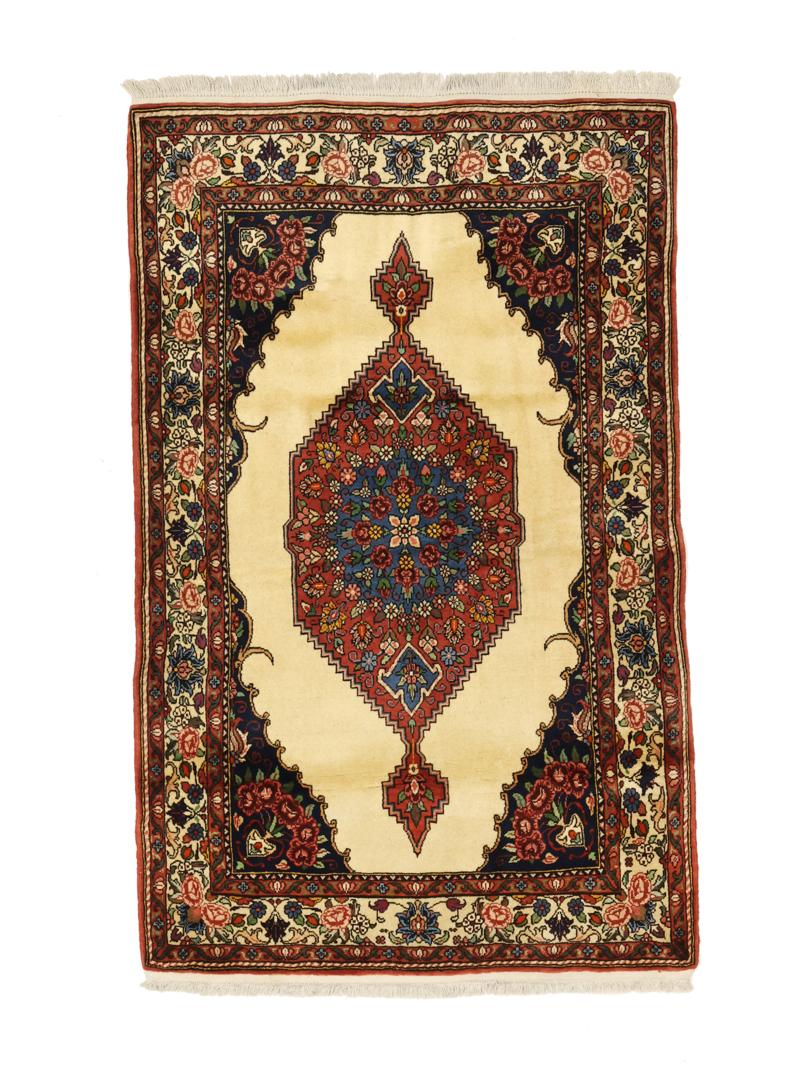
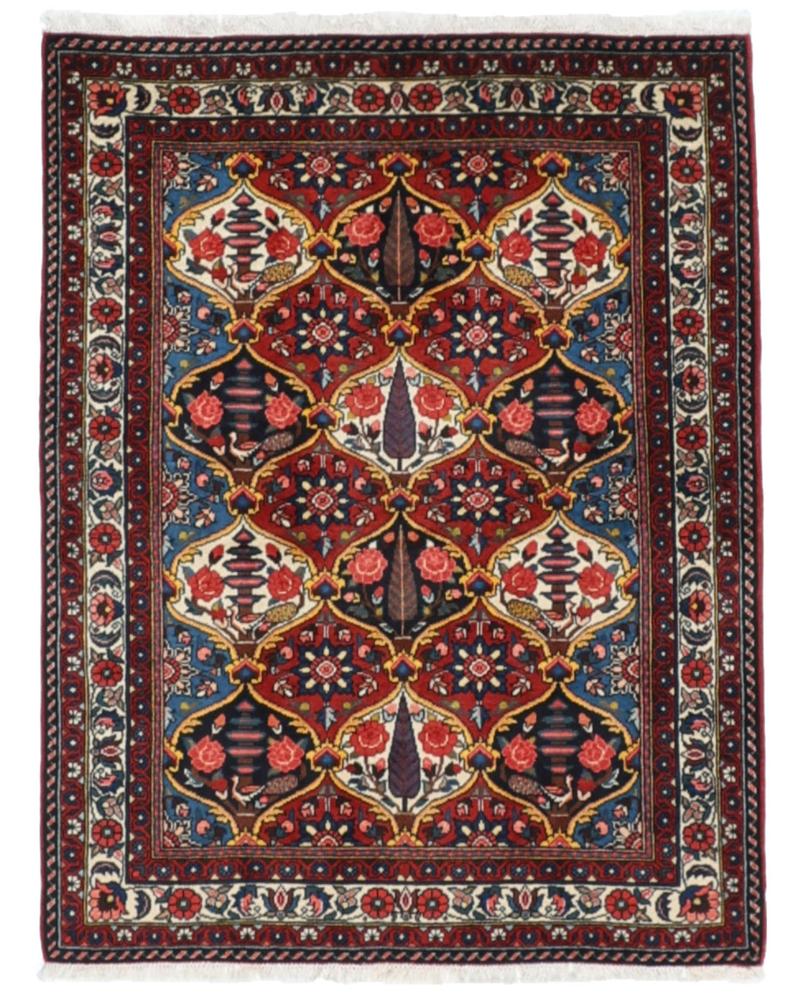
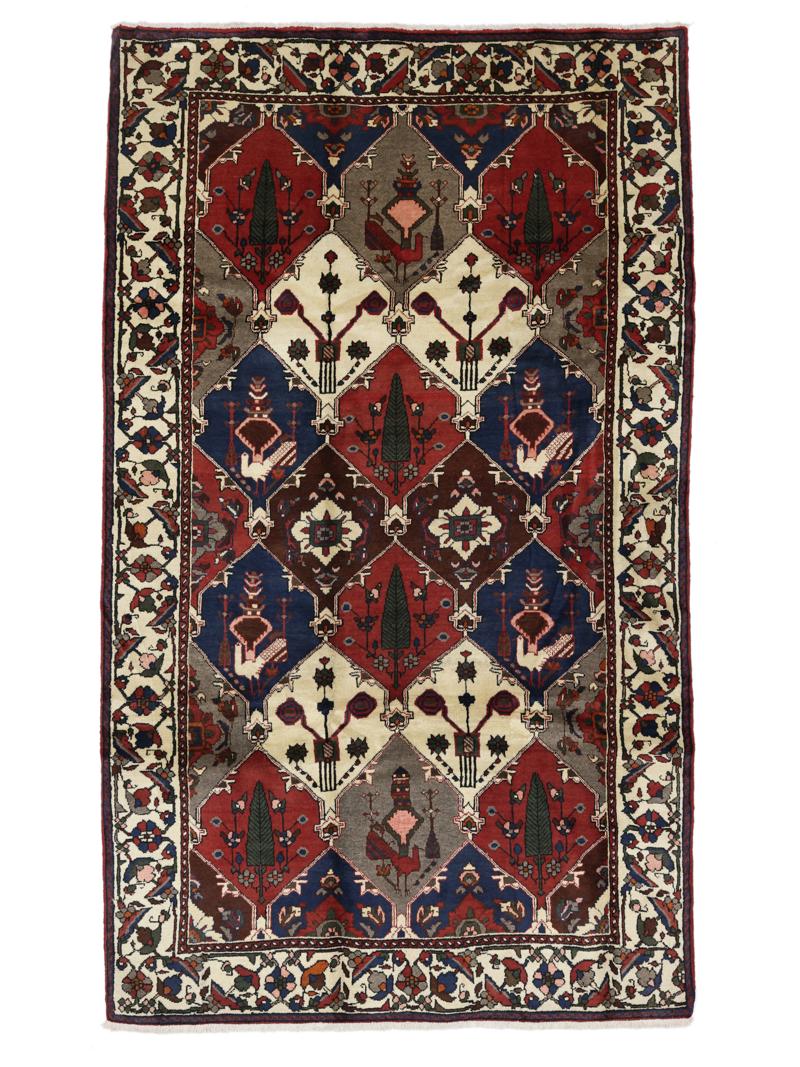
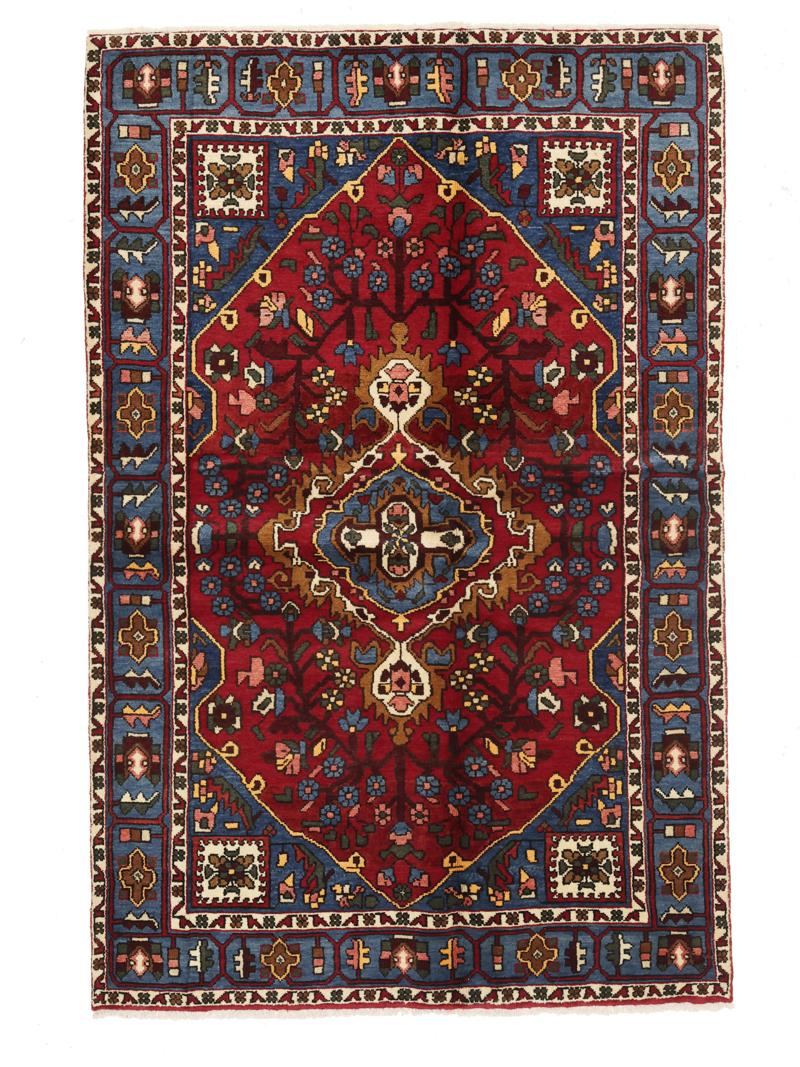
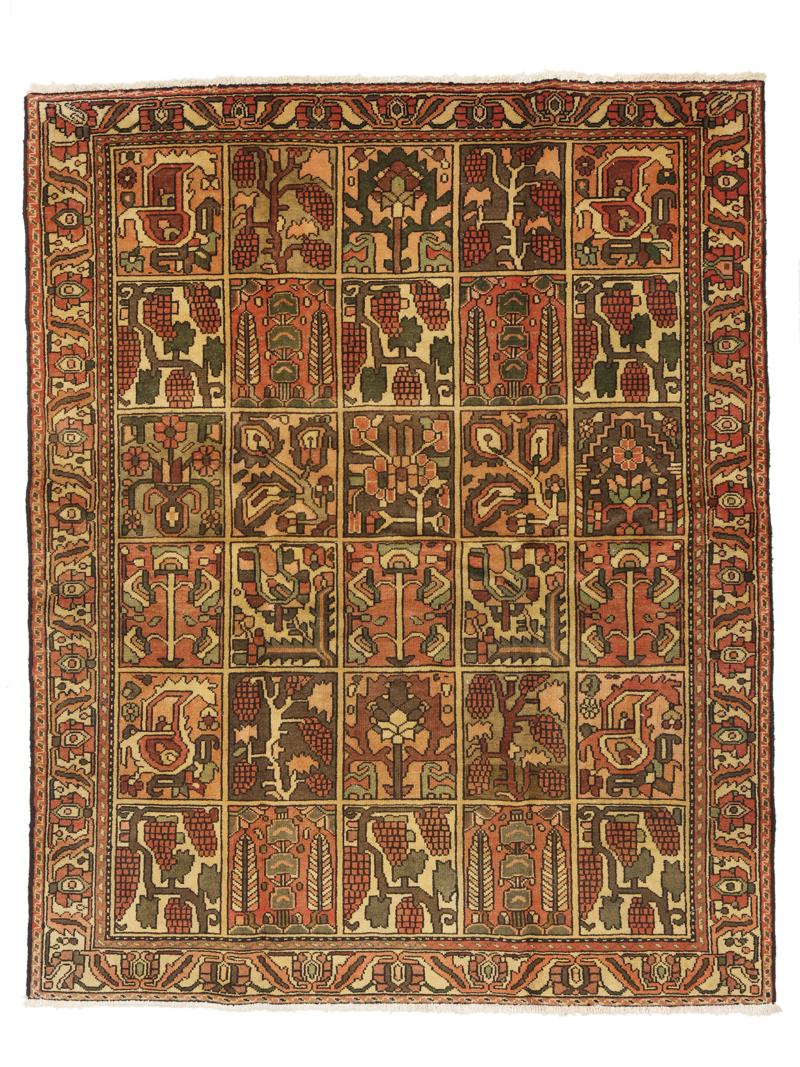
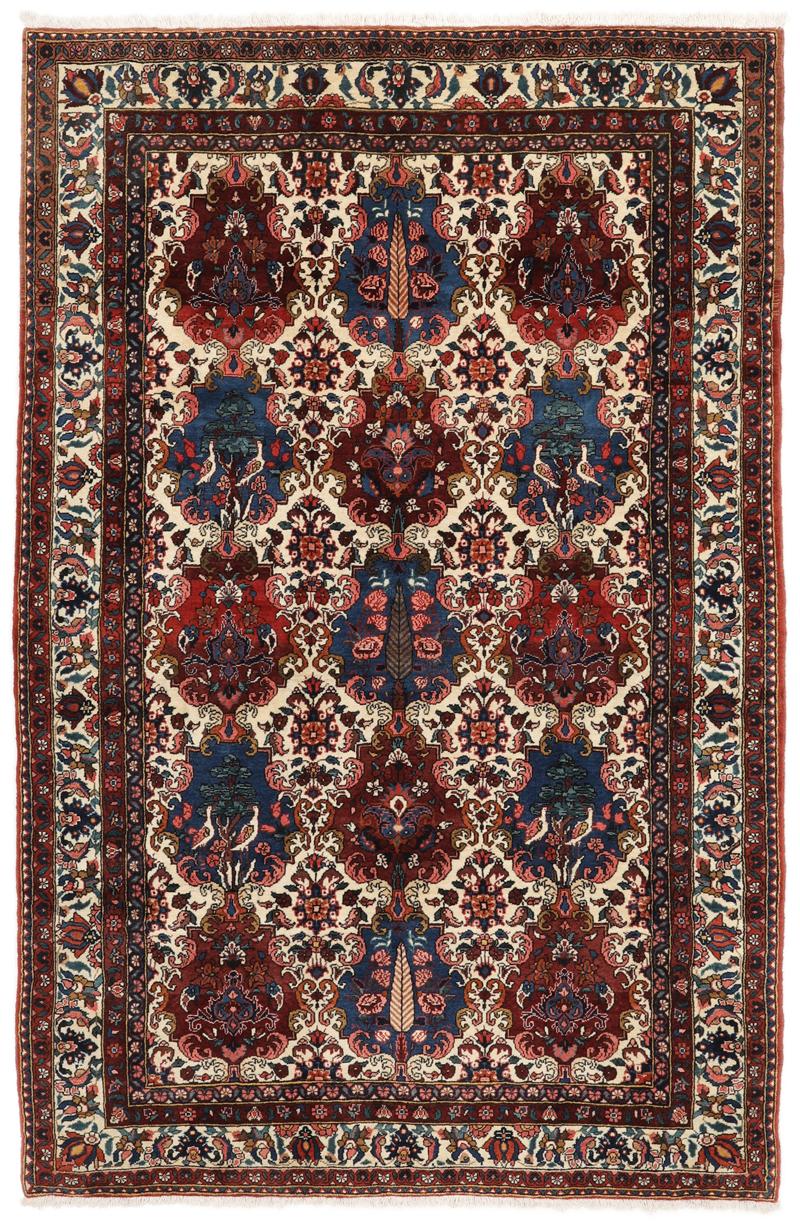
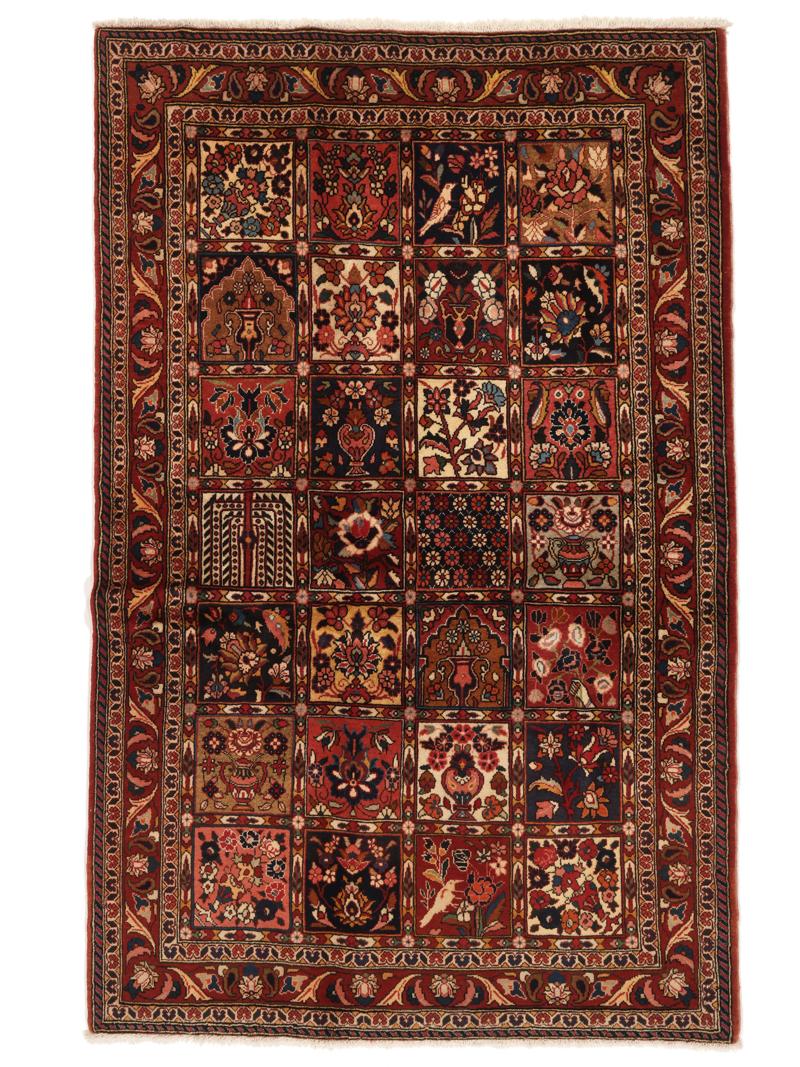
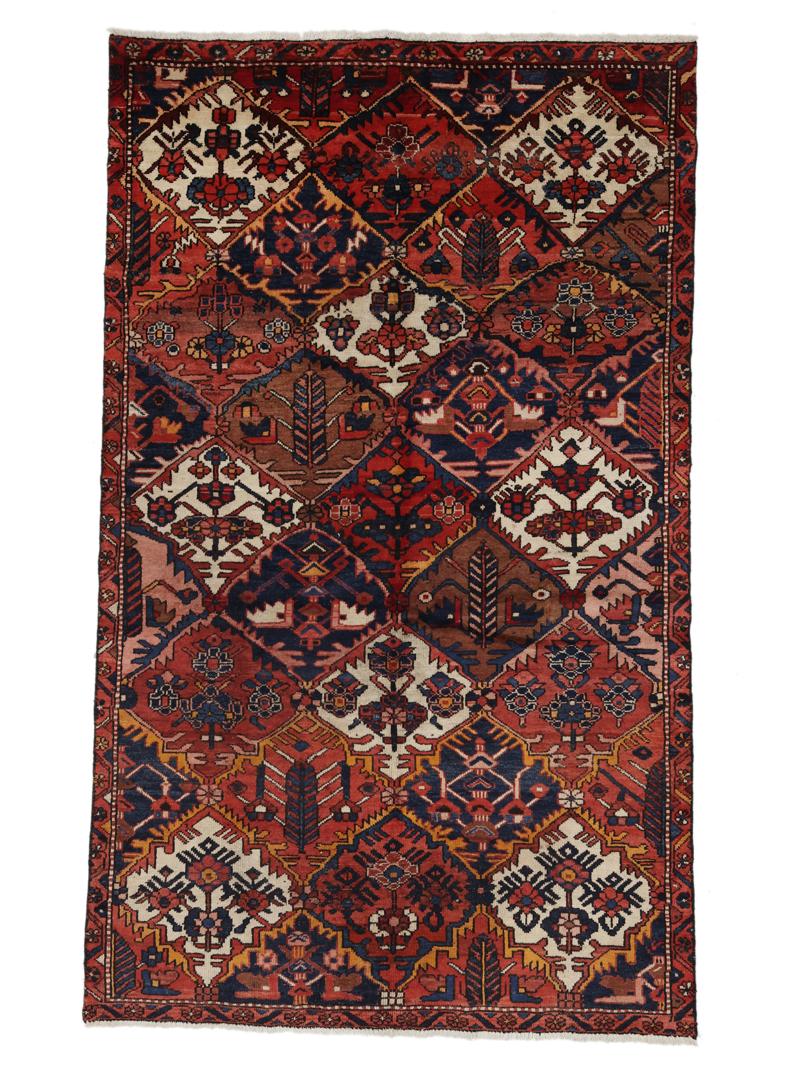
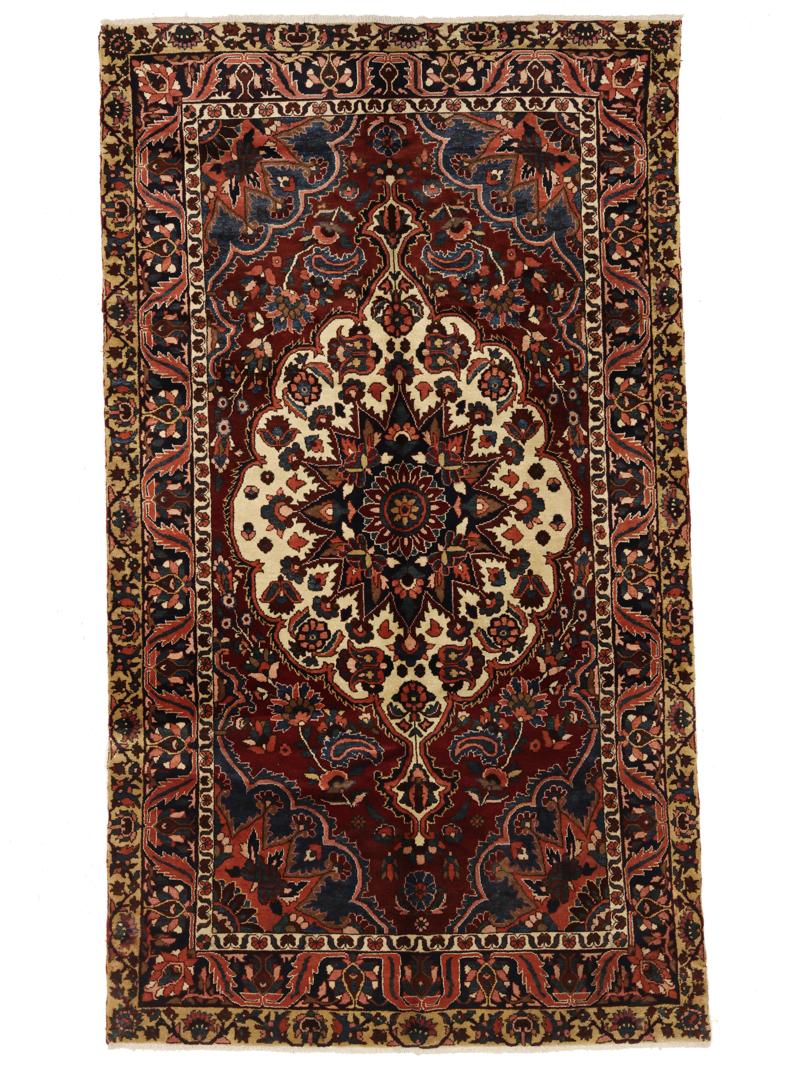
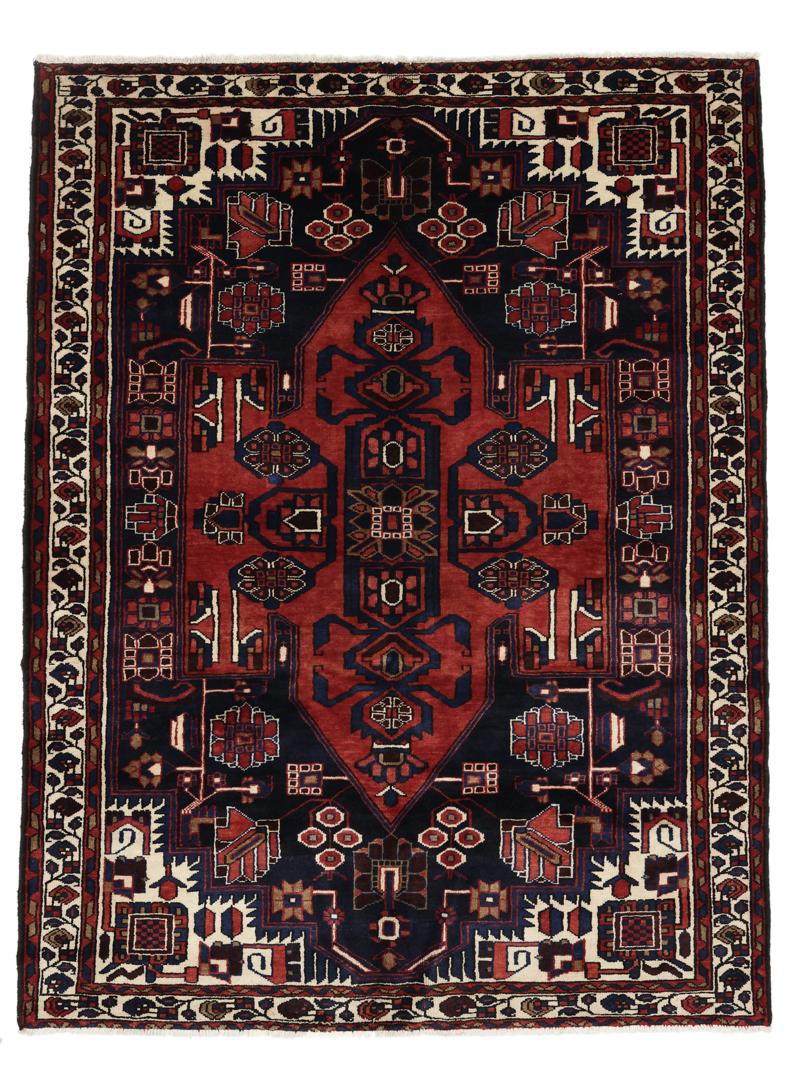
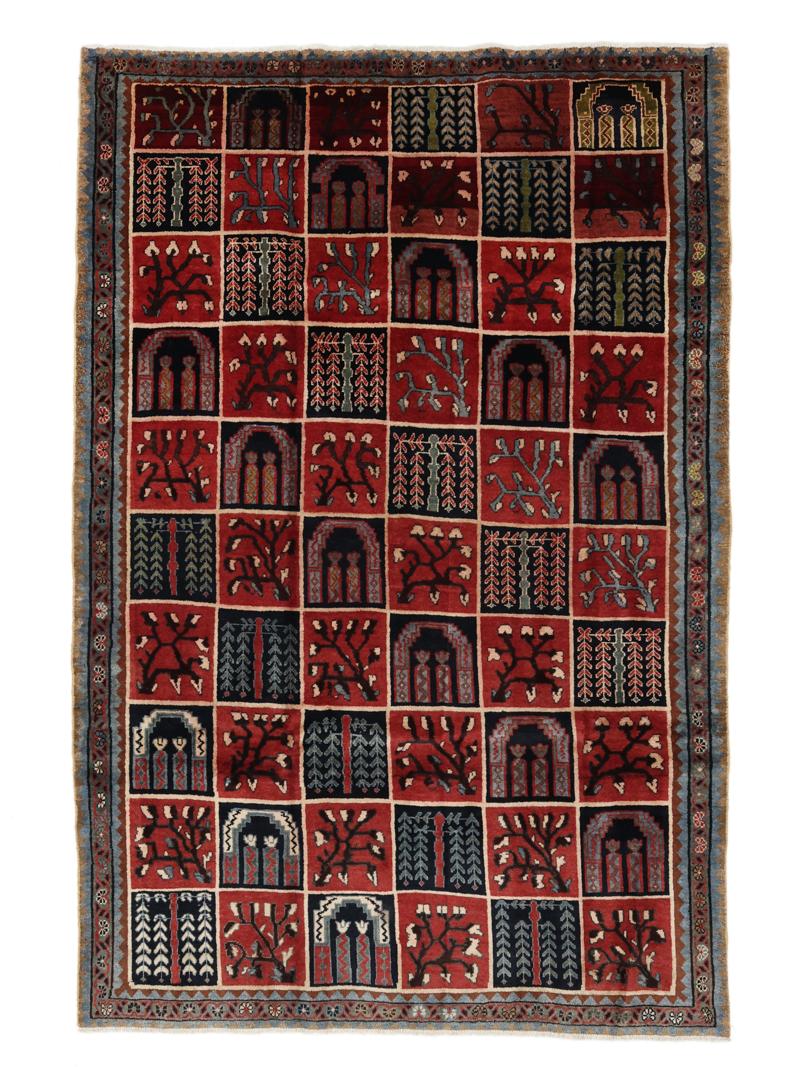
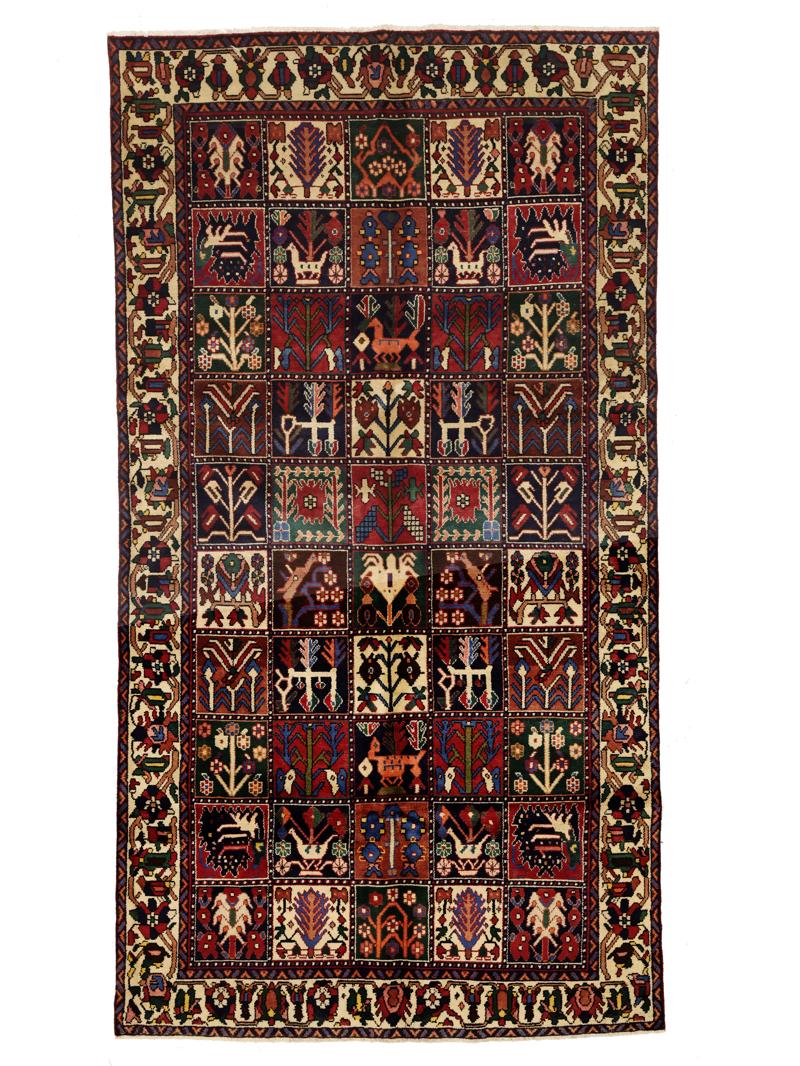
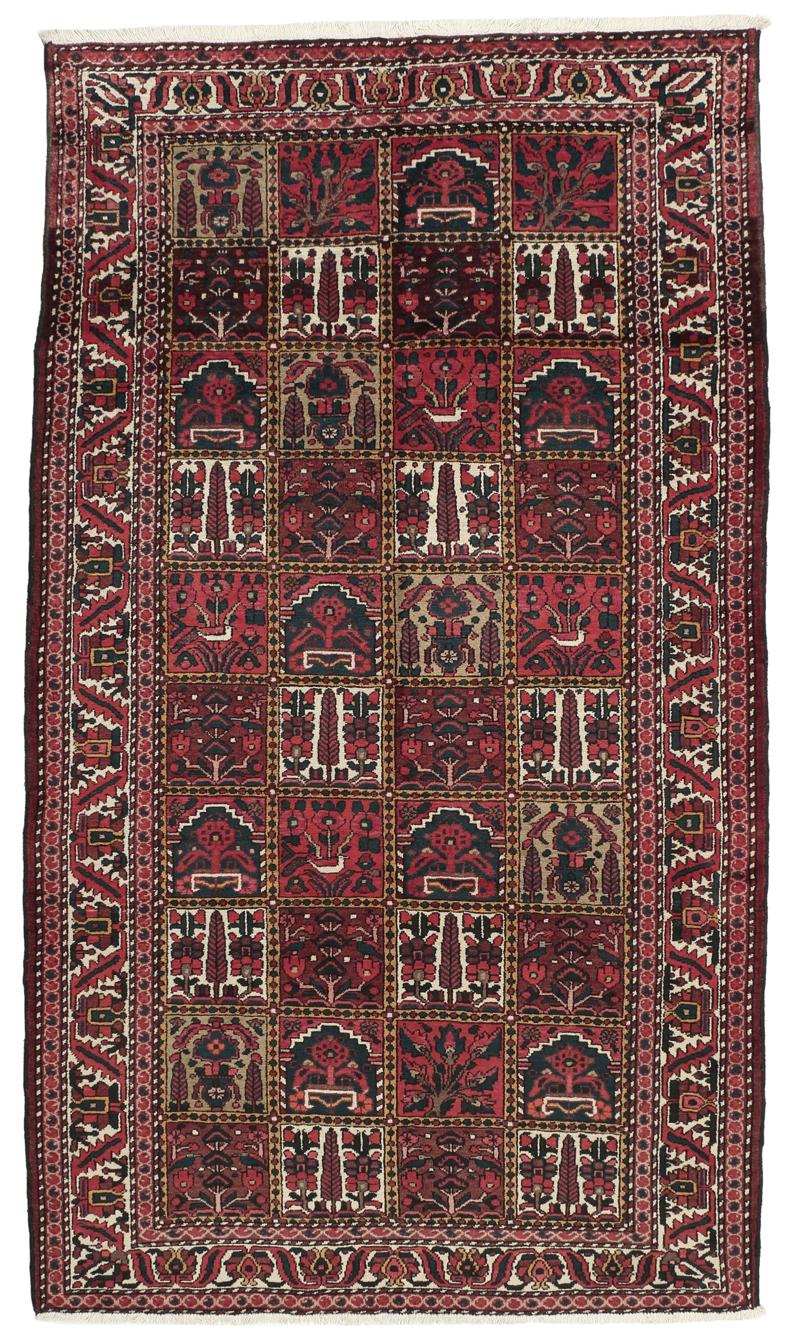
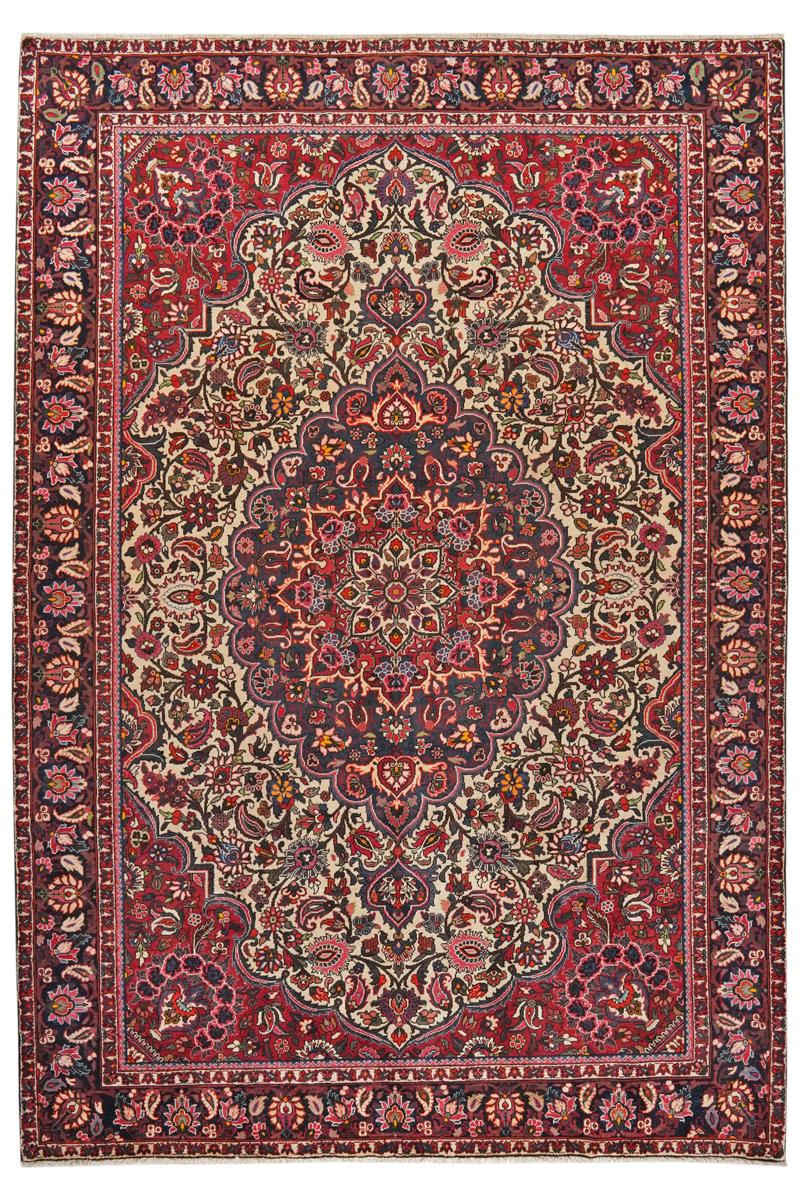
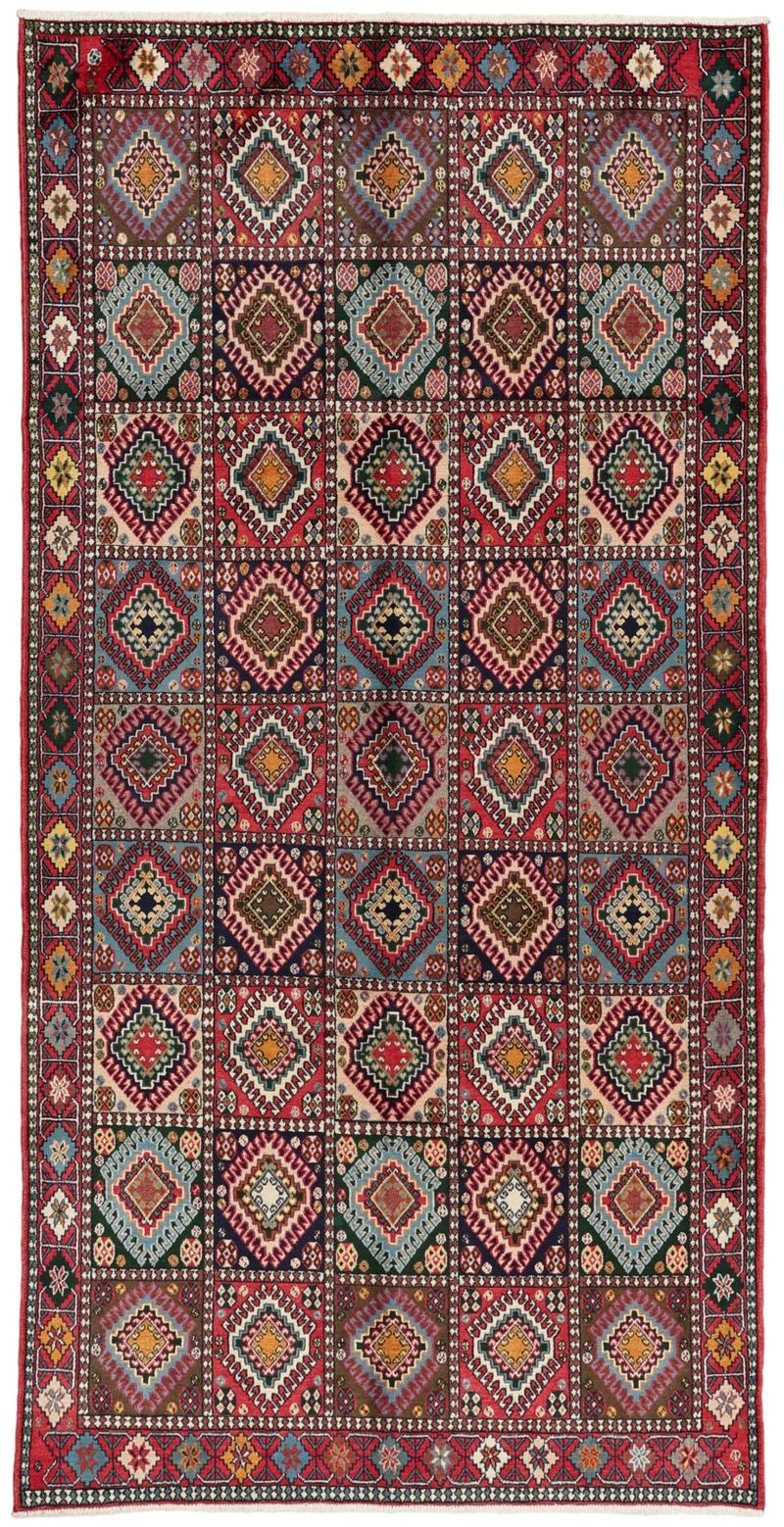
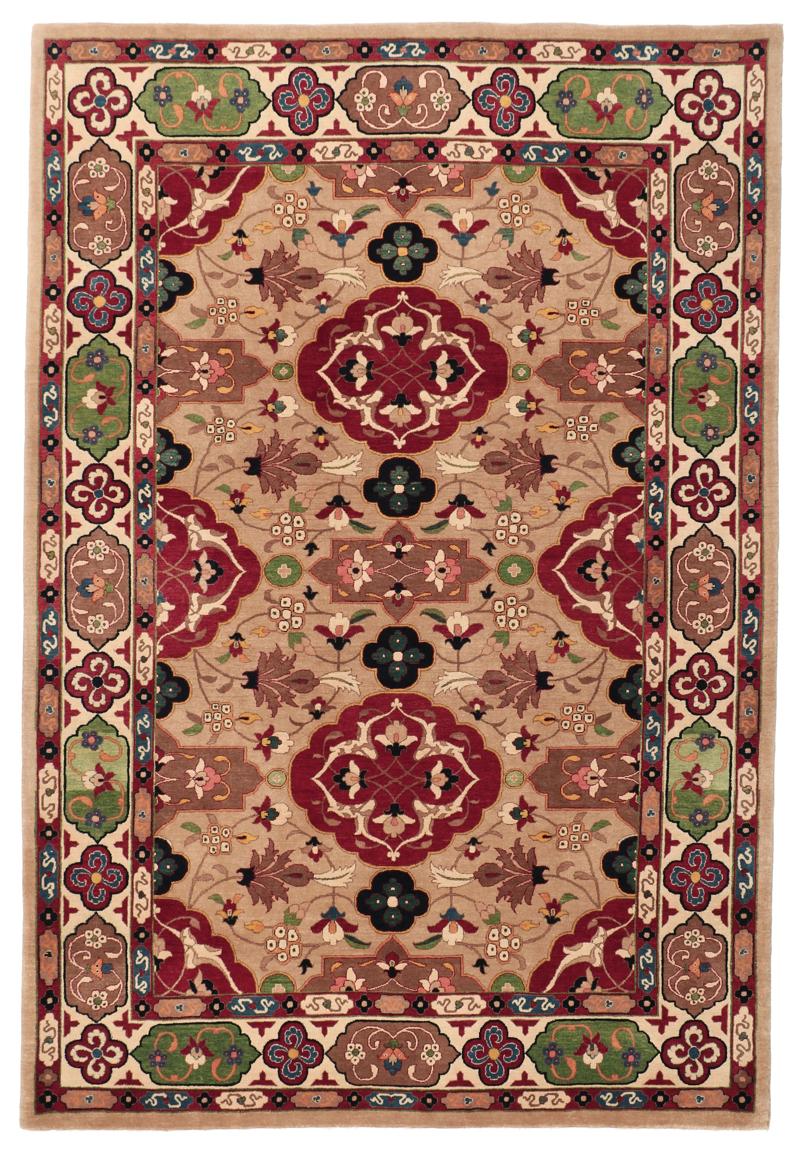
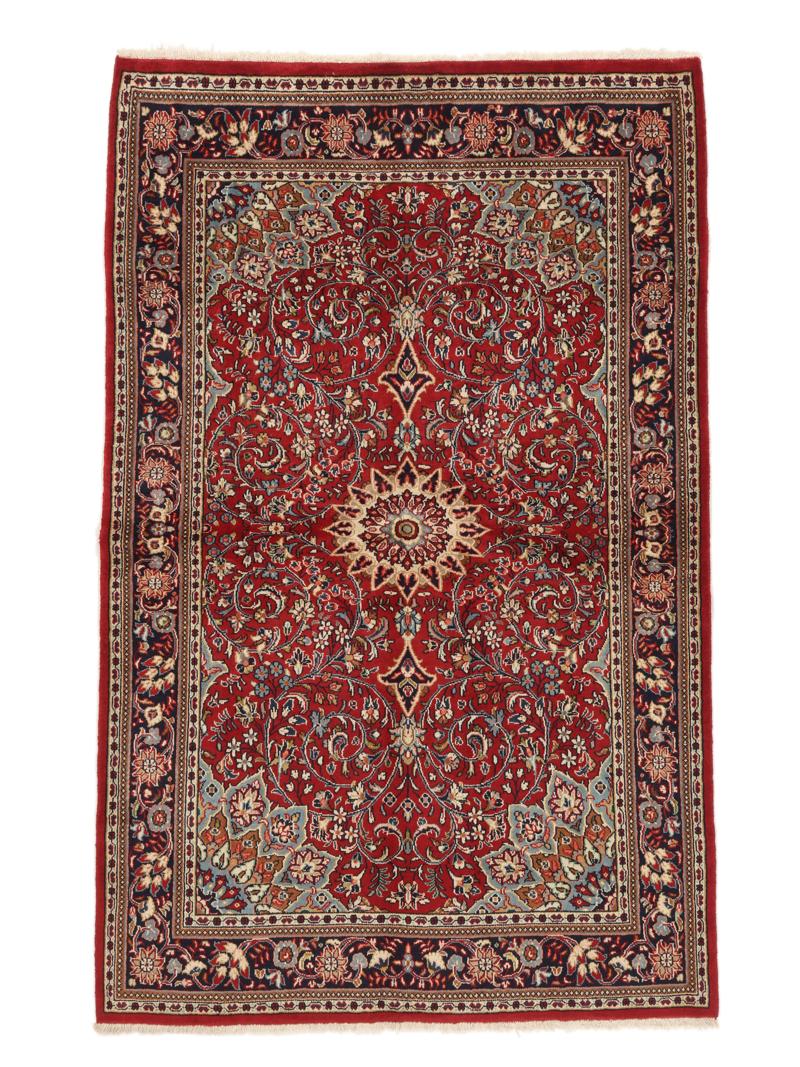
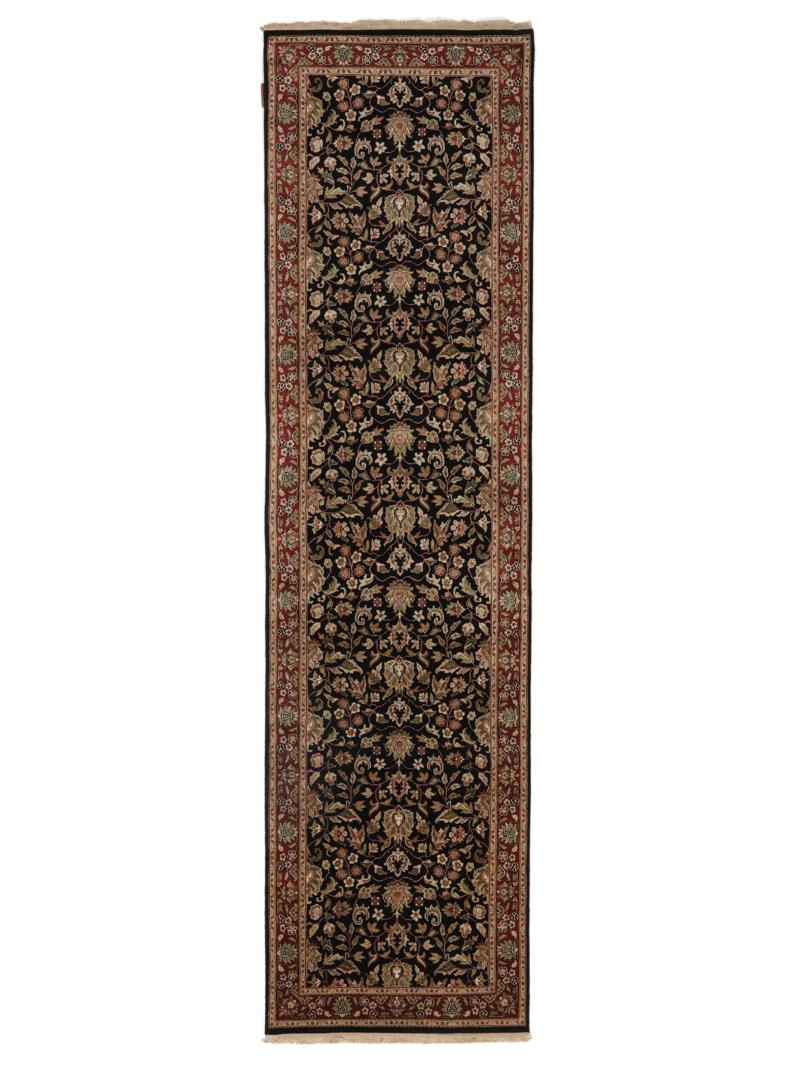
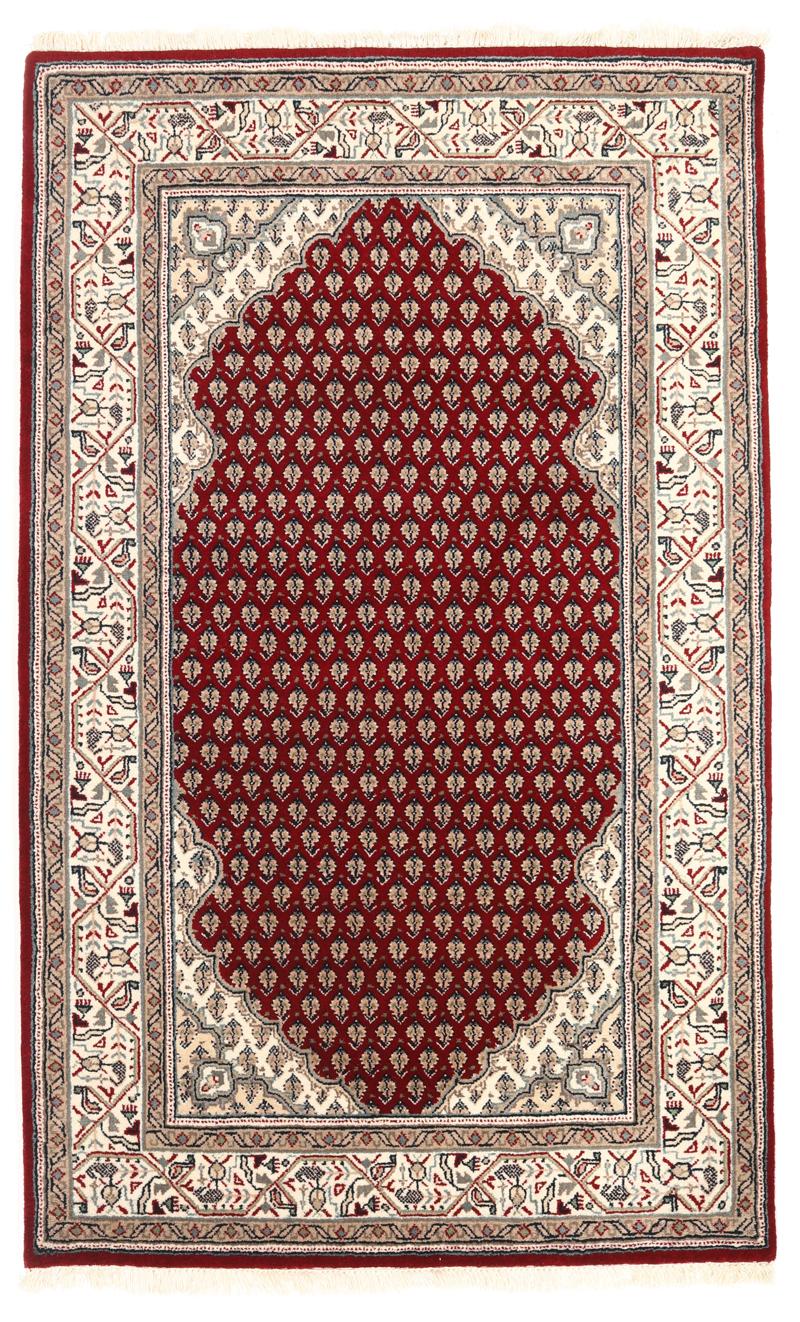
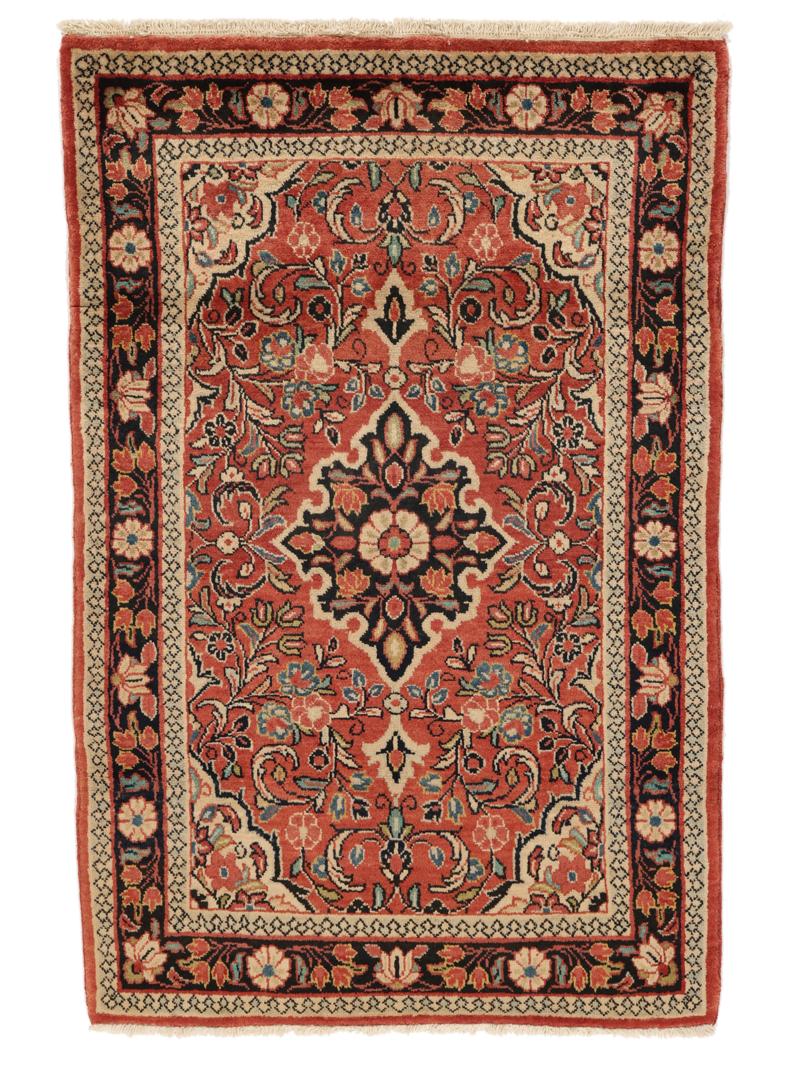
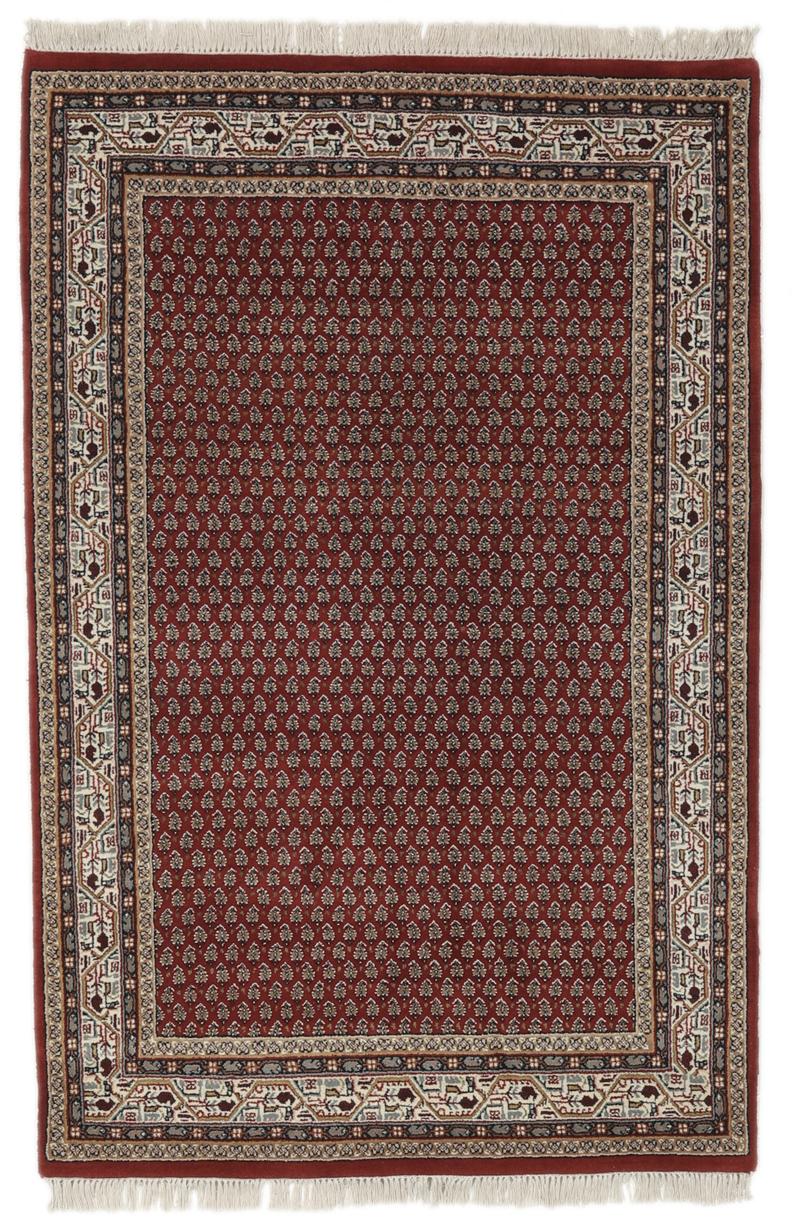
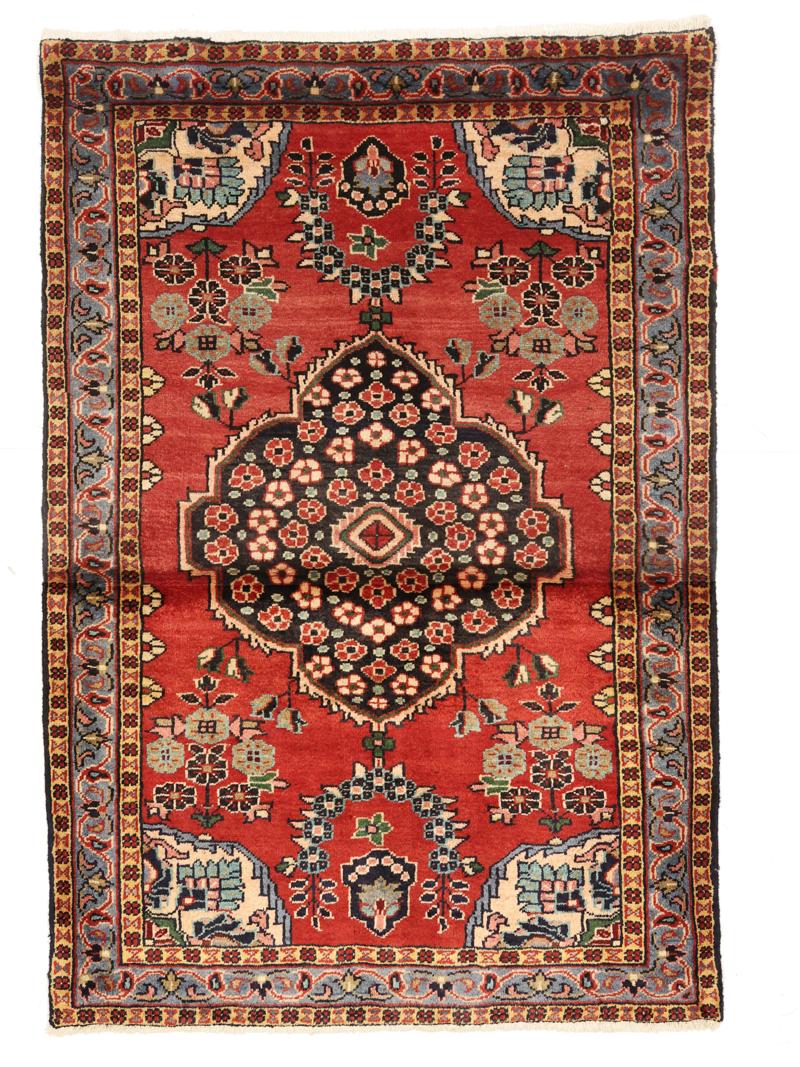
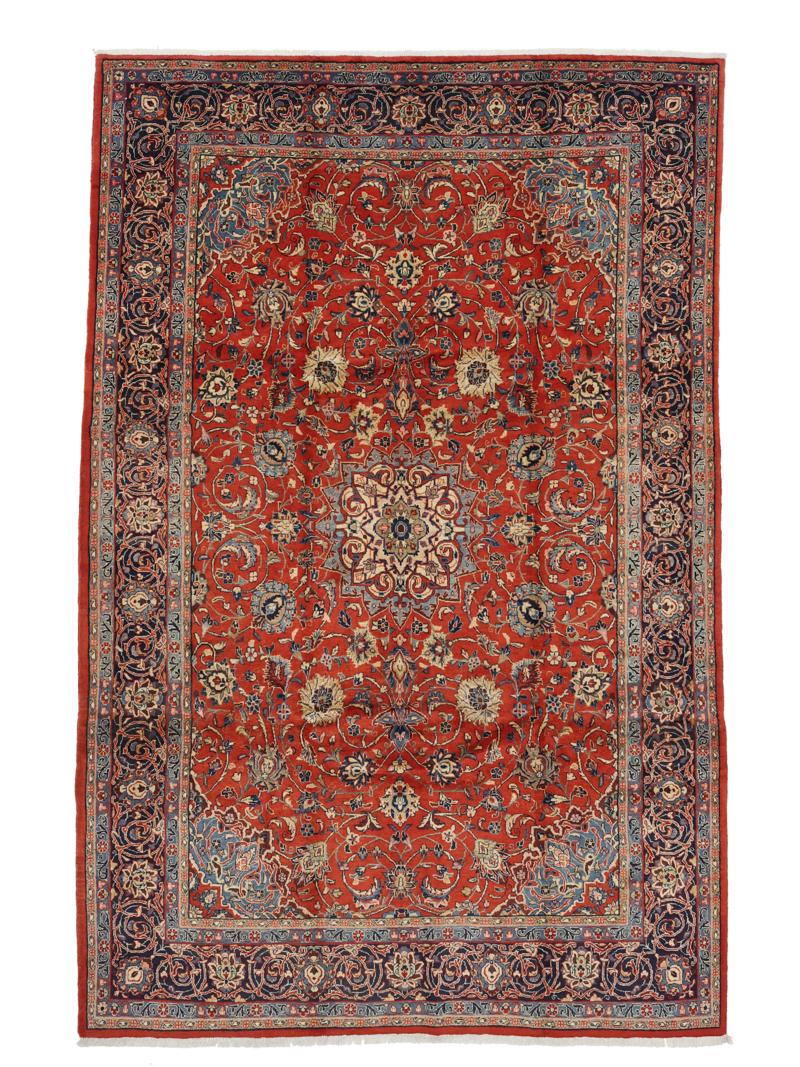
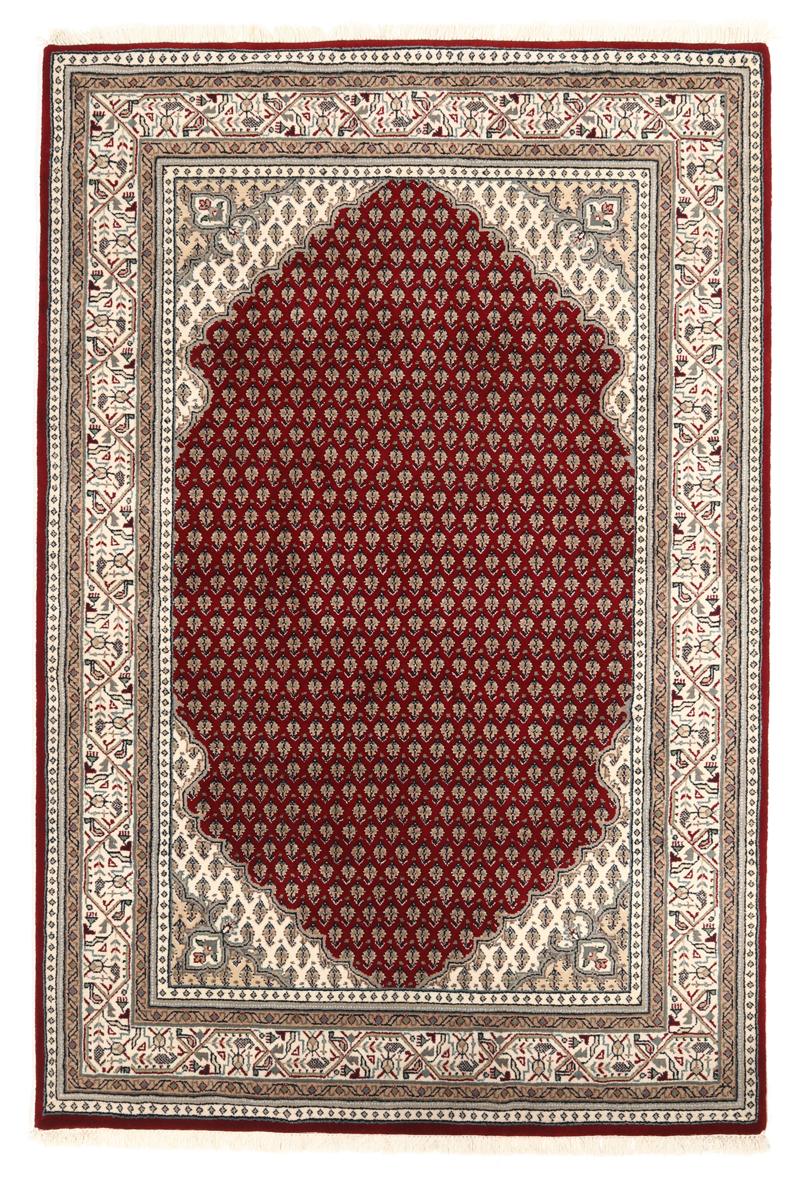
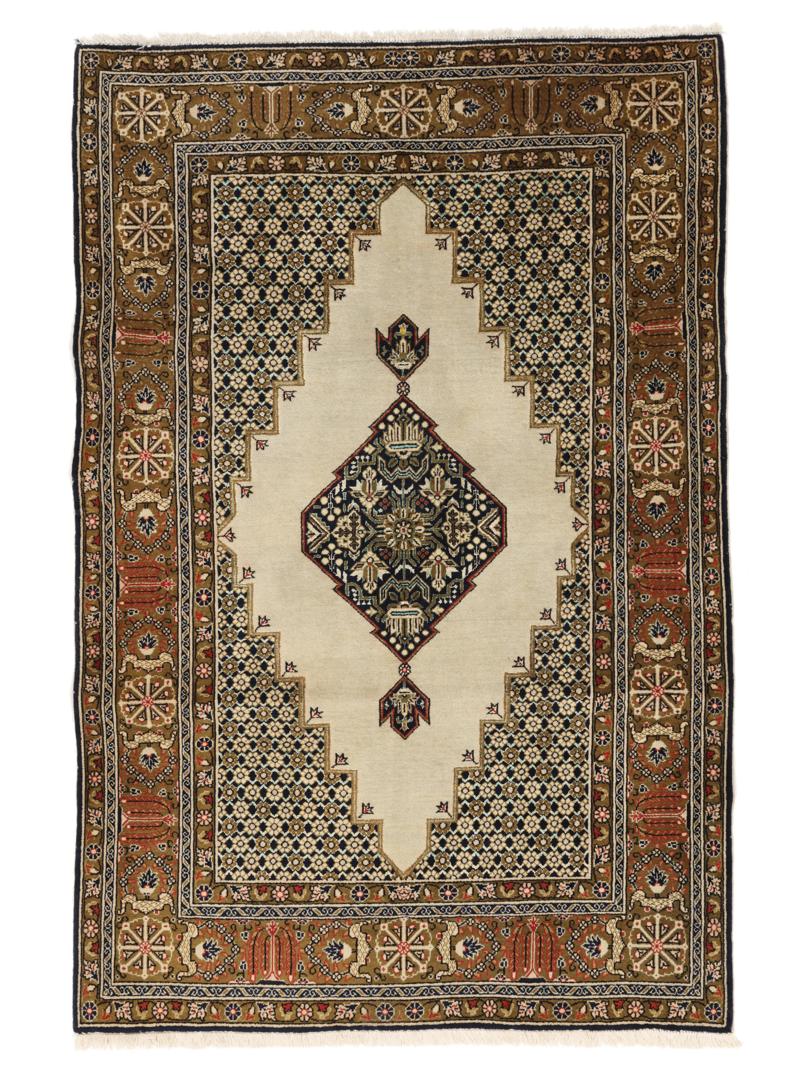
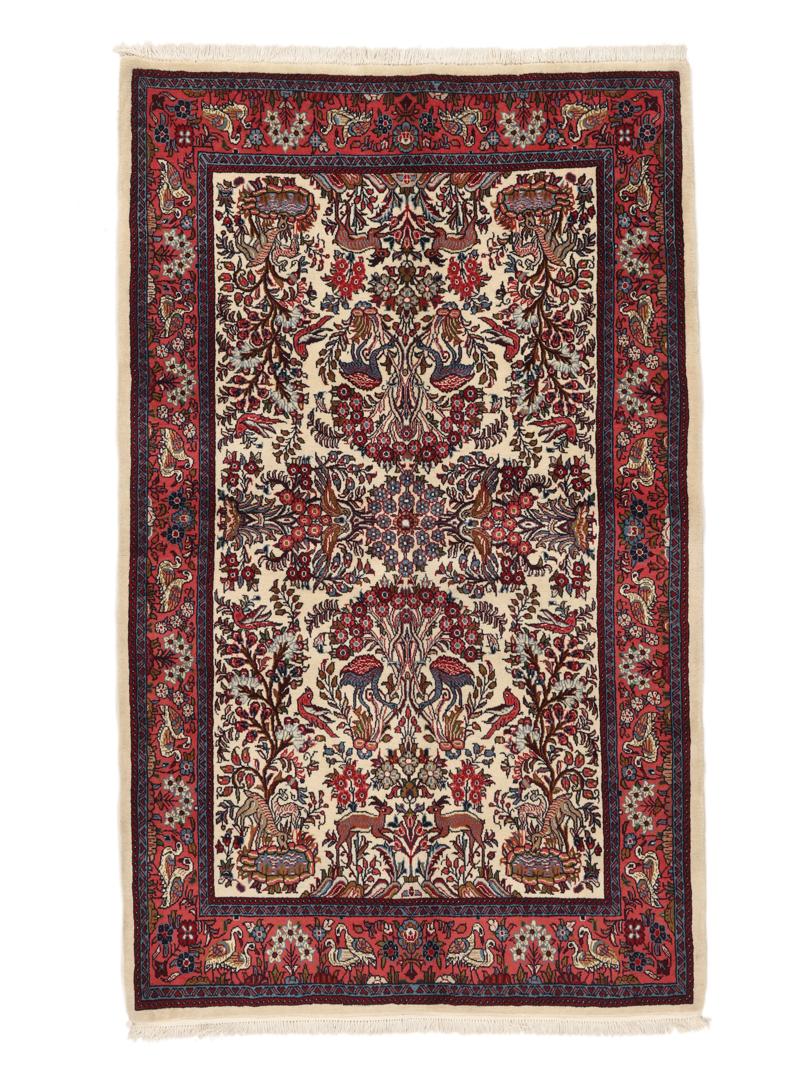
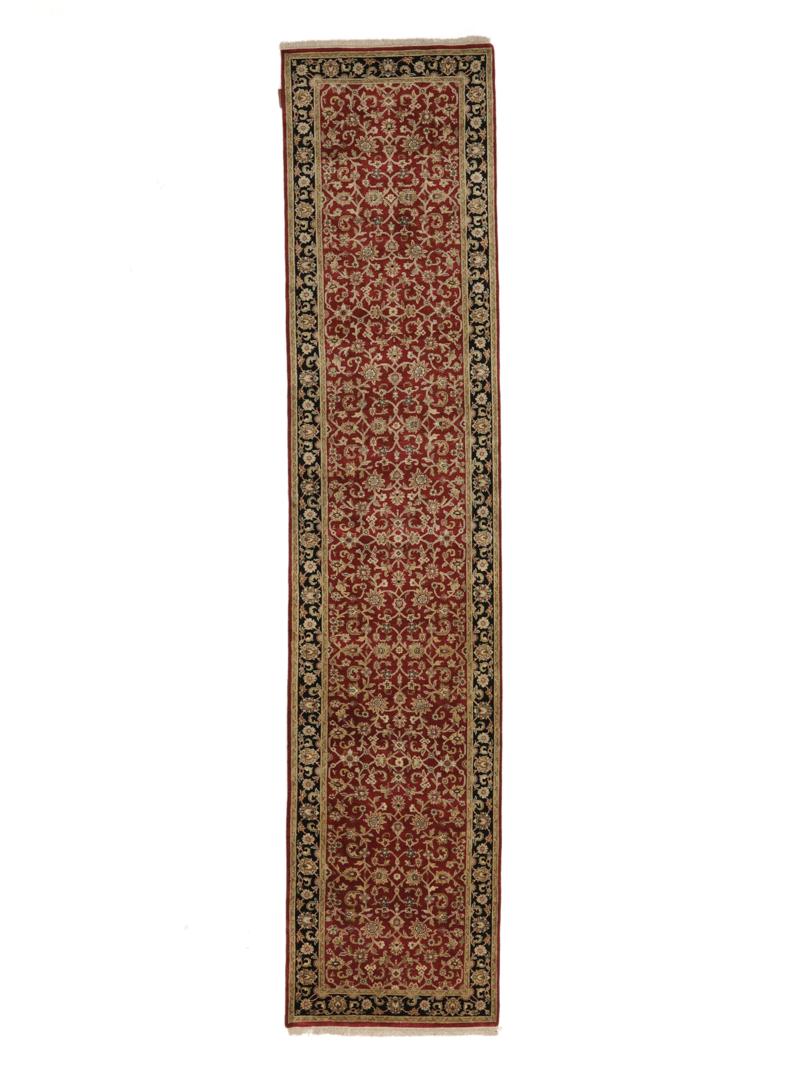
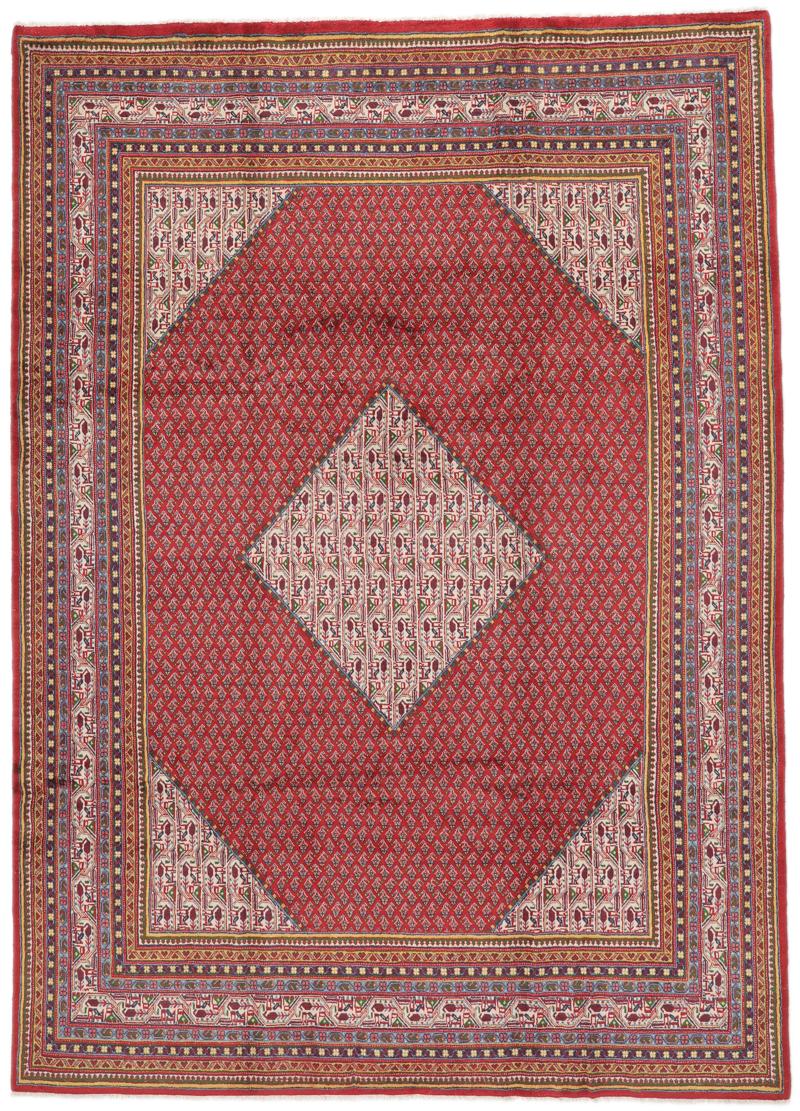
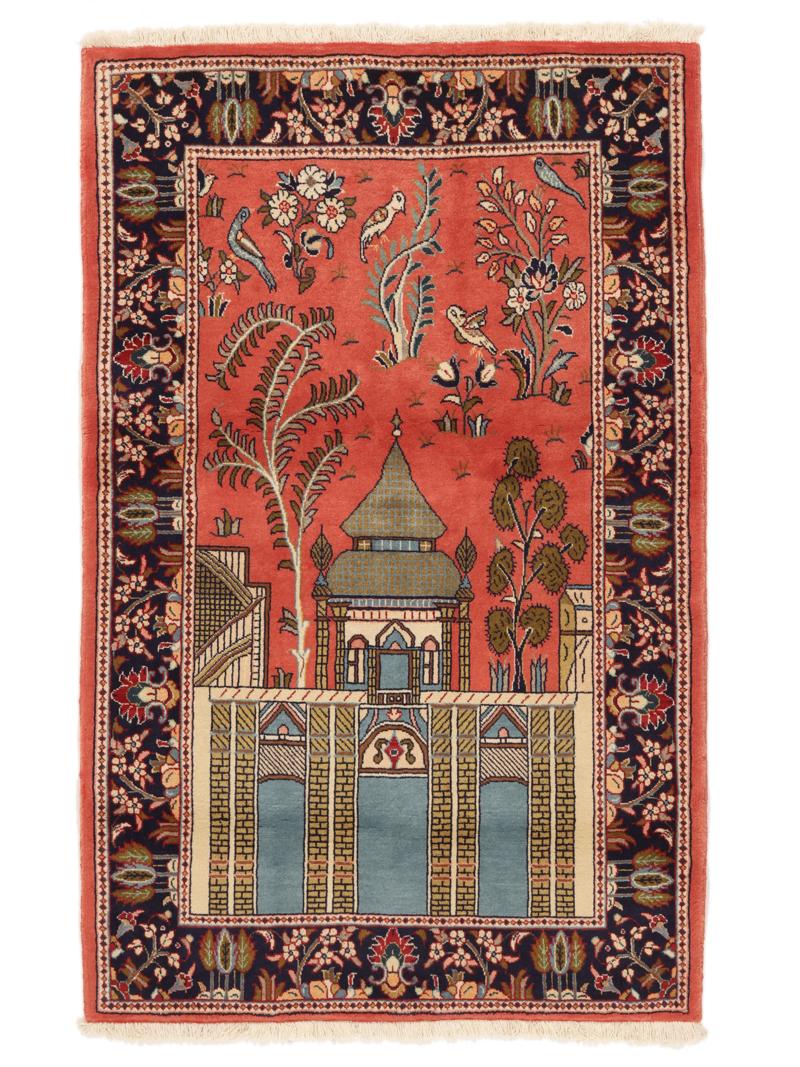
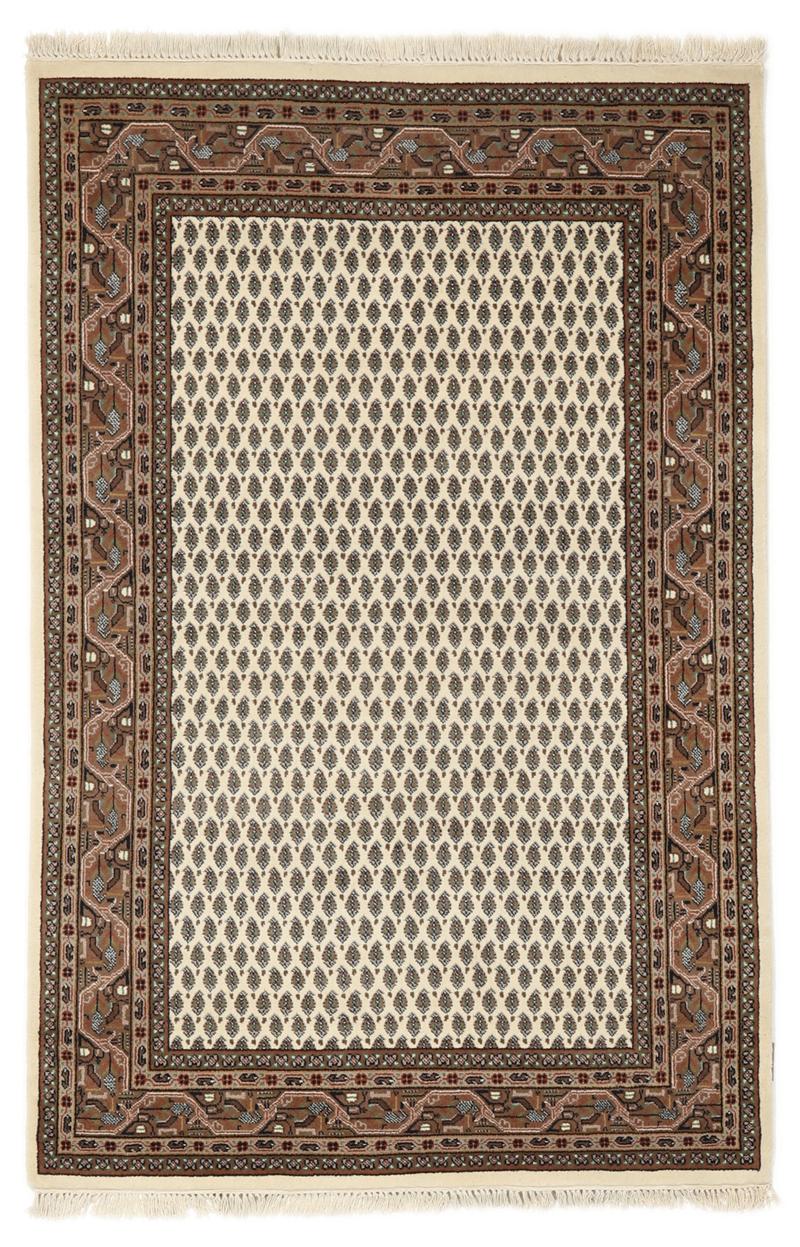
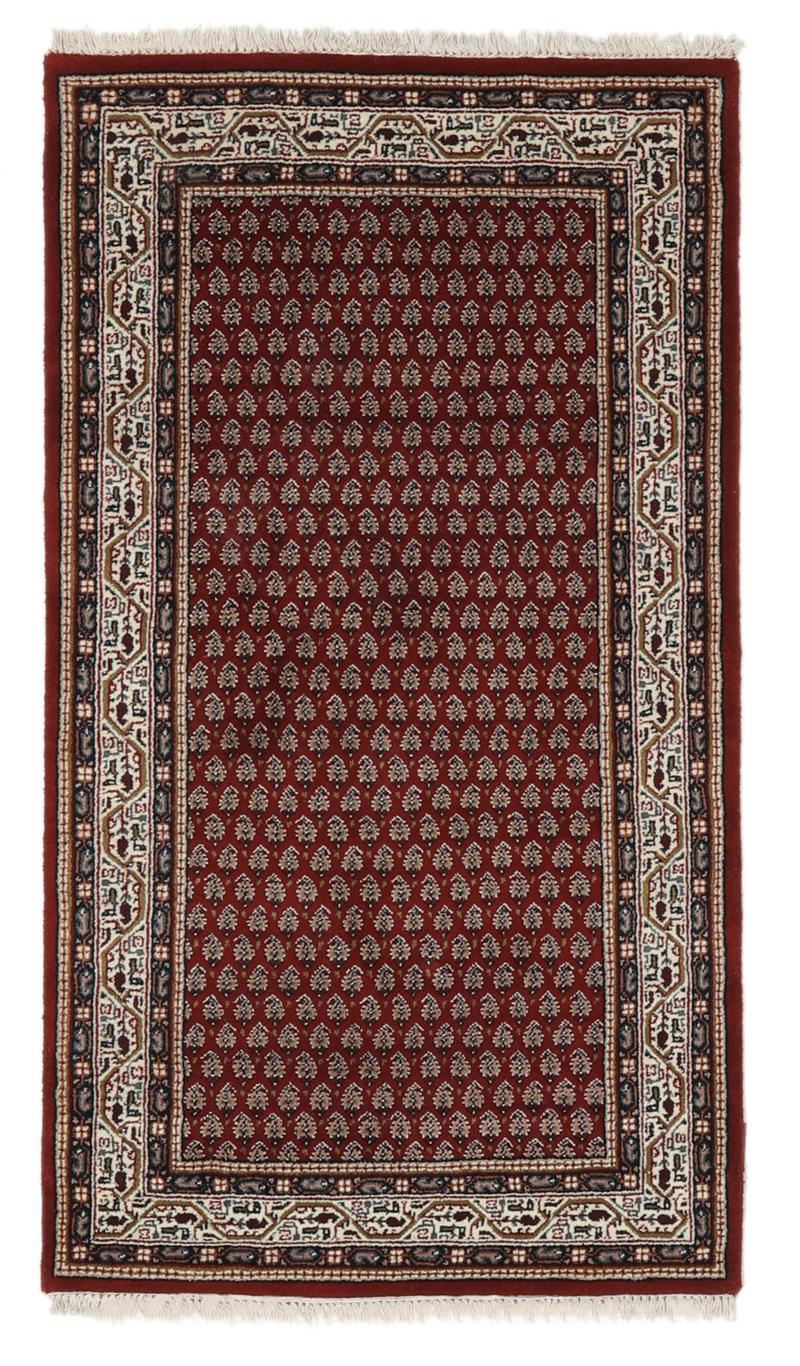
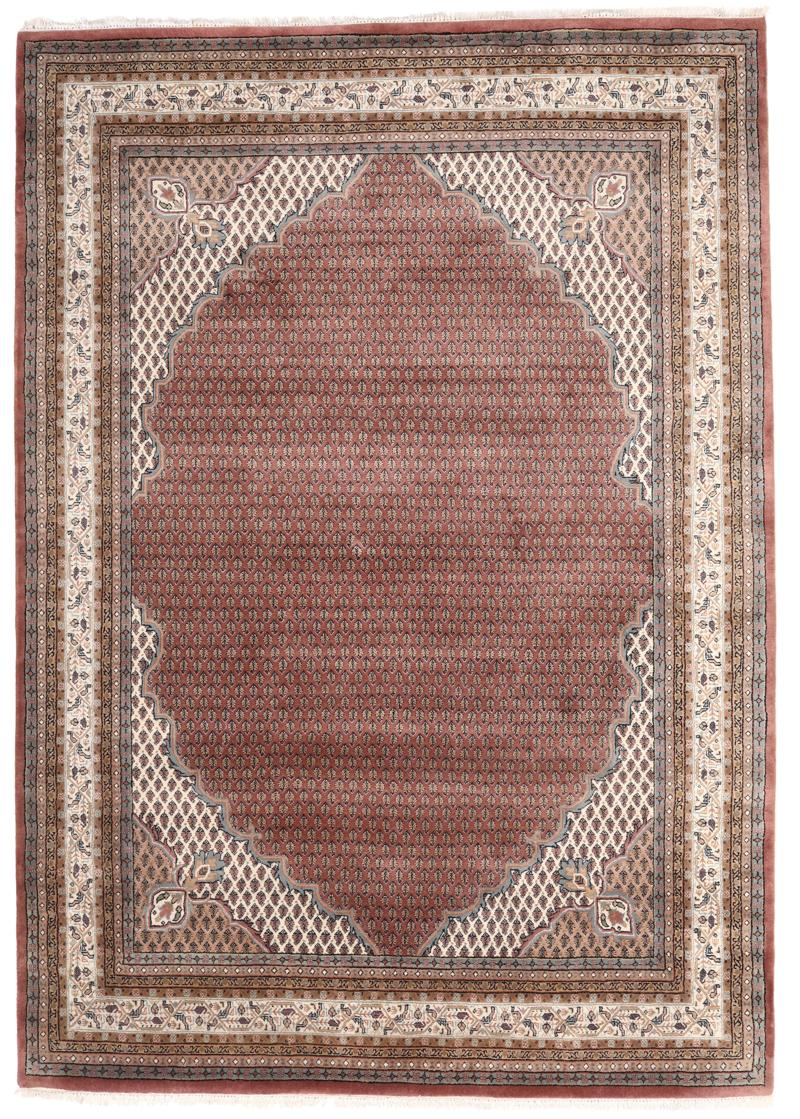
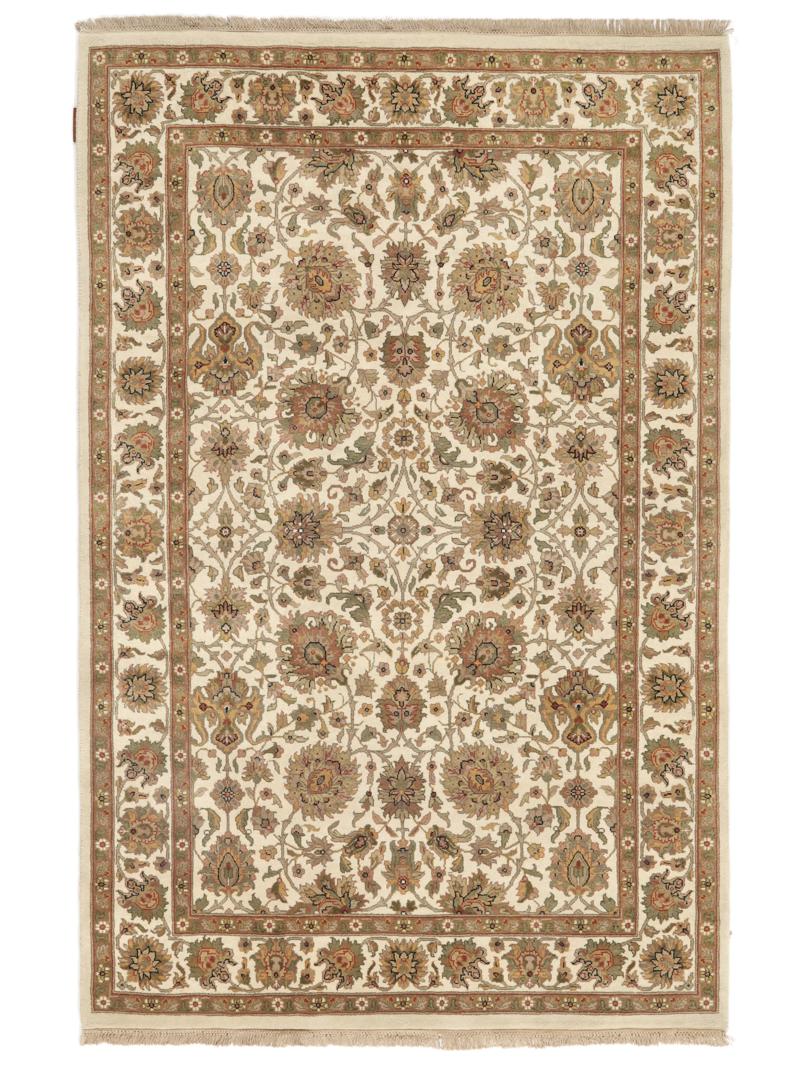
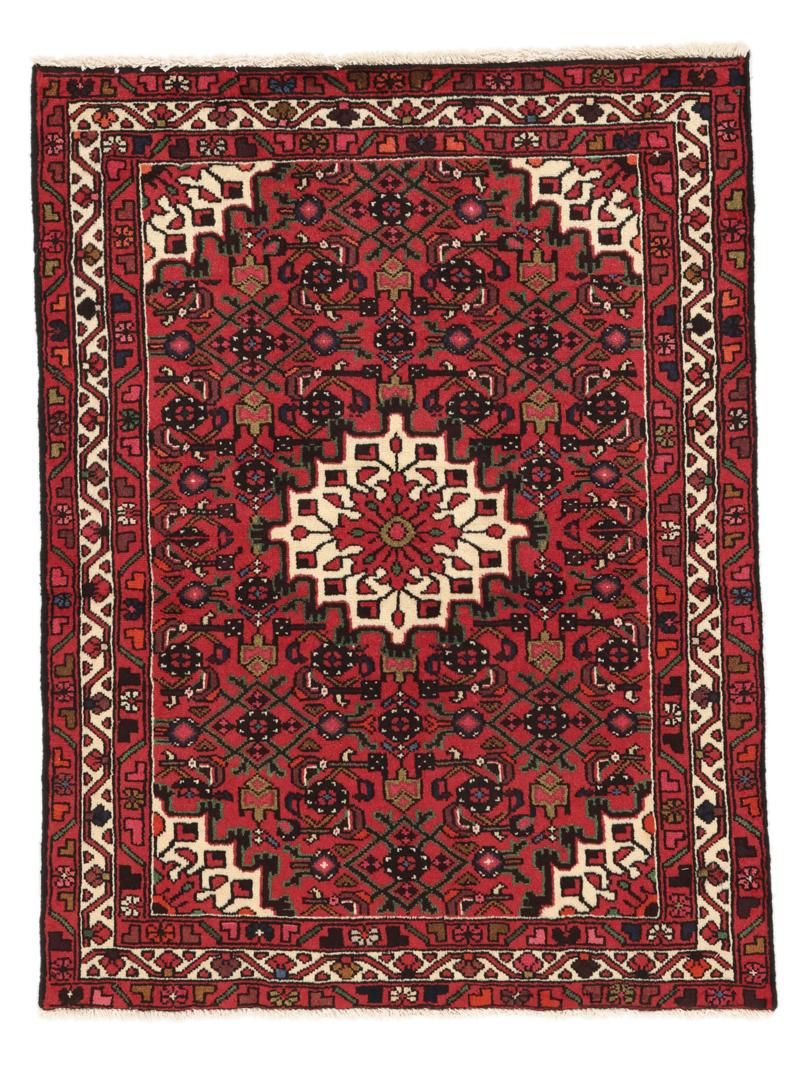
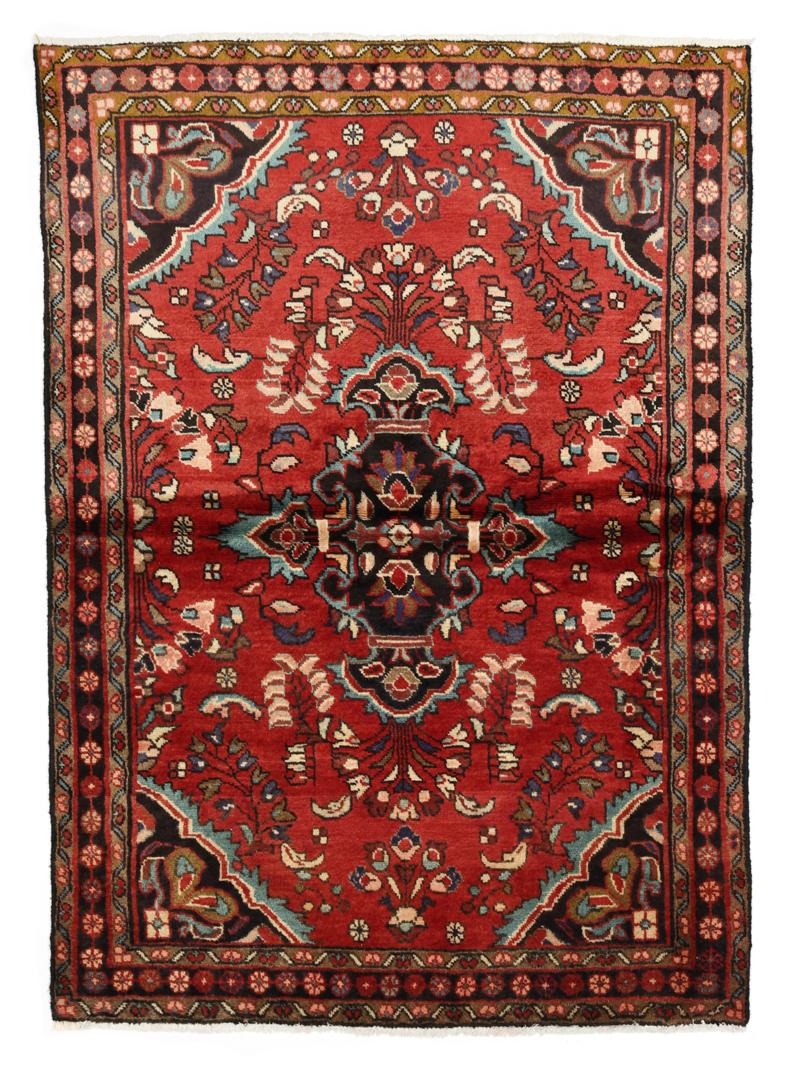
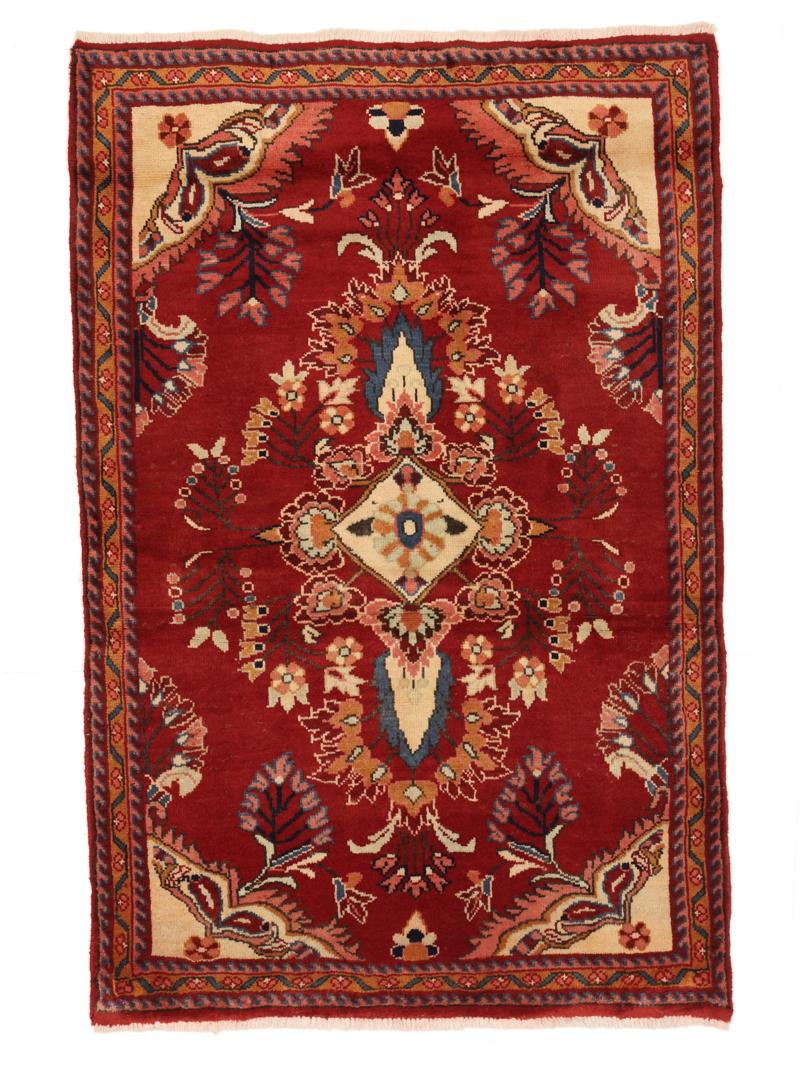
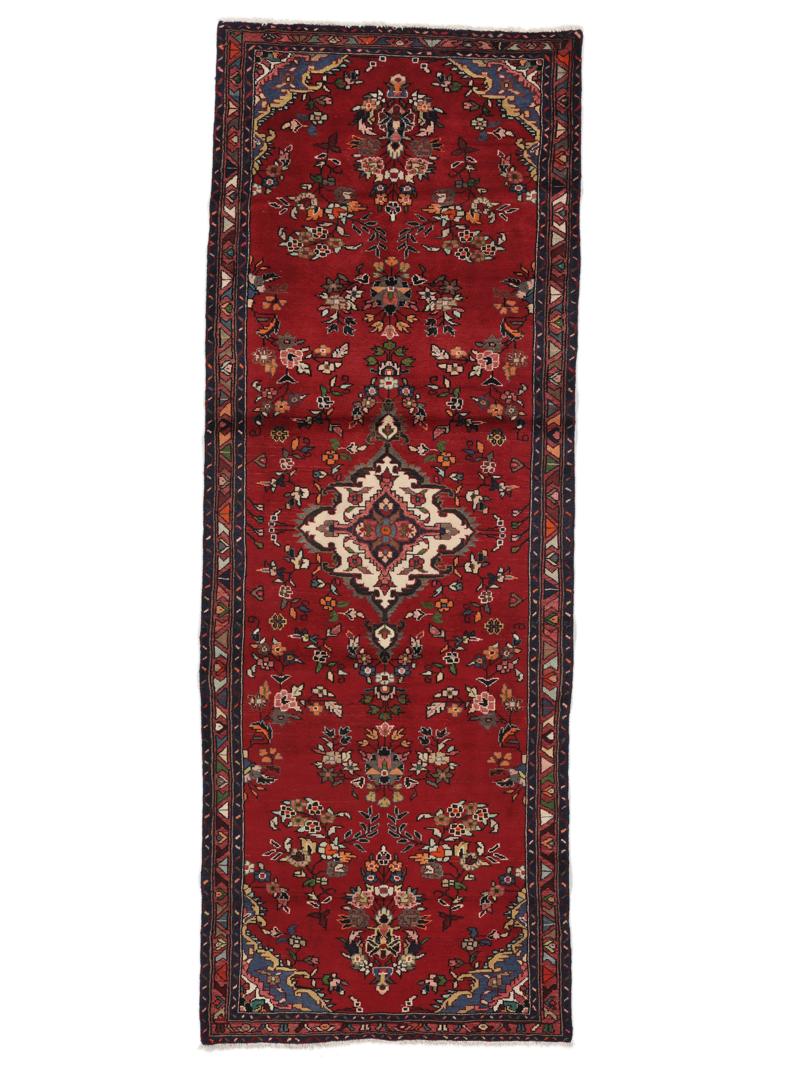
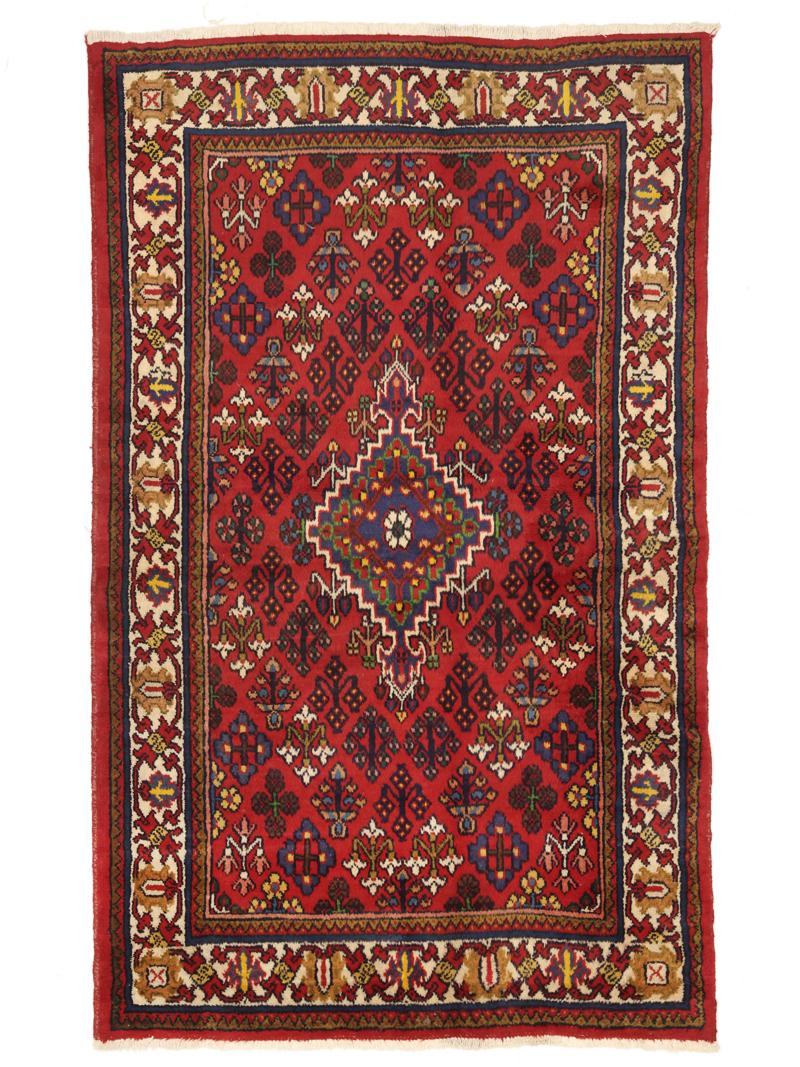
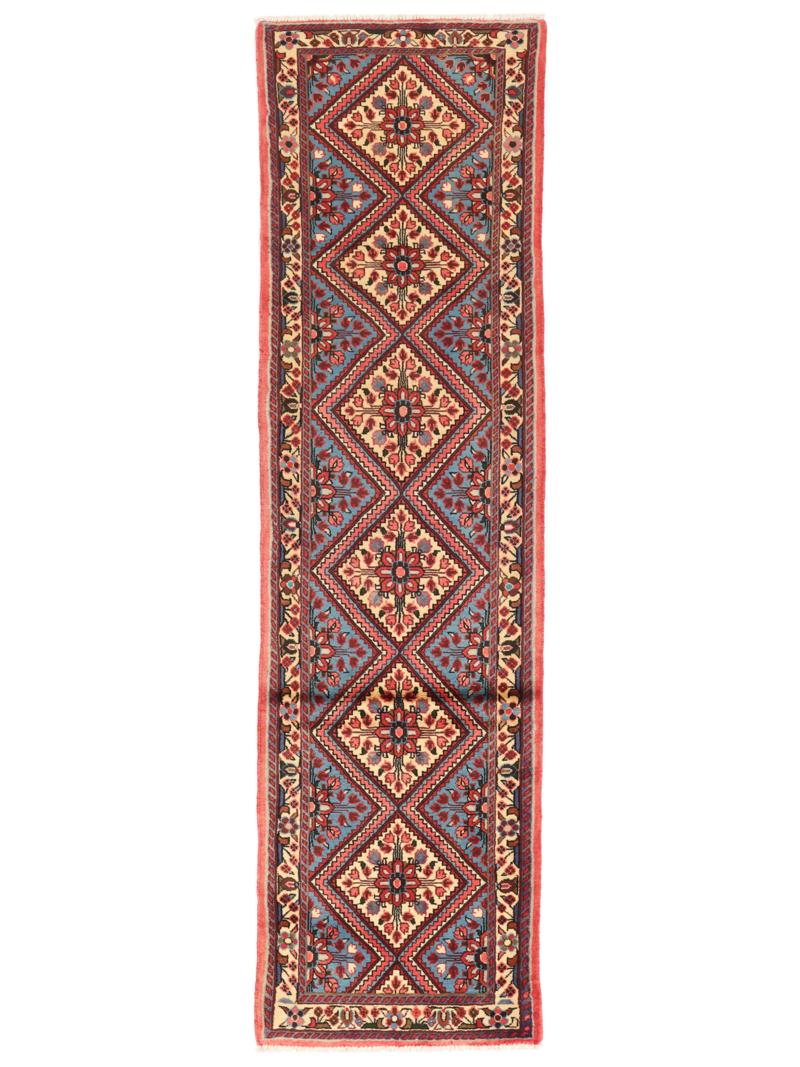
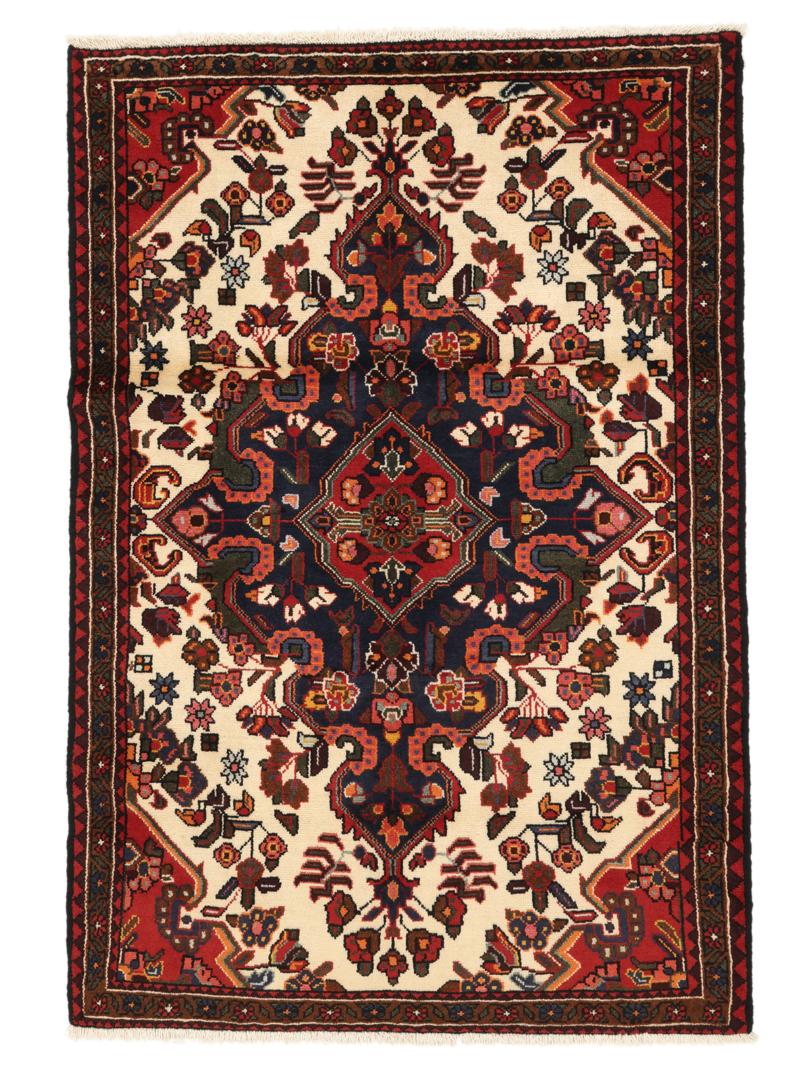
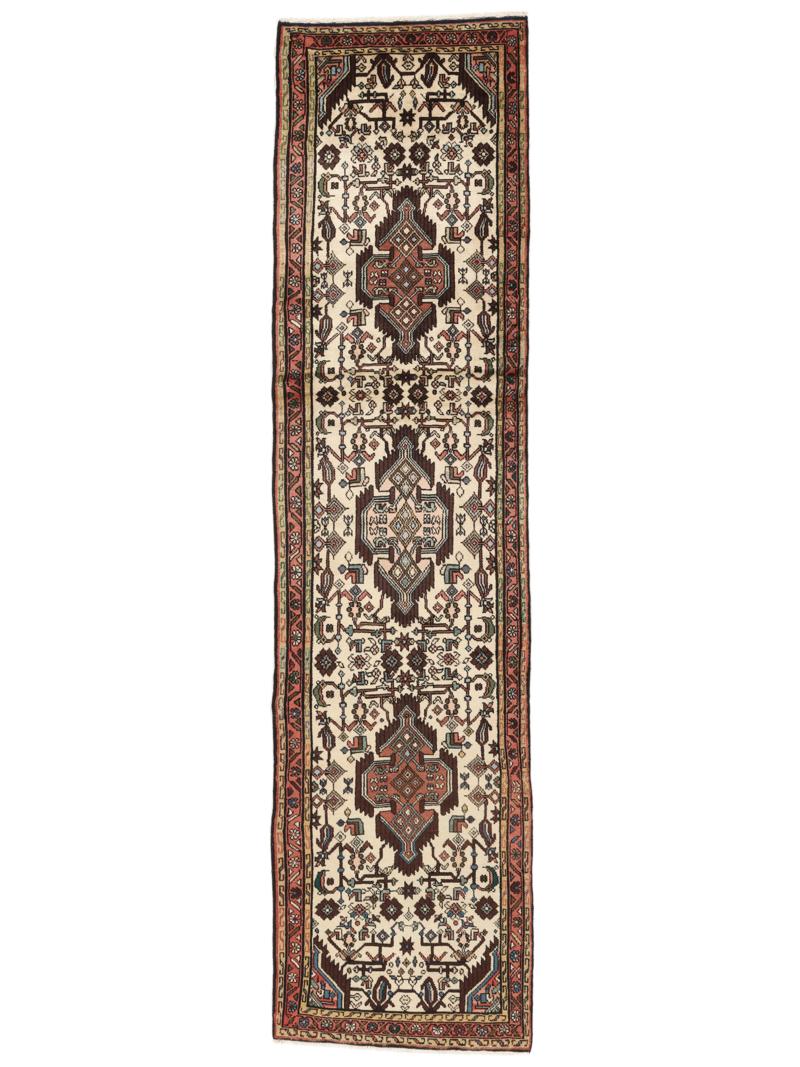
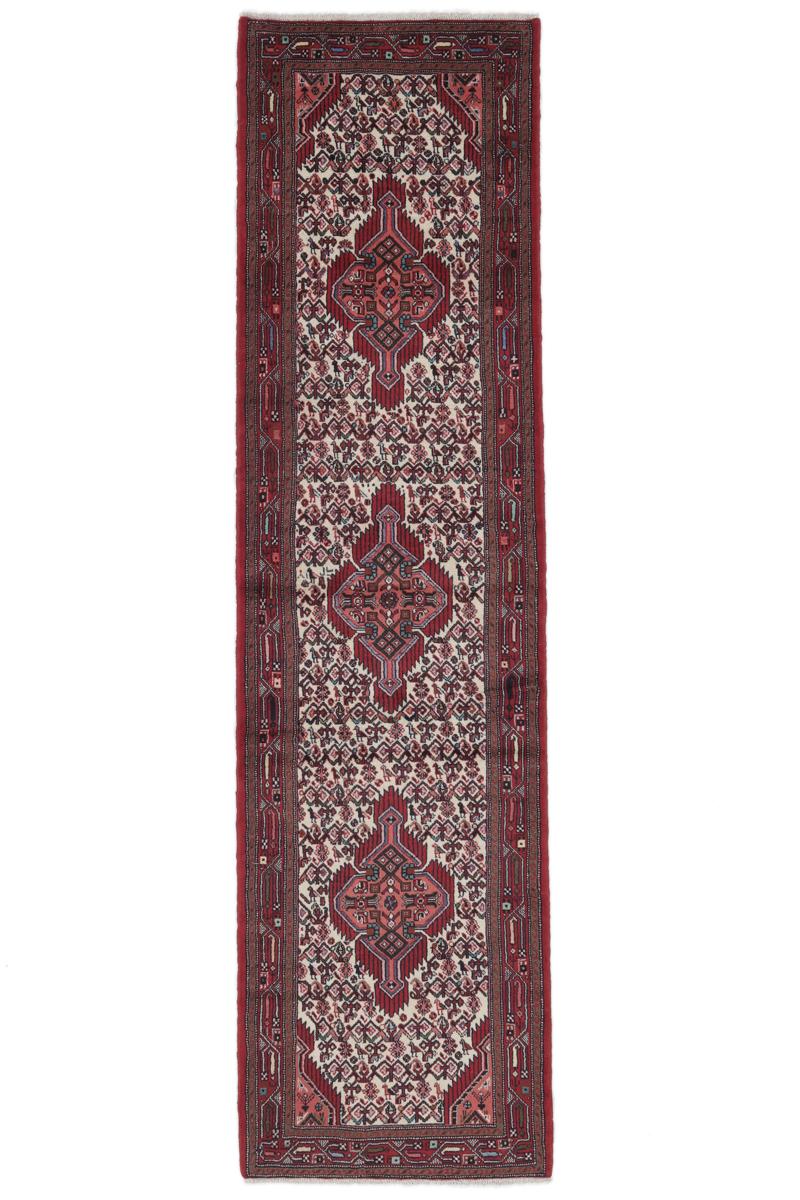
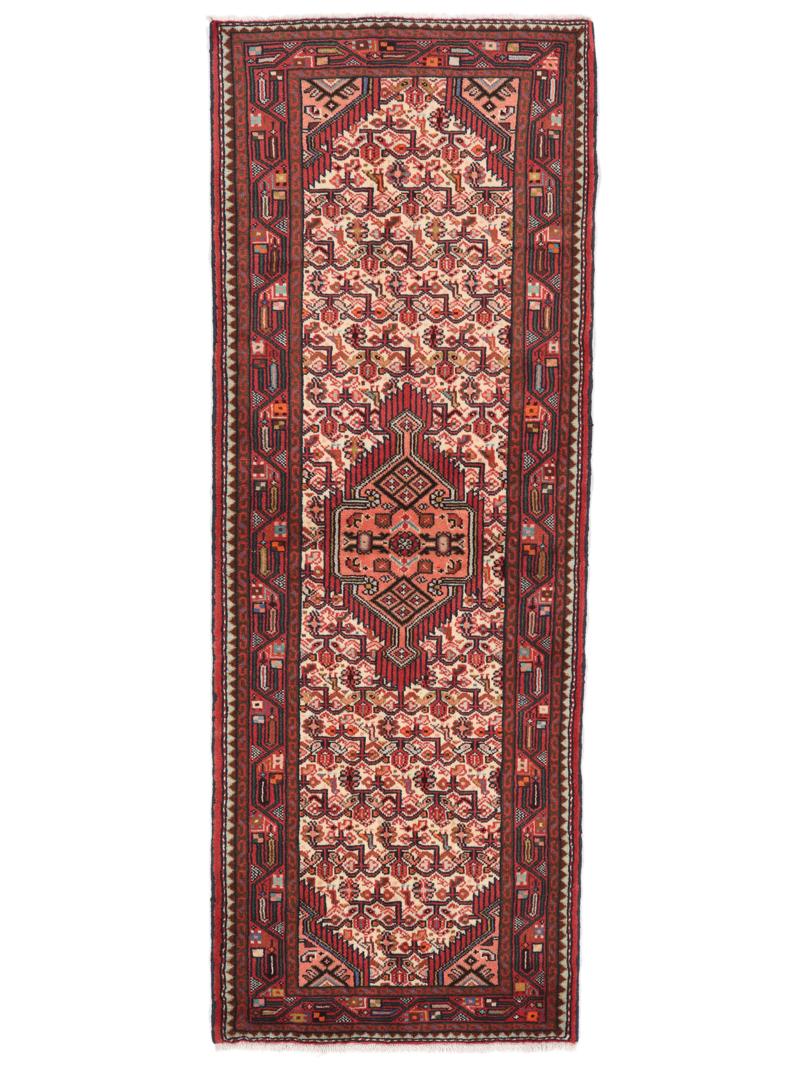
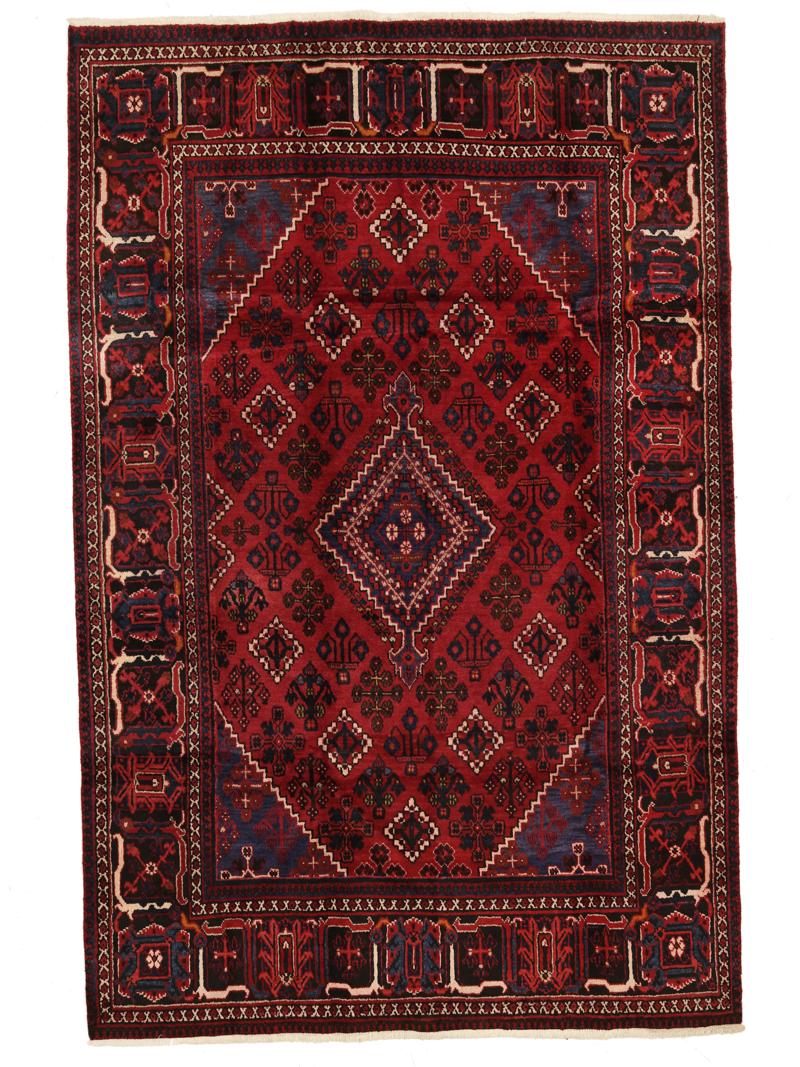
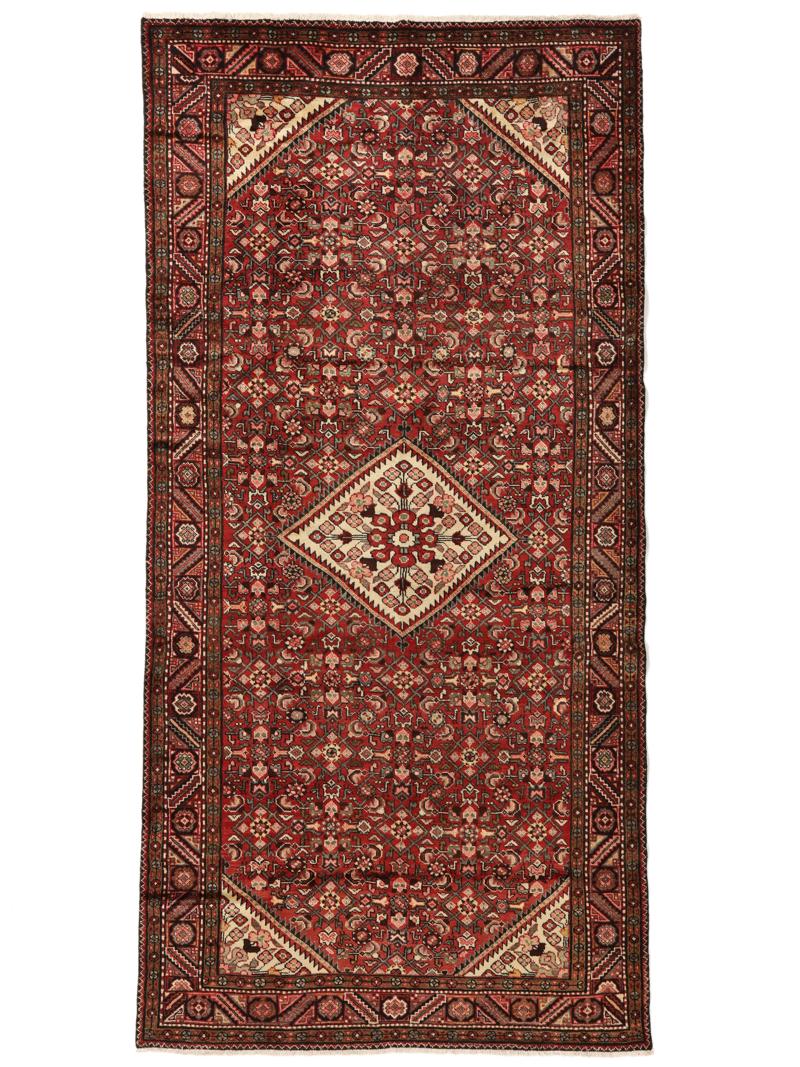
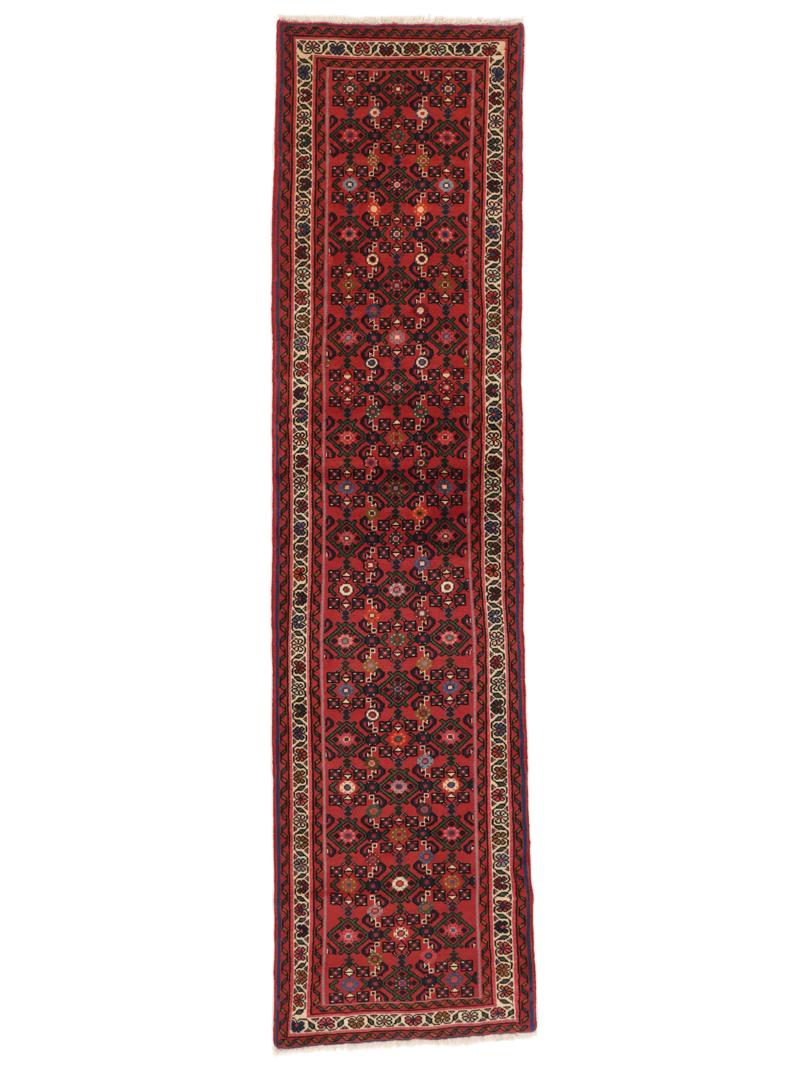
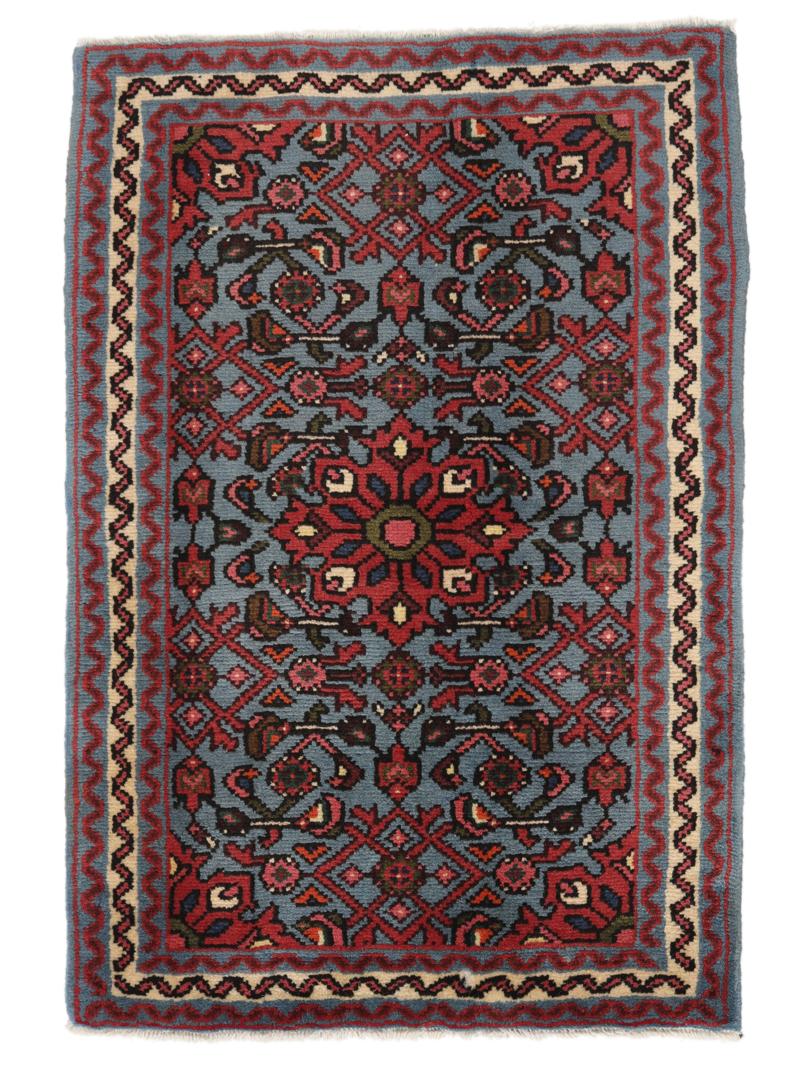
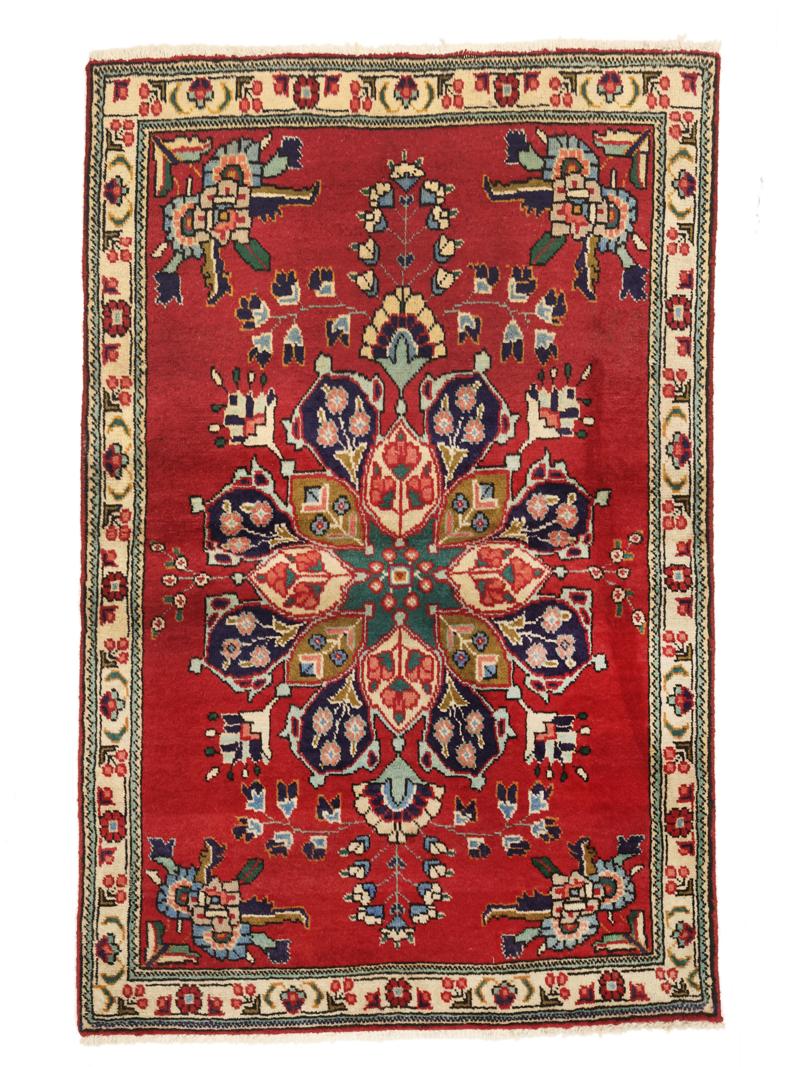
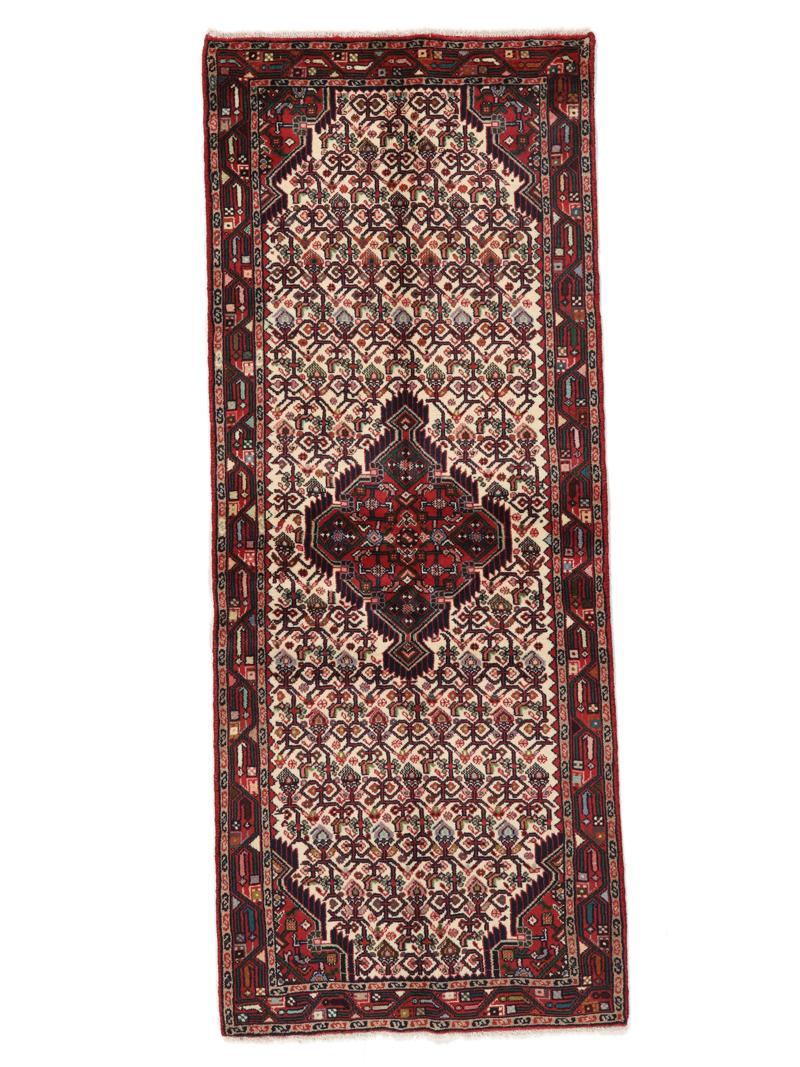
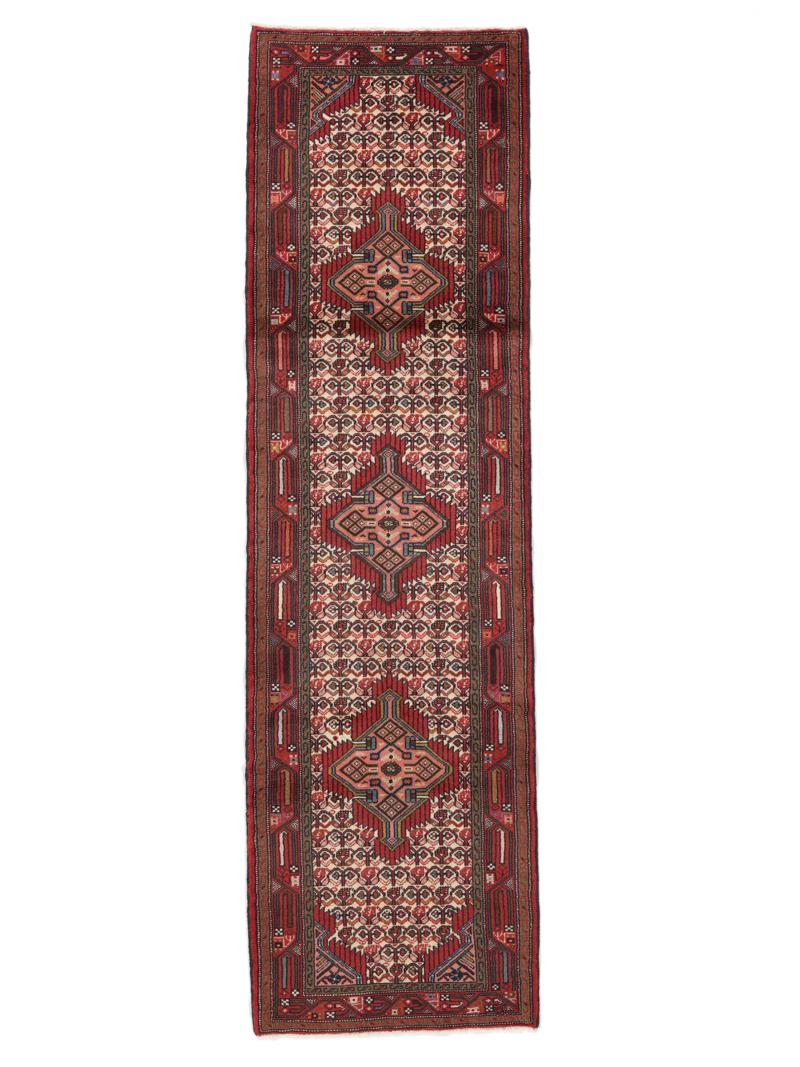
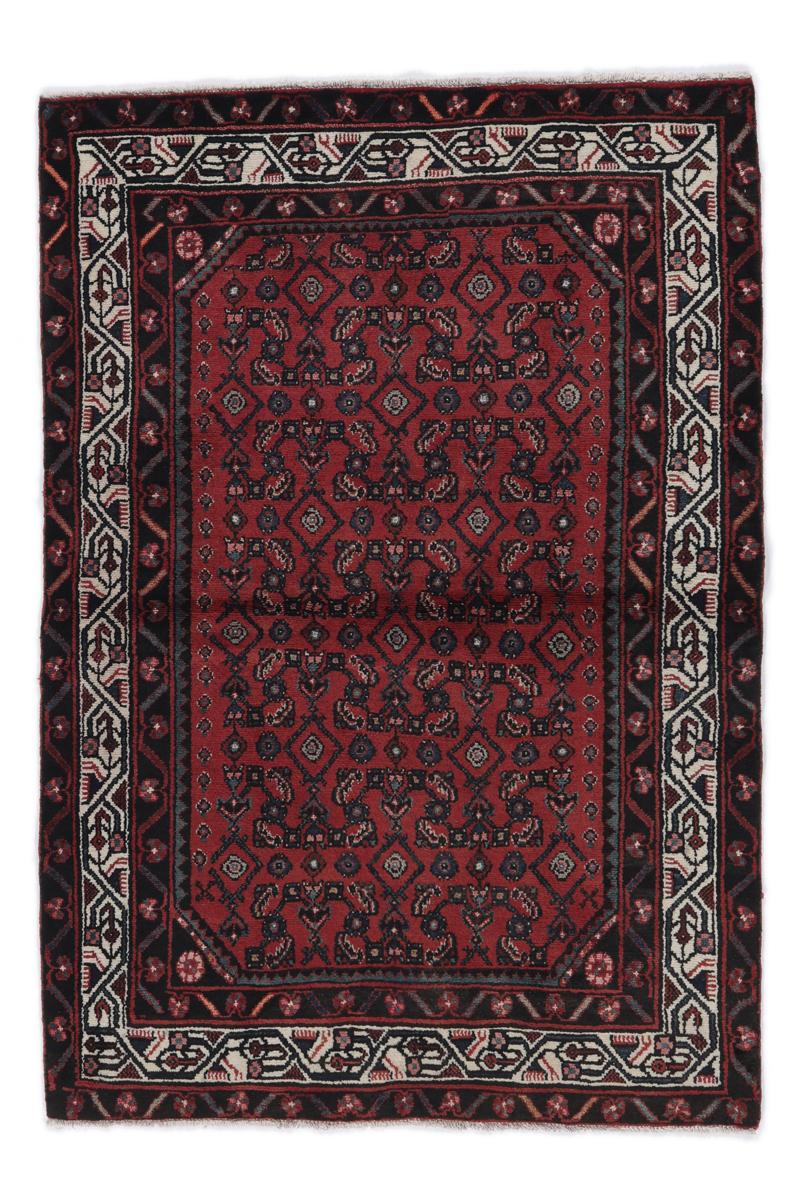
The term “village rug” is used to describe a wide range of rugs which are all produced in villages throughout different regions. Despite being crafted in different areas, all oriental village rugs have some similarities in them. In general, they all use high quality, locally sourced wool. Village rugs are also almost exclusively knotted by women, weaving traditional designs and patterns that have been passed down the generations. A village rug will have around 90,000 to 120,000 knots per square meter, with large carpets taking up to a year to knot.
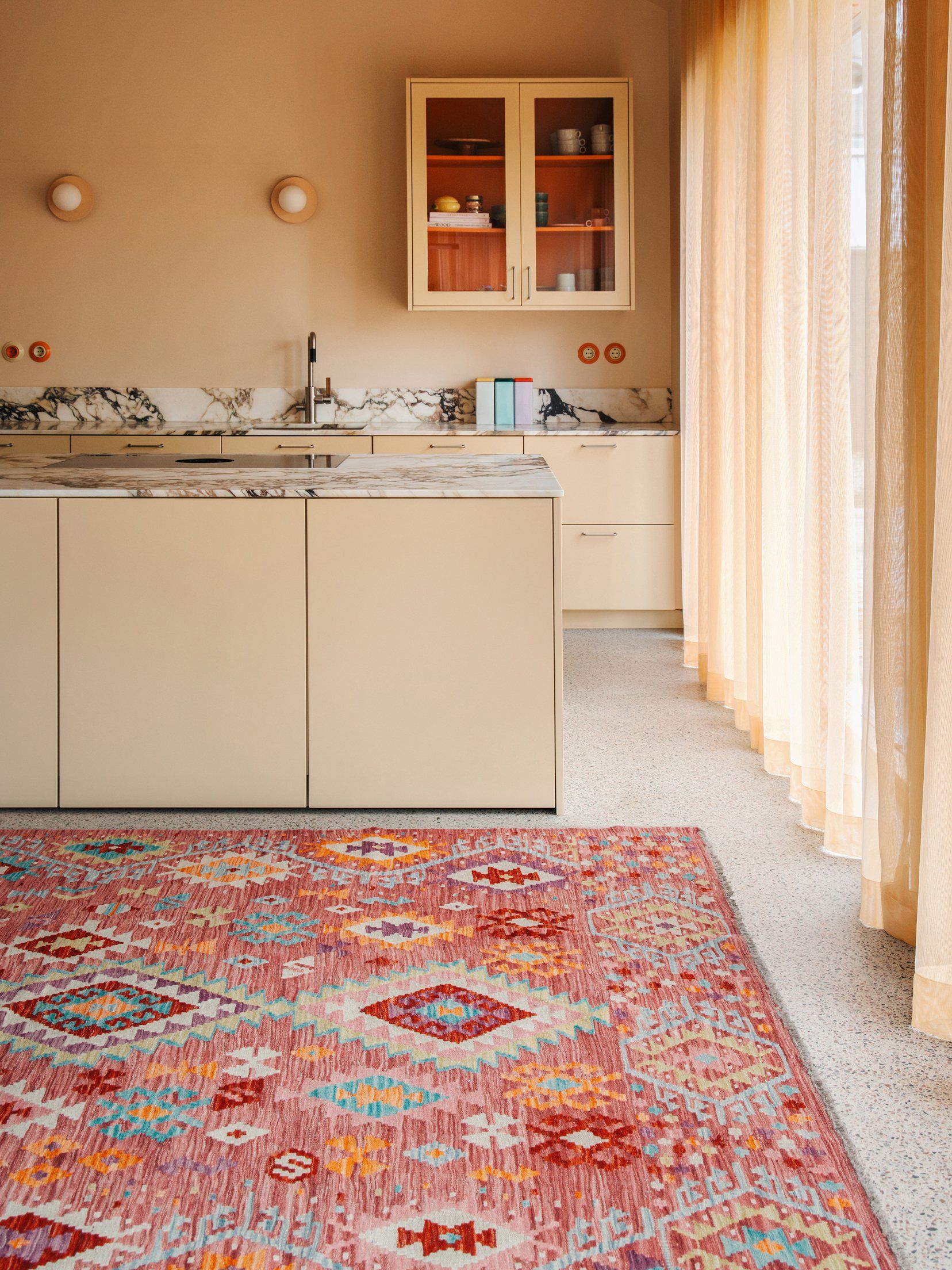
The base colours used are typically red or blue and a medallion pattern is often used in
the middle but floral or geometric patterns are also common. The craftmanship and knowledge that it takes to make these rugs ensures a rug in high quality that you will have for a very long time.
Village rugs cannot be made to order. They’re never mass produced, as the female weavers work on their own terms, crafting each rug as they envision it. Tradition is also essential here – conventional colours or sizes of village rugs cannot be altered upon request.
This independence and devotion results in unique and authentic pieces that cannot be replicated. However, this skilled trade is slowly being lost, only making it more complex and difficult to find and buy these beautiful rugs.