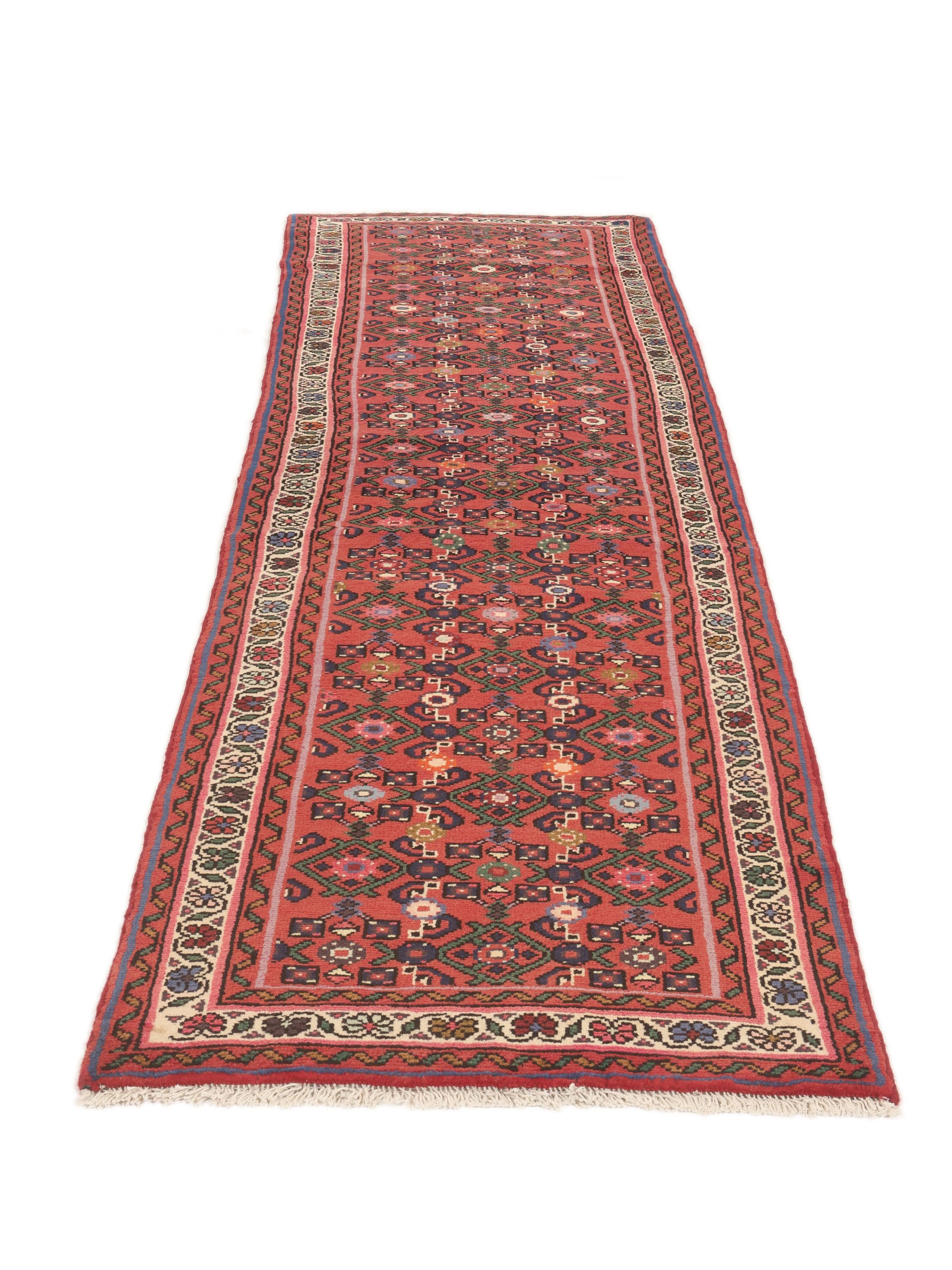
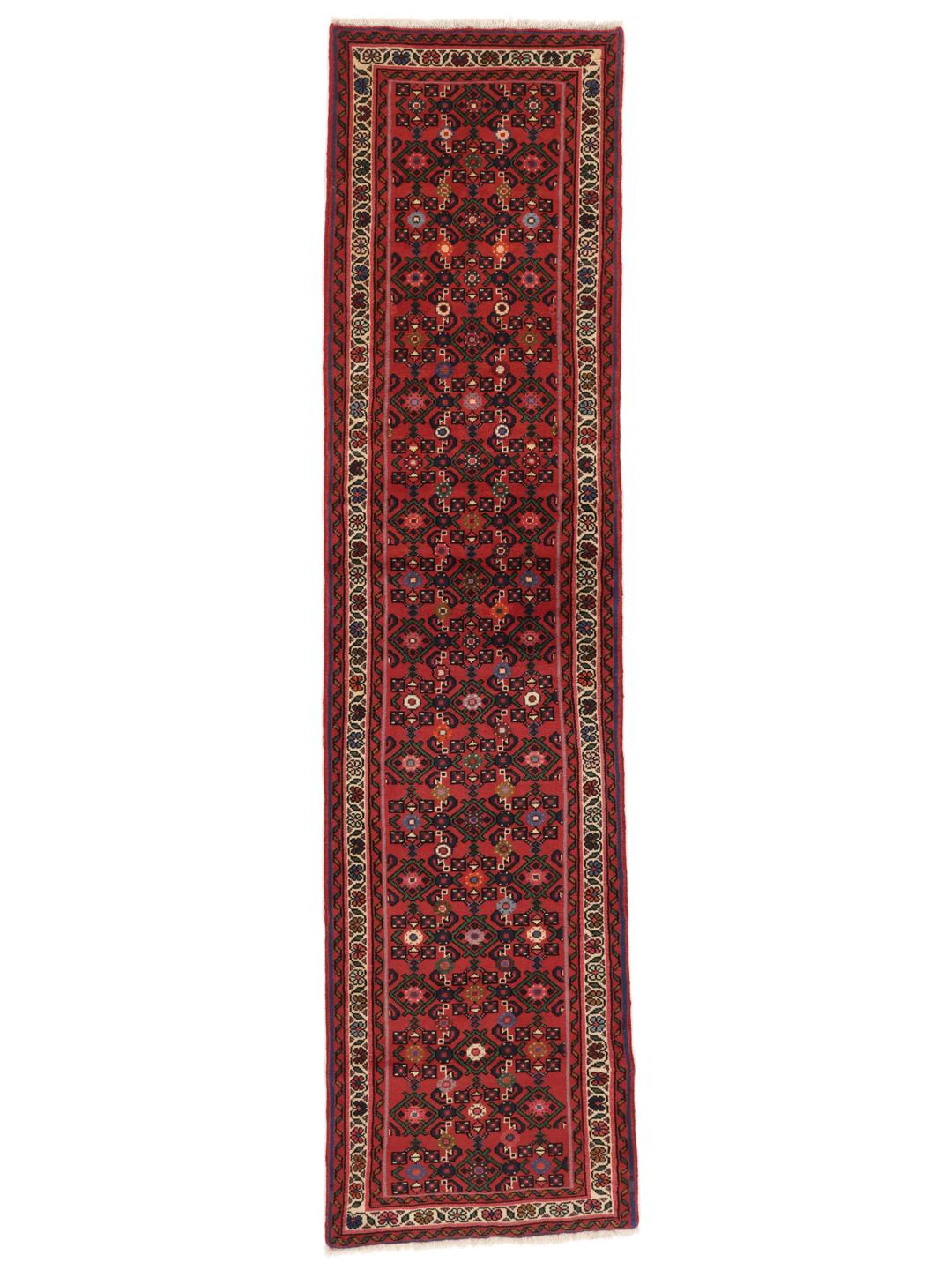
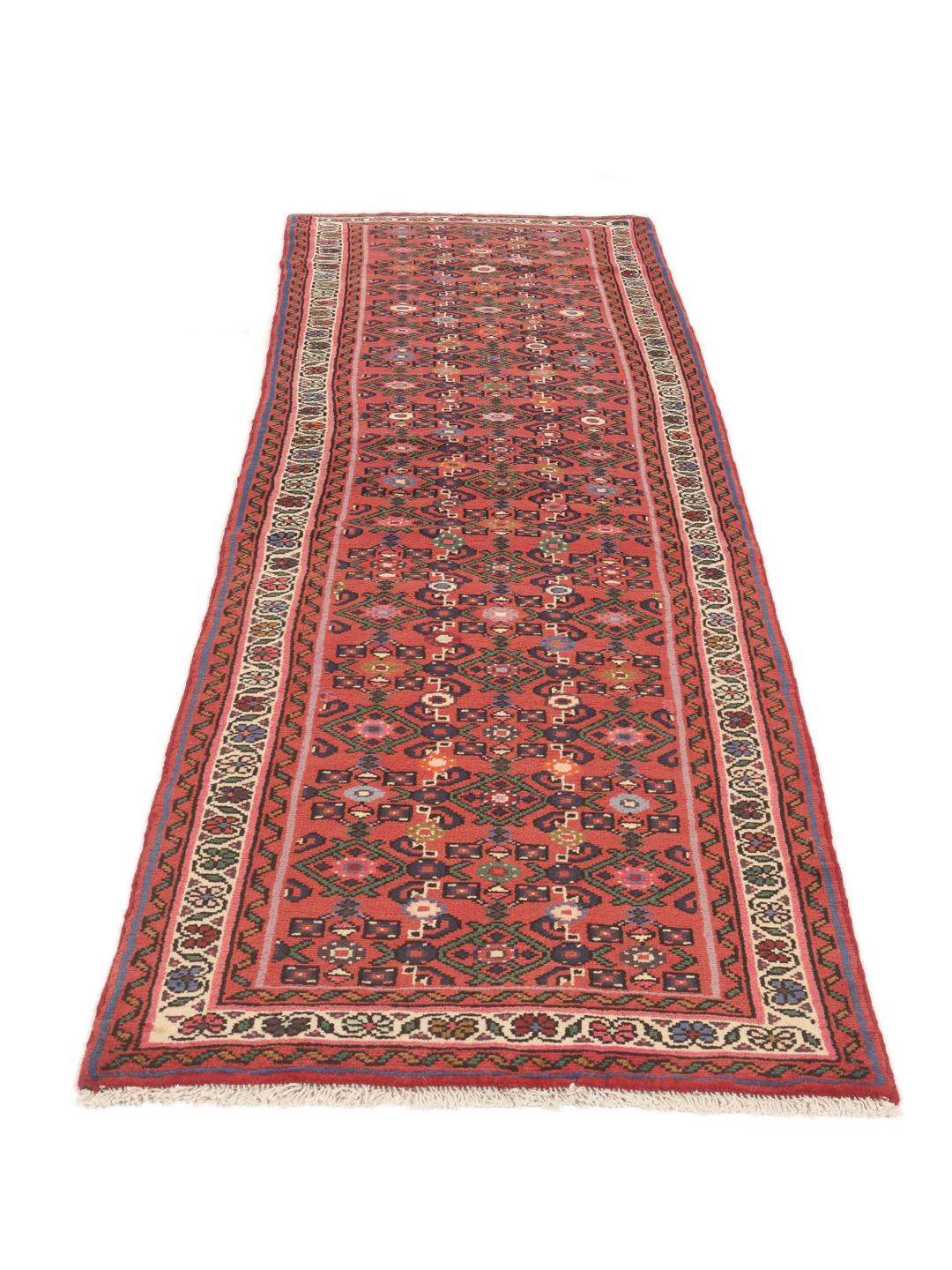
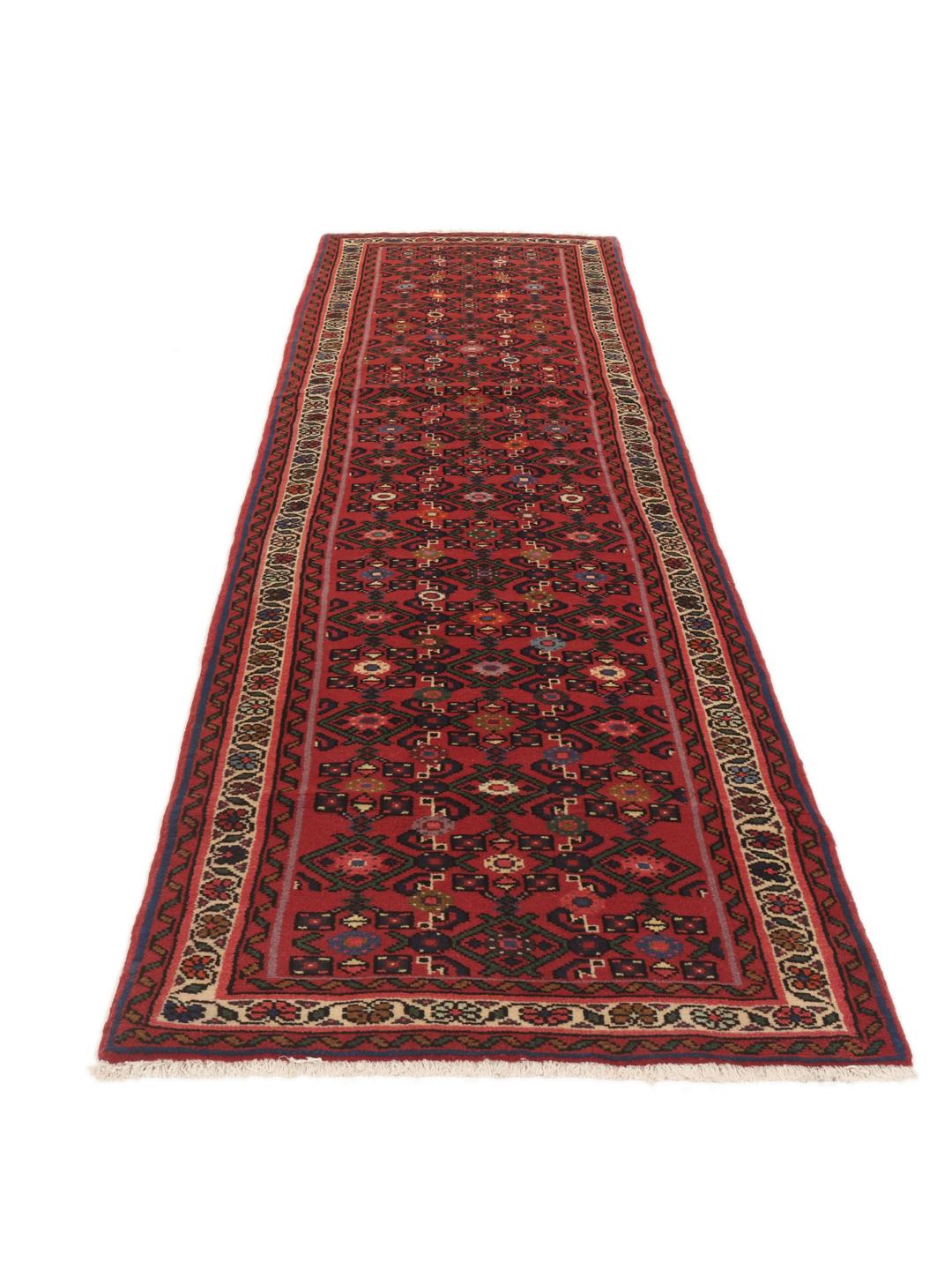
The Hosseinabad region in the Middle East has long been celebrated for its distinctive rug-weaving traditions. These rugs are deeply rooted in the cultural heritage of the area, where weaving techniques have been passed down through generations. The rugs from this region are known for their ability to blend local design preferences with a rugged, durable construction that reflects the environment from which they emerge.
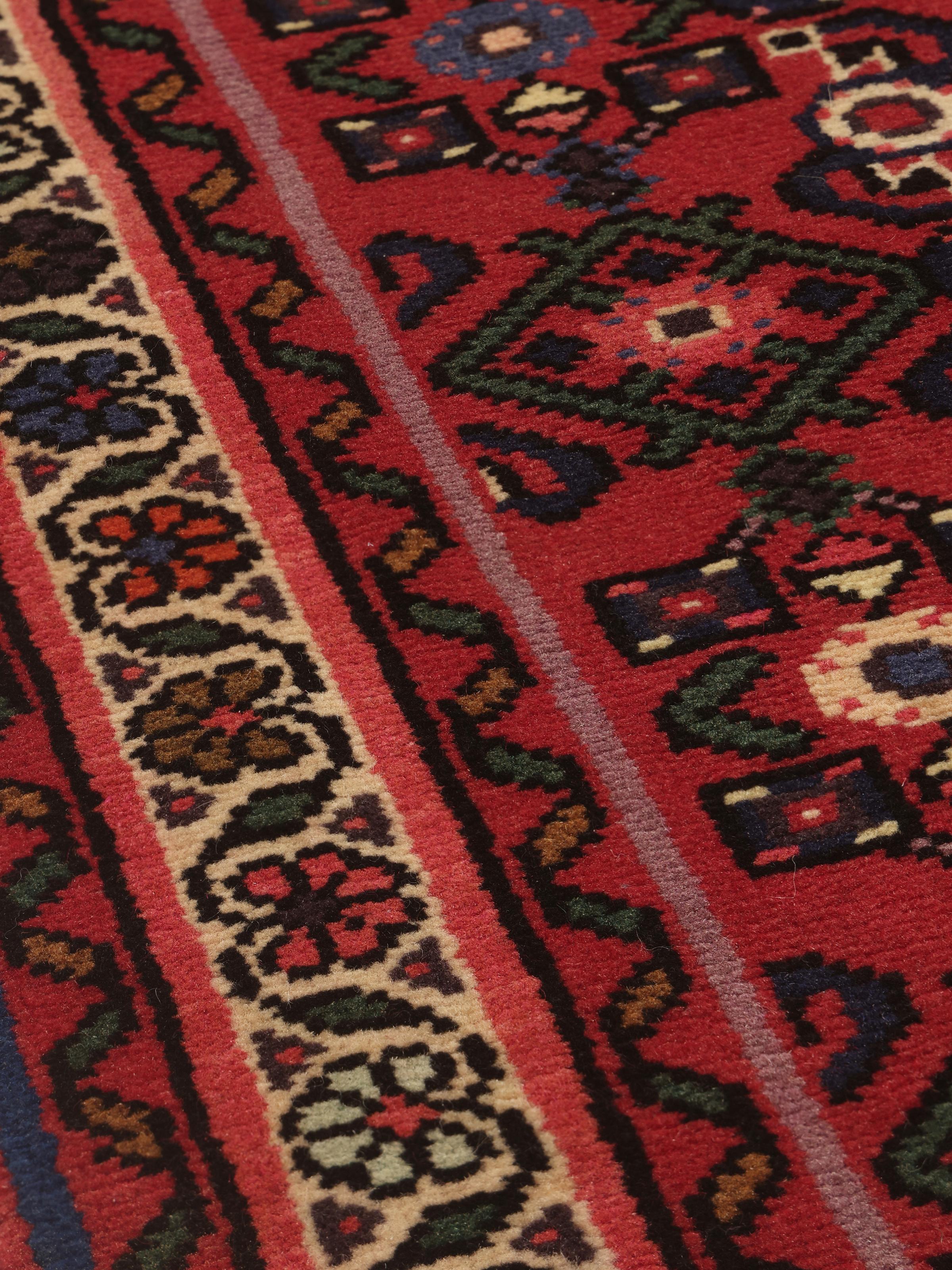
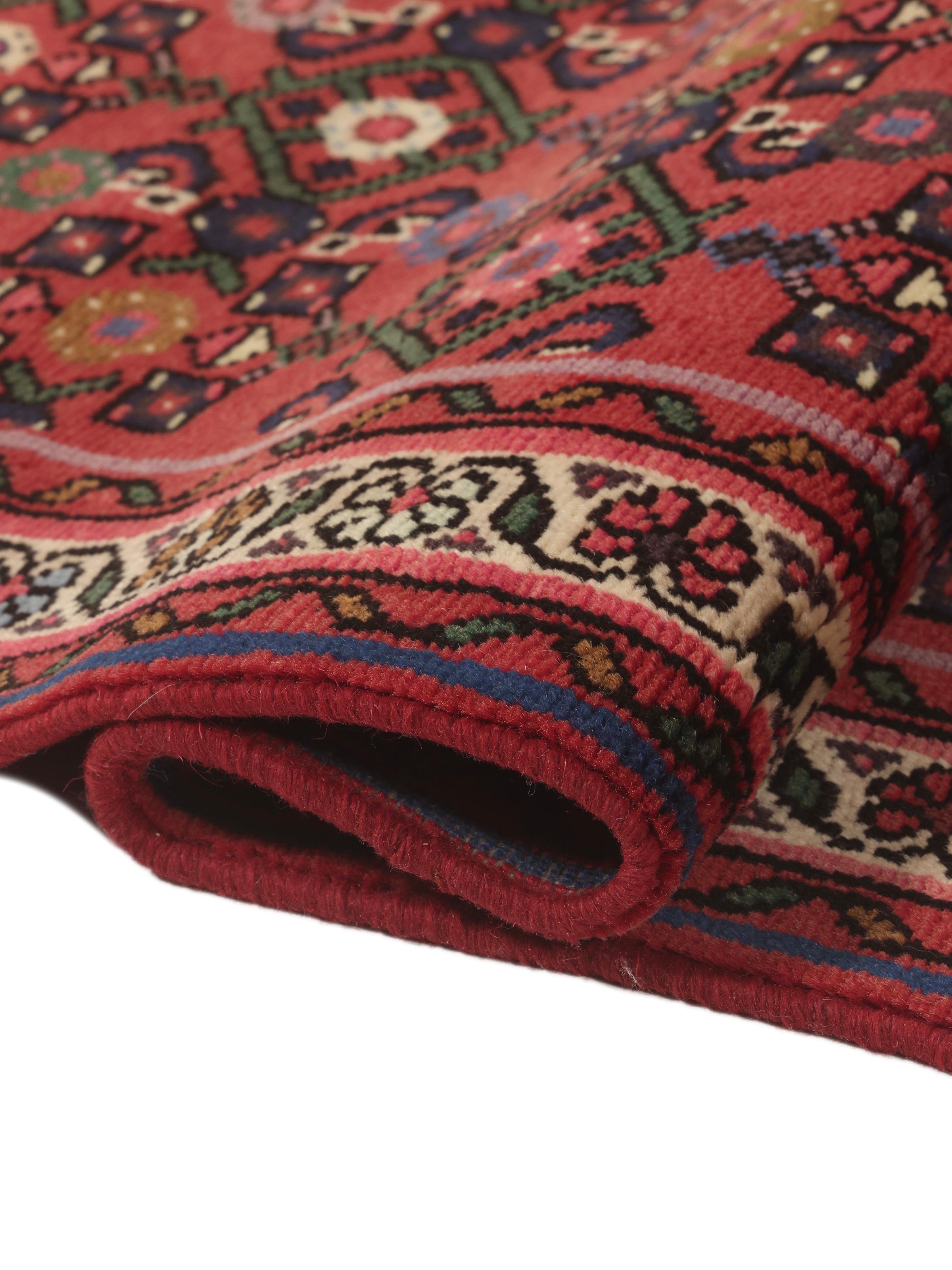
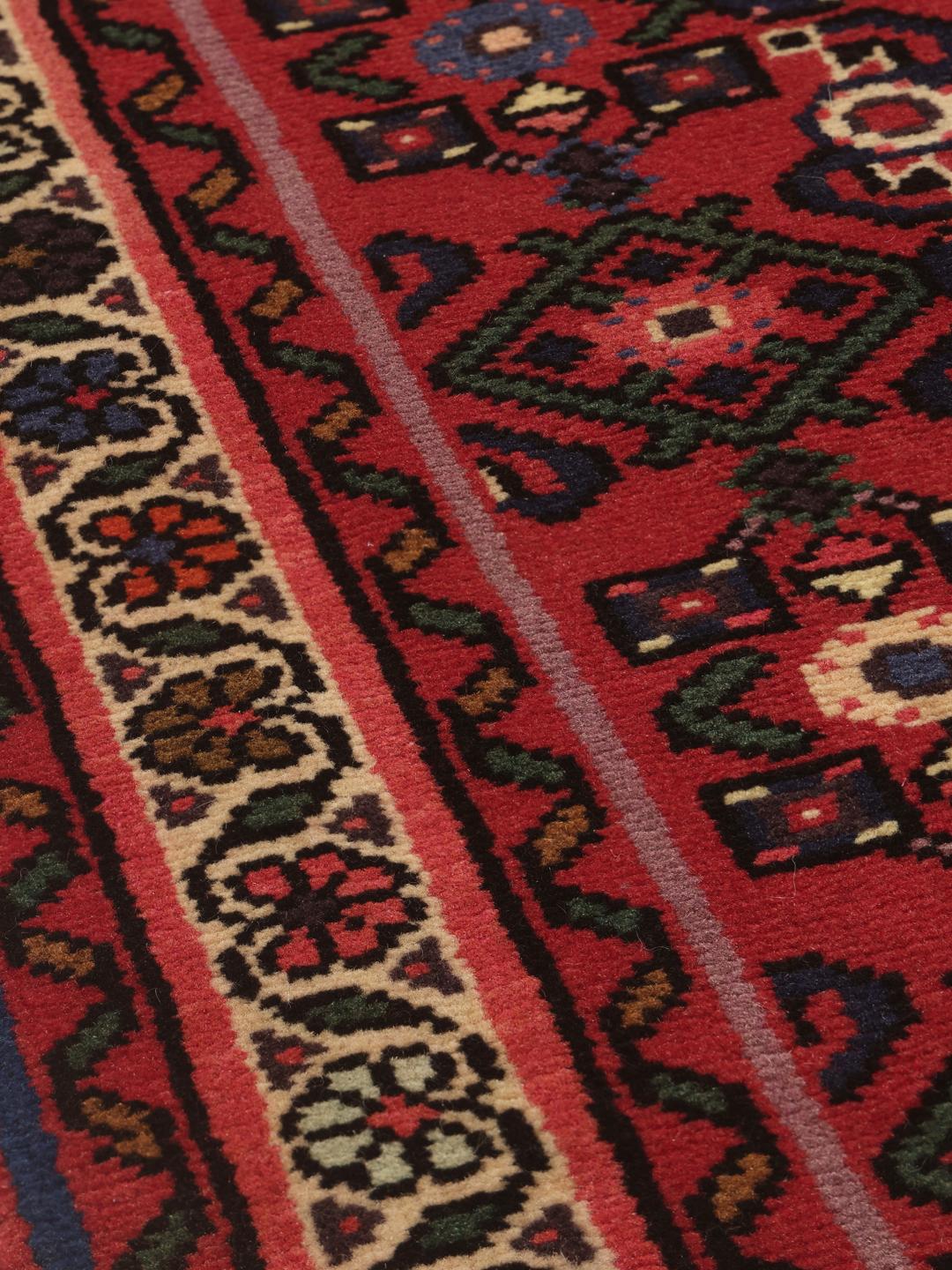
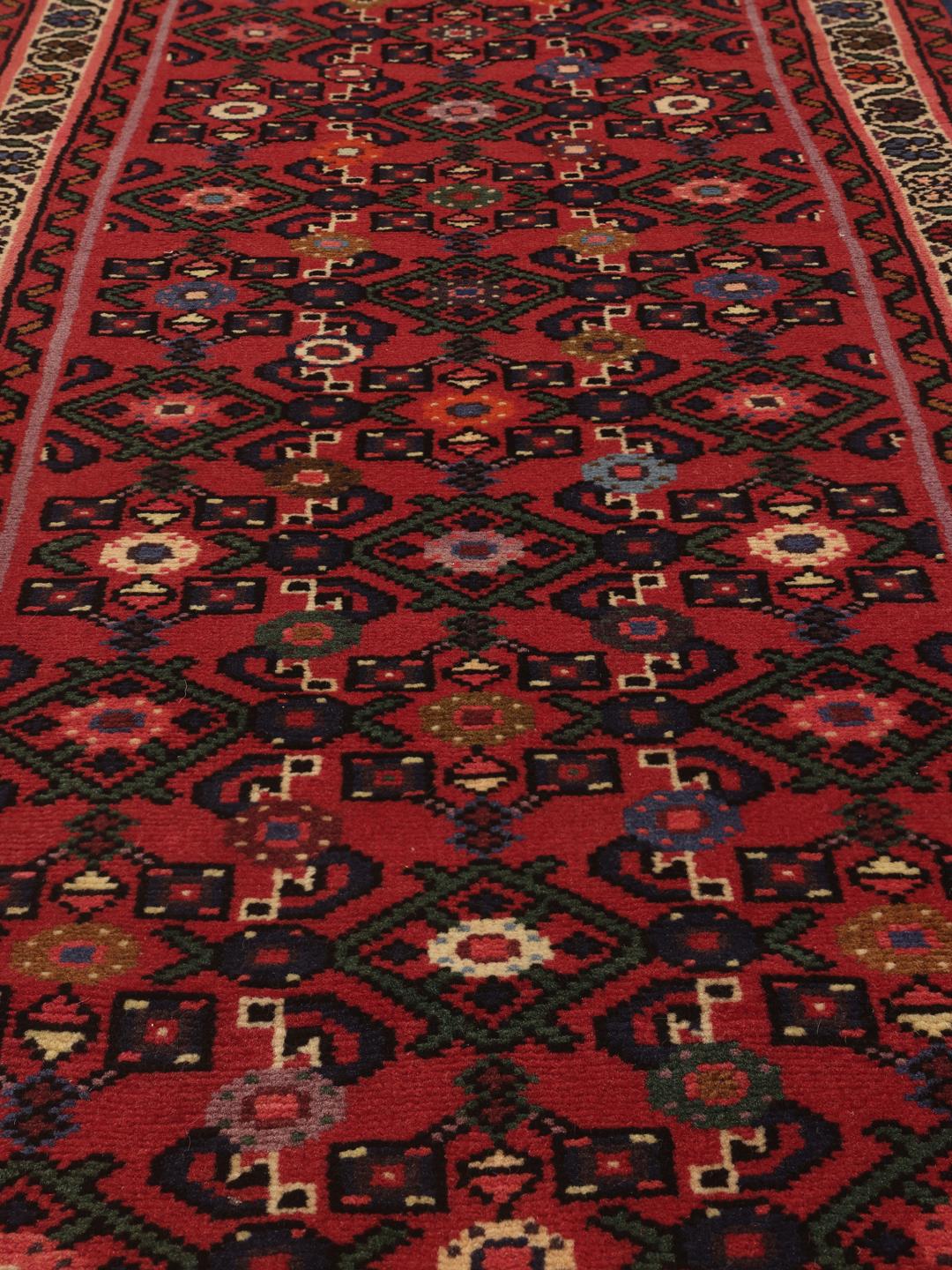
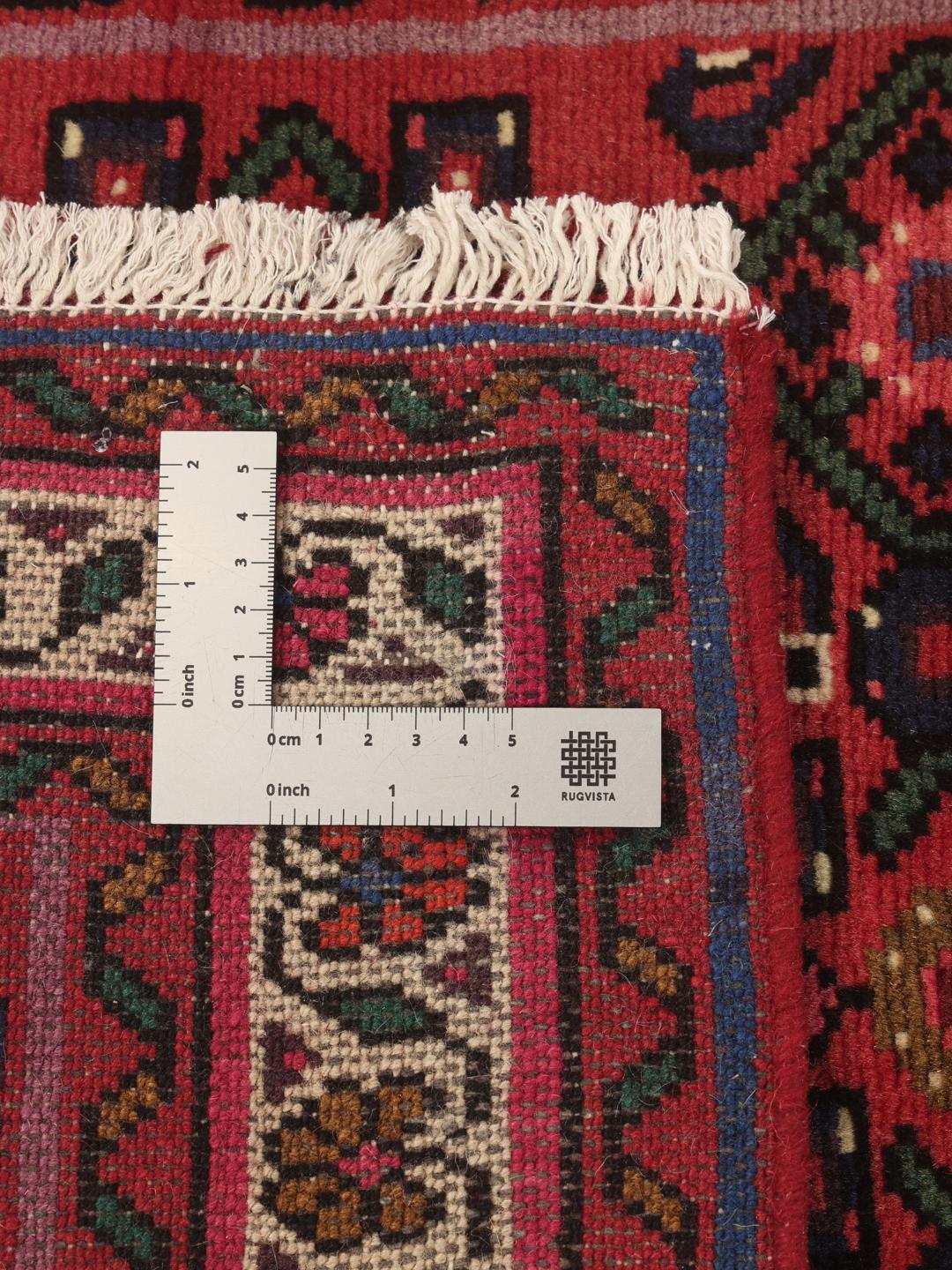
When we speak of Hosseinabad rugs, we are referring to a specific lineage of craft that prioritises both beauty and utility. The technical quality of these rugs is defined by their dense knotting, which allows for complex, crisp patterns that do not distort over time. This density is a hallmark of the region's dedication to creating items that serve as both artistic expressions and reliable, functional floor coverings.
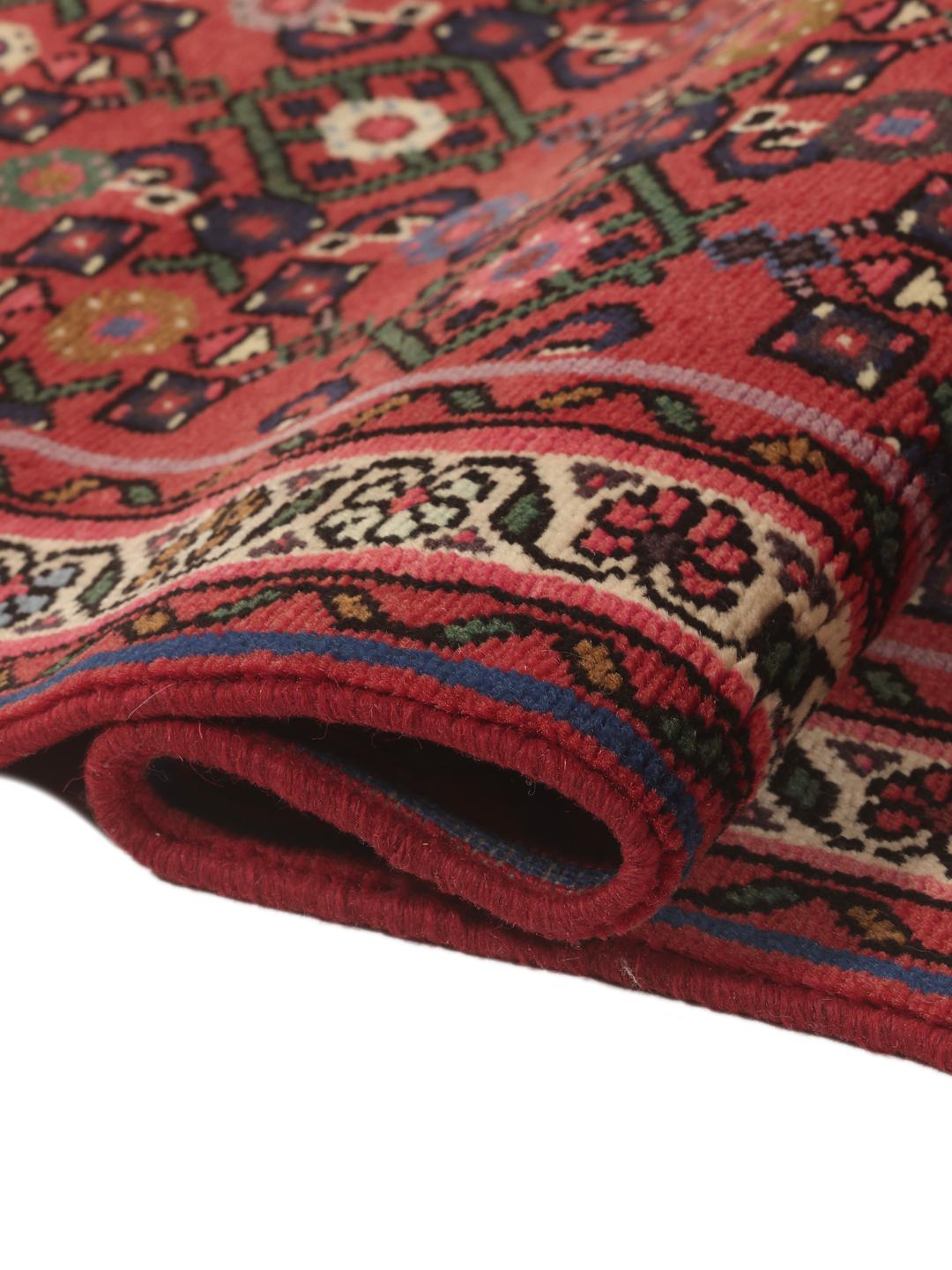
The visual language of these rugs is often characterised by geometric motifs and traditional patterns that have remained consistent for decades. You will frequently find a central field adorned with repeating elements, all framed by intricate, structured borders that provide a sense of harmony. The use of deep, saturated tones is a signature element, often creating a warm and sophisticated presence that anchors a room.
Collecting a rug from this tradition is an opportunity to own a piece of living history. These rugs are valued not only for their visual appeal but for the skill and heritage they represent. By bringing a piece like this into your home, you are continuing a legacy of craftsmanship, ensuring that these traditional skills are appreciated and preserved in a modern living context.