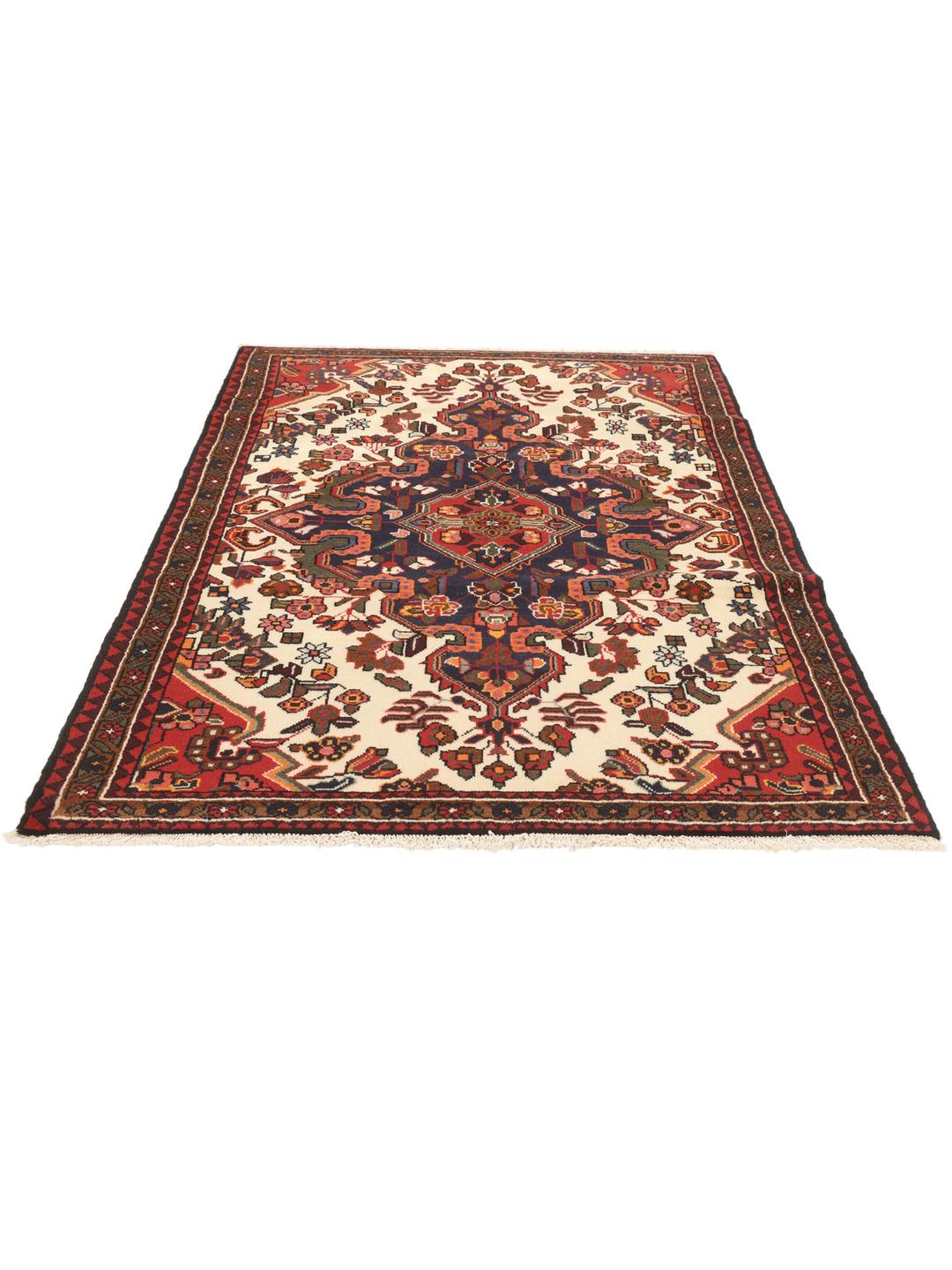
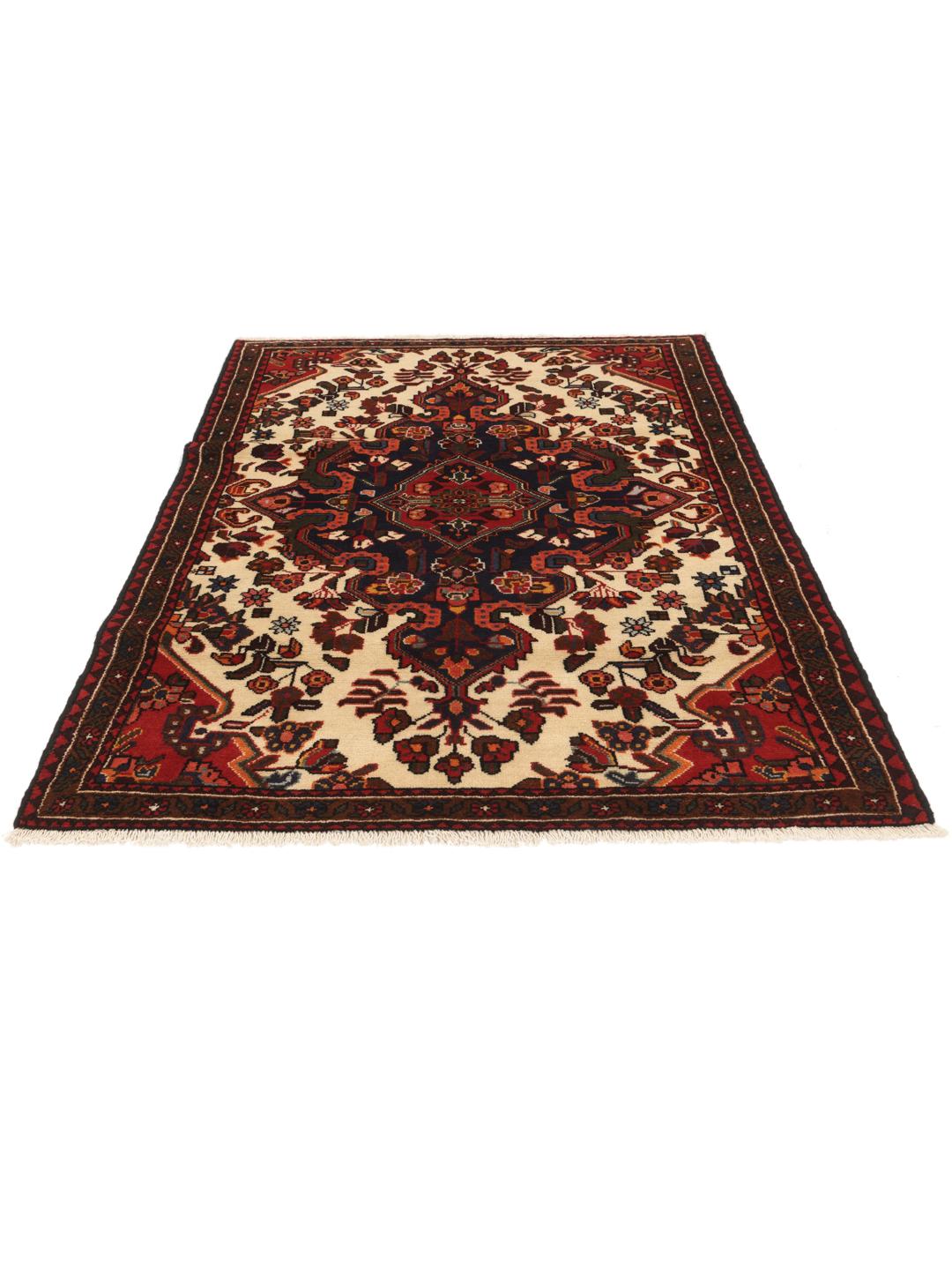
The Saveh region, located in the heart of the Middle East, is renowned for its long-standing history of textile production. Historically, rugs from this area have been influenced by the surrounding nomadic and village traditions, resulting in a style that blends sophisticated, formal designs with the spontaneous, creative energy of rural craftsmanship.
The term 'Hamadan' refers to a broad category of rugs woven in and around the city of Hamadan, one of the oldest cities in the region. These rugs are highly regarded for their robust construction and the use of high-quality, local wool. The weaving tradition here has been passed down through generations, with families maintaining specific regional techniques that define the character of their output.
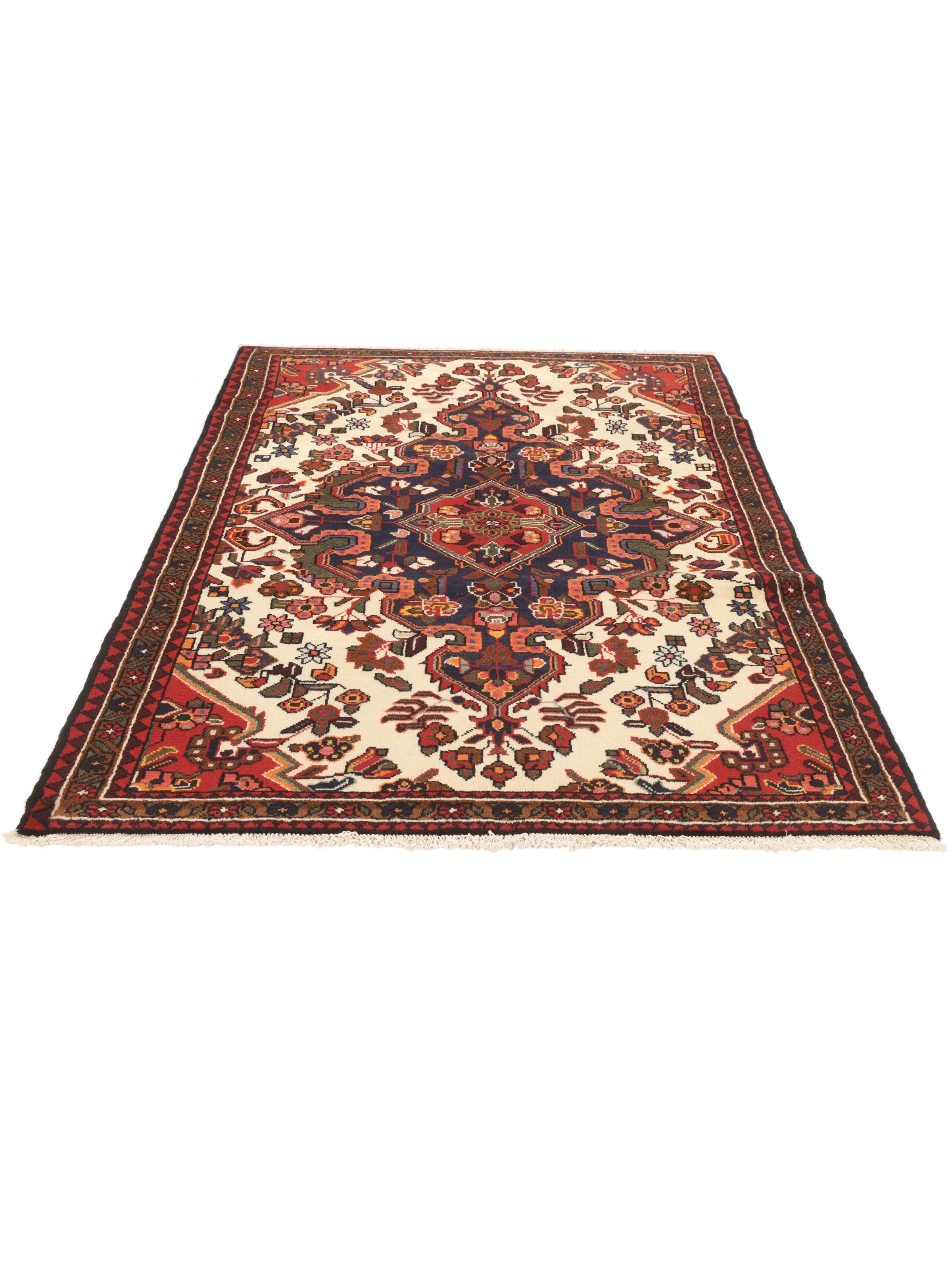
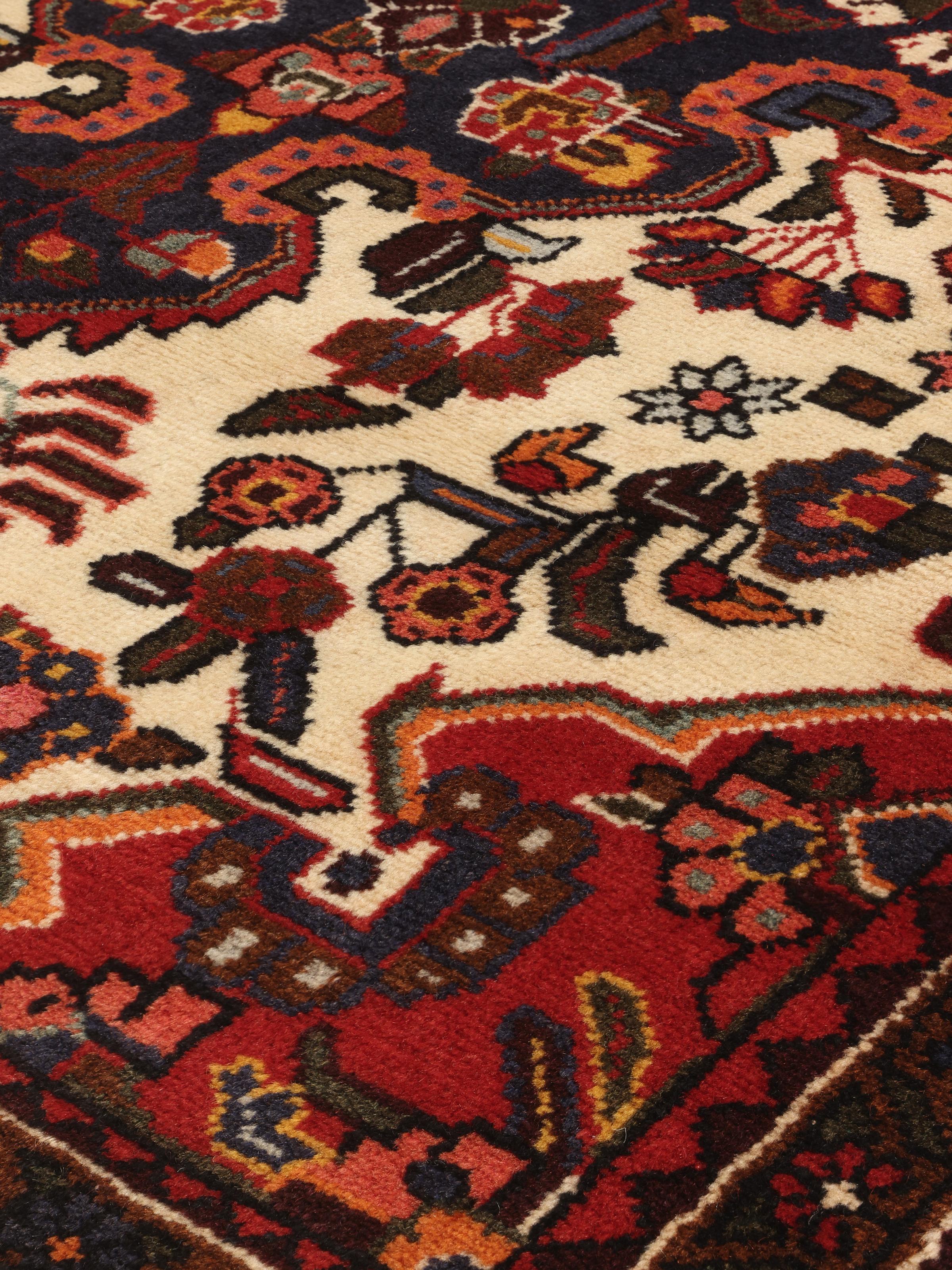
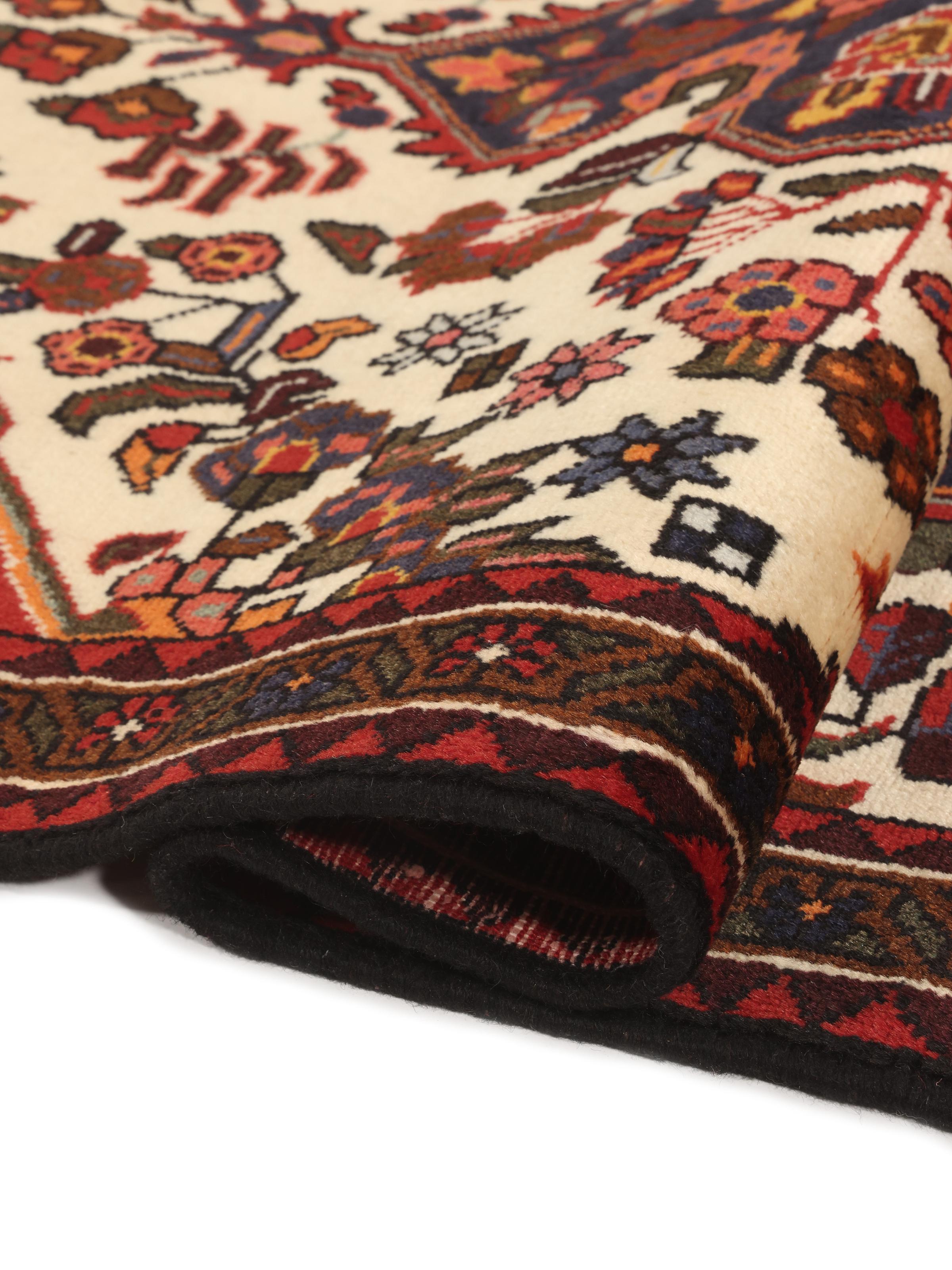
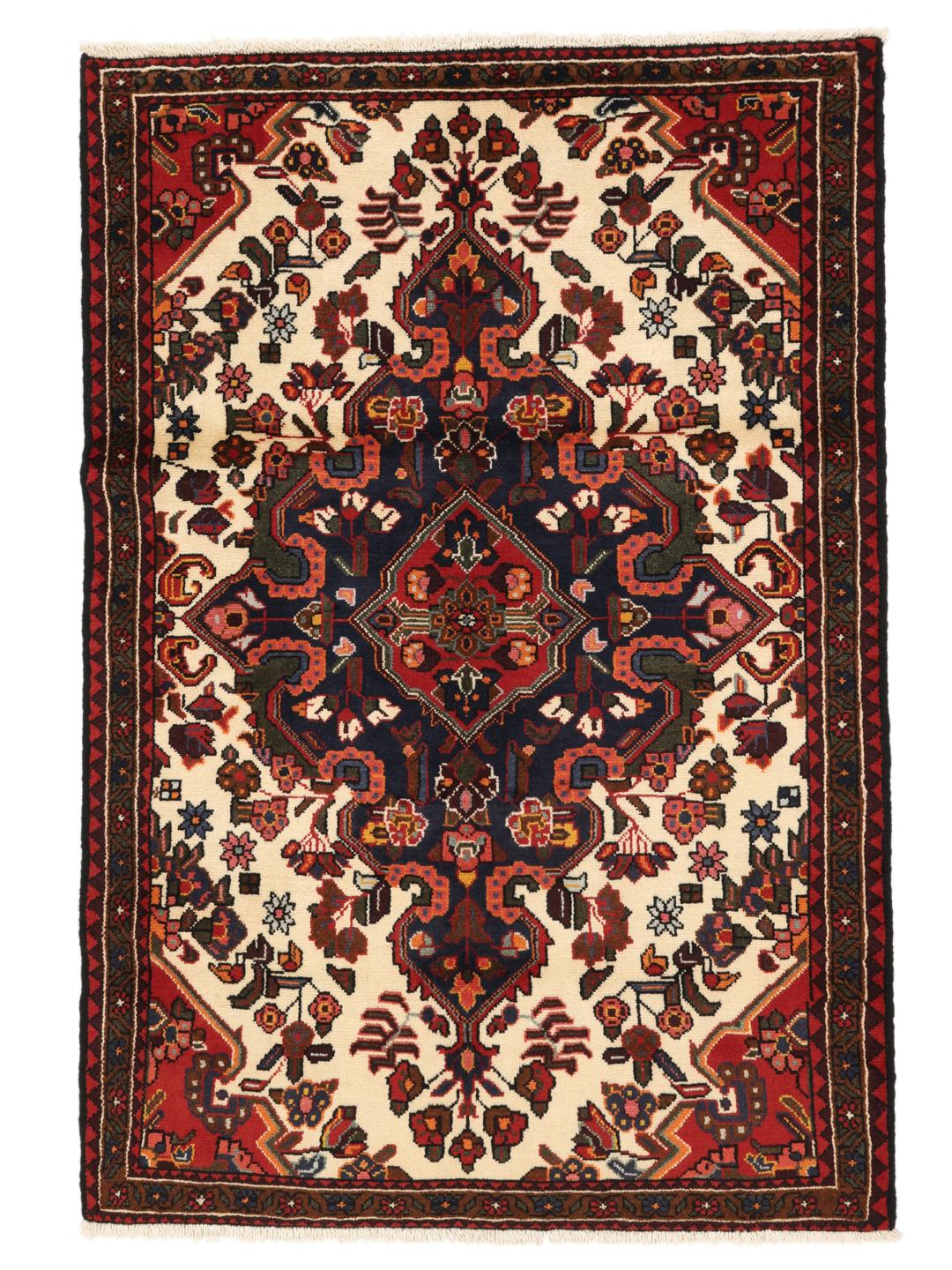
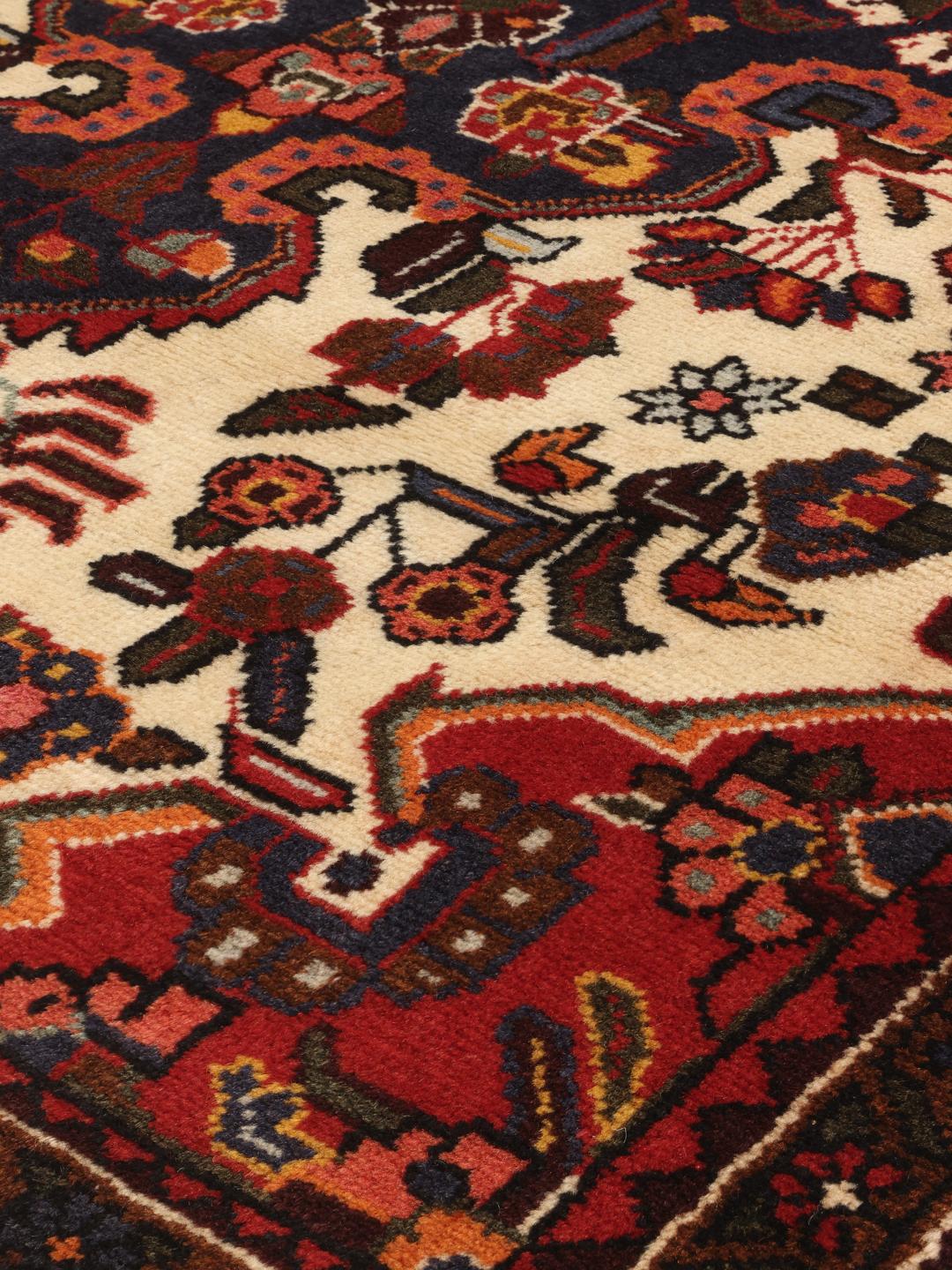
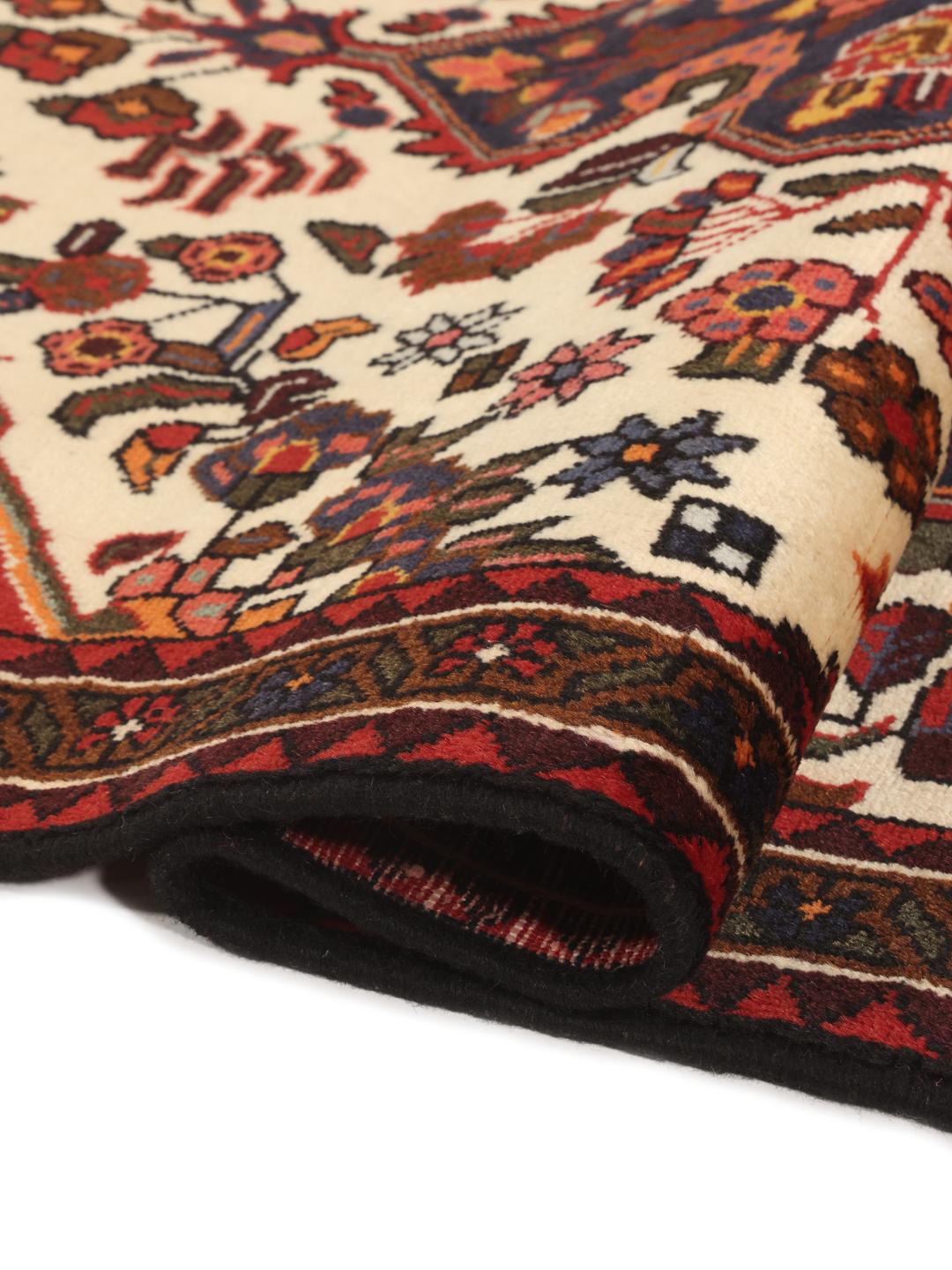
Design-wise, this rug showcases the classic elements often found in the Hamadan tradition, such as the prominent central medallion and the use of repeating floral motifs. The border is a defining feature, often framing the central field with stylised geometric shapes that provide a sense of balance and structure to the overall composition.
Owning a piece like this is an opportunity to connect with a centuries-old craft. These rugs are not merely decorative items but are valued for their durability and the cultural narrative they carry. Collectors and homeowners alike prize these pieces for the way they bridge the gap between historical regional heritage and contemporary interior design.