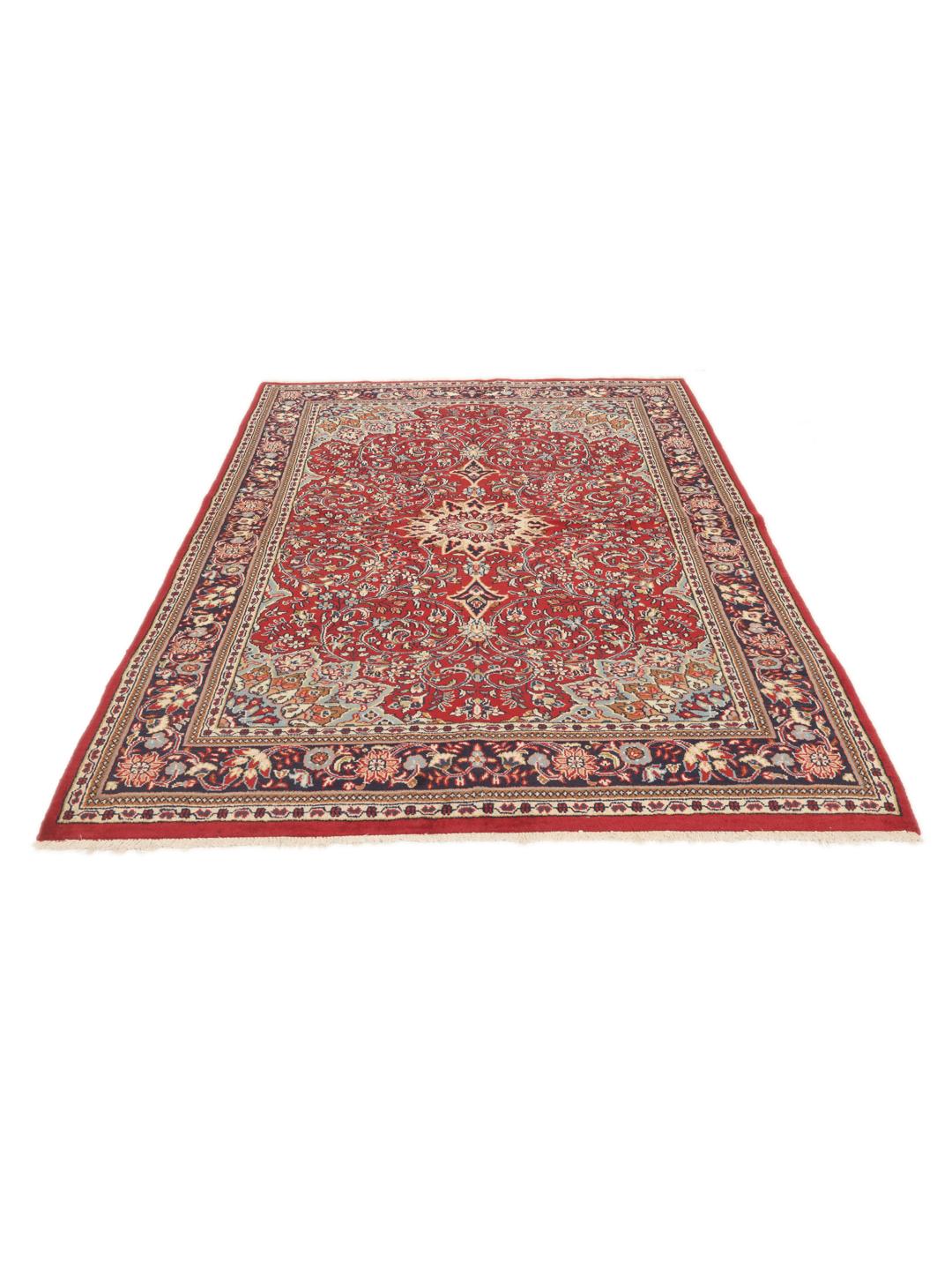
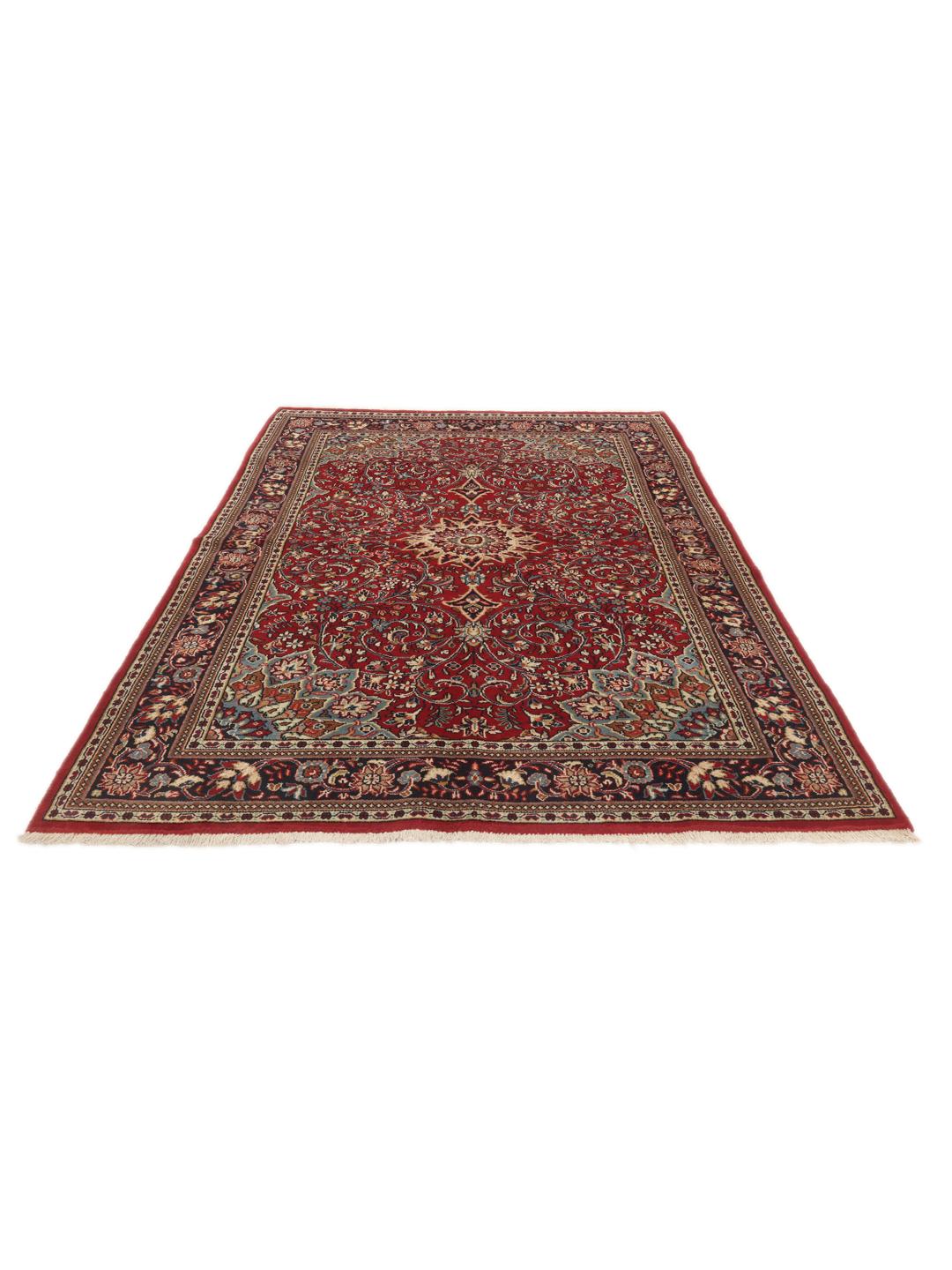
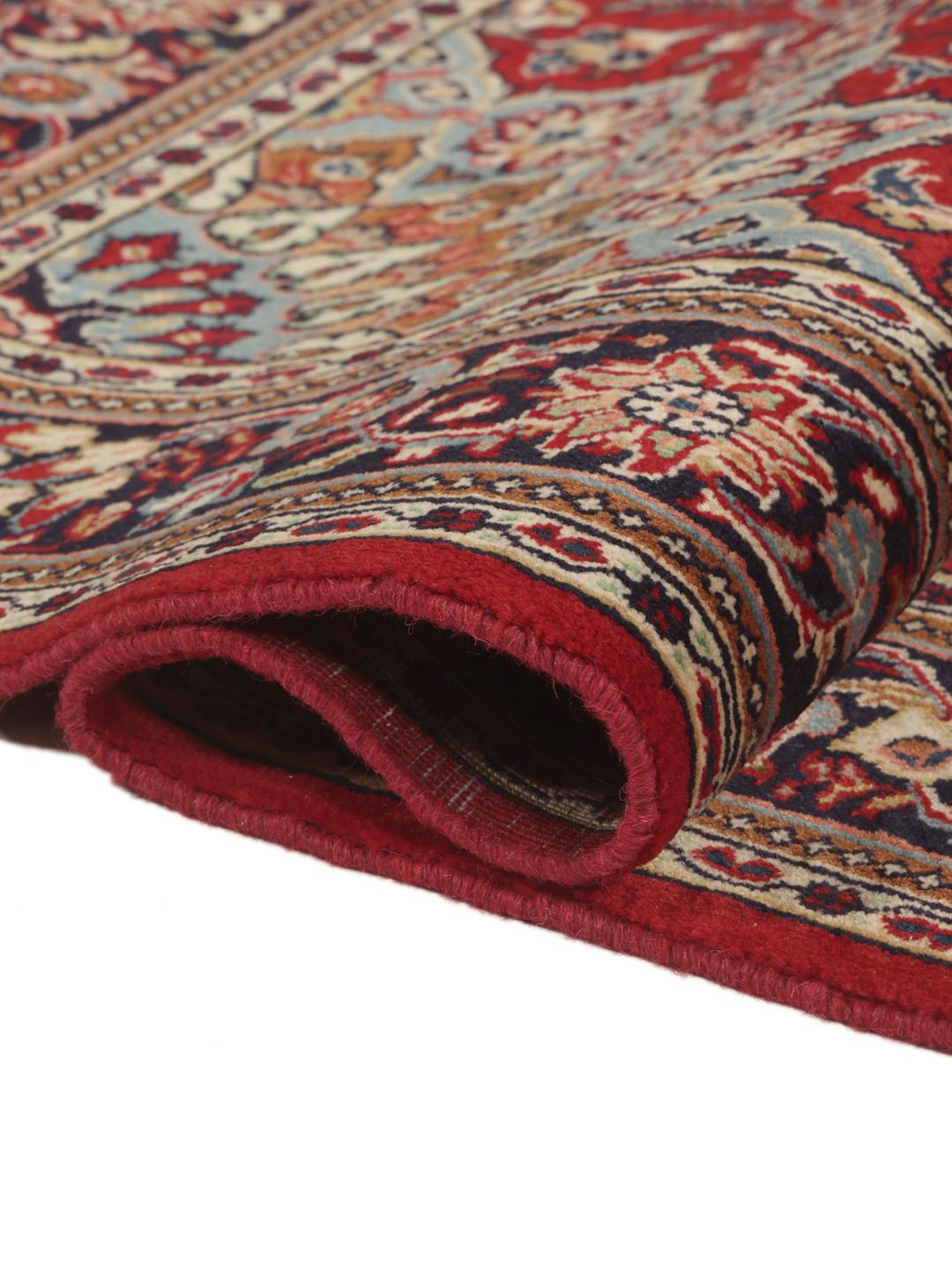
The Sarouk rug tradition originates from the village of Sarouk in the Markazi Province of the Middle East. Historically, this region became famous for producing rugs of exceptional quality, often characterised by their dense, heavy pile and ornate floral designs that gained significant popularity throughout the 20th century.
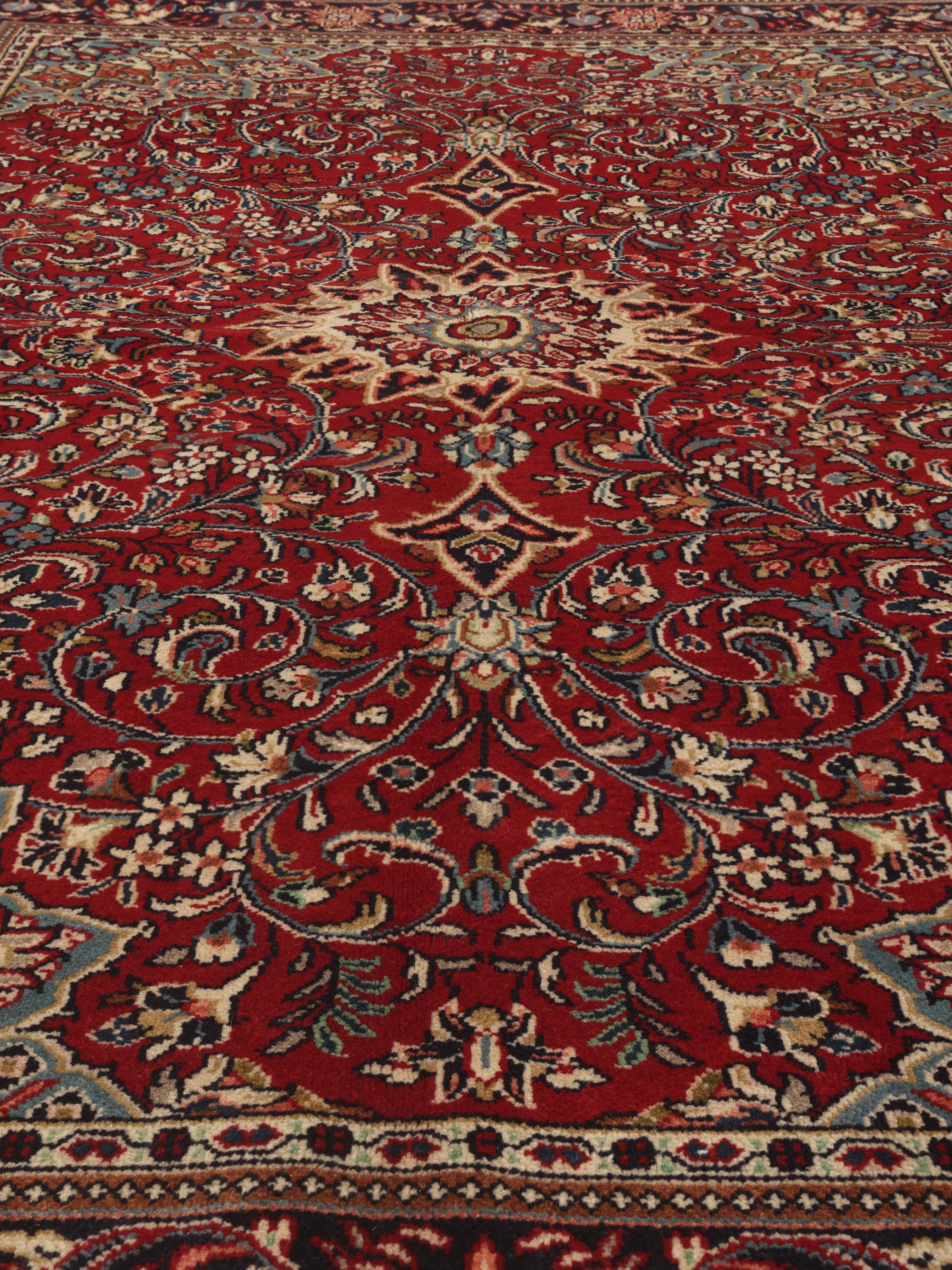
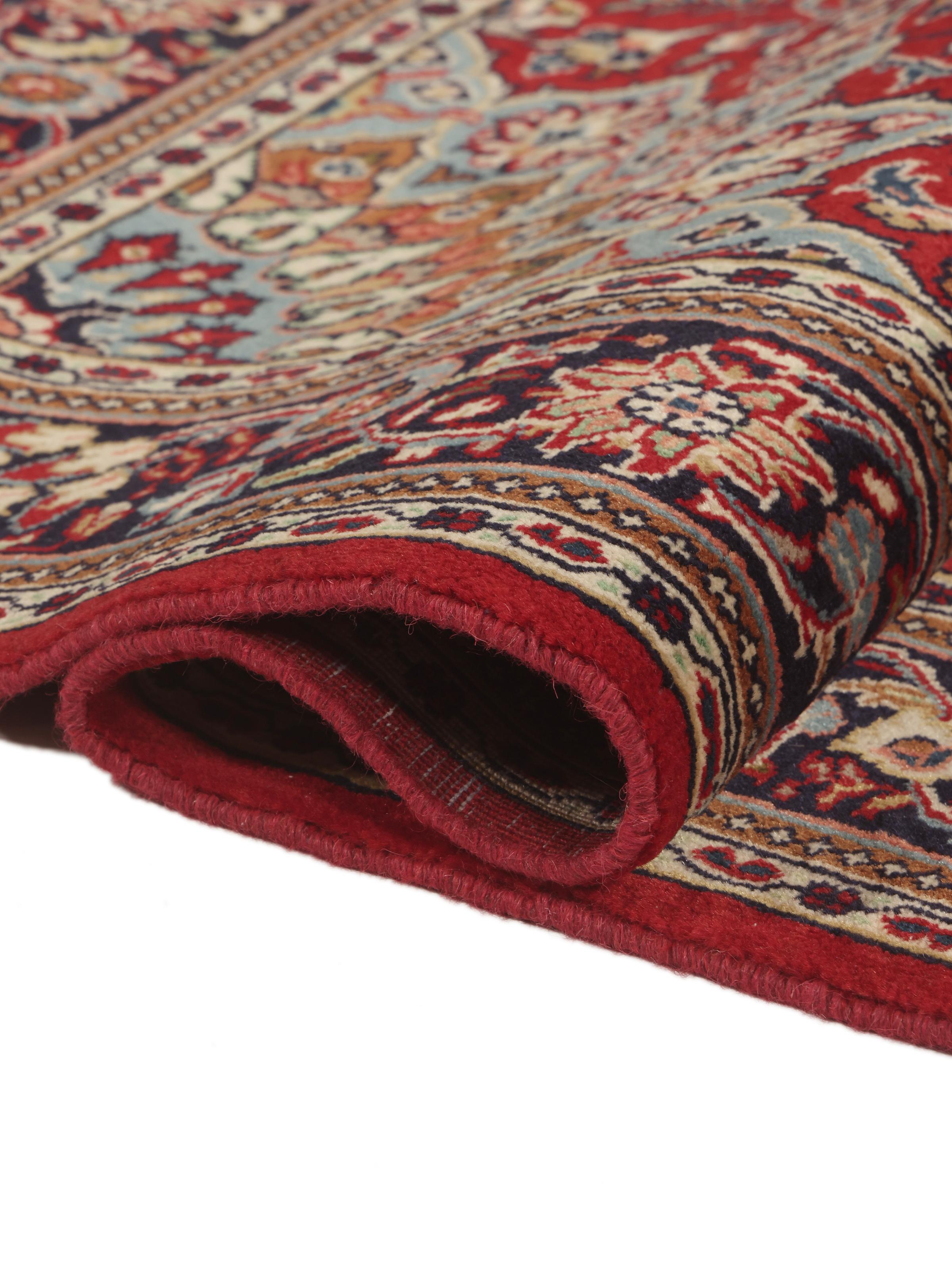
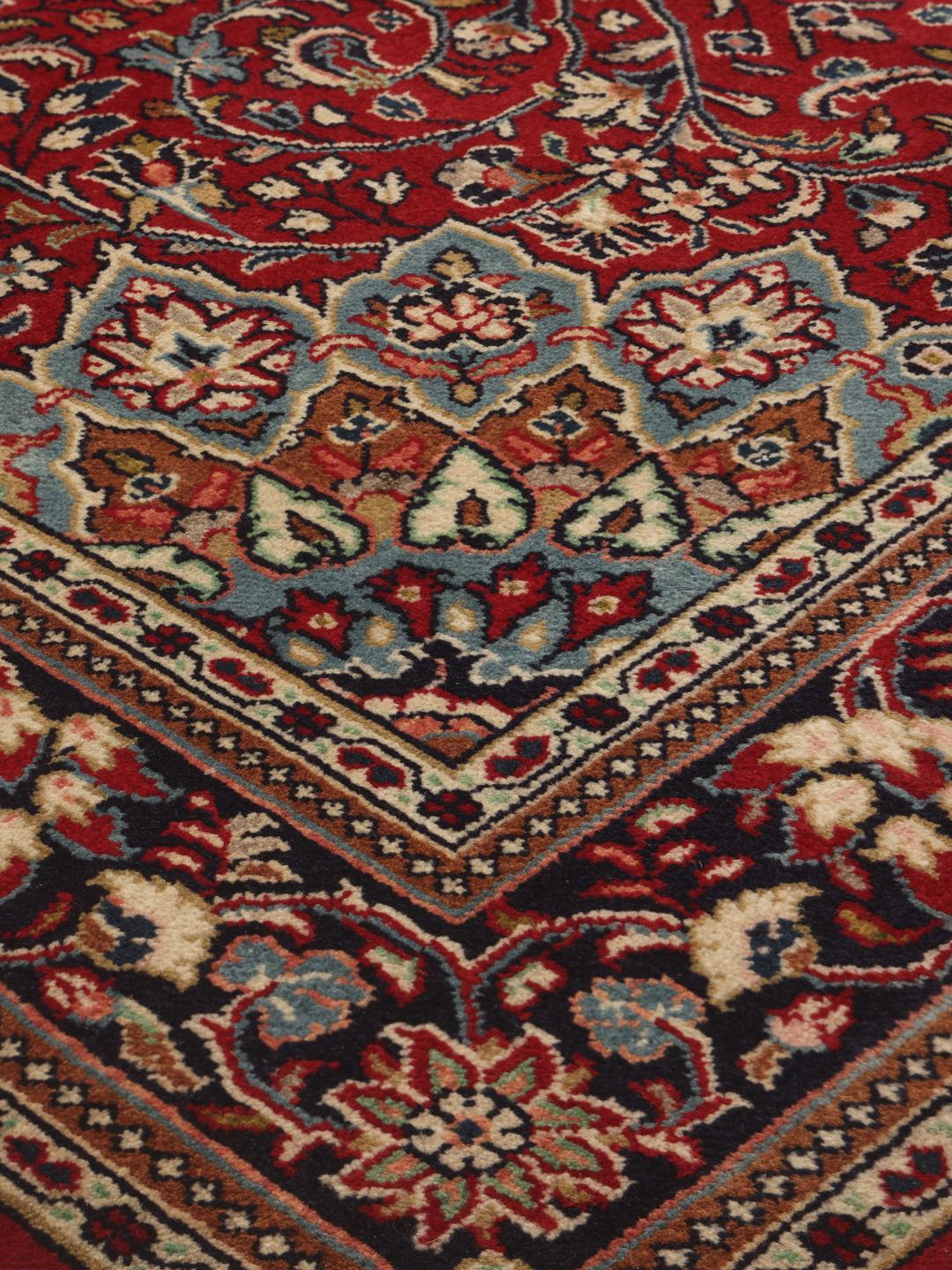
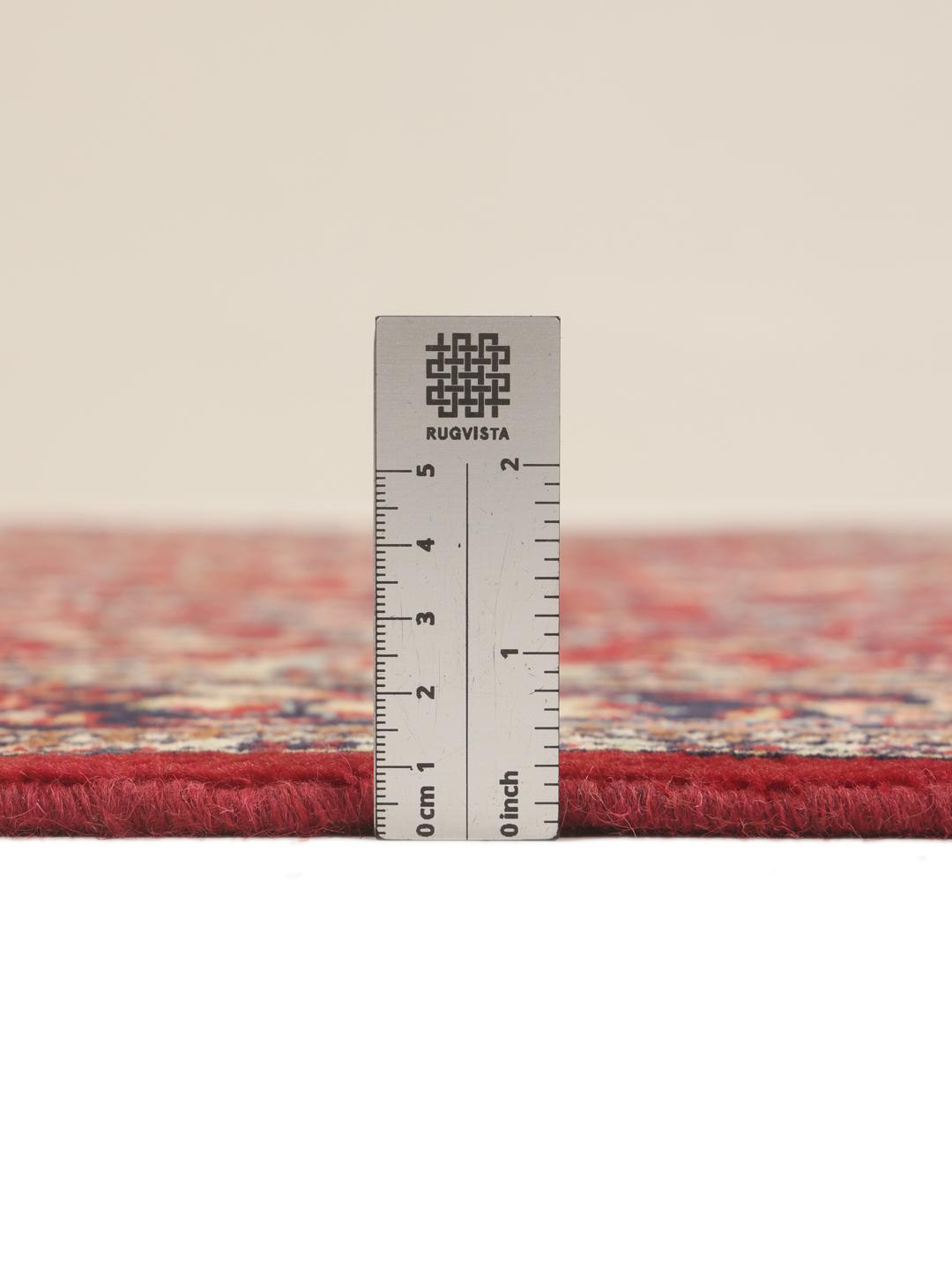
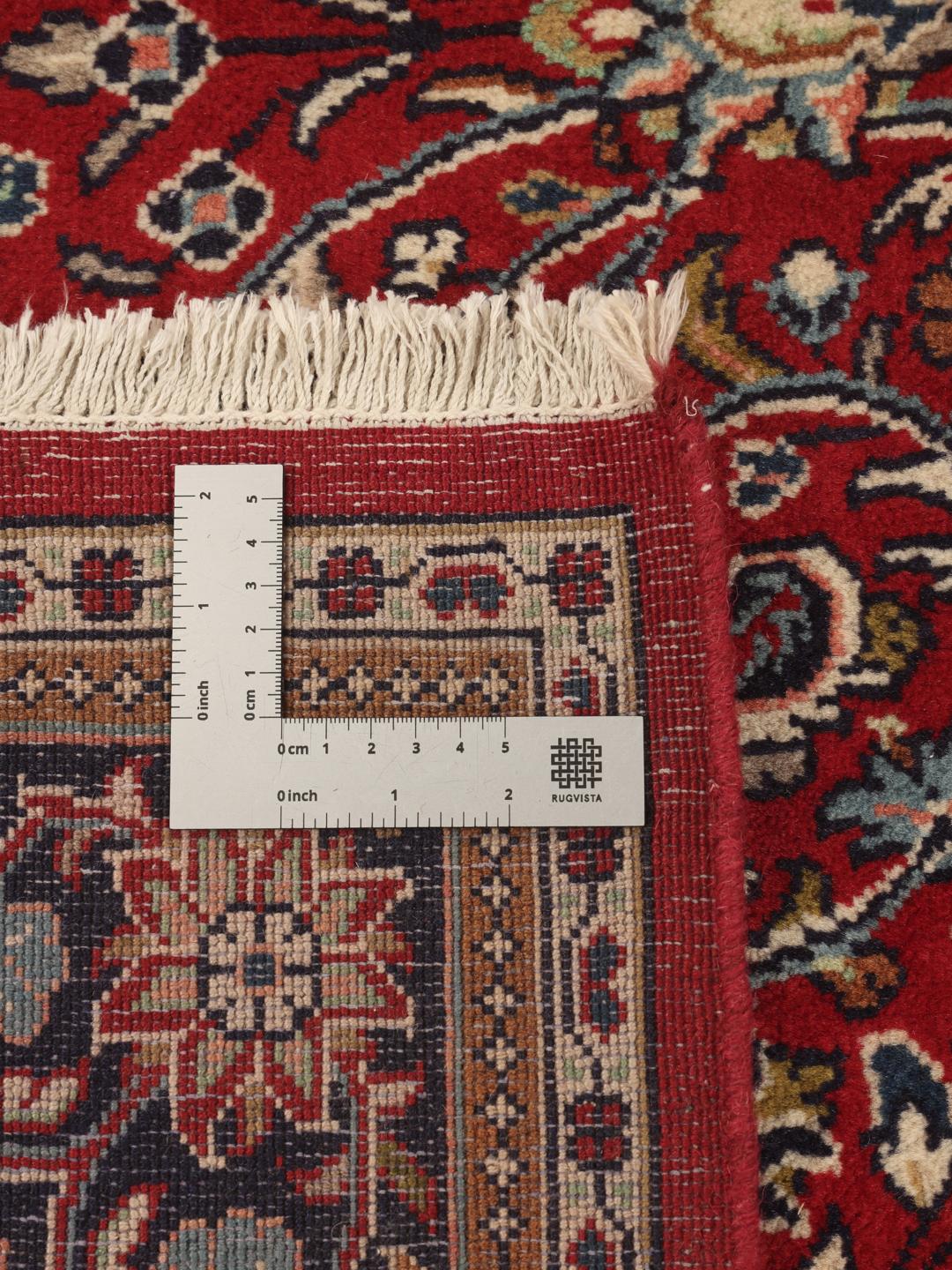
A defining technical feature of these rugs is the use of a sturdy foundation. By using robust materials for the base, weavers are able to achieve a tight, dense knotting structure. This specific construction technique is what gives these rugs their renowned durability, allowing them to handle high-traffic areas while maintaining a soft, luxurious feel.
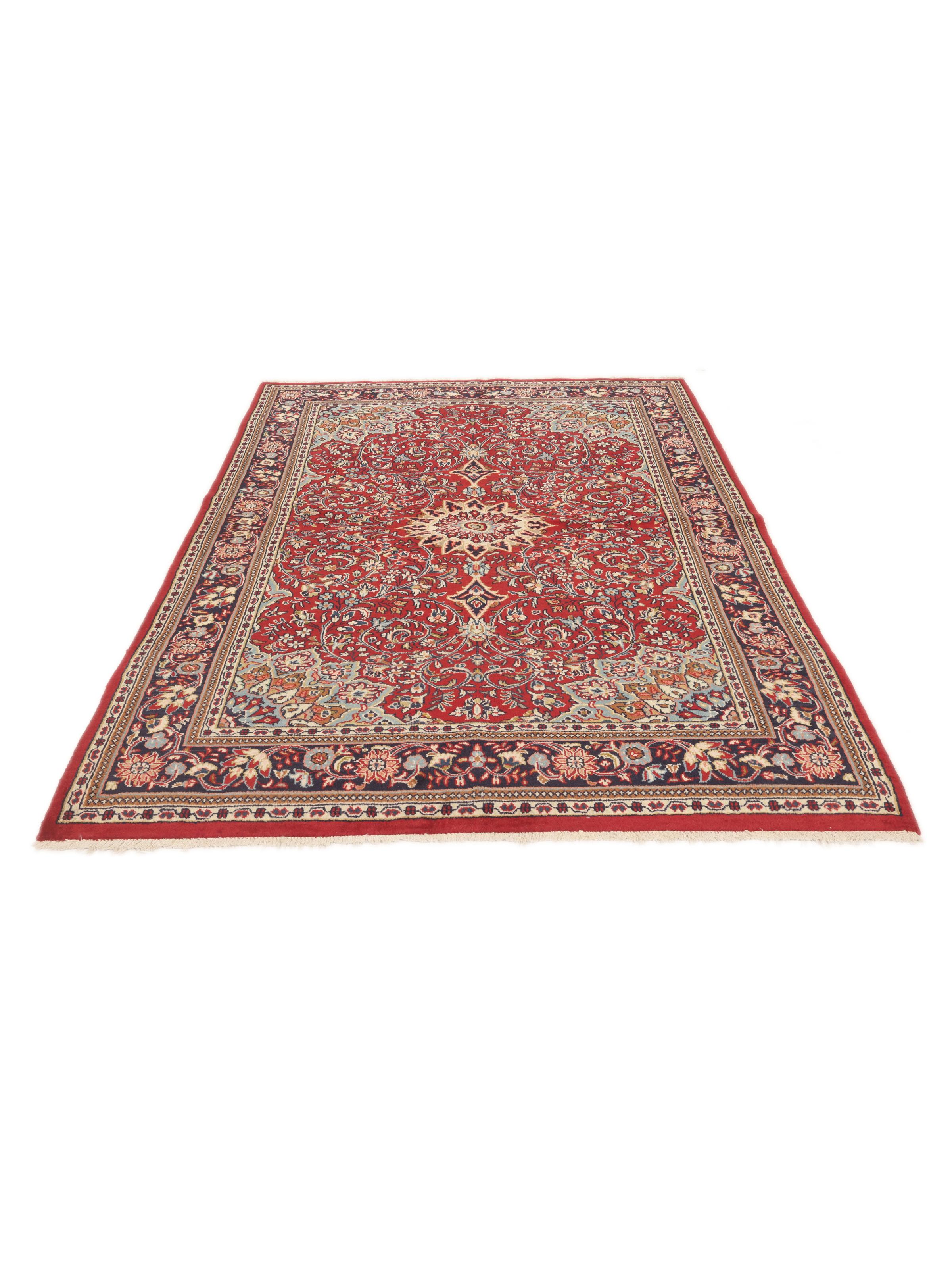
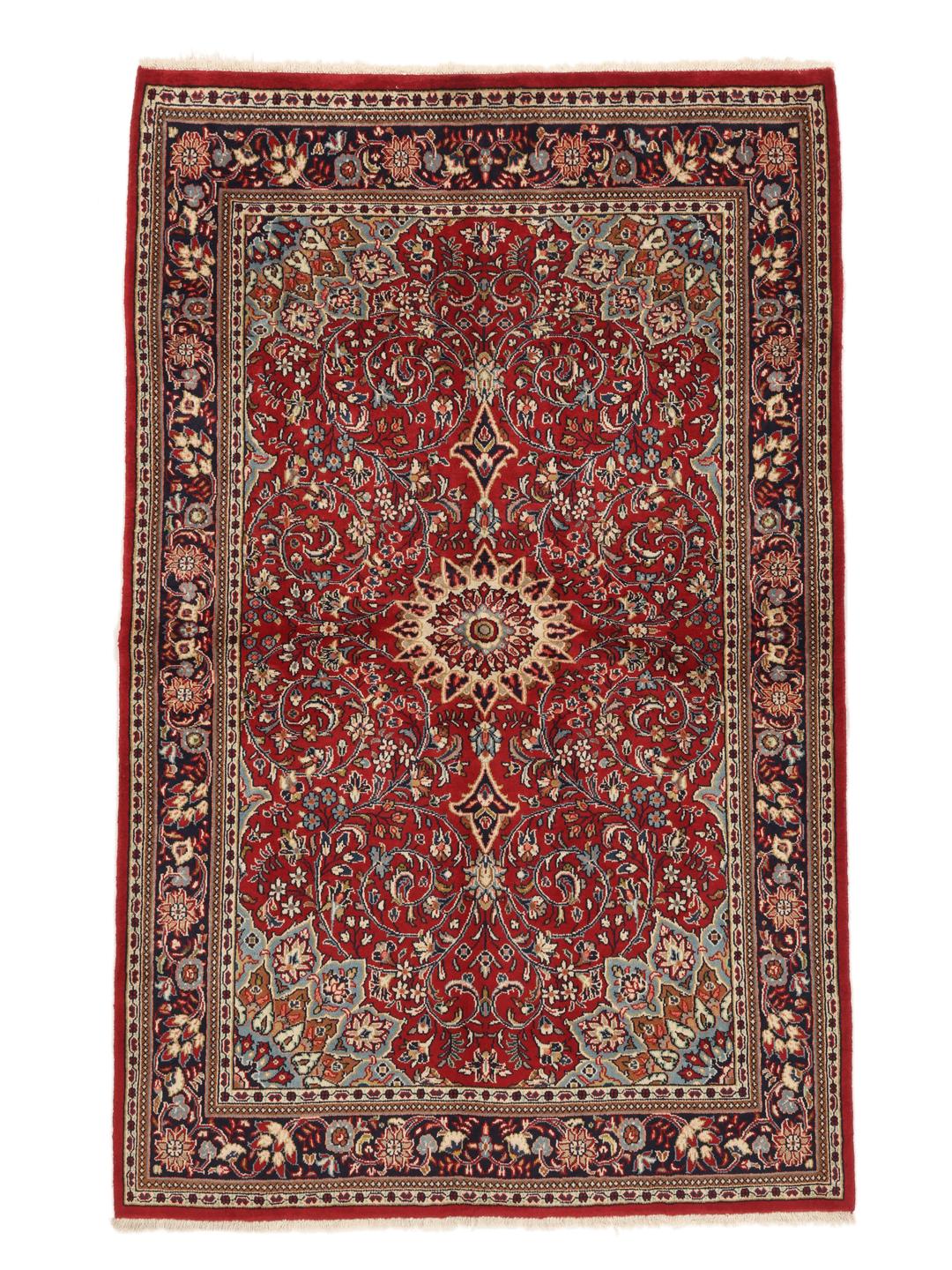
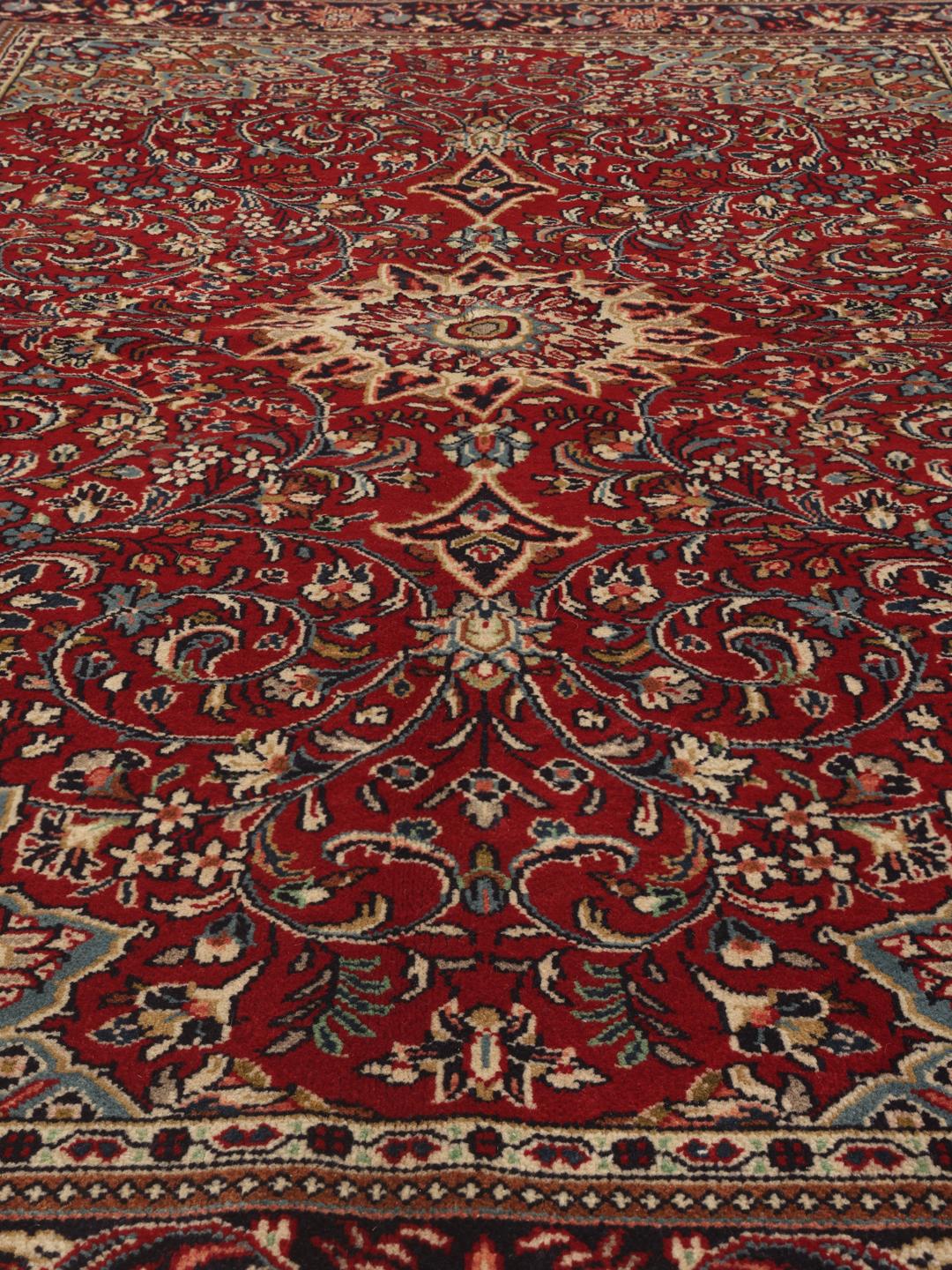
Visually, these rugs are celebrated for their sophisticated floral compositions. They typically feature a central medallion surrounded by a complex field of scrolling vines, palmettes, and blossoms. The borders are often formal and wide, creating a frame that complements the busy, intricate patterns found in the central field.
Collecting a rug from this tradition is an investment in heritage and skill. These pieces are valued for their ability to bring a sense of gravity and traditional beauty to a room. Owning one is a testament to the enduring appeal of hand-knotted craft, where the weaver's personal touch and the regional design language combine to create something that feels both historic and timeless.