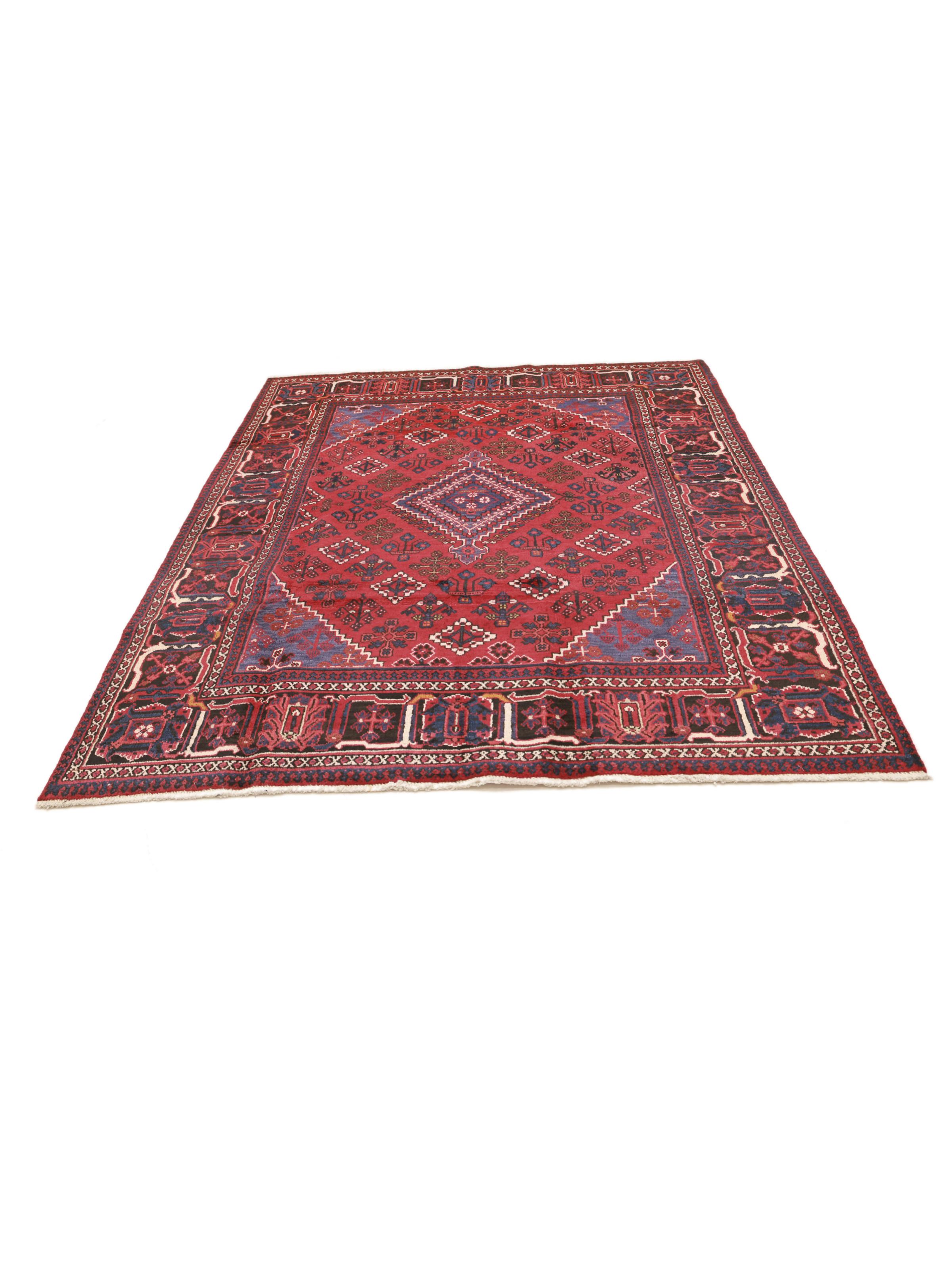
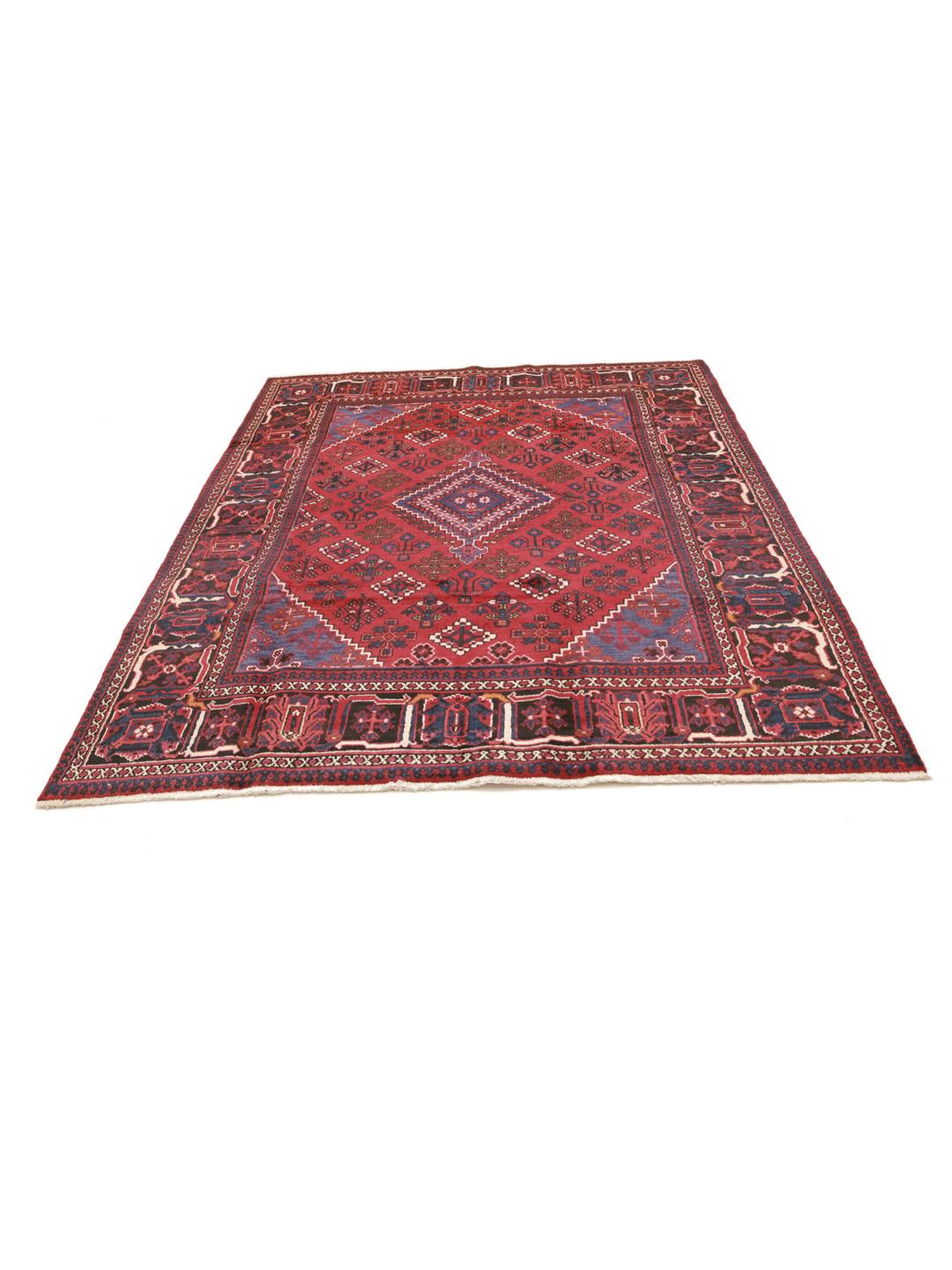
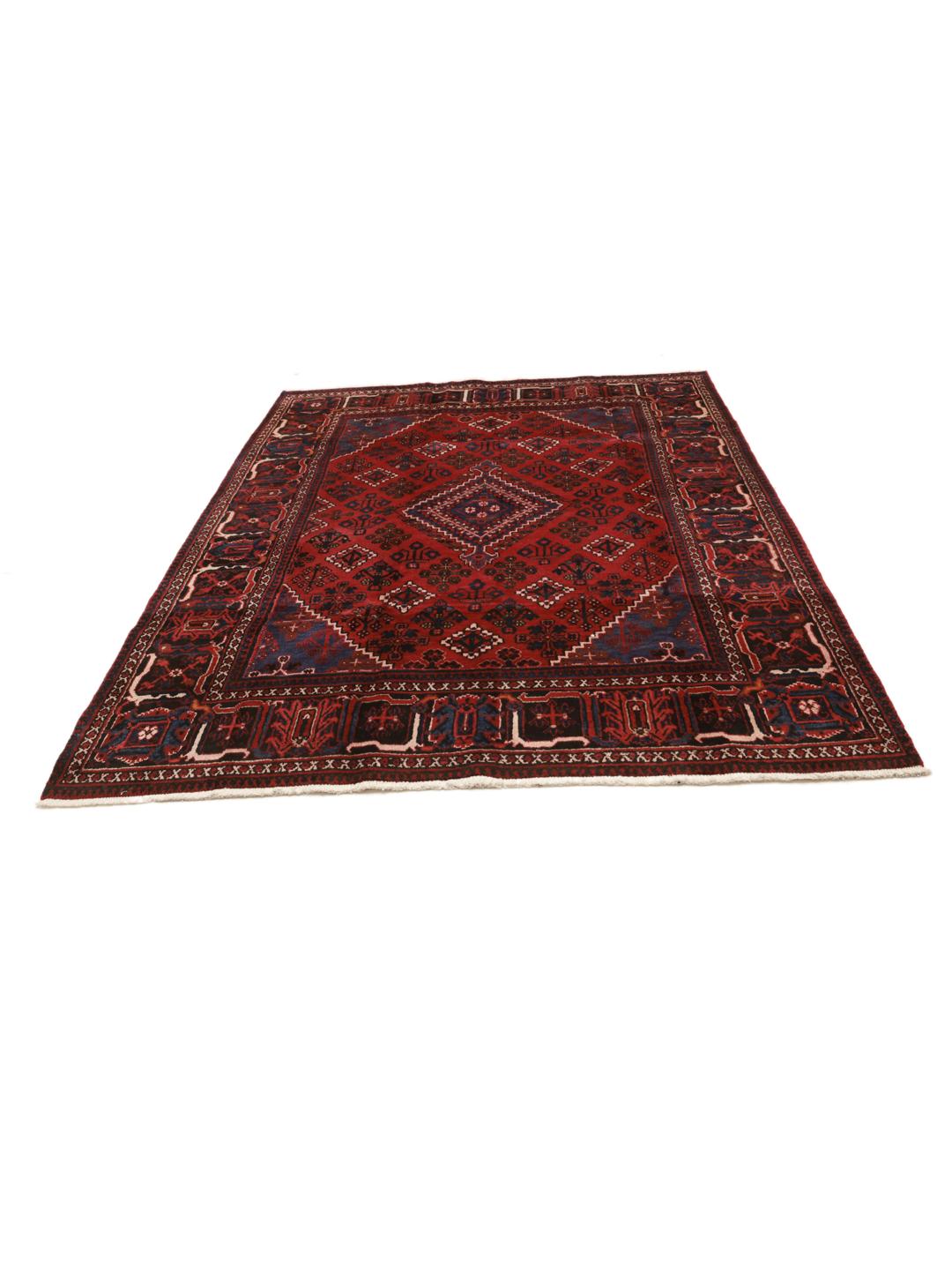
The Joshaghan rug tradition originates from the historic town of Joshaghan-e-Qali, located in the central plateau of the Middle East. This region has been a centre of weaving excellence for centuries, historically celebrated for producing textiles of such high quality that they were frequently commissioned by royal courts during the Safavid era.
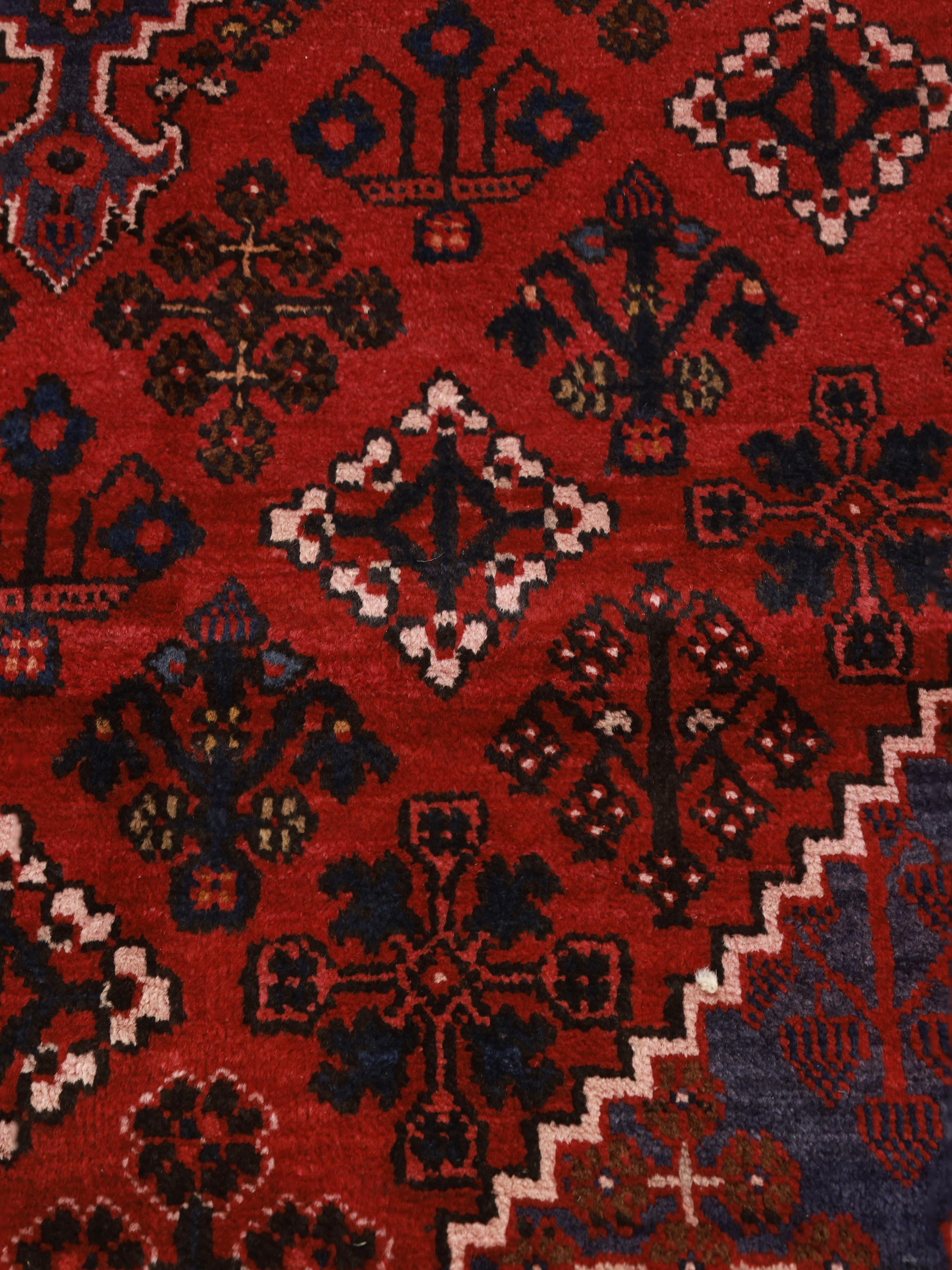
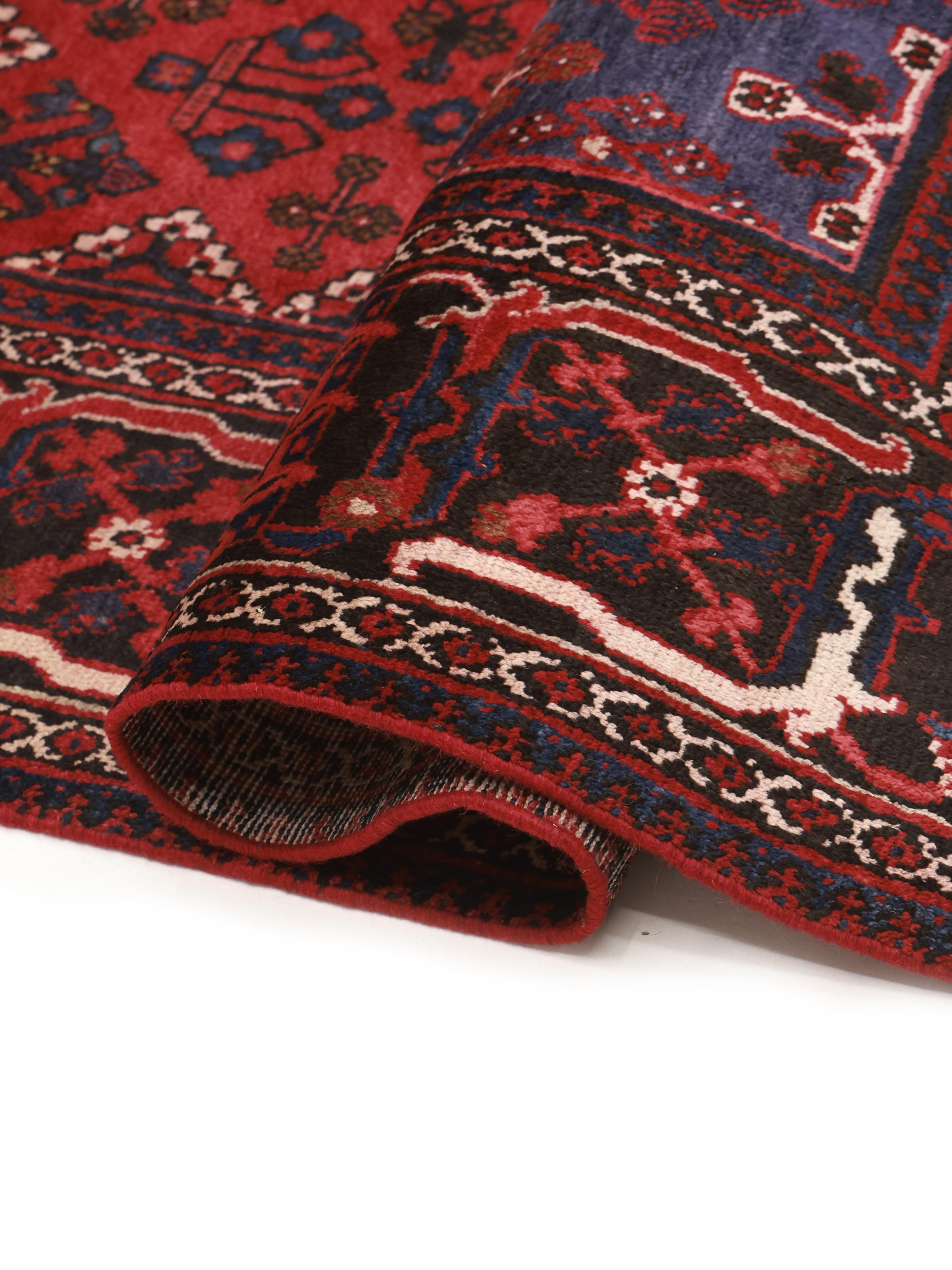
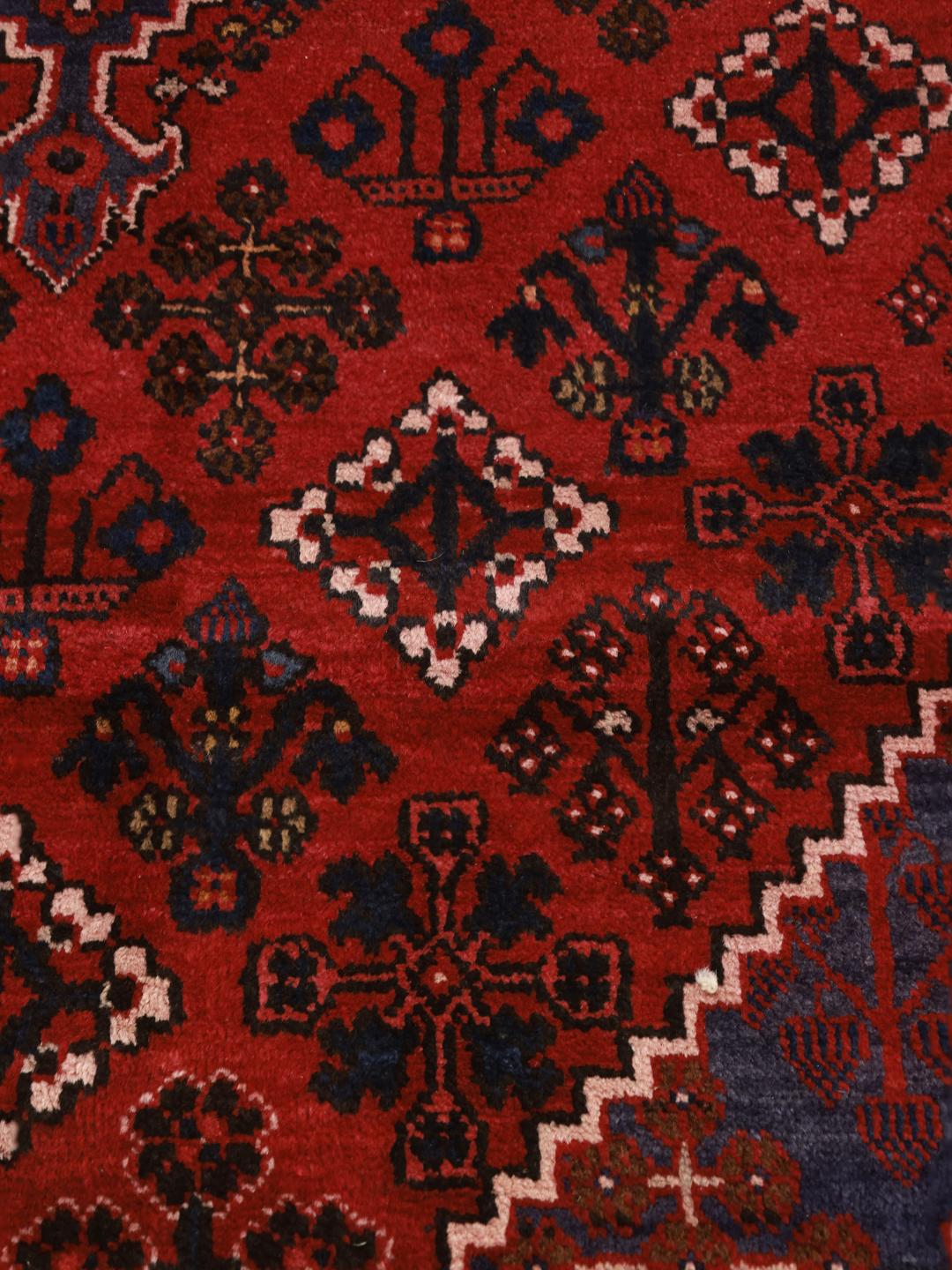
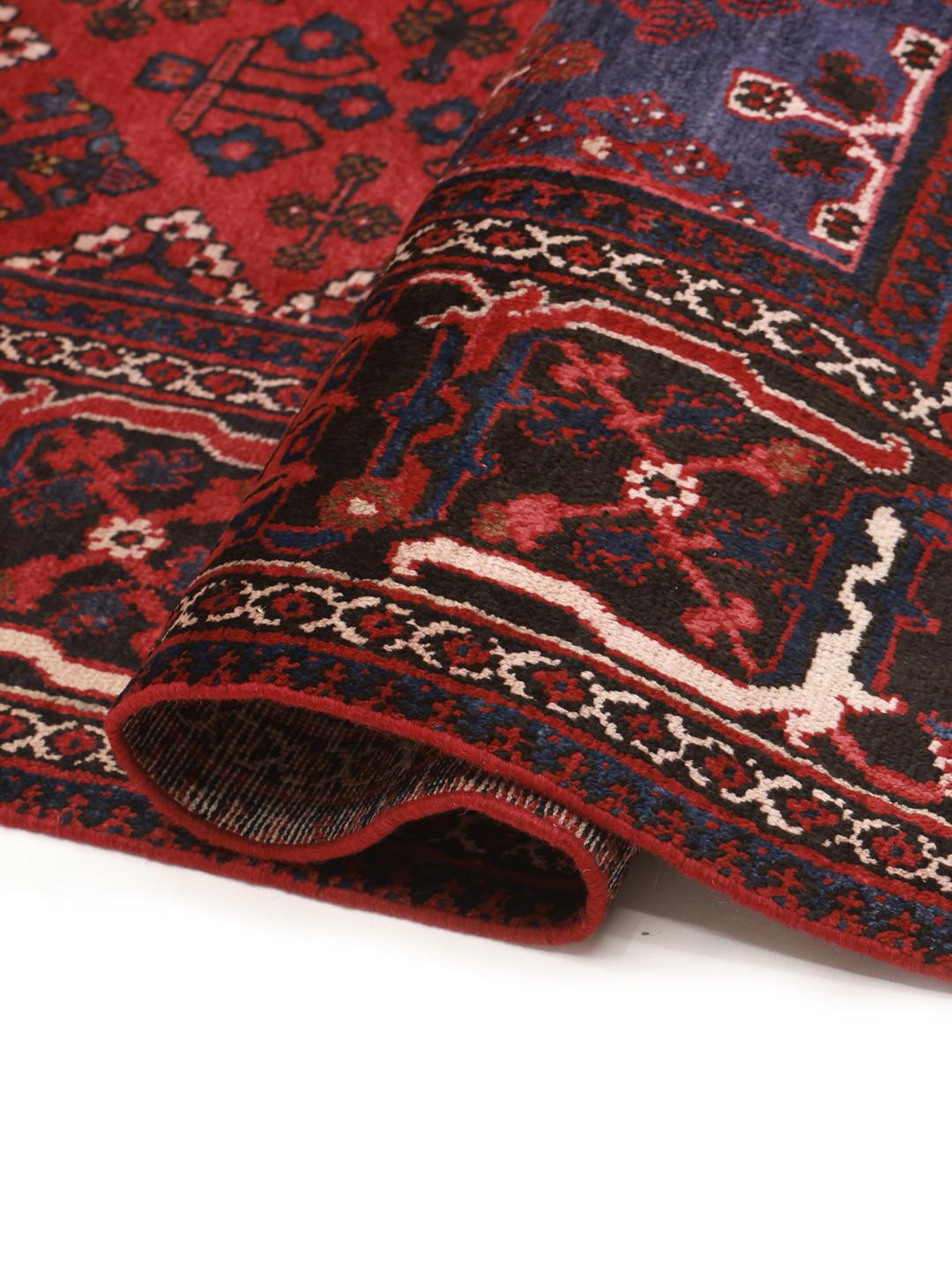
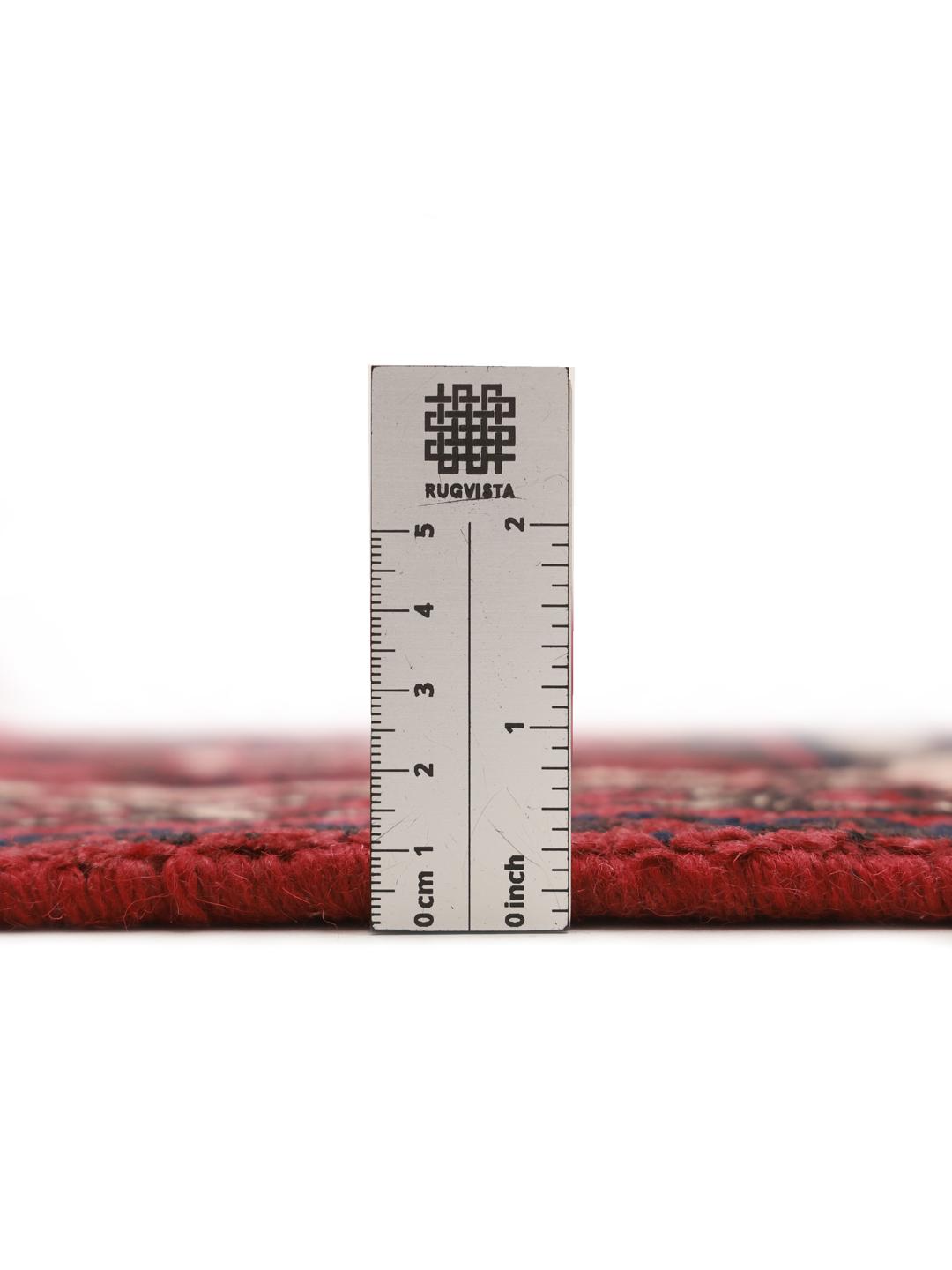
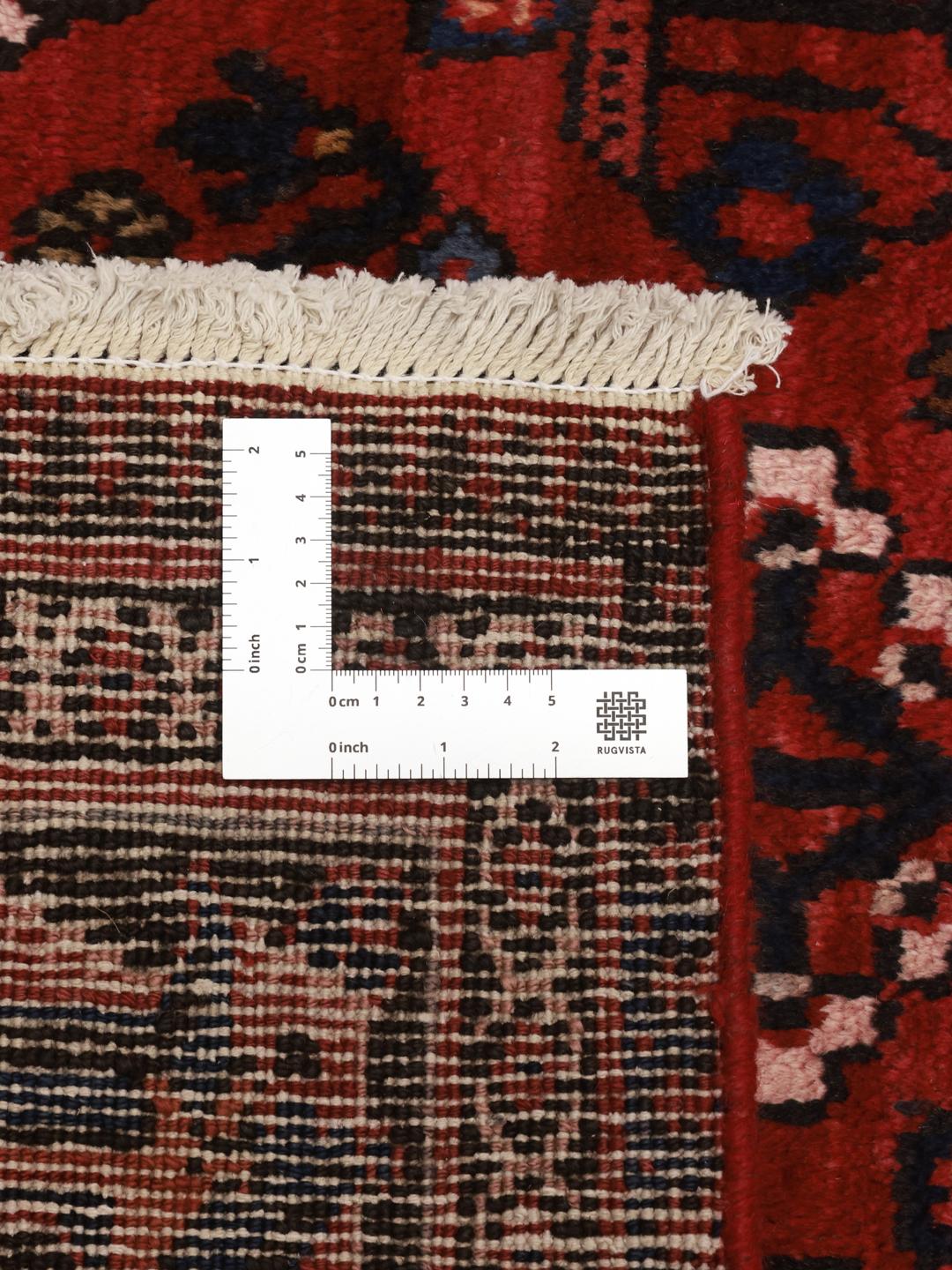
The technical mastery of these rugs lies in their specific approach to knotting and the quality of the Wool used. The dense pile is designed to be both durable and lustrous, a hallmark of the region's long-standing dedication to creating textiles that balance practical utility with sophisticated aesthetic appeal.
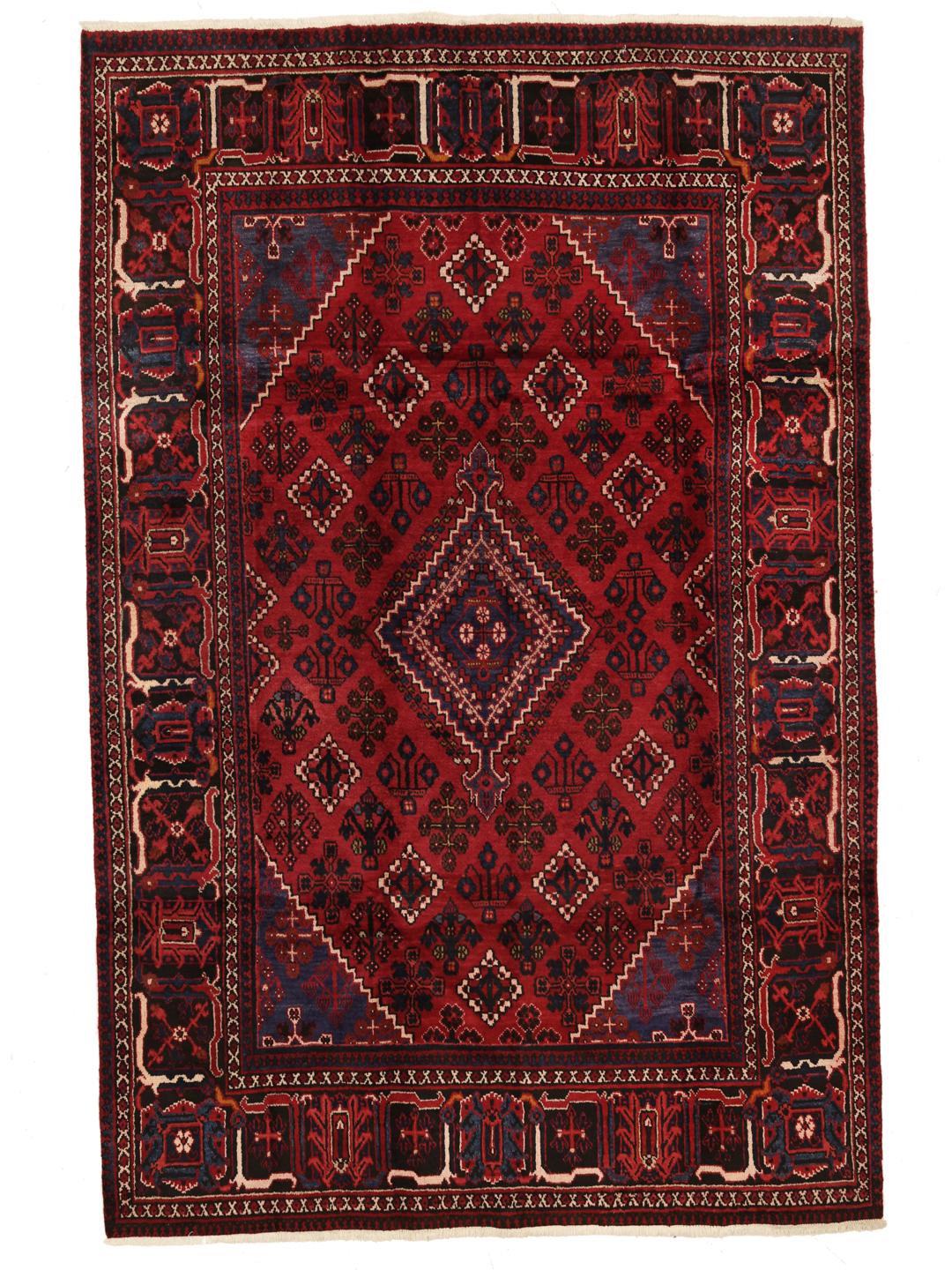
Visually, Joshaghan rugs are defined by their signature 'Zeli-Sultan' or garden-style patterns, which often feature repeating geometric floral motifs like vases, cypress trees, and stylized blossoms. These arrangements are typically contained within a central medallion or organised in a grid, framed by precise, decorative borders that reflect a disciplined and ancient design language.
Collecting a Joshaghan rug is an investment in cultural heritage. These pieces are valued not only for their beauty but for the continuity of the craft they represent. Owning one offers a connection to a long lineage of artisans who have refined their style over generations, making these rugs highly sought after by those who appreciate authentic, storied craftsmanship.