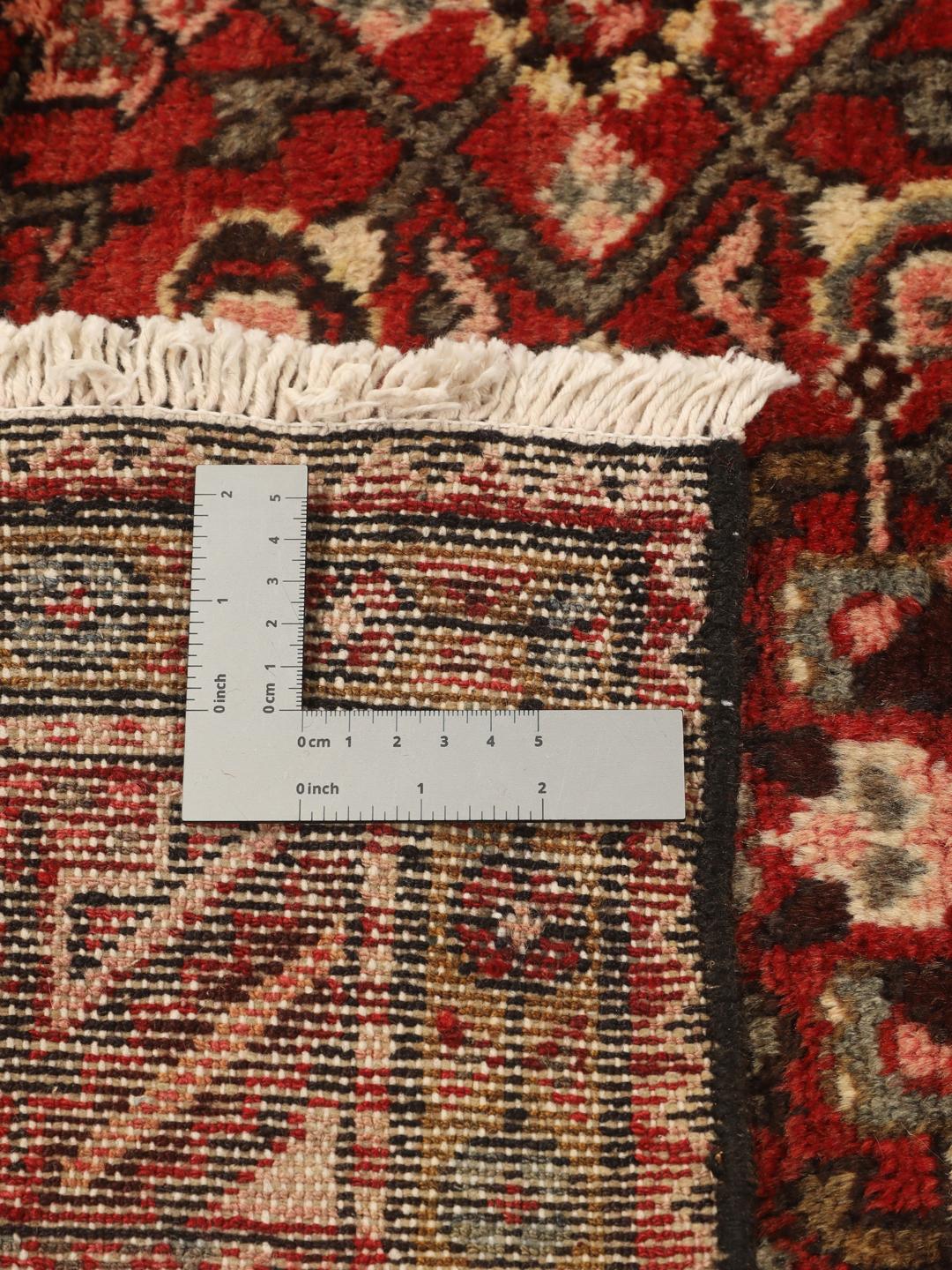
Hosseinabad rugs originate from the Hamadan region in the Middle East, a historic area renowned for its long-standing tradition of village weaving. These rugs are deeply connected to the local culture, where weaving techniques have been passed down through generations, reflecting the specific design preferences and environmental influences of the region.
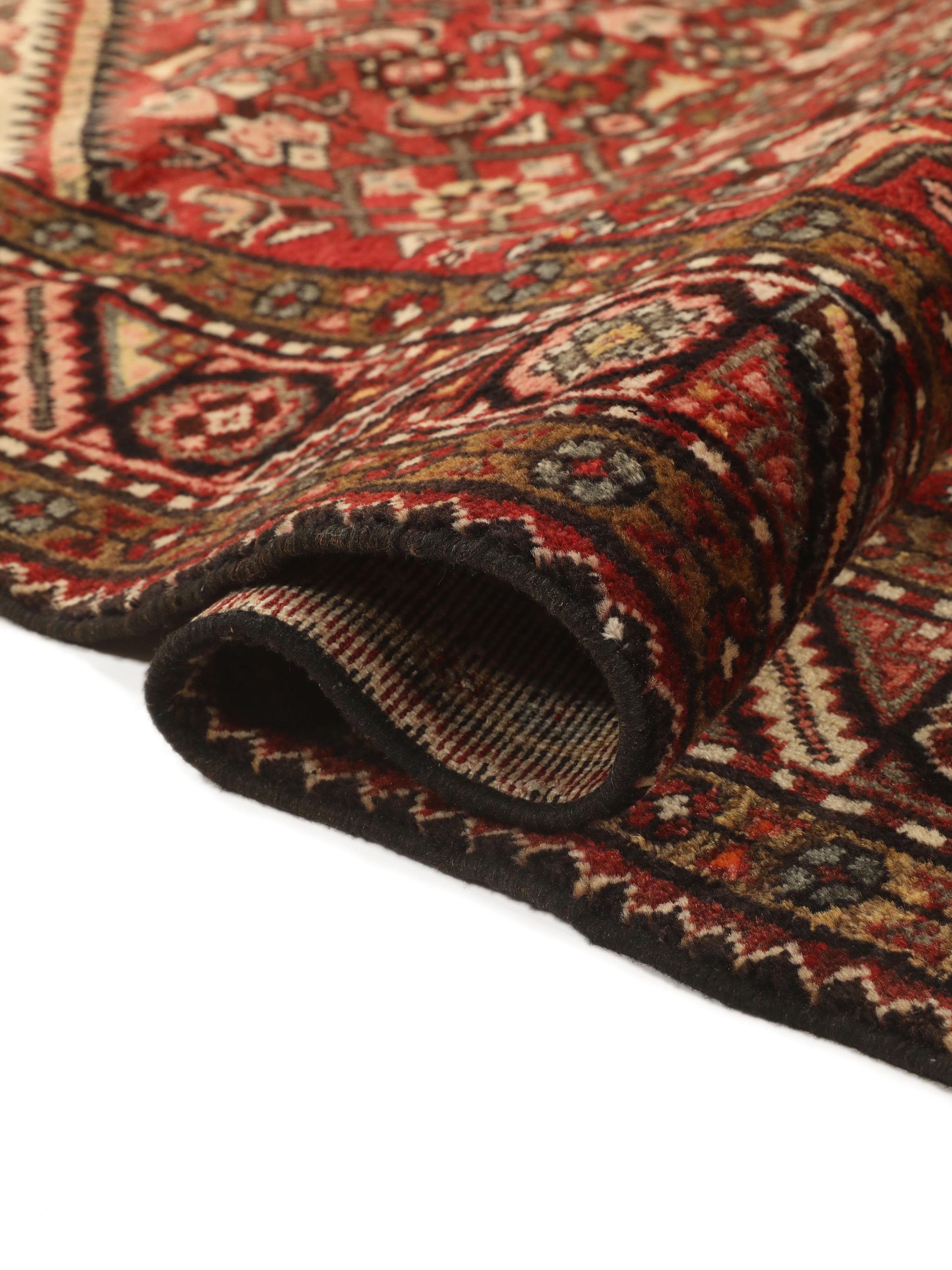
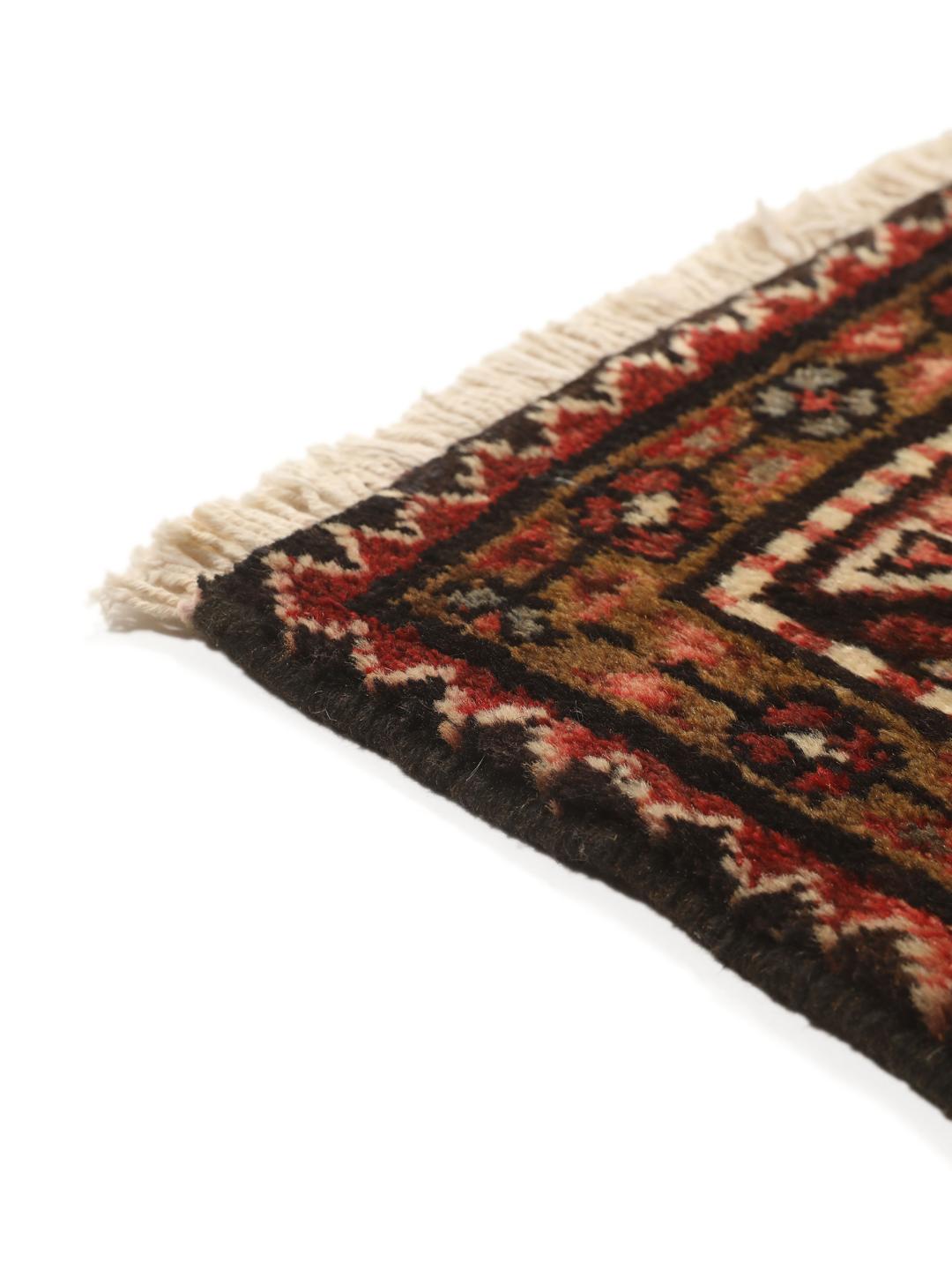
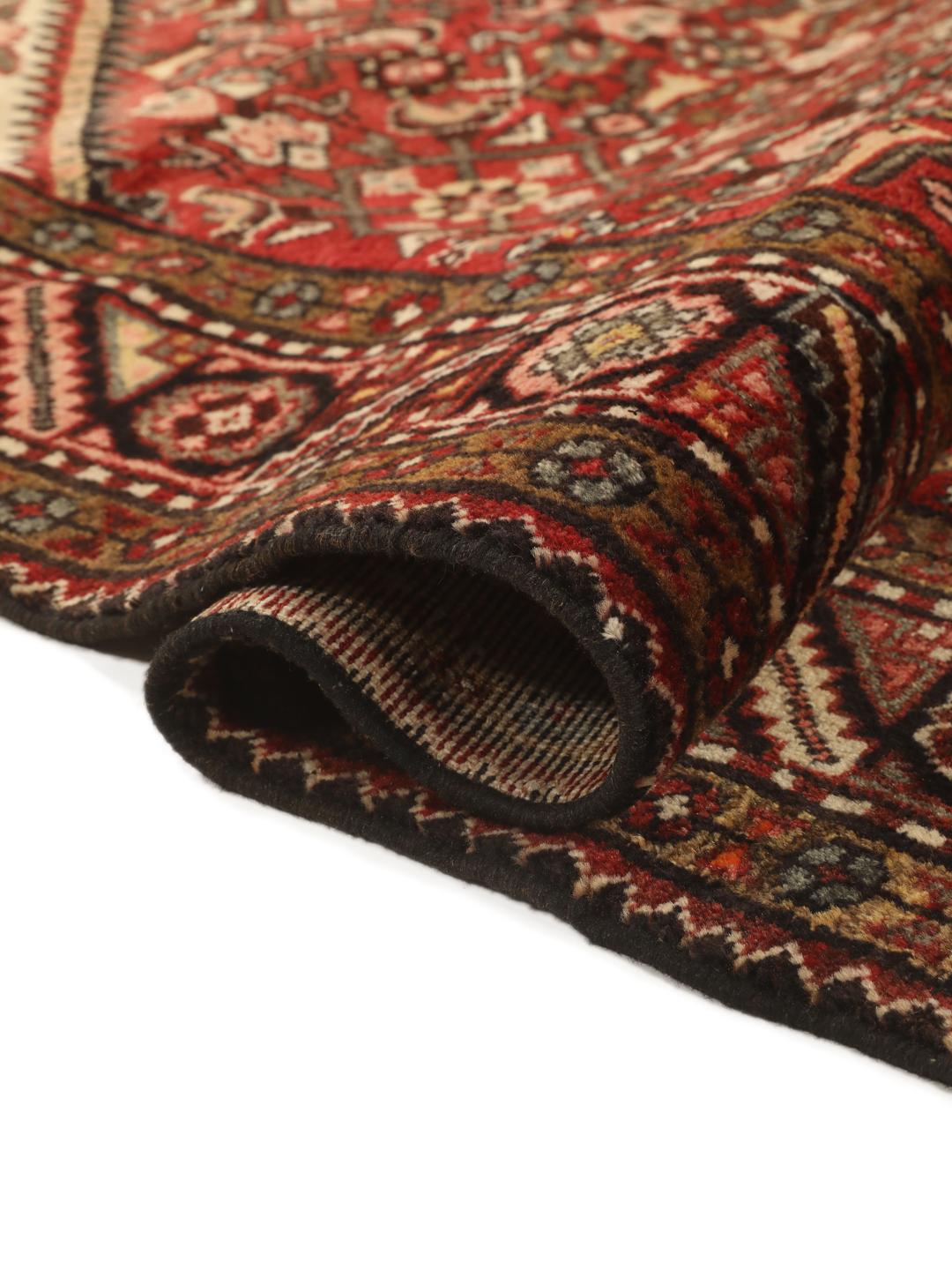
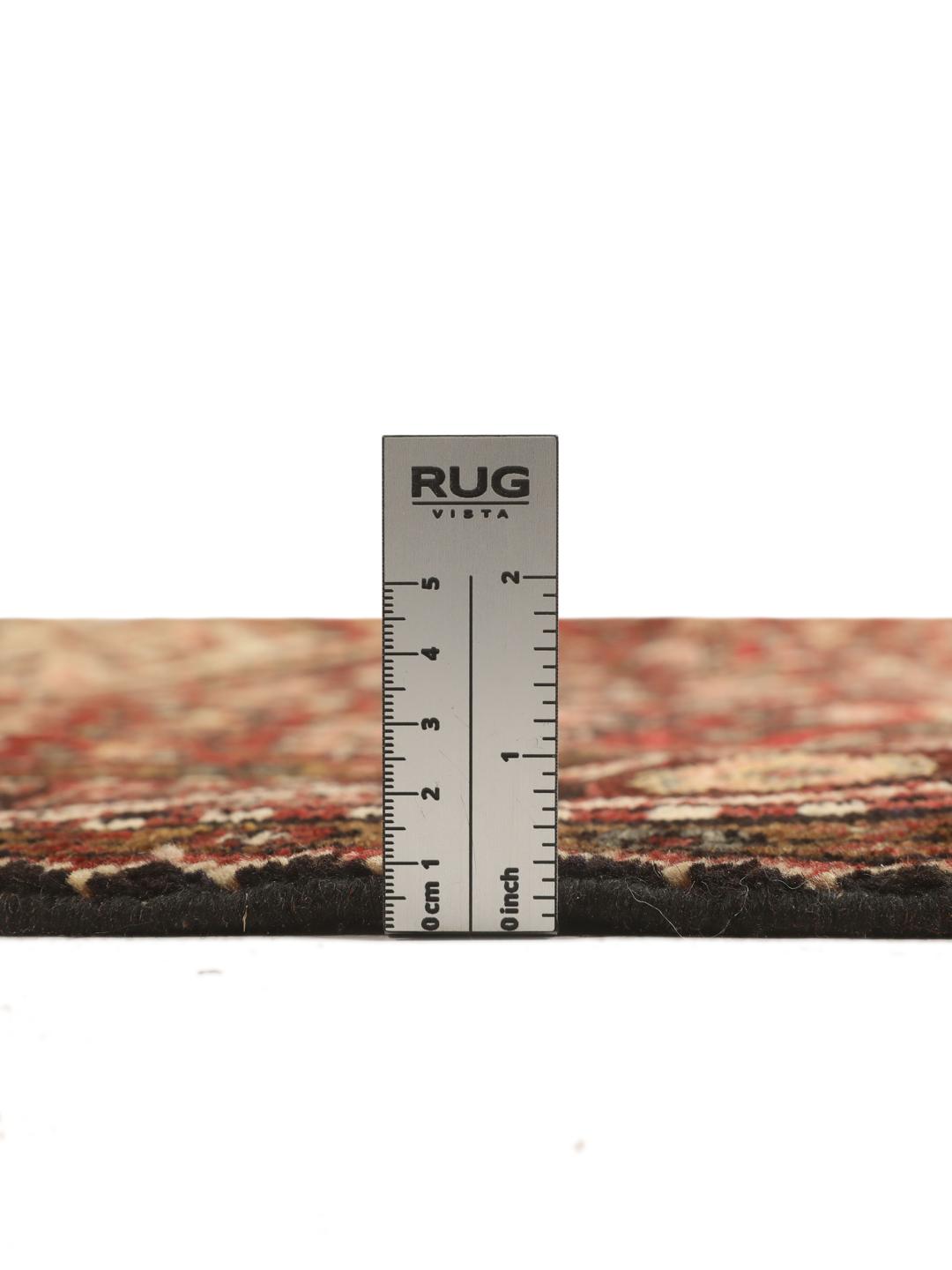
The term Hosseinabad refers to a specific village style within the broader Hamadan tradition. These rugs are typically characterised by their robust construction and the use of high-quality wool, which is known for its durability. The weaving technique often involves a single-weft construction, which is a hallmark of the region and contributes to the rug's distinctive handle and drape.
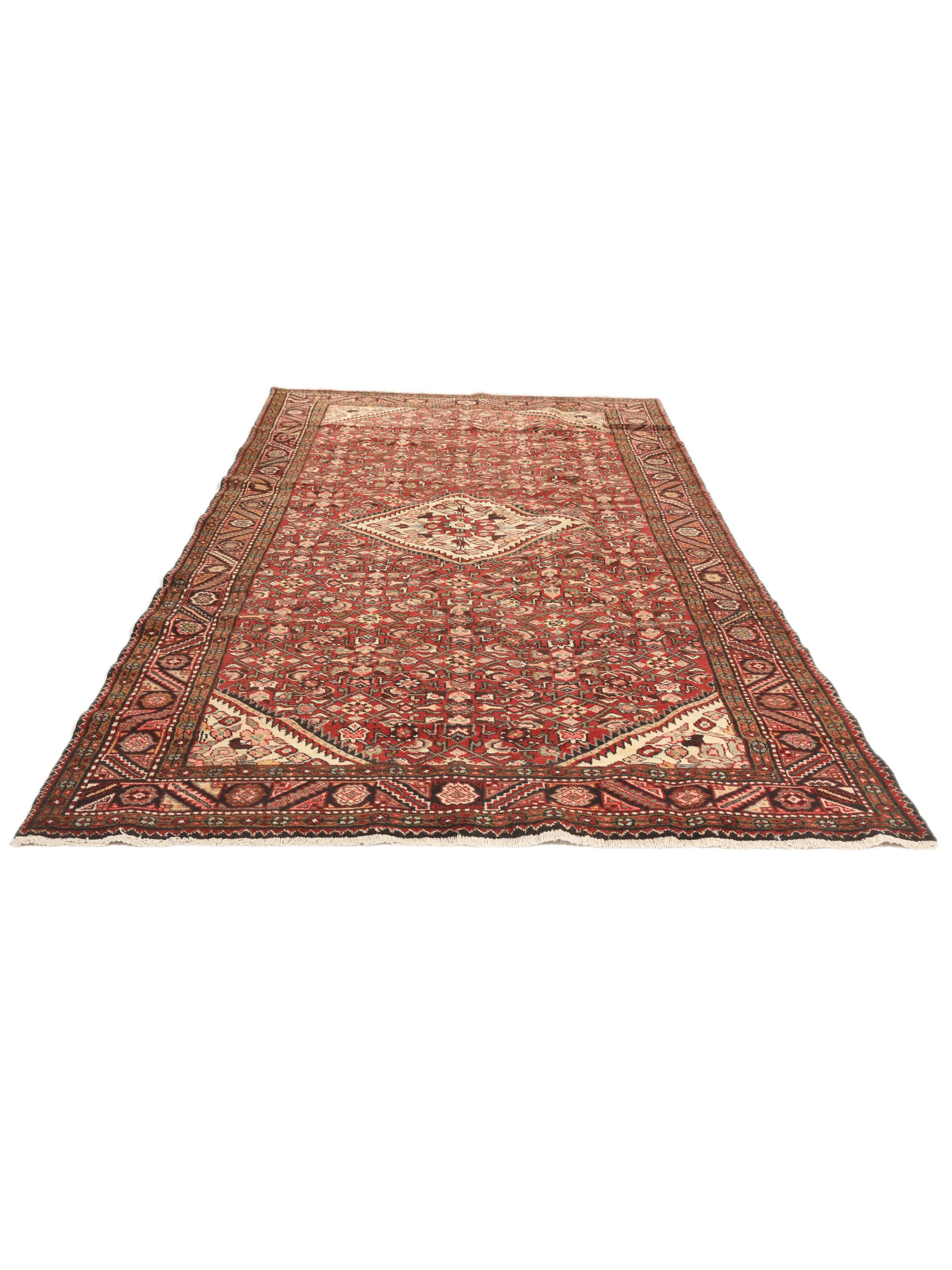
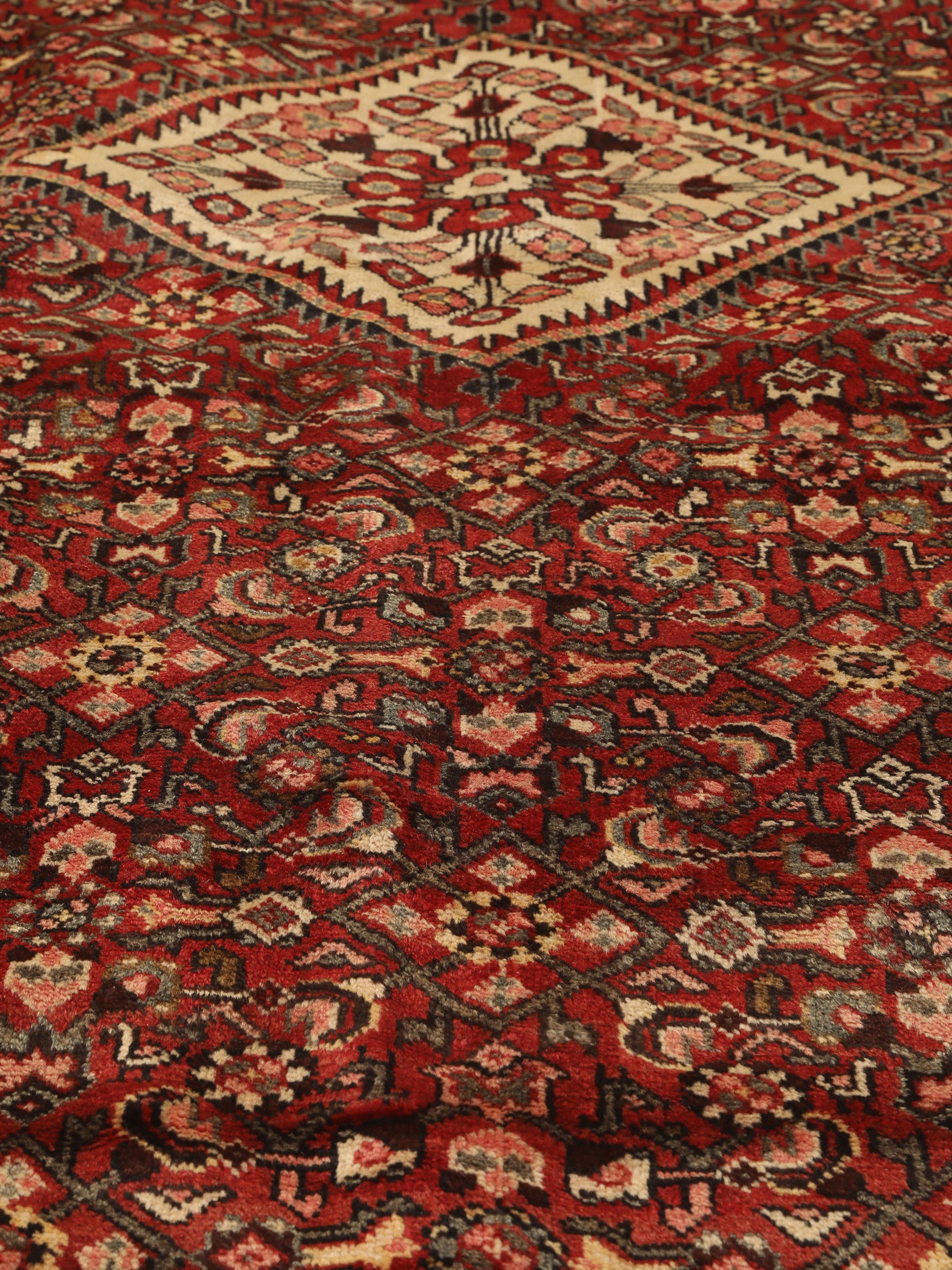
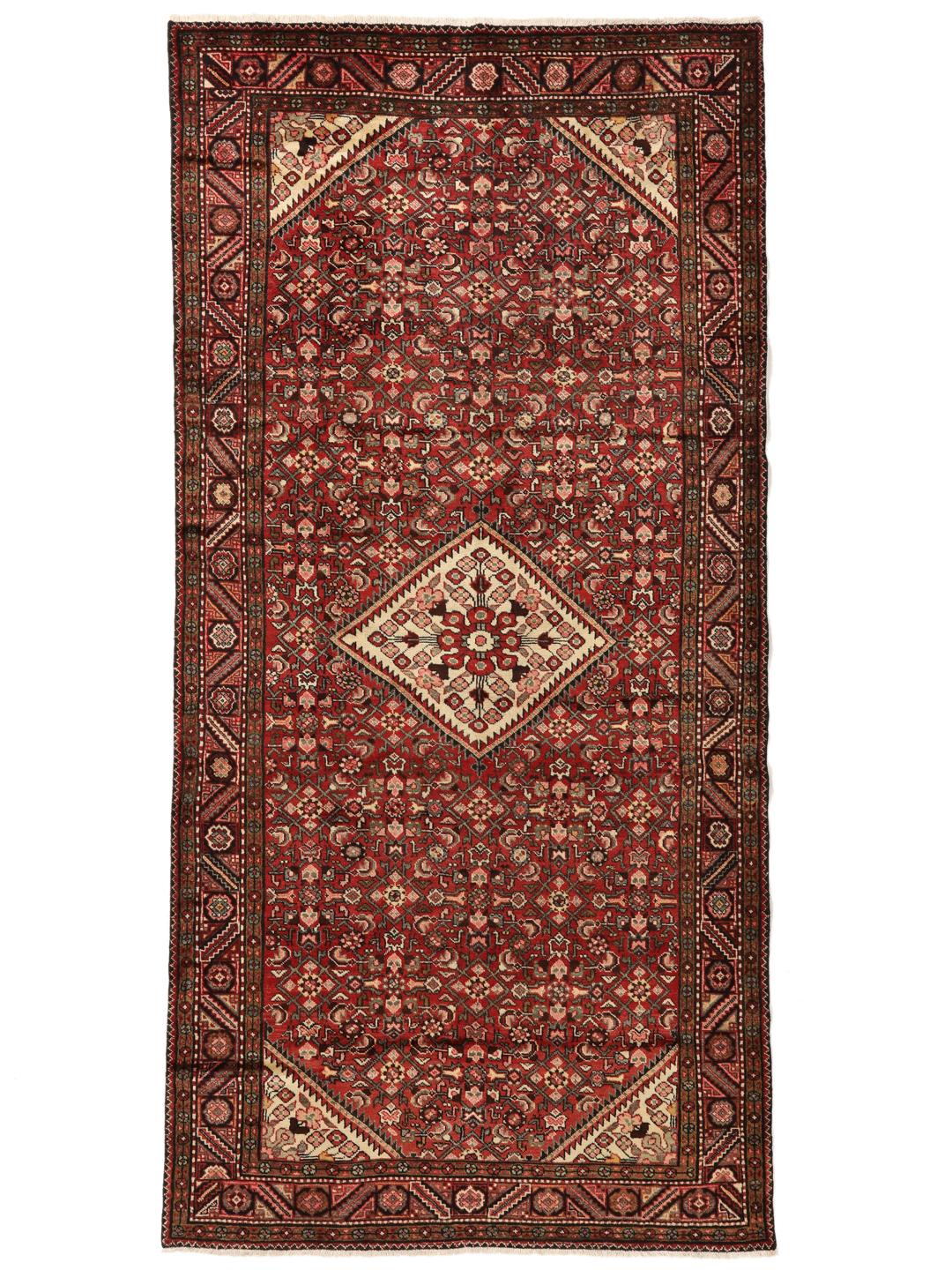
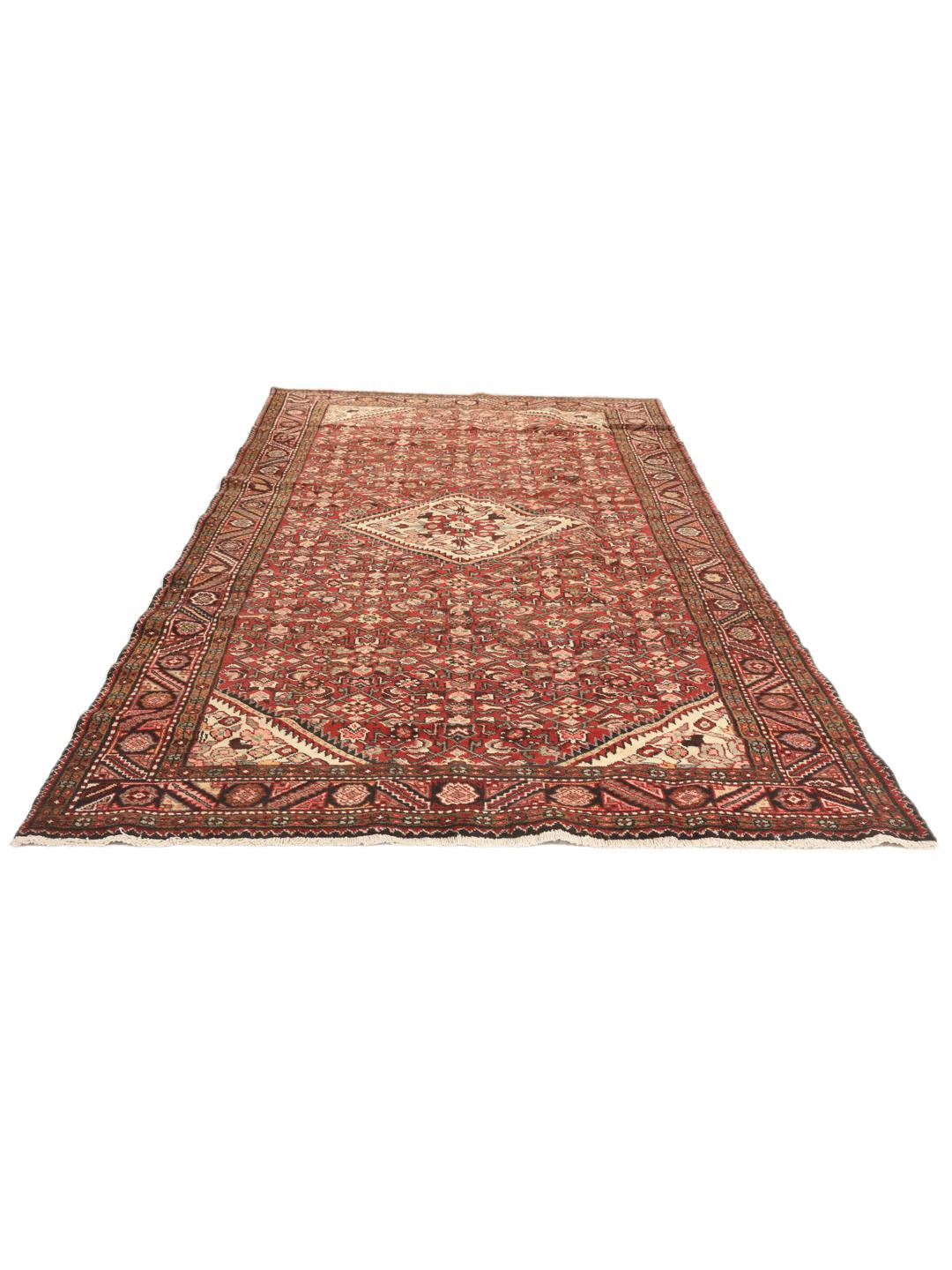
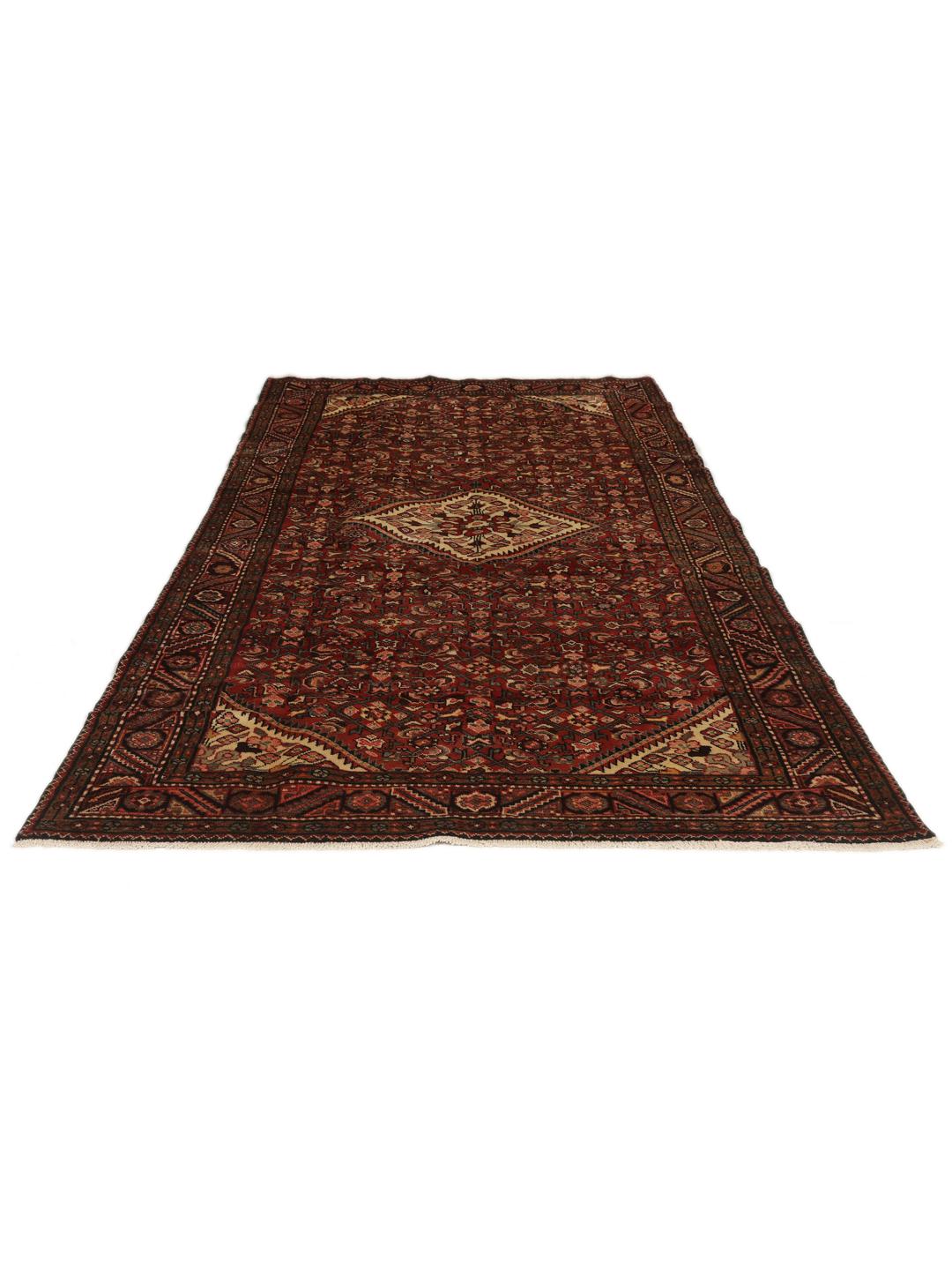
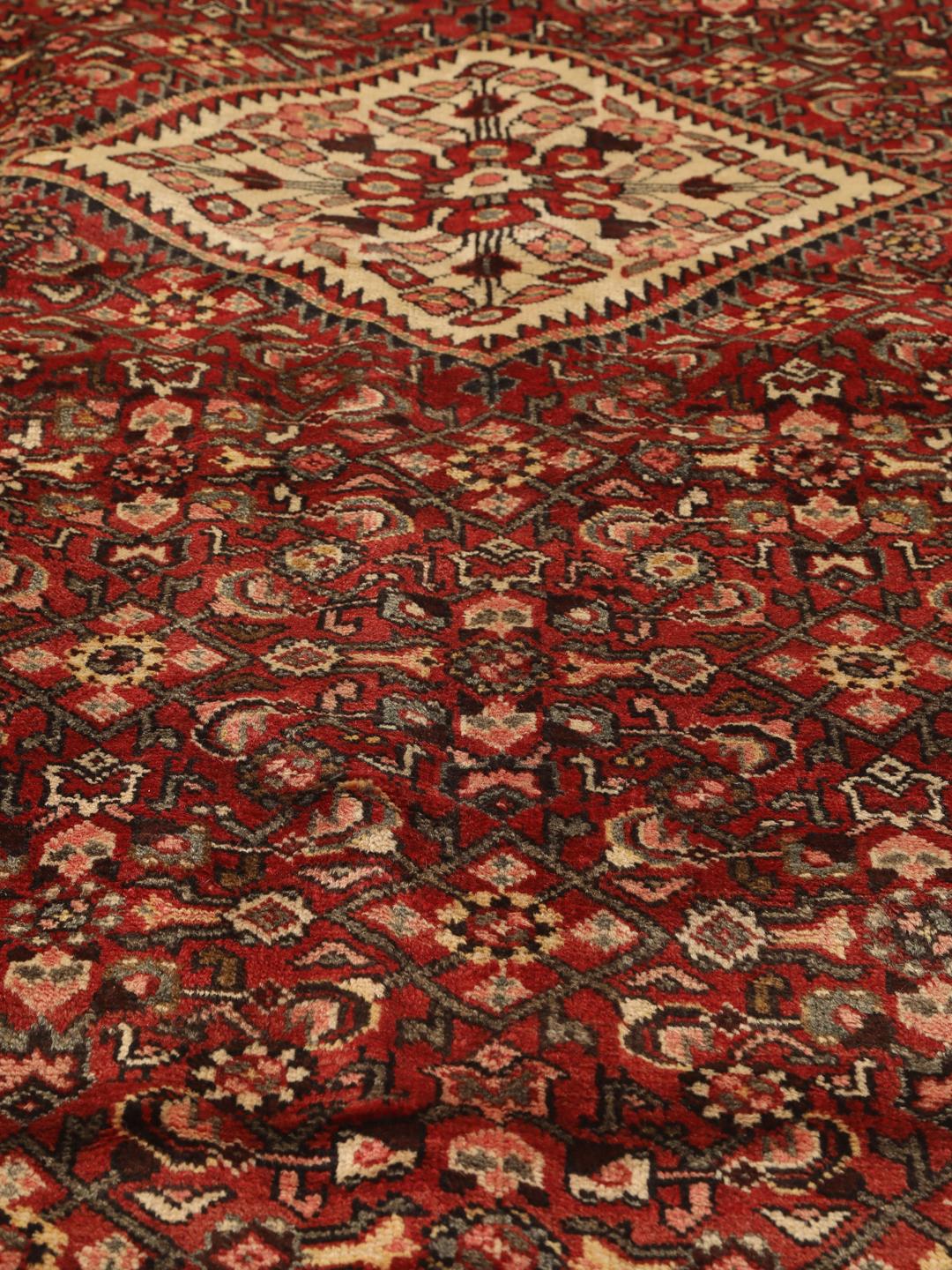
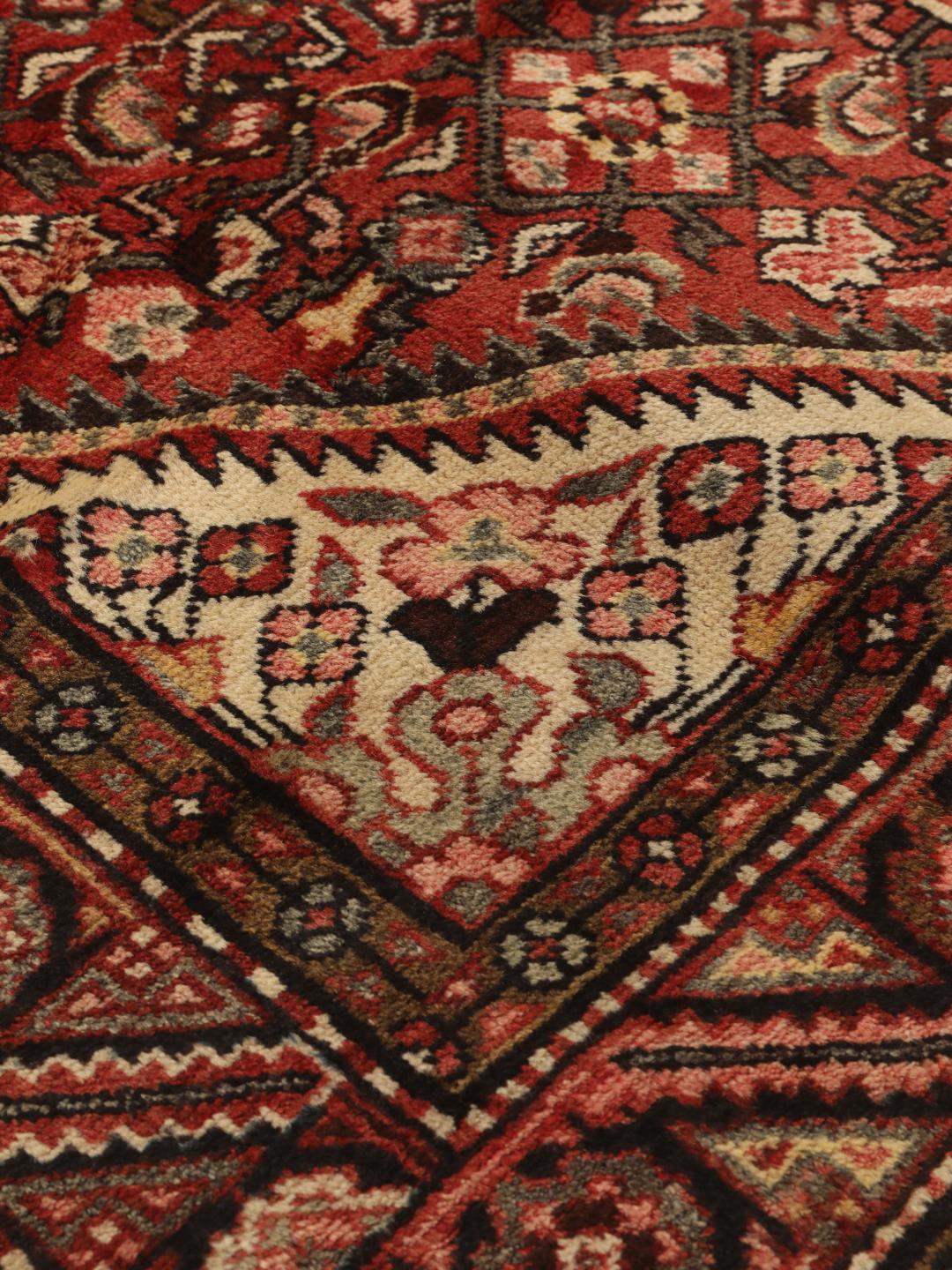
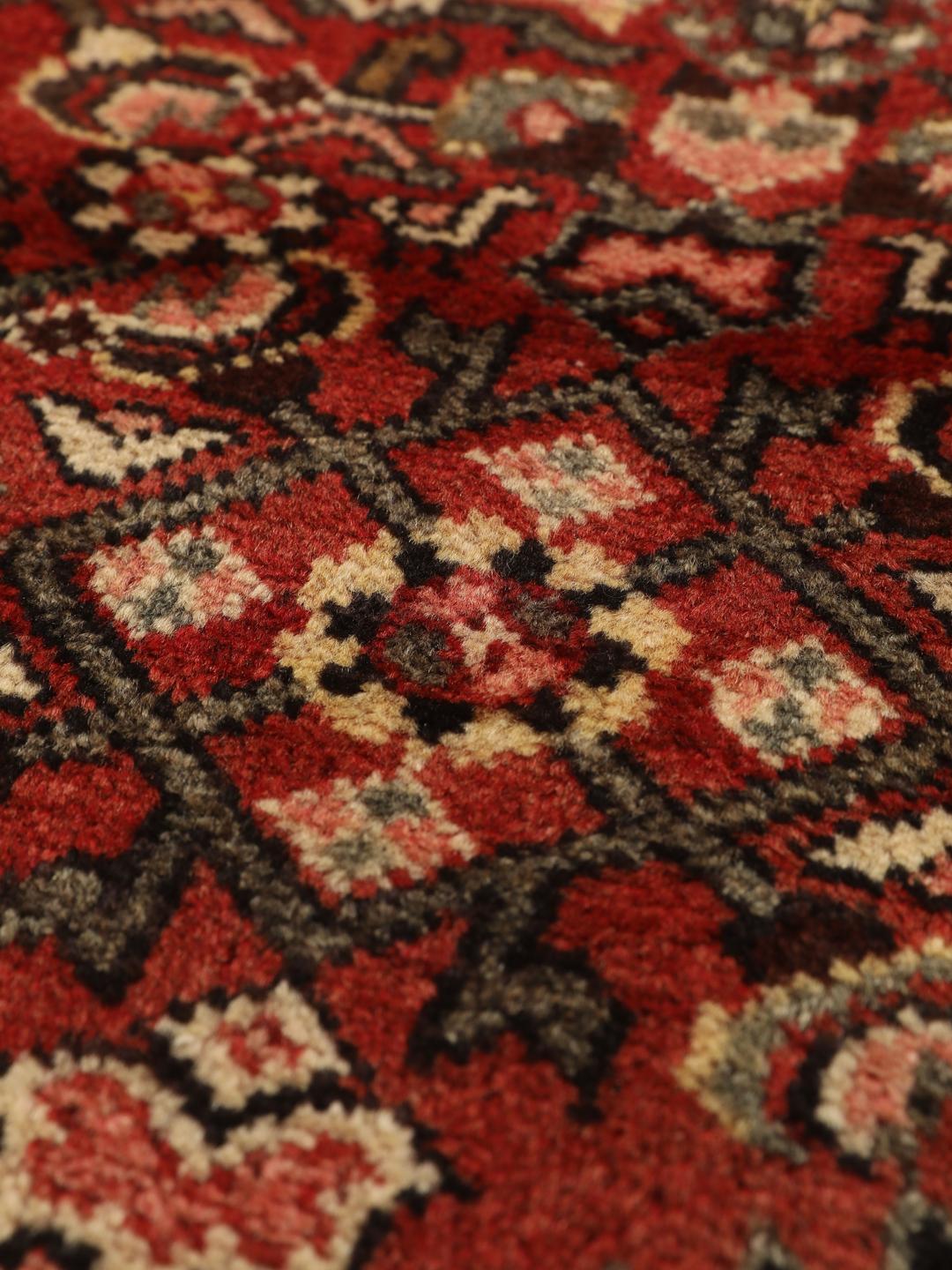
Visually, these rugs are celebrated for their bold, often geometric motifs. You will frequently find central medallions surrounded by repeating floral or geometric patterns that fill the field, all framed by a wide, decorative border. The colour palette often leans toward deep, warm reds and earthy tones, which provide a classic look that has remained popular for decades.
Collecting a Hosseinabad rug is an investment in cultural preservation. These pieces are valued not only for their aesthetic appeal but also for the skill and heritage they represent. By bringing one into your home, you are honouring a craft tradition that has provided both functional beauty and artistic expression to homes for generations.