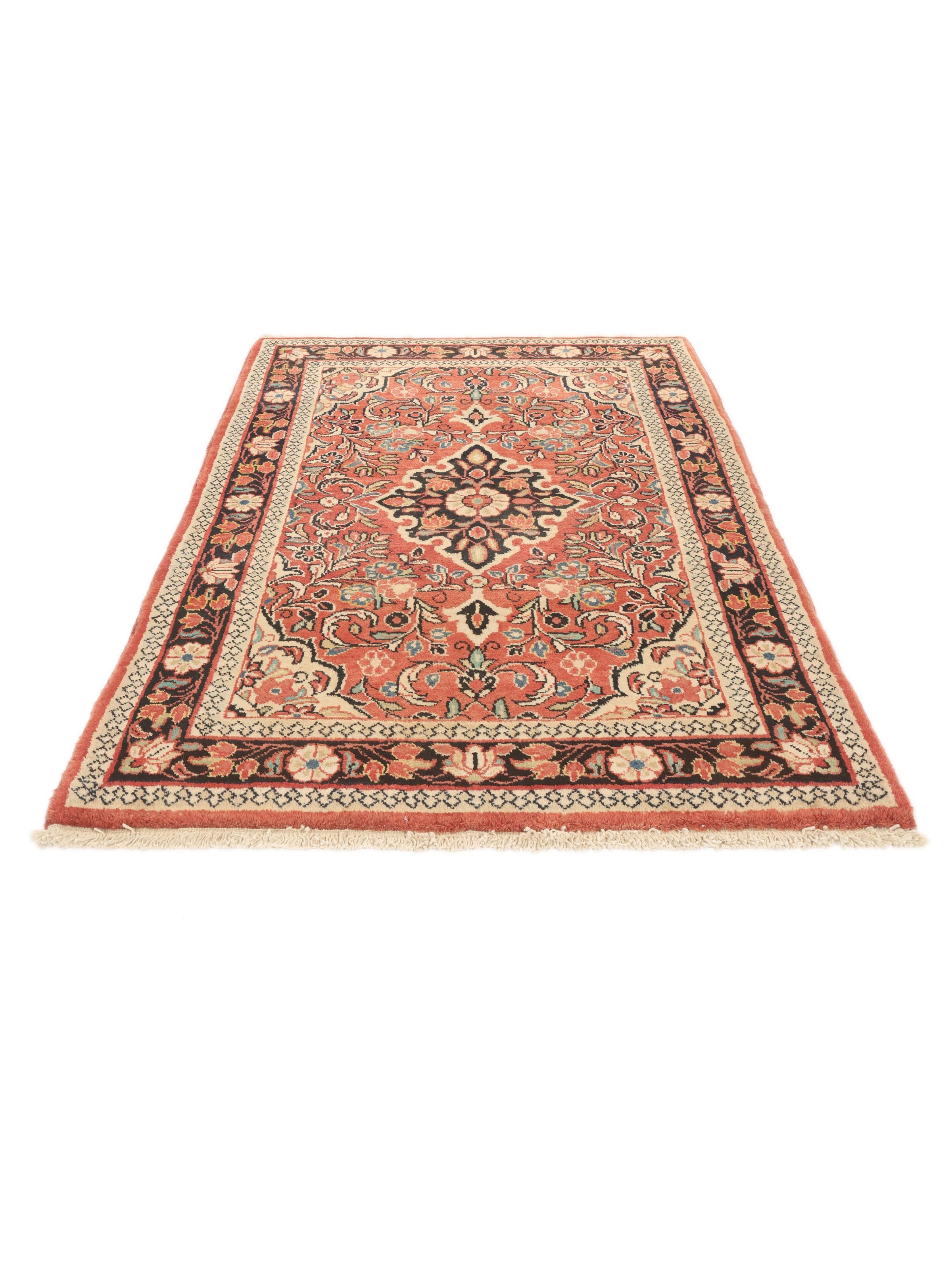
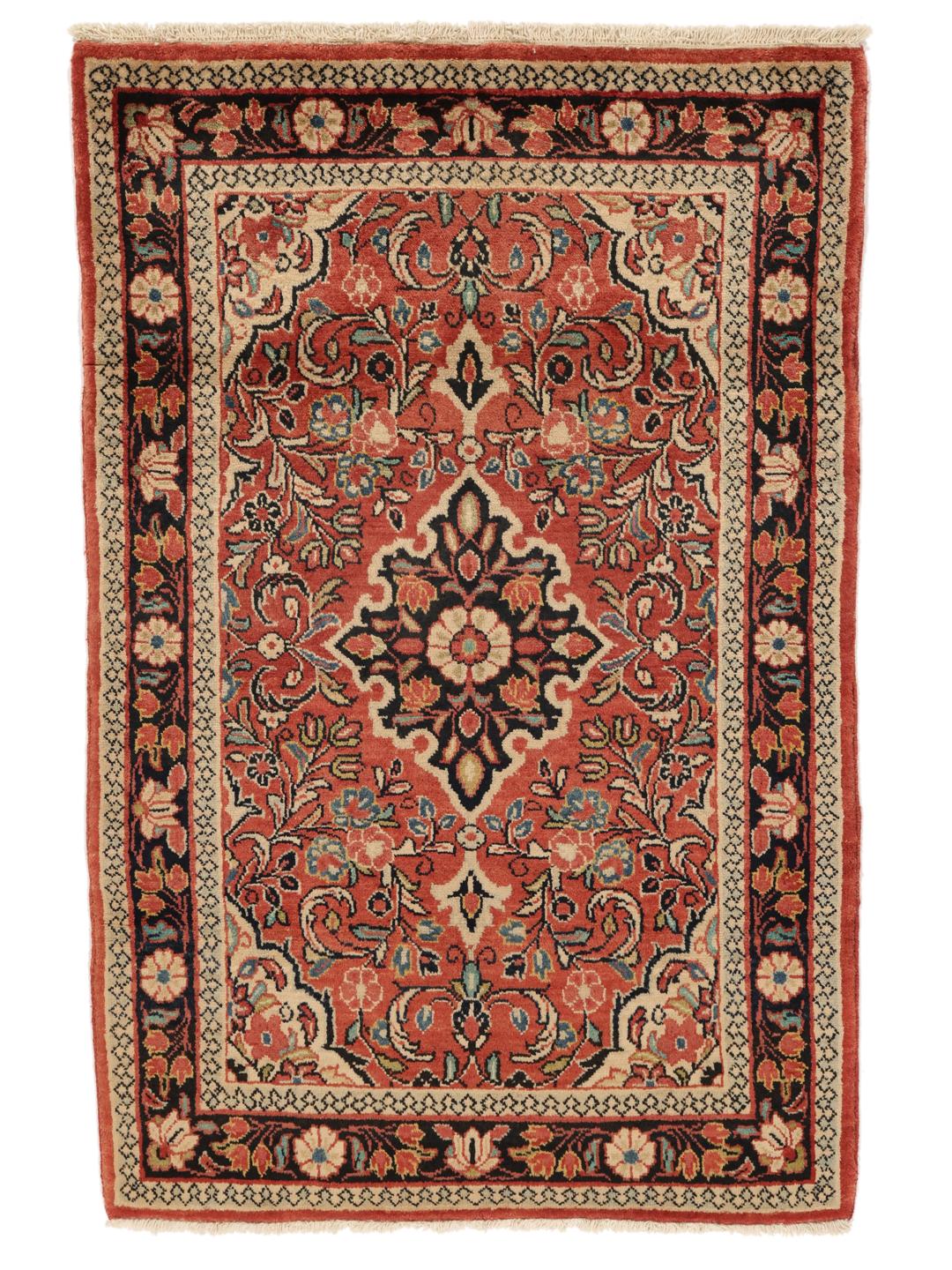
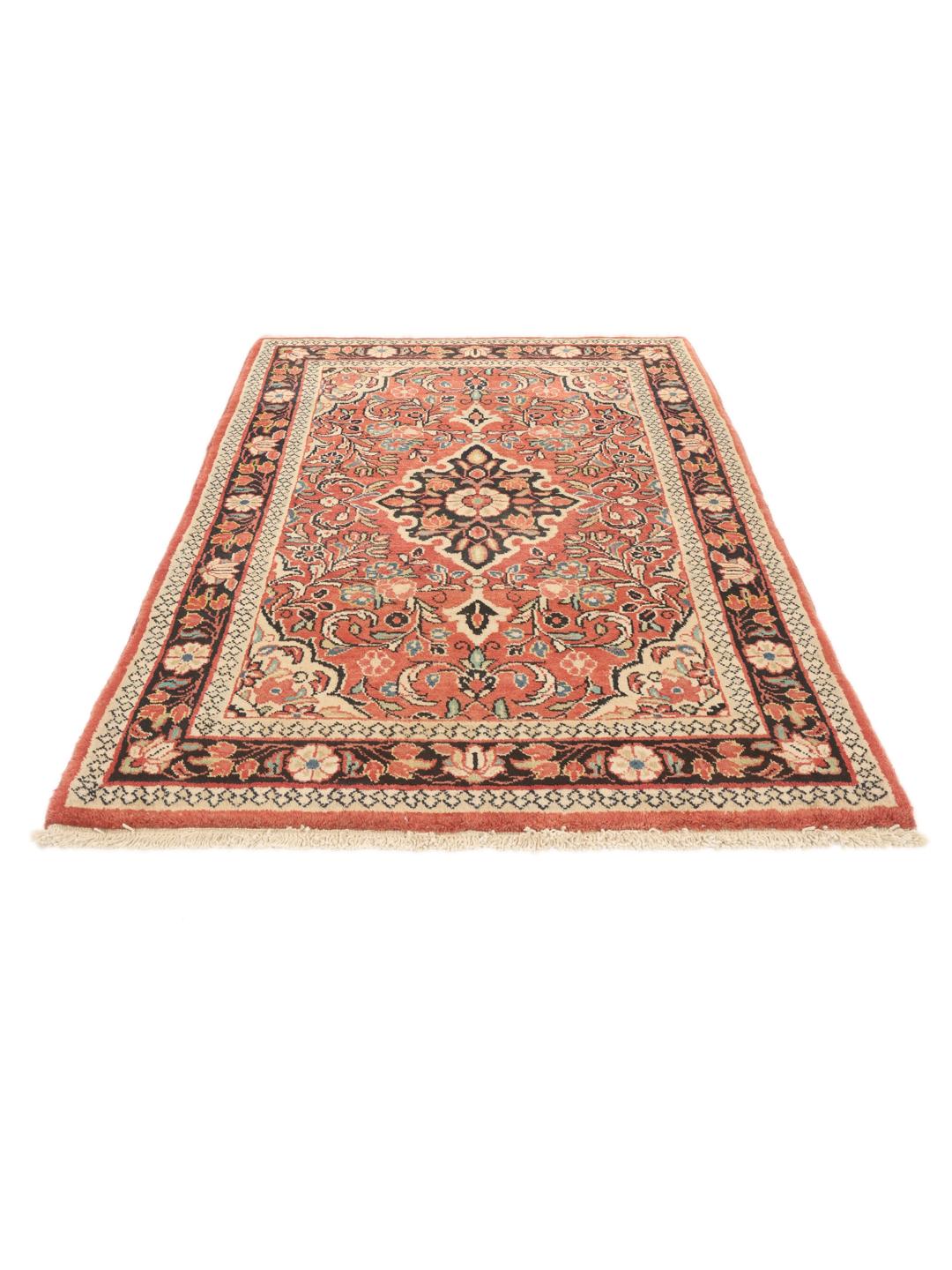
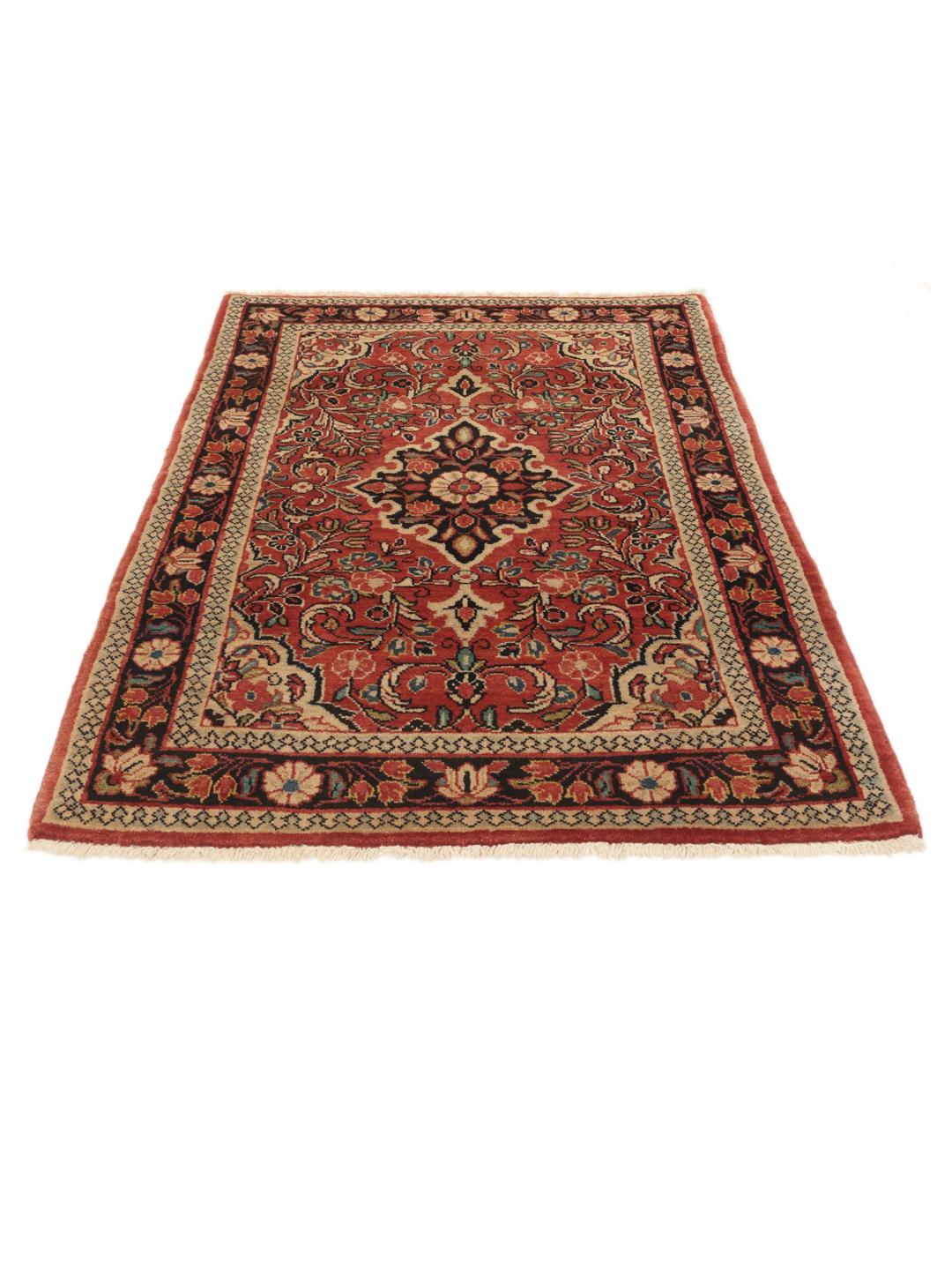
The Sarough rug tradition originates from the village of Sarouk in the Markazi province of the Middle East. Historically, these rugs became world-renowned in the late 19th and early 20th centuries for their exceptional quality and sophisticated floral designs. They were highly sought after in Western markets, which led to a refined evolution where weavers adapted their traditional patterns to suit international tastes while maintaining their deep cultural roots.
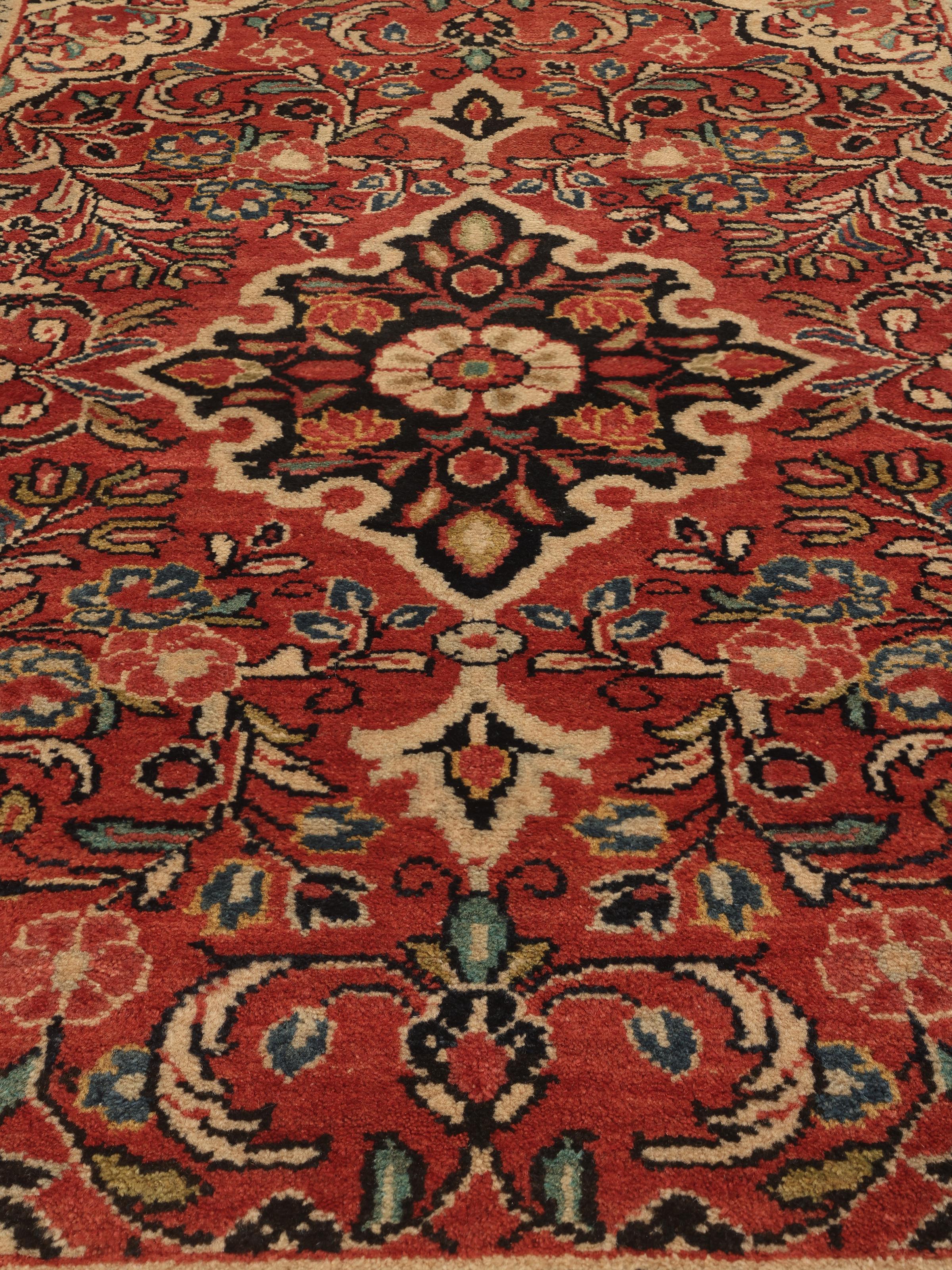
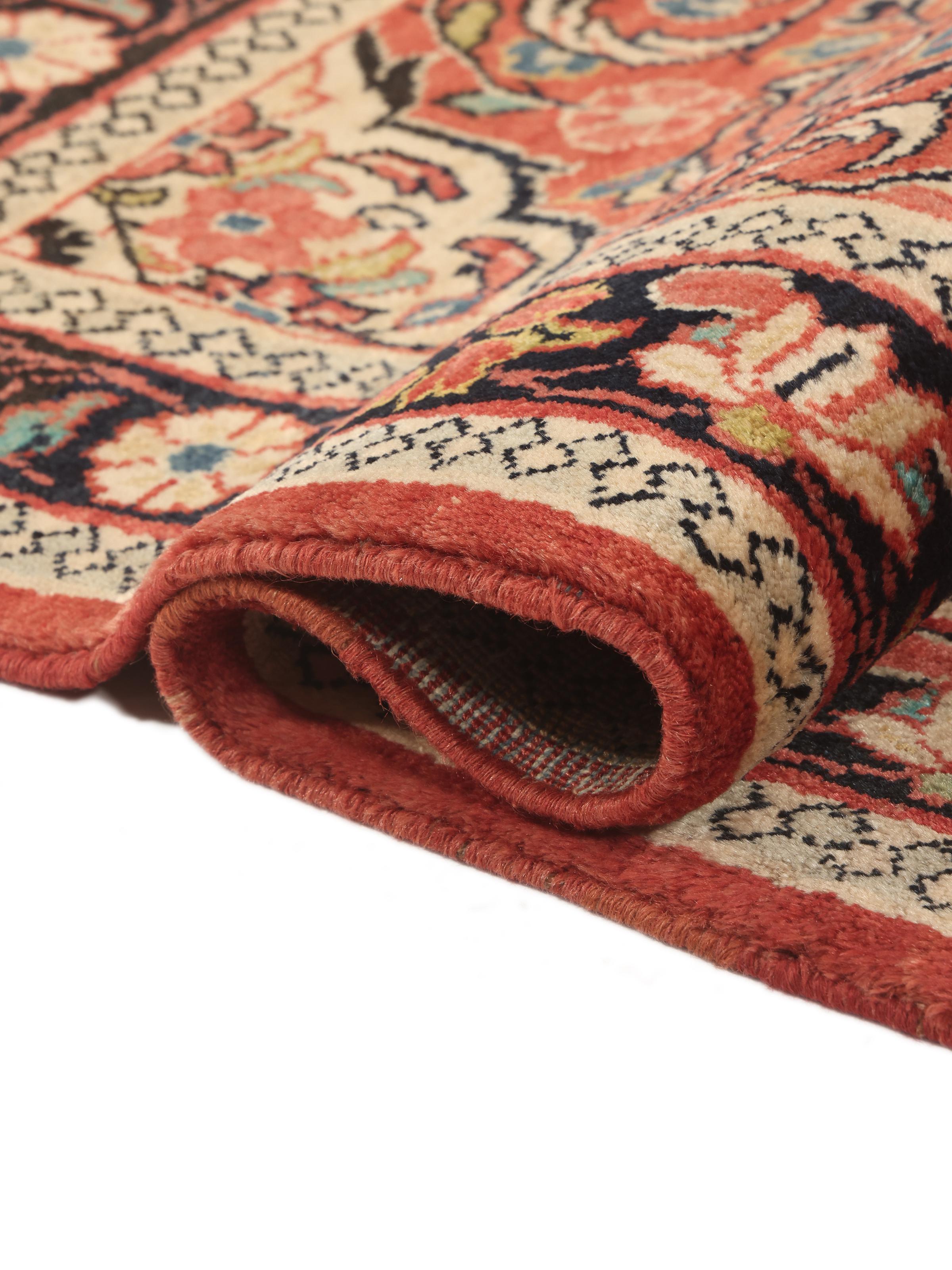
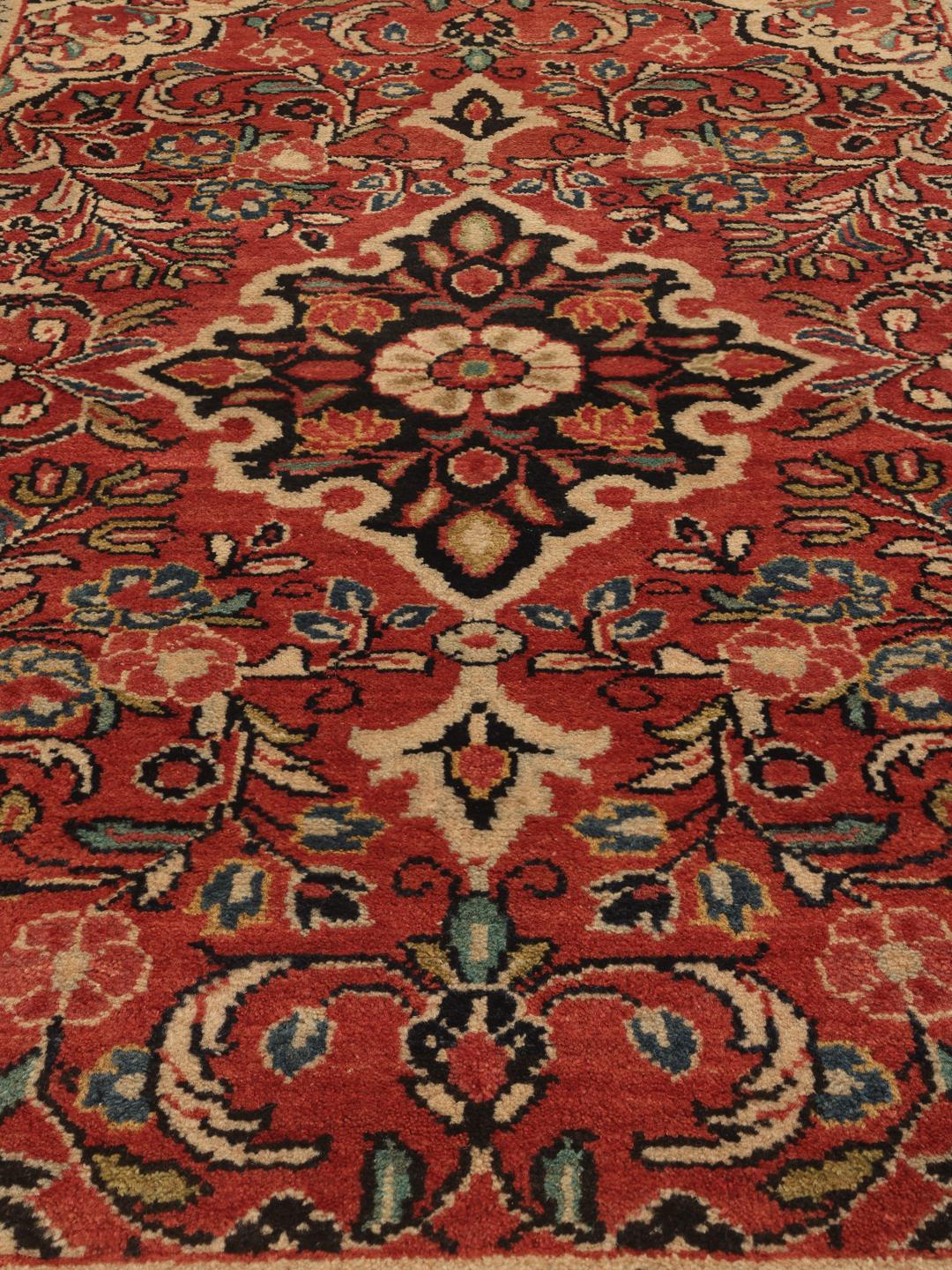
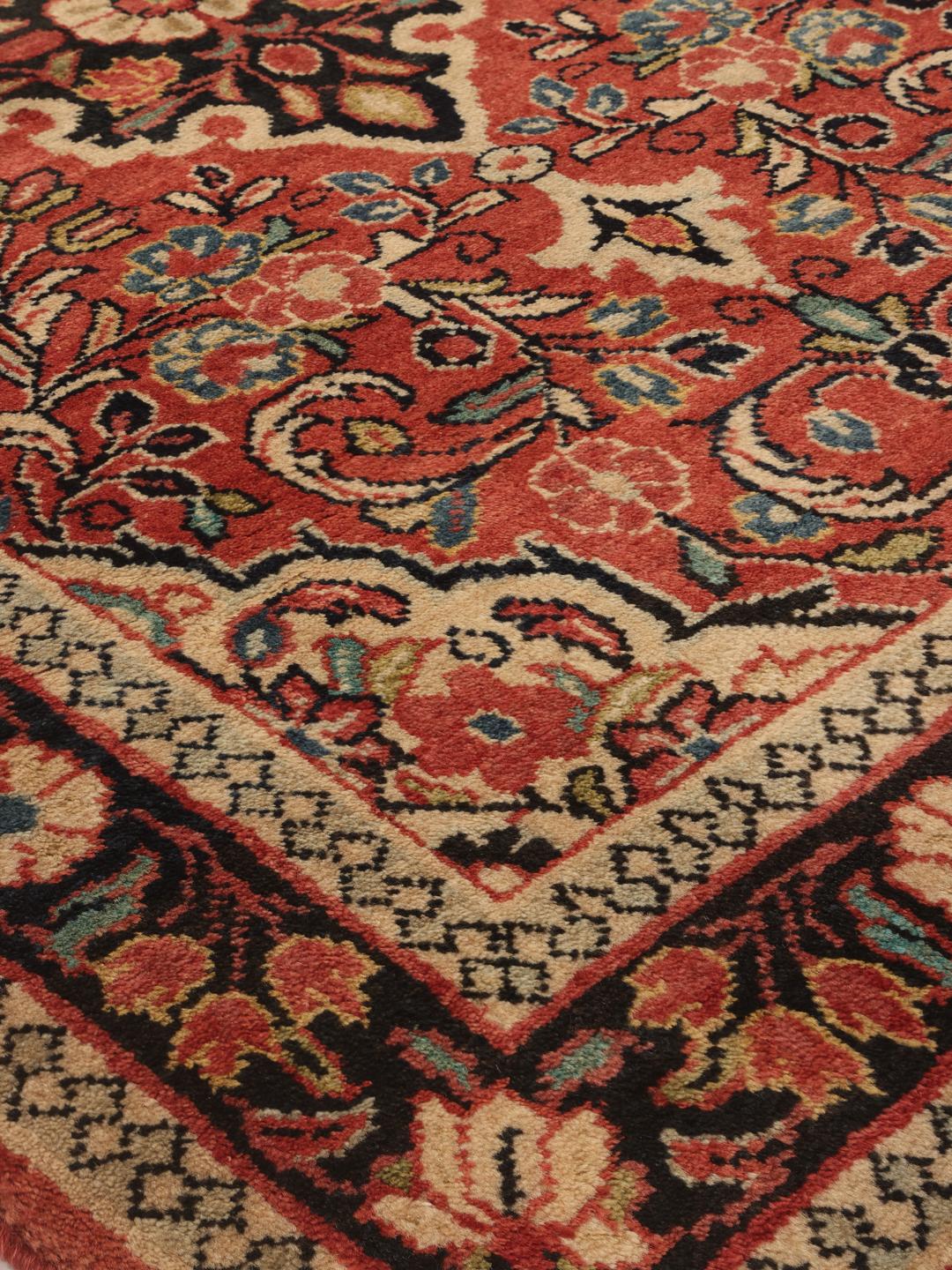
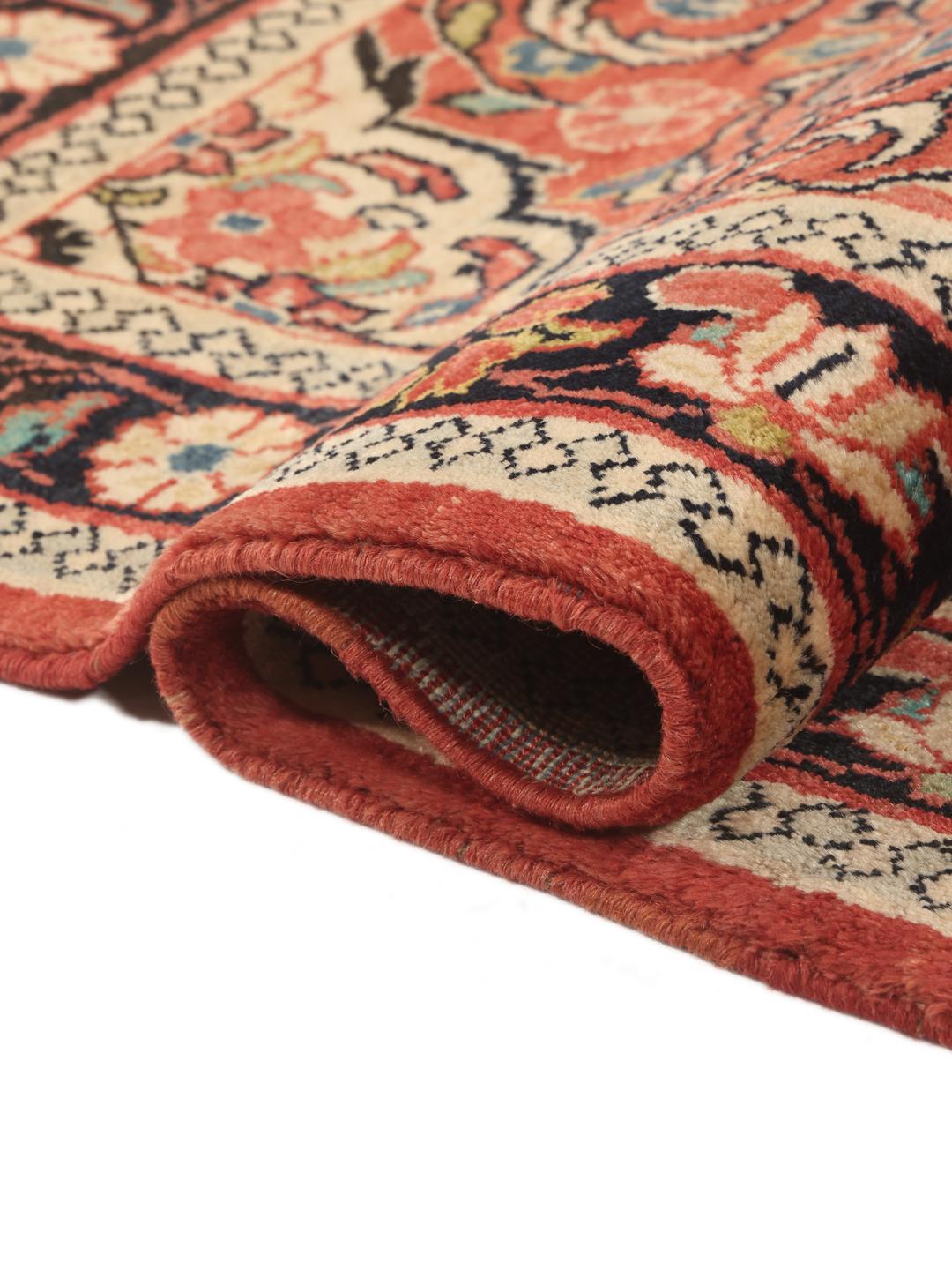
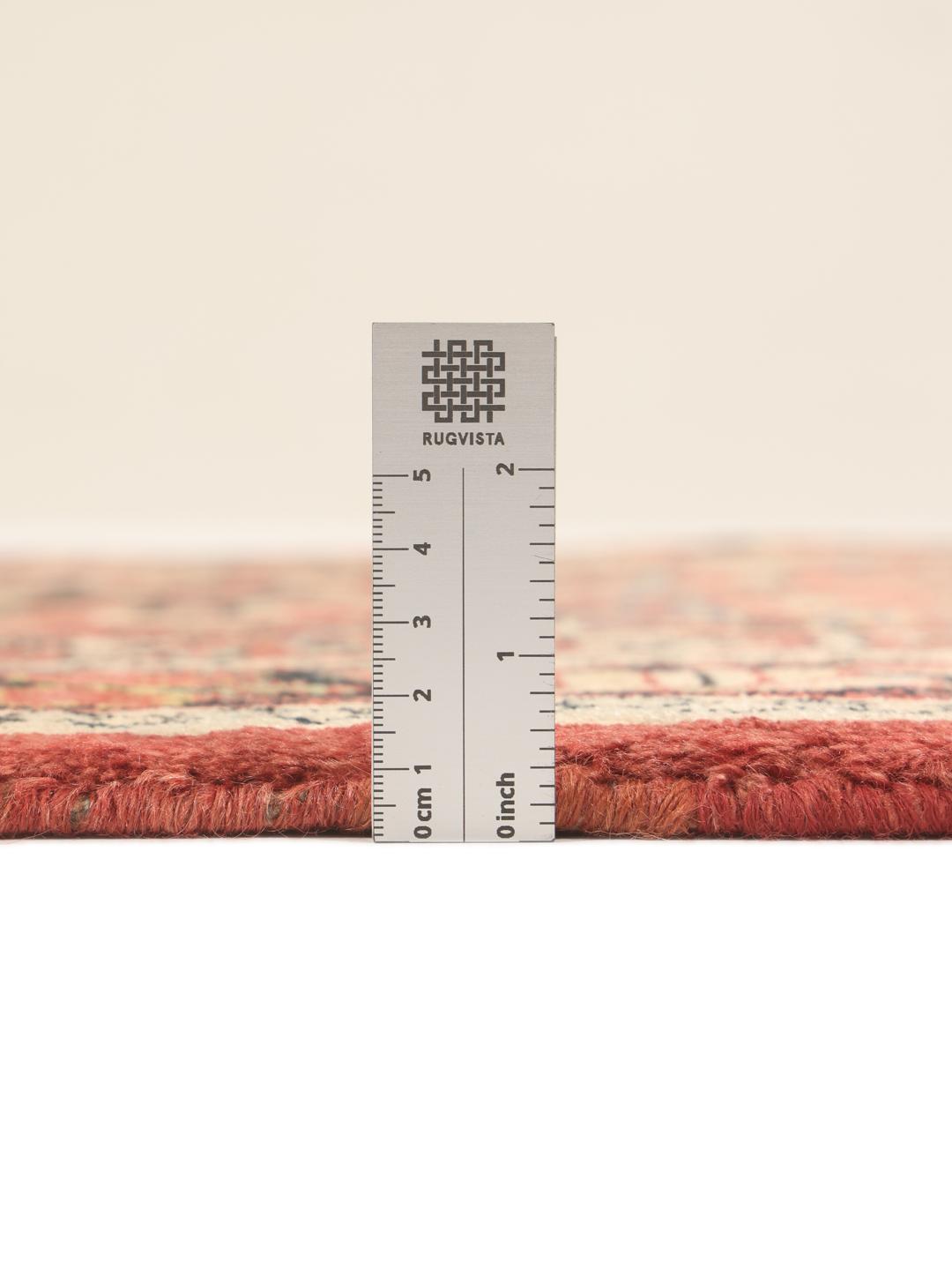
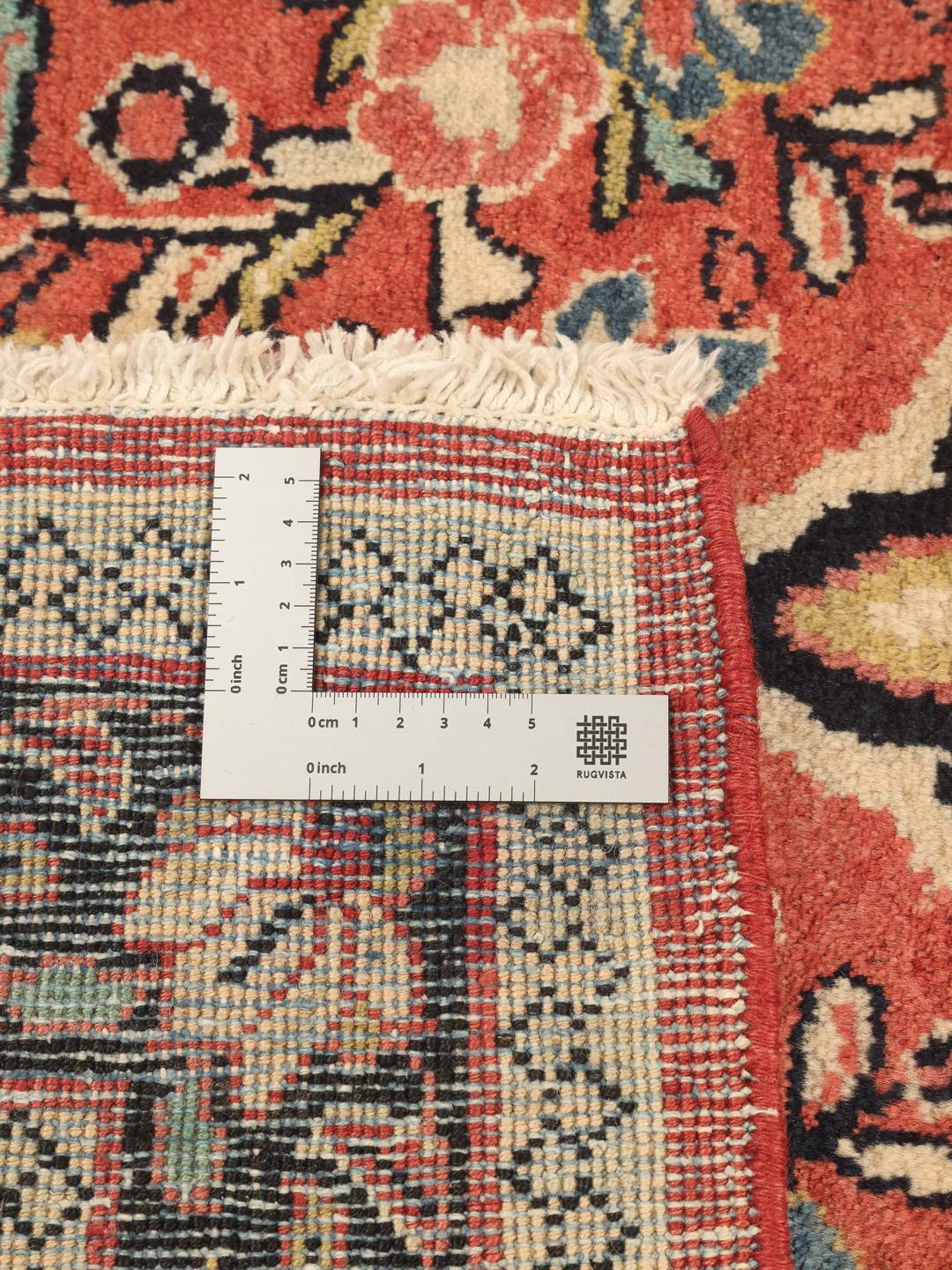
A defining characteristic of this tradition is the use of high-quality wool, which is known for its durability and sheen. The term 'Fine' often refers to the precision of the knotting technique and the complexity of the floral compositions. These rugs are constructed with a focus on a dense foundation, which allows for crisp, detailed patterns and a pile that feels substantial and luxurious to the touch.
The visual language of a Sarough is typically defined by its central medallion surrounded by dense floral sprays, vines, and palmettes. While the red field is iconic, these rugs often incorporate deep blues, blacks, and creams to create a striking contrast. The borders are usually as ornate as the field, featuring repetitive floral patterns that frame the composition and provide a sense of balance and harmony.
Owning a Sarough is more than just a purchase; it is an investment in a storied craft tradition. These rugs are highly valued by collectors for their blend of technical mastery and artistic expression. They represent a bridge between the past and the present, offering a piece of heritage that is as functional as it is beautiful, ensuring that your home is enriched by a legacy of skill and cultural importance.