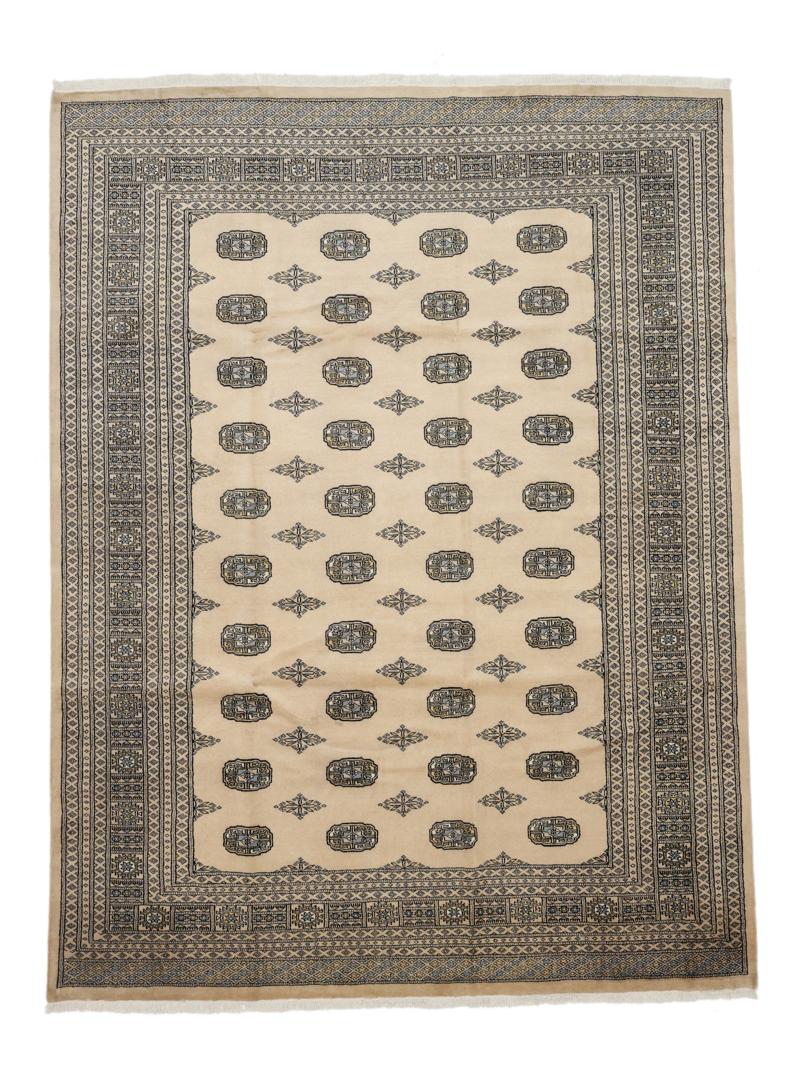
The origin of Bokhara rugs
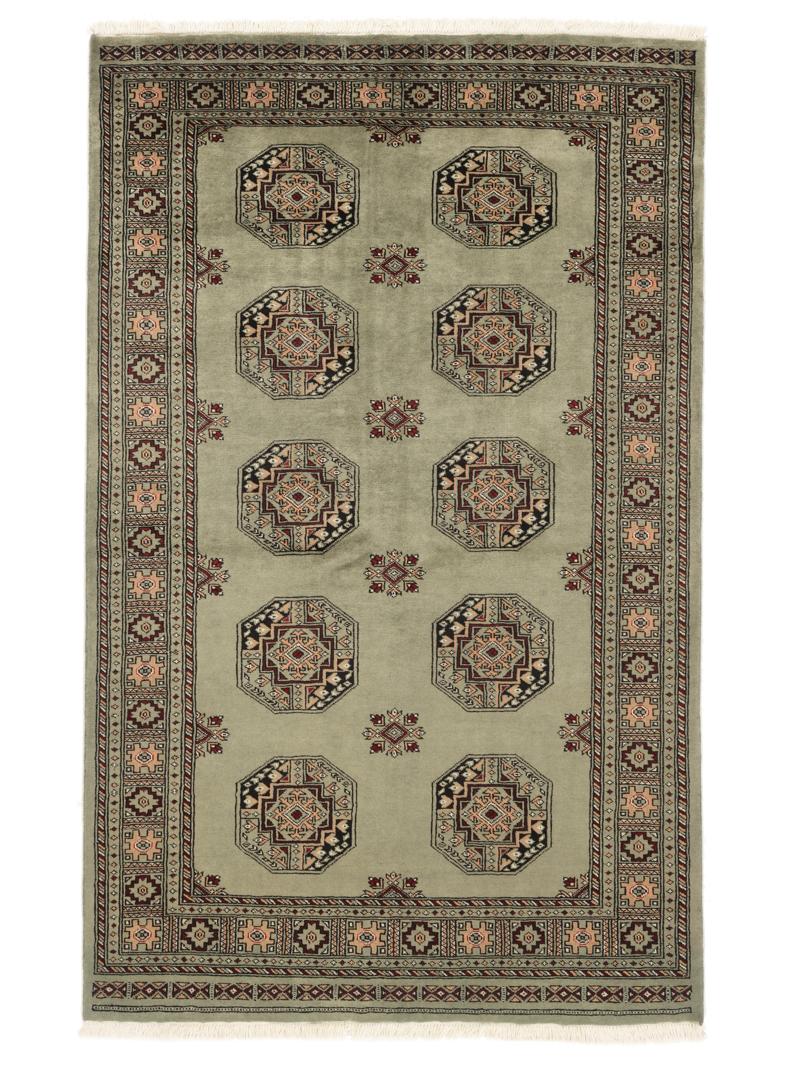
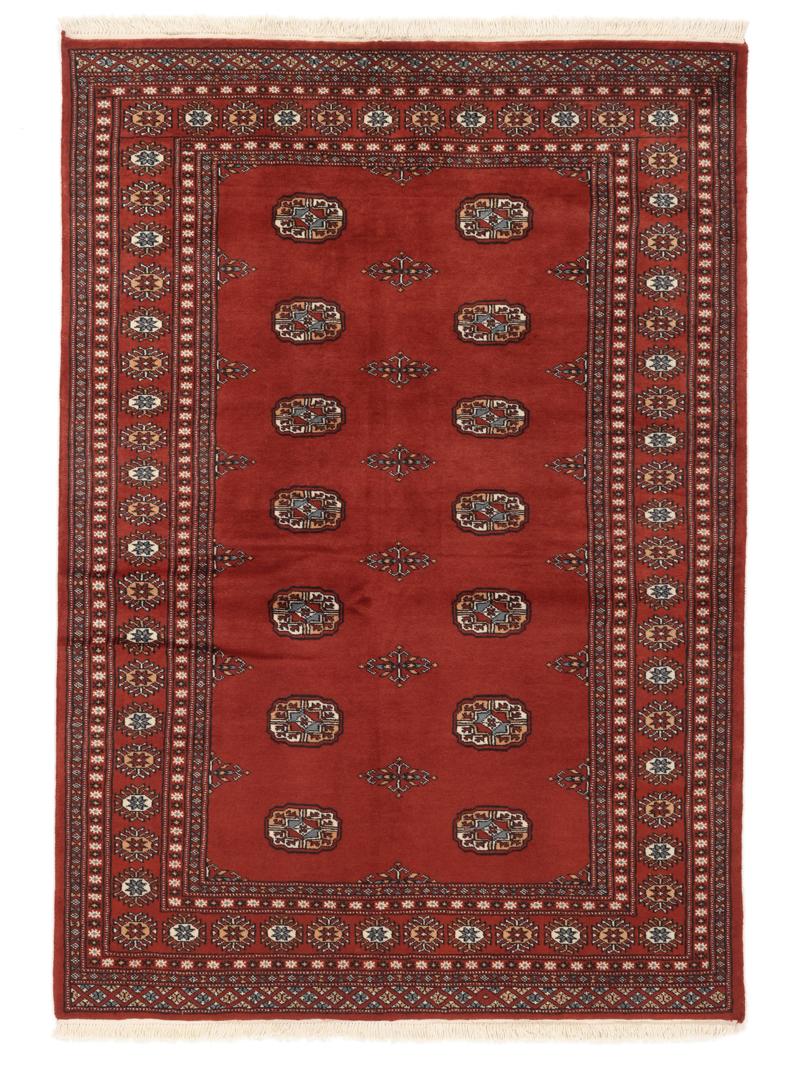
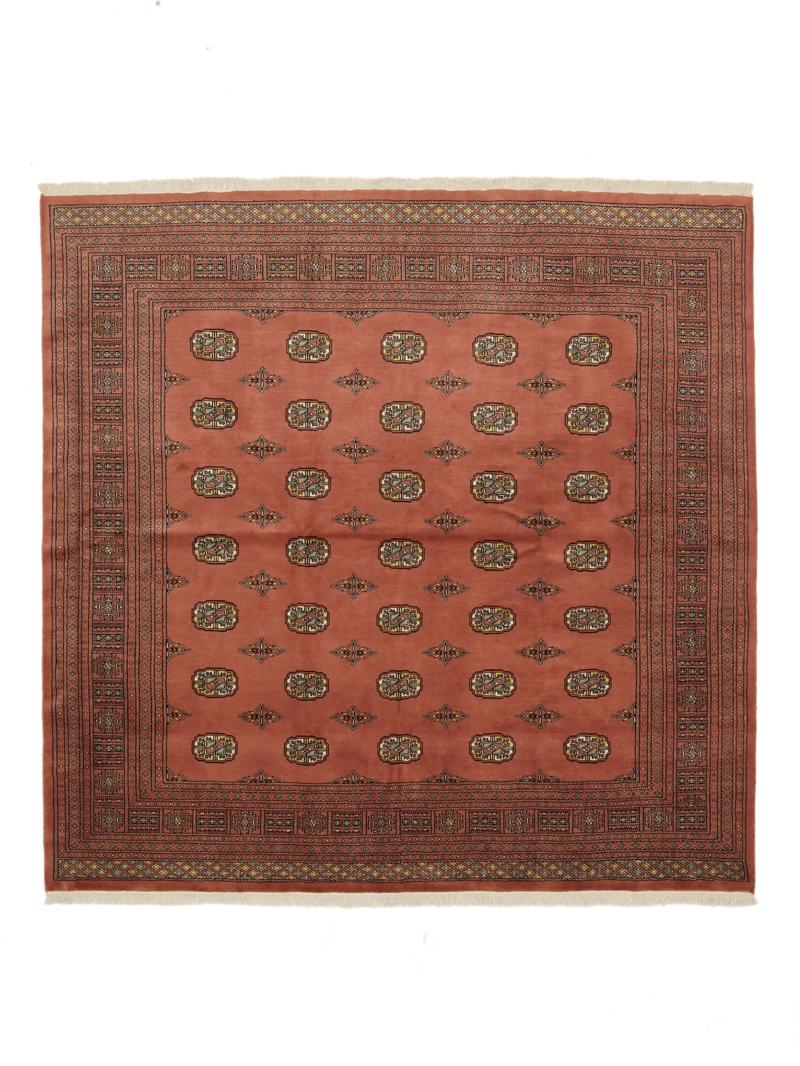
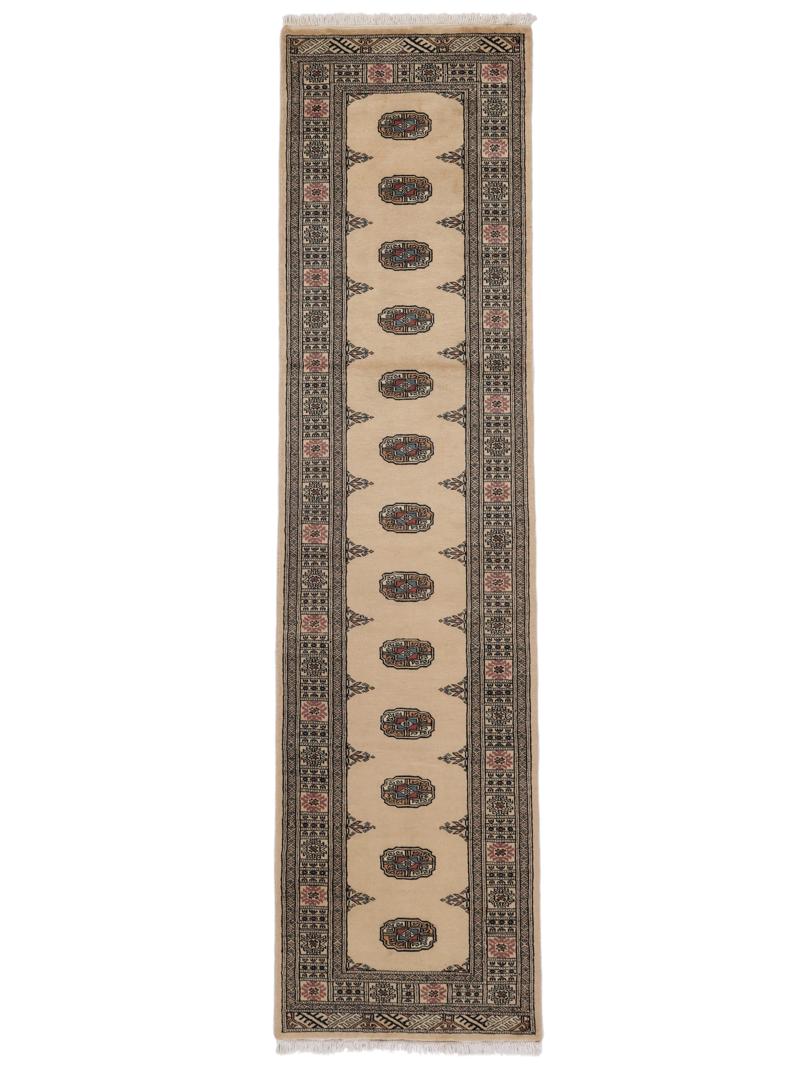
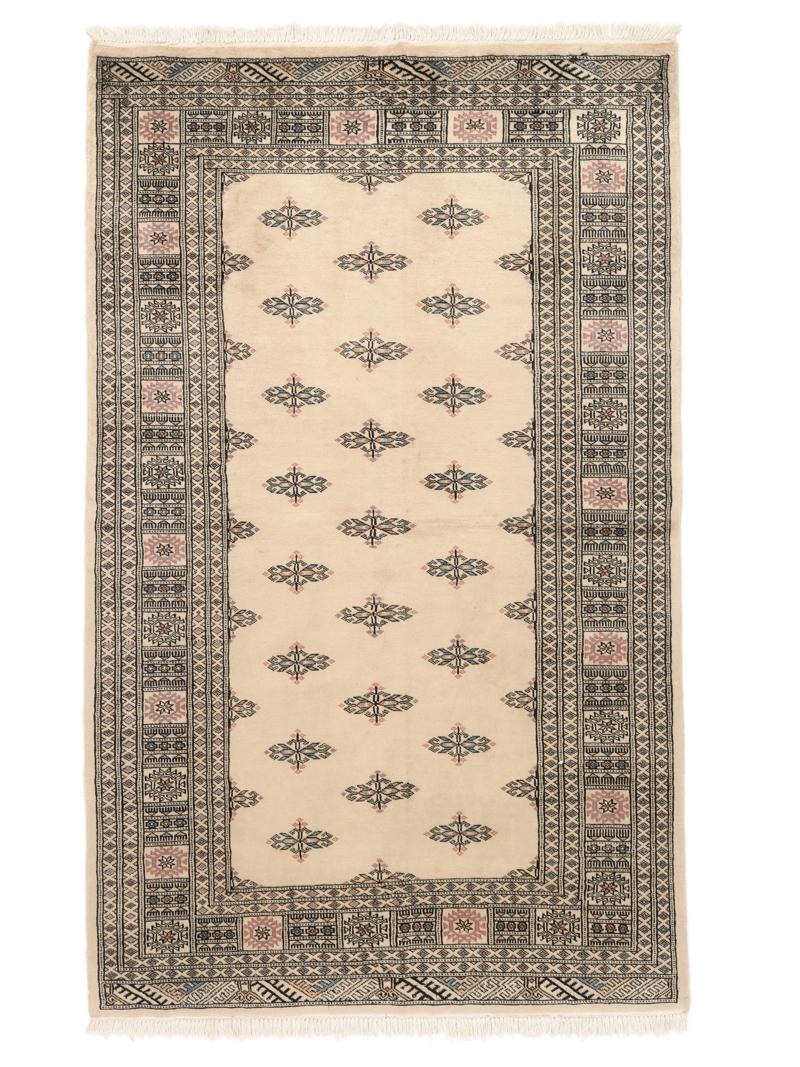
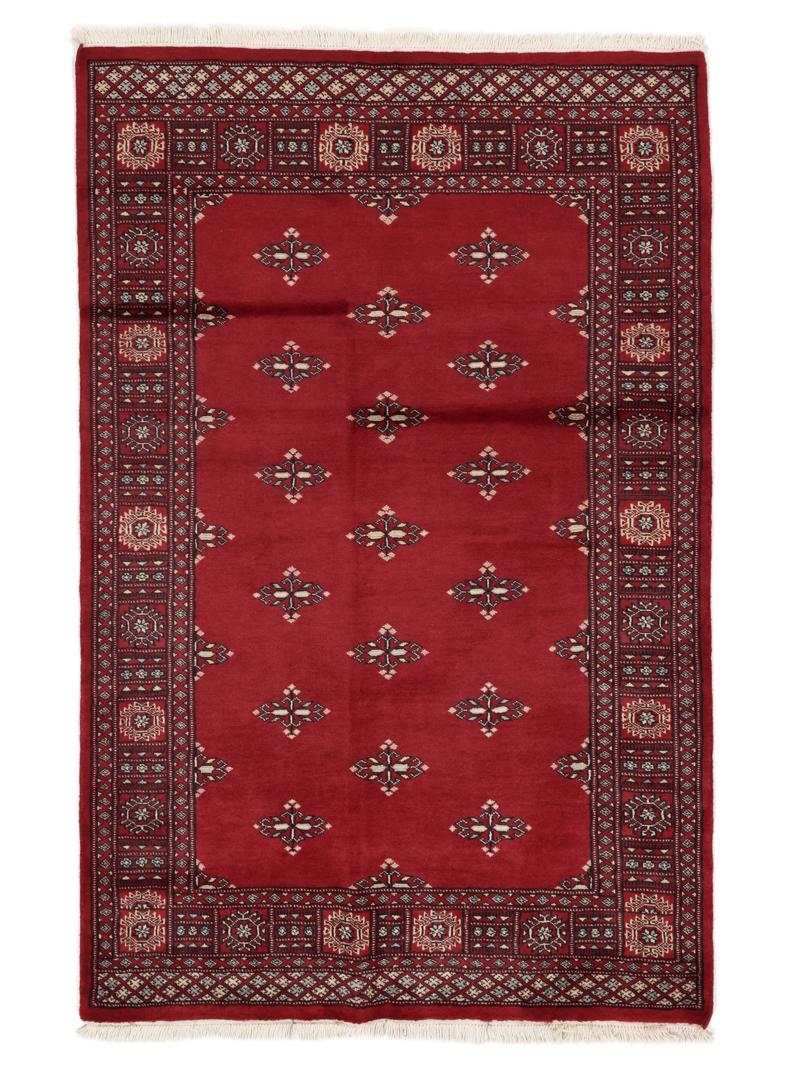
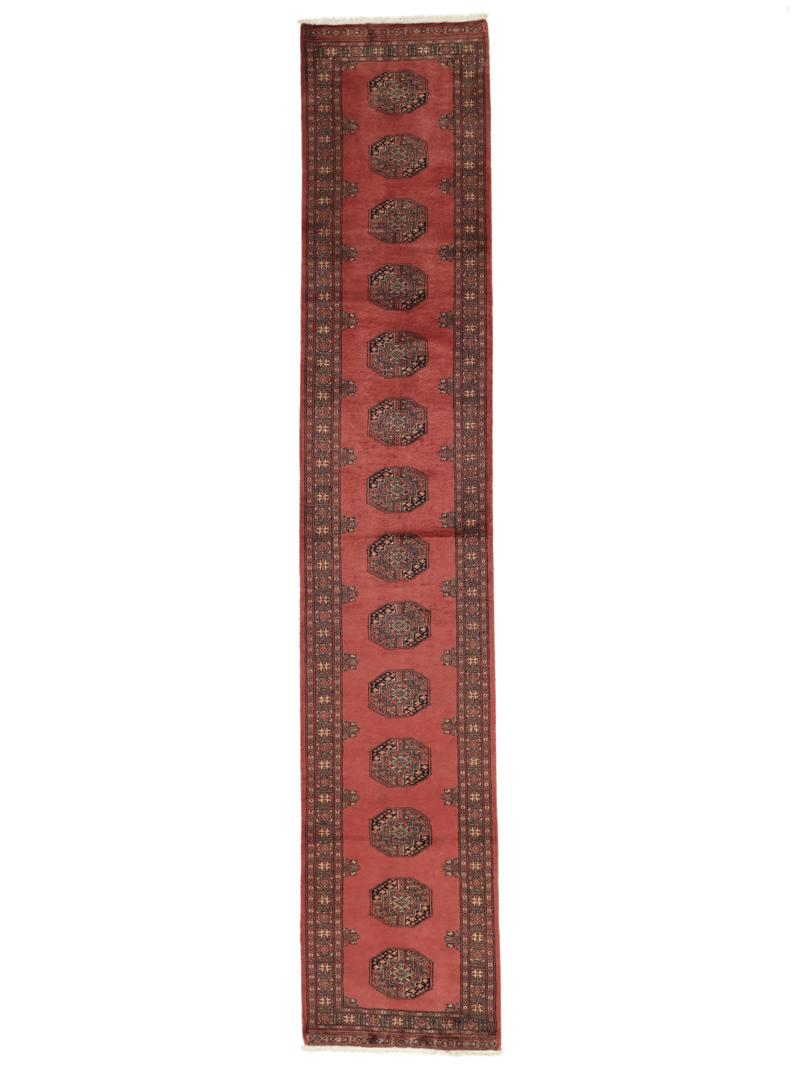
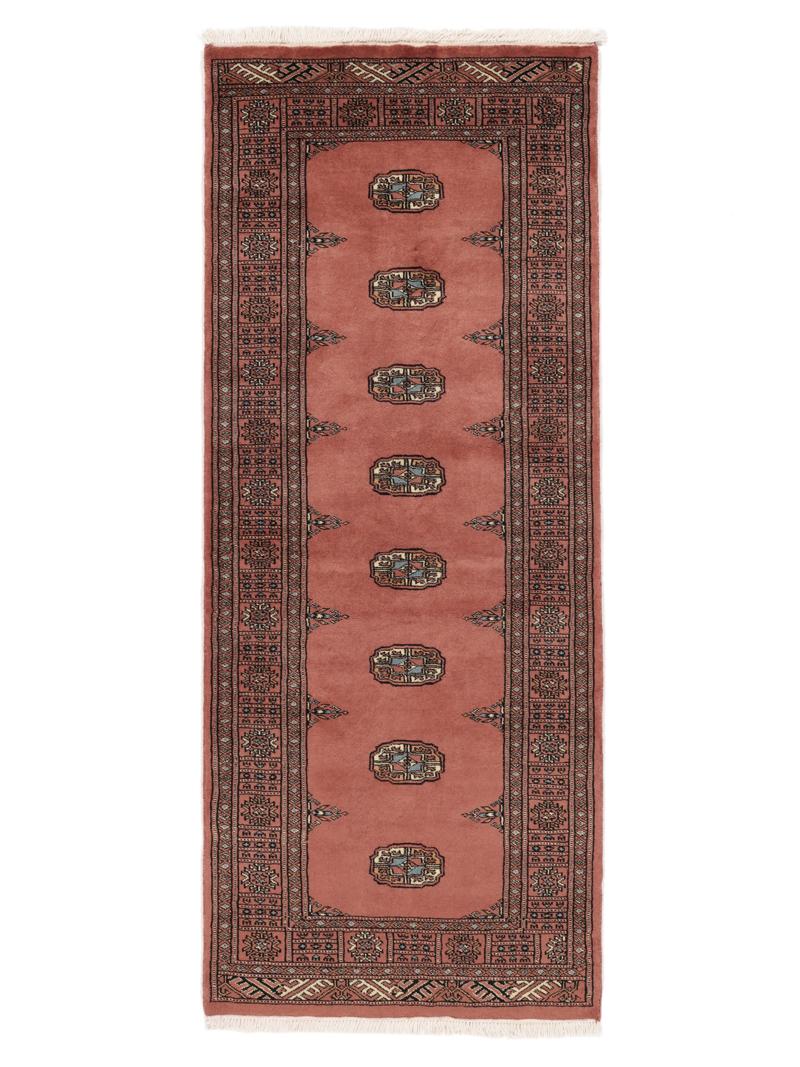
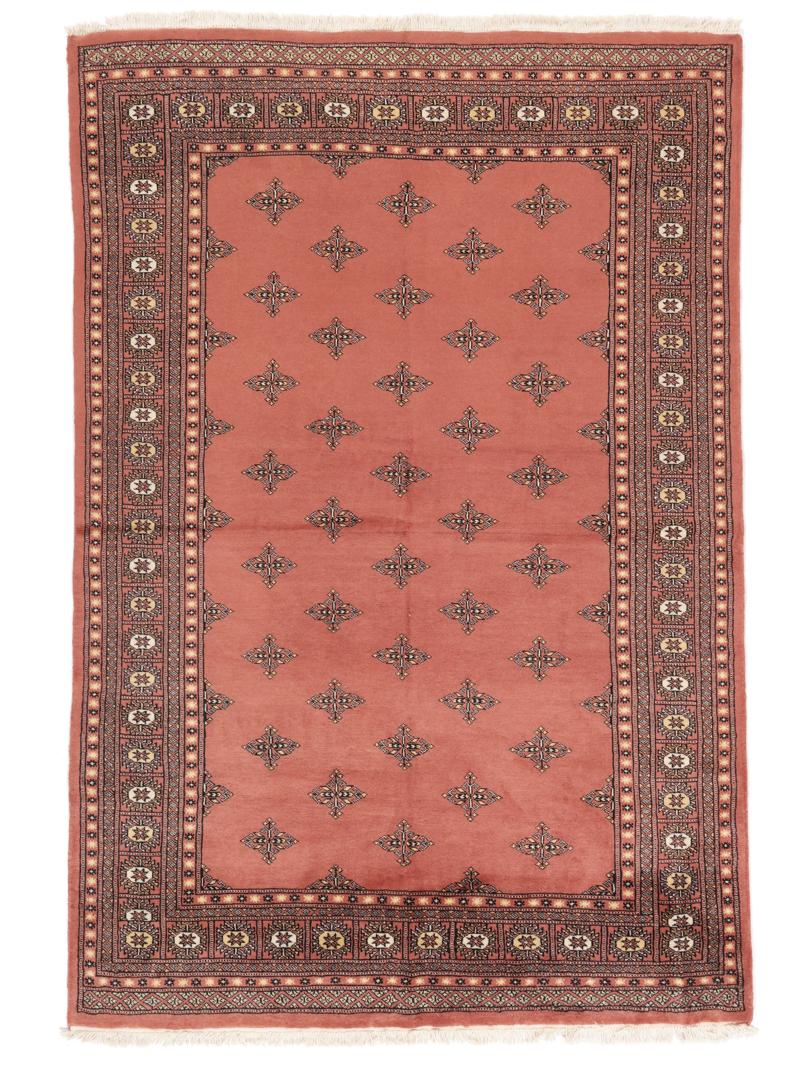
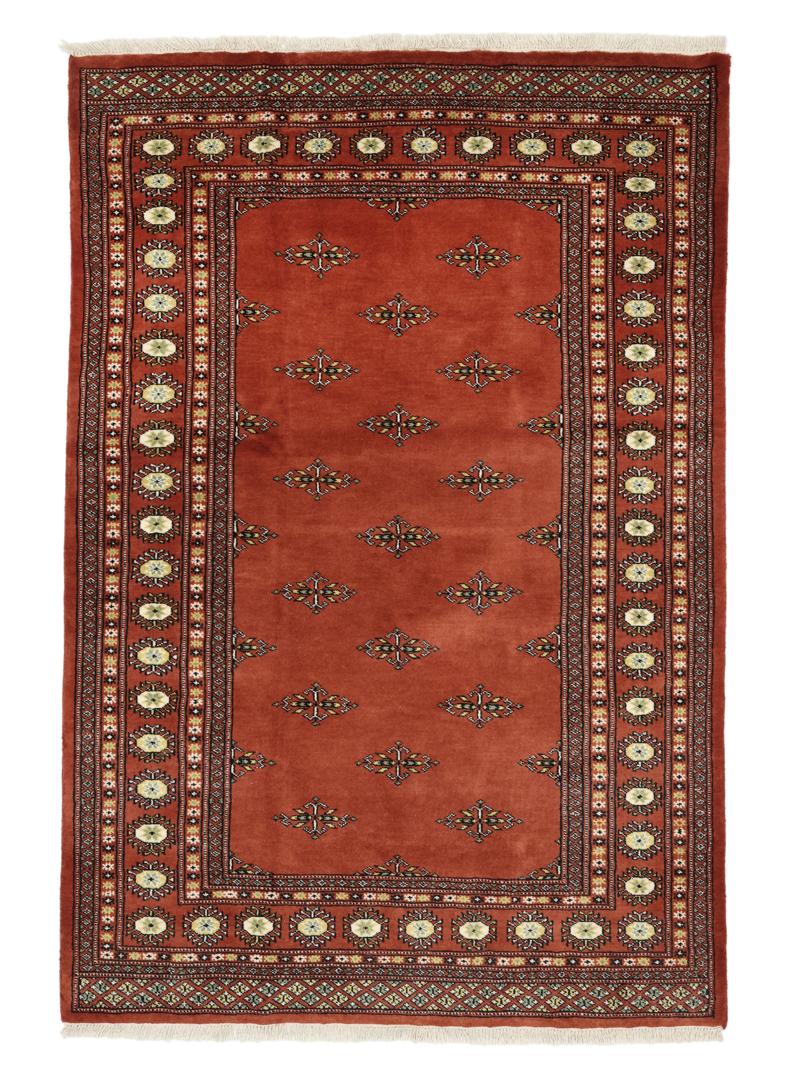
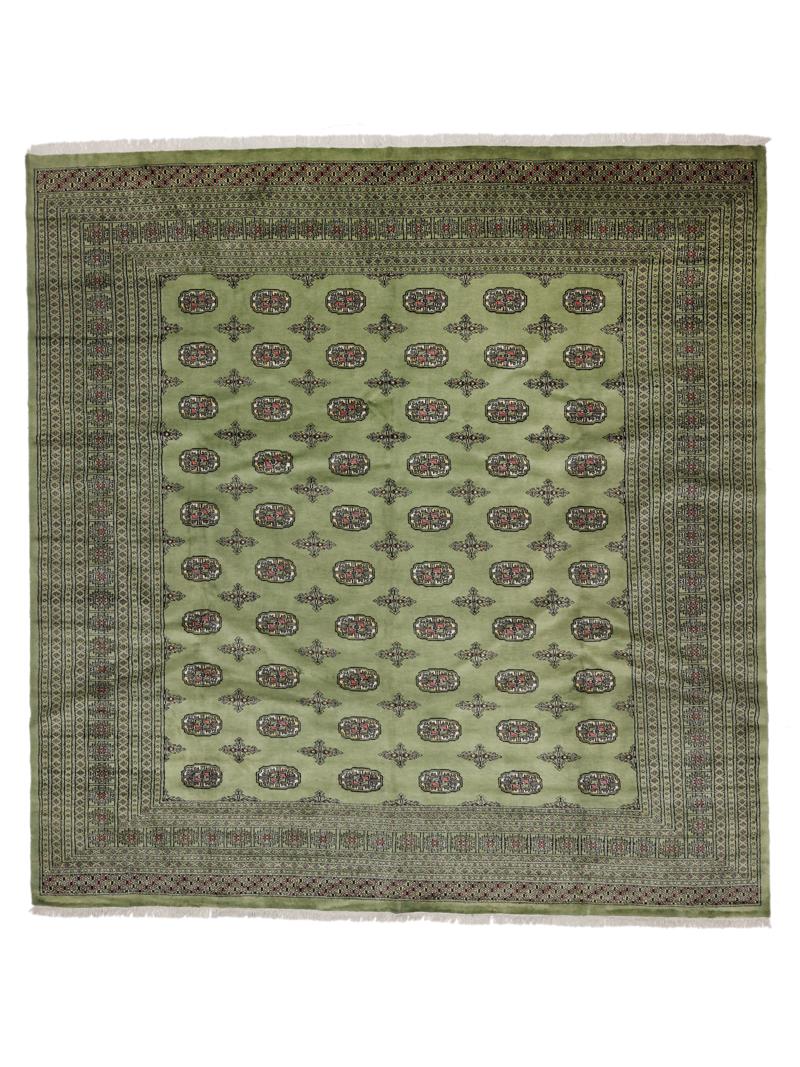
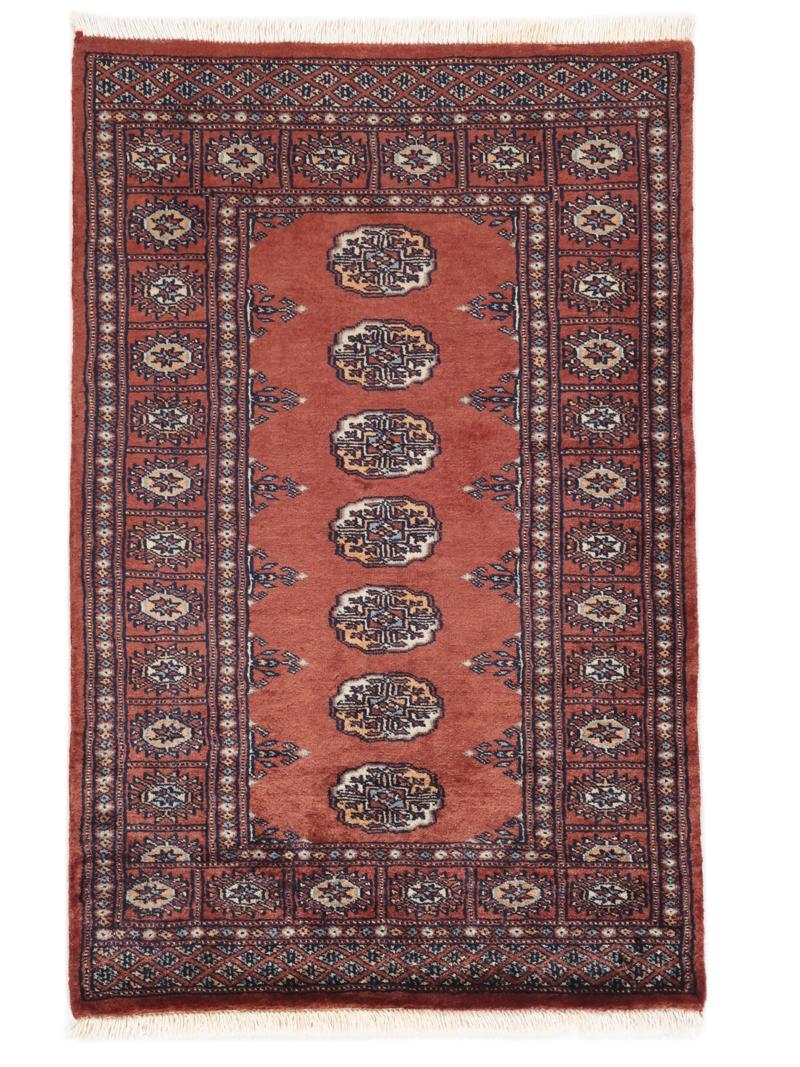
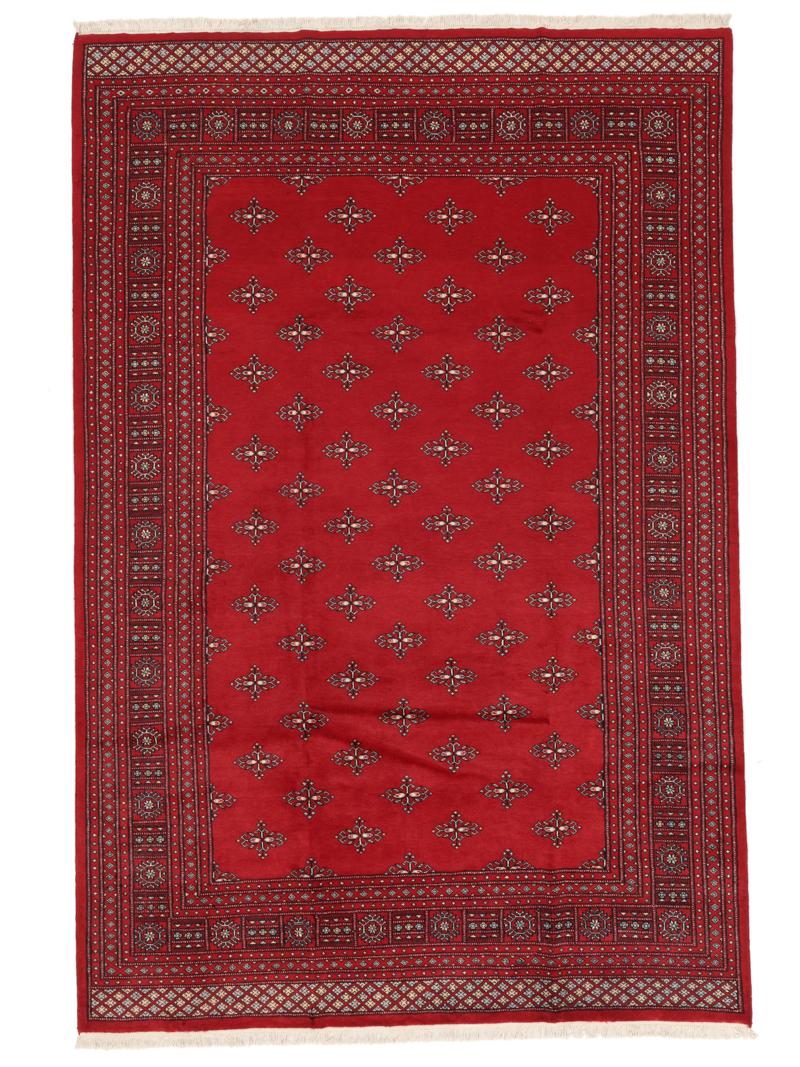
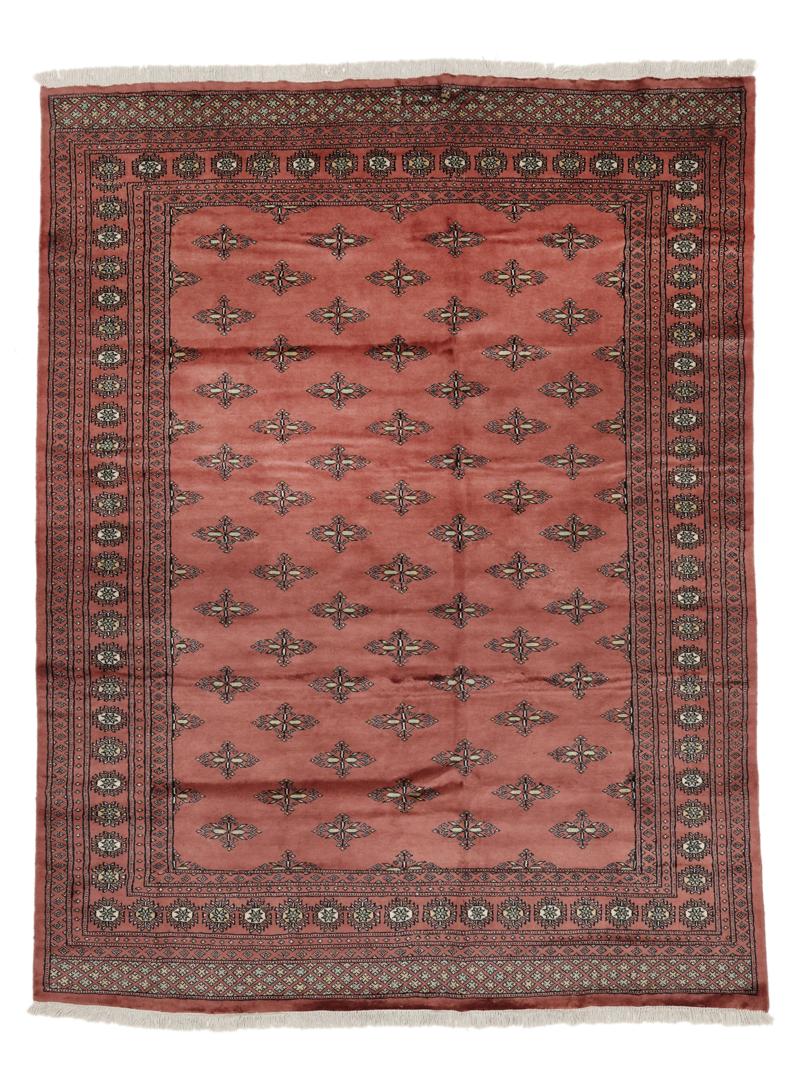
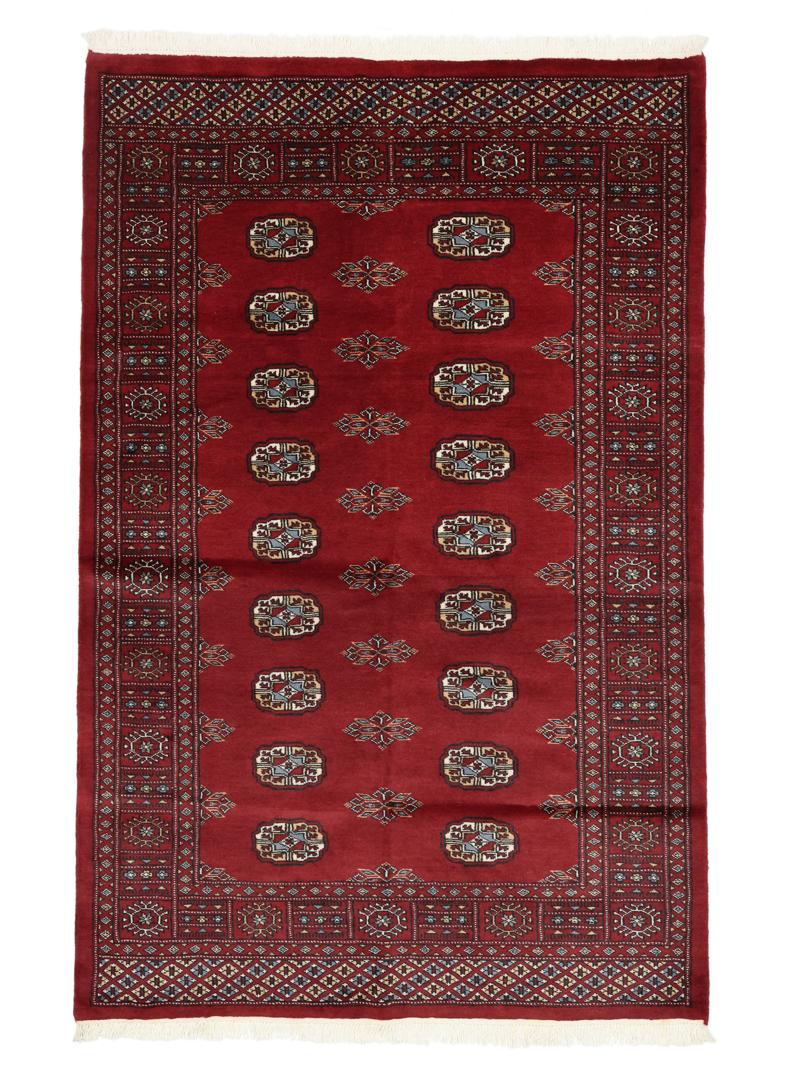
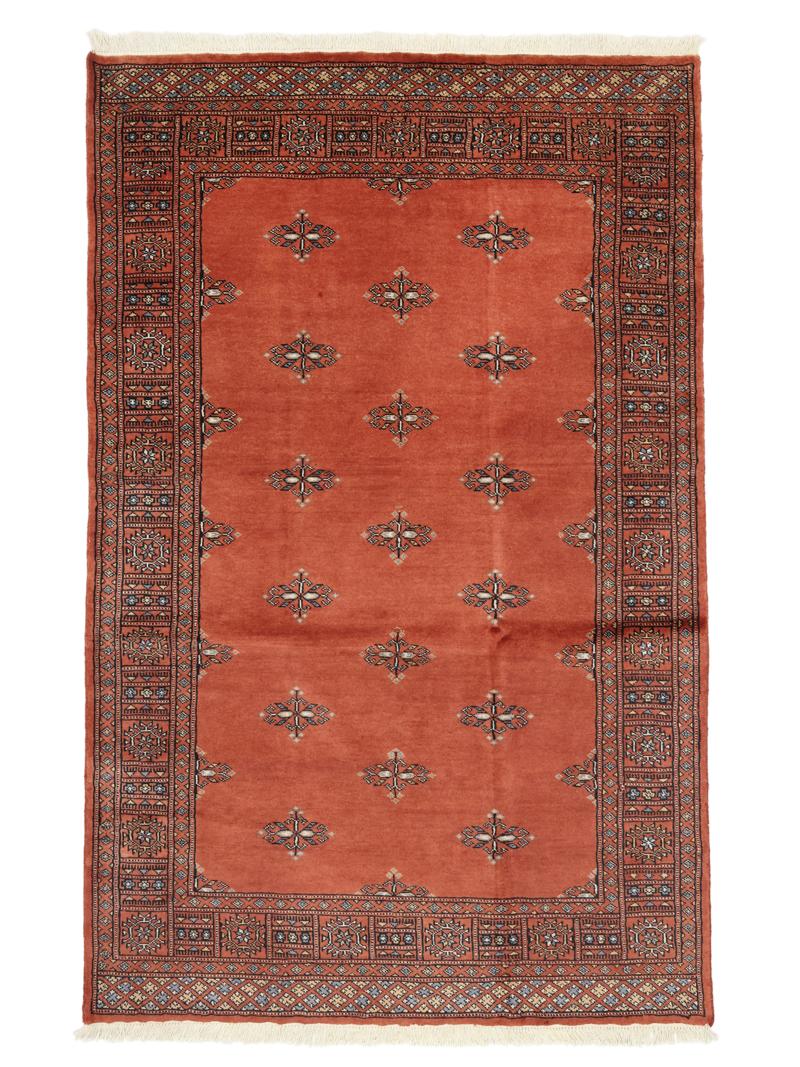
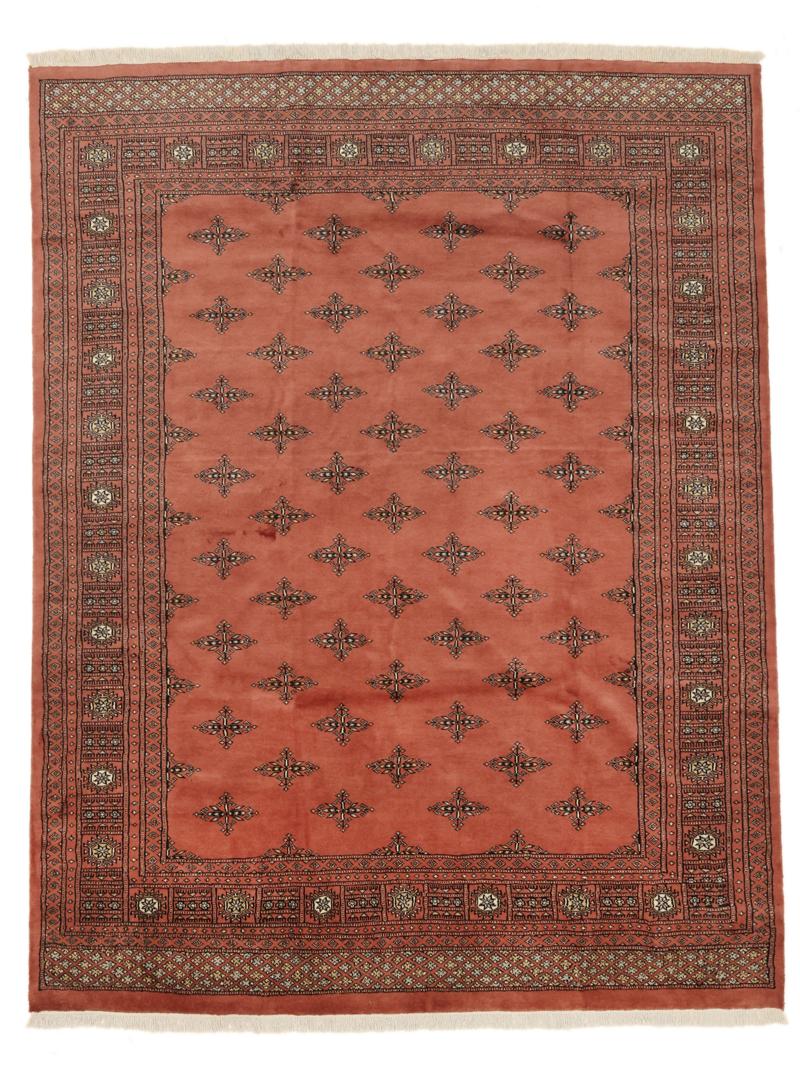
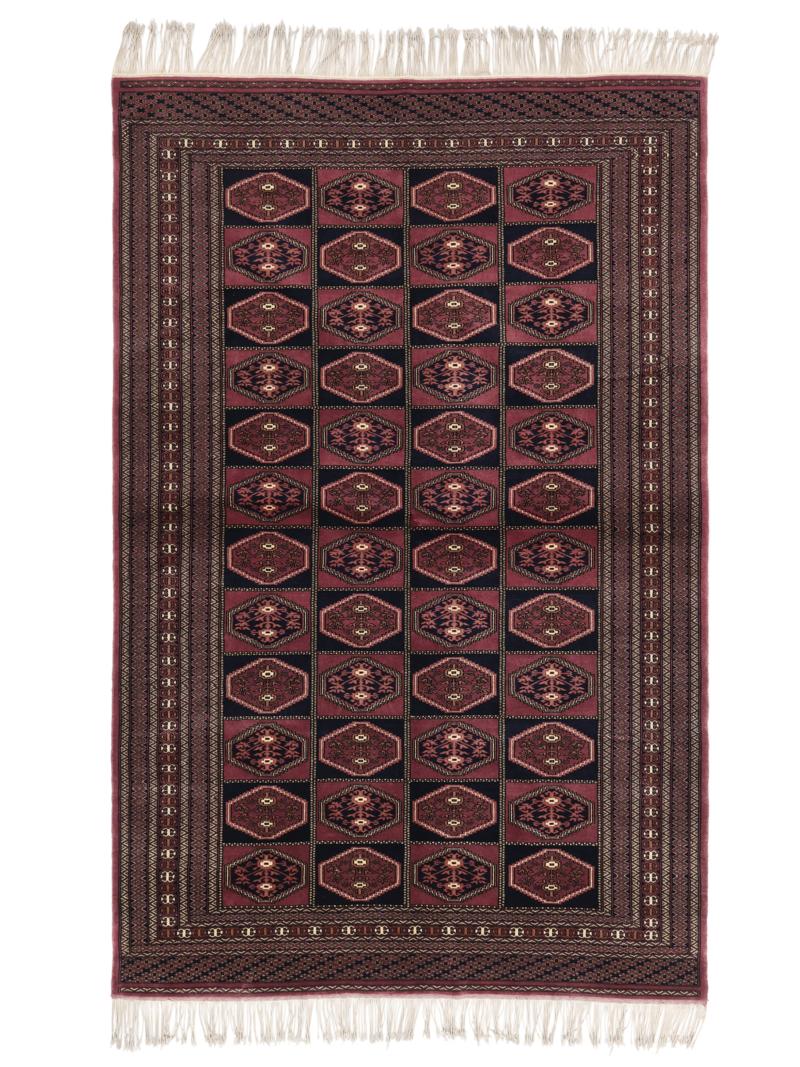
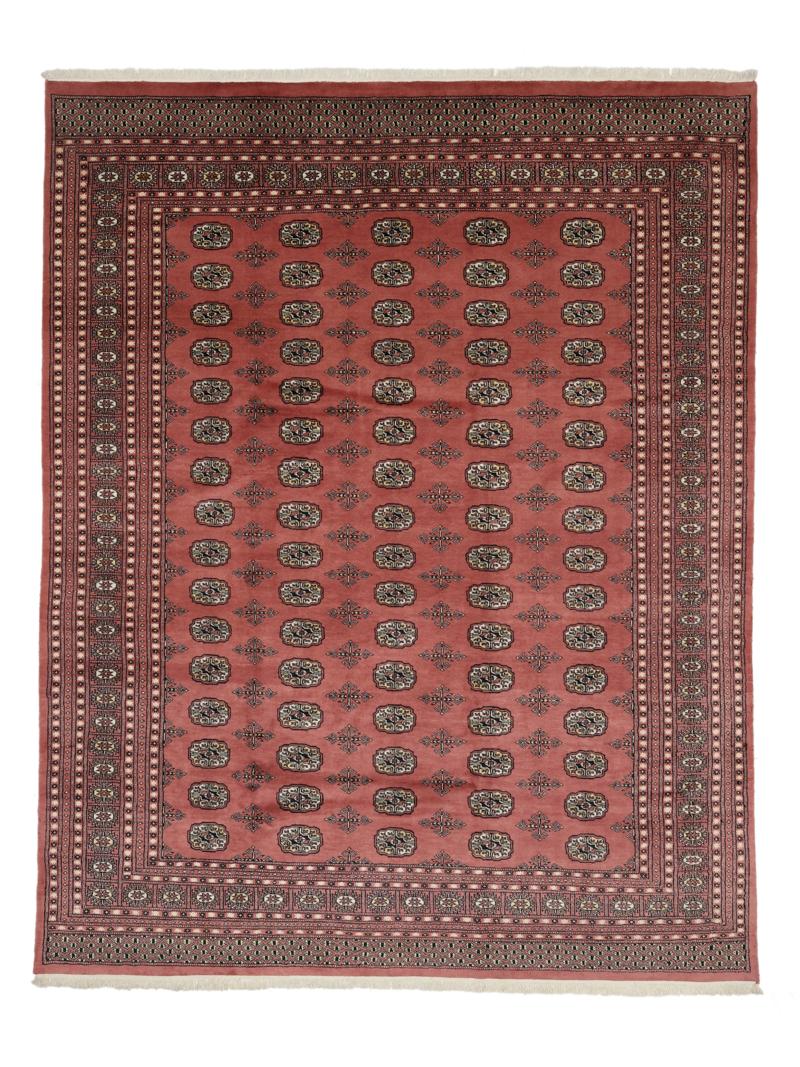
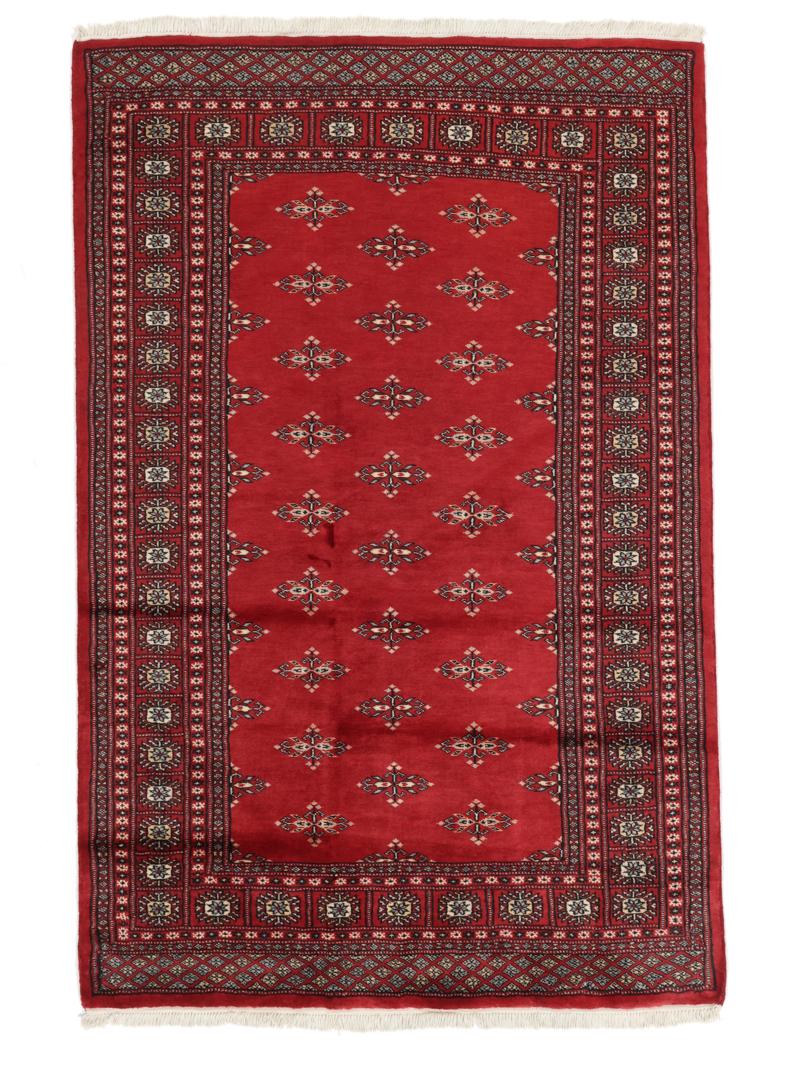
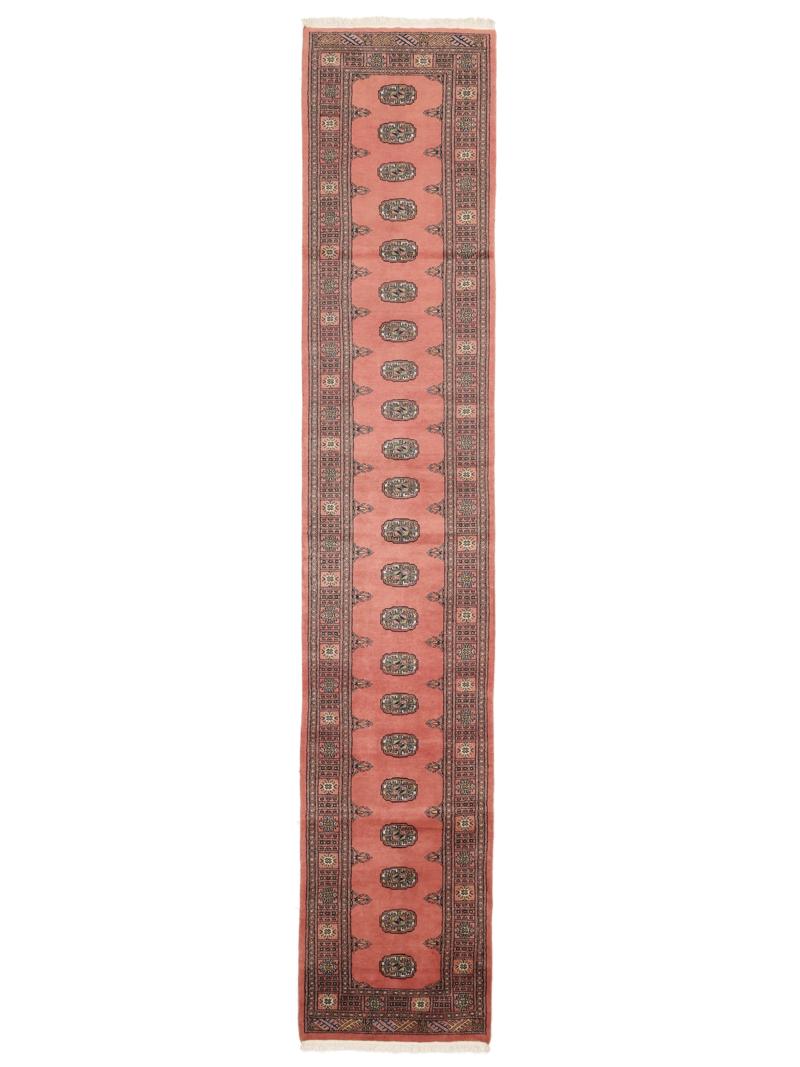
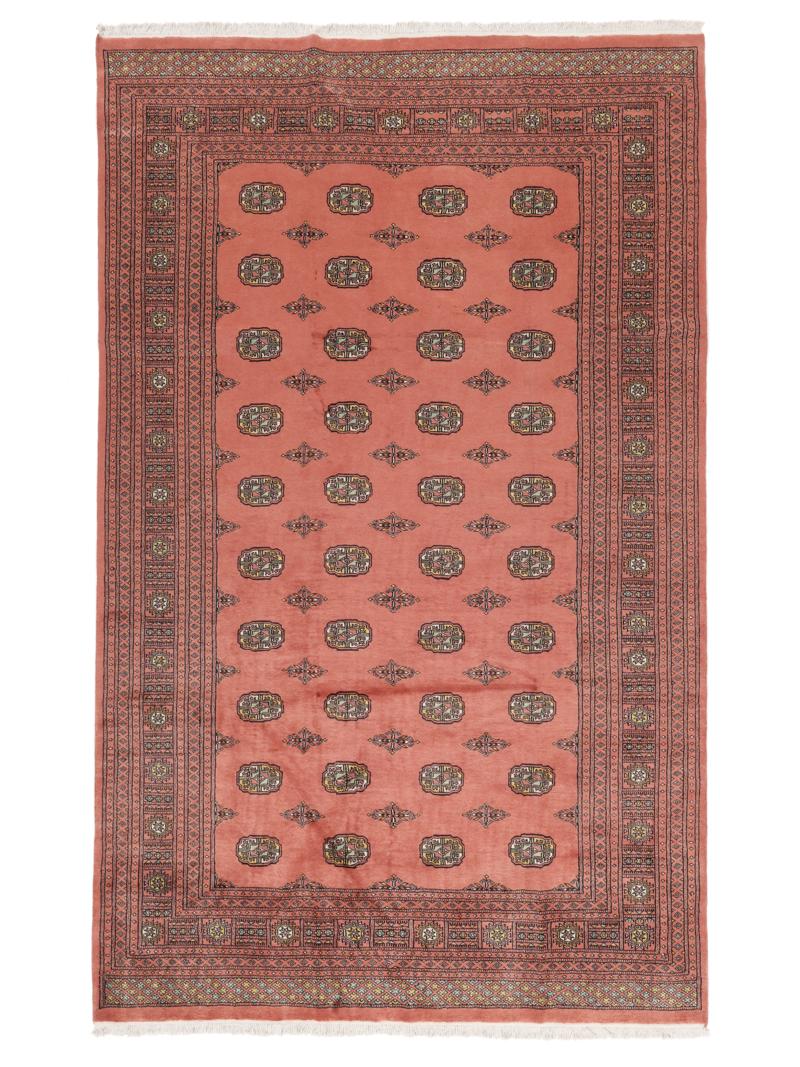
The origins of Bokhara rugs lie in the historic city of Bukhara in Central Asia, where these designs were once widely traded. Today, many are hand-knotted in Pakistan and Afghanistan using traditional Turkmen patterns. Their signature repeating gul motif and rich red tones make them one of the most recognisable oriental rug styles. Made from durable wool and woven using time-tested techniques, genuine Bokhara rugs are designed to last and bring warmth, character, and timeless style to your home.
Traditional colours and patterns to expect
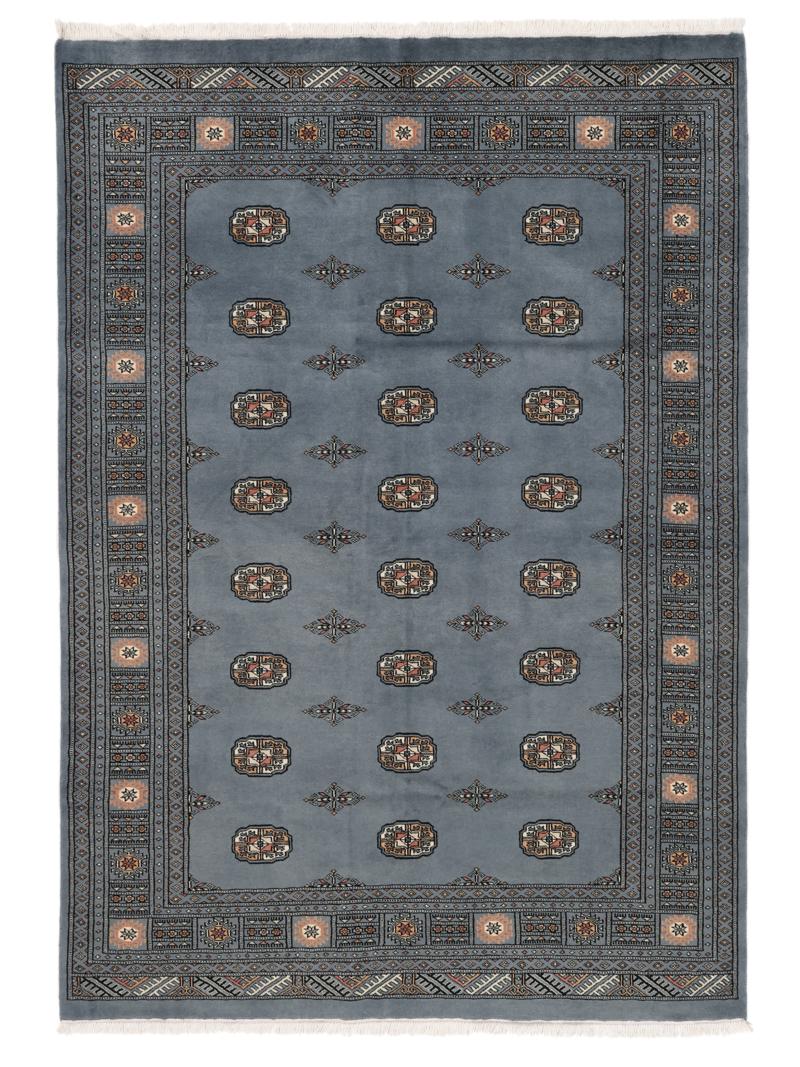
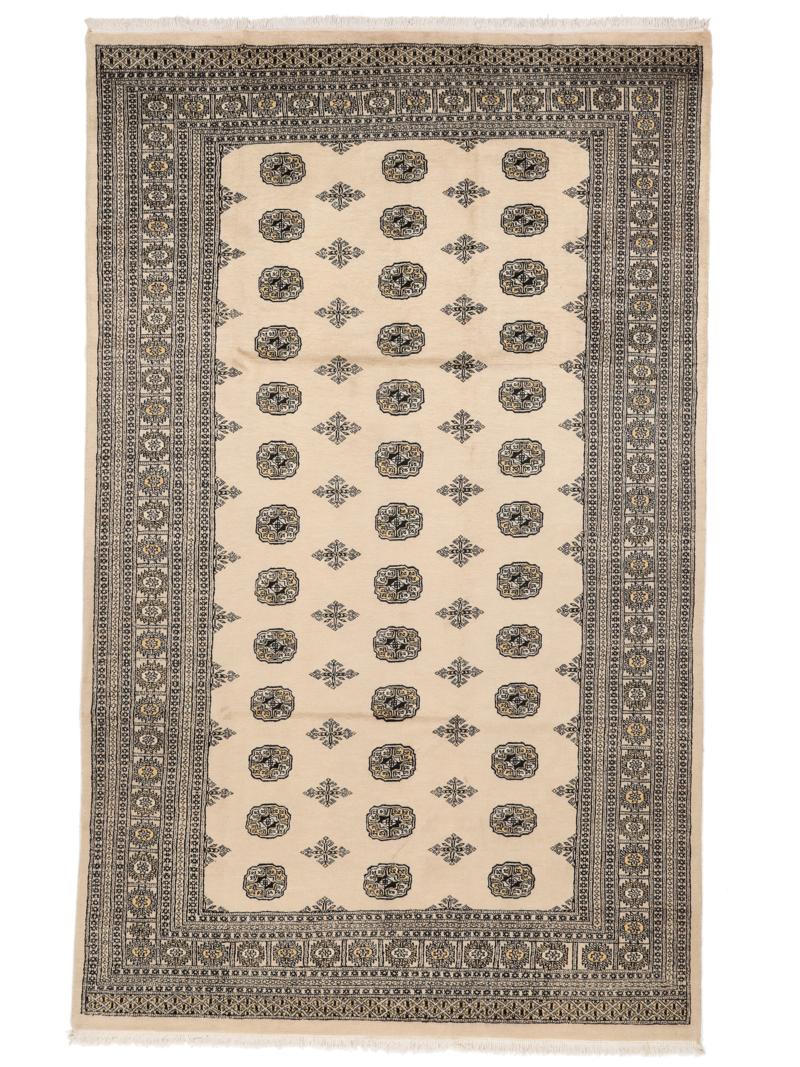
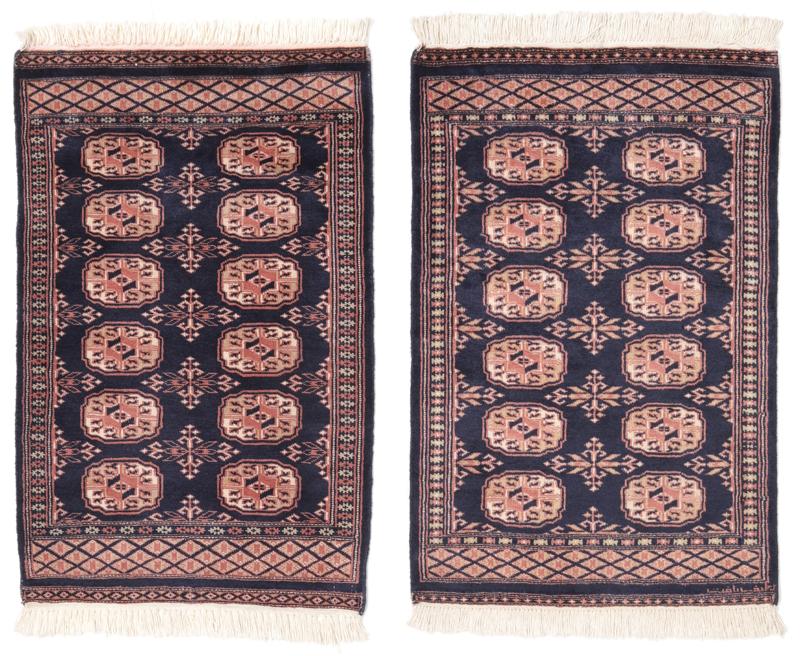
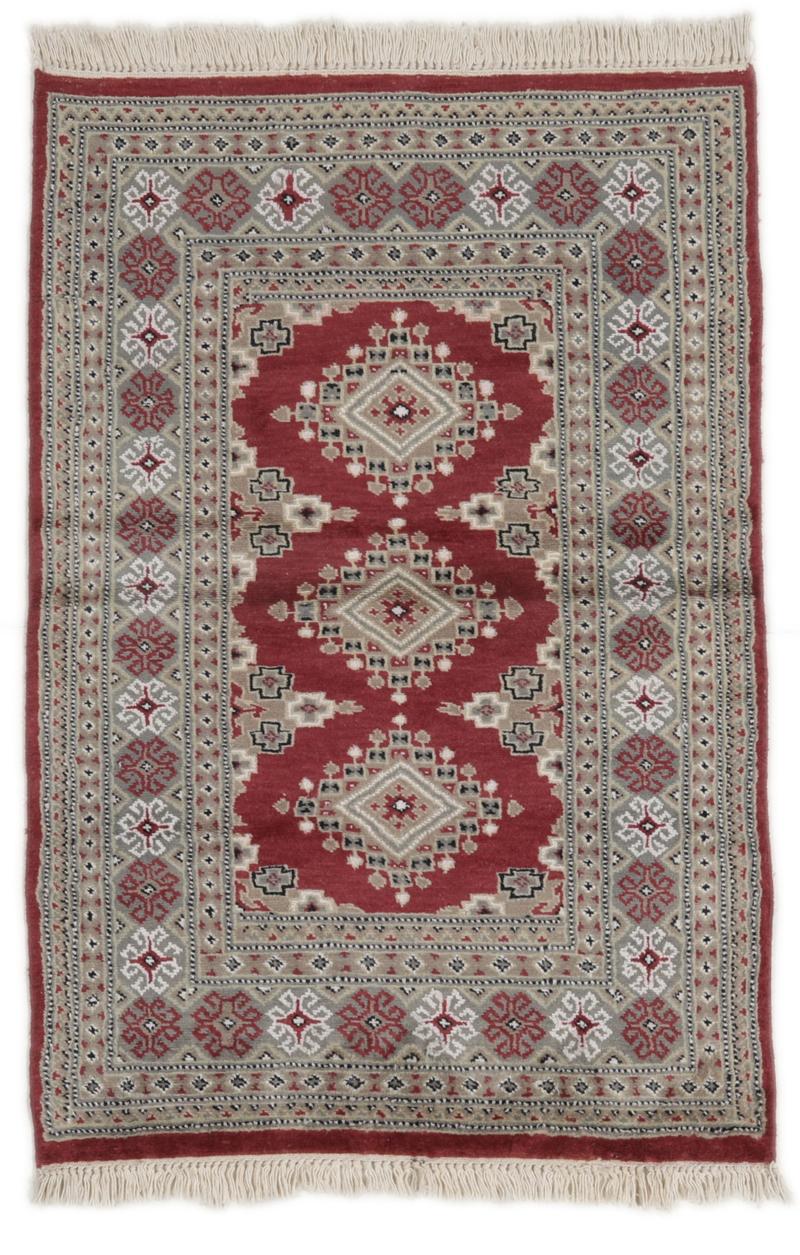
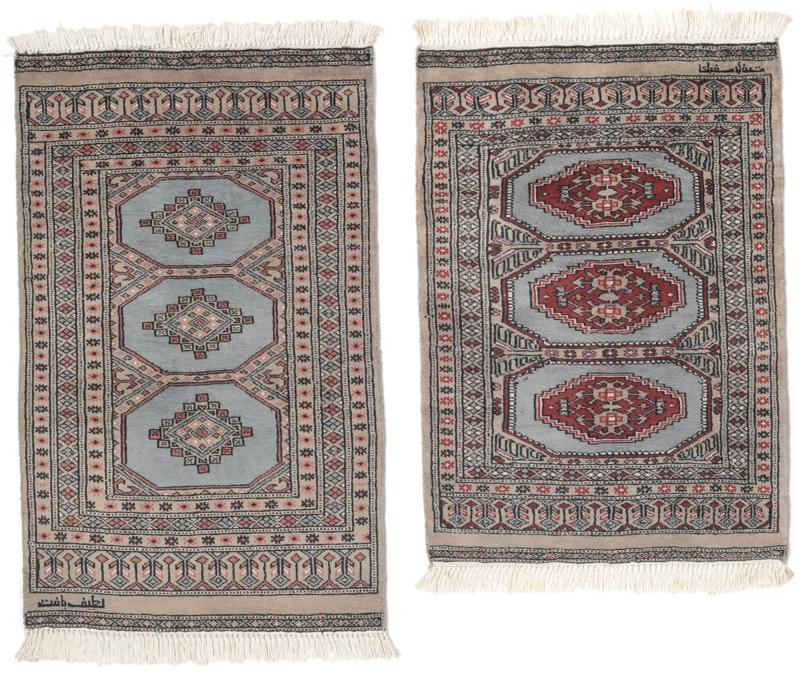
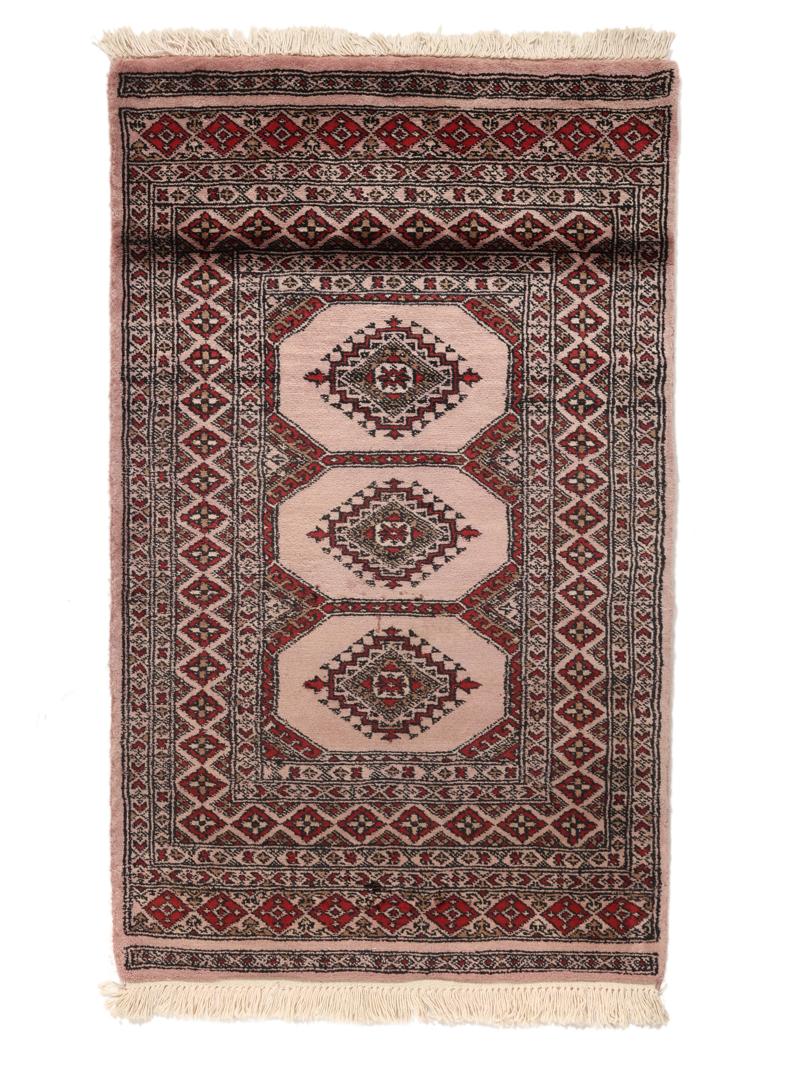
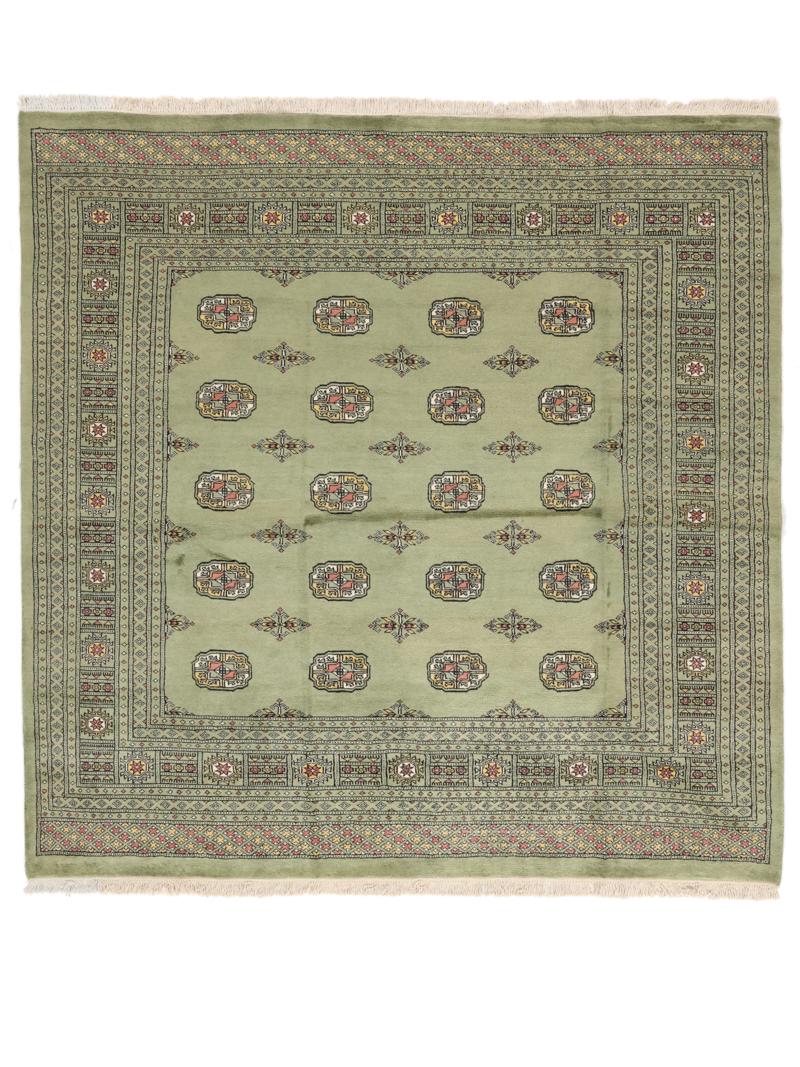
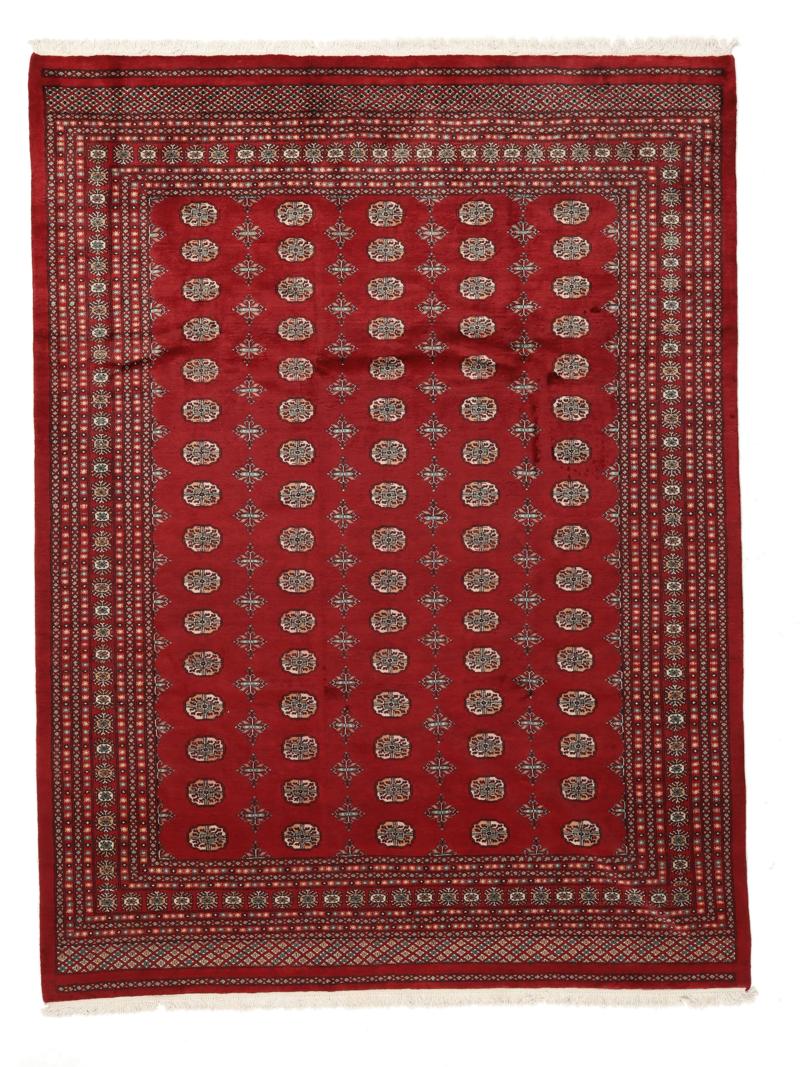
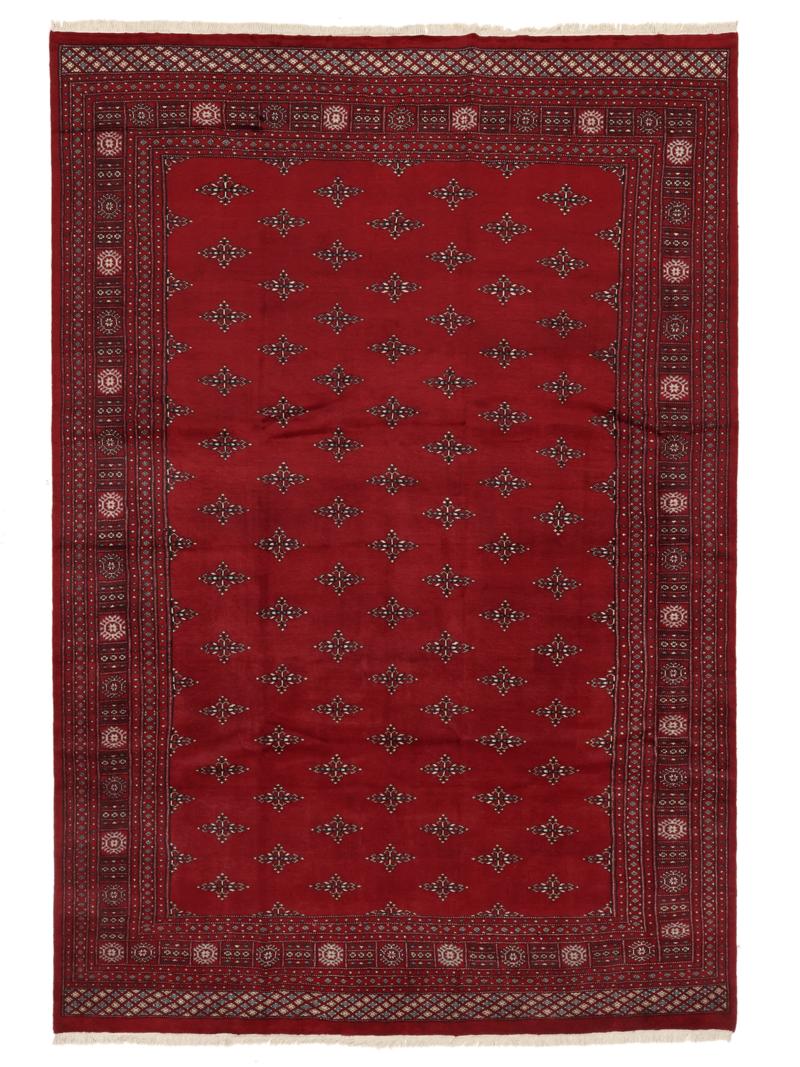
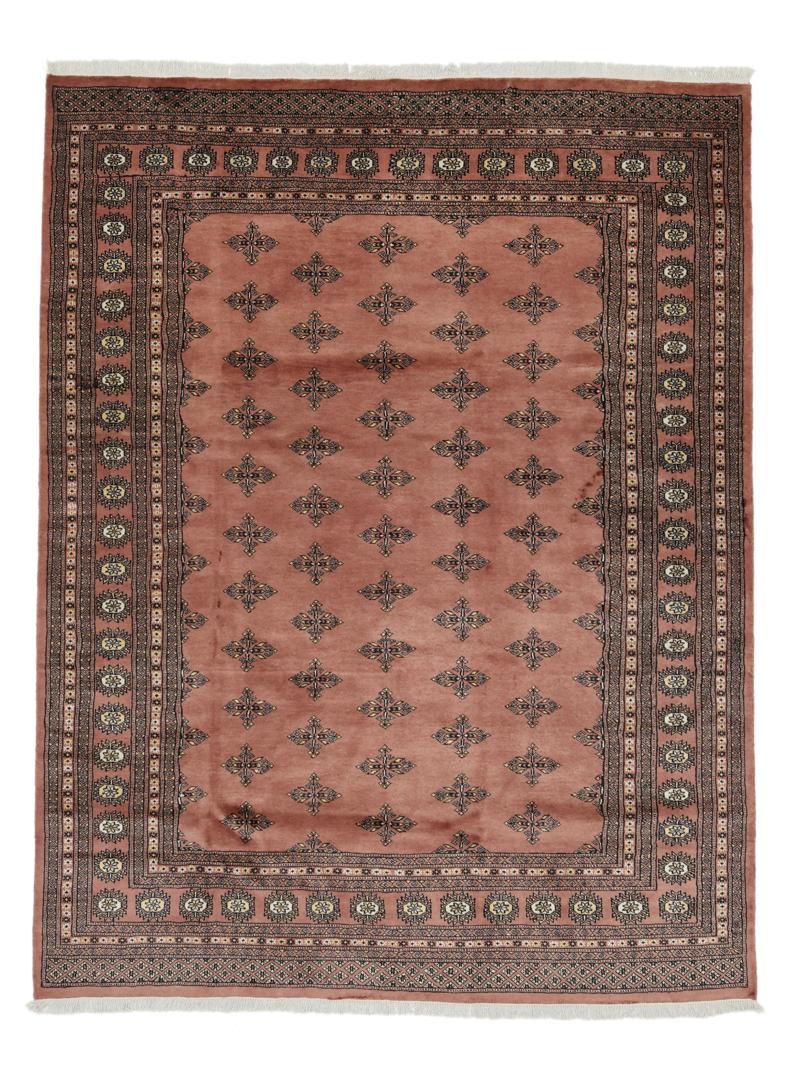
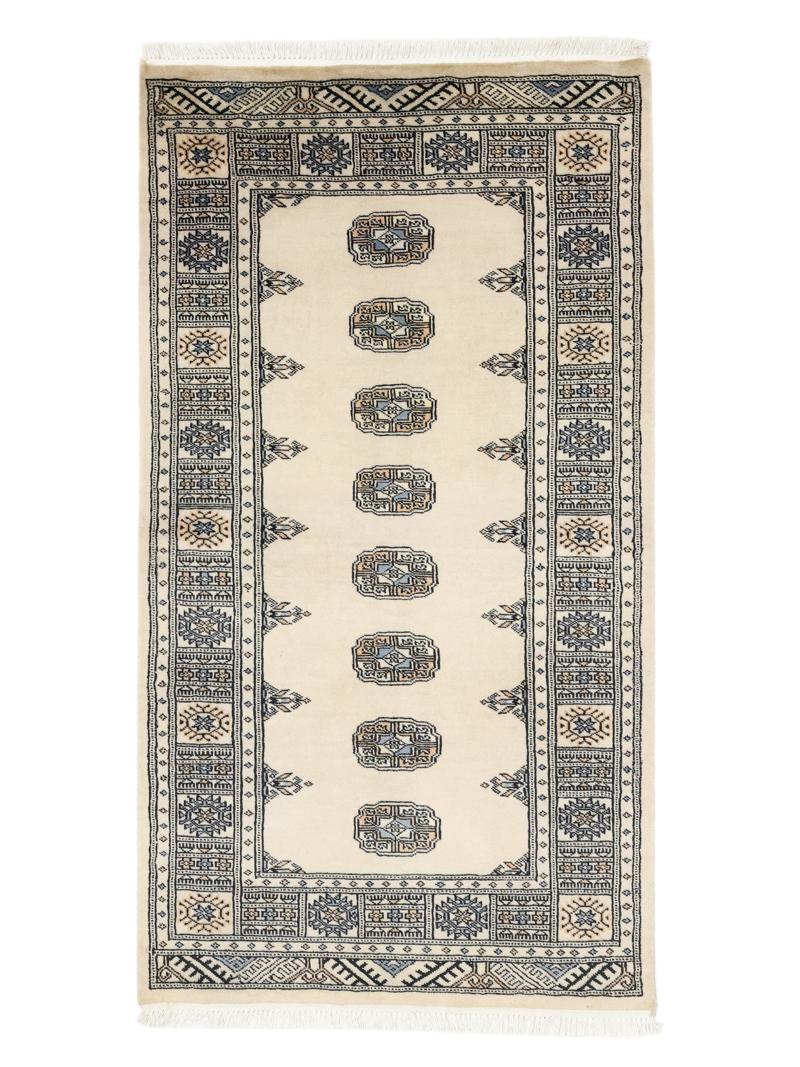
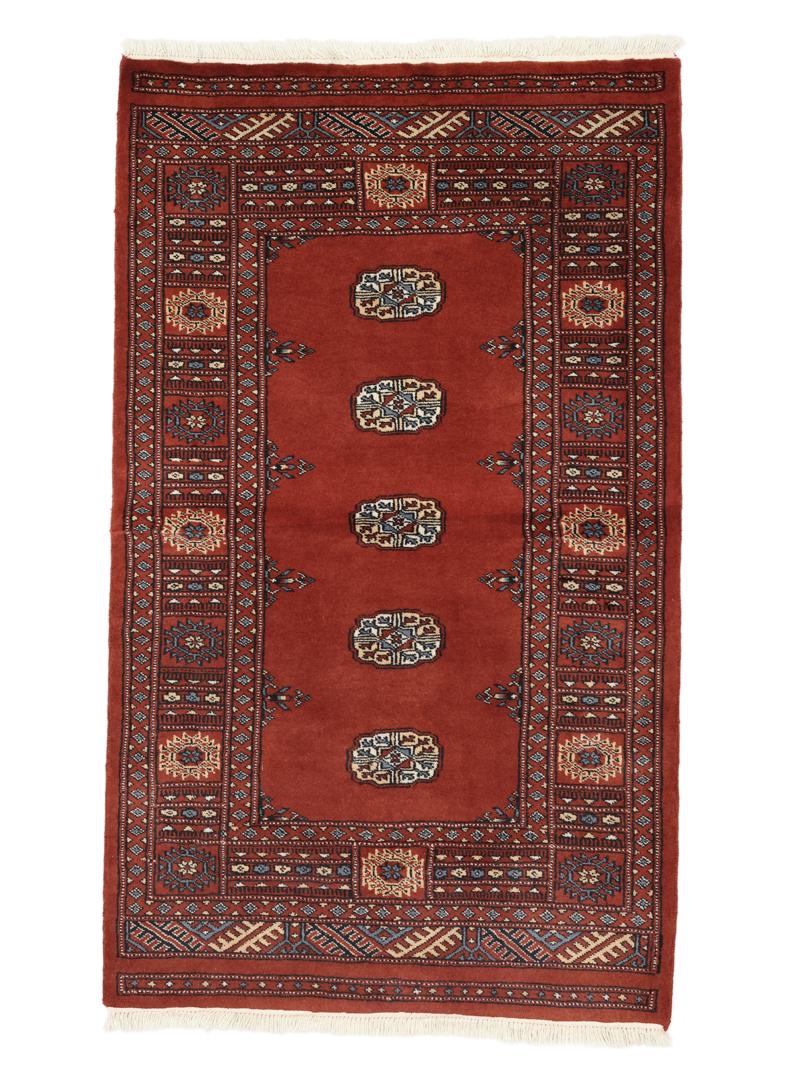
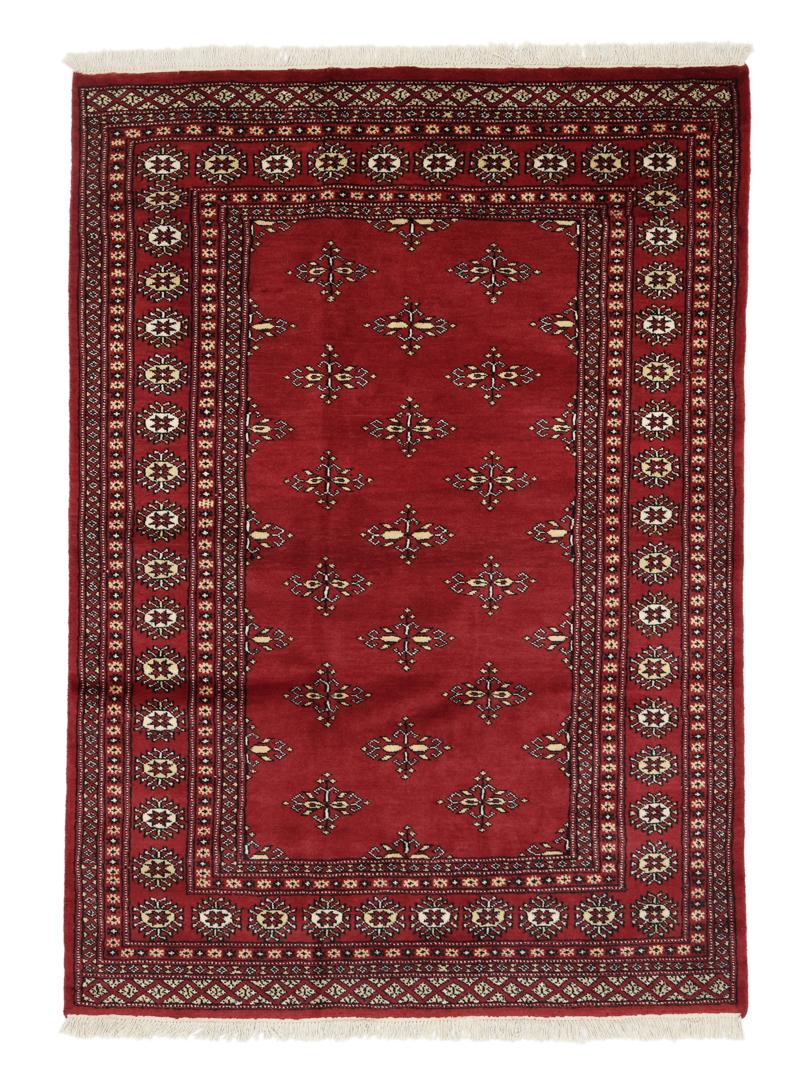
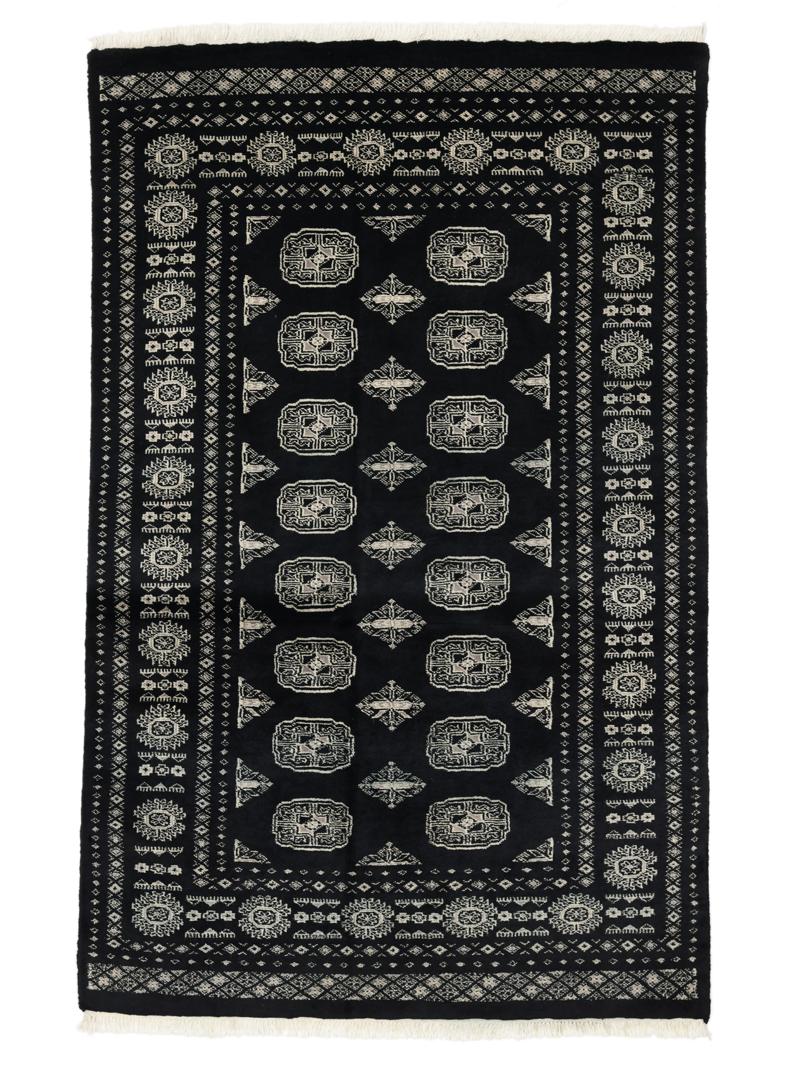
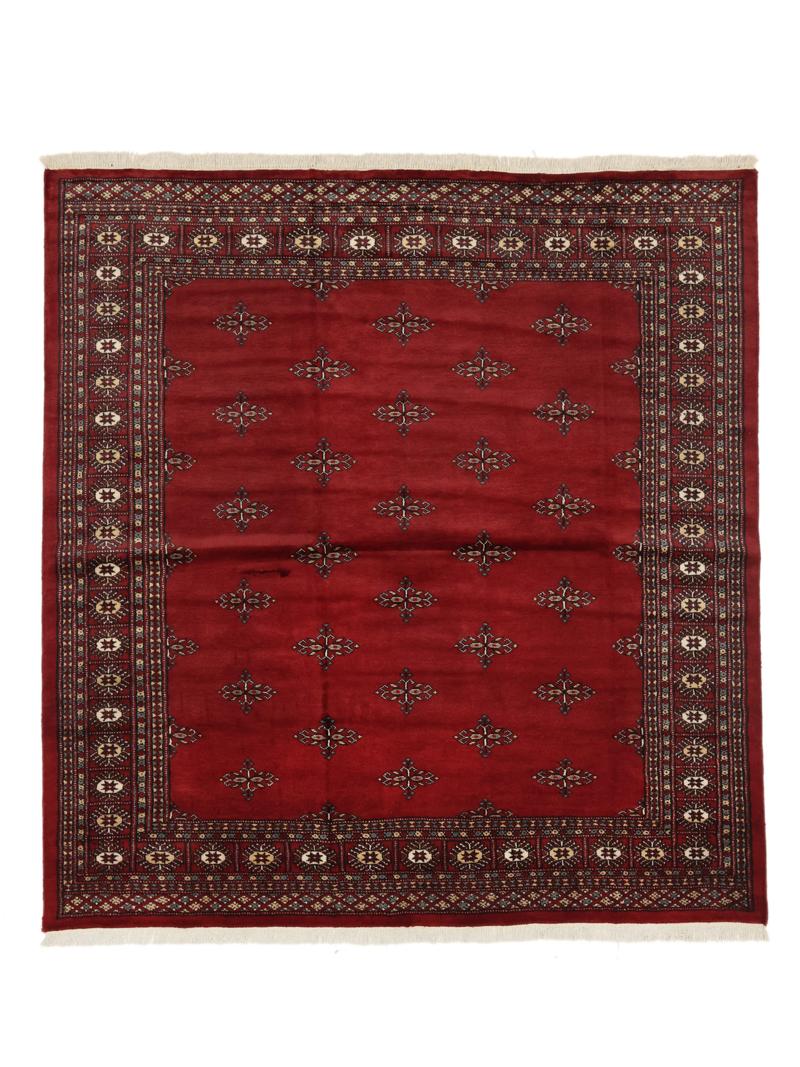
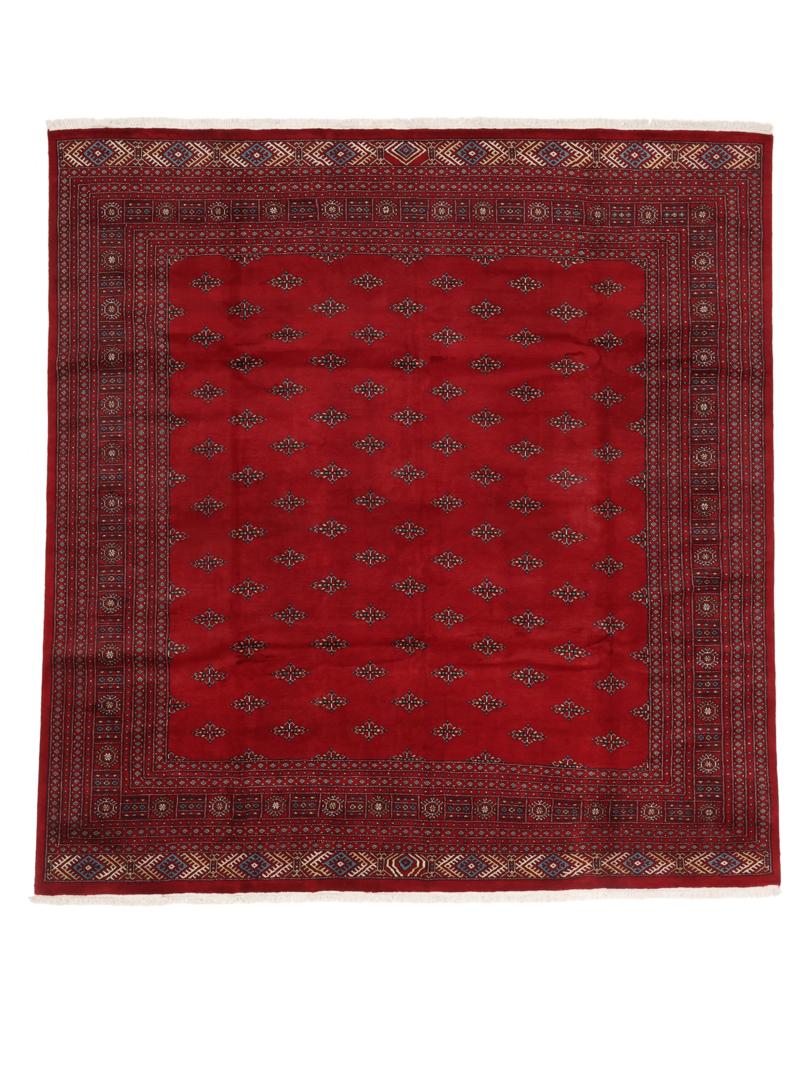
Bokhara rugs are known for their rich red tones and structured, repeating patterns. This balanced design gives them a timeless look that suits many different interiors. Here are some typical colours and patterns to expect.
- Deep reds, burgundy, and maroon as classic field colours
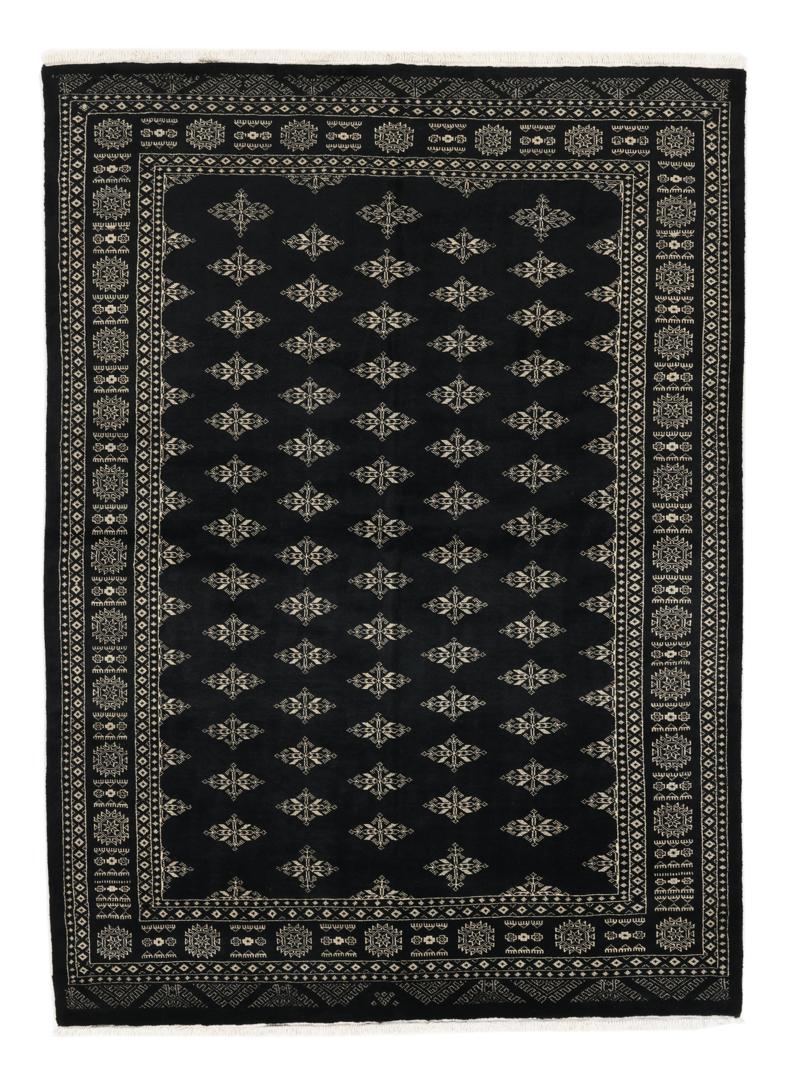
- Accents in ivory, black, dark blue, or brown
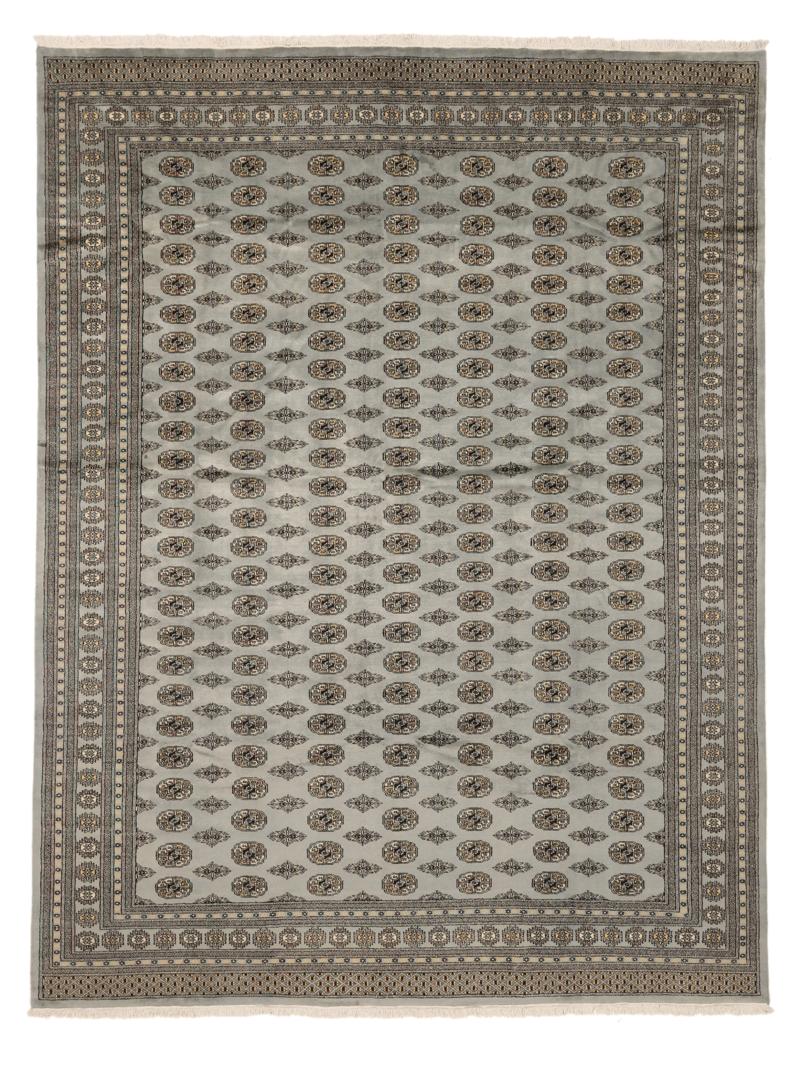
- Repeating gul motifs arranged in neat, orderly rows
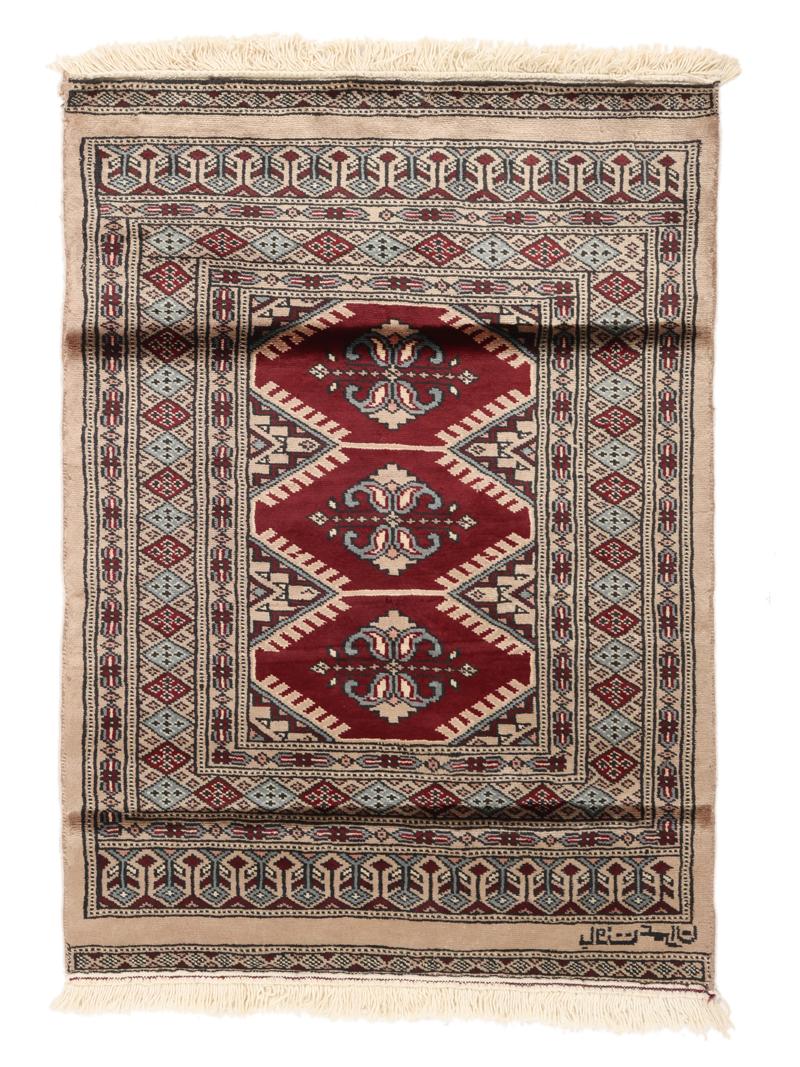
- Geometric borders that frame the central pattern
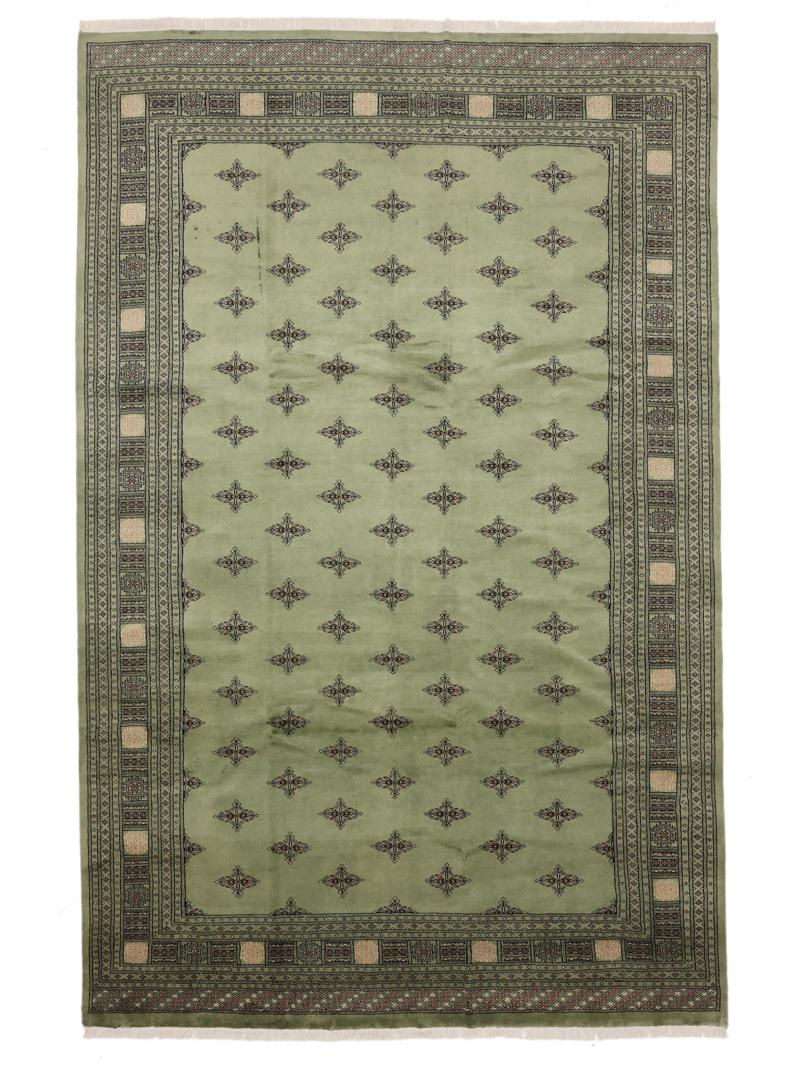
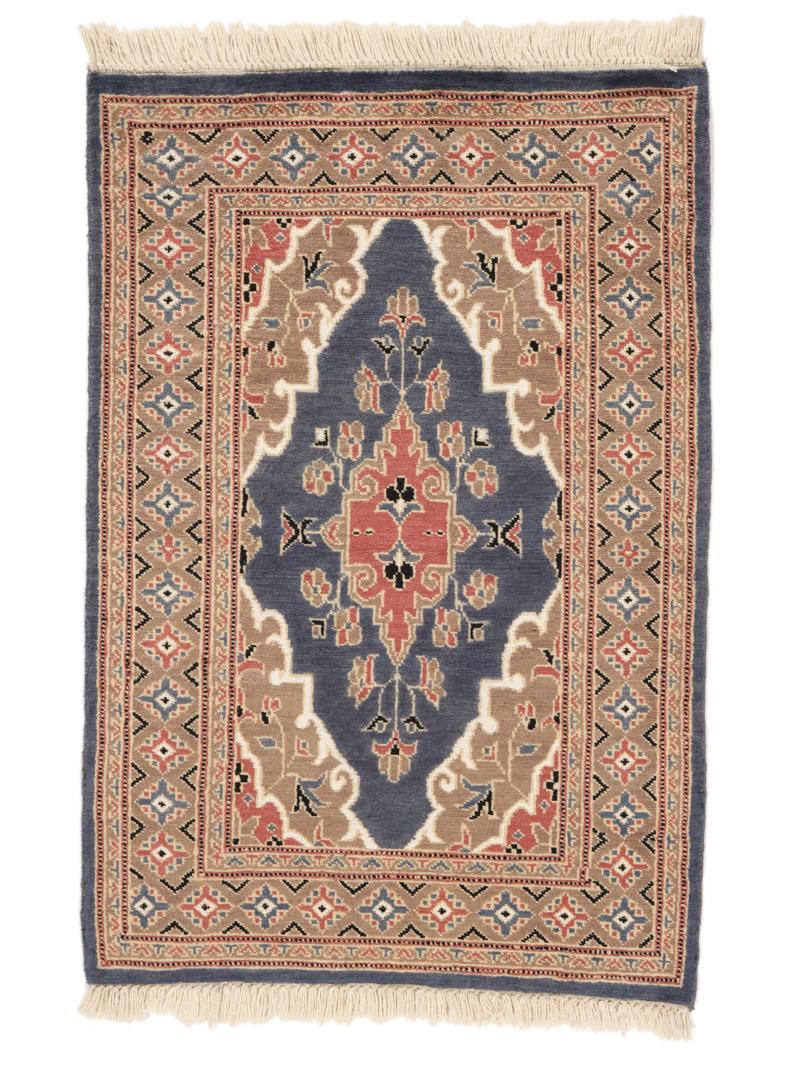
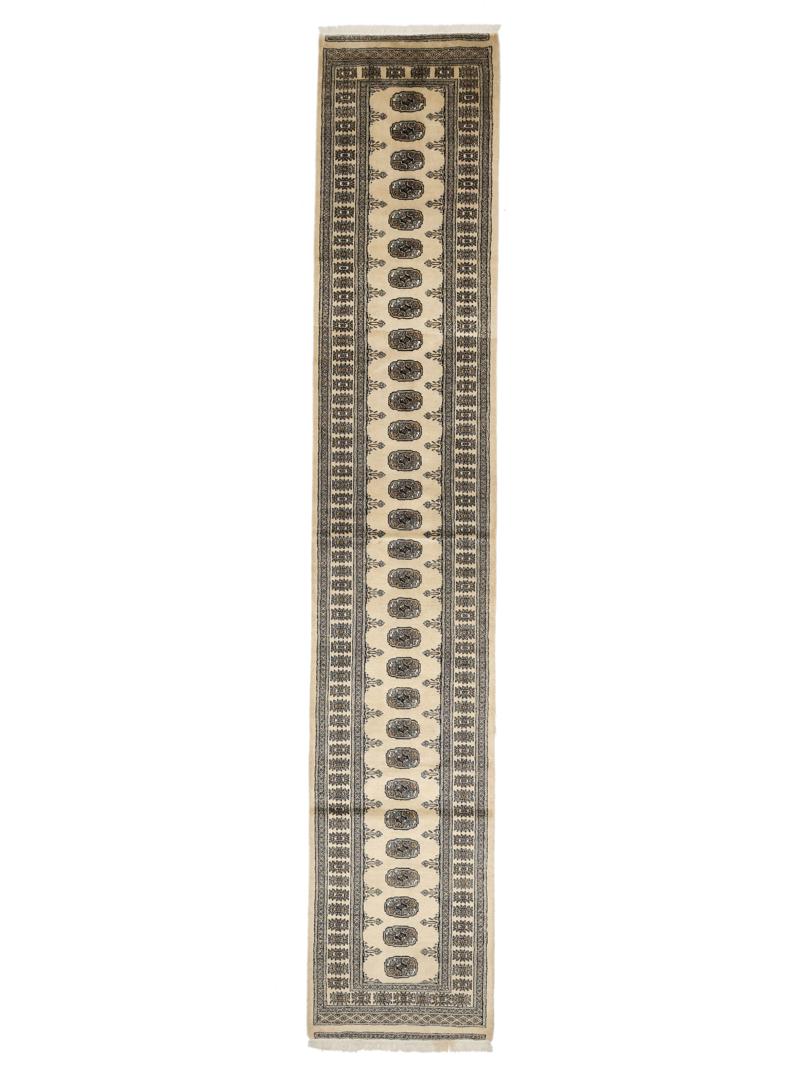
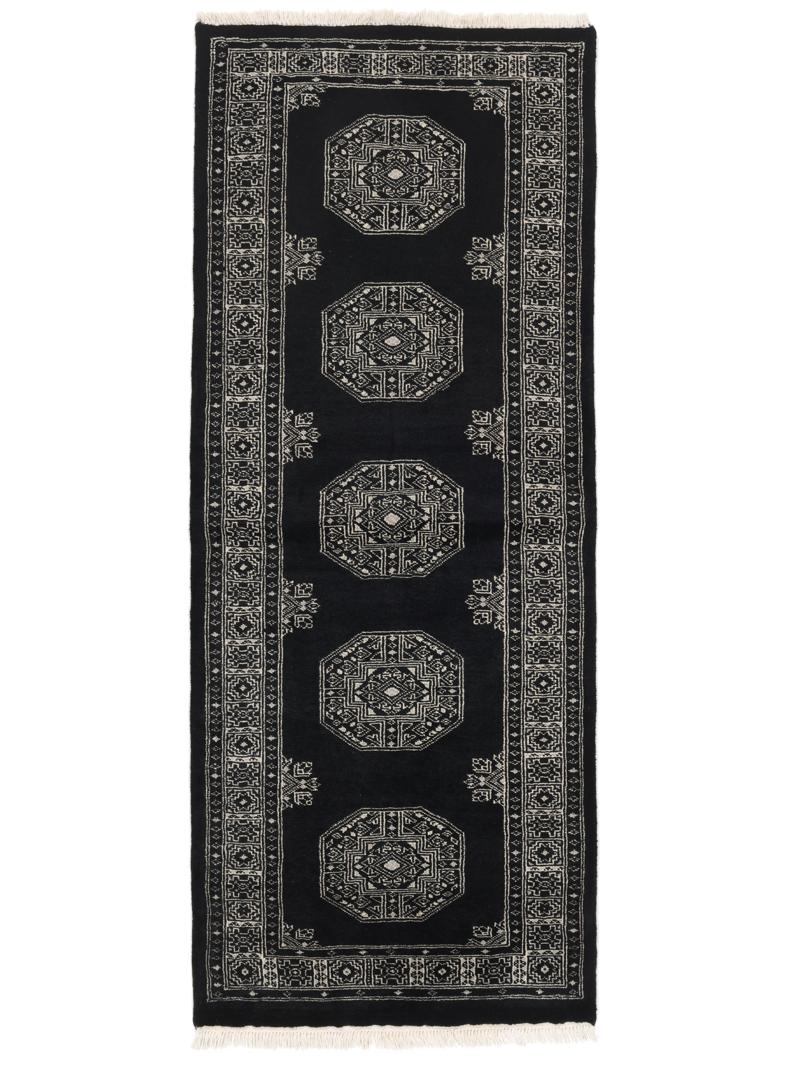
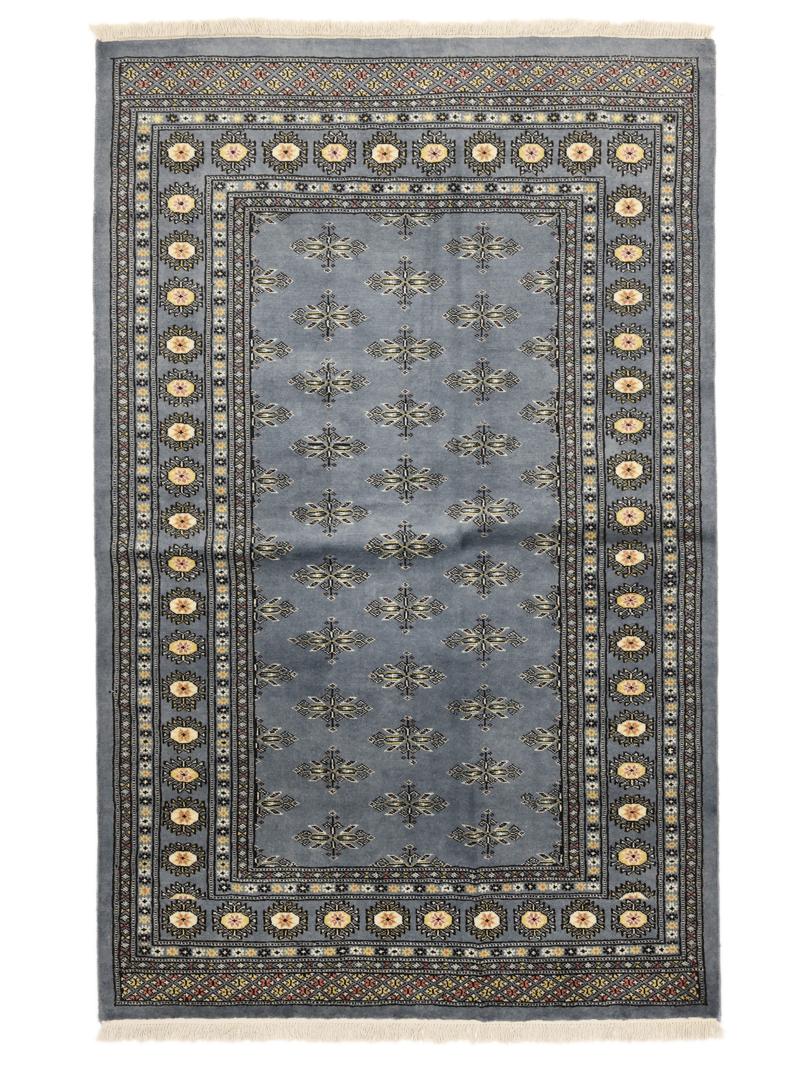
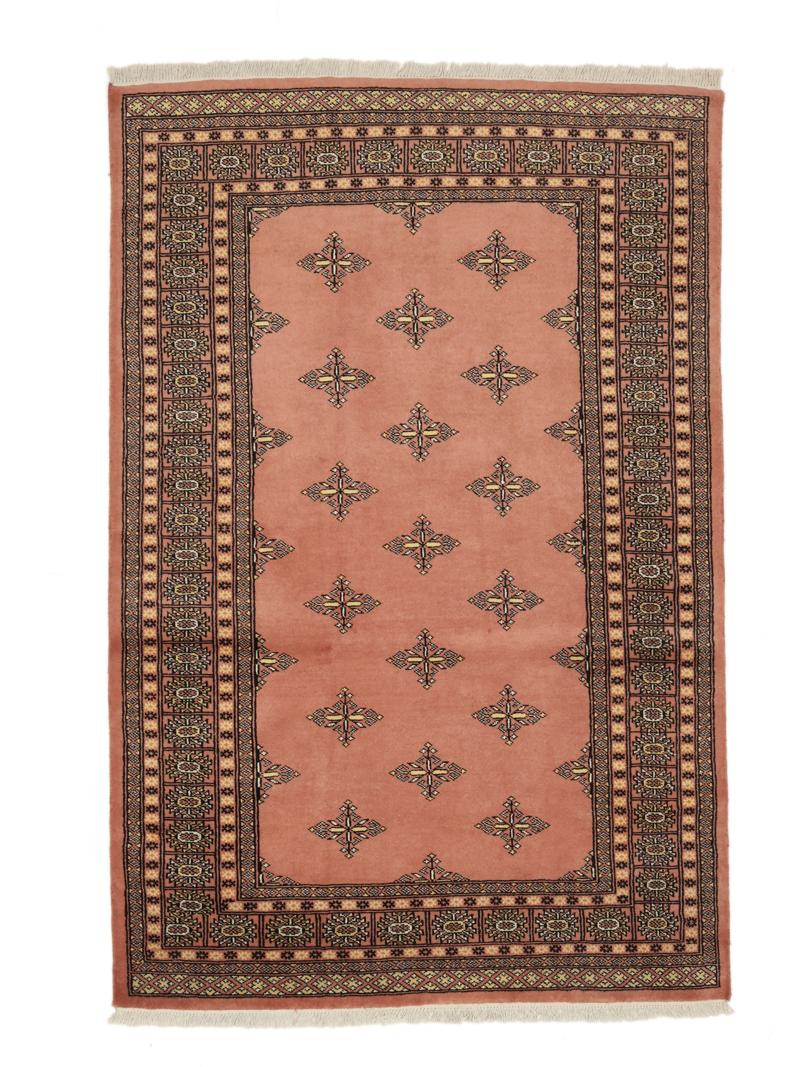
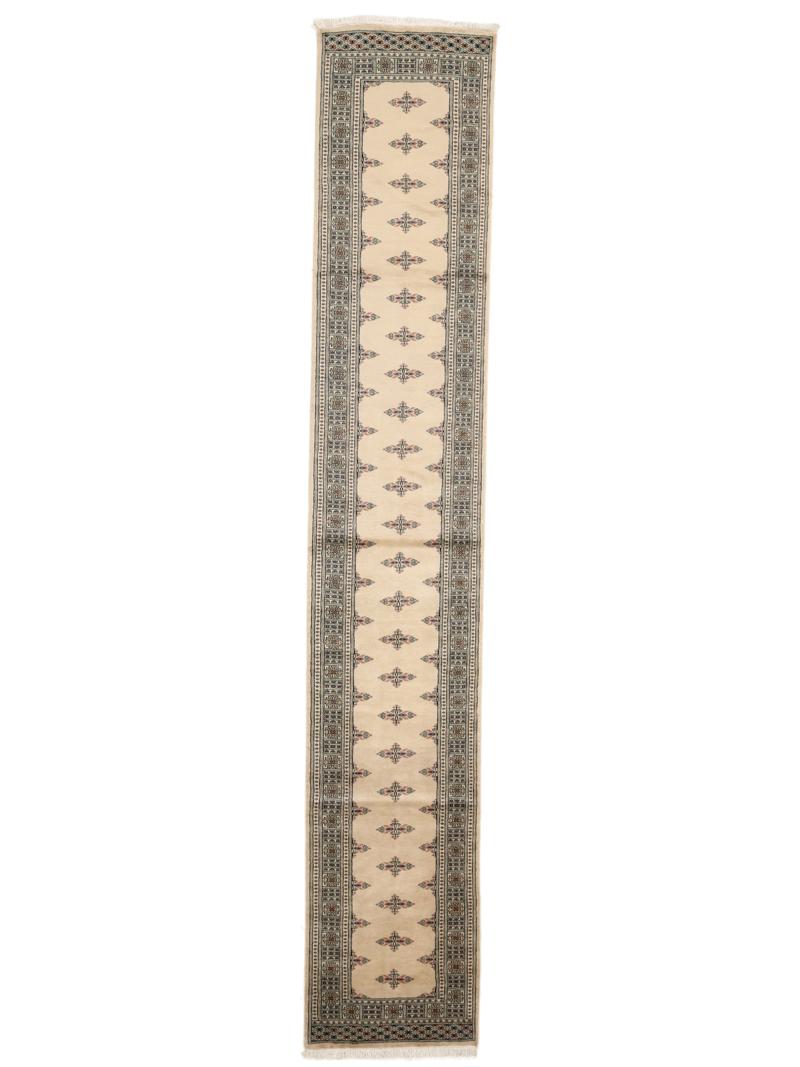
- Modern versions may feature softer or more neutral tones
What makes Bokhara rugs high quality?
Bokhara rugs are valued for their quality, which comes from a combination of skilled craftsmanship, durable materials, and time-tested designs. Hand-knotted using high-quality wool that’s naturally resilient and soft underfoot, they’re well suited for everyday use. The tight, consistent knotting creates clear, balanced patterns and helps the rug maintain its shape over time.
Traditional vegetable or deep-set dyes give Bokhara rugs their rich, lasting colour, which tends to age gracefully rather than fade. Because of their dense construction and strong wool, well-made Bokhara rugs are known to hold up beautifully in both formal rooms and high-traffic areas.
How to choose the right Bokhara rug
Choosing the right Bokhara rug involves balancing style, function, and proportion. By considering your interior style, room size, and how the space is used, you can find a Bokhara rug that enhances your home.
- Start with the room’s style, size, and level of use: Busy hallways might need a more durable Bokhara runner, while a formal living room may suit a finer option with a higher knot density.
- Choose traditional designs for classic interiors: Bokhara rugs with repeating gul motifs and rich red tones complement traditional spaces and create a warm, timeless look.
- Opt for modern colour variations in contemporary rooms: Bokhara designs in neutral or muted shades, such as grey or beige, maintain the traditional pattern while blending seamlessly into modern interiors.
- Pay attention to scale: Smaller, tightly weaved patterns create a refined look for living rooms and dining areas.
- Evaluate wool quality and knot density: Denser, finer weaves feel more elegant and detailed, making them ideal for formal settings.
- Think about pile height and durability: Thicker piles provide added comfort and durability for high-traffic areas such as hallways and family rooms.
- Select the correct rug size: Choose a rug size that anchors your furniture and enhances the room without overwhelming it. A well-proportioned Bokhara rug will frame your seating area and create visual balance.
How to care for your Bokhara rug
- Hoover regularly with low suction and no beater bar
- Rotate every few months for even wear
- Blot spills immediately with a clean, dry cloth
- Avoid exposing your Bokhara rug to direct sunlight for a long period of time
- Use an anti-slip for protection and stability
- Schedule professional cleaning depending on the amount of foot traffic