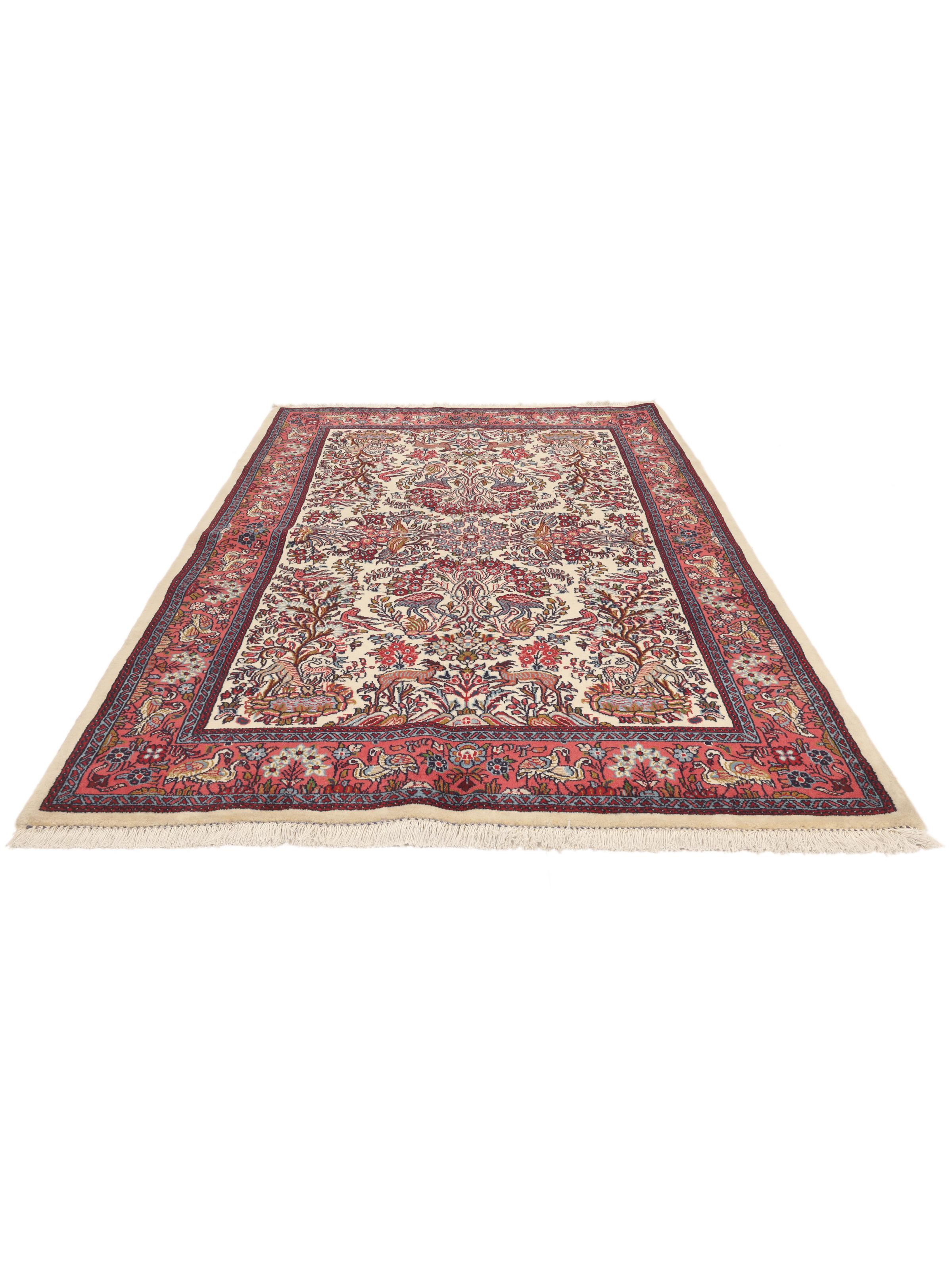
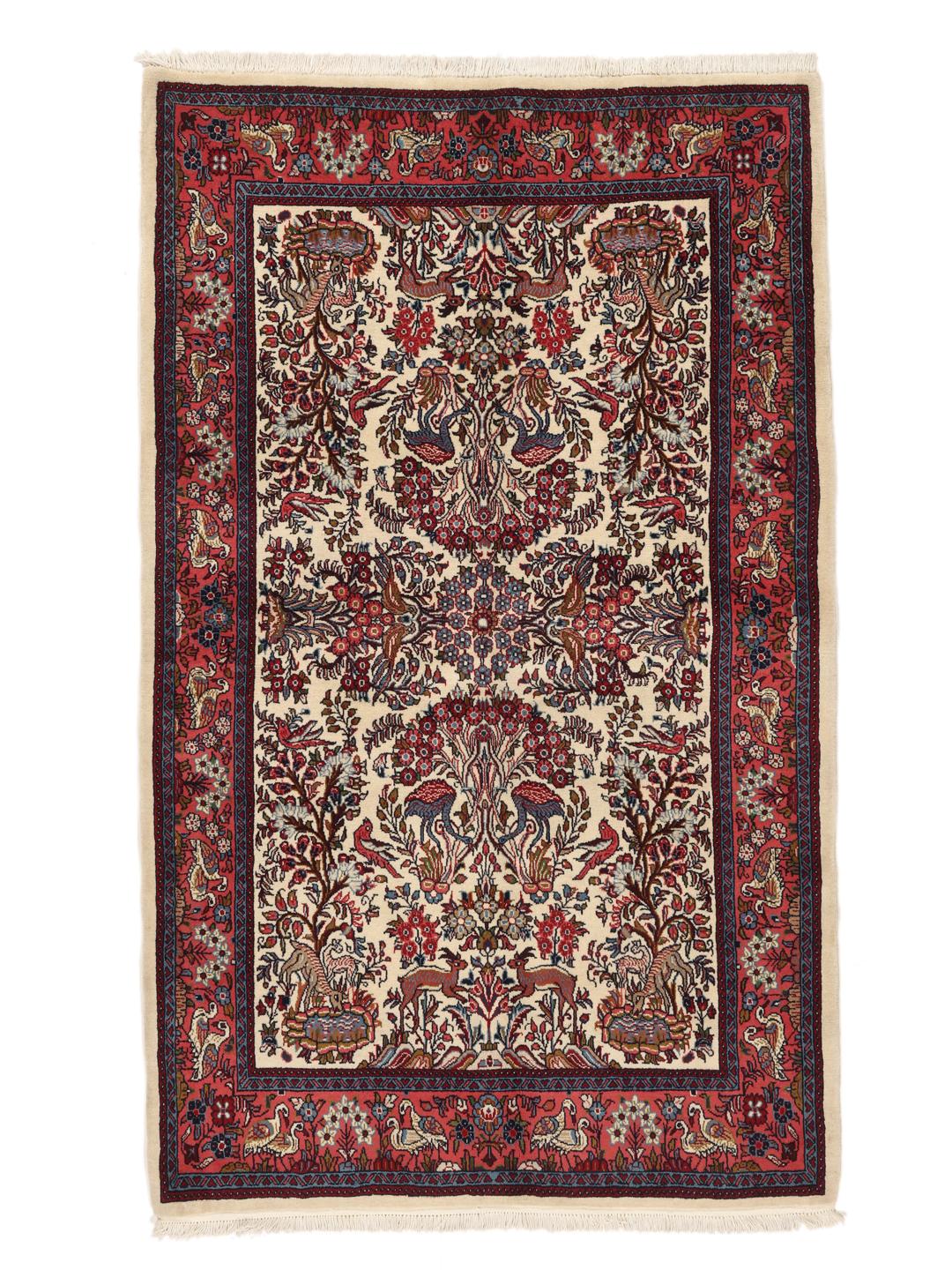
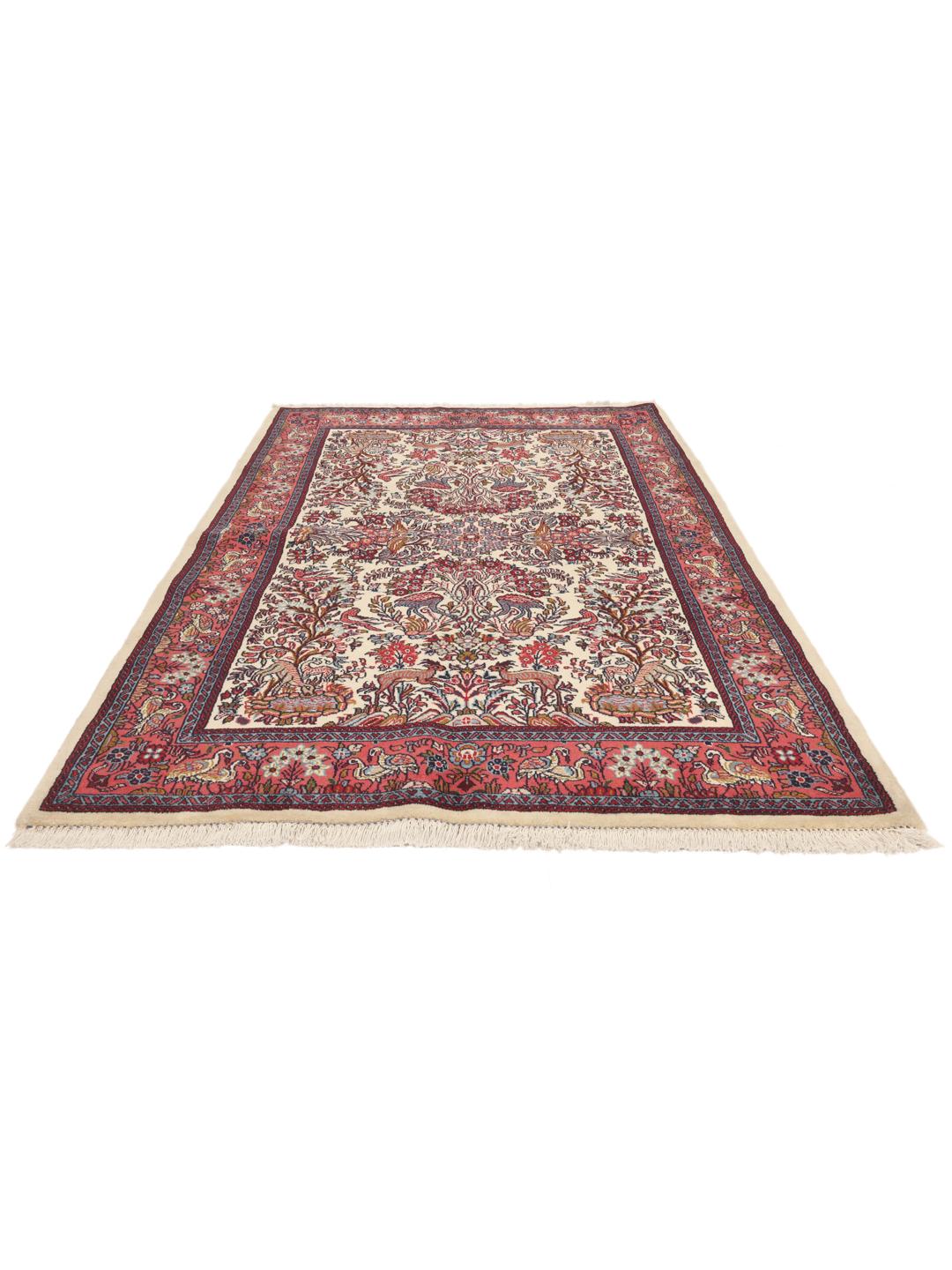
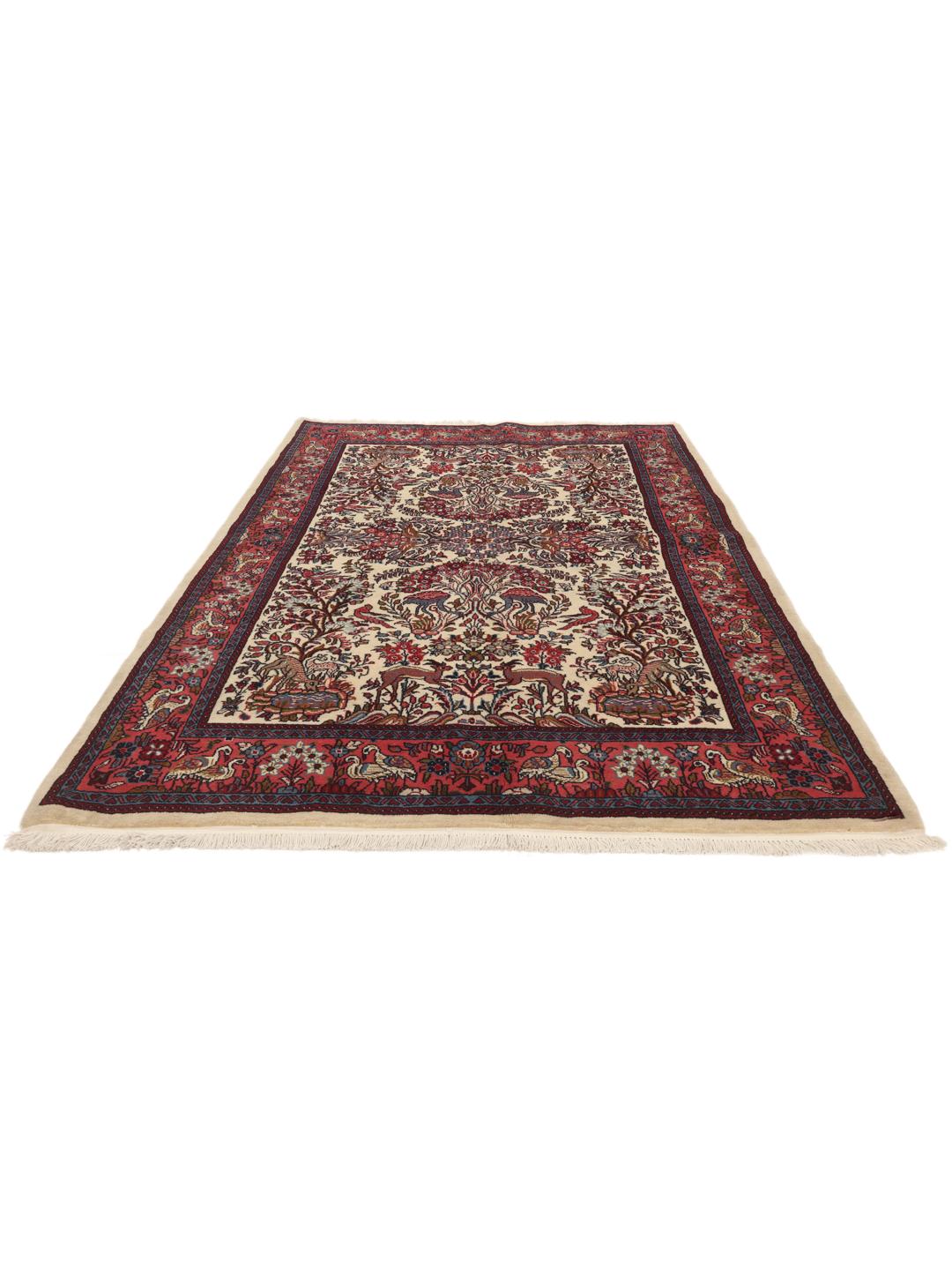
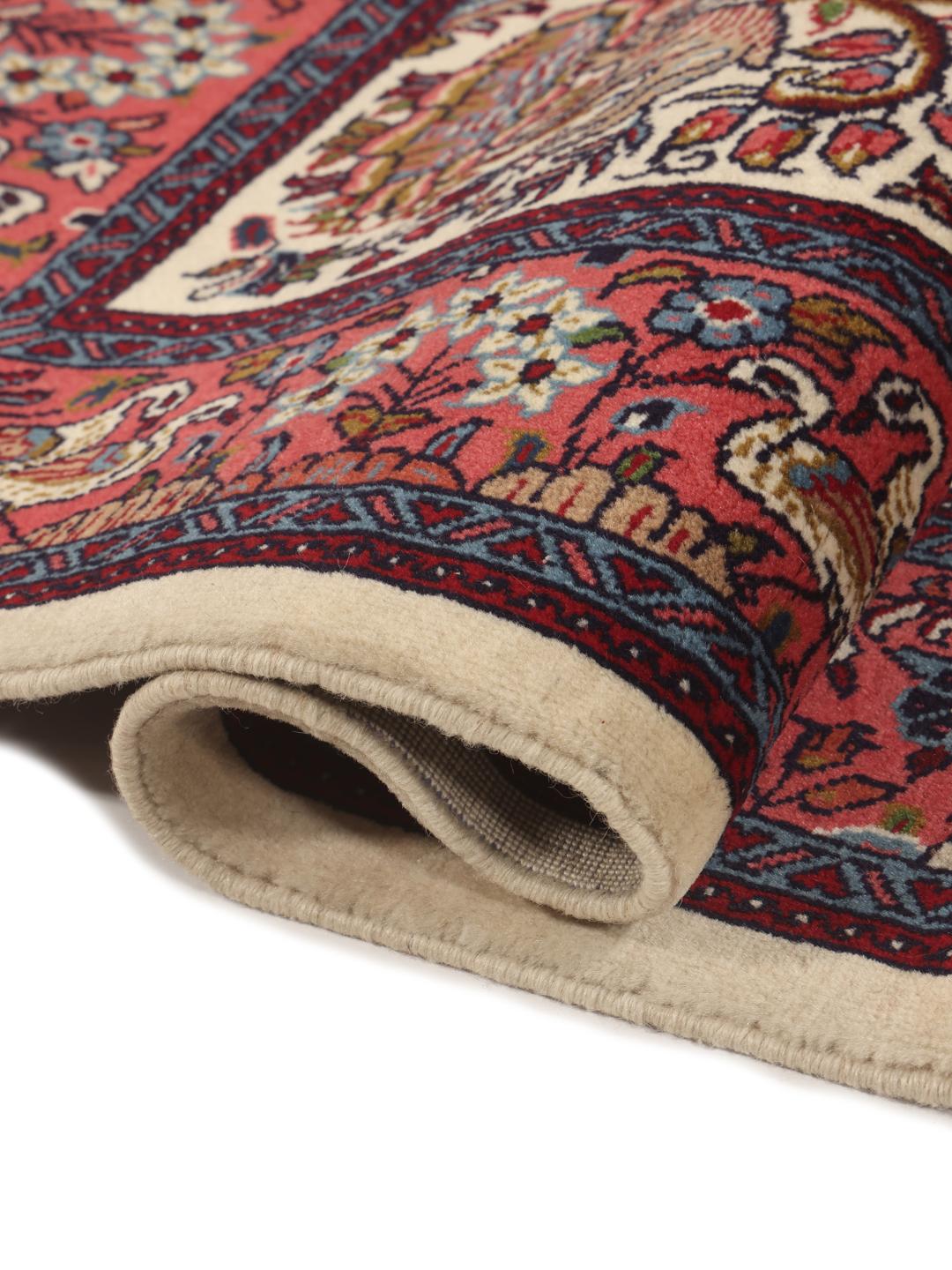
Sarough rugs originate from the village of Sarouk in the Markazi Province of the Middle East. Historically, this region became famous in the late 19th and early 20th centuries for producing rugs that catered to Western tastes, often featuring curvilinear floral designs that deviated from the more geometric traditions of nearby areas.
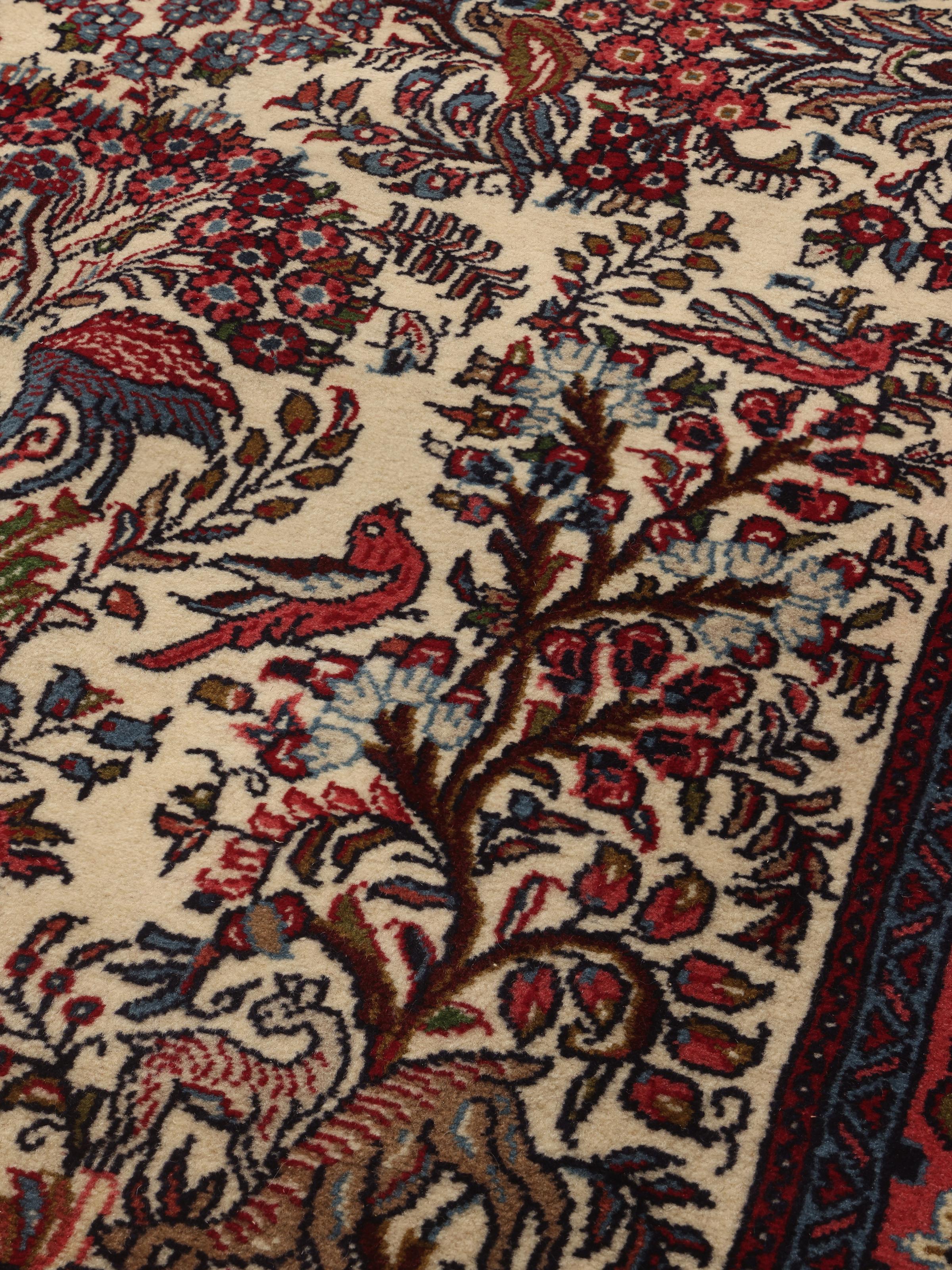
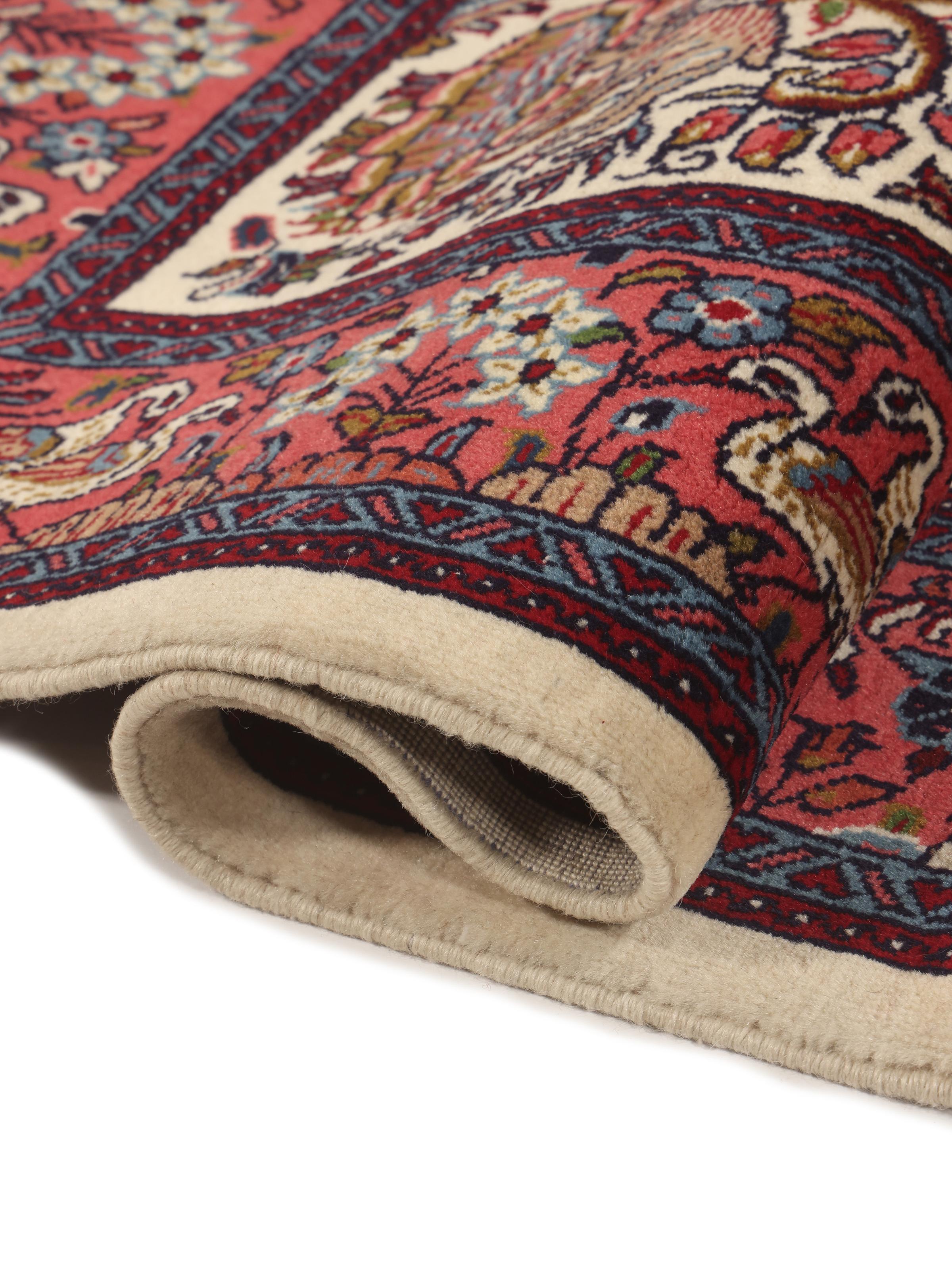
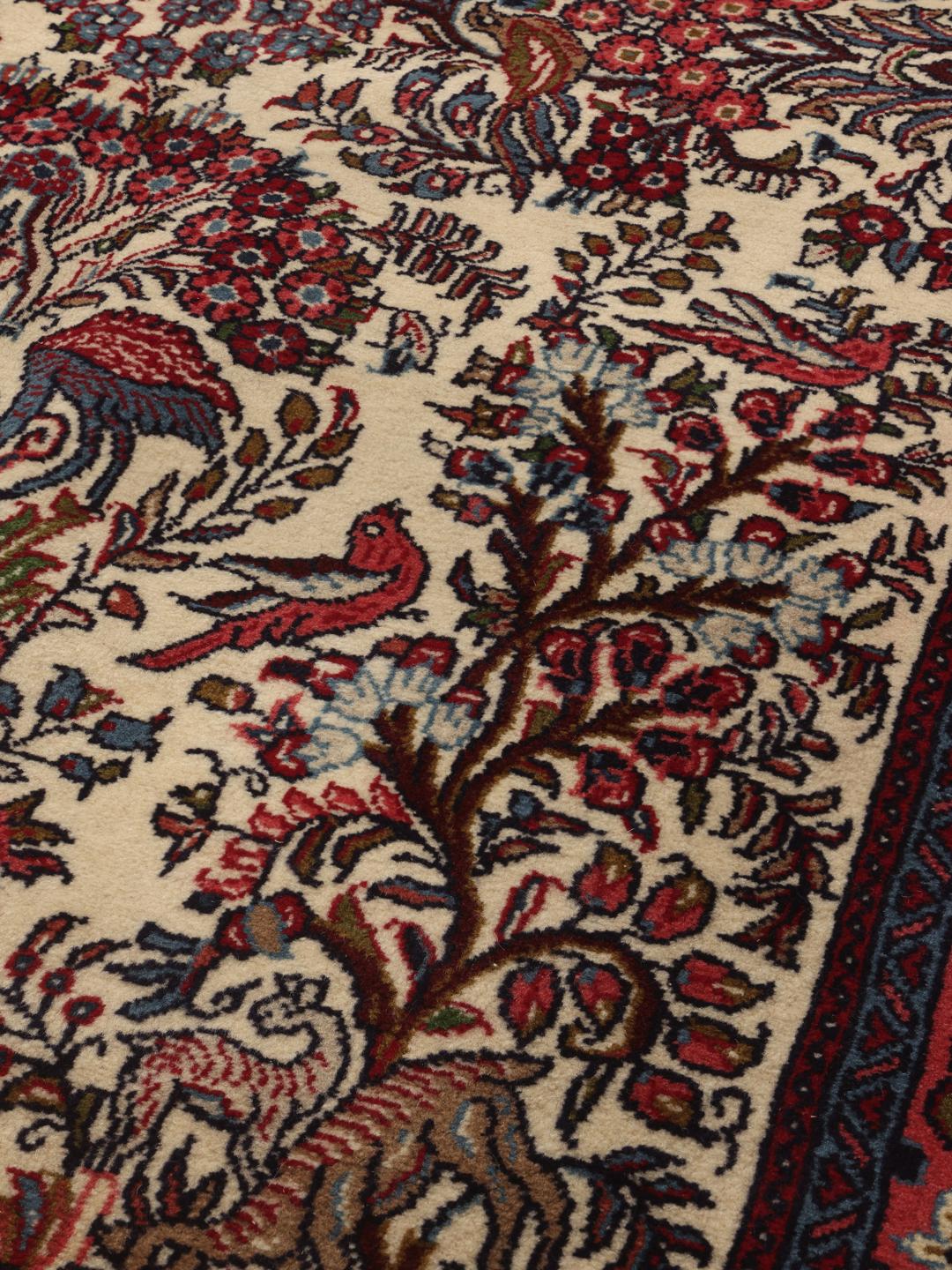
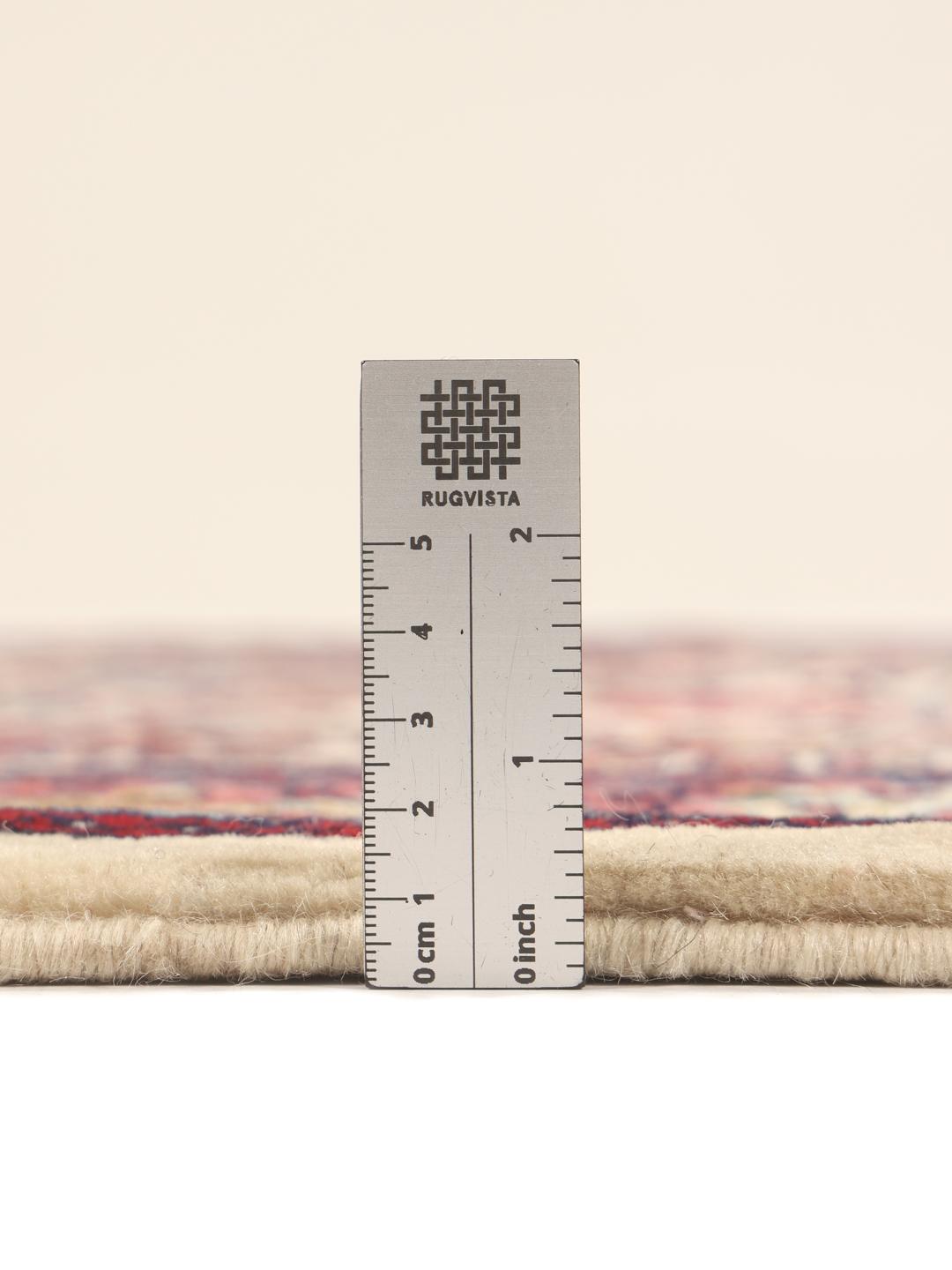
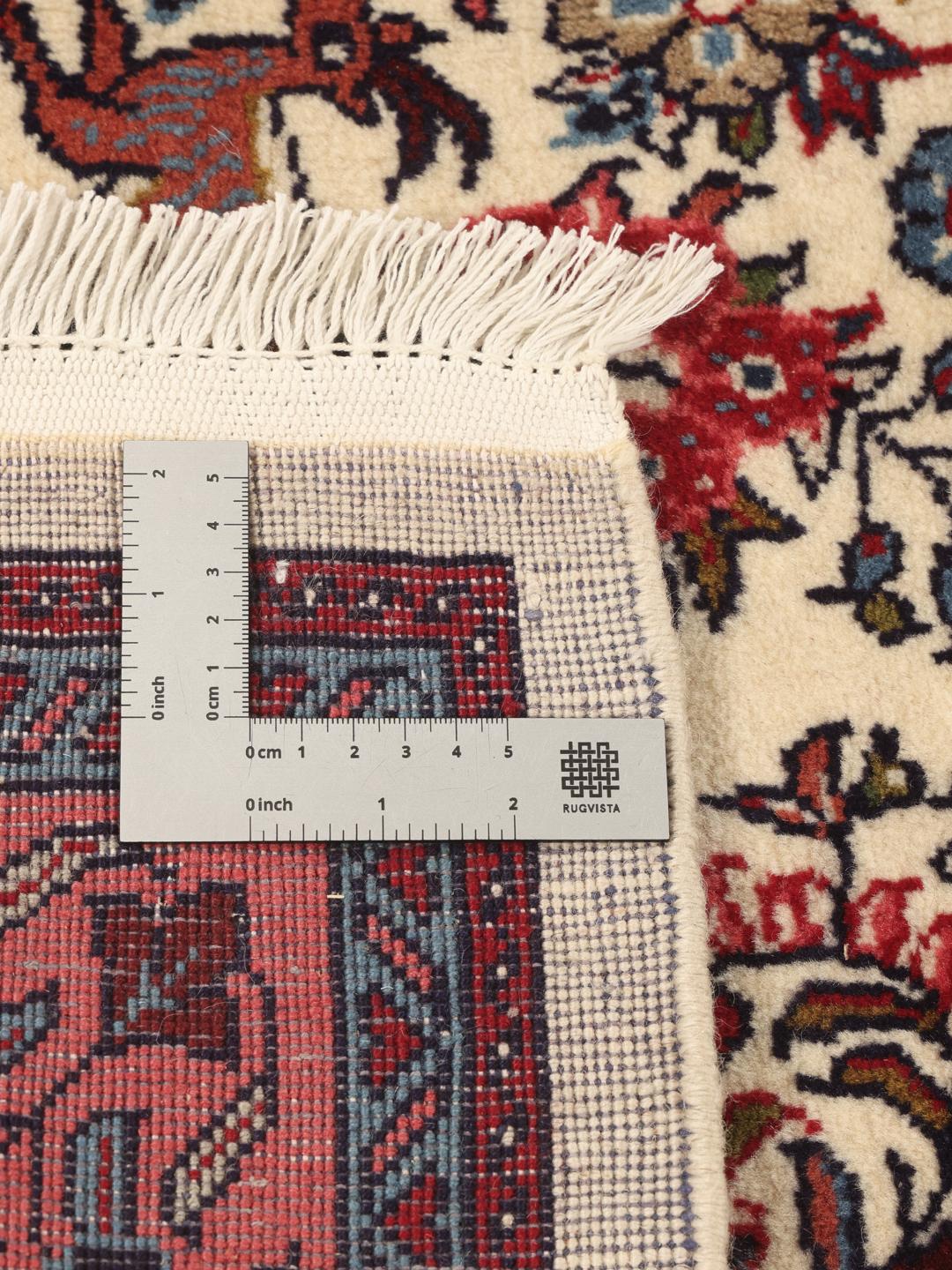
The term Sarough refers to the specific weaving tradition of this area, which is known for using high-quality Wool that is often treated to be particularly lustrous and durable. The foundation of these rugs, typically made from strong Cotton, is designed to support the dense pile, ensuring that the finished product is both structurally sound and aesthetically refined.
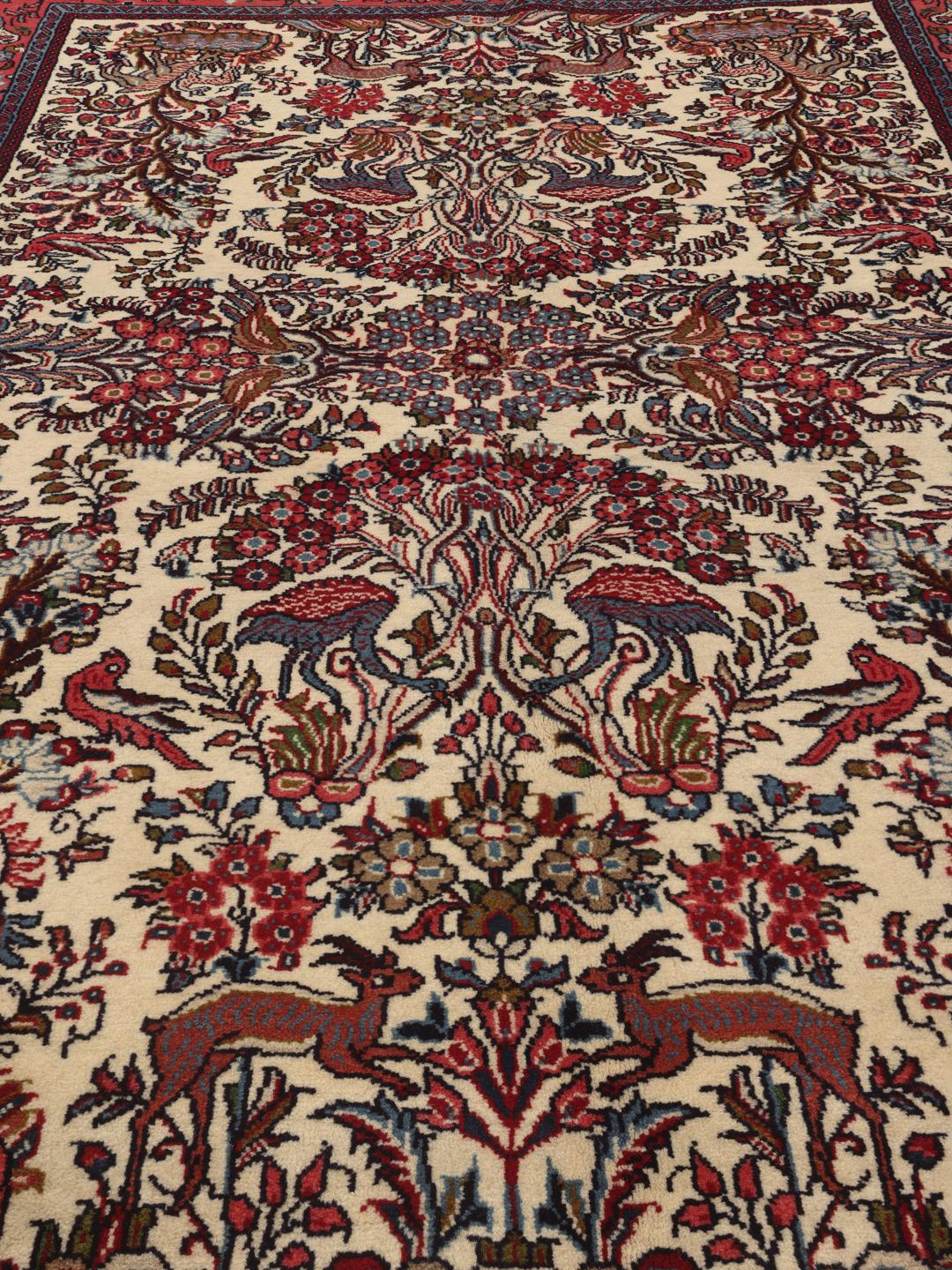
Signature elements of a Sarough include a central medallion or an all-over floral pattern, often densely populated with intricate vines, palmettes, and leaves. The borders are usually well-defined and feature complementary floral motifs. While red and beige are traditional tones, the specific arrangement of flowers and the fluidity of the drawing make each piece a unique expression of the weaver's vision.
These rugs are highly valued by collectors for their blend of artistic detail and heavy-duty construction. Owning a Sarough is an opportunity to own a piece of cultural history that reflects centuries of textile evolution, offering both beauty and a lasting quality that becomes more appreciated as the years go by.