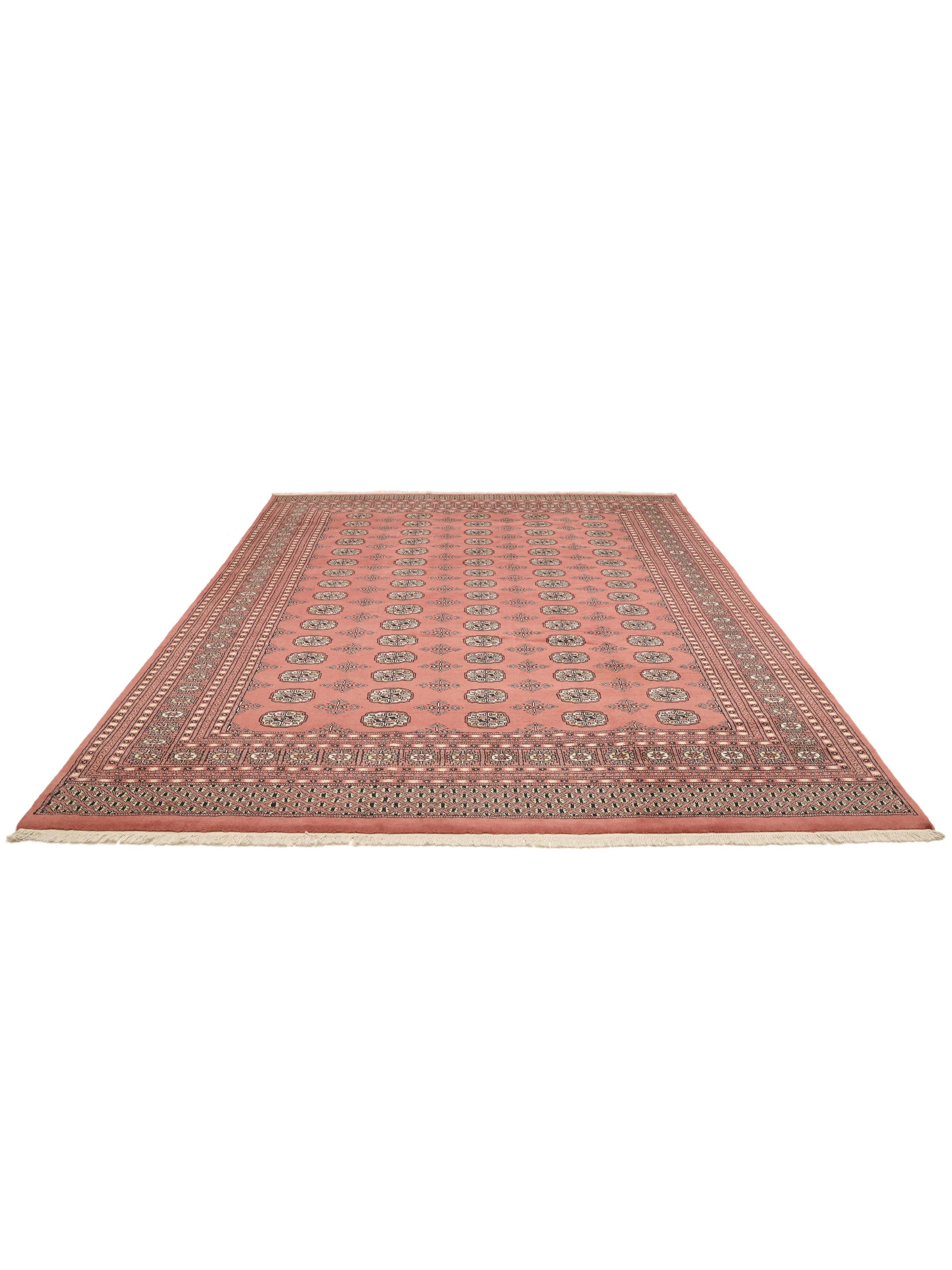
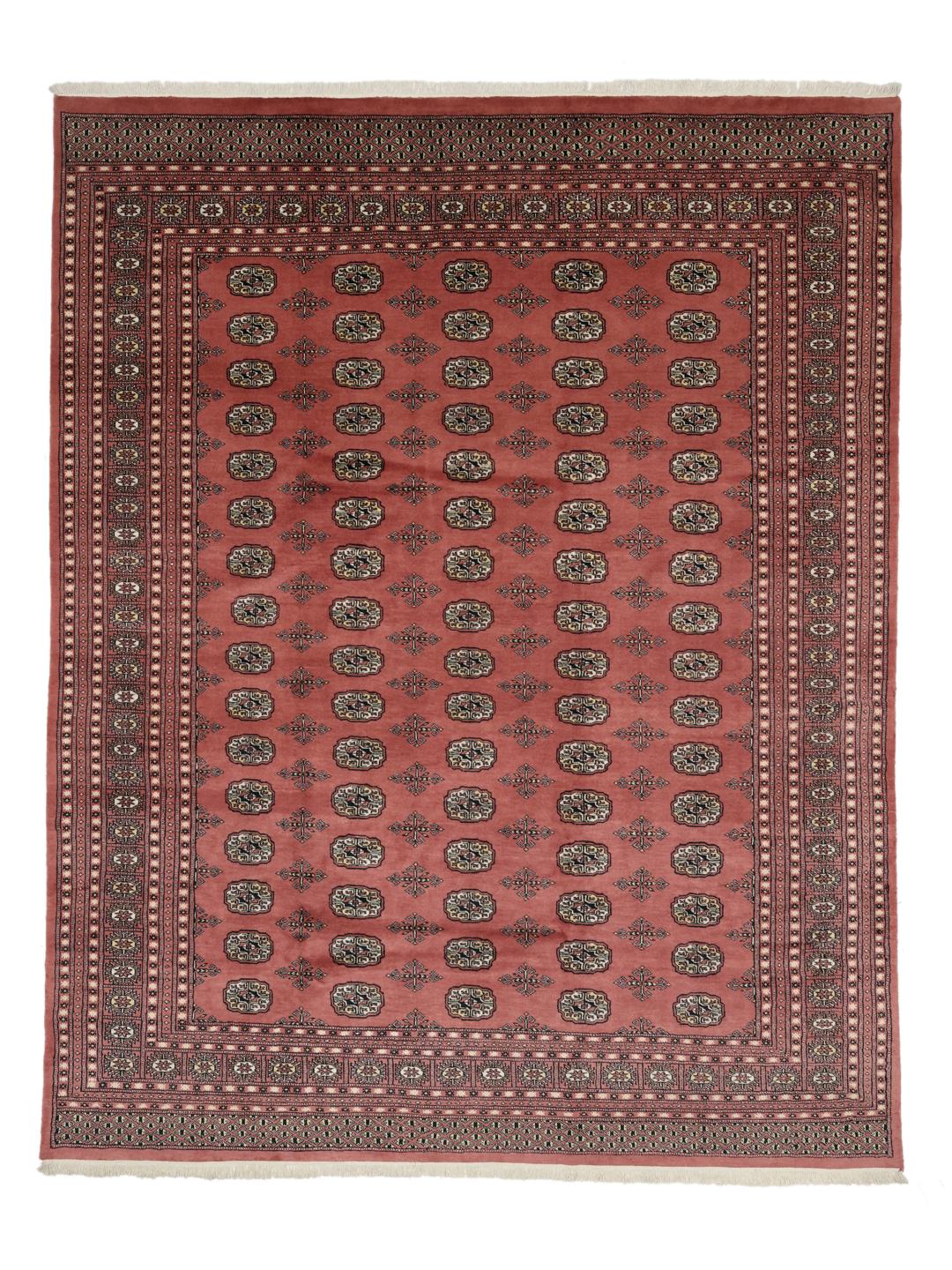
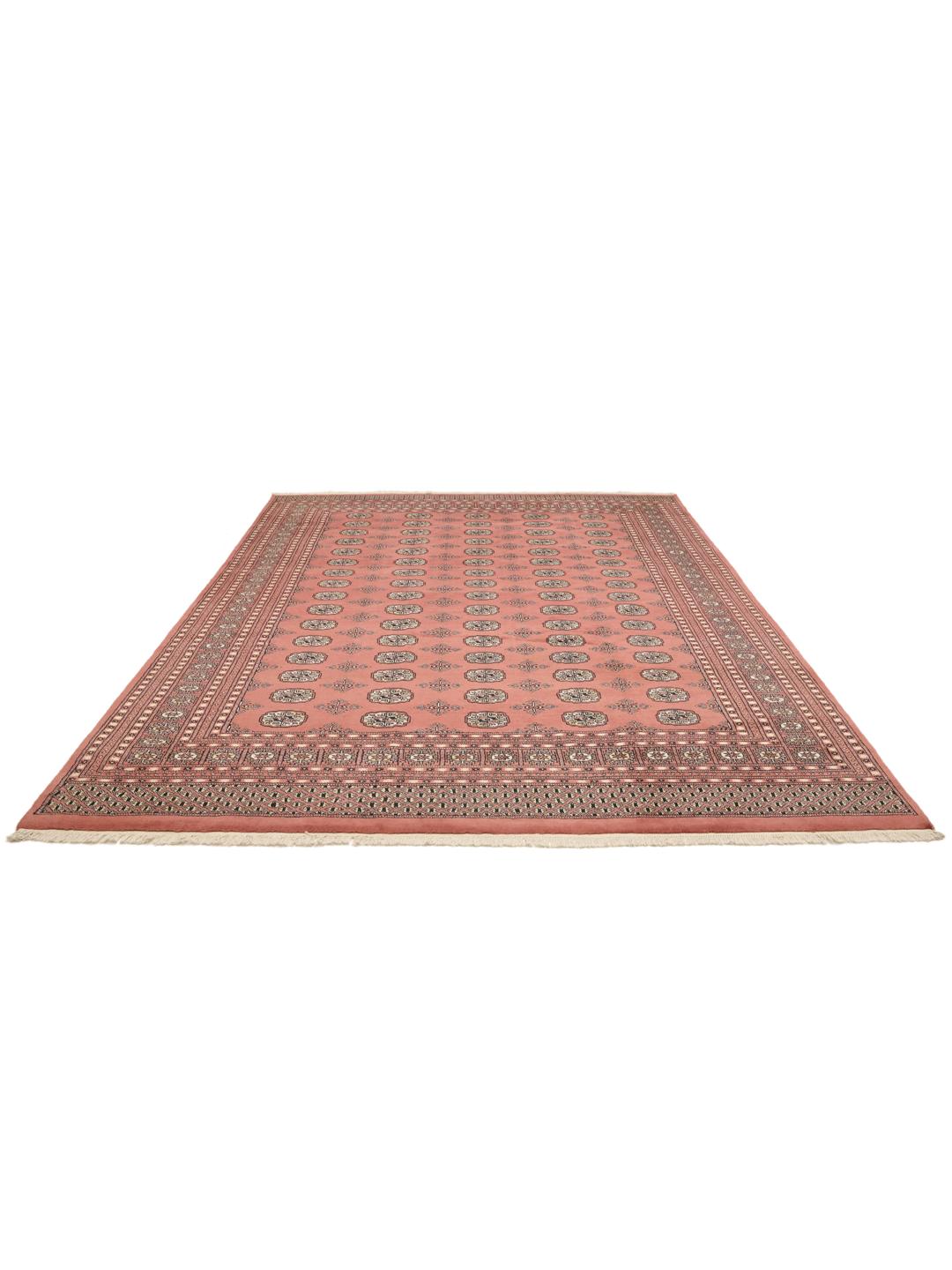
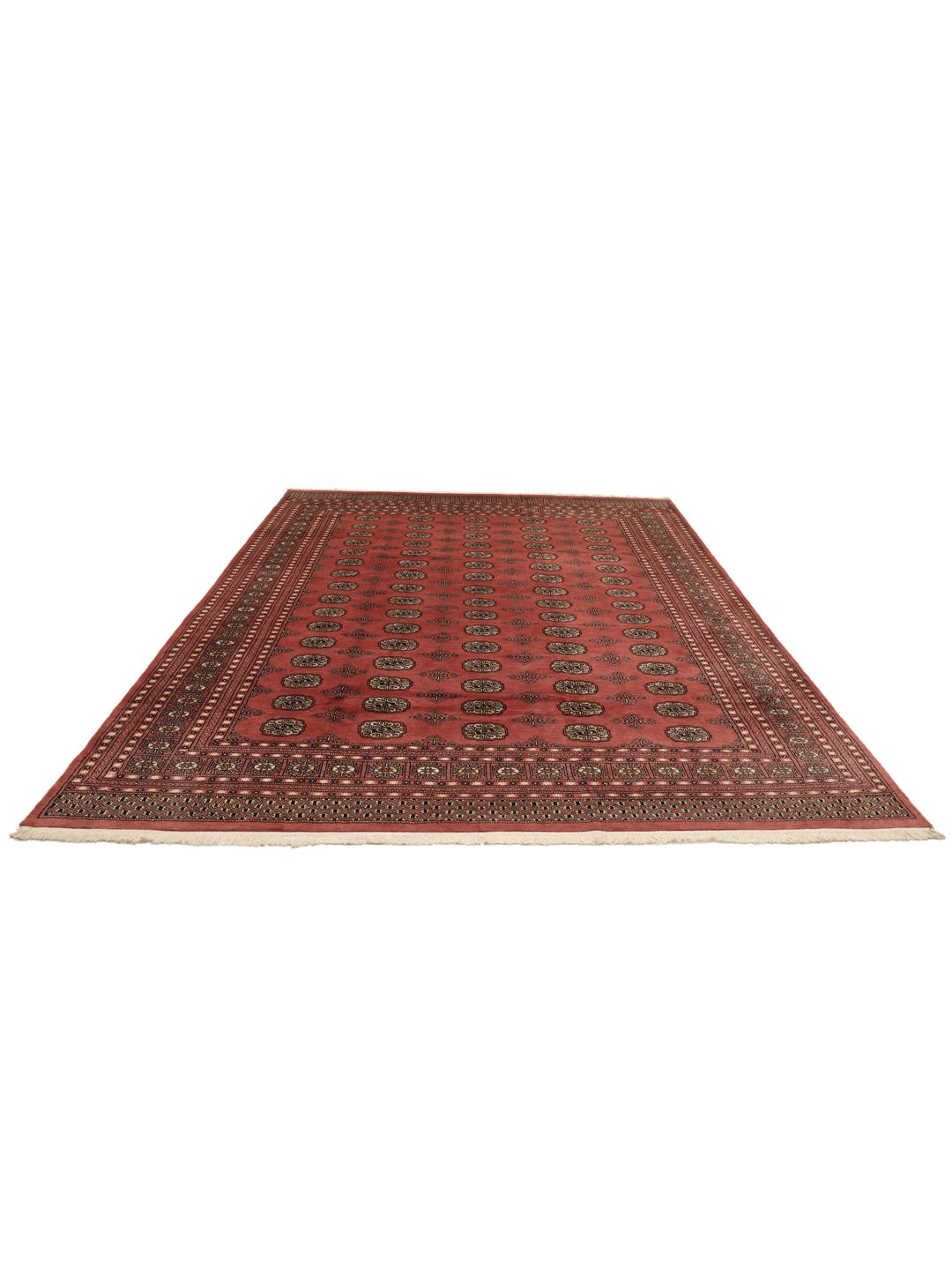
The Bokhara rug is one of the most recognisable traditions in the world of textiles. While the name originates from the ancient Silk Road city of Bukhara, today's finest examples are primarily crafted in Pakistan. This migration of craft reflects the movement of weaving traditions through the Middle East, where generations of artisans have refined their techniques to produce these iconic floor coverings.
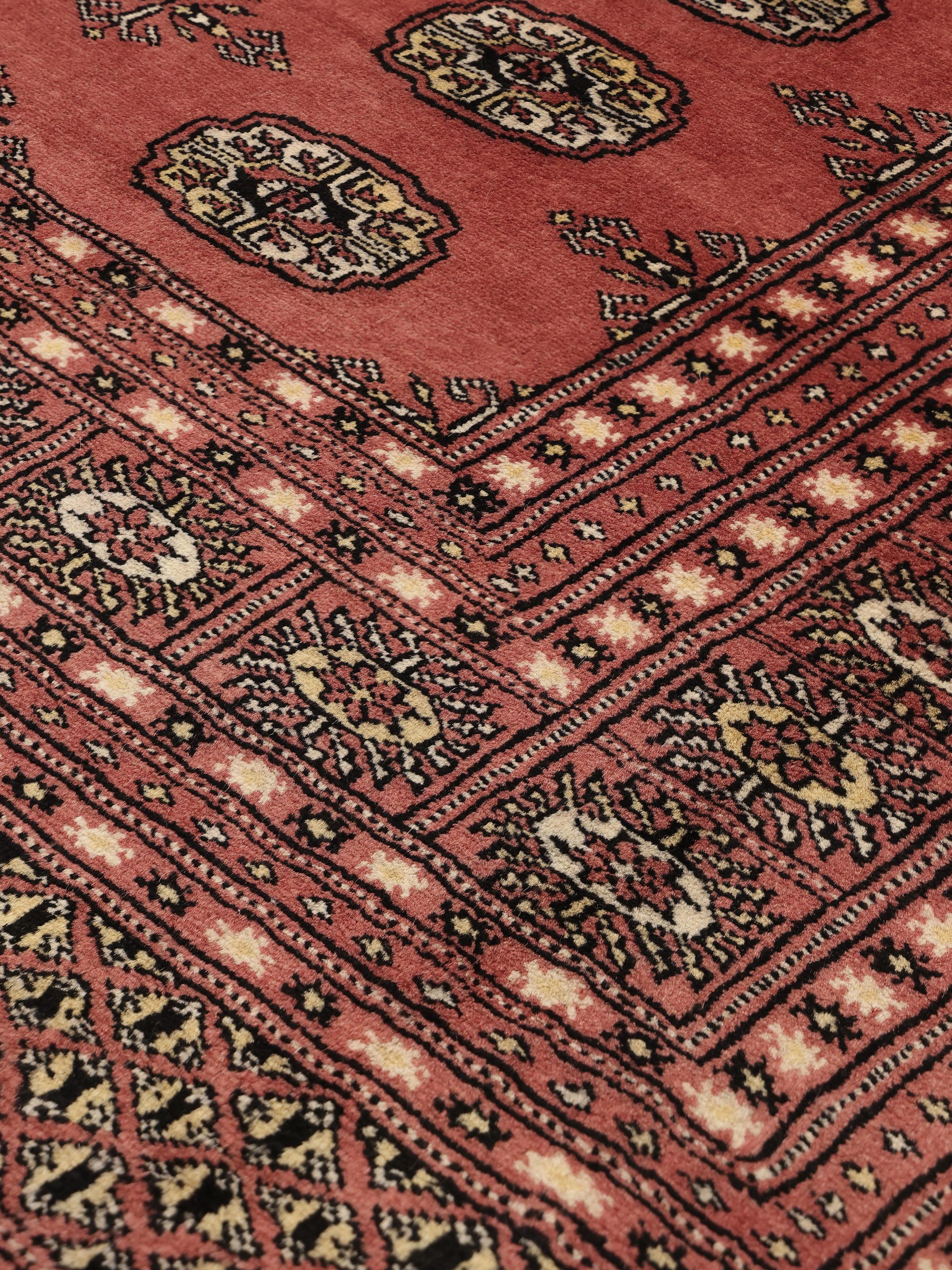
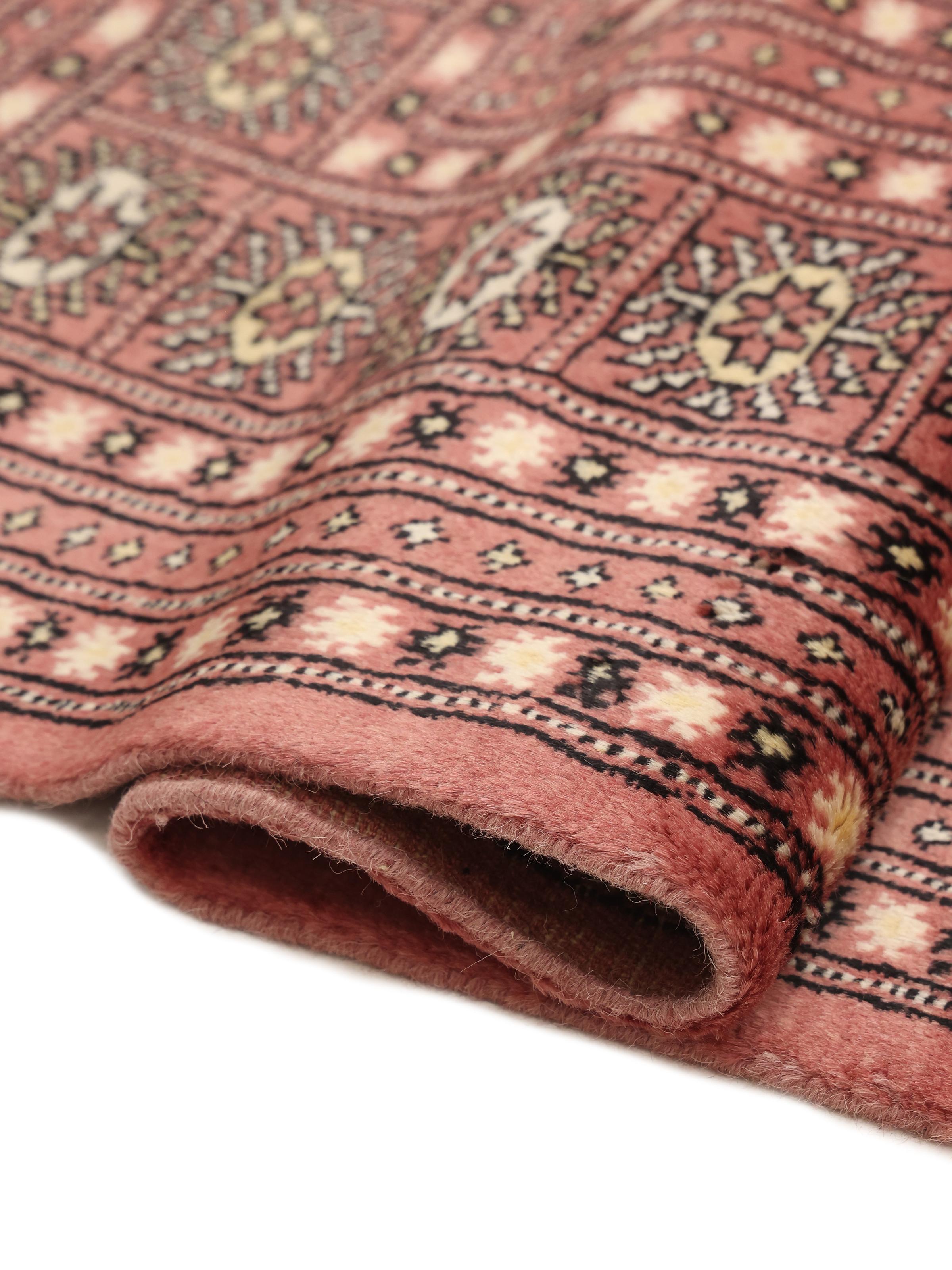
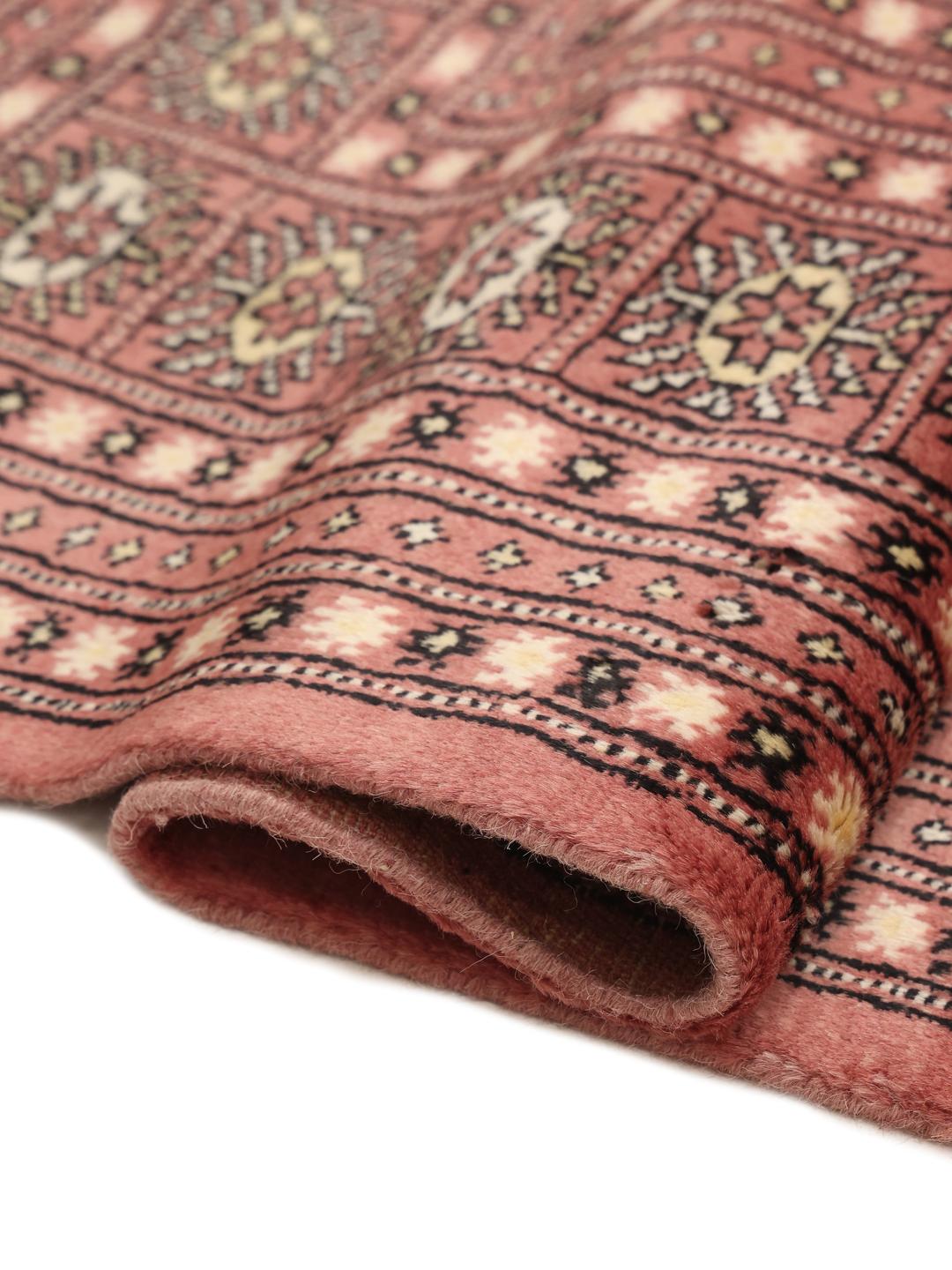
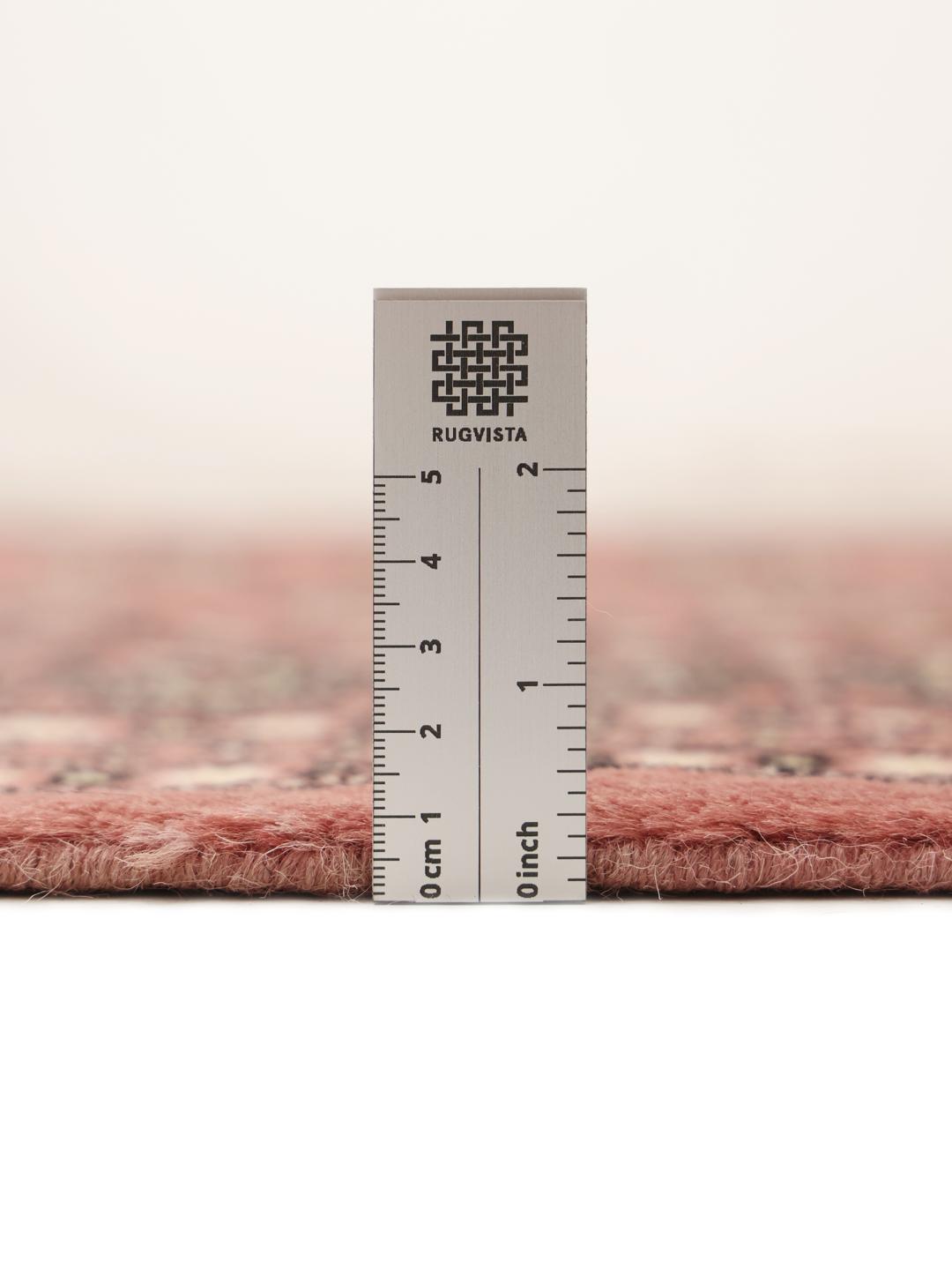
The term 2ply refers to the construction of the yarn, where two strands of wool are twisted together before being knotted. This method is vital for quality, as it creates a pile that is not only denser and more luxurious to the touch but also significantly more durable. It allows the rug to withstand years of foot traffic while maintaining its rich, lustrous appearance.
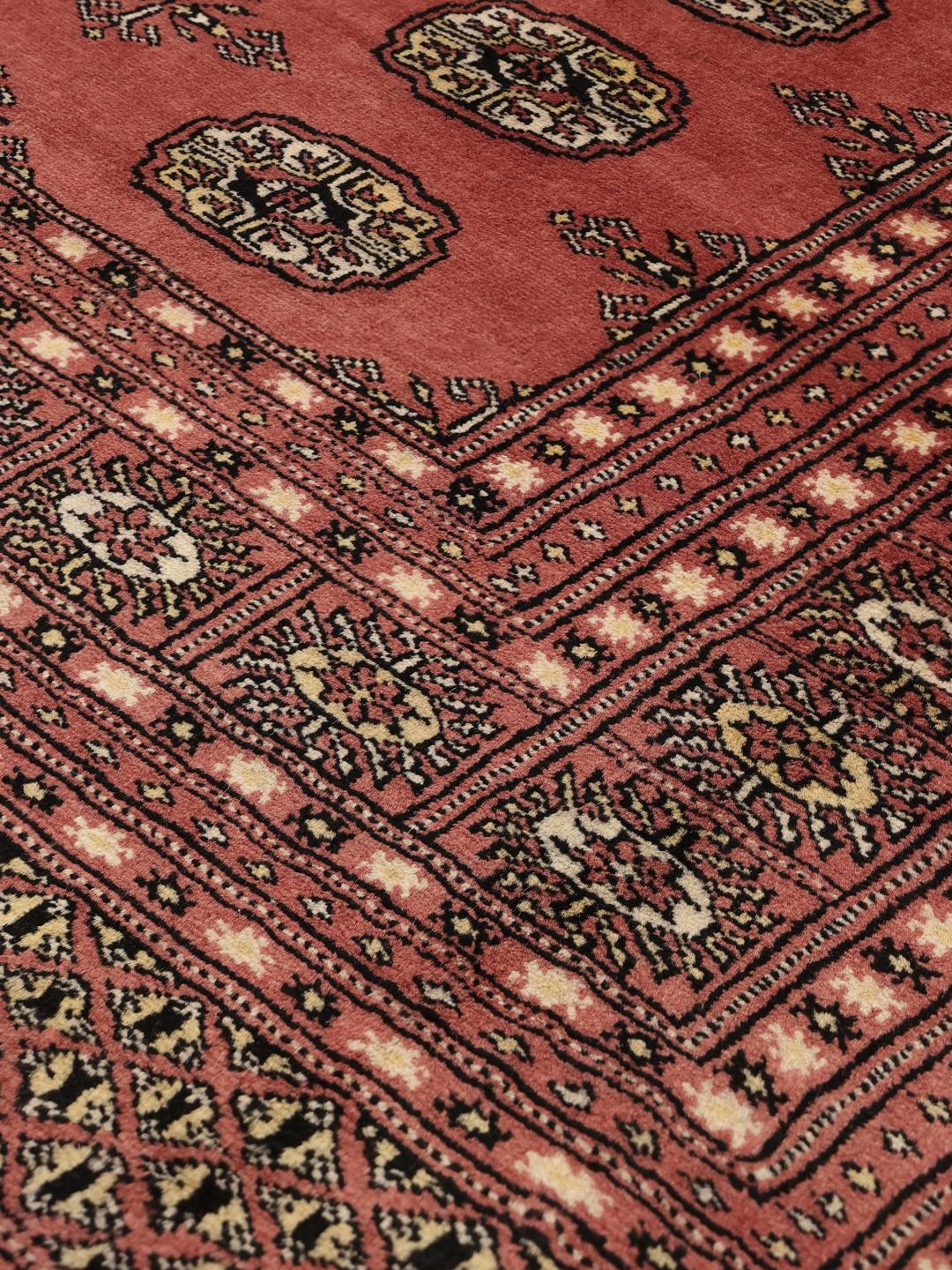
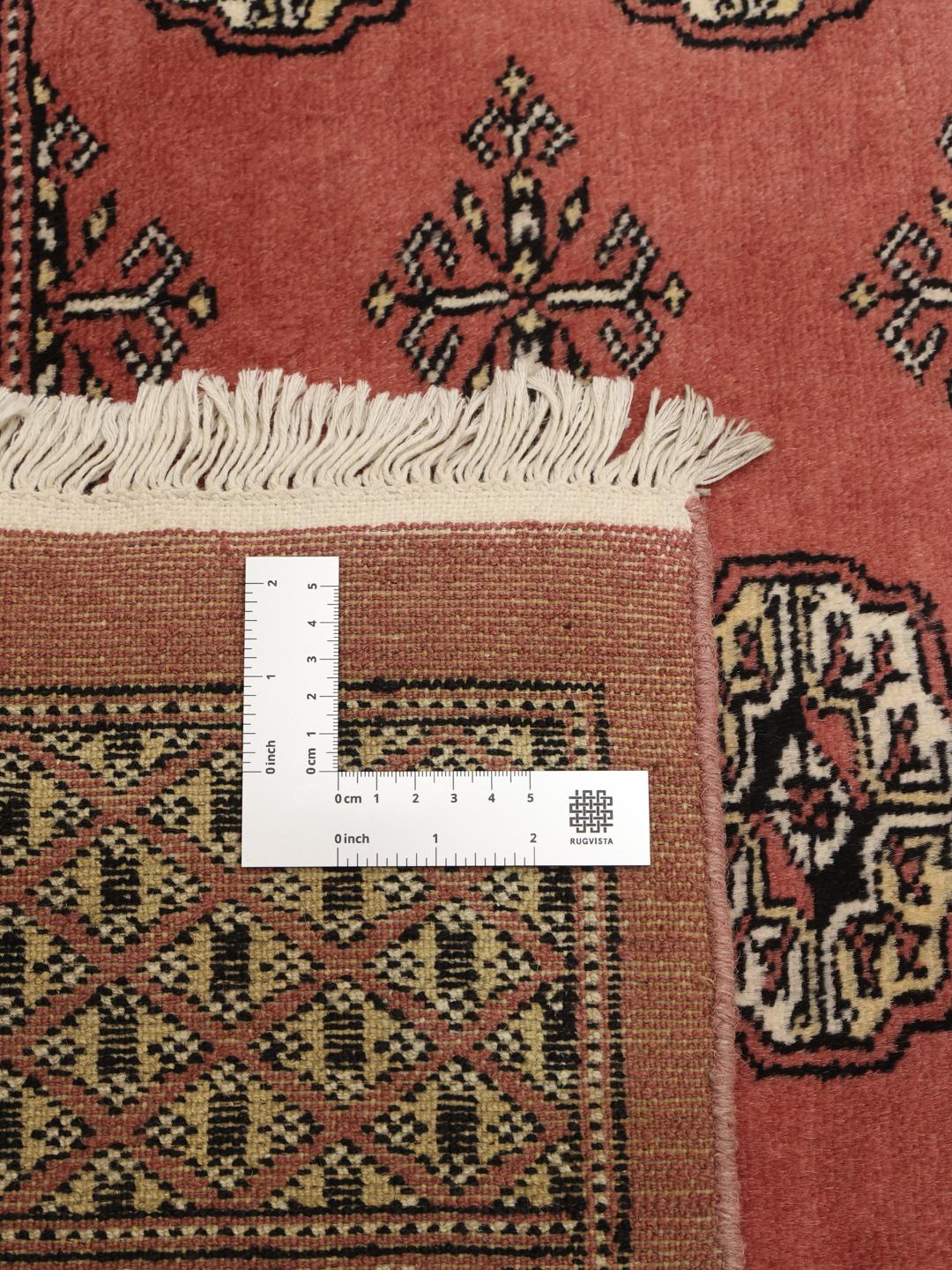
Visually, these rugs are defined by their field of repeating gul motifs, which are stylised, medallion-like shapes often resembling elephant footprints. These are typically organised in clean, symmetrical rows and enclosed by complex, formal borders. The symmetry and repetitive nature of the design are intended to provide a sense of order and calm to the space they occupy.
Collectors value these rugs for their balance of artistic tradition and practical utility. Owning one is an opportunity to appreciate the human skill required to translate complex, historical patterns into a soft, functional object. It is a piece that carries cultural weight and serves as a testament to the enduring appeal of hand-crafted textiles.