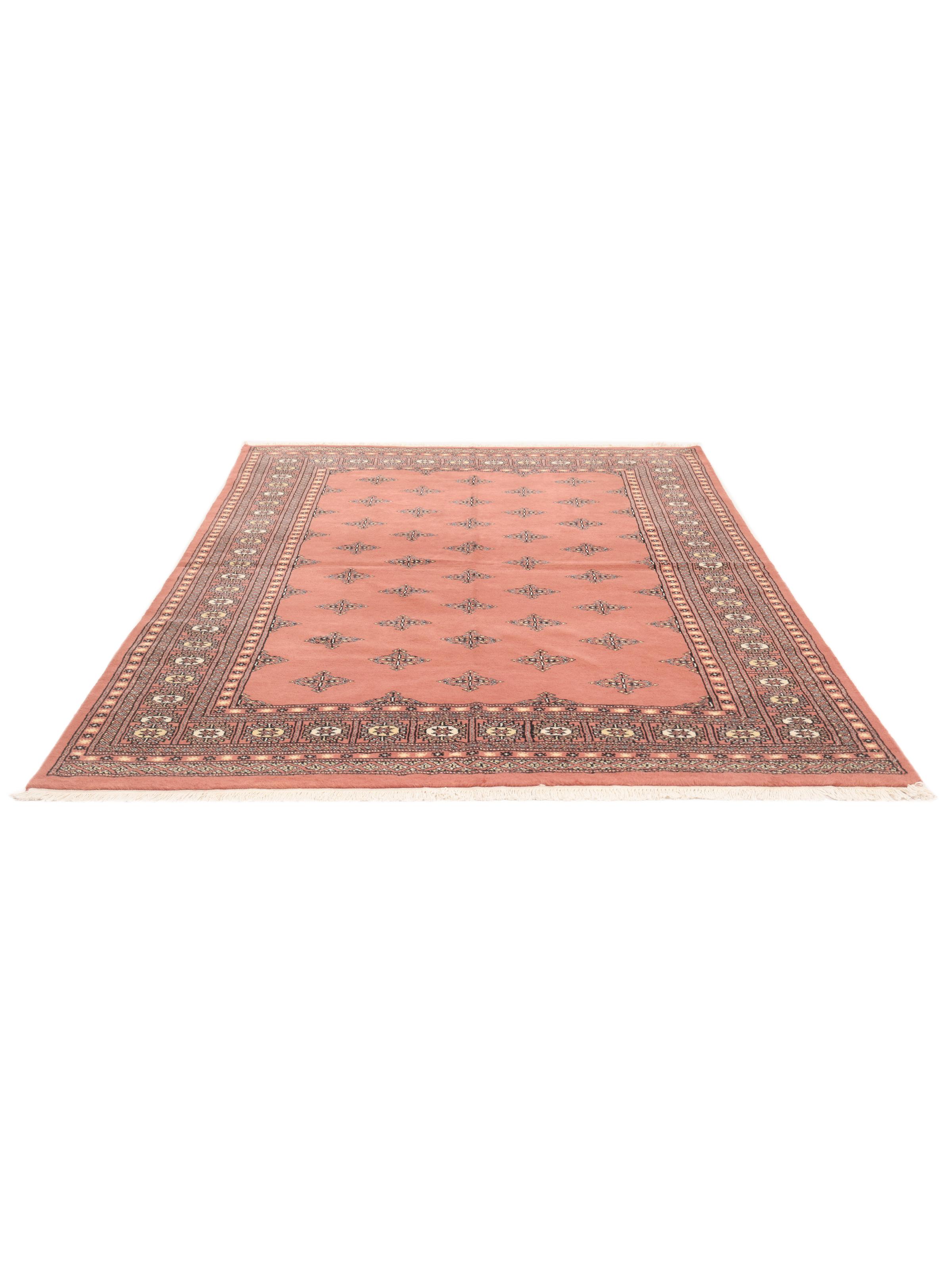
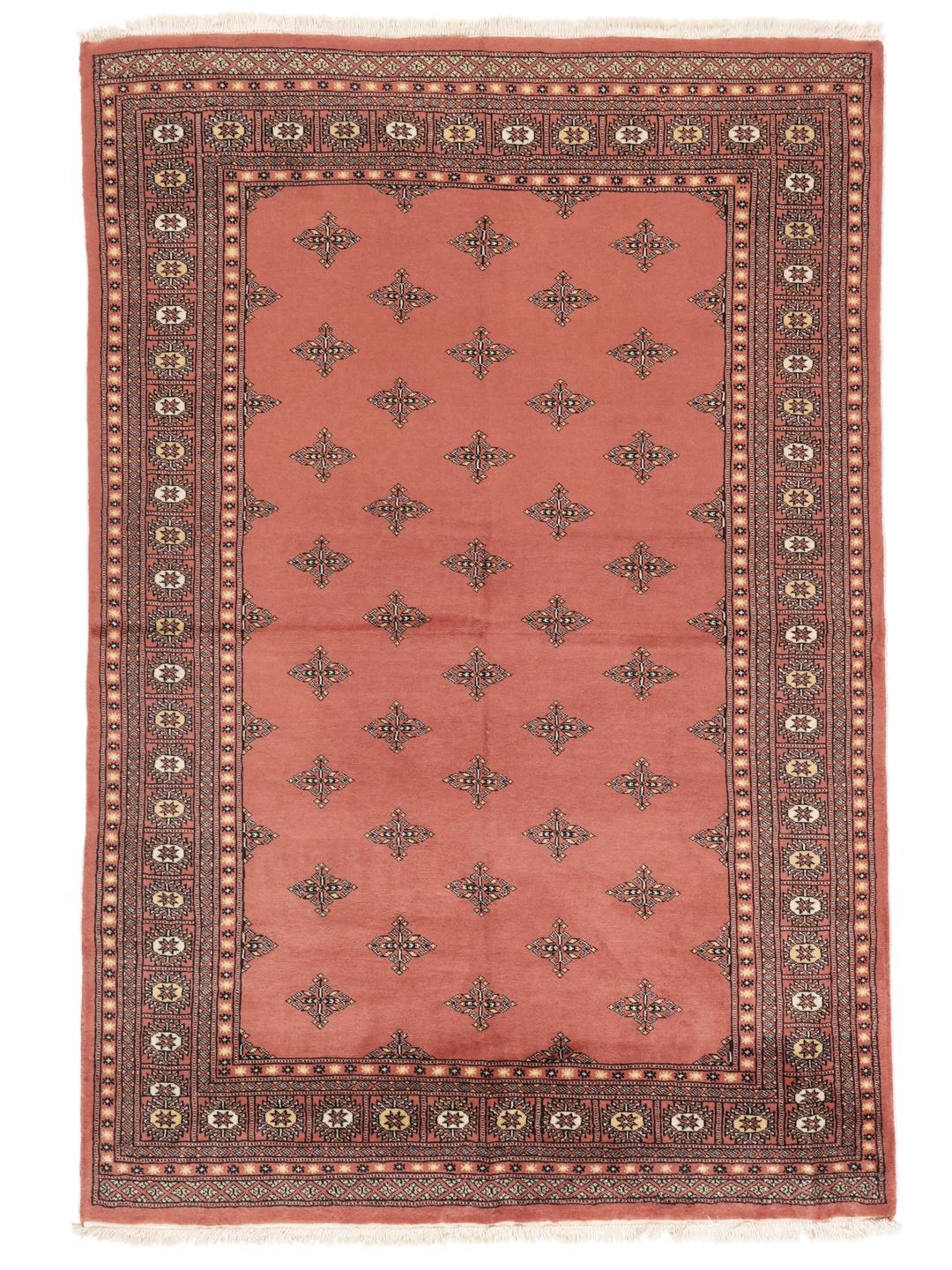
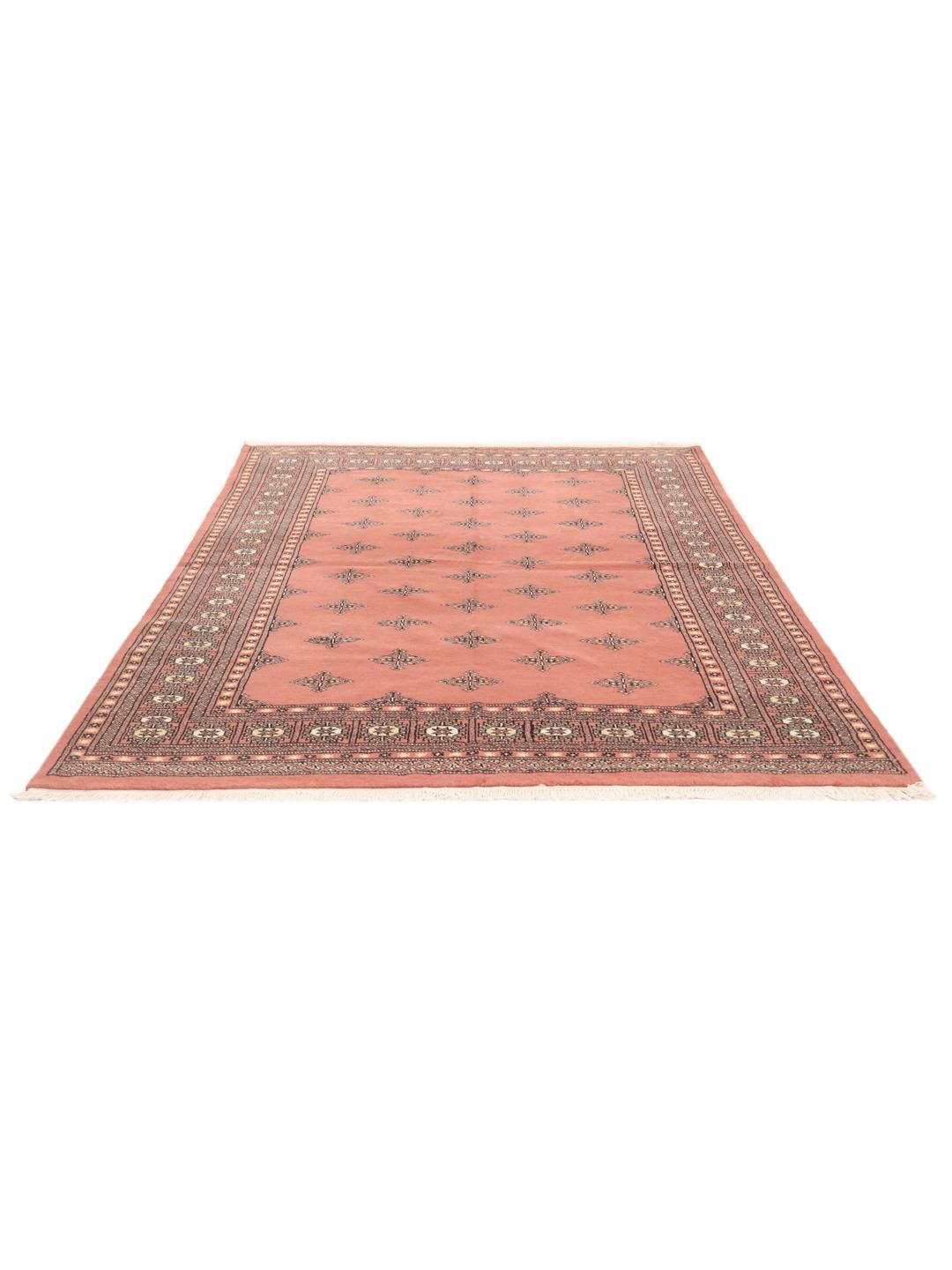
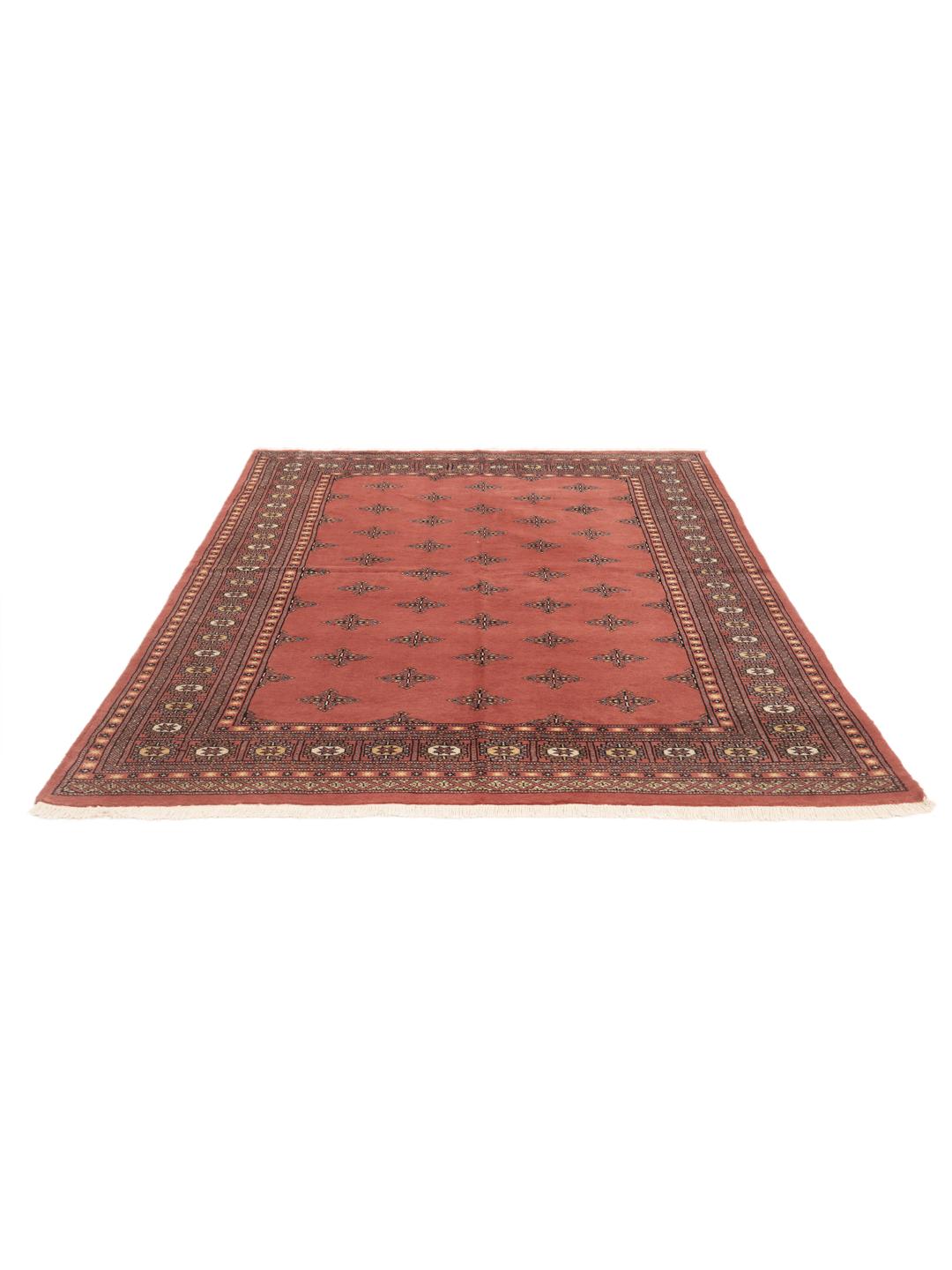
Bokhara rugs take their name from the ancient Silk Road city of Bukhara in Central Asia, a historical hub for textile trade and craftsmanship. While the designs have deep roots in nomadic traditions, the finest examples today are woven in Pakistan, where artisans have refined these classic patterns to an exceptional standard of quality and consistency.
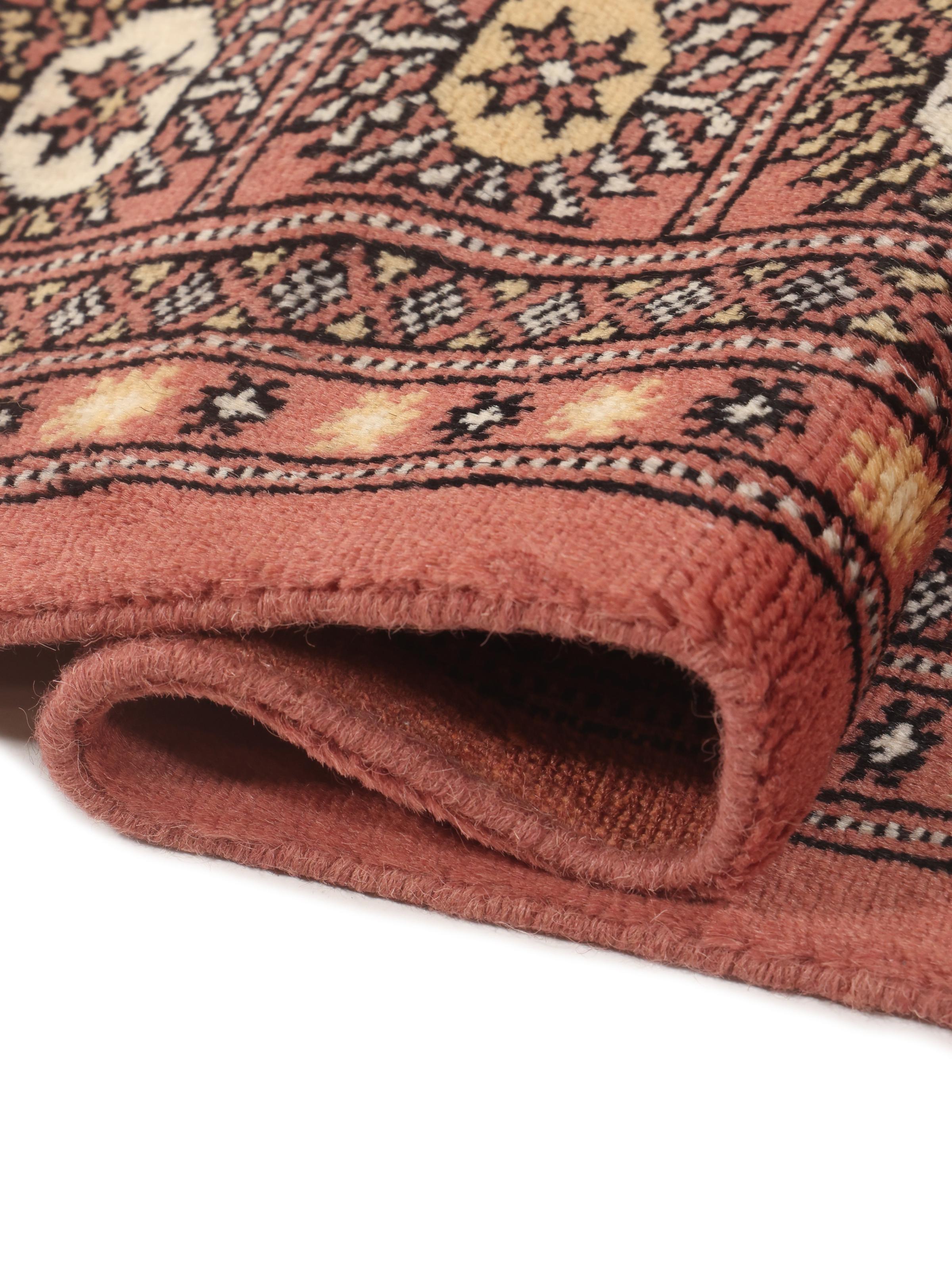
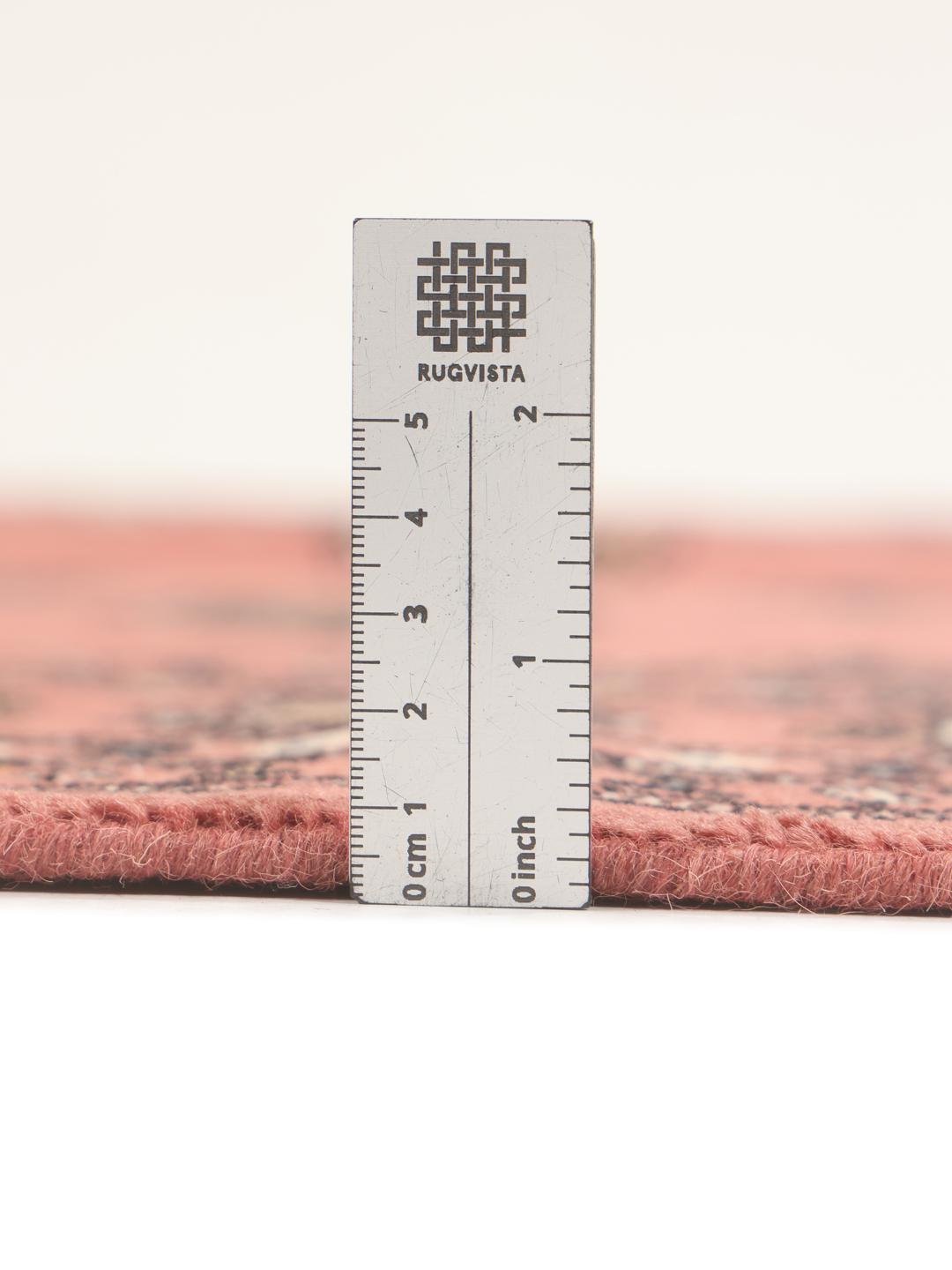
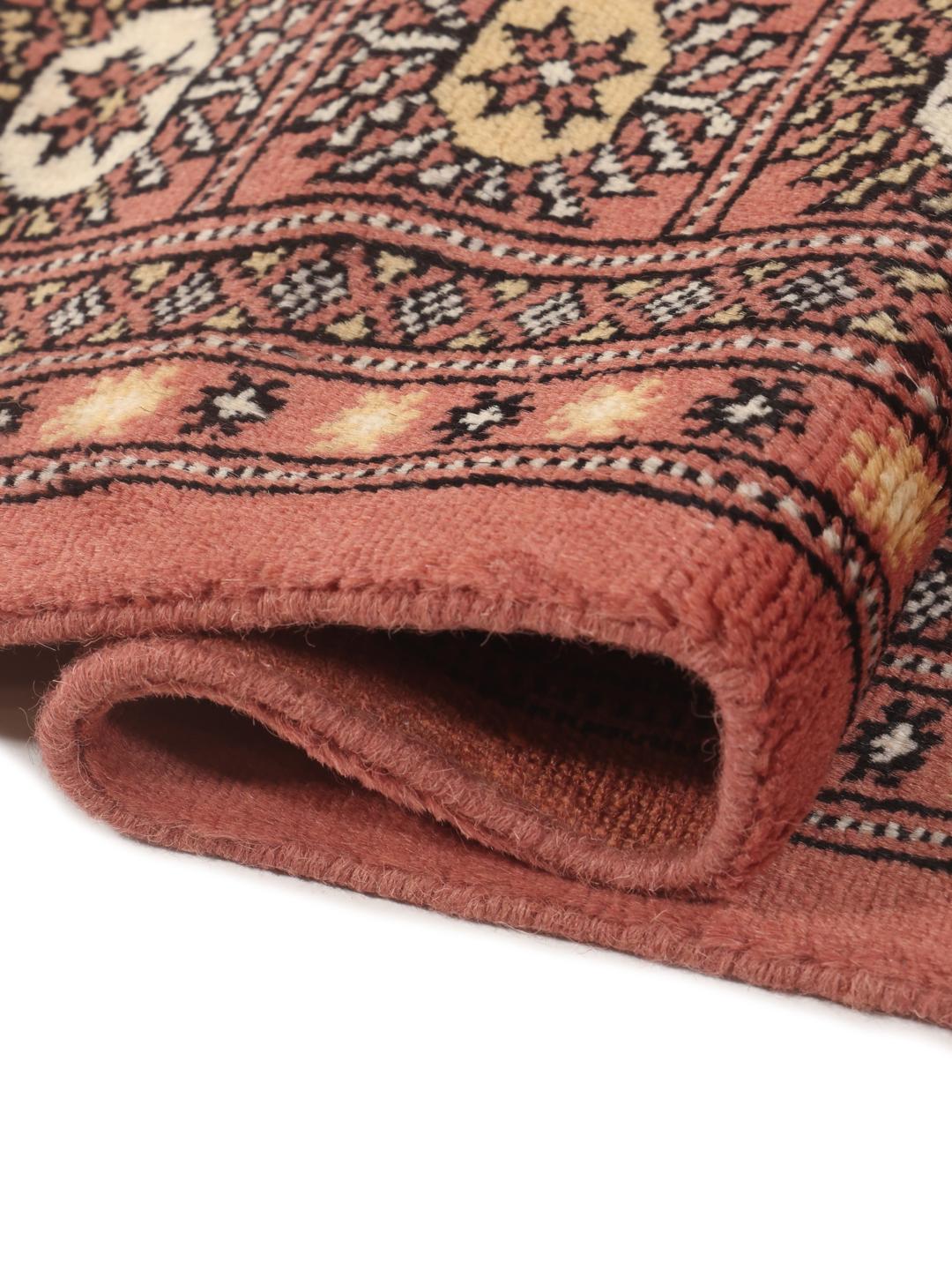
The '2ply' designation is a mark of superior construction, referring to the use of two strands of wool twisted together to form the pile. This technique is significant because it creates a more substantial, lustrous, and resilient surface. A 2ply construction is inherently more durable than single-ply alternatives, ensuring the rug keeps its appearance even in high-traffic areas of the home.
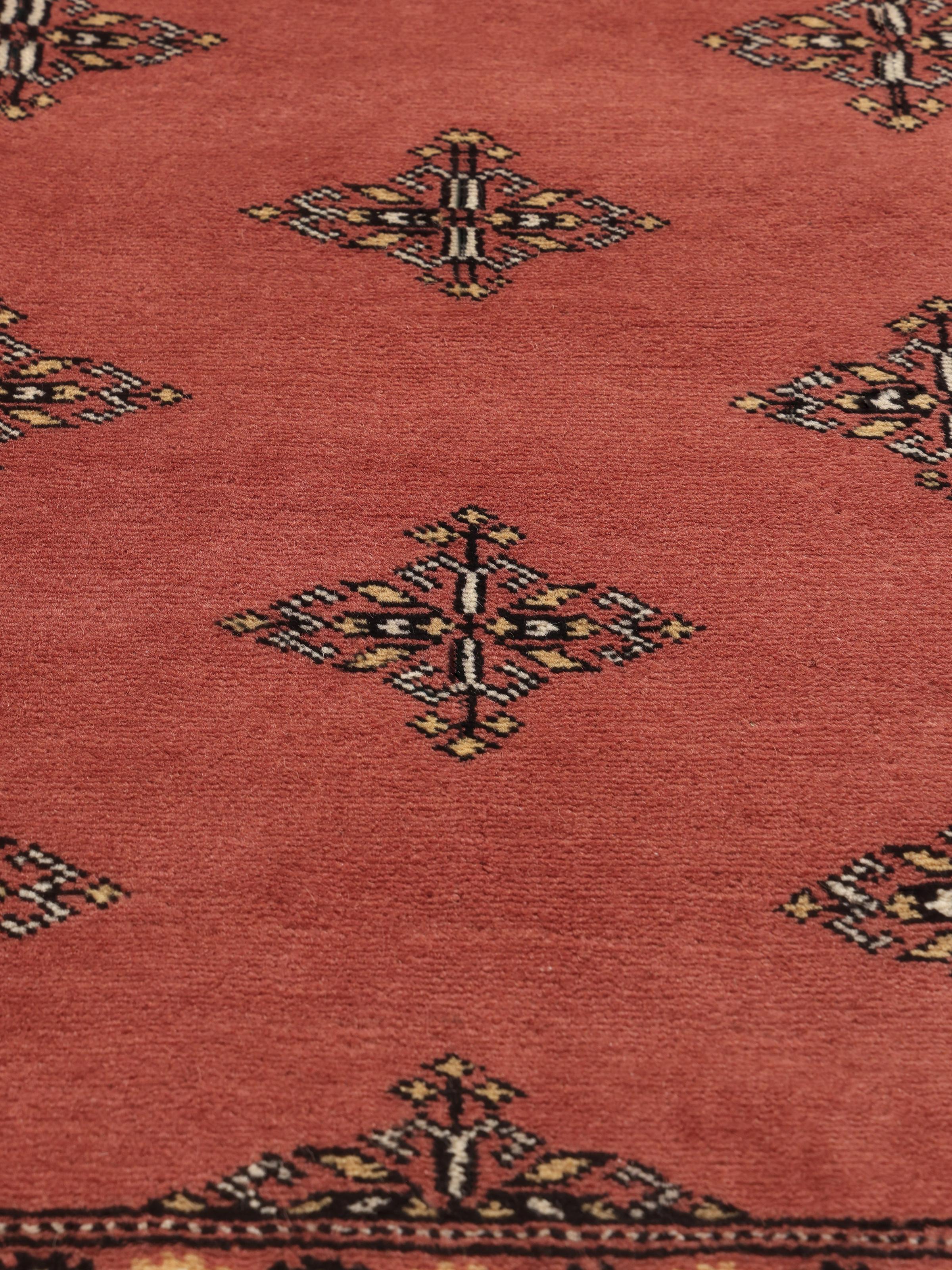
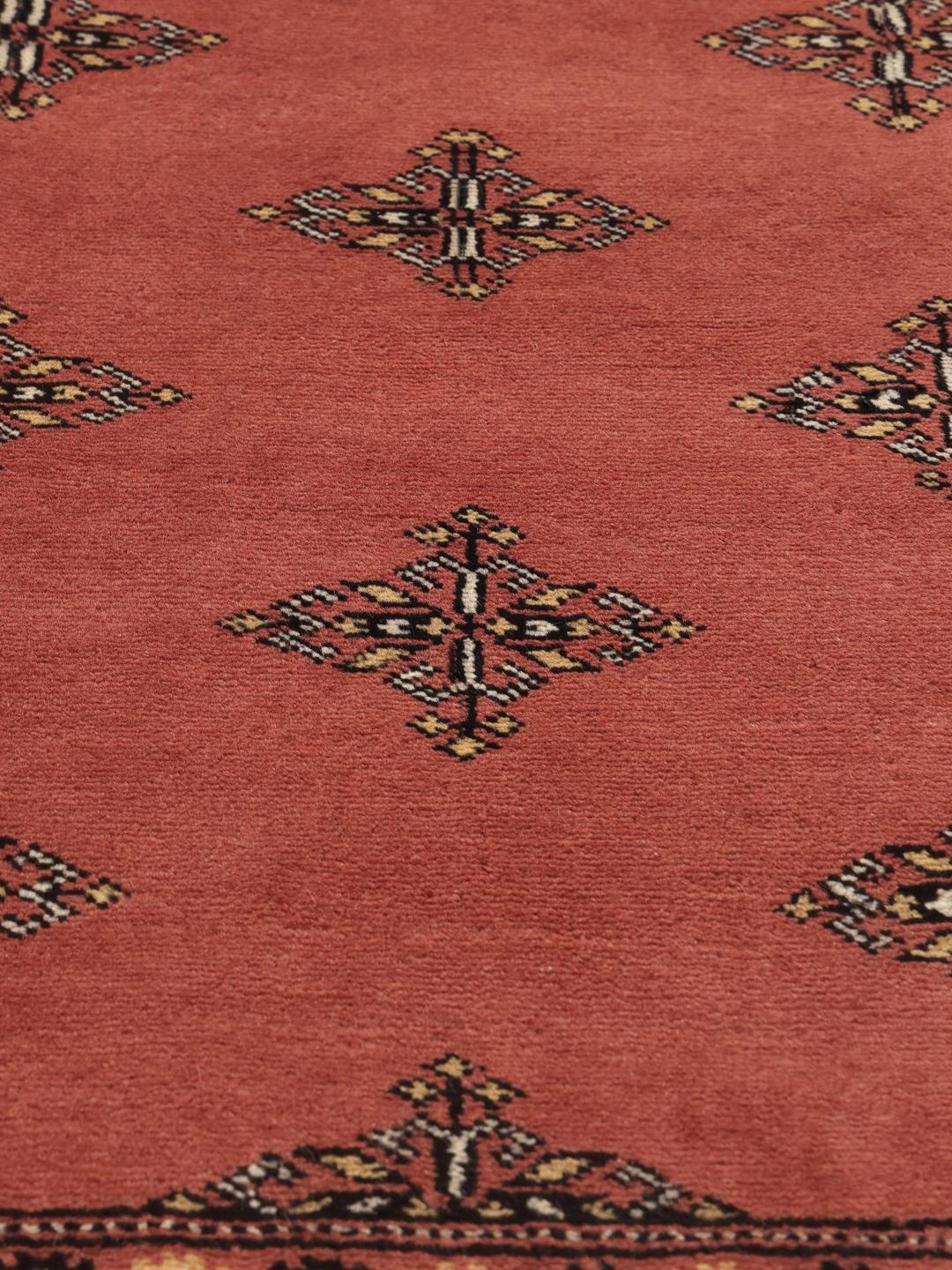
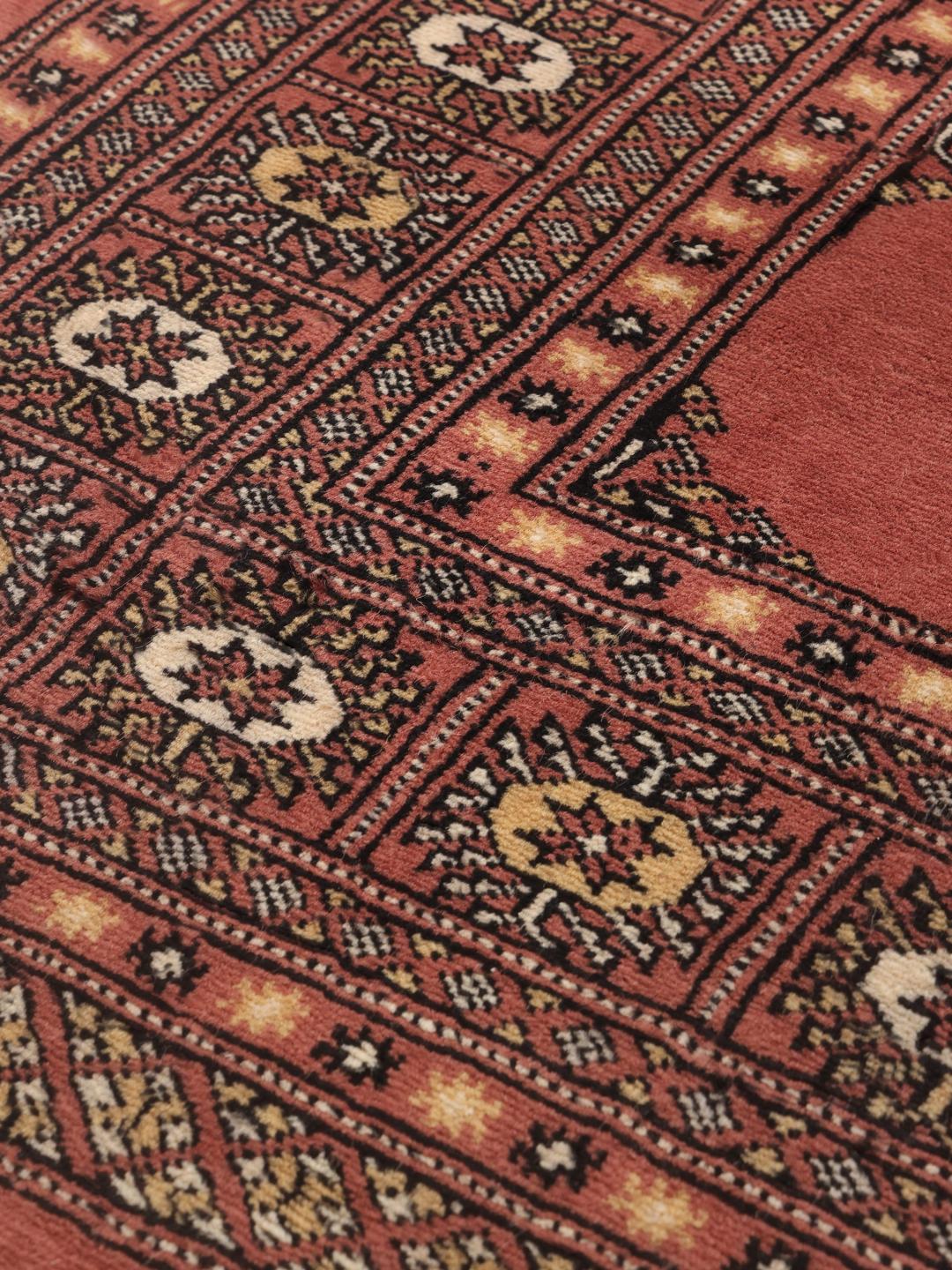
The visual language of this tradition is anchored by the repeating gul motif, a stylized, medallion-like shape that is often compared to an elephant's footprint. These motifs are typically arranged in clean, structured rows, creating a sense of rhythm and order. The borders often feature intricate geometric patterns that frame the field, providing a balanced and formal aesthetic that has been favoured by collectors for generations.
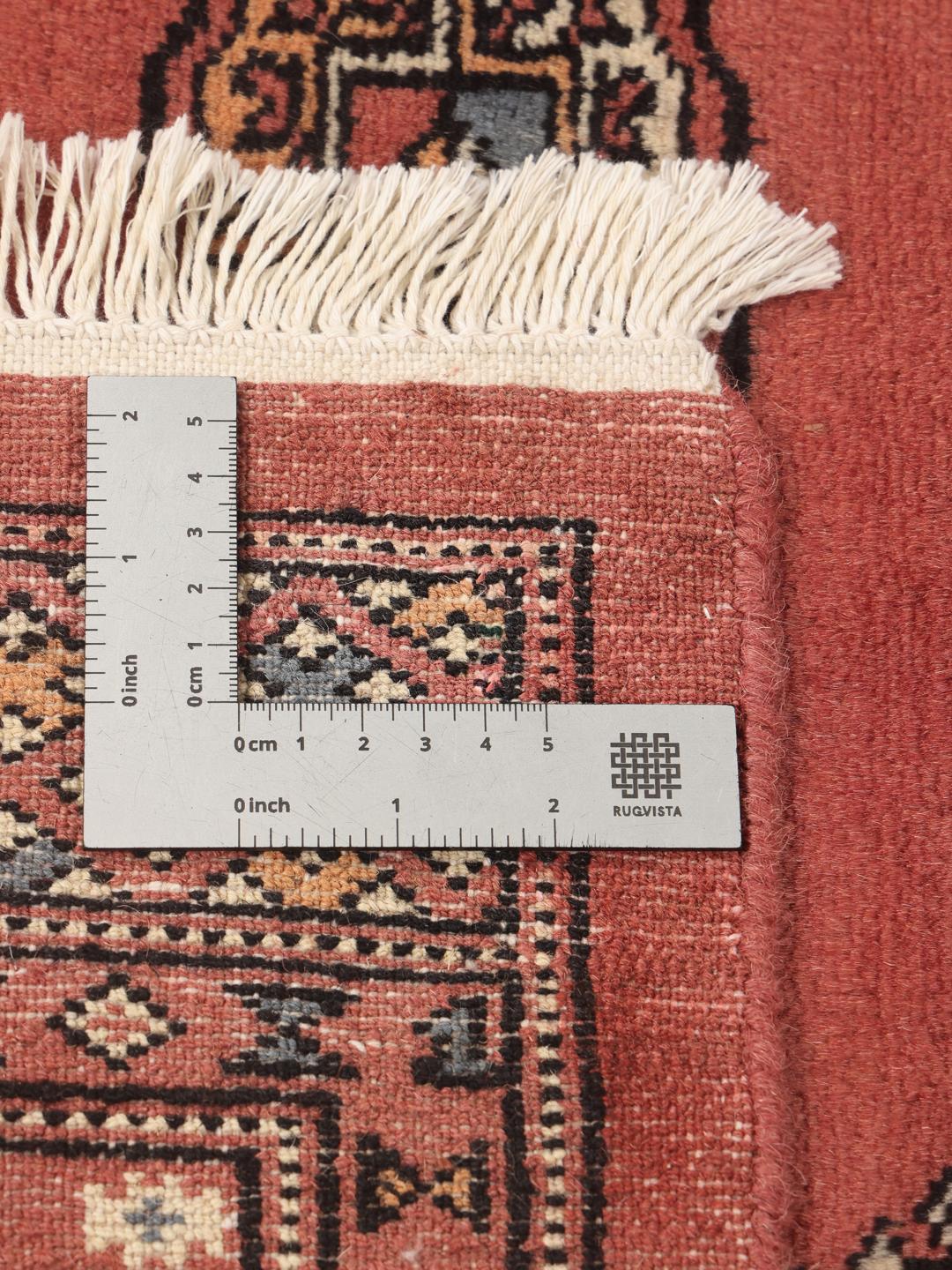
Owning a hand-knotted rug from this tradition is an investment in cultural heritage and human skill. These pieces are valued not only for their aesthetic beauty but for the narrative of tradition they carry from the weaver's hands to your floor. By choosing such a rug, you are preserving a legacy of craft and ensuring that these time-honoured techniques continue to be appreciated in contemporary homes.