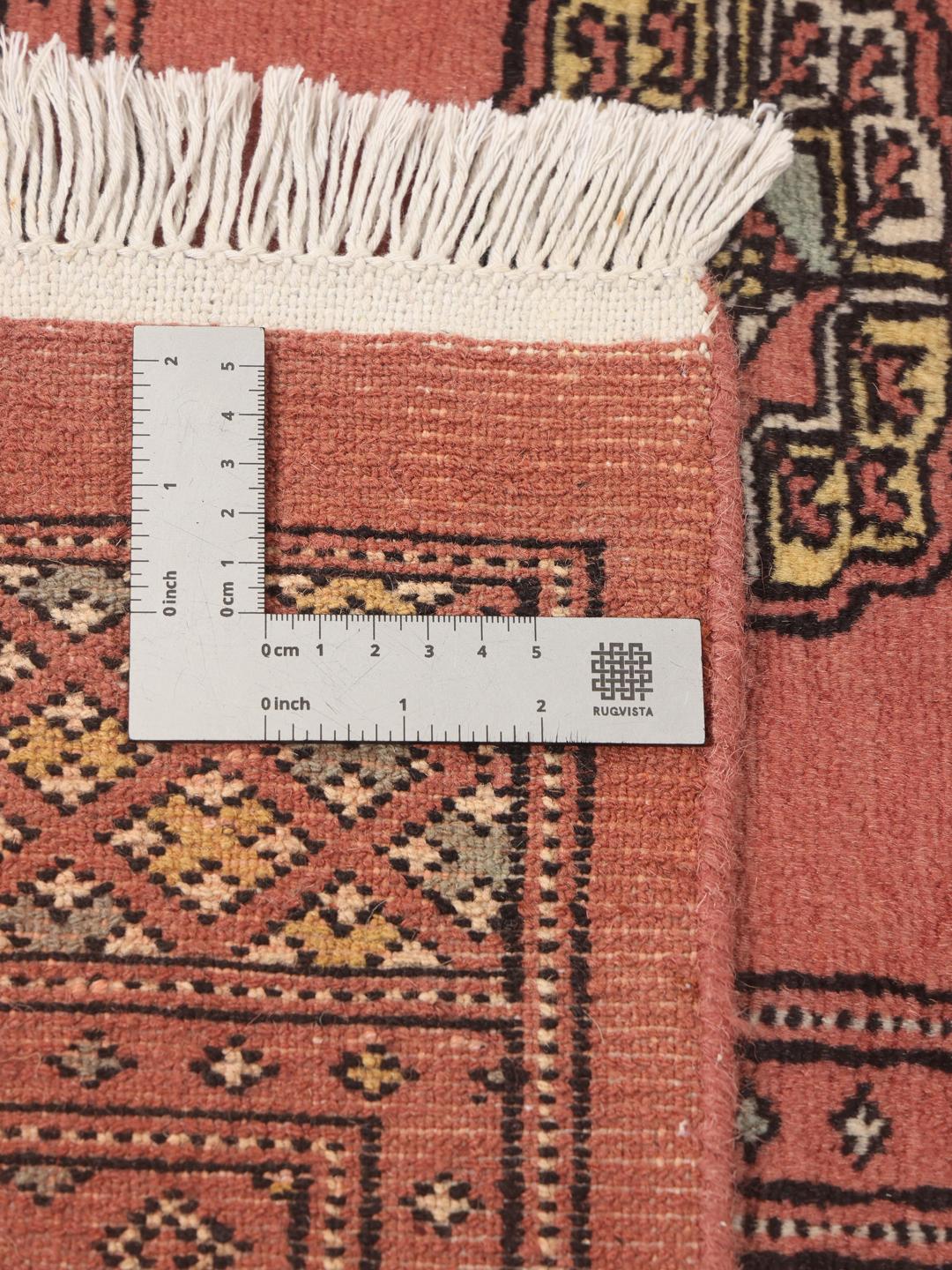
Bokhara rugs take their name from the ancient Silk Road city of Bukhara, located in modern-day Uzbekistan. Historically, these rugs were produced by nomadic tribes across Central Asia, who developed their own distinct weaving traditions. Over time, these techniques migrated and evolved, with the finest contemporary examples now being masterfully produced in Pakistan.
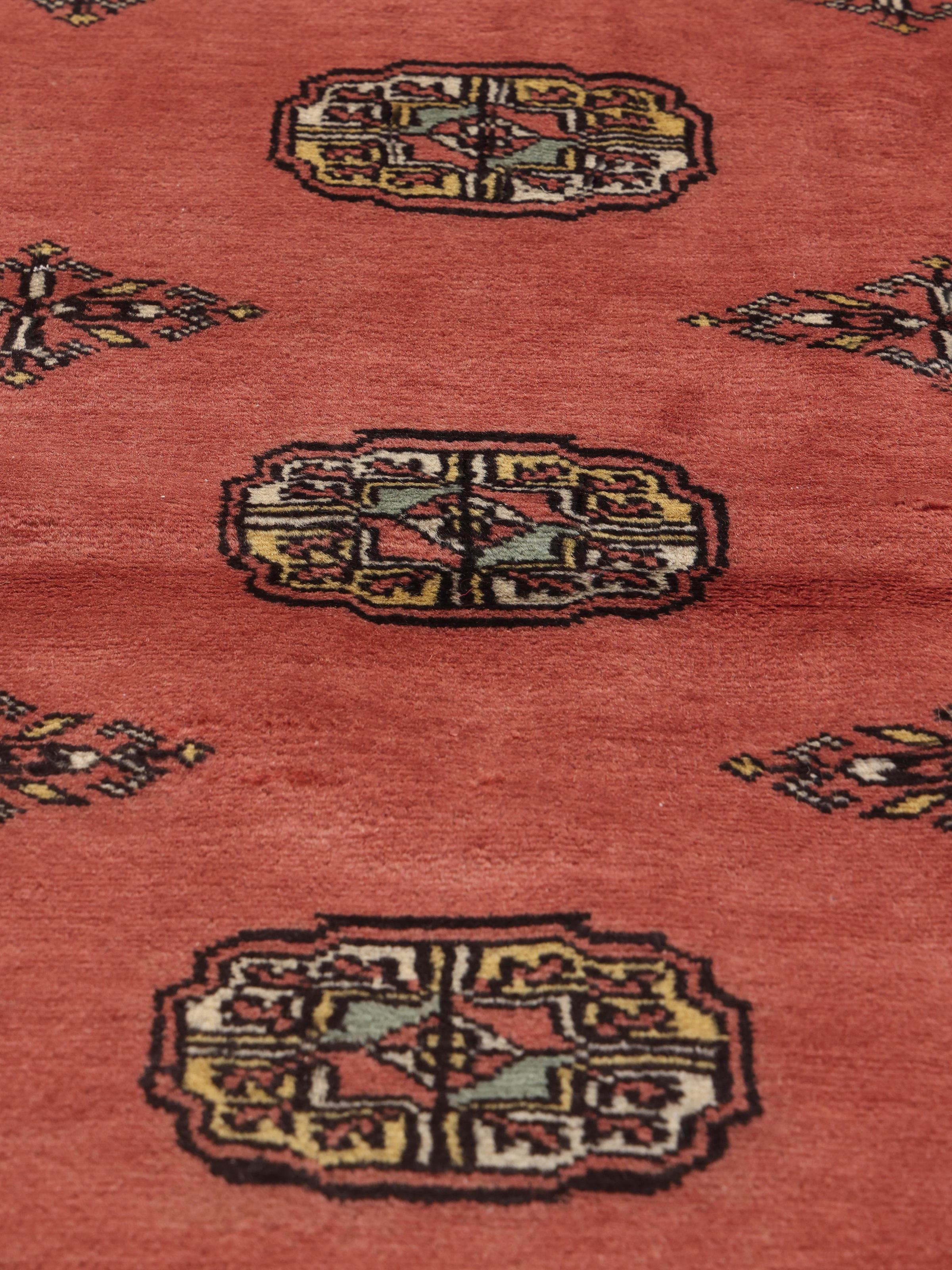
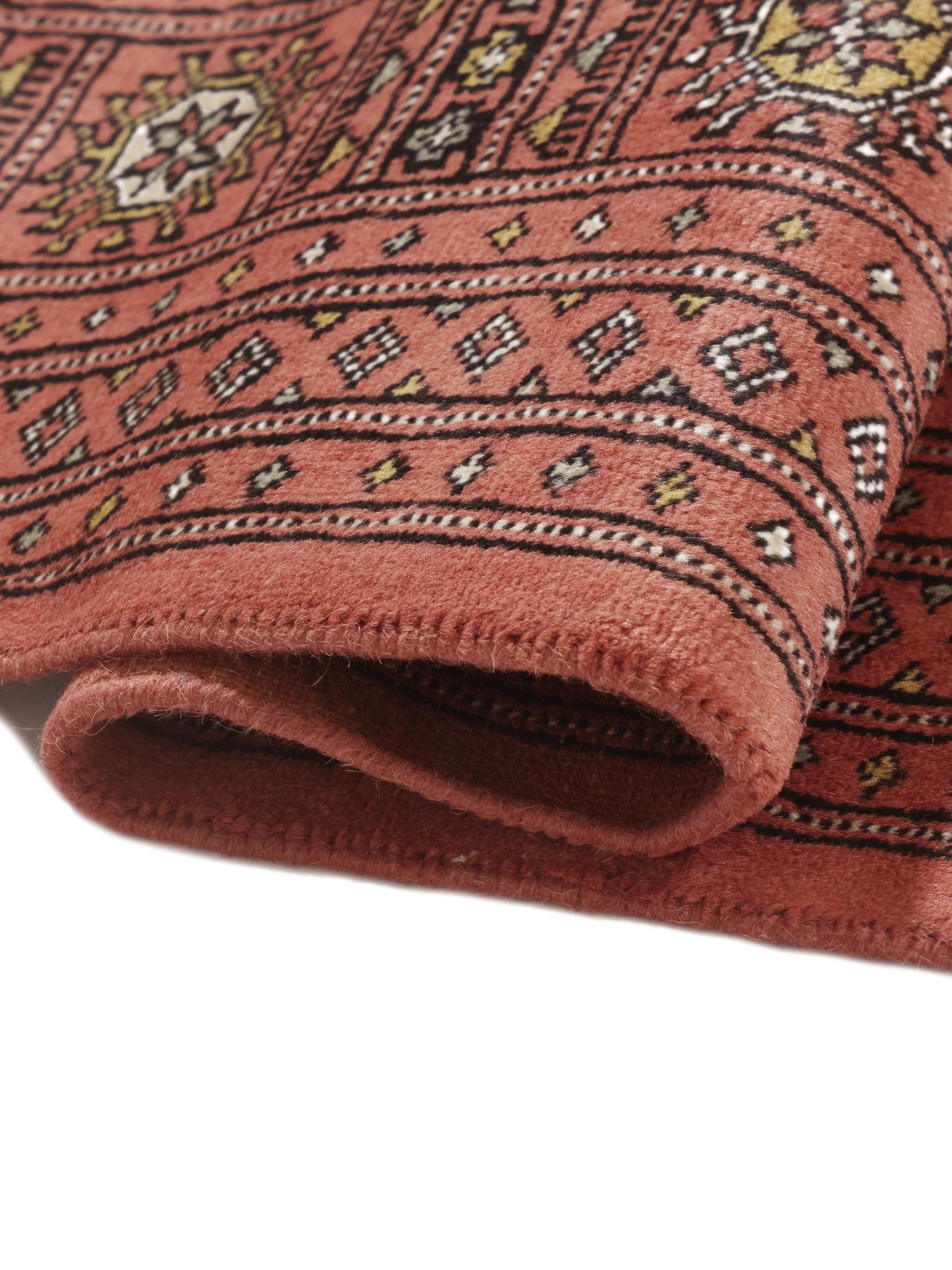
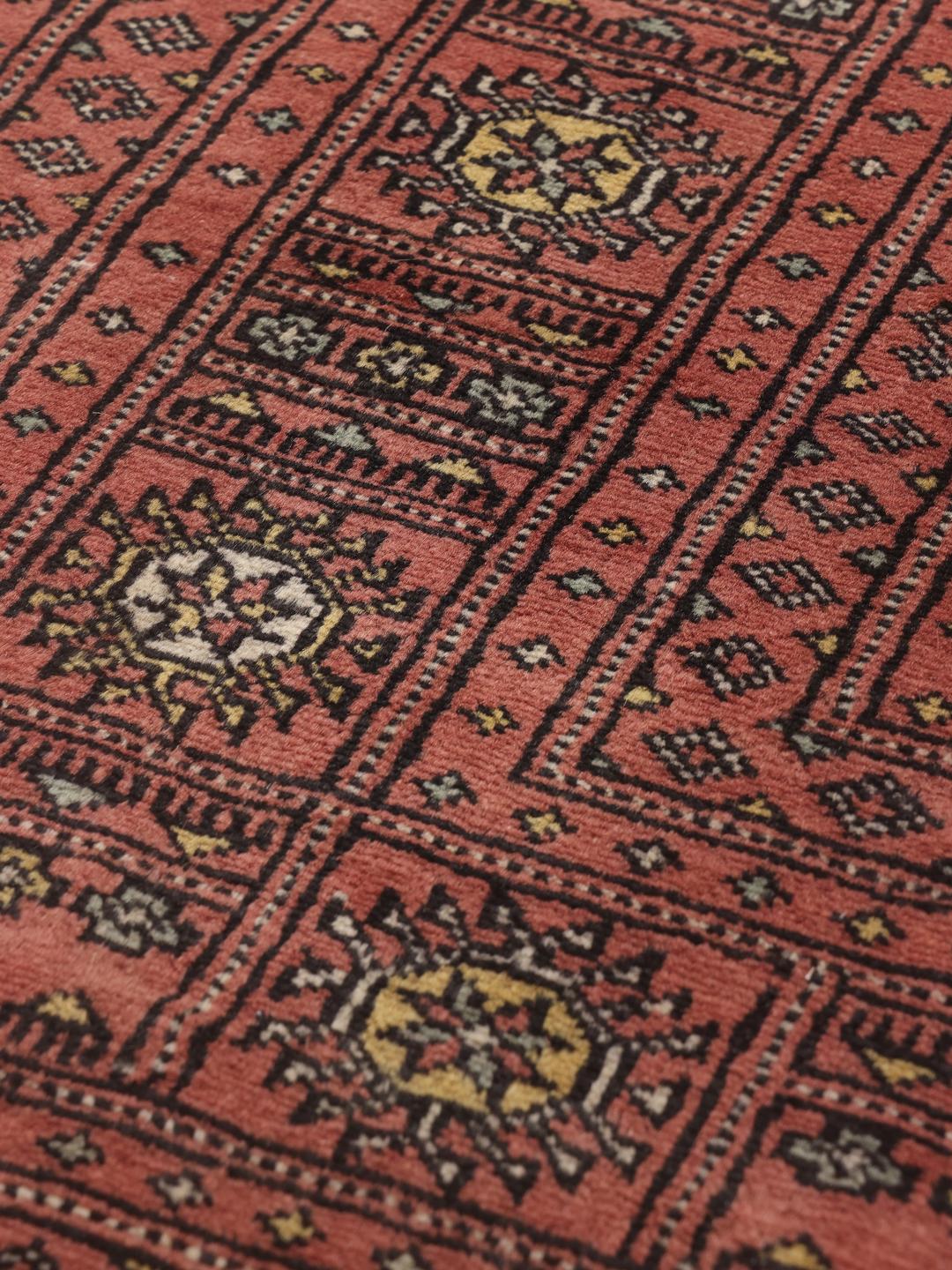
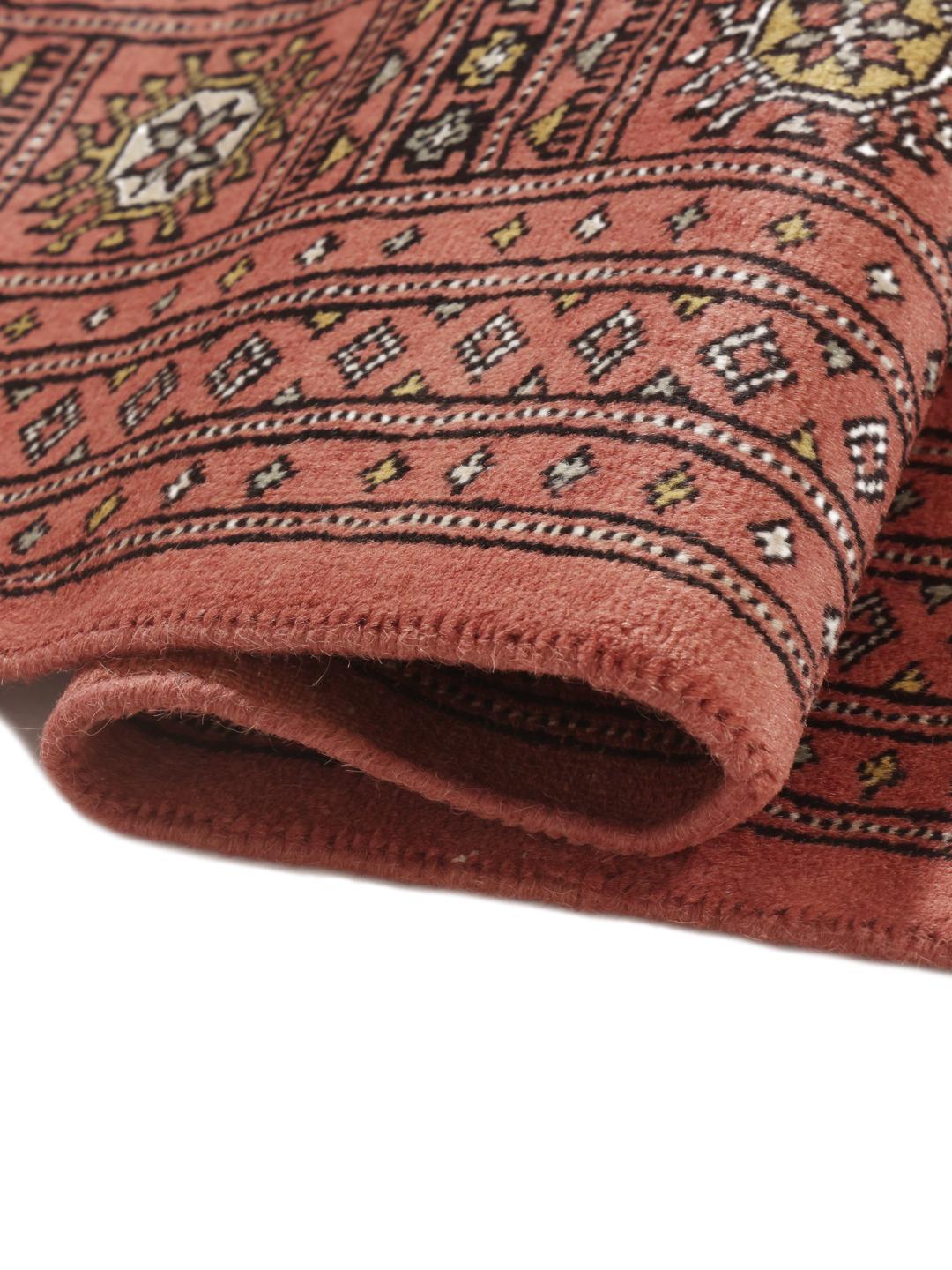
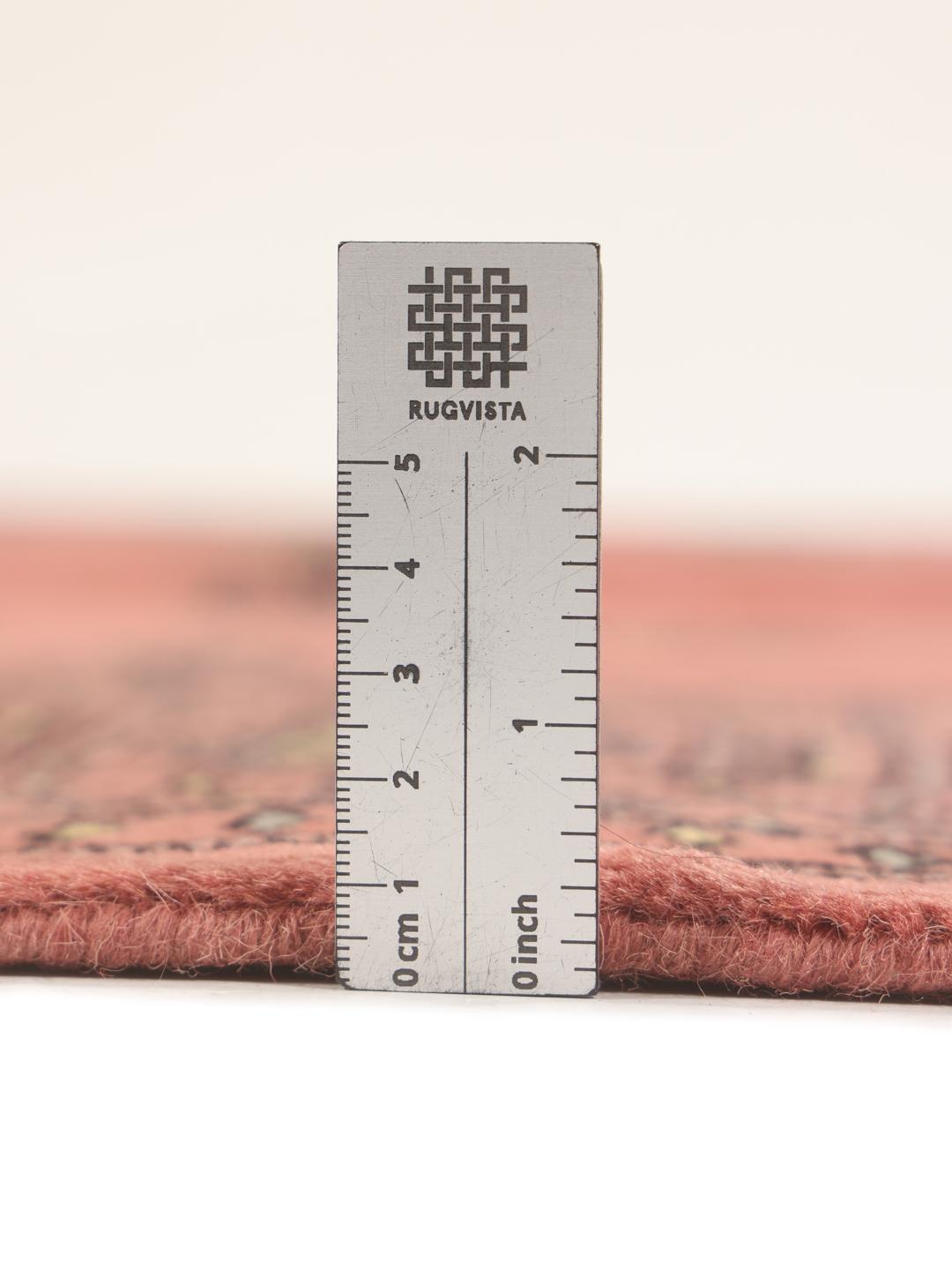
The term 2ply refers to the specific way the Wool is prepared before weaving. By twisting two strands of Wool together, the yarn becomes more resilient and capable of holding a rich, deep lustre. This technical choice is essential for the longevity of the rug, as the denser pile better resists the wear of daily use while maintaining its elegant appearance.
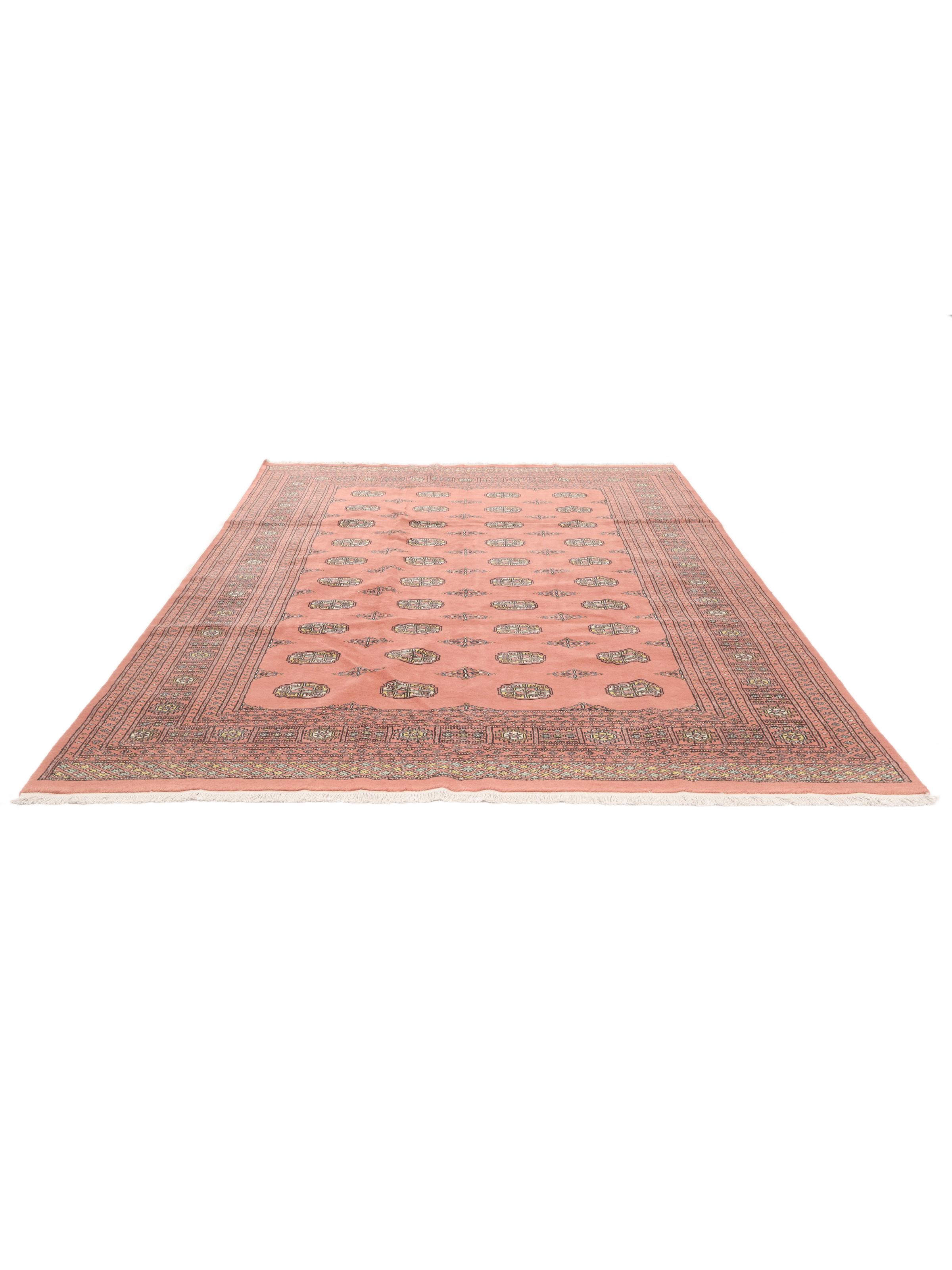
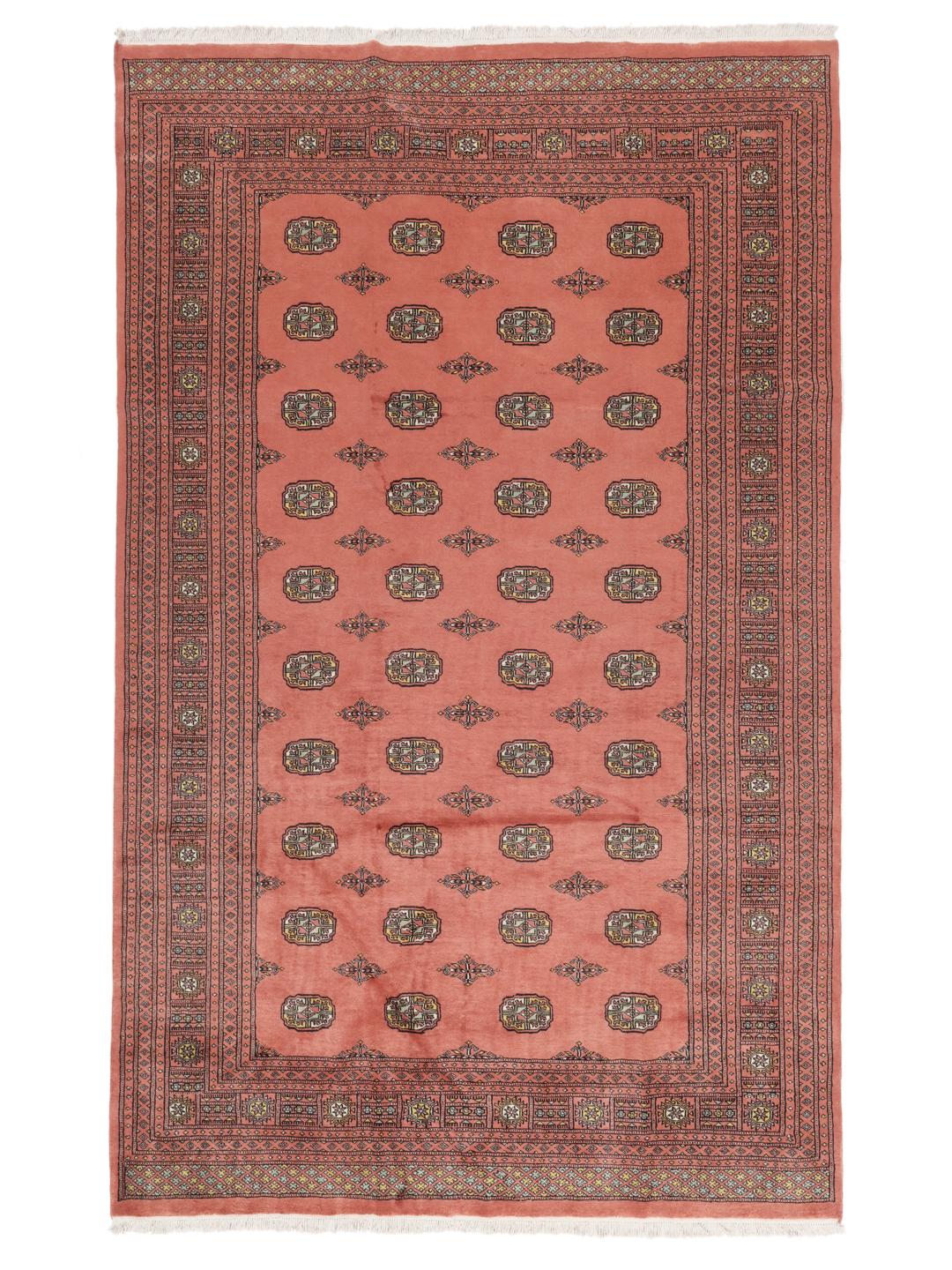
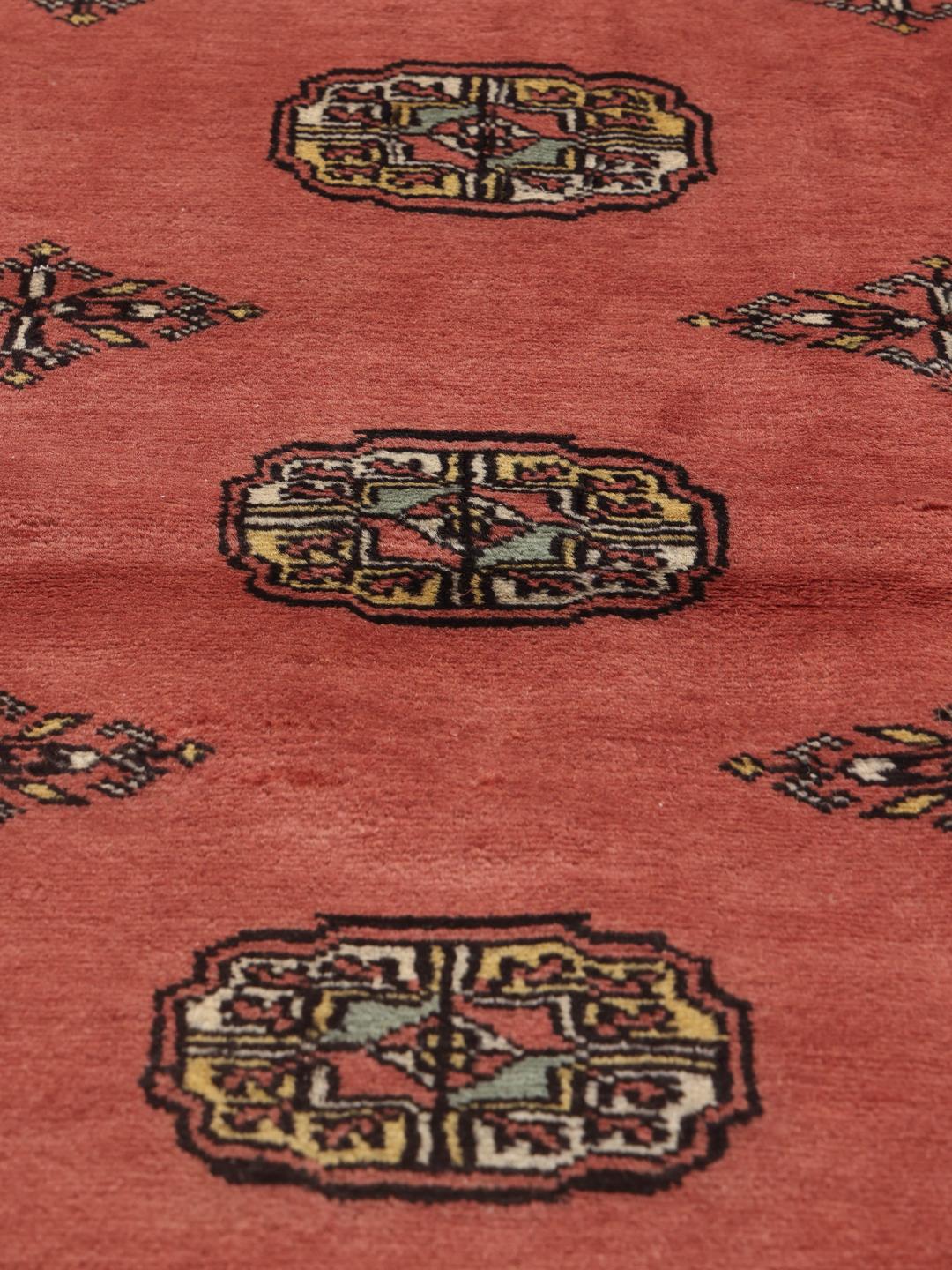
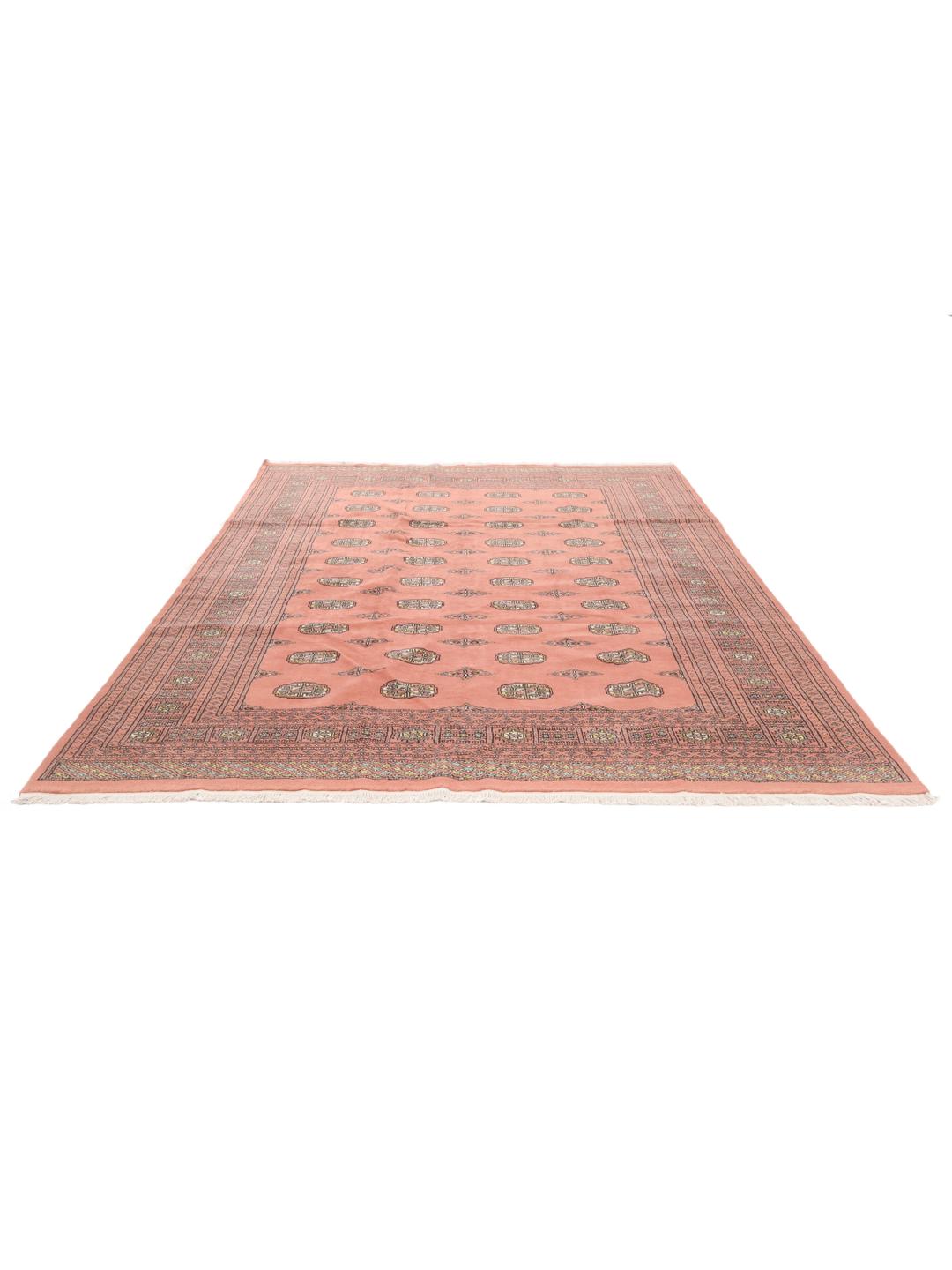
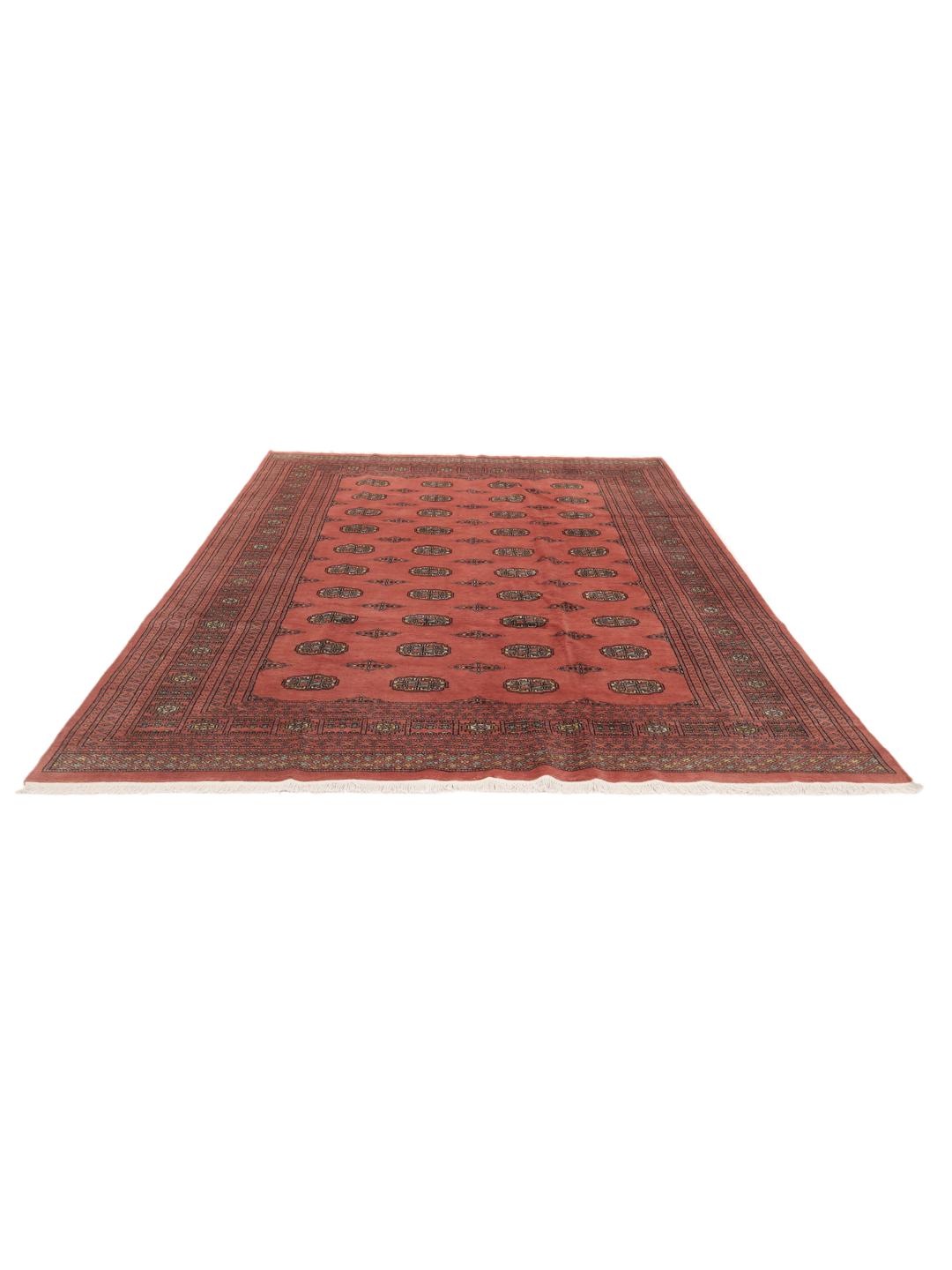
Visually, these rugs are defined by their iconic repeating gul motifs, which are stylised, octagonal medallions often said to represent elephant footprints. These motifs are framed by intricate, formal borders that provide a sense of structure and balance. The red hue seen here is a classic signature of the style, grounding the piece in a deep, traditional colour palette that remains popular for its warmth.
Owning a hand-knotted rug from this tradition is about more than just decor; it is about acquiring a piece of cultural heritage. These rugs are highly valued by collectors for the immense skill required to produce them and their enduring quality. By choosing this piece, you are supporting a craft tradition that has been passed down through generations, ensuring that these artistic techniques continue to thrive.