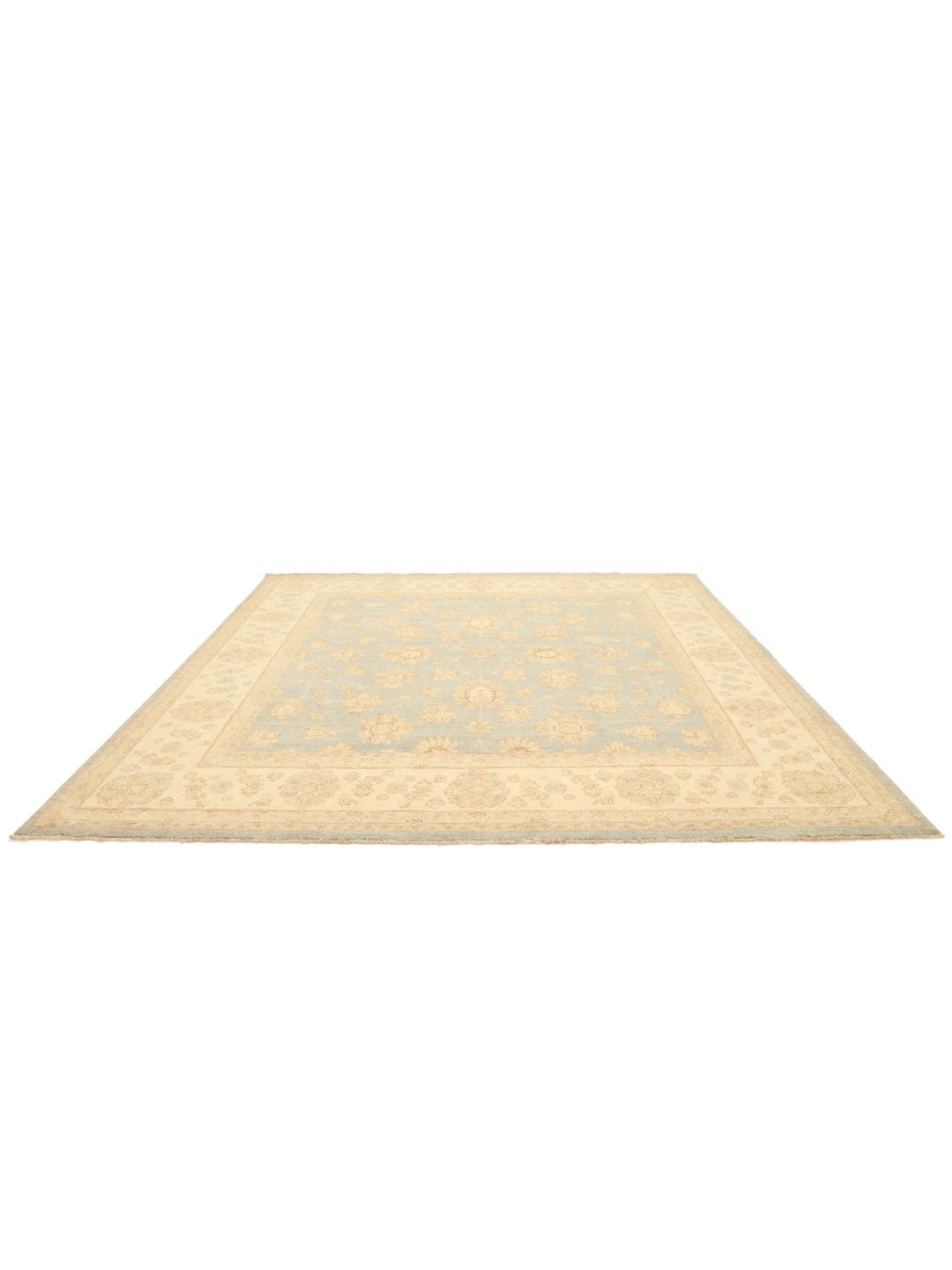
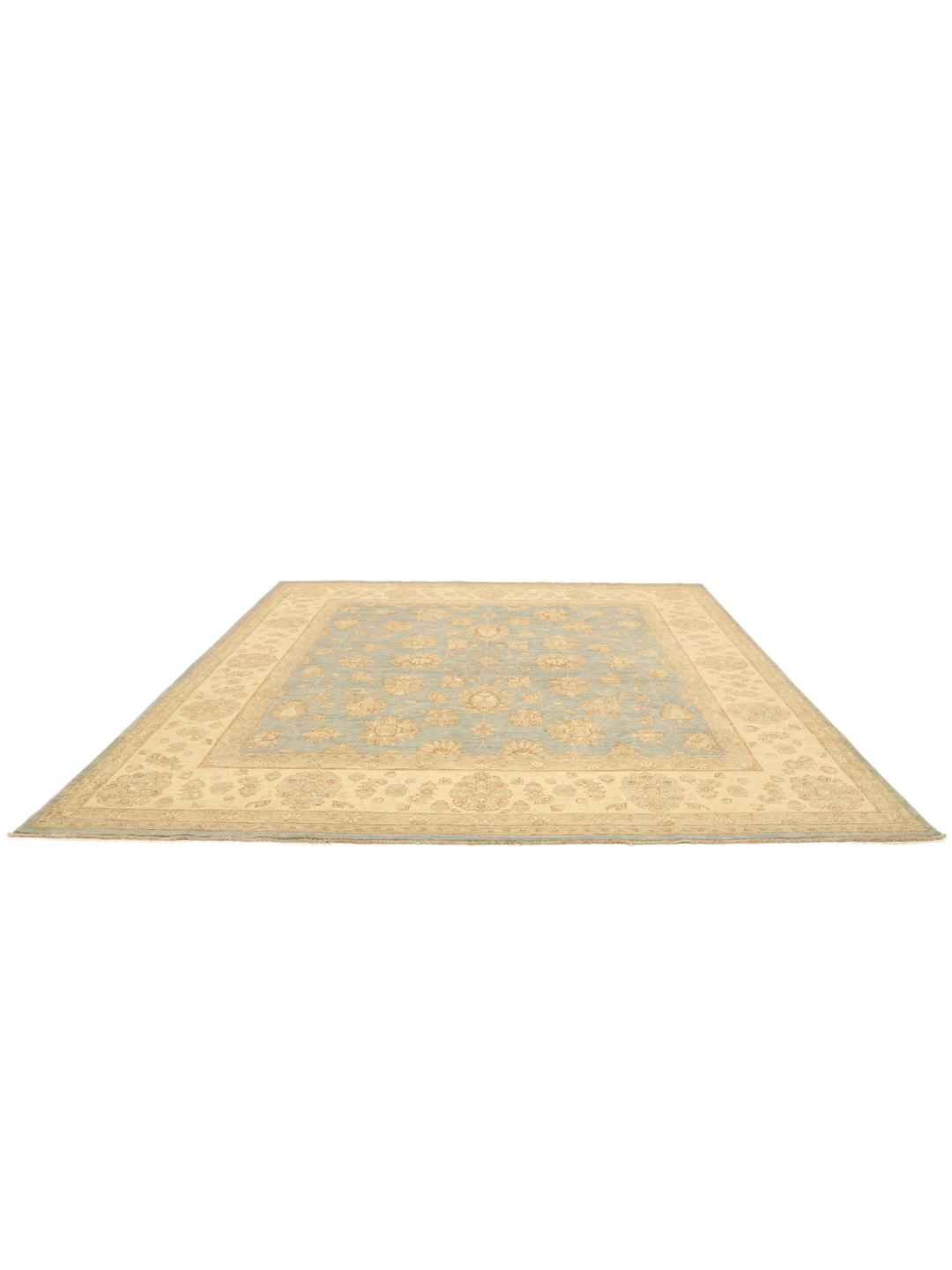
Ziegler rugs trace their origins to the late 19th century, born from a collaboration between the Swiss firm Ziegler and Co. and master weavers in the Middle East. The goal was to create pieces that appealed to Western tastes by utilising softer, more muted colour palettes and larger, more open floral motifs compared to the tighter, more traditional designs of the era. Today, this tradition is expertly carried forward by weavers in Afghanistan, who continue to refine these aesthetic sensibilities.
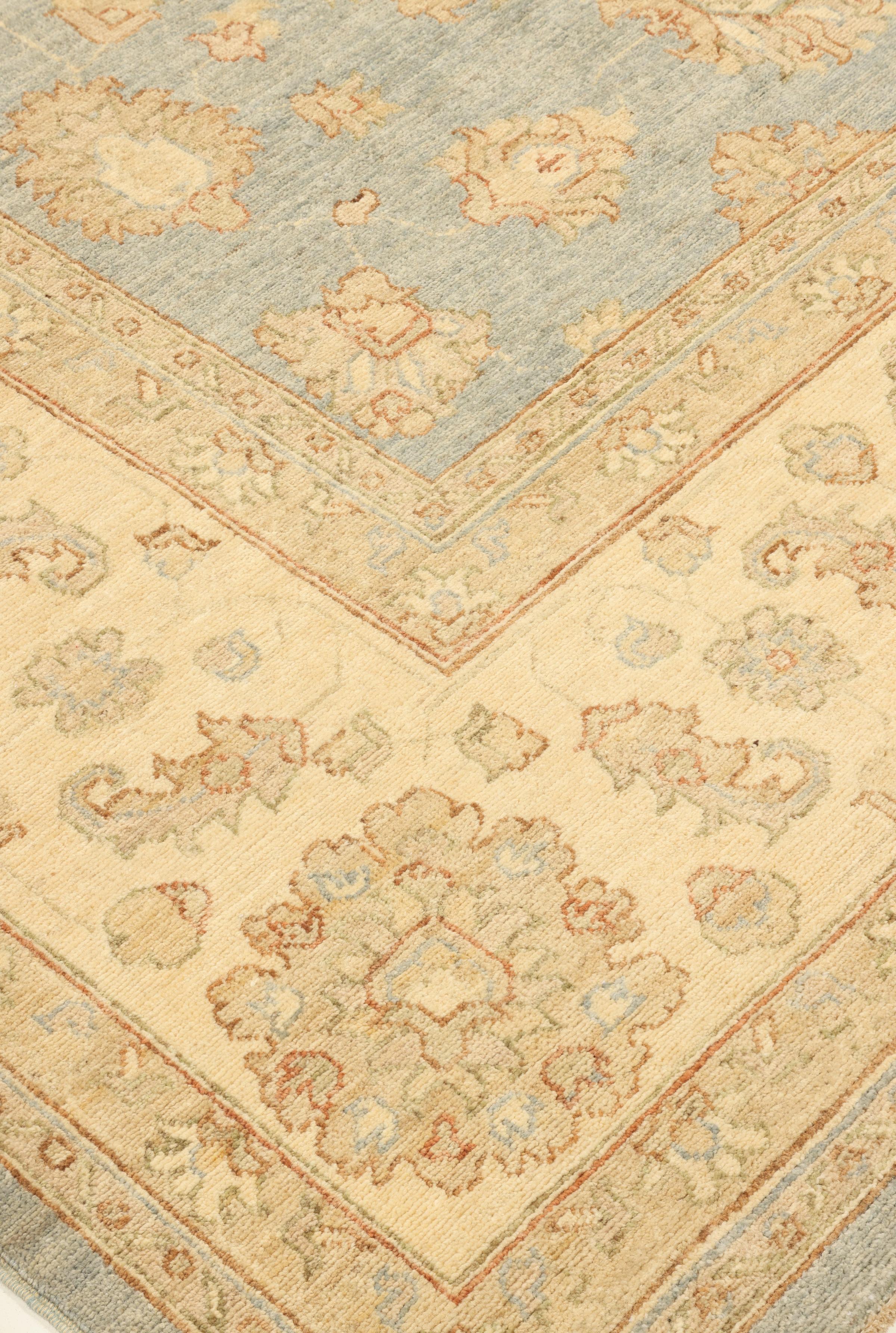
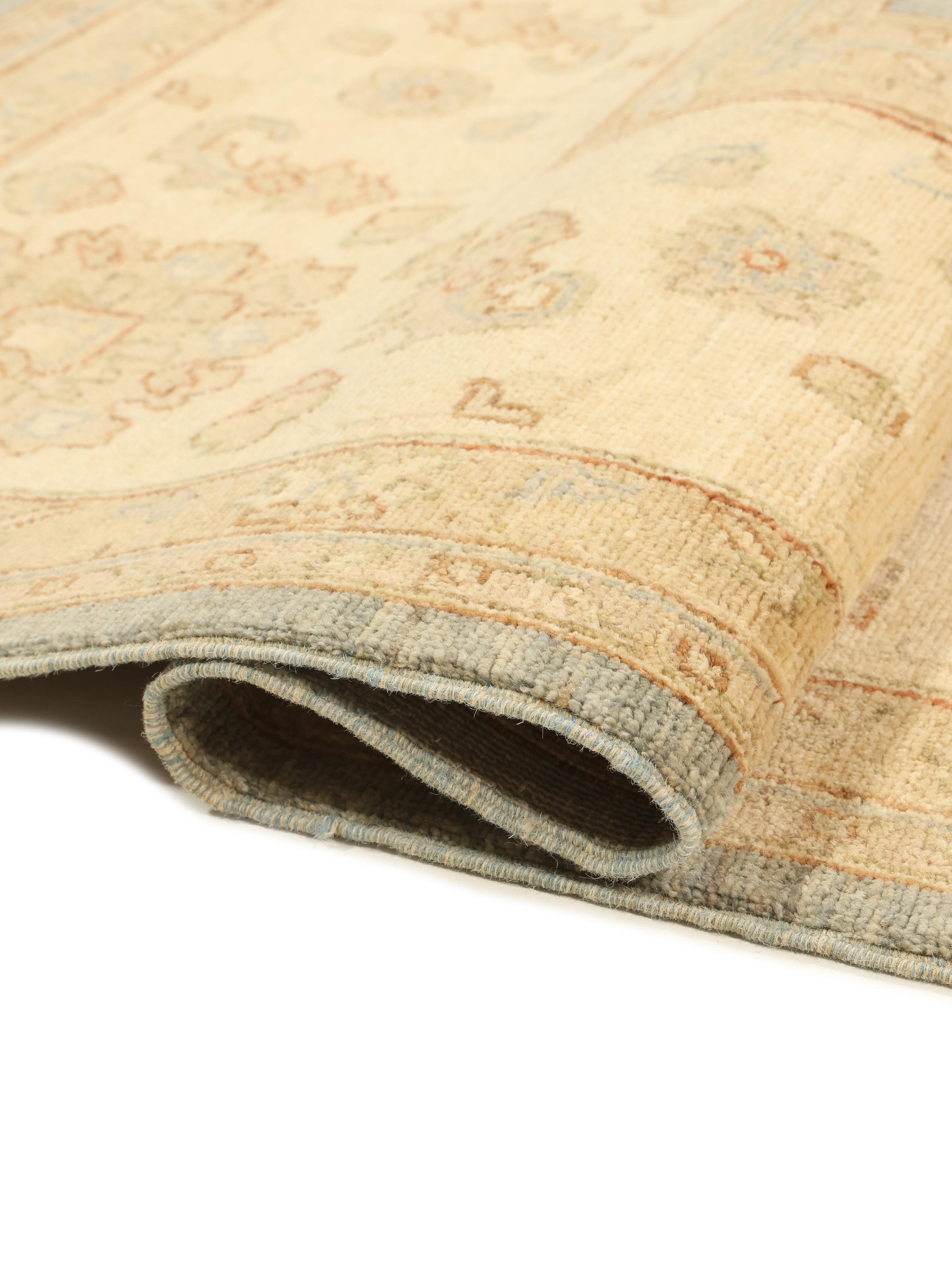
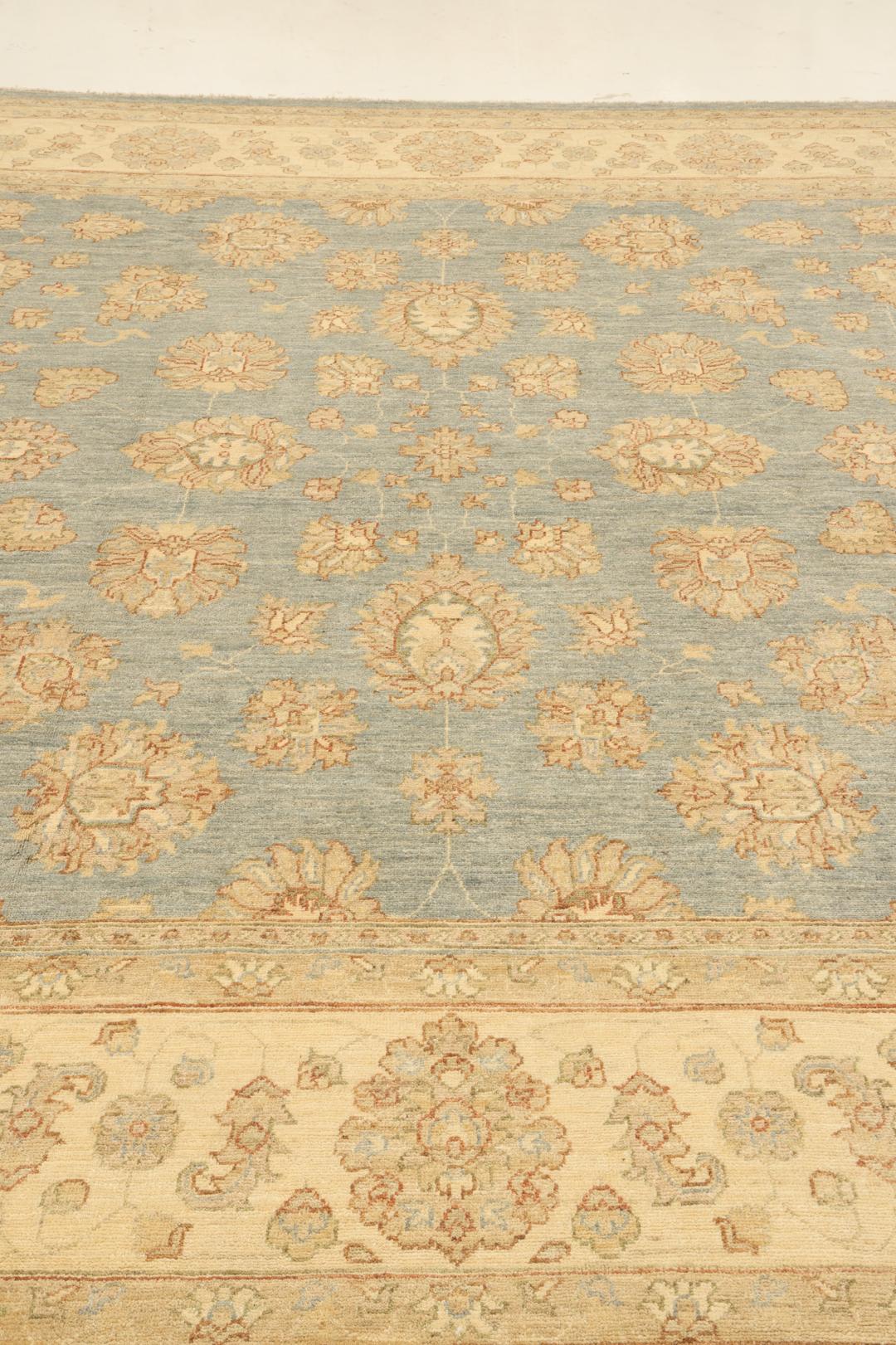
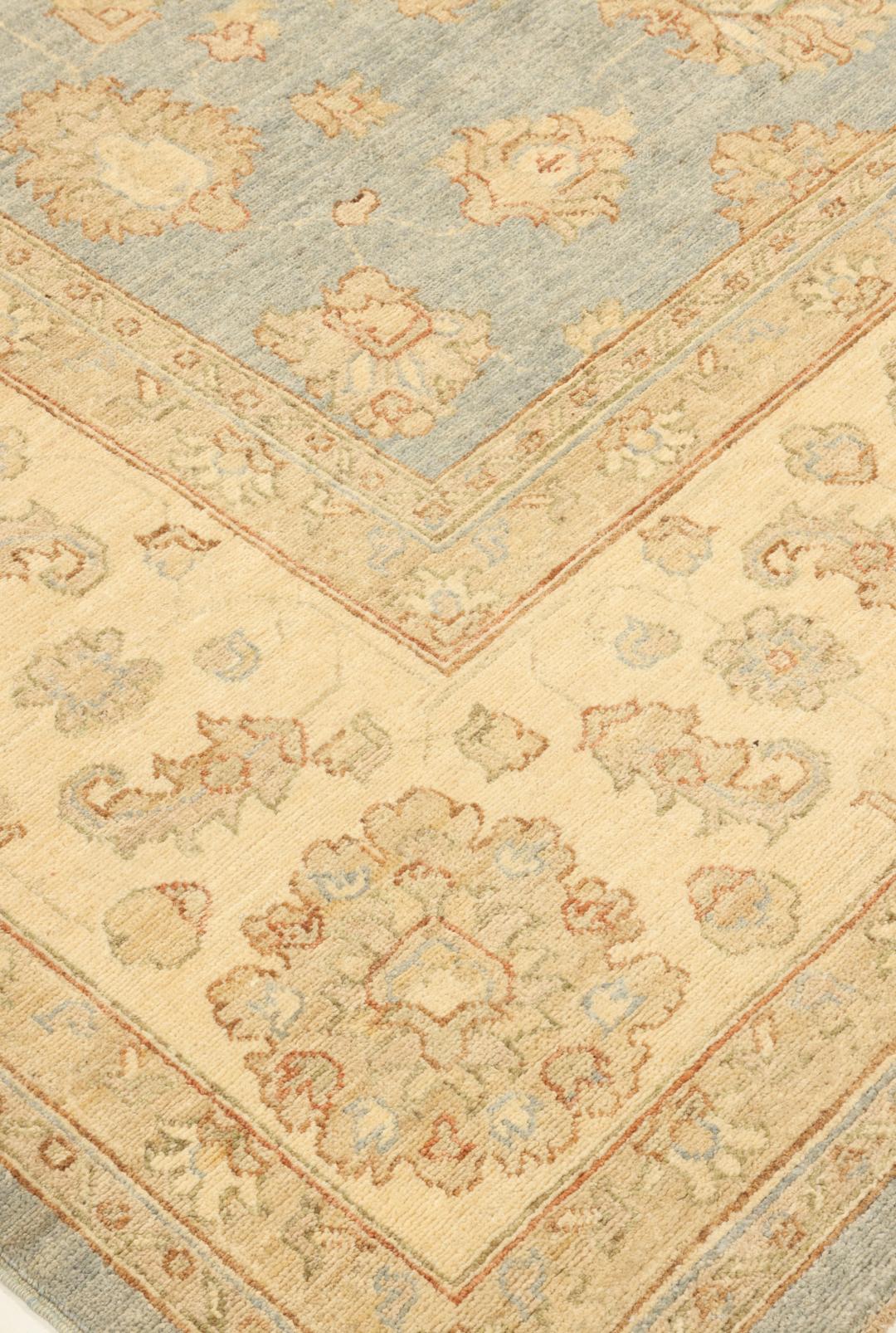
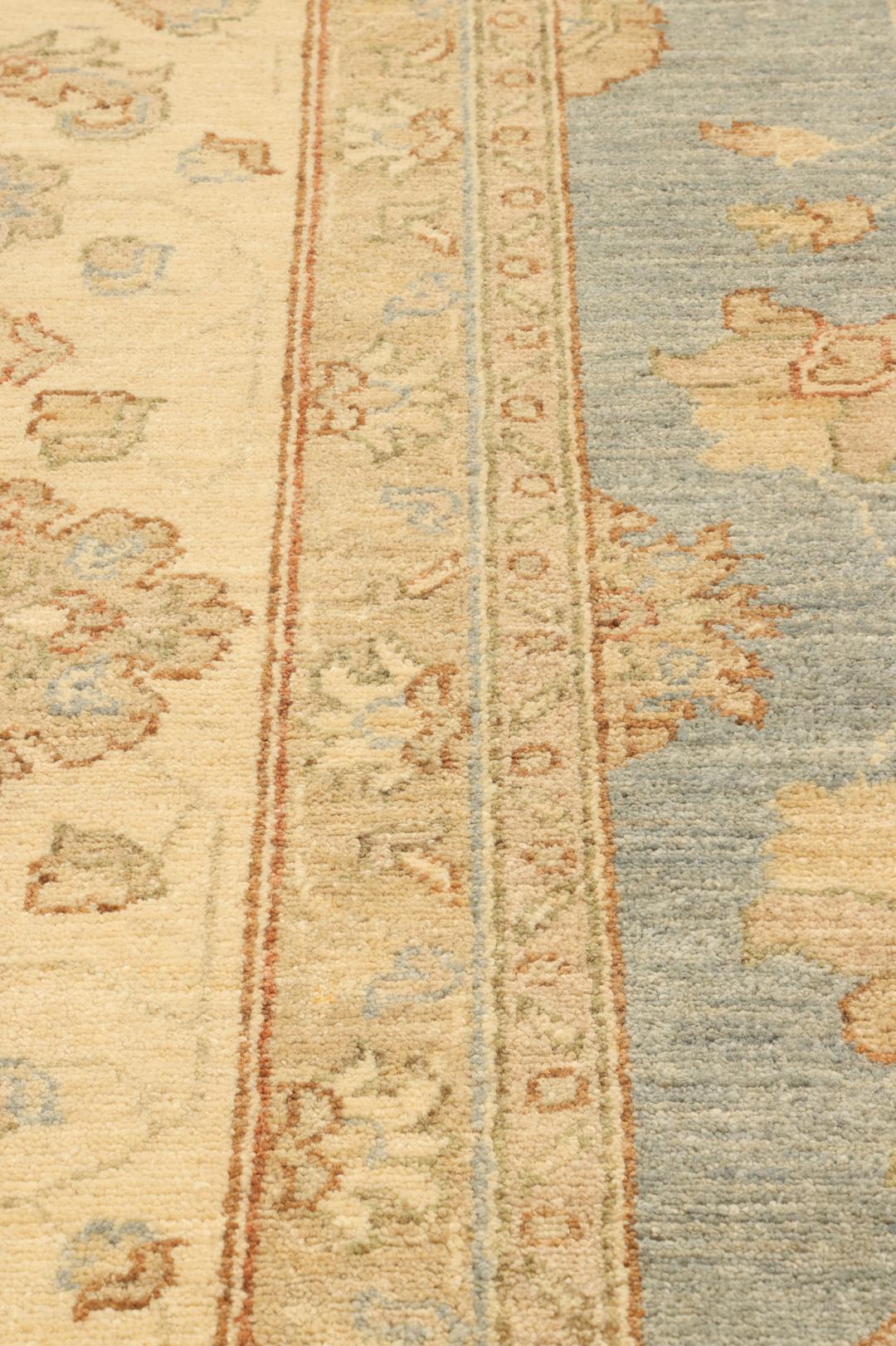
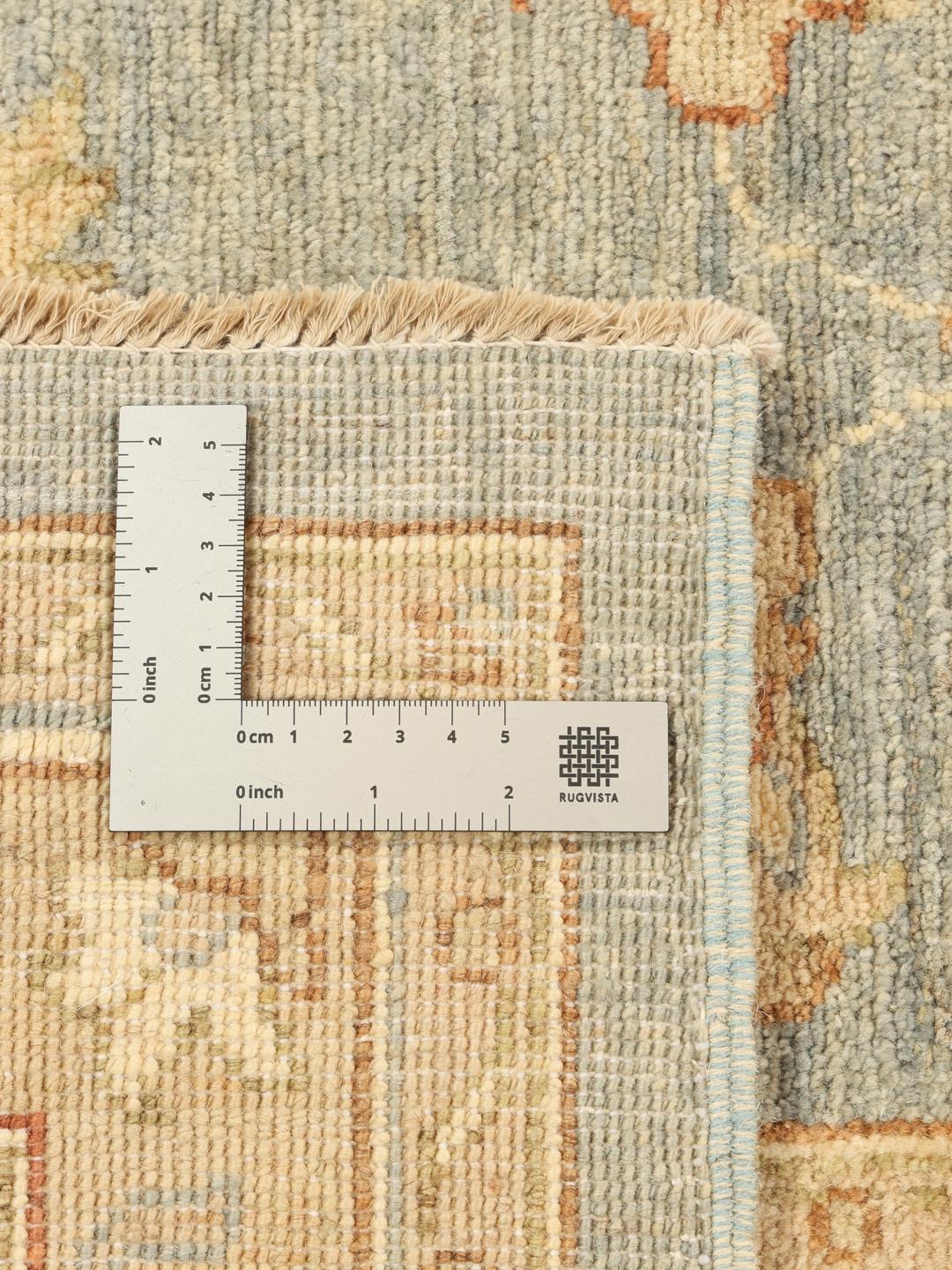
The hallmark of a Ziegler rug is its ability to marry traditional hand-knotting techniques with a more relaxed, decorative style. These rugs often feature a 'chobi' influence, which refers to the use of natural, vegetable-based dyes that create subtle variations in colour, known as abrash. This process ensures that the rug has a gentle, aged appearance from the day it is finished, giving it a depth that synthetic dyes simply cannot replicate.
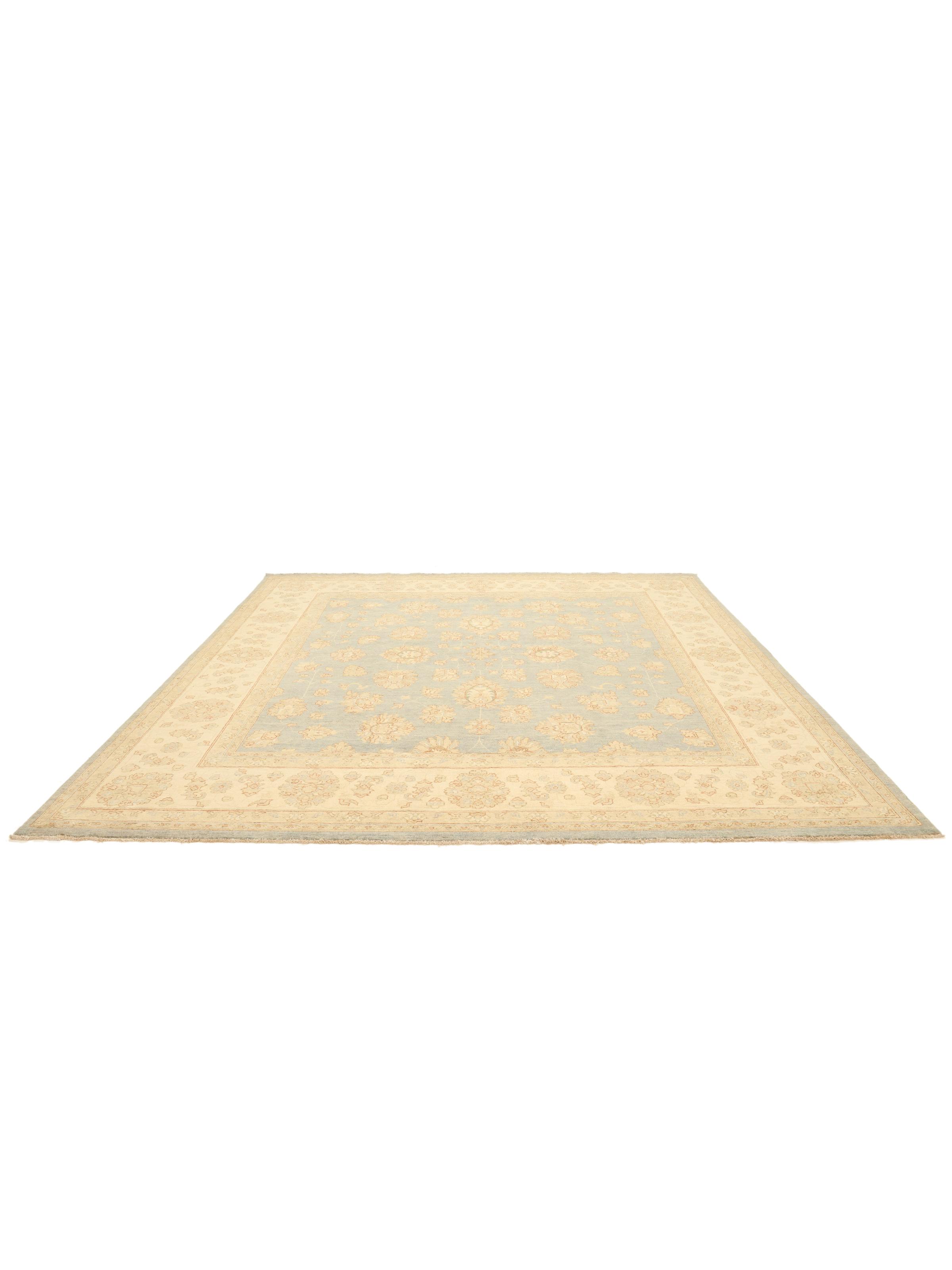
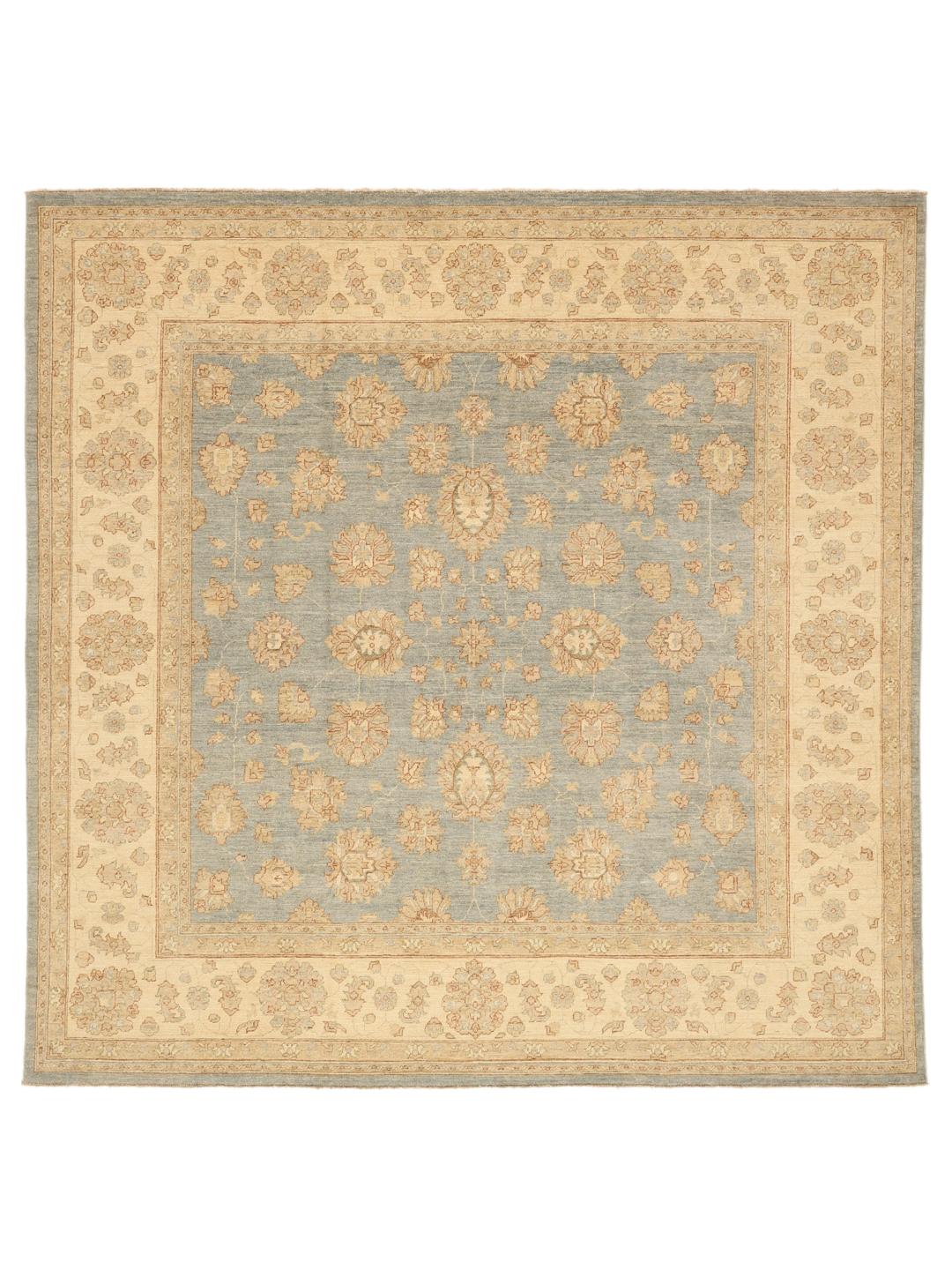
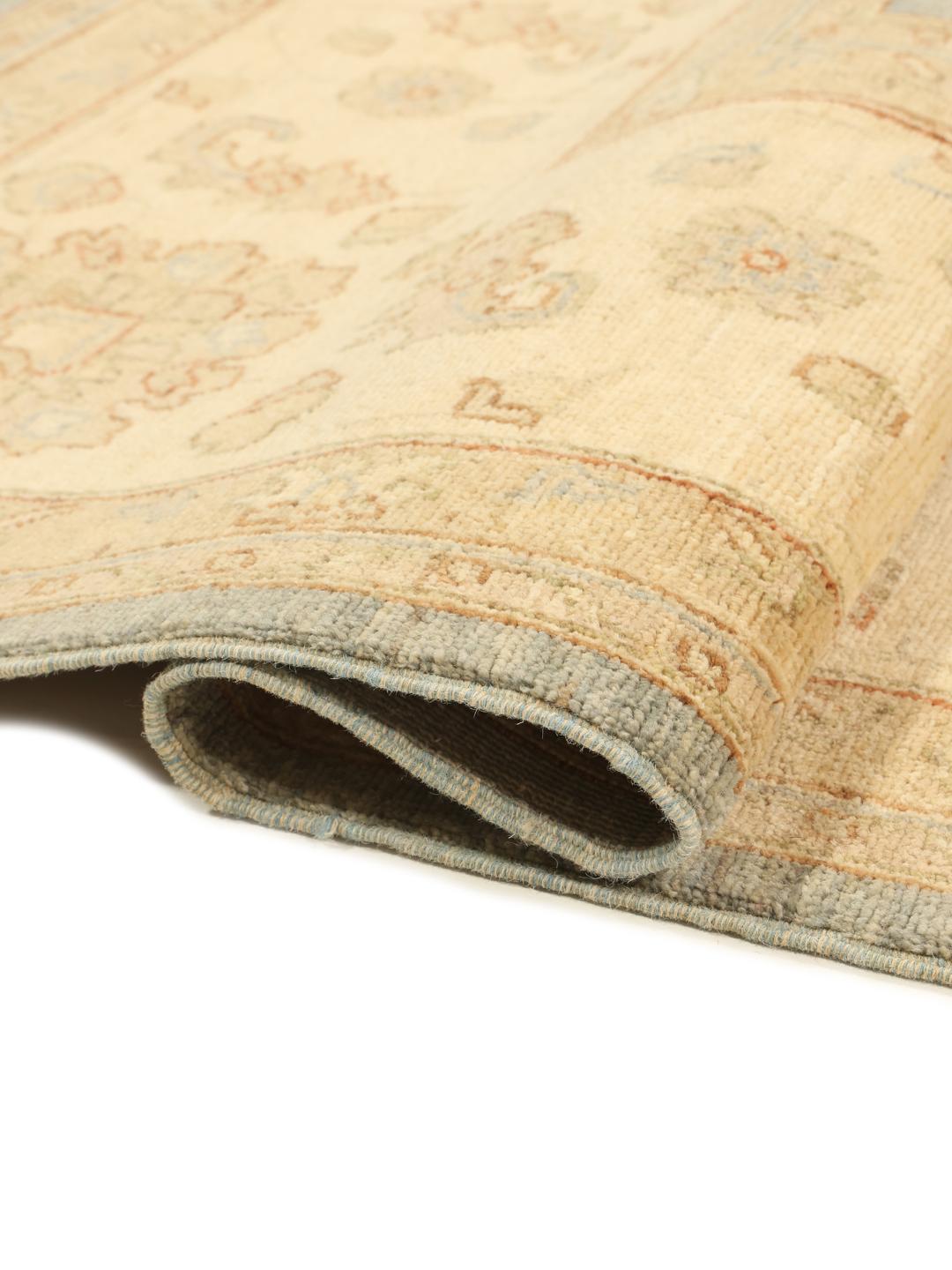
Visually, these rugs are defined by their grand, sweeping floral scrolls and palmettes, which are often arranged in a spacious, balanced composition. The borders are typically generous, framing the central field with complementary botanical patterns. By avoiding the cluttered density found in some other regional styles, the Ziegler rug offers a sense of airiness and elegance that makes it highly sought after for modern interiors.
Owning a Ziegler rug is an investment in a storied craft tradition that bridges the gap between historical artistry and contemporary home design. These rugs are valued not just for their beauty, but for their ability to bring a sense of history and calm to a room. They represent a commitment to high-quality materials and time-honoured techniques, ensuring they remain timeless additions to any home collection.