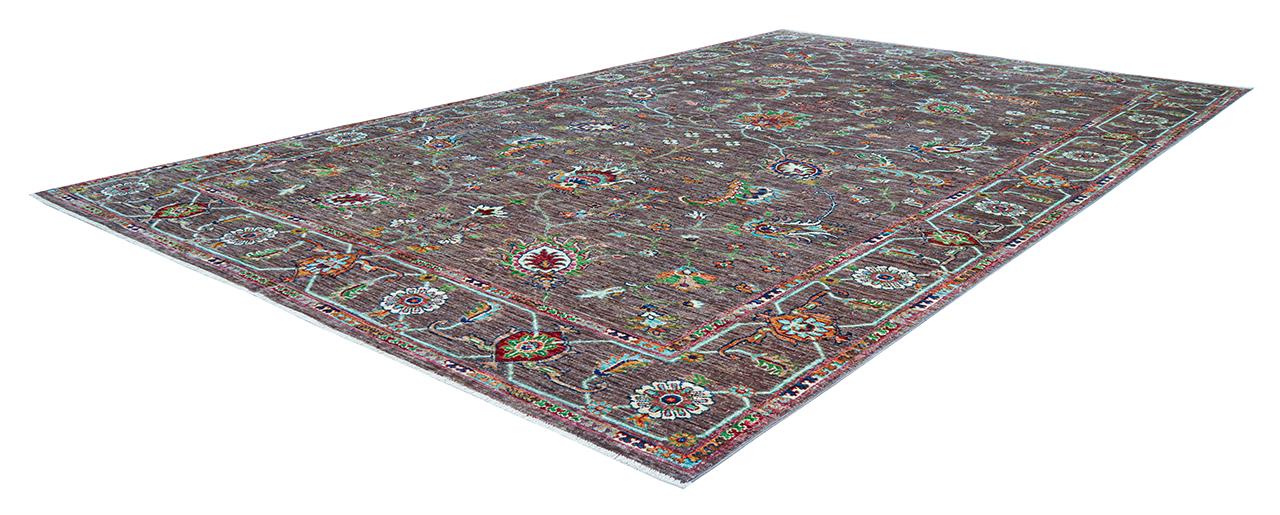
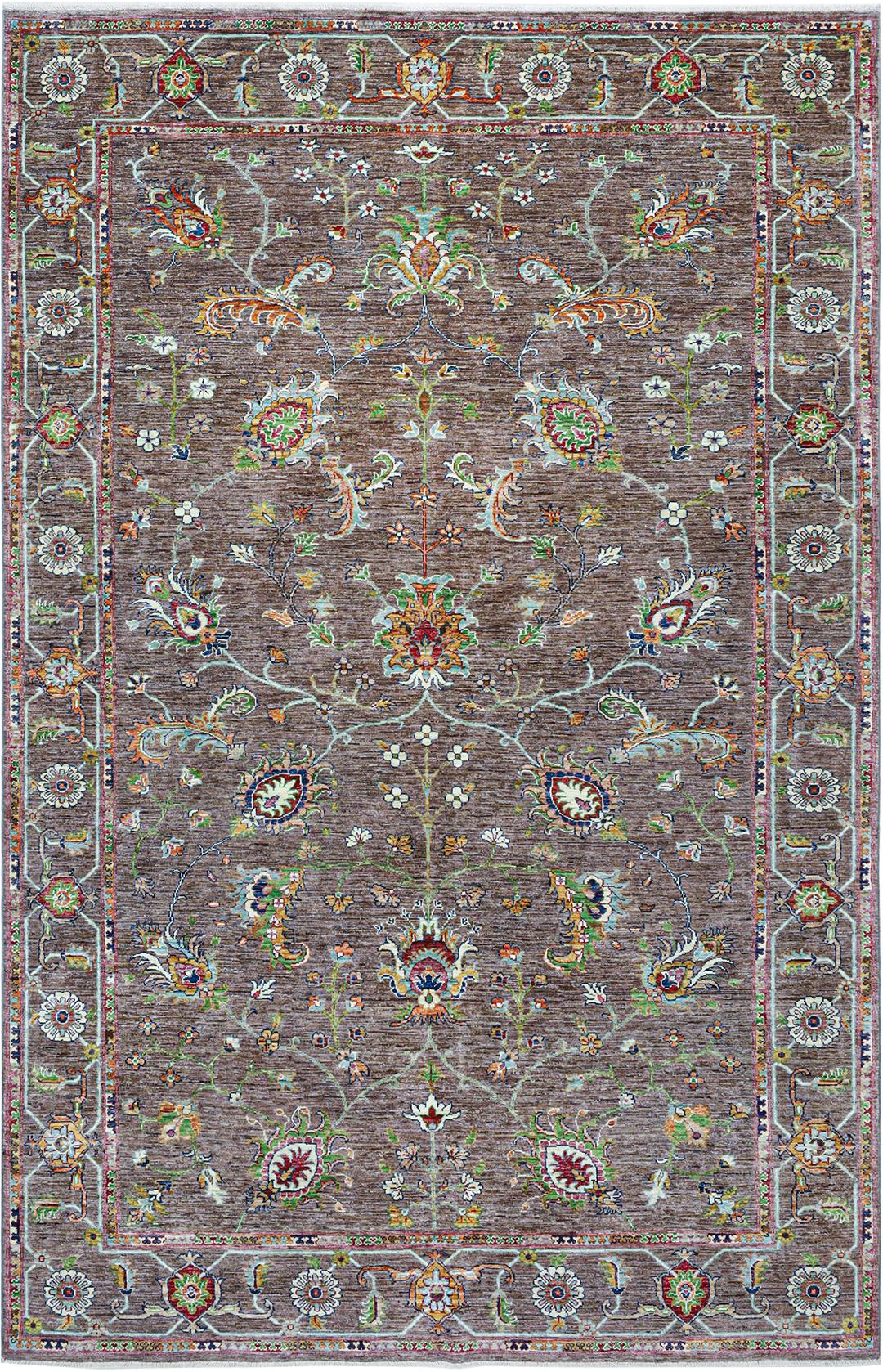
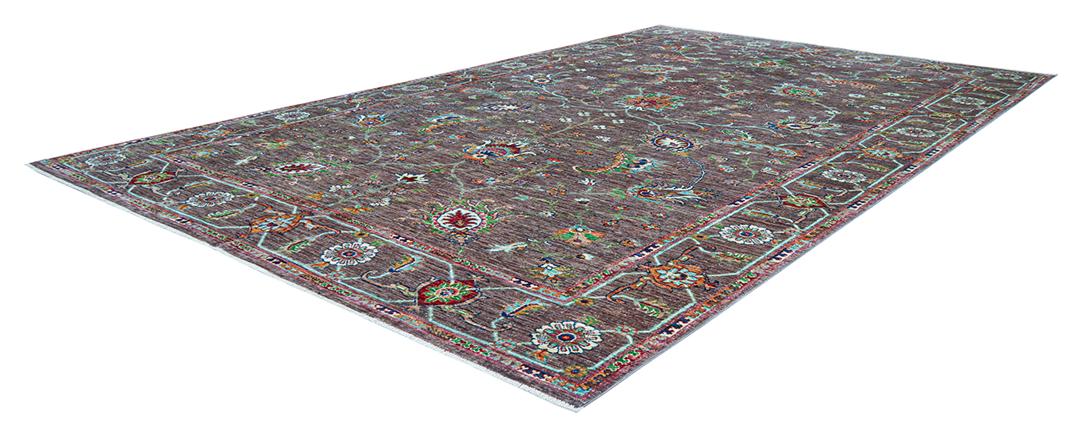
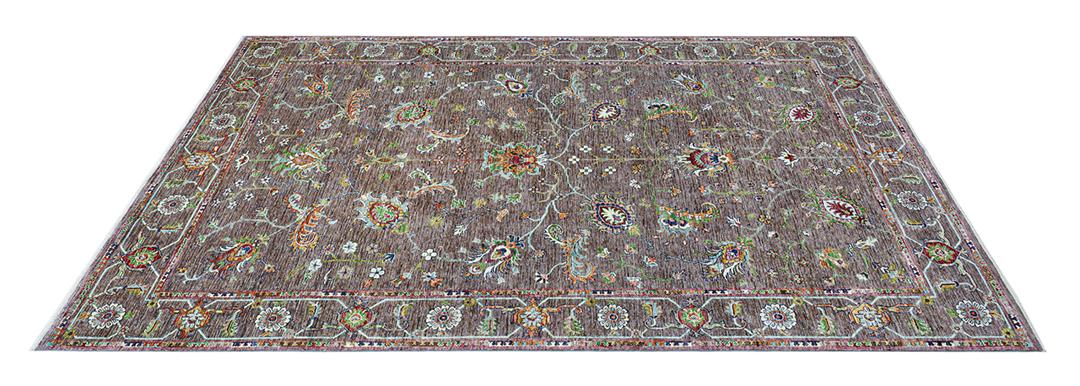
The Ziegler Ariana rug tradition represents a fascinating evolution in the history of rug making. Originally commissioned in the late 19th century by the Swiss firm Ziegler & Co. to meet the growing demand for Western-style interiors, these rugs were designed to combine the intricate, curvilinear aesthetics of classic Middle Eastern patterns with softer, more muted colour palettes.
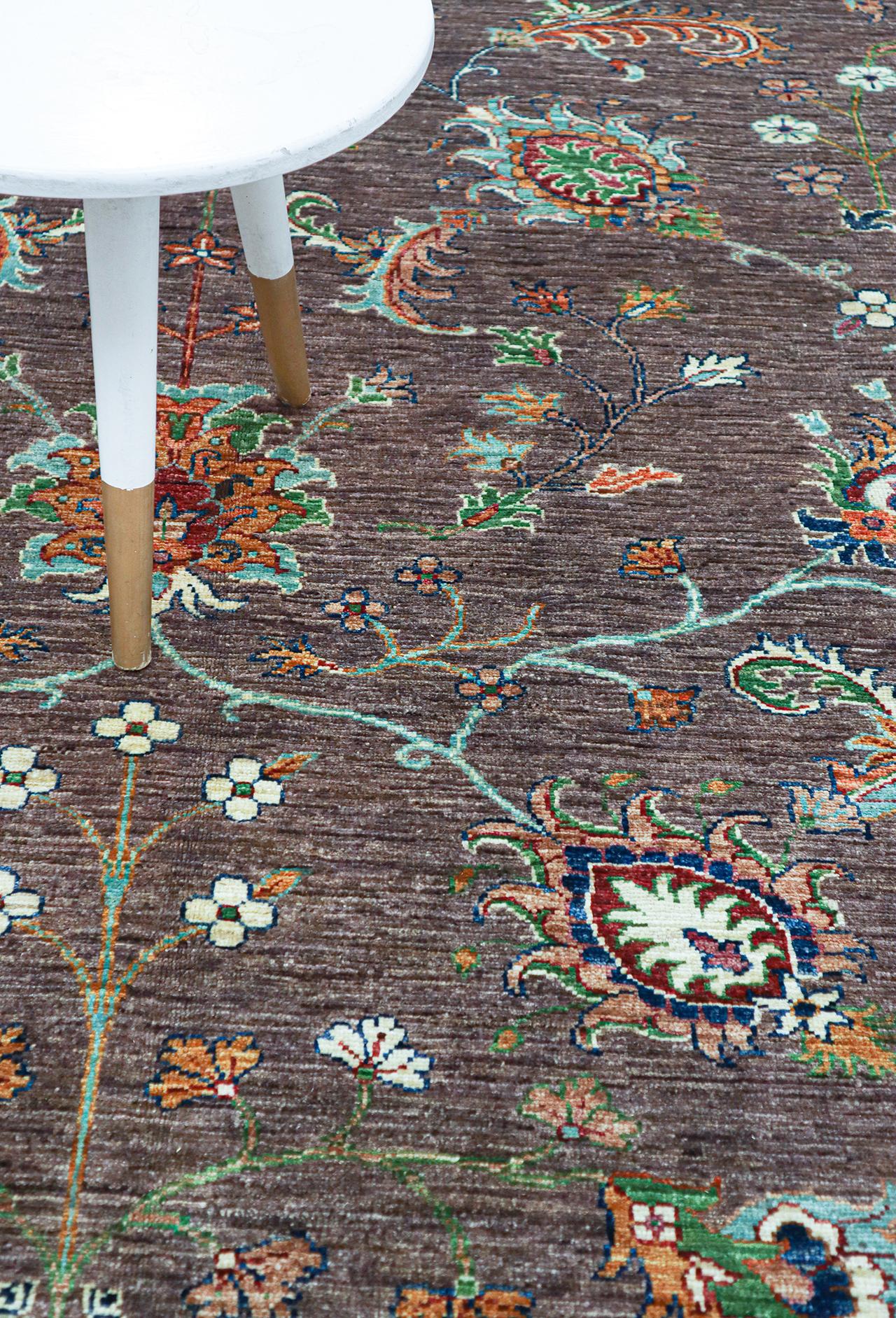
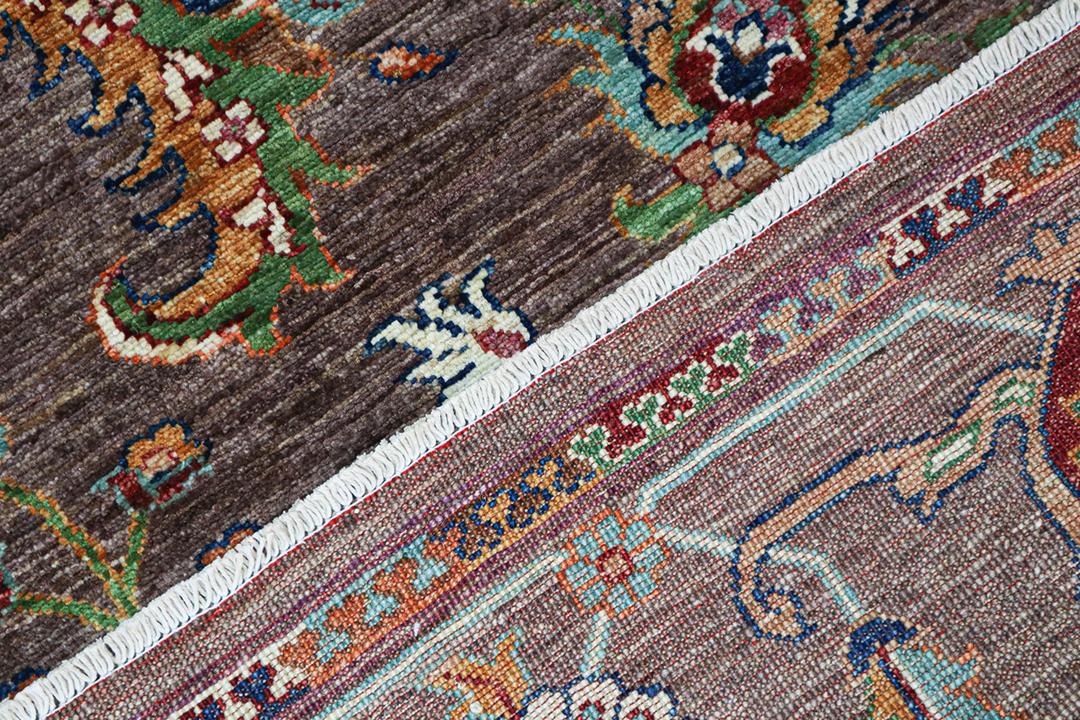
The term 'Ariana' refers to a revival of these classic designs, often crafted in Afghanistan. This tradition emphasises a '2ply' or multi-ply wool construction, where strands are twisted together before being knotted. This specific technique is vital because it creates a more lustrous, durable, and structurally sound pile that handles high-traffic areas while retaining a soft, luxurious feel underfoot.
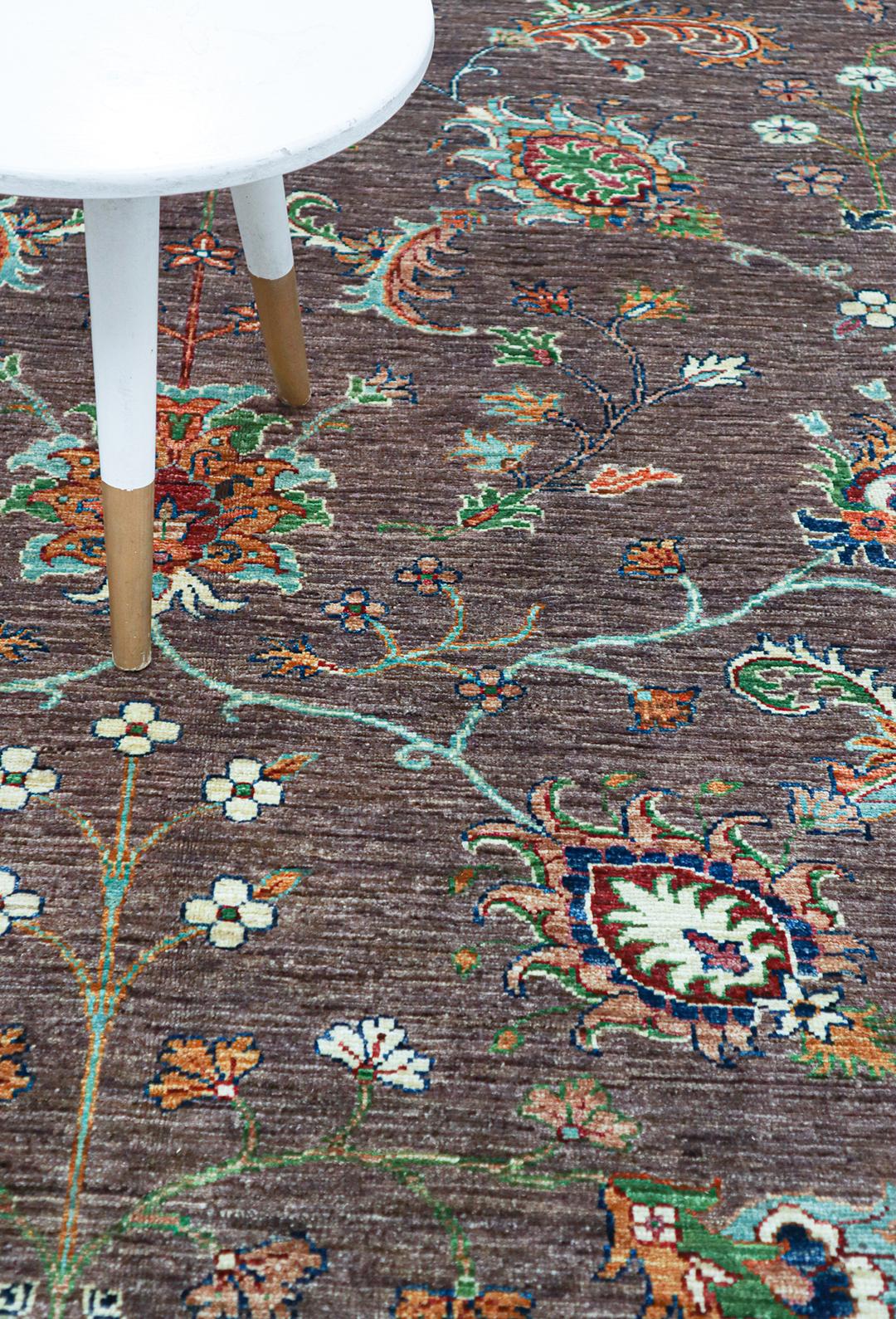
Visually, Ziegler Ariana rugs are celebrated for their open, airy compositions. Unlike more densely packed traditional rugs, they typically feature generous, flowing floral scrolls, palmettes, and vine work that dance across a subtle, earthy field. The borders are often formal and balanced, framing the central motifs with a rhythm that is both orderly and artistic, making them highly prized for their decorative versatility.
Collecting a Ziegler Ariana is an investment in a living tradition. These rugs are valued not just for their aesthetic appeal, but for the bridge they build between historical weaving techniques and modern living requirements. Because they are hand-knotted with such attention to detail, they represent a level of cultural weight and manual skill that connects the owner to a deep, global heritage of craft and design.