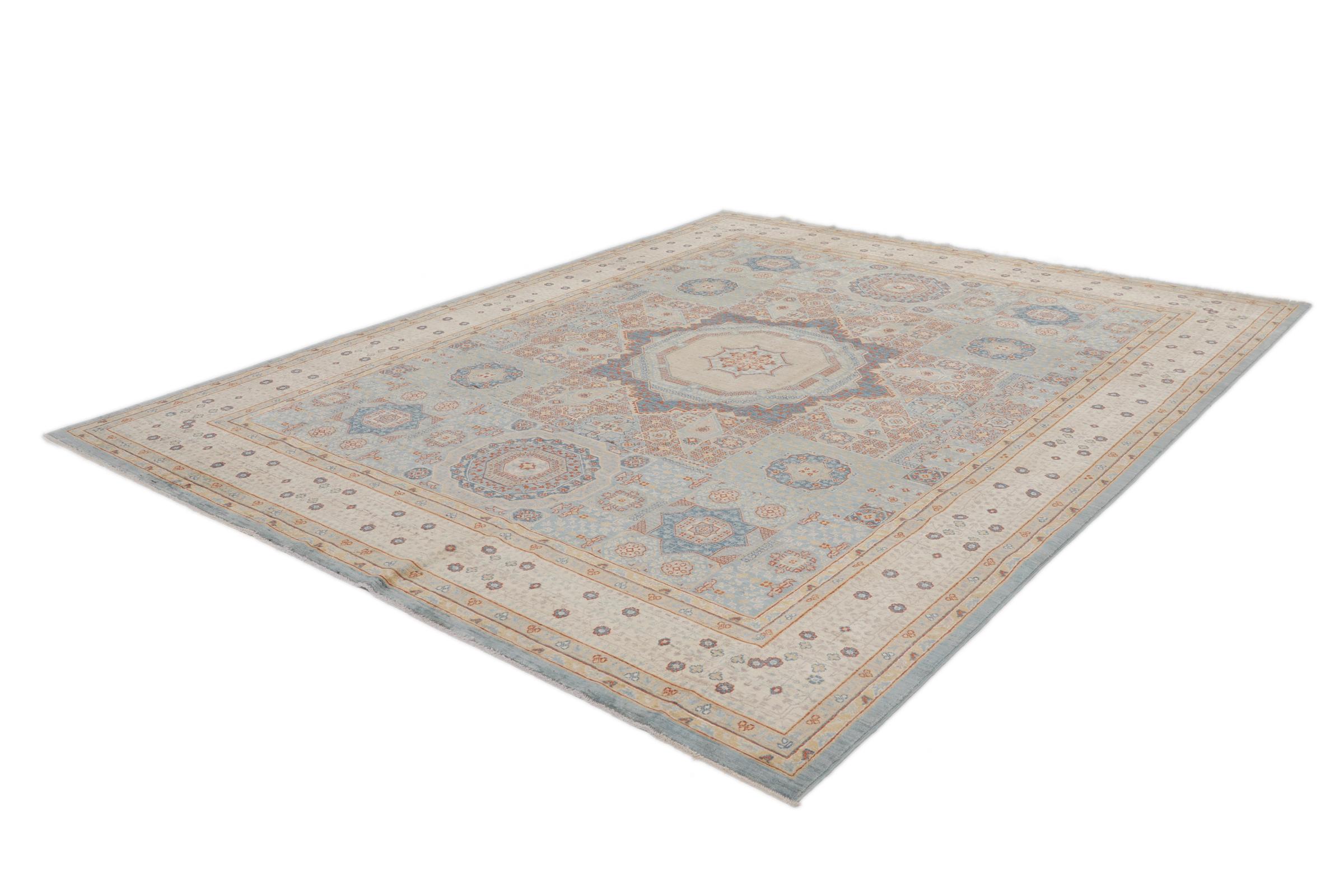
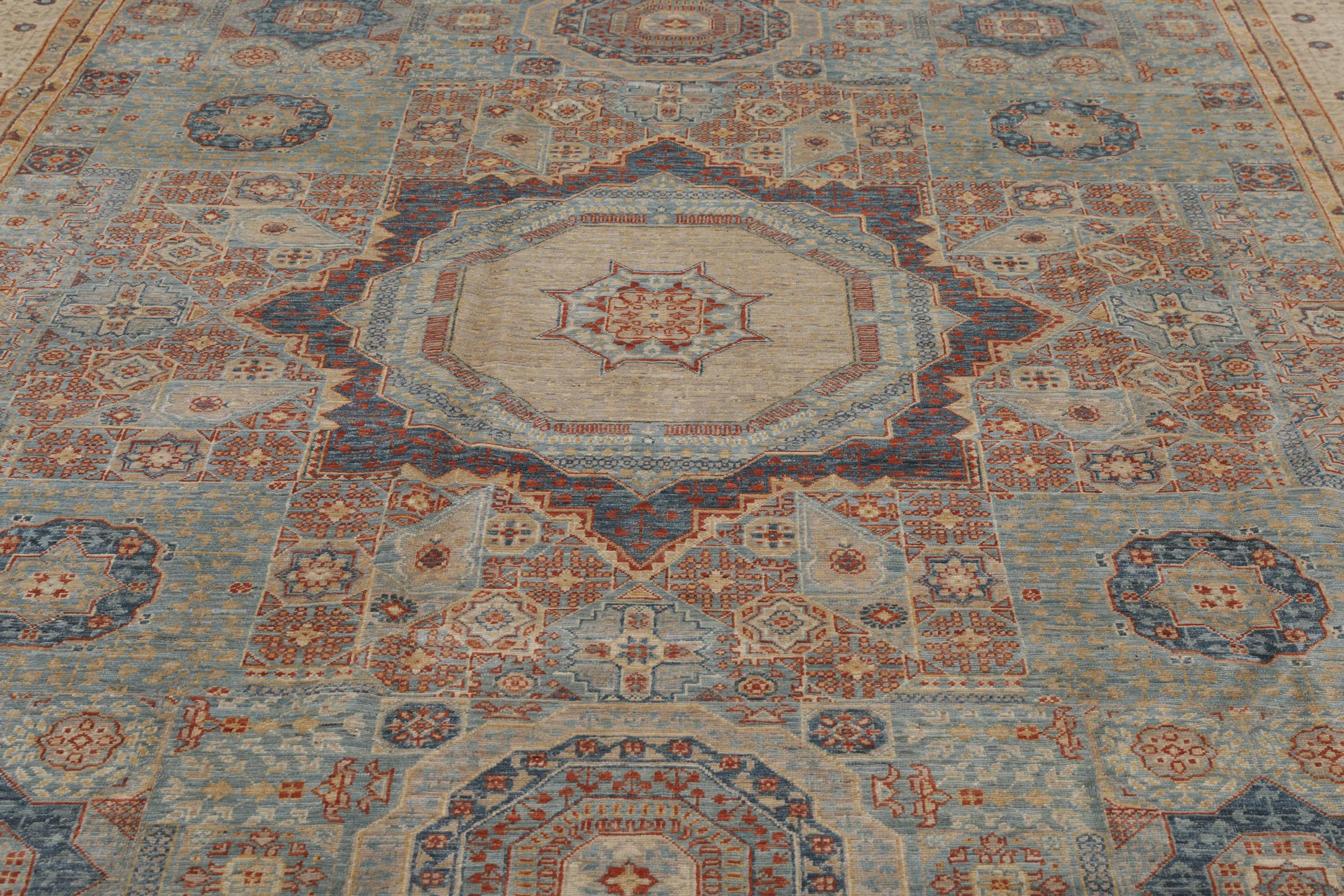
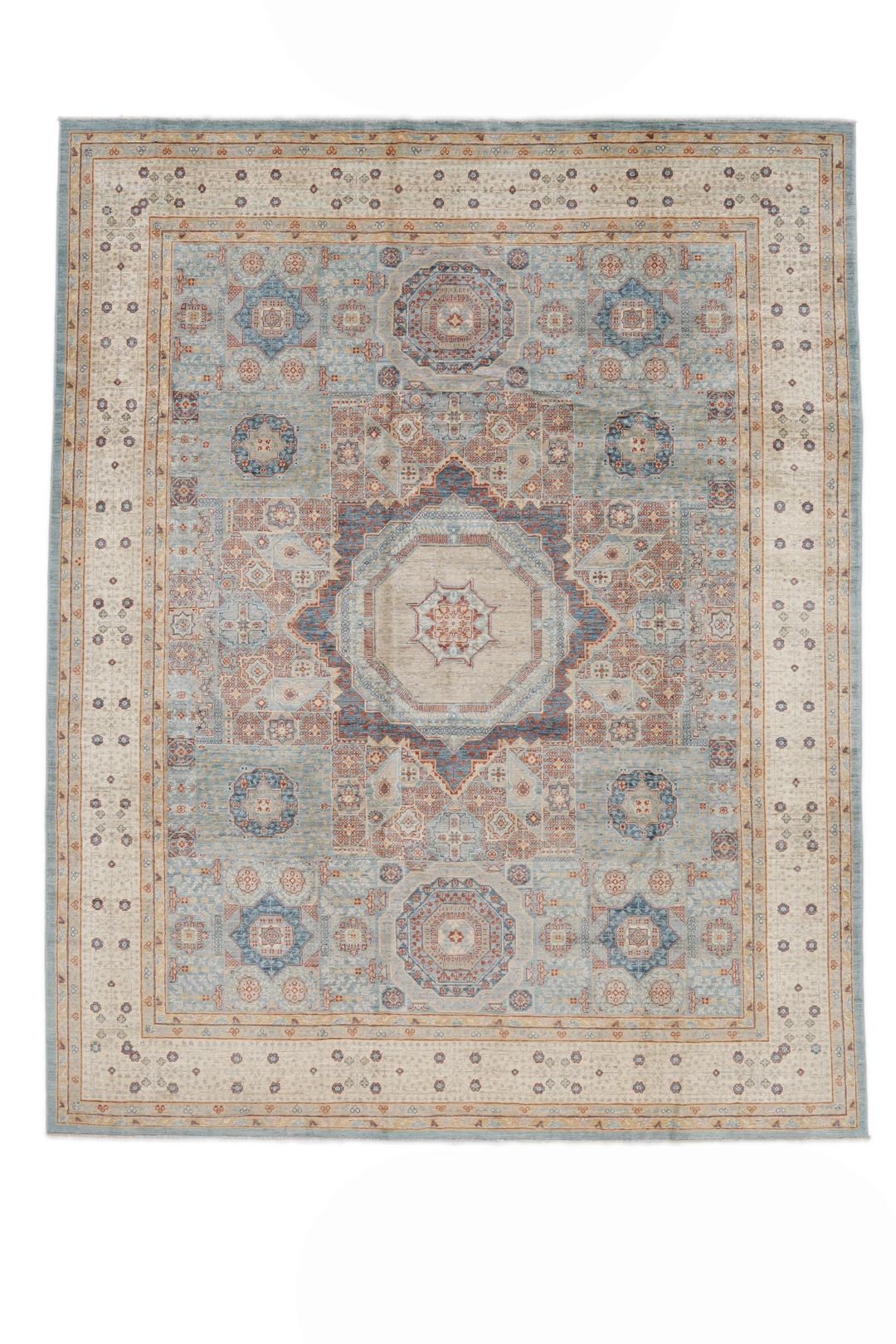
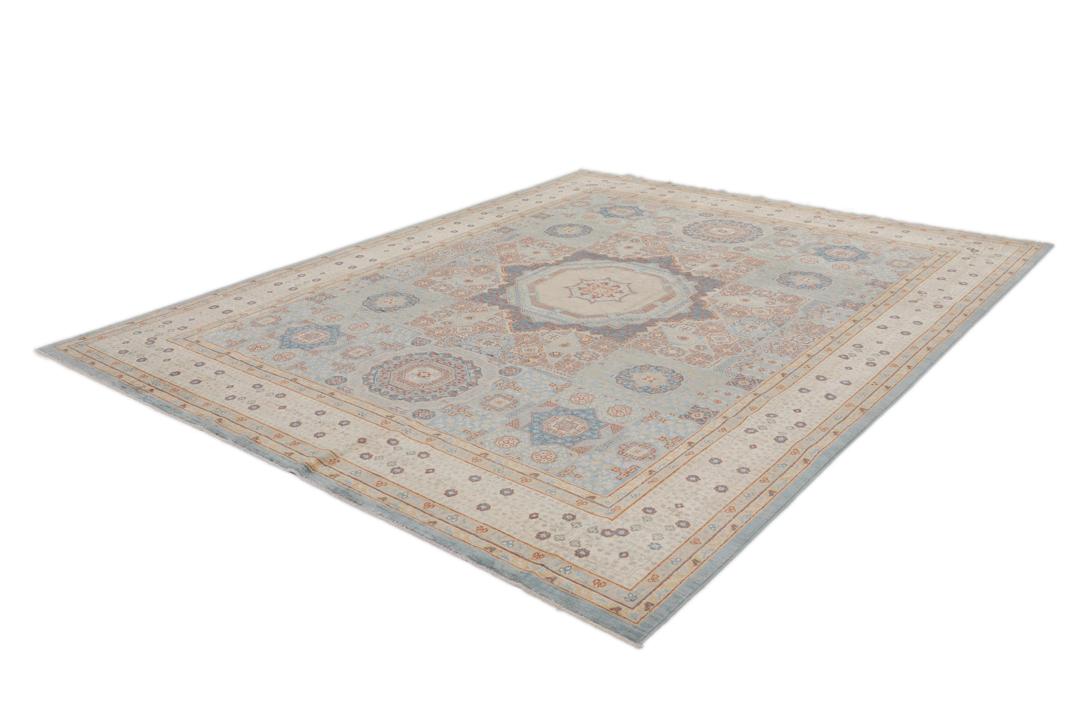
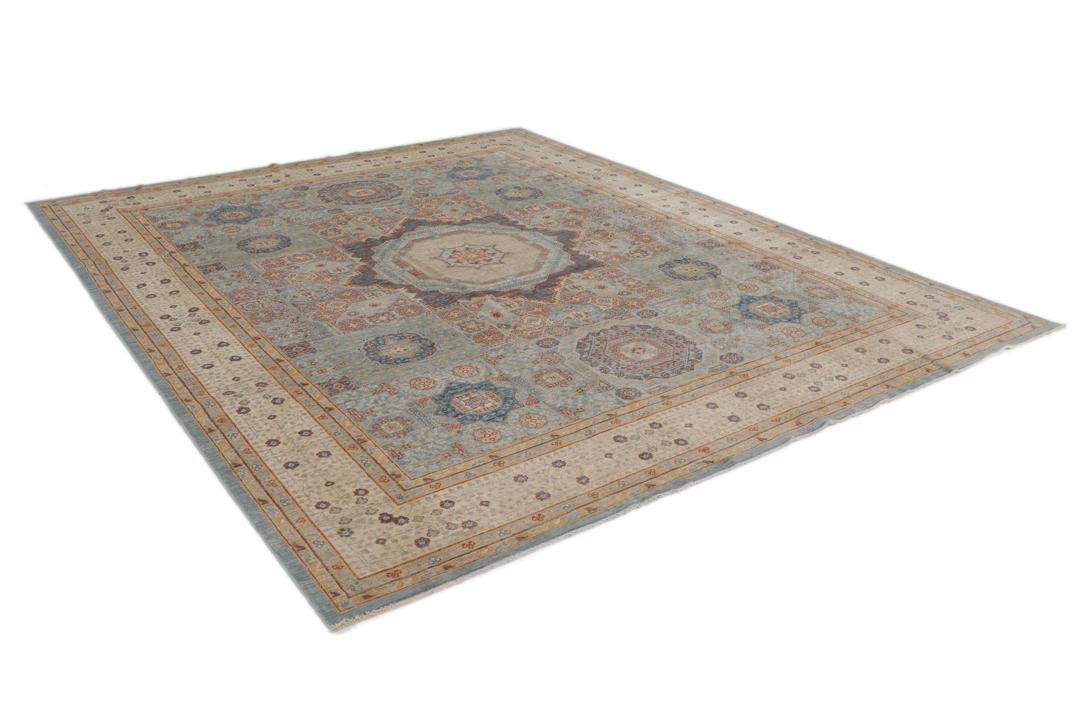
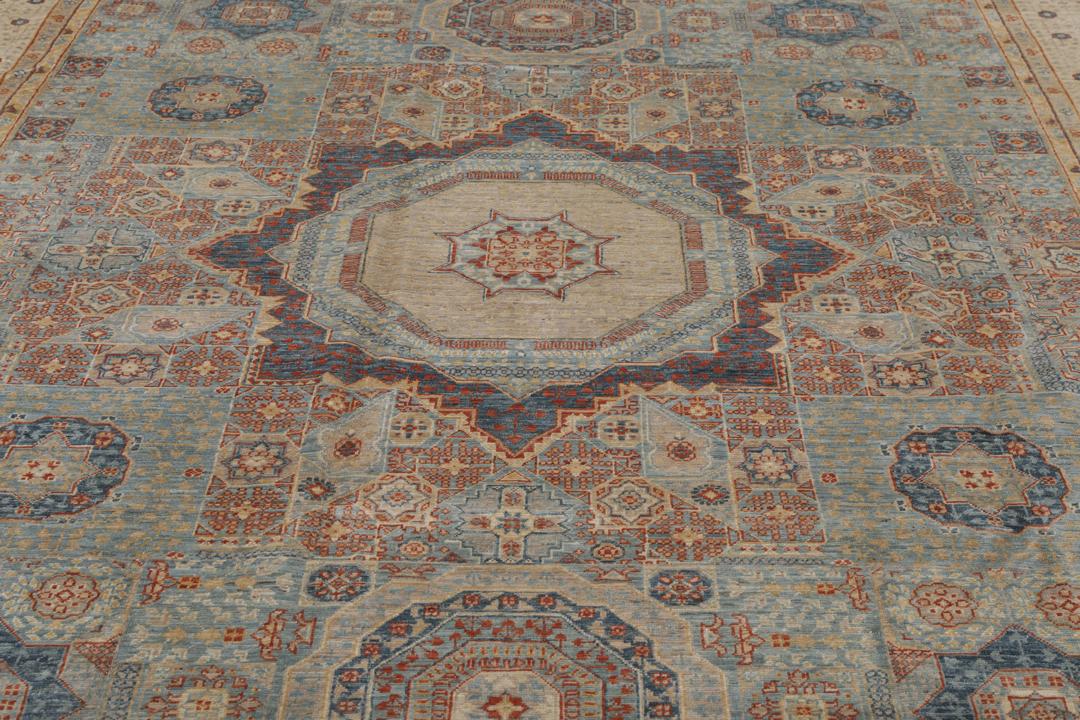
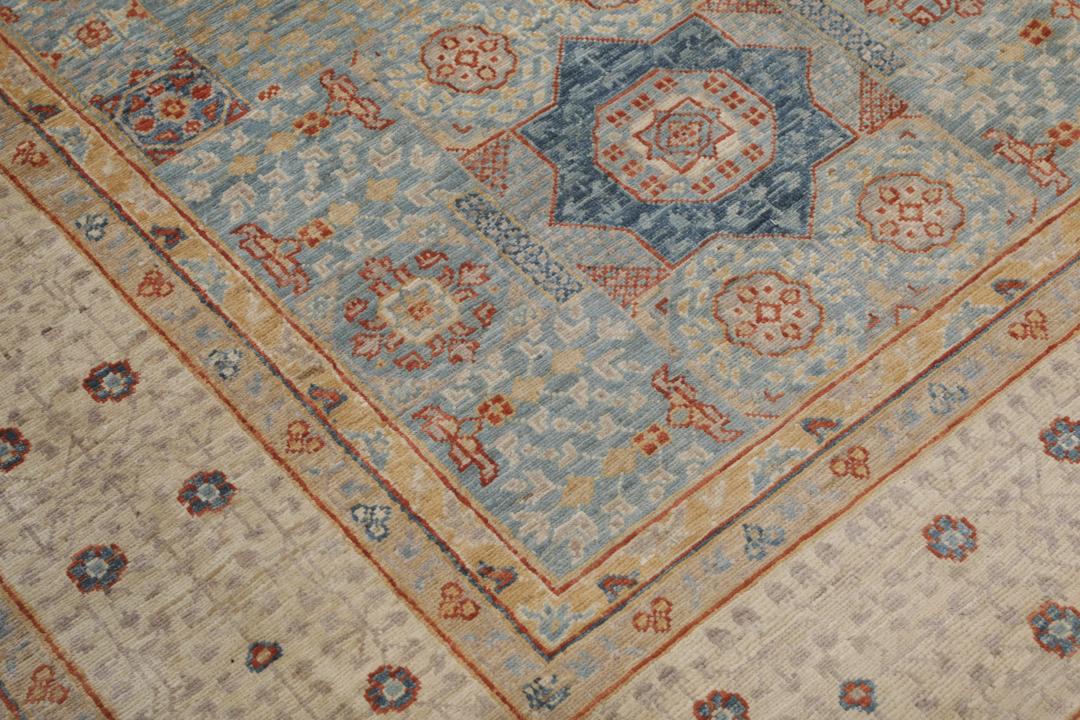
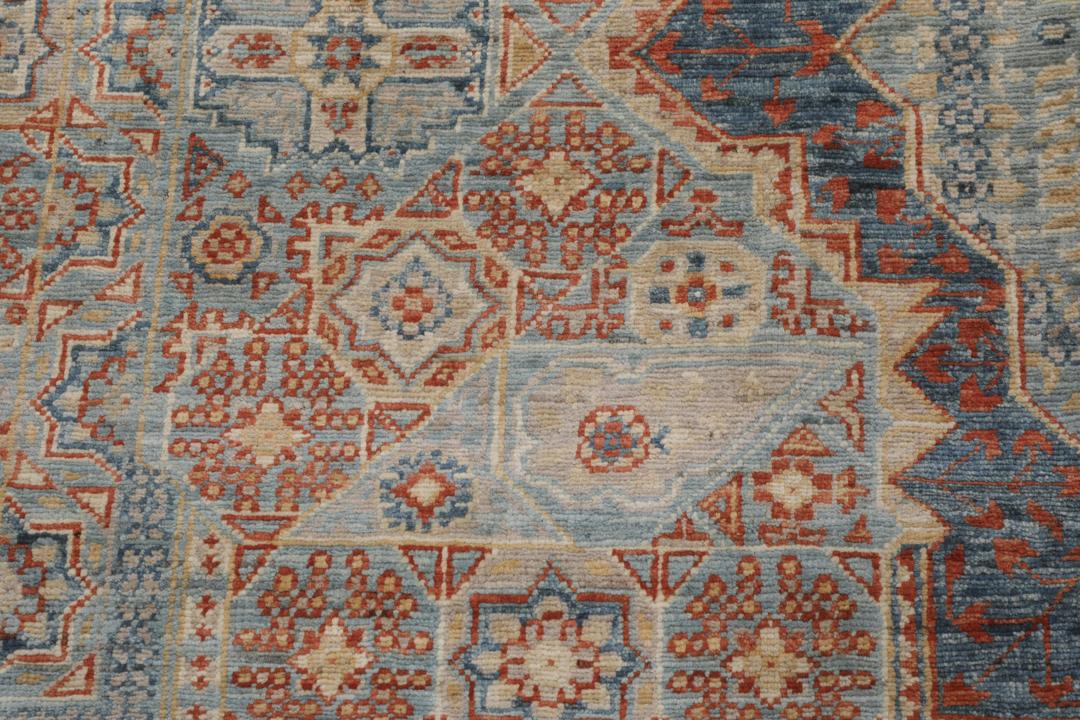
The Mamluk style takes its name from the Mamluk Sultanate, which ruled Egypt and parts of the Middle East between the 13th and 16th centuries. These rugs are renowned for their sophisticated geometric language, which evolved from earlier, more rigid traditions into a refined aesthetic defined by complex star-shaped medallions and interlocking borders.
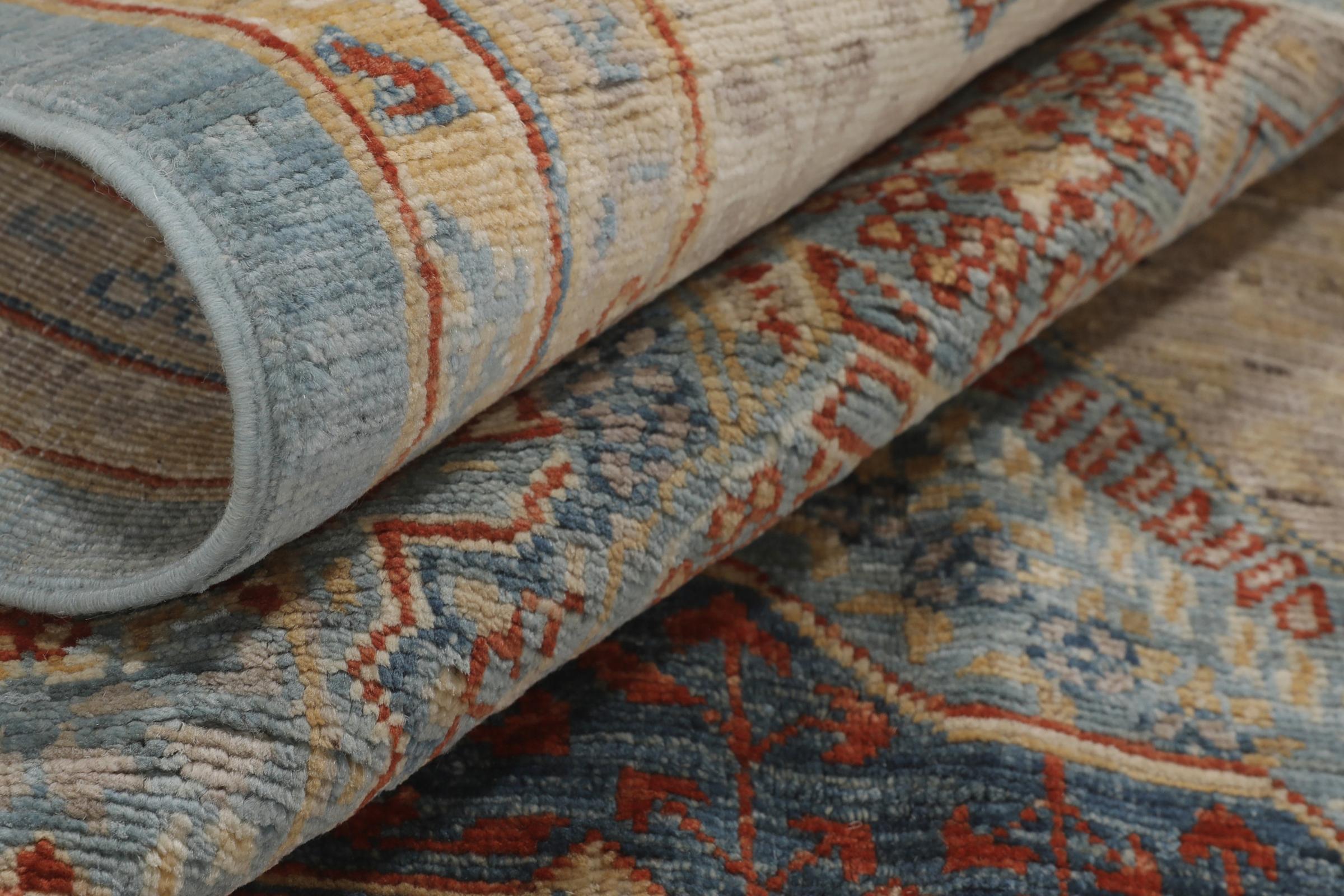
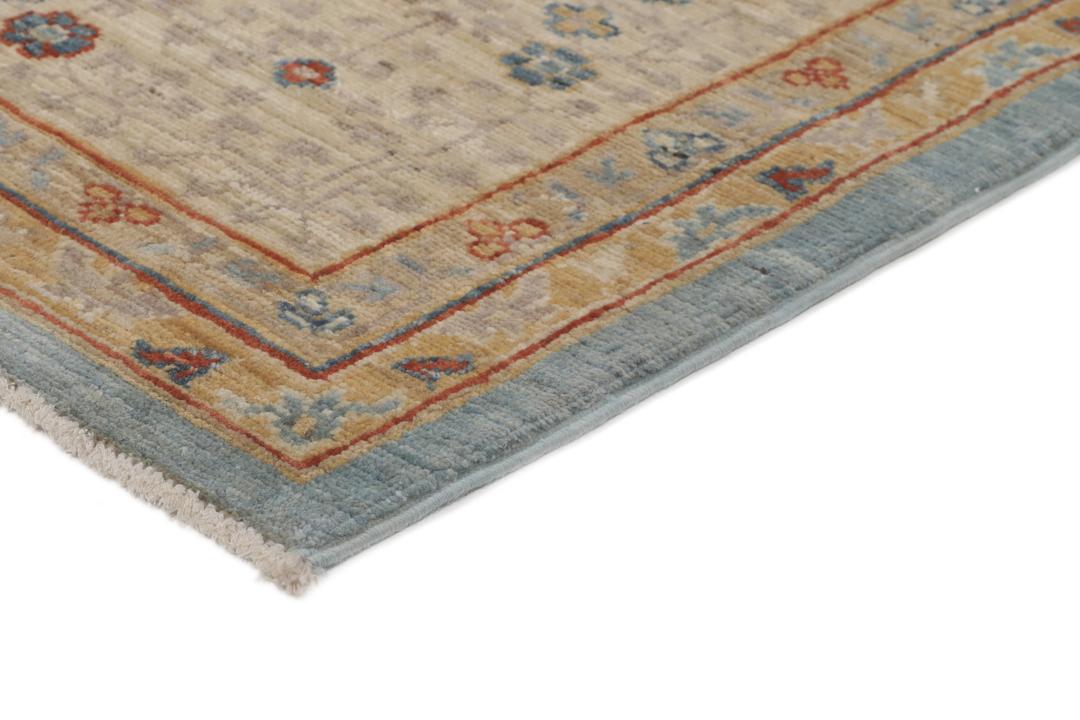
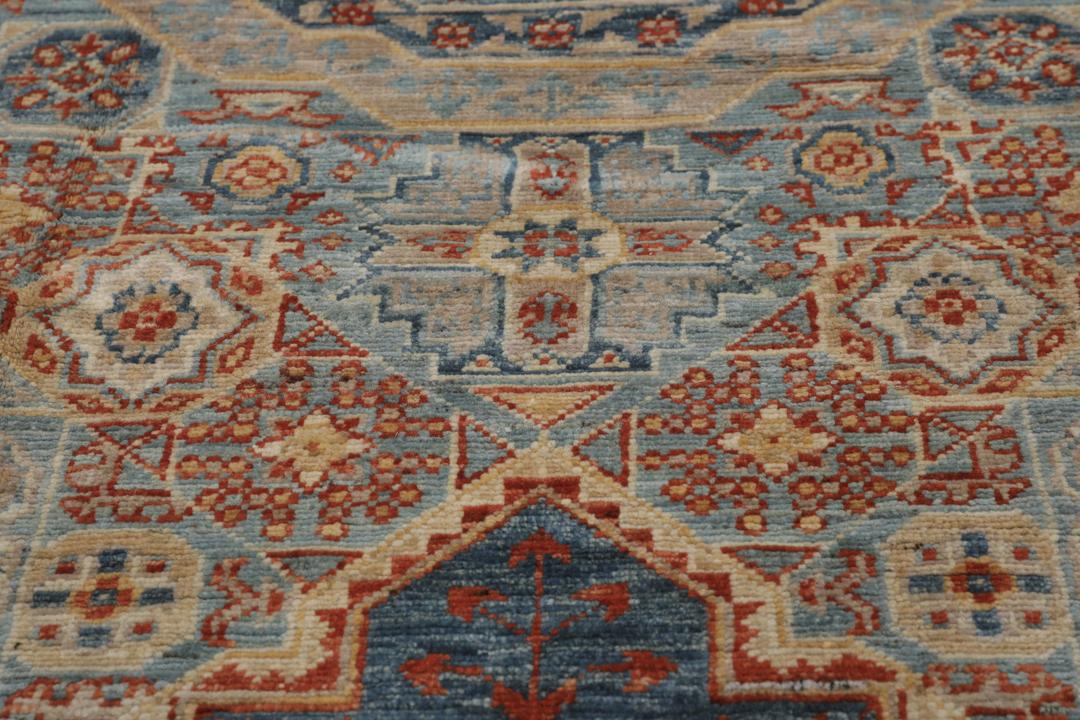
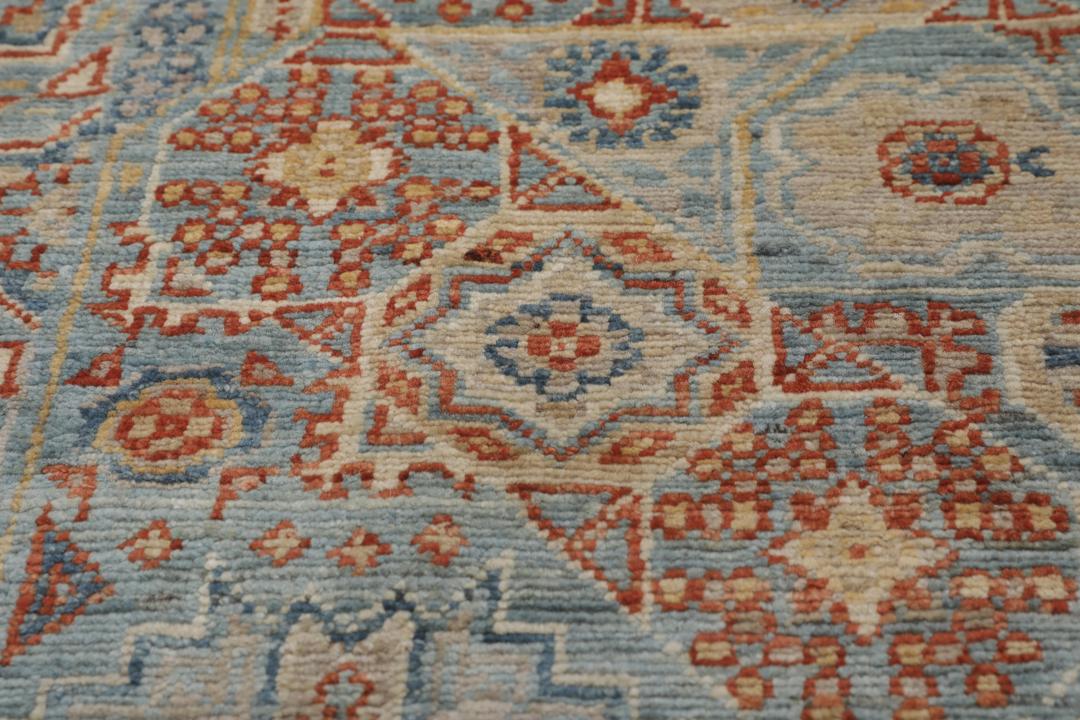
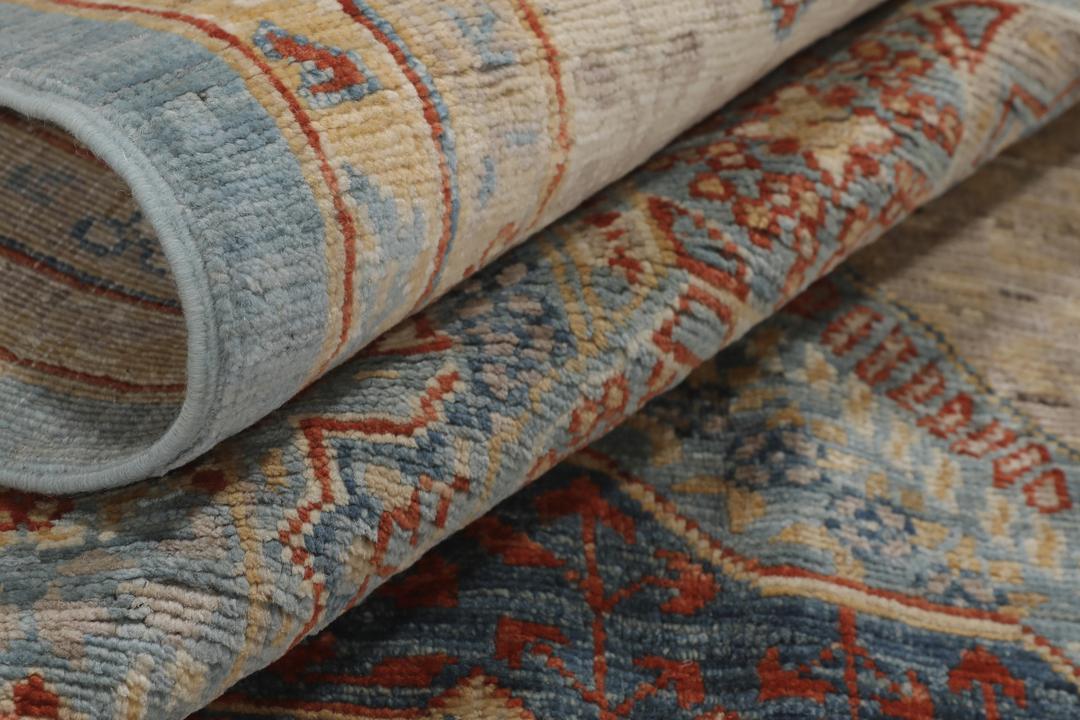
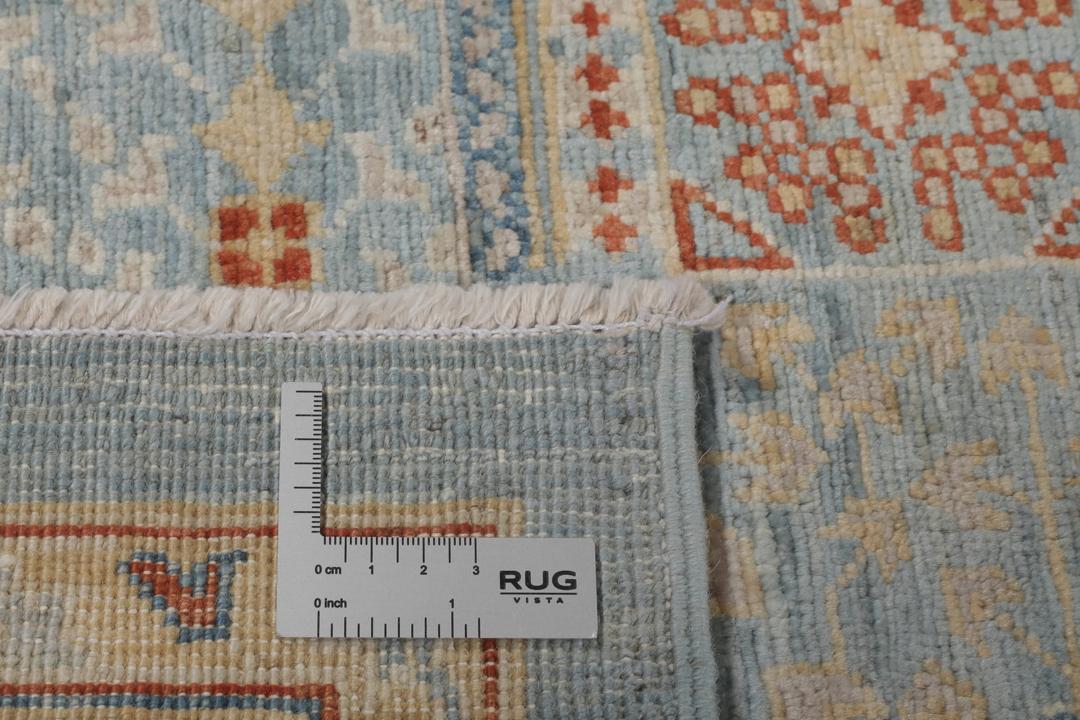
Technically, the Mamluk tradition is celebrated for its use of high-quality wool, which allows for a soft yet dense finish. The construction often employs intricate knotting patterns that enable weavers to create fluid, almost painterly designs within a geometric framework. This technical prowess is what gives the rugs their legendary durability and longevity.
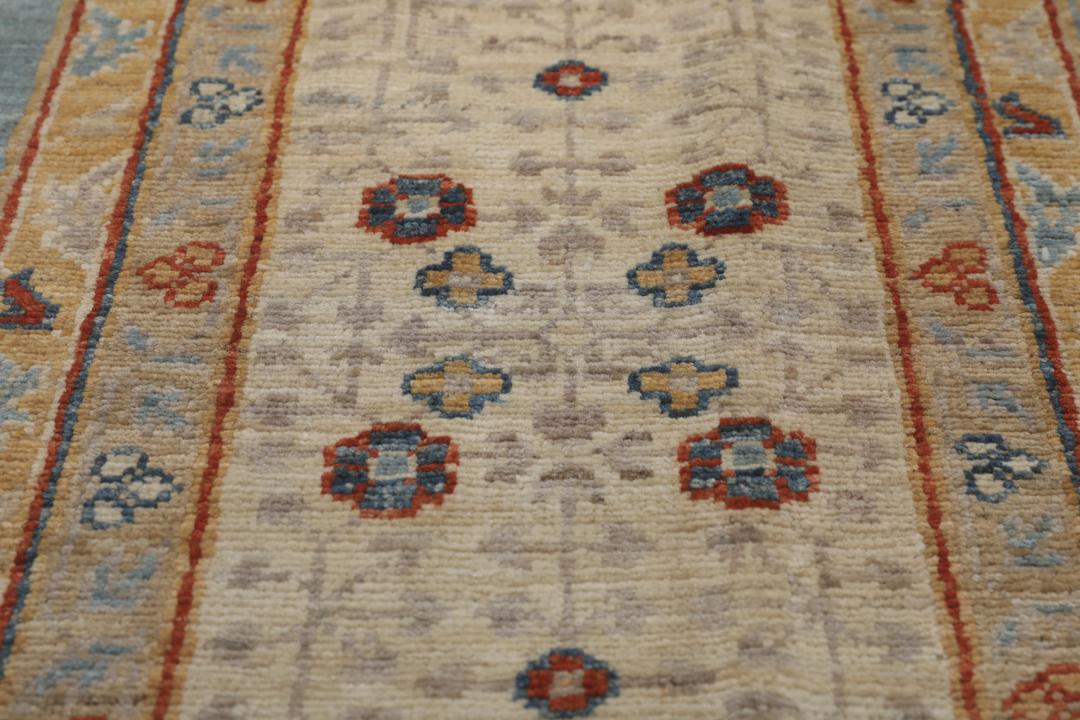
Visually, the signature of a Mamluk rug is its field, which is typically filled with a series of smaller, repeating octagonal or star-shaped medallions. These are often enclosed by a series of guard stripes and a primary border featuring stylised floral or geometric motifs. The colour palettes are traditionally harmonious, often relying on deep blues, soft reds, and earthy neutrals to create a balanced, contemplative effect.
Today, these rugs are highly prized by collectors who value the marriage of historical design and artisanal skill. Owning a Mamluk rug is more than just a decor choice; it is an act of preserving a tradition that has spanned centuries. Each piece serves as a bridge to a rich cultural past, offering a level of heritage and craftsmanship that modern, mass-produced items cannot provide.