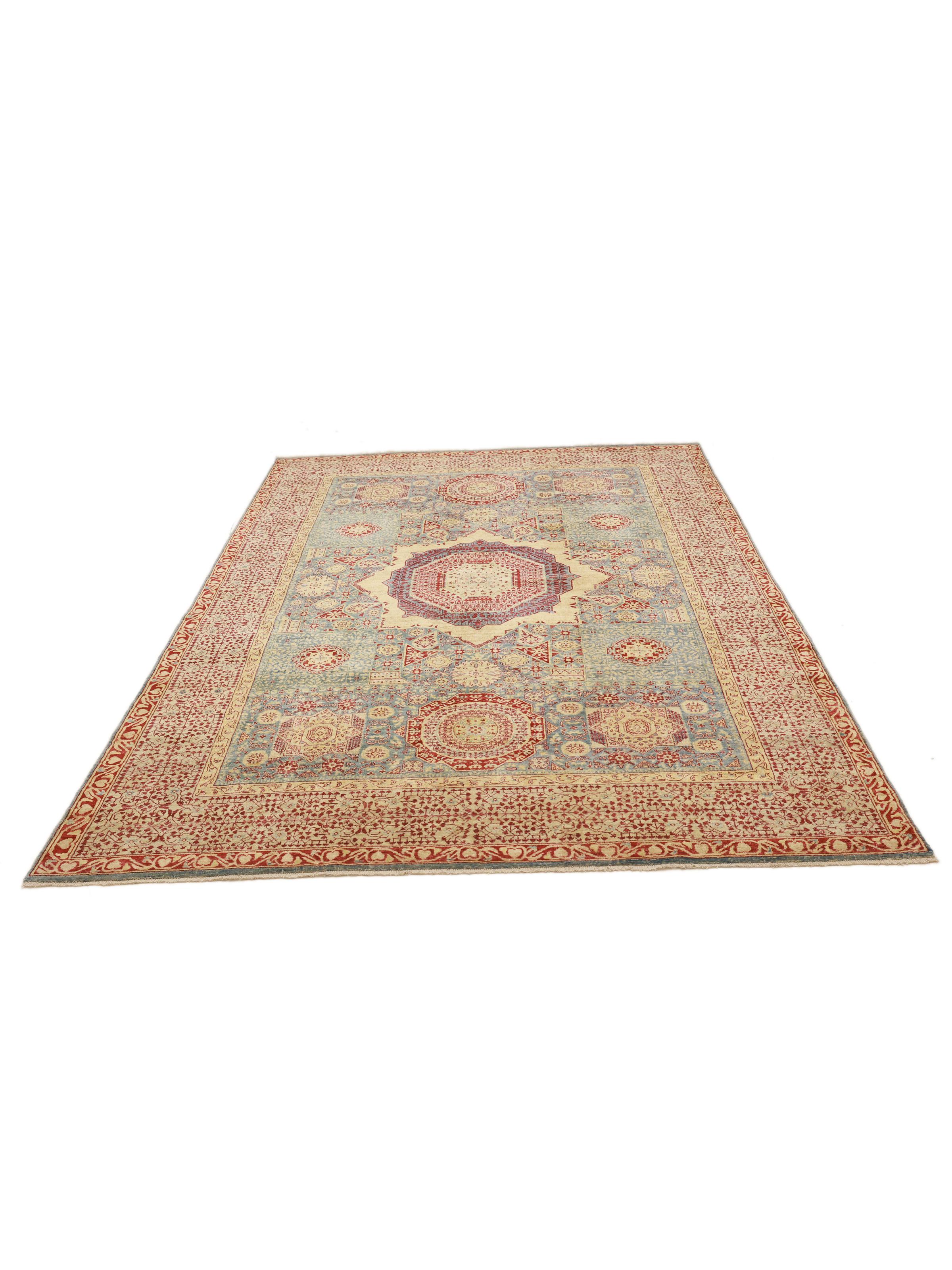
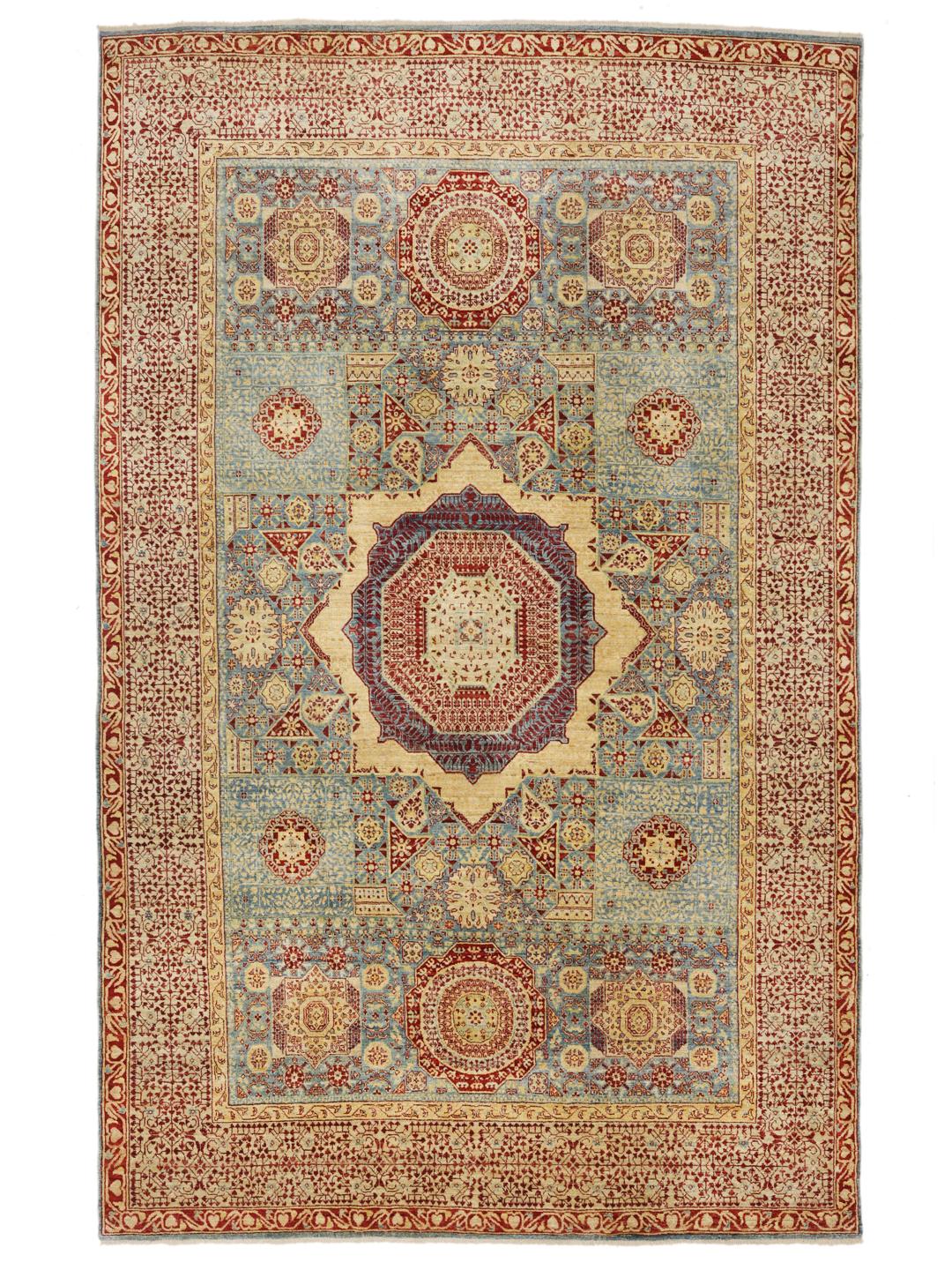
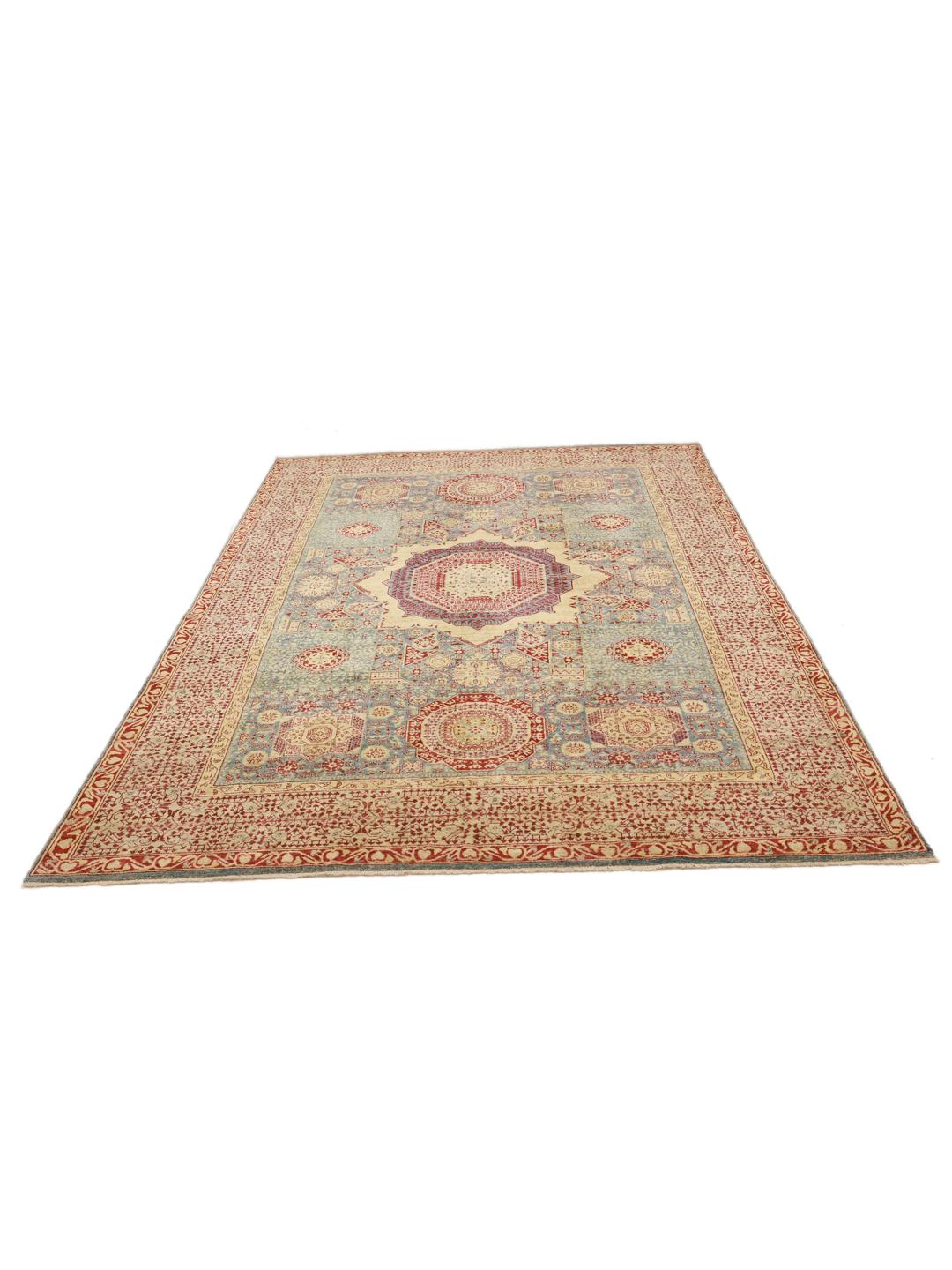
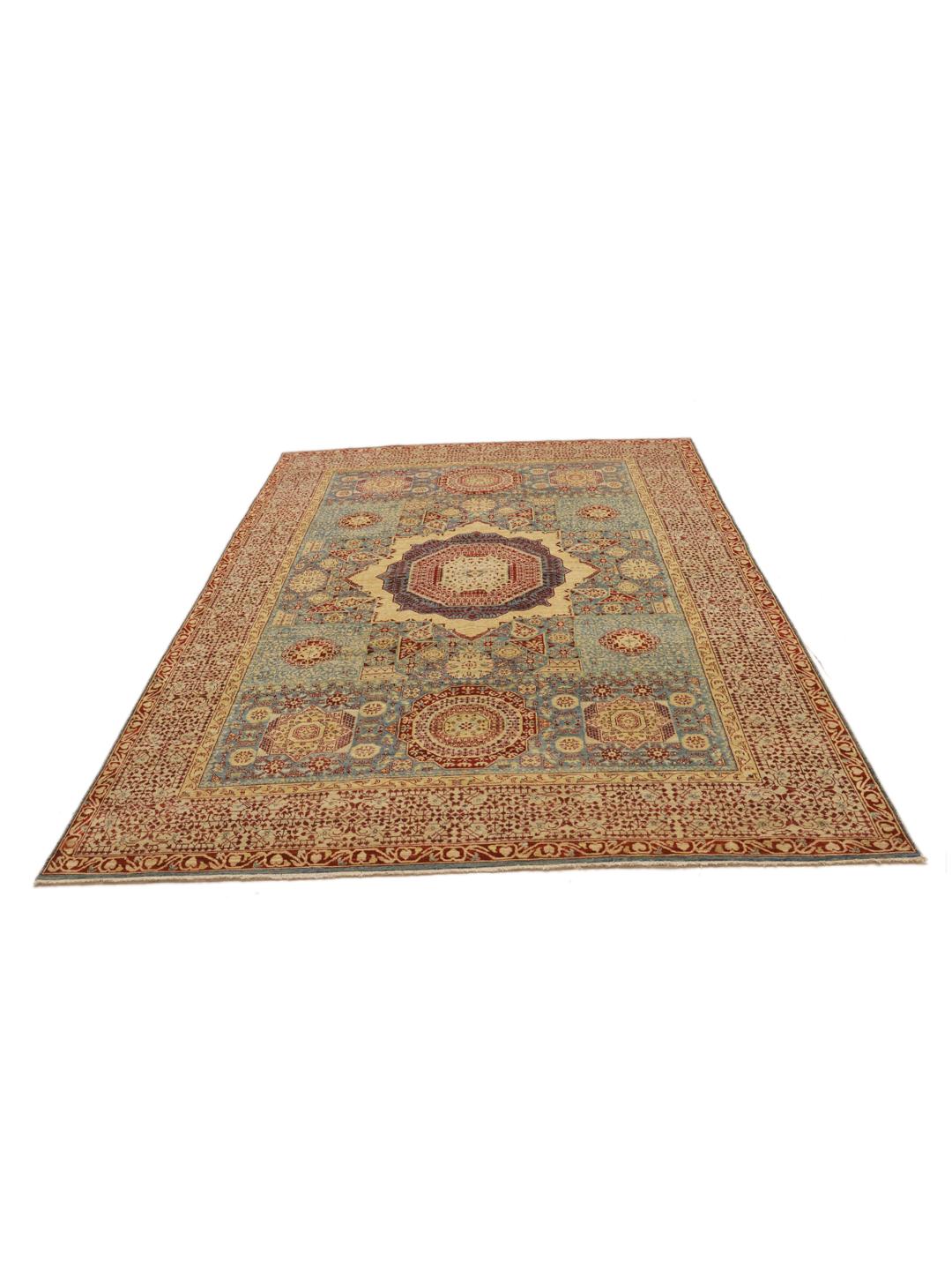
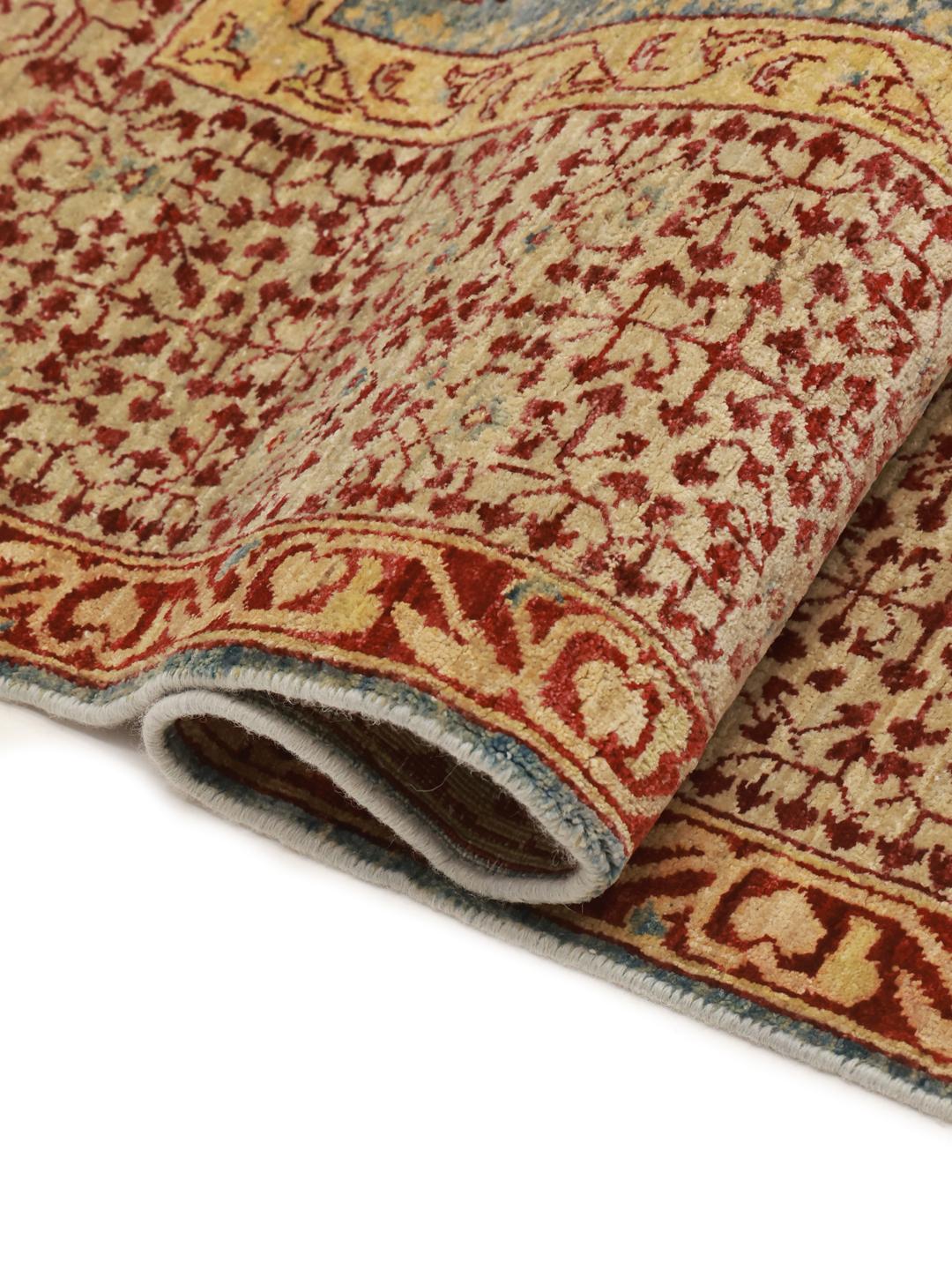
The Mamluk style takes its name from the Mamluk Sultanate, which ruled over Egypt and Syria between the 13th and 16th centuries. These rugs are celebrated for their distinctive geometric language, which evolved from earlier, more fluid decorative traditions into a highly structured and sophisticated aesthetic.
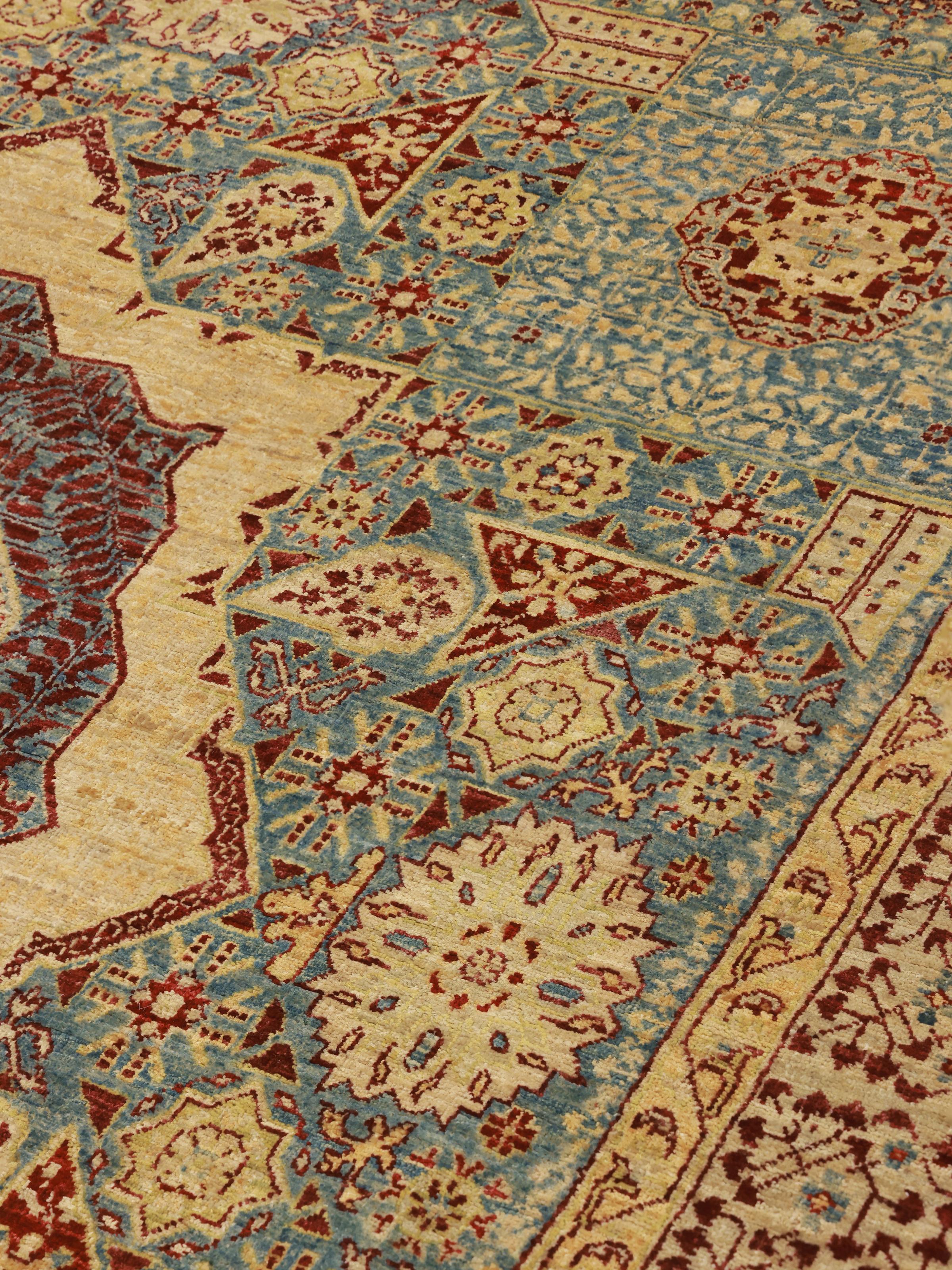
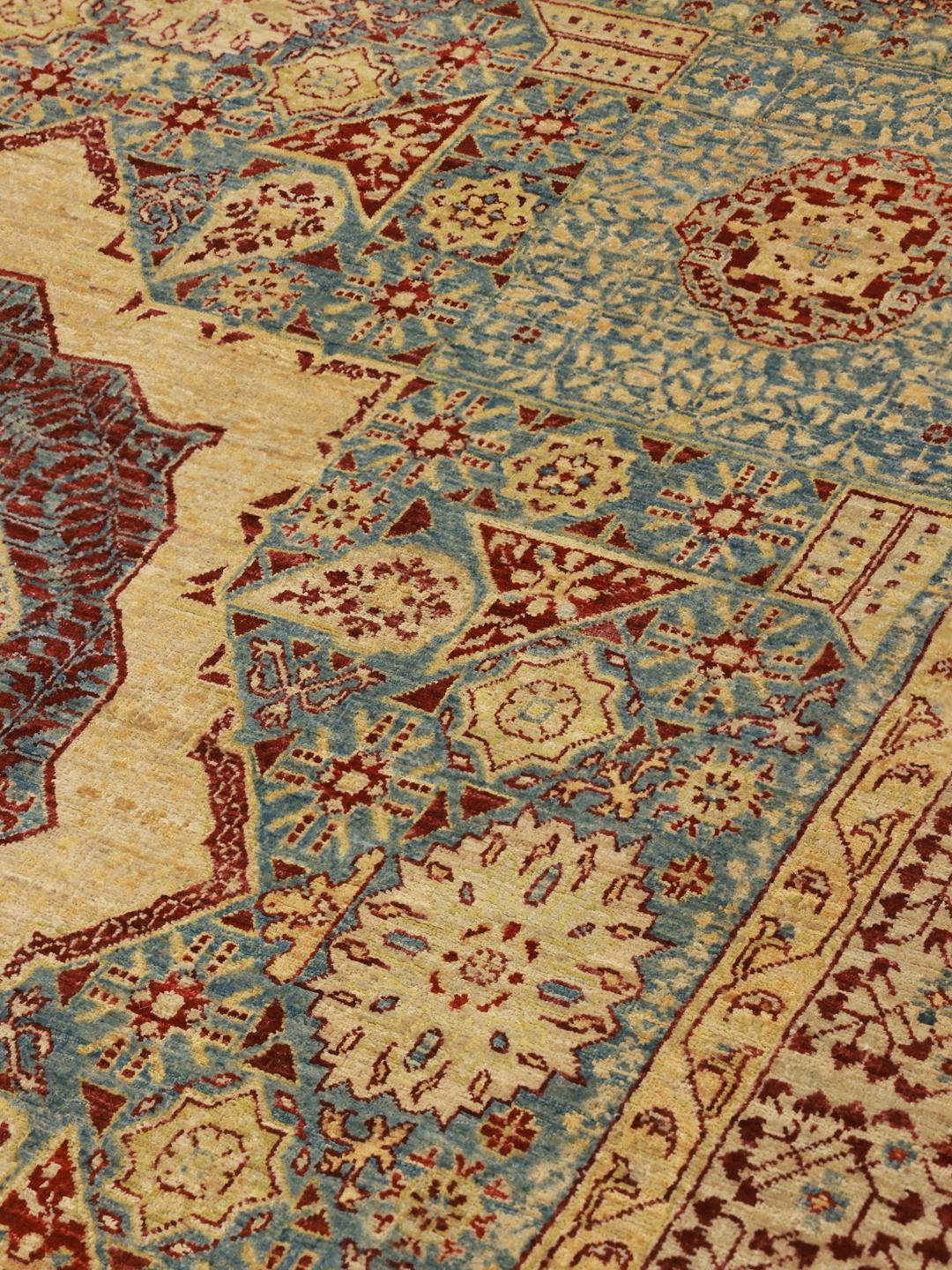
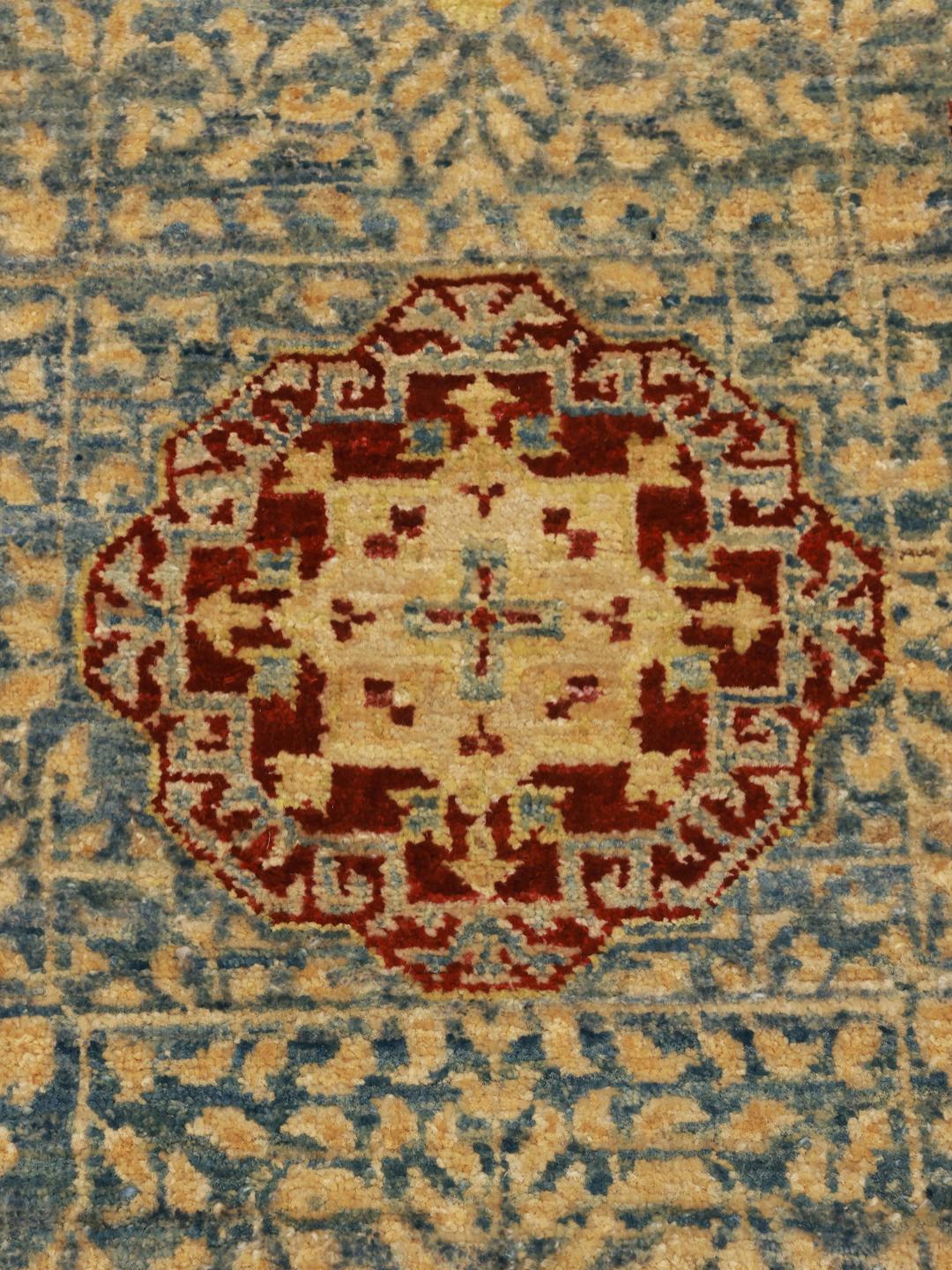
The visual language of a Mamluk rug is defined by its complex, kaleidoscopic patterns. Often centred around a large, multifaceted medallion, the field is frequently filled with smaller geometric motifs, such as stars and polygons, which create a sense of infinite movement and depth.
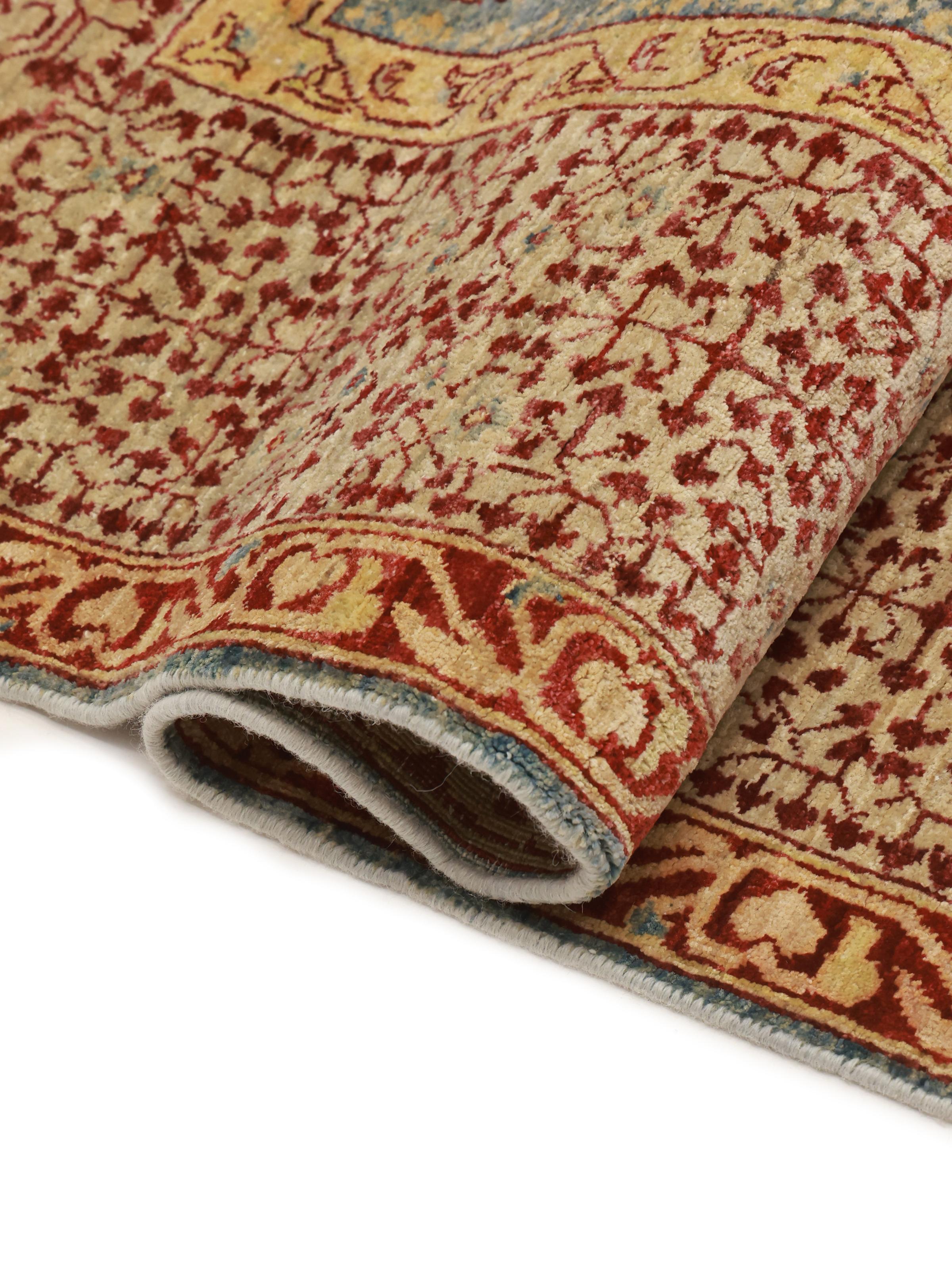
While the original historical examples were often woven in vibrant primary colours like red, blue, and yellow, modern Afghan weavers have continued this tradition with remarkable skill. They have adapted the intricate Mamluk designs to suit contemporary tastes while maintaining the spirit of the original craft.
Owning a Mamluk rug is more than just a decorative choice, it is an appreciation of a design tradition that has been refined over centuries. These rugs are highly valued by collectors for their intricate symmetry and the deep cultural narrative they bring into a modern home.