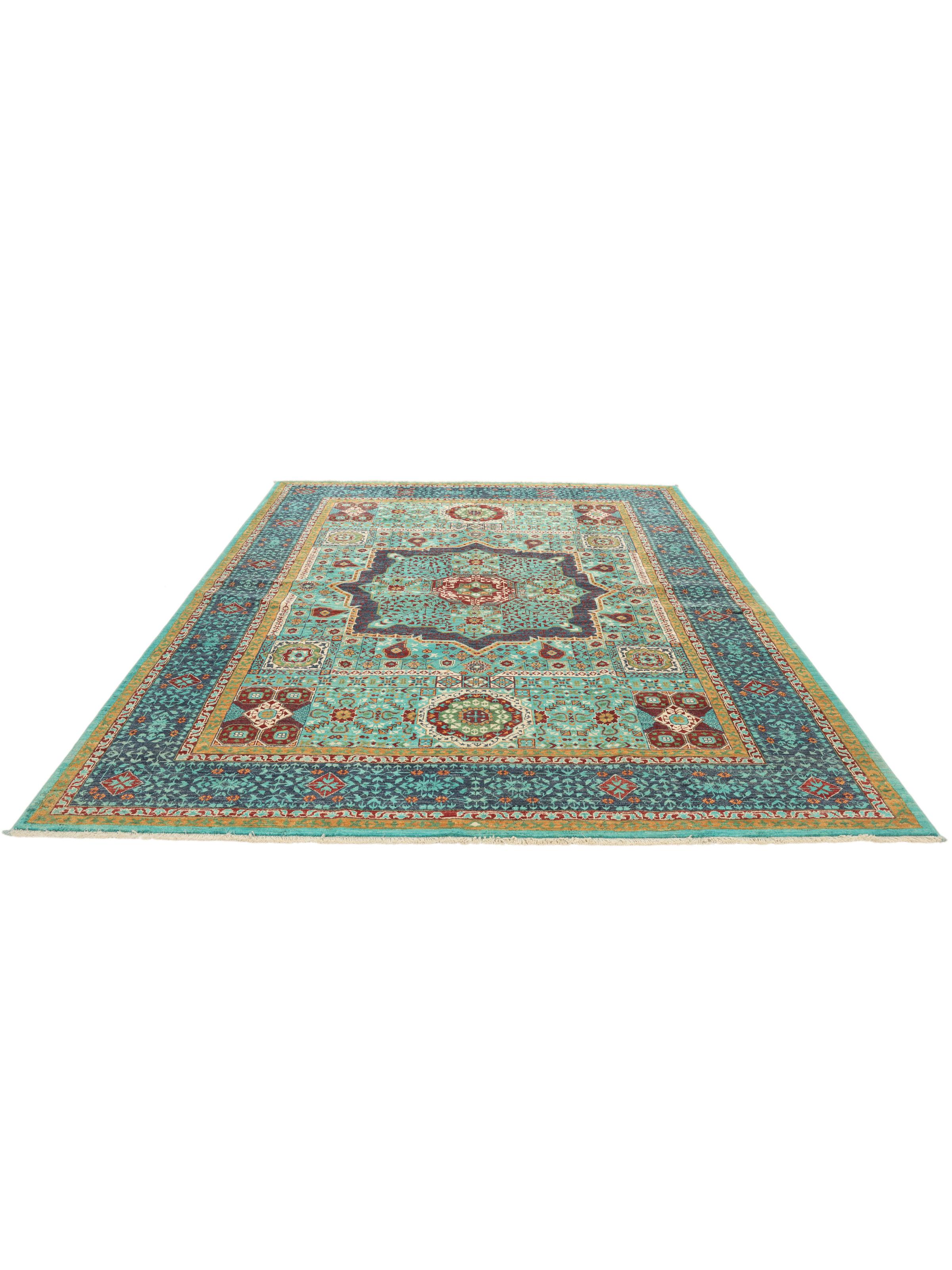
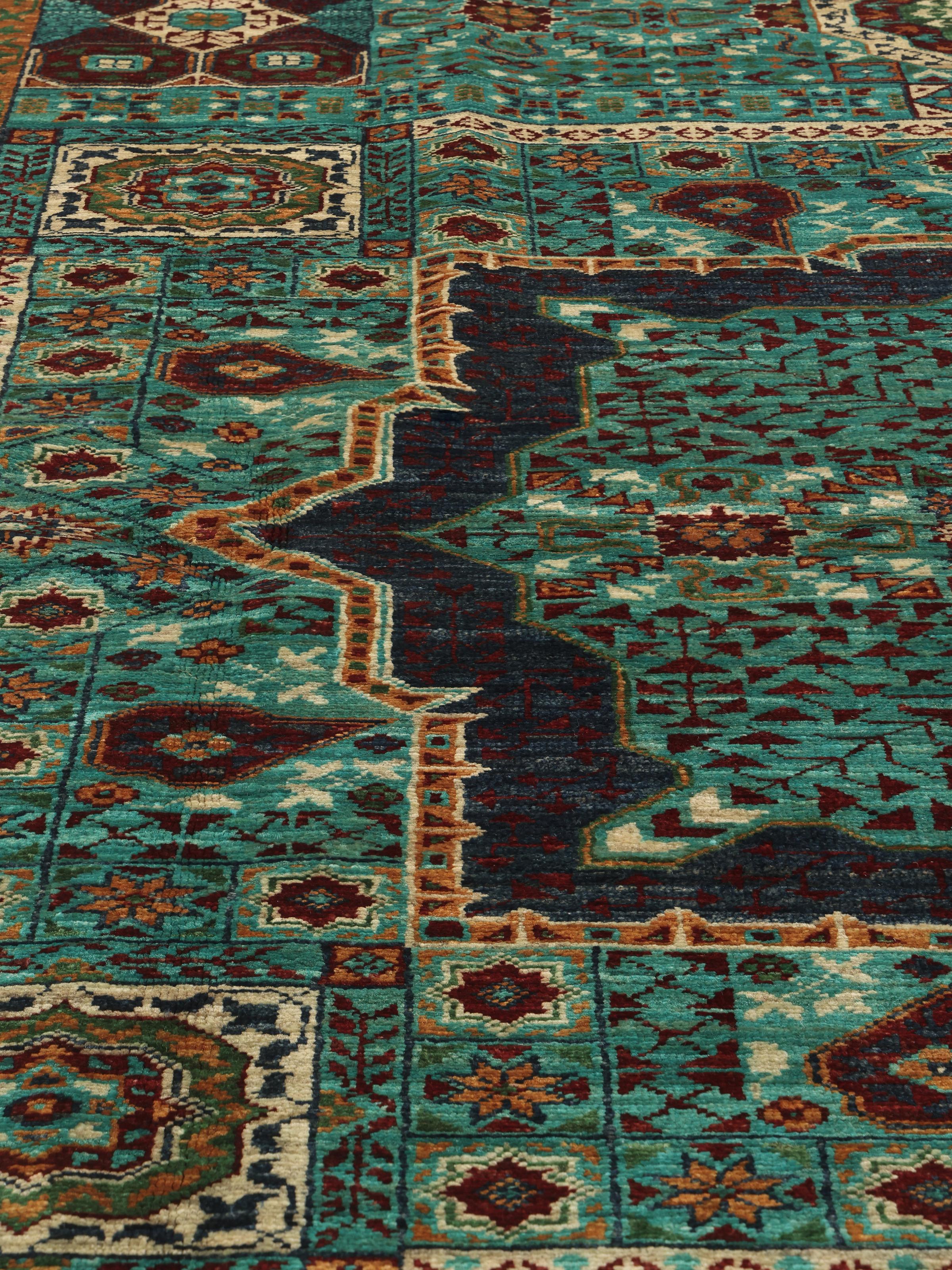
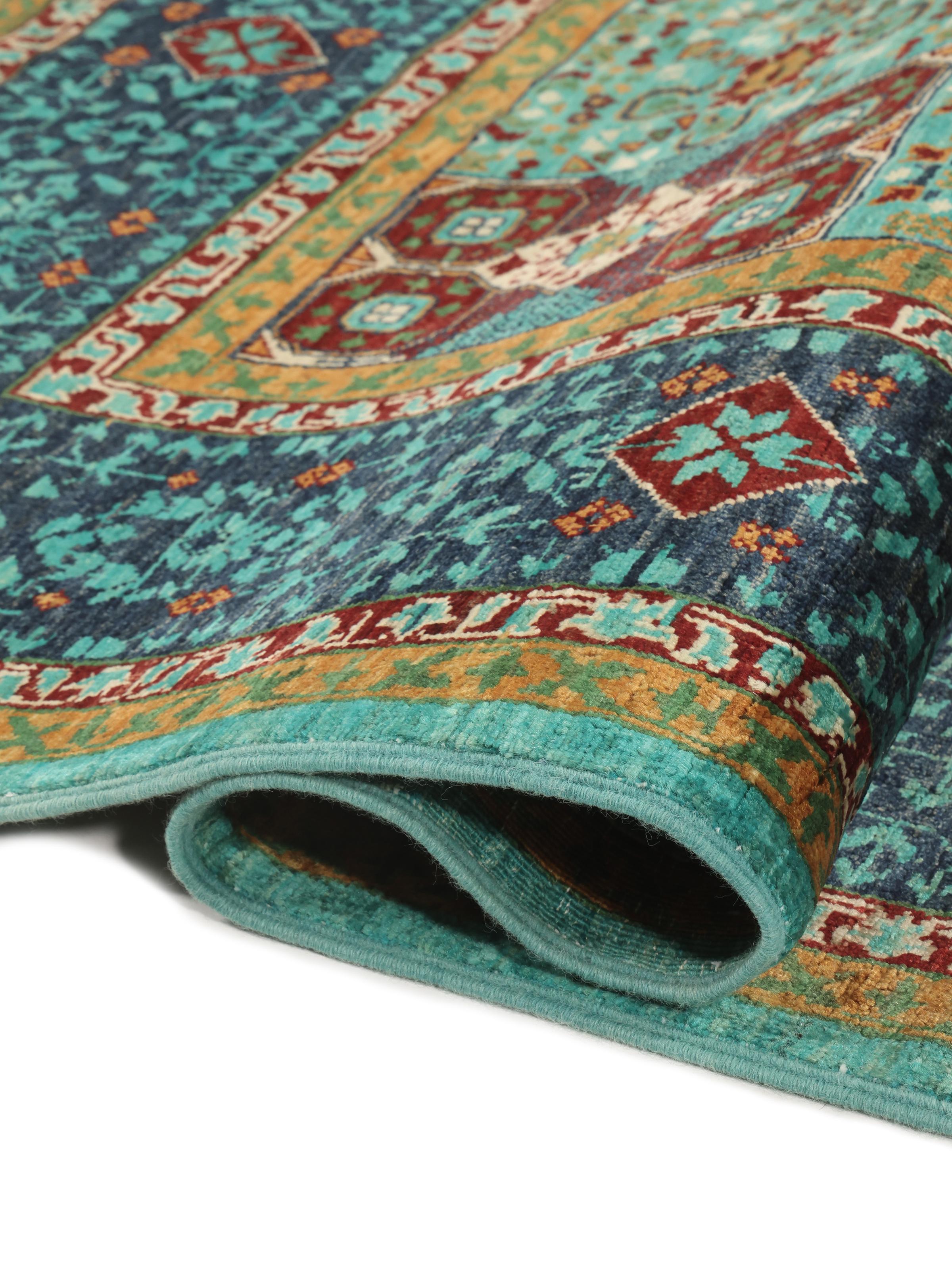
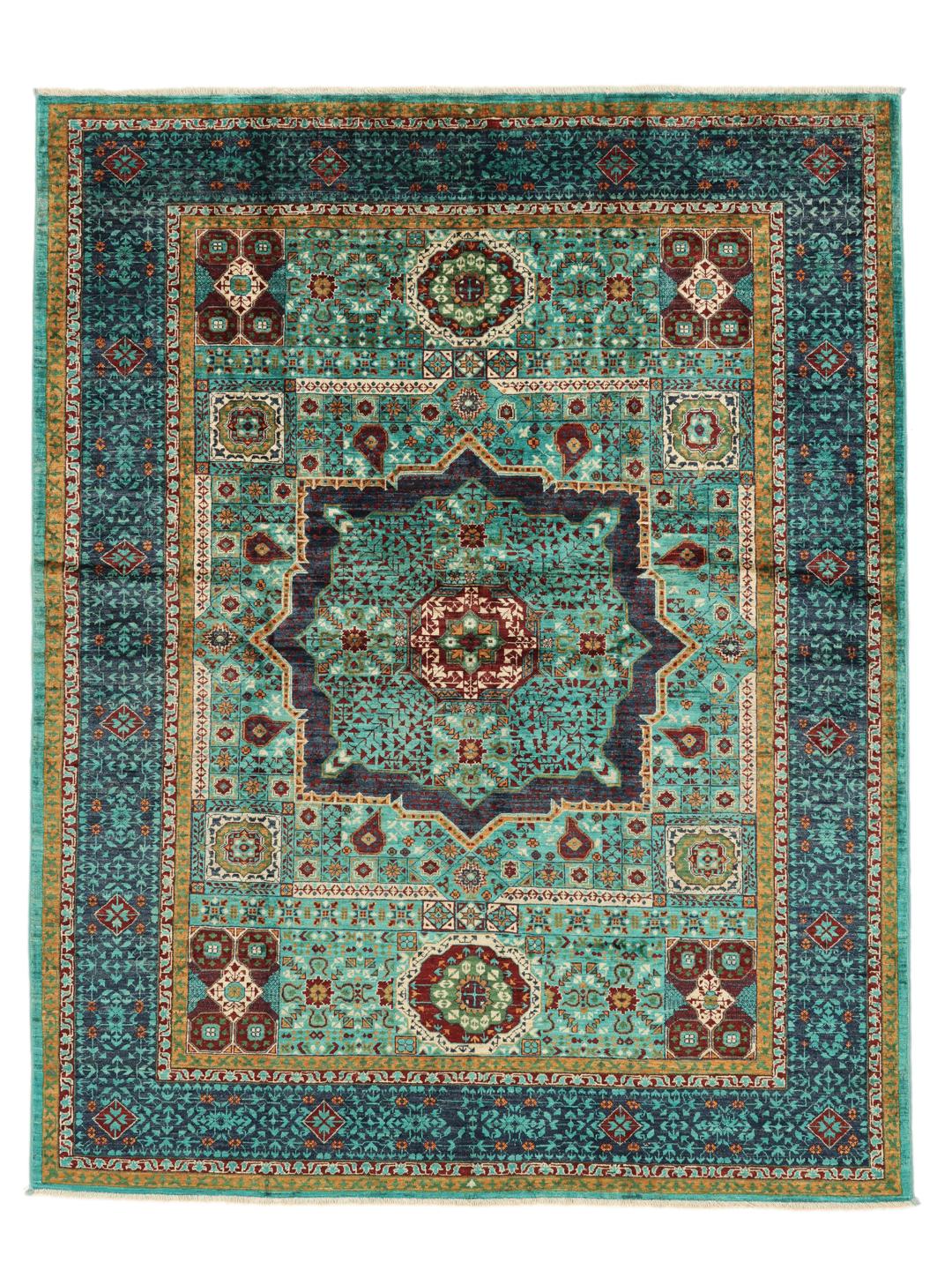
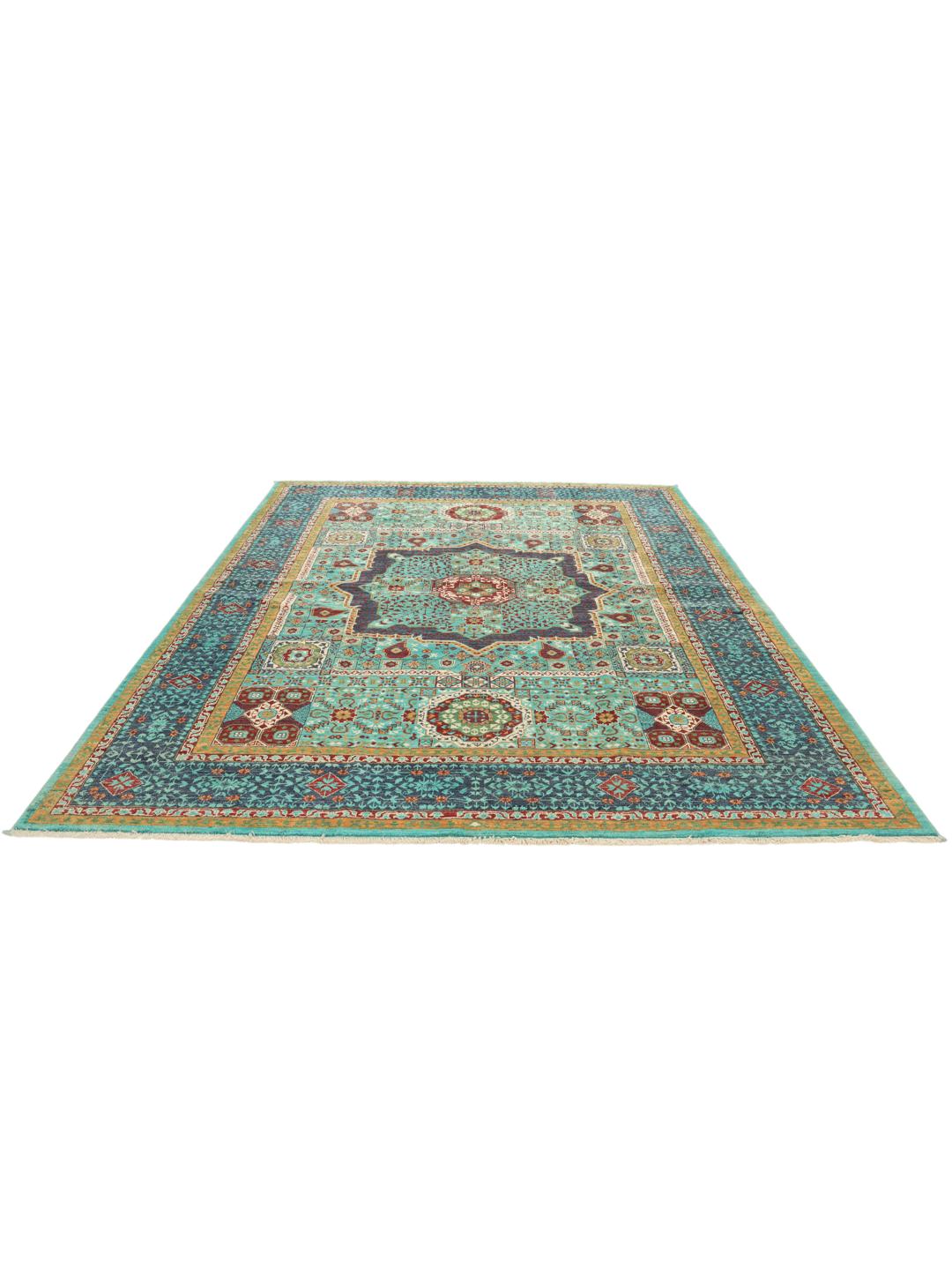
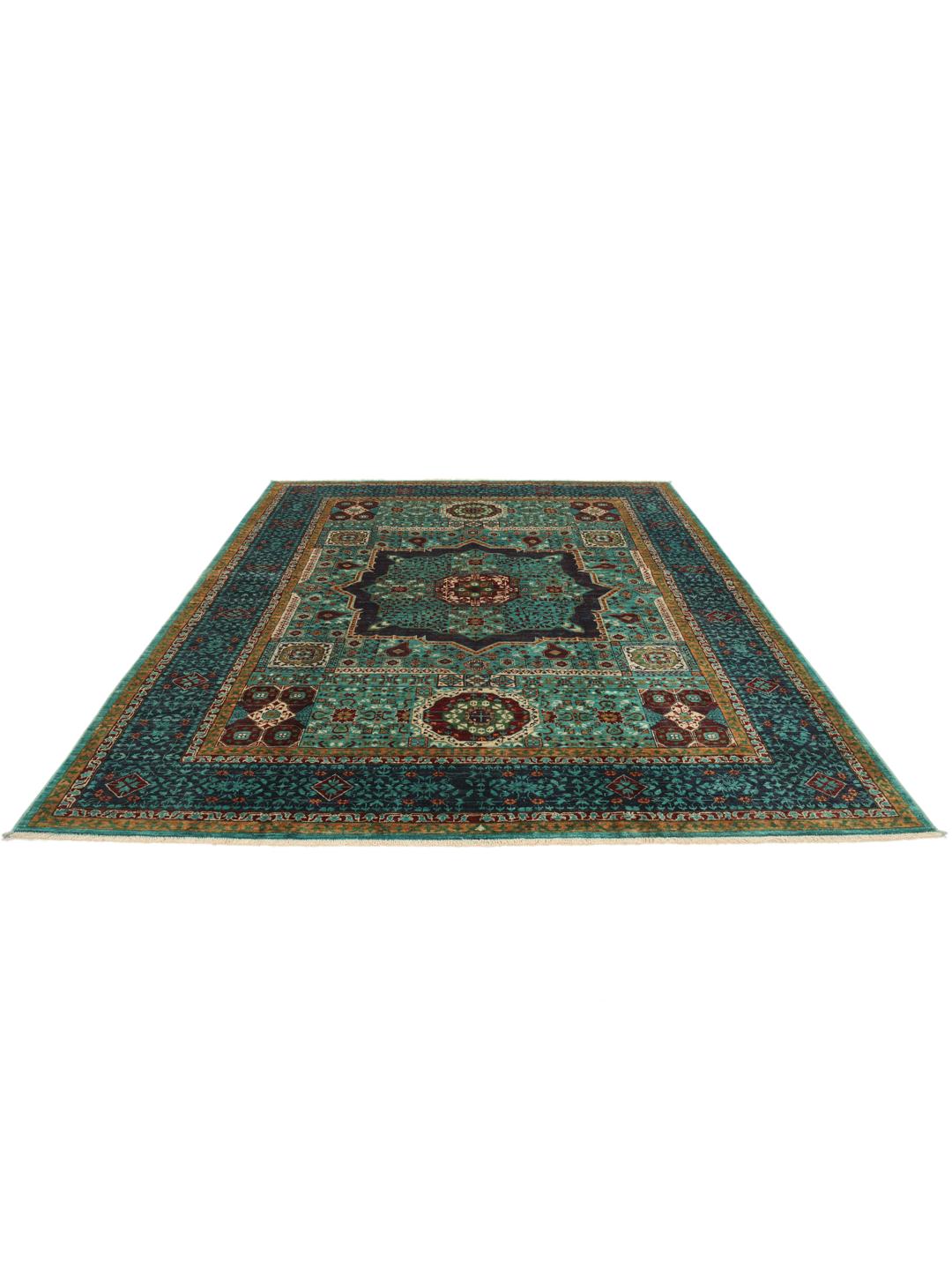
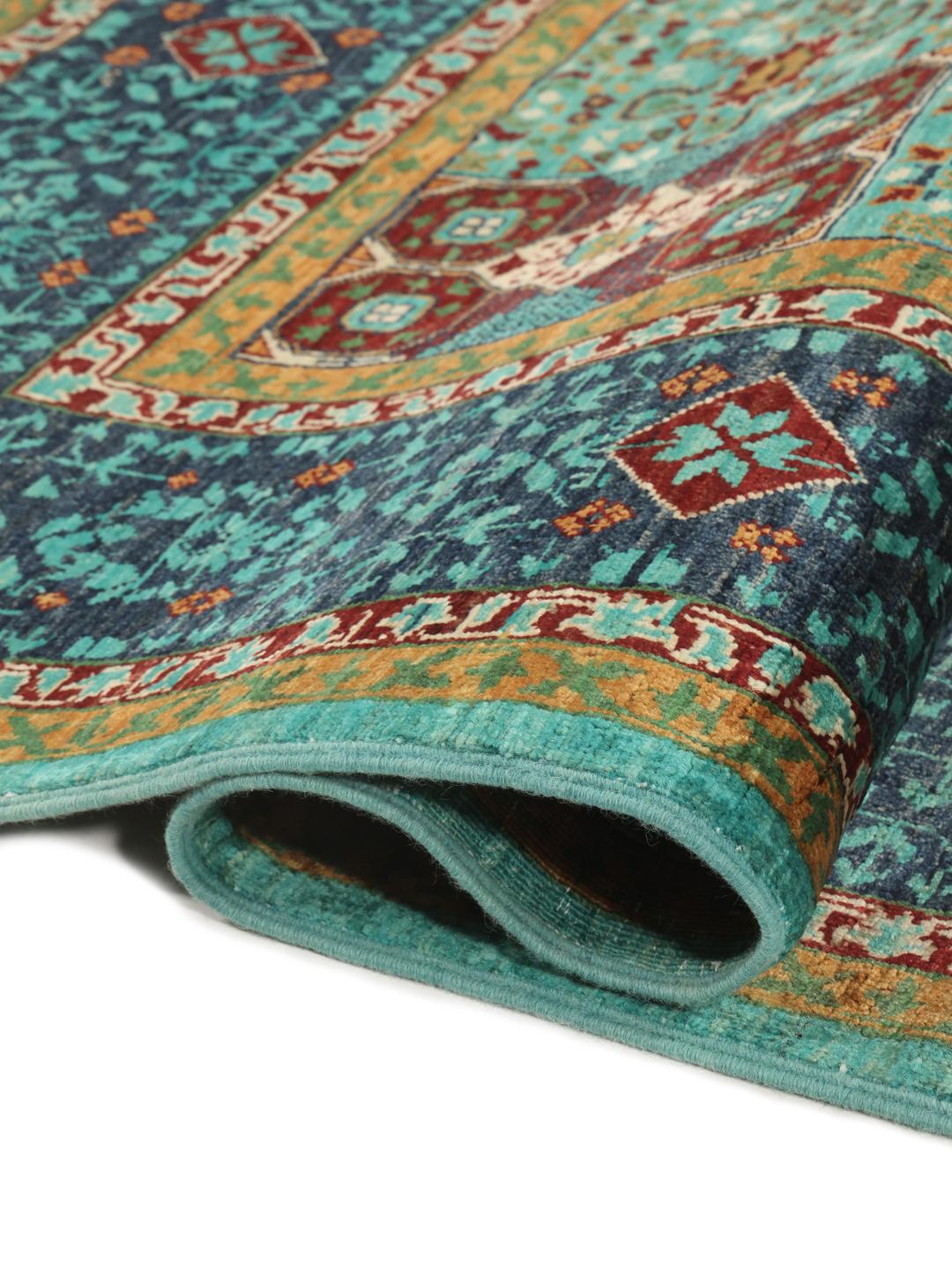
Mamluk rugs are renowned for their historical connection to the Mamluk Sultanate, which ruled over Egypt and the Levant between the 13th and 16th centuries. These rugs are celebrated for their distinctive aesthetic, which often features a central medallion surrounded by smaller, intricate geometric motifs and complex, interlaced borders. While the original historical pieces were often woven with a silk-like wool, modern interpretations from regions like Afghanistan continue this tradition by focusing on these classic, sophisticated layouts.
The term Mamluk refers to a specific design language rather than a single location, though the tradition has evolved significantly over centuries. Afghan weavers have become masters of this style, often incorporating a rich palette of deep, saturated colours that bring a contemporary relevance to these ancient designs. The technical mastery required to execute these patterns—often involving a blend of large-scale symmetry and minute detail—is a testament to the enduring appeal of this heritage style.
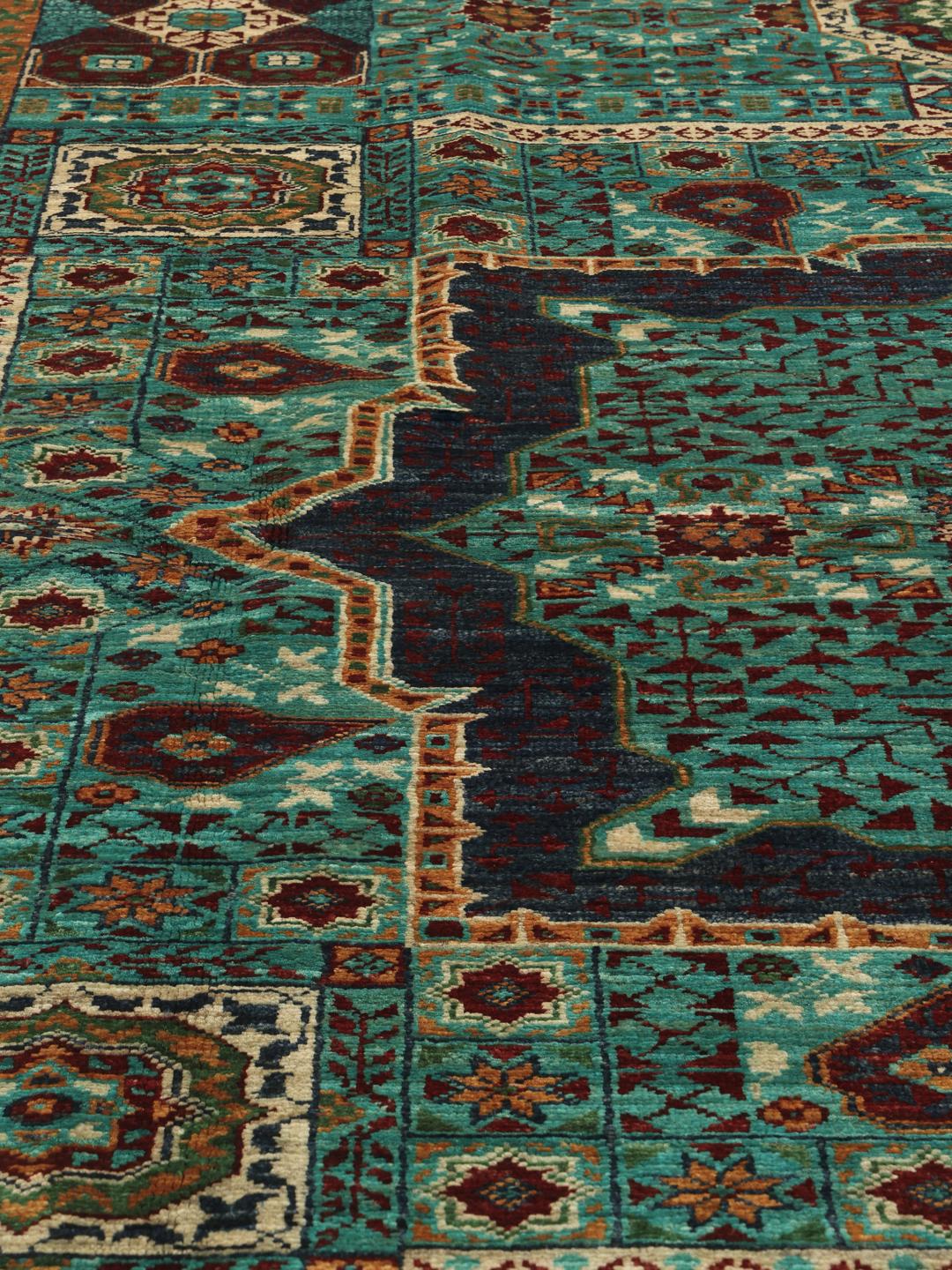
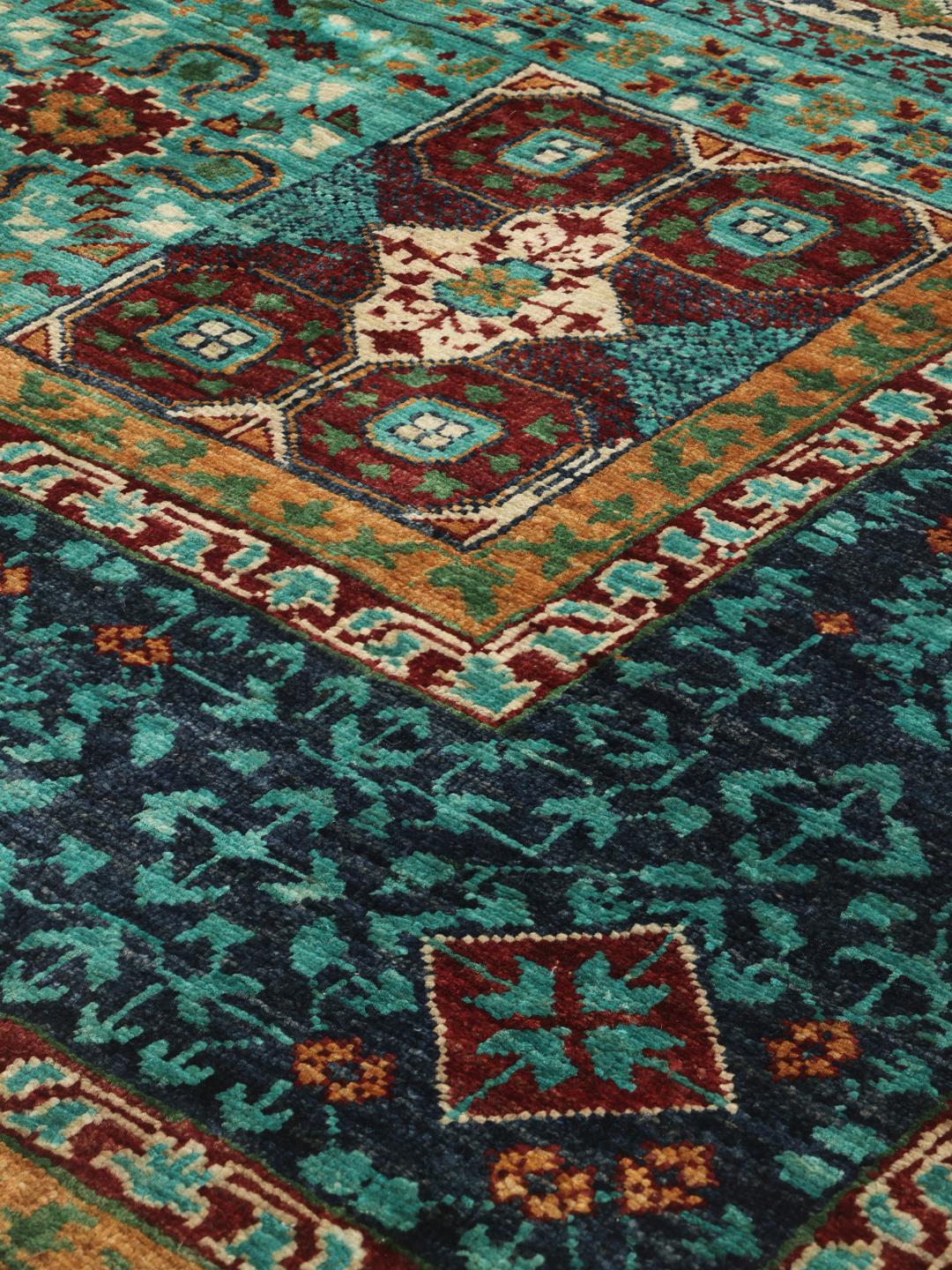
The signature design elements of a Mamluk rug include the use of octagons, stars, and complex floral-geometric hybrids that fill the field. These motifs are often arranged in a way that creates a sense of infinite movement, drawing the eye toward the centre while maintaining a balance across the entire surface. The borders are frequently just as detailed as the centre, often featuring repeating patterns that frame the composition with geometric precision.
Collectors value Mamluk rugs for their ability to blend seamlessly into various interiors while acting as a clear signifier of cultural history and skilled artistry. Owning a rug from this tradition is about more than just floor covering; it is about preserving a link to a storied past. These rugs are highly regarded for their ability to balance formal design with the warmth of natural materials, making them a staple for those who appreciate the intersection of historical art and home comfort.