The tradition of hand-knotted rug making in India is a storied craft that blossomed through centuries of cultural exchange. While many motifs trace their roots to the broader Middle Eastern weaving heritage, Indian artisans have developed a distinct regional identity, often incorporating vibrant natural dyes and intricate, flowing floral patterns that celebrate local botanical beauty.
The term hand-knotted refers to the authentic method of construction where the pile is secured by wrapping individual strands of yarn around the warp threads. This is the hallmark of quality in the rug world, as it allows for a level of structural integrity and pattern complexity that mass-produced alternatives simply cannot achieve.
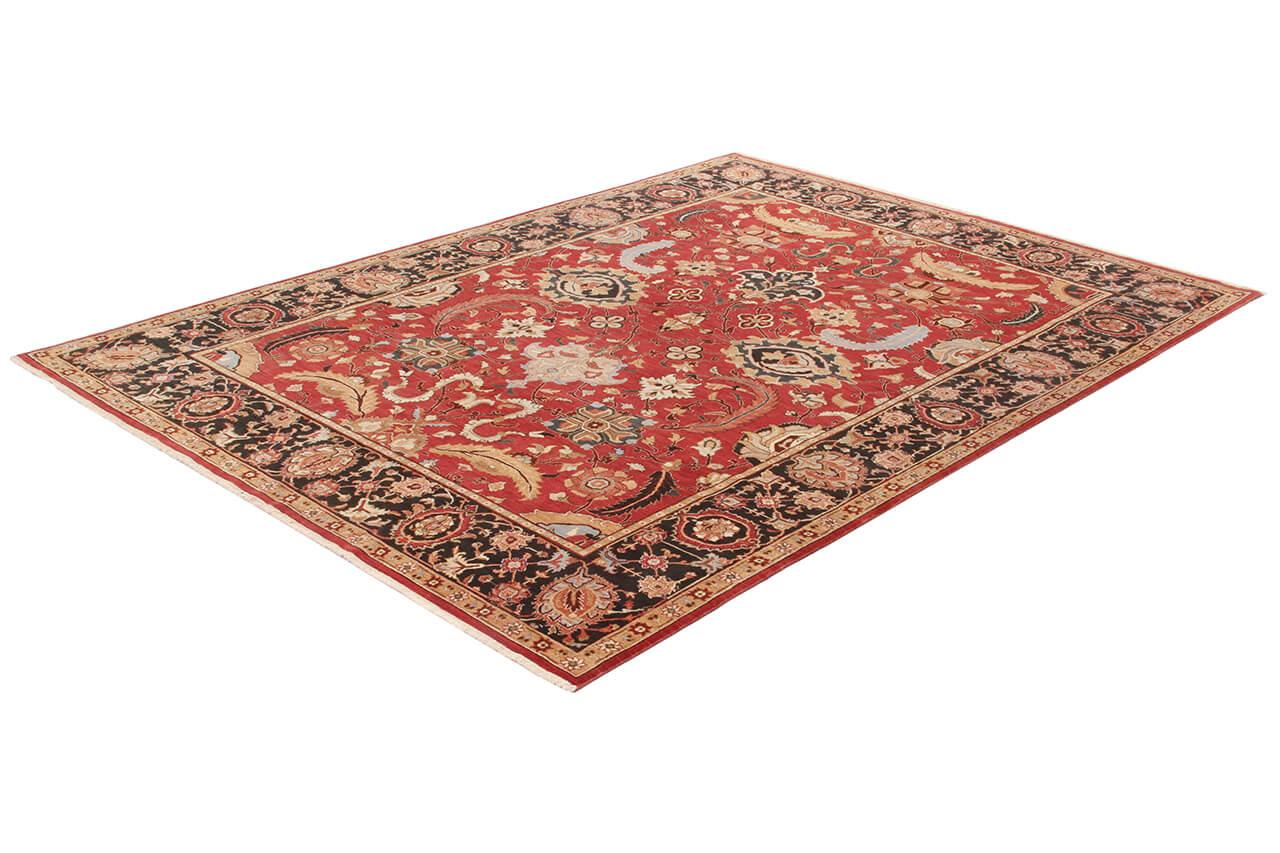
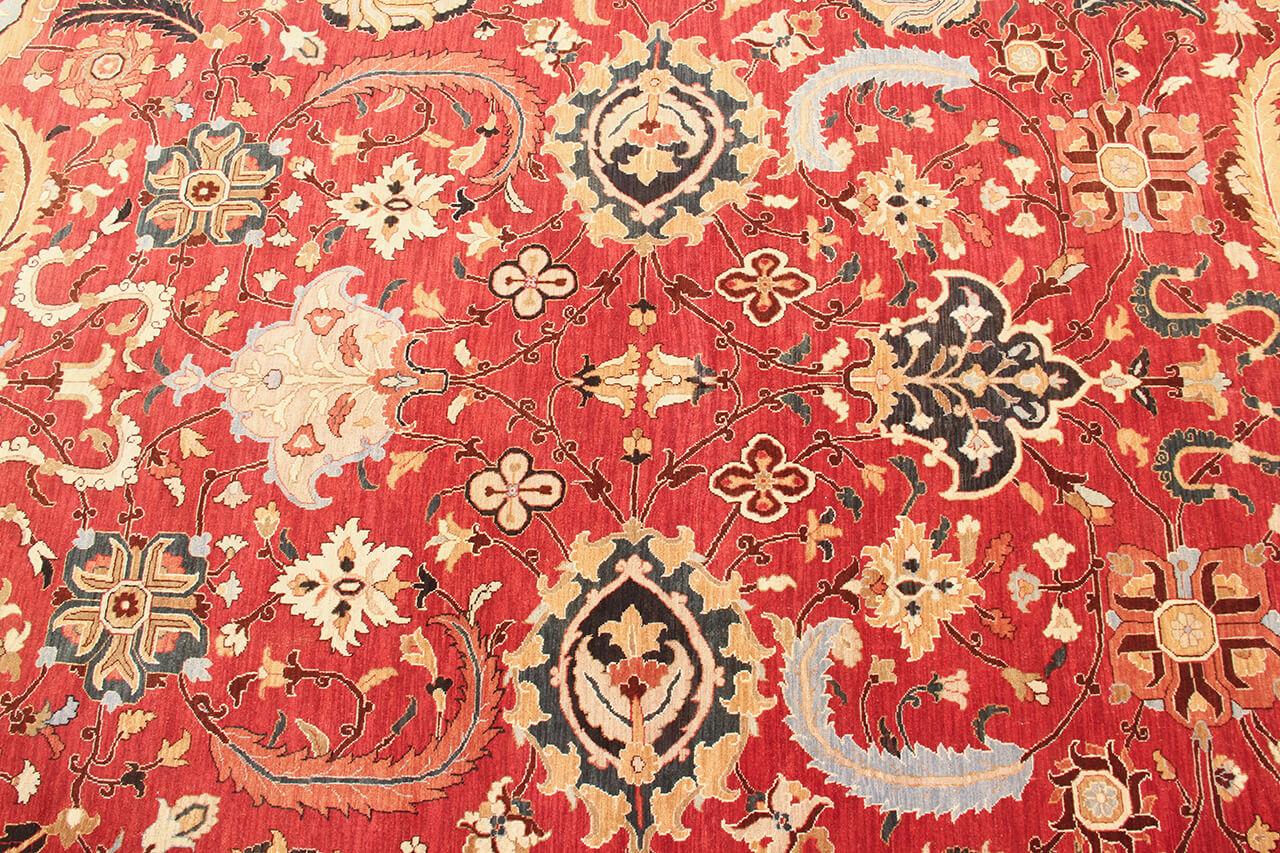
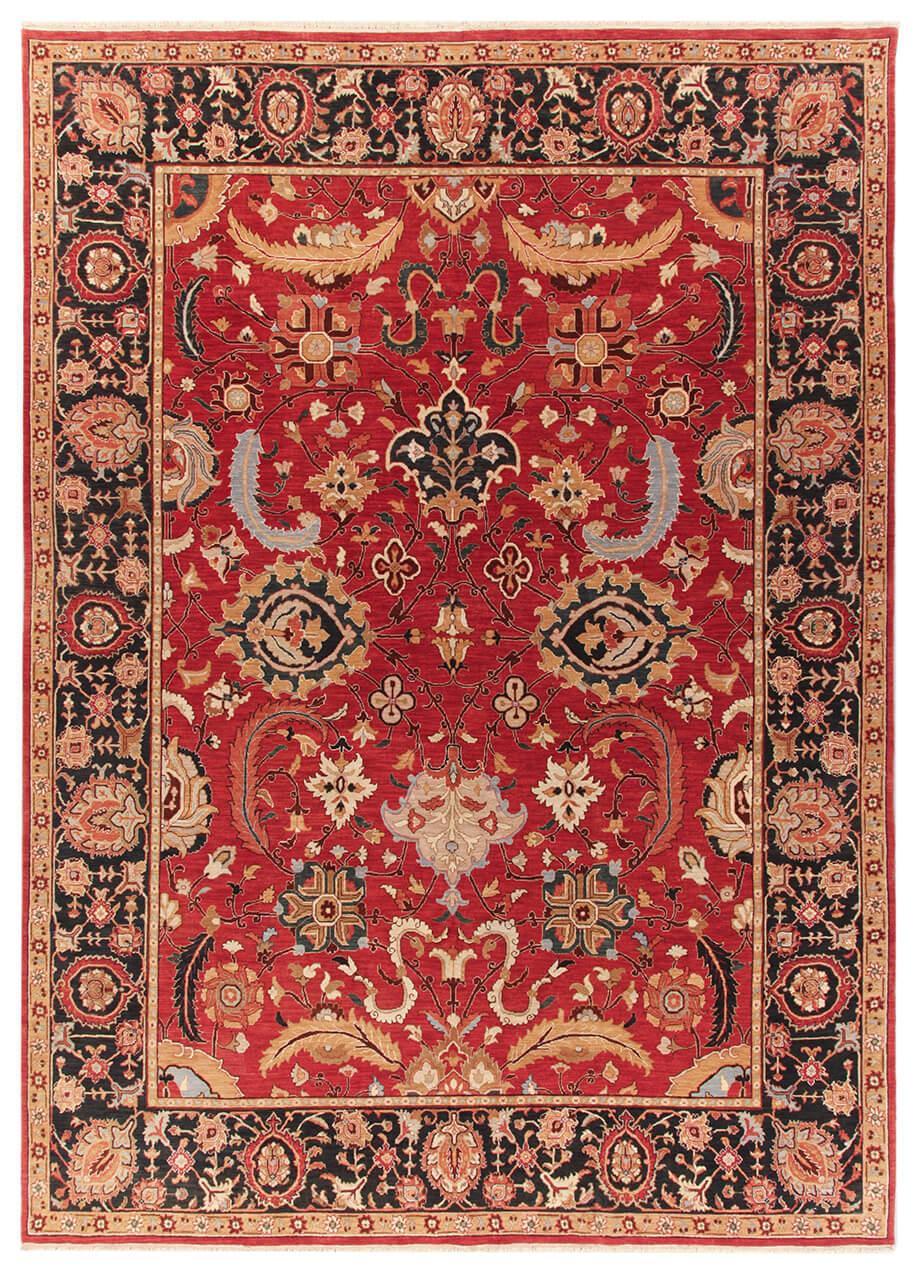
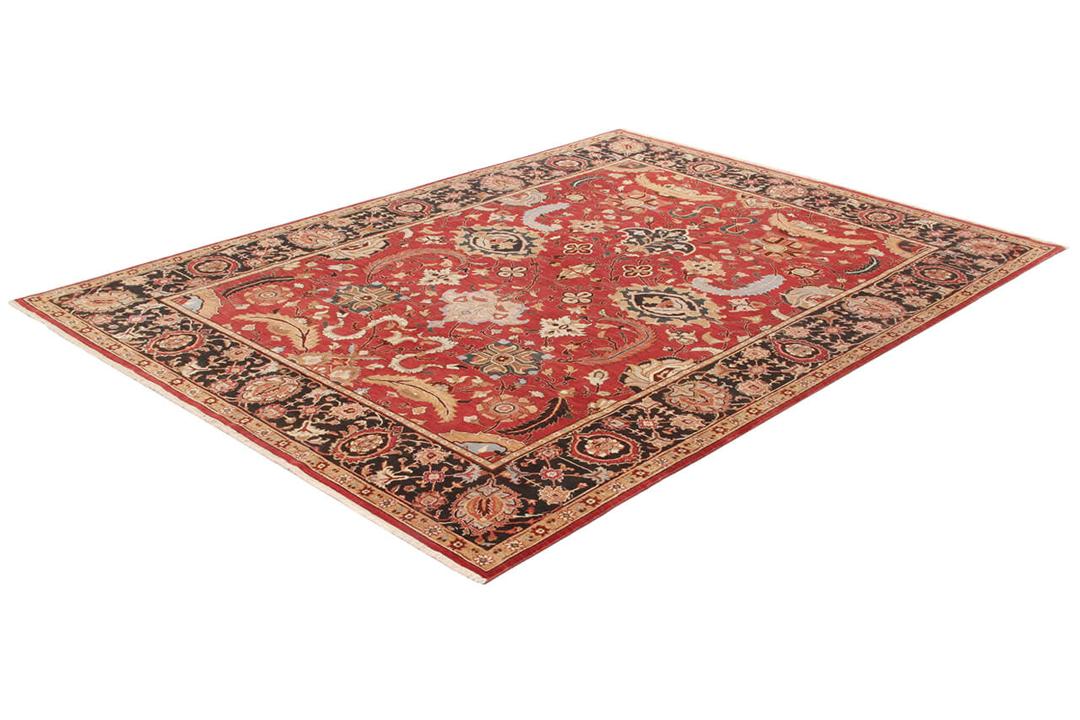
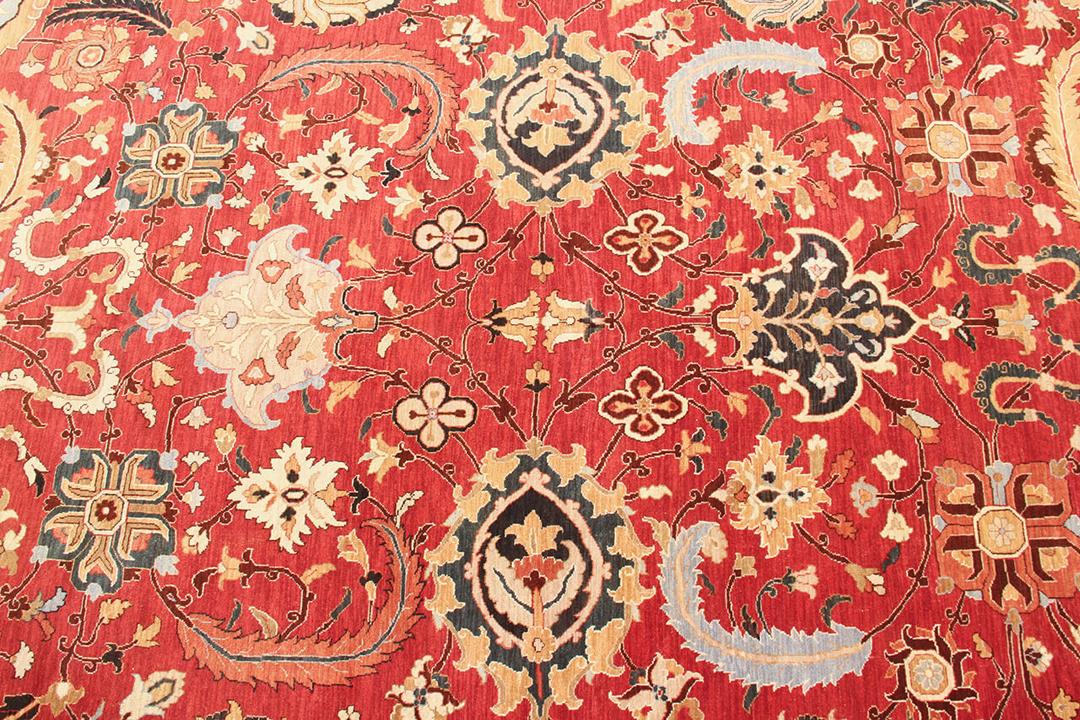
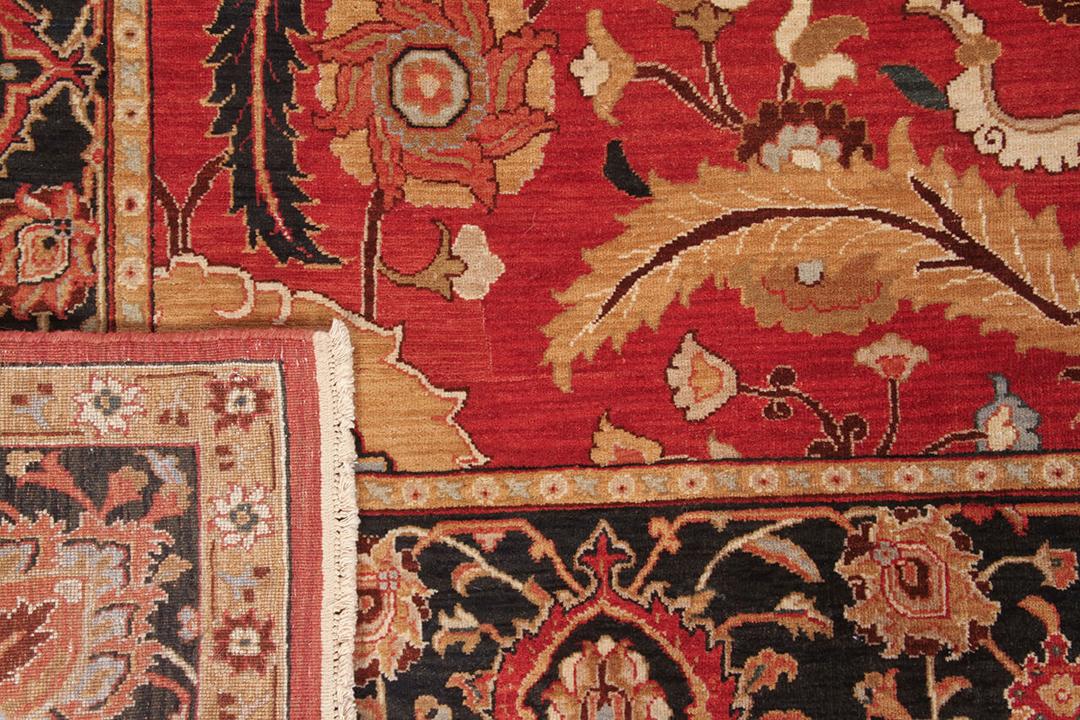
This rug showcases a classic floral and organic design language, often characterised by central medallions or repeating motifs that draw the eye. The use of a bold red field with dark, contrasting borders is a traditional choice, meant to provide visual balance and depth, making the intricate curves of the floral patterns stand out with clarity.
Collecting a hand-knotted rug is an investment in human skill and cultural history. Beyond their utility, these pieces are valued for their ability to bring a sense of heritage and permanence to a modern home. Owning one is a way to connect with an ancient craft that prioritises patience, precision, and the artistic expression of the weaver.