The history of rug making in India is a rich tapestry that evolved through centuries of artistic exchange. While the tradition has roots in the broader Middle Eastern craft, it flourished in India under the patronage of the Mughal Empire, where artisans began blending local aesthetics with classic floral and garden motifs. This cross-pollination created a distinct style that is celebrated today for its elegance and complexity.
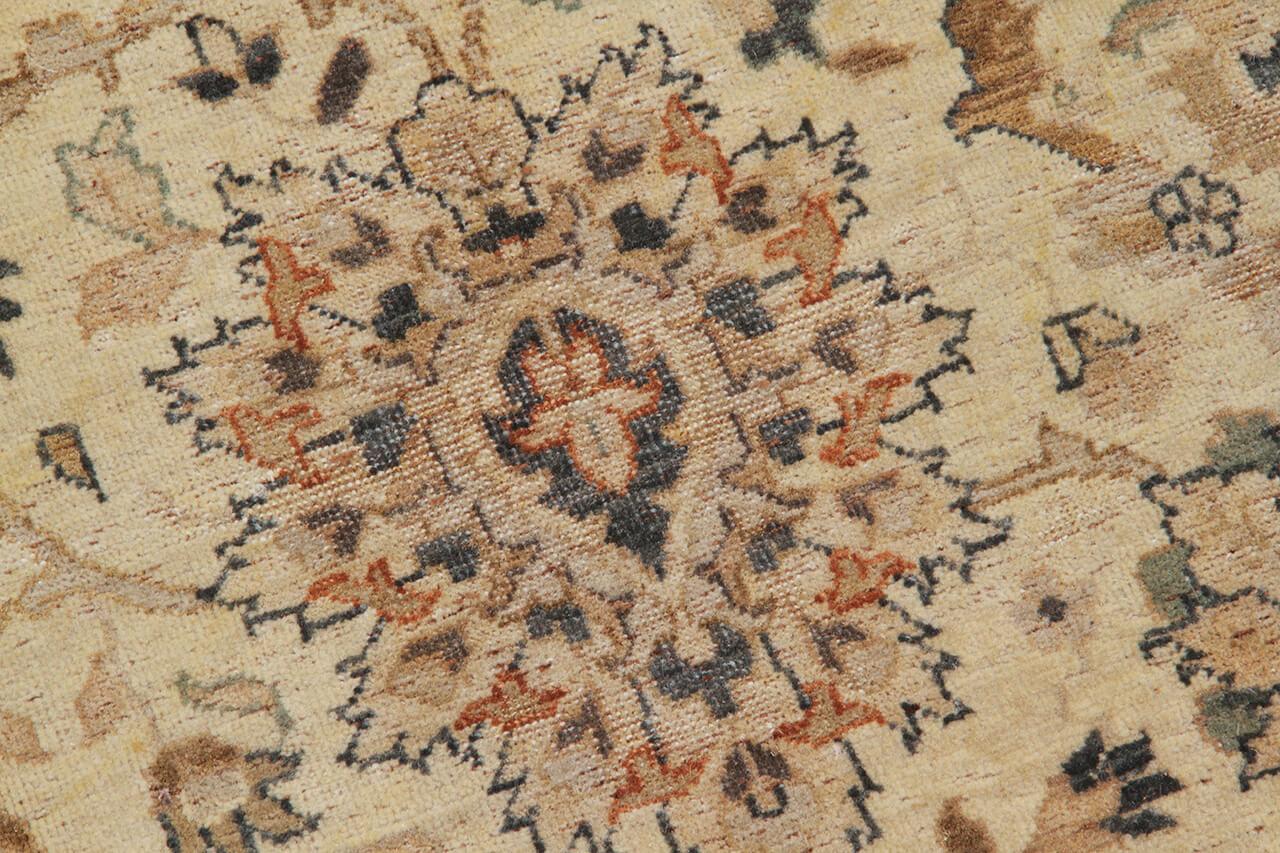
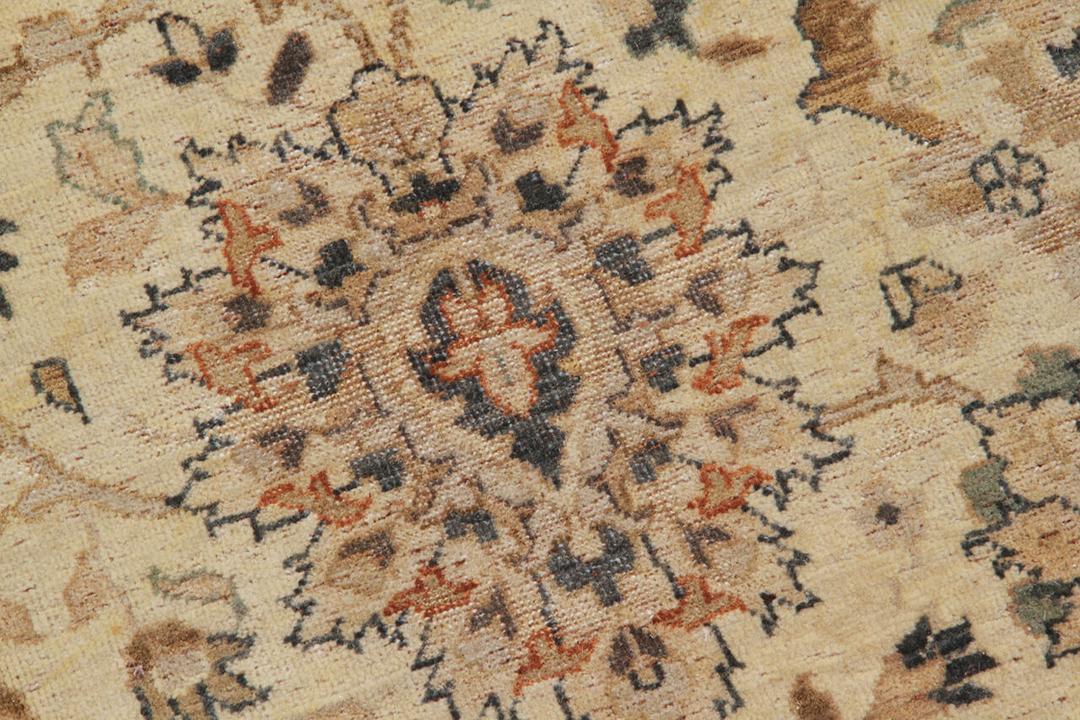
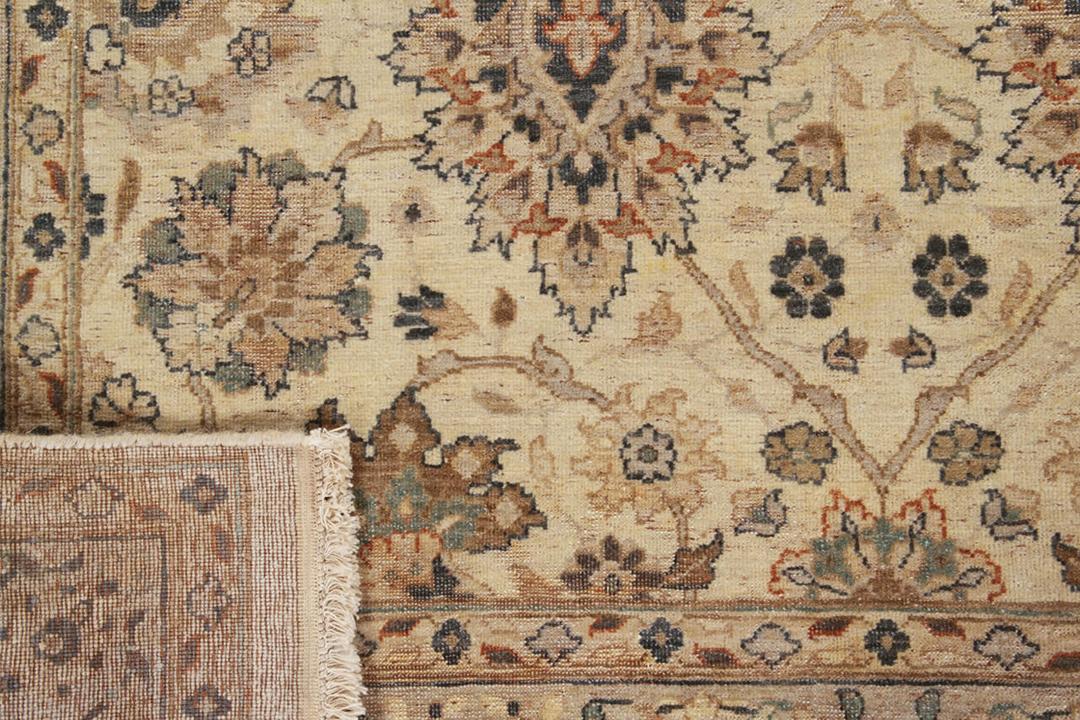
Technical excellence is at the heart of this tradition. The term hand-knotted refers to the practice of tying individual pieces of yarn onto a foundation, a skill passed down through generations. This method is far superior to machine-made alternatives because it creates a pile that is deeply anchored and durable, allowing for the intricate curves and delicate details seen in traditional floral designs.
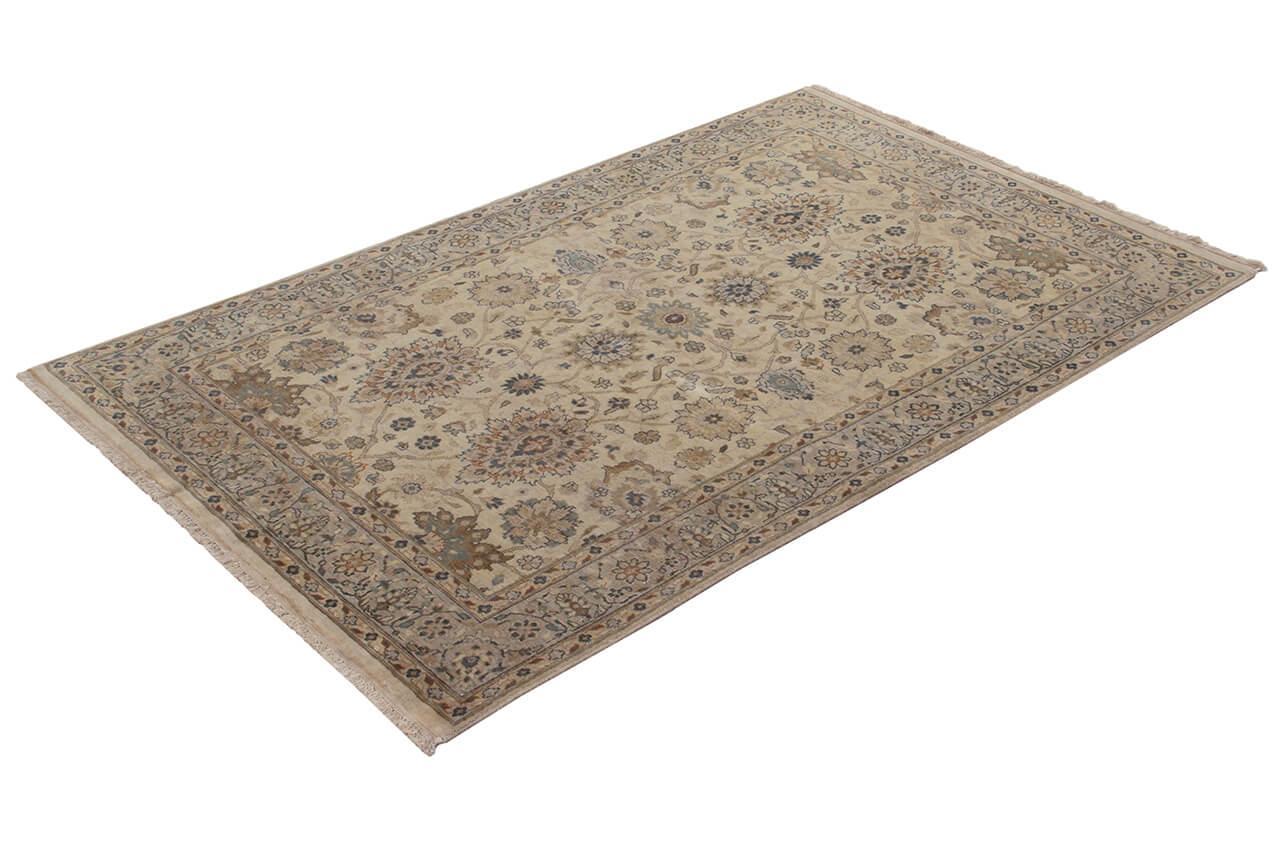
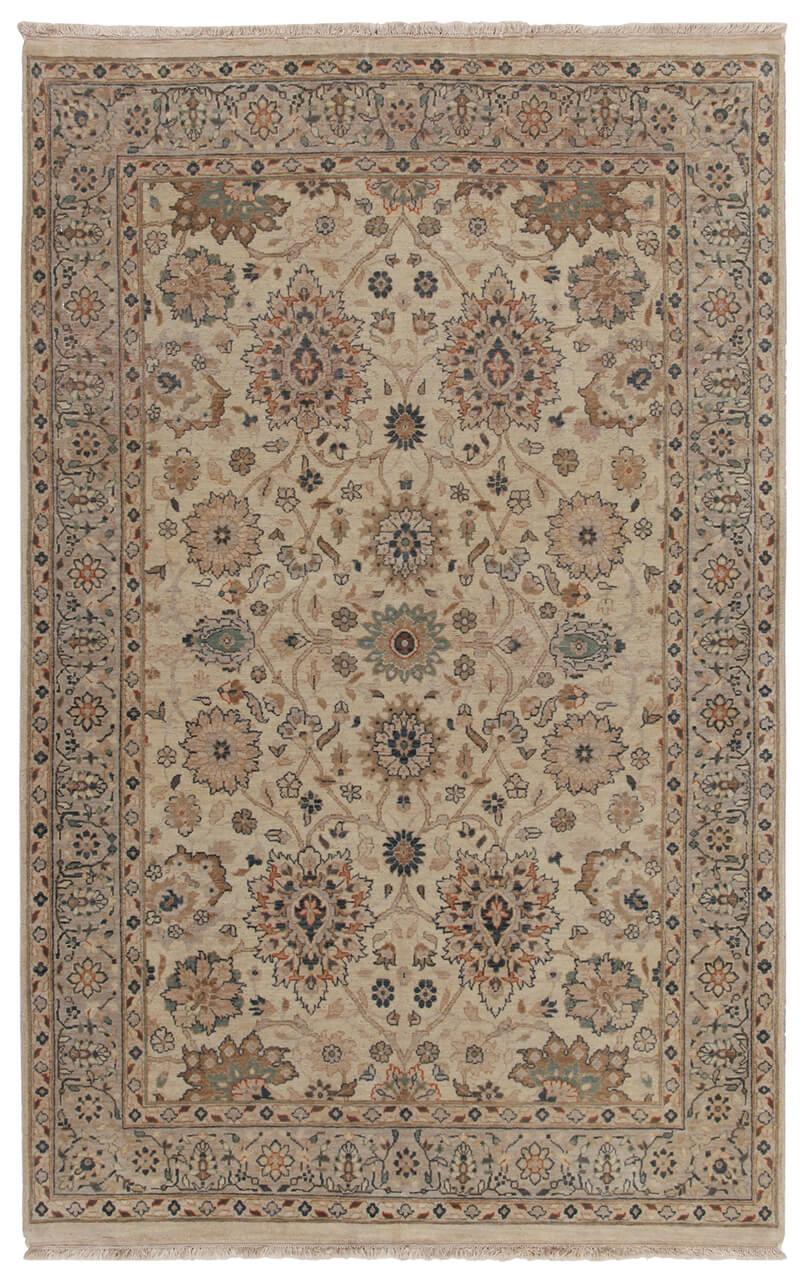
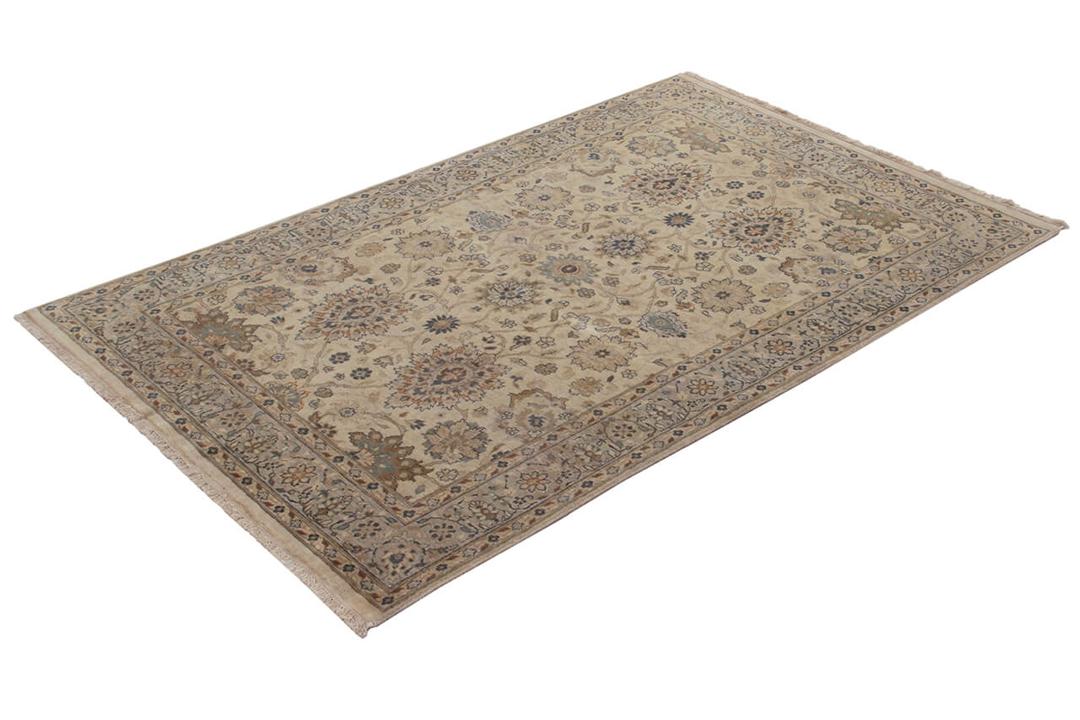
The design language of this rug is deeply symbolic, often featuring a central medallion surrounded by lush, flowing floral patterns. These motifs are not merely decorative but represent a long-standing appreciation for nature and garden beauty. The border serves as a formal frame for the field, guiding the eye through the composition and adding a sense of order to the organic, flowing lines of the inner design.
Collecting a hand-knotted rug from this region is an act of preserving a profound cultural legacy. Because each piece is made by hand without the aid of automated looms, owning one connects you to a lineage of makers who have dedicated their lives to mastering this craft. It is a testament to the enduring value of human skill, patience, and the desire to create beauty that stands the test of time.