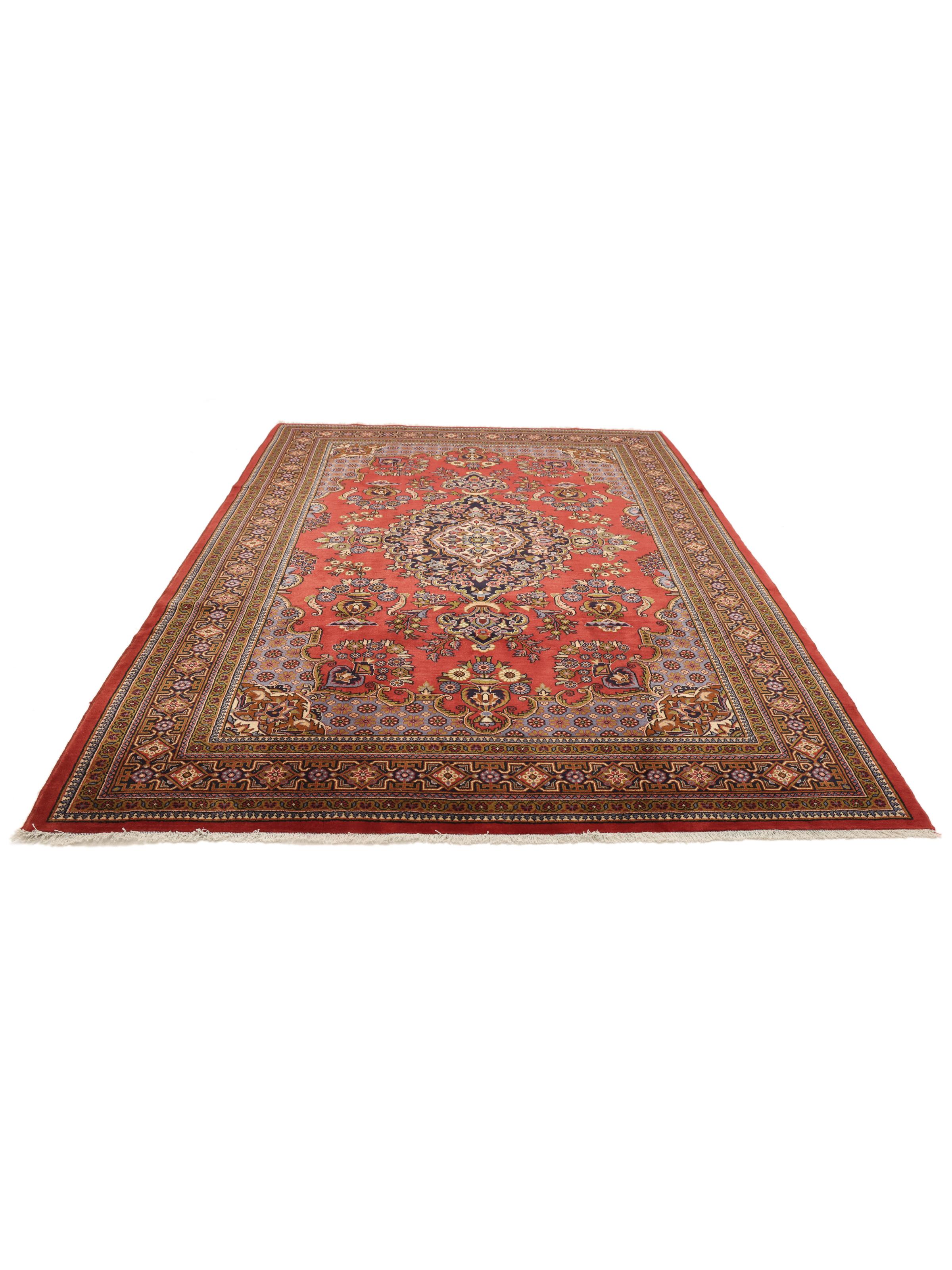
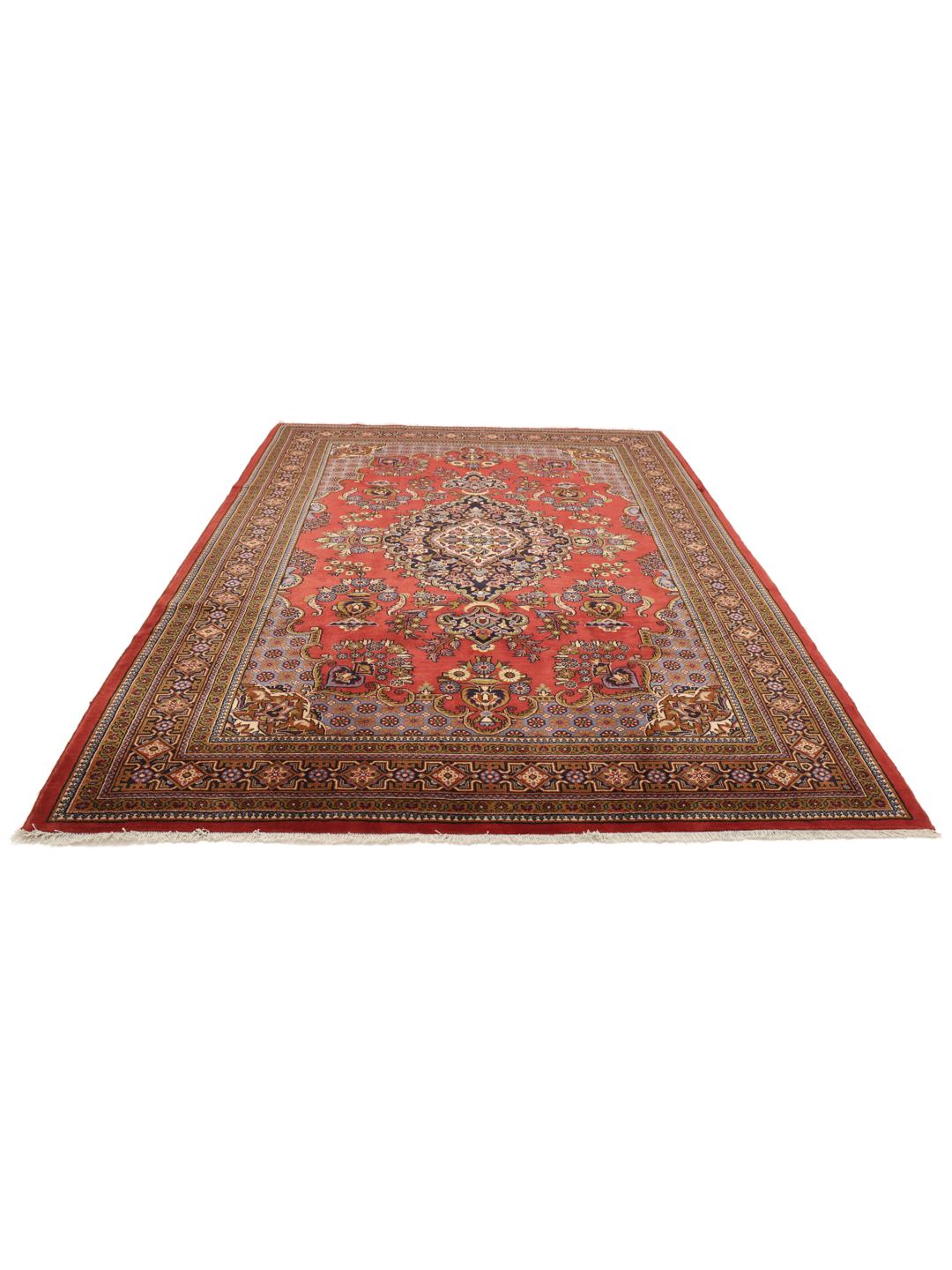
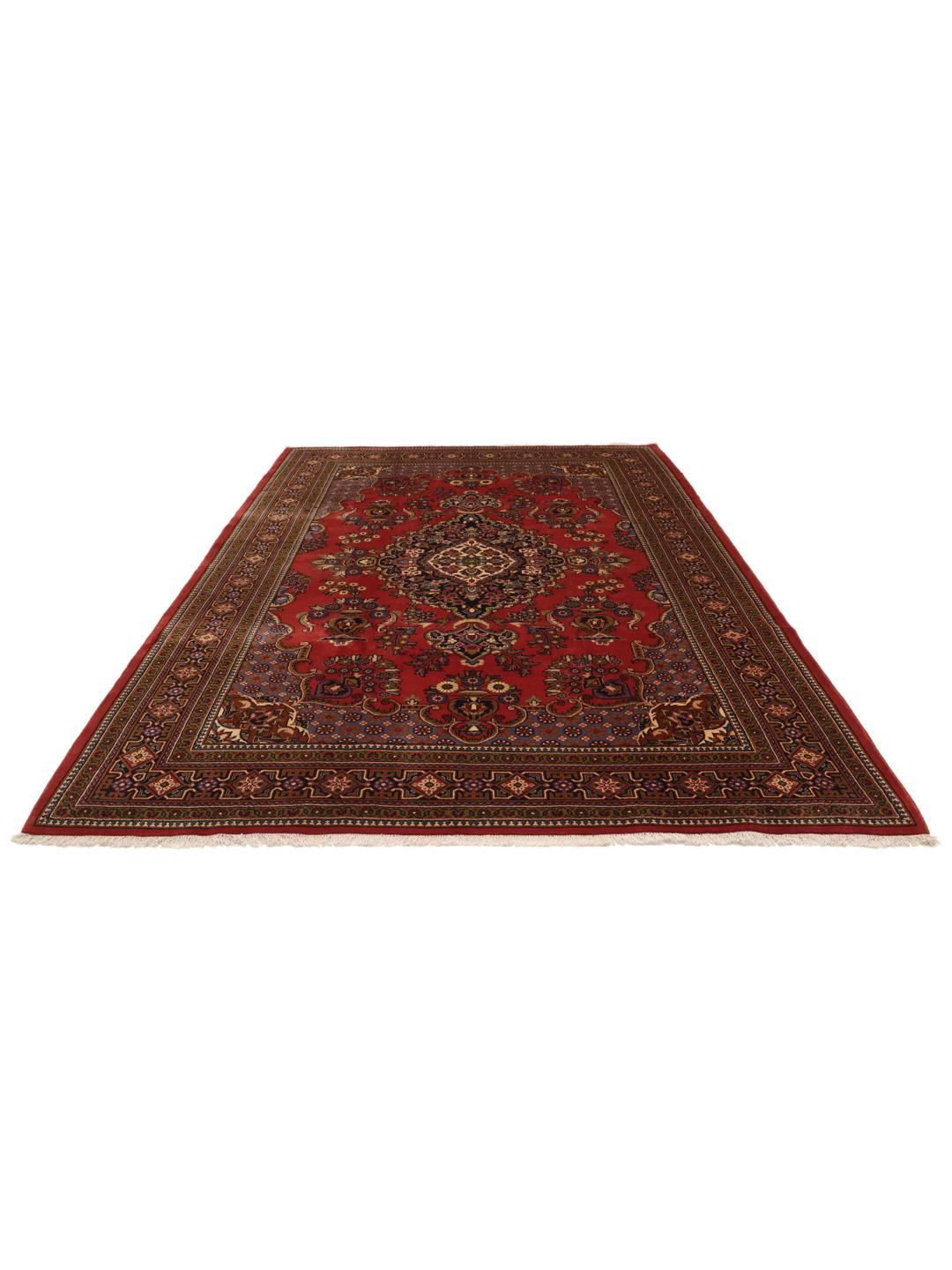
The Wiss rug belongs to a venerable lineage of weaving traditions from the Middle East, a region where rug-making has been a cultural pillar for centuries. These rugs are often named after the village or nomadic tribe where the designs were first developed, reflecting a localised history that has been passed down through generations of families.
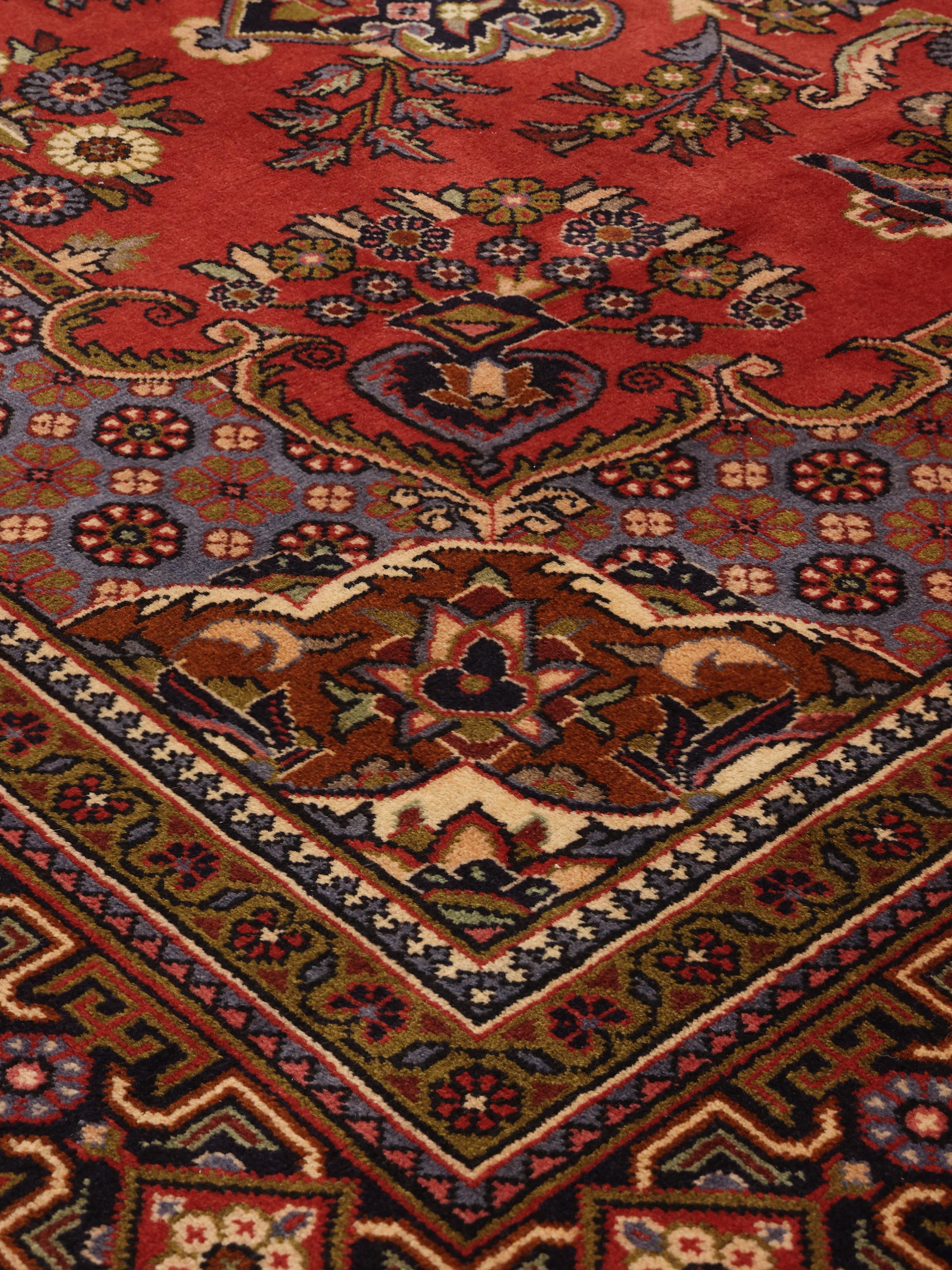
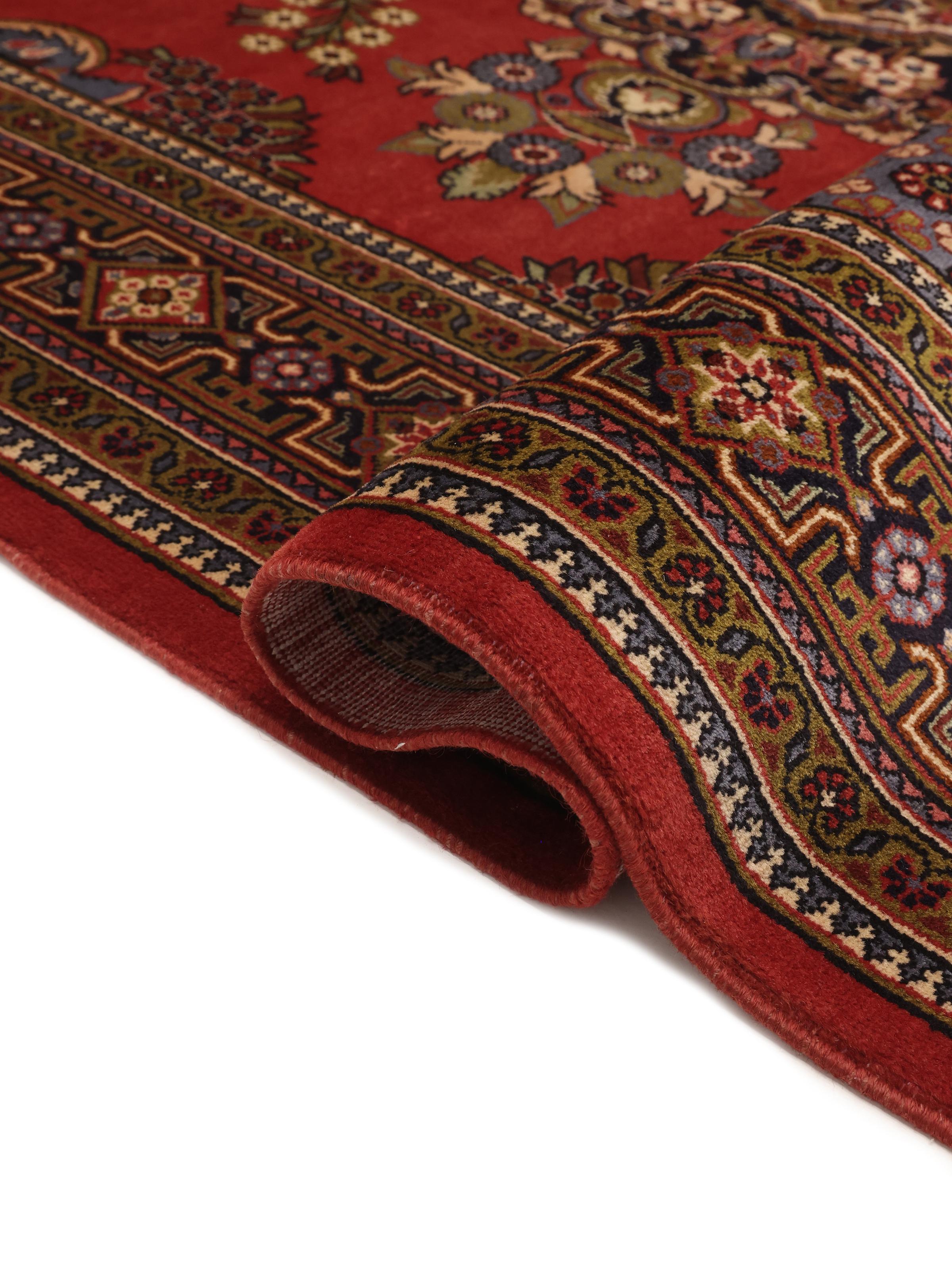
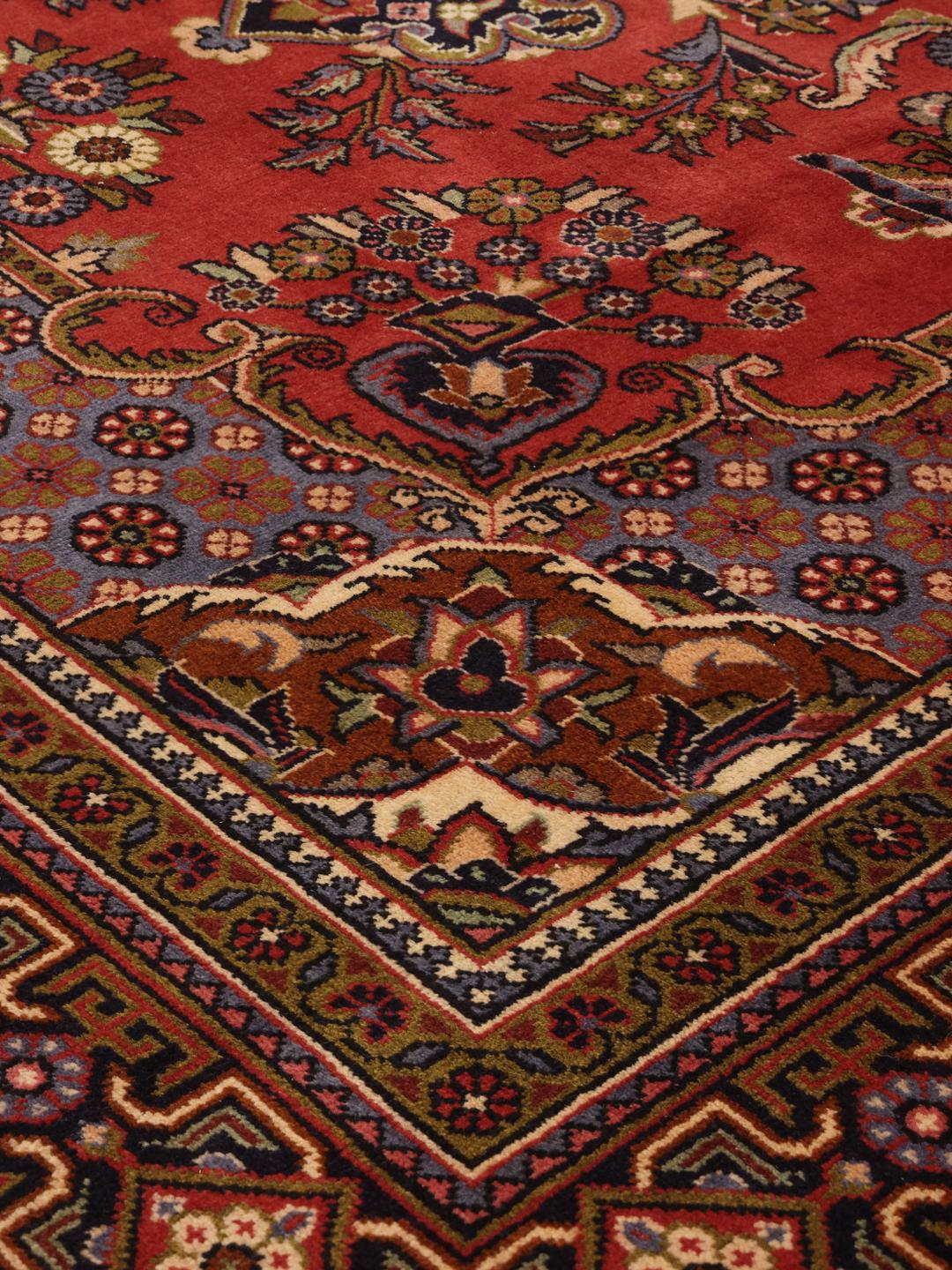
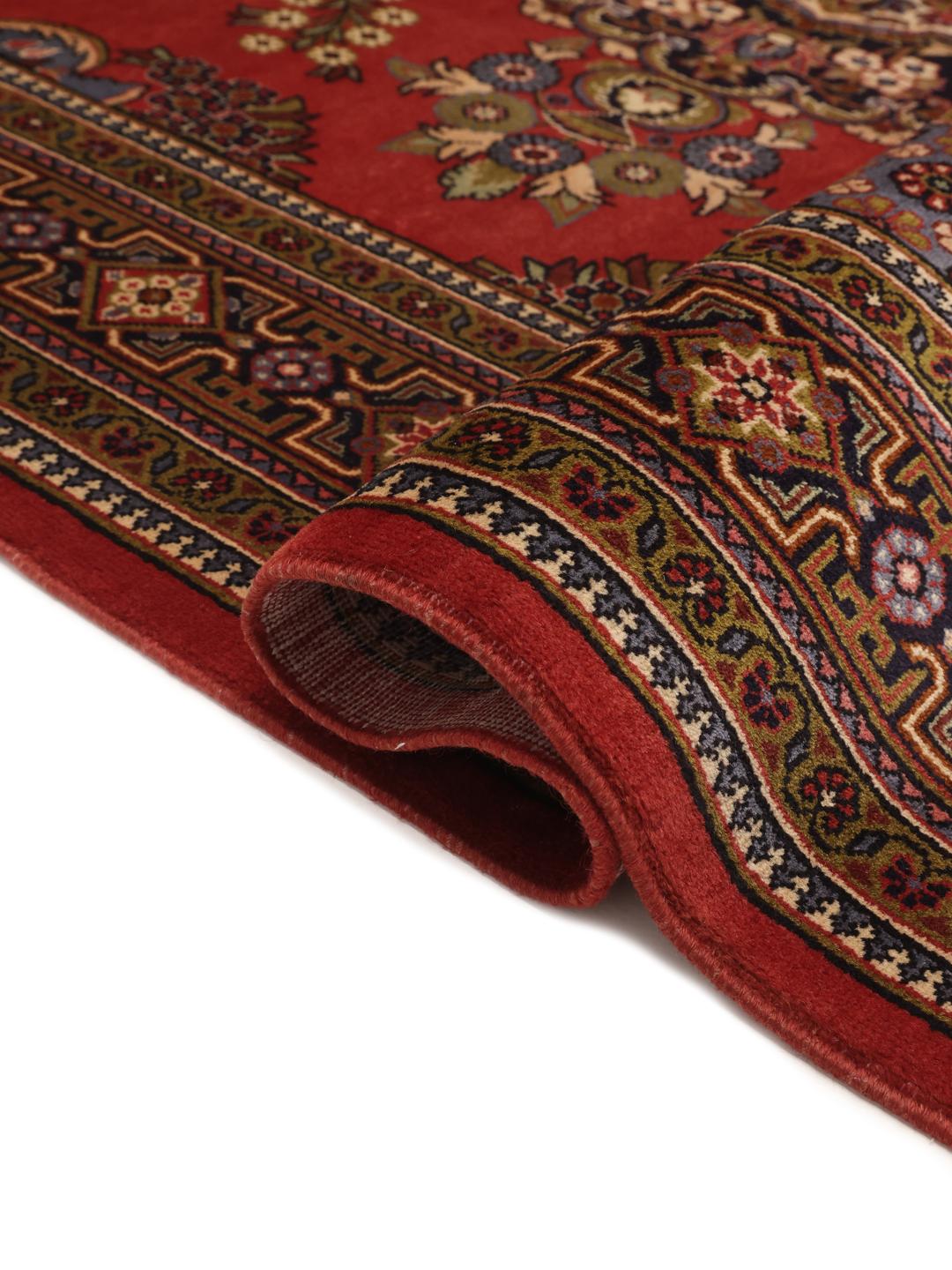
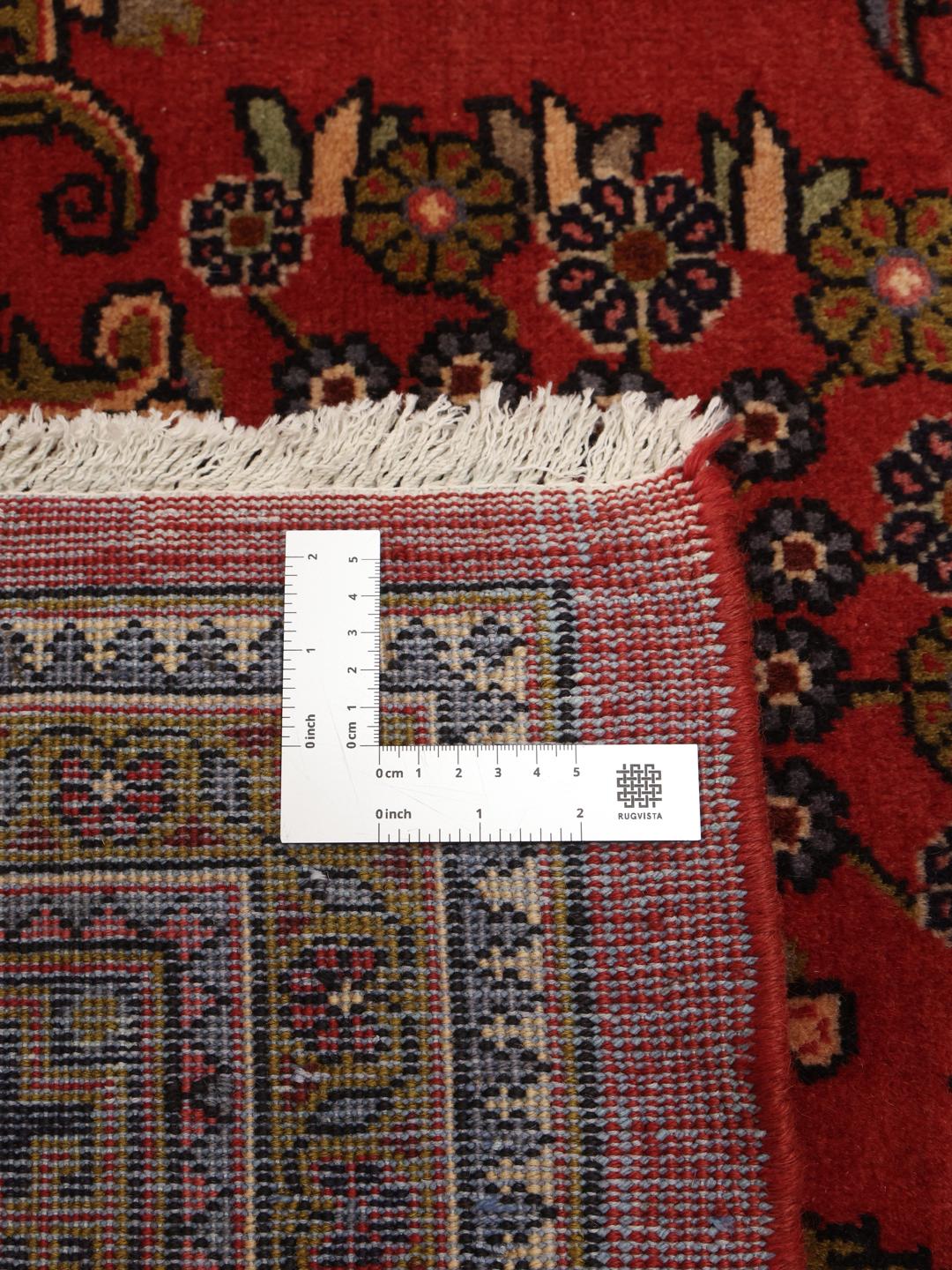
The term hand-knotted refers to the classic technique where each knot is tied by hand onto the foundation. This method is the hallmark of premium rug-making, as it allows for the creation of complex, curved designs that cannot be achieved through simpler weaving methods. It is a slow, meditative process that requires a deep understanding of rhythm and tension.
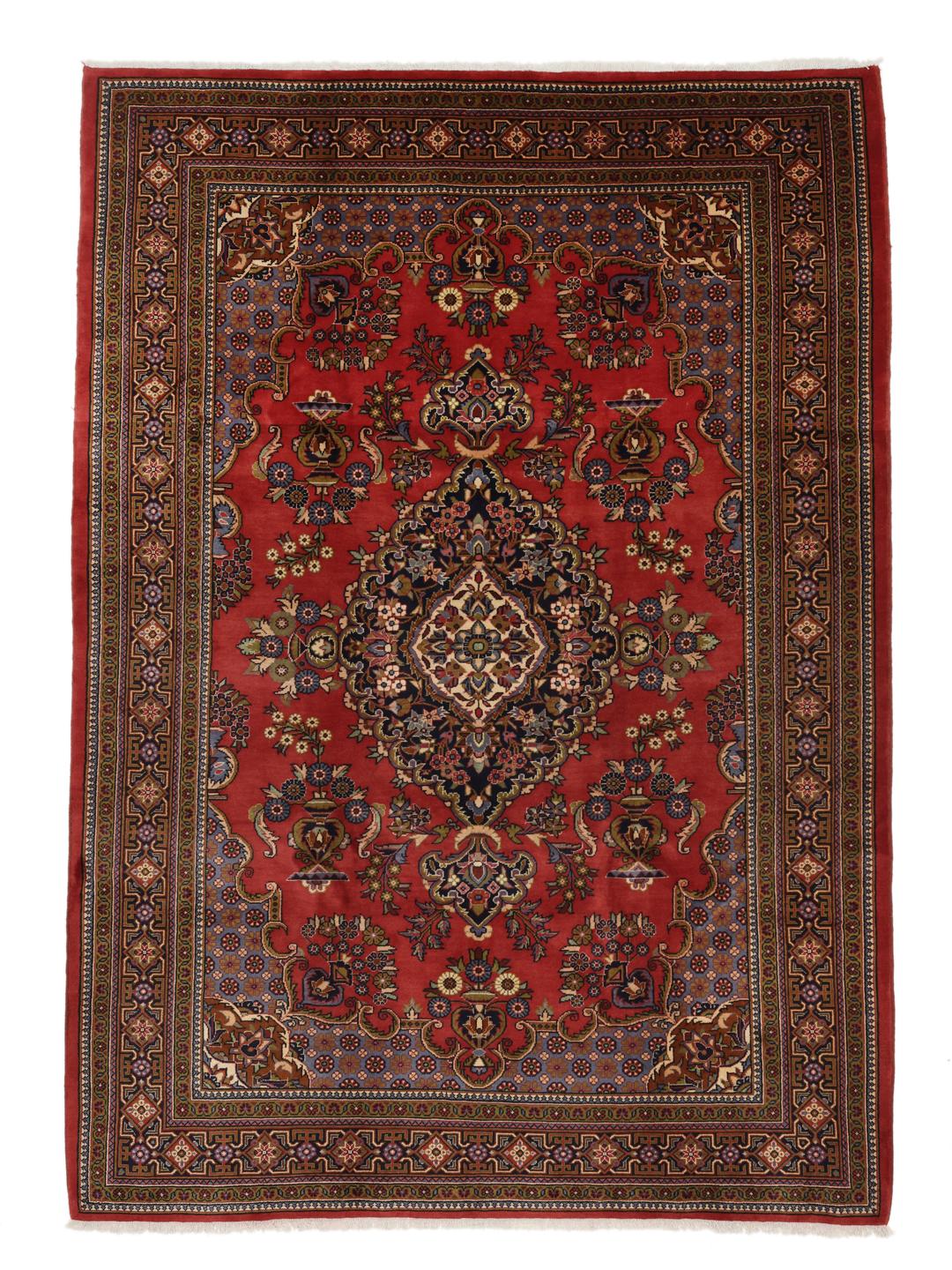
Visually, Wiss rugs are known for their balanced layouts and sophisticated use of floral motifs. Often centred around a prominent medallion, the field is frequently filled with delicate vines, blossoms, and leaves that create a sense of harmony. The borders are typically formal and structured, framing the organic beauty of the central design with geometric precision.
Owning a piece from this tradition is about more than just decoration, it is about connecting with a lineage of masters who have perfected their craft over centuries. These rugs are highly valued by collectors for their blend of technical complexity and artistic expression, representing a lasting investment in heritage and skilled human labour.