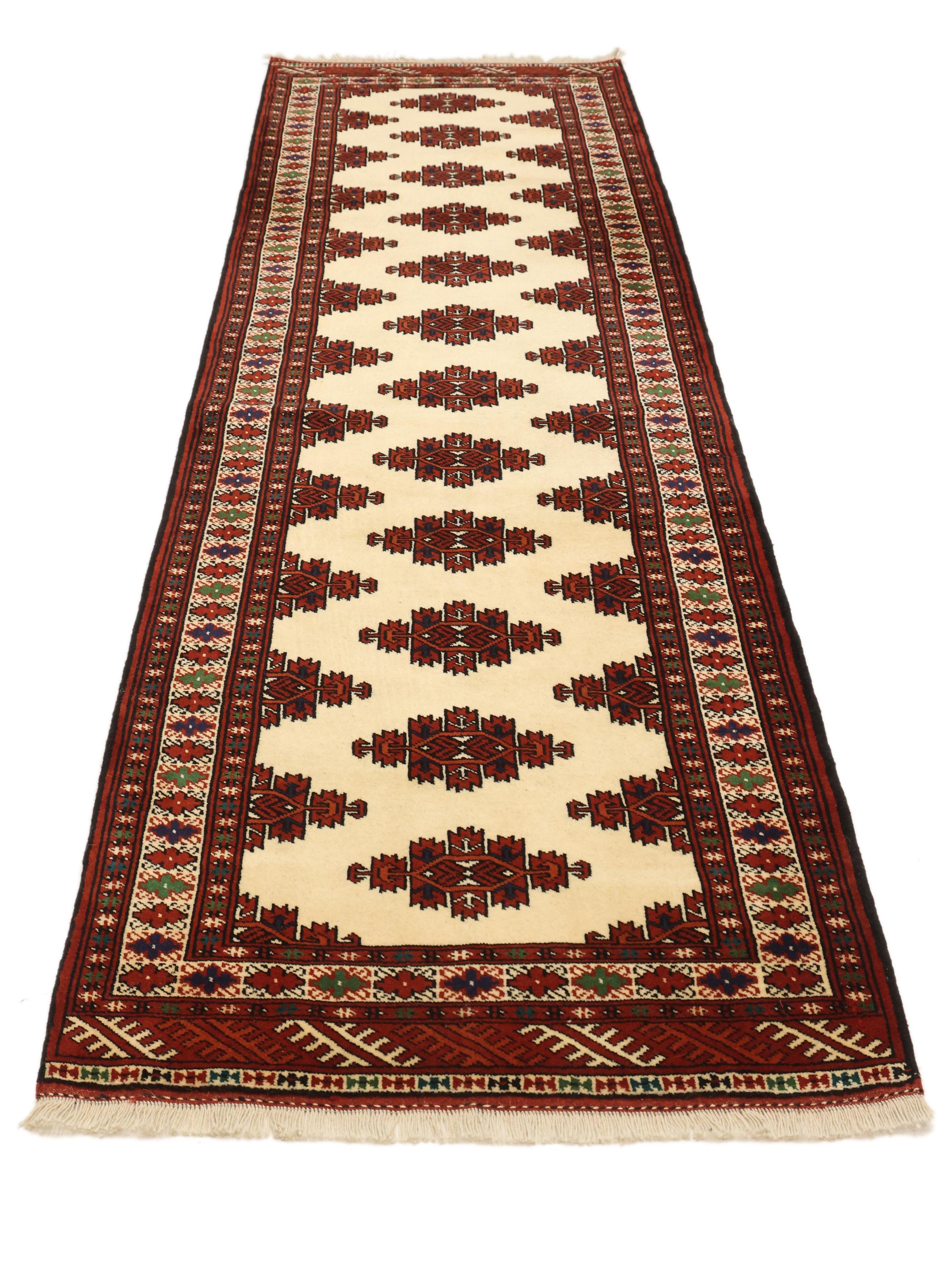
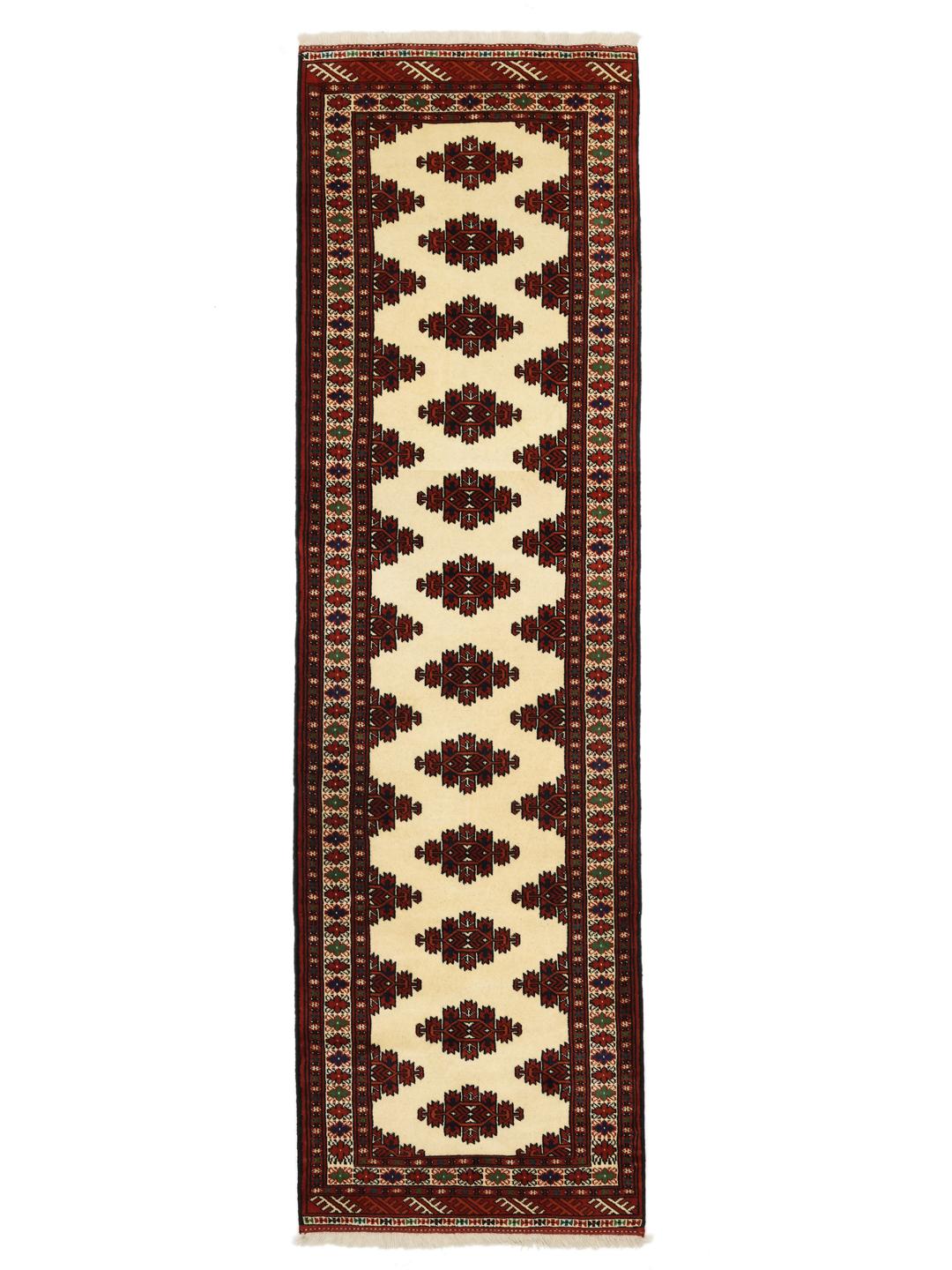
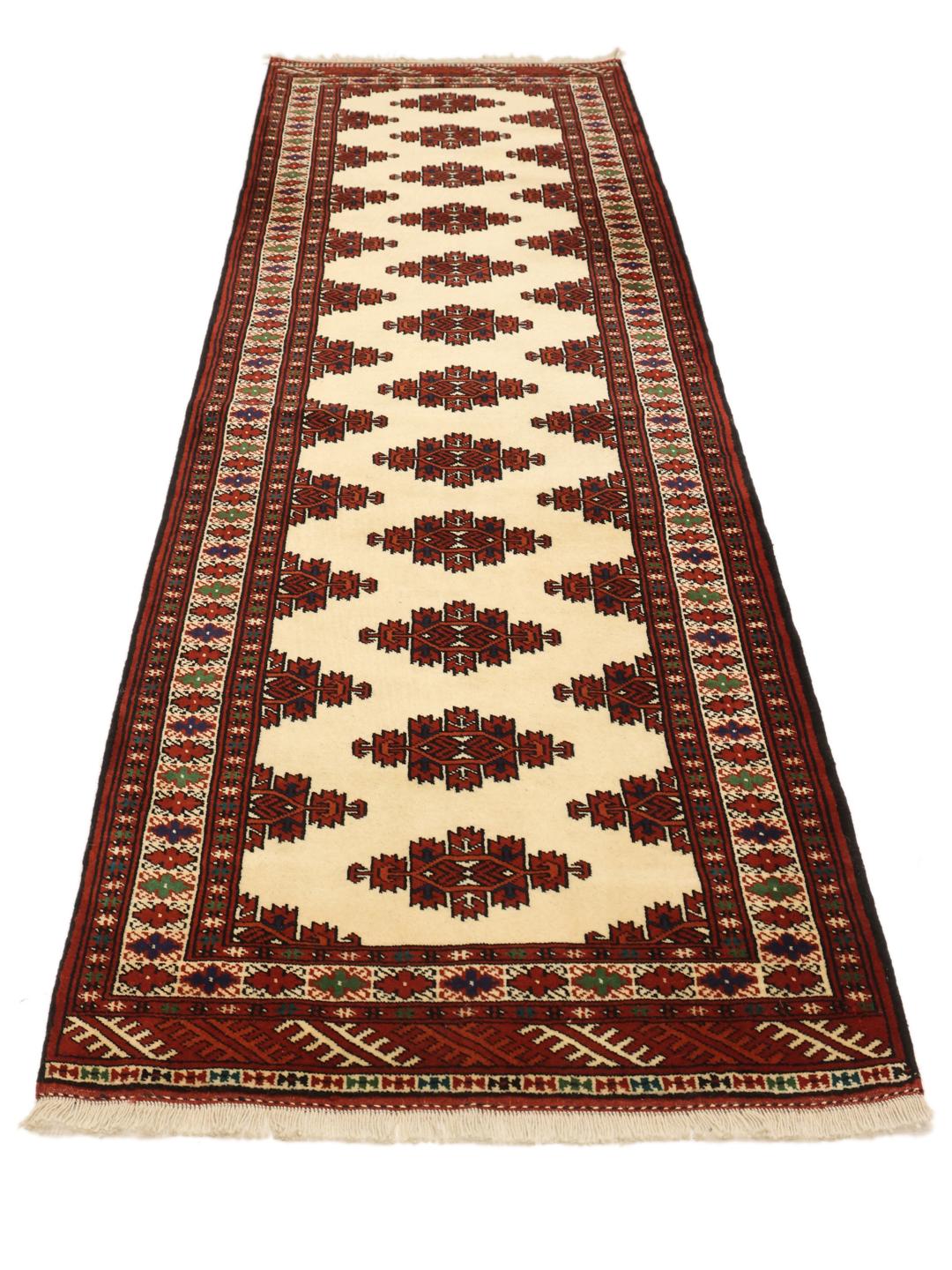
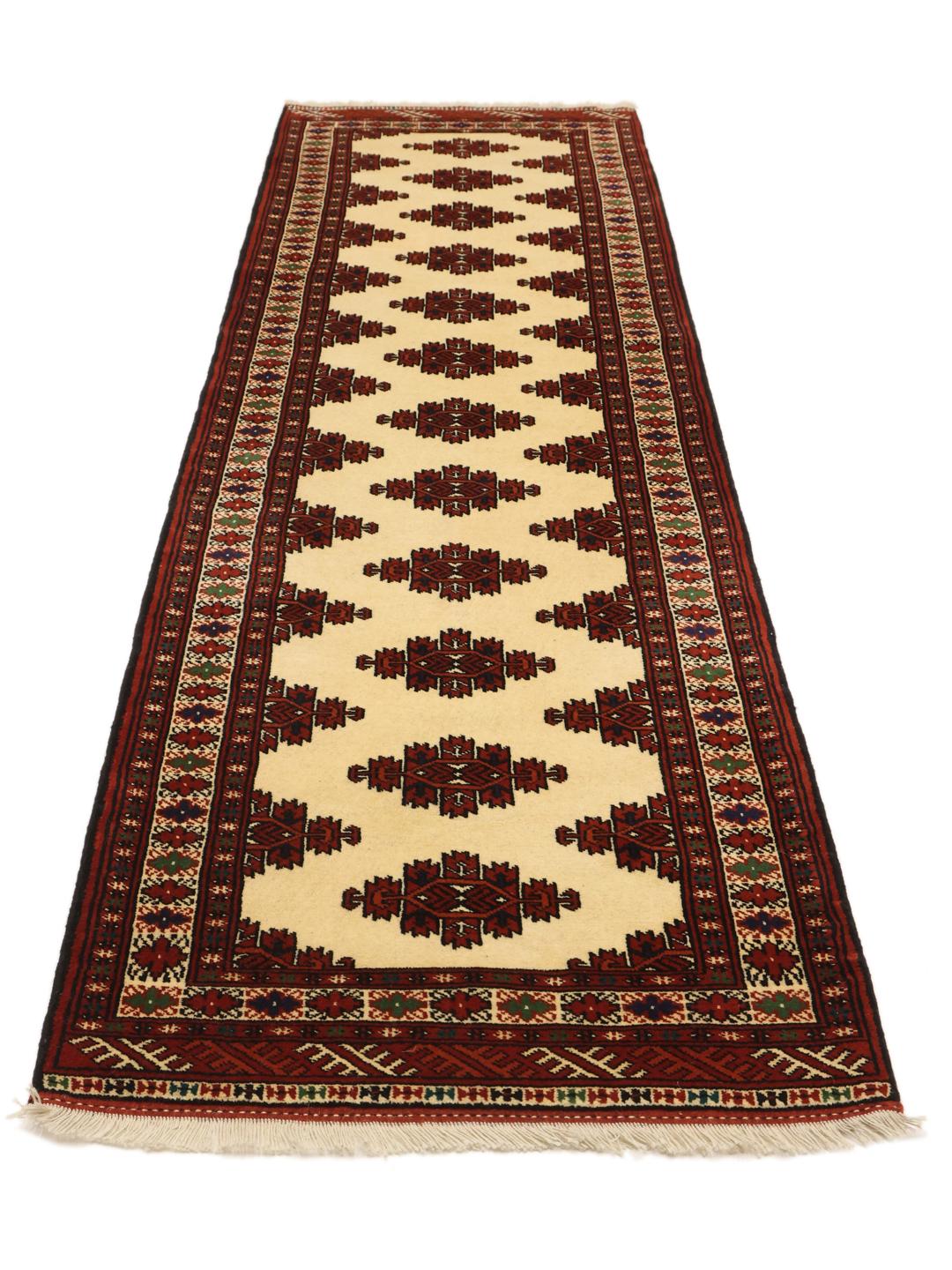
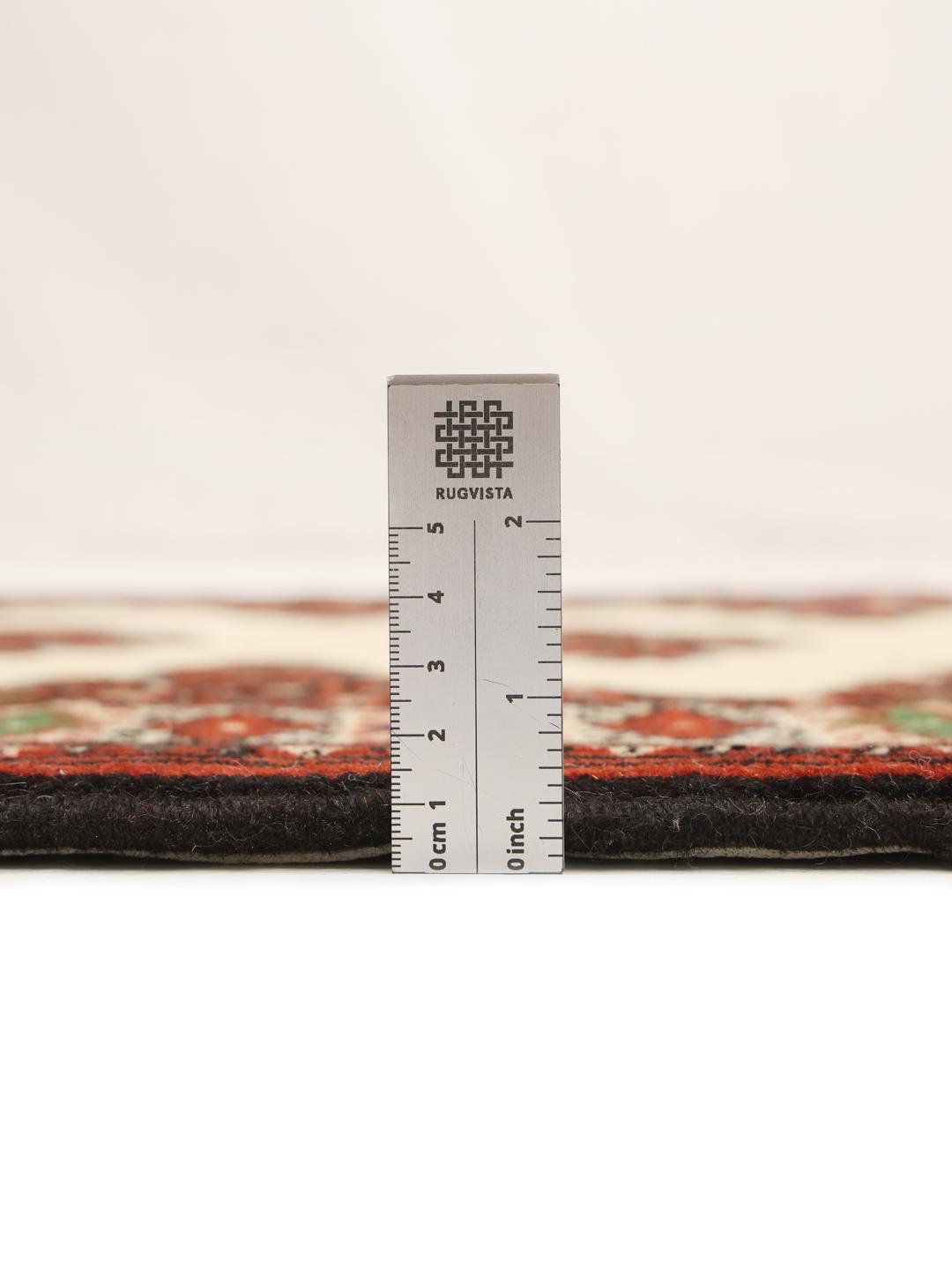
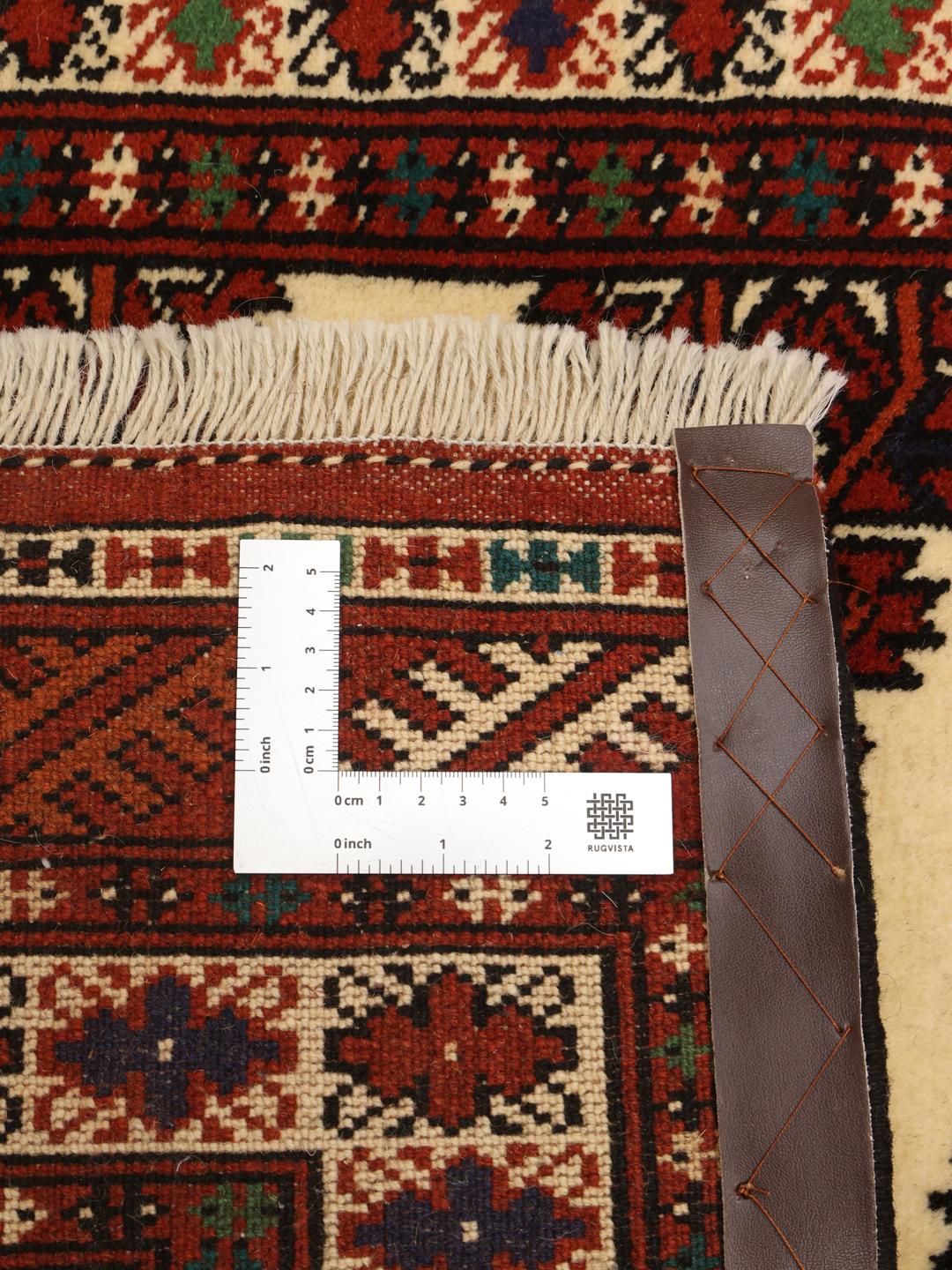
The Turkaman rug tradition originates from the nomadic tribes of the Central Asian steppes and has a history spanning centuries. These rugs were historically crafted by various tribal groups, each developing unique design vocabularies that reflected their environment and cultural identity. Over time, these traditions migrated and evolved, with the finest examples now being produced by skilled weavers in the Middle East.
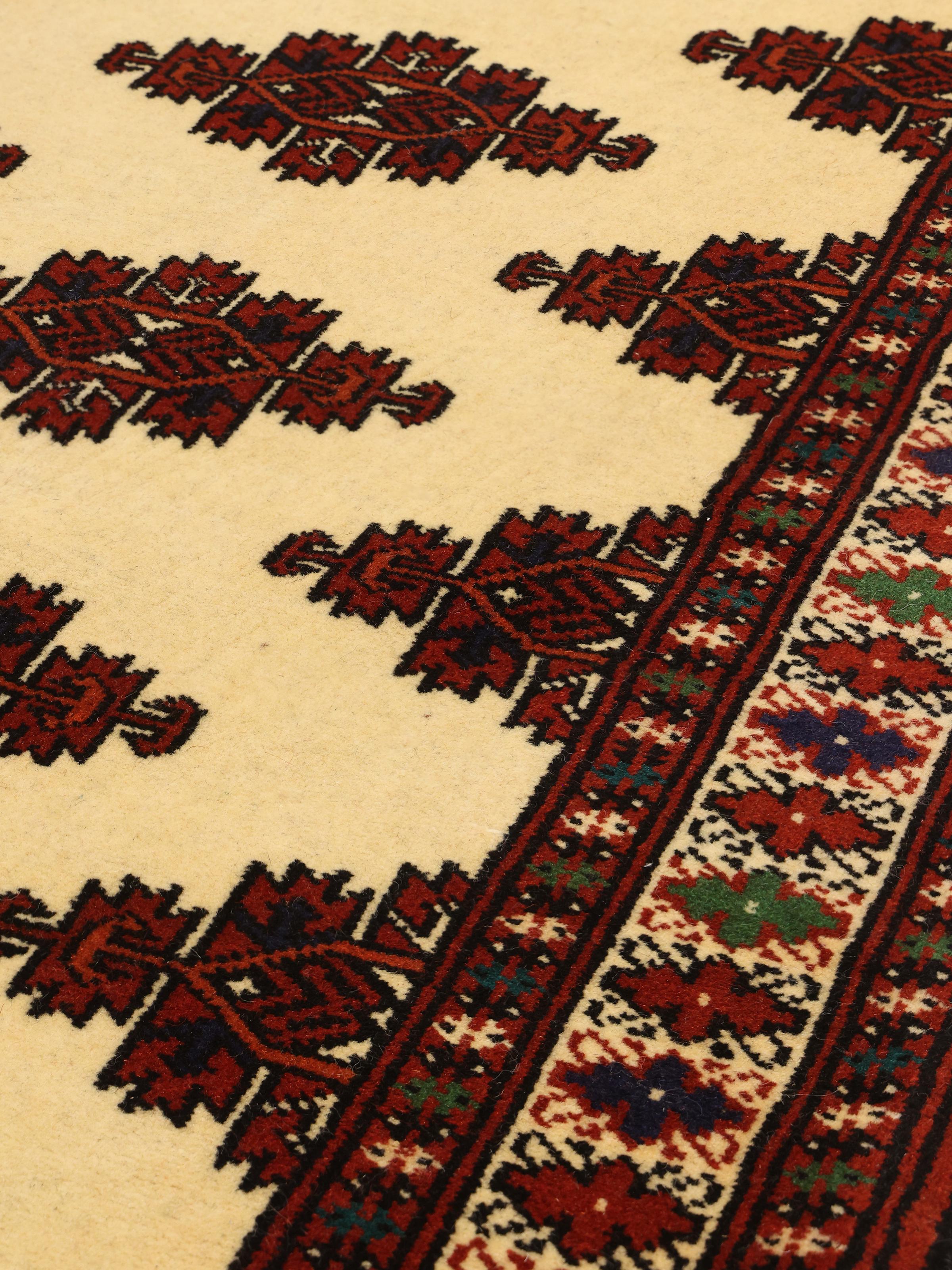
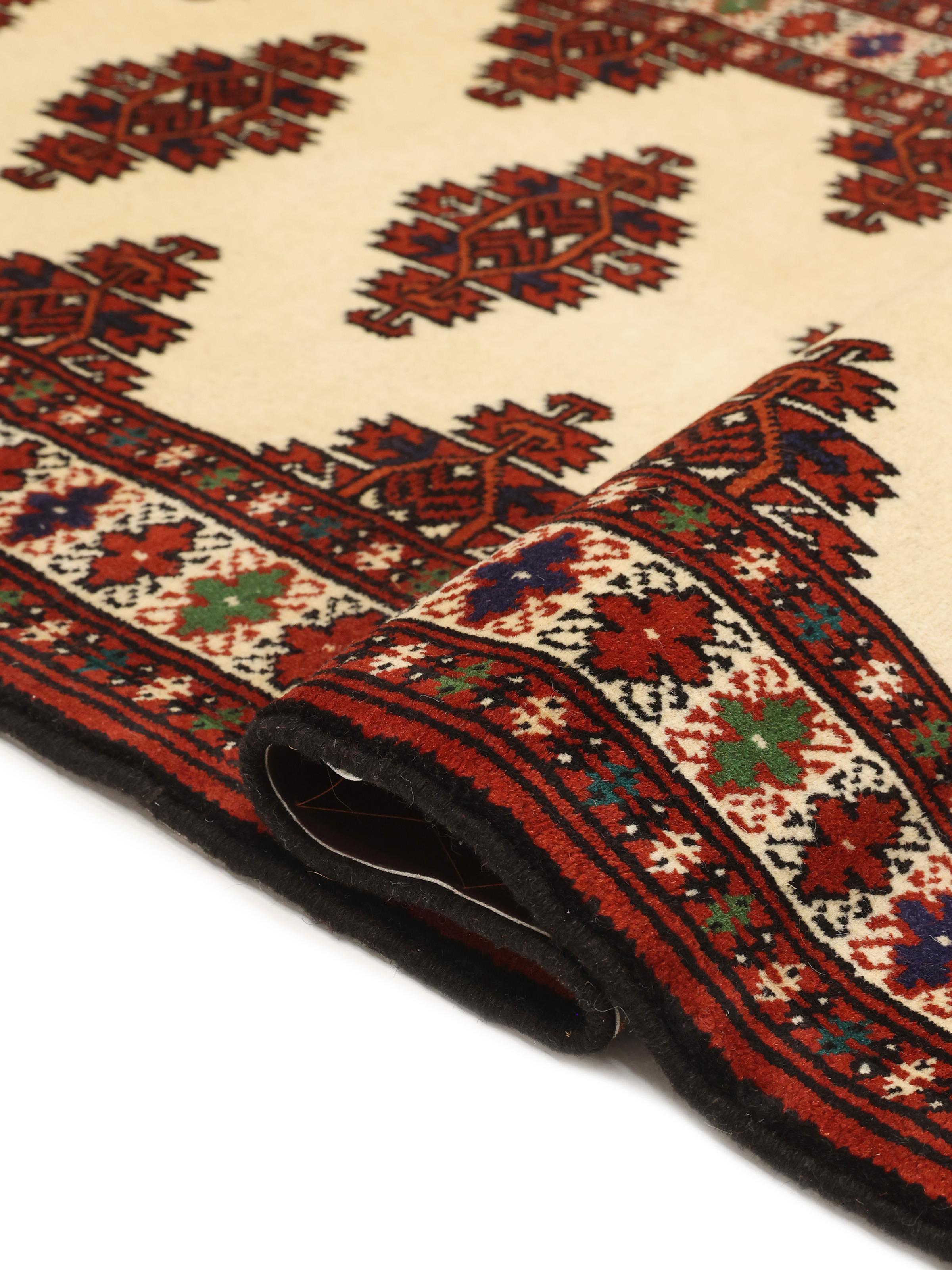
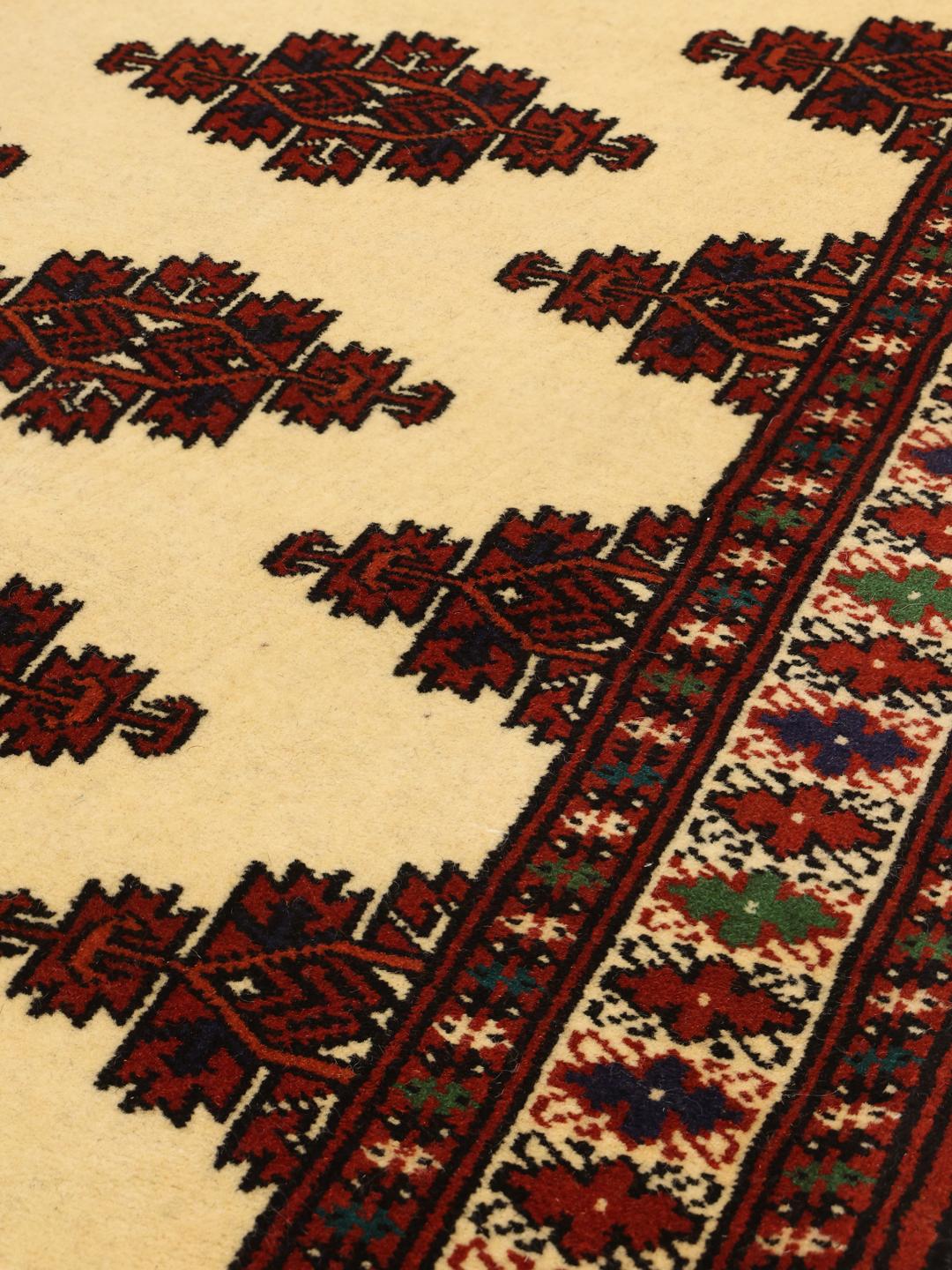
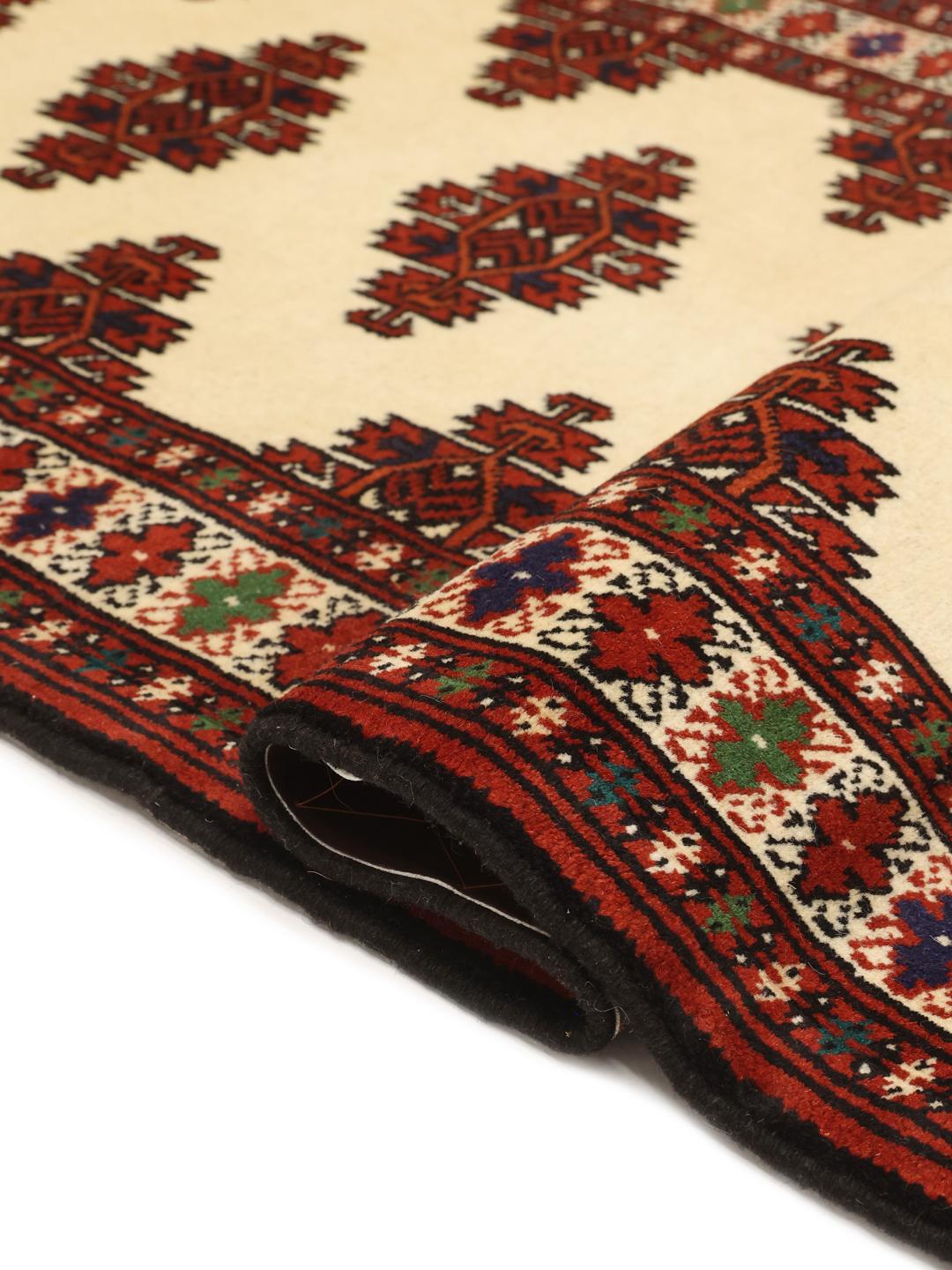
A key technical aspect of these rugs is the use of high-quality wool, which is often processed to produce a dense and resilient pile. The term 'hand-knotted' refers to the labour-intensive process where each pile yarn is individually tied to the foundation, creating a structure that is both flexible and incredibly strong. This method is fundamental to the longevity and value of traditional rugs.
The design language of this tradition is famously defined by the repeating 'gul' motif, which is an octagonal or medallion-shaped figure arranged in orderly rows across the field. These motifs are often surrounded by complex, geometric borders that frame the composition. The use of deep, rich tones like dark red, paired with neutral fields, is a hallmark of this style, providing a look that is both bold and sophisticated.
Collectors value Turkaman rugs for their deep connection to tribal heritage and the exceptional skill required to produce them. Owning one is not merely about decorating a floor; it is about bringing a piece of cultural history into your home. These rugs are celebrated for their ability to age gracefully, often becoming more beautiful with time, which makes them lasting investments for any household.