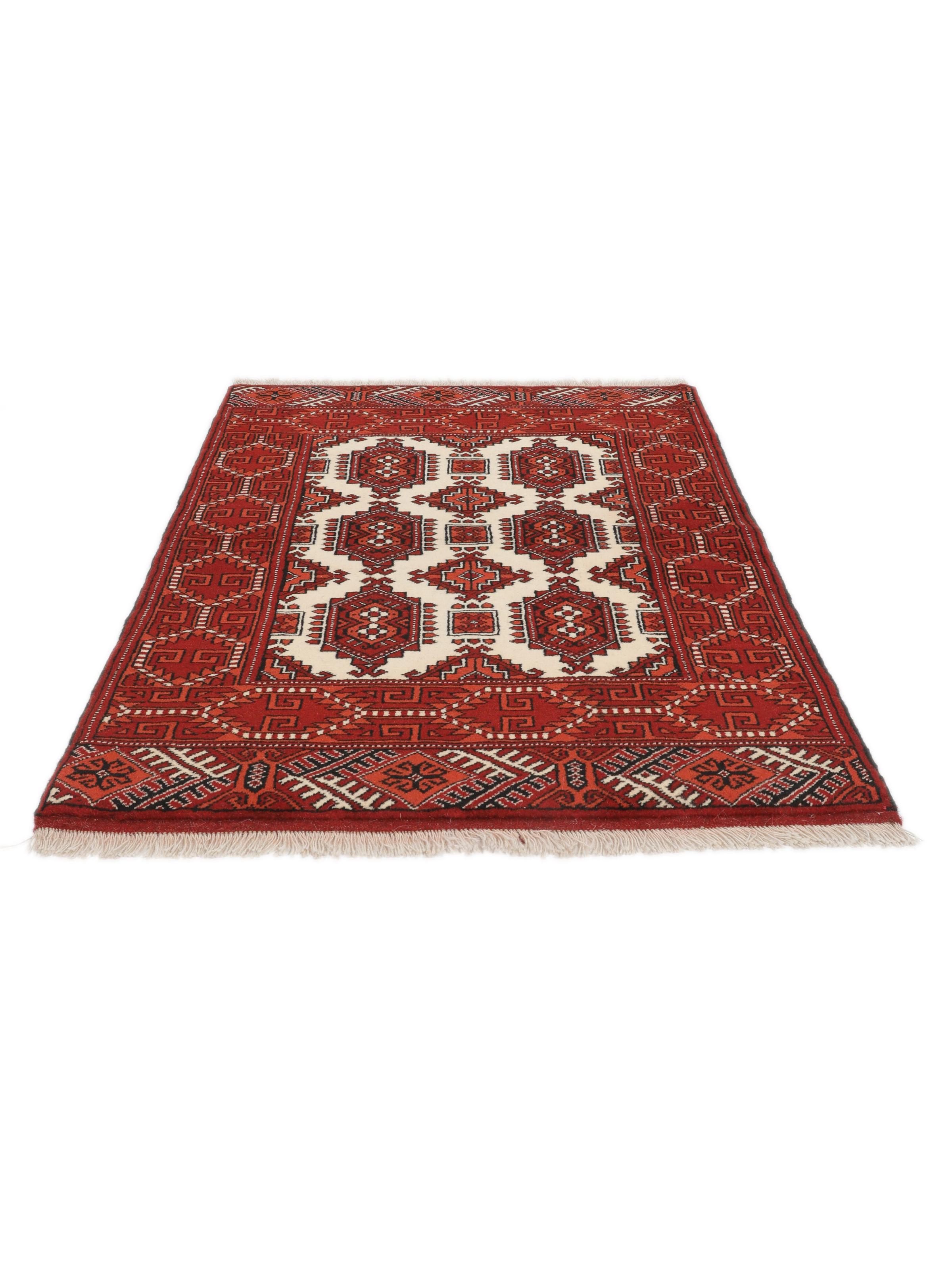
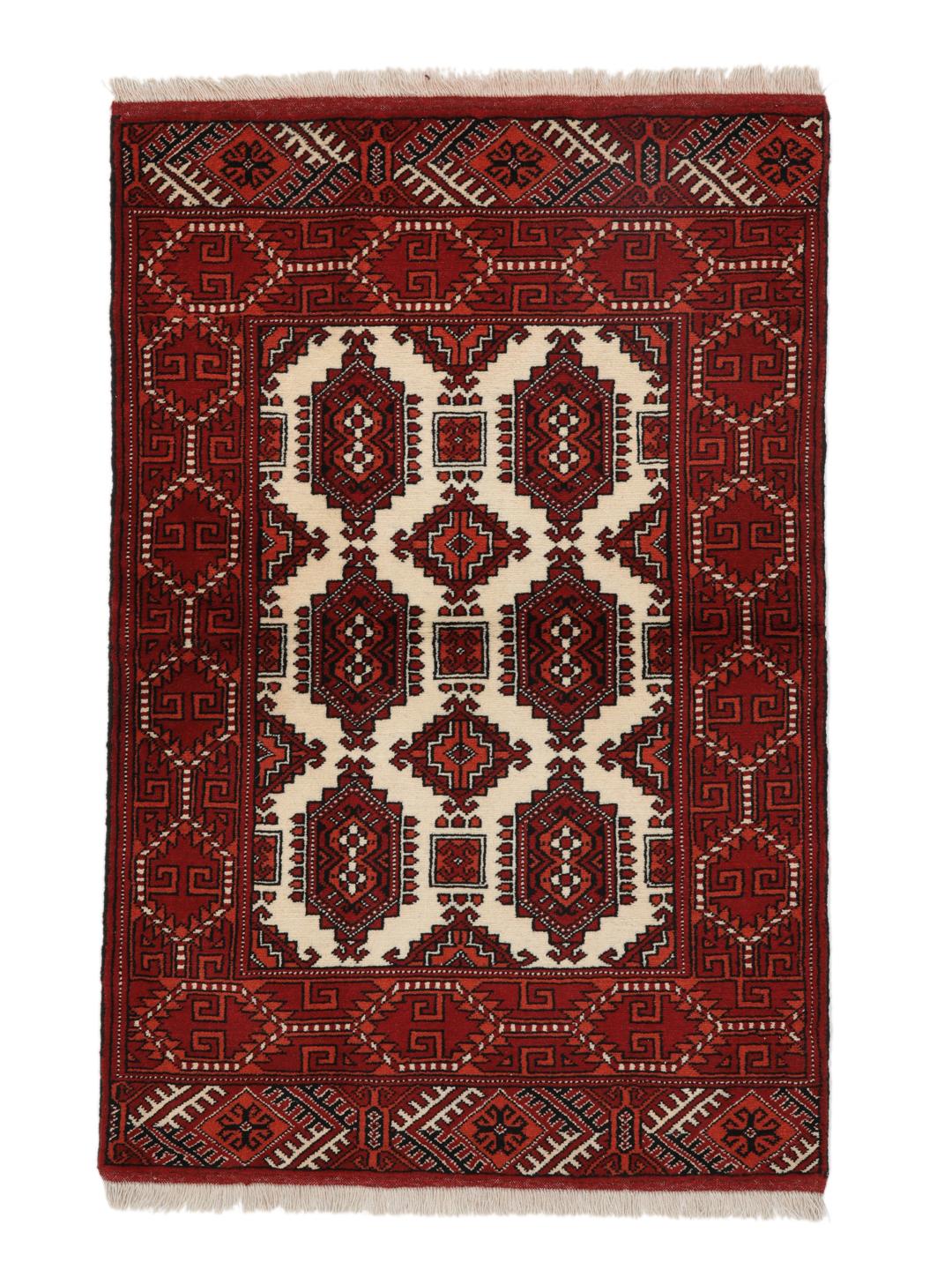
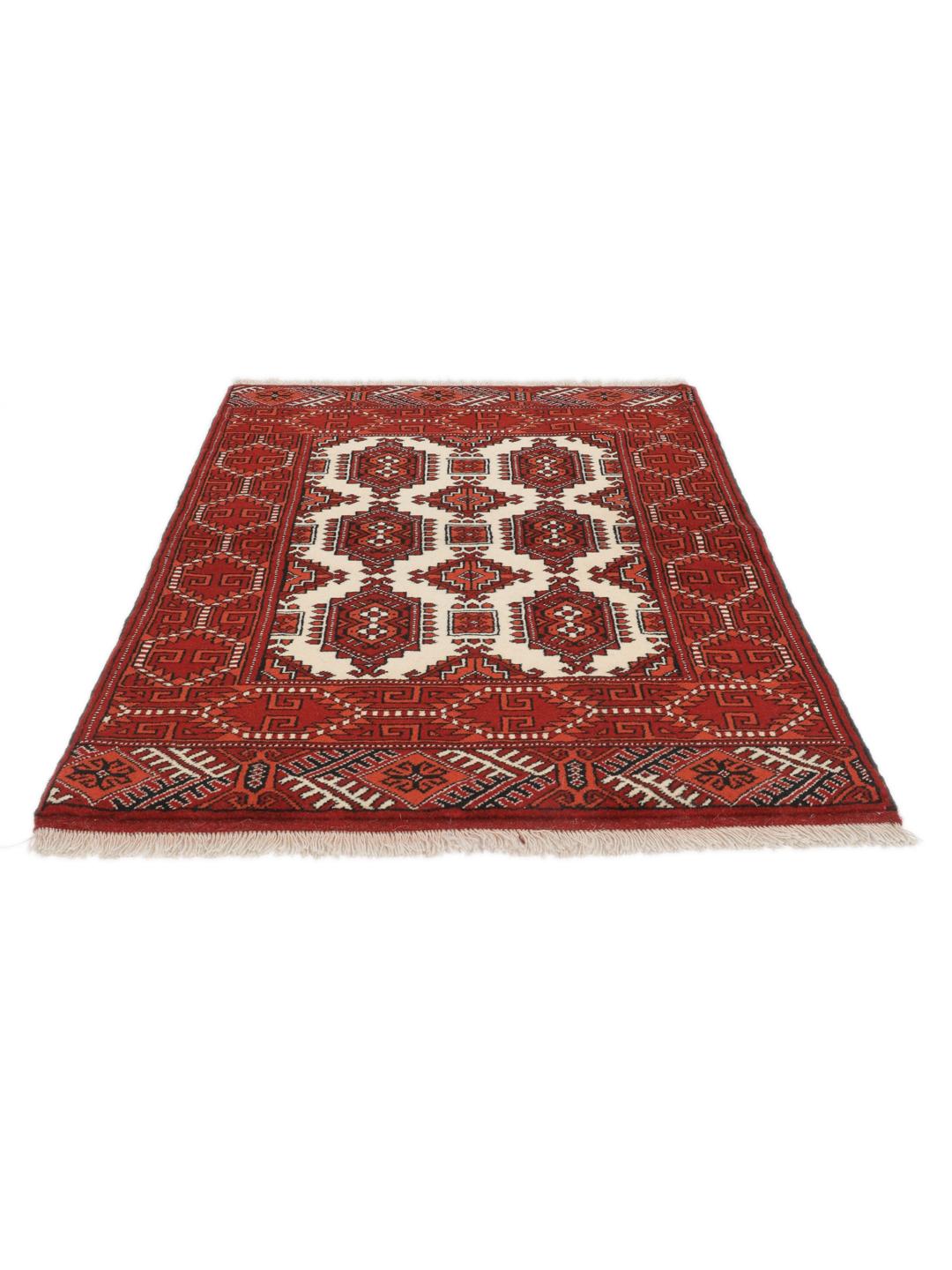
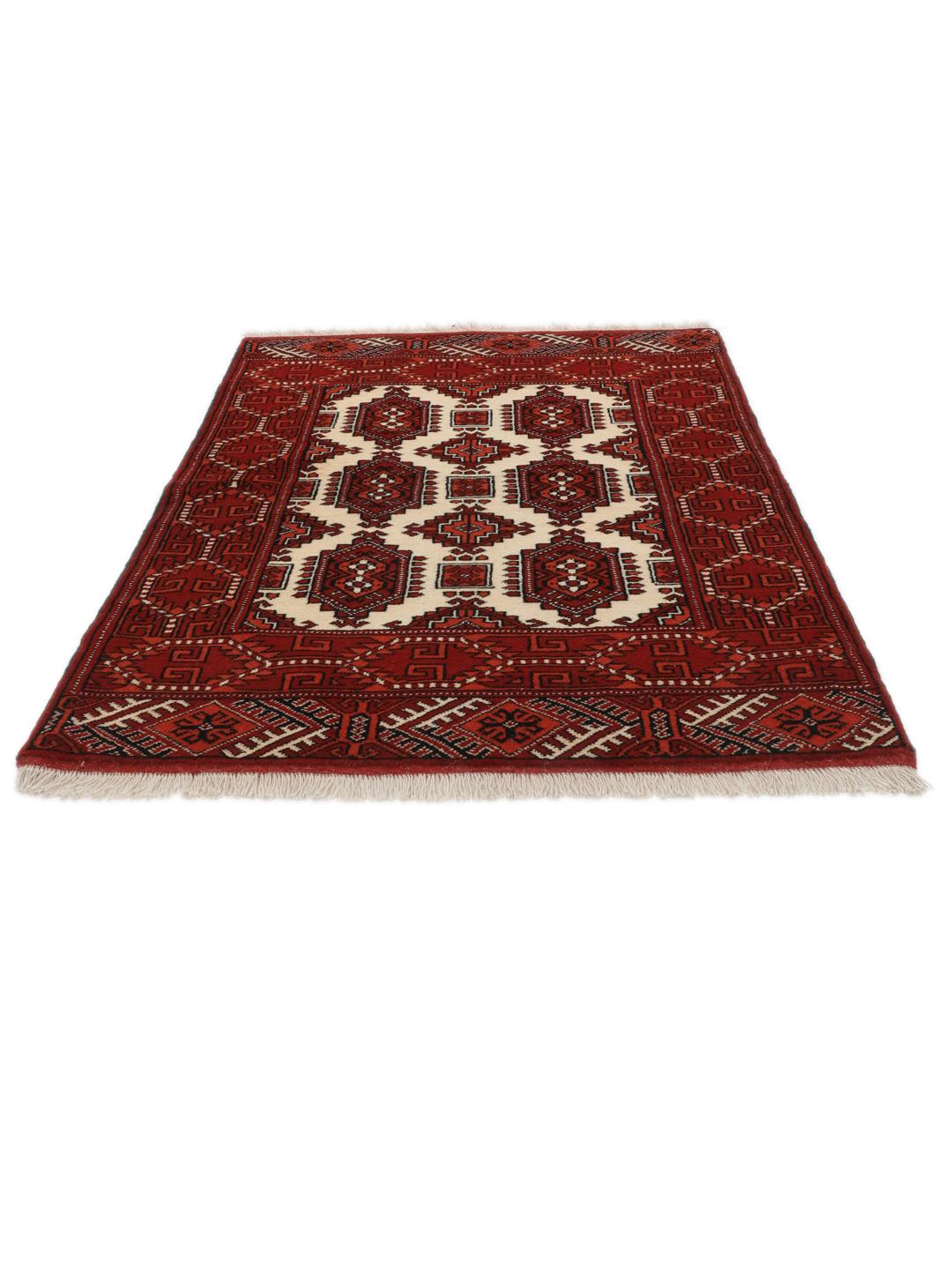
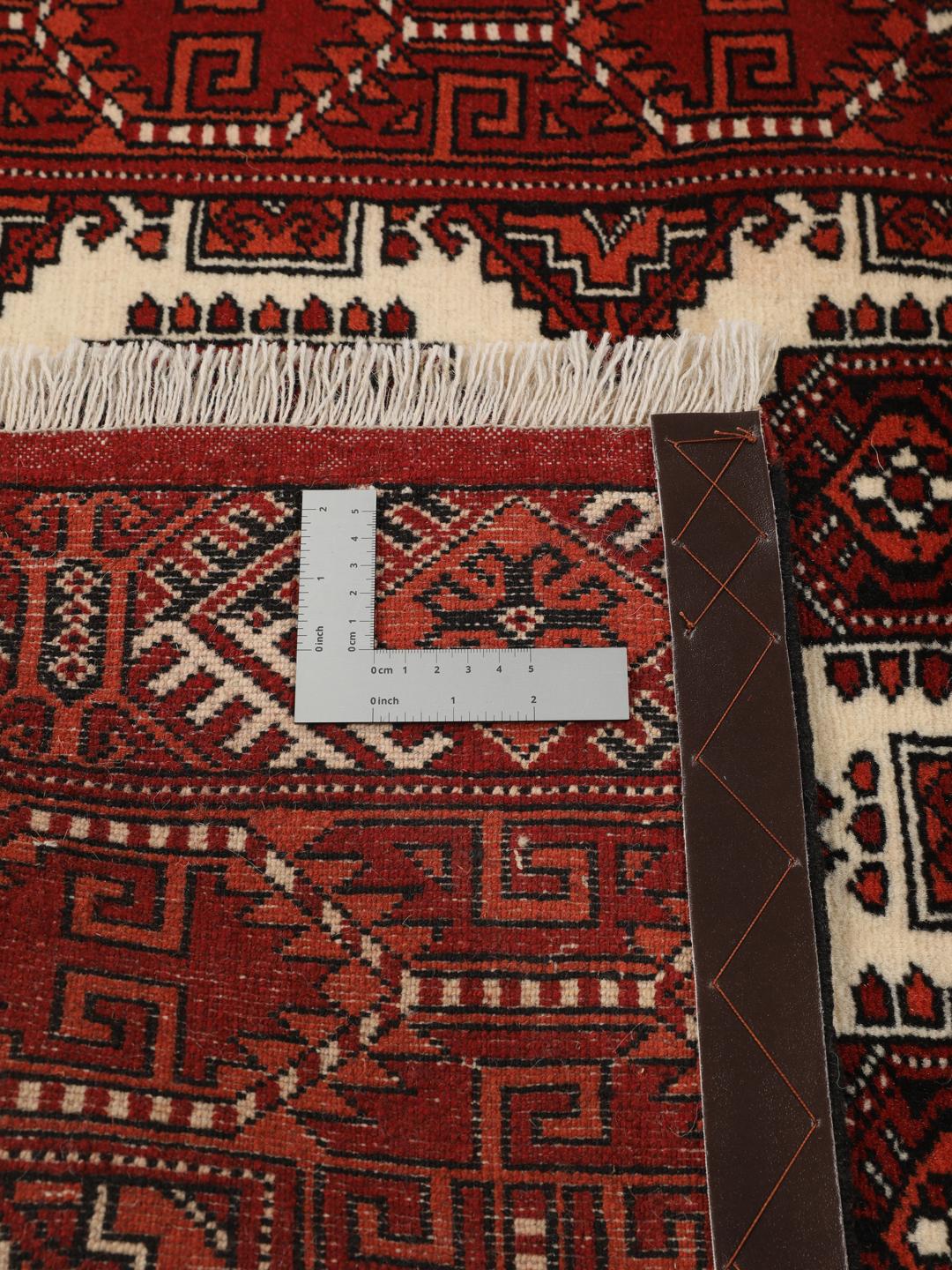
Turkaman rugs originate from the nomadic and semi-nomadic tribes of Central Asia, a region with a deep-rooted history of weaving that spans centuries. While these designs were traditionally crafted for functional use in tents and homes, they have evolved into some of the most sought-after pieces in the world of textiles, prized for their distinctive geometric language.
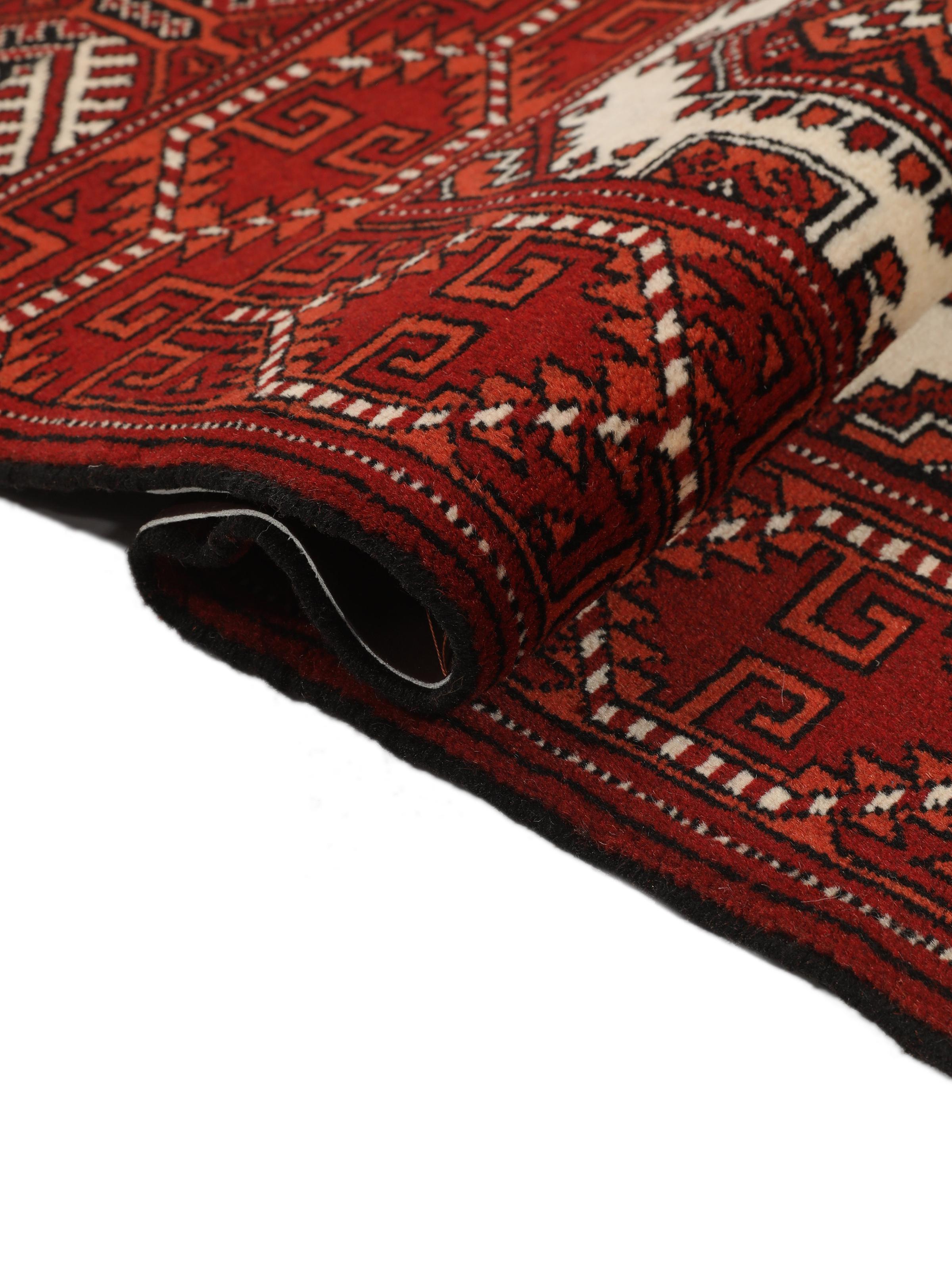
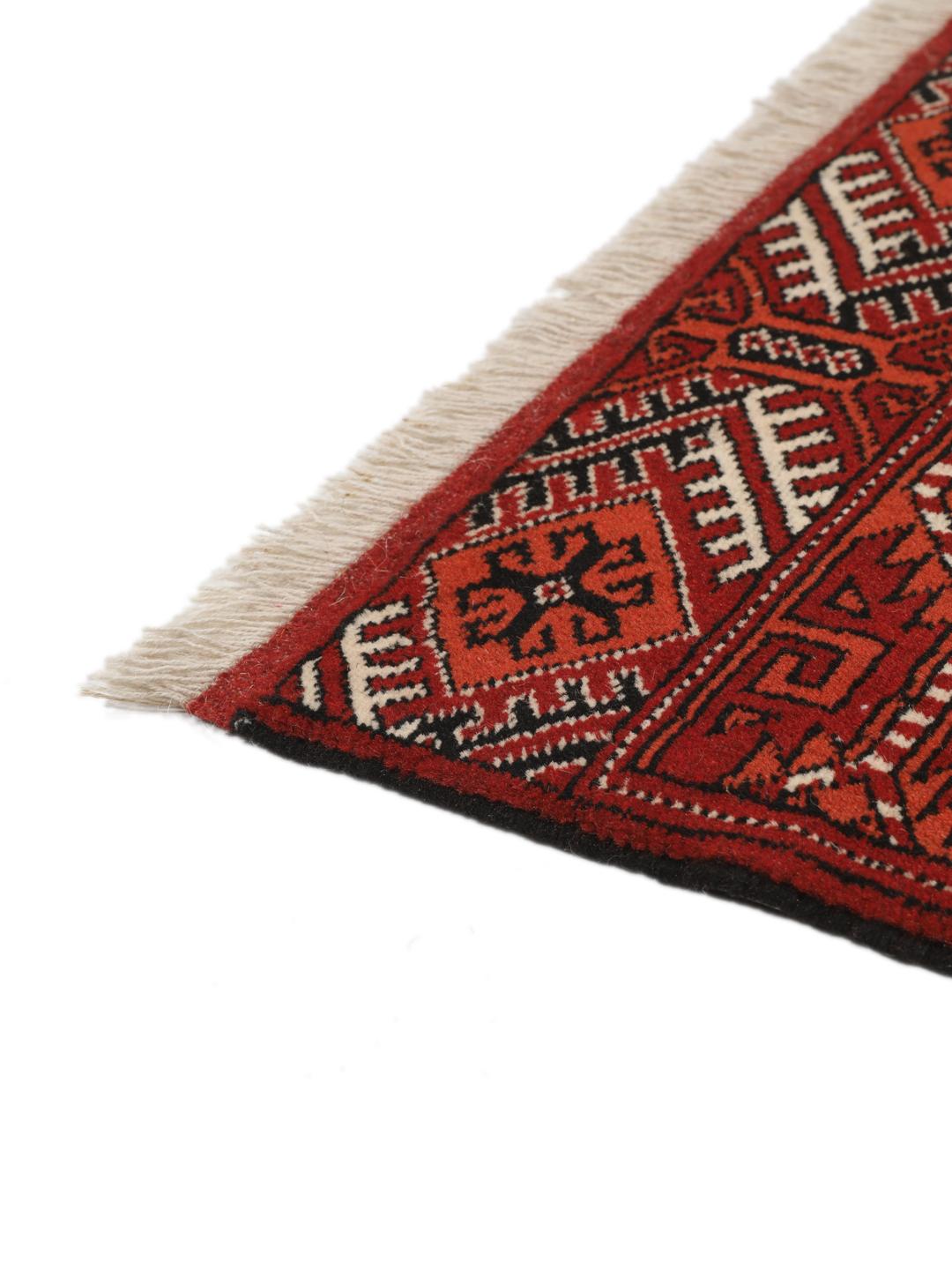
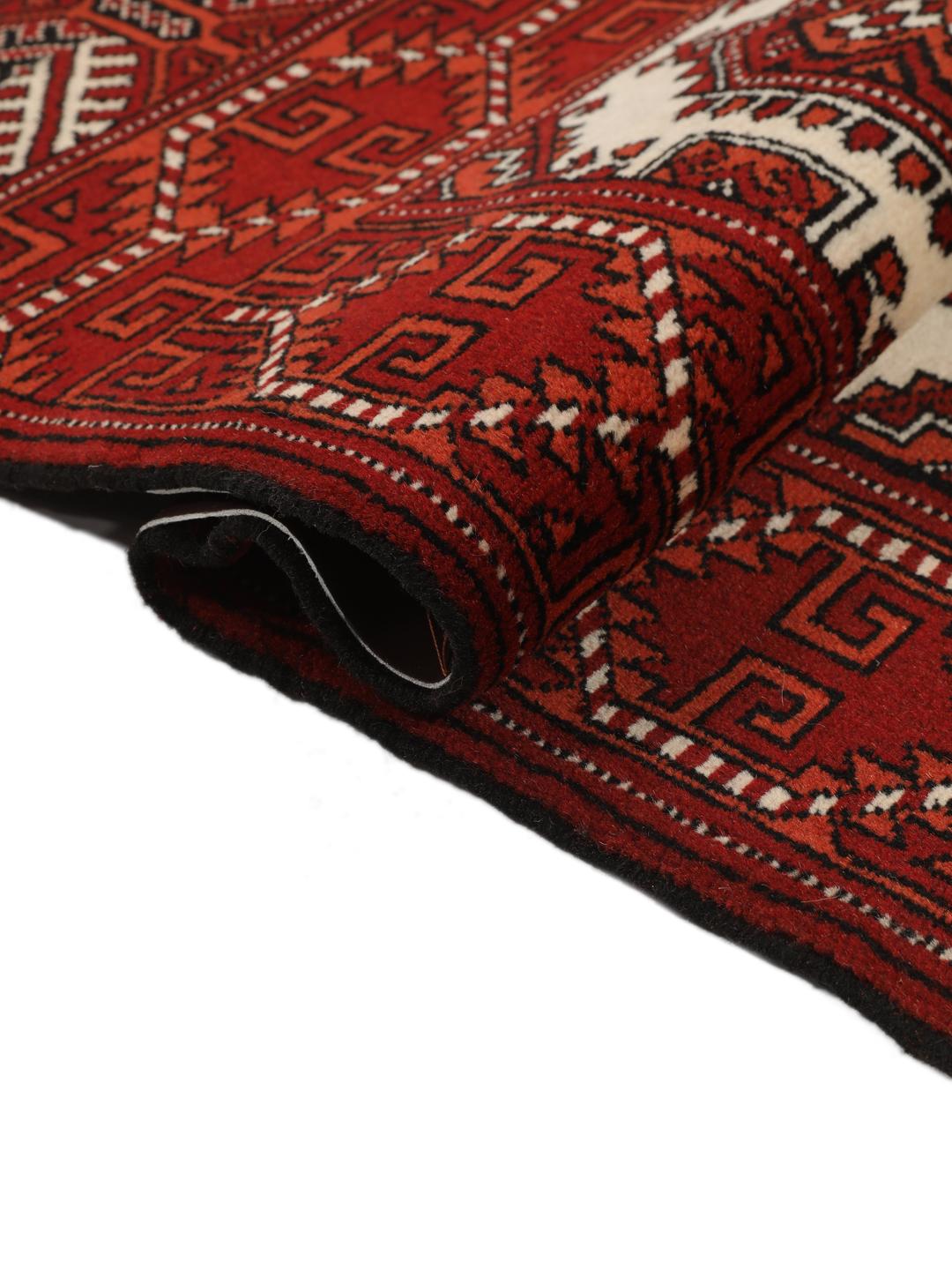
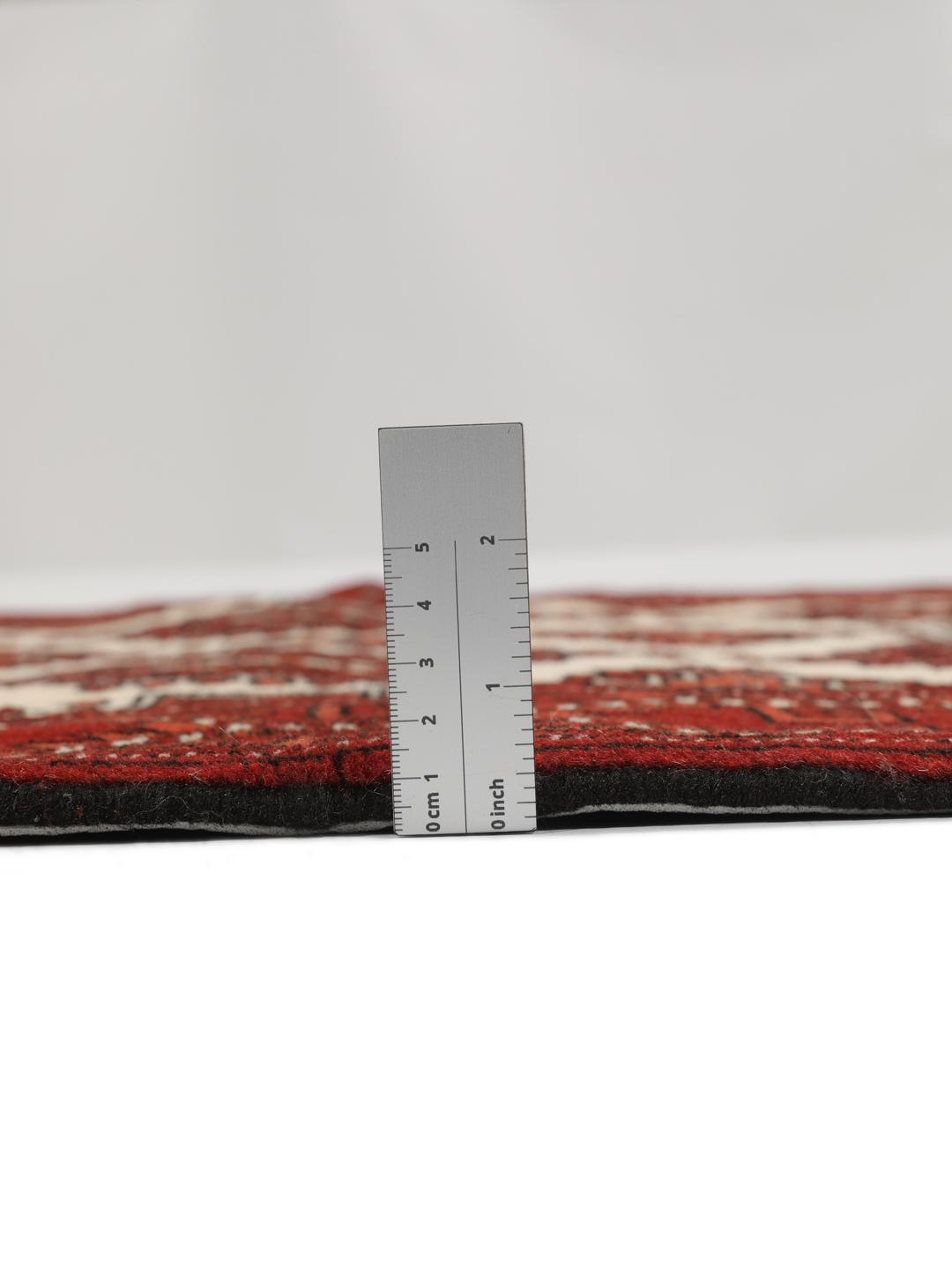
The term Turkaman refers to both the people and the tradition of weaving characterised by these intricate, repeating motifs. These rugs are typically known for their use of high-quality Wool, which is often prepared and dyed in ways that ensure long-lasting colour and a lustrous, durable finish that improves with age.
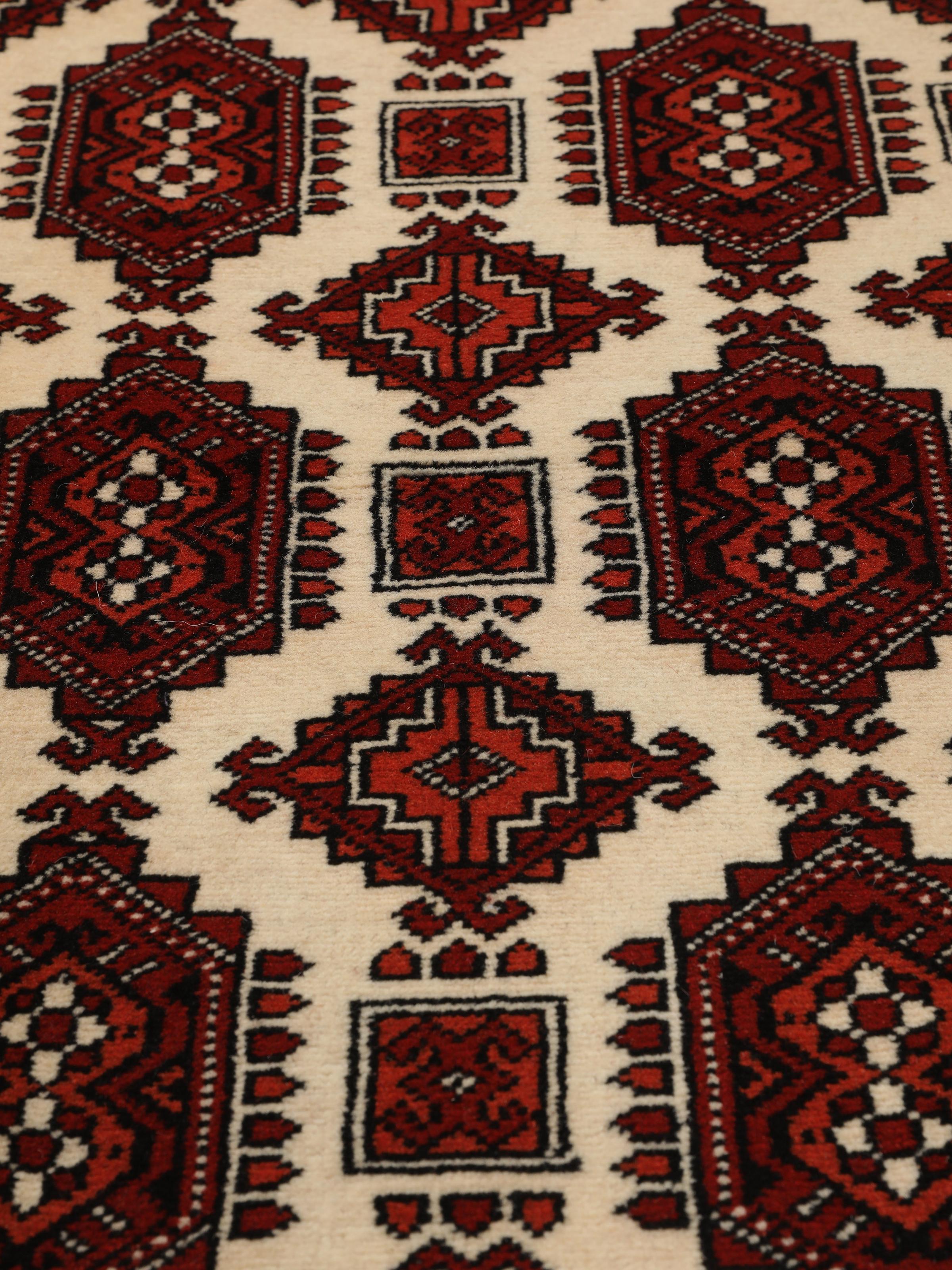
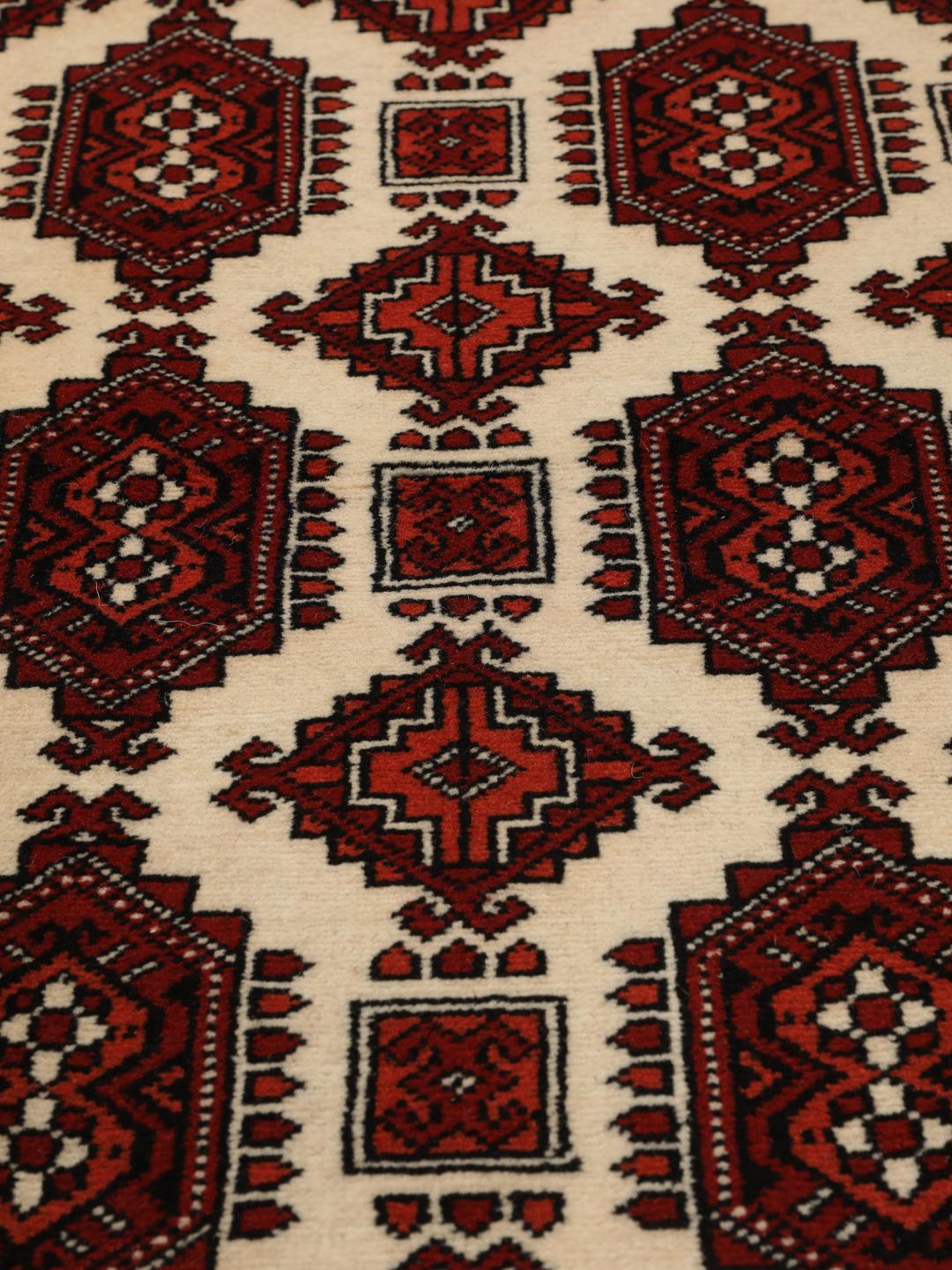
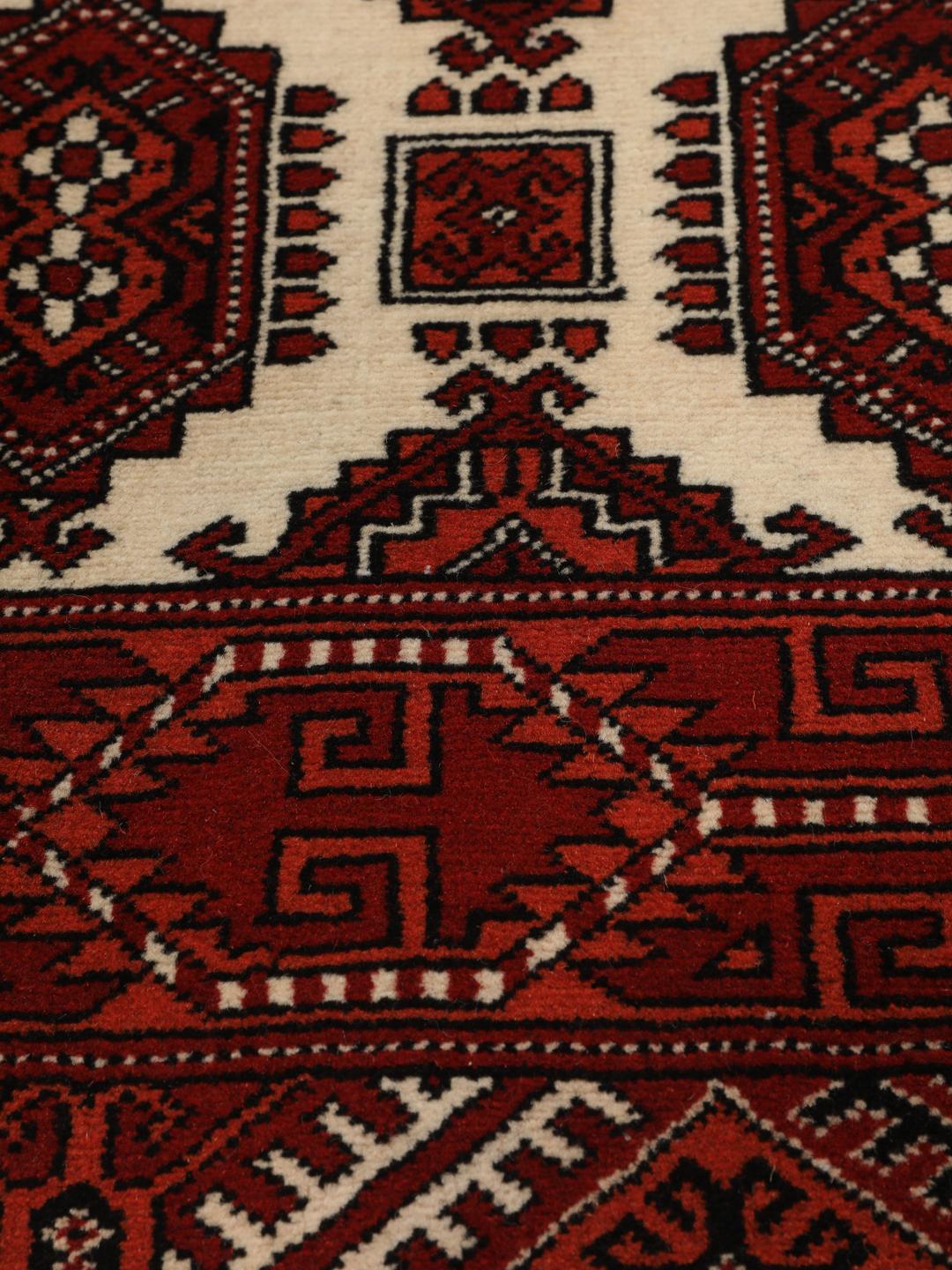
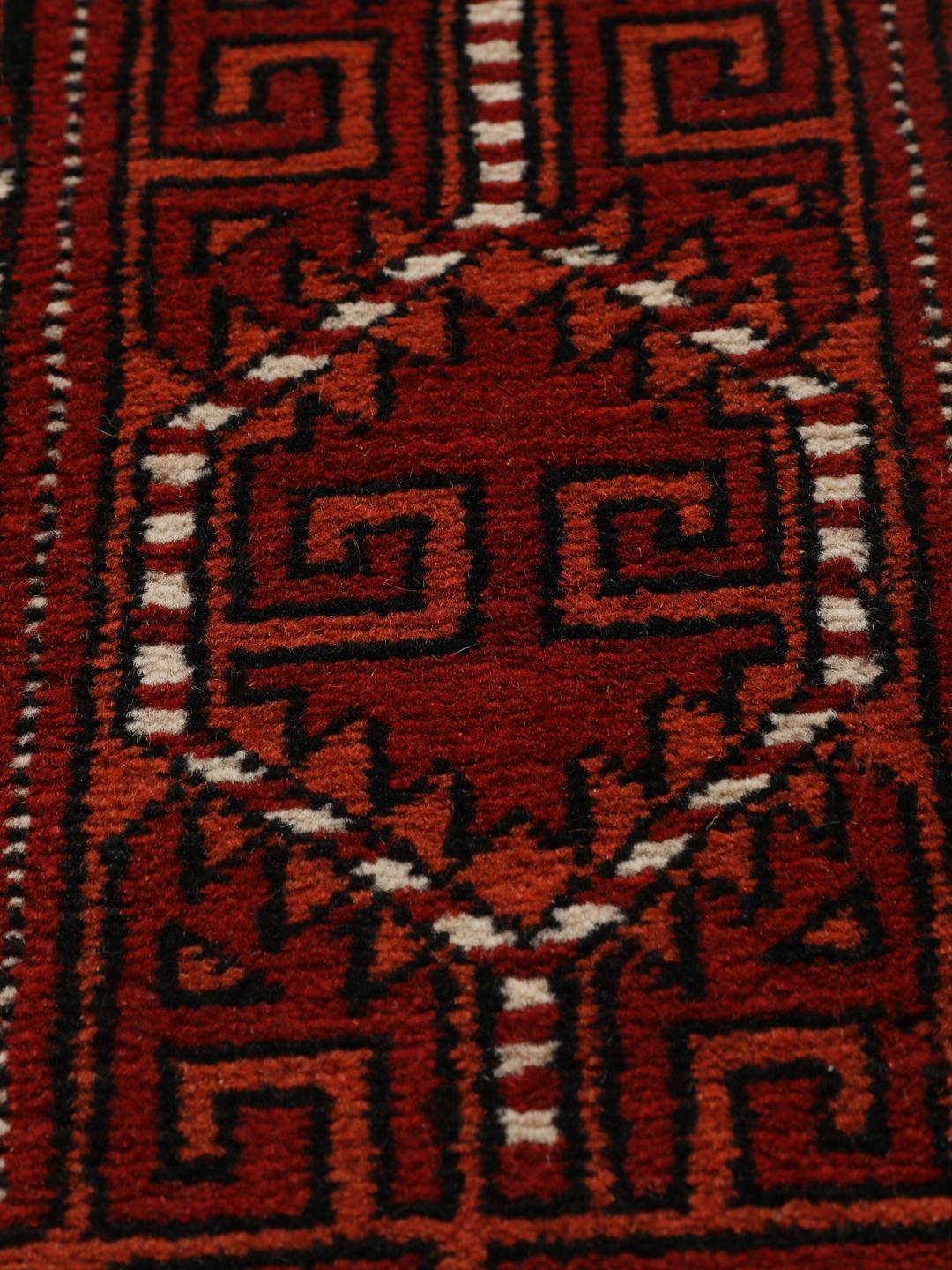
Signature design elements of this tradition include the use of repeating medallions, often referred to as 'guls', which are arranged in symmetrical rows across the field. The borders are usually formal and geometric, framing the central motifs and reflecting a design philosophy that values balance, order, and symbolic storytelling.
Collecting a piece from this tradition is about more than just decor; it is an appreciation of the skill and cultural heritage preserved through generations. These rugs are valued for their enduring quality and the way they bridge the gap between ancient artistry and modern living, offering a sense of history that is rarely found in mass-produced items.