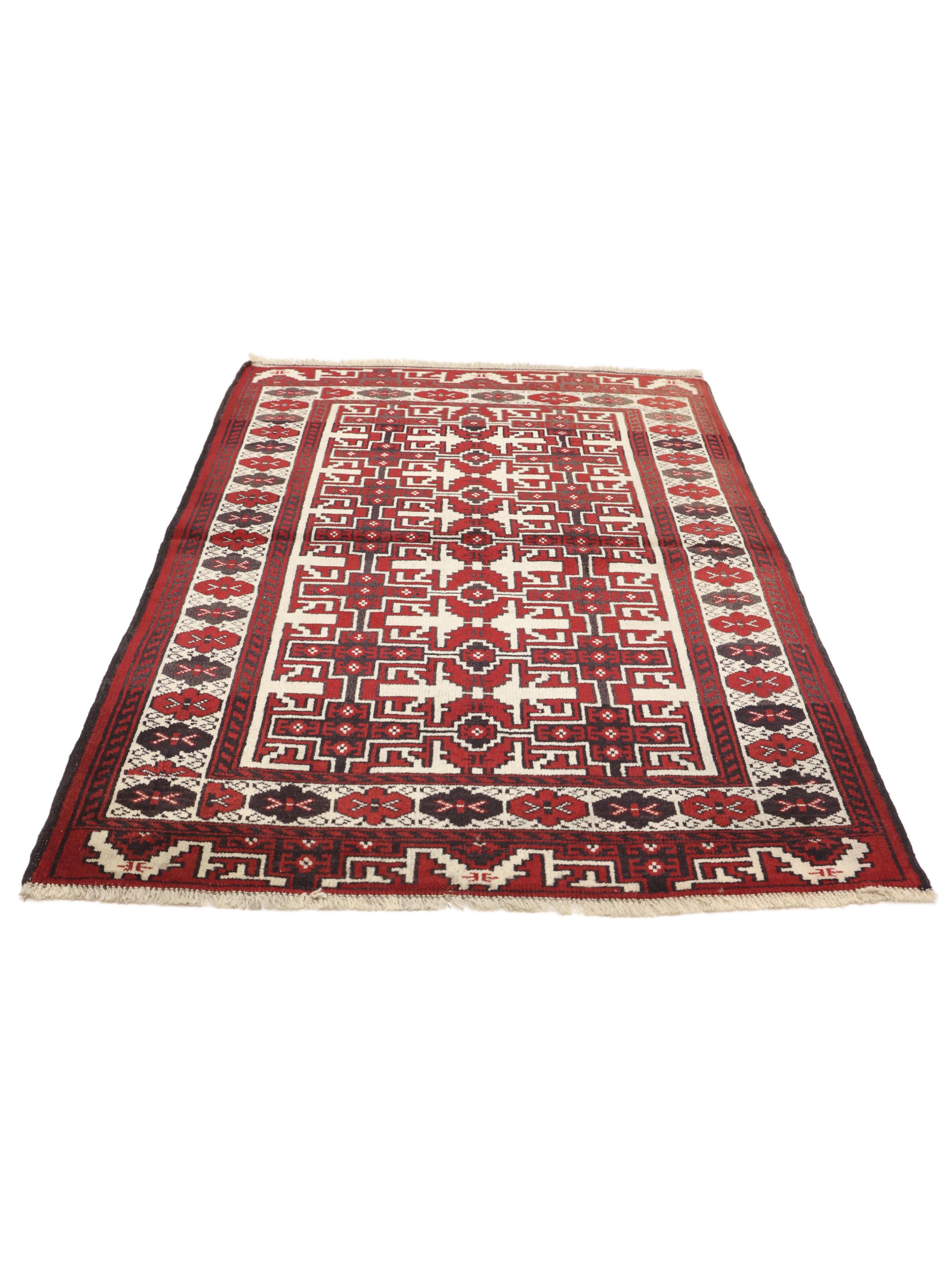
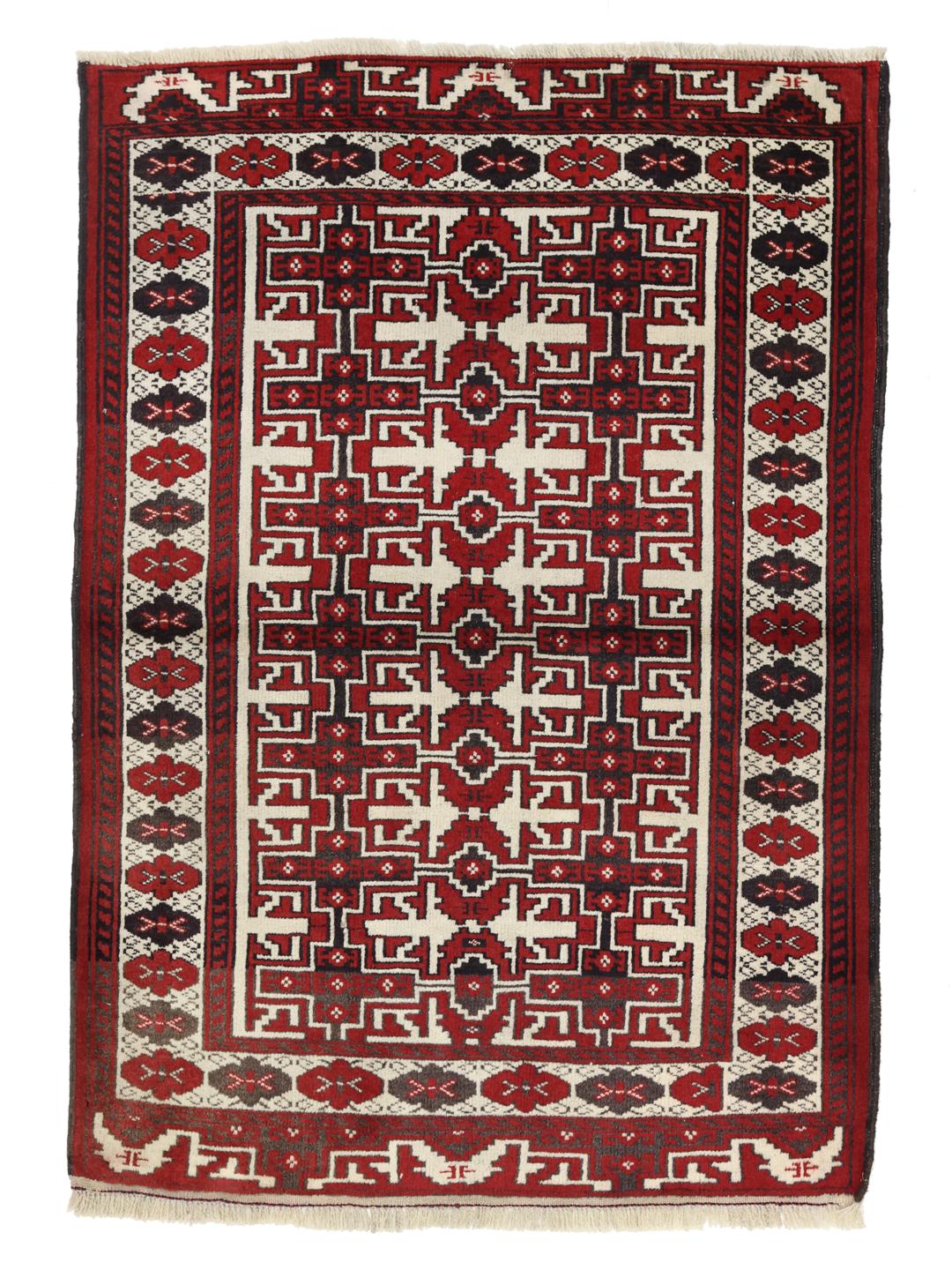
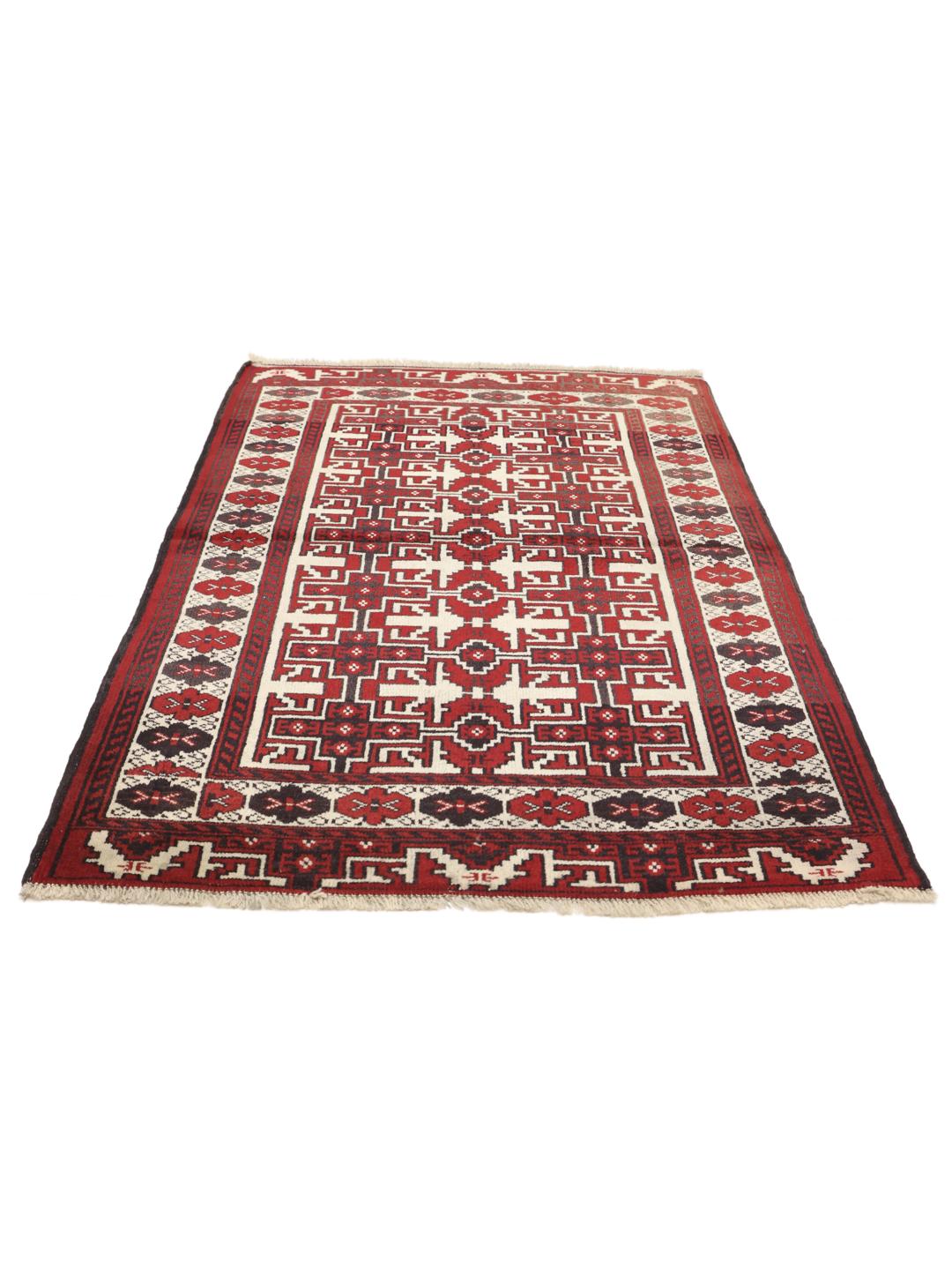
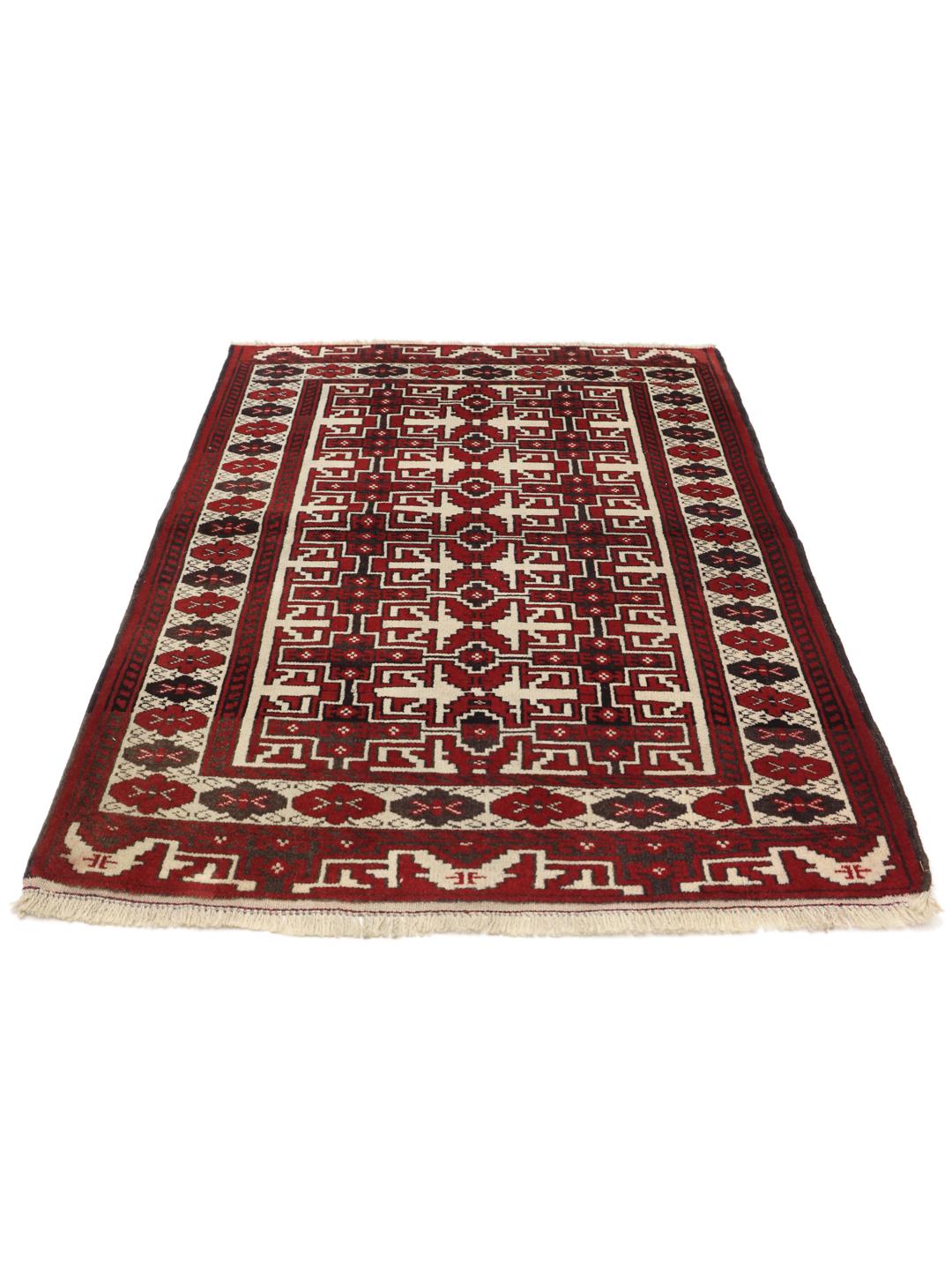
Turkaman rugs originate from the nomadic tribes of Central Asia, a region with a deep-rooted tradition of textile art that has flourished for centuries. While the nomadic lifestyle once necessitated portable, durable floor coverings, the tradition eventually spread across the Middle East, where it was refined by master weavers who adapted ancient tribal motifs into the sophisticated styles we recognise today.
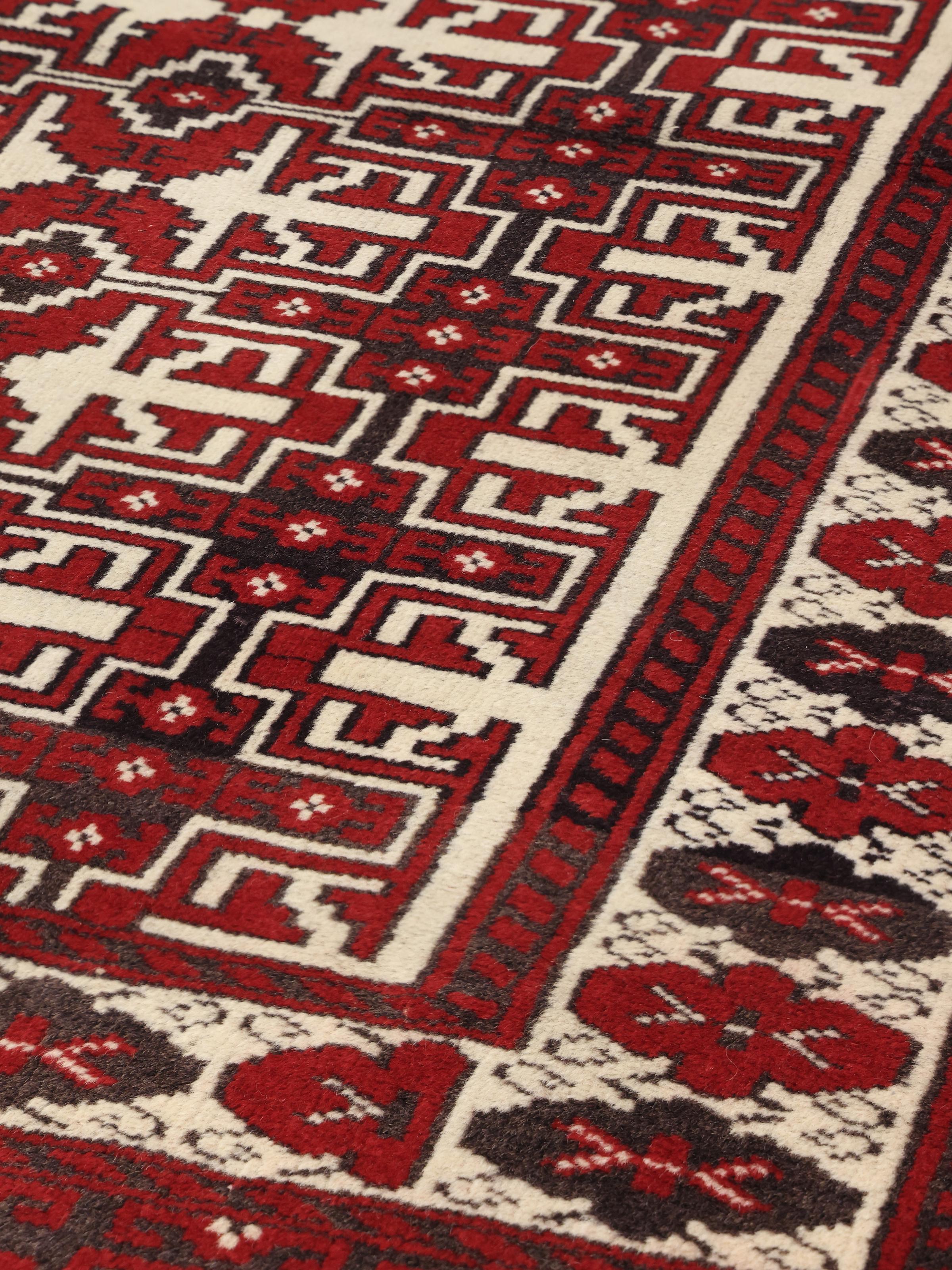
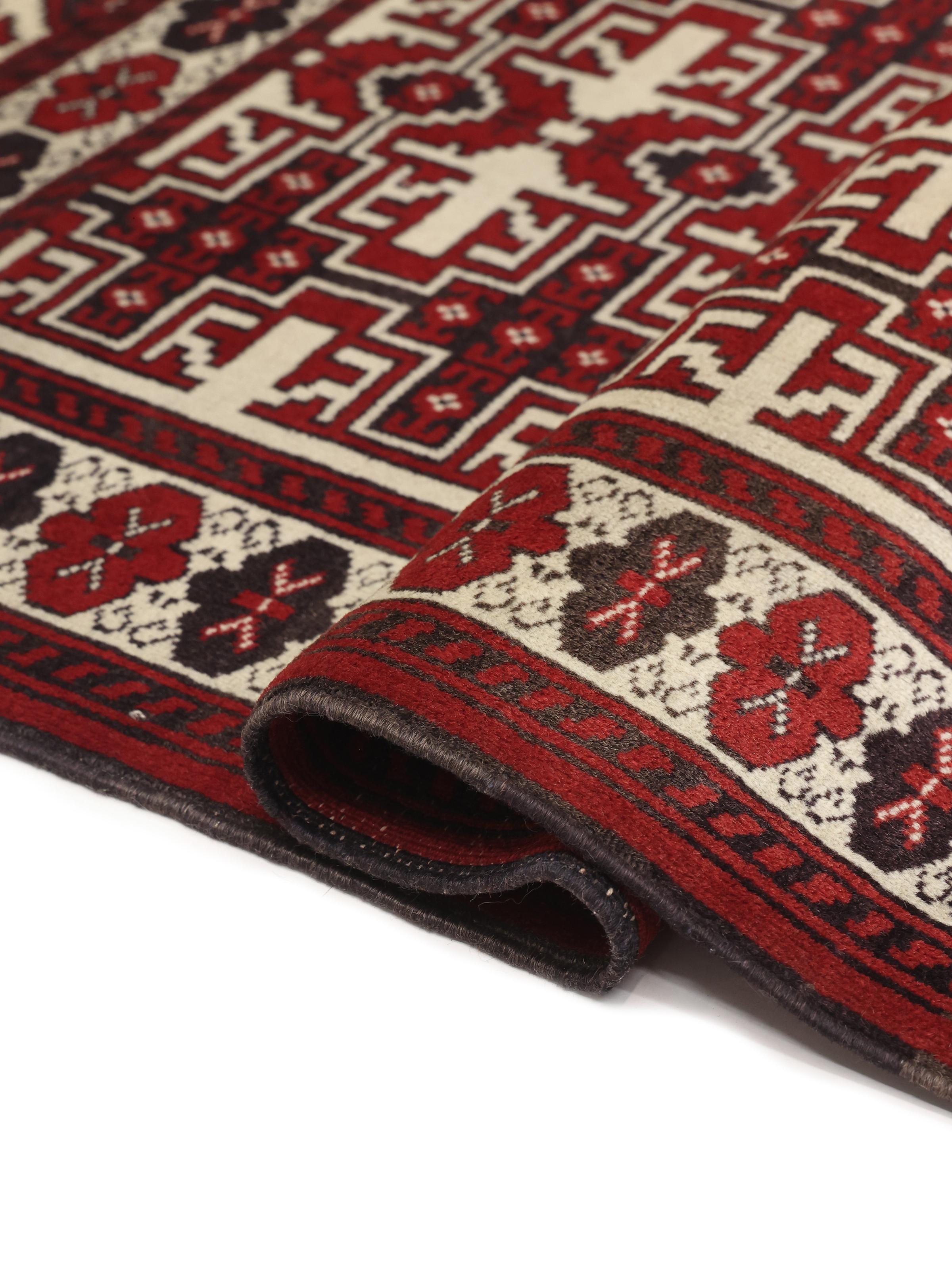
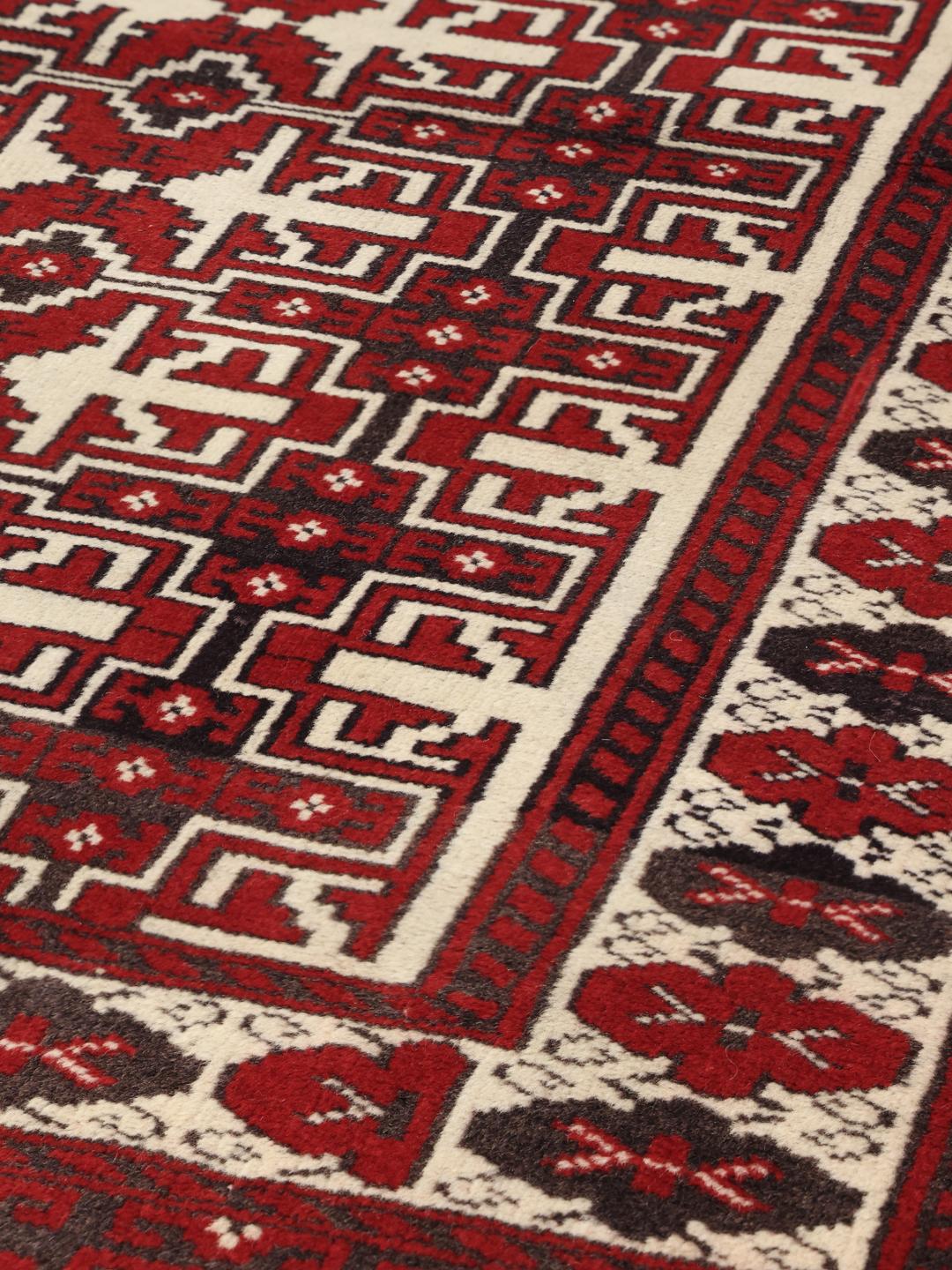
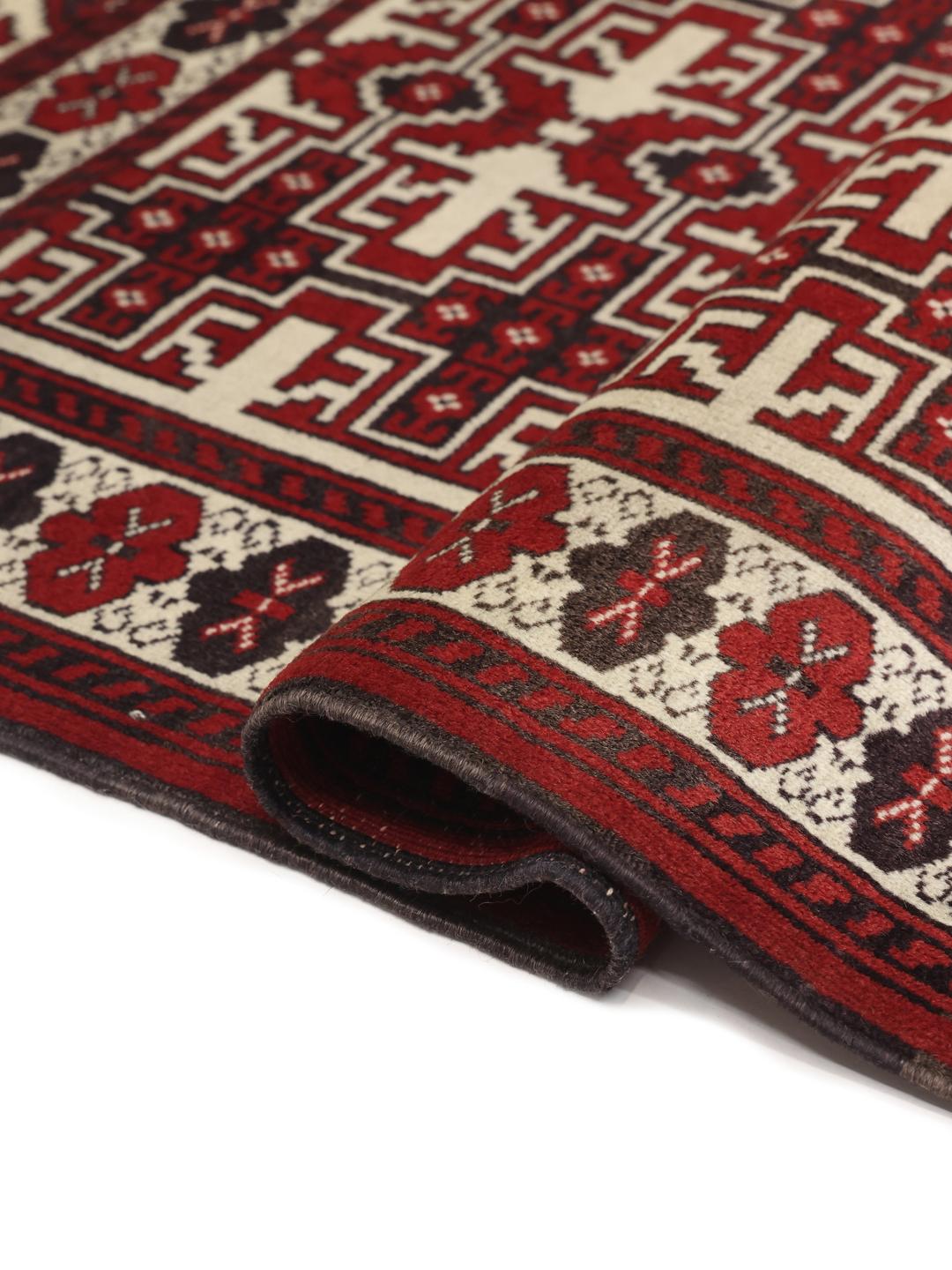
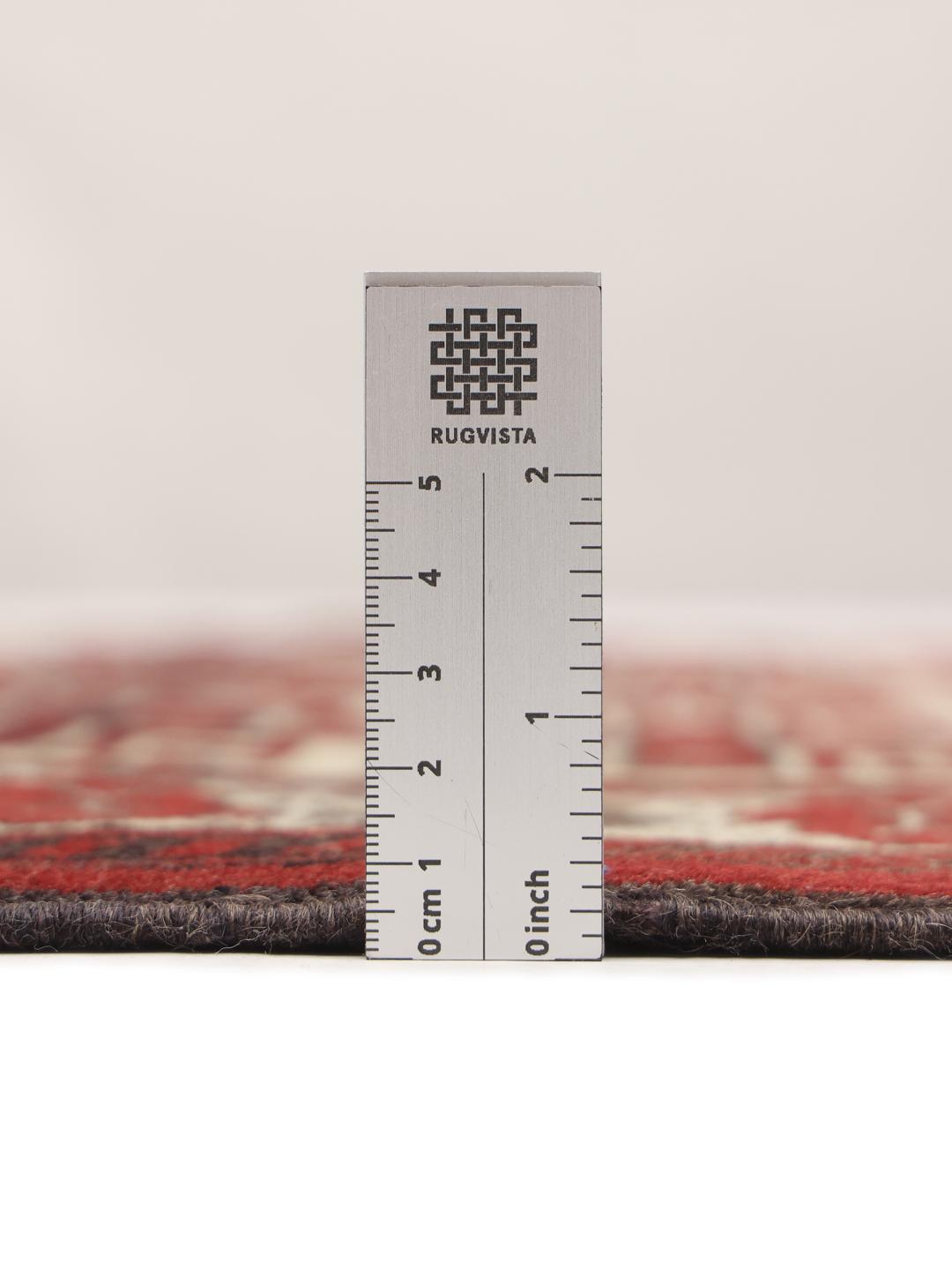
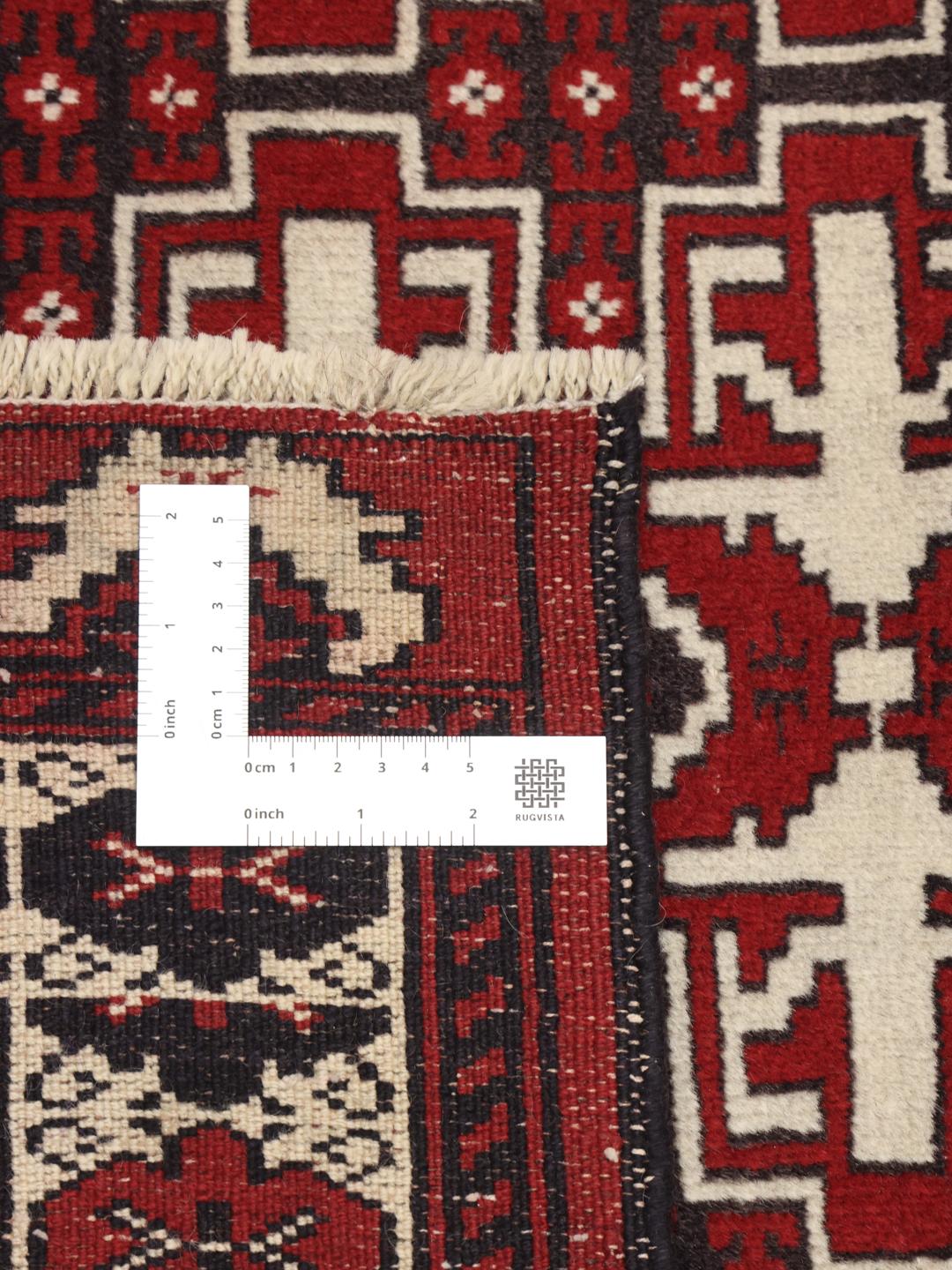
The construction of these rugs is defined by their dense, high-quality wool pile. The term hand-knotted refers to the technique where each individual knot is tied by hand, a labour-intensive method that results in a significantly more durable and lustrous surface than any machine-made rug. This method creates a pile that is naturally resistant to wear and capable of holding rich, deep colours for decades.
Design-wise, Turkaman rugs are famous for their repeating geometric motifs, most notably the gul—a stylised, octagonal emblem that represents the tribal identity of the weaver. These patterns are typically enclosed by complex, multi-layered borders that frame the field, providing a sense of order and balance to the overall composition.
Collectors value these rugs not only for their durability but for the cultural storytelling woven into every thread. Owning a piece from this tradition is an investment in human skill and heritage. Each rug stands as a testament to a craft that prioritises patience and precision, ensuring that the piece remains a cherished focal point in the home.