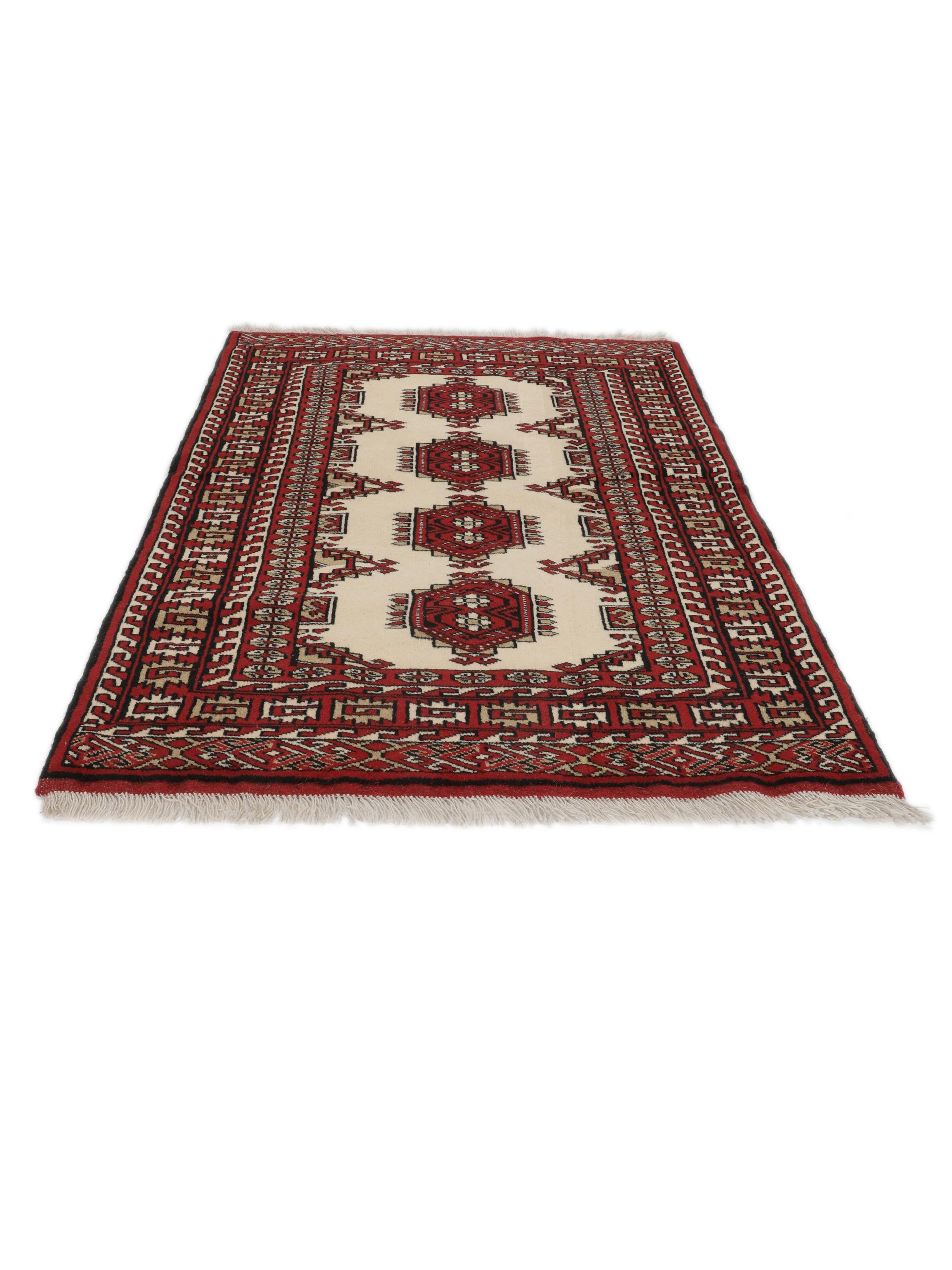
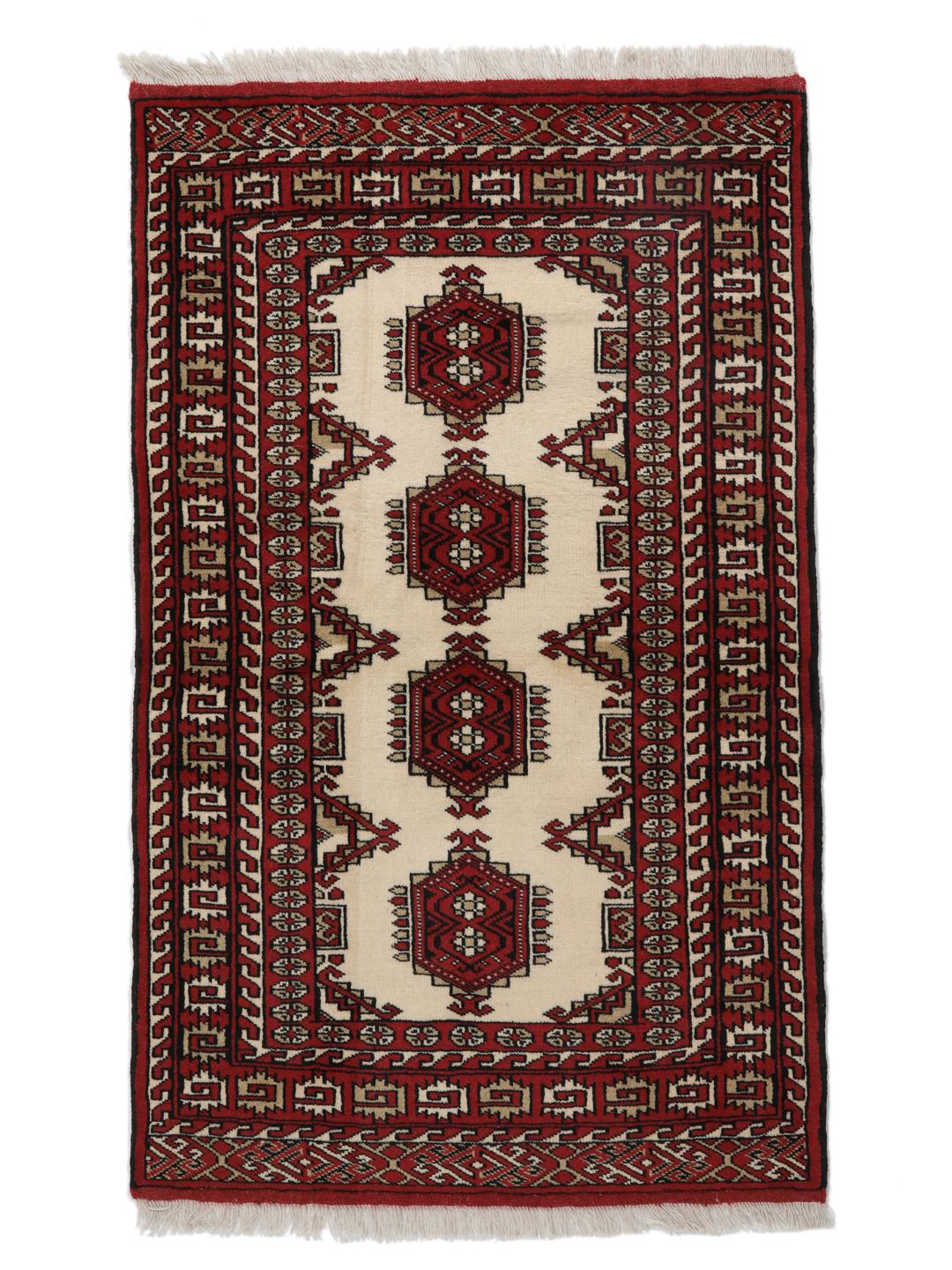
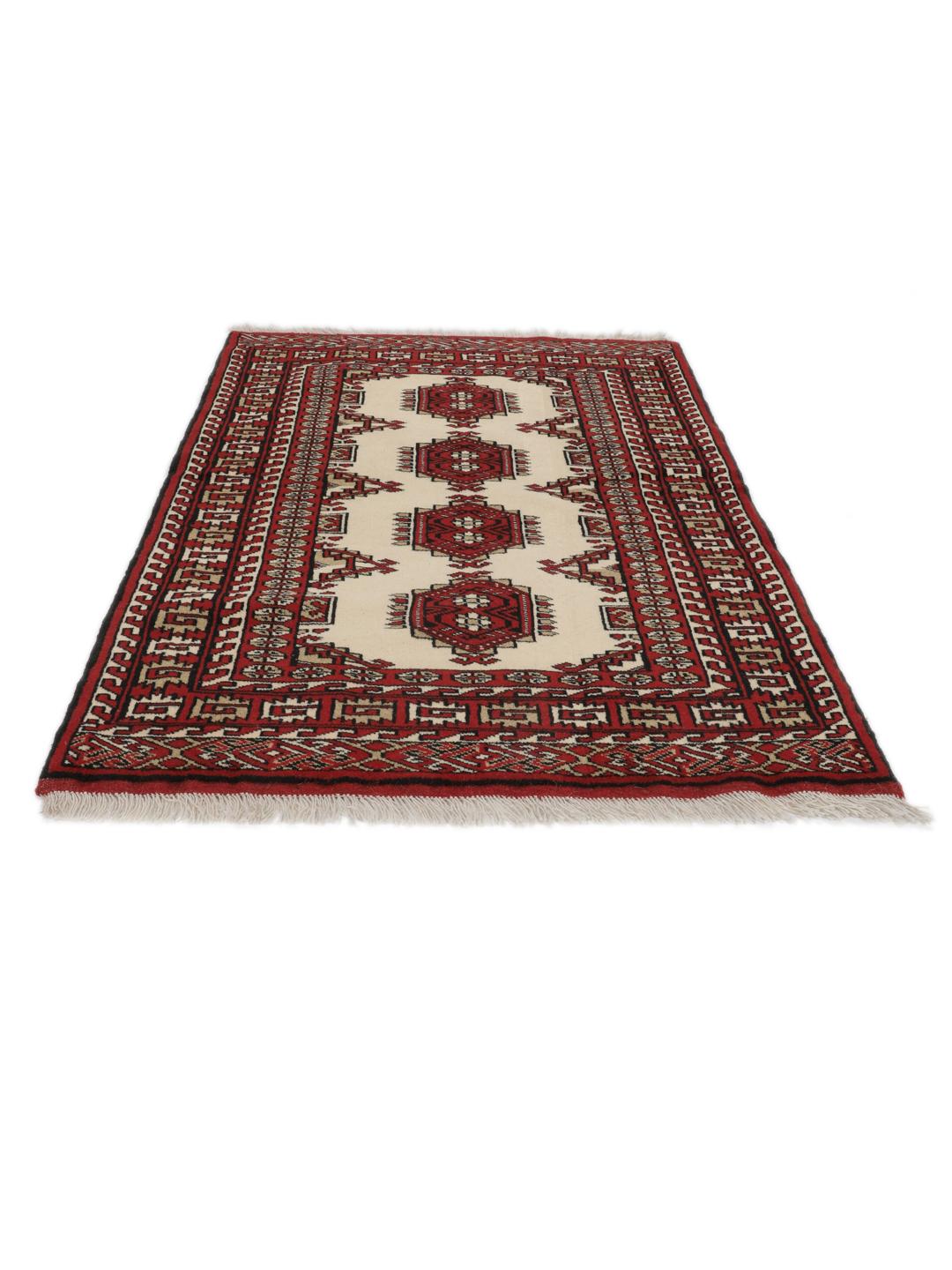
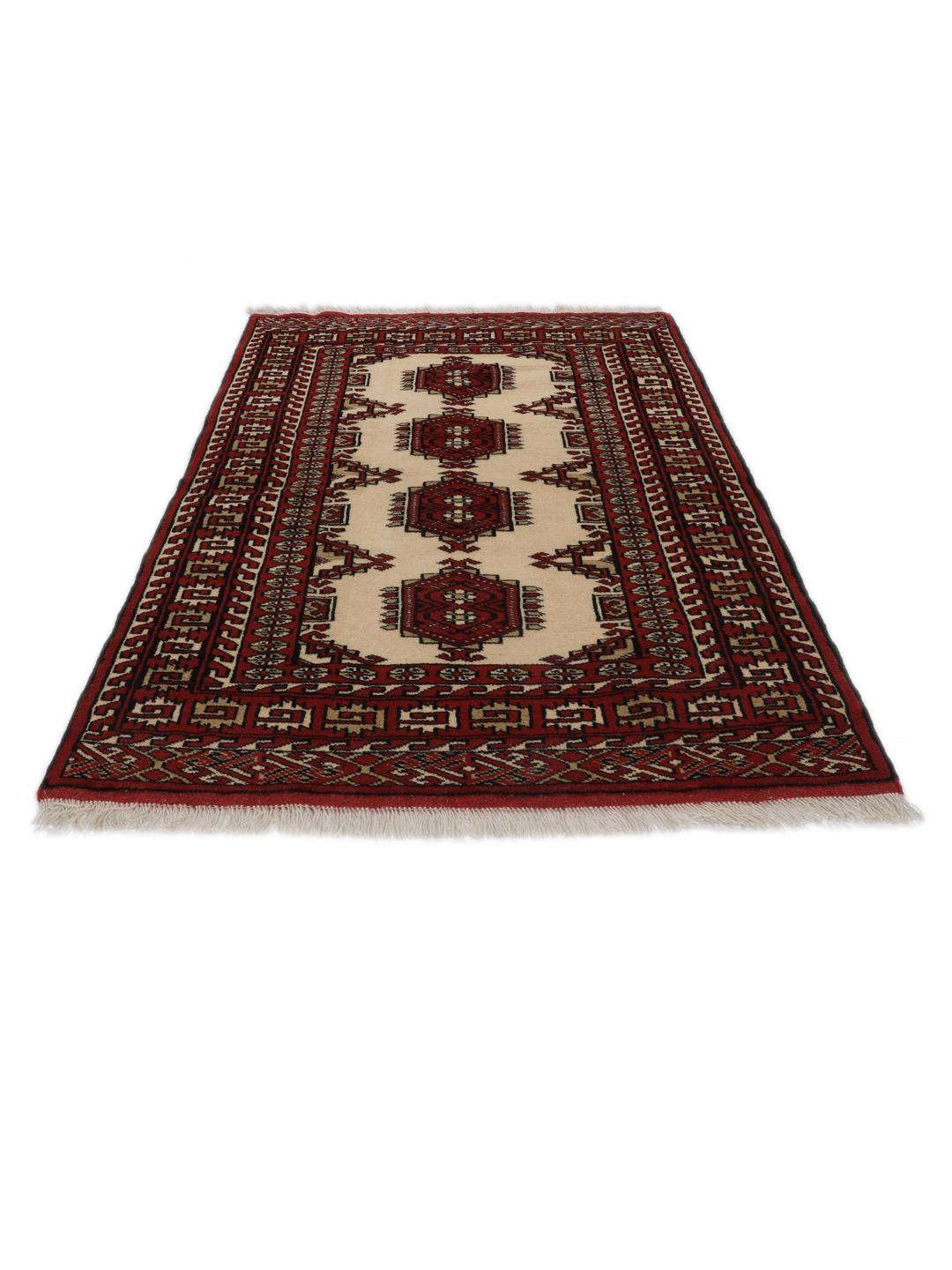
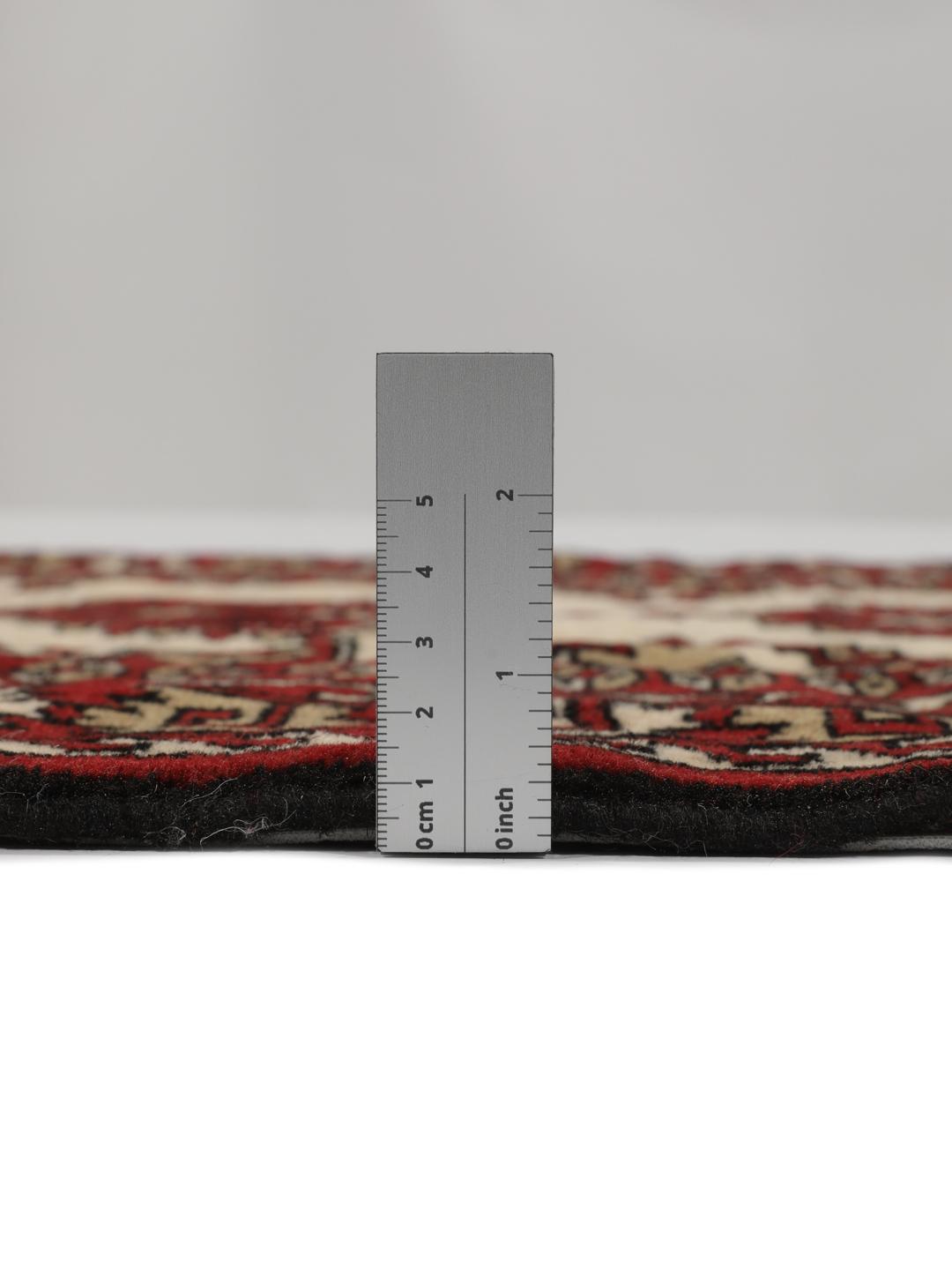
The Turkaman rug tradition finds its roots in the nomadic tribes of Central Asia, whose weaving heritage spans centuries. These rugs are renowned for their distinct tribal aesthetics and were historically crafted to serve both practical and decorative purposes in nomadic life, often reflecting the identity and history of the specific clan that created them.
Over time, these traditional designs migrated and evolved through the trade routes of the Middle East. Today, the Turkaman style is celebrated for its disciplined, geometric precision and its limited, earthy colour palettes, which are carefully maintained to honour the historical visual language of the region.
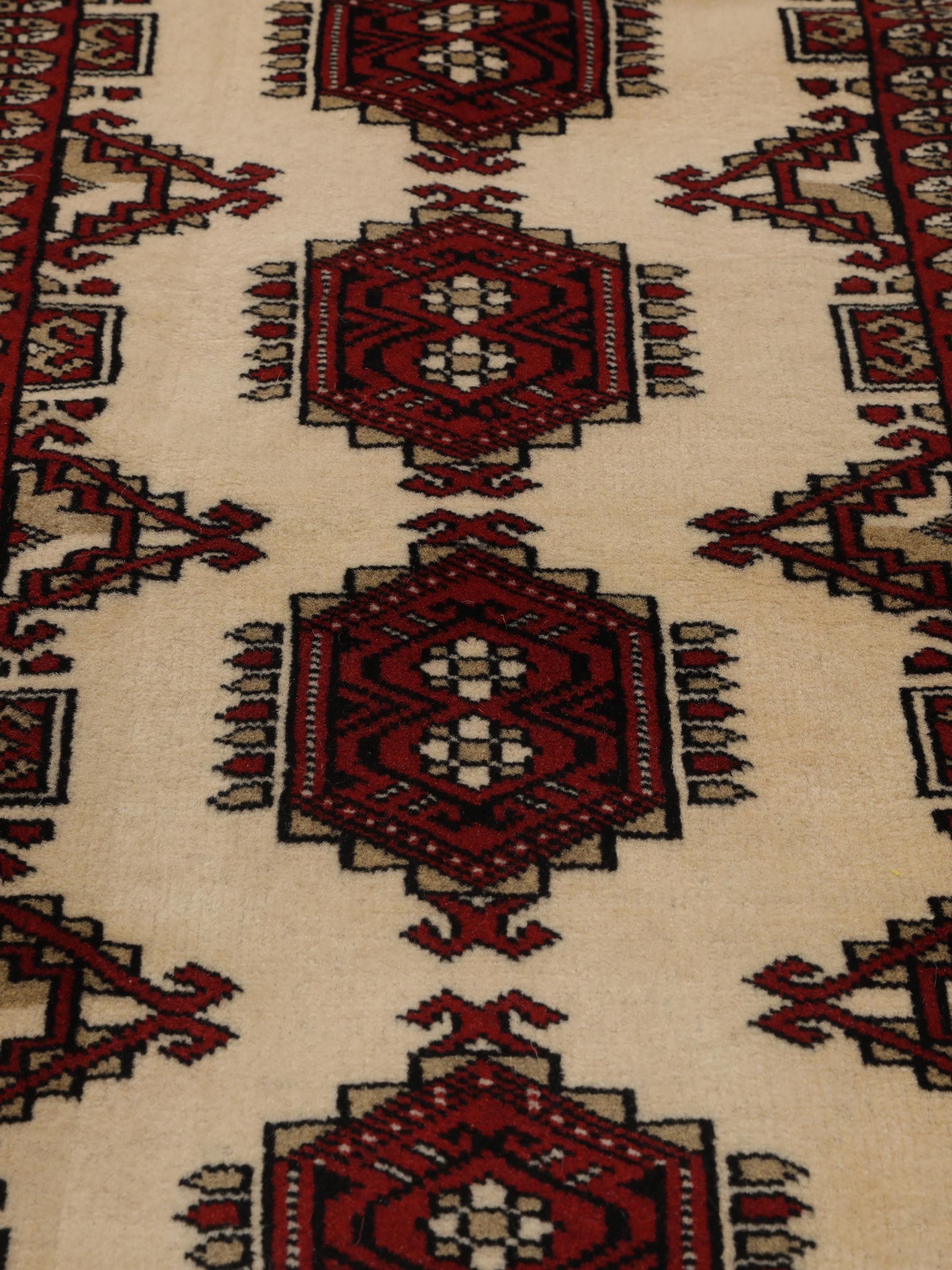
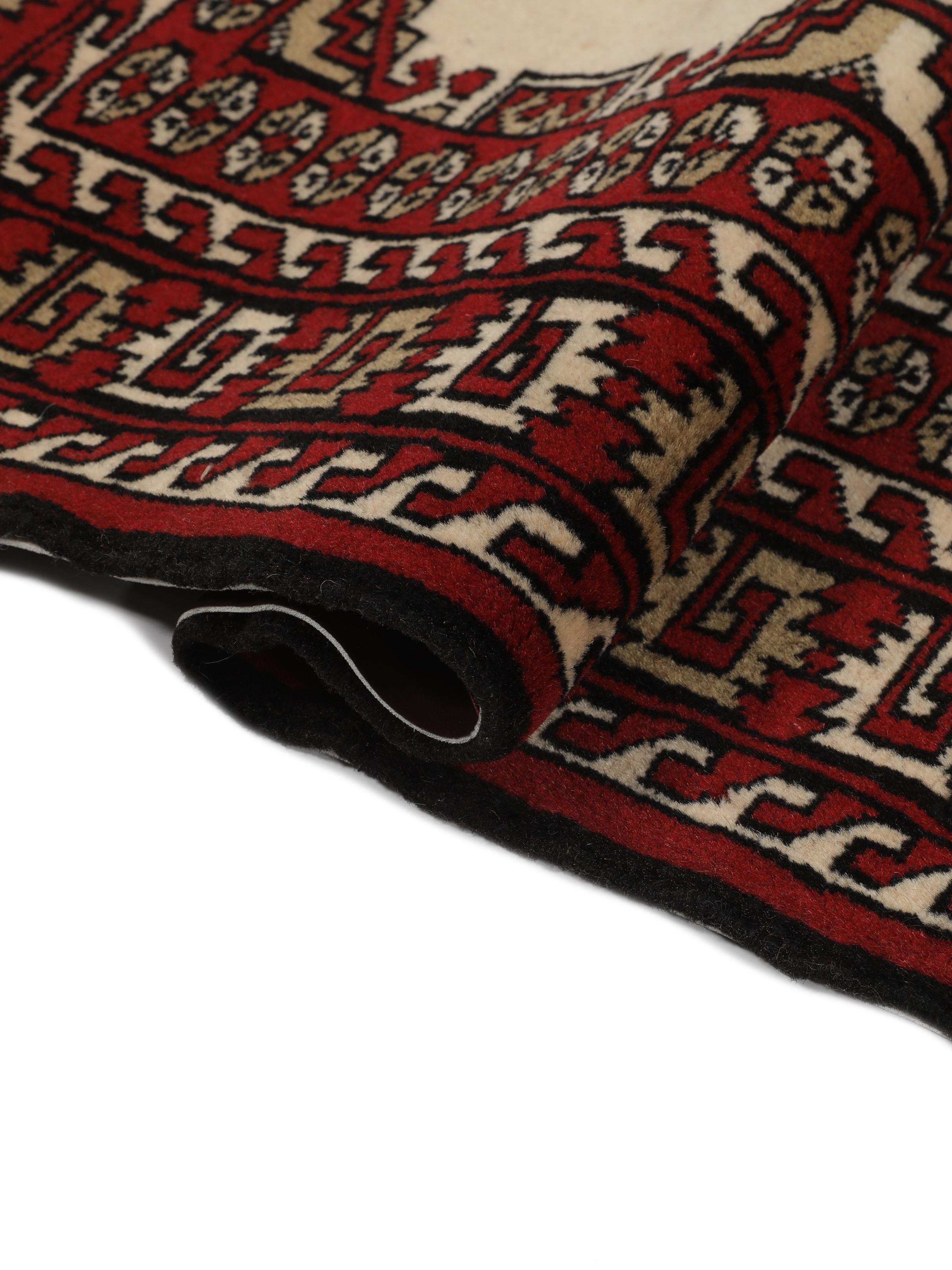
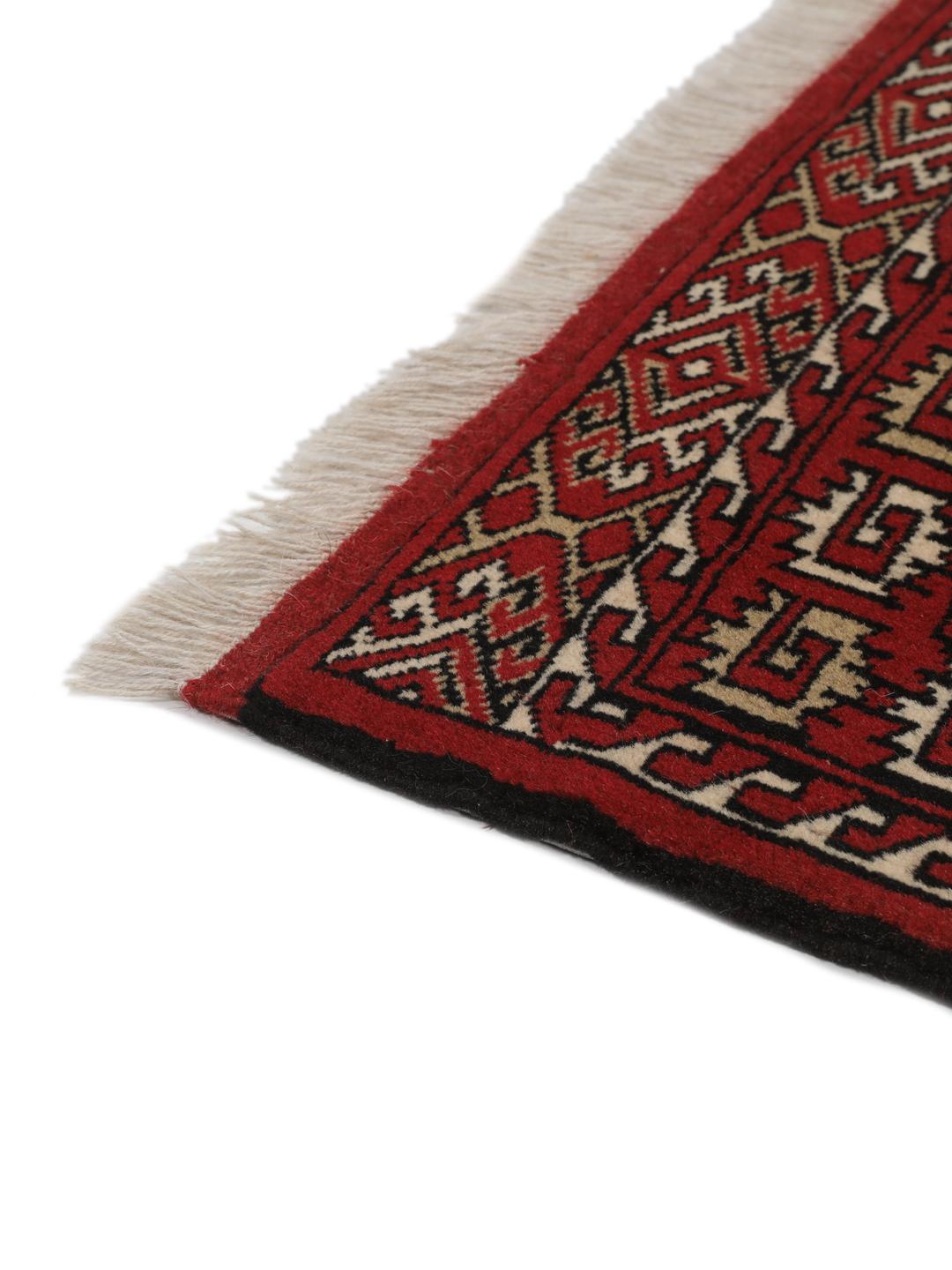
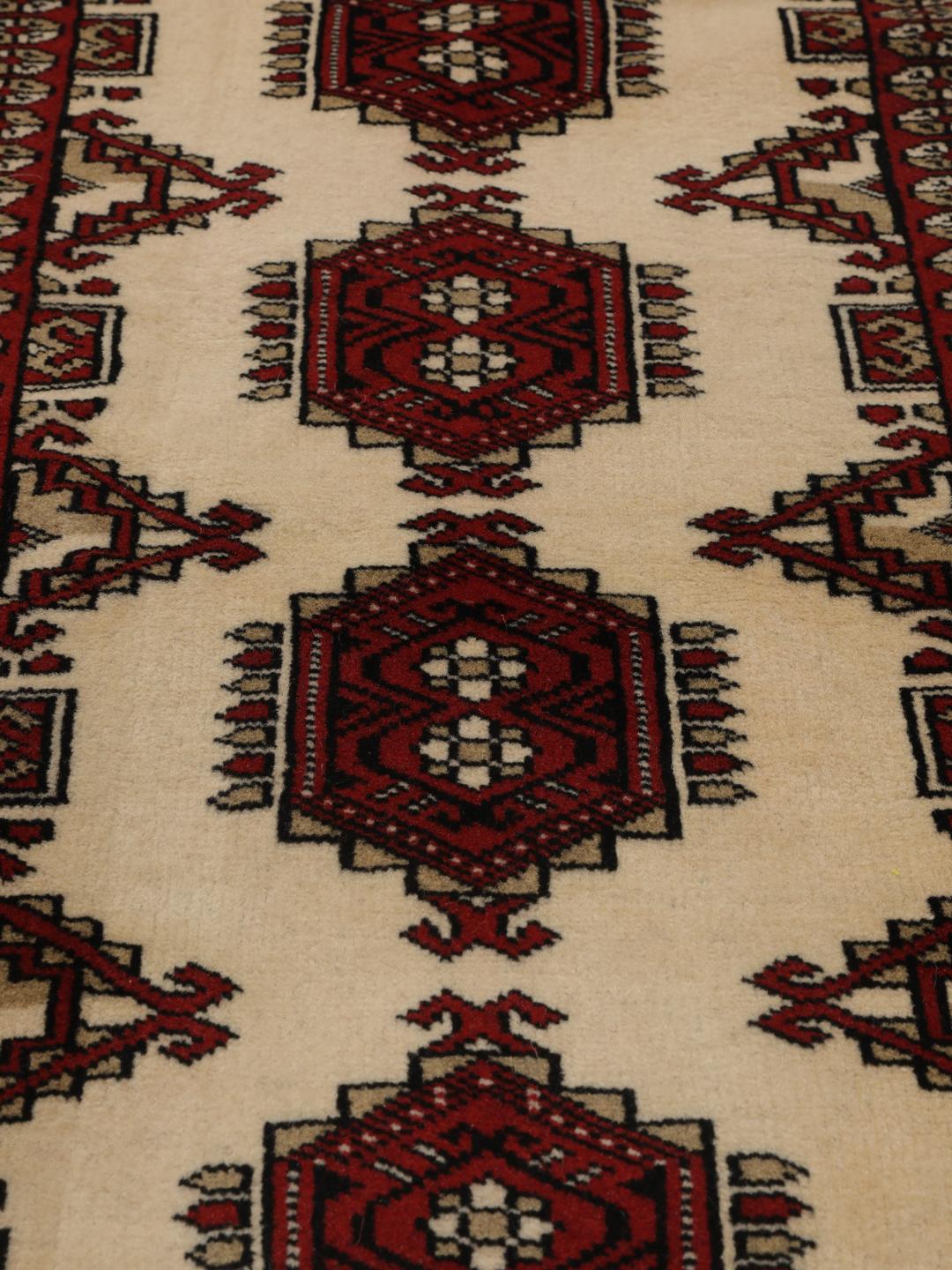
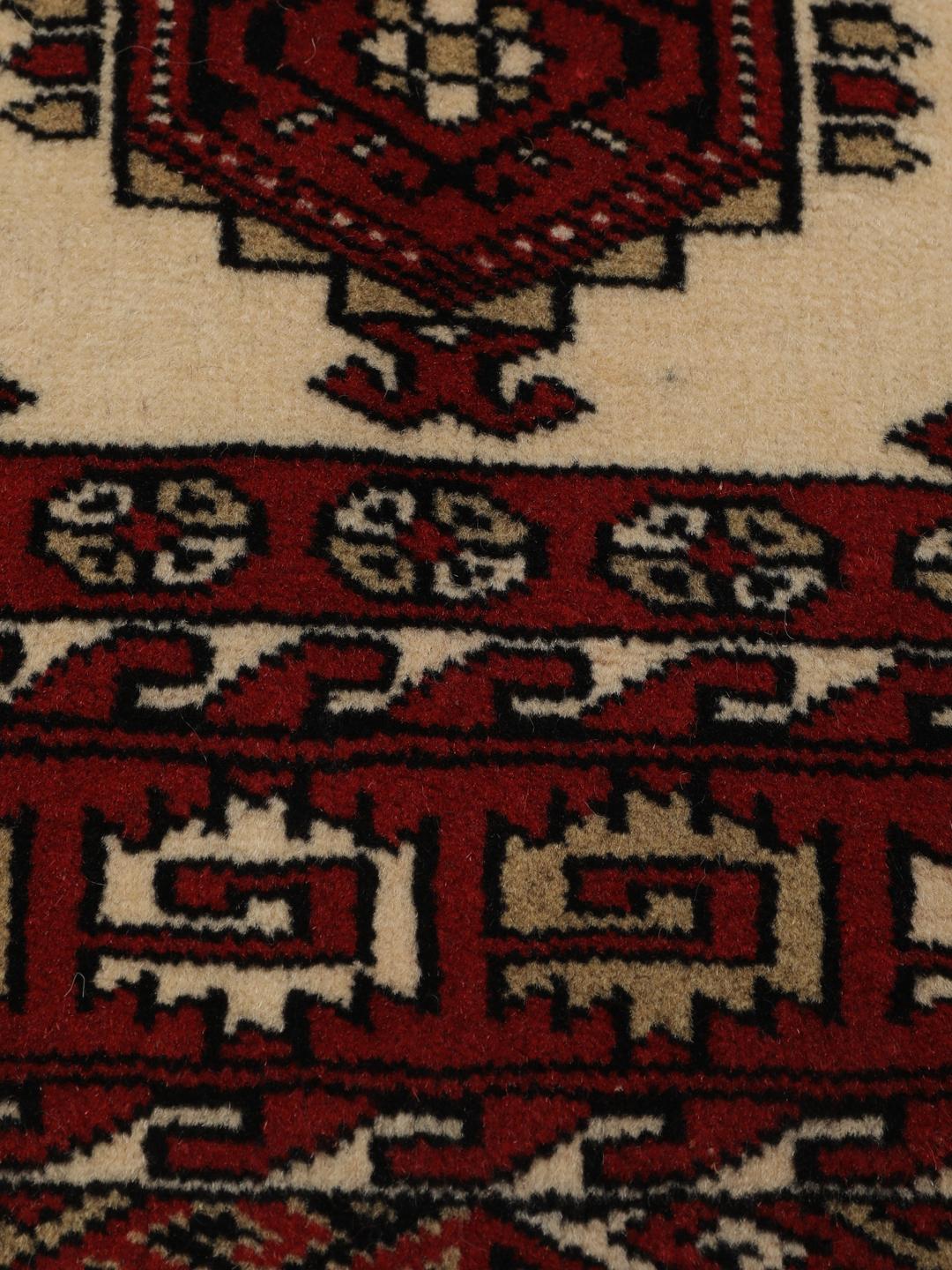
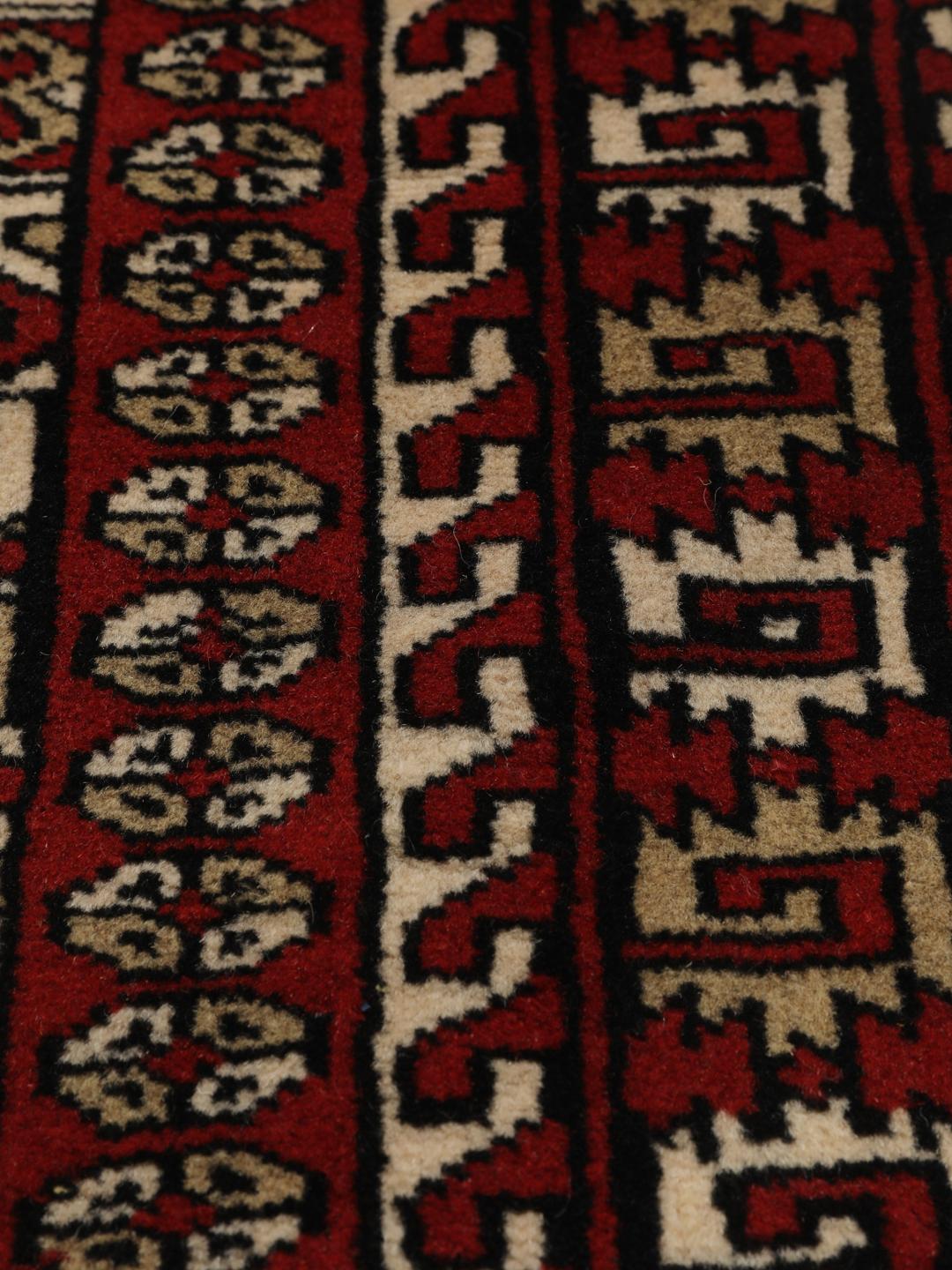
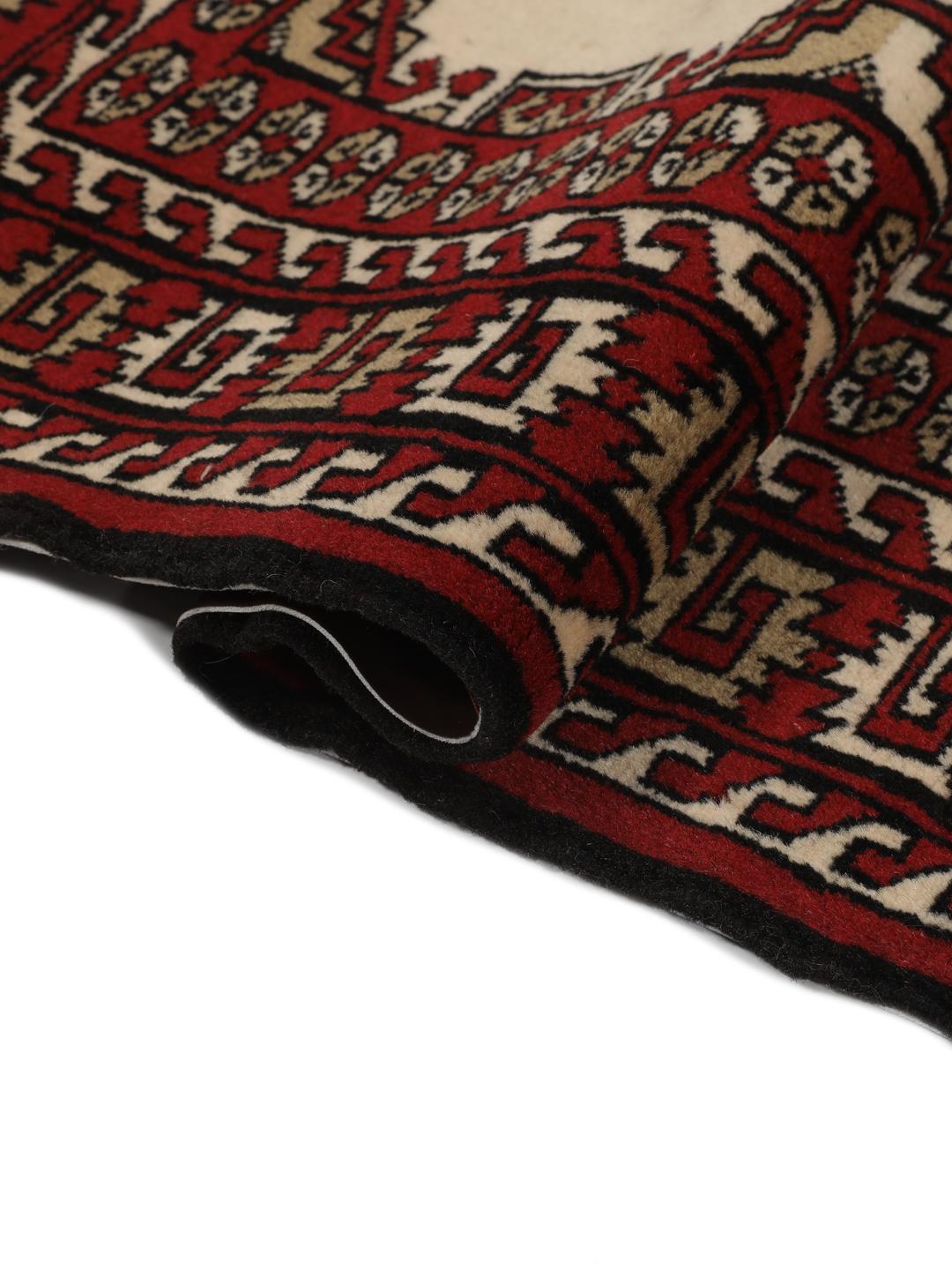
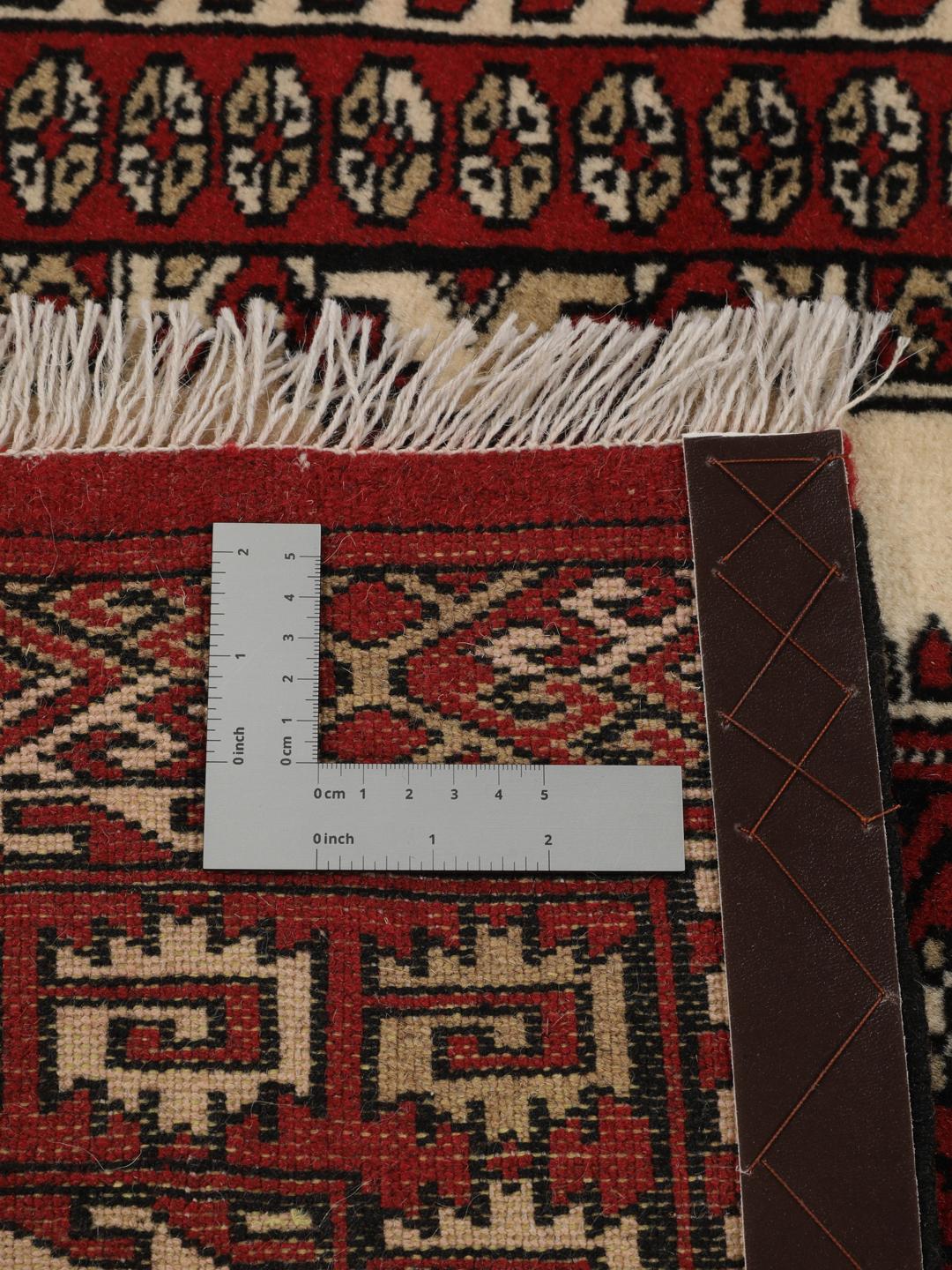
Signature design elements of this tradition include the prominent use of repeating guls, which are stylised, octagonal medallions that represent various tribal motifs. These are typically framed by intricate, multi-layered borders that provide a formal structure to the field, creating a balanced and harmonious visual flow.
Collecting a piece from this tradition is an investment in cultural heritage. Each rug serves as a document of a craft that has been passed down through generations, embodying the skill, patience, and artistic vision of the artisan. Owning such a piece allows you to bring a fragment of this profound history into your modern home.