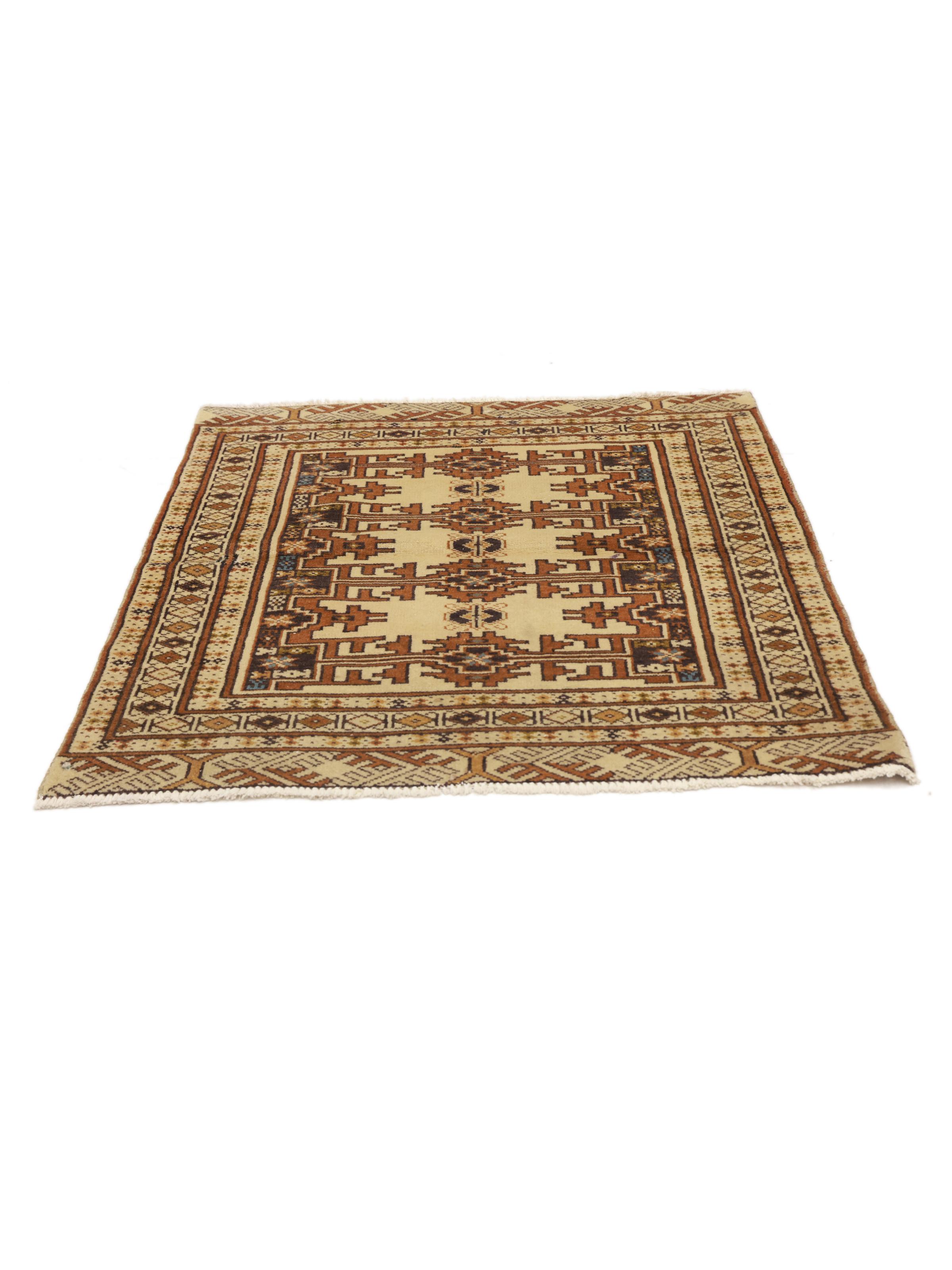
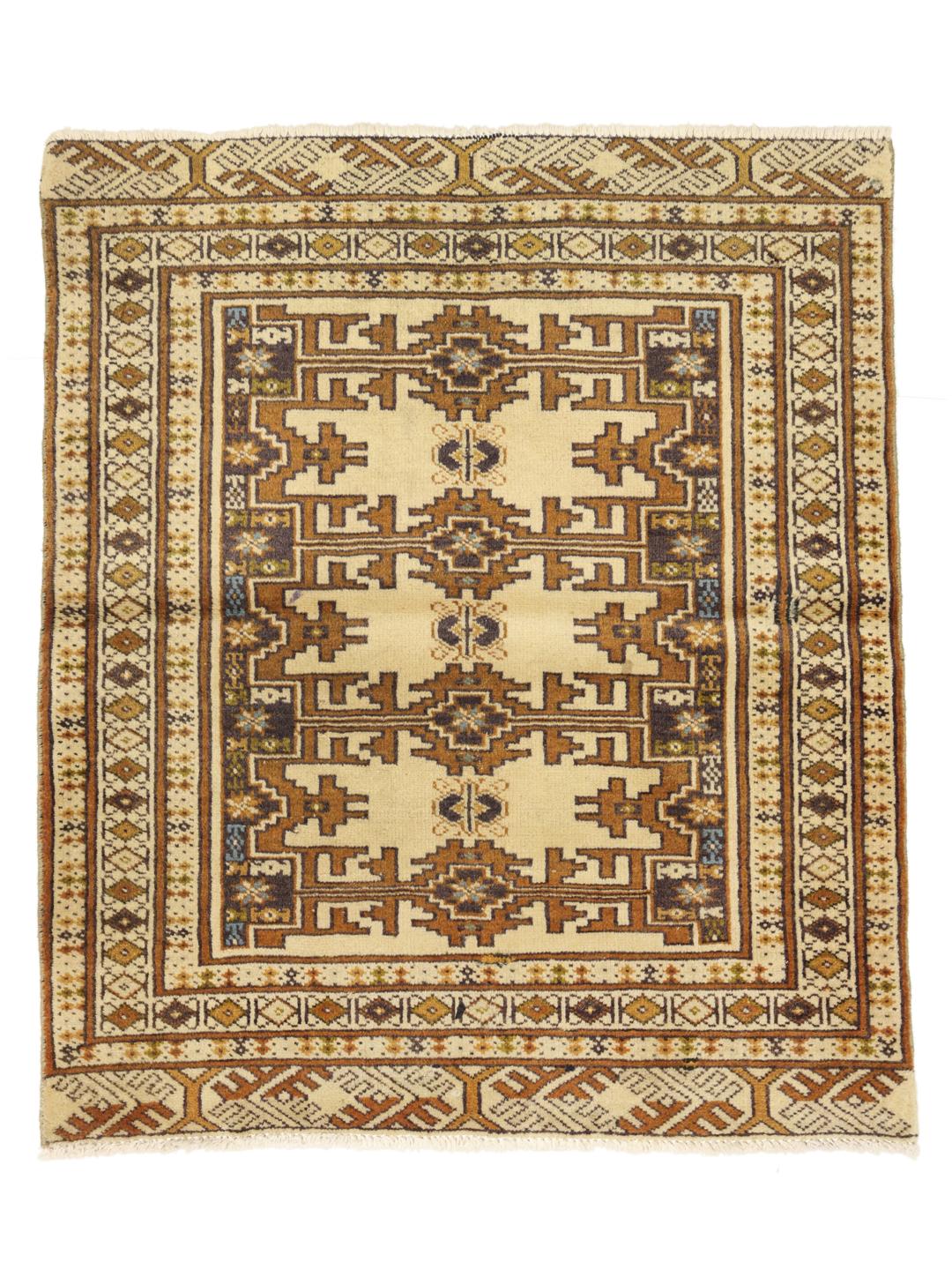
The Turkaman tradition is deeply rooted in the nomadic history of the Middle East, where weaving was a vital expression of tribal identity and cultural heritage. Historically, these rugs were created by tribal groups who moved across the landscape, carrying their looms with them. Over centuries, these designs have evolved, yet they remain anchored in the distinctive visual language of the region.
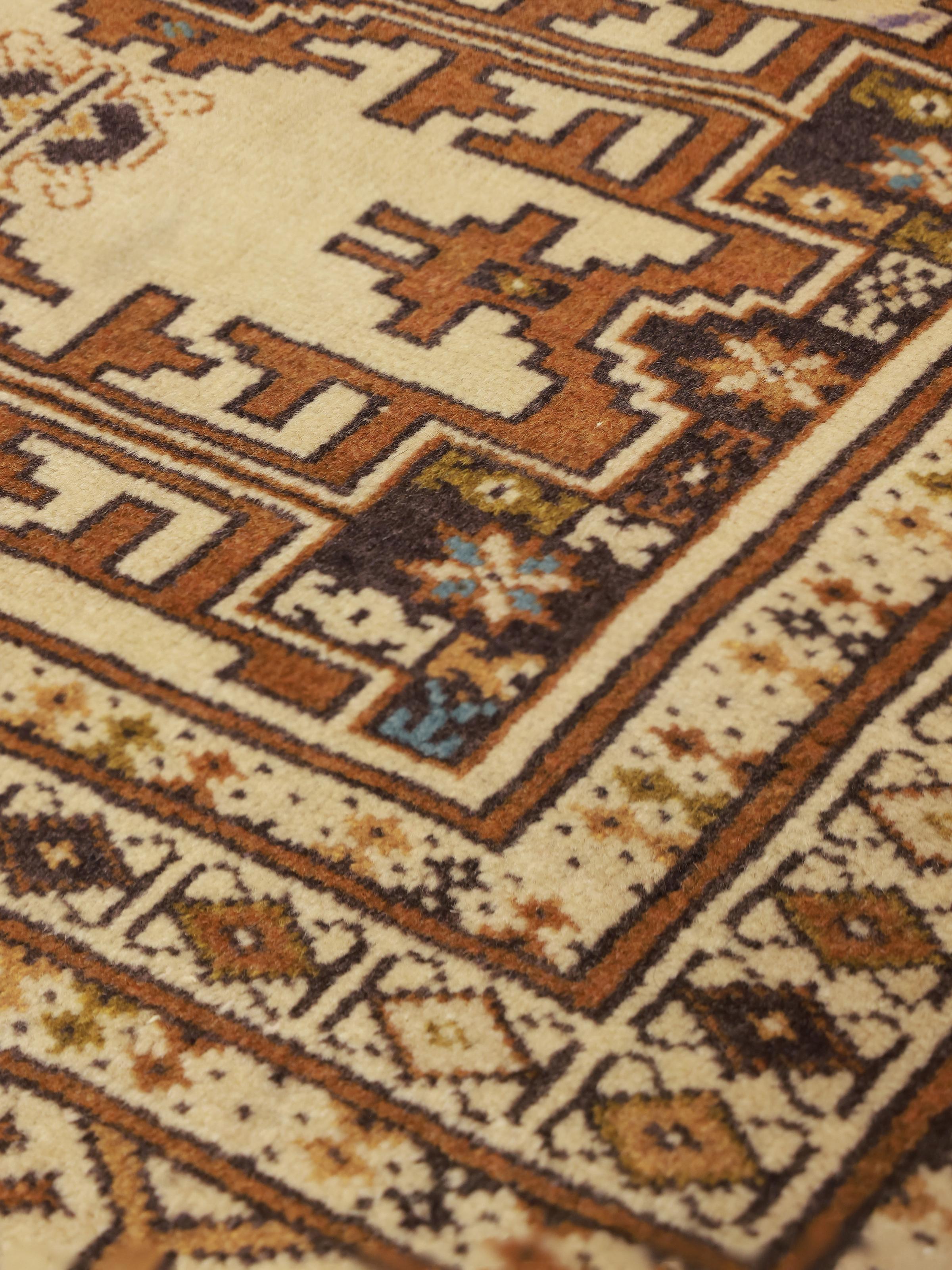
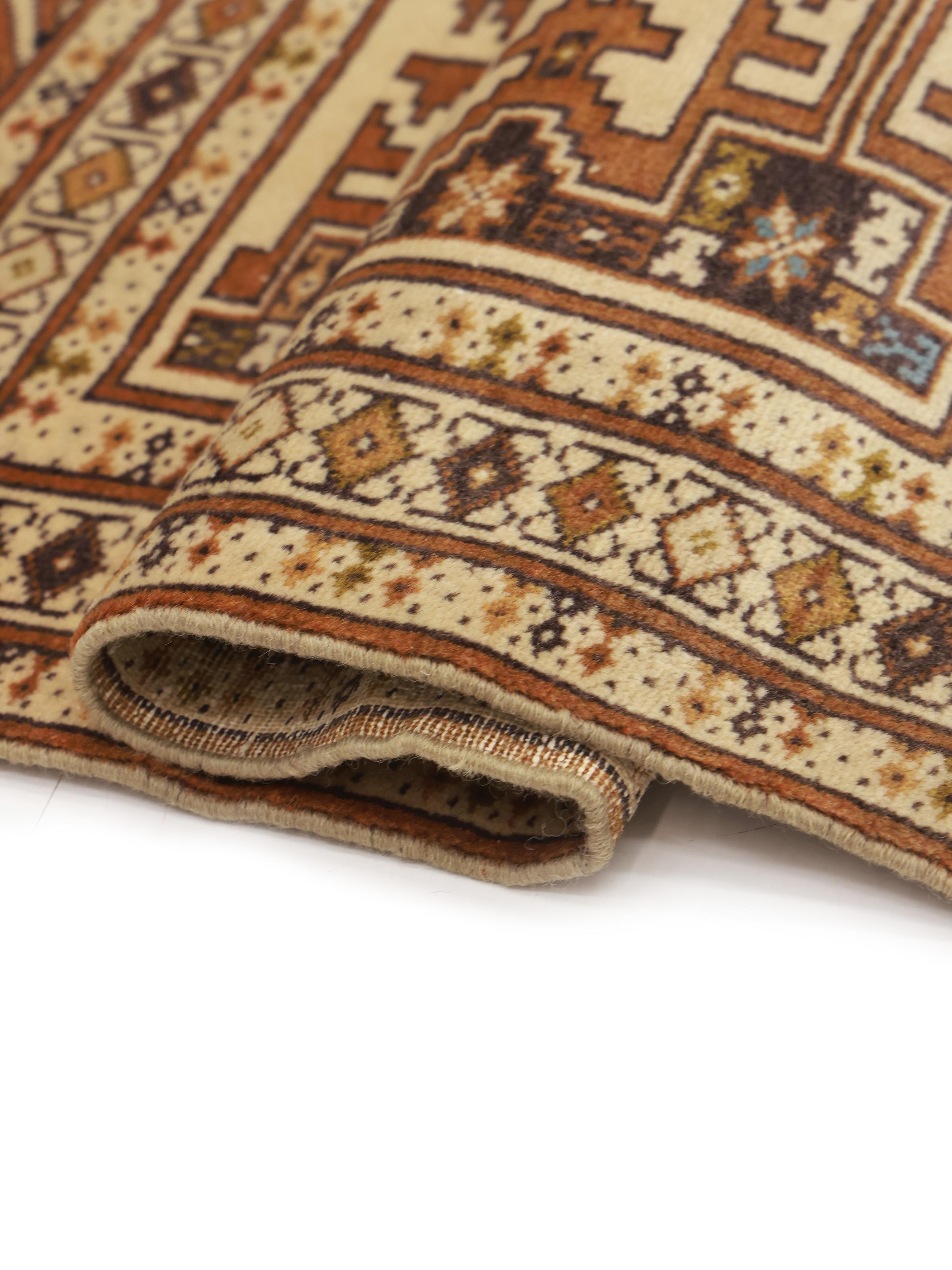
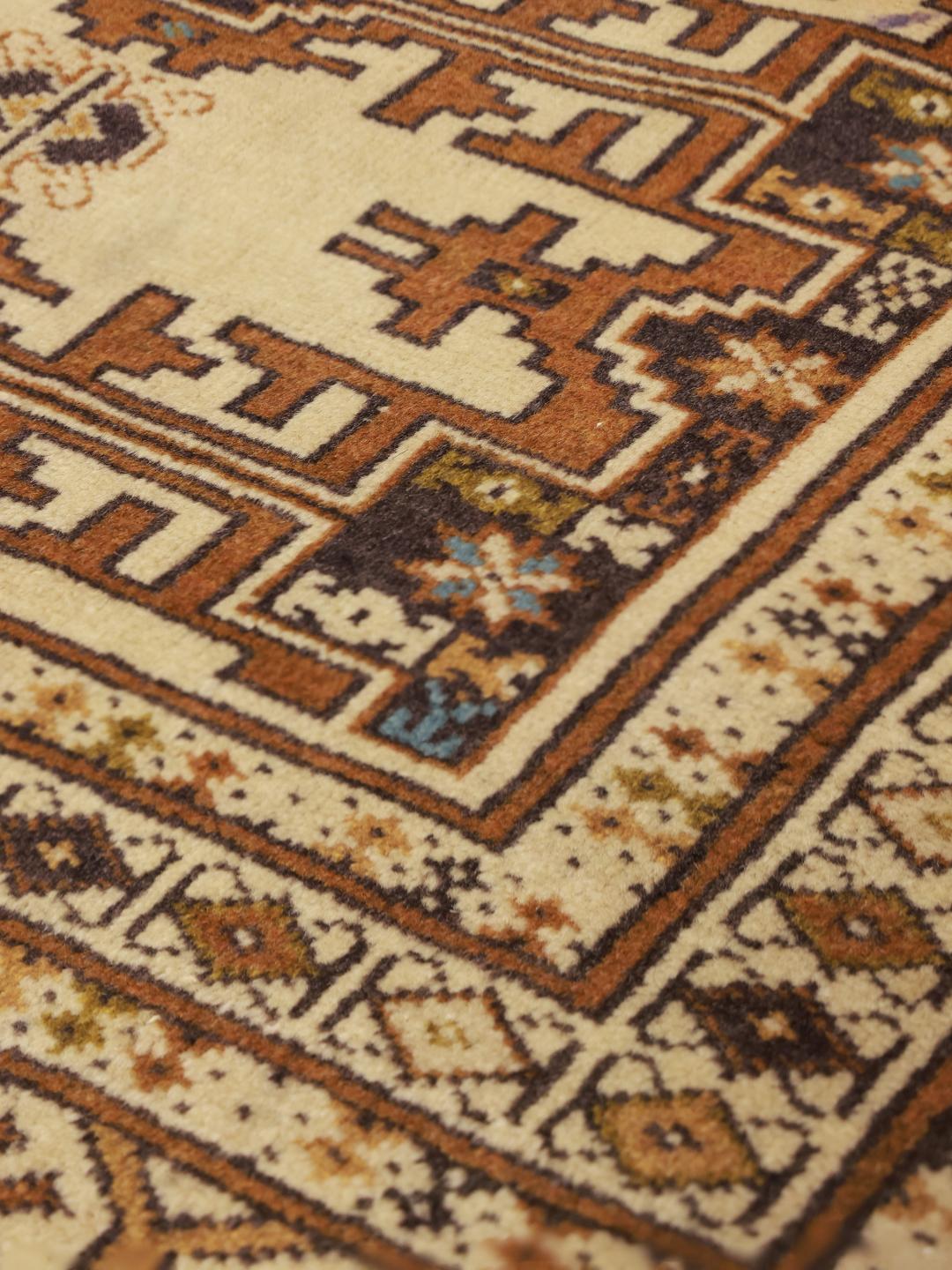
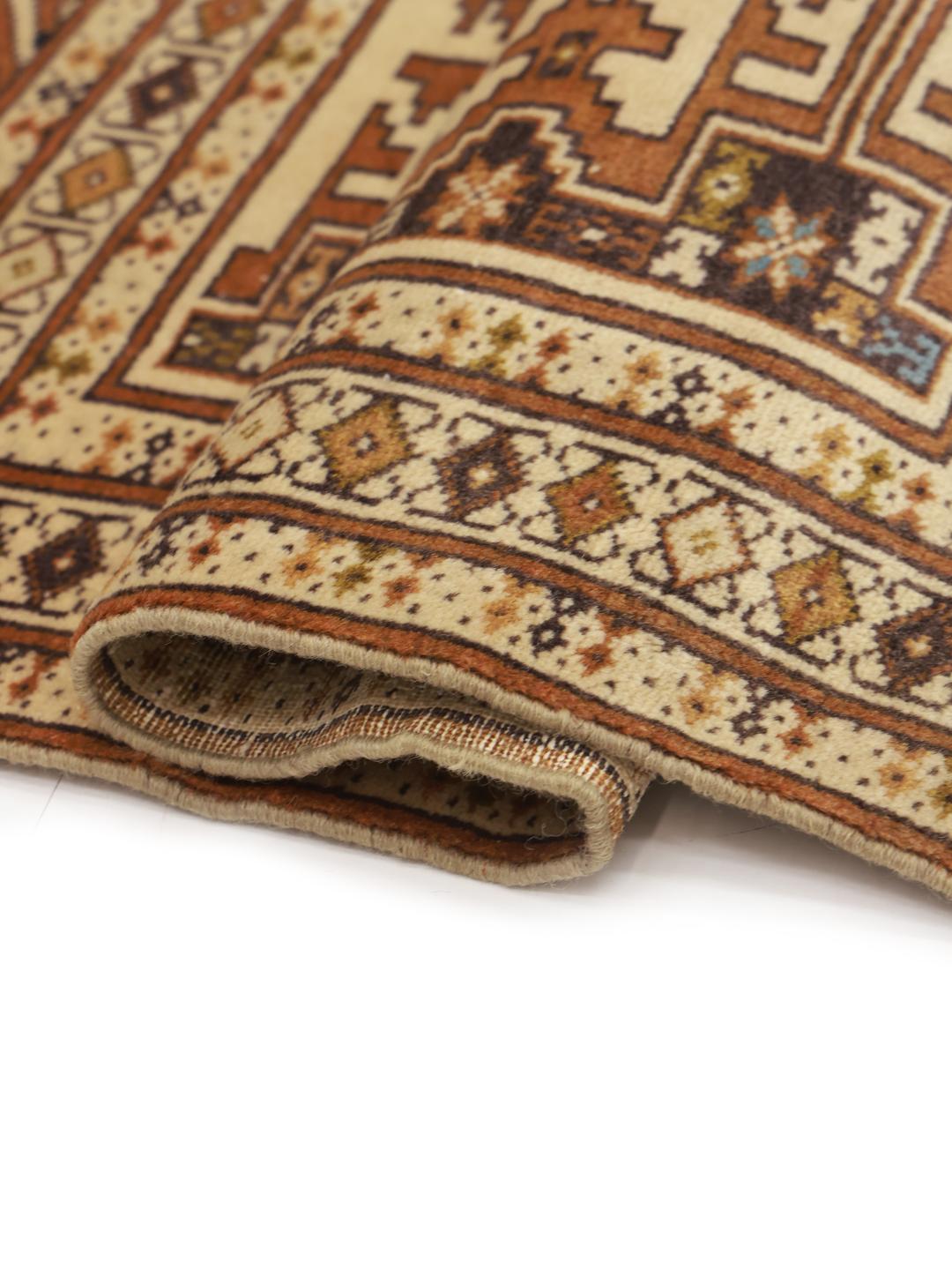
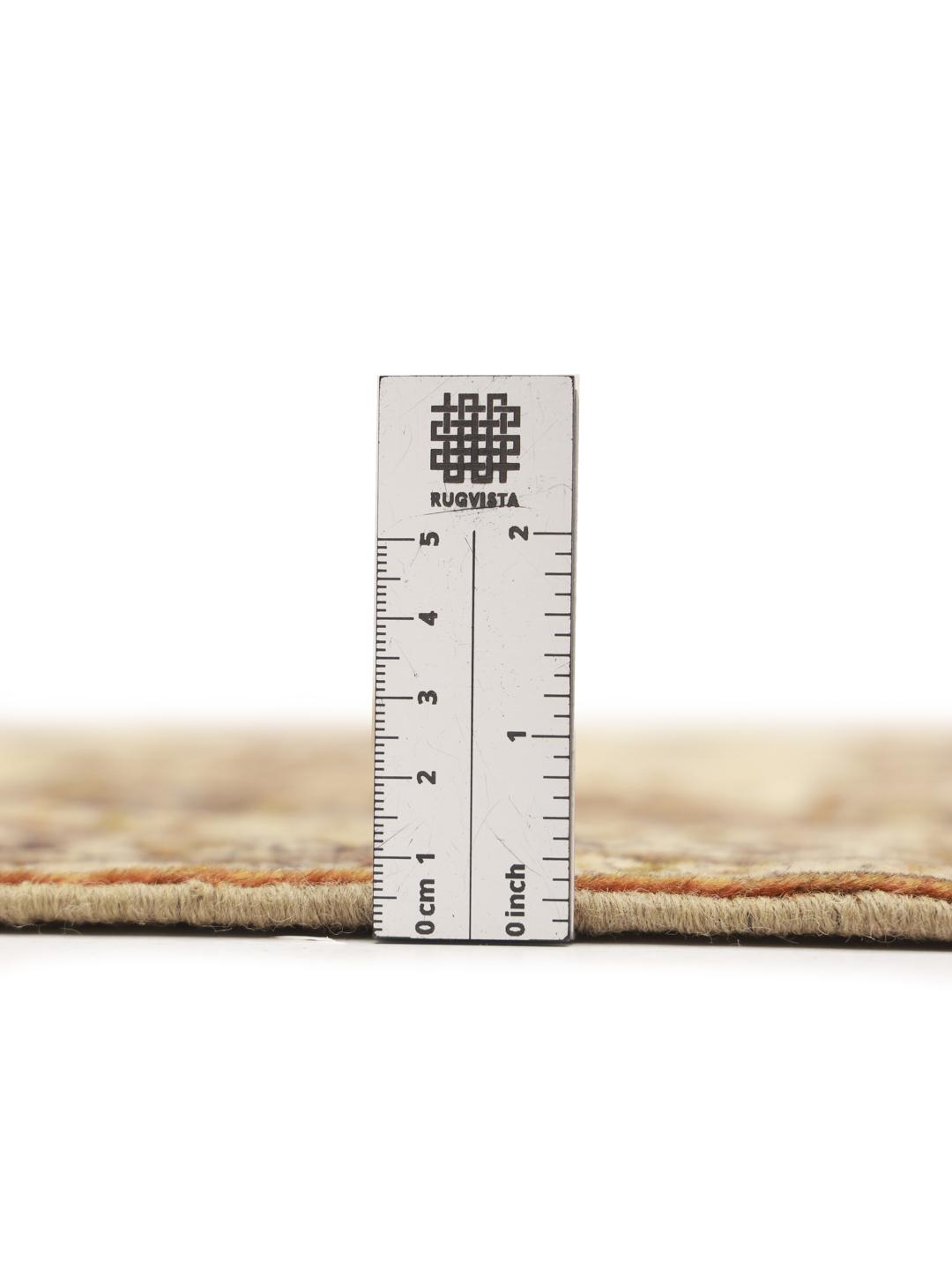
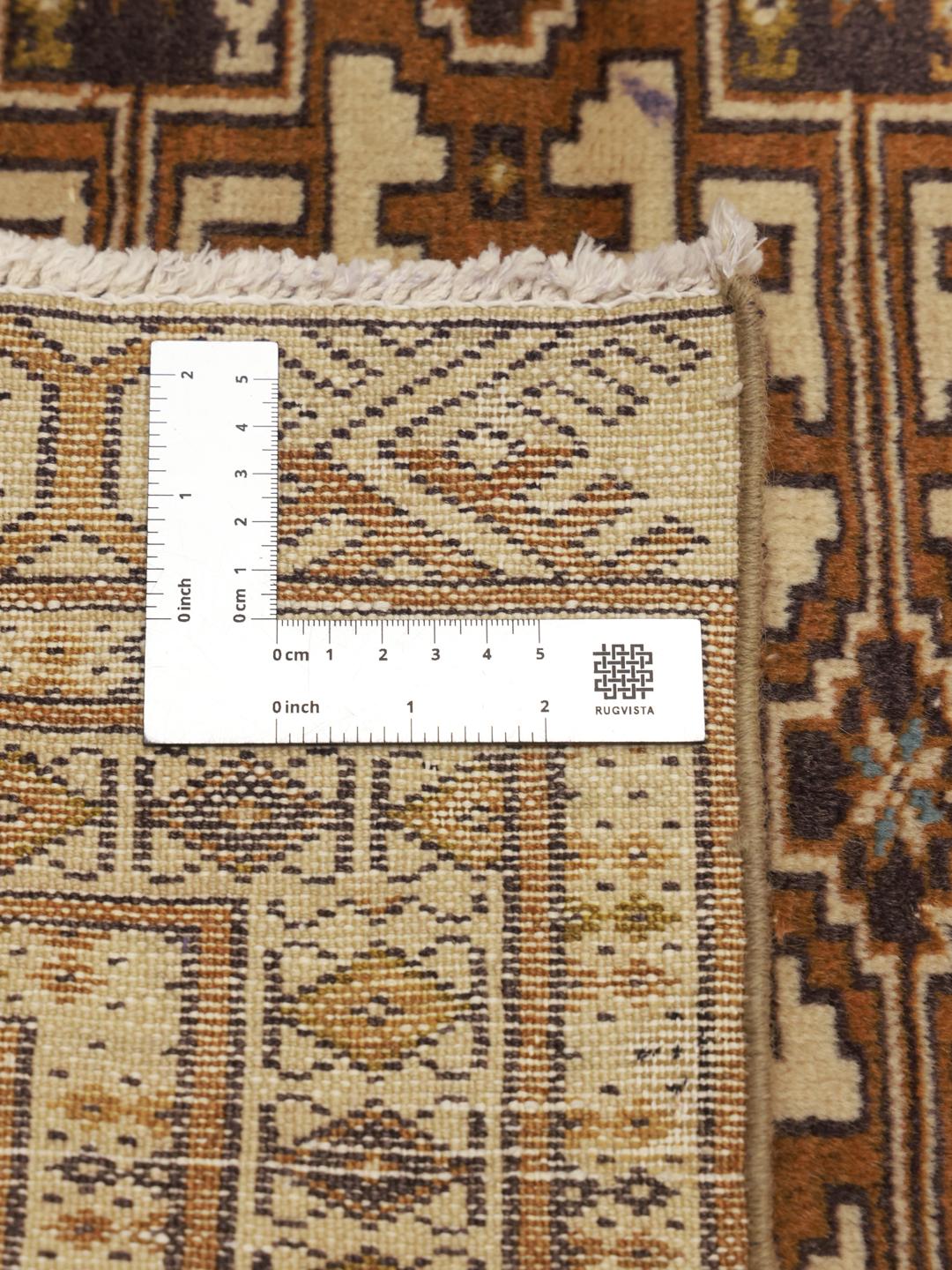
Technical excellence defines these pieces. The use of high-quality wool, often sourced from local flocks, creates a pile that is naturally durable and lustrous. The construction focus is on creating a dense foundation, which allows the intricate patterns to remain crisp and visible even after years of use. This structural density is what gives these rugs their reputation for longevity.
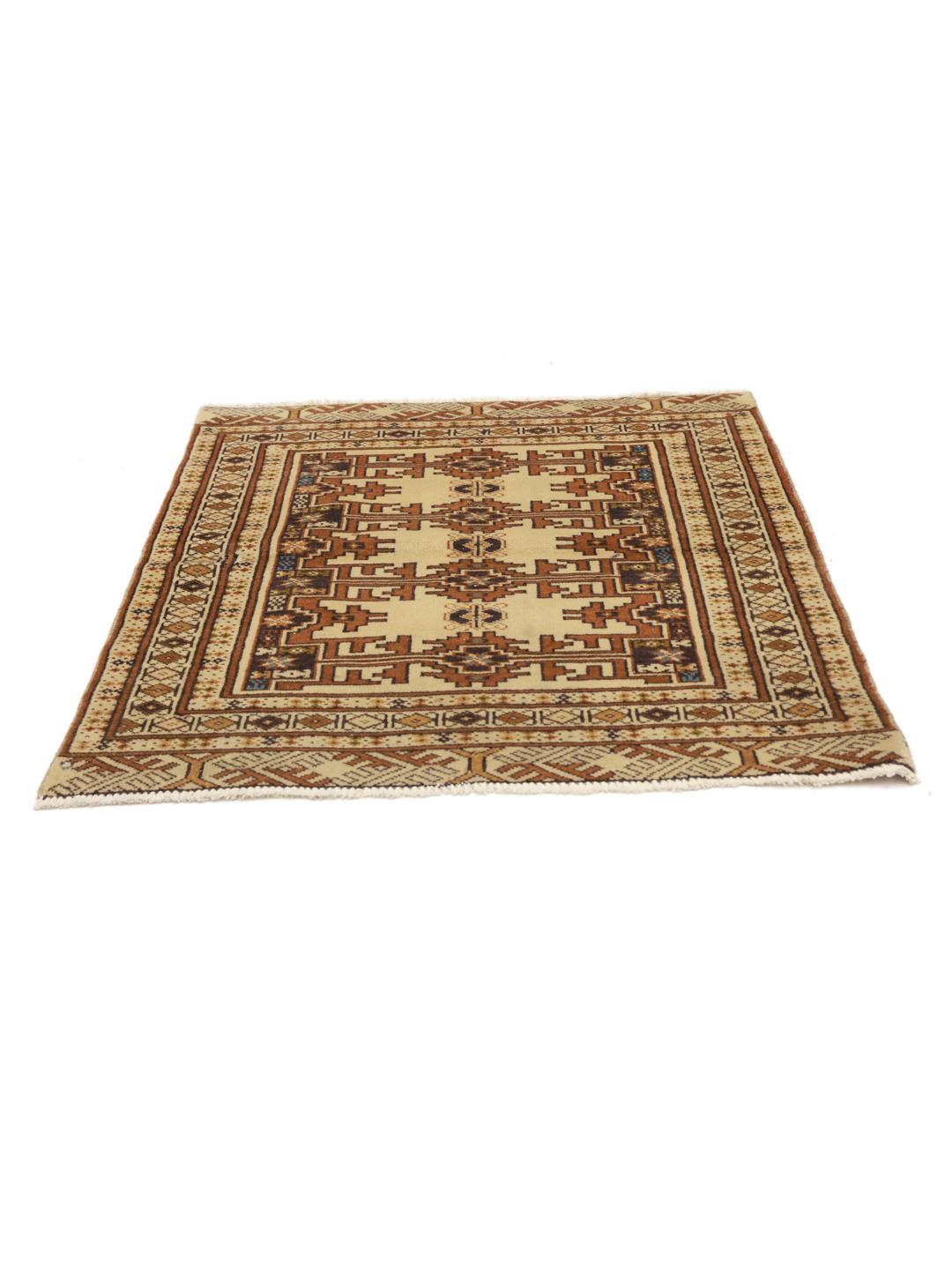
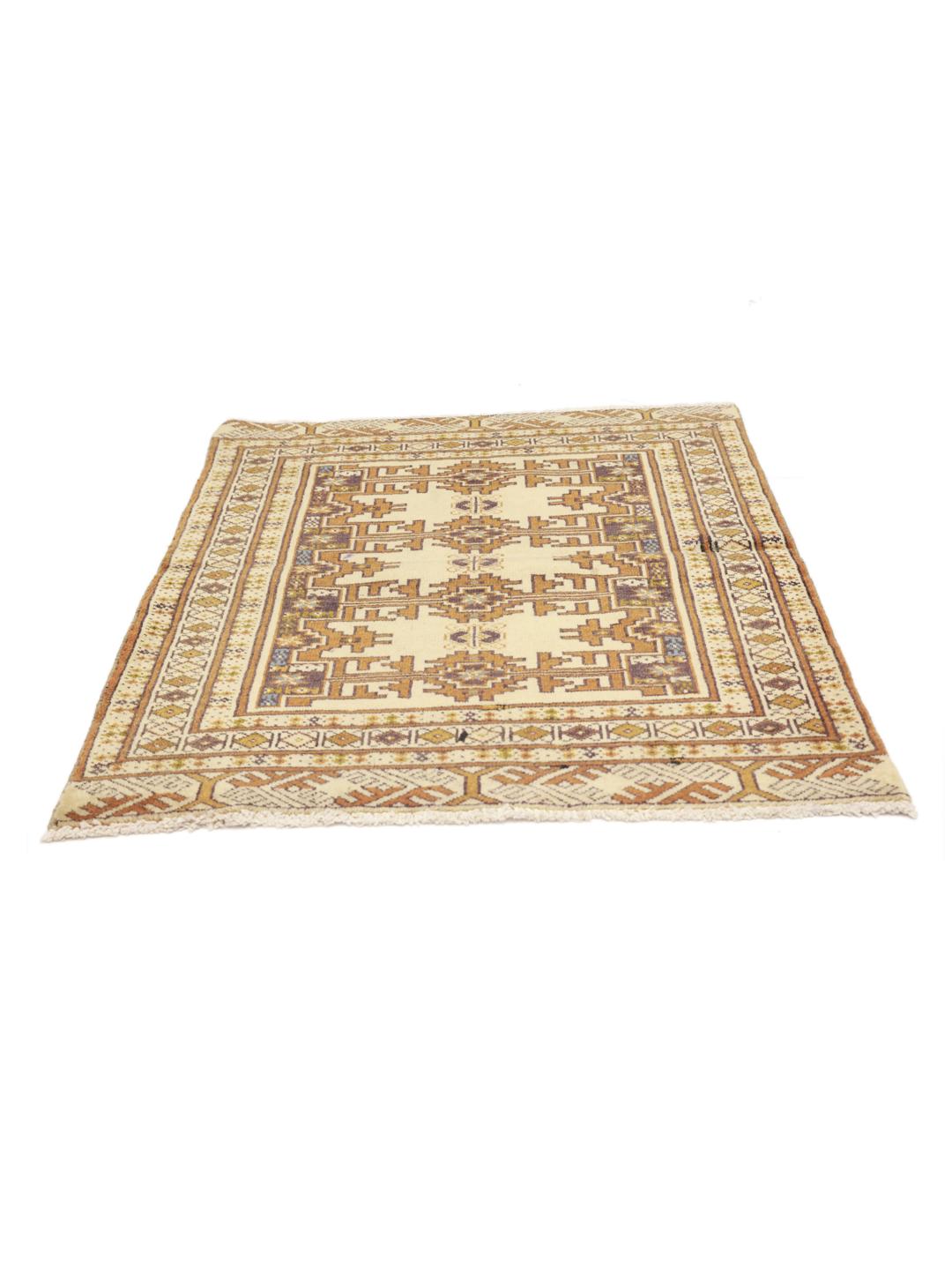
Signature design elements often include repeating geometric motifs, such as the famous gul, which are arranged in organised, rhythmic rows. This specific piece showcases a refined use of borders and central medallions that reflect the formal, yet deeply symbolic, nature of the tradition. The earthy palette is a hallmark of the style, grounding the complex patterns in natural, warm tones.
Collecting a piece from this tradition is an act of preserving a piece of cultural history. These rugs are valued not just for their utility, but for the immense skill and history woven into every thread. By choosing a Turkaman rug, you are becoming a steward of an ancient craft, bringing a piece of heritage into your own home that speaks to the endurance of traditional art.