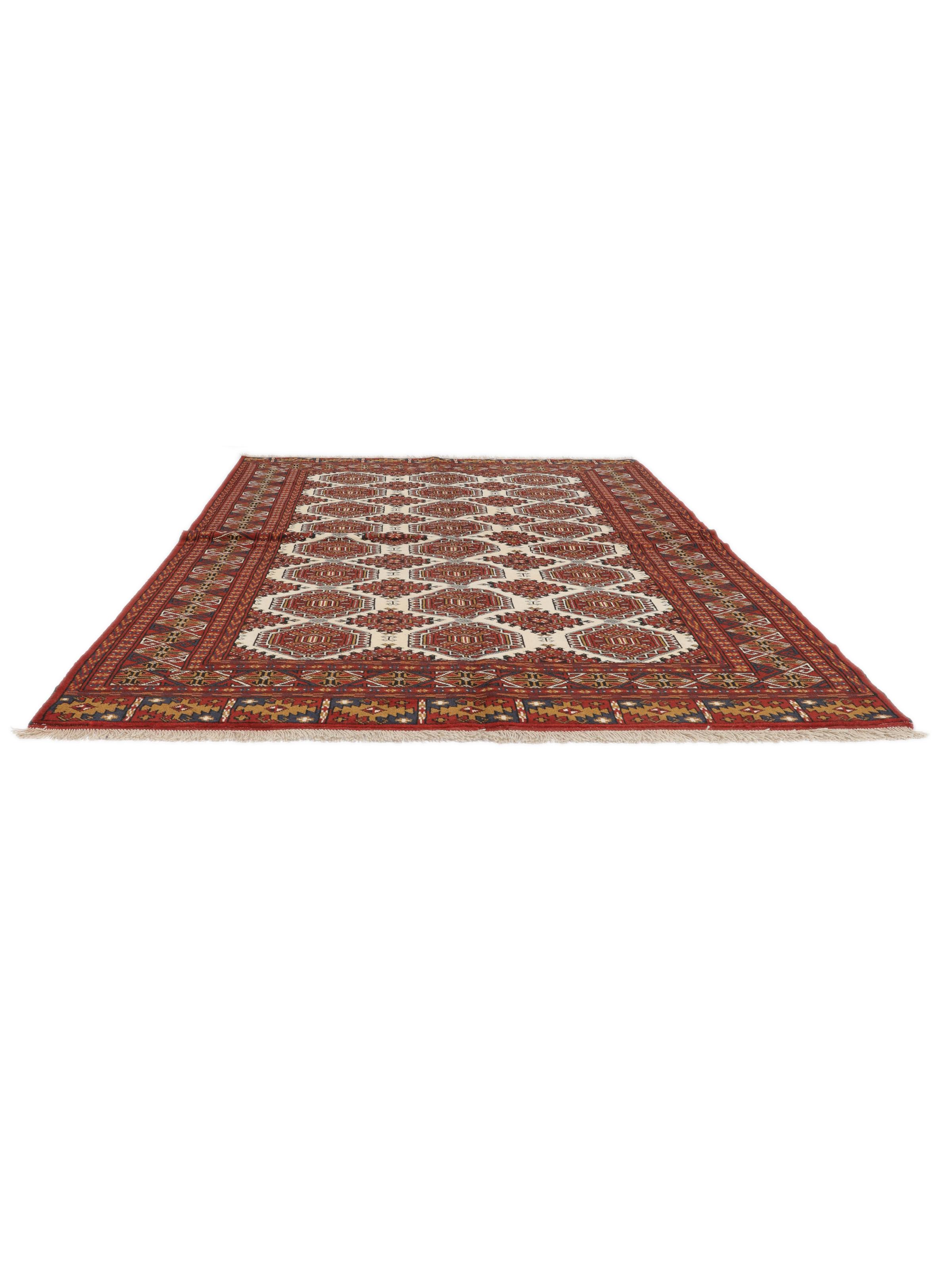
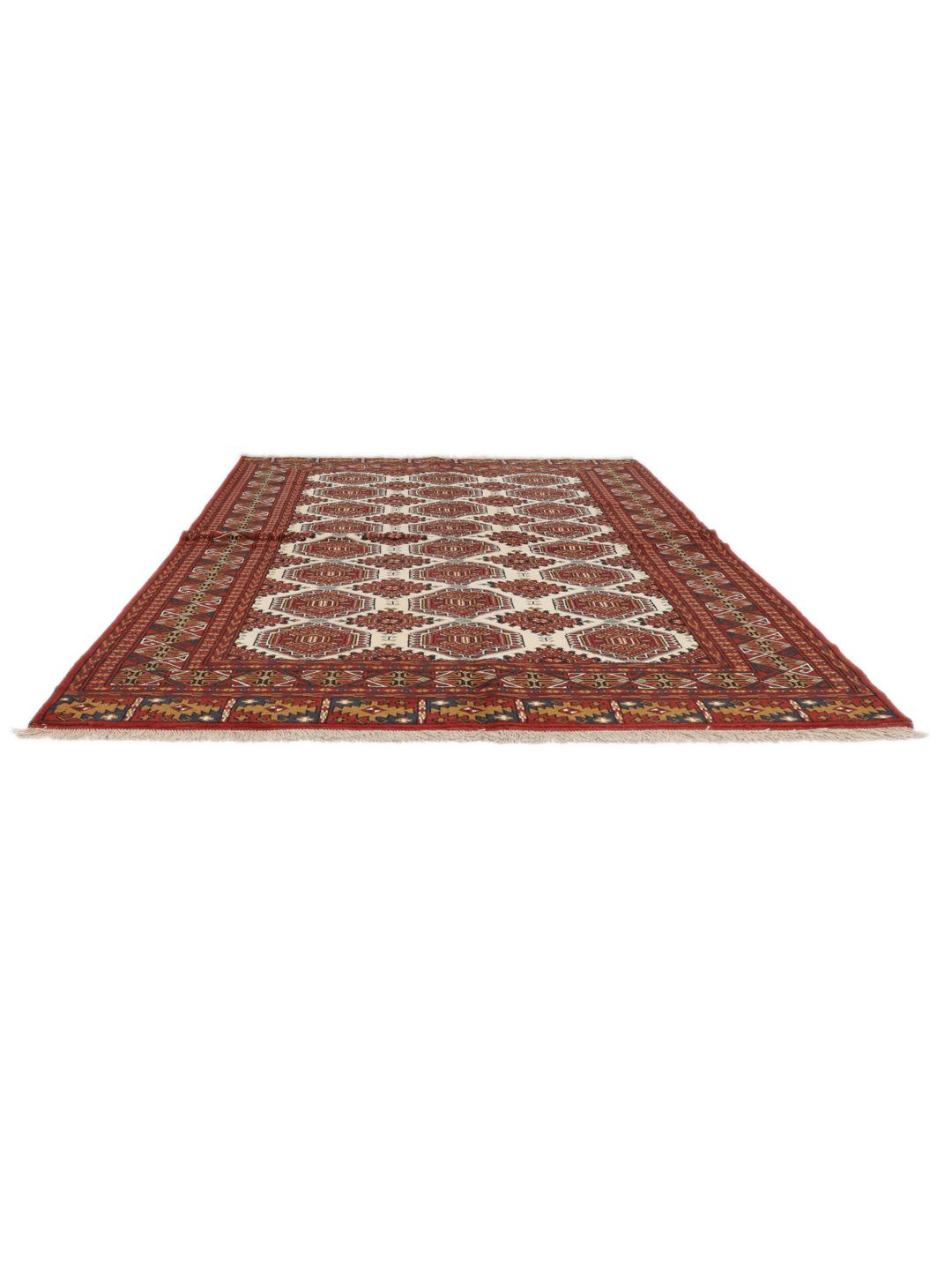
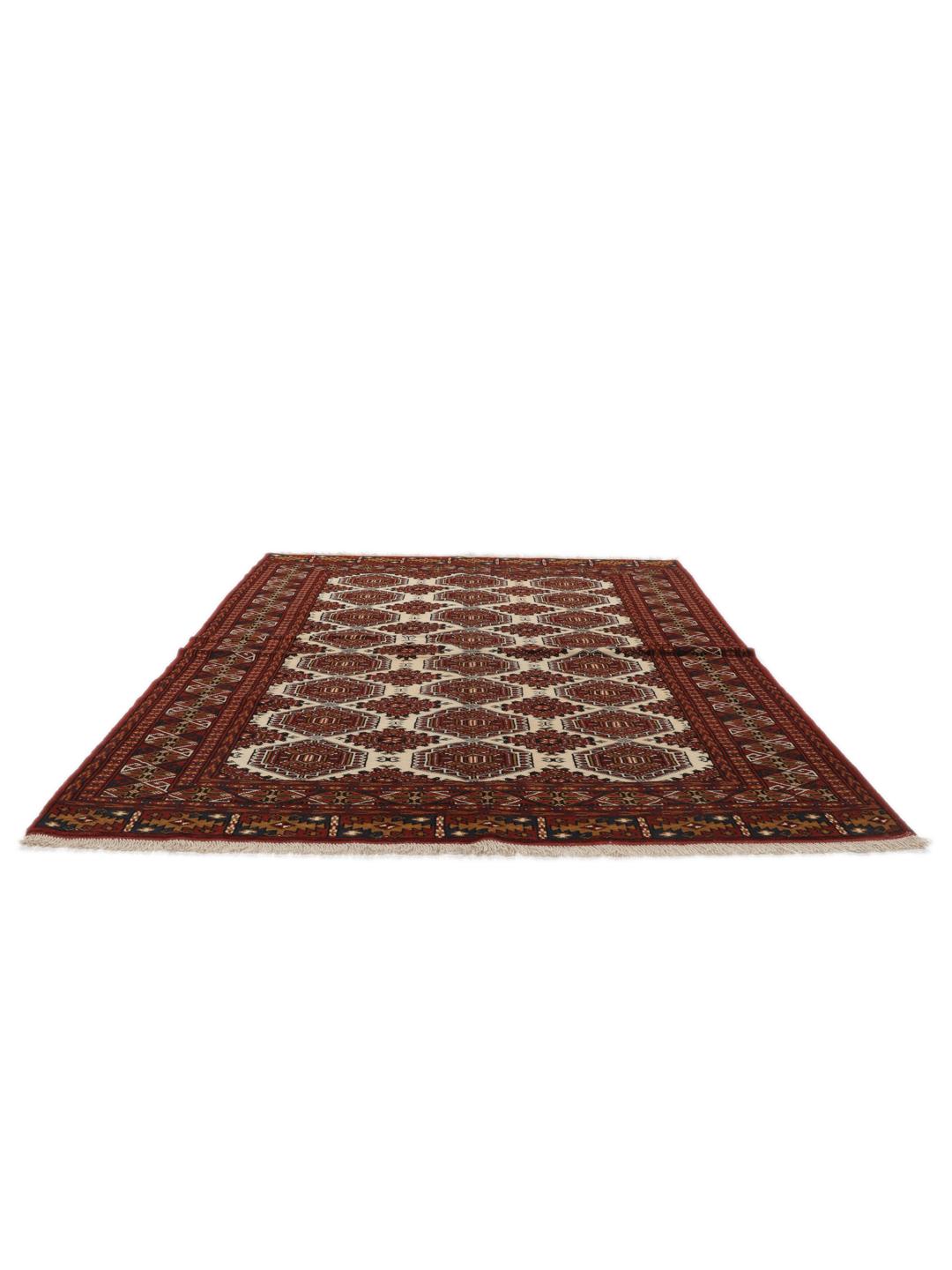
Turkaman rugs originate from the nomadic tribes of Central Asia and the wider Middle Eastern region. Historically, these rugs were woven by tribal women who used them as functional items for their tents, including floor coverings and storage bags, reflecting a nomadic lifestyle that valued portability, warmth, and durability.
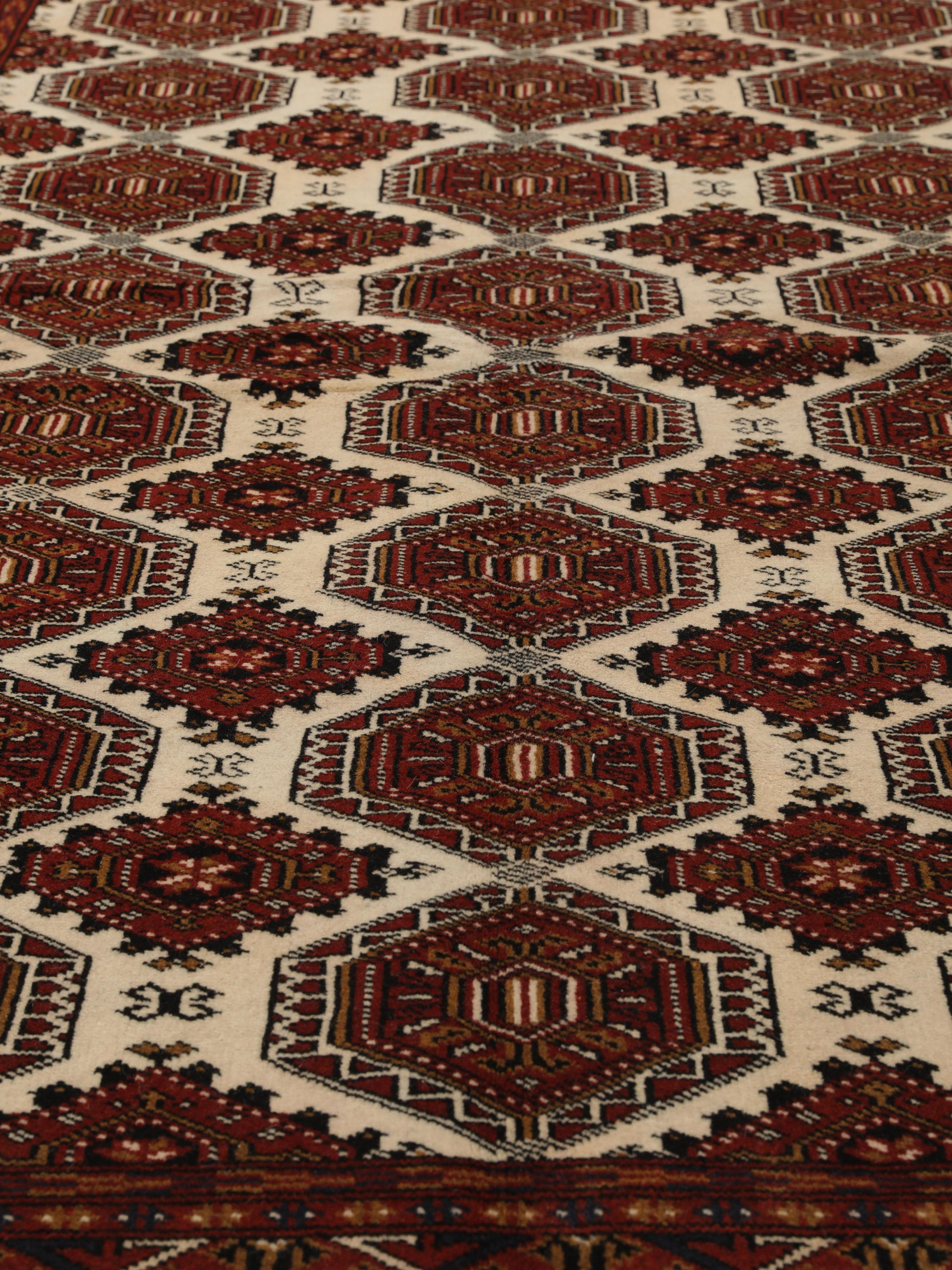
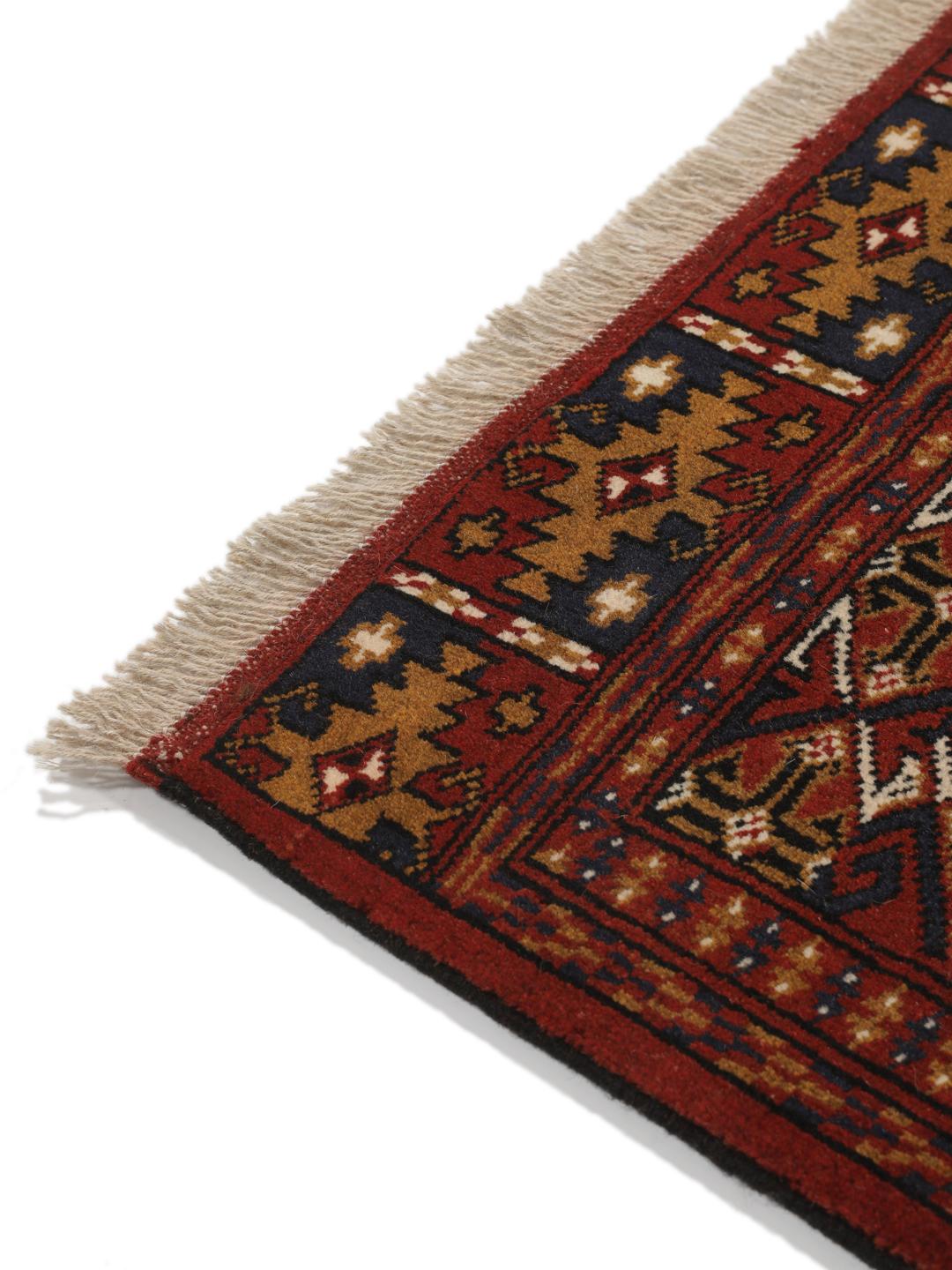
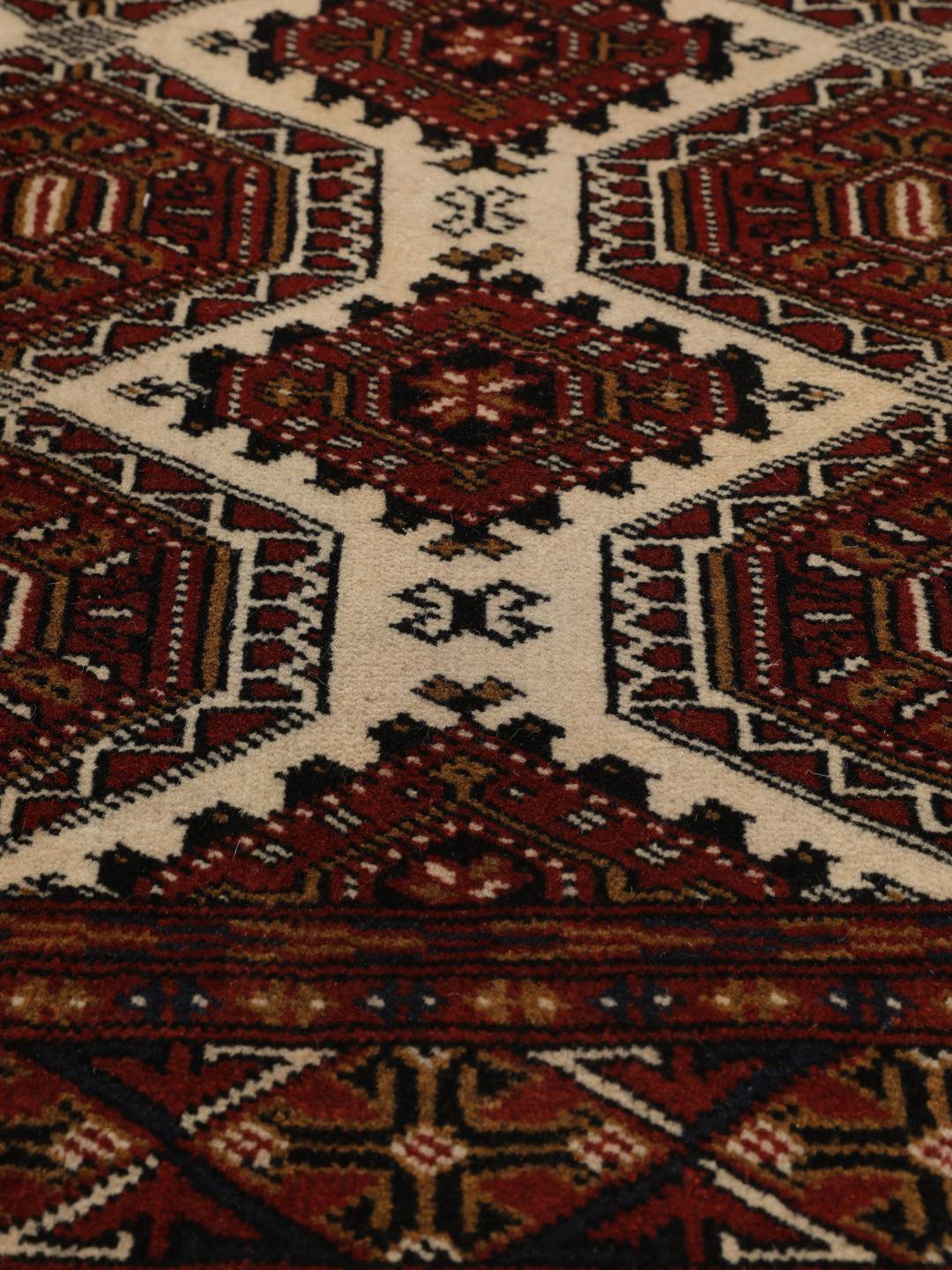
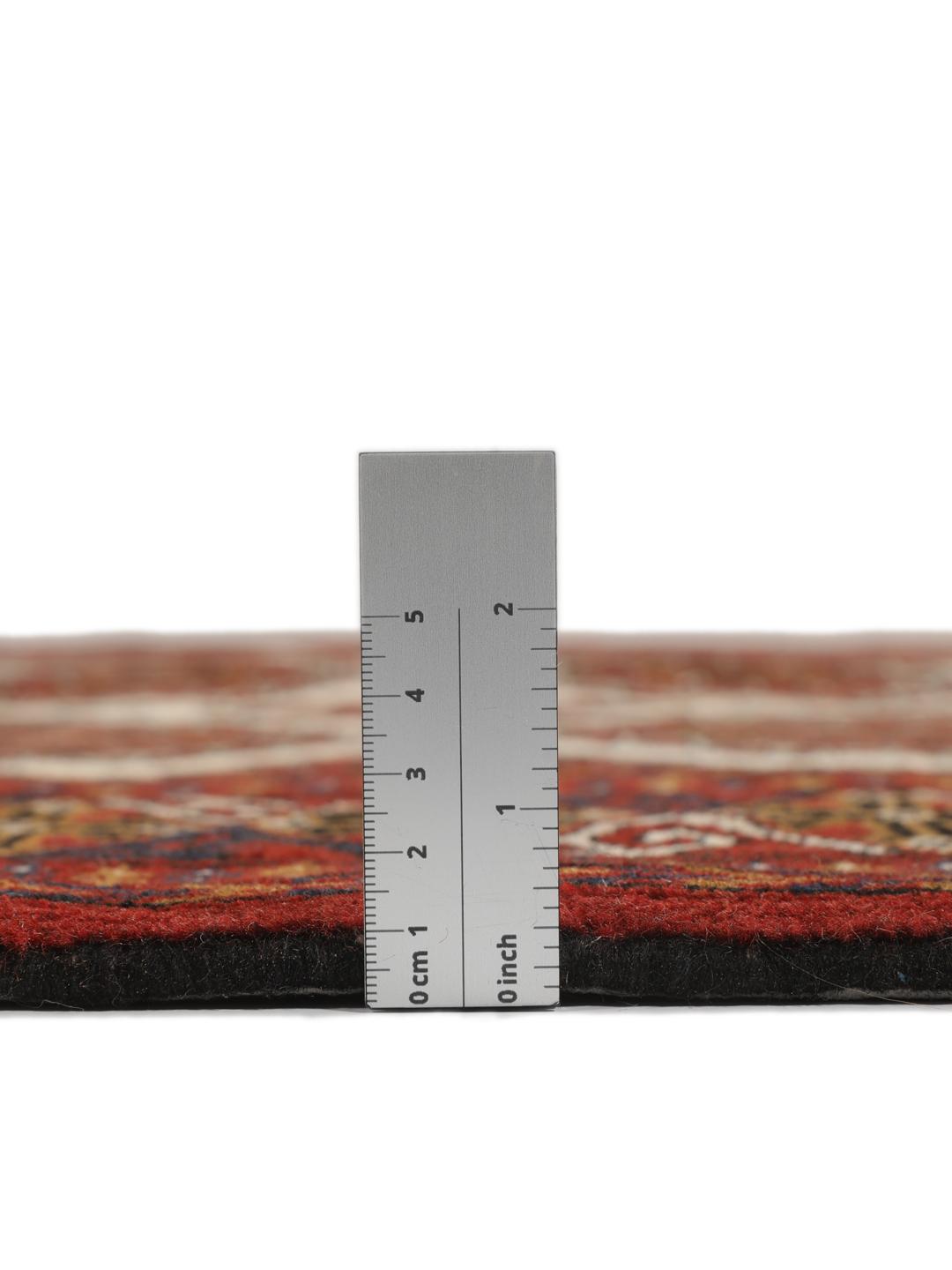
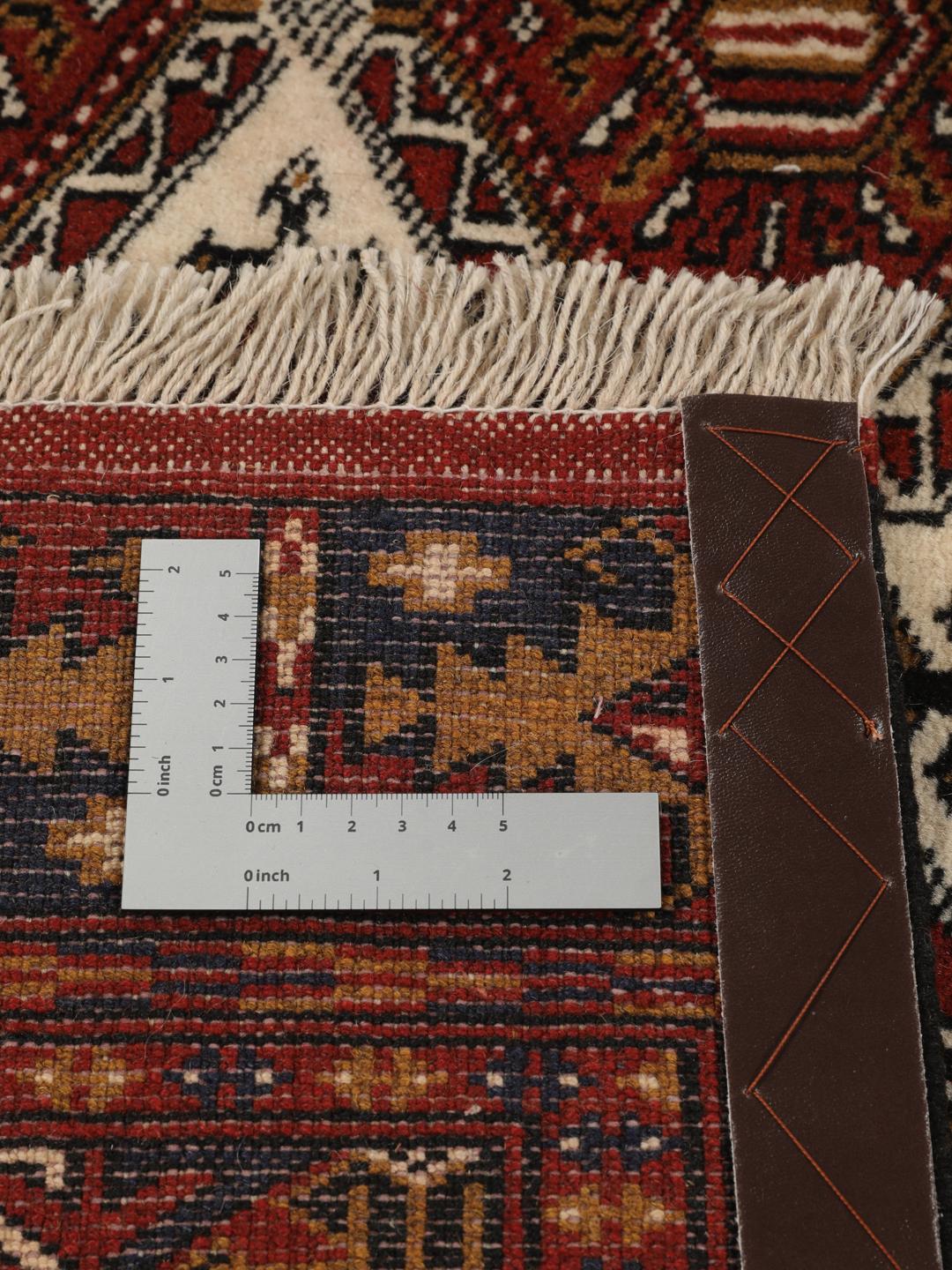
The craft of hand-knotting is central to the Turkaman tradition. The use of wool as a primary material is significant because it is naturally resilient and easy to source within the region. These rugs are known for their tight, consistent knotting, which creates a stable foundation that allows the intricate patterns to remain sharp and well-defined over many years of use.
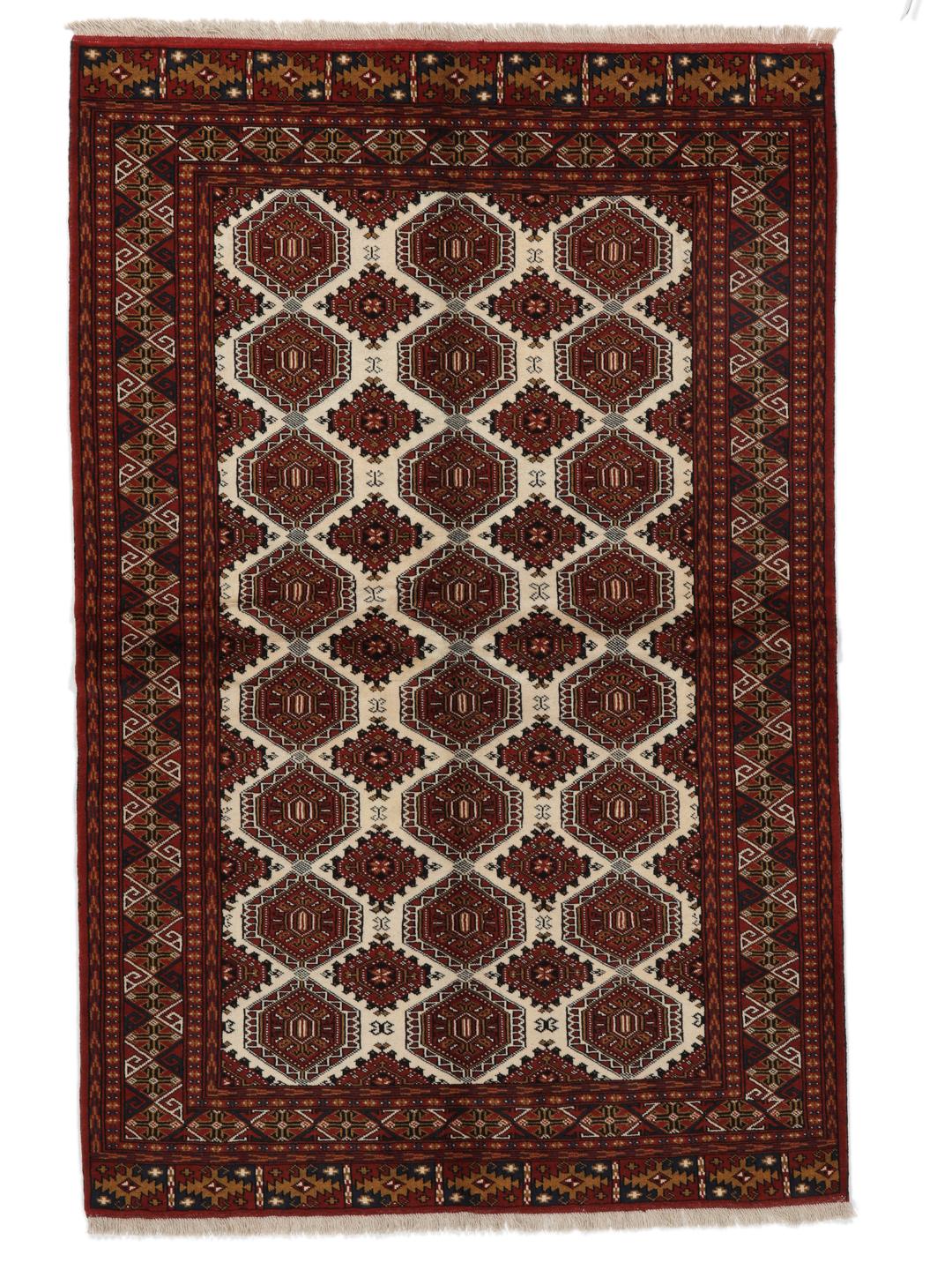
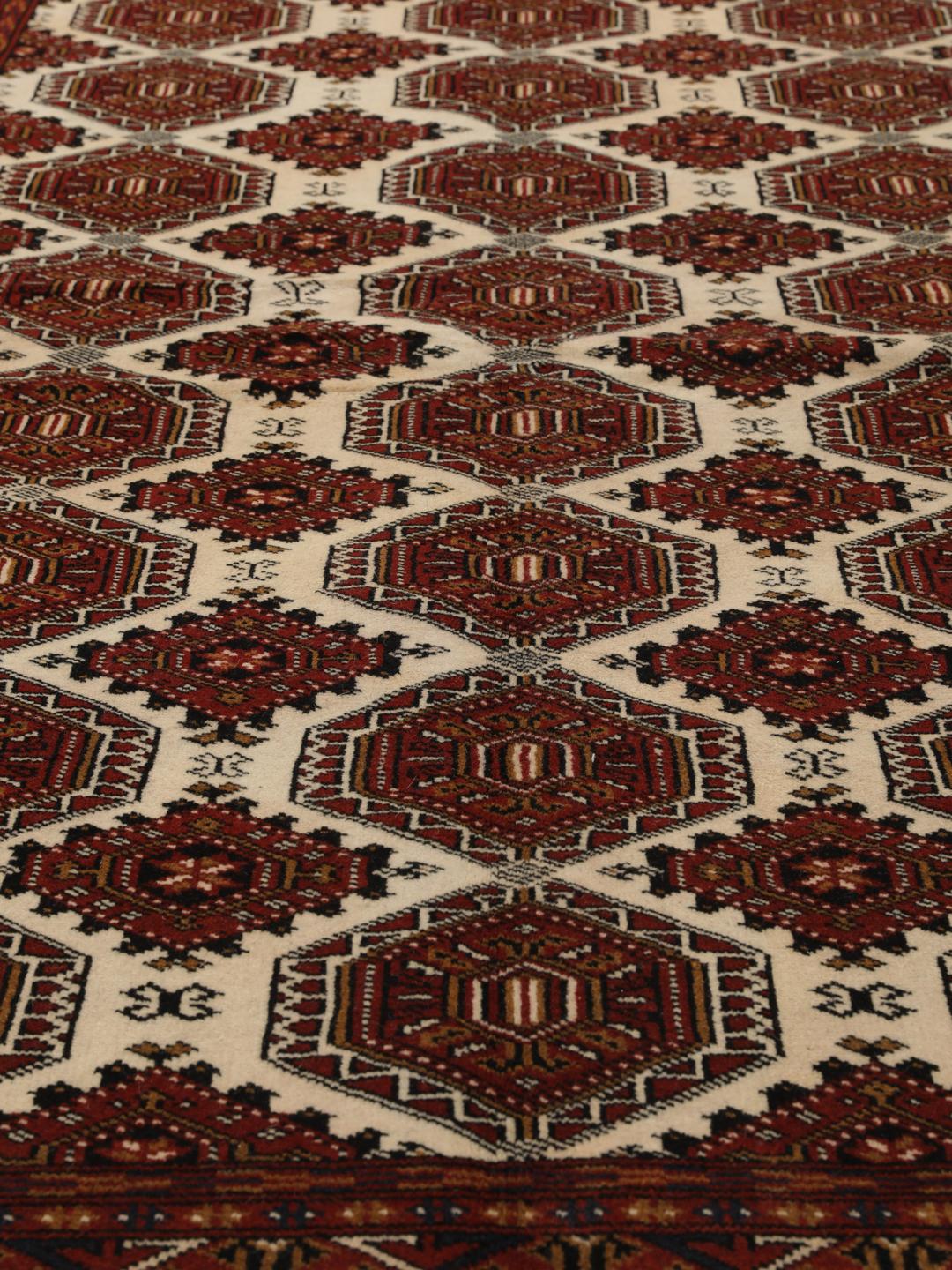
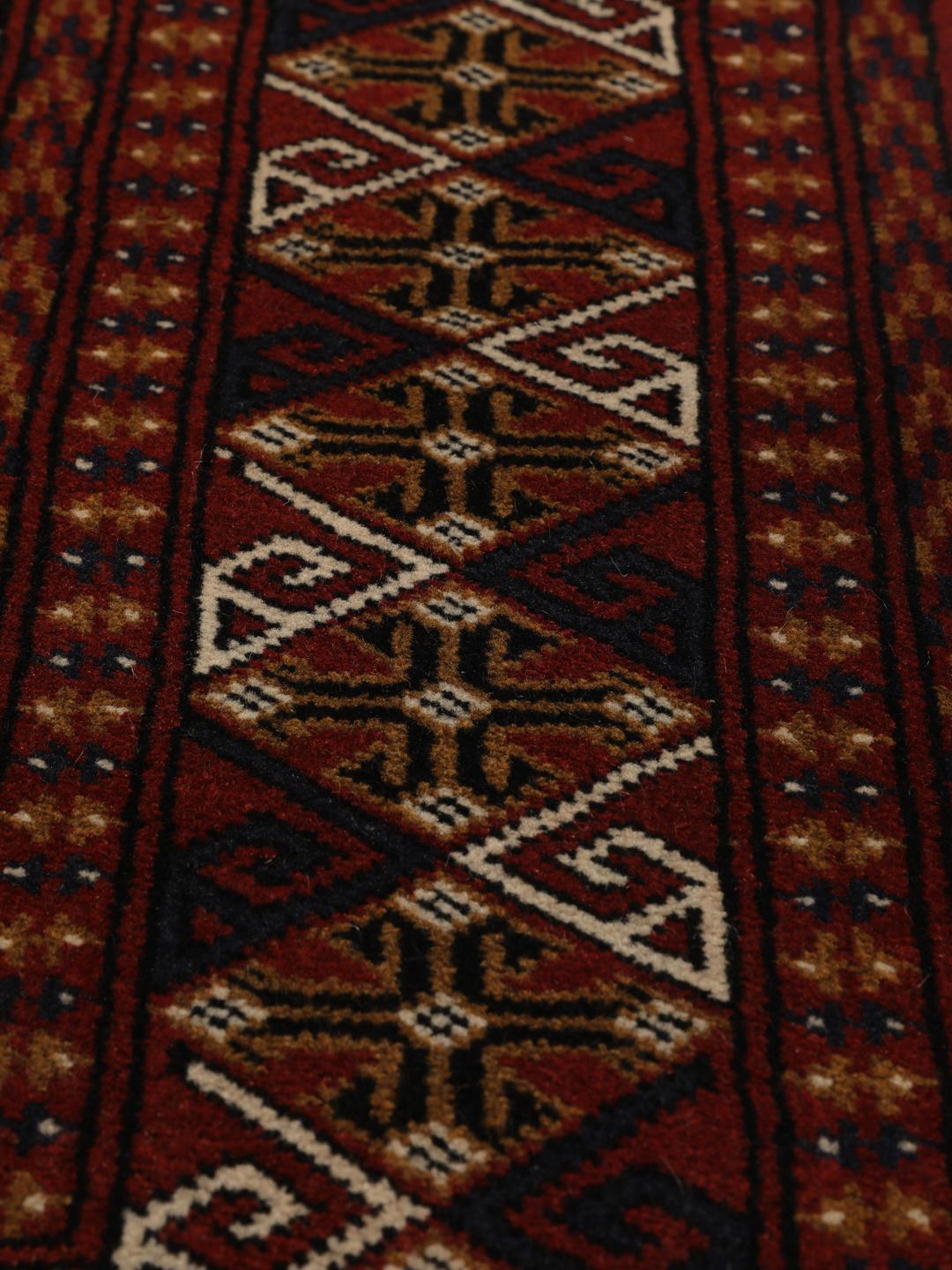
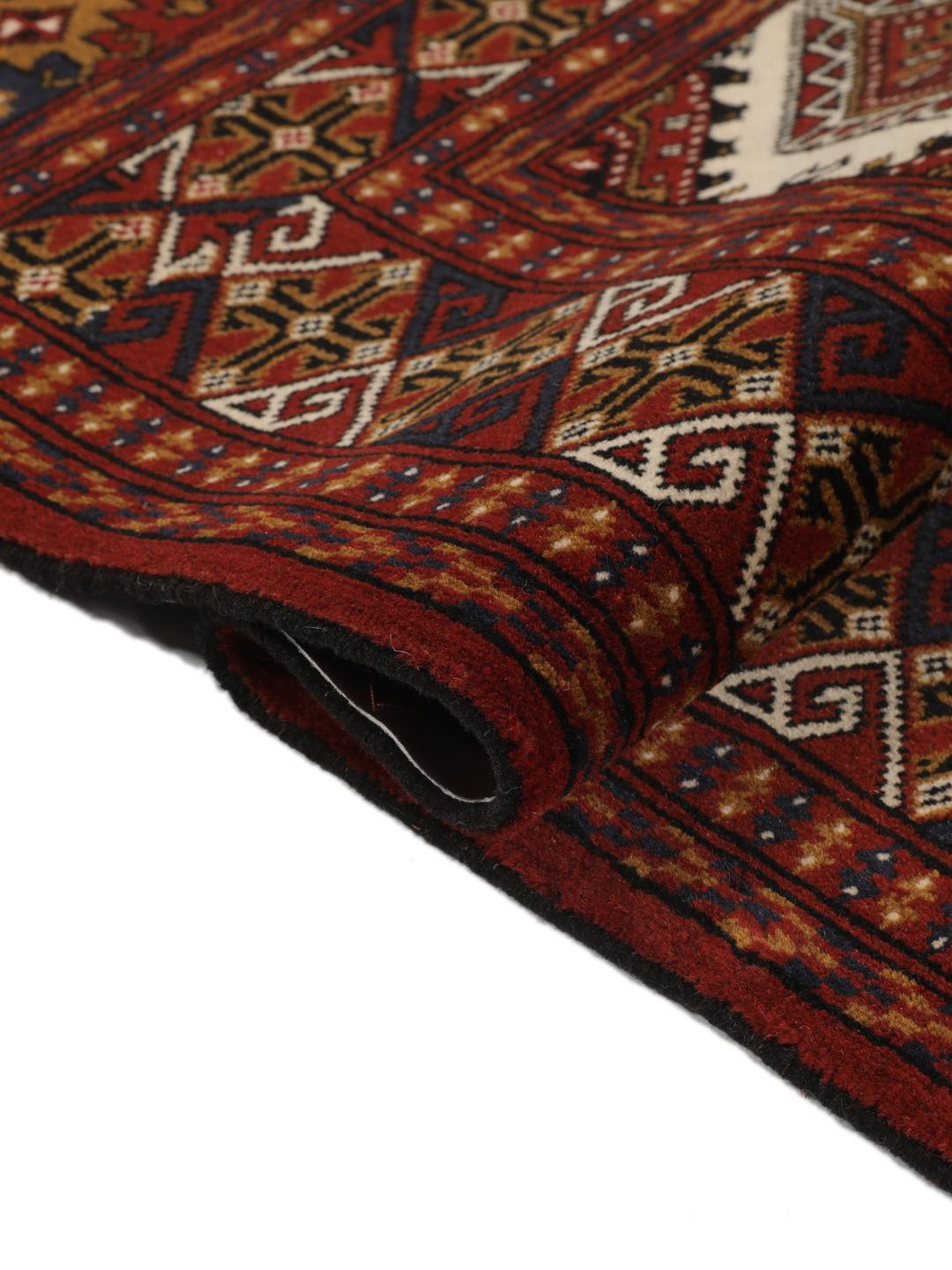
Signature design elements of the Turkaman style include the iconic gul motif, a repeating, octagonal medallion that often resembles an elephant's footprint. These motifs are typically arranged in geometric rows, framed by complex, stylised borders that reflect the visual language of the tribal groups who created them. The deep red colour palette is traditional, often accented with dark blue or ivory to create contrast.
Owning a Turkaman rug is a way to preserve a piece of living history. These rugs are highly valued by collectors for their cultural significance and the dedication required to produce them. By bringing one into your home, you are honouring a craft that has been passed down through generations, representing both a personal commitment to style and a celebration of human skill.