The Turkaman rug tradition finds its roots in the nomadic tribes of Central Asia, where weaving was a vital expression of cultural identity and daily utility. Over generations, these weaving techniques migrated and evolved, with the finest examples now being crafted by master artisans across the Middle East who have preserved these ancient methods.
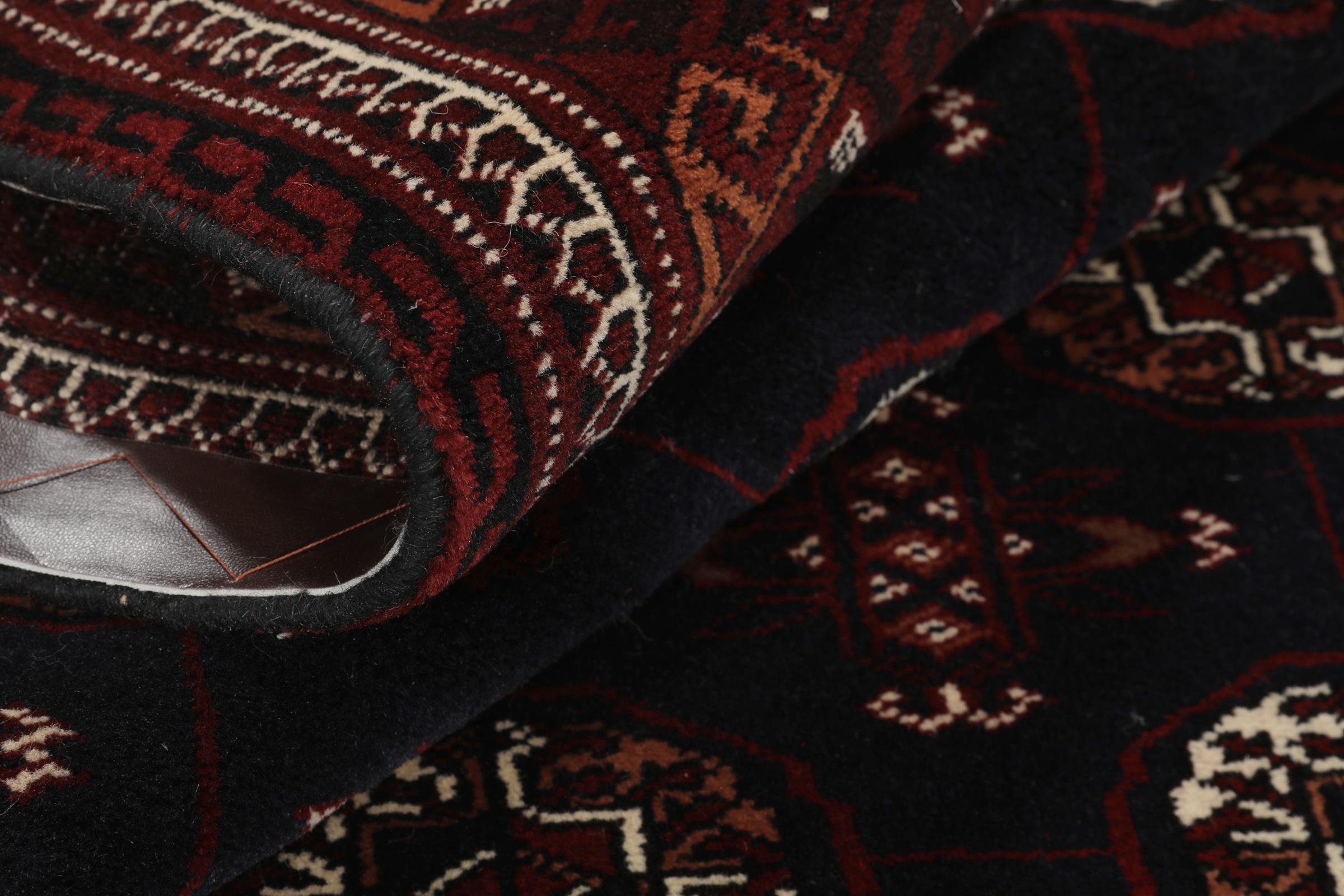
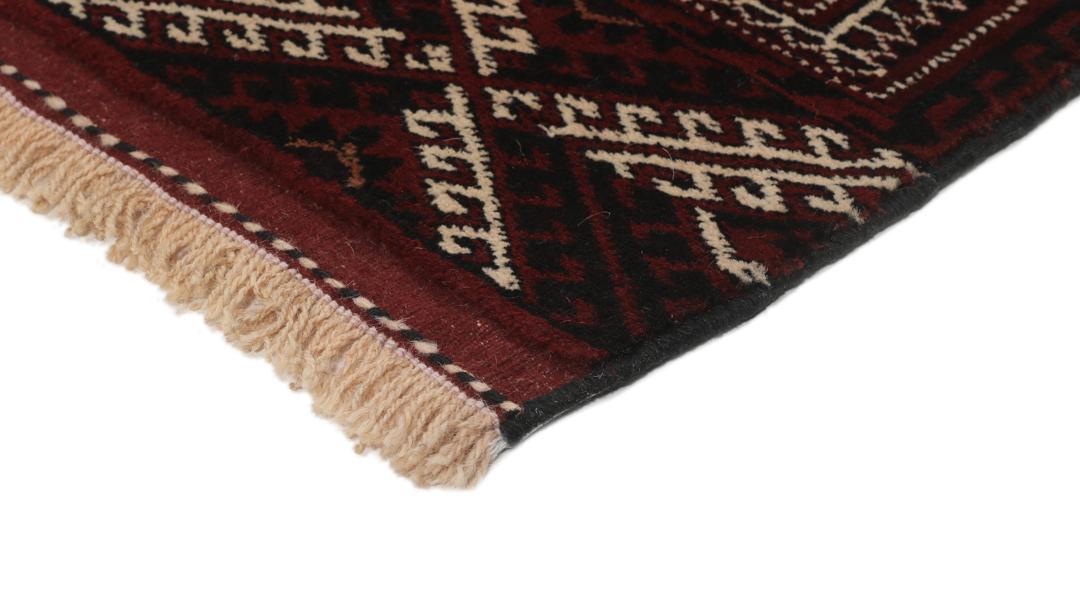
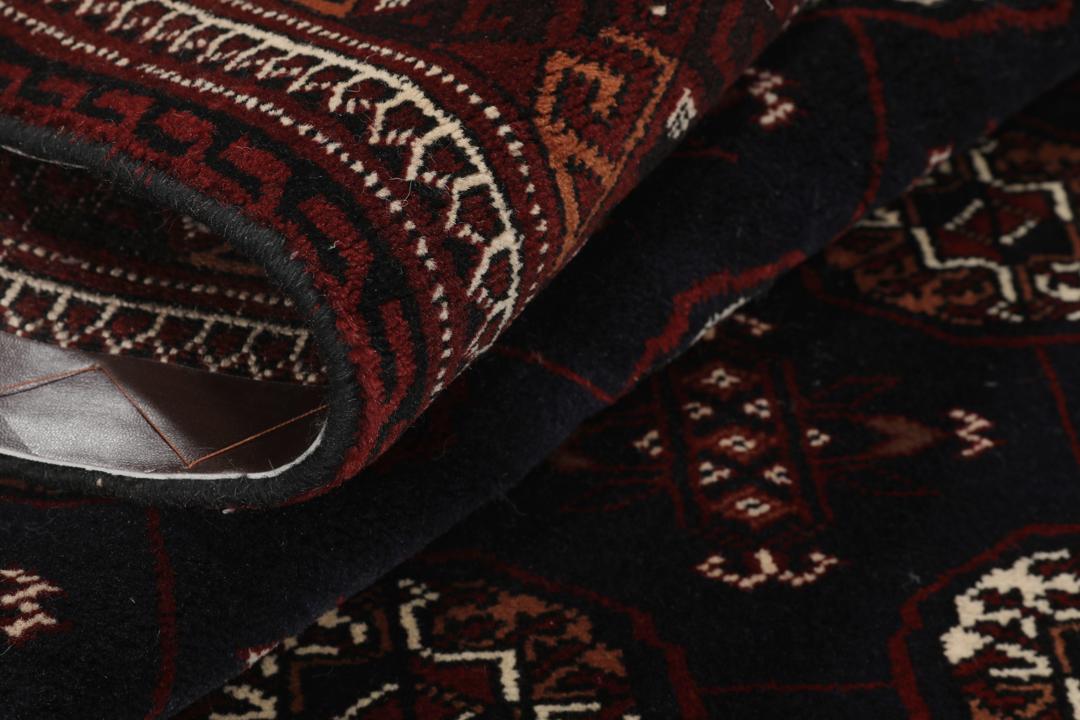
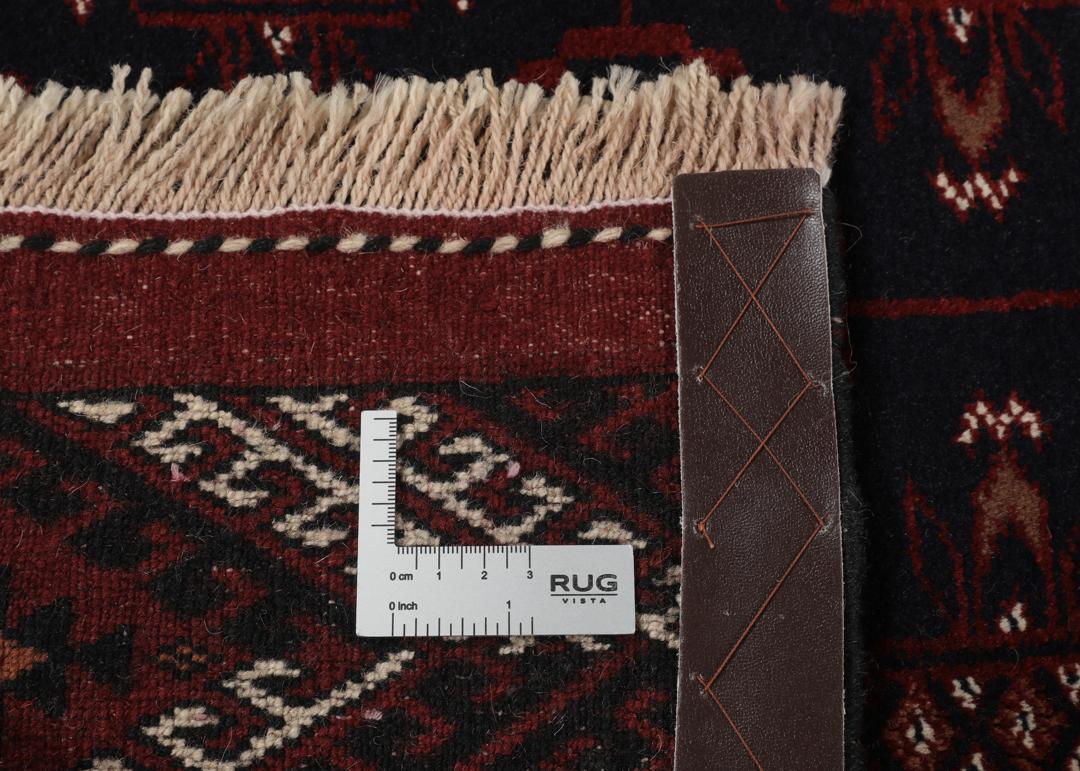
The terminology surrounding these rugs often refers to the specific tribal origins or the structure of the weave itself. The dense, hand-knotted construction is a result of centuries of refinement, where the focus is placed on creating a pile that is both durable and incredibly soft to the touch, ensuring the piece serves its purpose for generations.
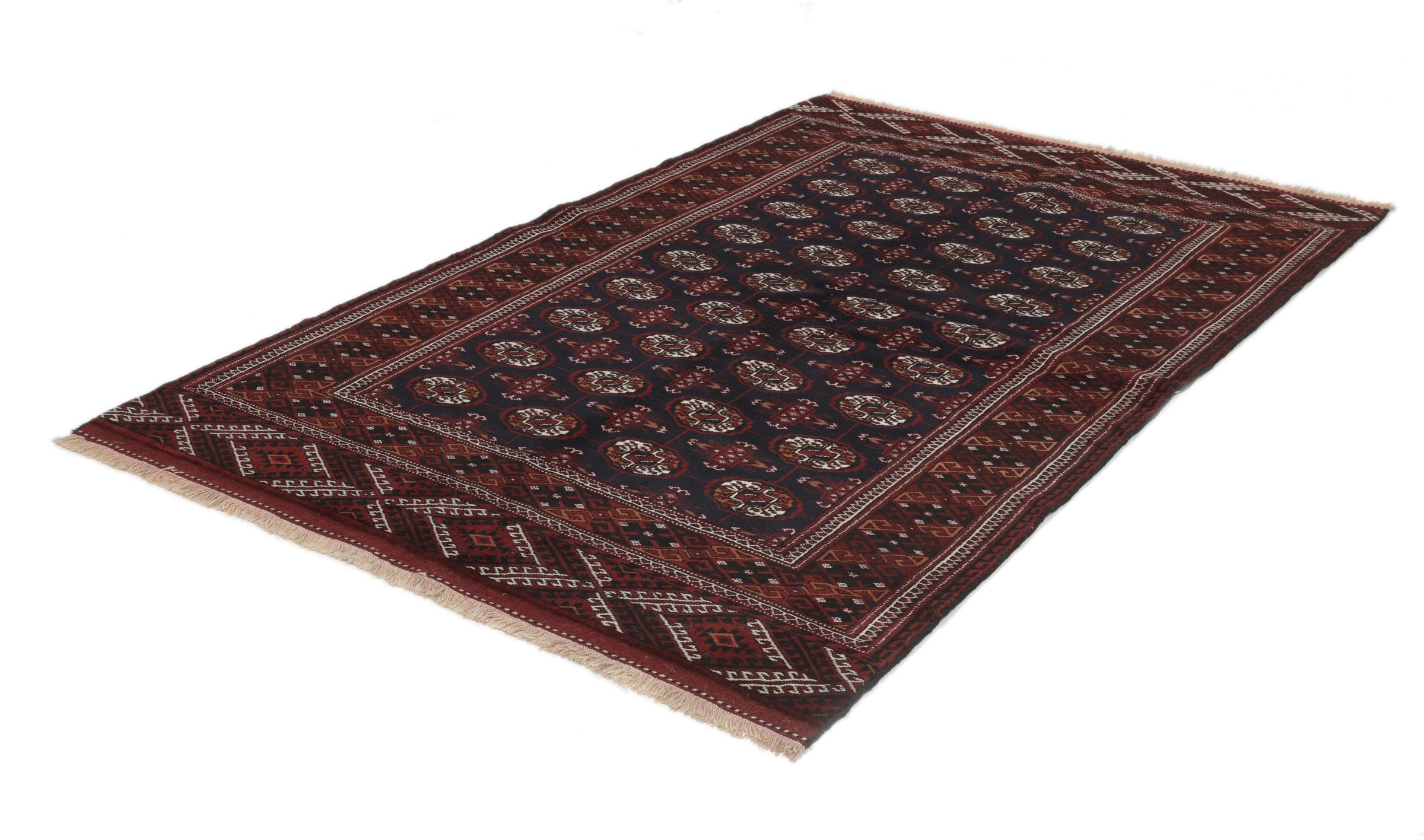
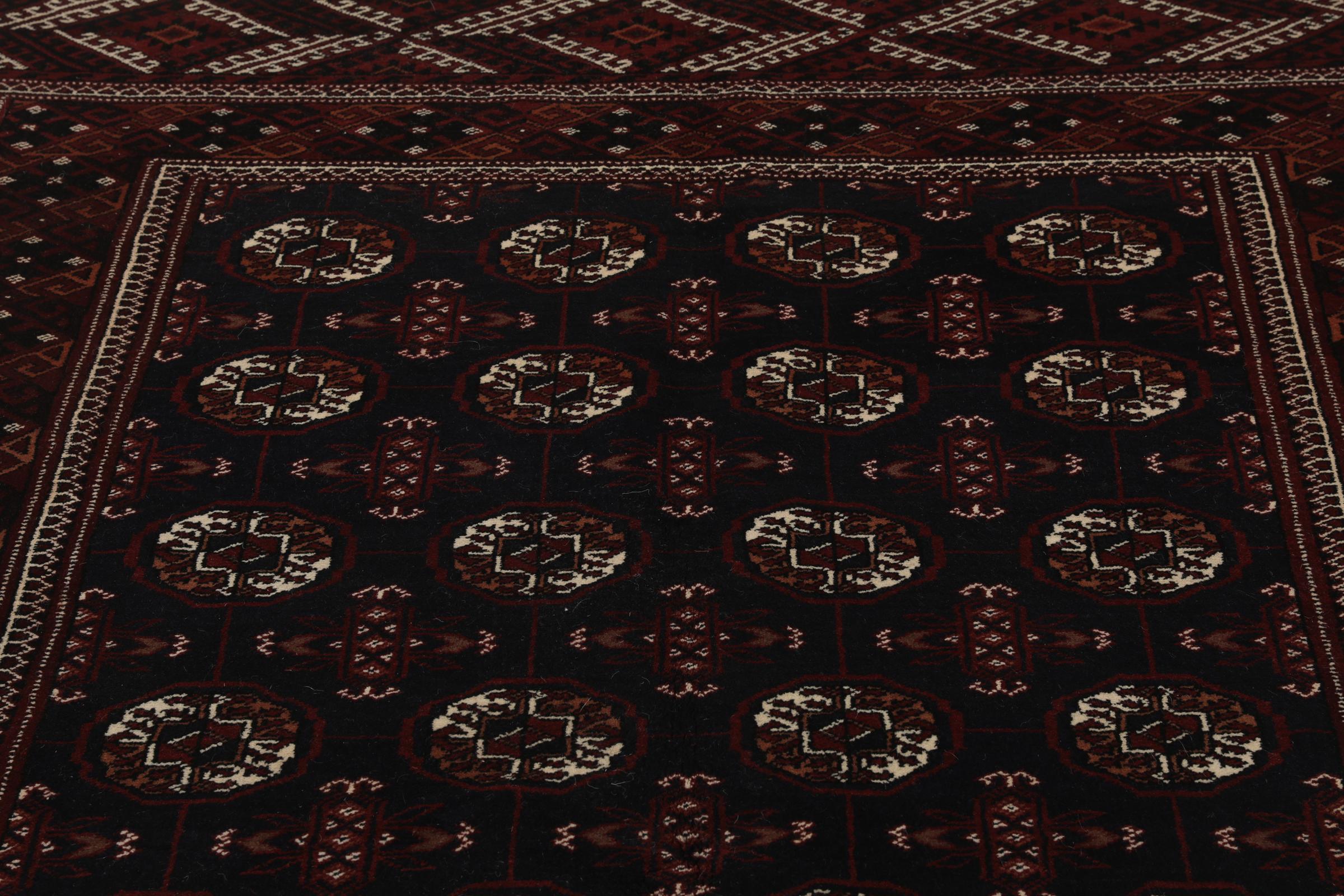
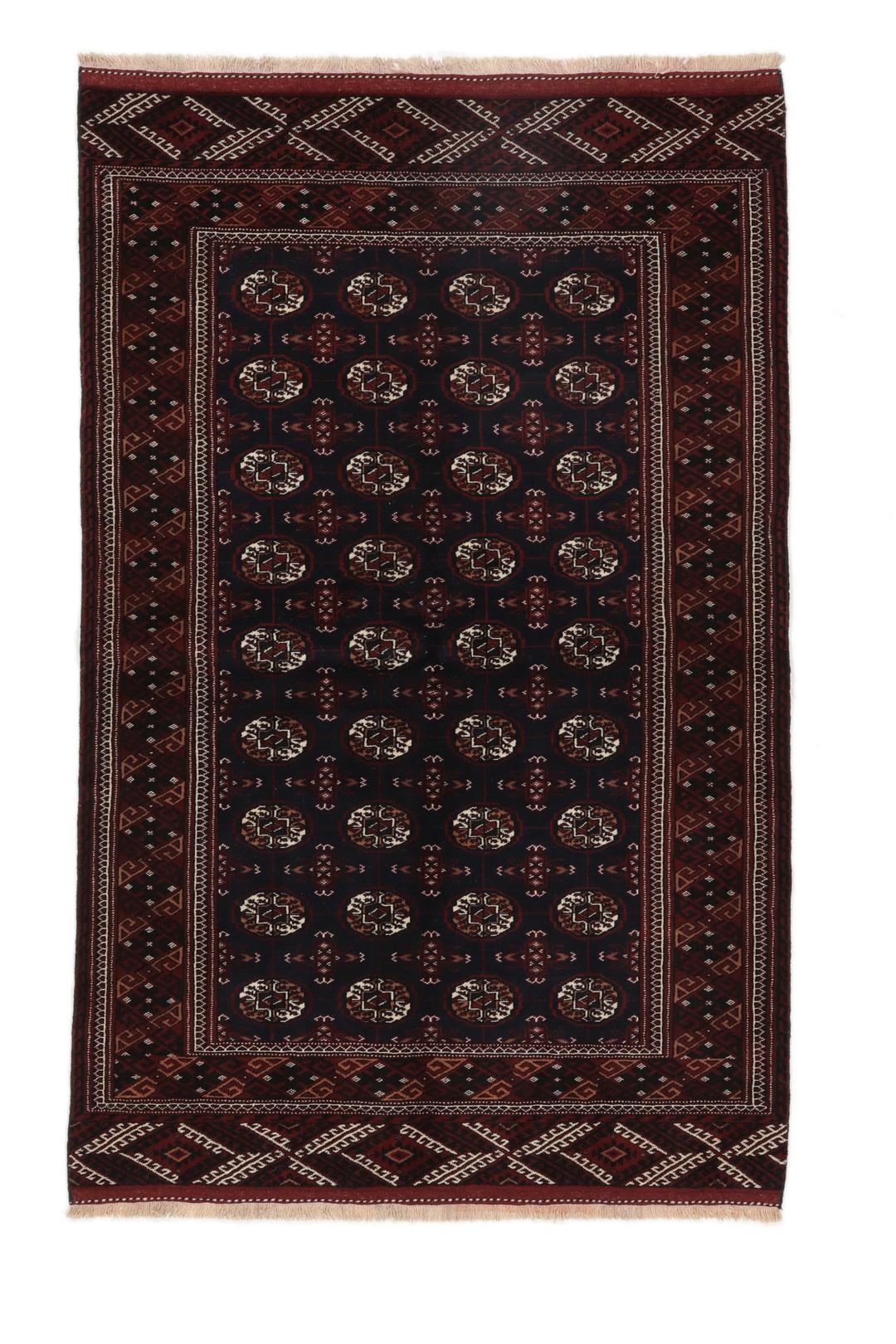
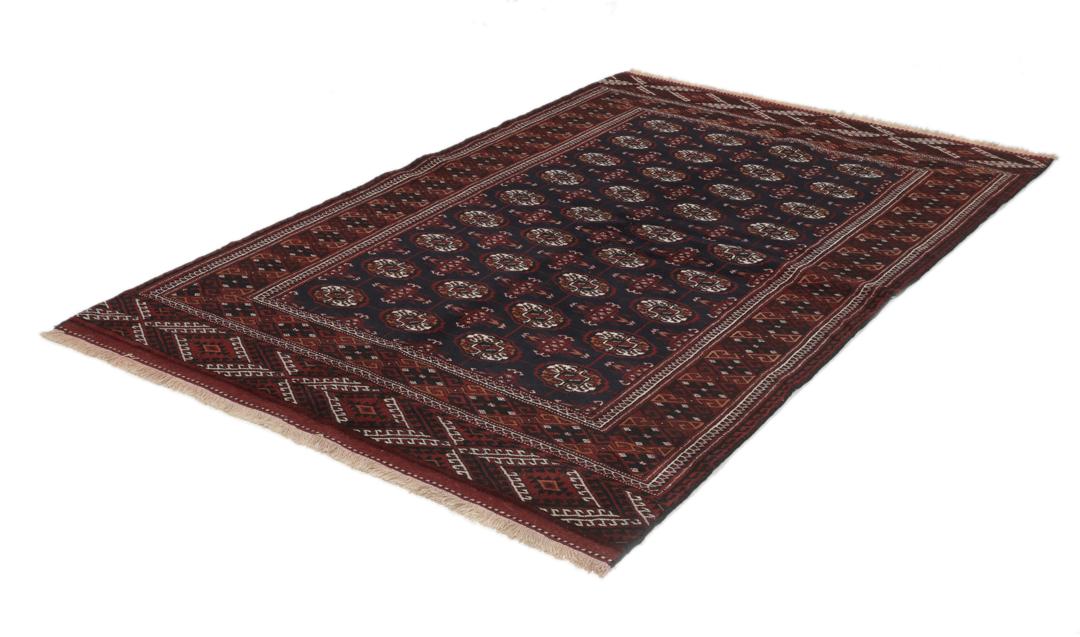
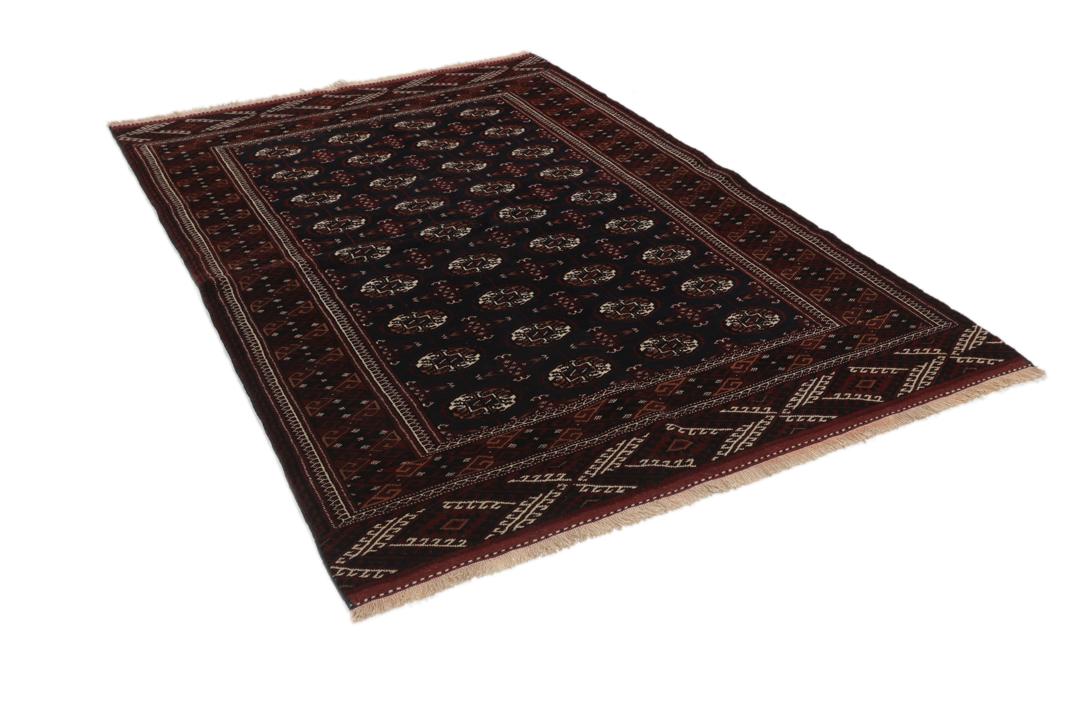
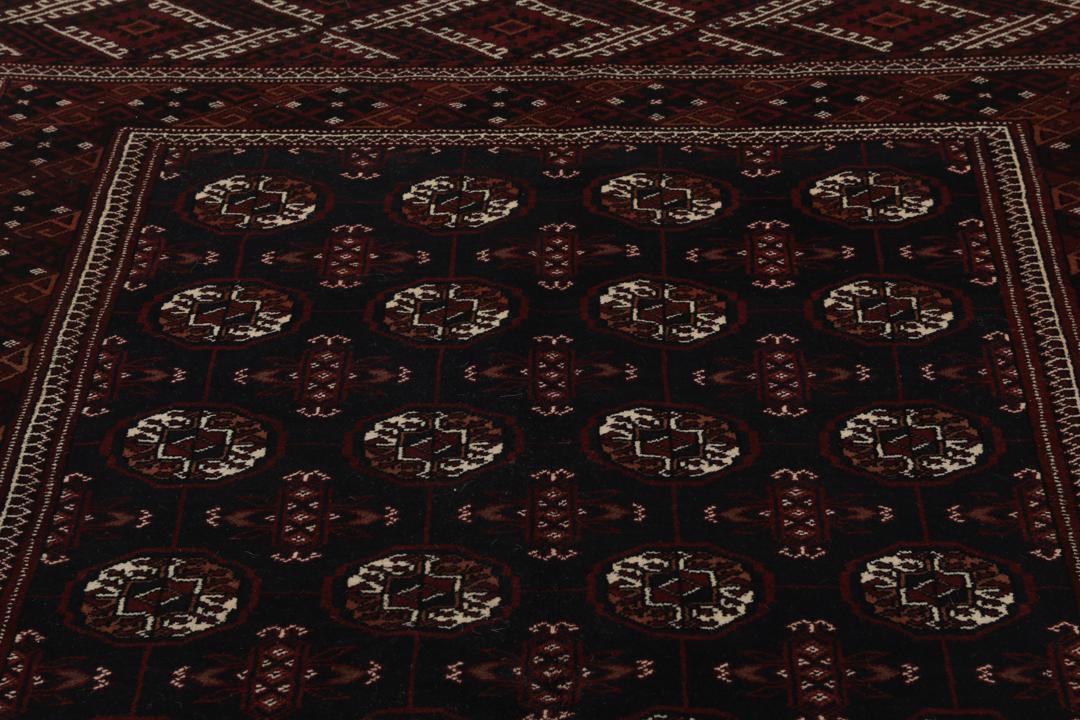
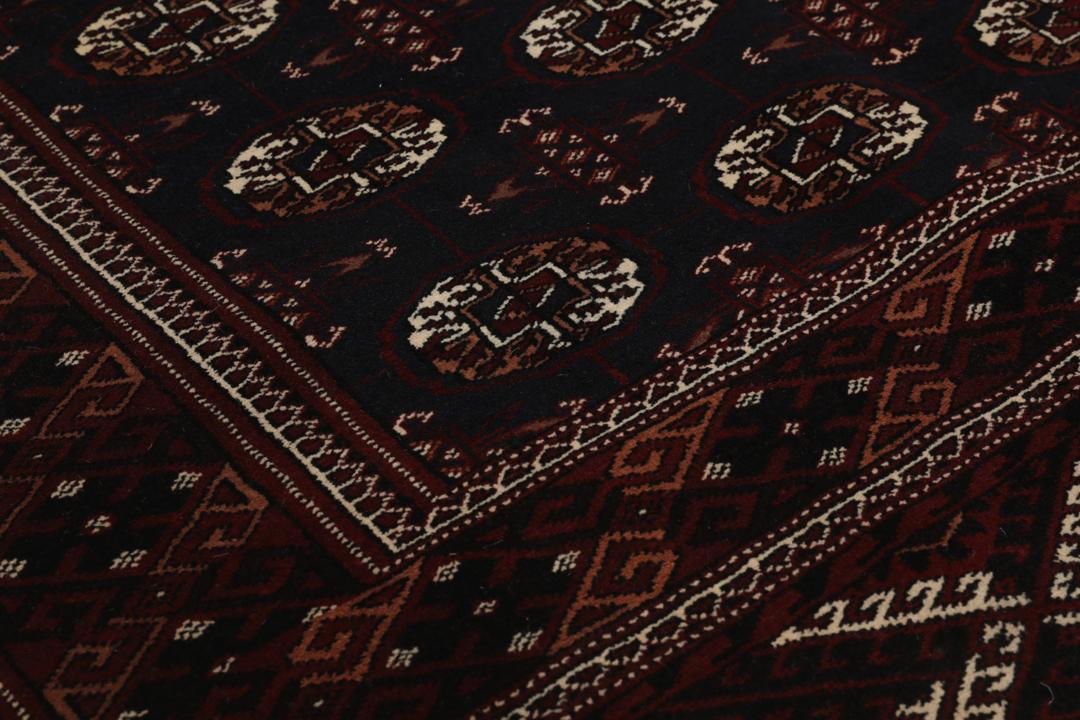
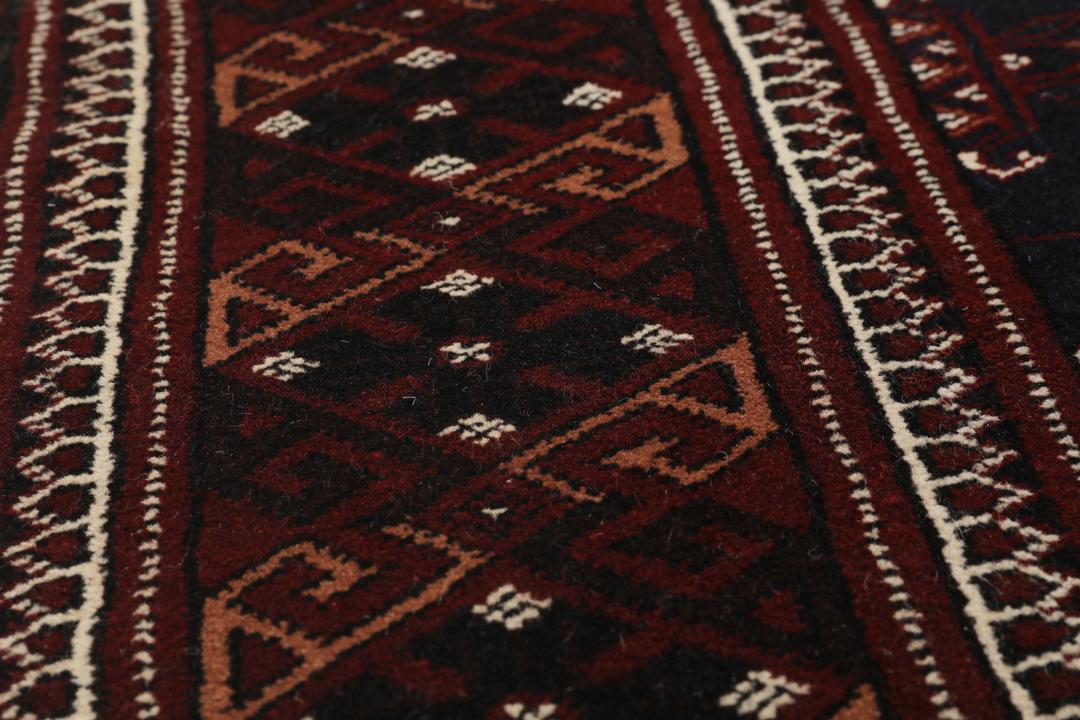
Signature design elements of Turkaman rugs typically include the iconic gul motif, a repeating, medallion-like shape that symbolises tribal heritage and protection. This specific rug features a sophisticated arrangement of these medallions against a dark field, framed by intricate geometric borders that showcase the disciplined, rhythmic patterns favoured in this tradition.
These rugs are highly valued by collectors for their cultural weight and the undeniable skill required to produce them. Owning a Turkaman rug is about more than just decor; it is about preserving a legacy of craft and bringing a piece of history into the modern home, where its beauty continues to tell a story of regional artistry.