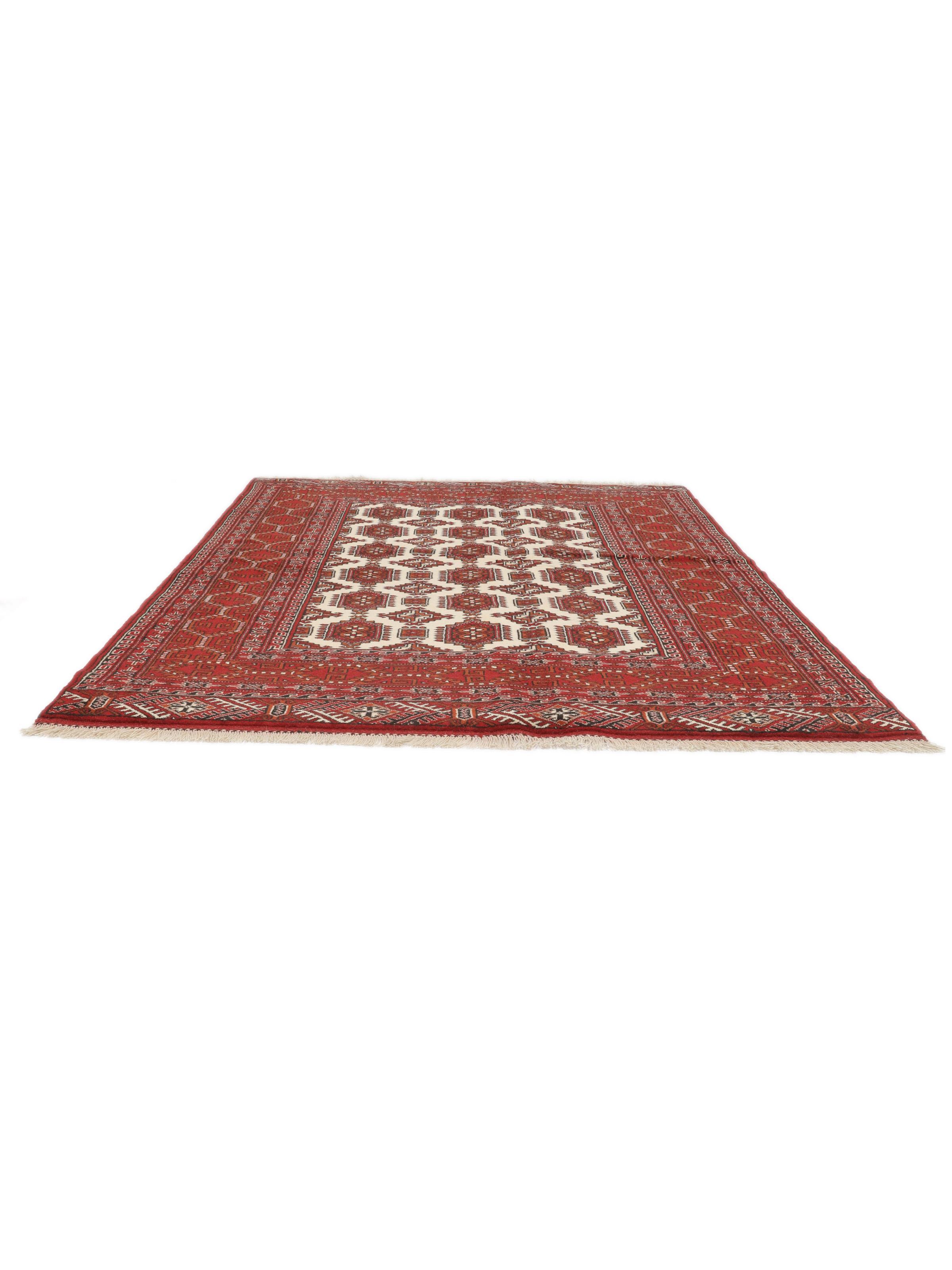
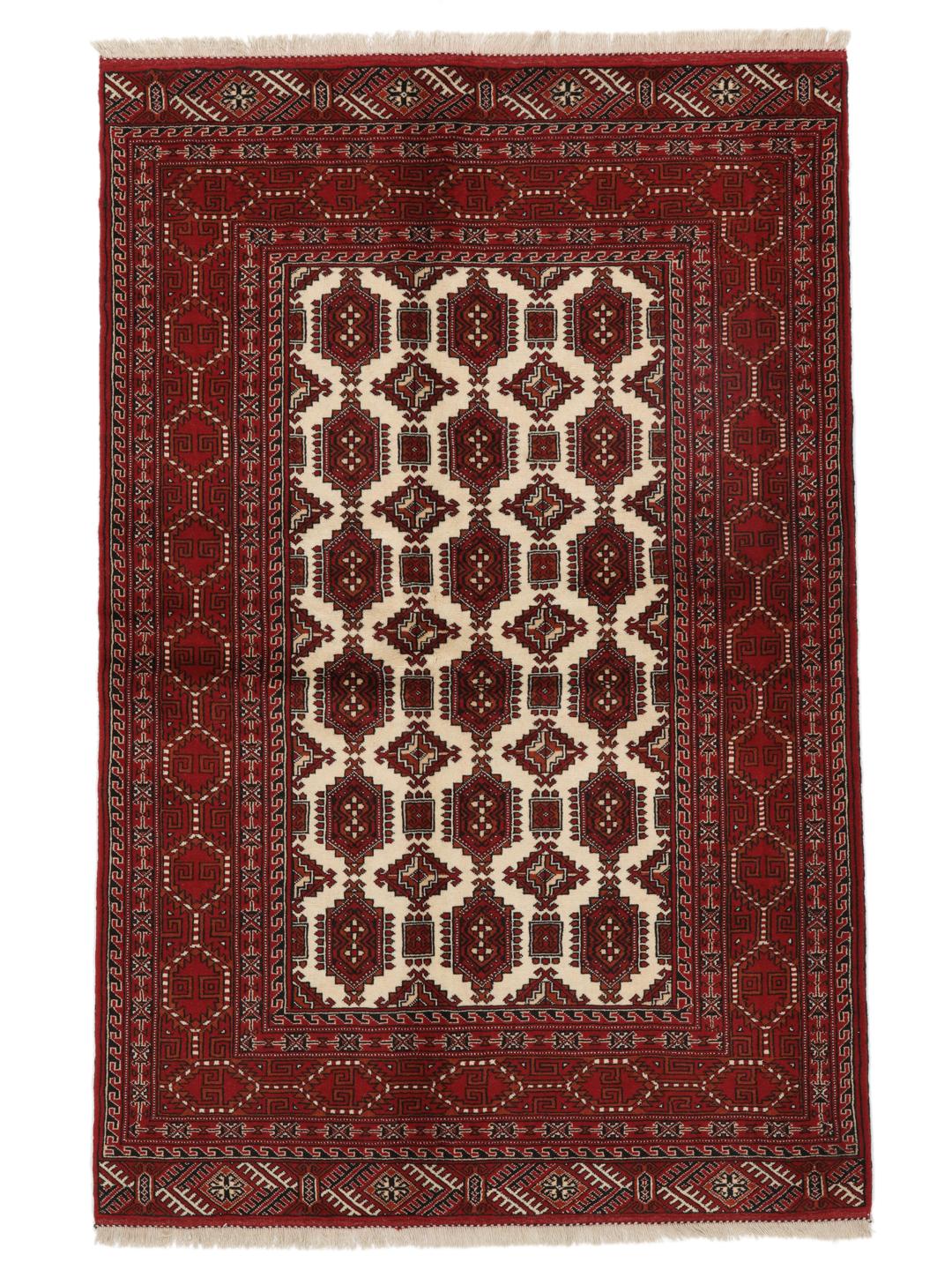
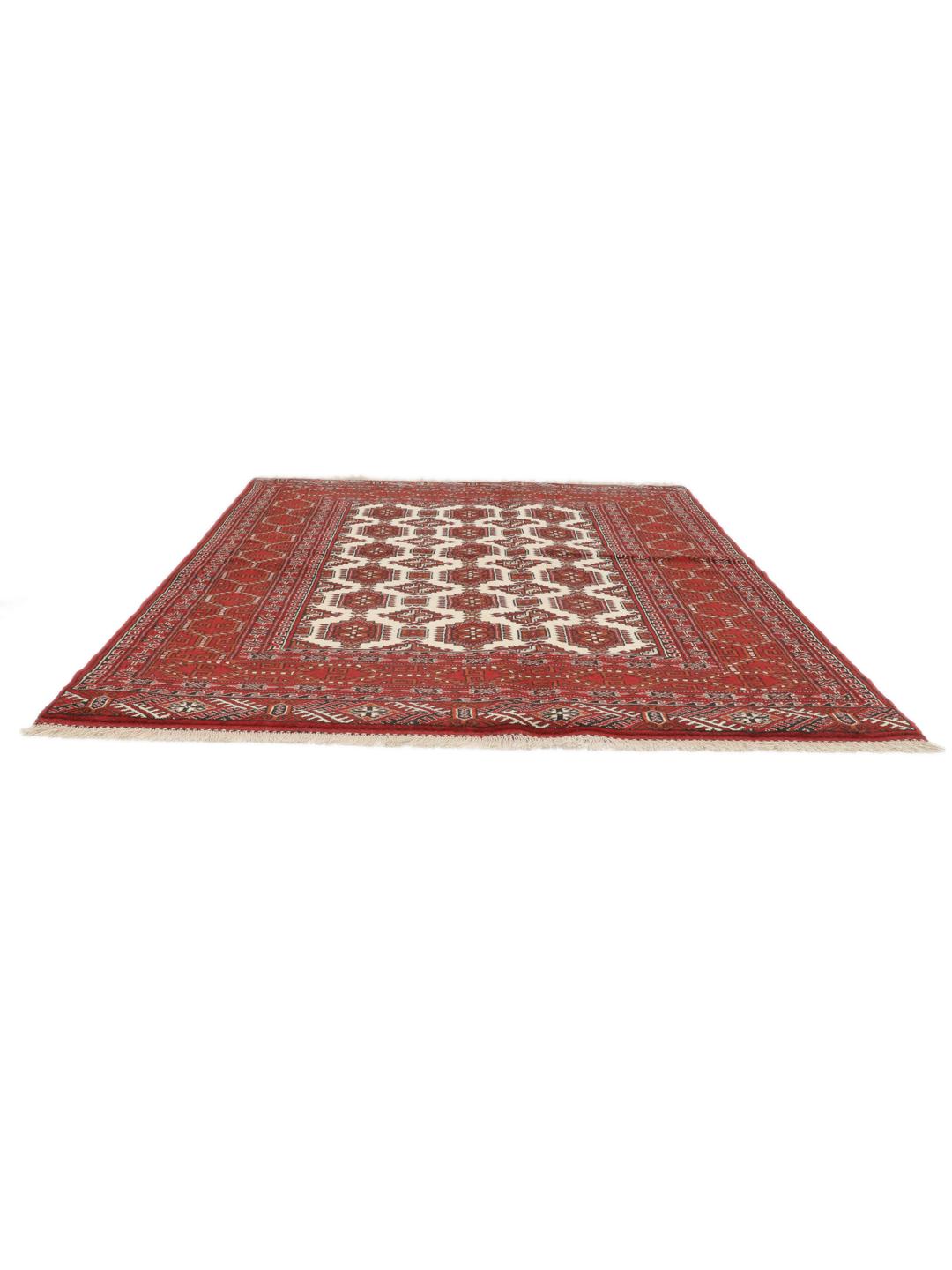
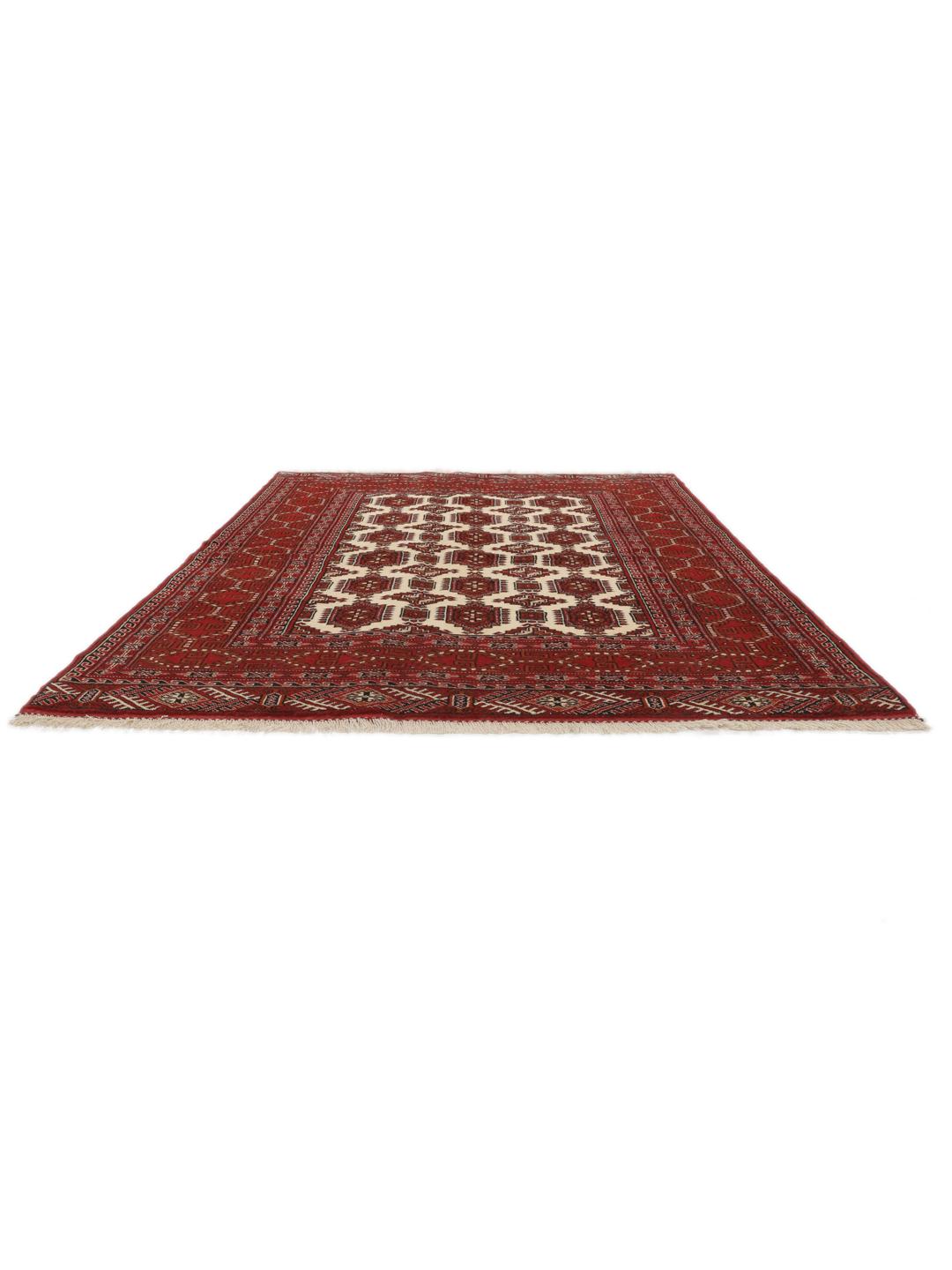
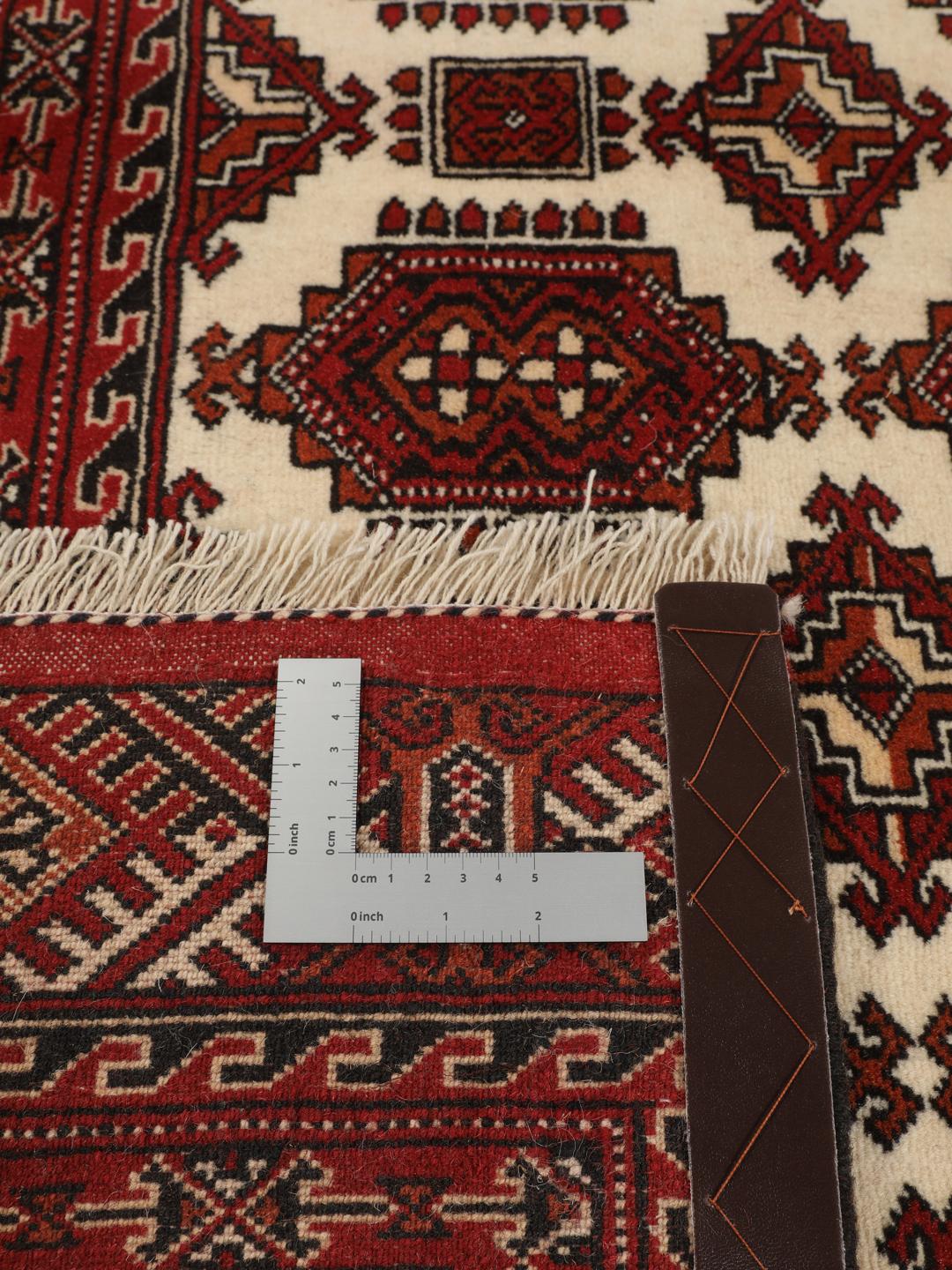
Turkaman rugs originate from the nomadic tribes of Central Asia, a region with a long and storied history of textile production along the ancient trade routes. While the traditions began with tribal weavers, the style has evolved over centuries, eventually becoming a staple of refined Middle Eastern rug-making where masters continue to preserve these iconic, time-honoured patterns.
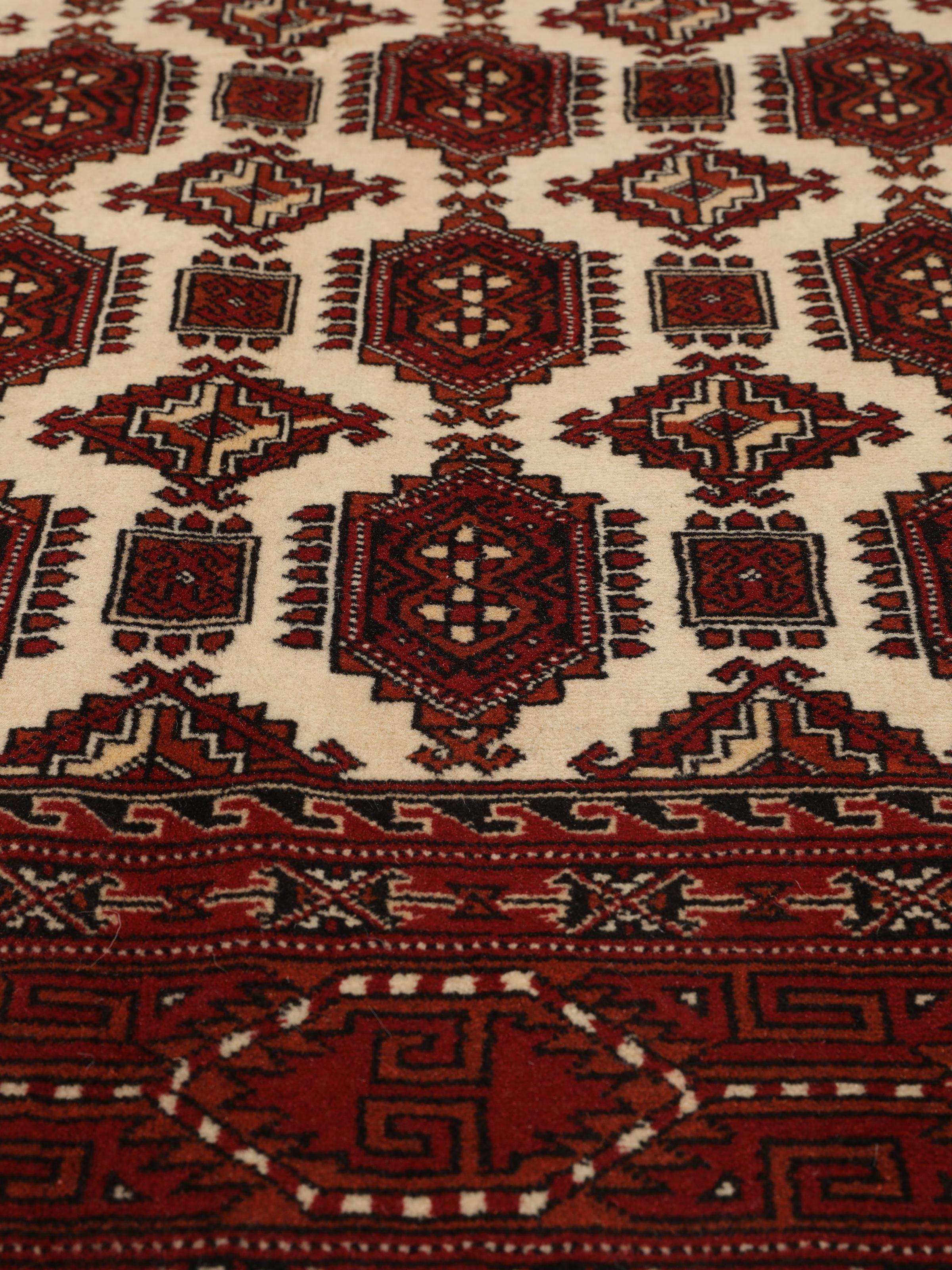
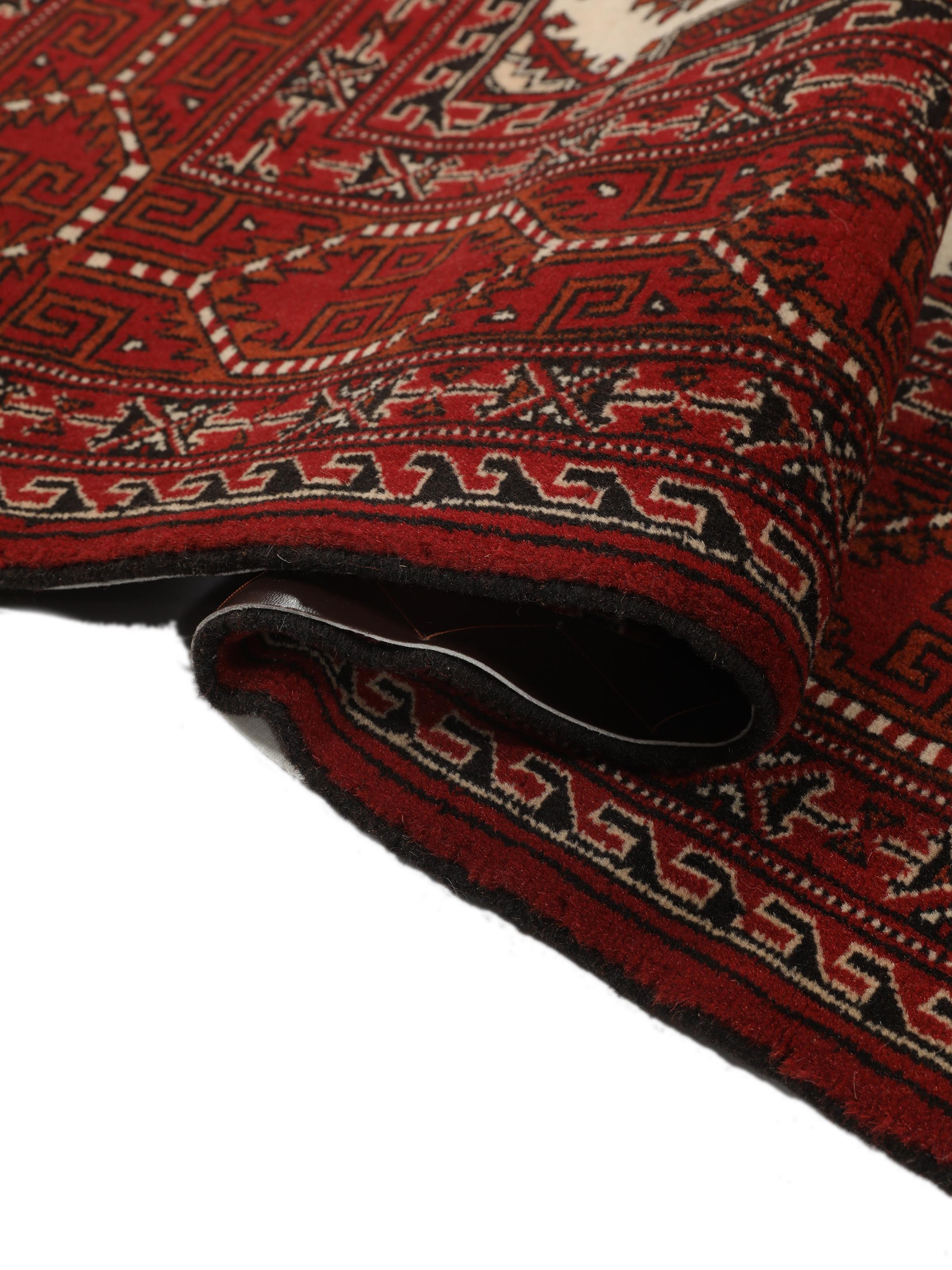
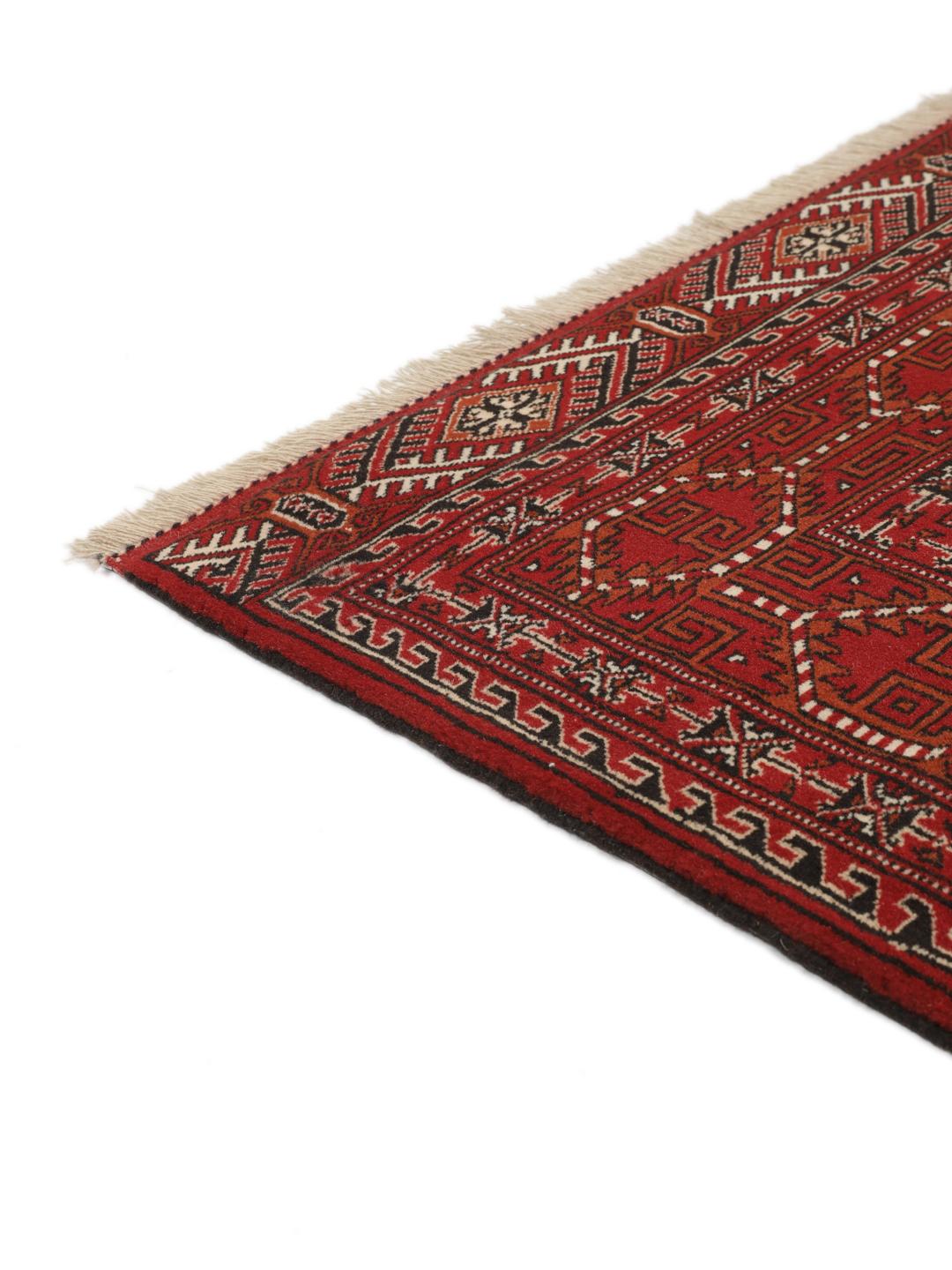
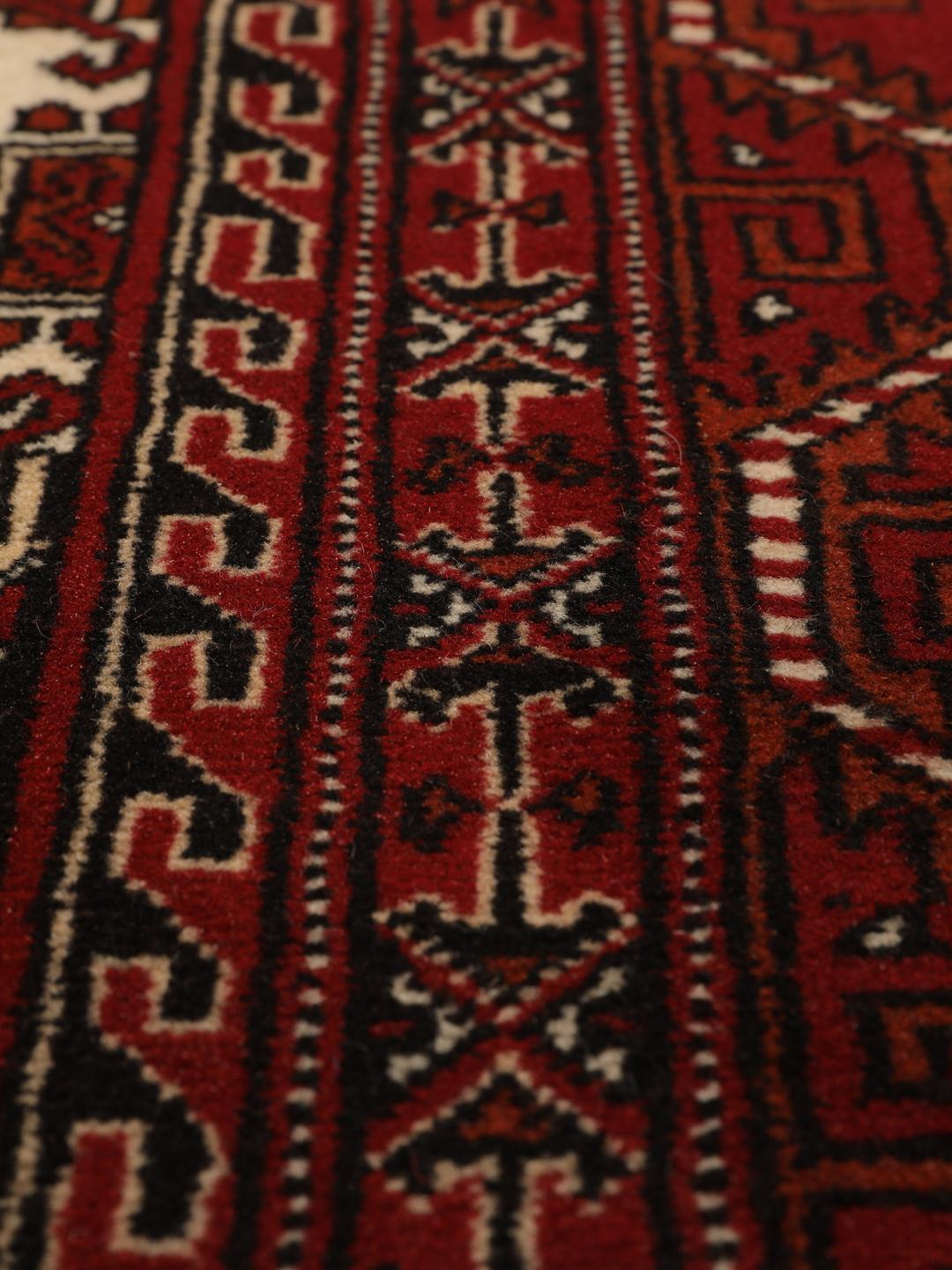
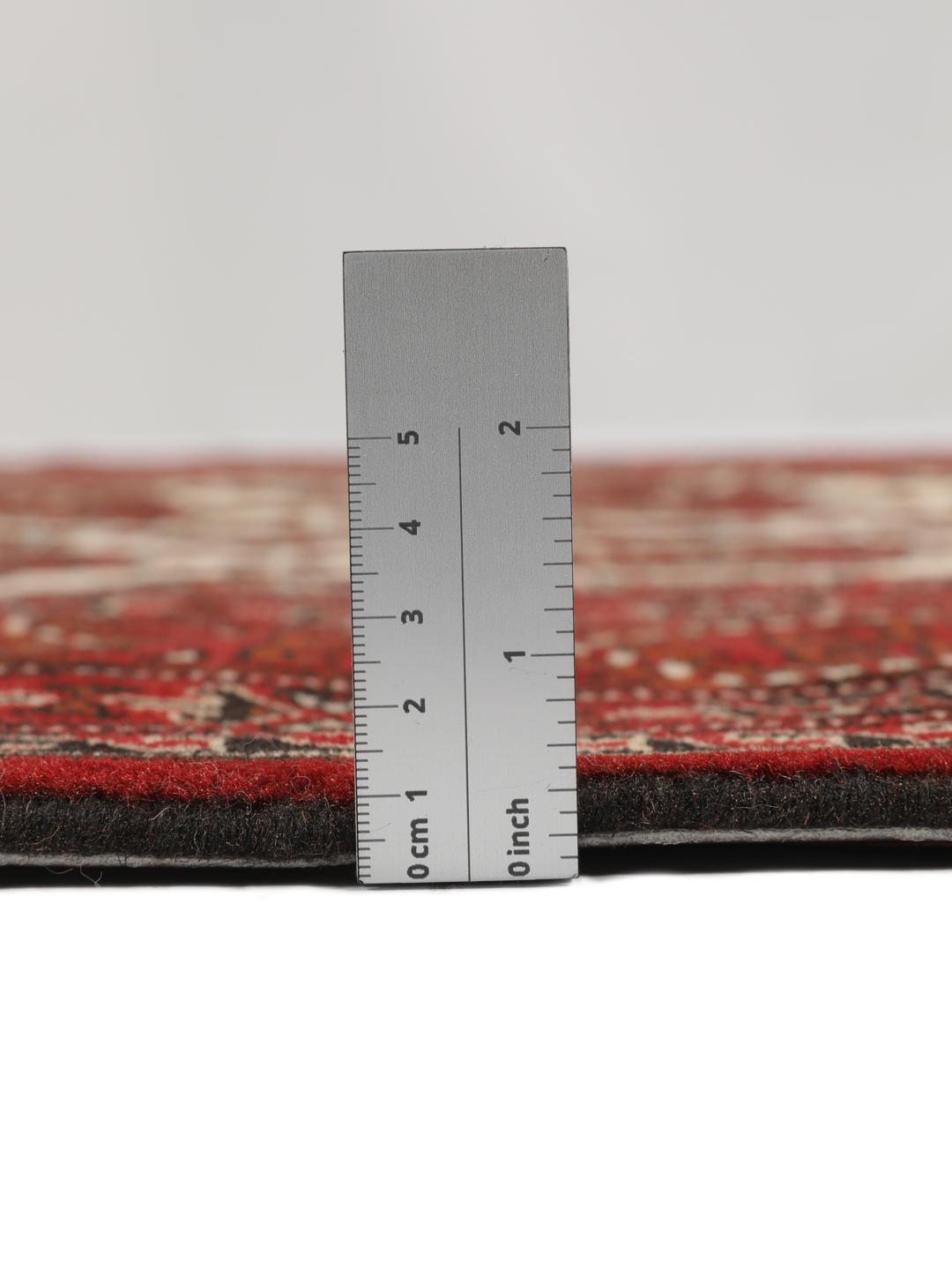
The craft is defined by specific technical markers, including the use of high-quality wool that is often spun into a dense, long-lasting pile. This construction is vital, as it allows the intricate patterns to remain clear and vibrant even after years of use, making these rugs as practical as they are decorative.
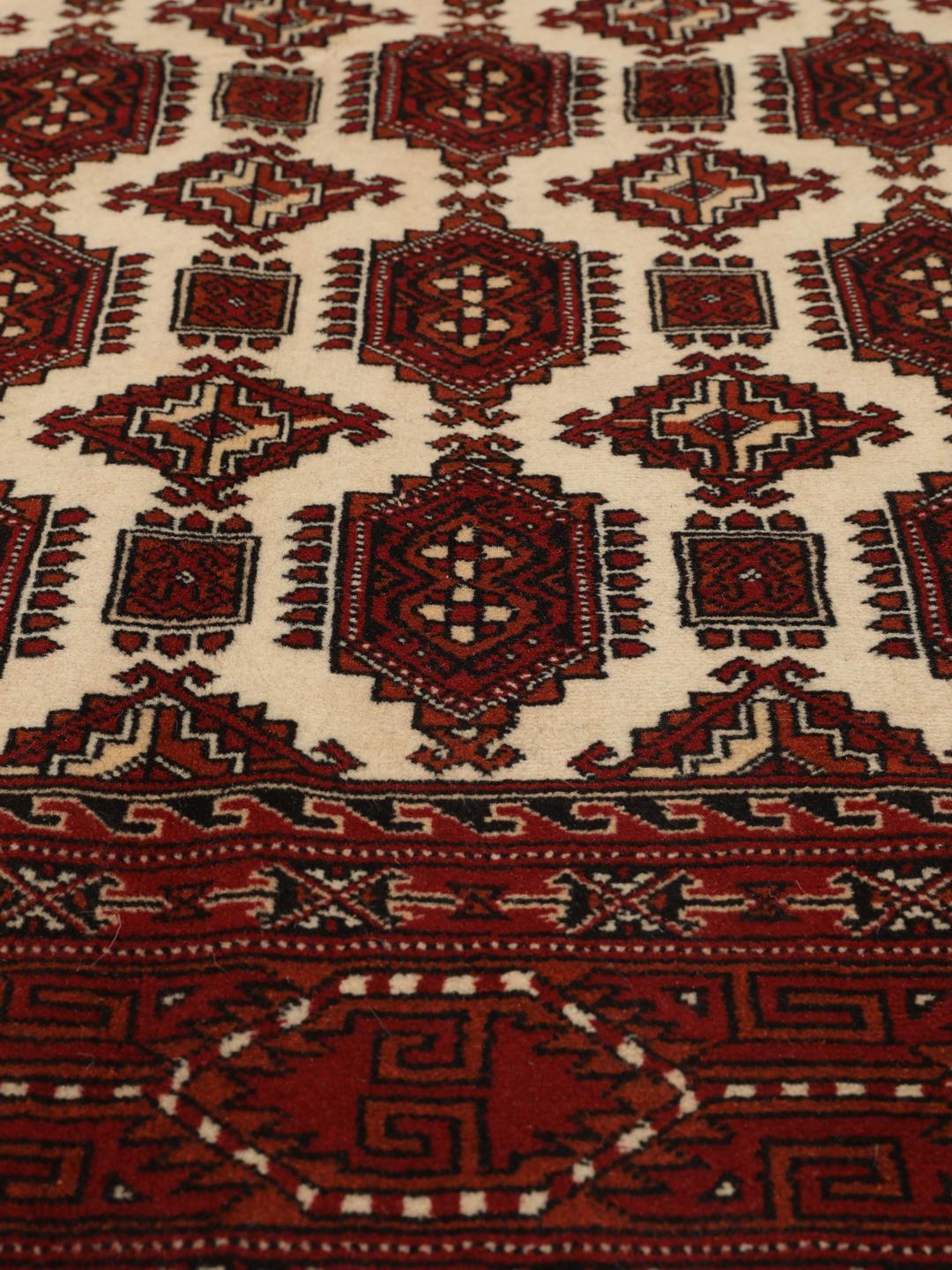
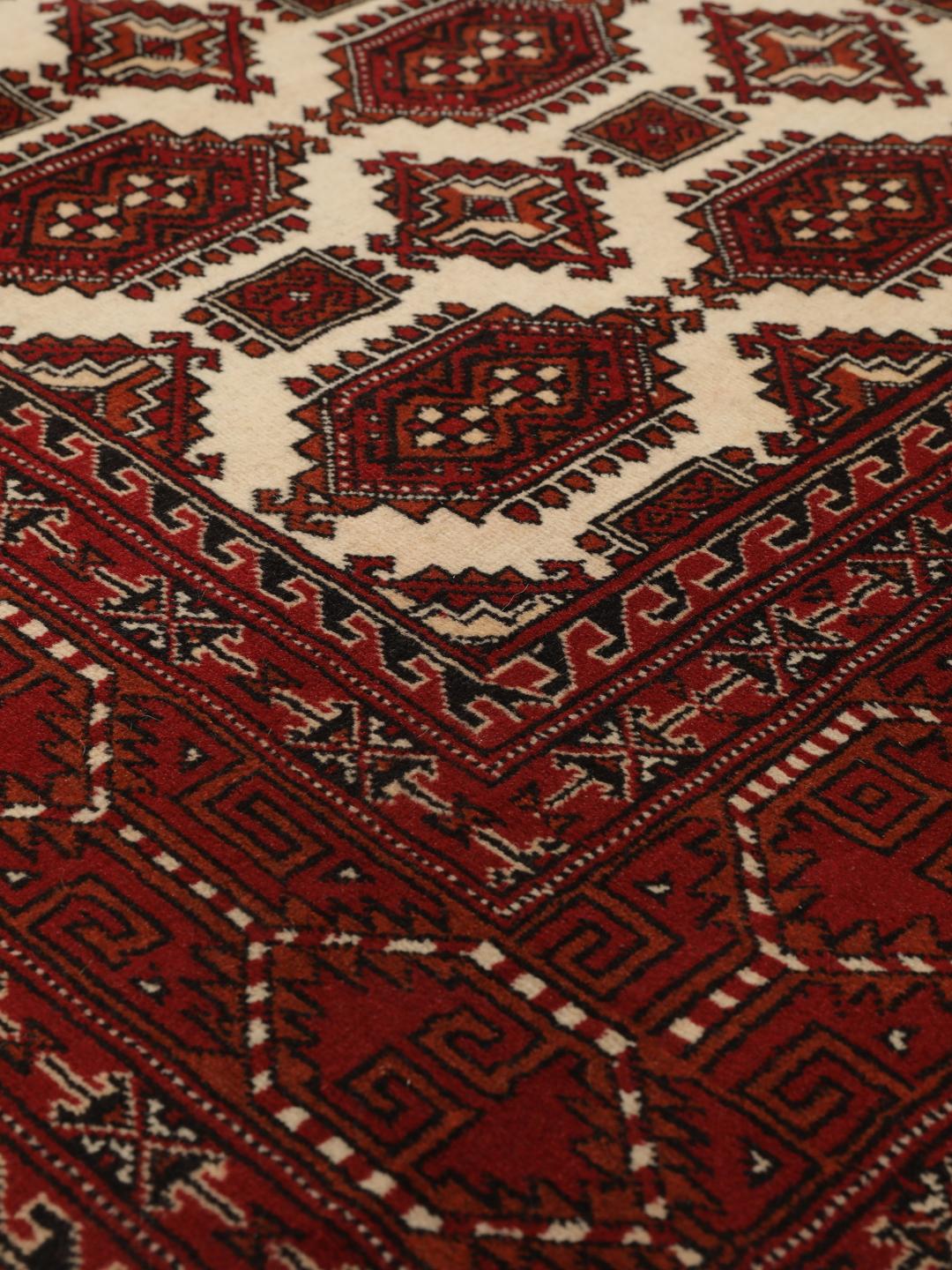
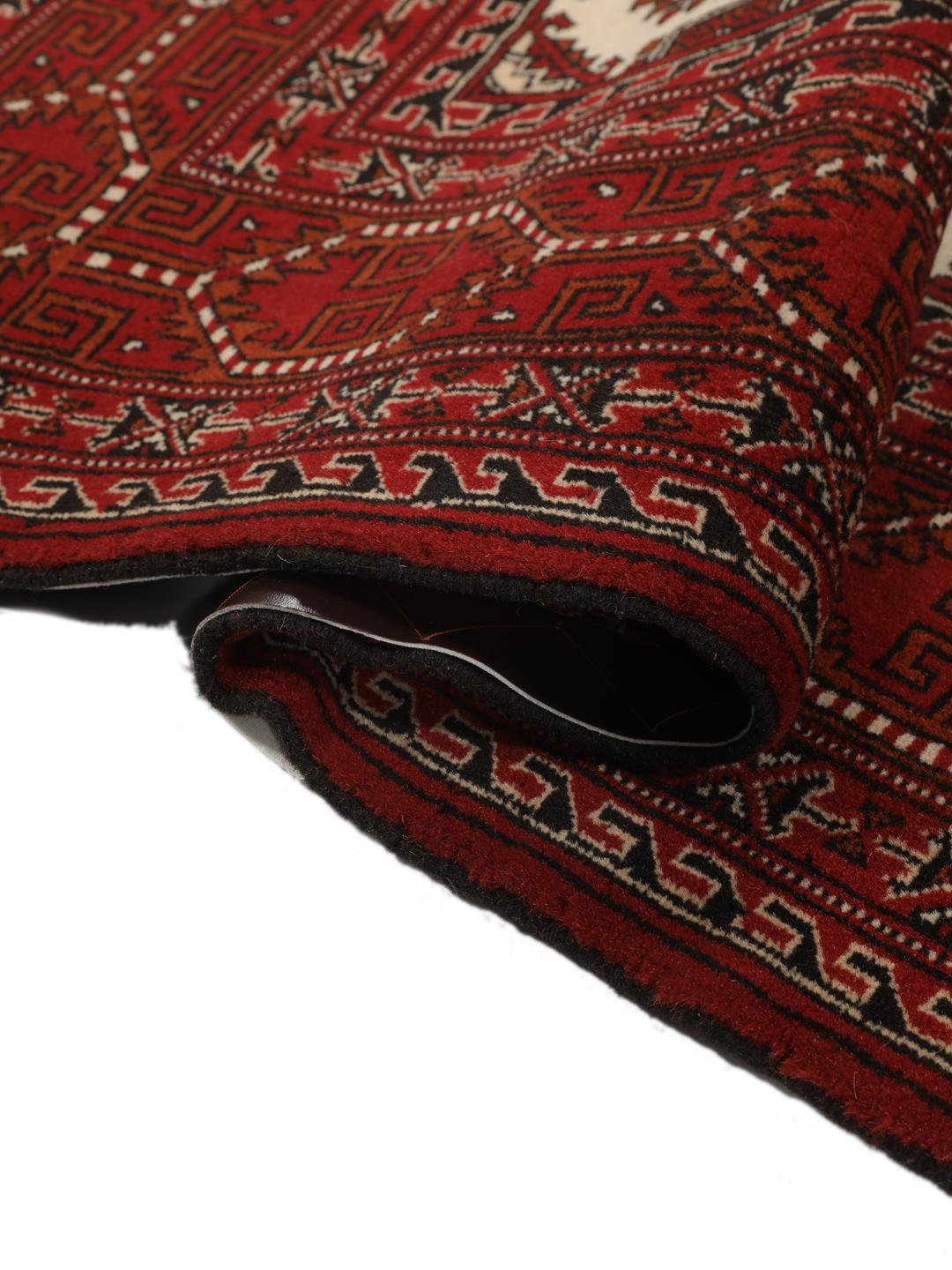
Visually, these rugs are defined by the repeating 'gul' motif, which are stylized, octagonal medallions that represent tribal heritage and protection. These medallions are typically arranged in formal, symmetrical rows and enclosed by ornate, geometric borders that frame the field, resulting in a look that is both disciplined and deeply expressive.
Collectors value these rugs for their cultural weight and the undeniable skill required to produce them. Owning a Turkaman piece is an investment in a living tradition, offering a connection to the nomadic past while serving as a durable, beautiful foundation for the modern home.