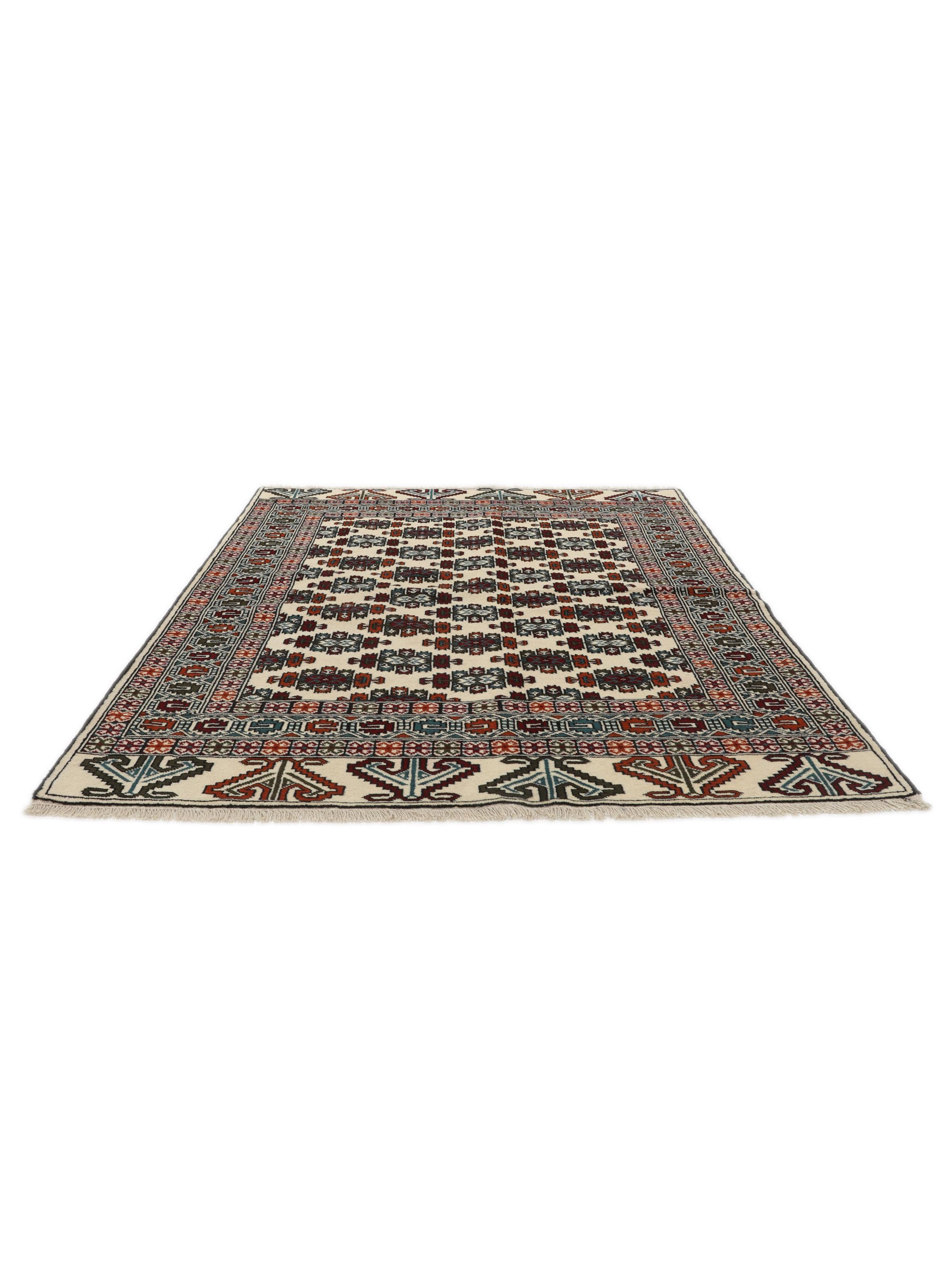
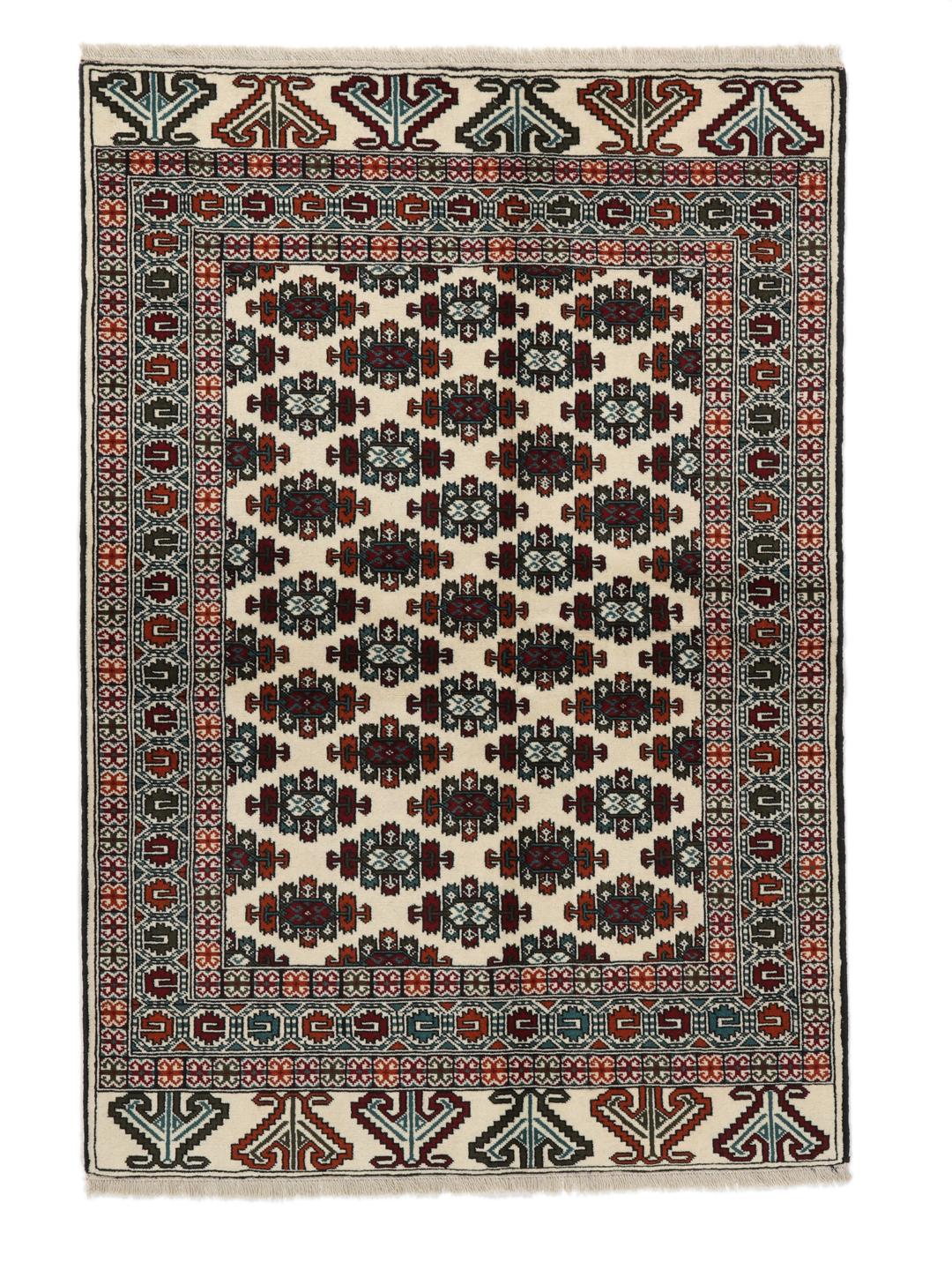
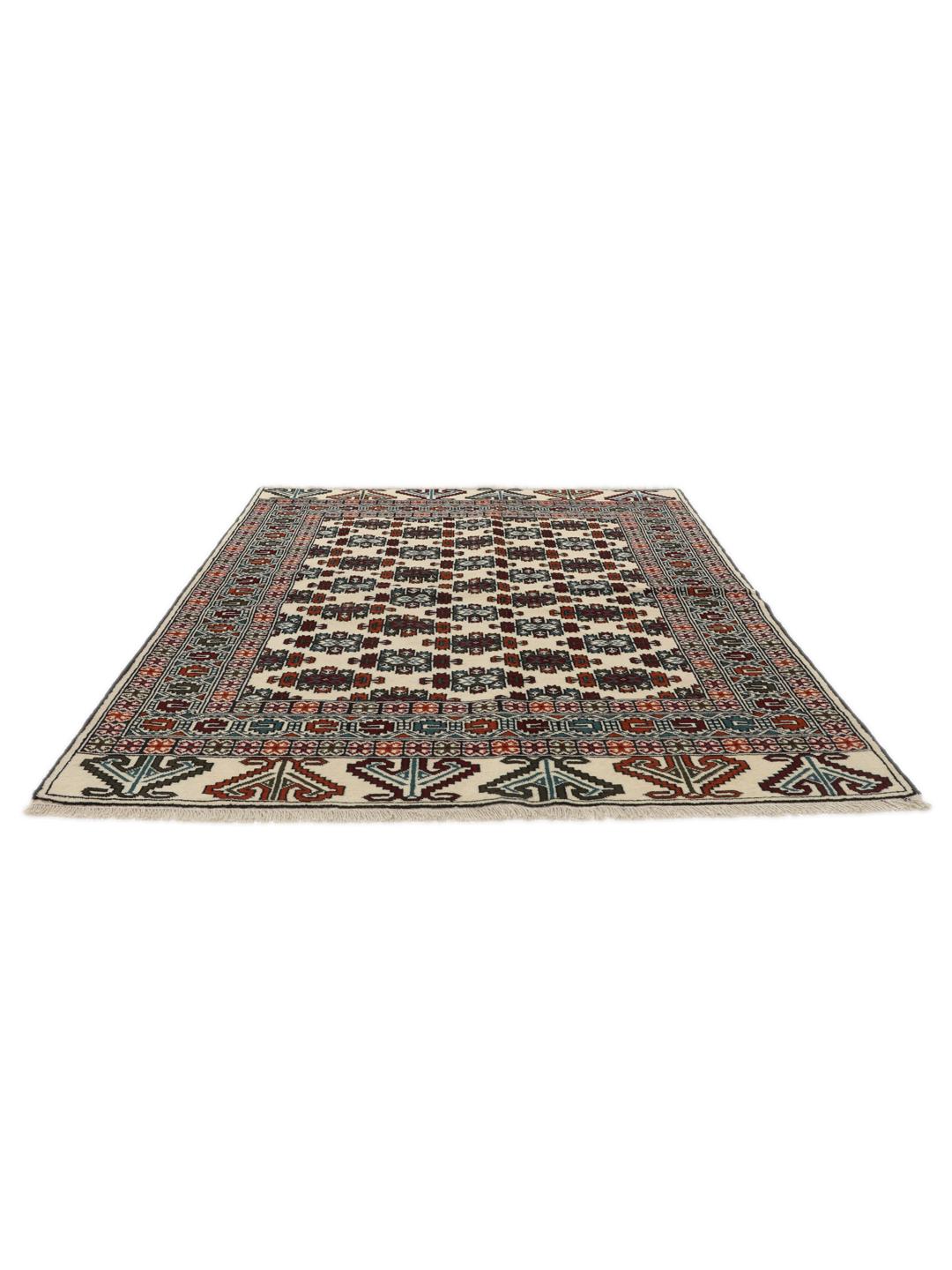
The Turkaman rug tradition finds its roots among the nomadic tribes of the Middle Eastern steppes, who have perfected the art of weaving for centuries. These rugs are renowned for their ability to blend portable, functional design with deep cultural symbolism, evolving from tribal necessities into highly sought-after decorative pieces.
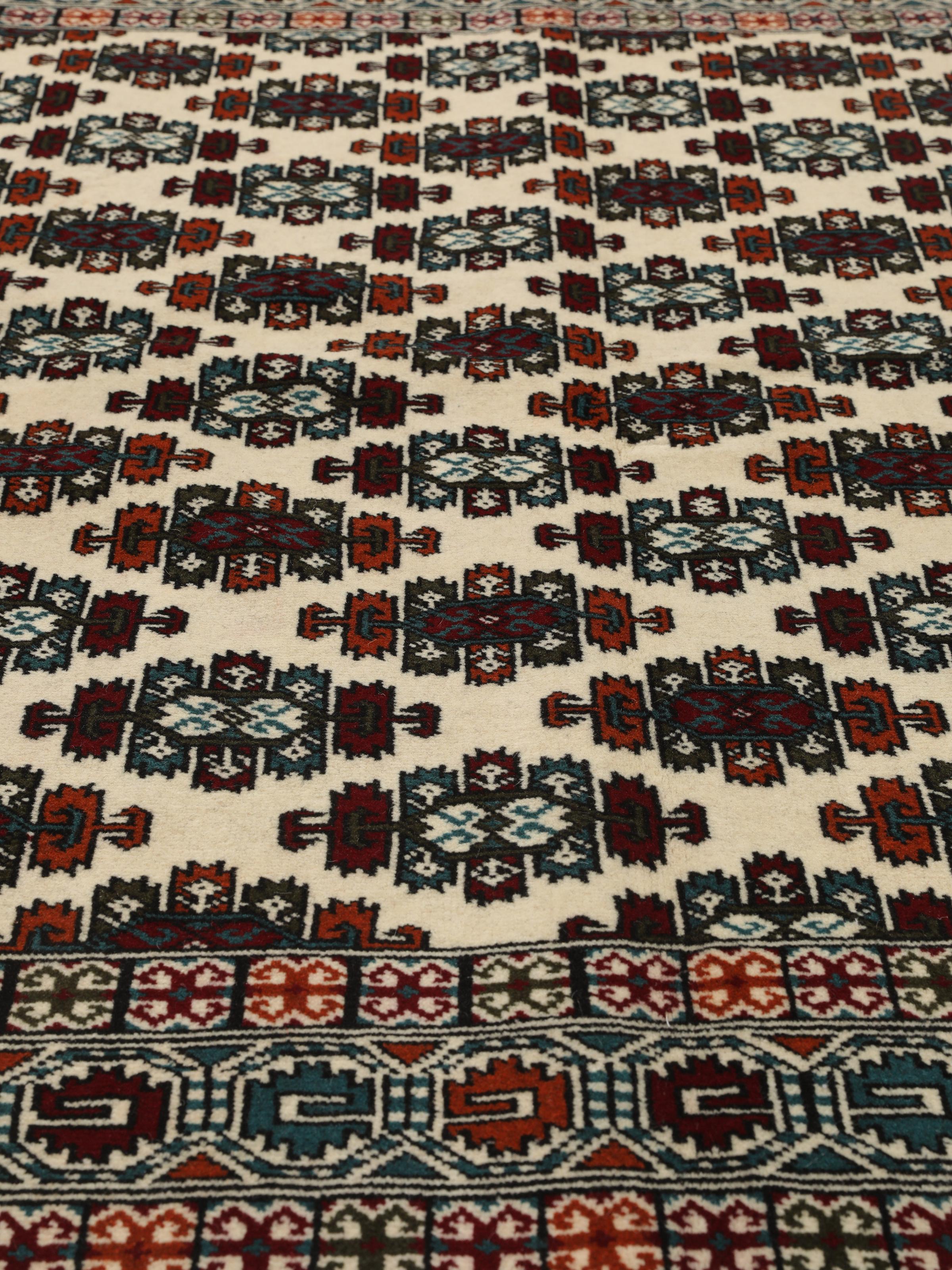
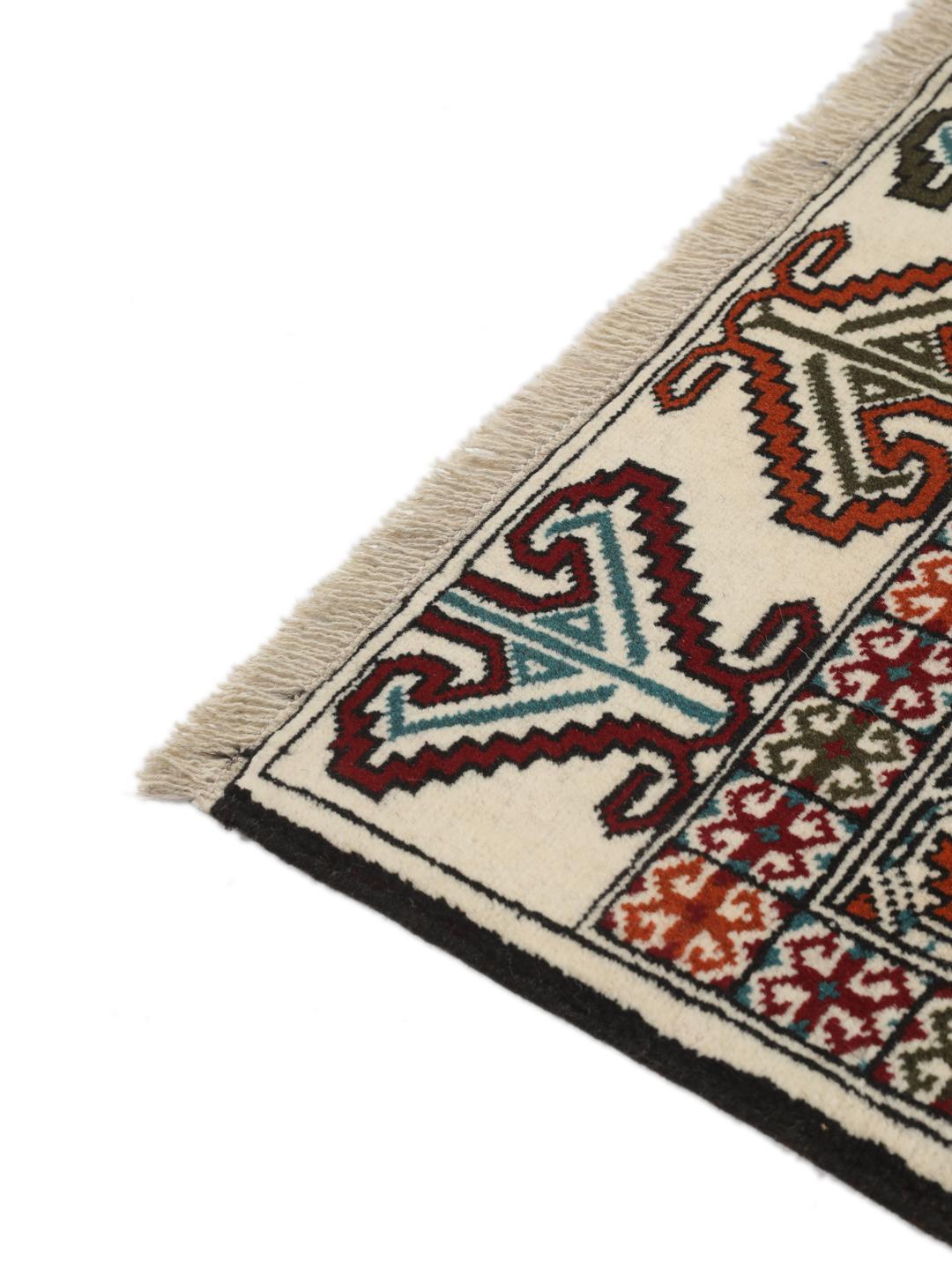
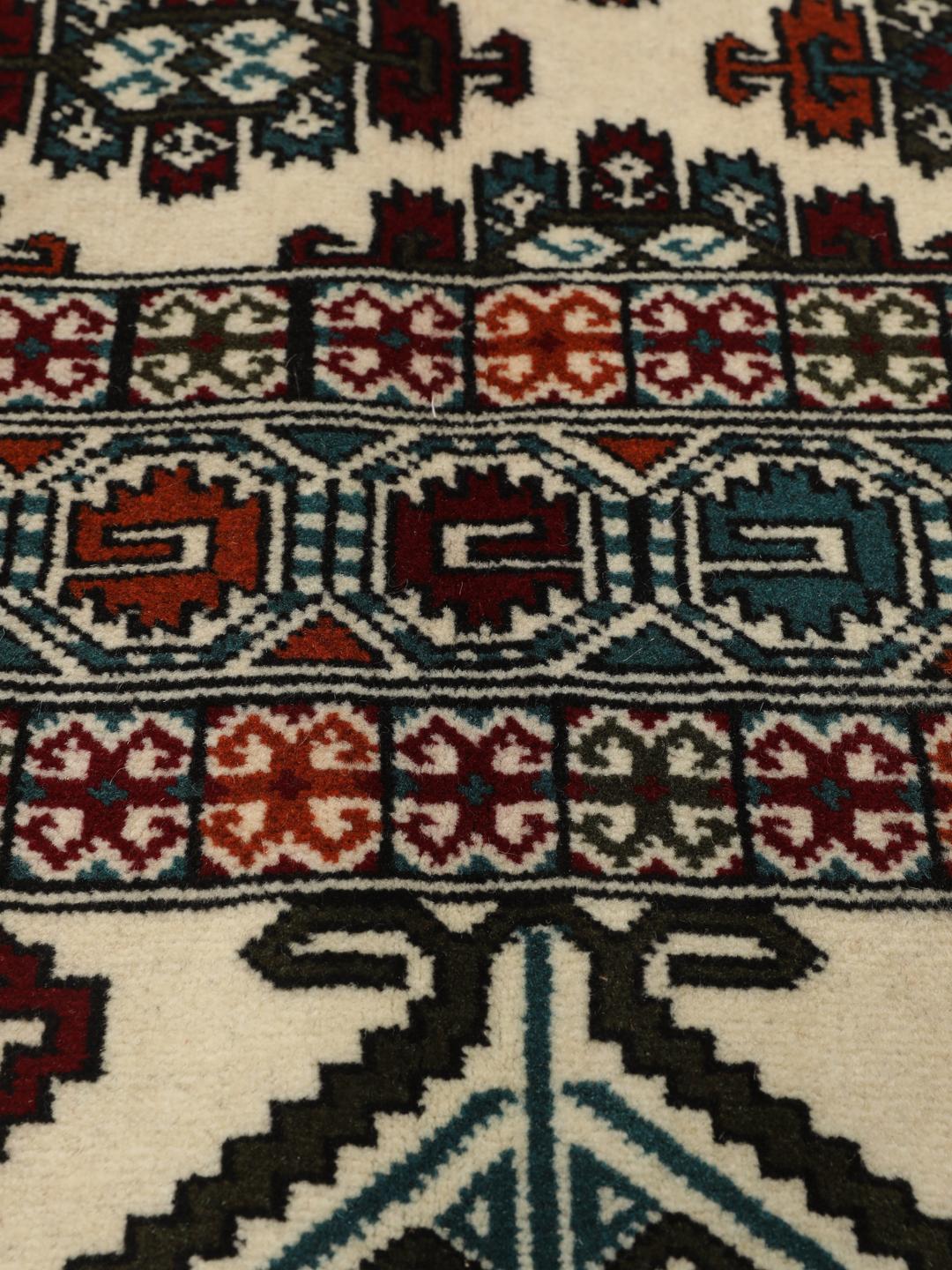
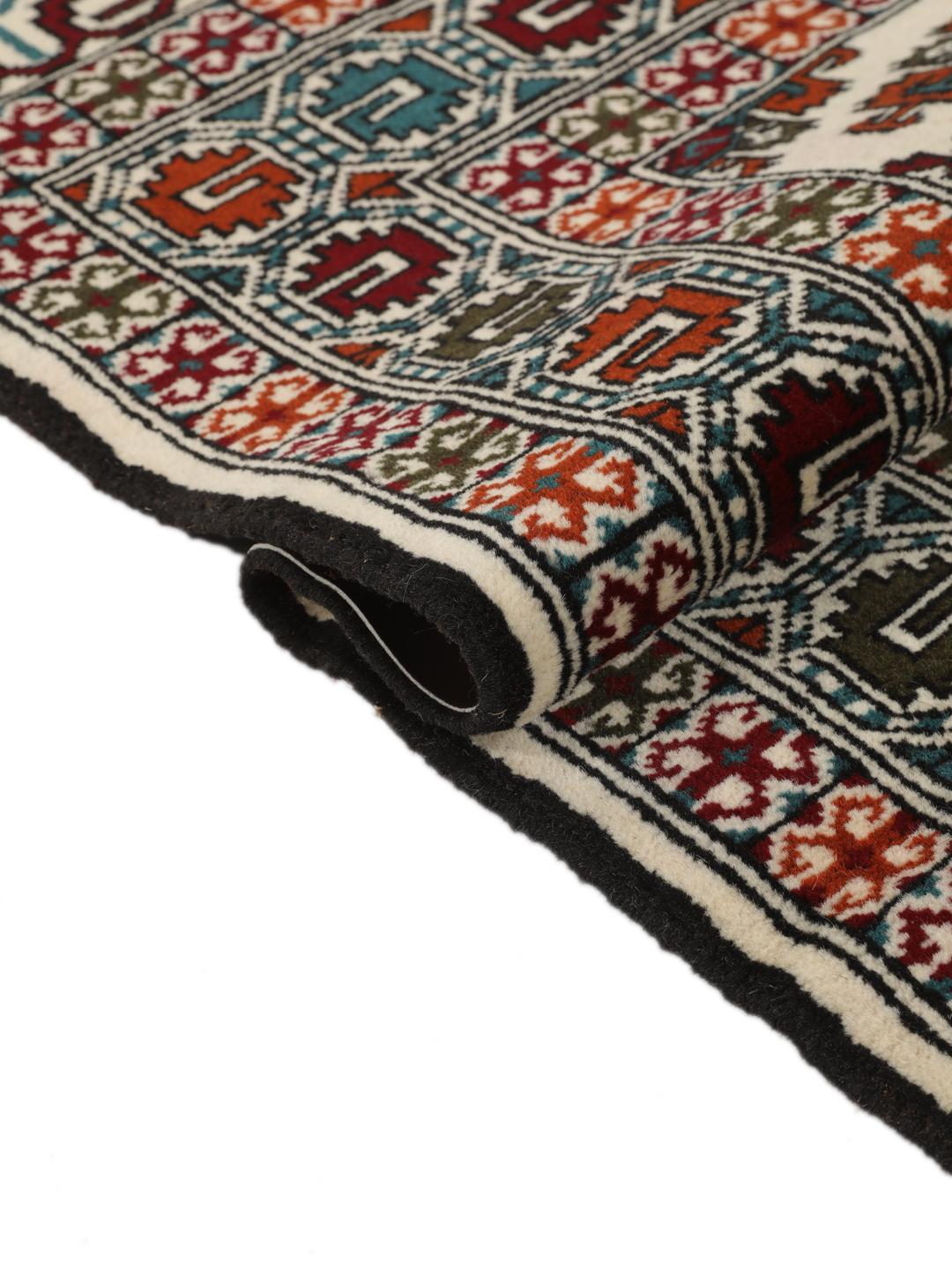
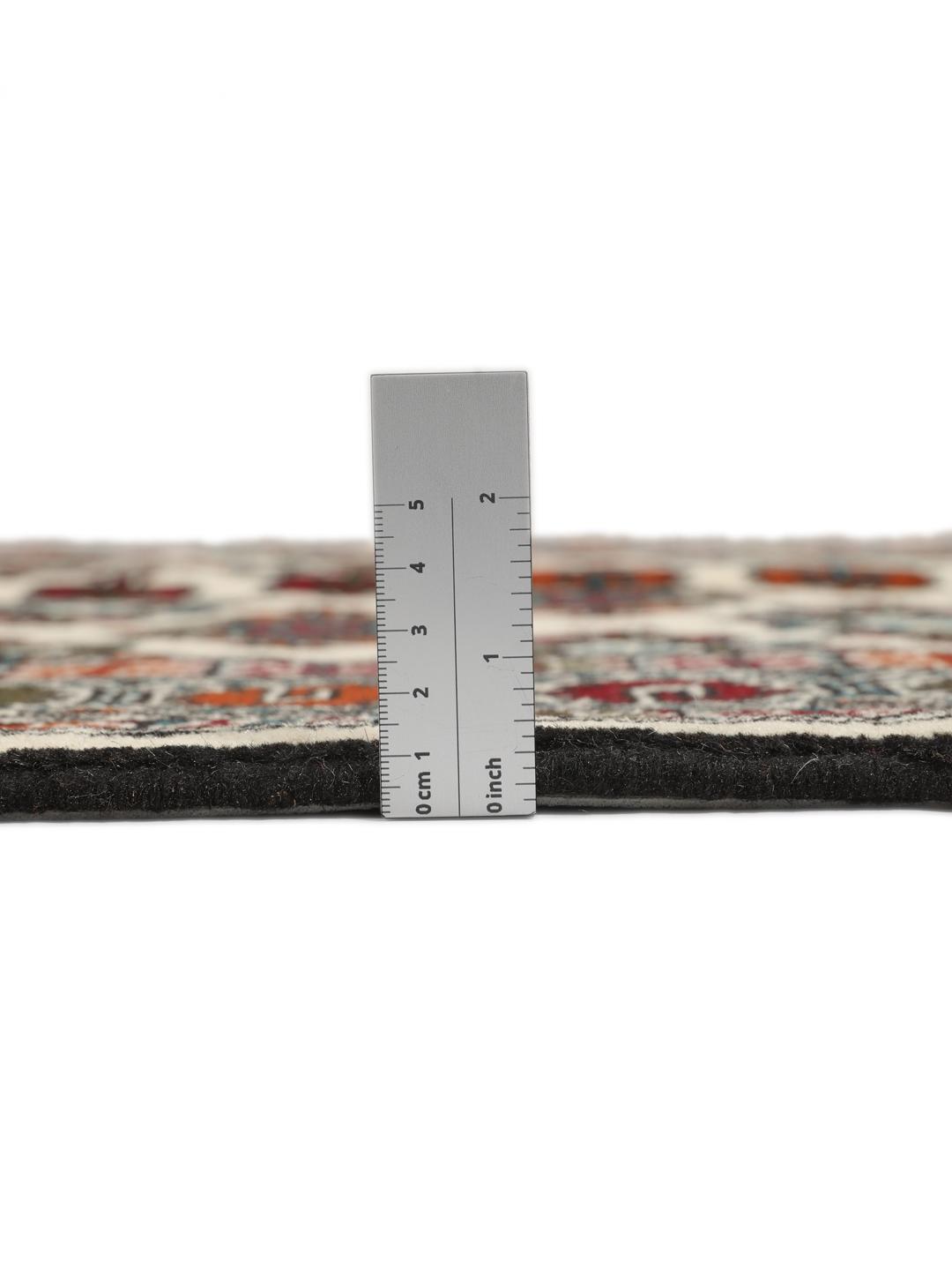
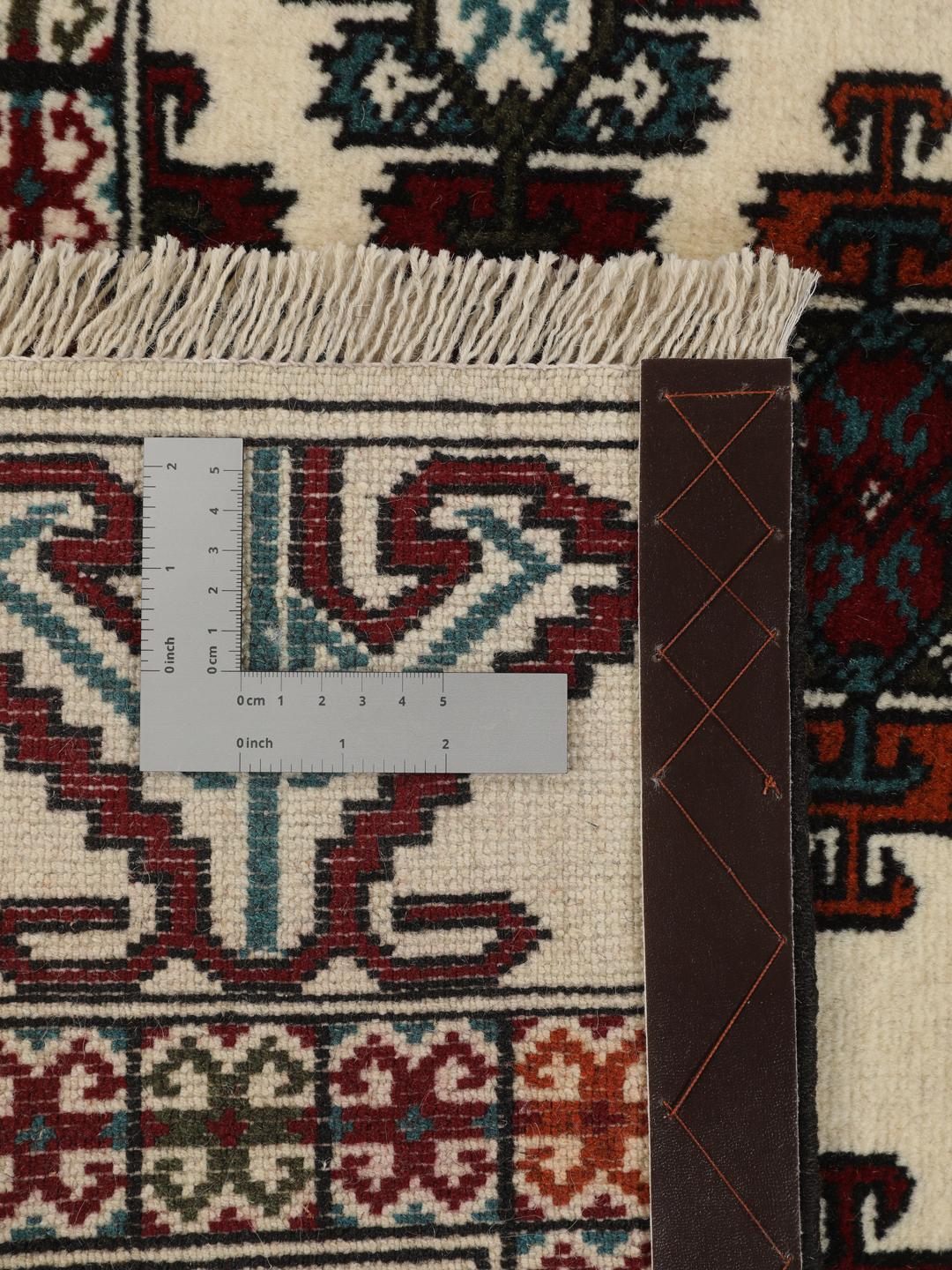
Craft quality in these rugs is often defined by the precision of the knotting and the quality of the Wool. The use of traditional dyeing techniques and natural fibres creates a depth of colour that ages gracefully, developing a unique character that only improves with time and regular use.
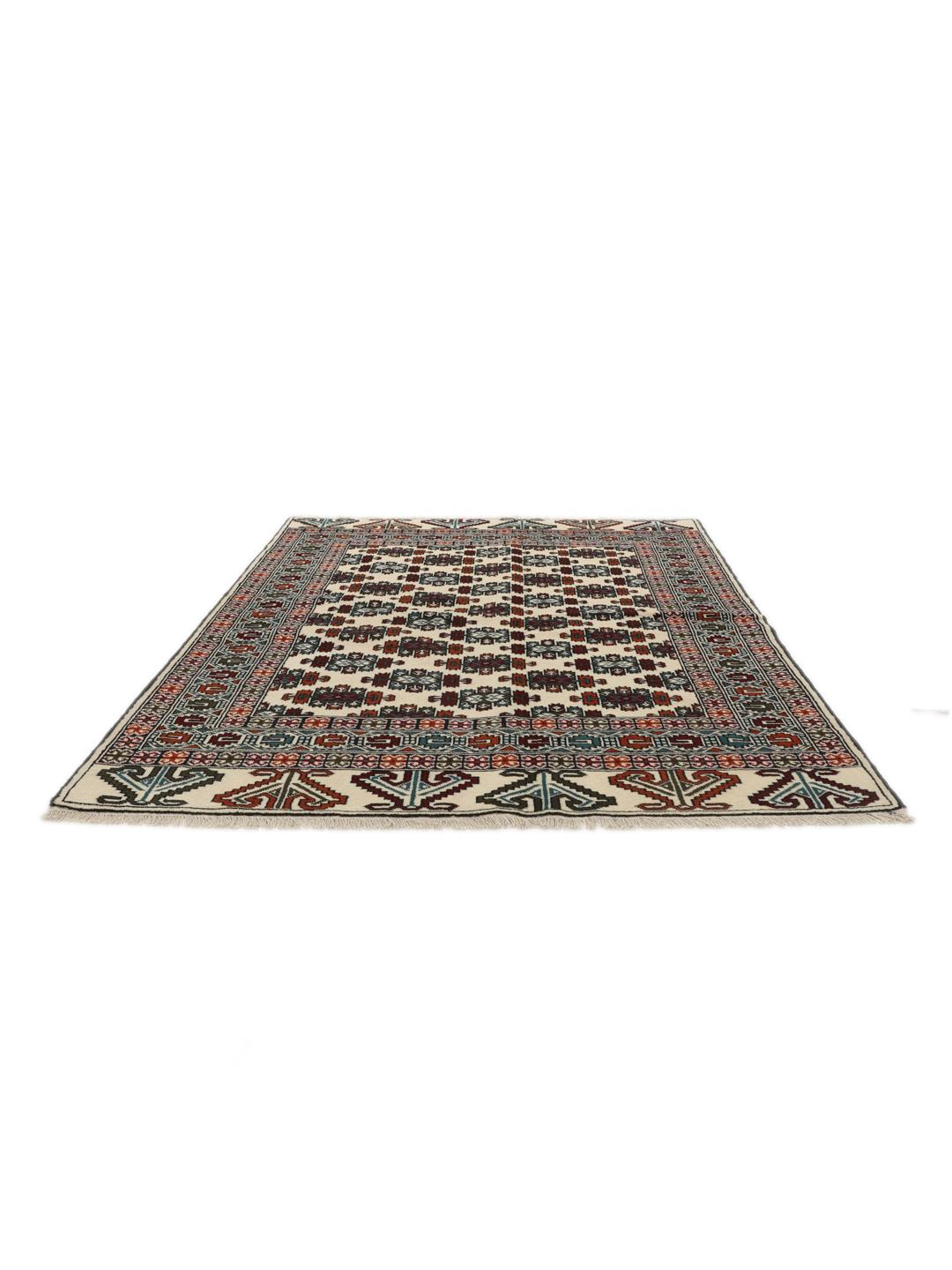
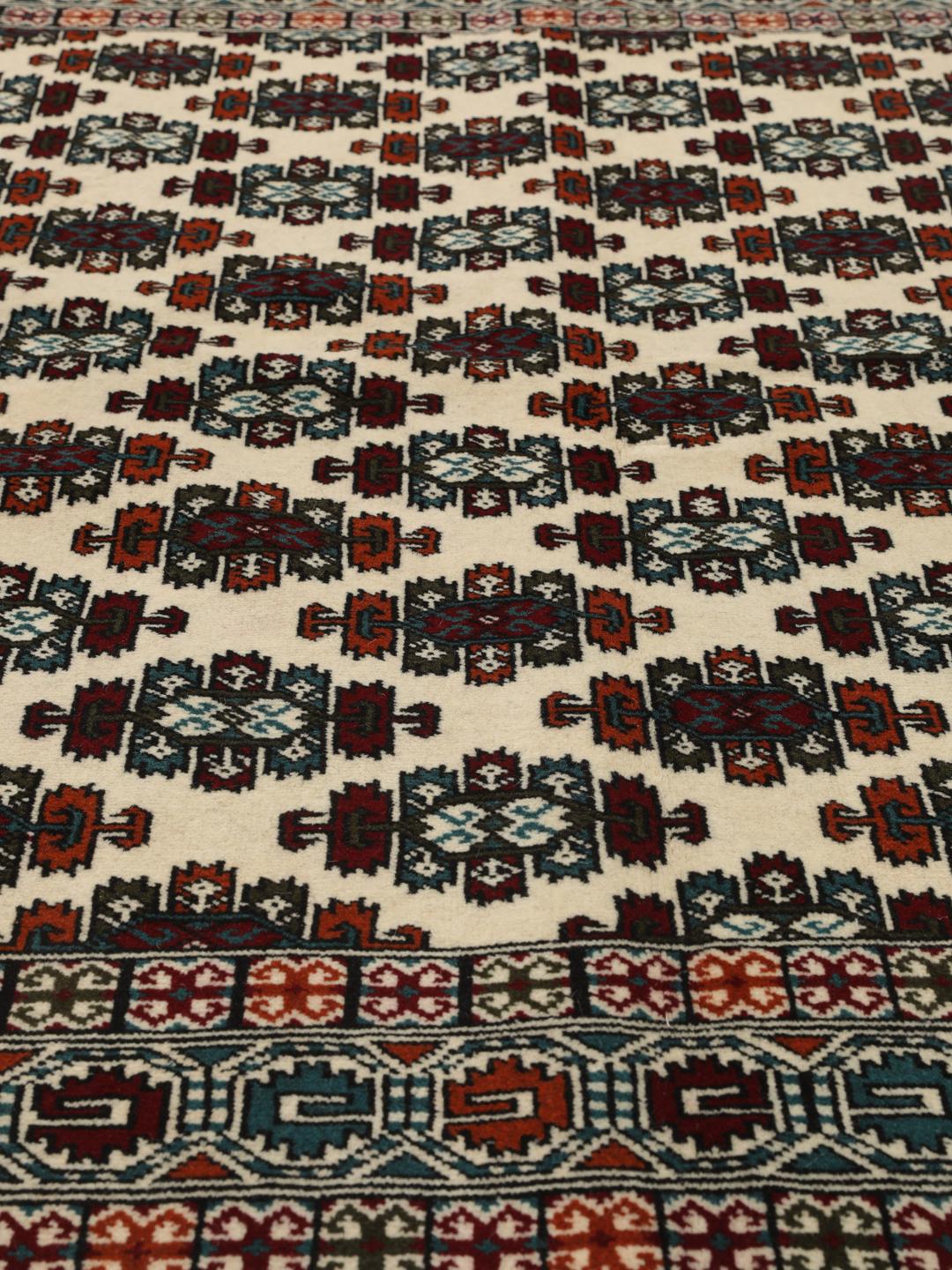
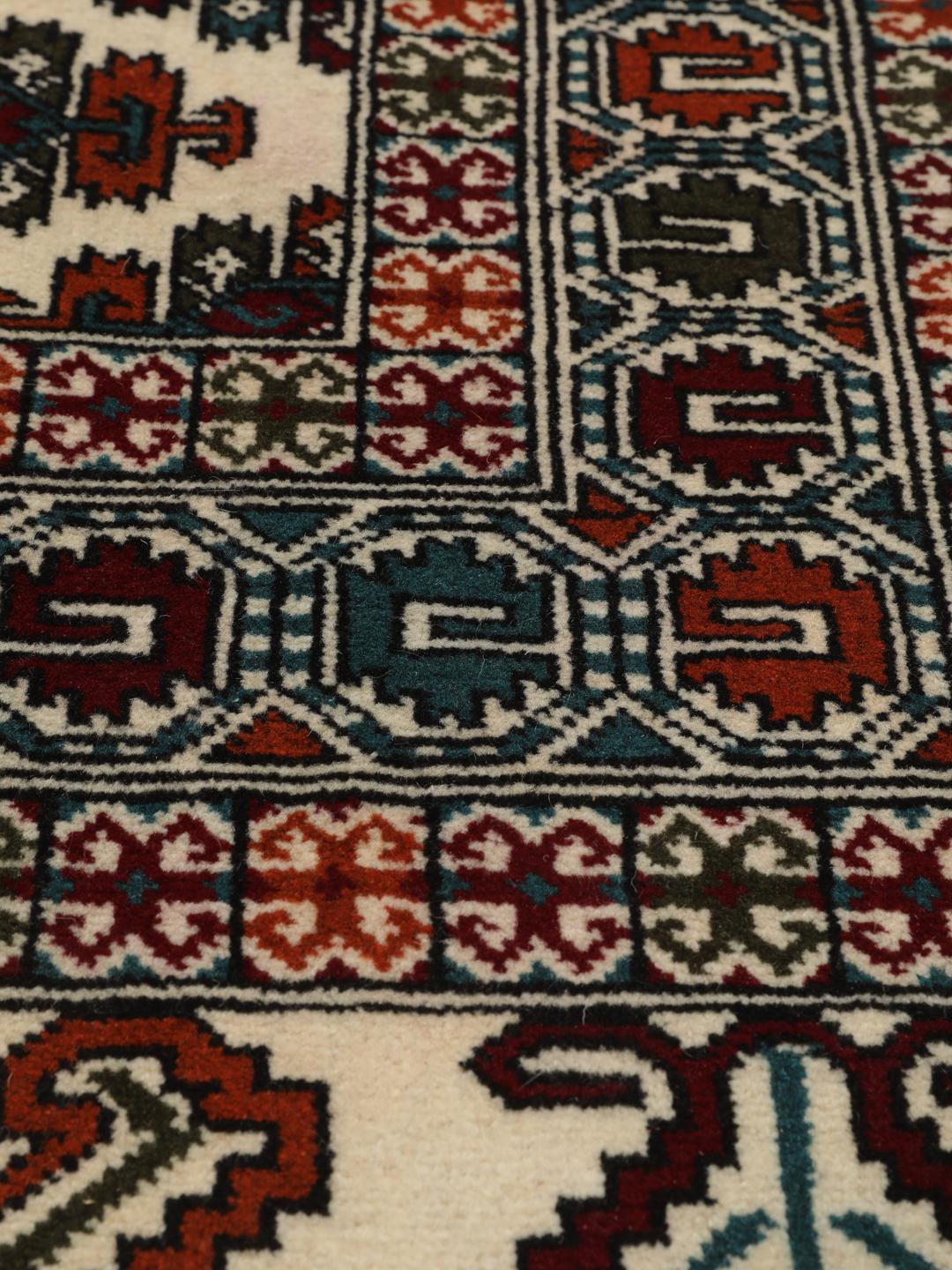
Visually, these rugs are defined by their signature geometric language. The field is typically organised into a series of repeating guls, which are stylised, often octagonal motifs that represent tribal identity and historical heritage. These medallions are framed by complex, multi-layered borders that demonstrate the weaver's mastery of symmetry and scale.
Collecting a rug from this tradition is a way of preserving a piece of cultural history. The skill required to produce such intricate work is passed down through generations, and owning one is a testament to an appreciation for human labour, heritage, and the enduring nature of traditional textile arts.