Turkaman rugs originate from the nomadic and semi-nomadic tribes of Central Asia and the Middle East, a region with a long and storied history of textile production. These rugs were traditionally crafted by various tribal groups, each developing unique design vocabularies that served as a visual language for their heritage and identity. Over centuries, these traditions migrated and evolved, eventually finding a home in the workshops of master artisans who preserved these classic patterns.
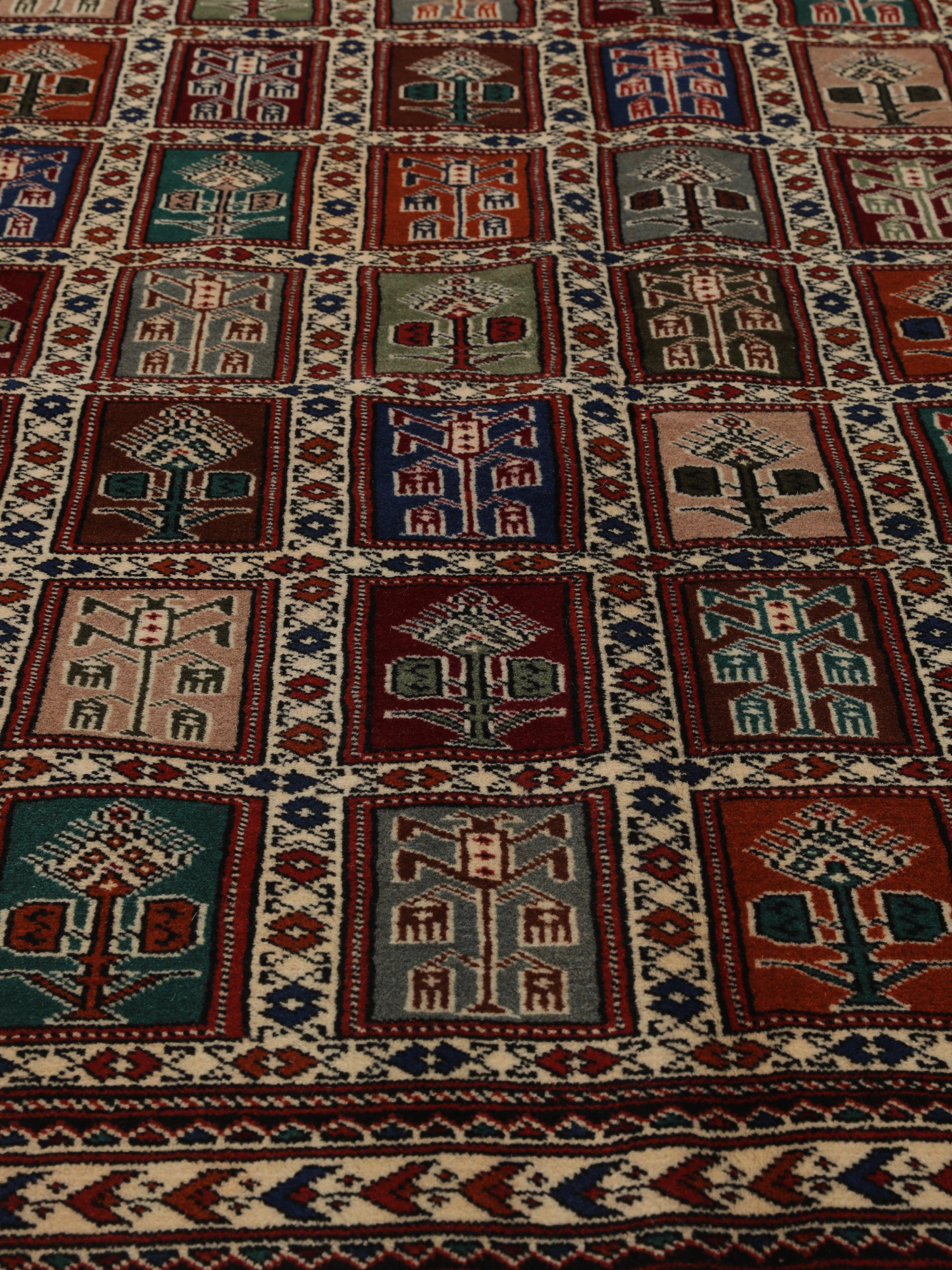
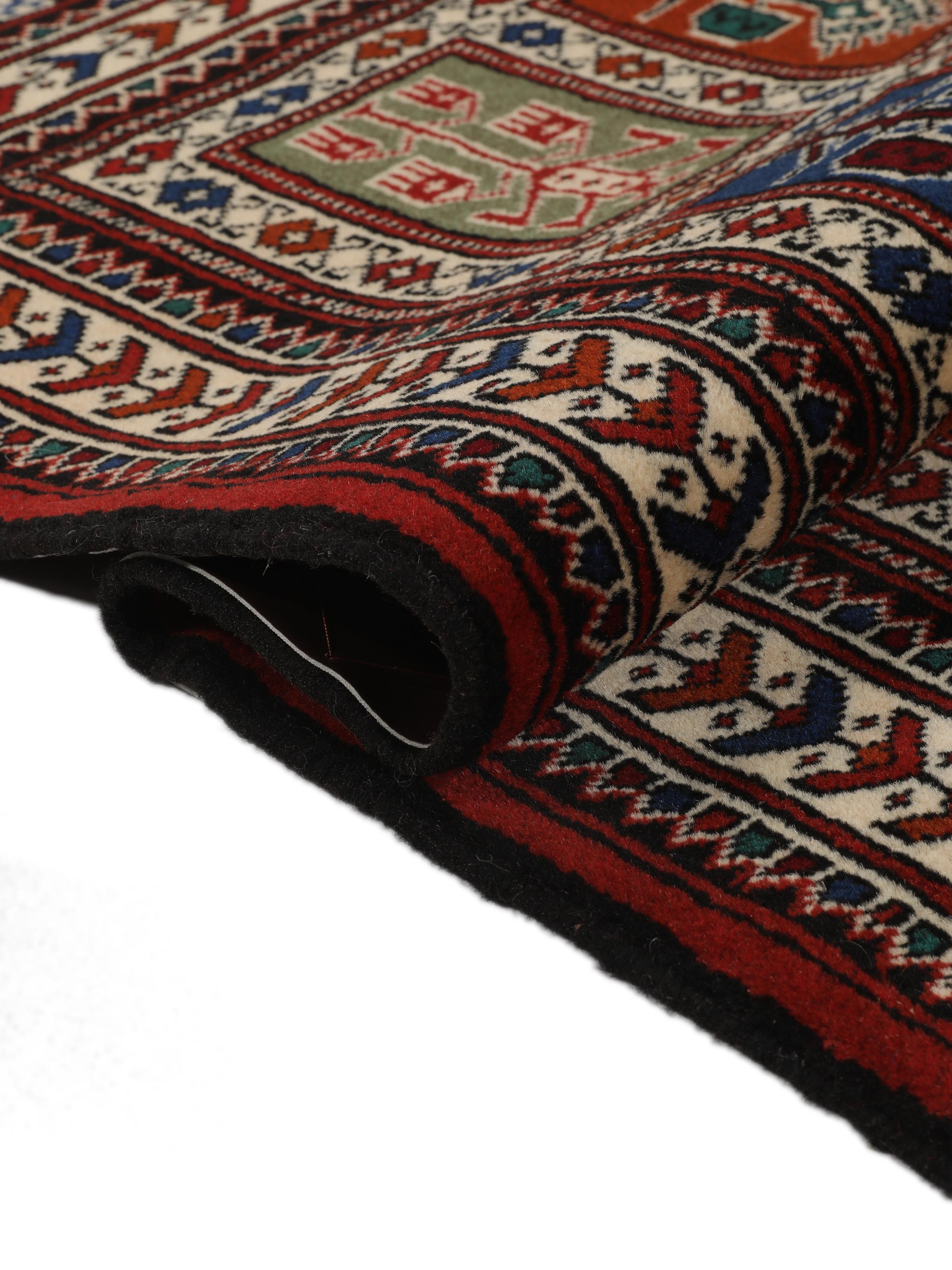
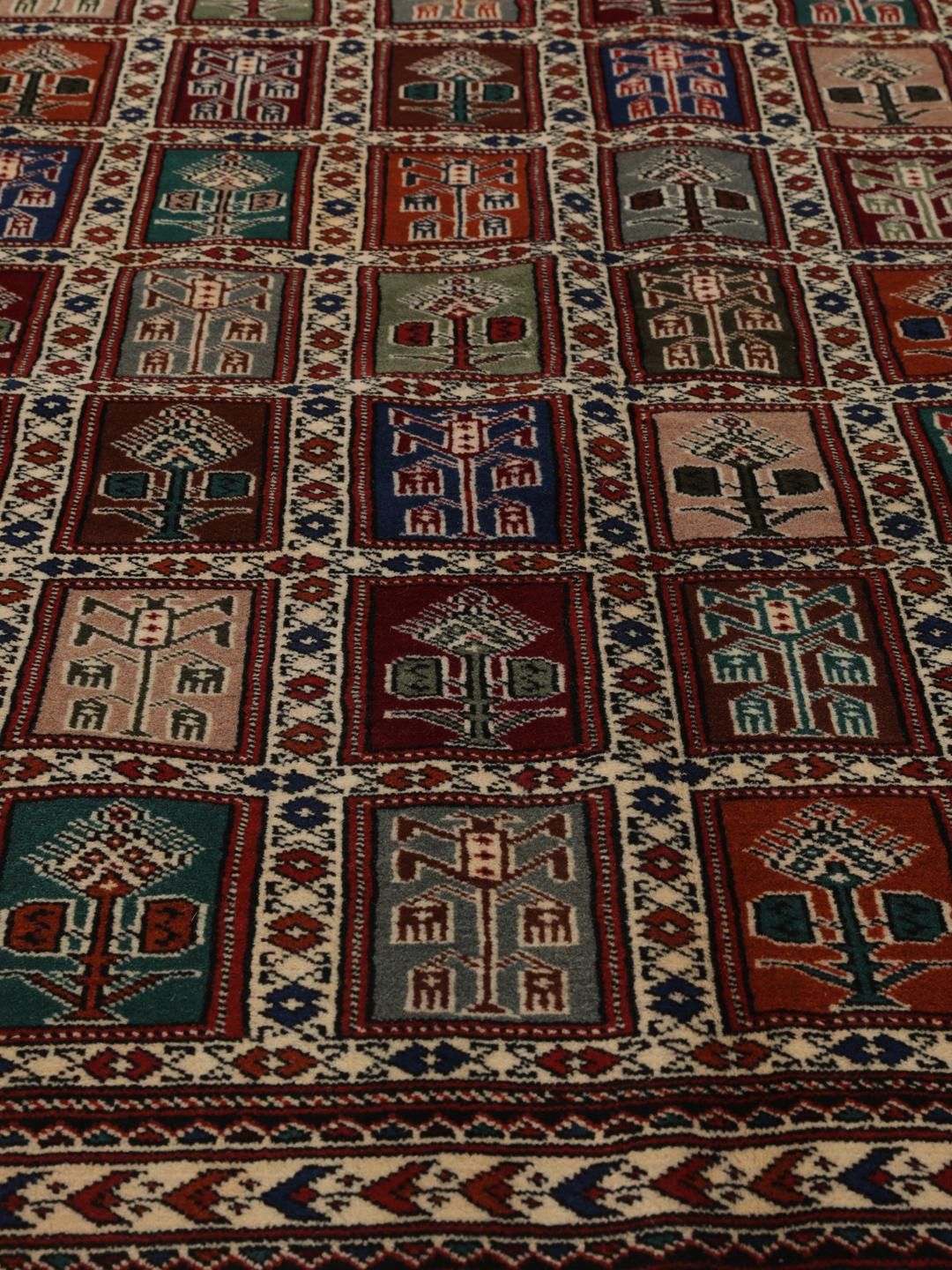
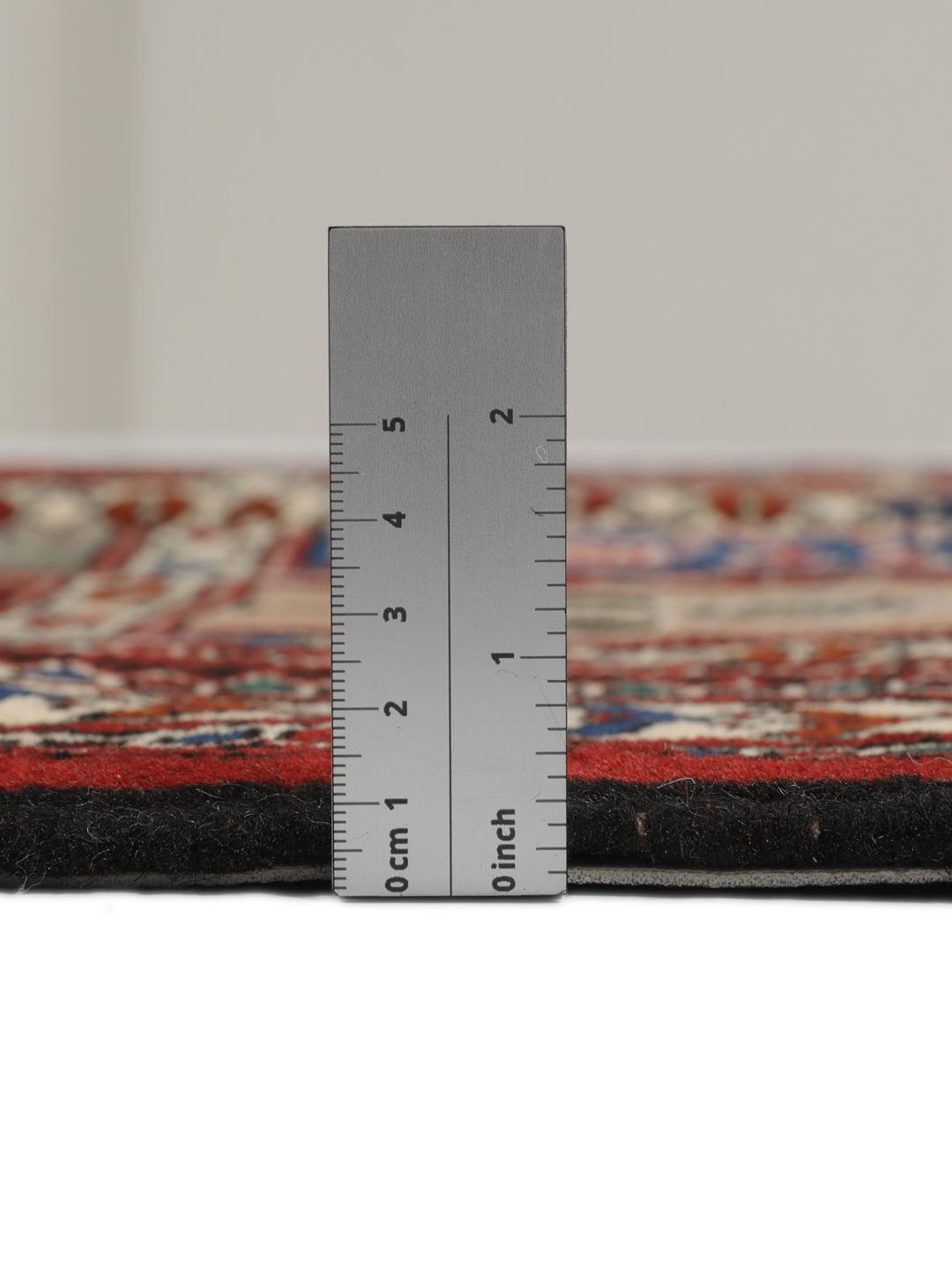
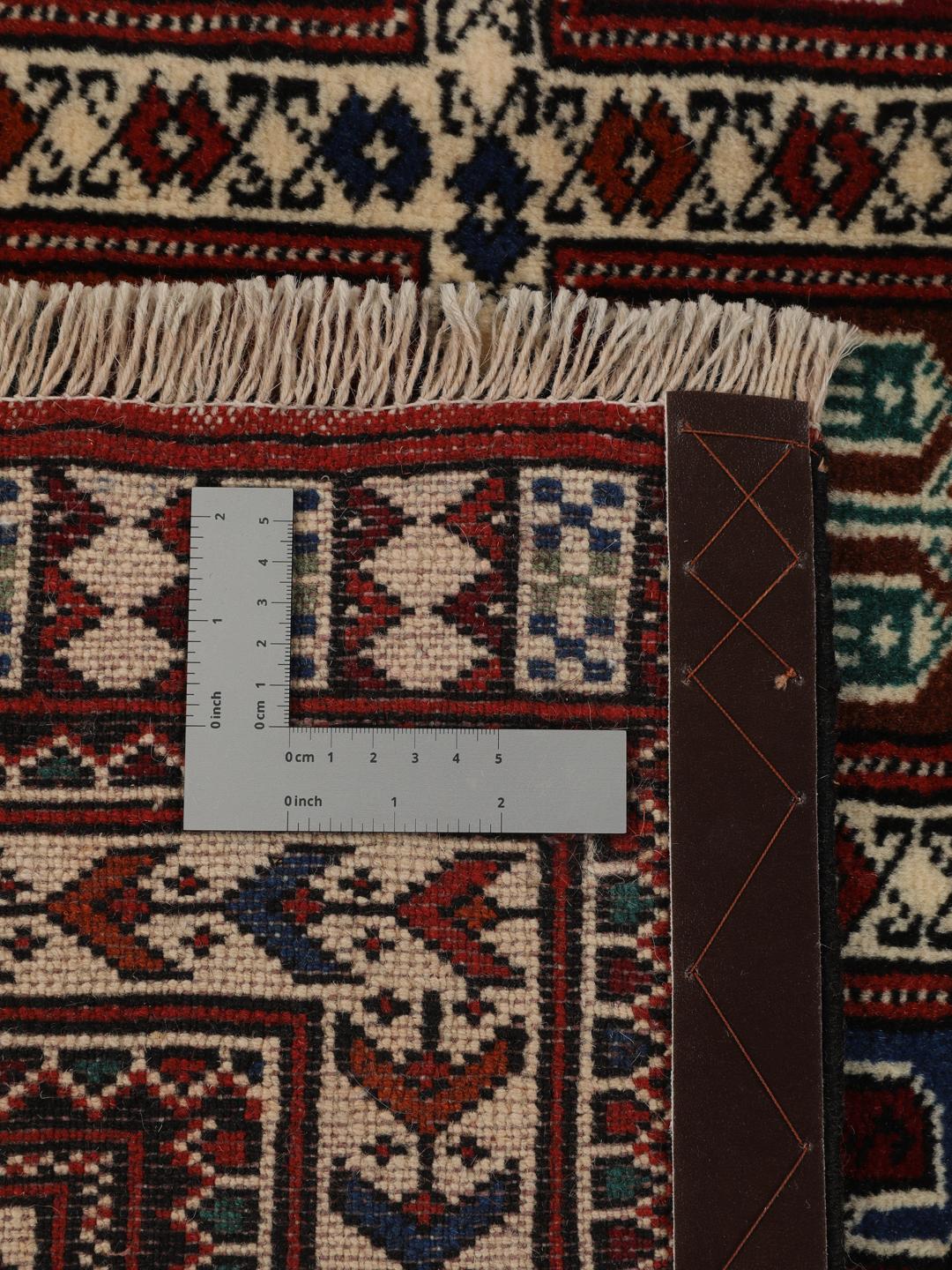
The term Turkaman refers to a specific design tradition known for its disciplined approach to colour and layout. The construction often involves a tight, dense knotting technique that allows for the creation of intricate, repeating geometric motifs. This density is a hallmark of quality, ensuring that the rug remains durable and vibrant, with the colours deepening and gaining character over time.
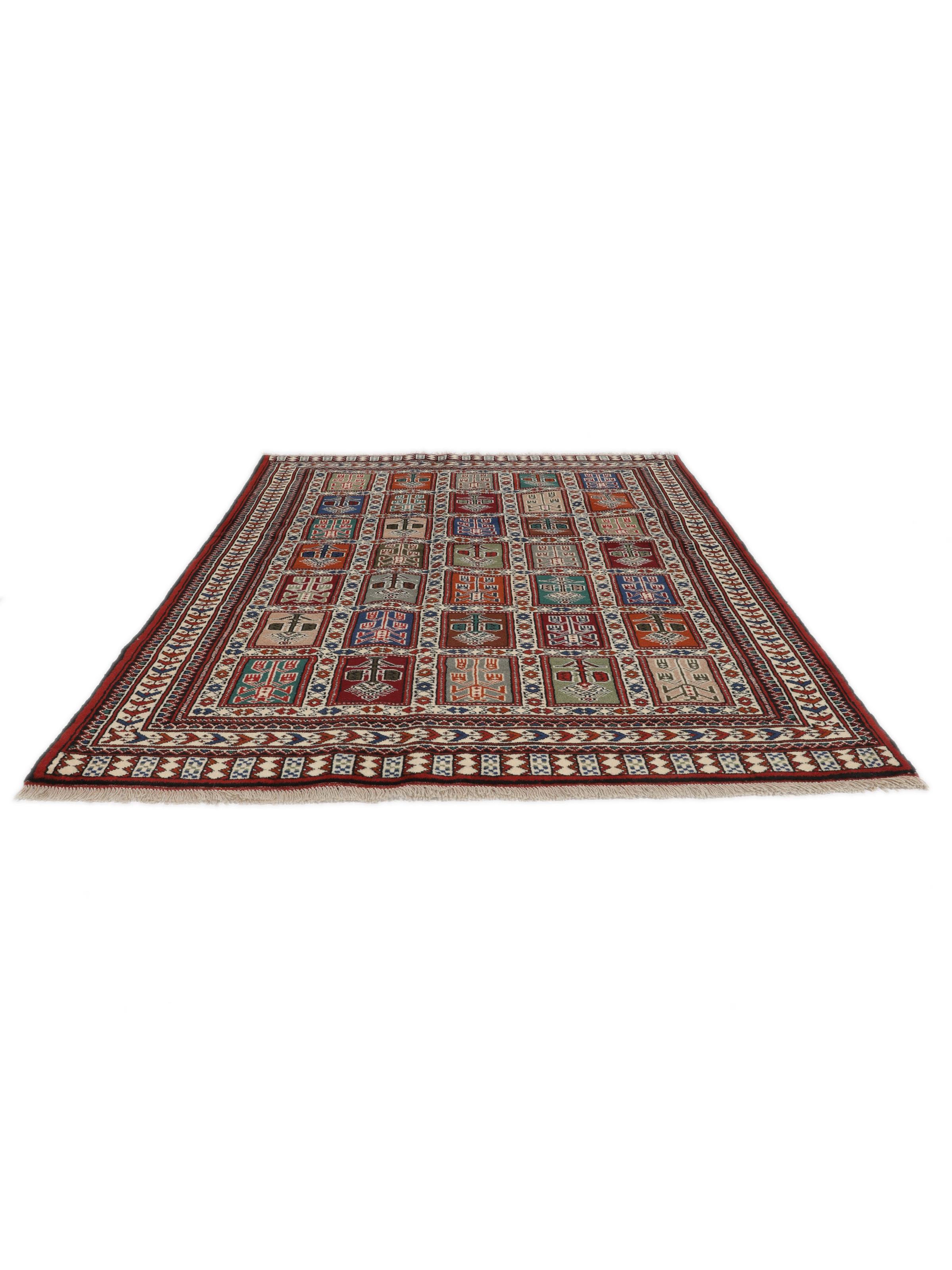
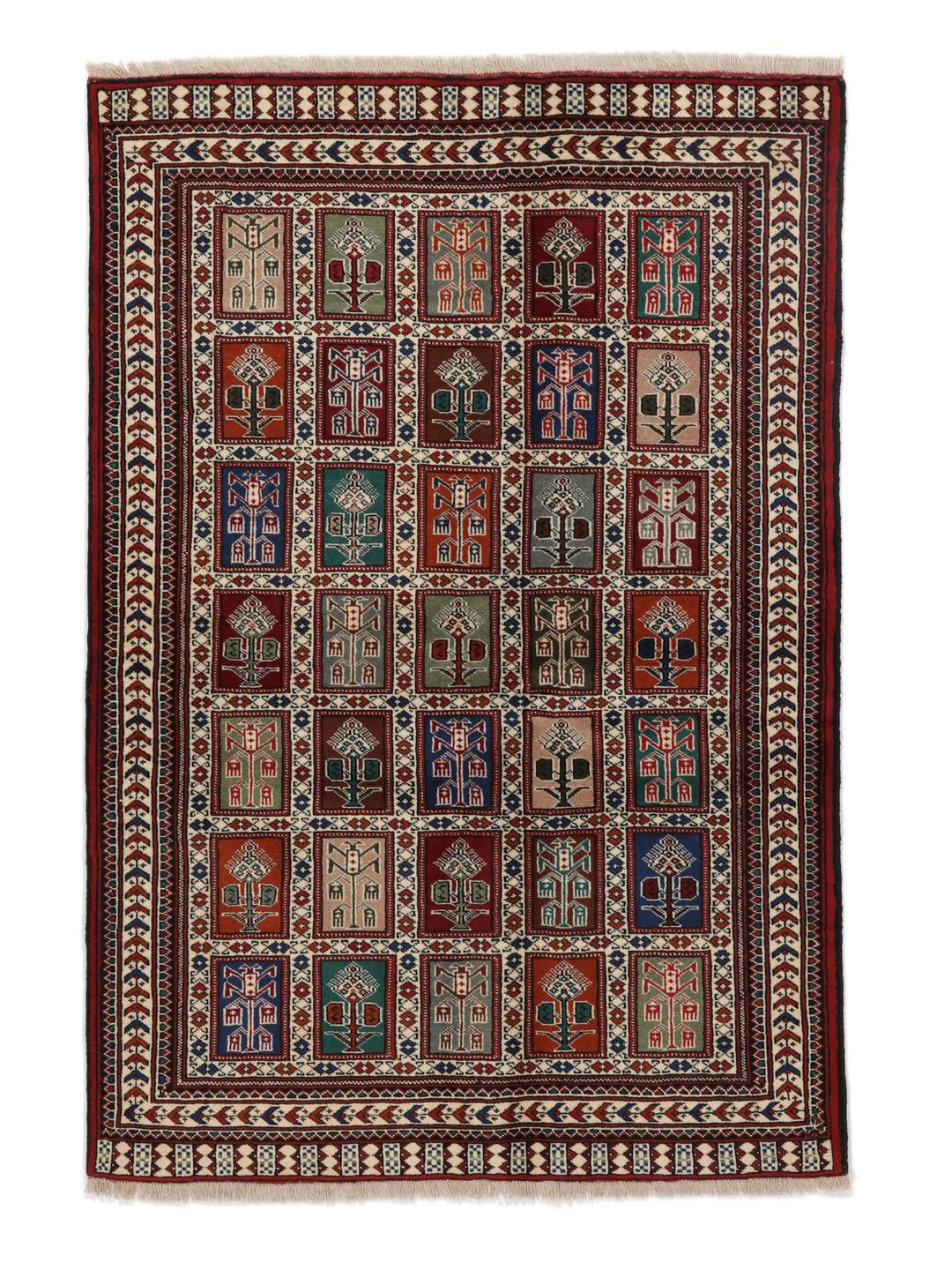
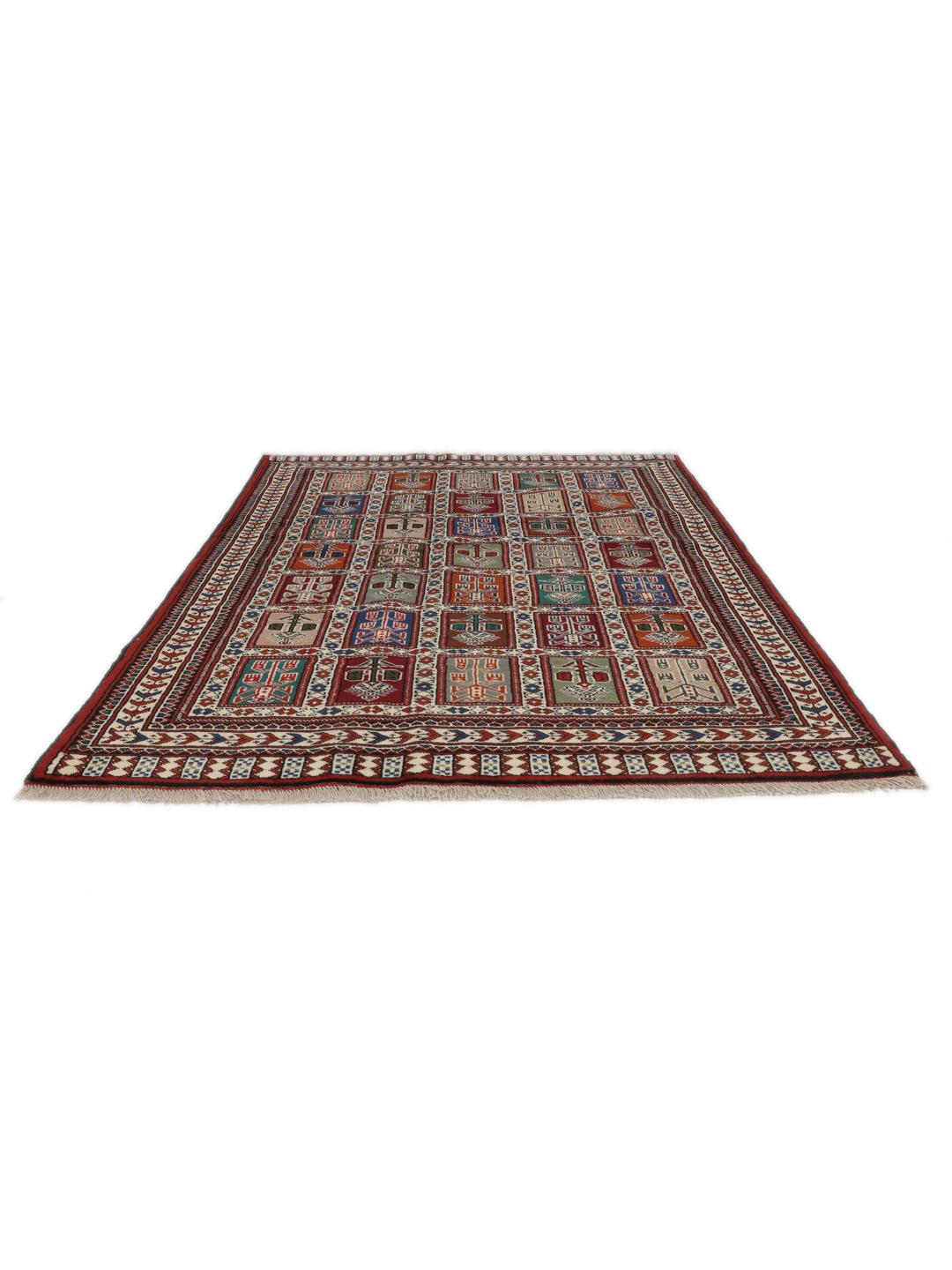
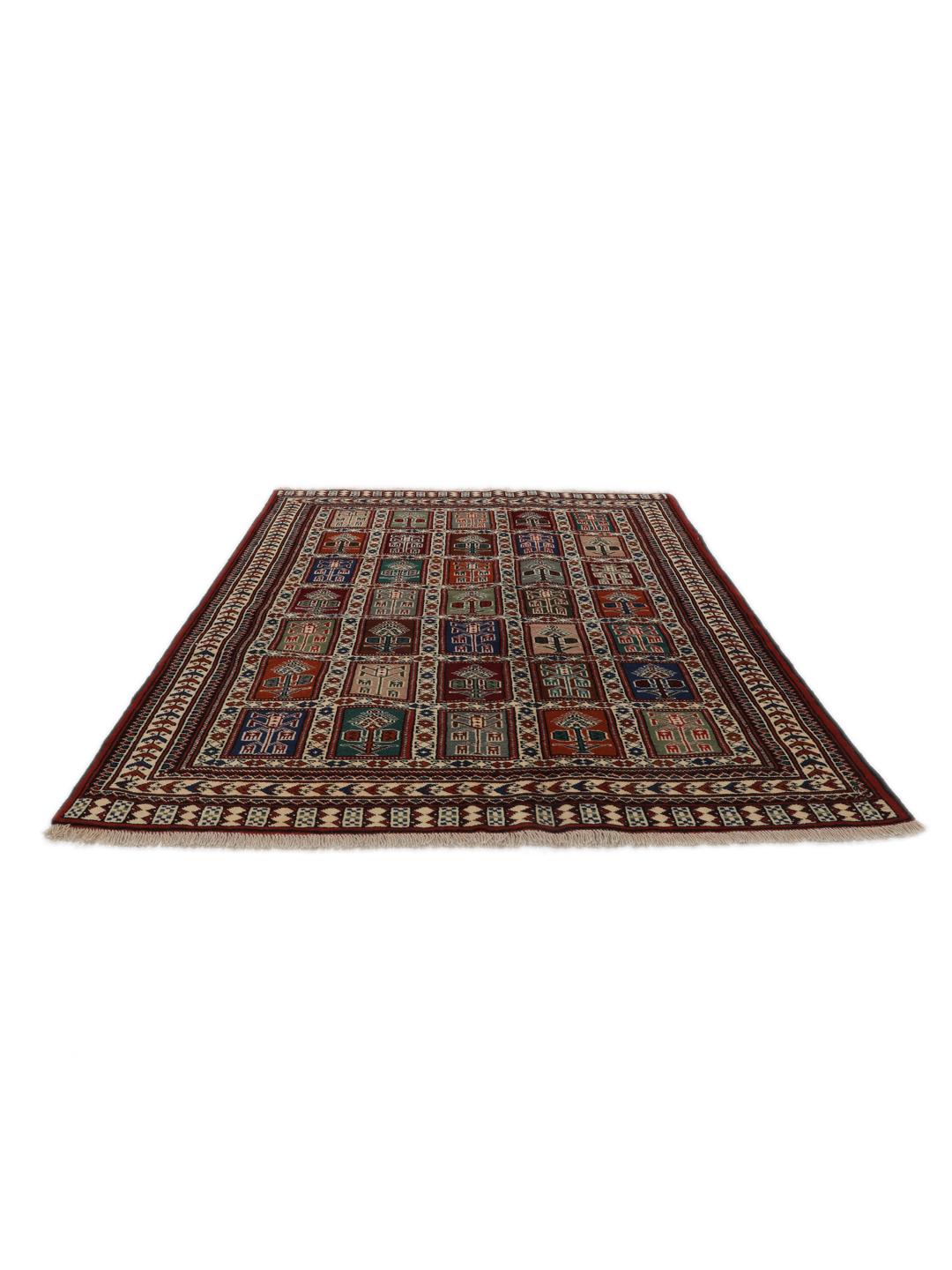
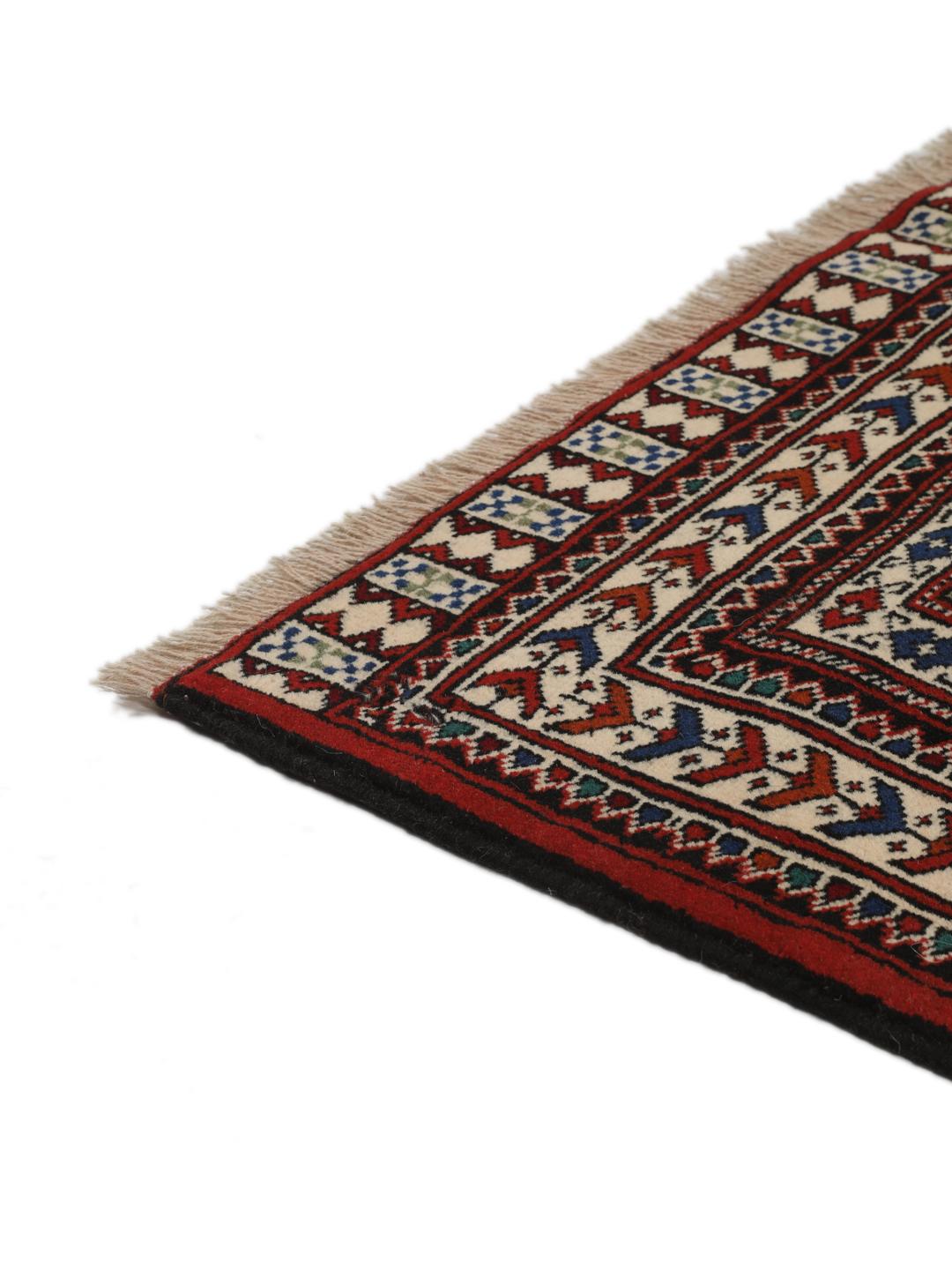
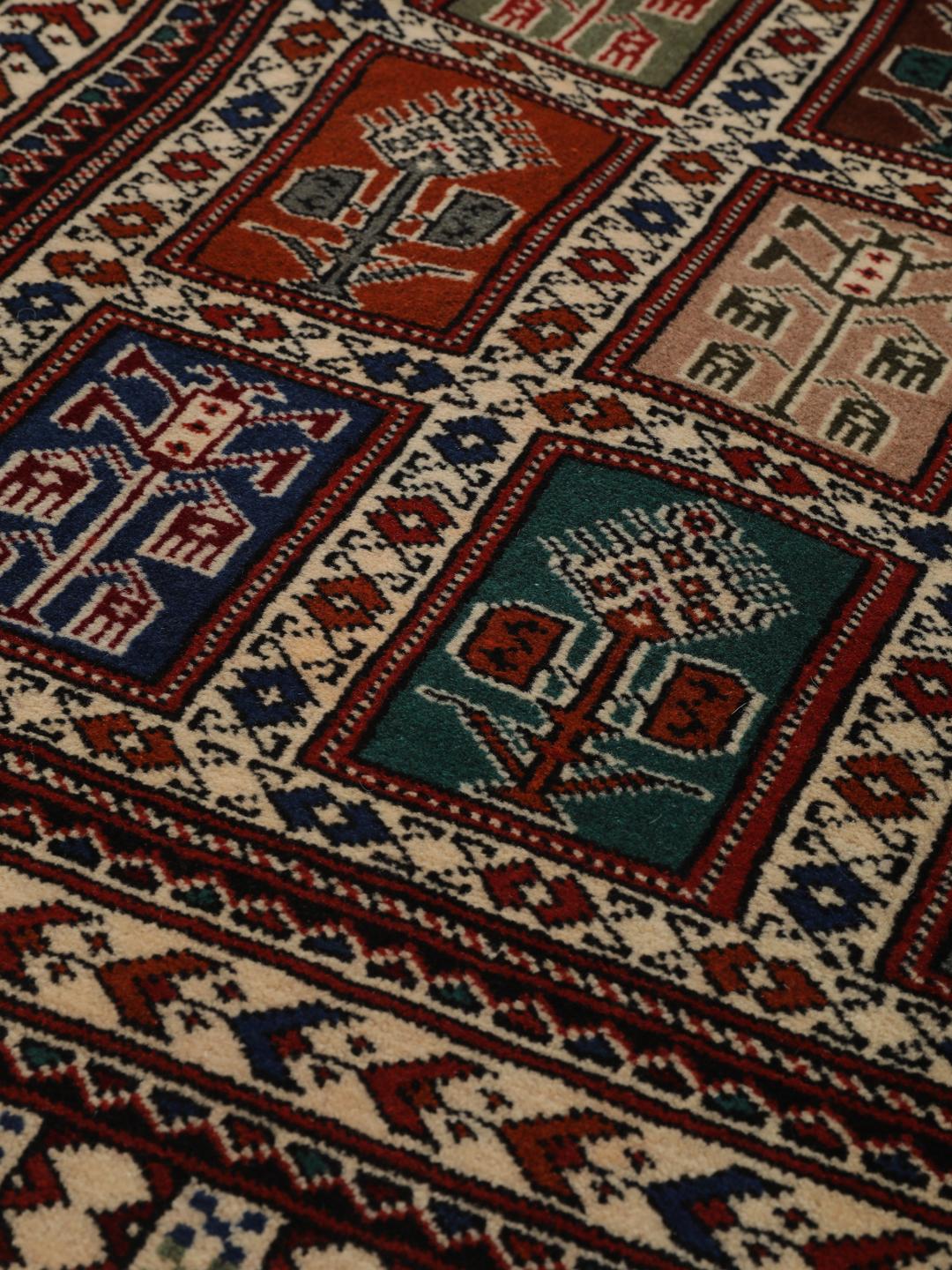
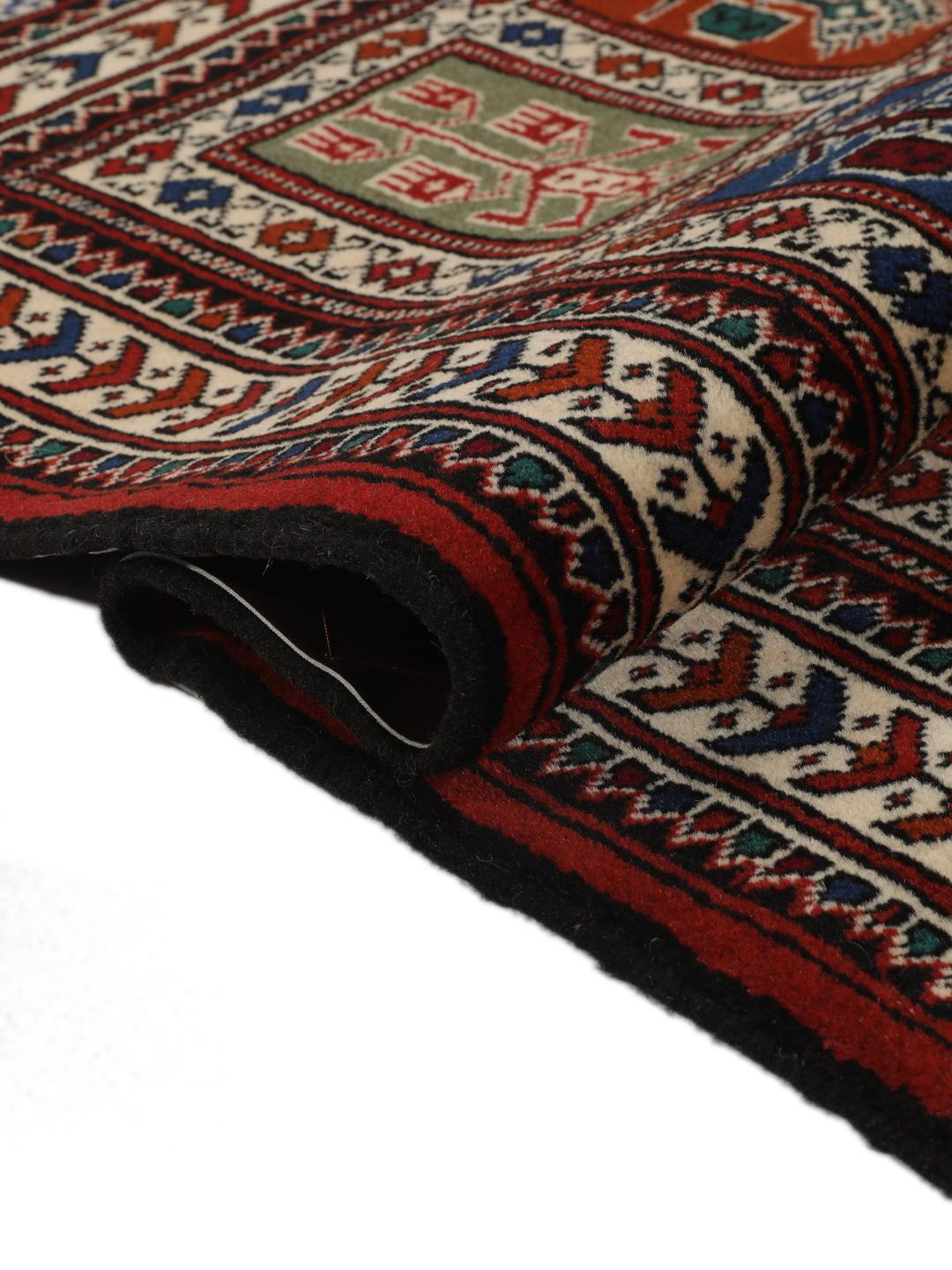
Signature design elements in these rugs often include the use of repeating medallions or guls, which are stylized, octagonal motifs that symbolize the history and tribal lineage of the weaver. This particular piece features a structured grid of these motifs, showcasing a refined take on traditional patterns. The borders are typically formal and balanced, framing the field with repeating geometric shapes that add a sense of order to the overall composition.
These rugs are highly prized by collectors for their cultural weight and the skill required to produce them. Owning a piece from this tradition is more than just purchasing a floor covering; it is an act of preserving a craft that has been passed down through generations. The value lies in the blend of artistic expression and practical durability, making these rugs a centerpiece of quality in any home.