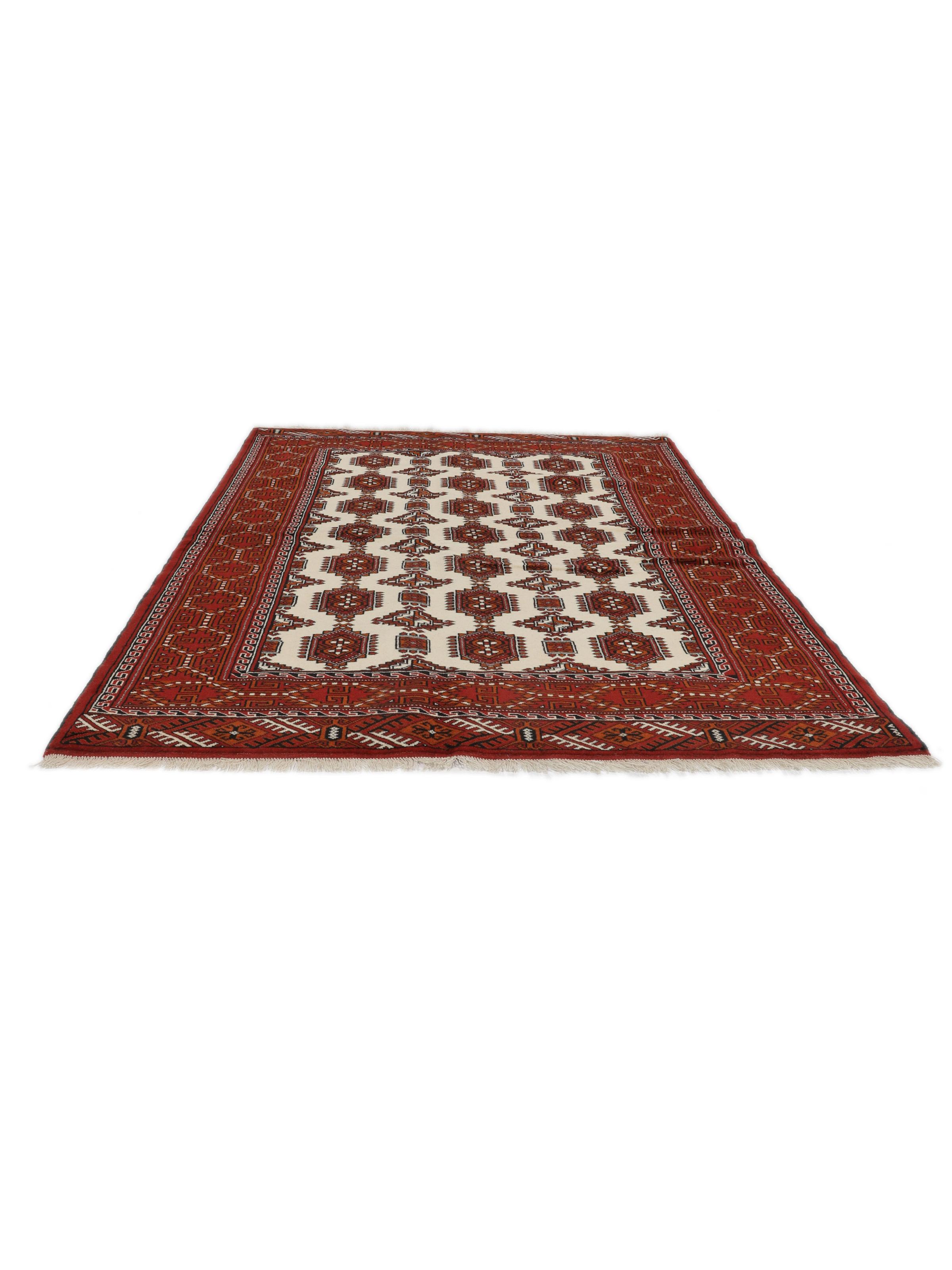
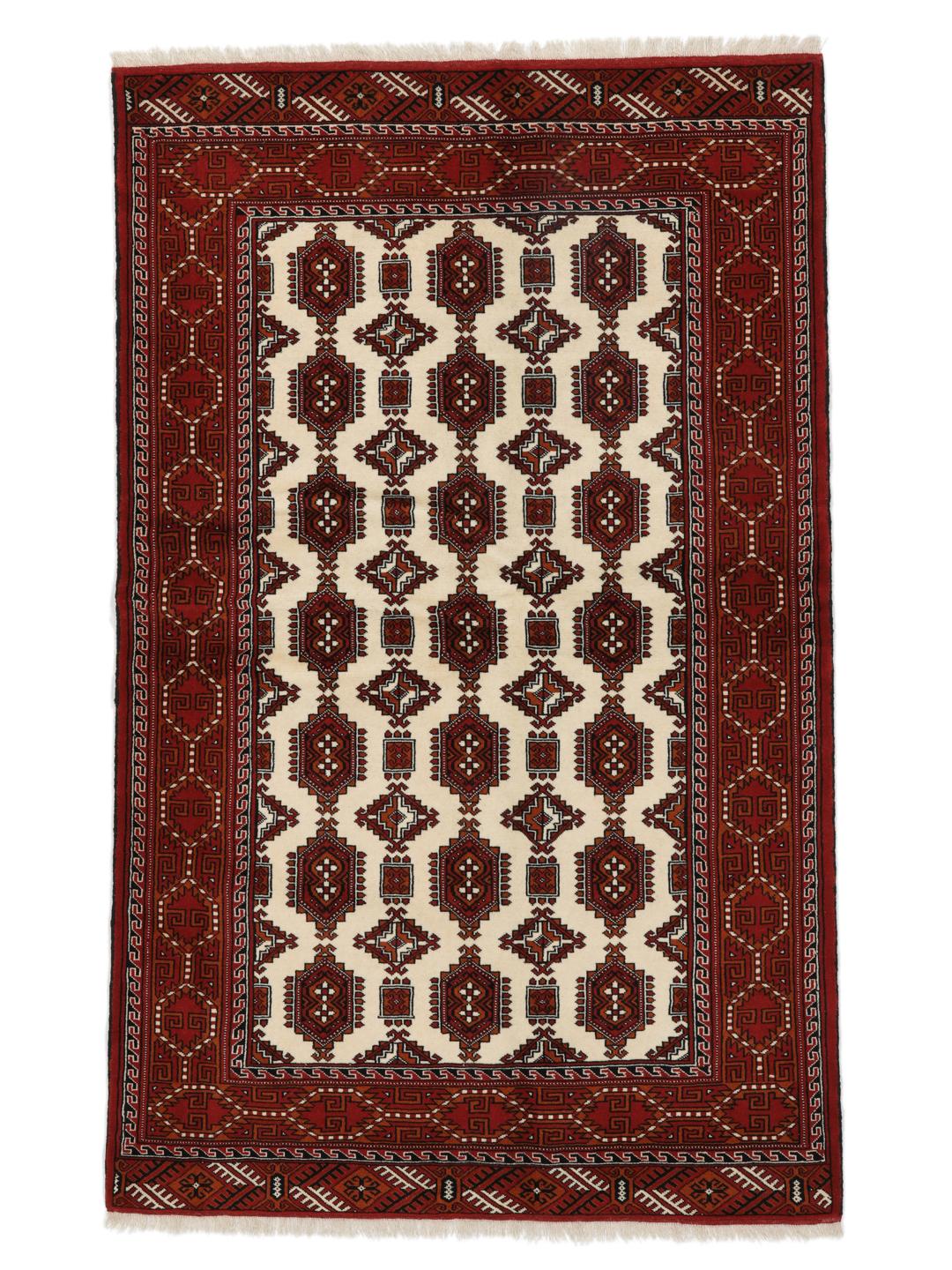
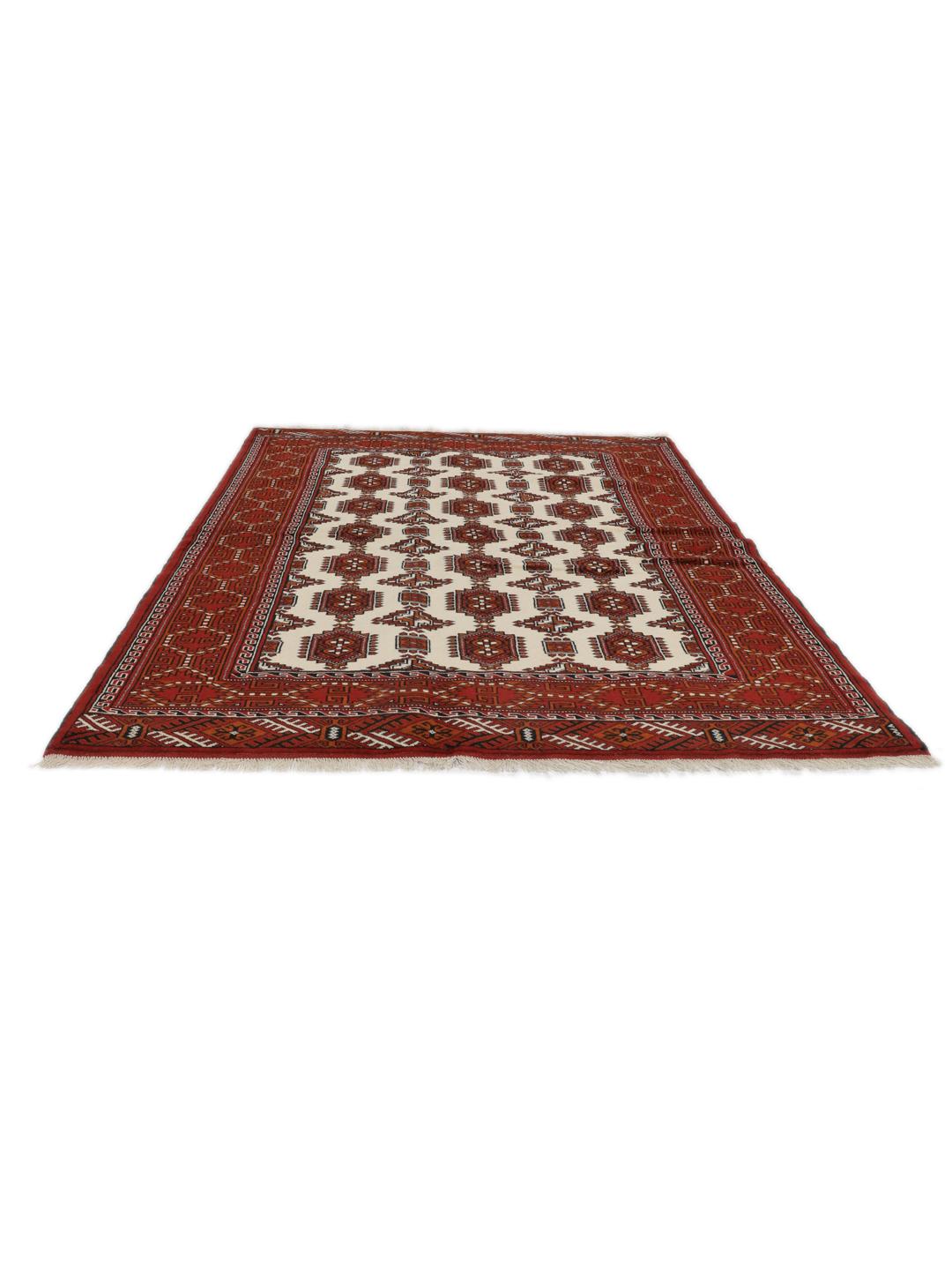
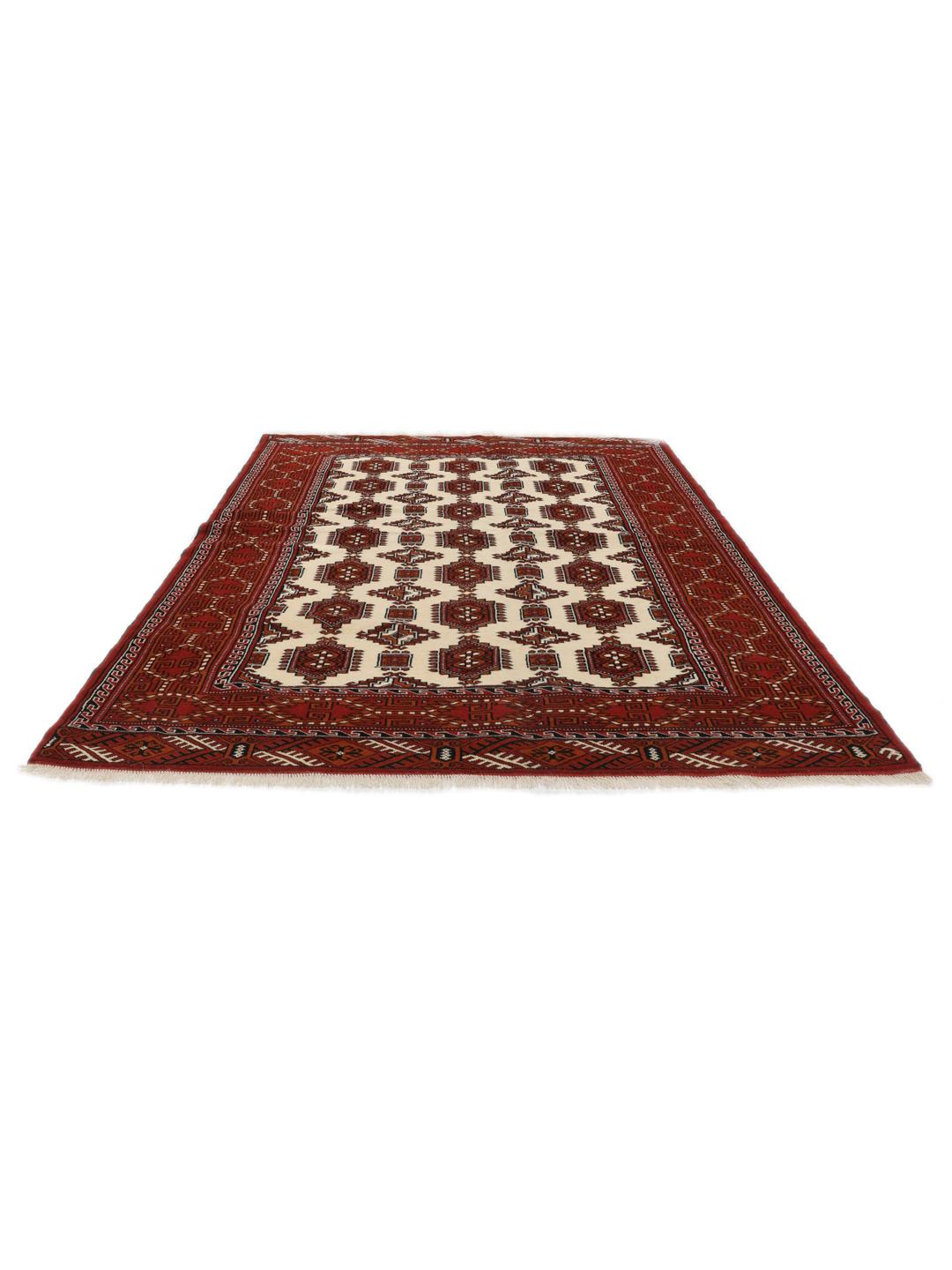
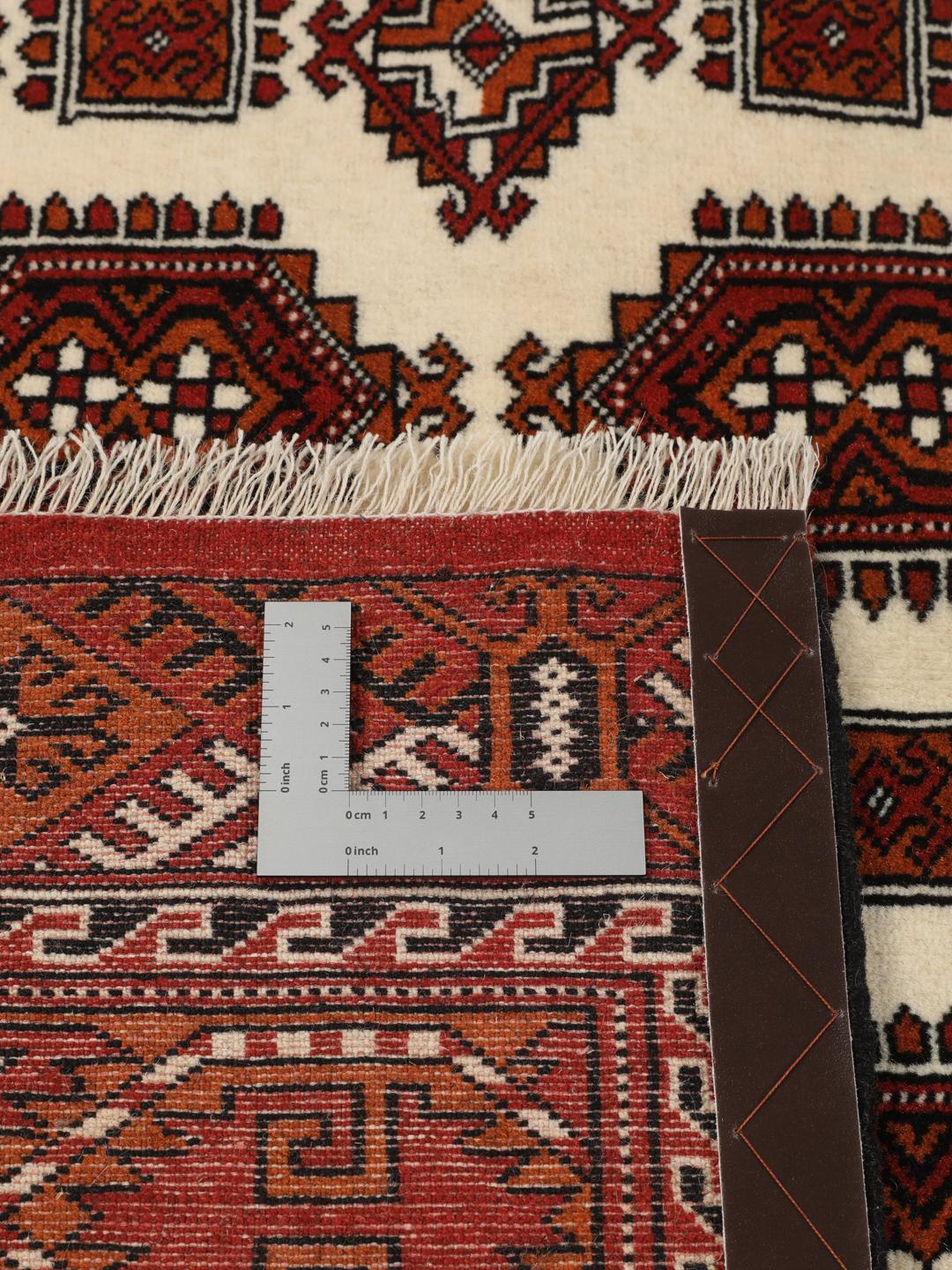
Turkaman rugs originate from the nomadic and semi-nomadic tribes of Central Asia and the Middle East. Historically, these pieces were crafted as functional items for tribal life, used as floor coverings, tent decorations, and transport bags. Over time, their distinctive beauty gained global recognition, leading to a migration of these design traditions into wider markets.
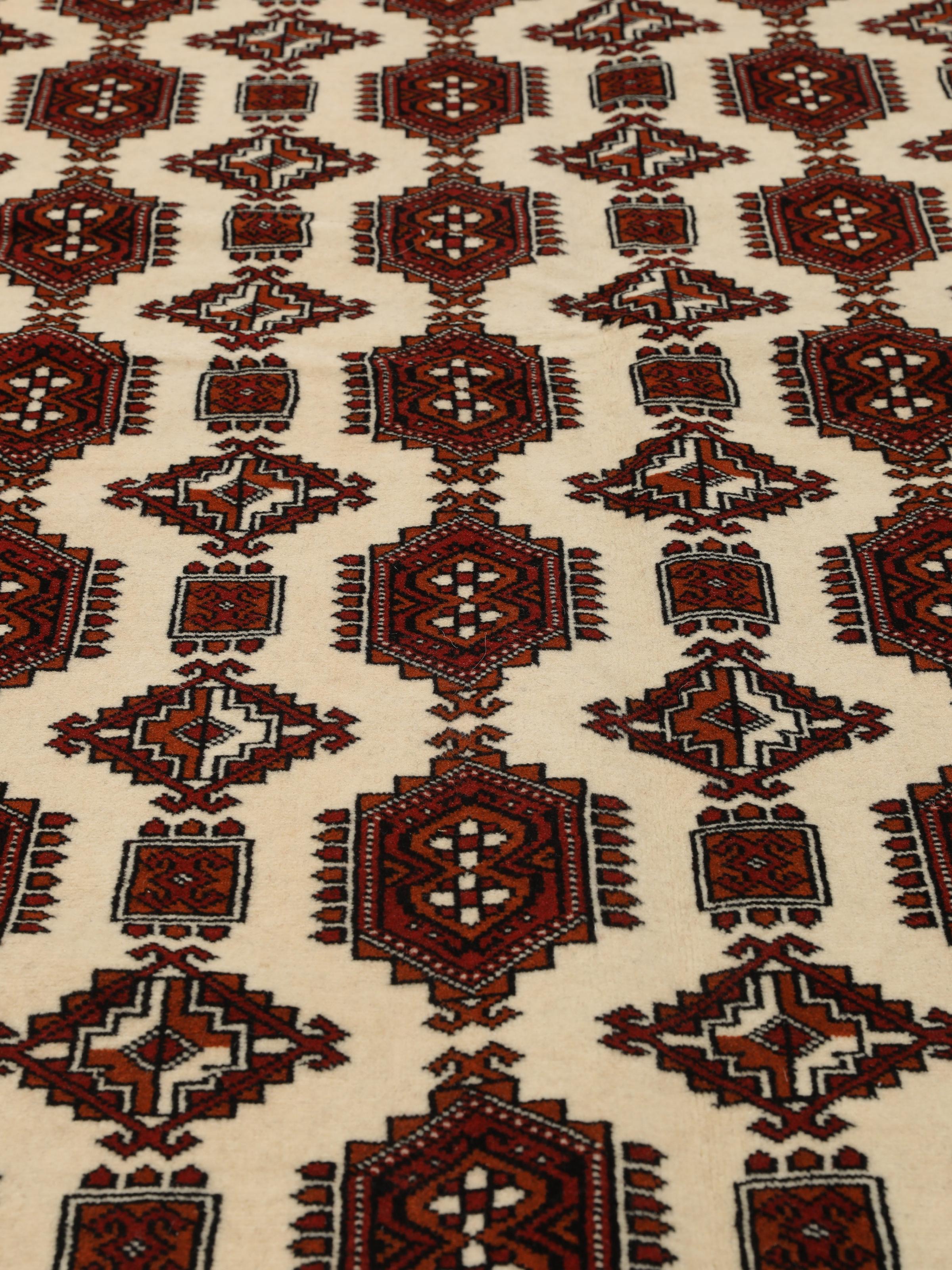
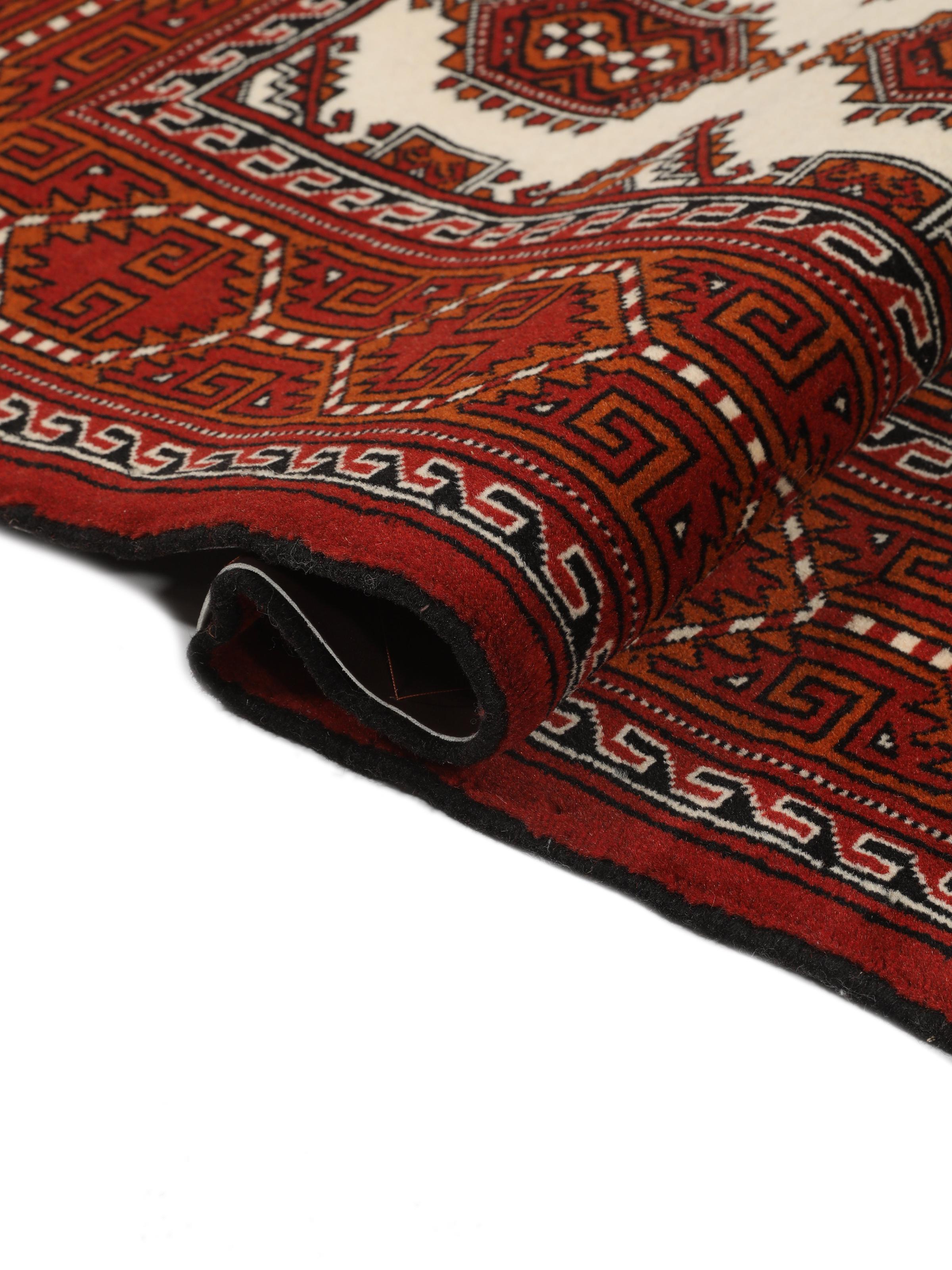
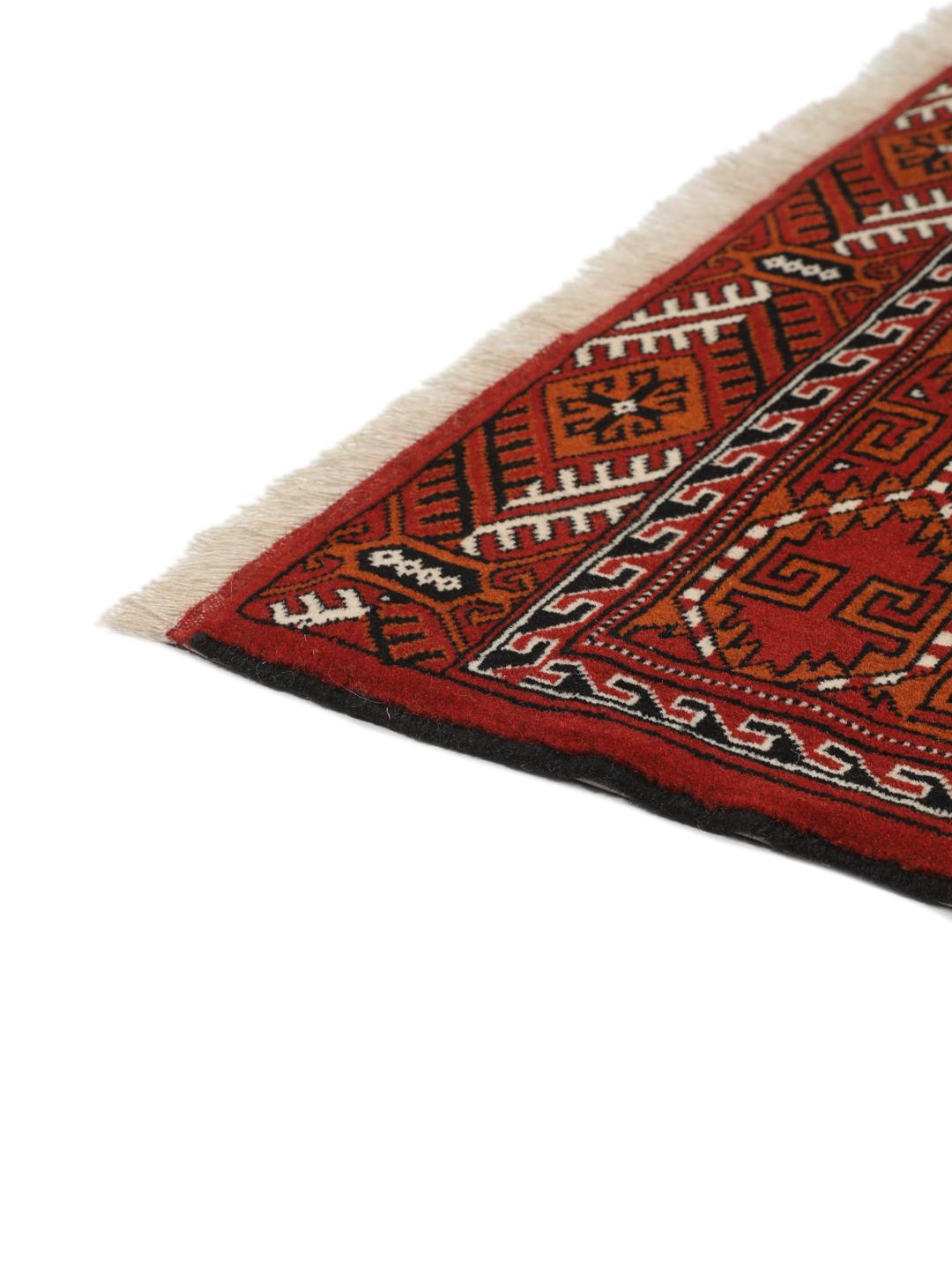
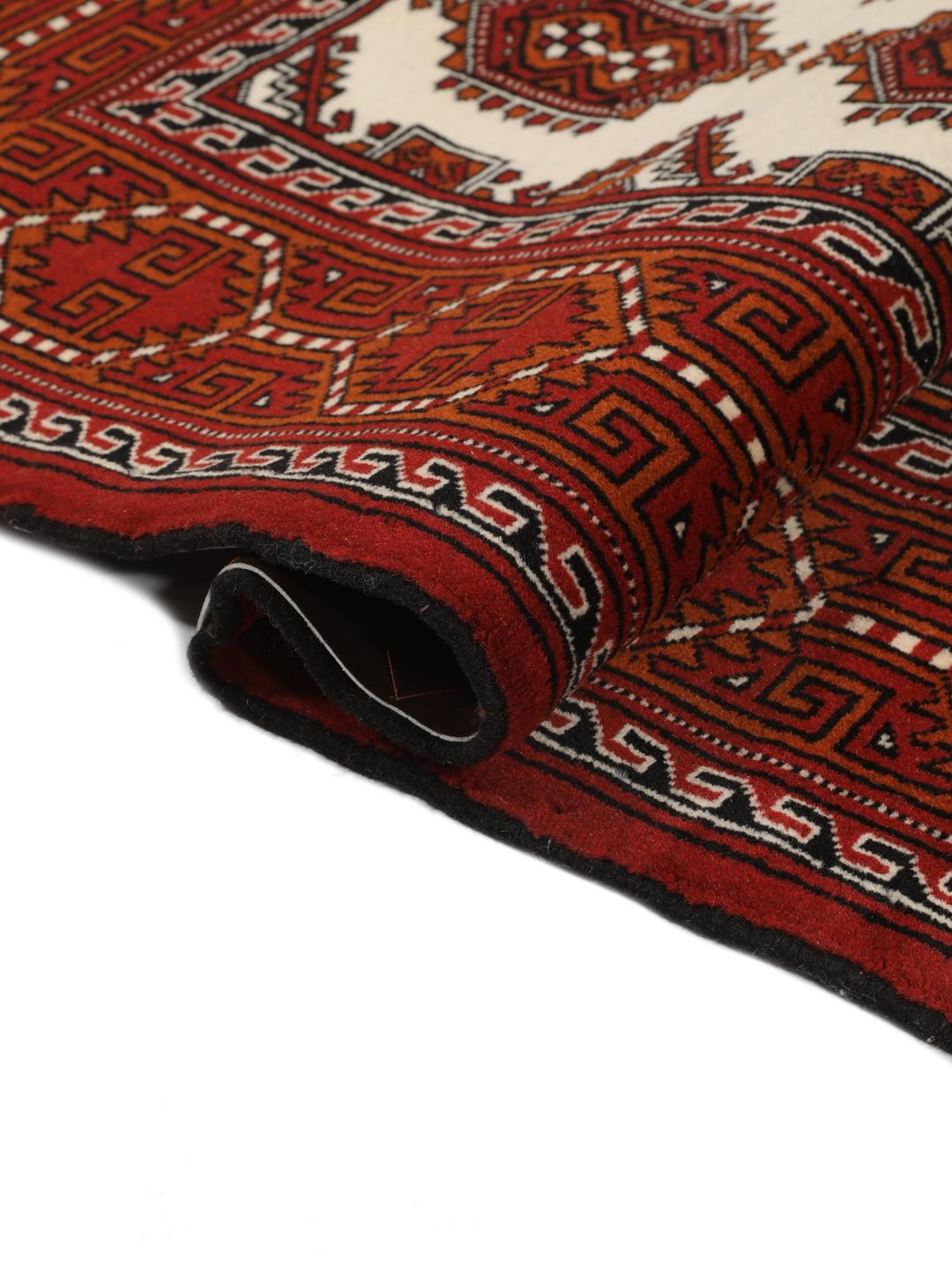
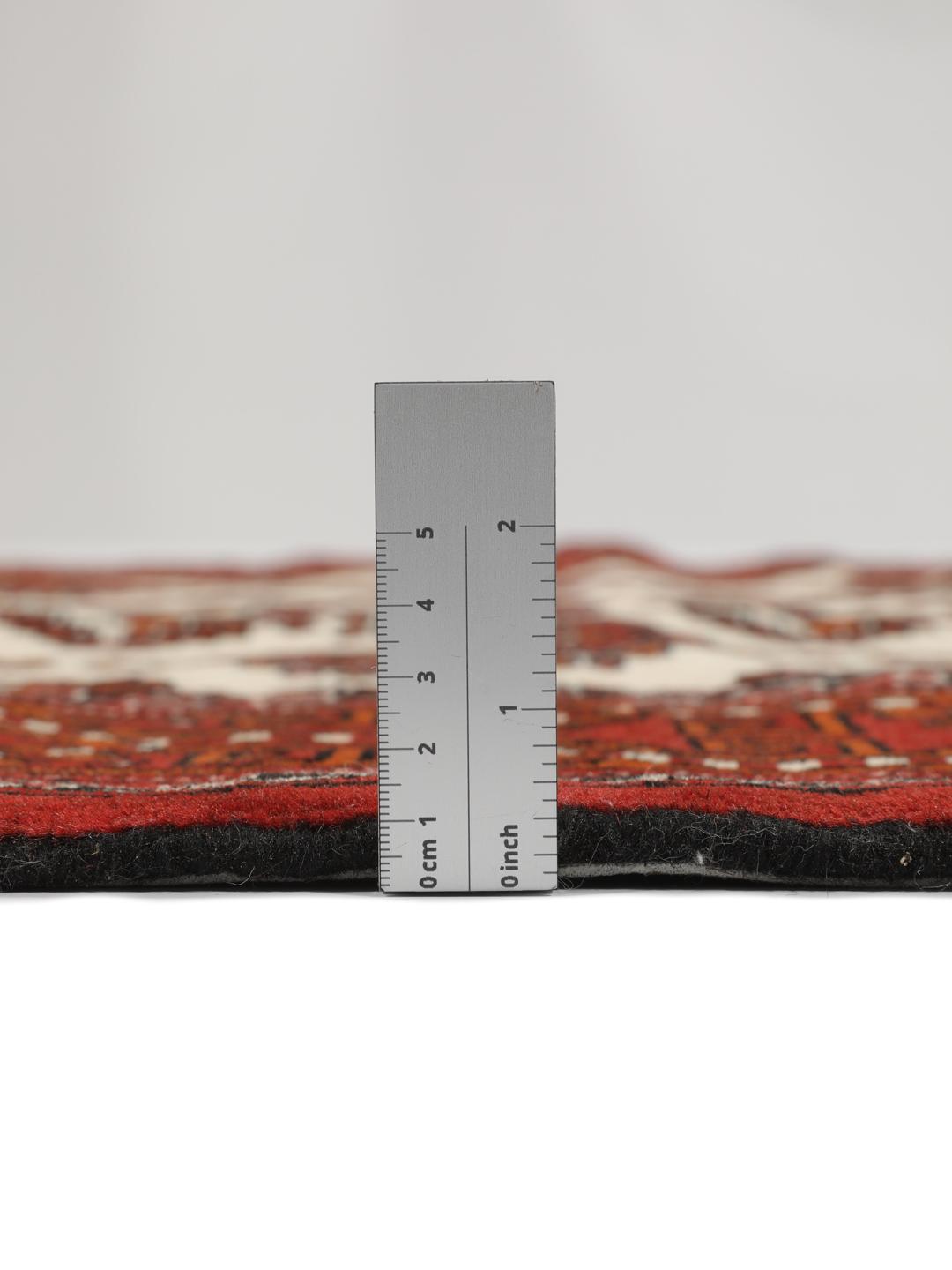
The term 'Turkaman' refers to a specific design lineage characterised by its focus on repeating geometric motifs. These rugs are known for their technical excellence, often utilising high-quality wool that is spun and dyed with great care. The result is a pile that is not only soft to the touch but also highly durable, capable of withstanding the rigours of daily use while retaining its lustre.
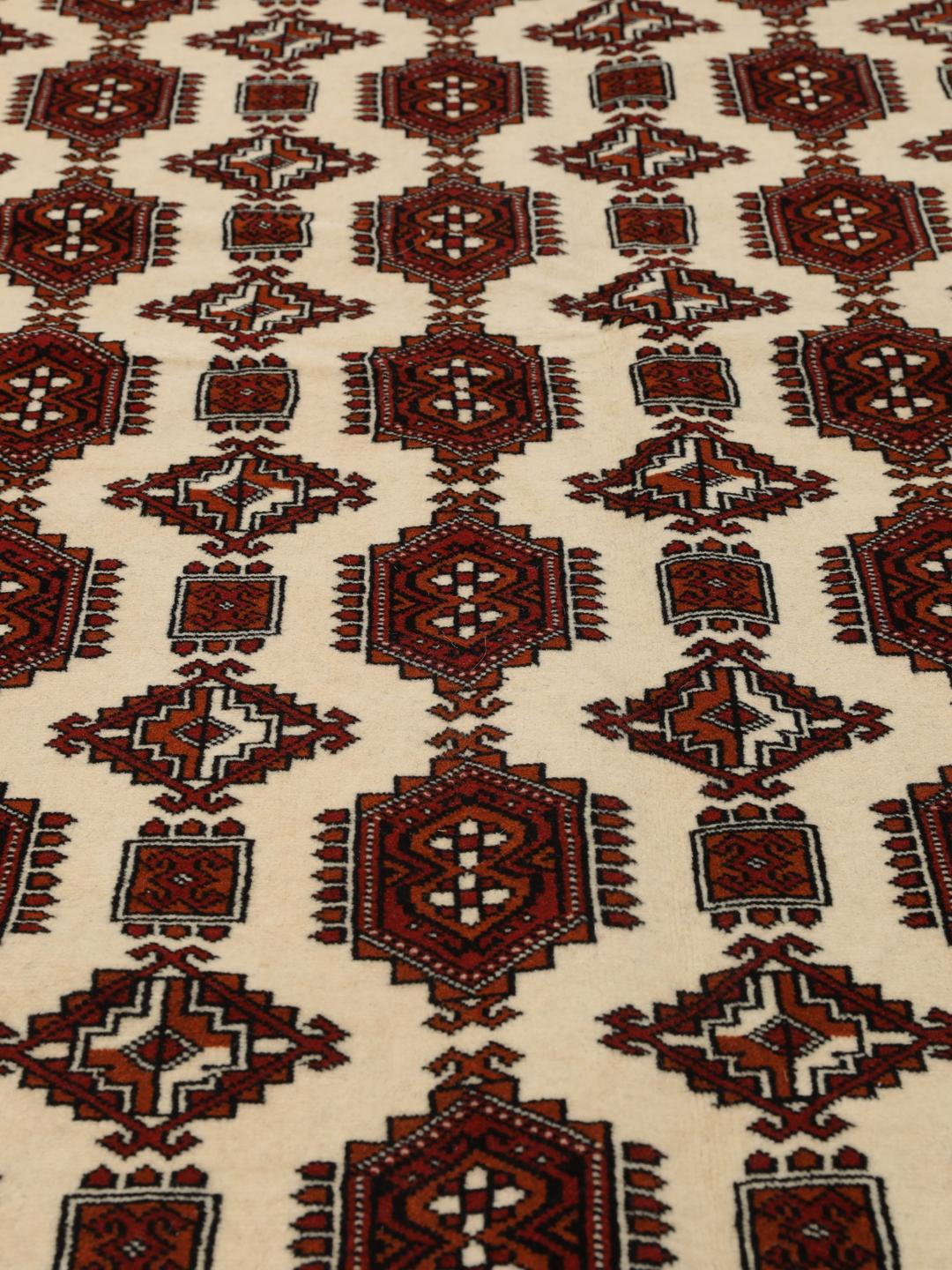
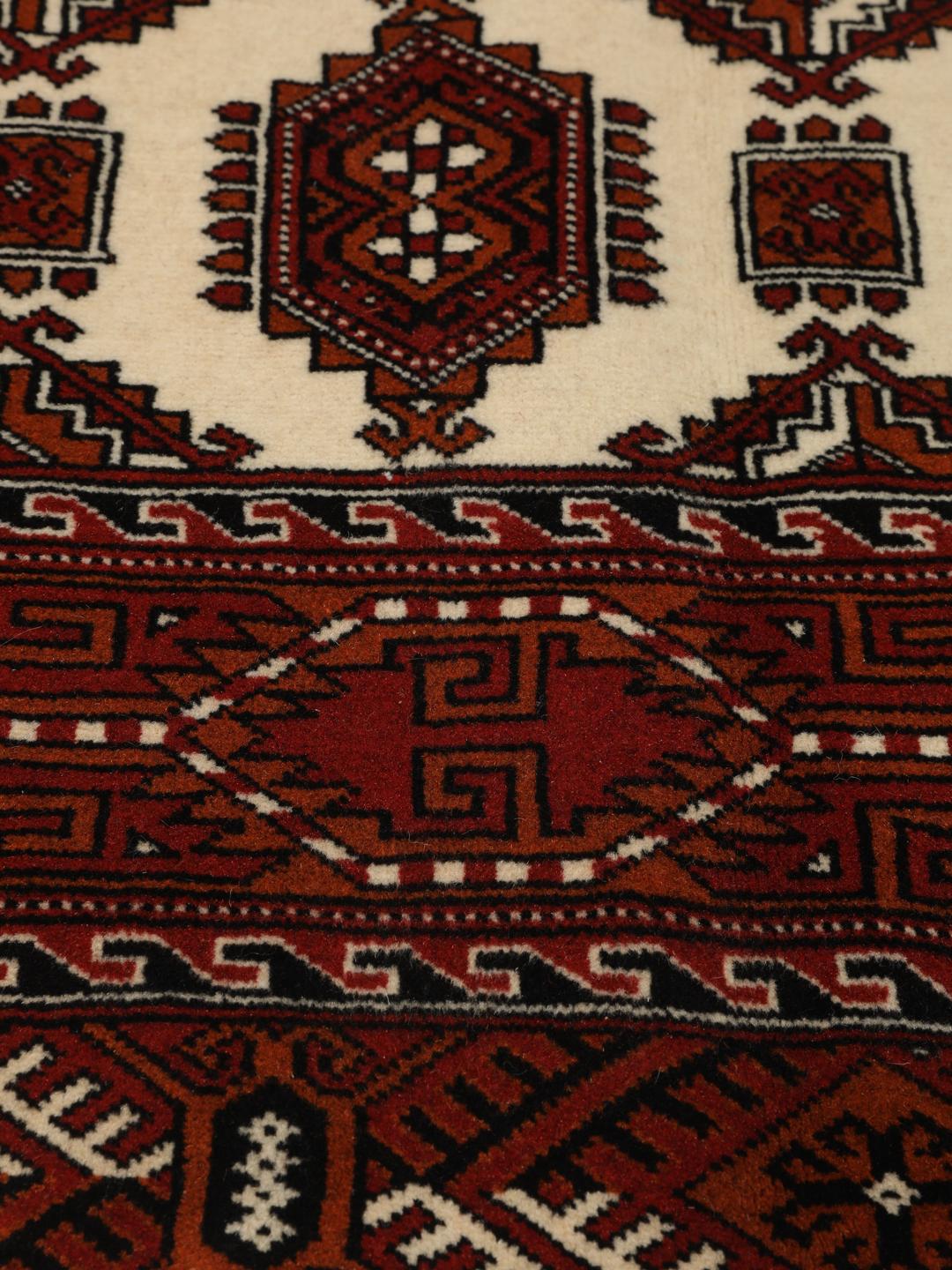
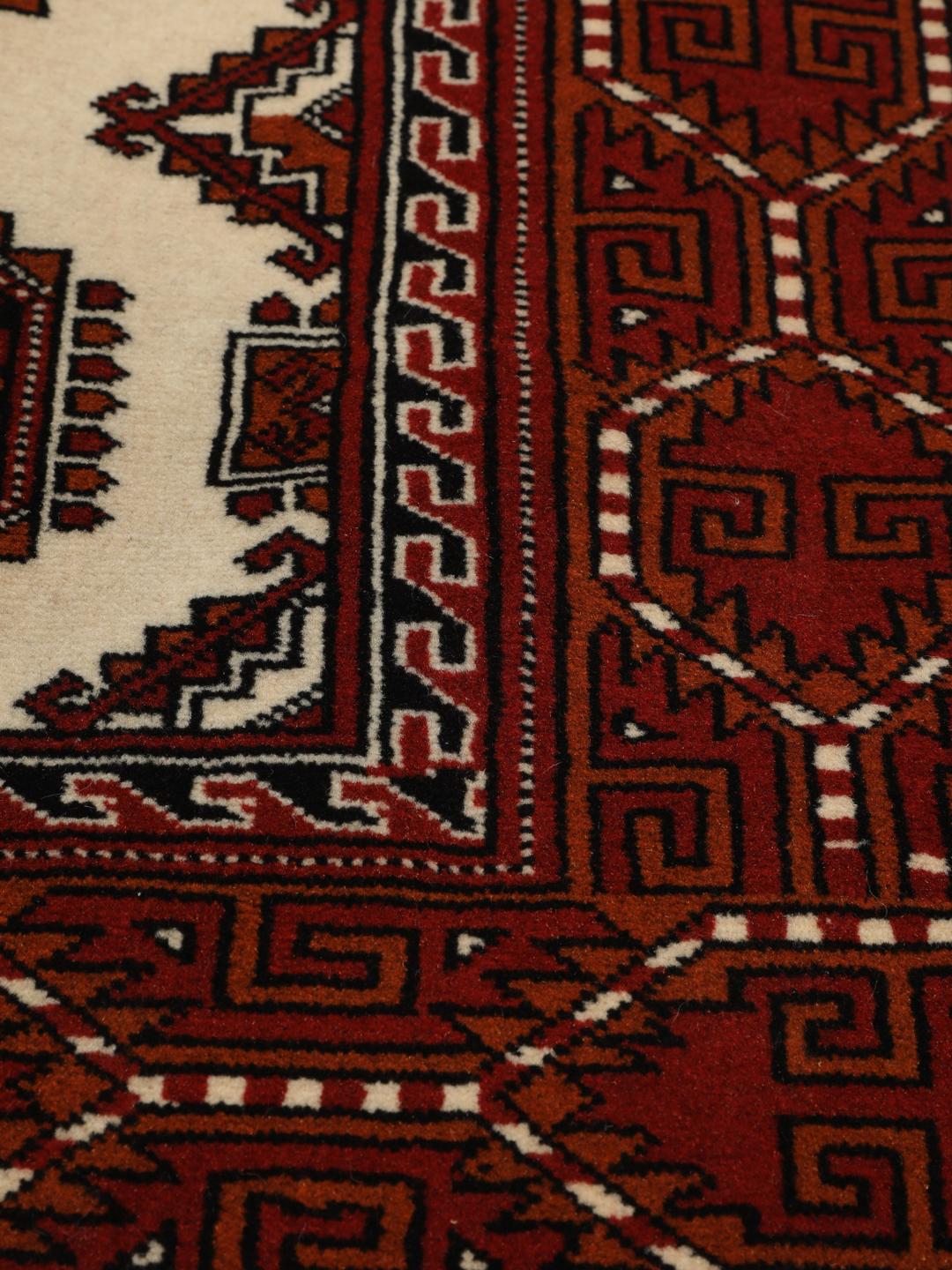
A signature element of this tradition is the 'gul'—a repeating medallion motif that often resembles an octagonal shape or a stylised elephant foot. These motifs are arranged in structured rows, creating a sense of rhythm and balance across the field. The borders are typically filled with intricate, geometric secondary patterns that frame the central design and reflect the unique identity of the weaving group.
Collecting a Turkaman rug is an investment in a living heritage. These pieces are valued for their cultural weight, representing a bridge between ancient tribal customs and contemporary home aesthetics. Owning such a rug is a way to celebrate the skill of the artisans who have preserved these techniques for centuries.