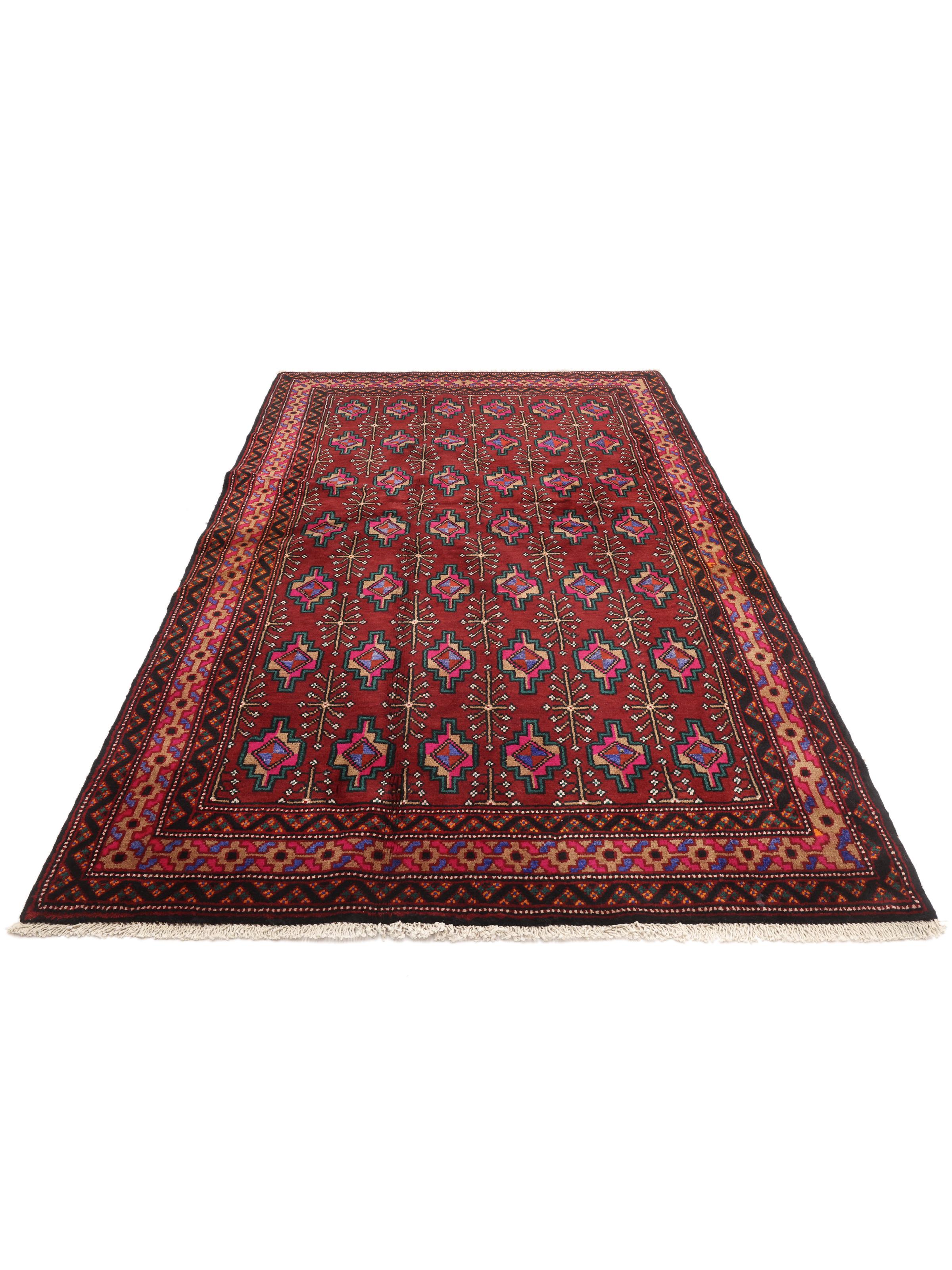
Turkaman rugs originate from the nomadic tribes of the Middle Eastern steppes, where the craft of weaving was central to daily life. These traditions were passed down through generations, with each tribe developing its own distinct visual language that reflected their environment, history, and social structure.
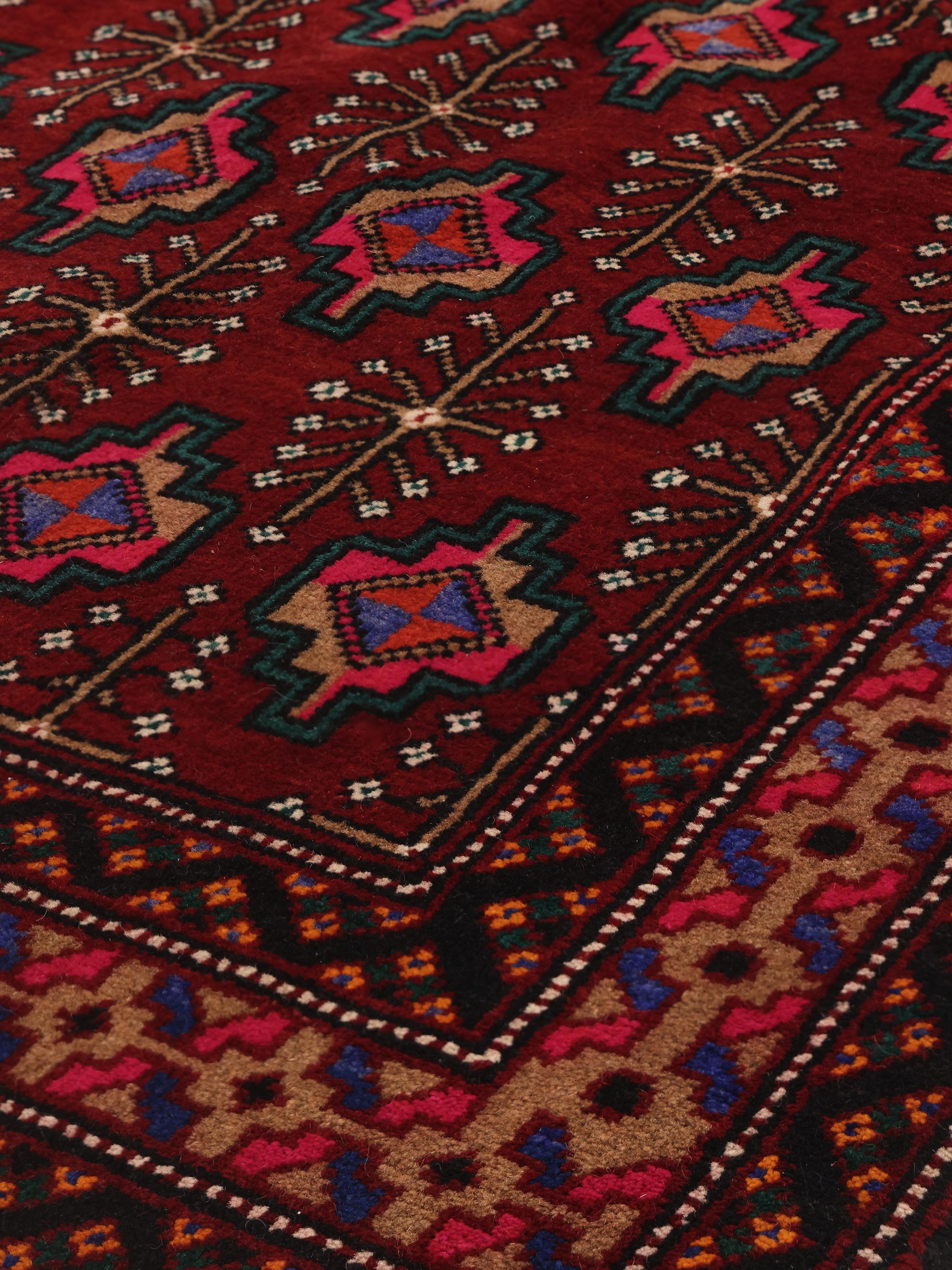
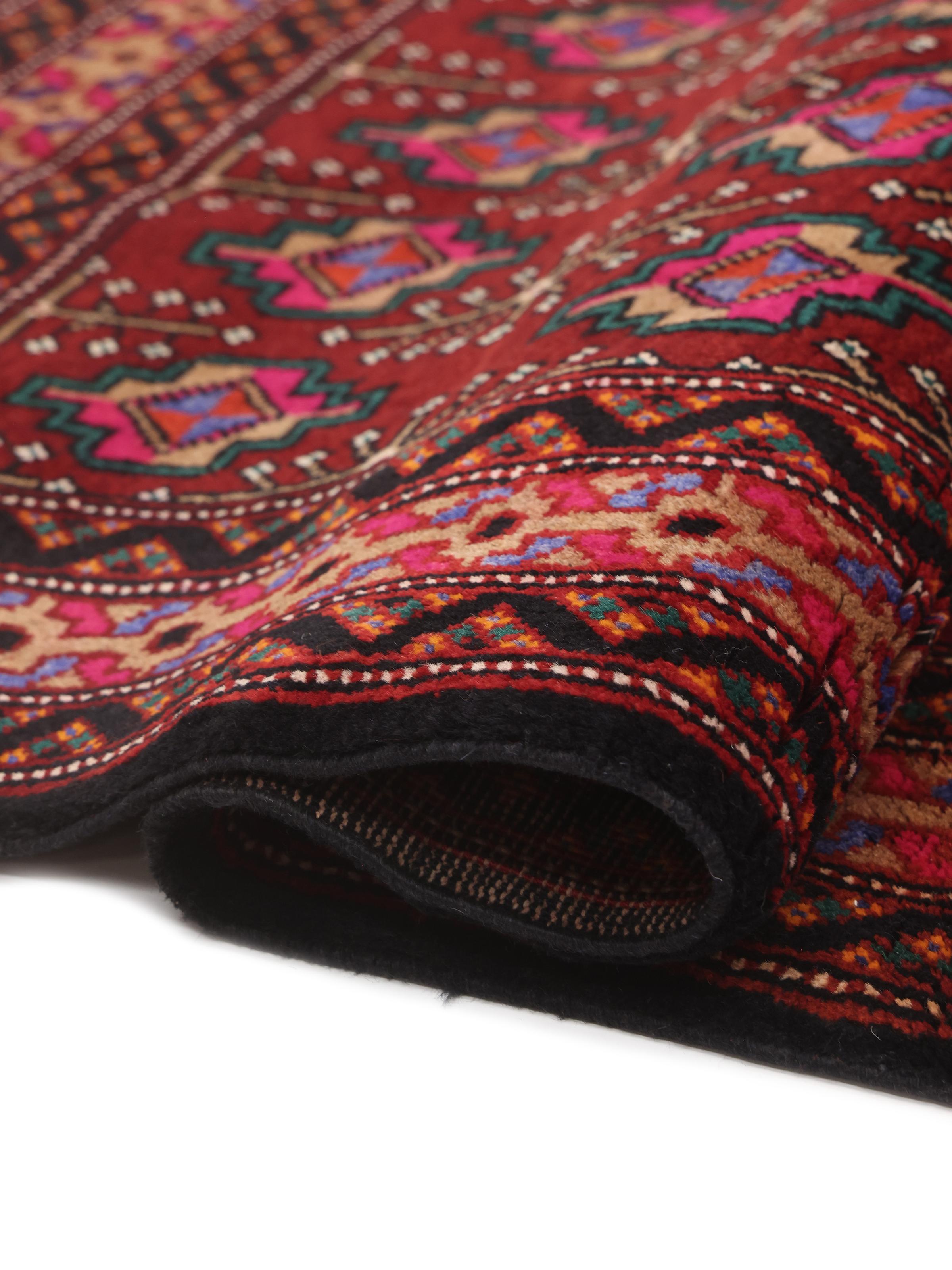
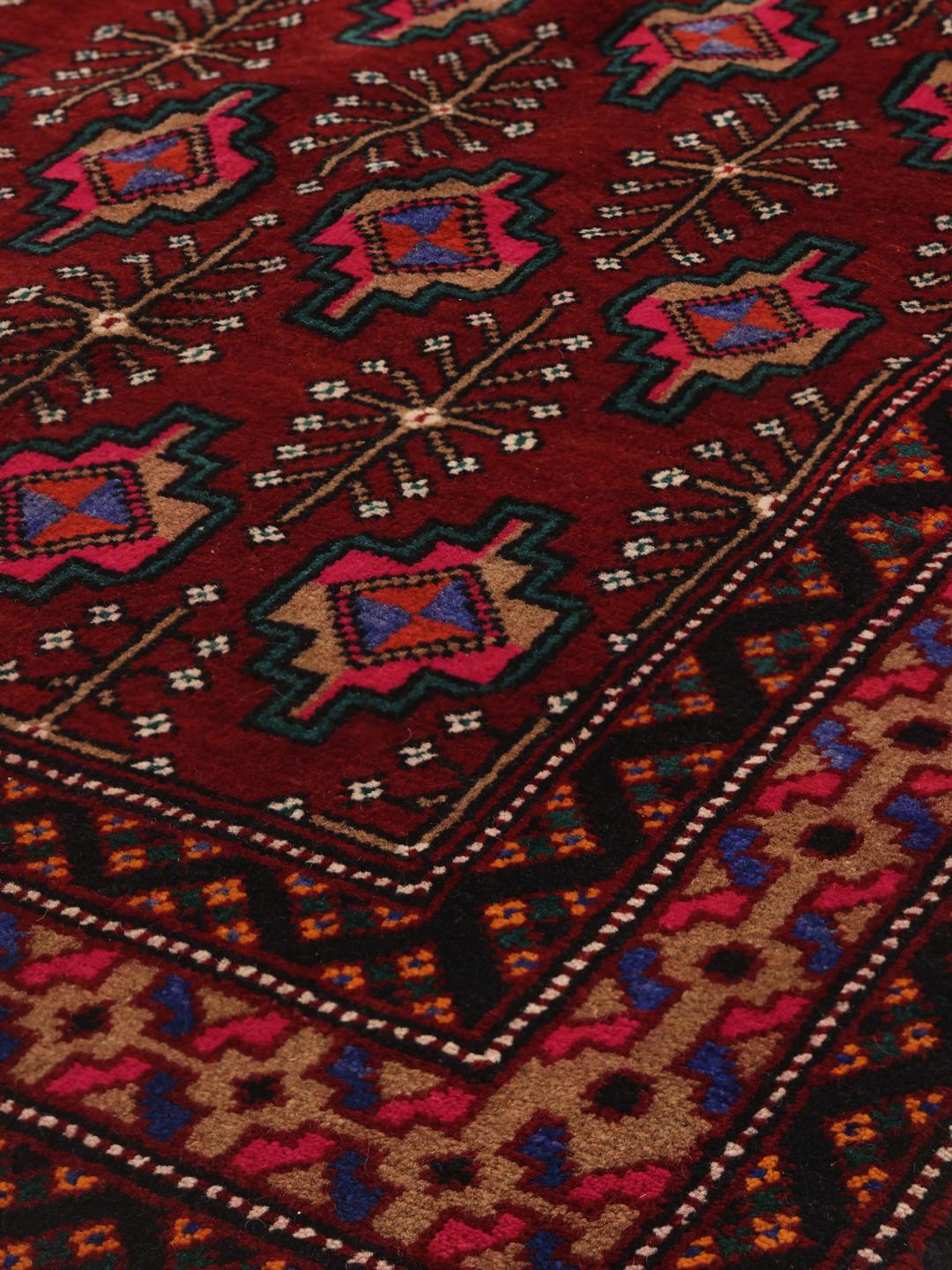
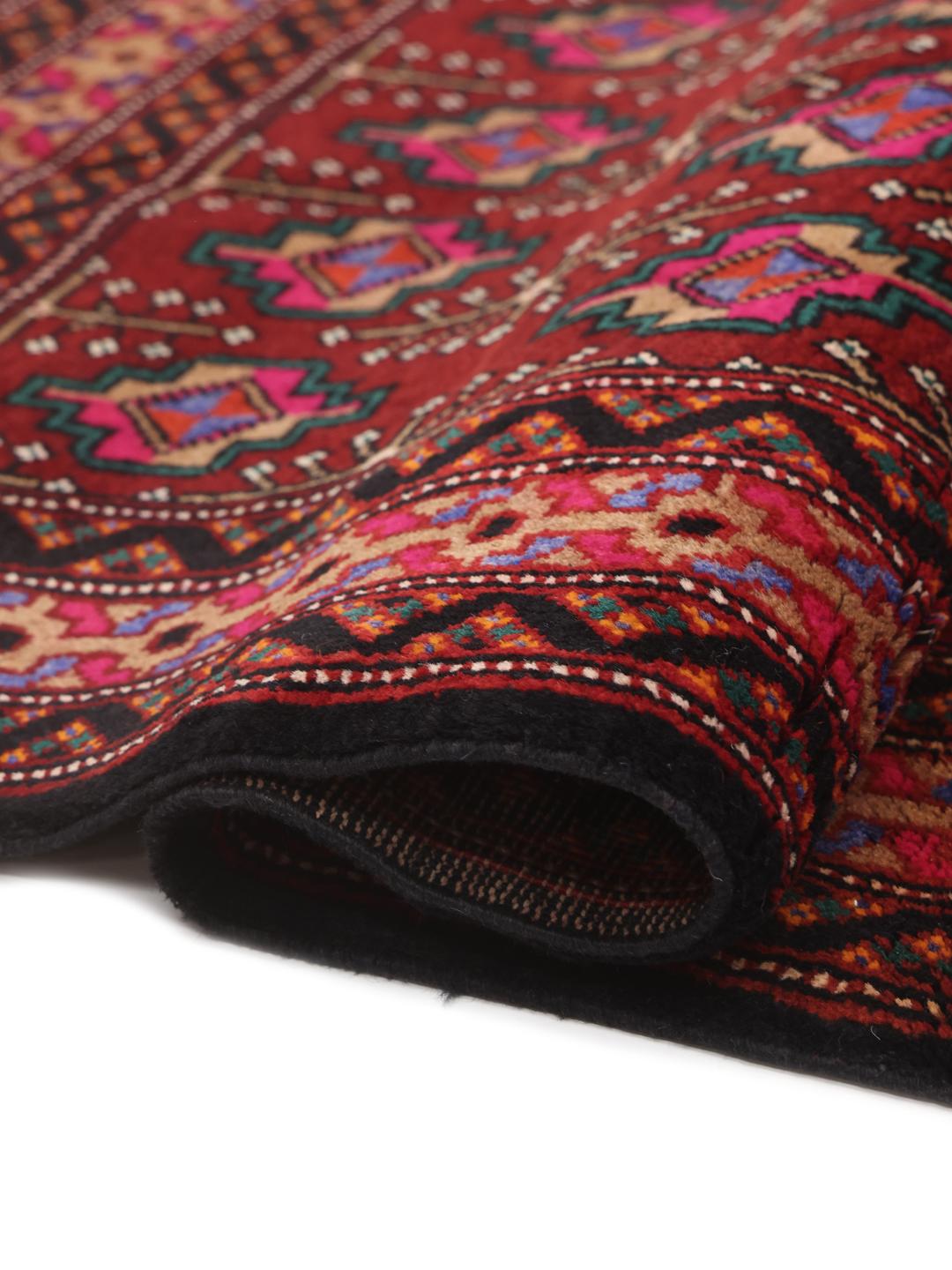
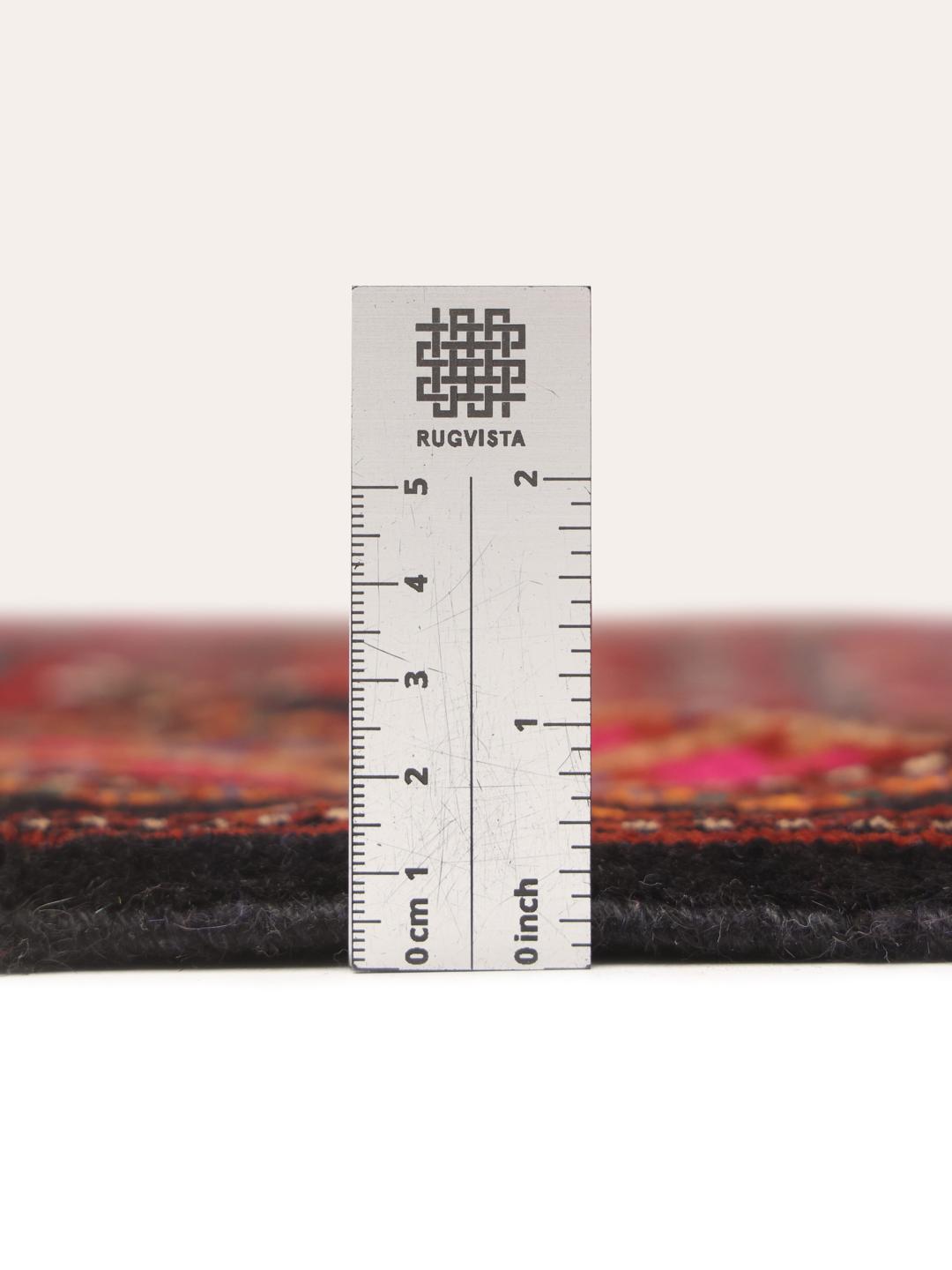
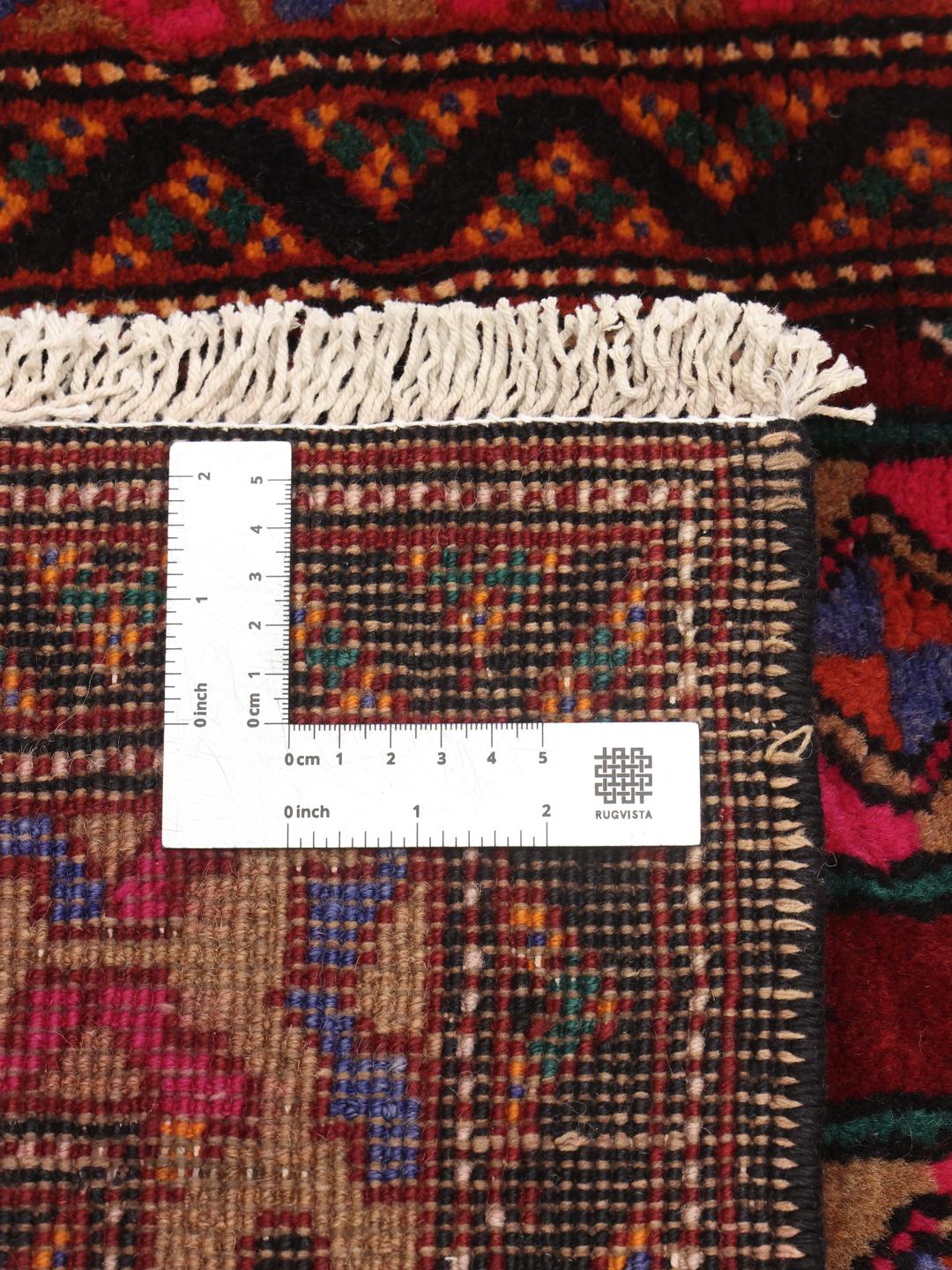
The construction of these pieces is rooted in techniques that prioritise density and resilience. The Wool is often processed to create a pile that is both durable and lustrous, ensuring that the rug can serve as a functional floor covering for nomadic tents and permanent homes alike. This focus on material quality is why these rugs remain highly sought after for their longevity.
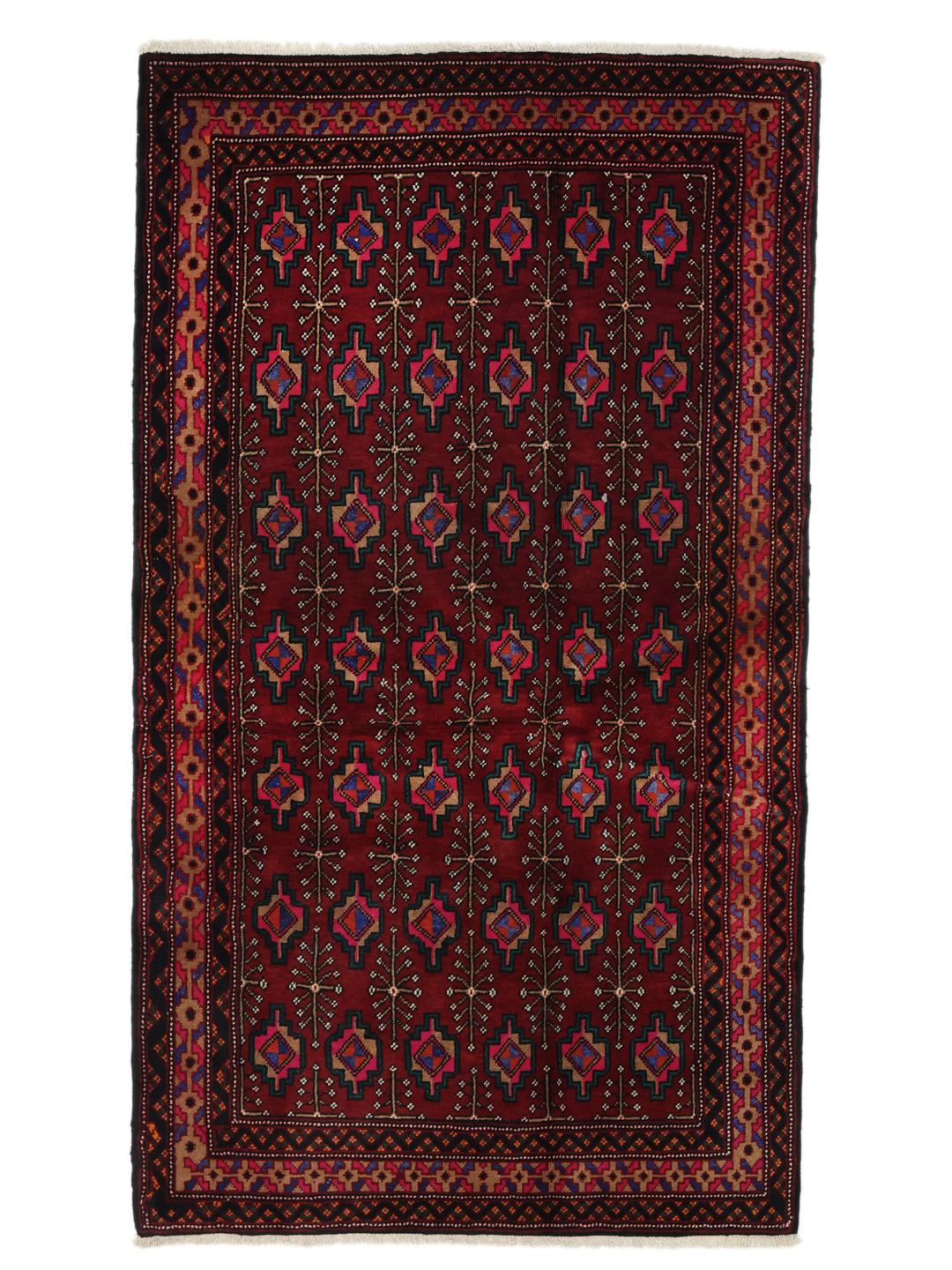
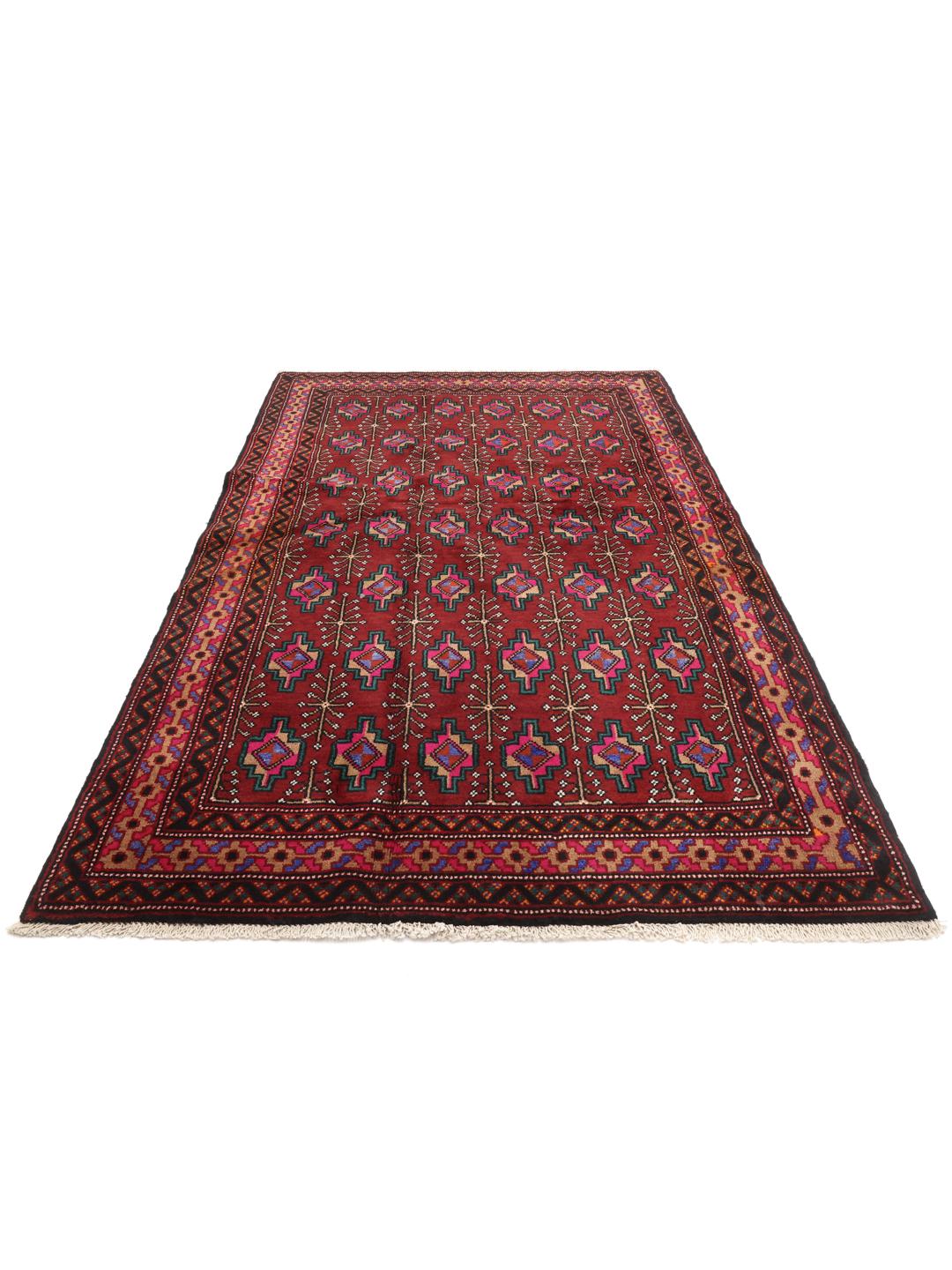
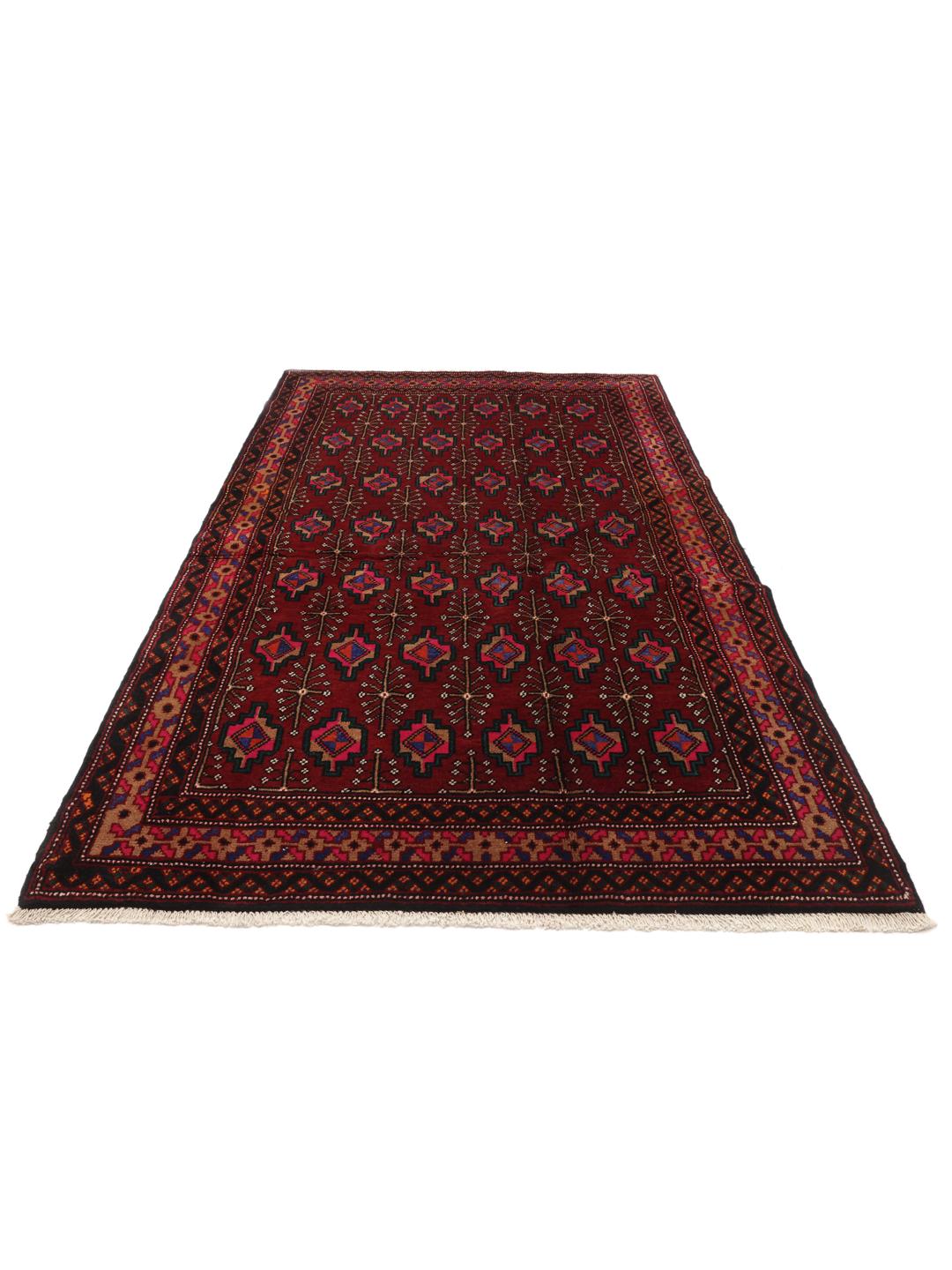
Visually, Turkaman rugs are best known for their repeating geometric patterns, most notably the gul motif. These medallions, often octagonal in shape, are arranged in orderly rows across a field that is traditionally dominated by deep shades of red. The symmetry and precision of these designs are hallmarks of the tradition, creating a balanced and harmonious aesthetic.
Today, these rugs are collected not only for their beauty but for the cultural heritage they represent. Owning a Turkaman rug is an opportunity to connect with a centuries-old craft. It serves as a reminder of the skill and dedication of the artisans who have maintained these artistic traditions through changing times, making every piece a valuable part of any home collection.