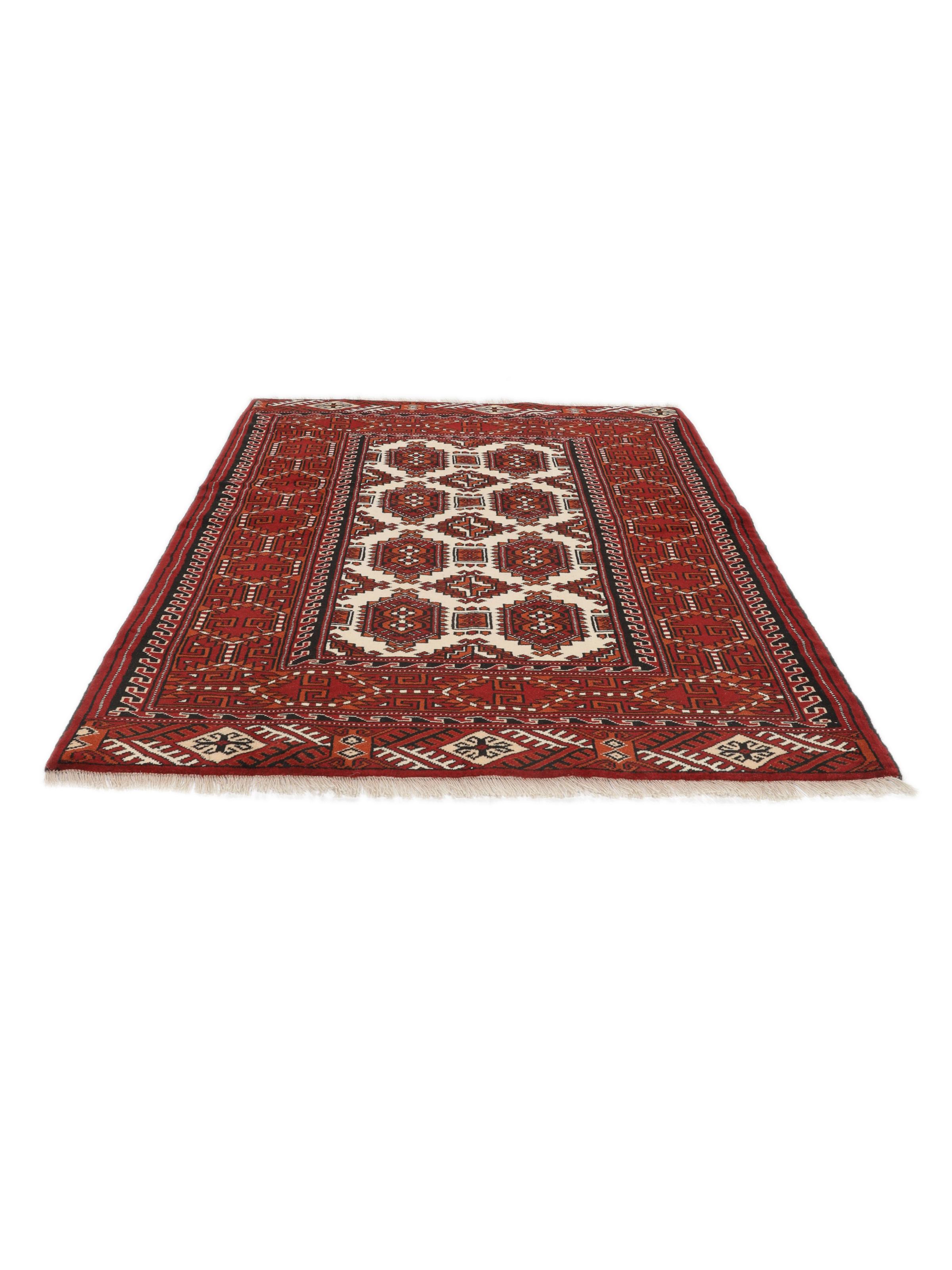
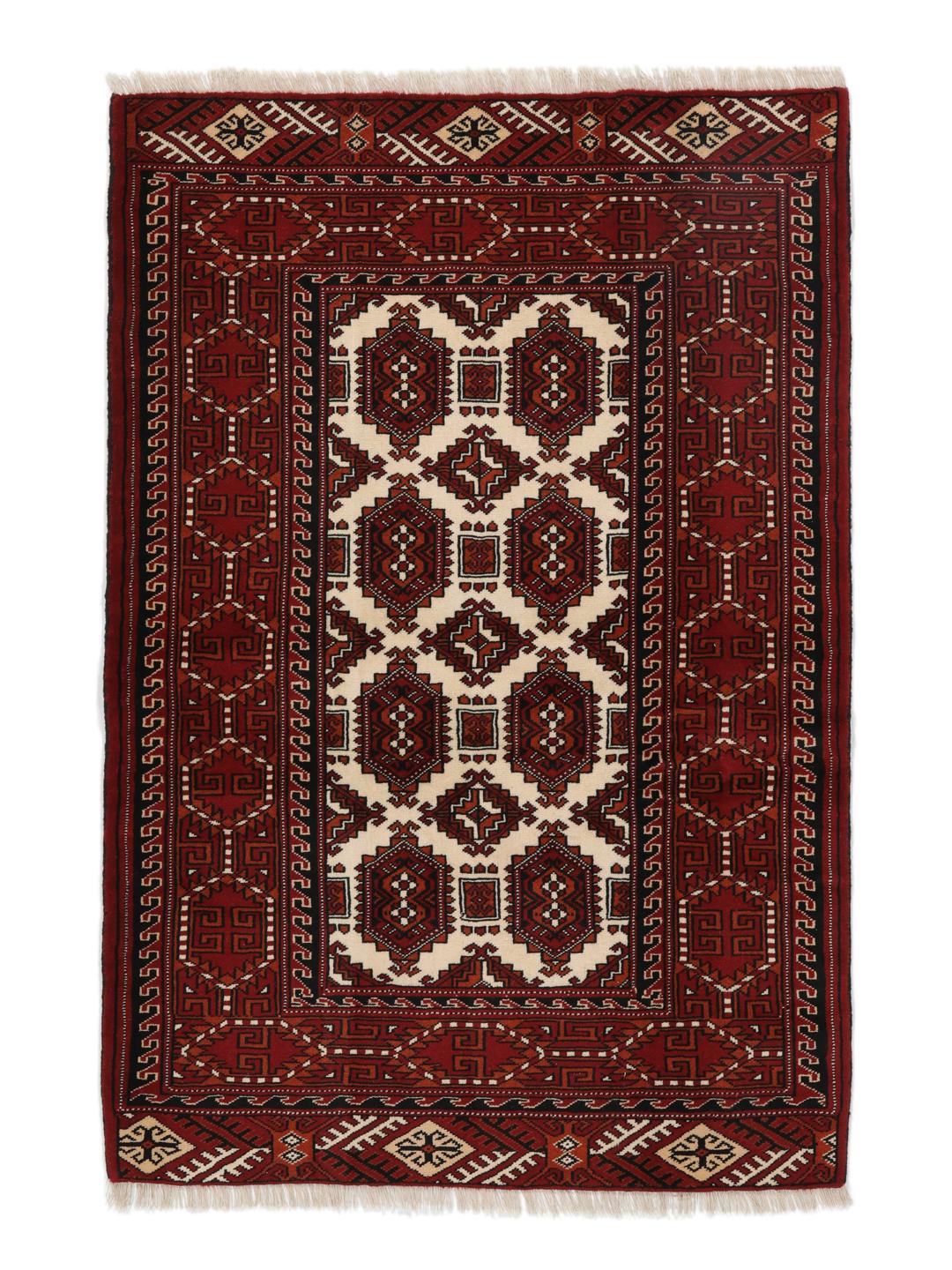
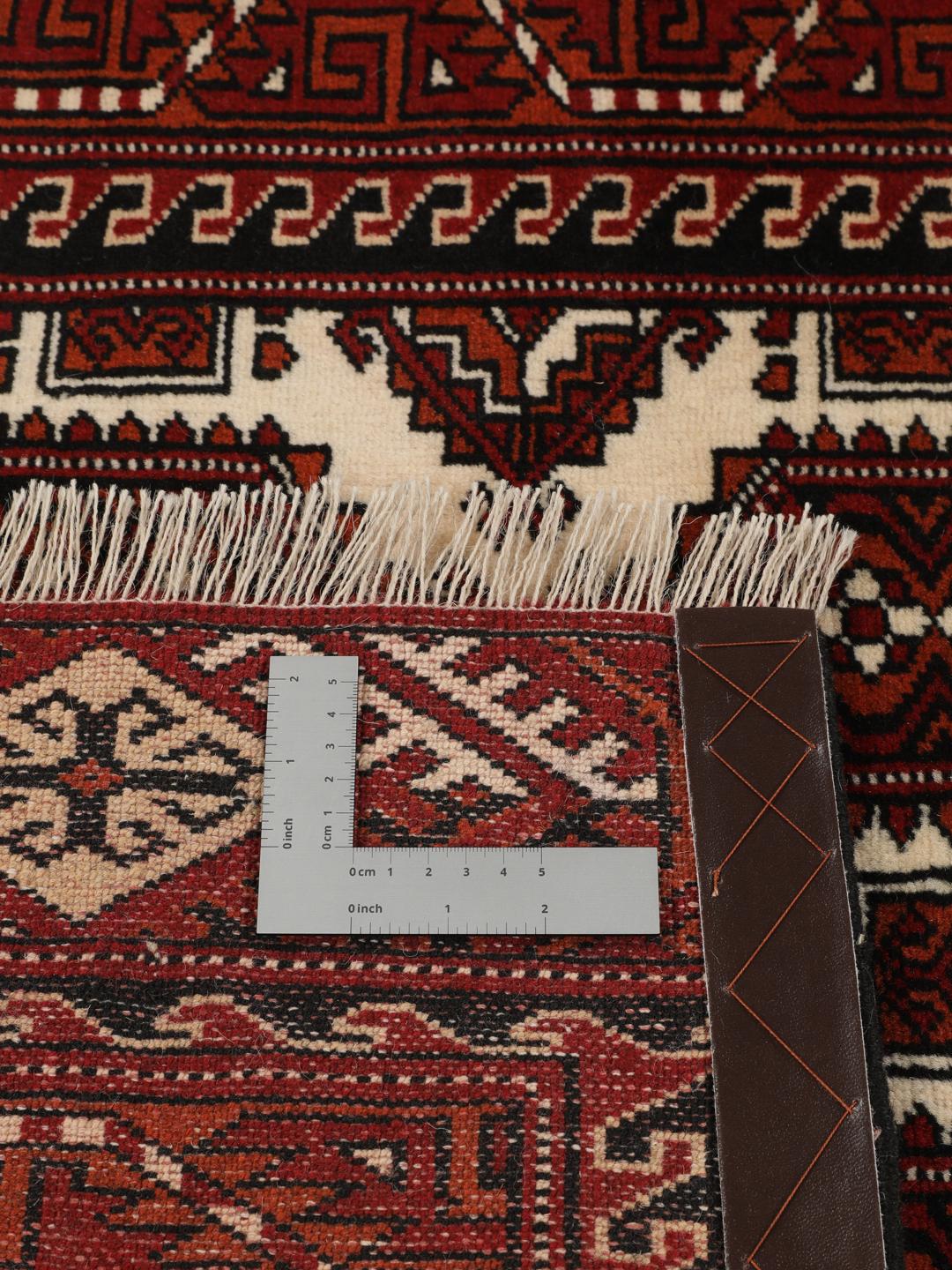
Turkaman rugs originate from the nomadic tribes of the Middle East, a region with a deep-rooted history of weaving that spans centuries. These rugs were traditionally created as functional items for nomadic life, used as floor coverings, tent decorations, and transport bags. Over time, the designs evolved into the sophisticated, highly prized pieces we recognise today, reflecting a migration of skill and artistic expression across the region.
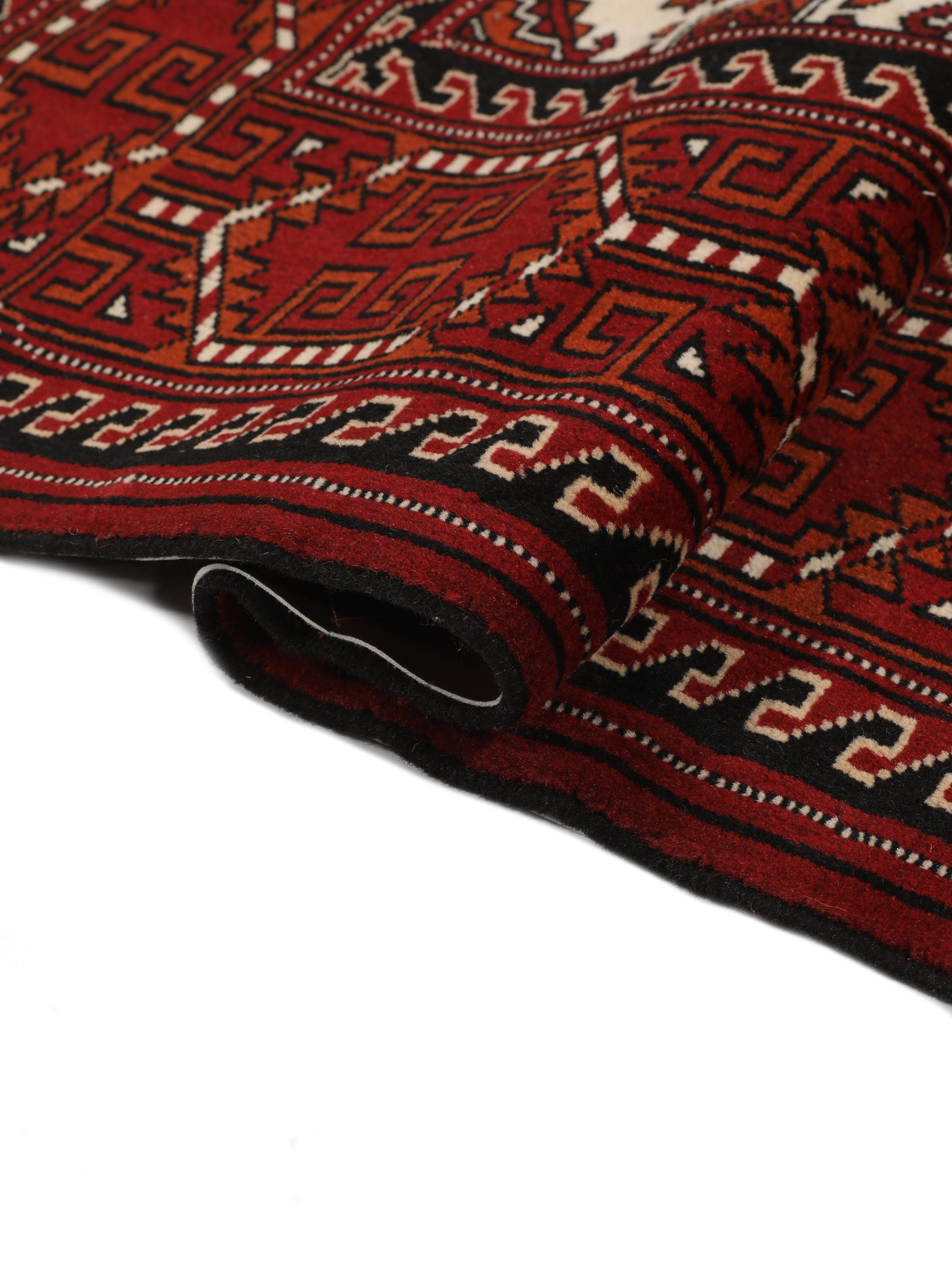
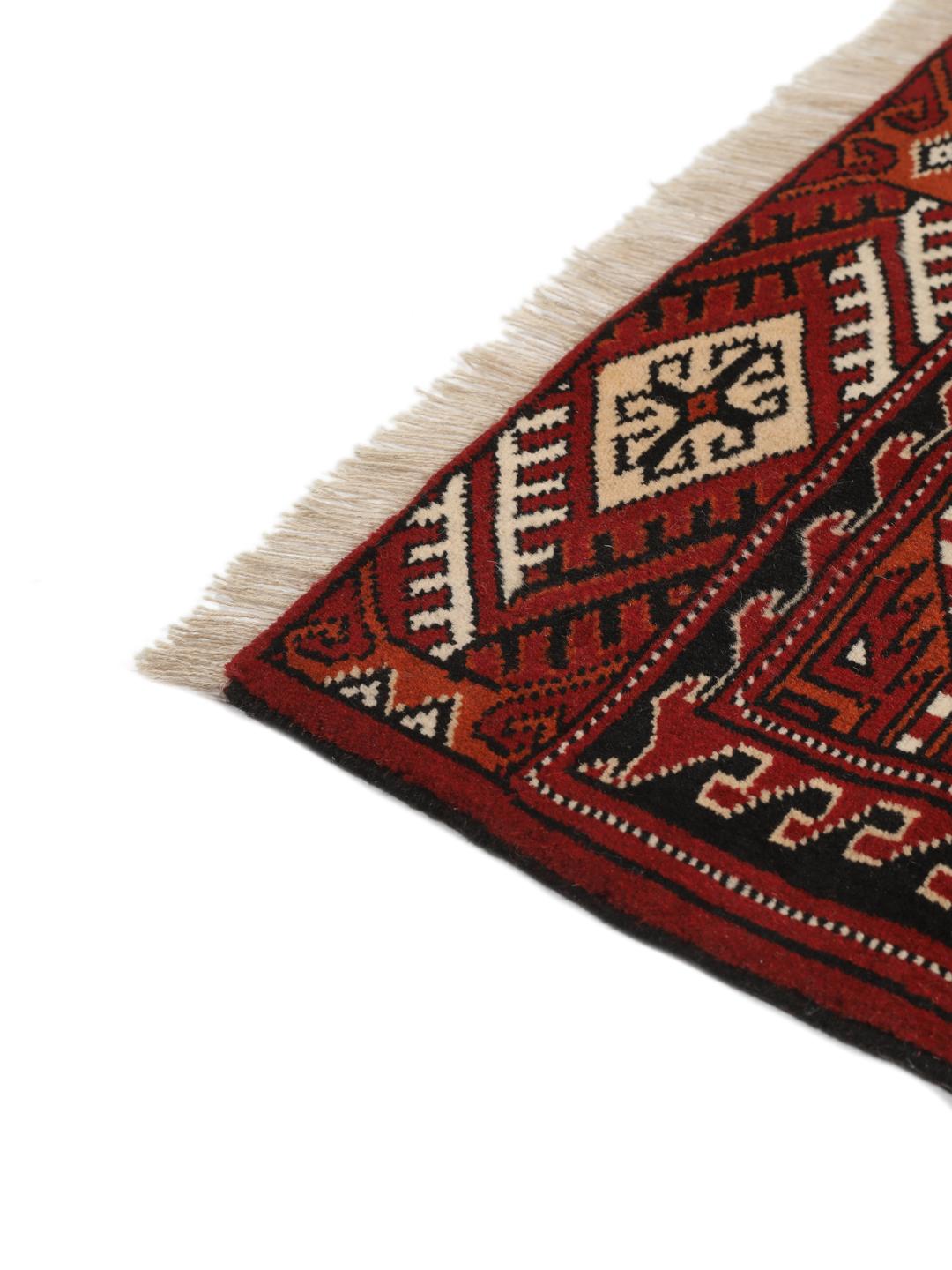
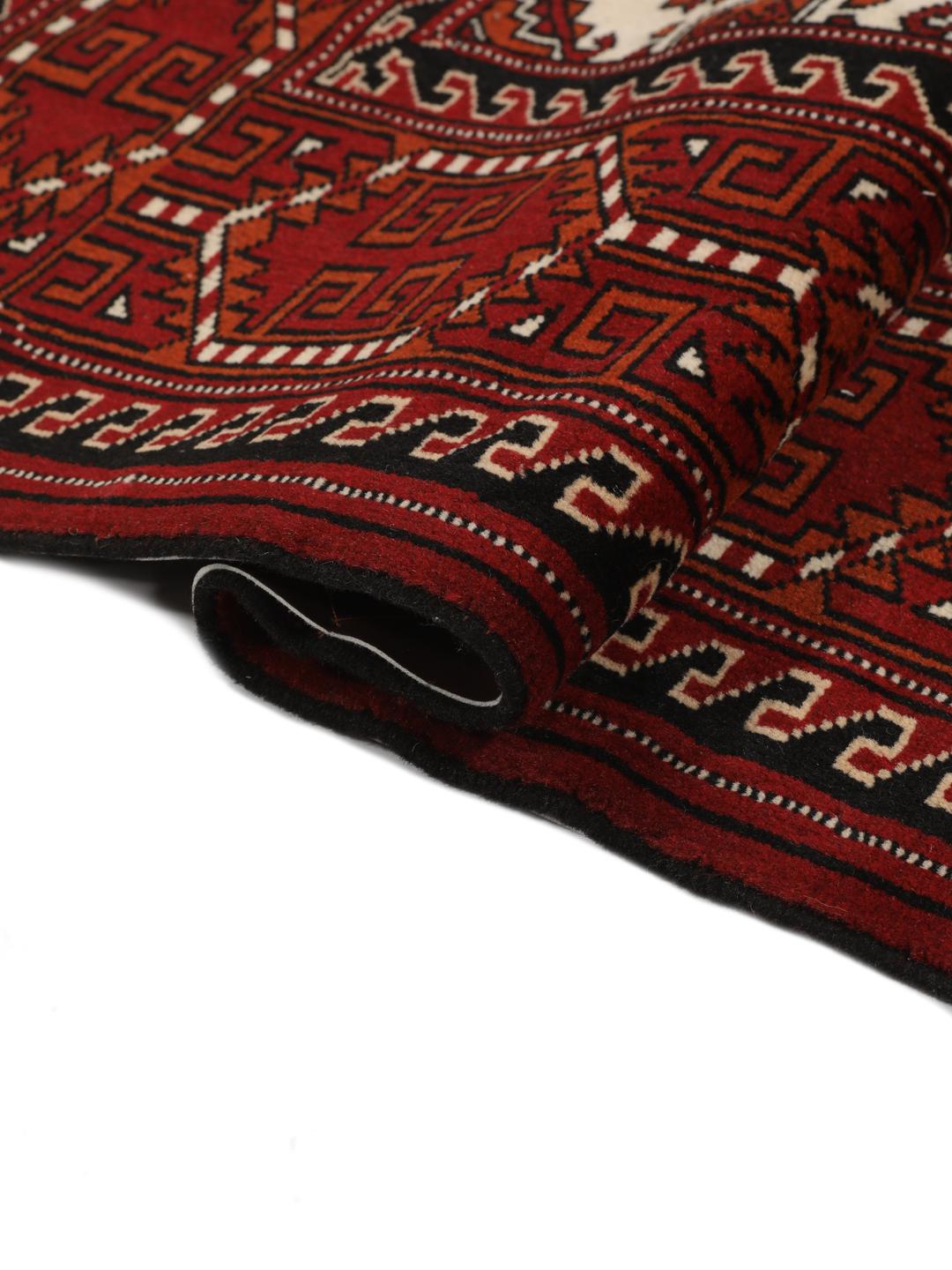
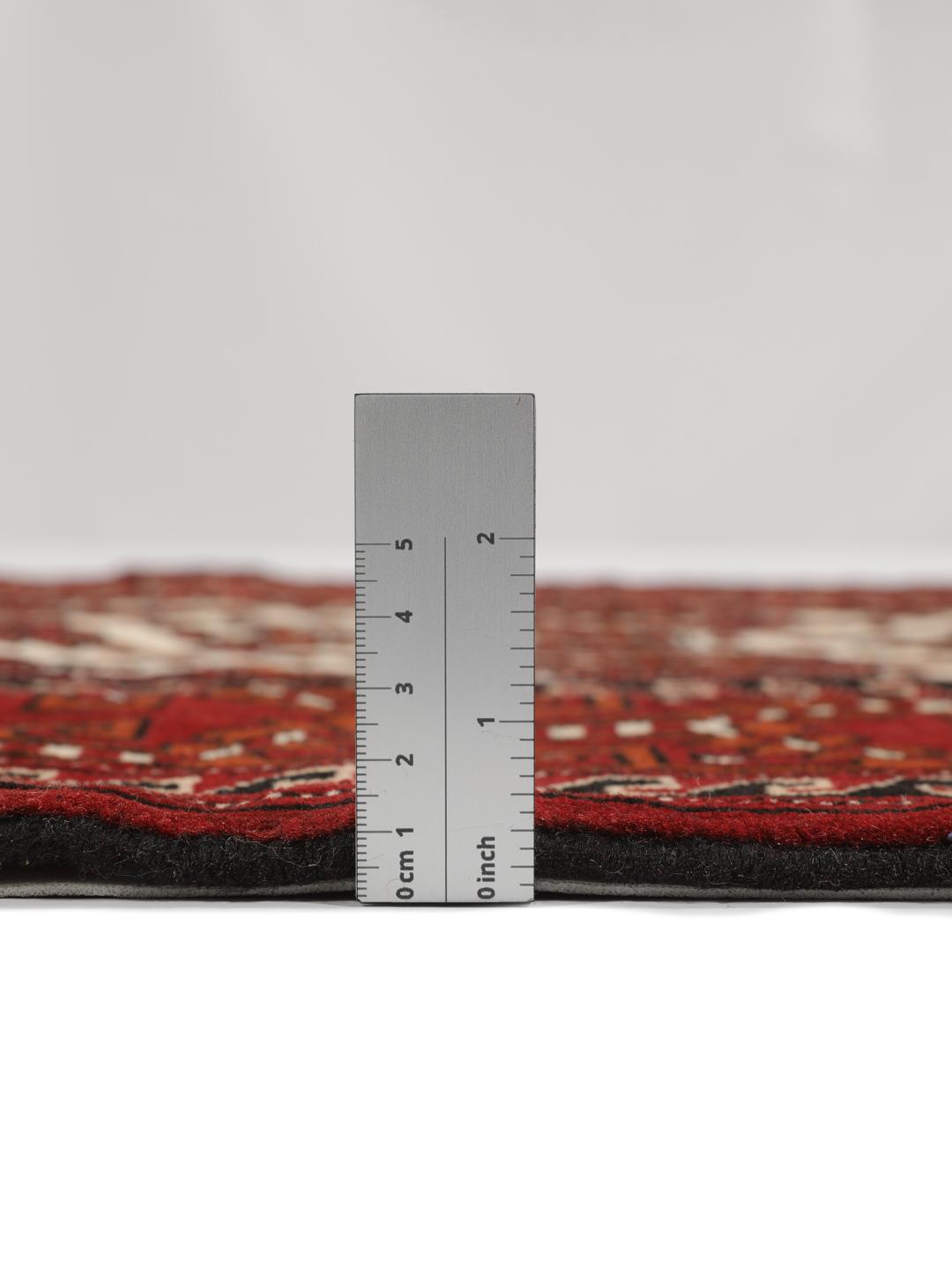
The term Turkaman refers to the specific tribal traditions that define the rug's construction and aesthetic. These rugs are known for their robust build, often featuring a dense pile that provides excellent insulation against the elements. The technical skill involved in achieving such consistency in the weave is a hallmark of the tradition, demonstrating a sophisticated understanding of tension and material management that has been passed down through generations.
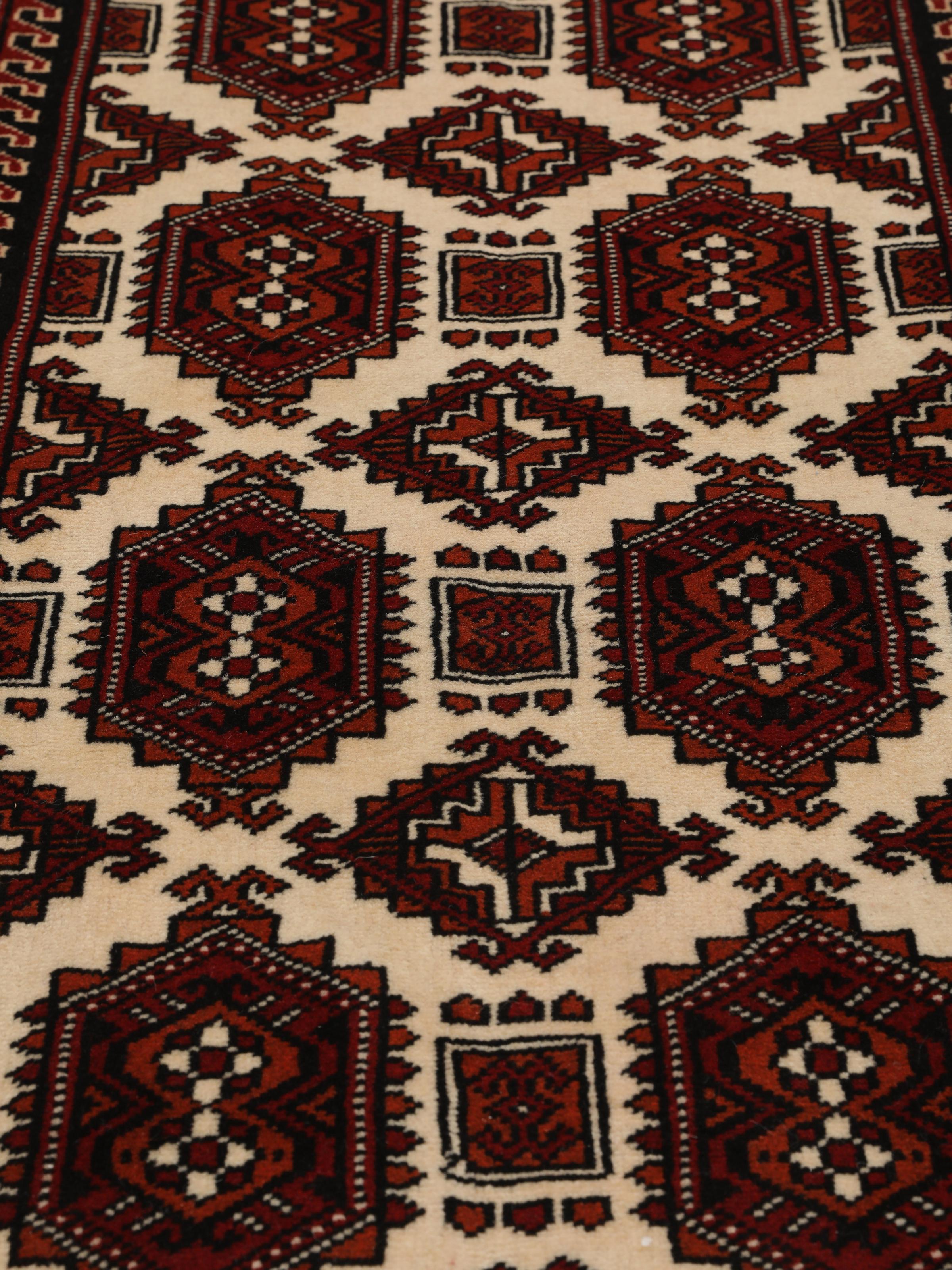
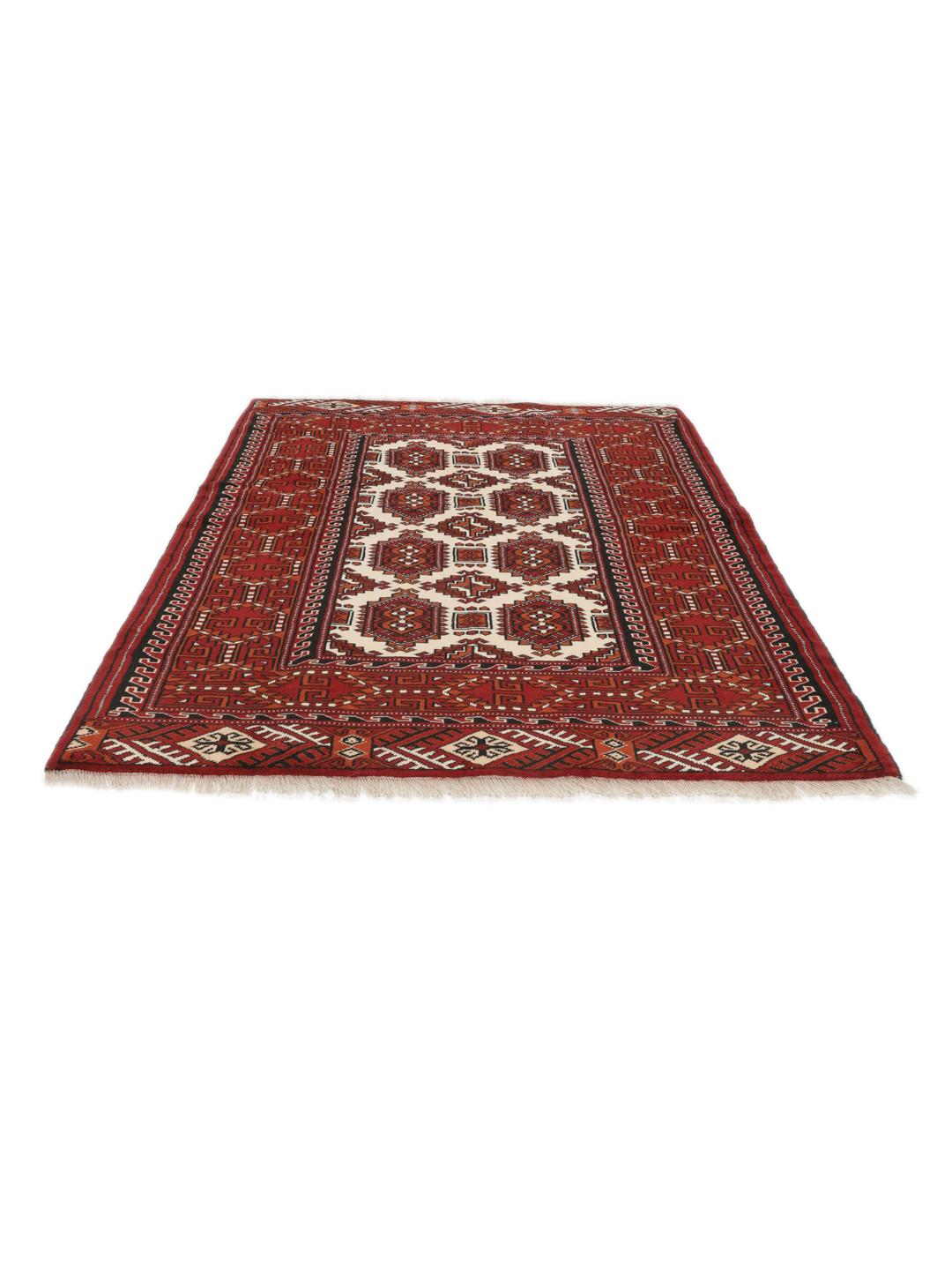
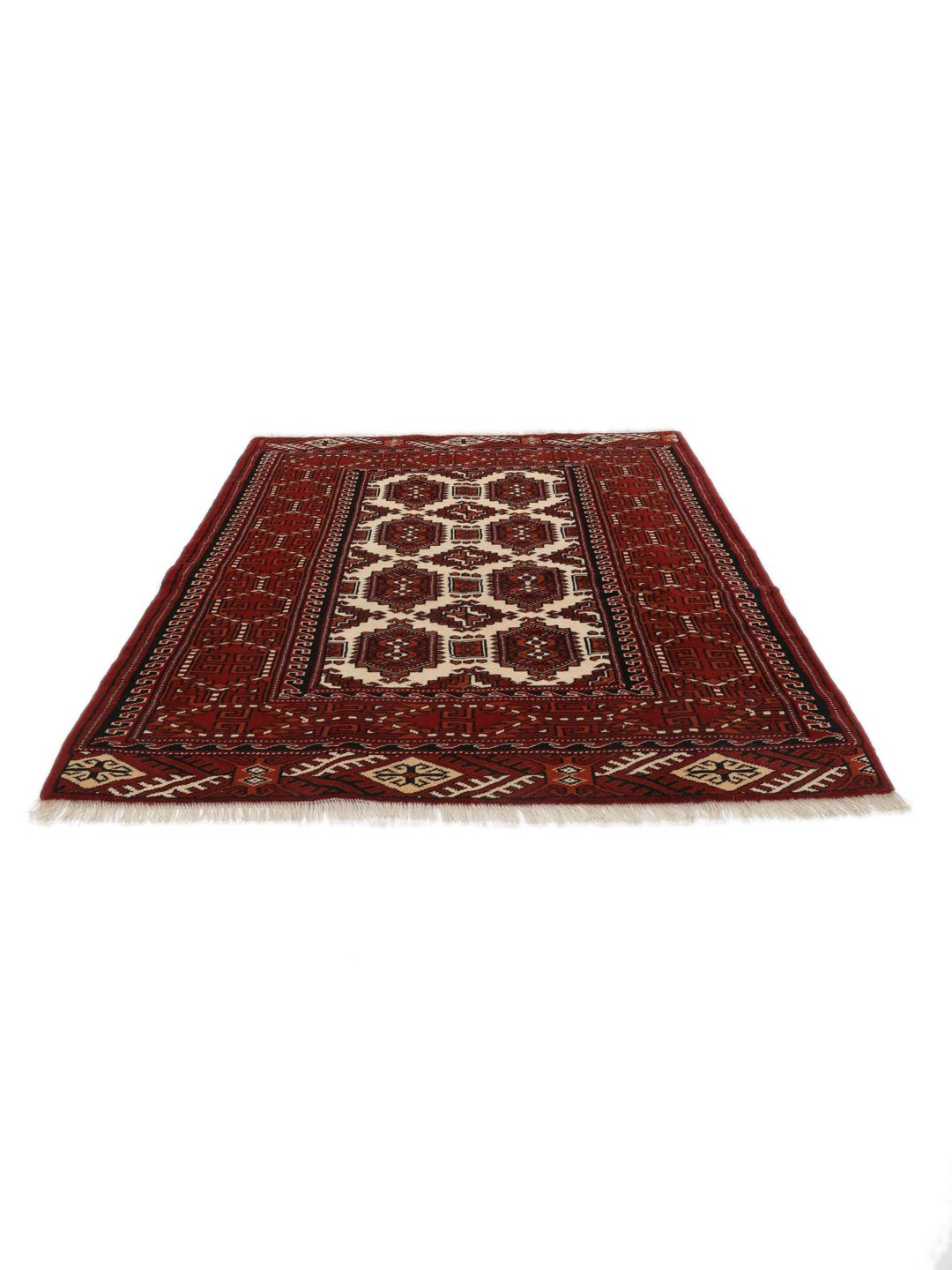
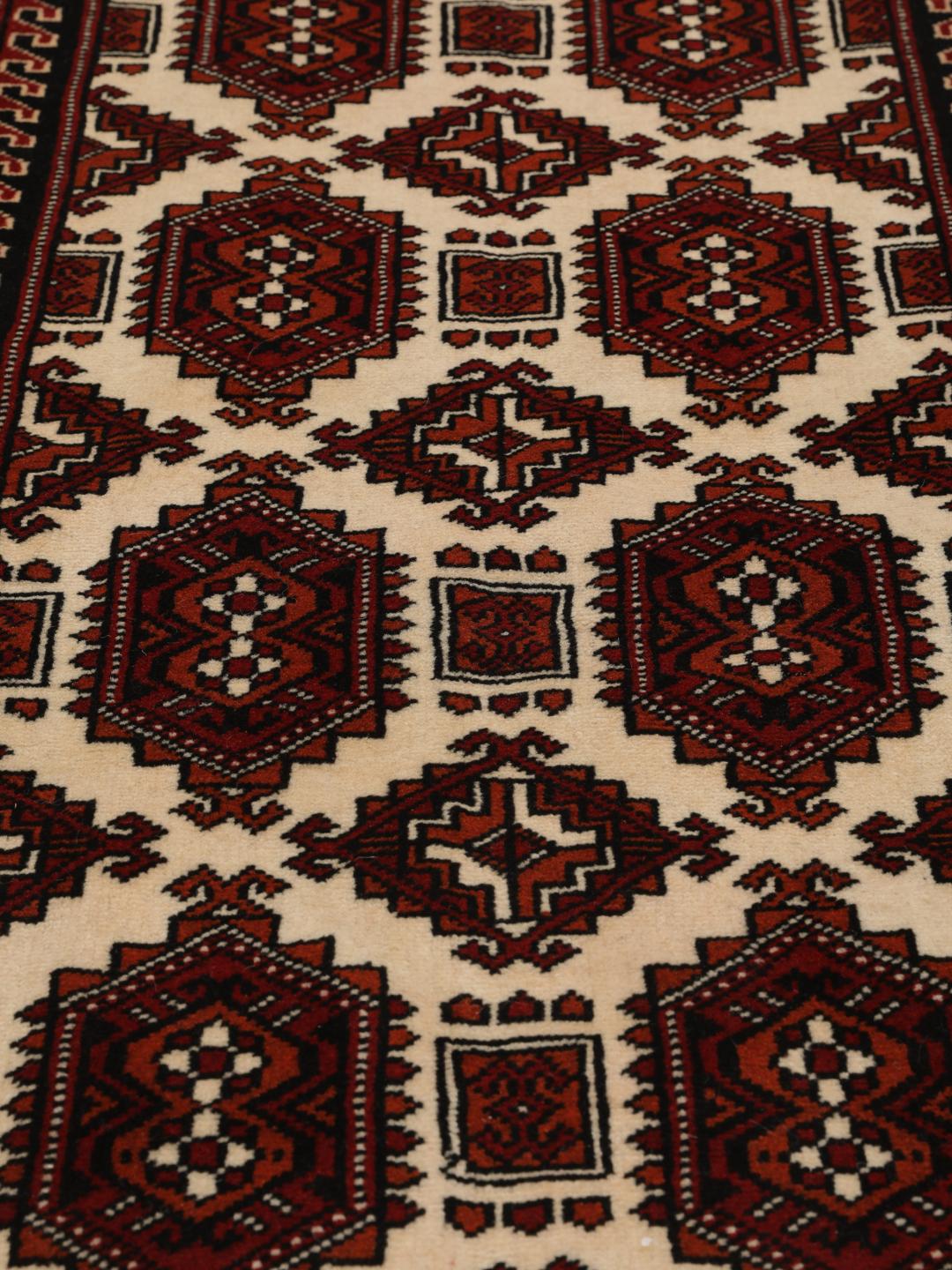
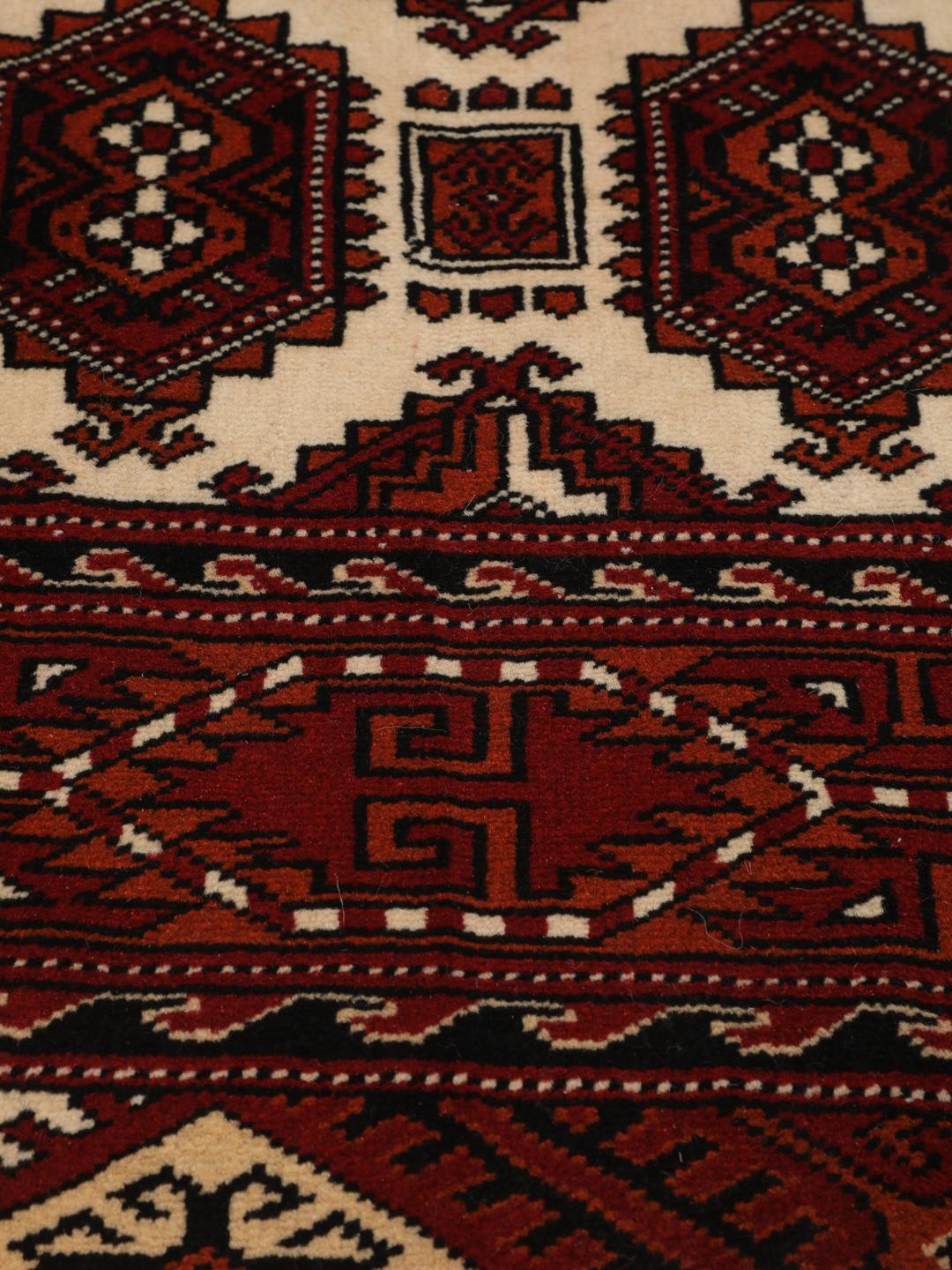
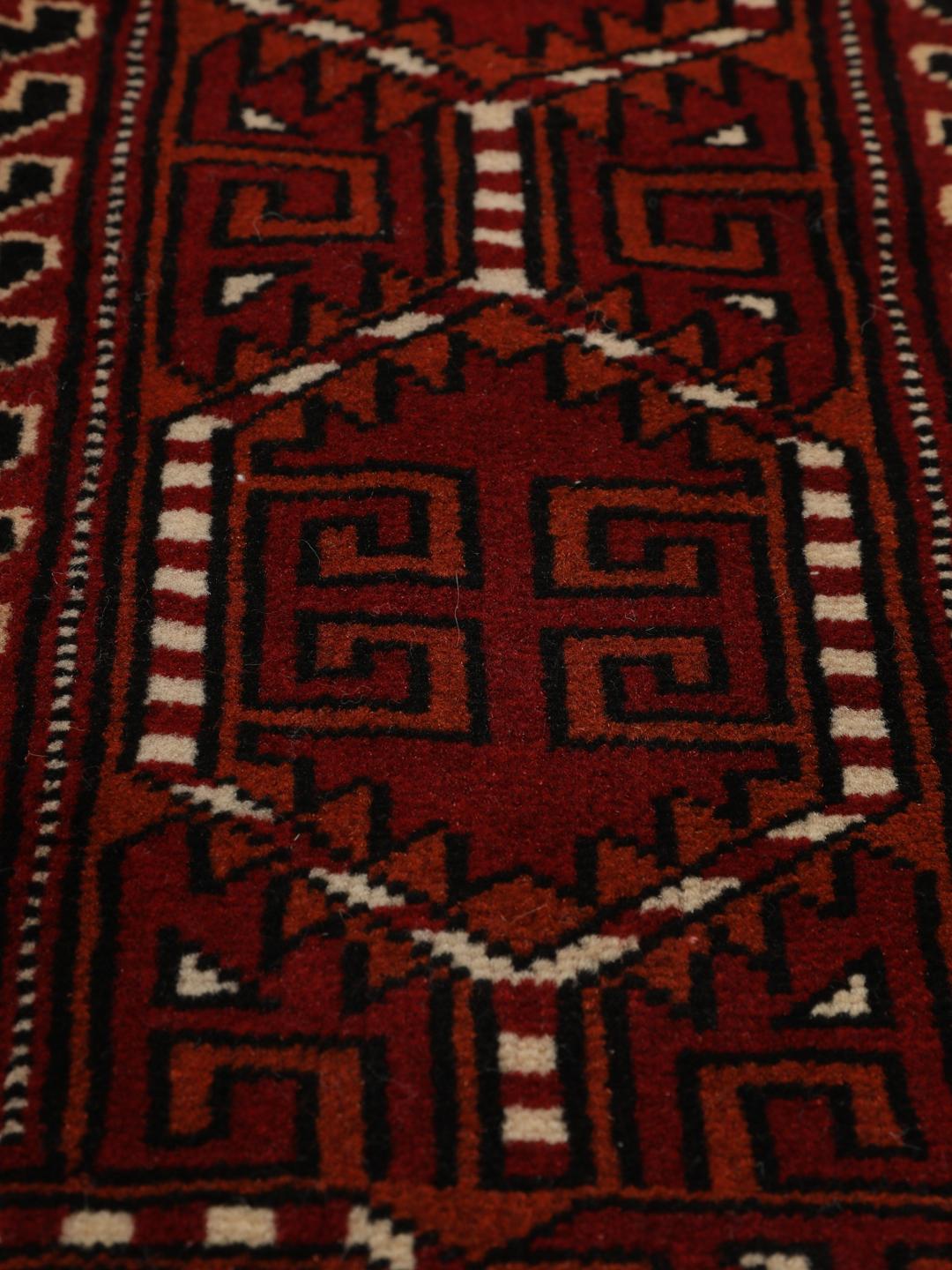
Visually, these rugs are defined by their iconic gul motifs—repeating, octagonal medallions that often represent tribal identity or historical symbols. The field is typically dominated by rich, earthy shades of red, contrasted with ivory or dark geometric lines that provide structure and focus. The formal, repeating borders frame these medallions, creating a harmonious and balanced composition that is instantly recognisable to collectors and enthusiasts alike.
Owning a Turkaman rug is more than just a decor choice; it is an appreciation of a heritage that values skill, patience, and cultural continuity. These pieces are highly sought after for their ability to bring a sense of groundedness and timelessness to a modern home. By acquiring one, you are participating in a long-standing tradition of craftsmanship, ensuring that the legacy of these nomadic weaving techniques continues to thrive in your personal space.