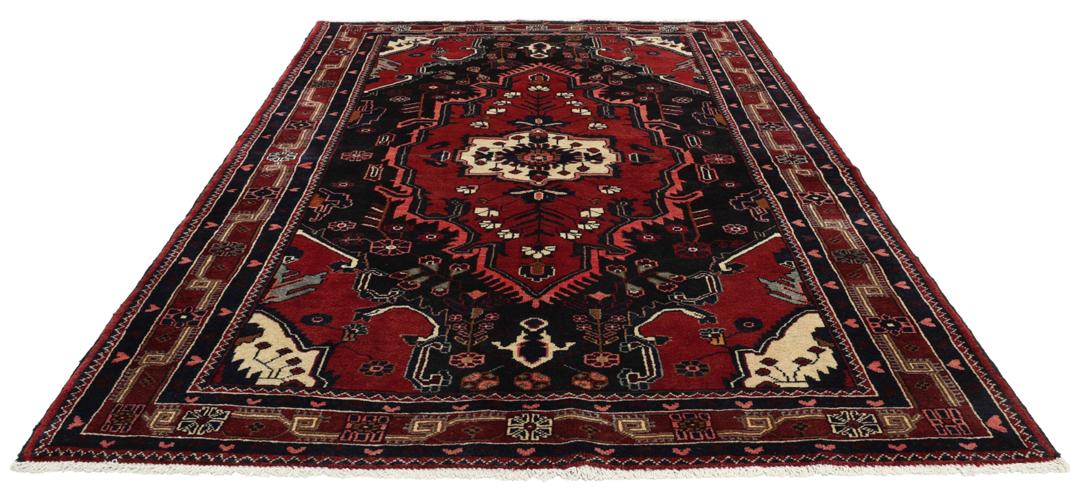
Toiserkan rugs originate from a town located near the Hamadan region in the Middle East, an area world-renowned for its long-standing history of village weaving. These rugs are deeply rooted in the cultural life of the local communities, where weaving techniques have been passed down through generations, maintaining a distinct regional identity that favours bold, geometric aesthetics.
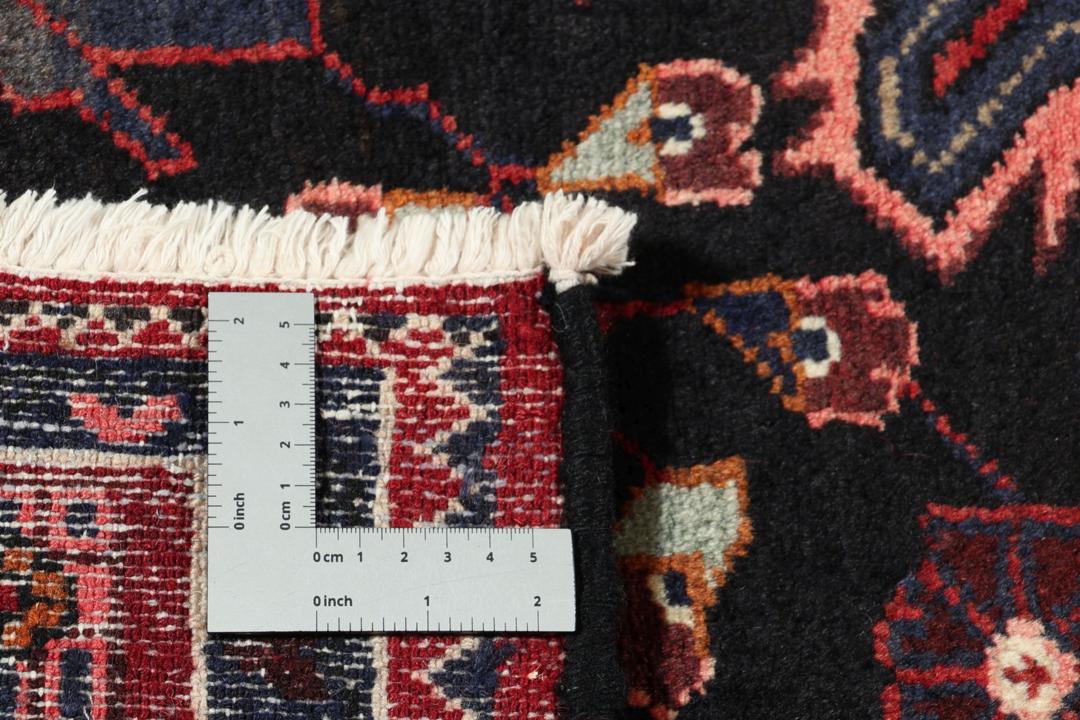
The term Hamadan, which encompasses the Toiserkan style, refers to a wide variety of village-made rugs that share a common foundation and regional heritage. While designs can vary from village to village, they are united by their practical, hearty construction and a tendency to use local, high-quality wool that is known for its durability and sheen.
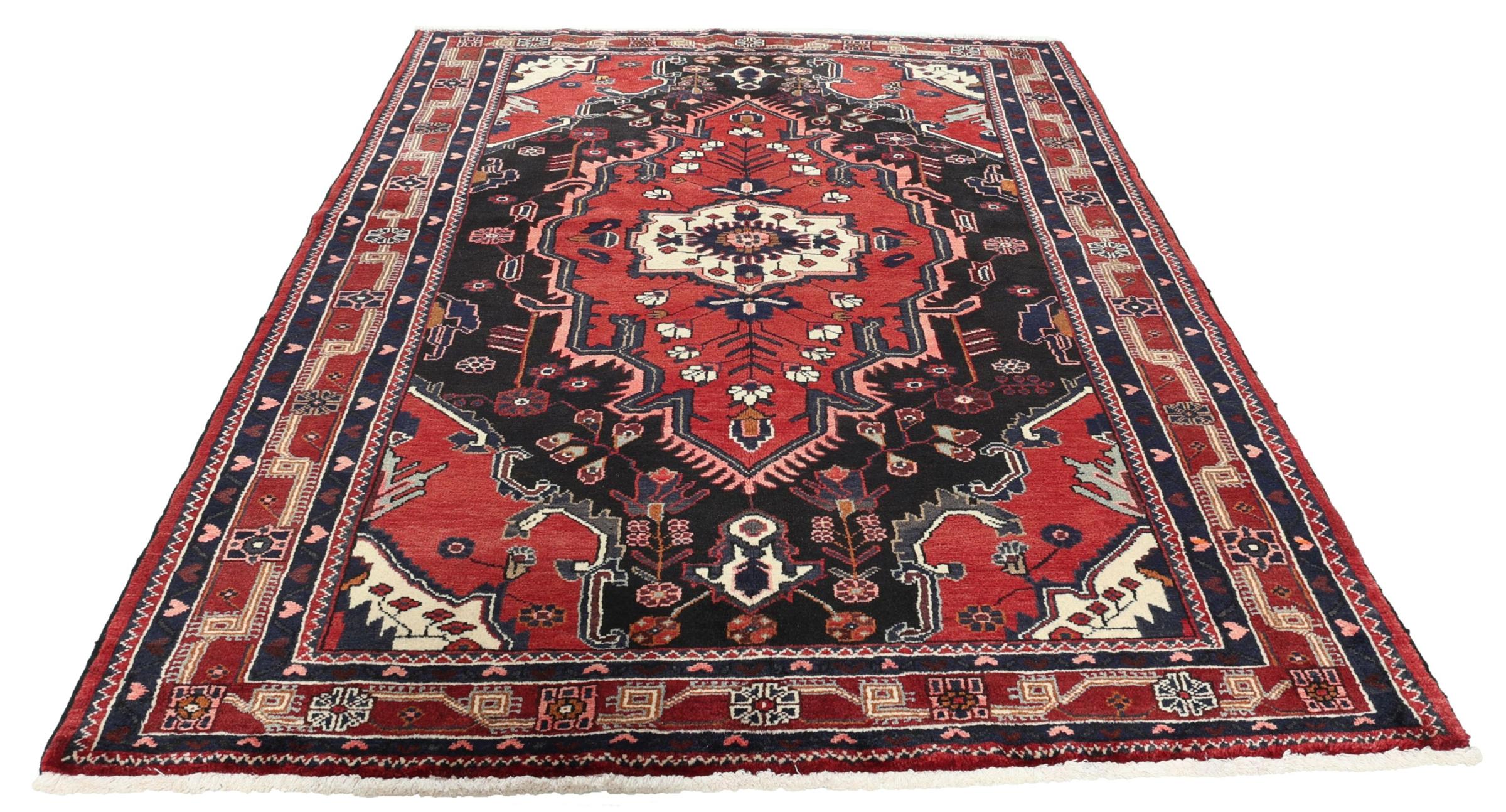
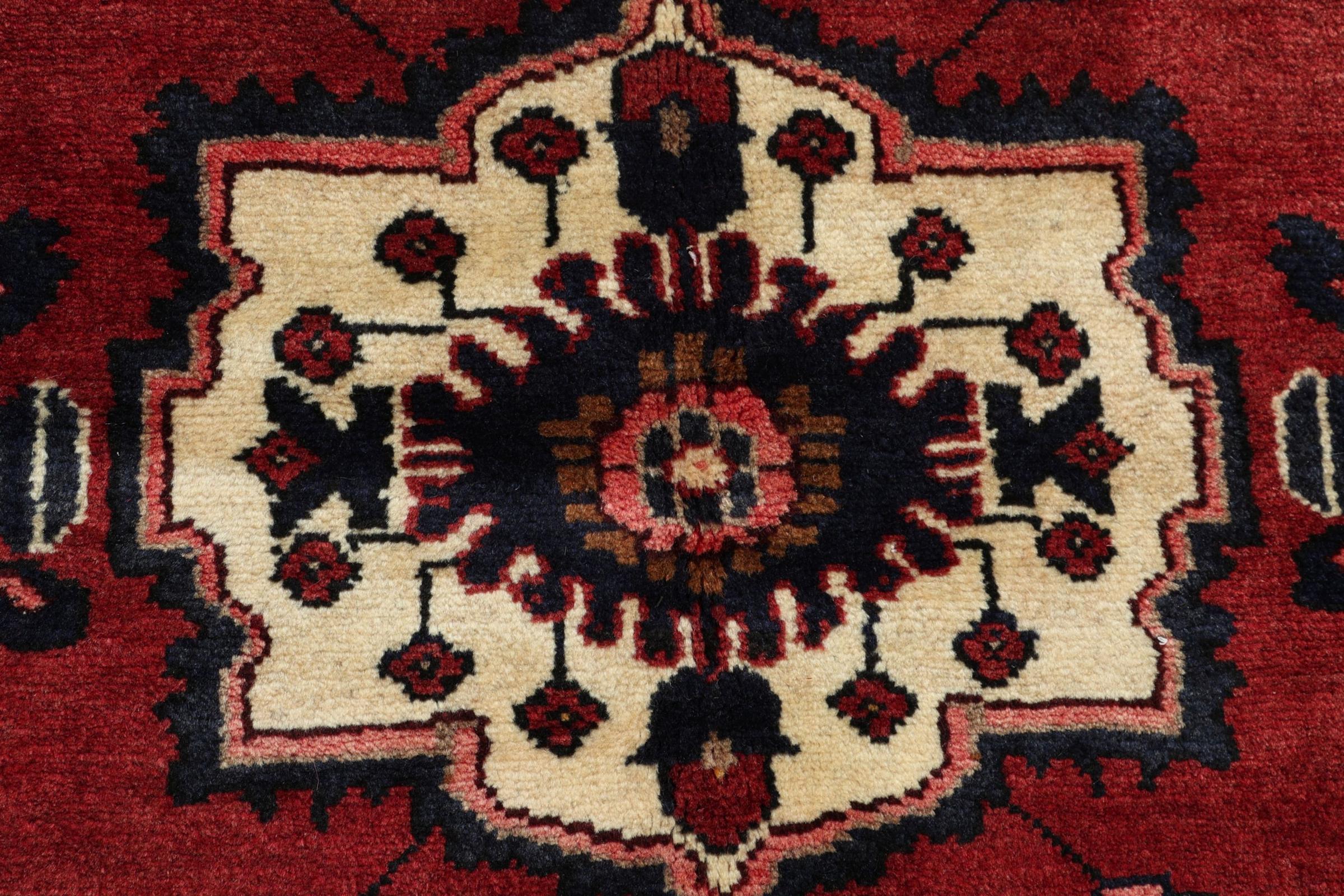
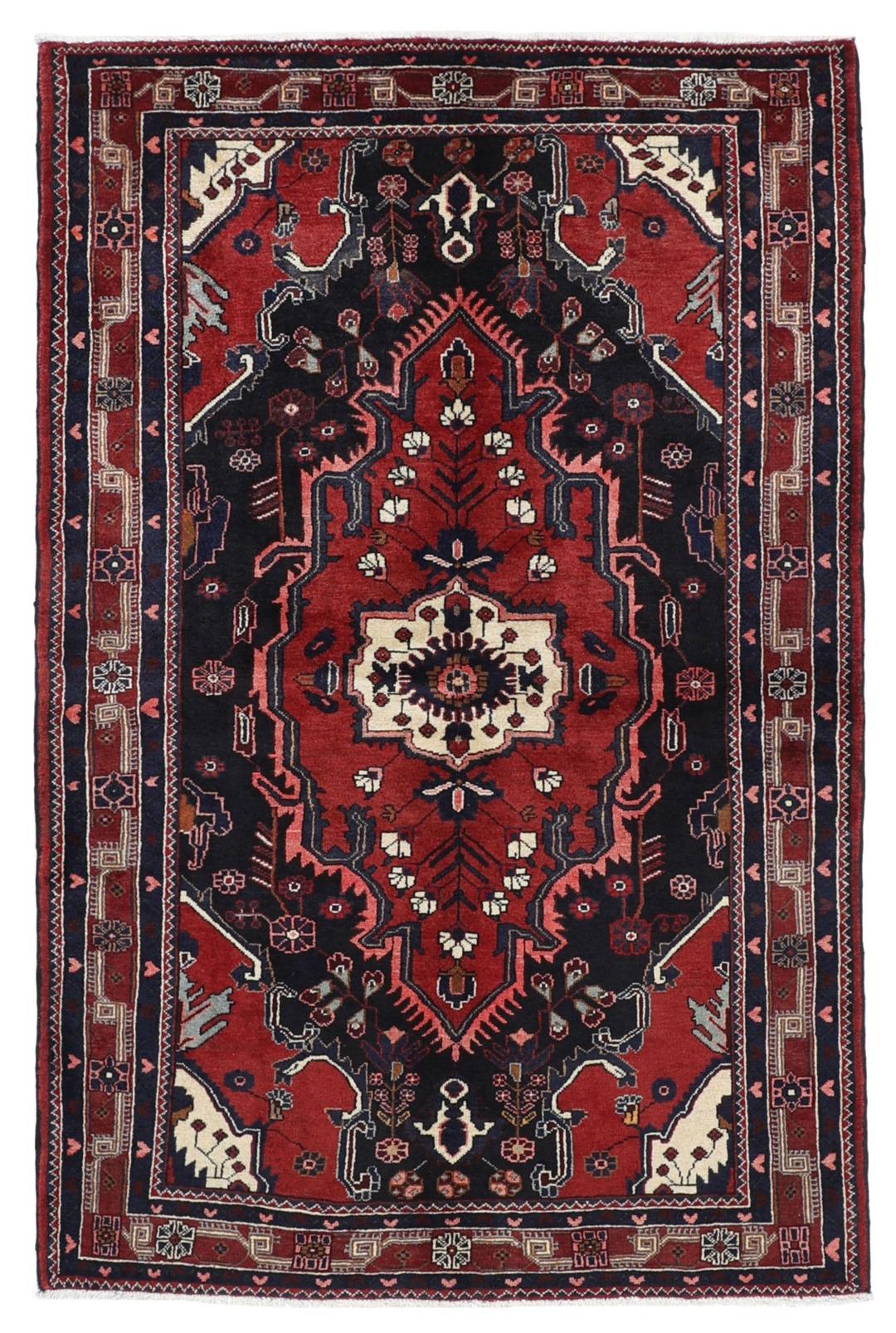
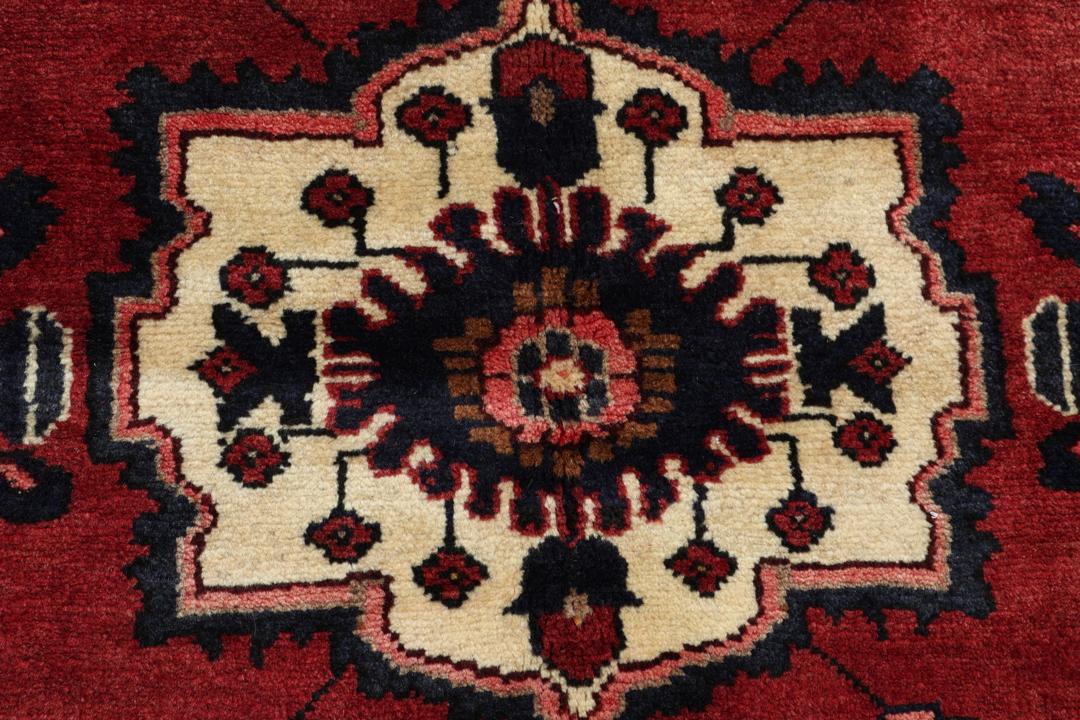
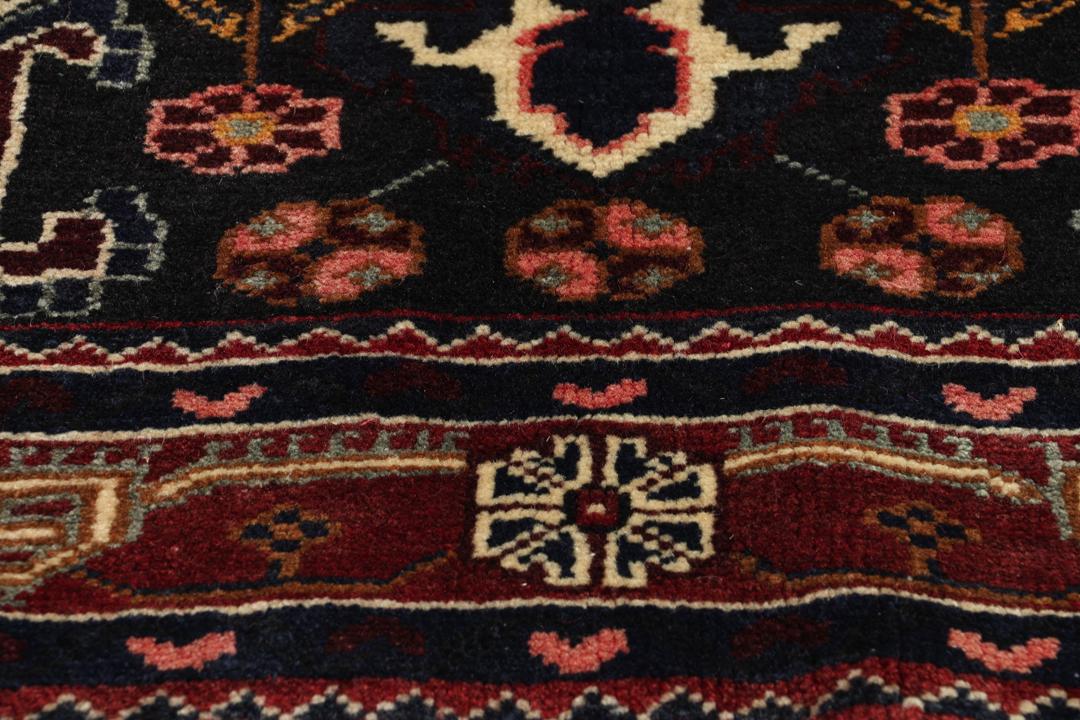
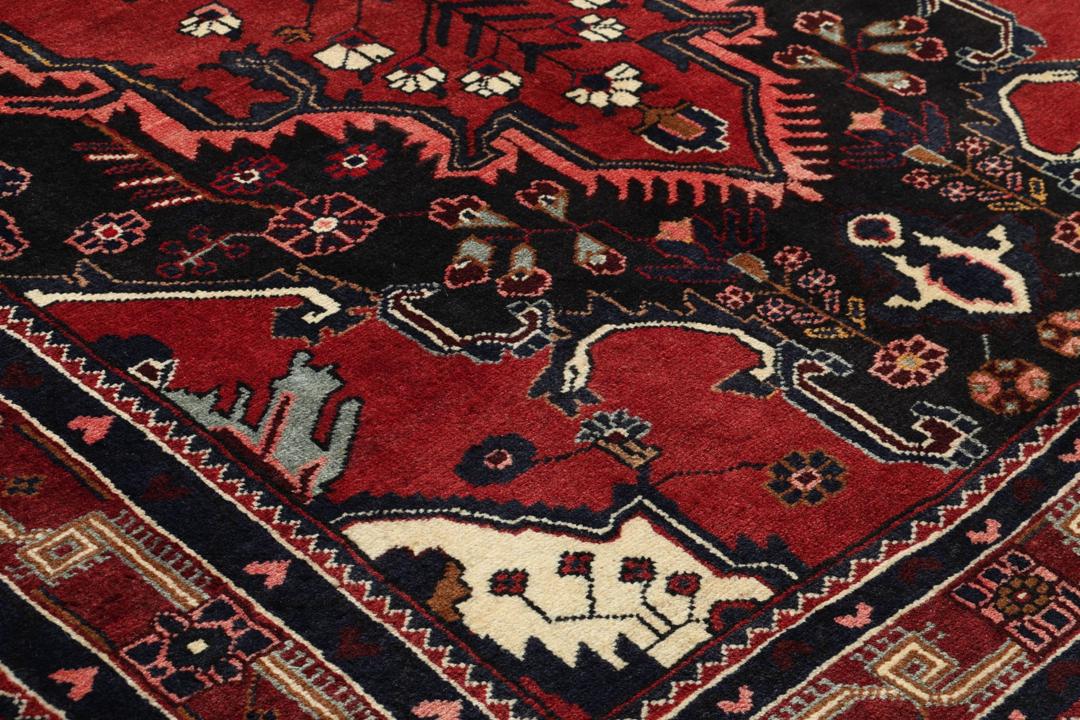
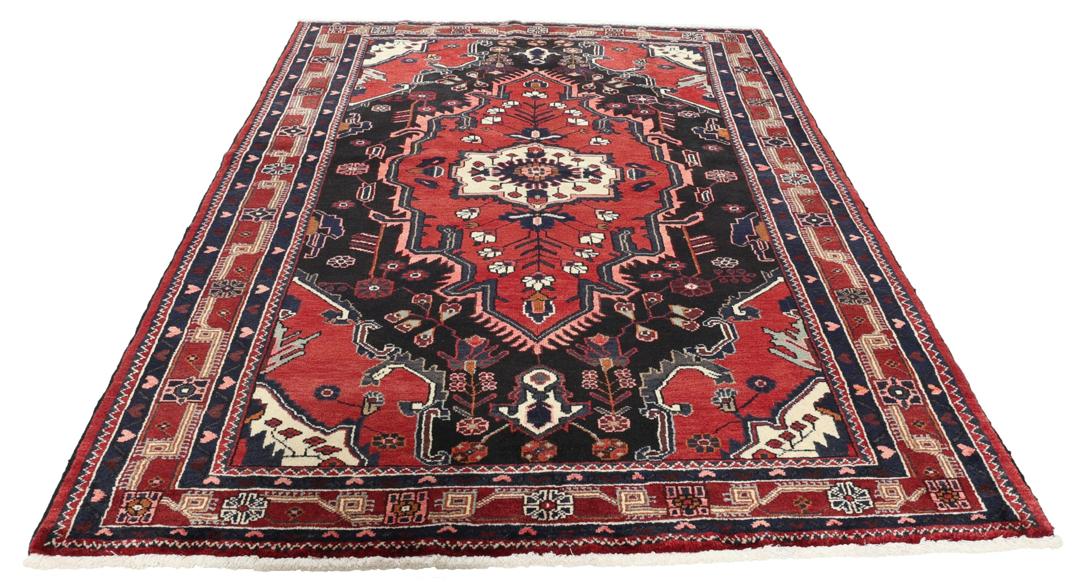
Visually, these rugs are defined by their strong geometric motifs, often featuring a central medallion surrounded by stylised floral or tribal elements. The borders are typically formal and structured, creating a balanced frame for the more expressive and spontaneous work found in the central field. It is common to see these rugs utilise a dark, earthy, or rich red palette that provides a sense of warmth and tradition.
Collecting a Toiserkan rug is a way to preserve a piece of living history. These rugs are highly valued not only for their aesthetic beauty but for the human effort and cultural heritage they represent. By bringing one into your home, you are choosing an object of genuine skill that values the connection between the maker and the user.