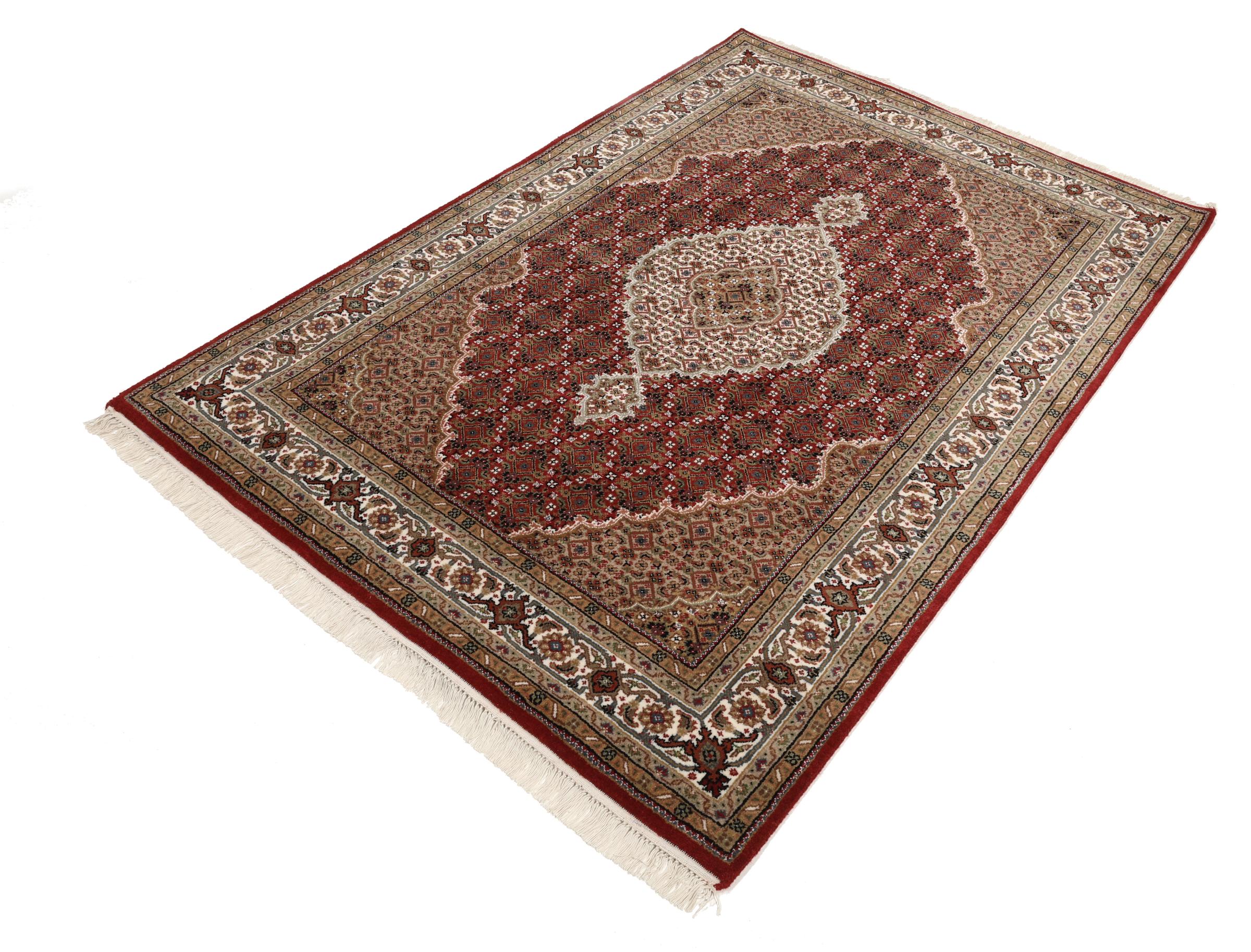
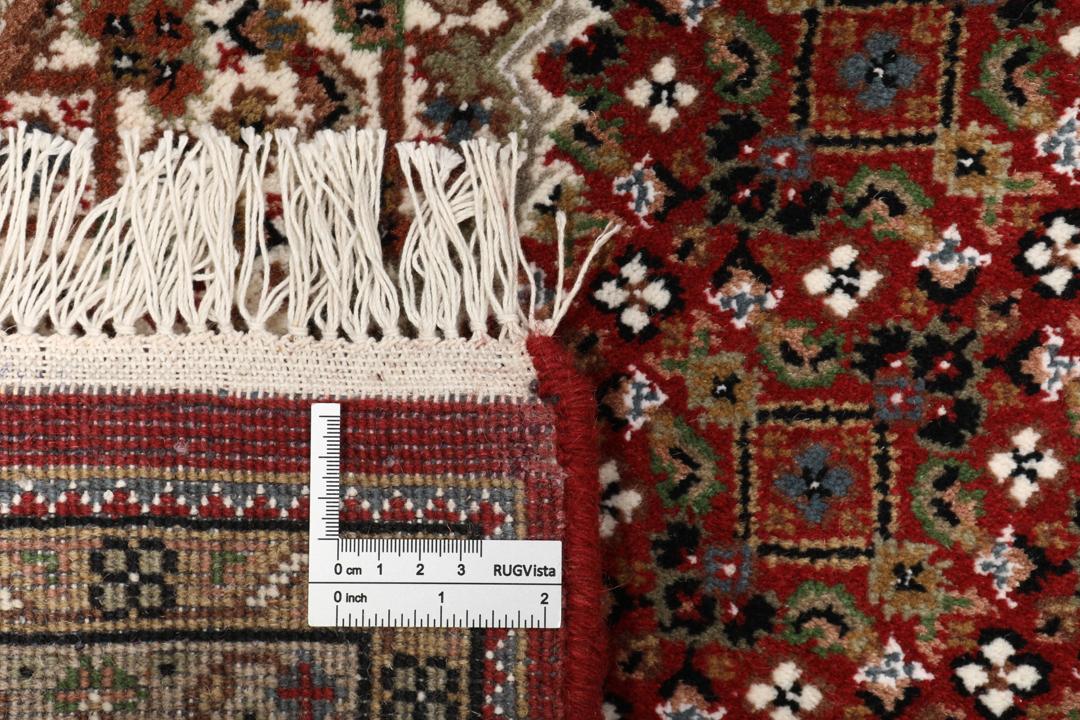
The Tabriz tradition originates from the historic city of Tabriz in the Middle East, a centre of culture and commerce that has long been a focal point for the world's most sophisticated textile arts. While these rugs were historically woven in the region's royal workshops, the tradition has travelled and evolved, finding a vibrant home in India where weavers continue to uphold the exacting standards of the original design language.
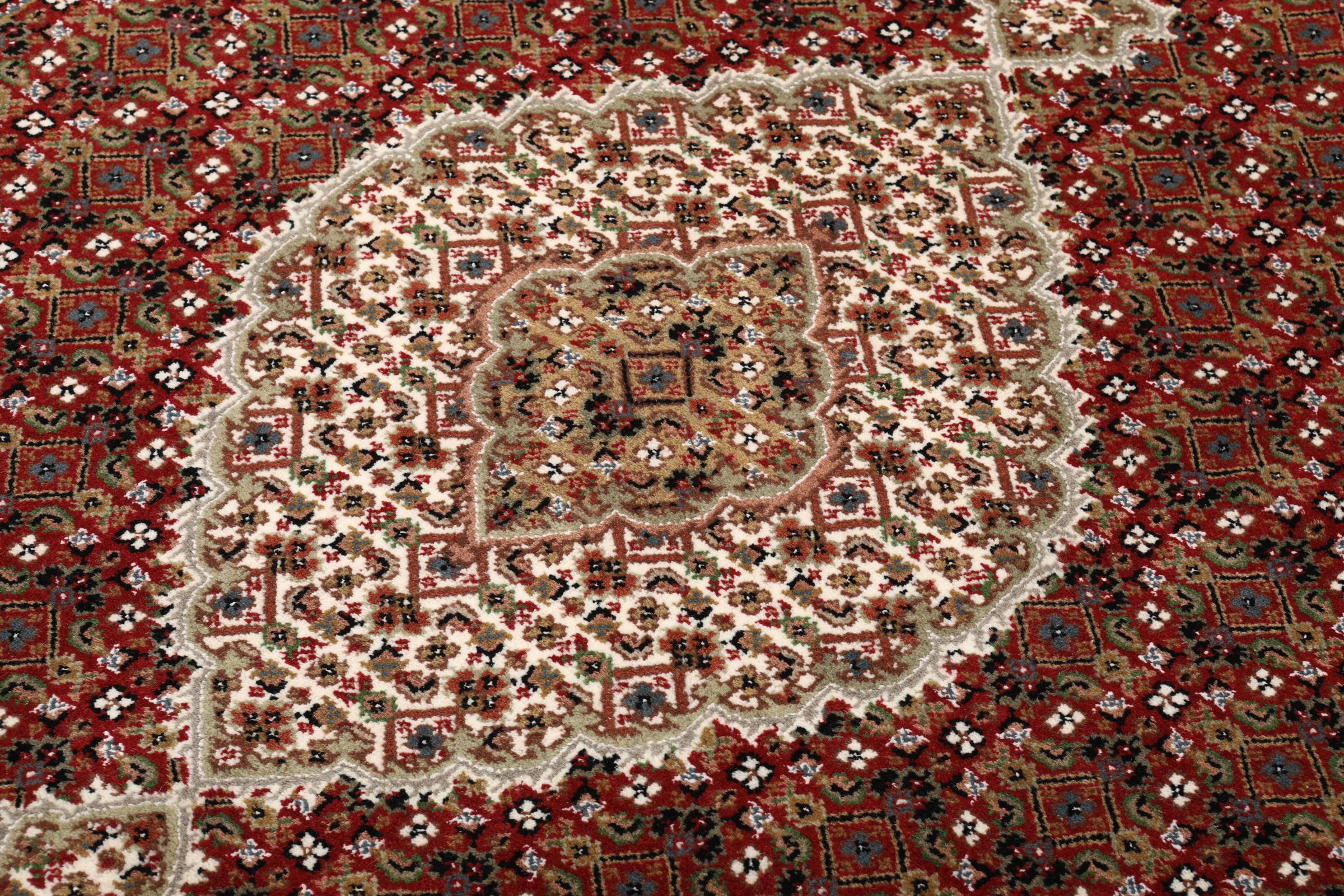
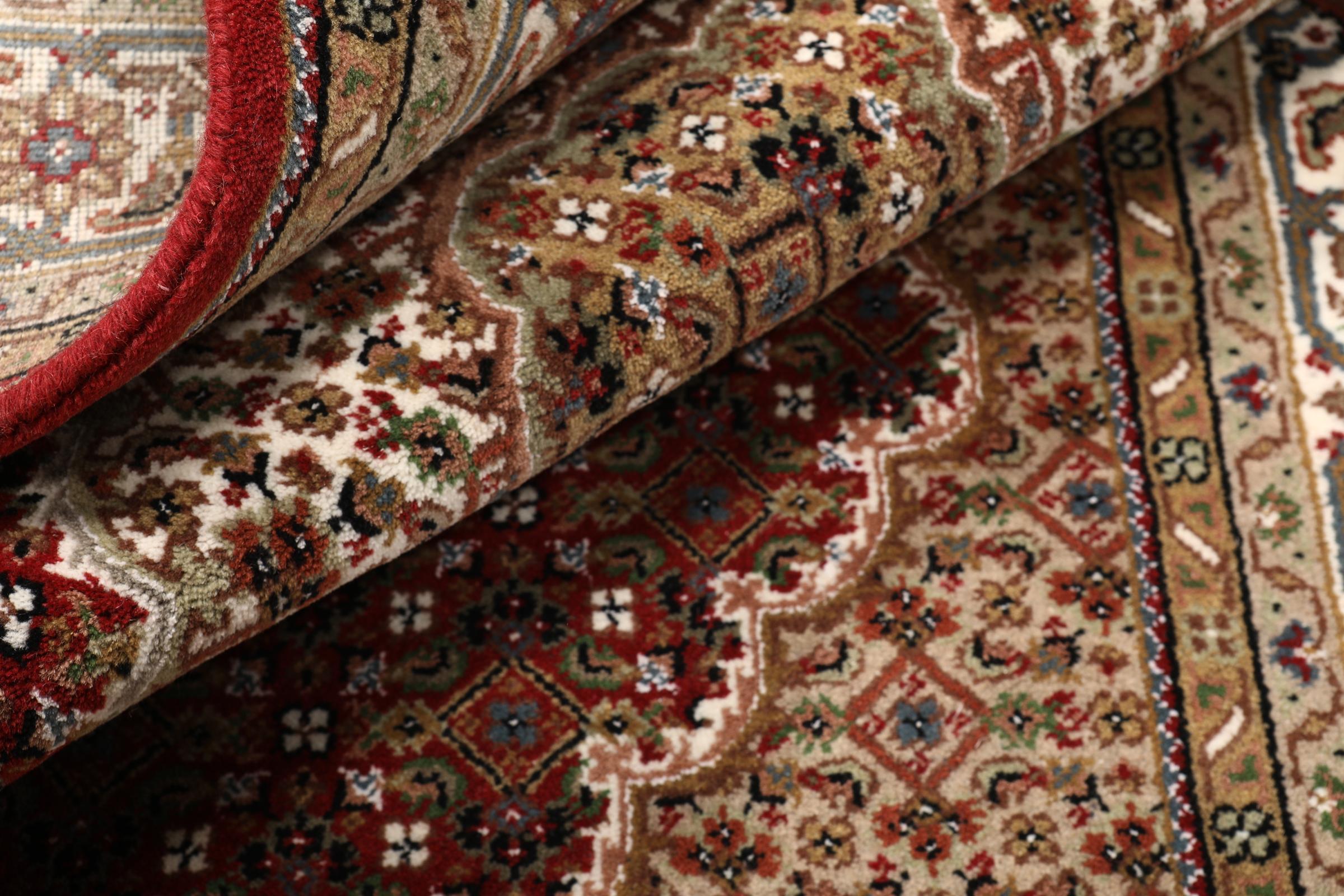
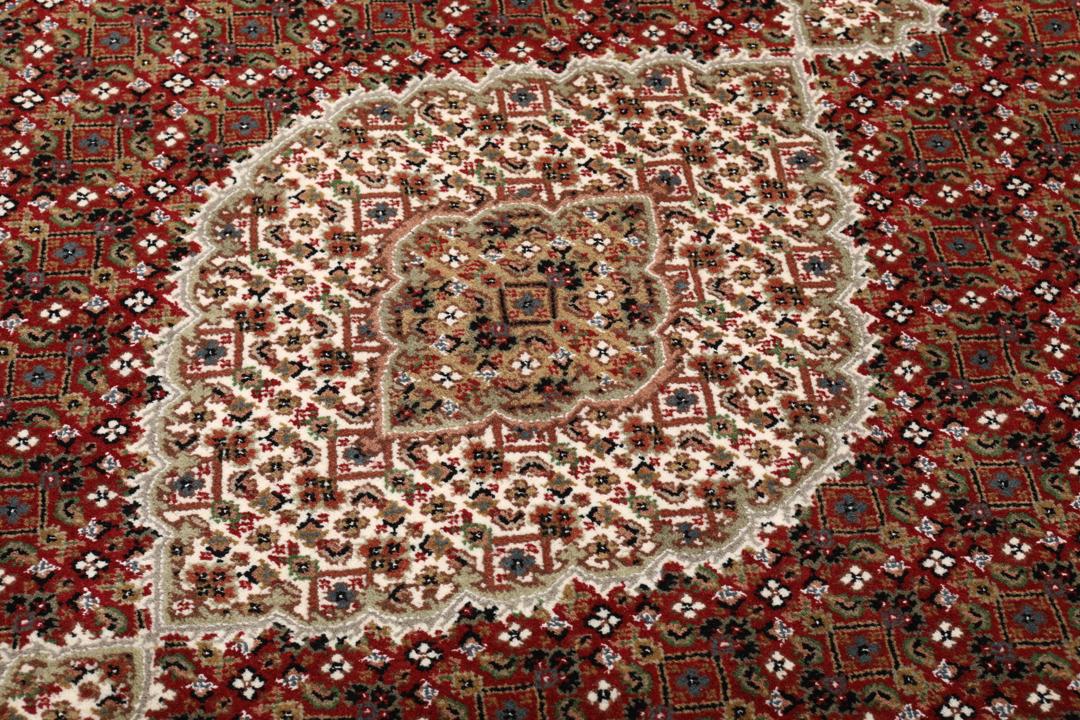
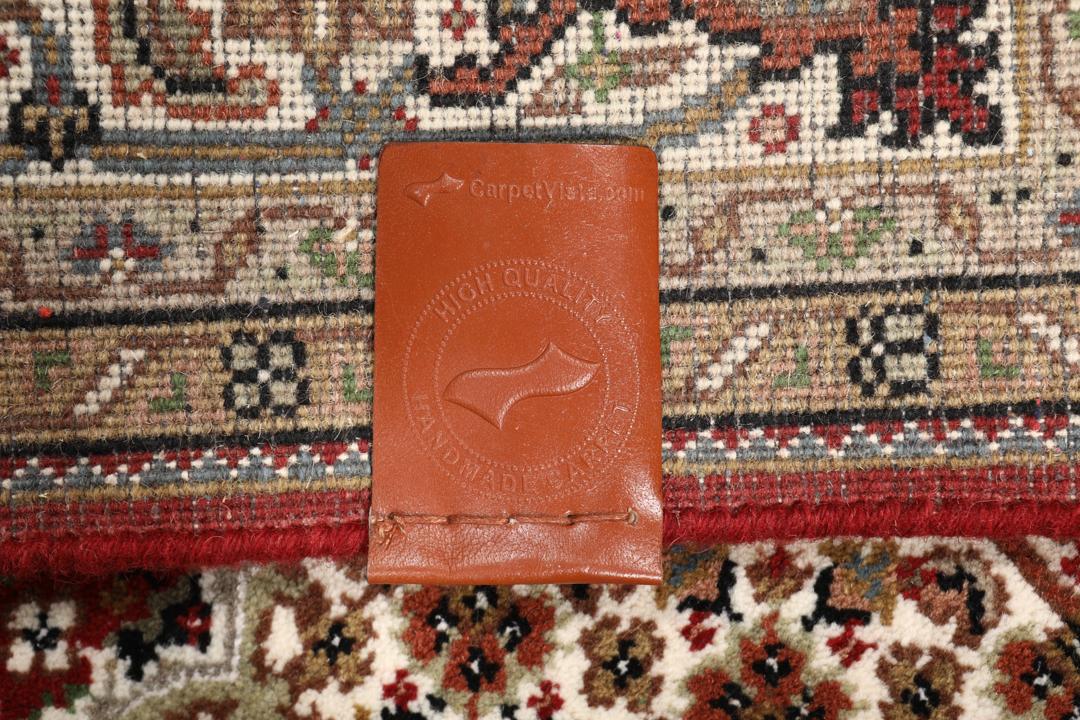
A key aspect of the Tabriz style is its technical precision. The term refers to a specific approach to knotting that allows for highly detailed, curvilinear patterns that would be impossible to achieve with more simplistic weaving methods. This technical mastery ensures that the motifs, from the central medallion to the complex corners, are rendered with a clarity that distinguishes these rugs as works of high art.
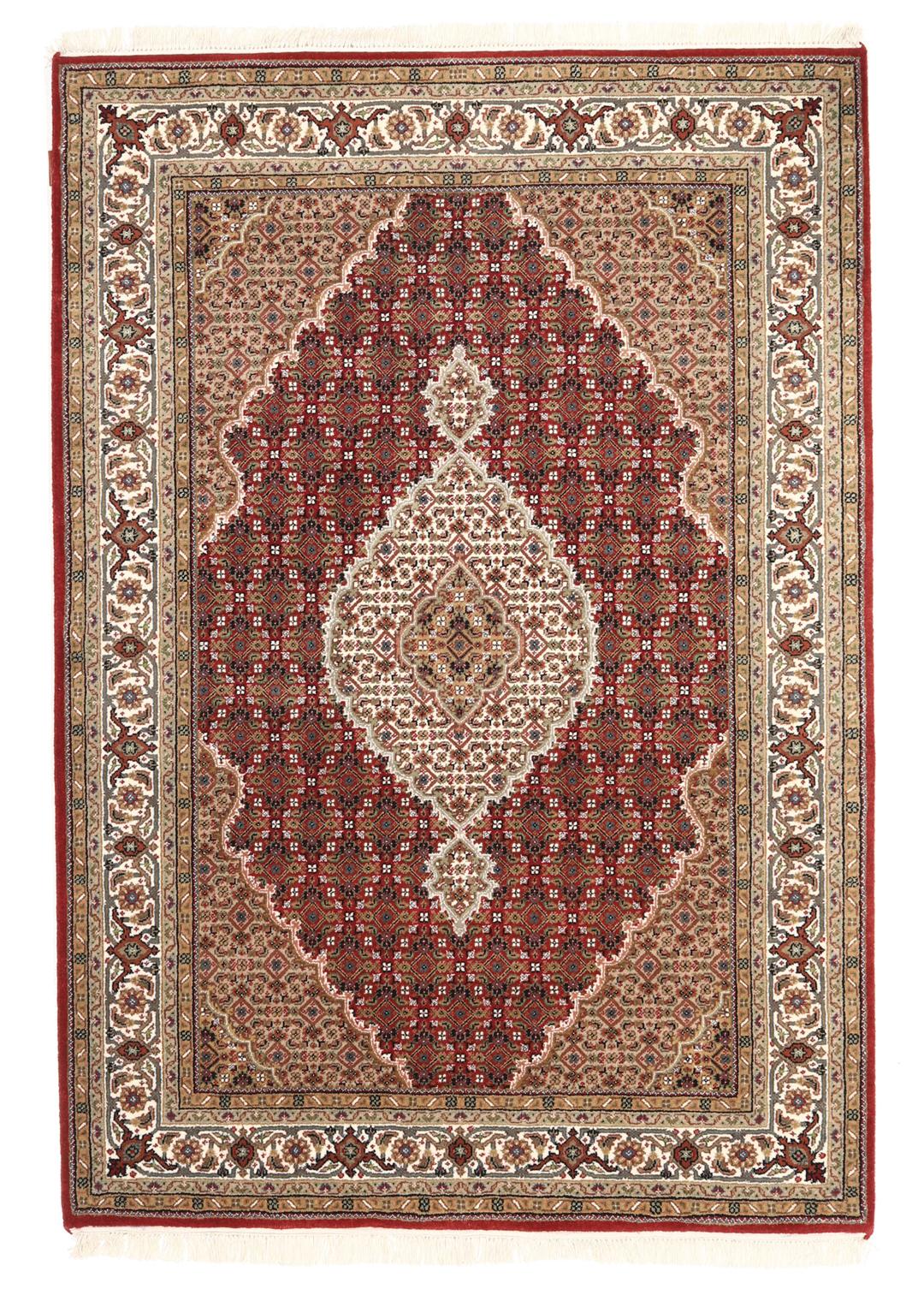
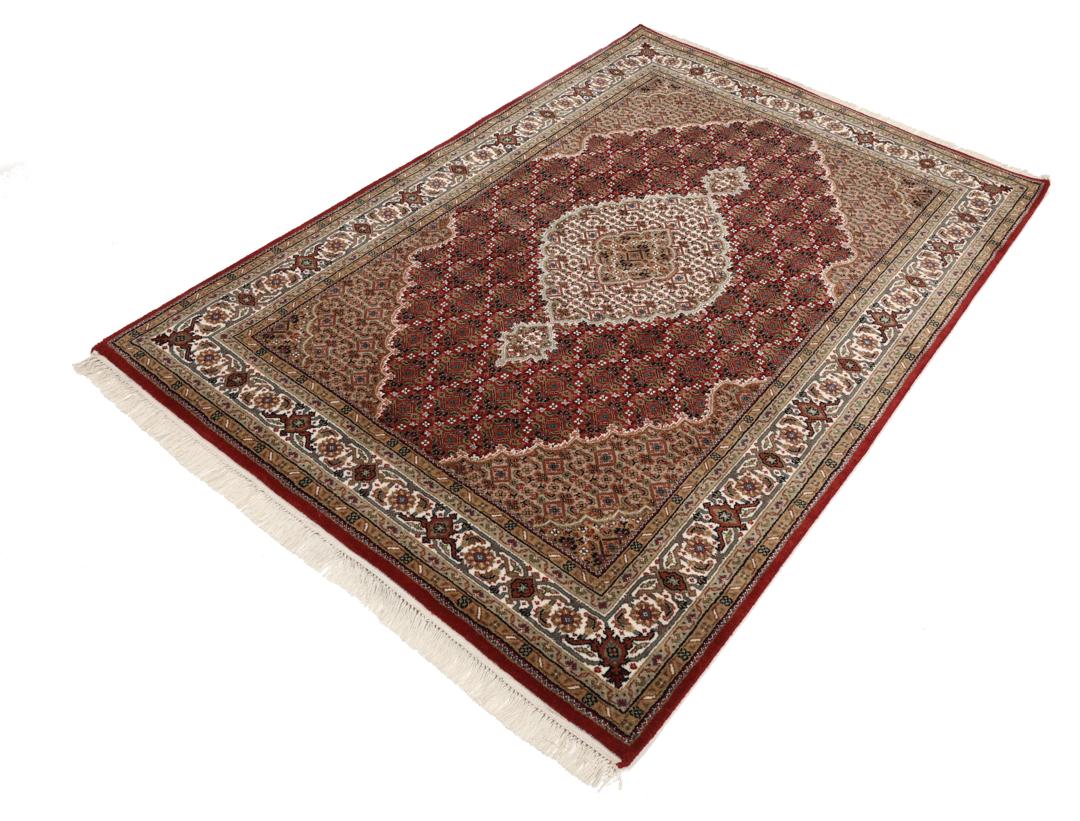
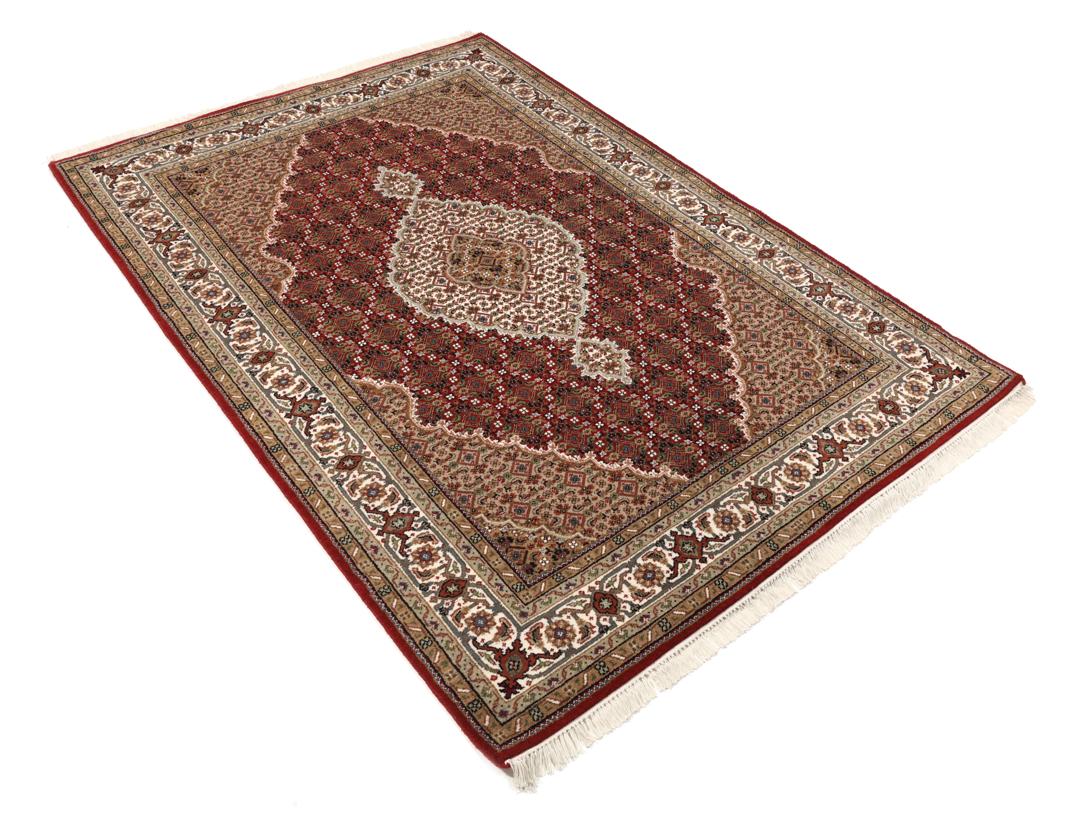
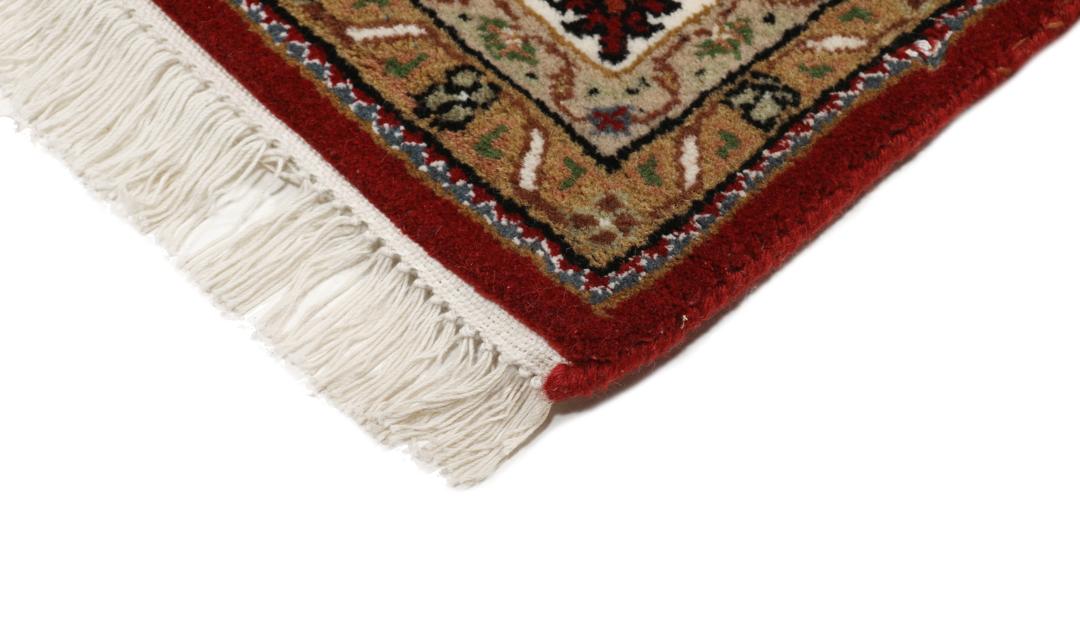
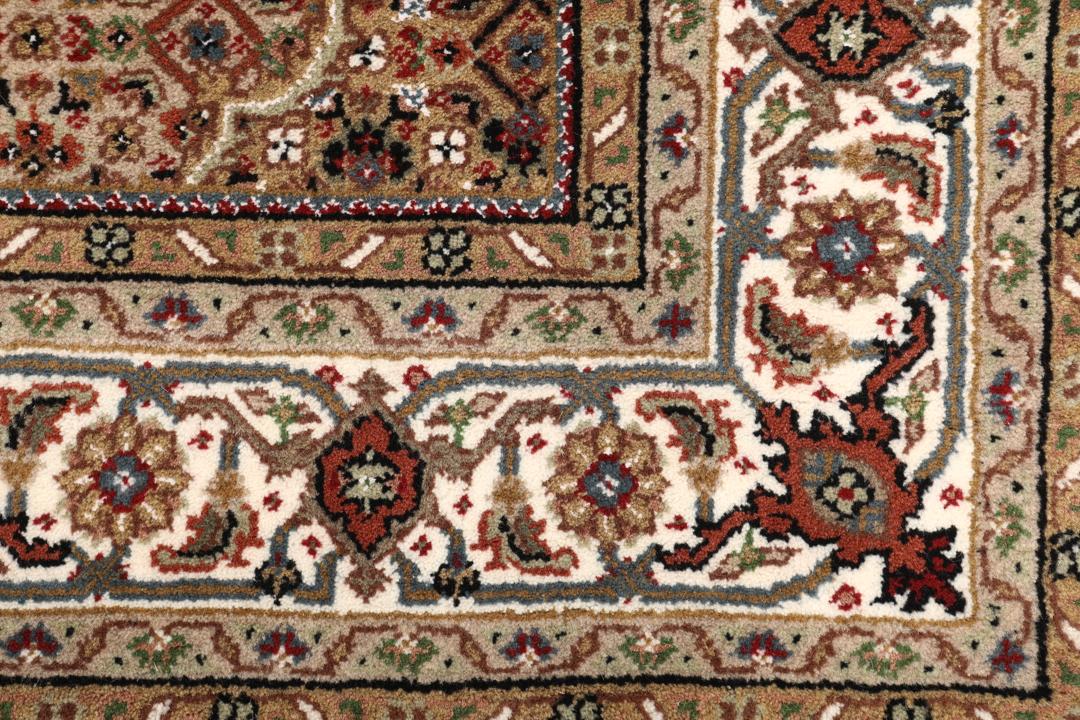
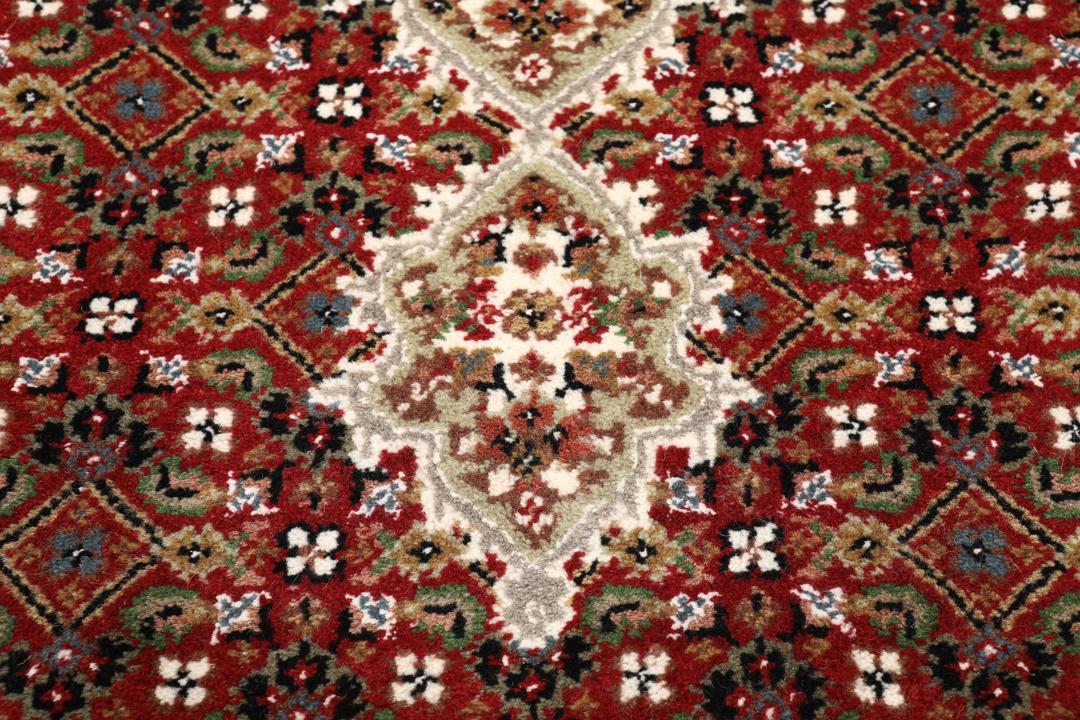
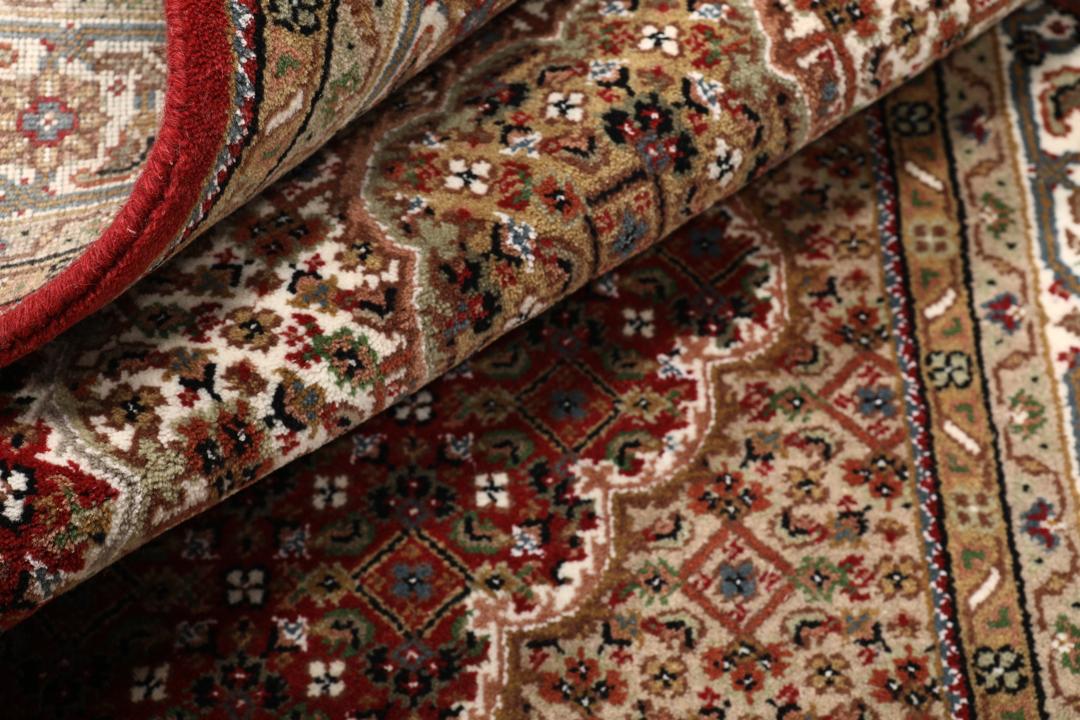
Visually, Tabriz rugs are celebrated for their balanced compositions. The field is often occupied by a dramatic, central medallion that acts as an anchor for the surrounding floral vines and palmettes. The borders are equally considered, usually featuring multiple guard stripes that frame the inner design, creating a sense of harmony and enclosure that is hallmark to this aesthetic tradition.
Collecting a rug from this lineage is an investment in heritage. These pieces are valued not just for their visual appeal but for the deep sense of continuity they provide, linking the modern home to ancient artistic lineages. Owning such a rug signifies an appreciation for the human skill and cultural history that define the craft of hand-knotted textiles.