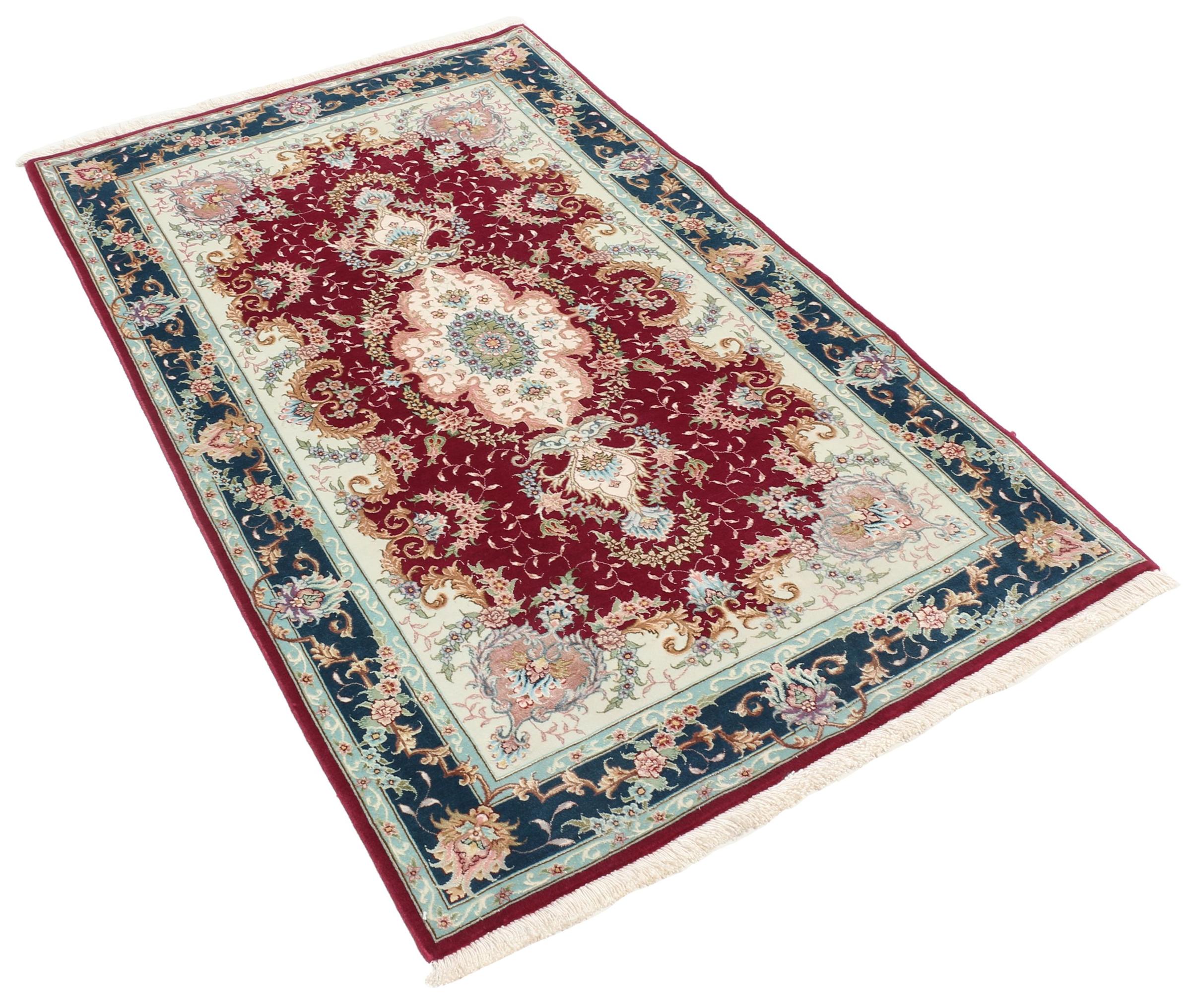
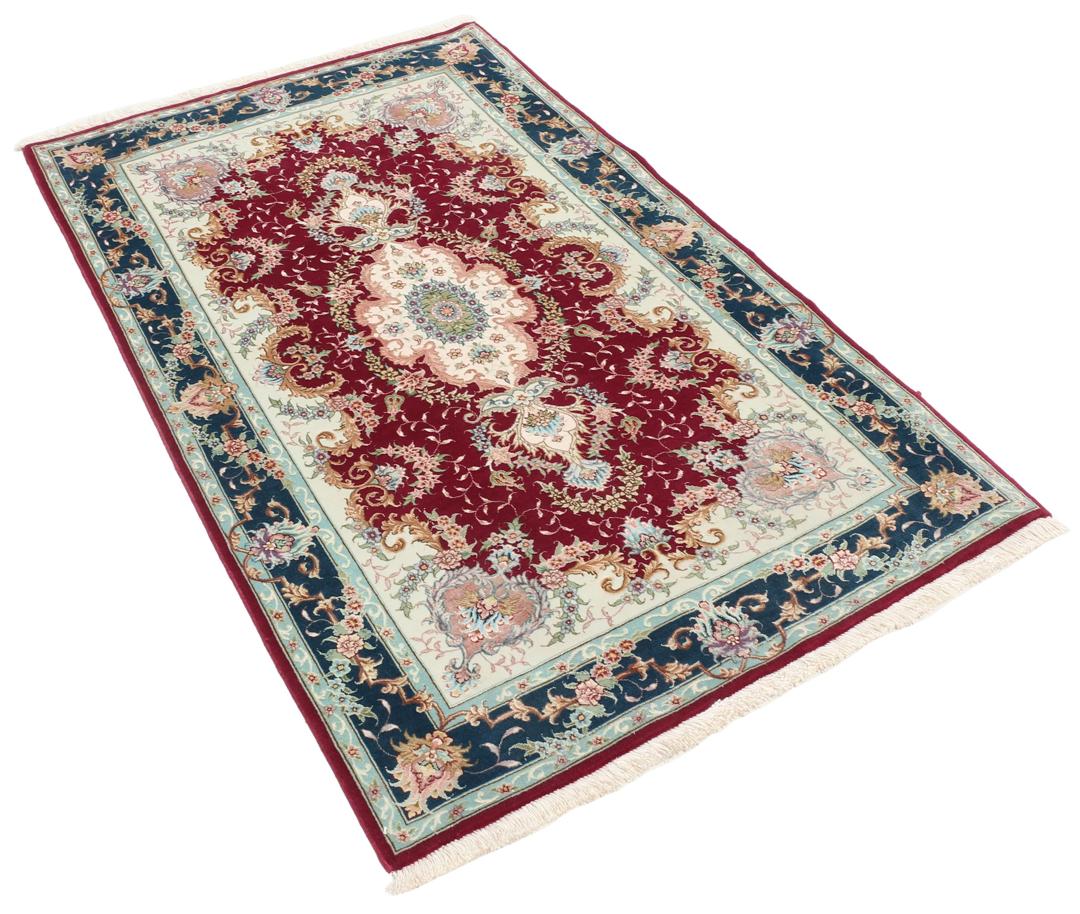
Tabriz rugs originate from the historic city of Tabriz in the Middle East, a centre of culture and commerce that has been a hub for master weavers for centuries. These rugs are celebrated for their technical precision and their ability to incorporate diverse artistic influences, reflecting a long-standing tradition of excellence that has evolved over many hundreds of years.
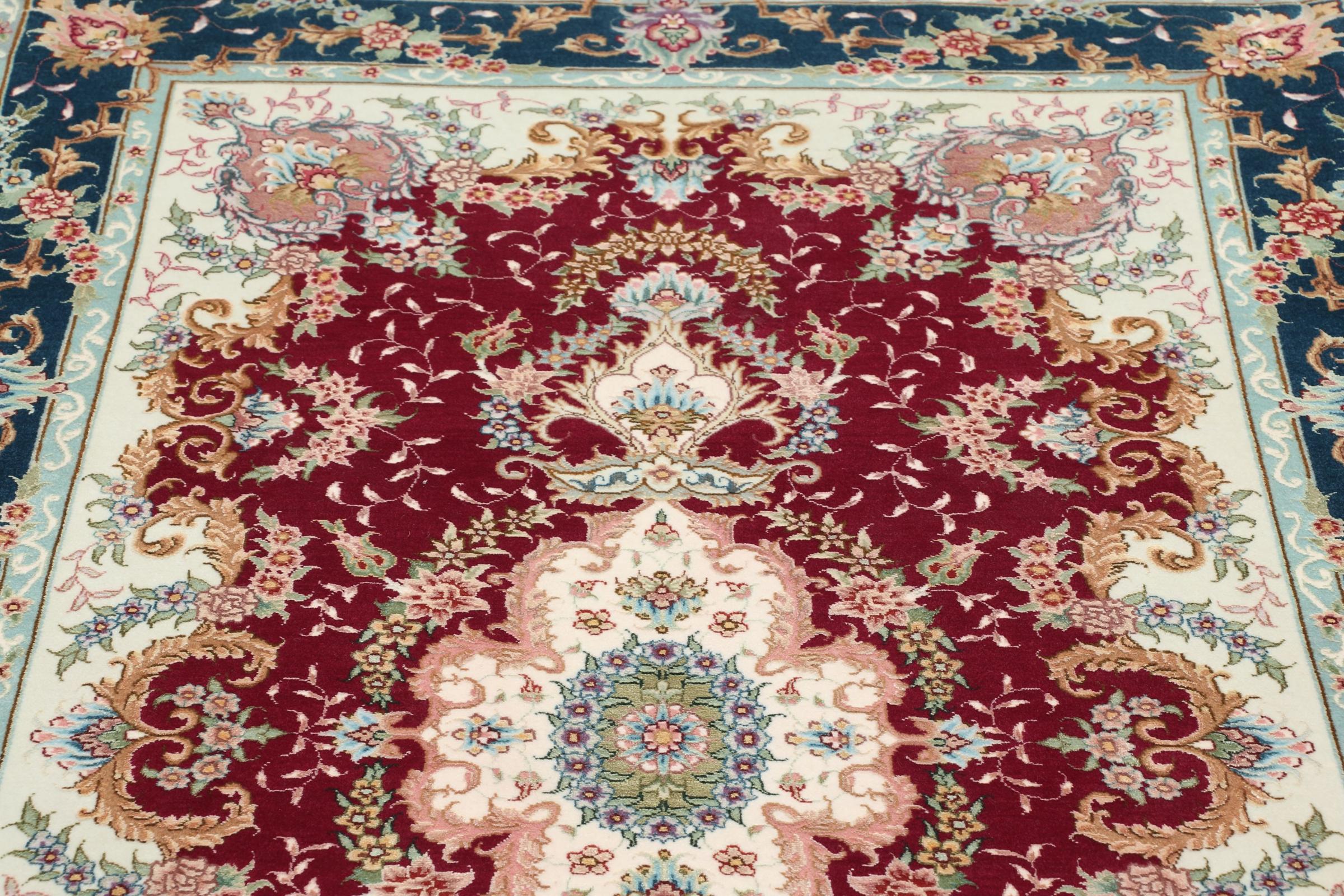
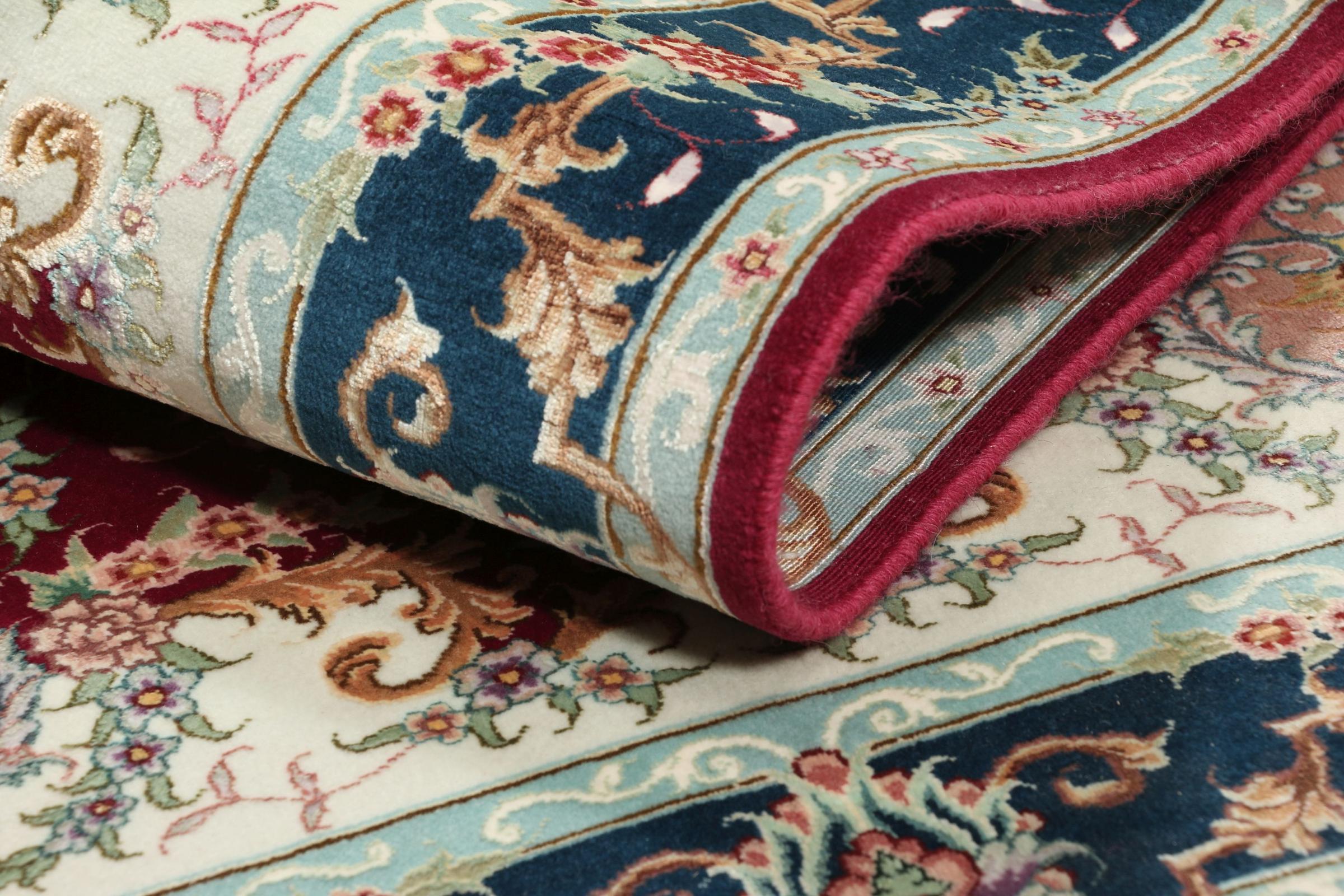
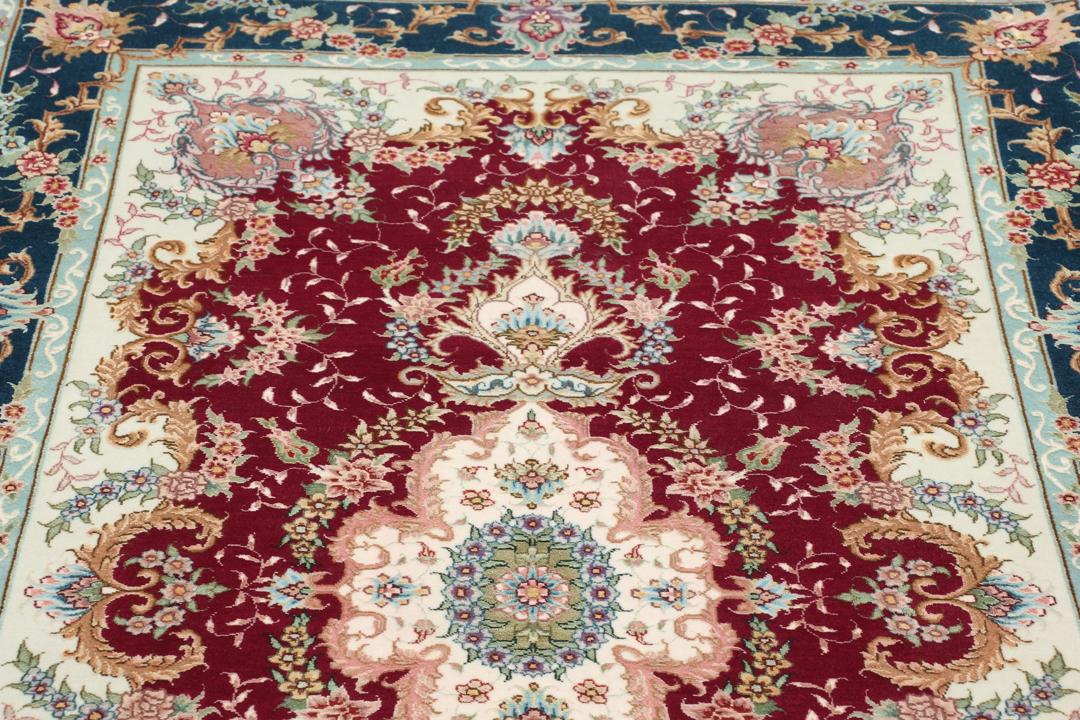
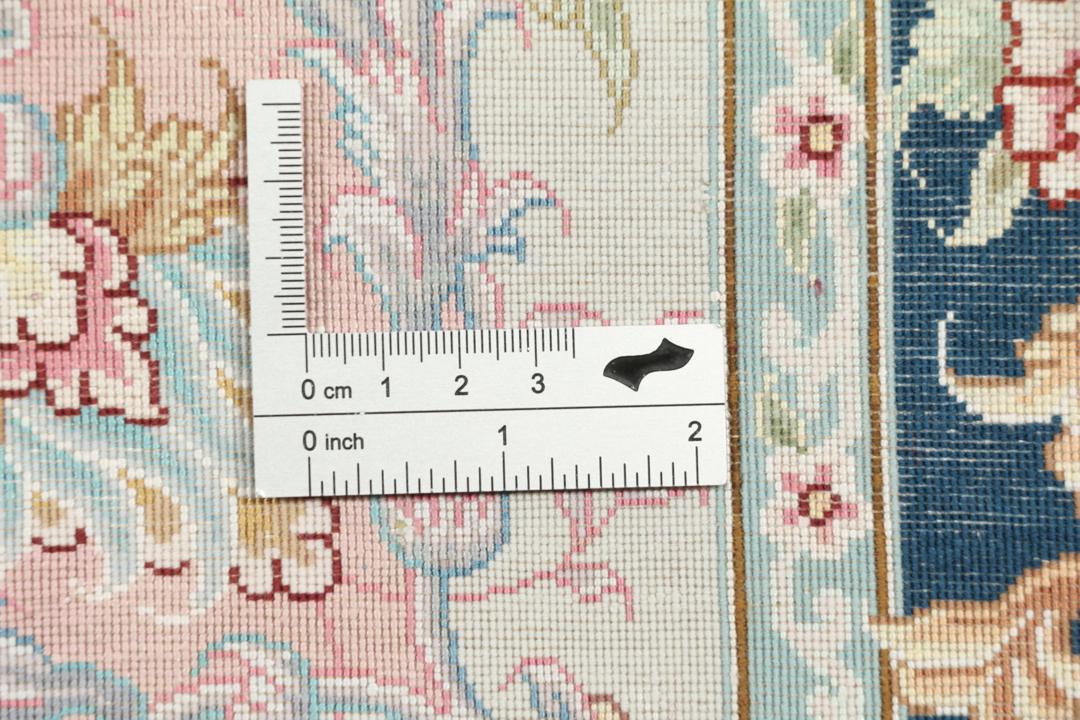
The term 60 Raj refers to a specific system of measuring knot density, indicating a high level of fineness and quality. A higher raj count signifies that the weaver has used a greater number of knots per unit of measurement, which translates into thinner, more detailed patterns and a smoother, more lustrous surface. This technical mastery is what sets Tabriz rugs apart, making them some of the most sought-after pieces for connoisseurs of fine textiles.
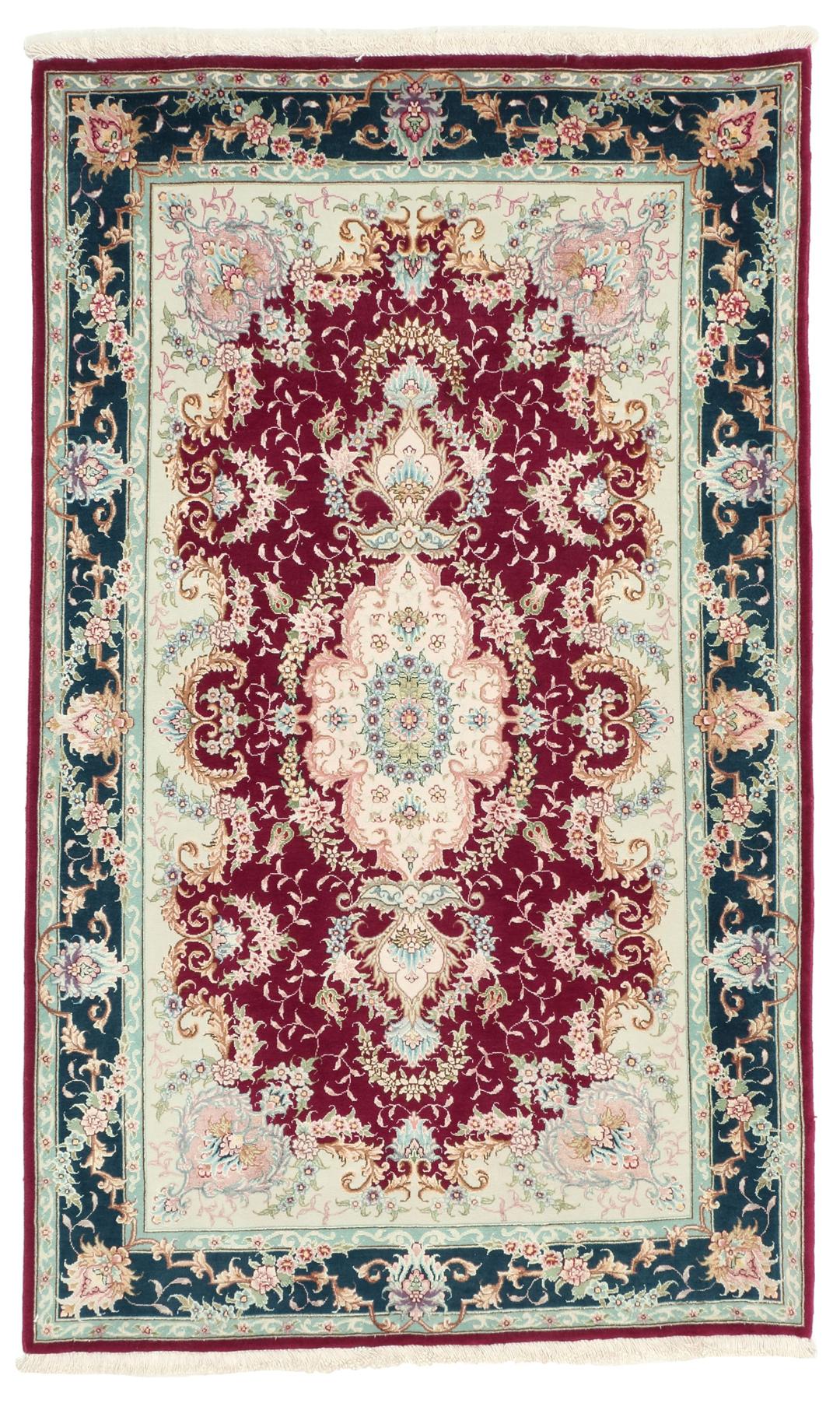
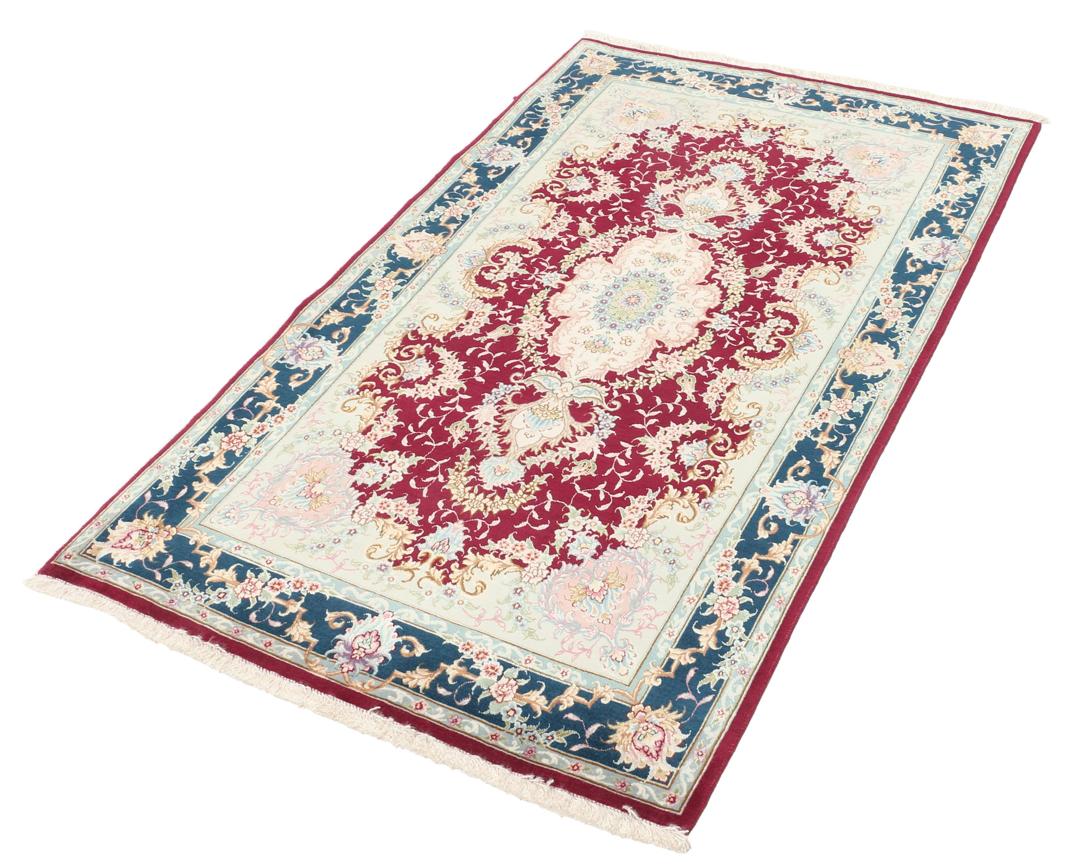
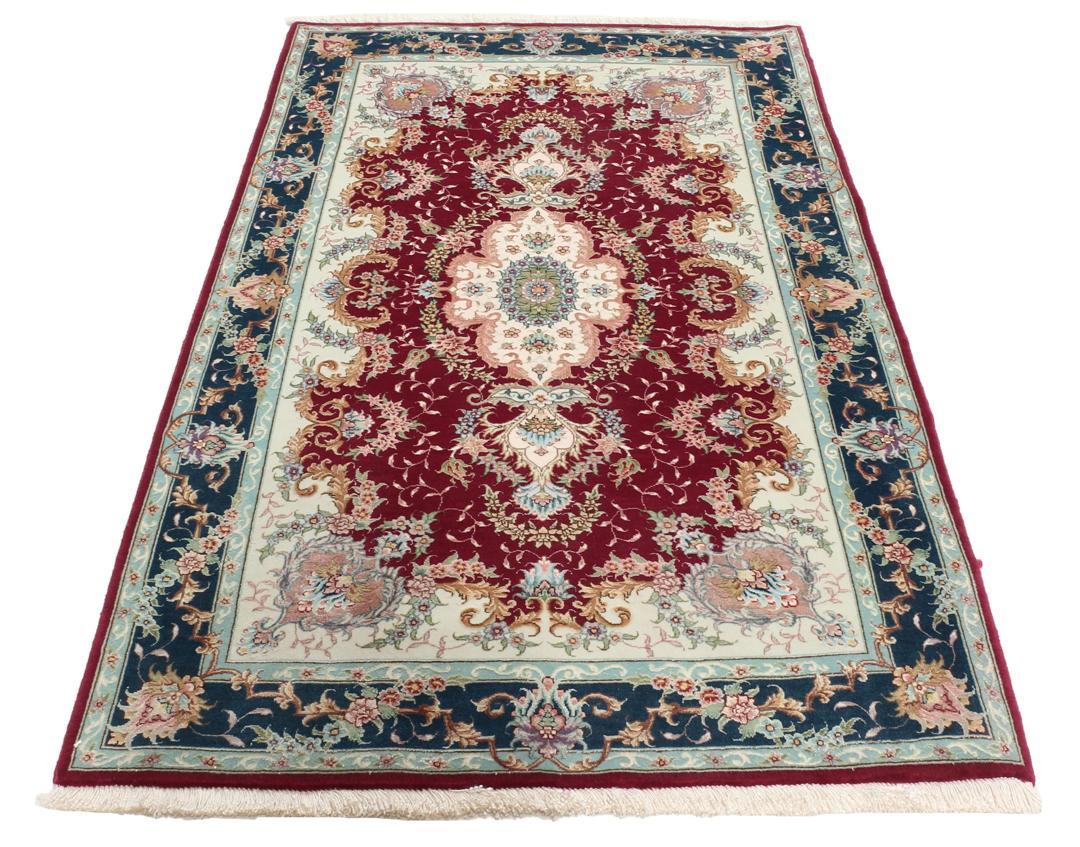
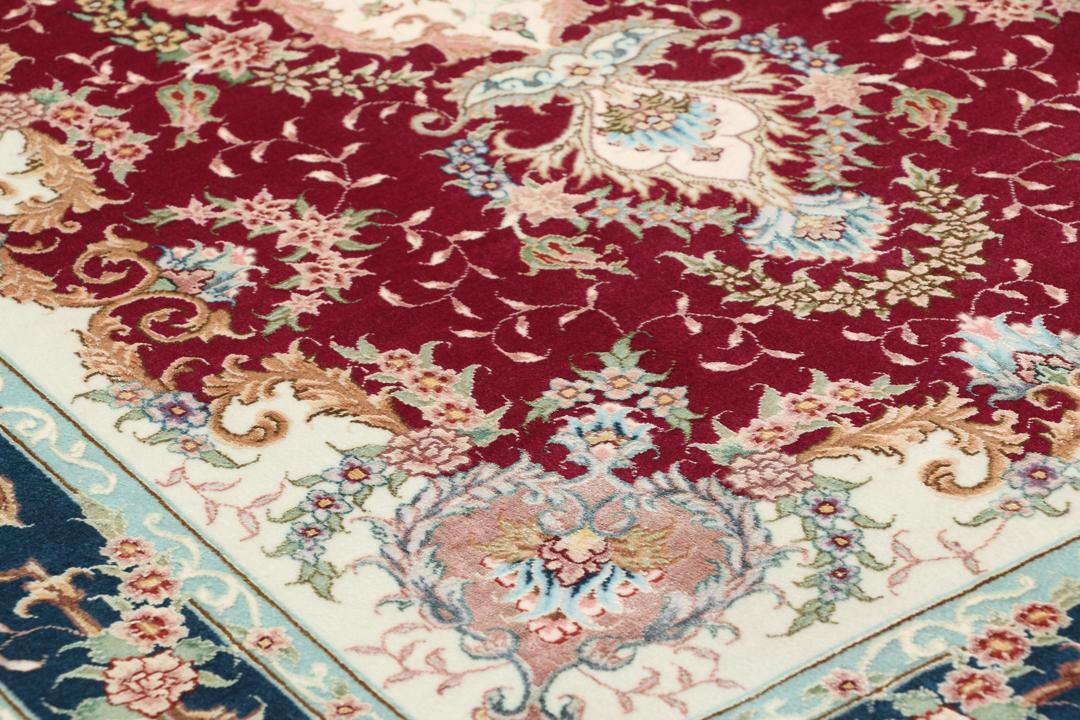
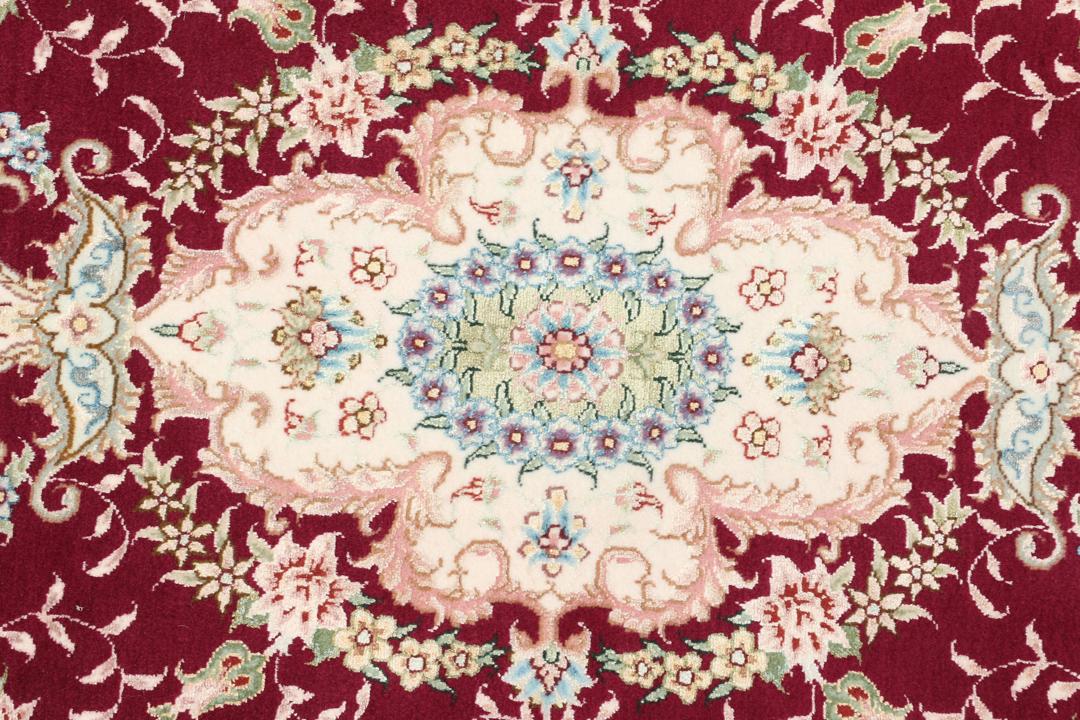
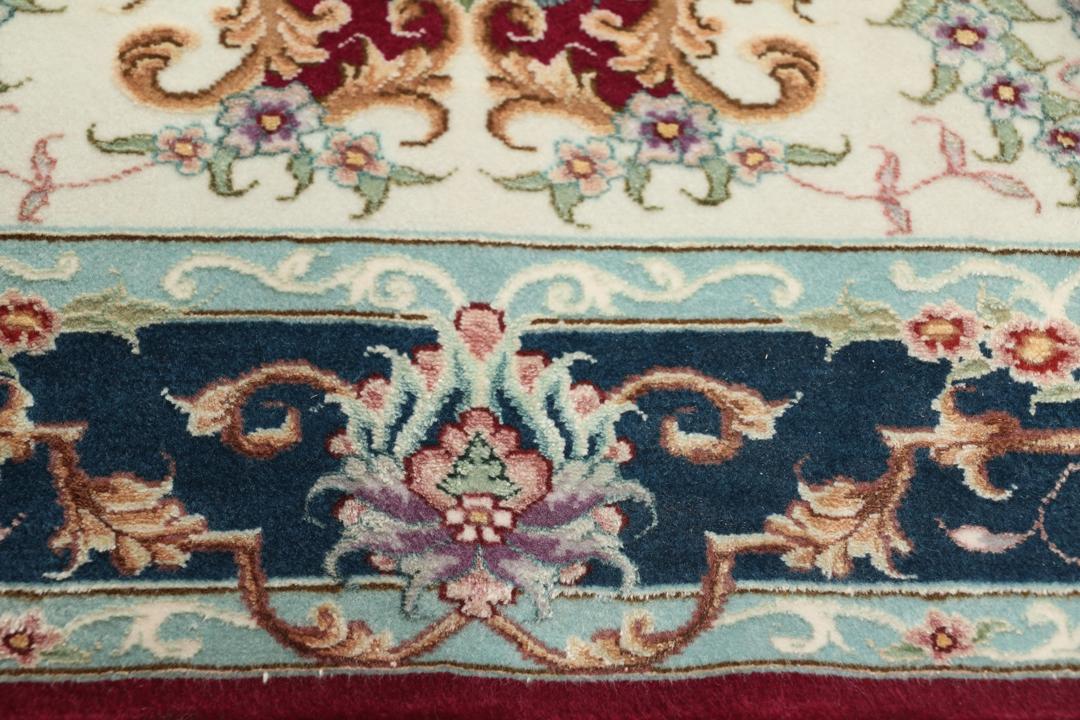
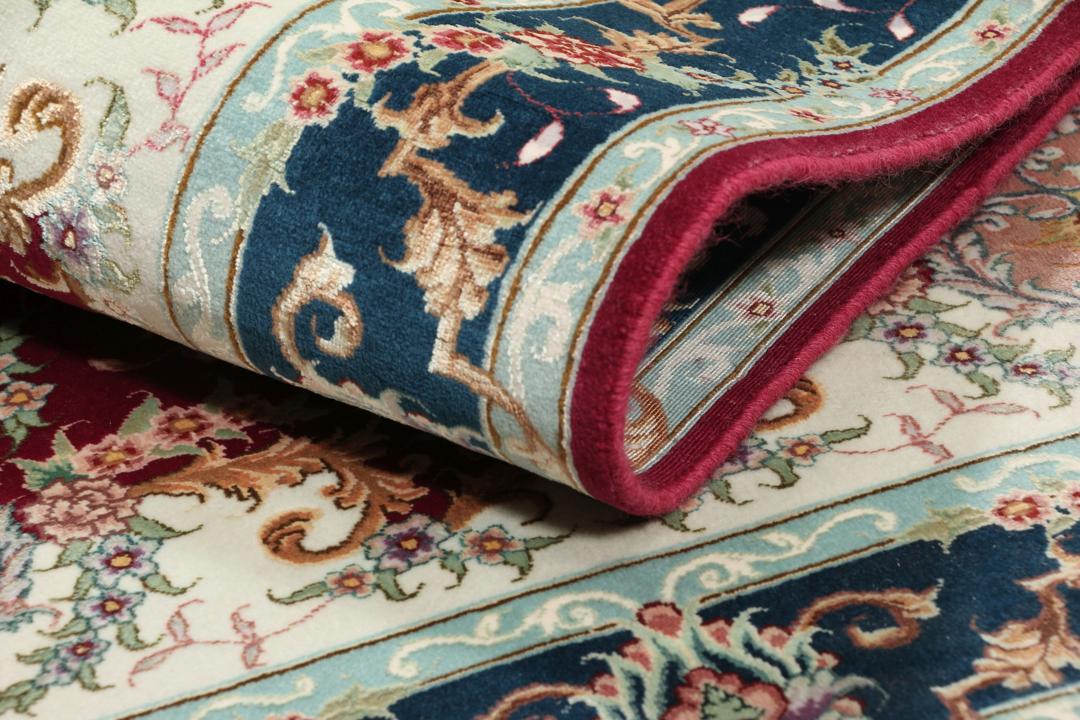
Visually, Tabriz rugs are known for their sophisticated compositions, often featuring central medallions surrounded by elaborate floral scrolls and intricate borders. The design language is one of balance and refinement, where every element of the pattern is carefully placed to create a cohesive whole. This particular piece showcases these signature elements, with a rich field that highlights the depth and complexity of the design.
Owning a hand-knotted piece from this tradition is an investment in cultural heritage and human skill. These rugs are more than just floor coverings; they are historical narratives told through colour and form. Collectors value them for their enduring quality and the way they bridge the gap between ancient craft techniques and modern living, ensuring they remain relevant and admired for generations.