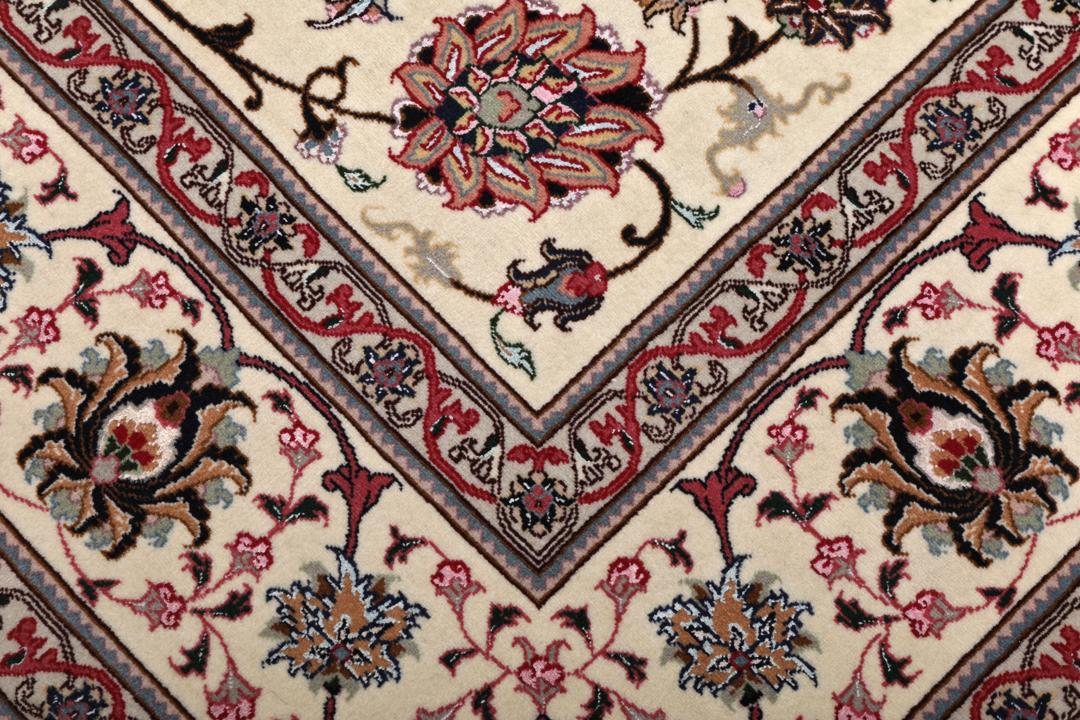
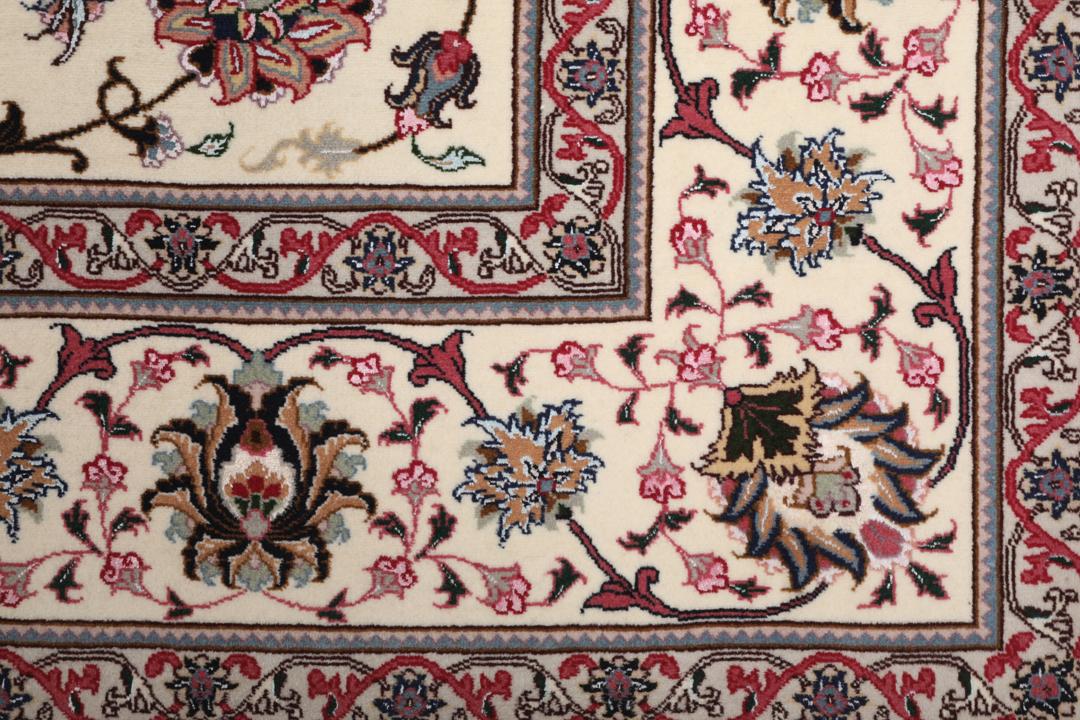
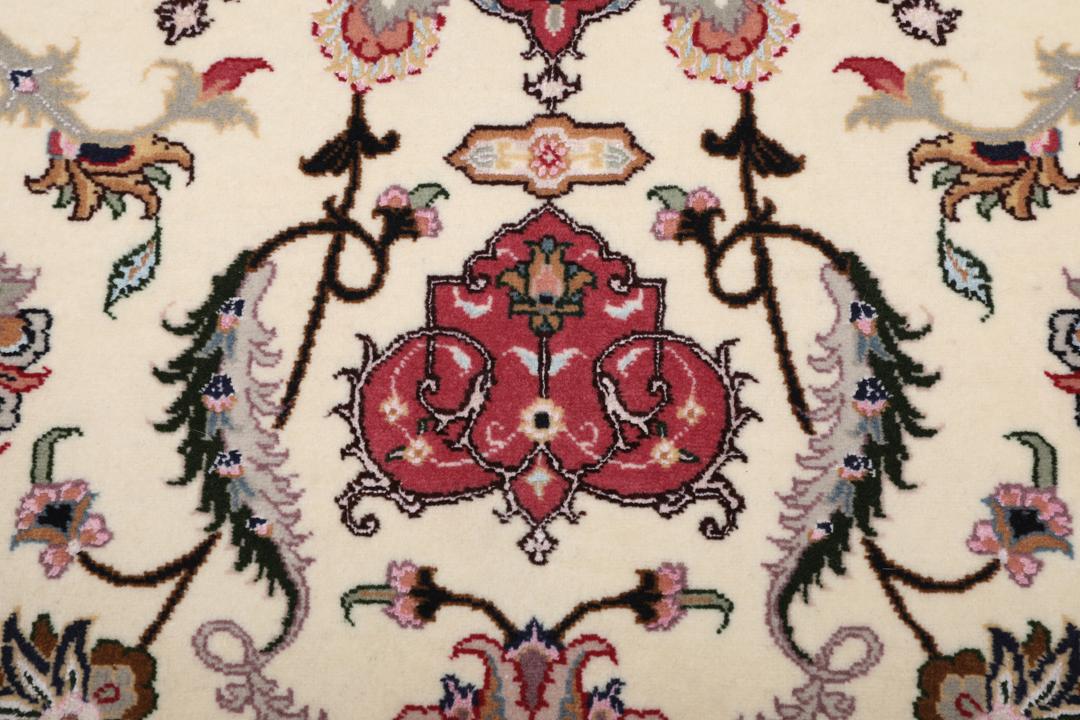
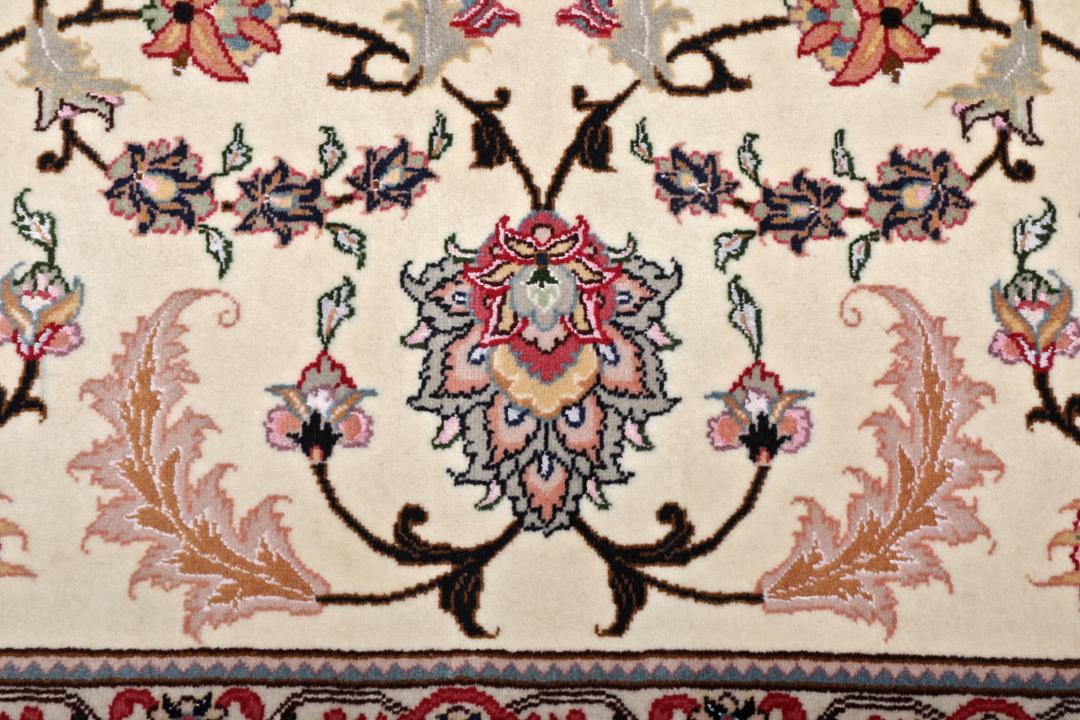
The Tabriz rug tradition hails from one of the oldest weaving centres in the Middle East, located in a city that has served as a vital hub for trade and artistry for centuries. These rugs are celebrated for their technical sophistication and their ability to incorporate a wide range of artistic influences into their designs.
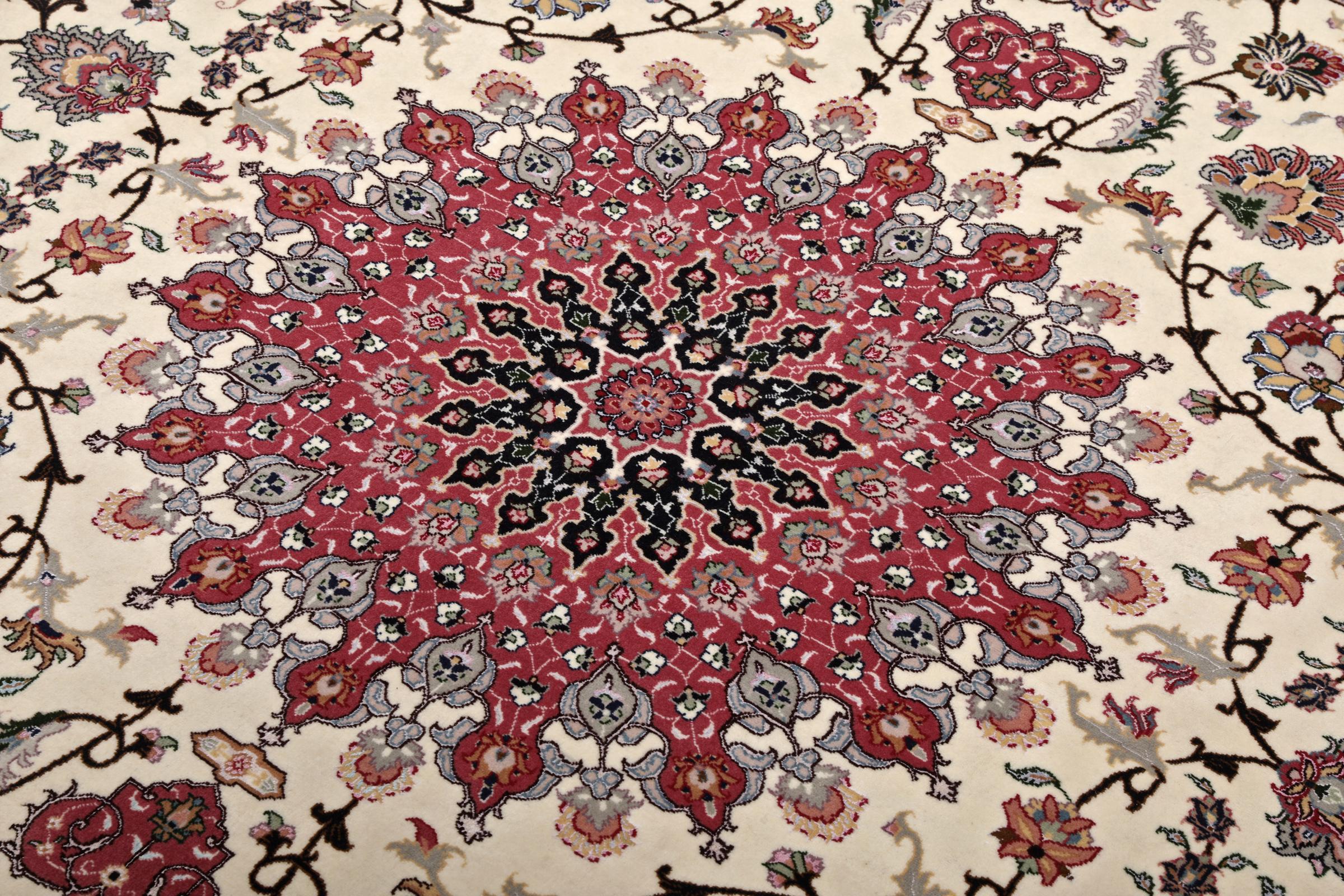
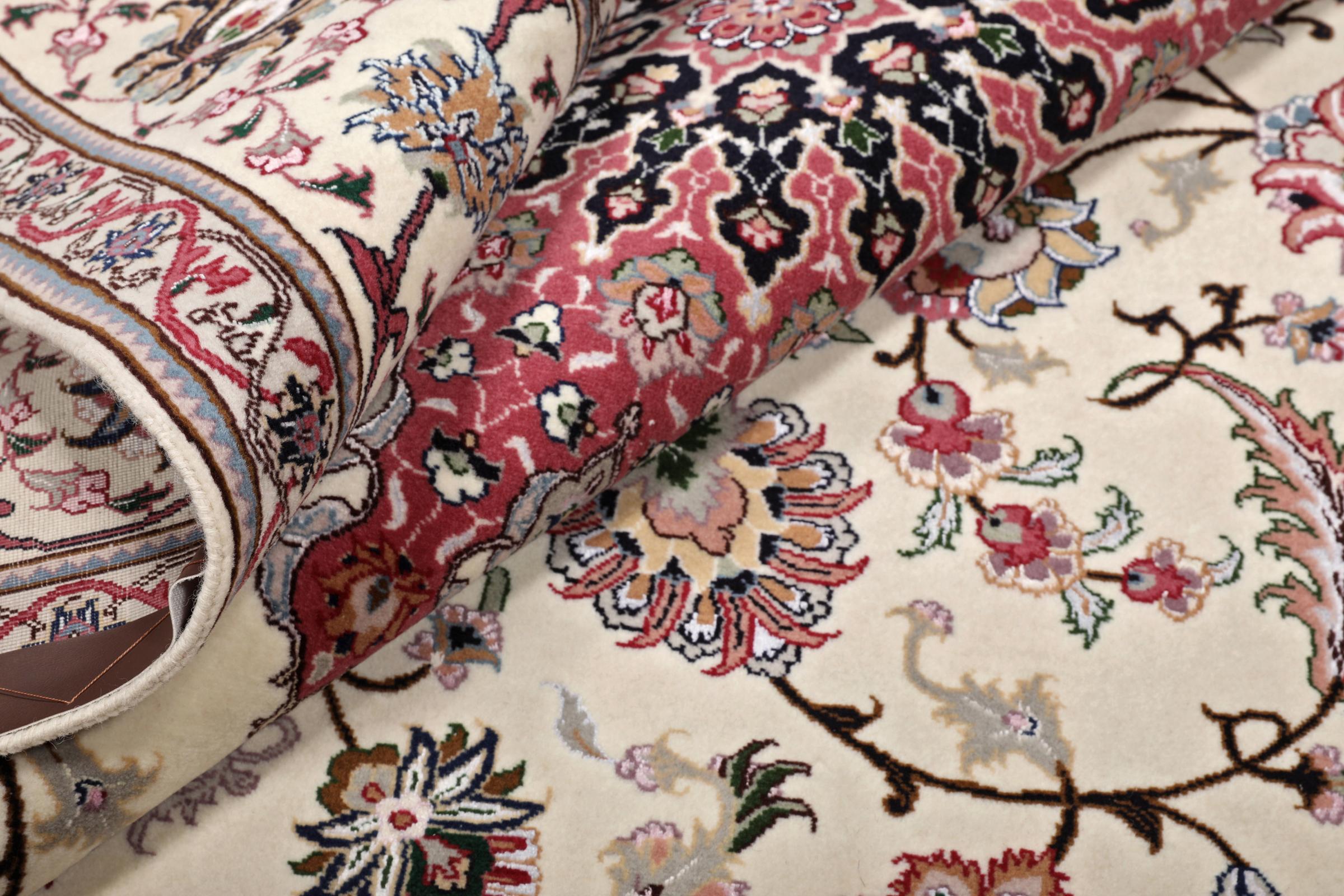
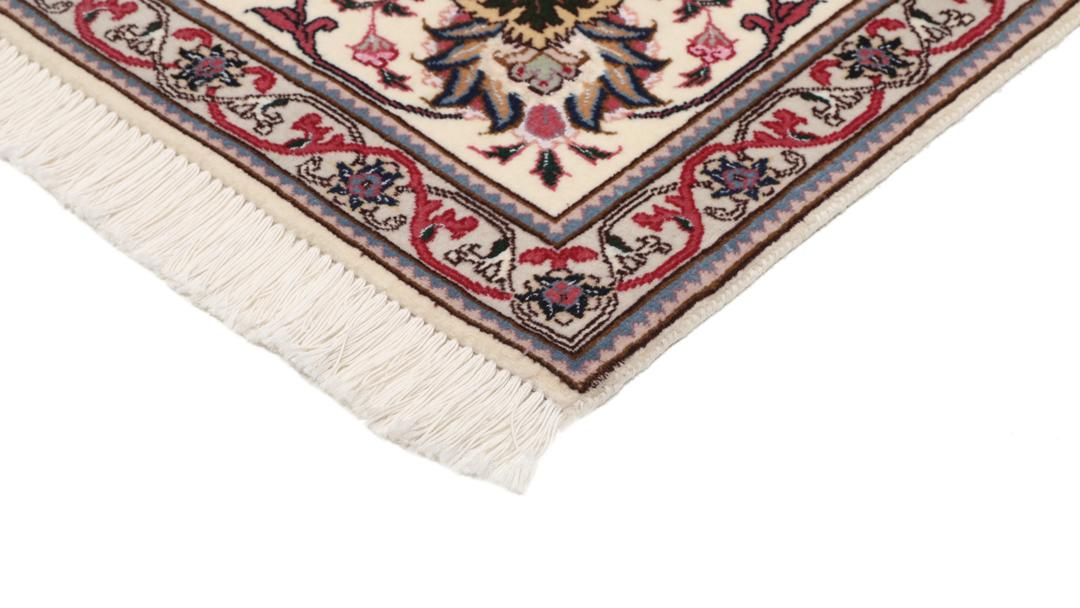
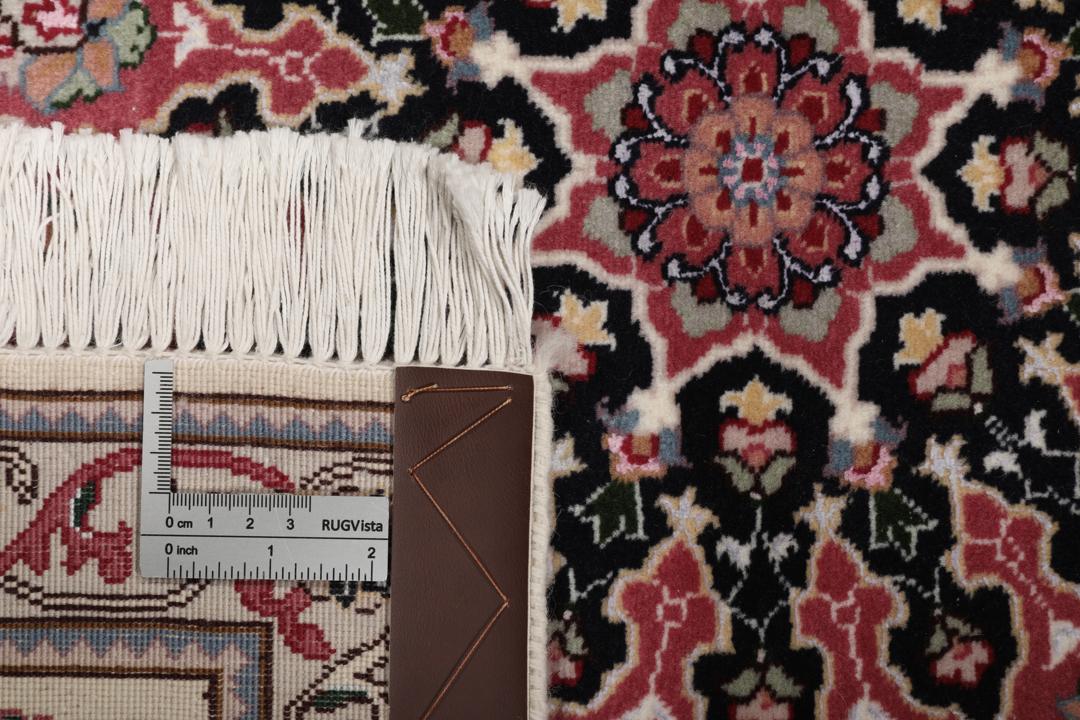
The term 60 Raj is a vital indicator of quality within this tradition. It refers to the number of knots per a specific unit of measurement, serving as a standard for the fineness of the weave. A higher Raj count signifies a more delicate and intricate pattern, requiring a greater investment of skill and time from the weaver to achieve such high-resolution detail.
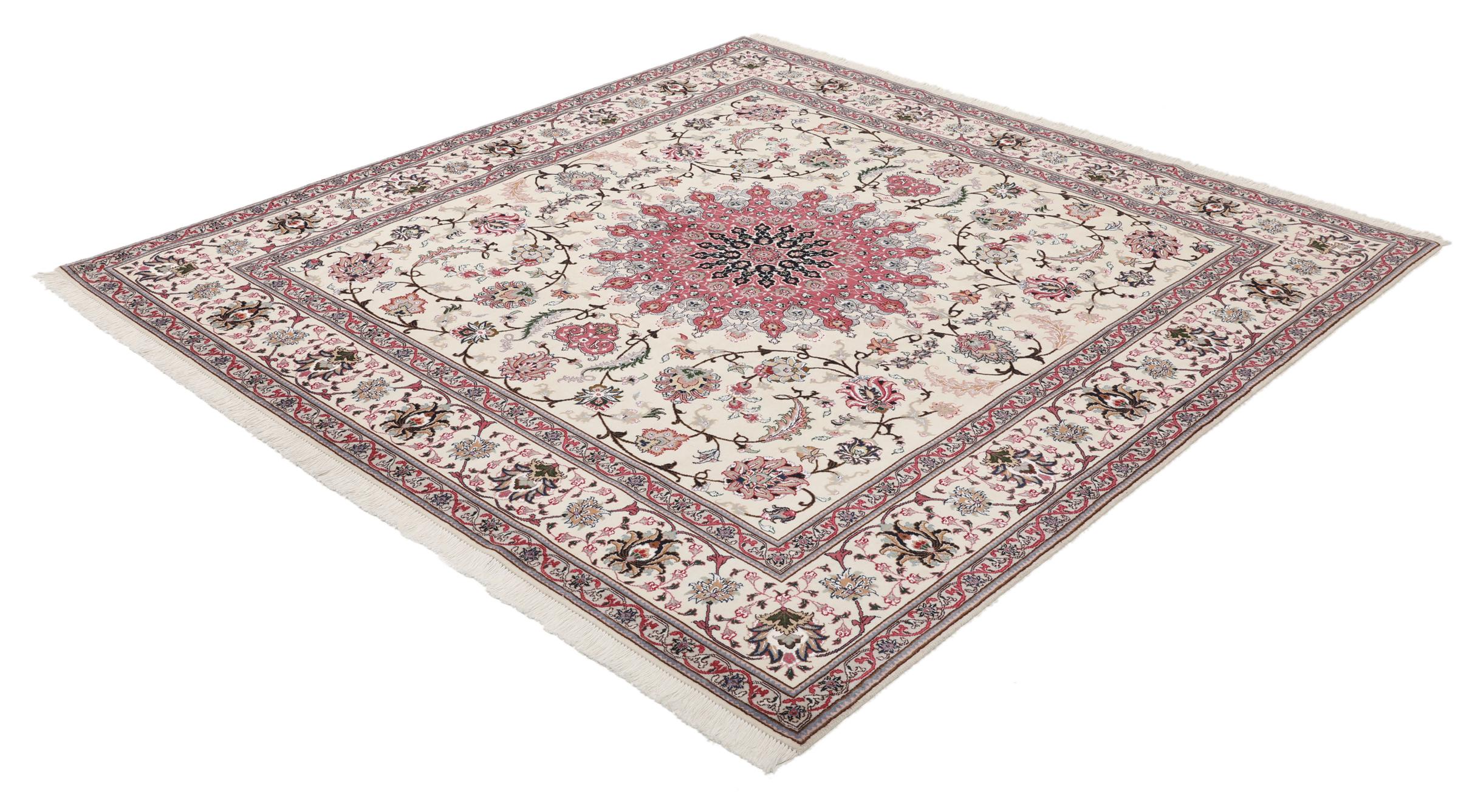
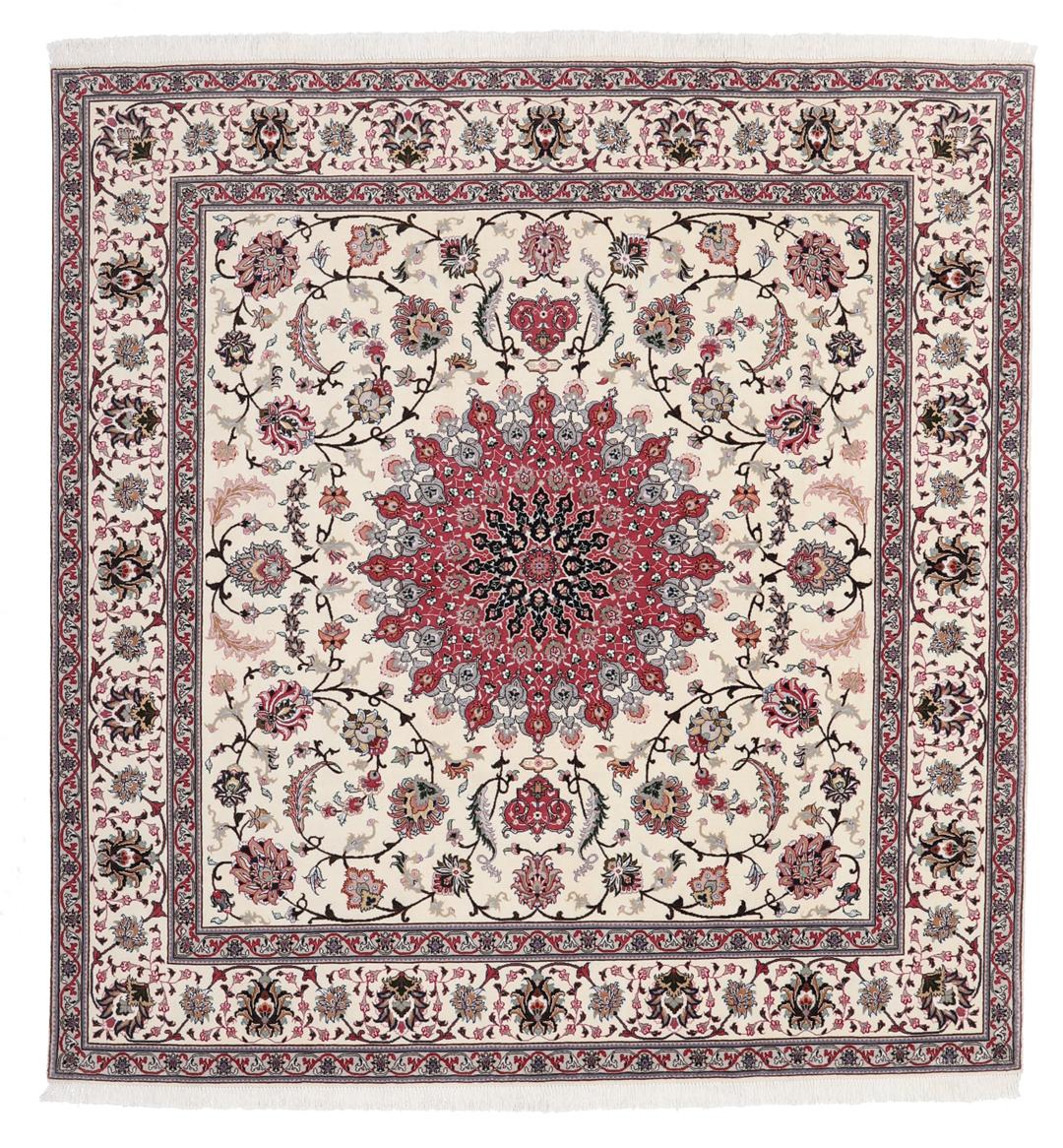
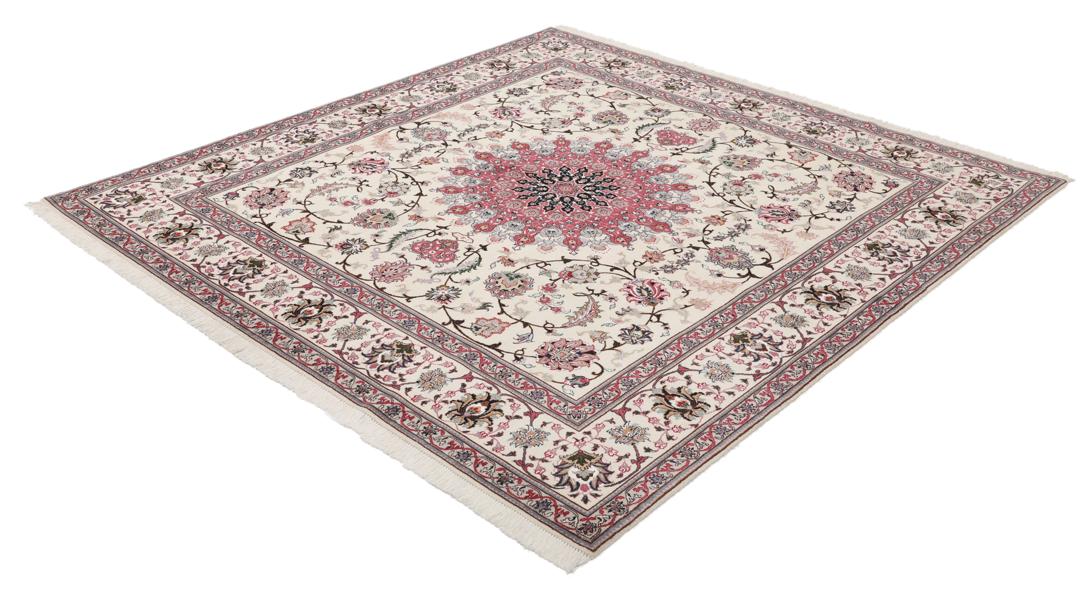
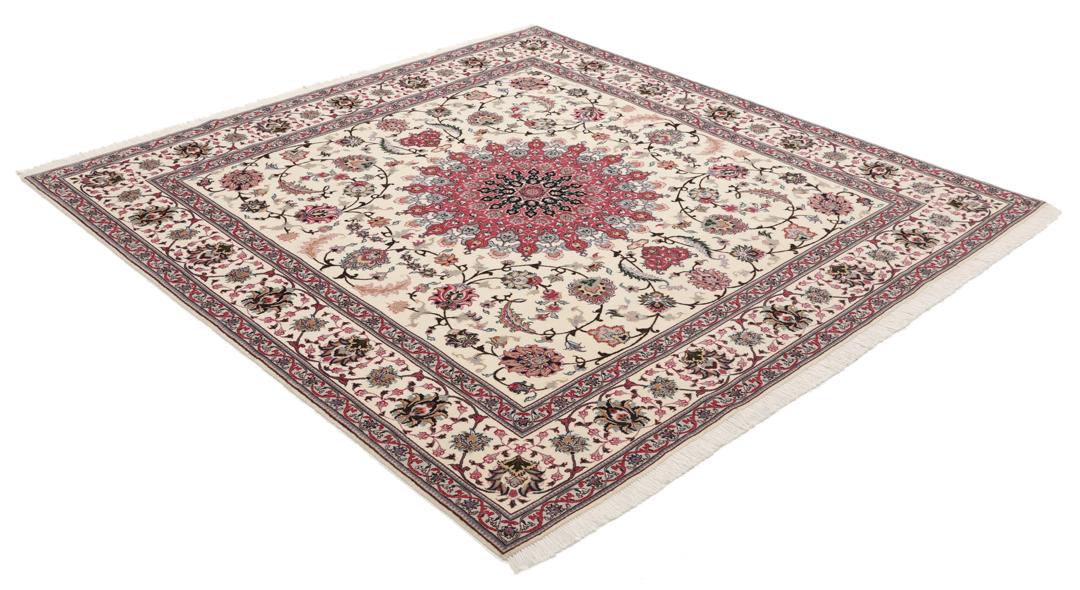
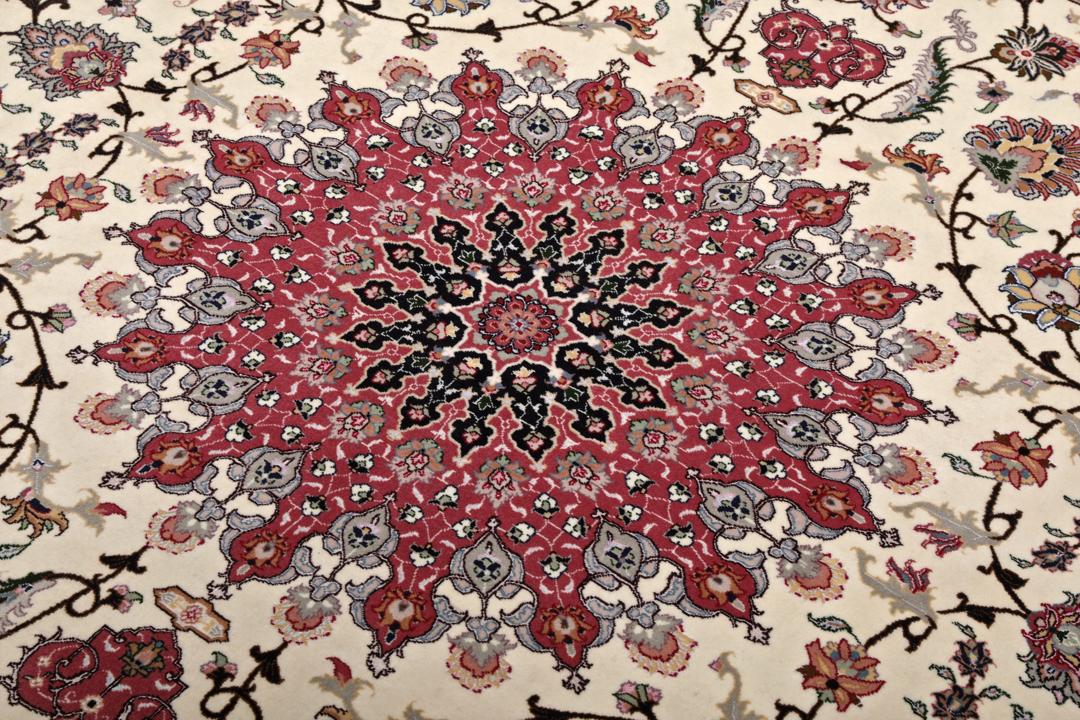
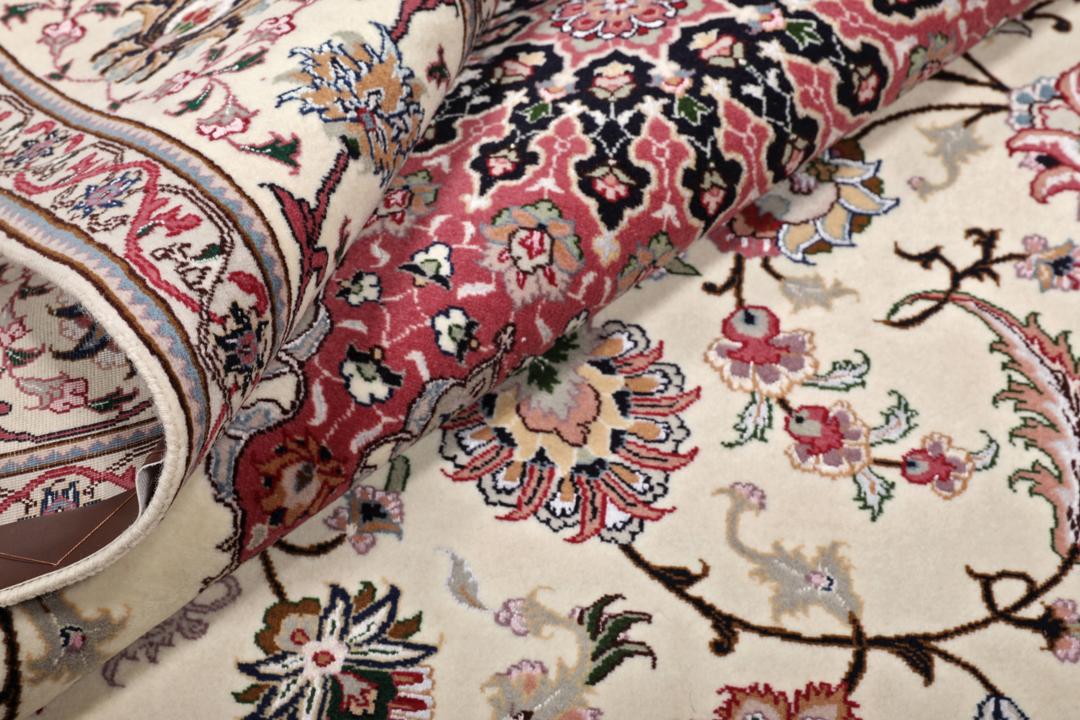
Visually, Tabriz rugs are known for their balanced compositions, often featuring a central medallion surrounded by flowing floral motifs, vines, and palmettes. While they follow traditional design structures, each rug is an individual expression, with weavers often introducing subtle variations in colour and pattern that make each piece distinct.
Collecting a Tabriz rug is an investment in a rich cultural heritage. These pieces are highly valued for their longevity, precision, and the artistic narrative they carry. By choosing a rug from this tradition, you are continuing a legacy of excellence, securing a piece that represents both human ingenuity and the enduring beauty of traditional craft.