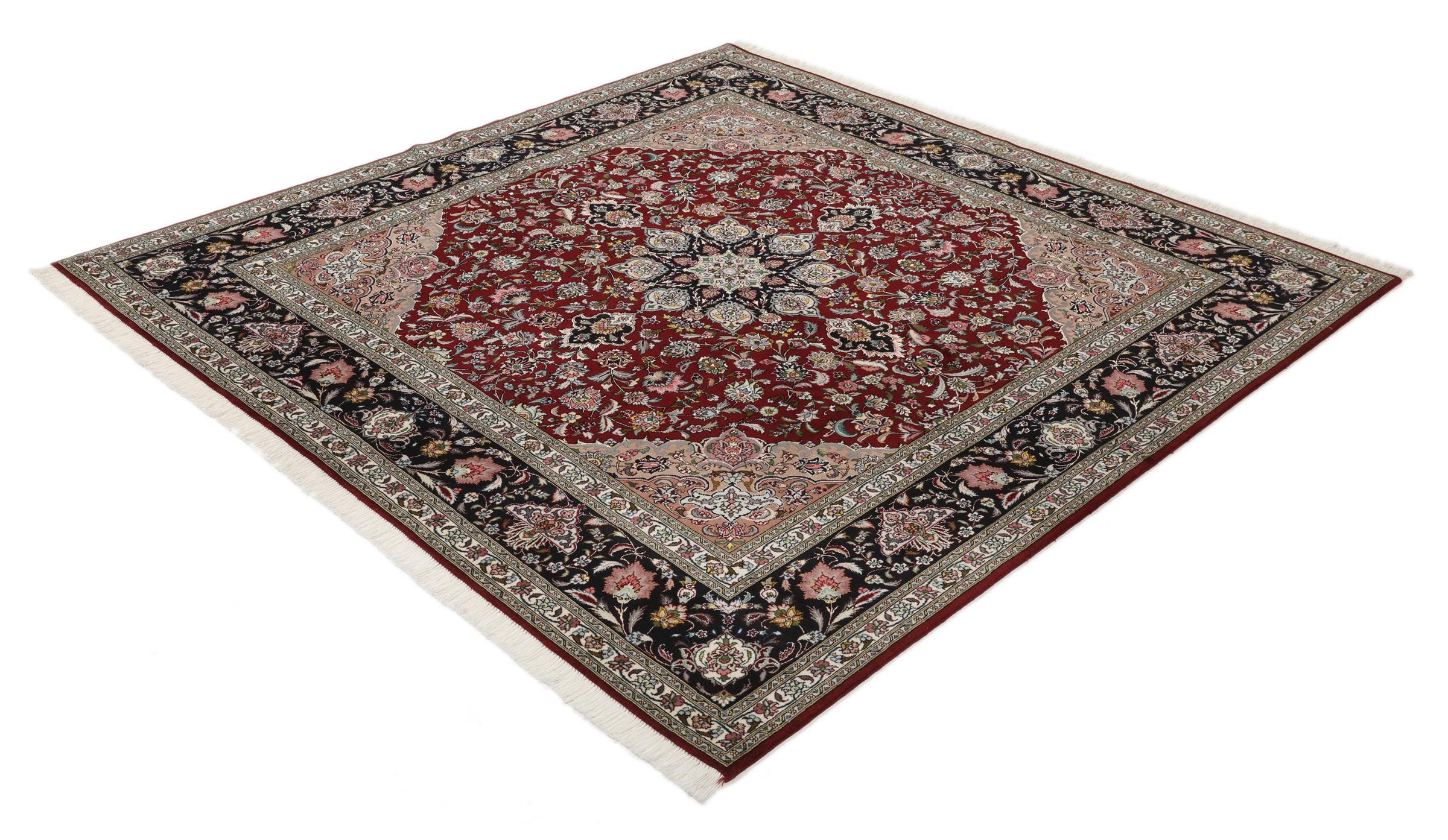
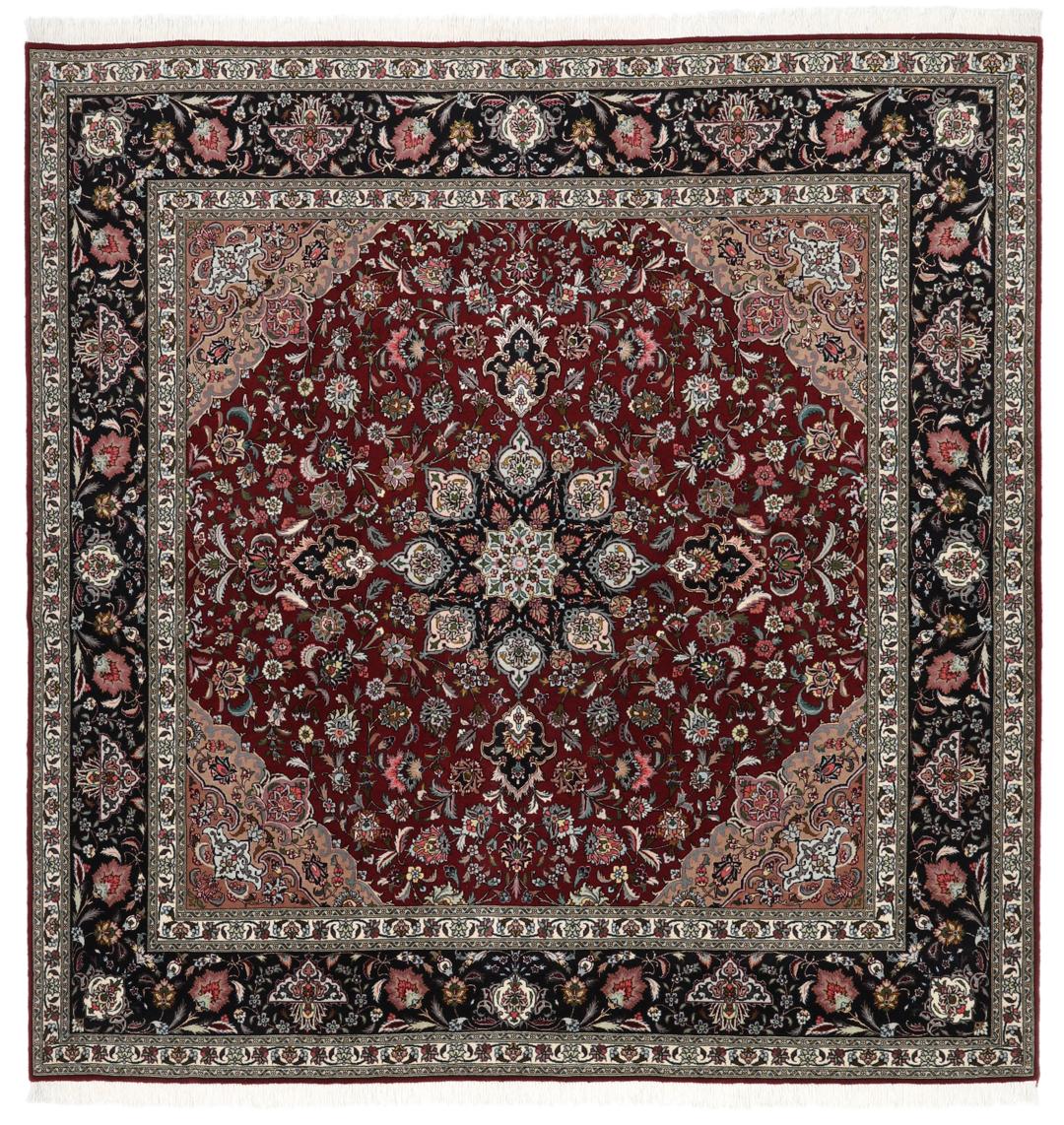
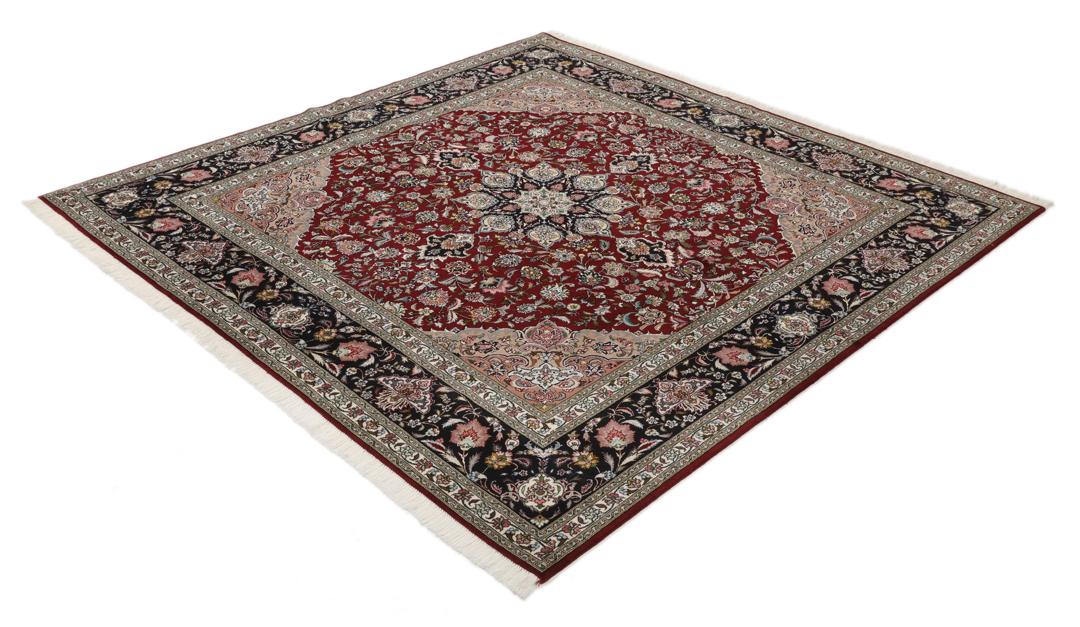
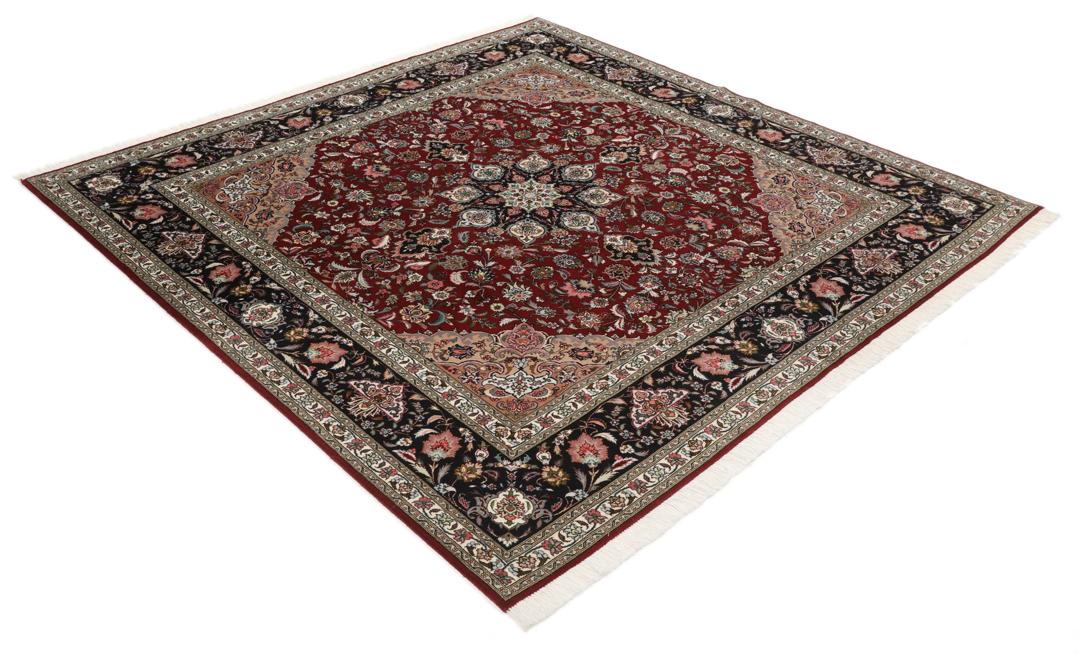
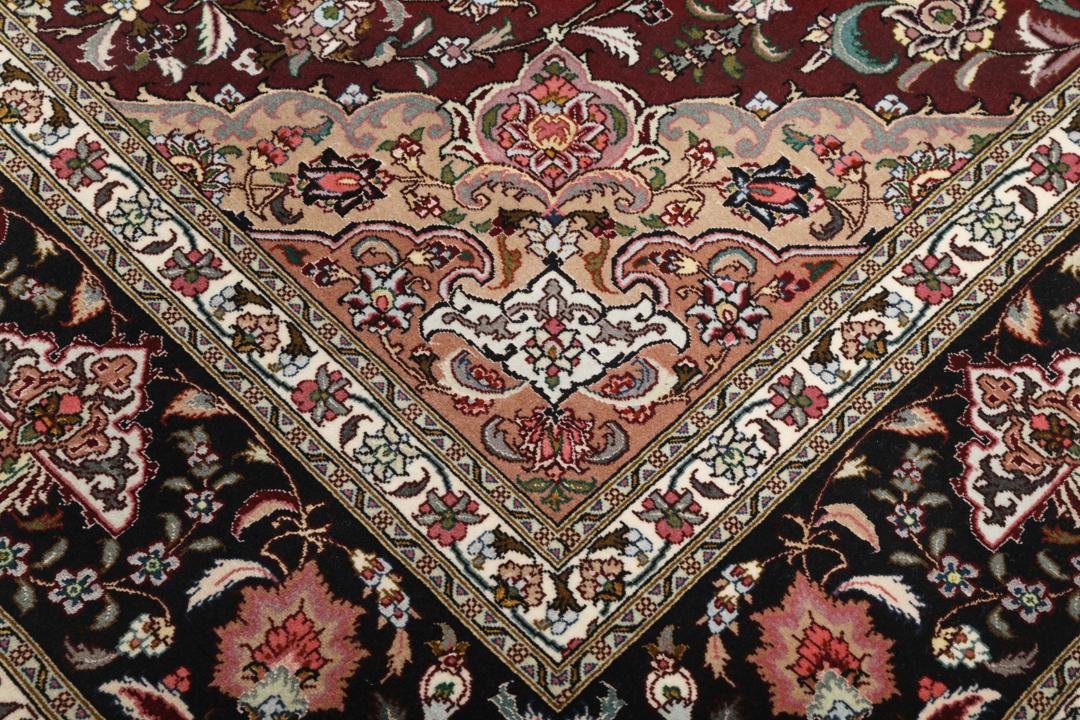
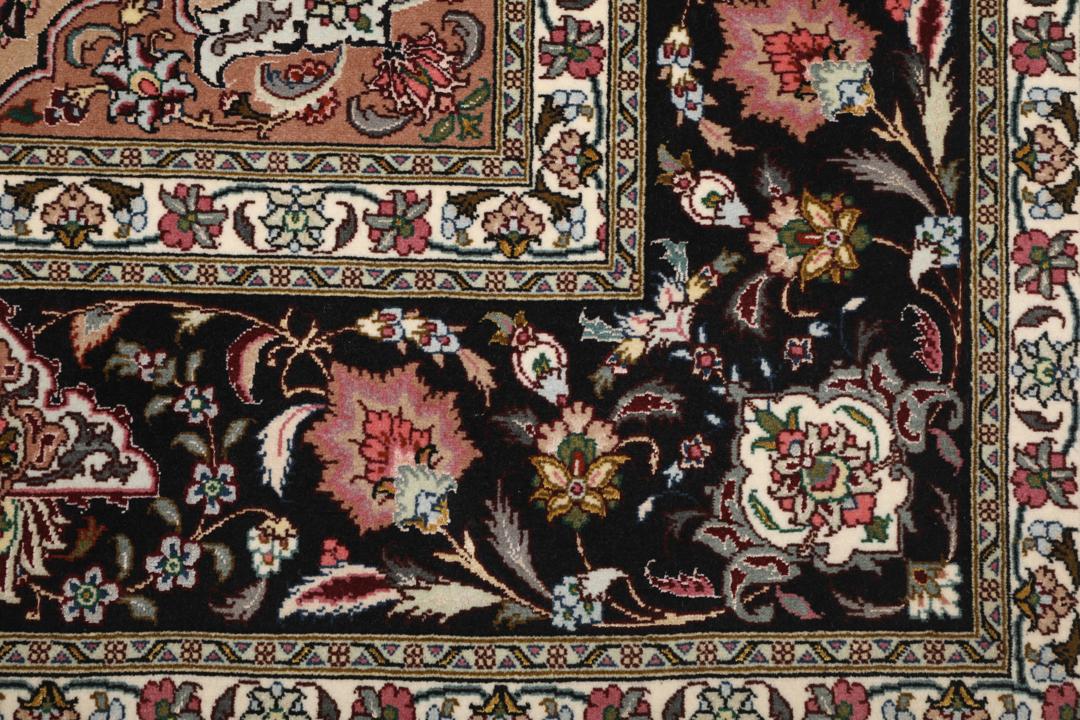
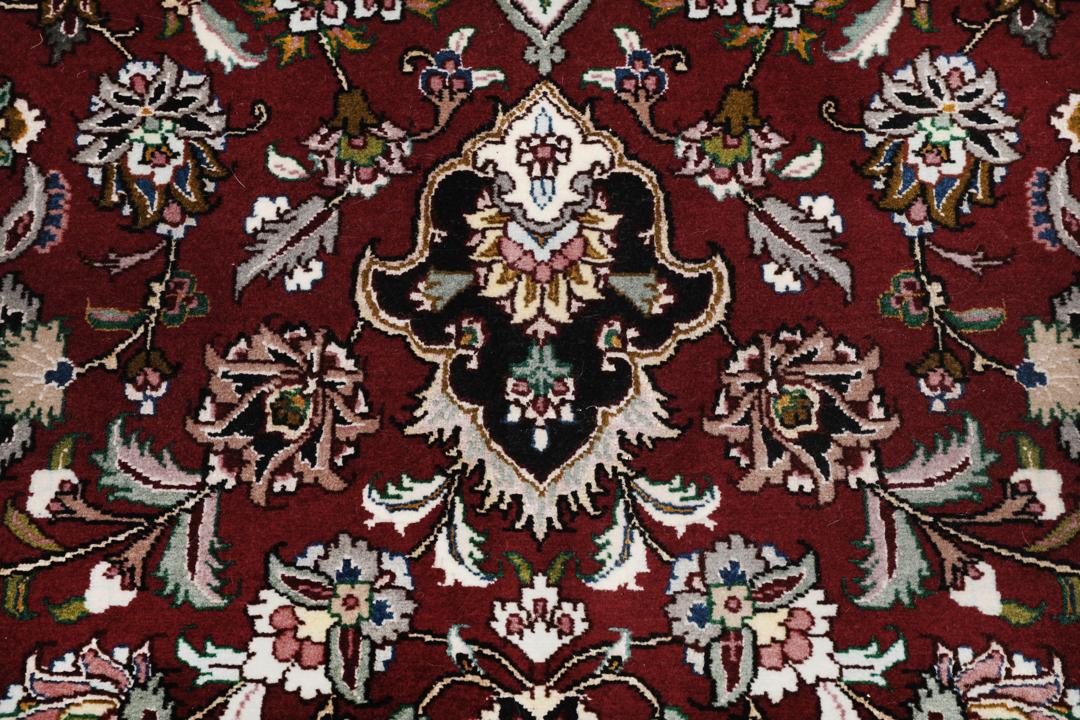
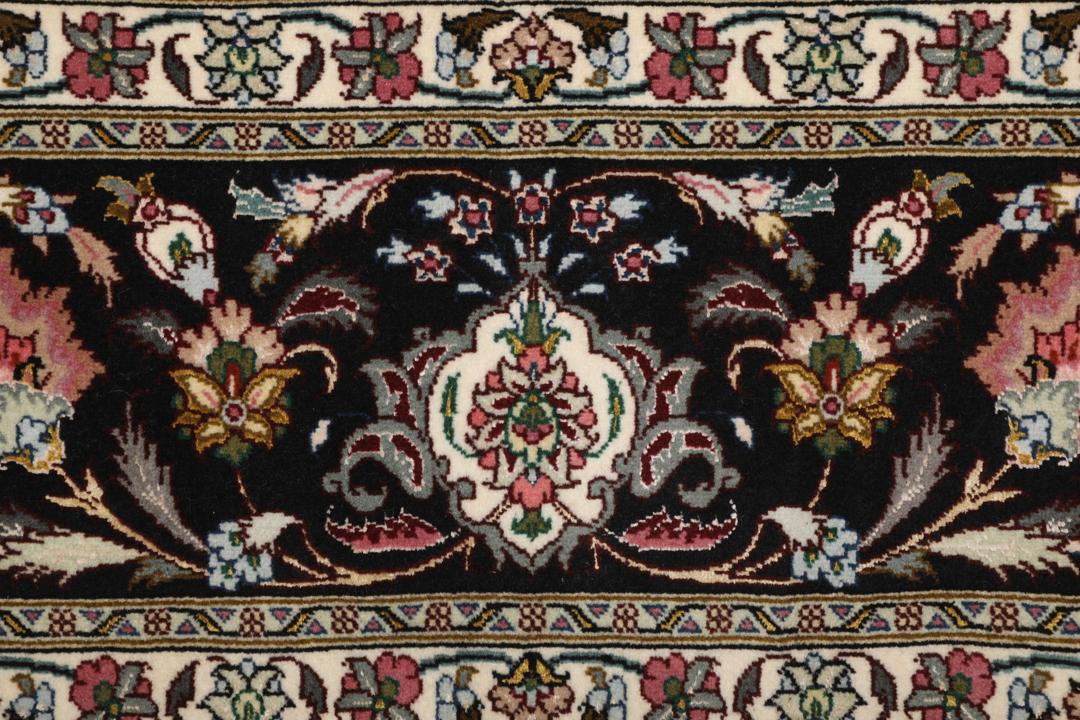
Tabriz rugs hail from one of the oldest rug-weaving centres in the Middle East, a city with a storied past as a hub for artistic exchange along the historic trade routes. The tradition of weaving in this region is celebrated for its technical sophistication and its ability to synthesise diverse cultural influences into a cohesive, recognisable style.
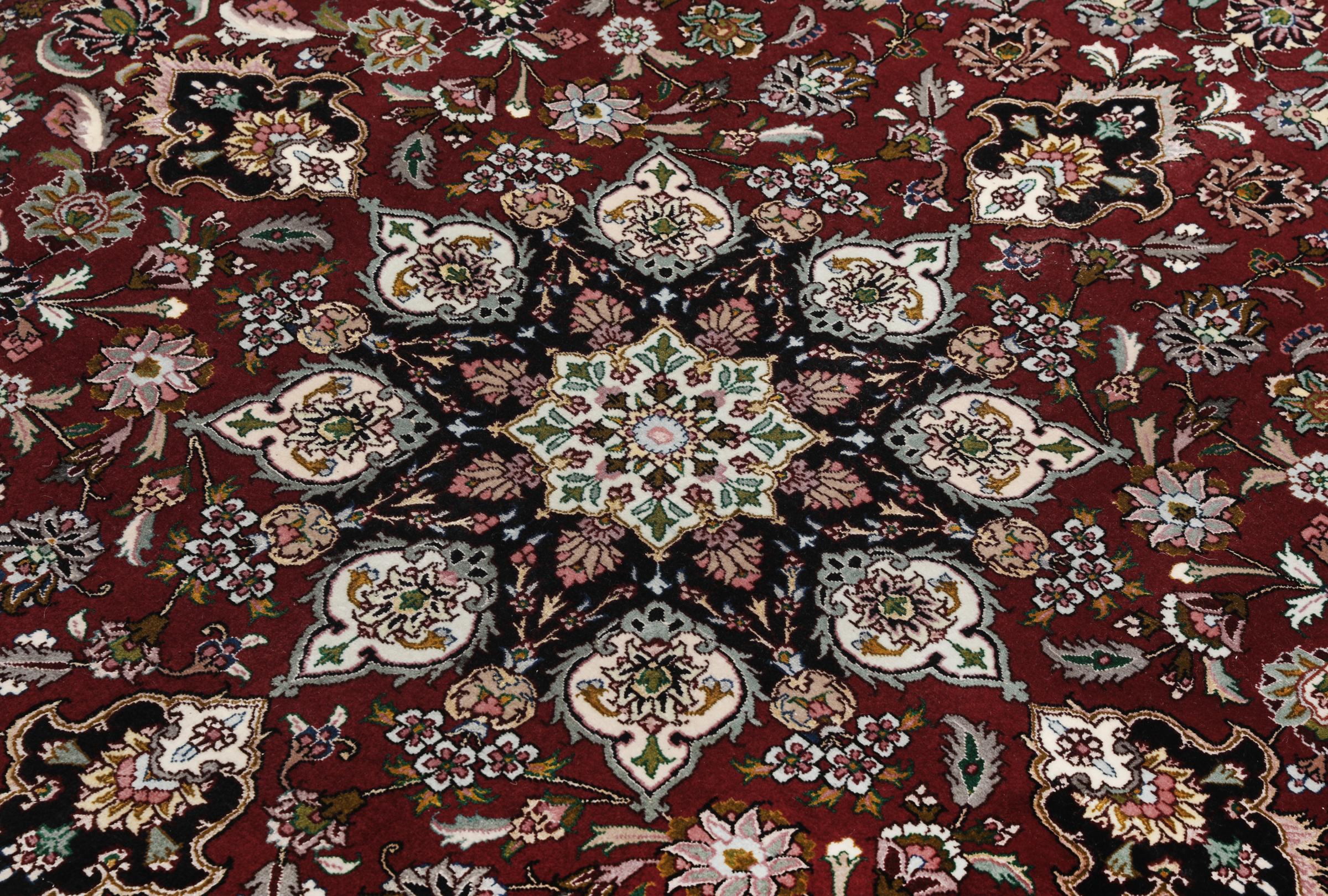
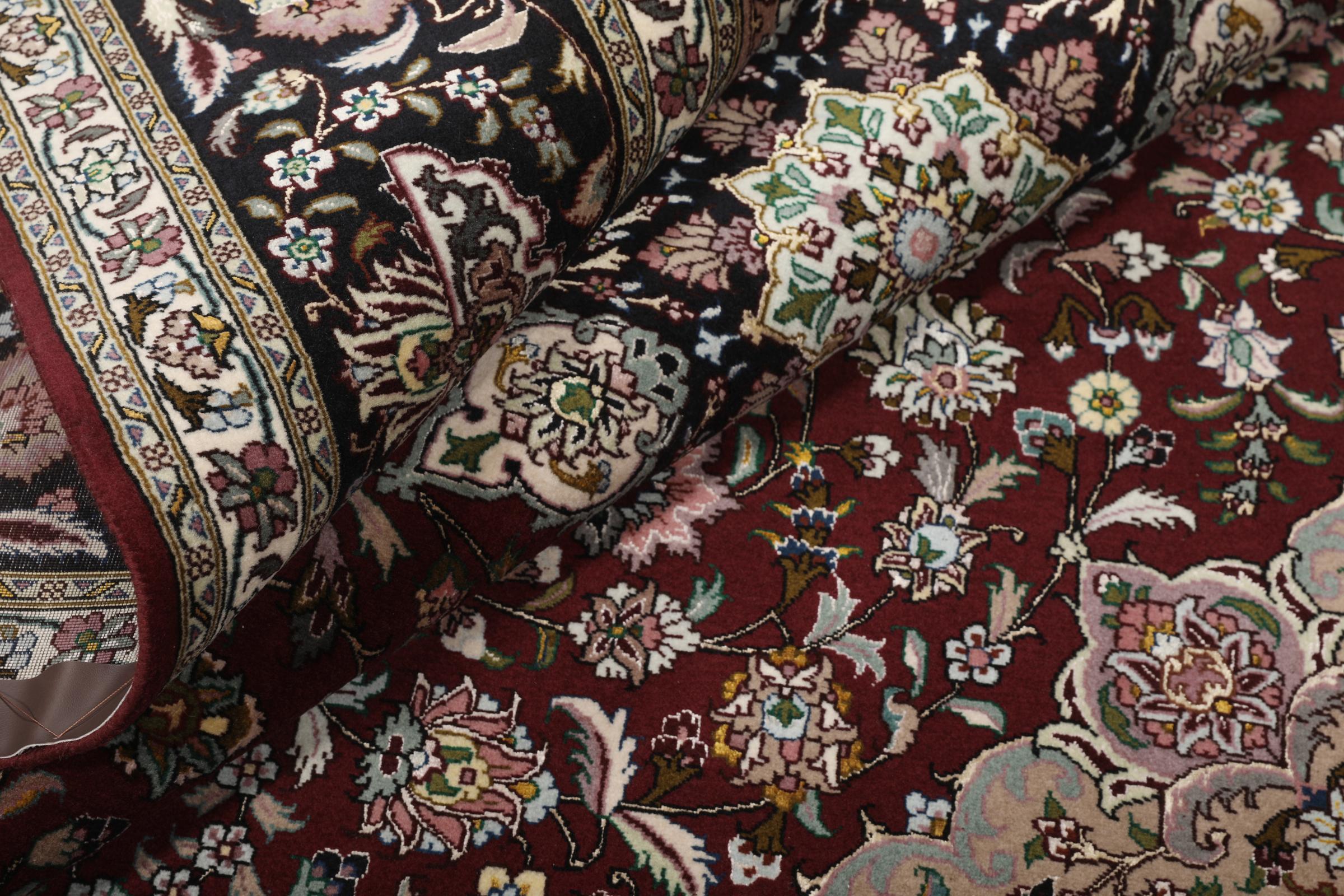
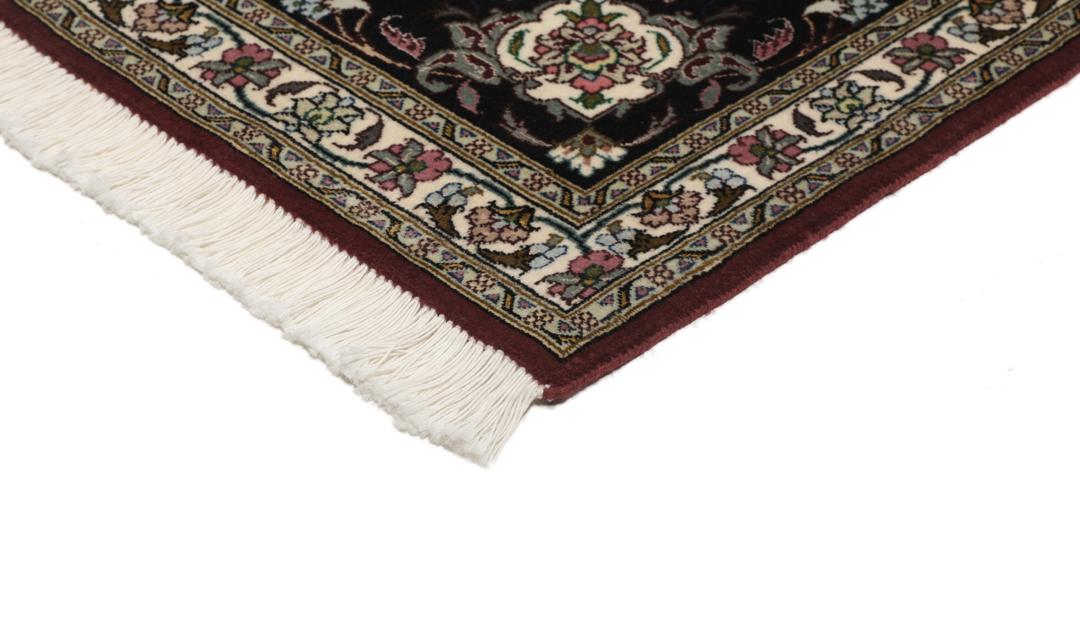
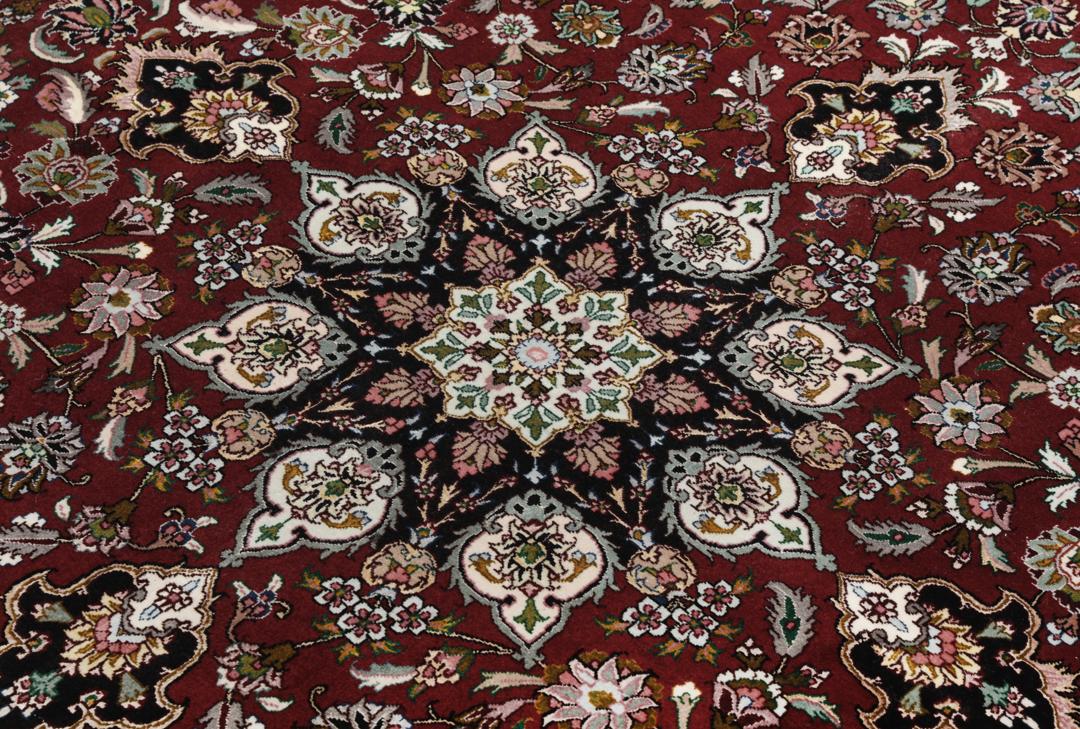
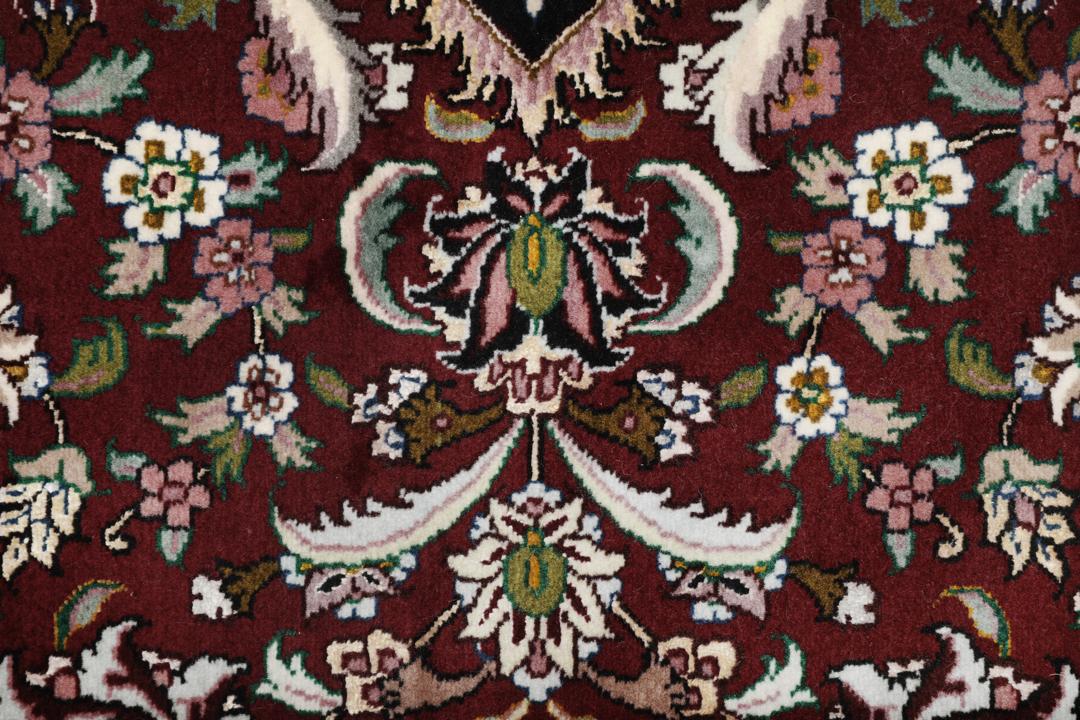
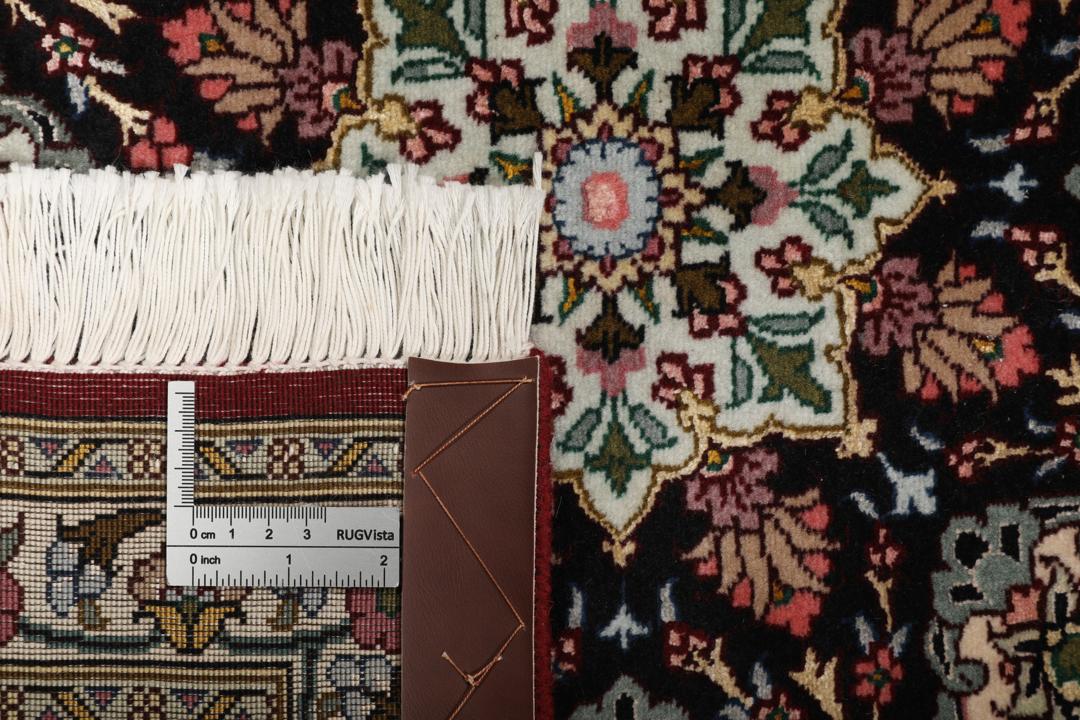
The '60 Raj' designation is a mark of quality and technical mastery. In the context of this tradition, 'Raj' refers to the number of knots across a specific width, serving as a standard for measuring the fineness of the weave. A 60 Raj classification indicates a very fine, dense construction that allows for the intricate, curvilinear patterns that distinguish these pieces from more tribal or nomadic styles.
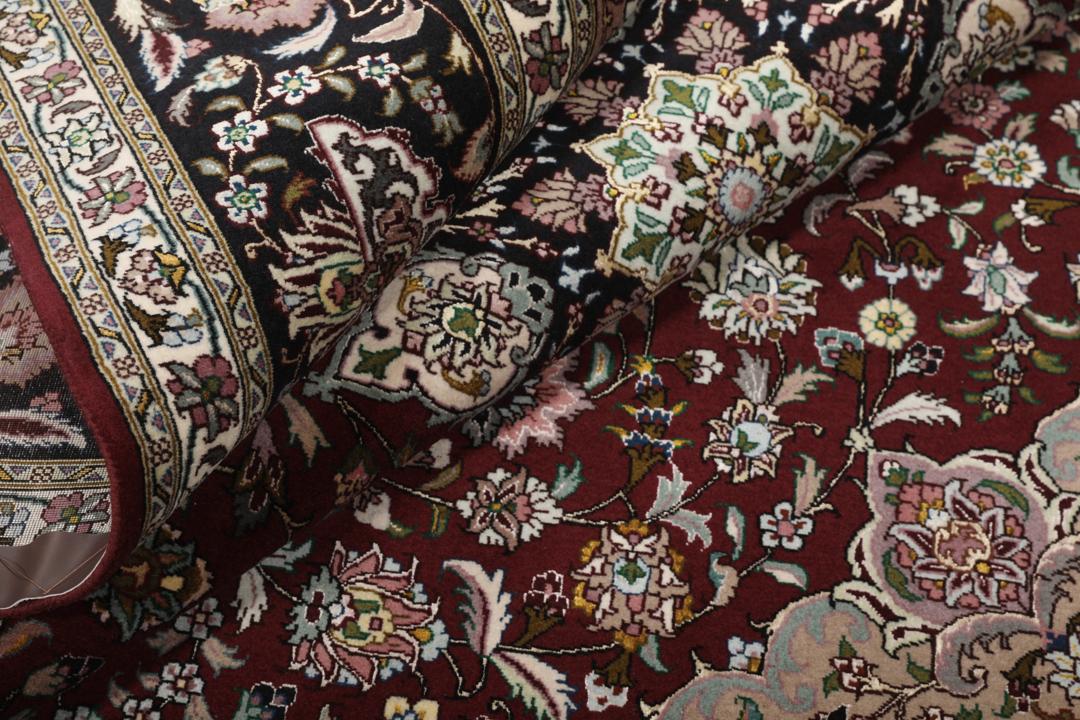
Visually, these rugs are defined by their sophisticated, formal layouts. They often feature a central medallion surrounded by dense, rhythmic floral scrolls and intricate arabesques. The borders are typically multi-layered and highly detailed, serving to frame the field with precision and balance, reflecting a design language that has been refined over centuries.
Collectors and enthusiasts value these rugs for their ability to balance beauty with utility. Owning a piece from this tradition is an investment in cultural heritage, representing a level of skill that is increasingly rare in the modern world. It is a testament to the enduring appeal of traditional craftsmanship that continues to bring warmth and sophistication to homes across the globe.