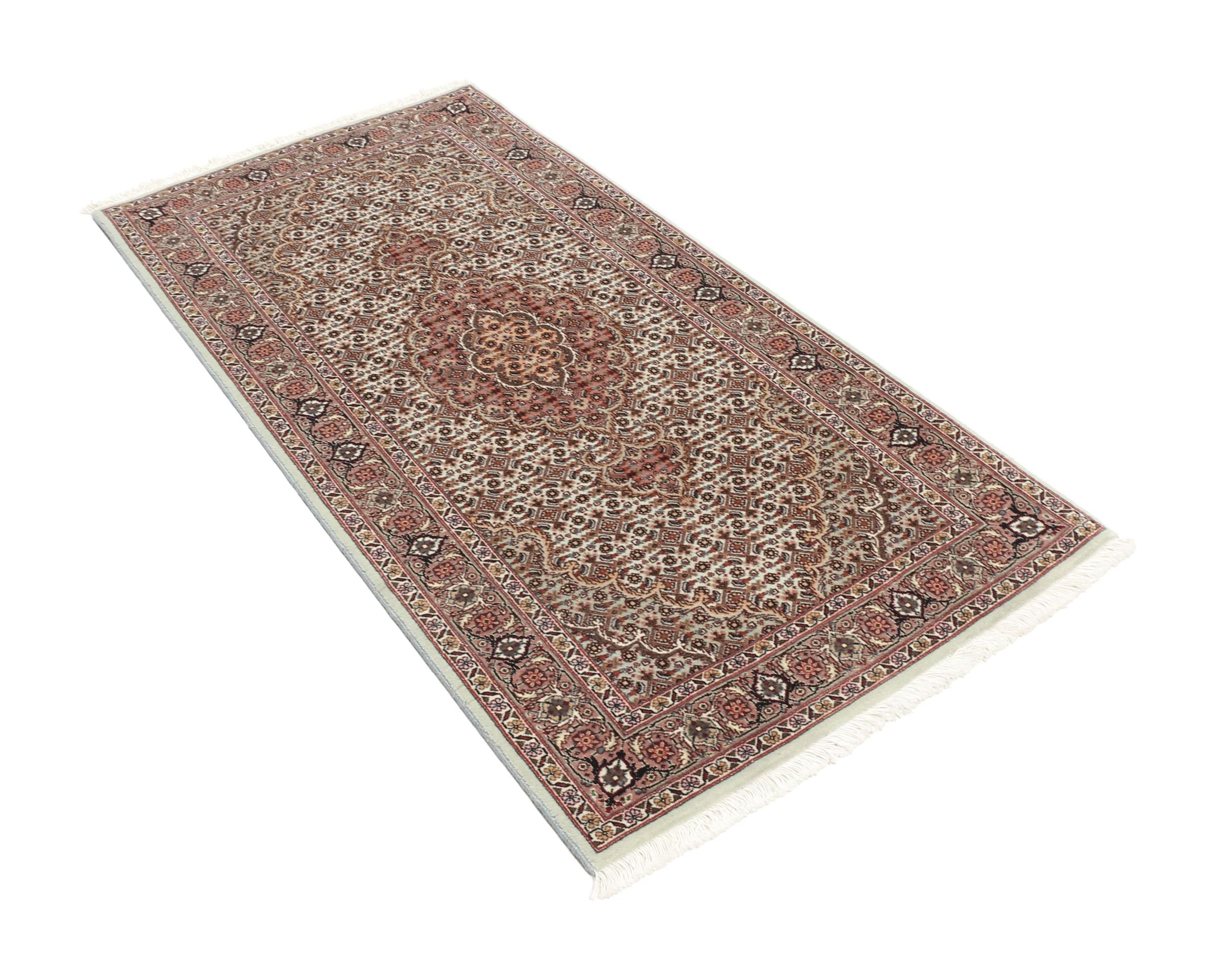
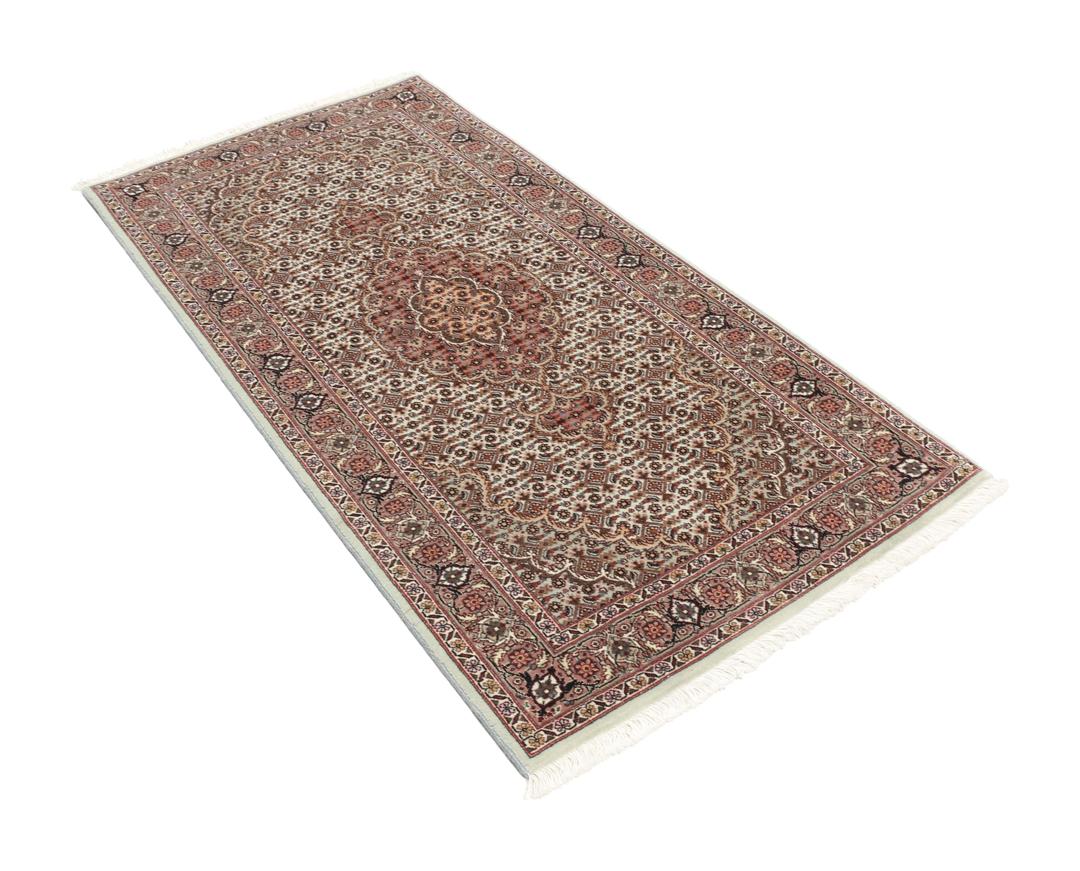
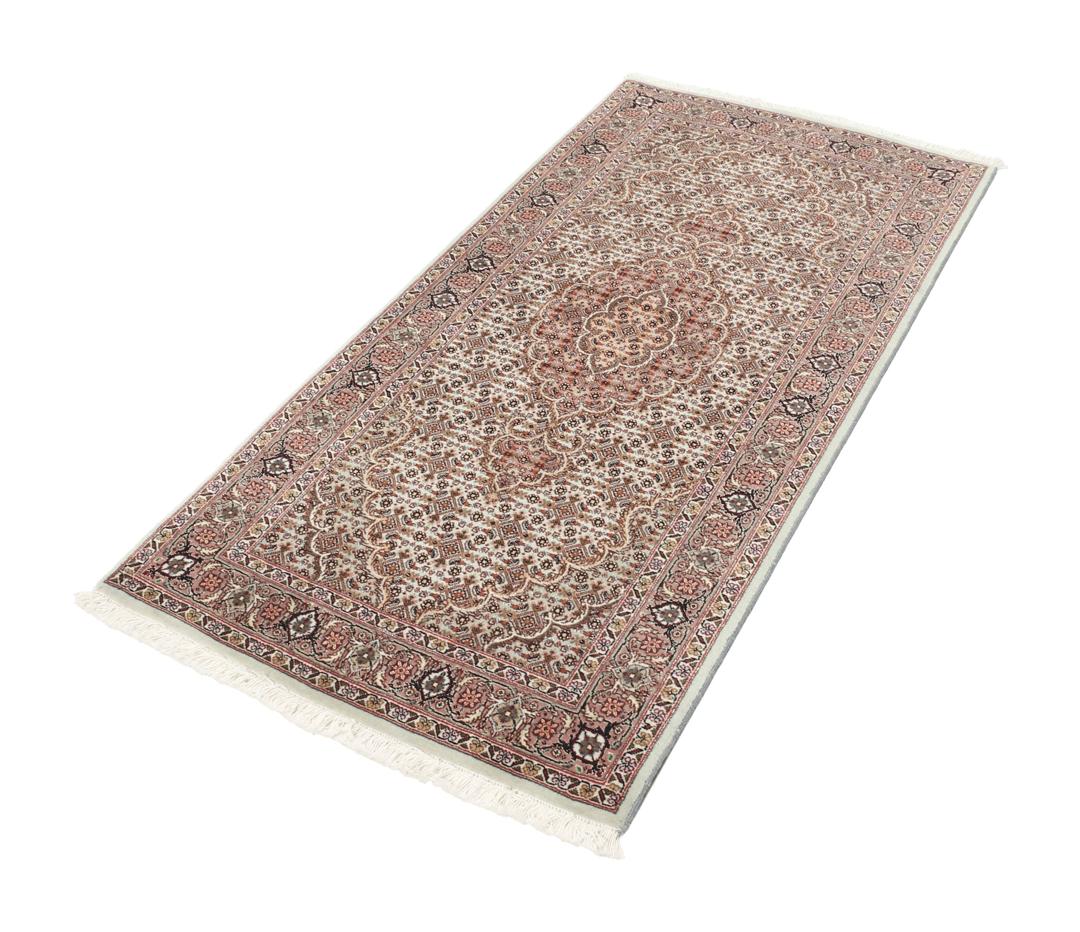
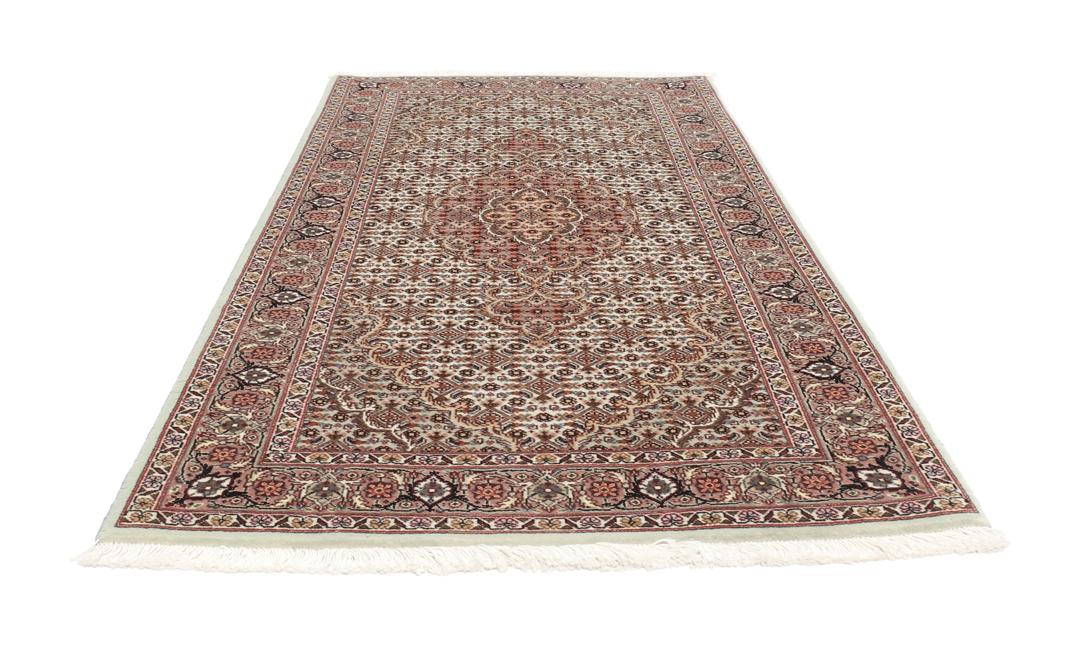
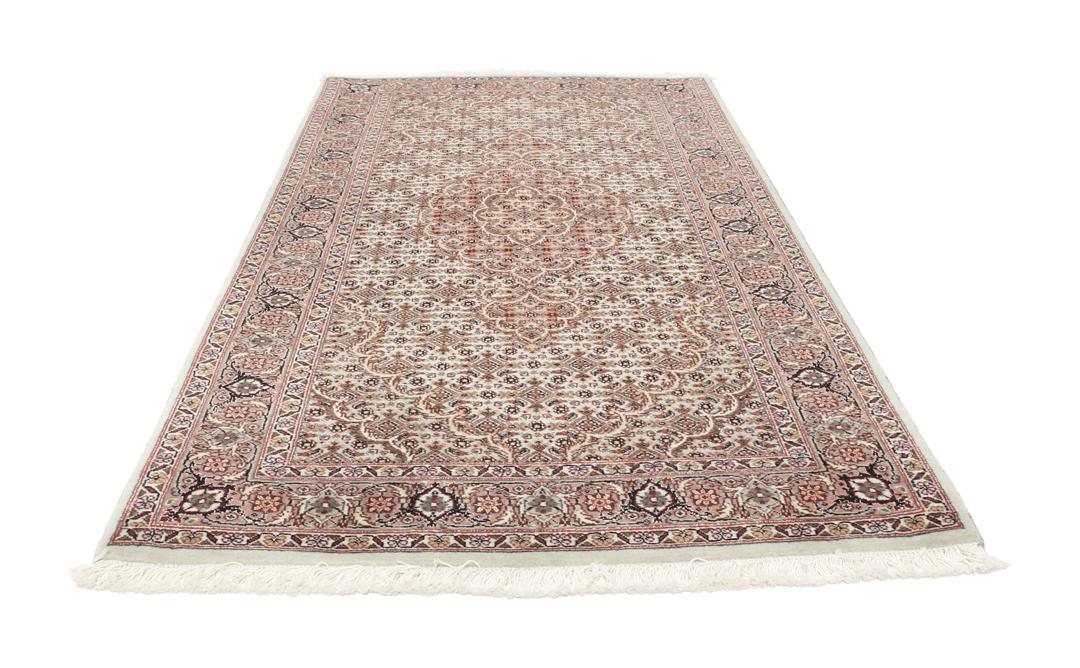
Tabriz rugs originate from the historic city of Tabriz, located in the northwestern part of the Middle East. This city has long been a vital hub on the ancient Silk Road, serving as a crossroads for diverse artistic traditions and trade. The evolution of Tabriz weaving is deeply connected to this rich cultural exchange, leading to a style that is celebrated for its technical mastery and diverse range of designs.
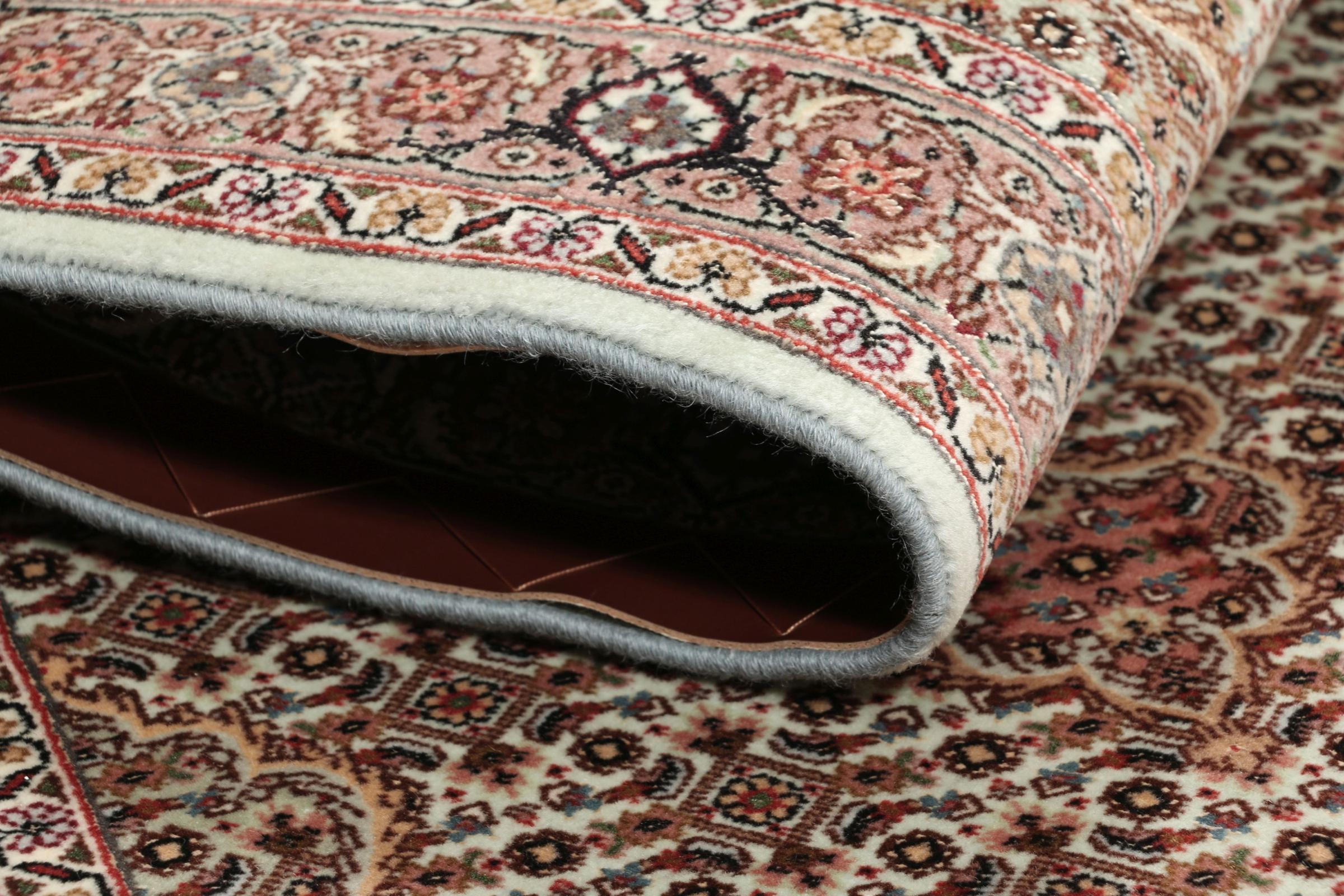
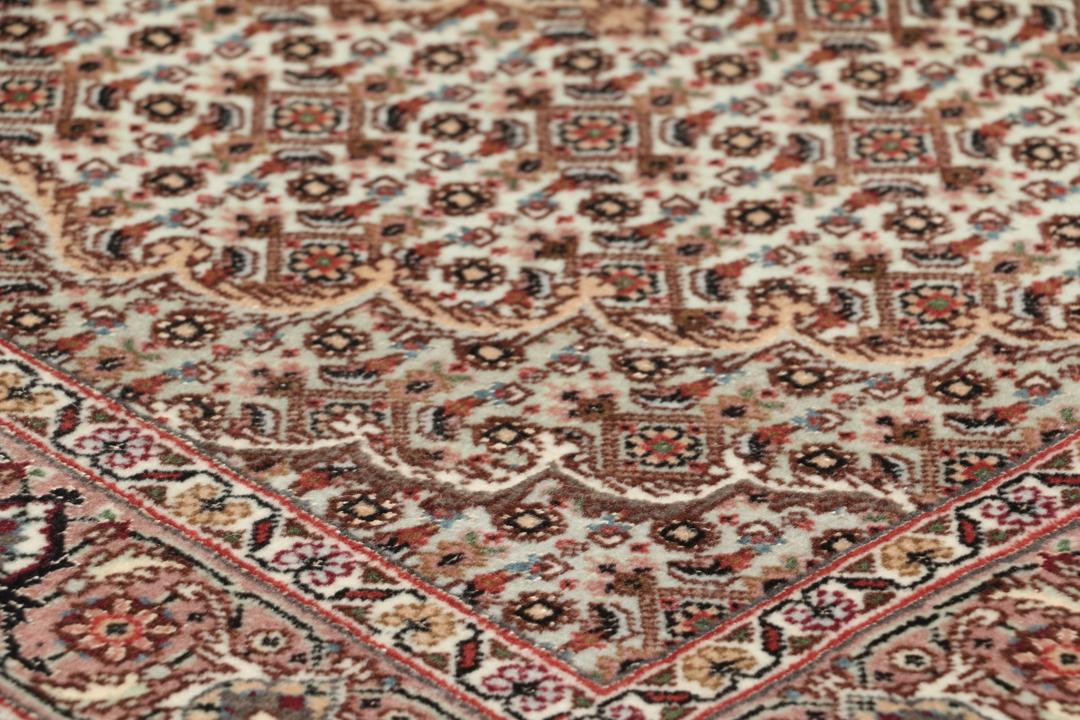
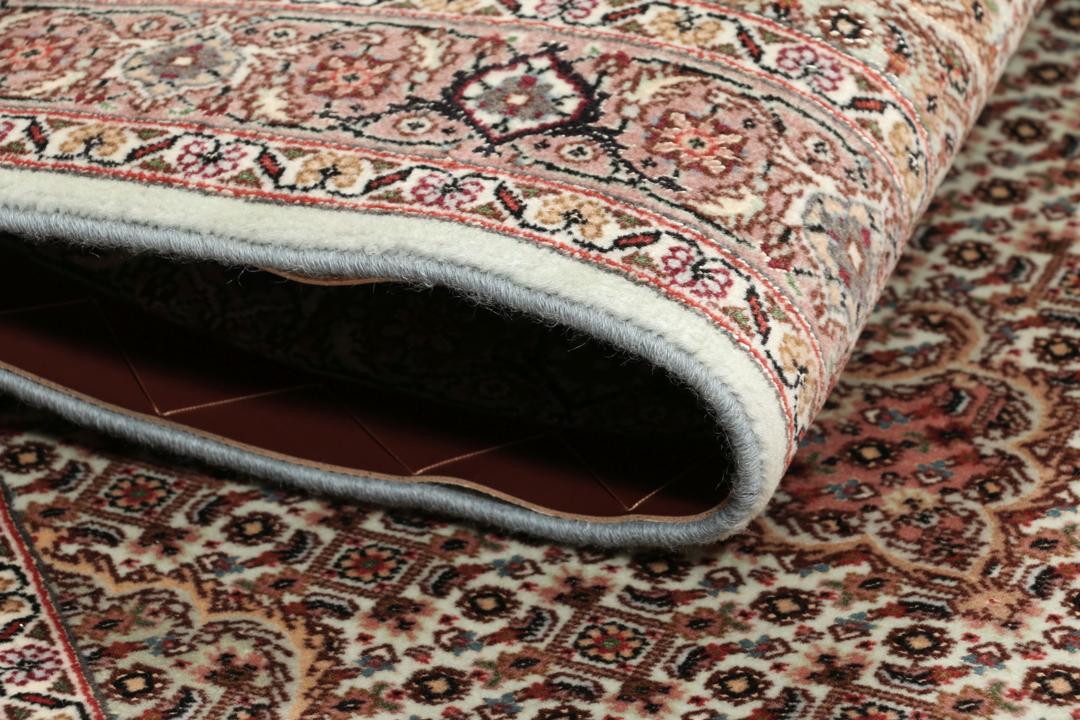
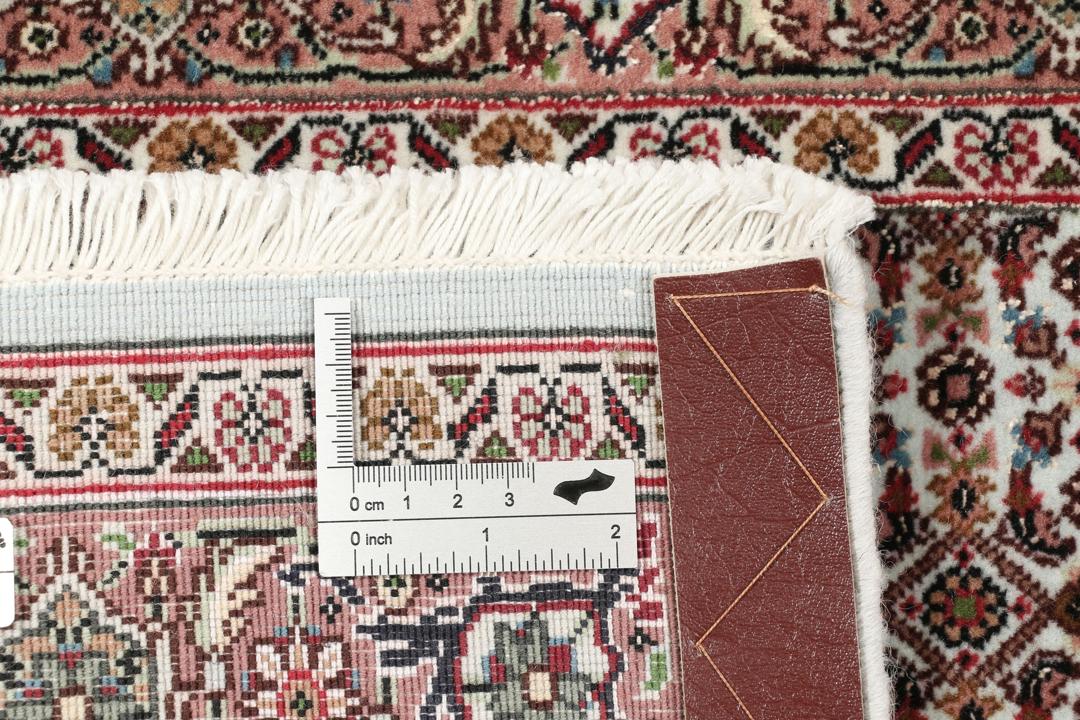
The term '50 Raj' refers to a specific measurement of knot density along the warp, serving as a vital indicator of quality and refinement. In the world of hand-knotted rugs, the 'Raj' system measures how many knots are present in a specific length, with higher numbers indicating a more delicate, precise, and labour-intensive weave. For the collector, this signifies a finer, more detailed pattern and a more lustrous, dense pile.
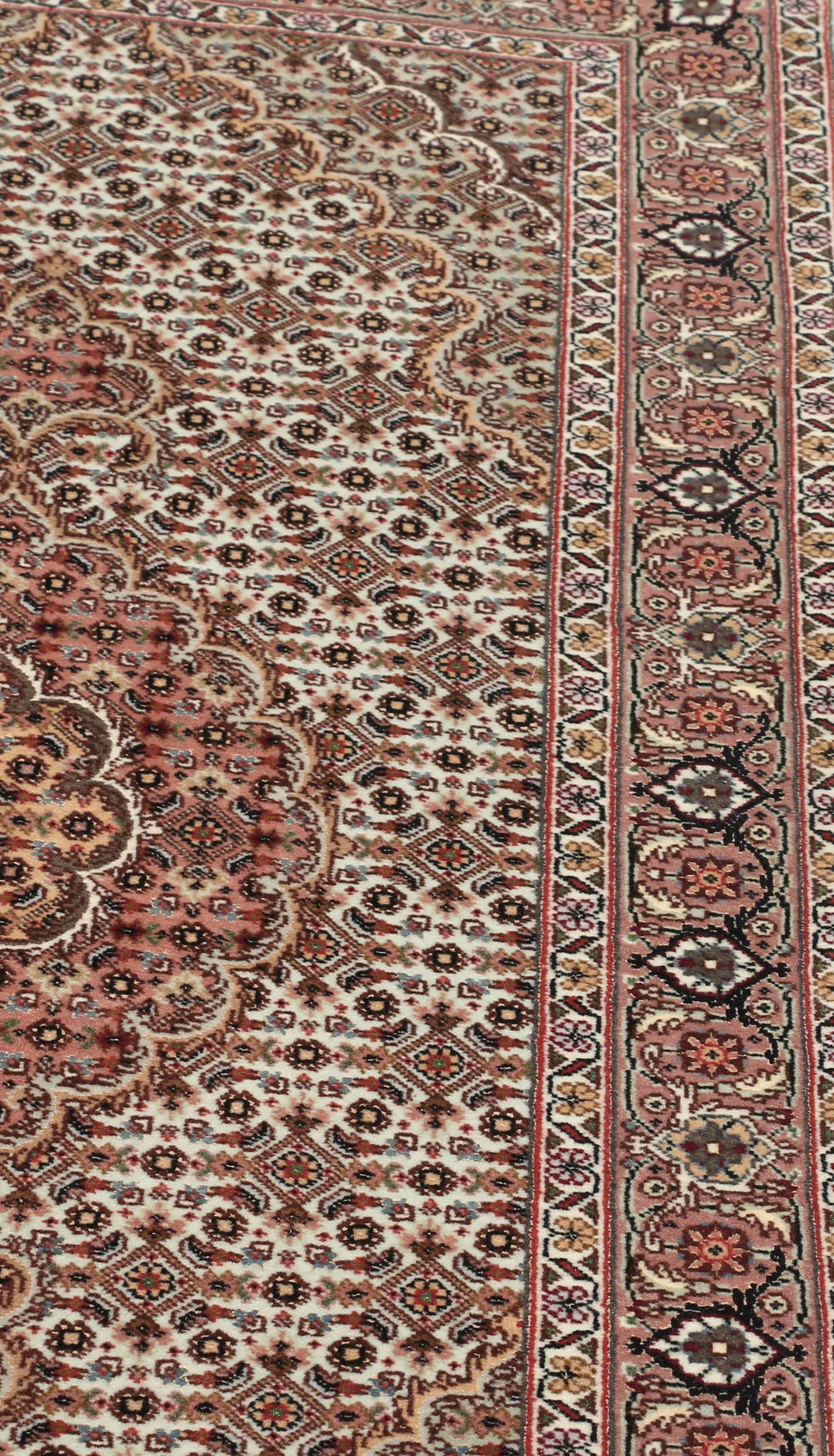
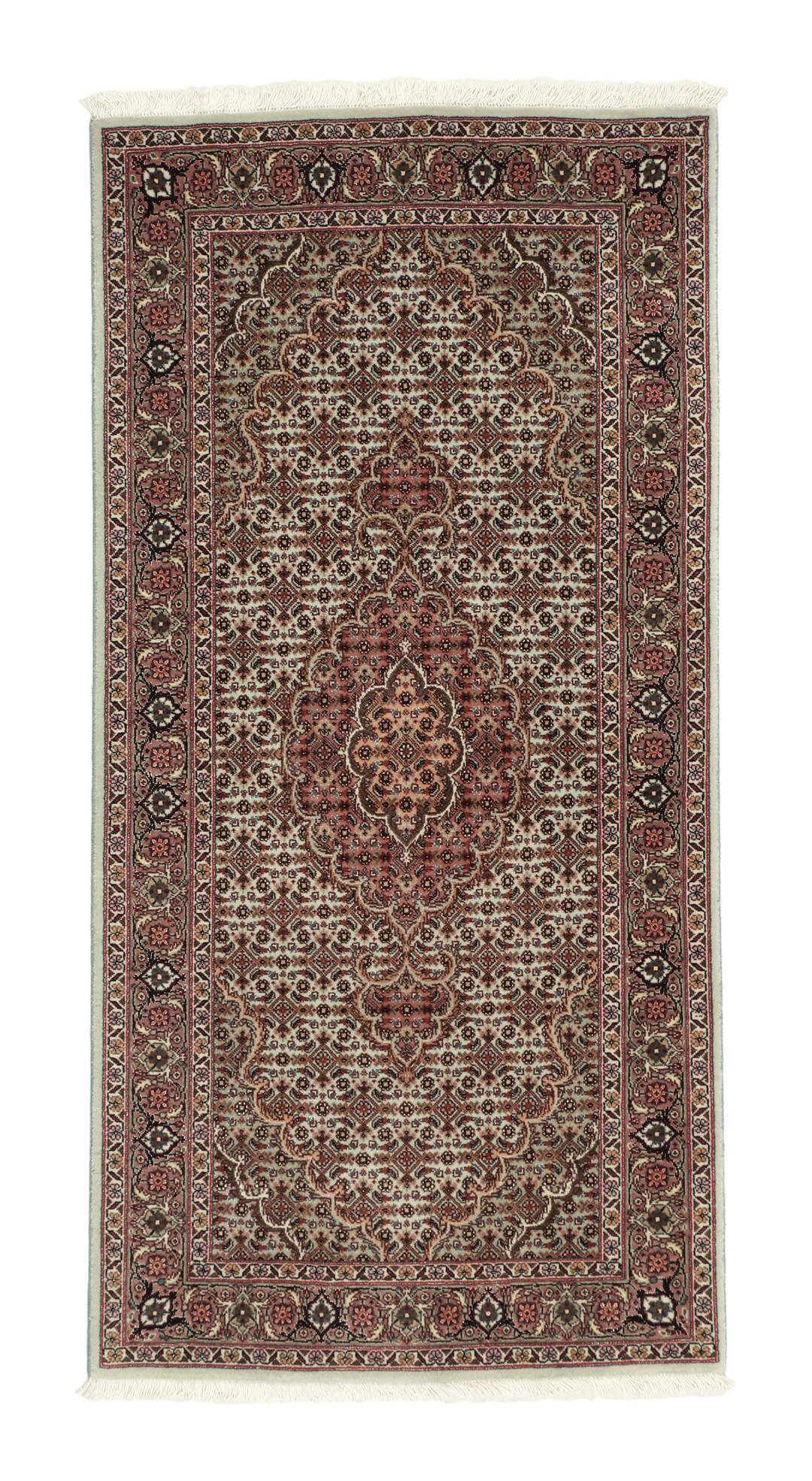
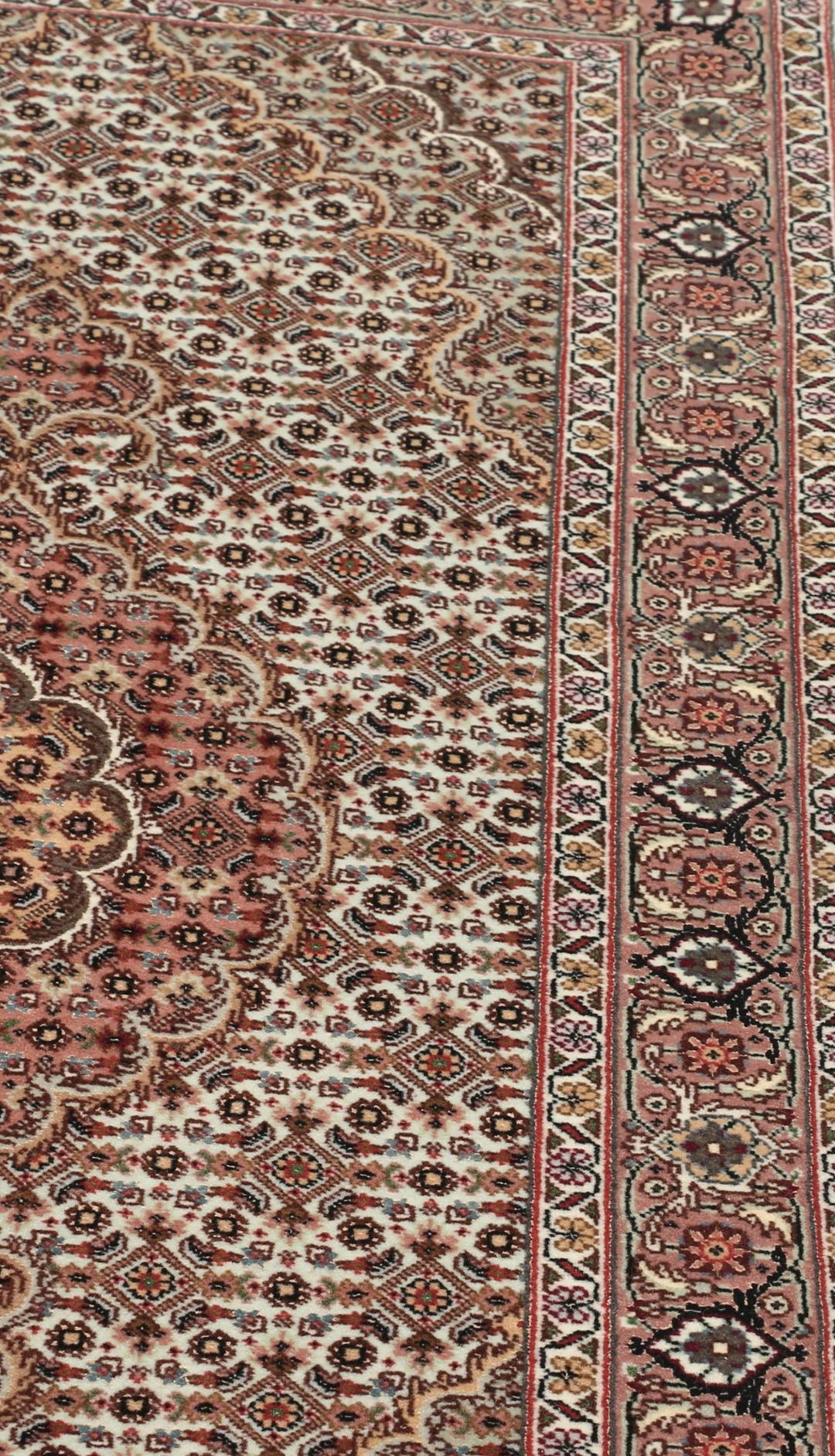
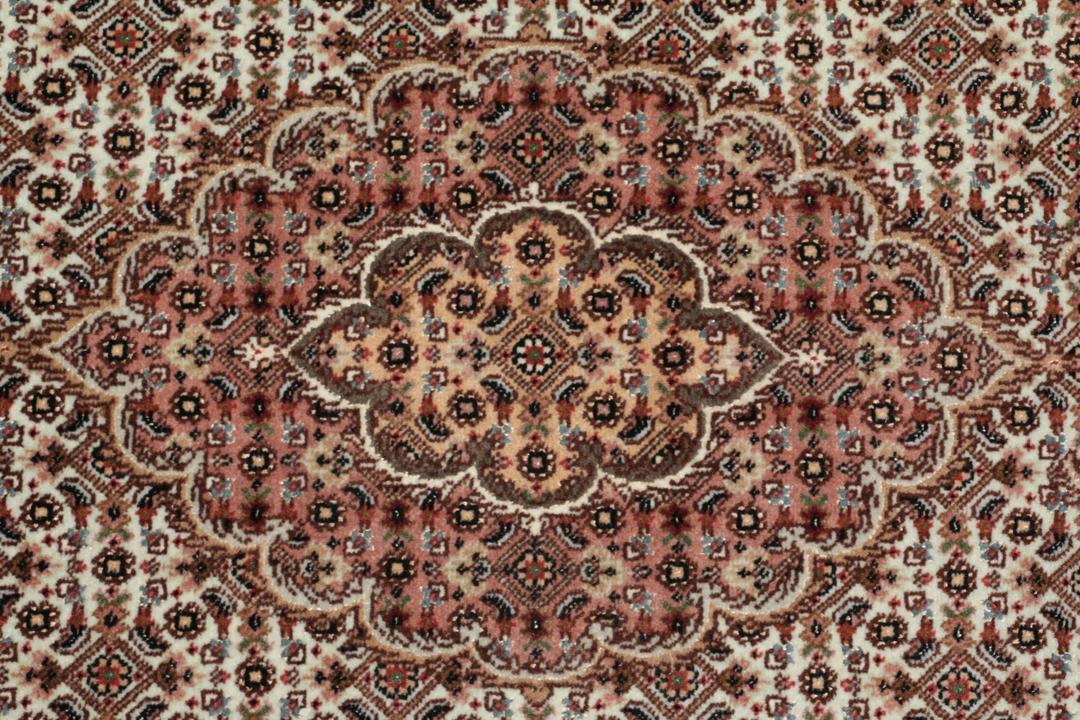
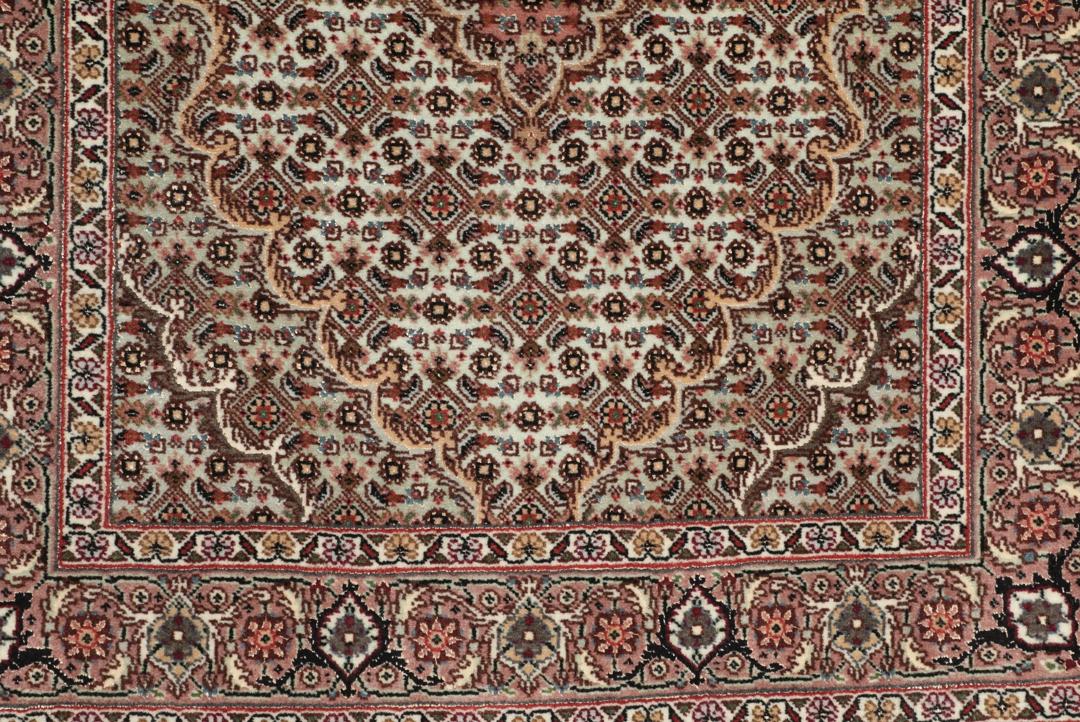
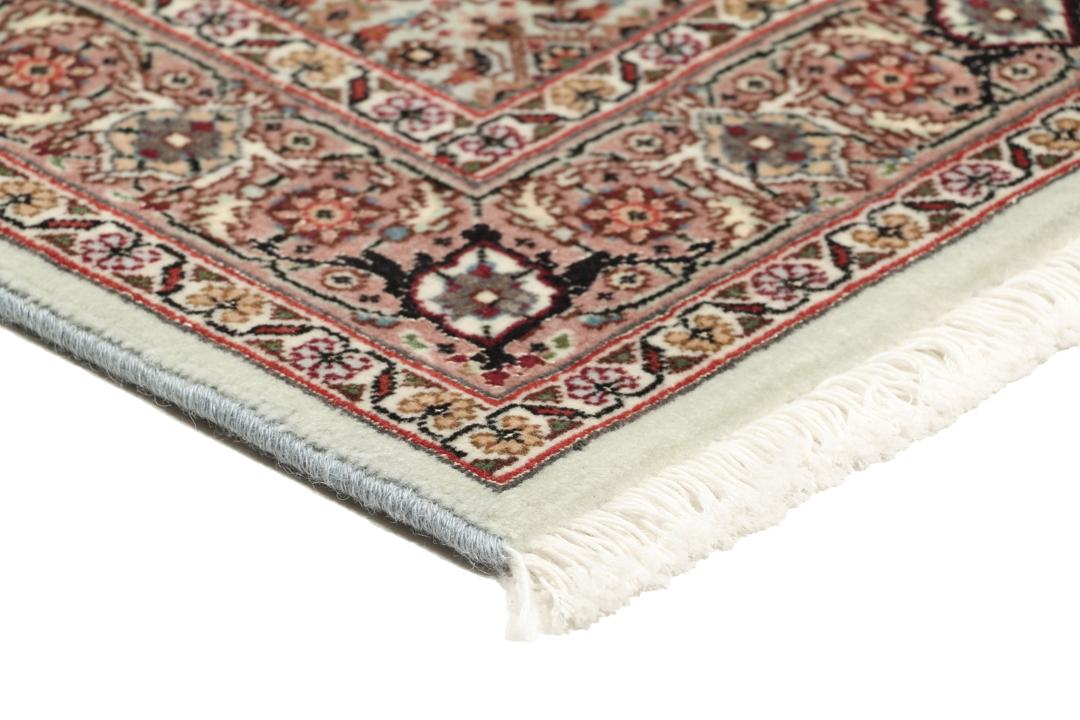
Visually, Tabriz rugs are known for their sophisticated use of space and colour. They often feature a central medallion surrounded by dense, flowing floral motifs, vines, and palmettes. This specific rug captures that tradition perfectly, utilising a harmonious palette that highlights the depth of the design. The borders are typically formal and balanced, framing the main field with intricate scrolls that reflect the region's long-standing design expertise.
Collecting a Tabriz rug is an investment in a legacy of skill that has been refined over centuries. These pieces are highly valued not only for their beauty but for the profound human effort embedded in every square centimetre. Owning one is a testament to a deep appreciation for heritage, artistry, and the enduring quality of hand-knotted textiles.