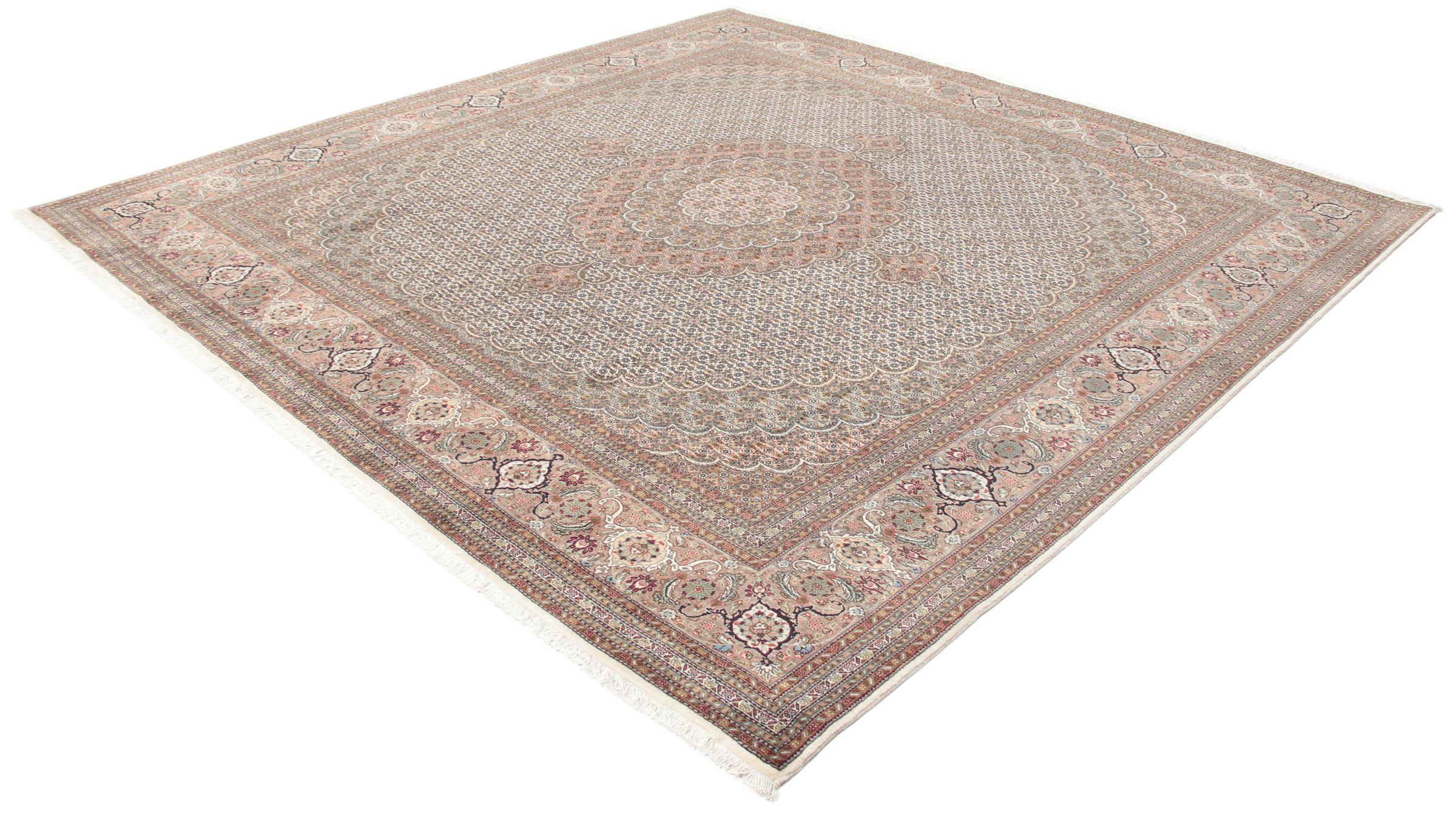
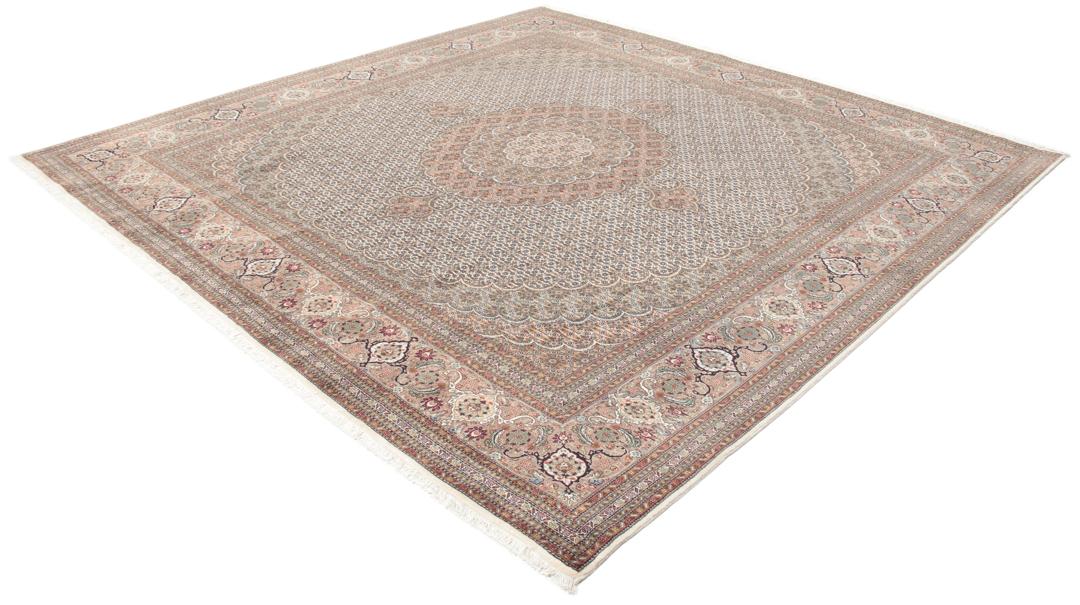
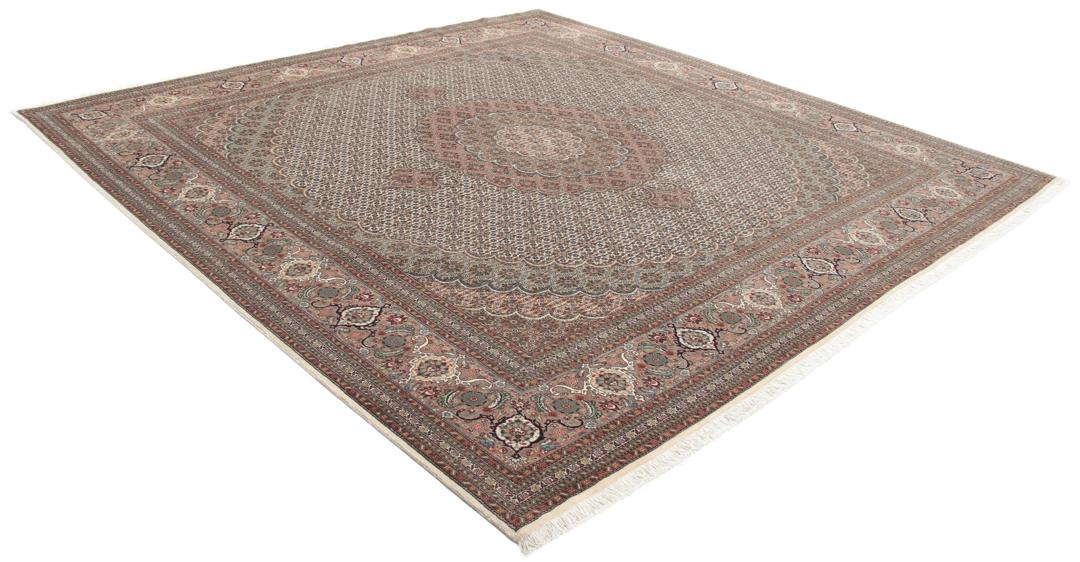
Tabriz rugs originate from one of the oldest rug-weaving centres in the Middle East, located in the historic city of Tabriz. This region has served as a vital hub on the Silk Road for centuries, fostering a unique environment where artistic influences from across the globe converged. The long-standing tradition of weaving in this city is celebrated for its exceptional technical standards and its ability to adapt and refine classical designs.
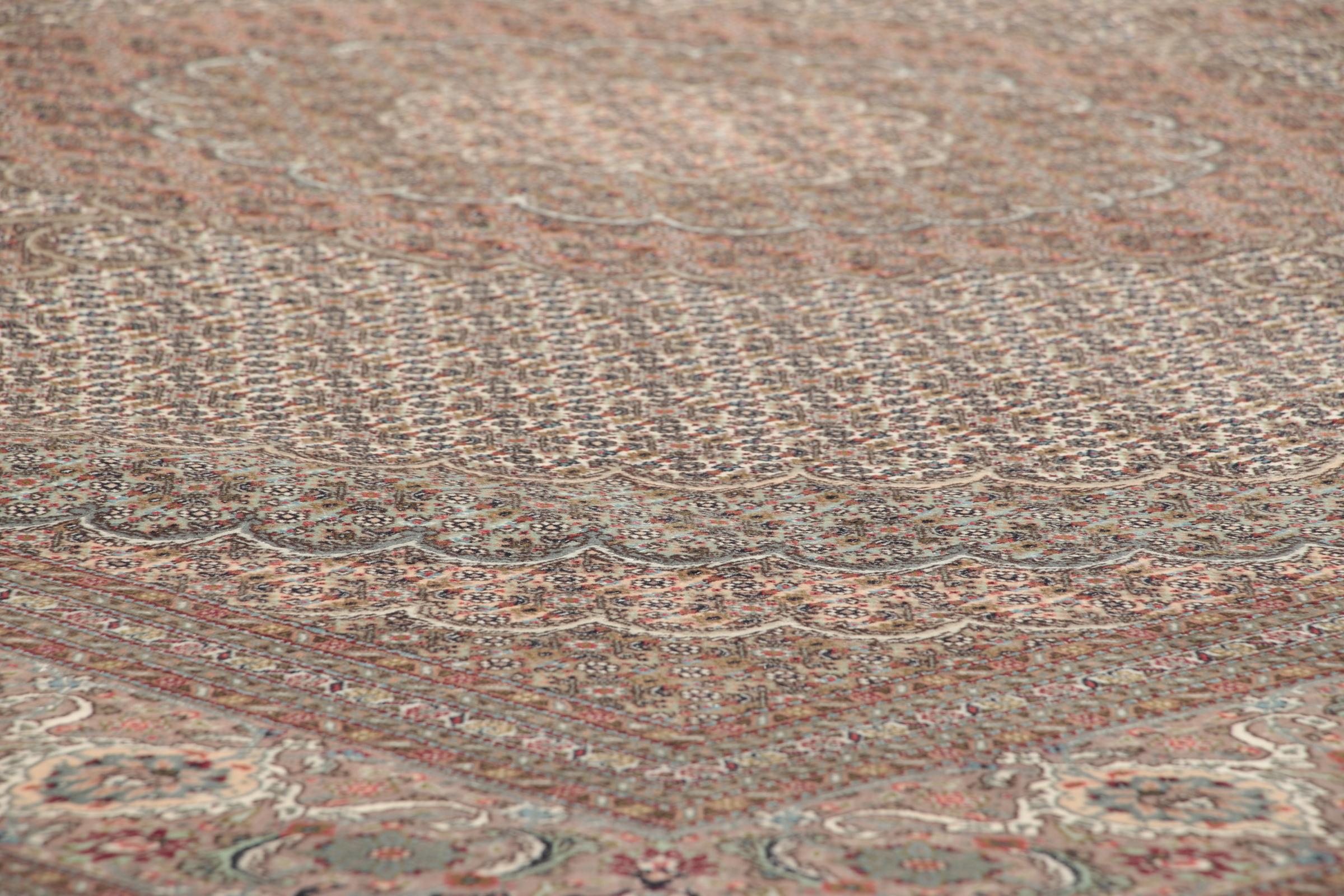
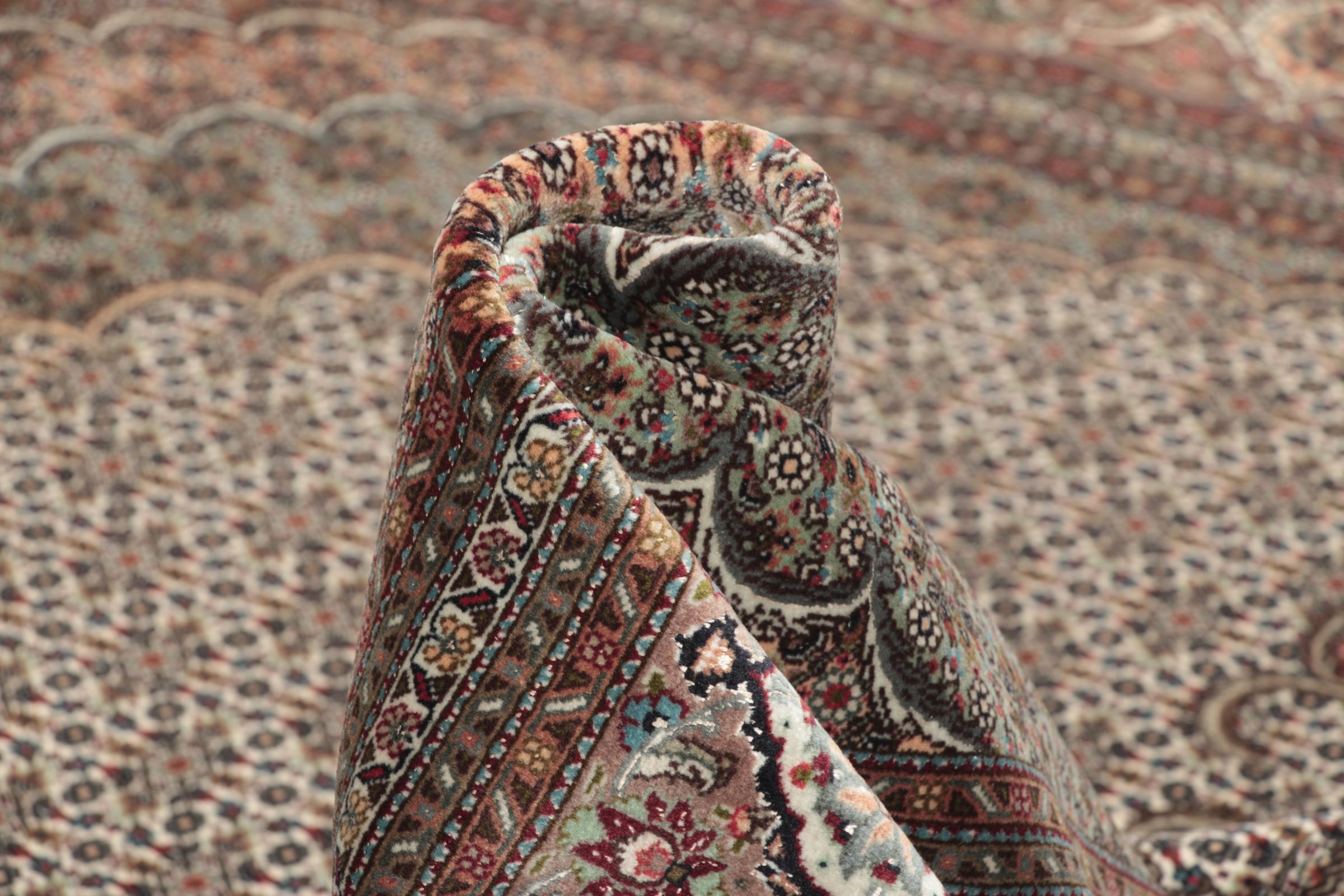
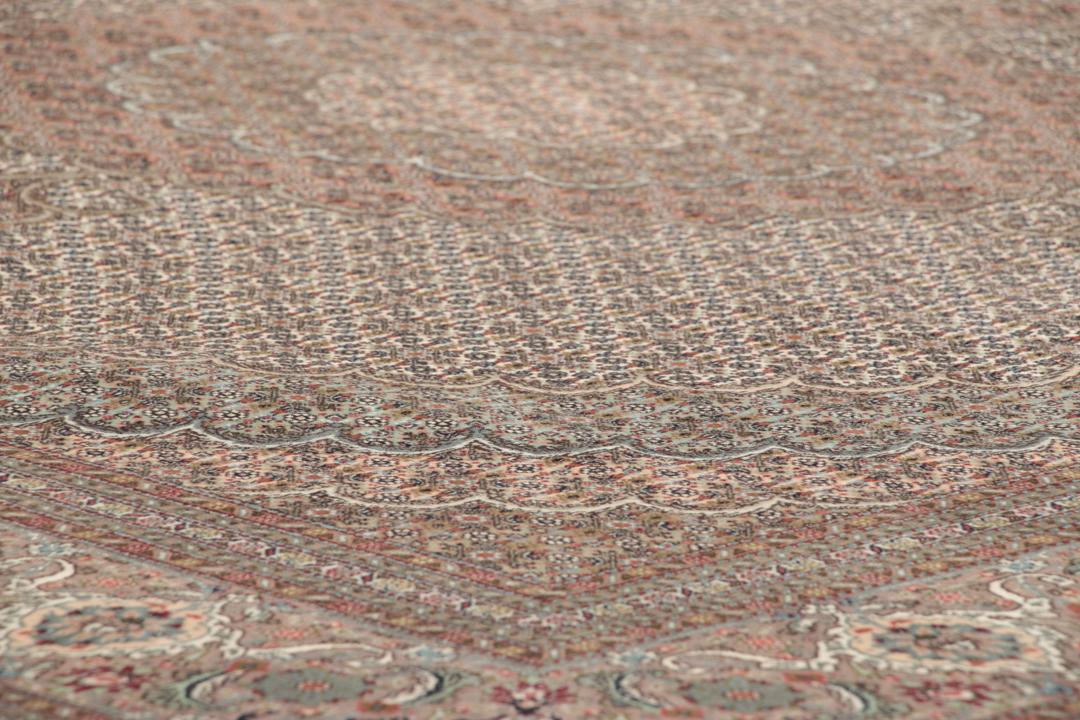
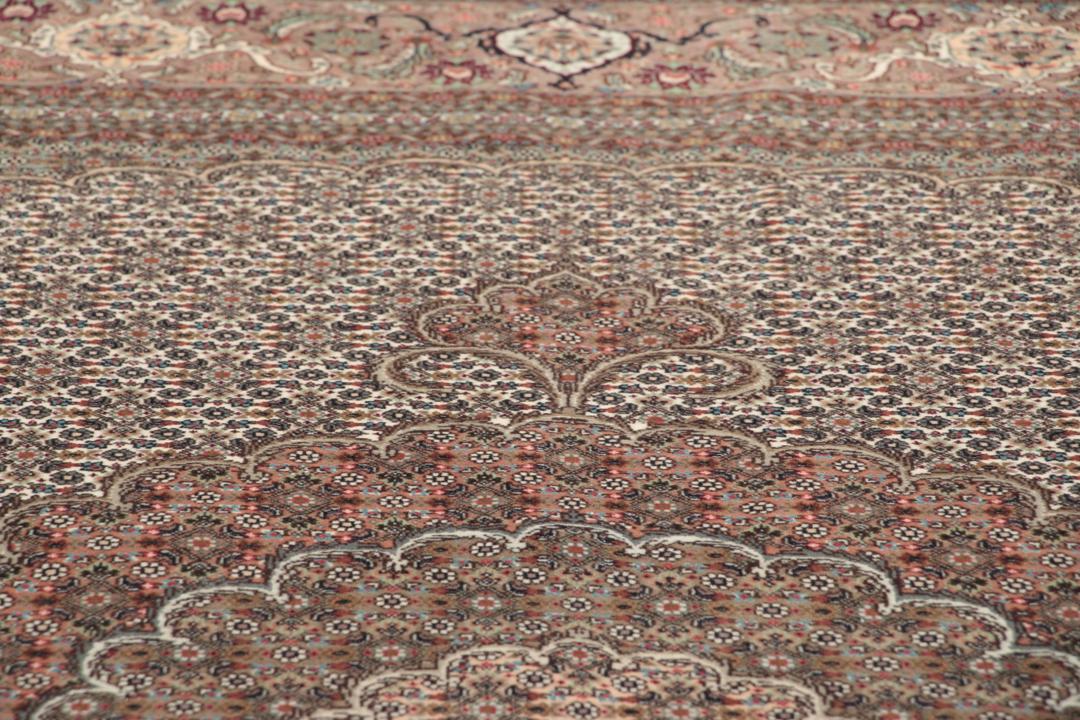
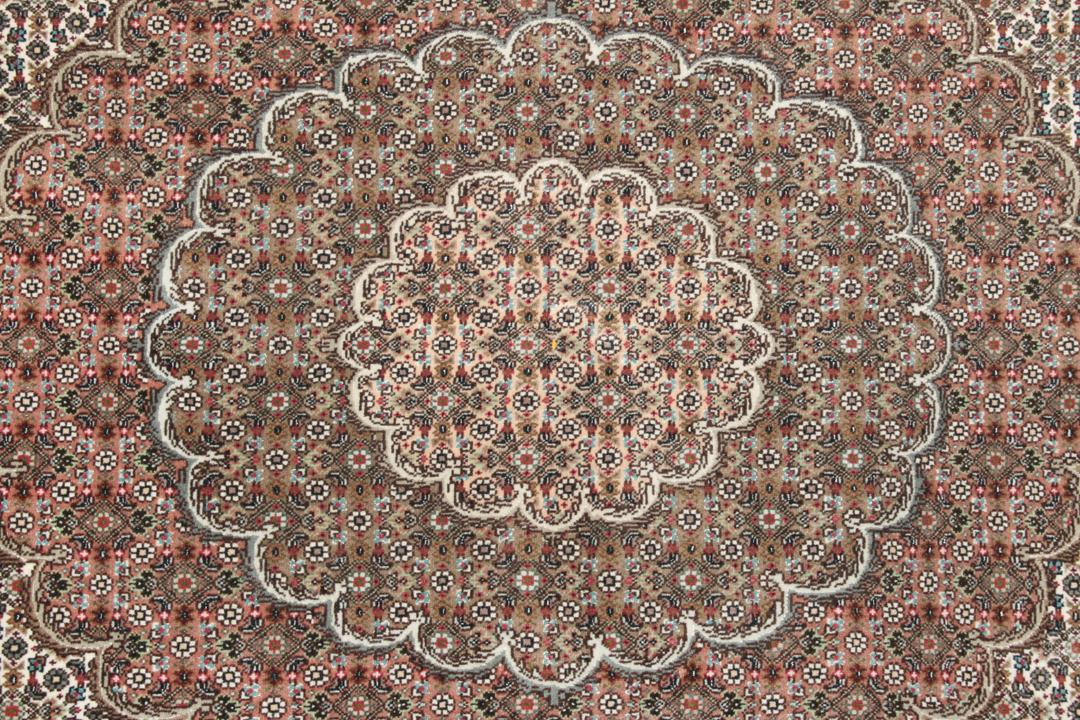
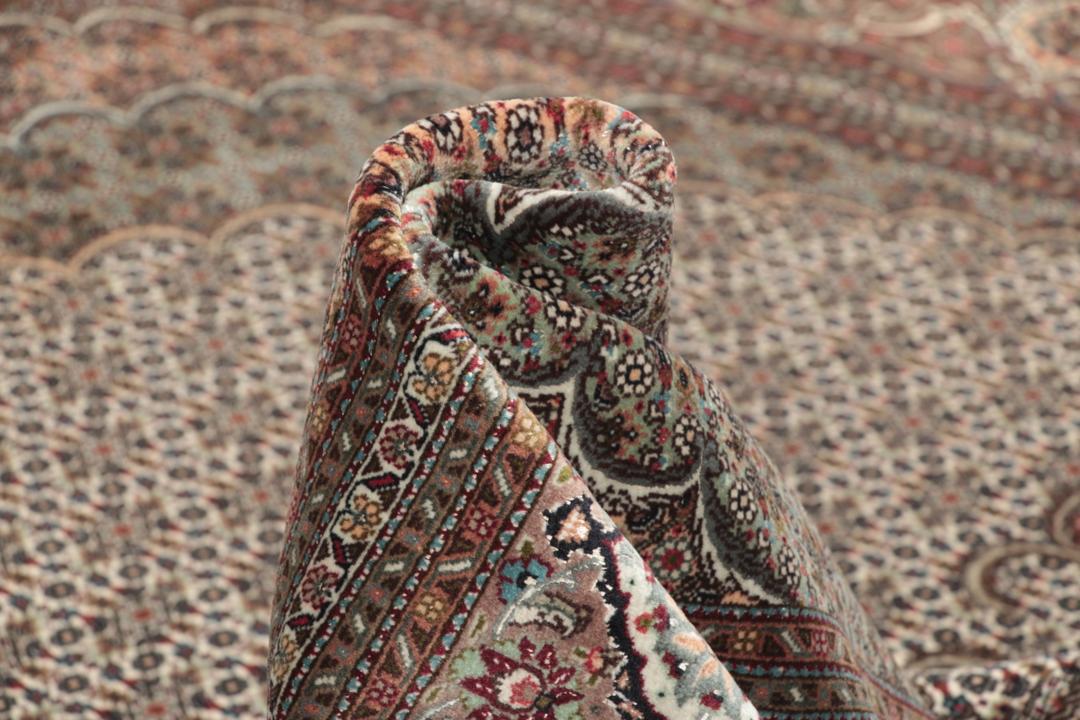
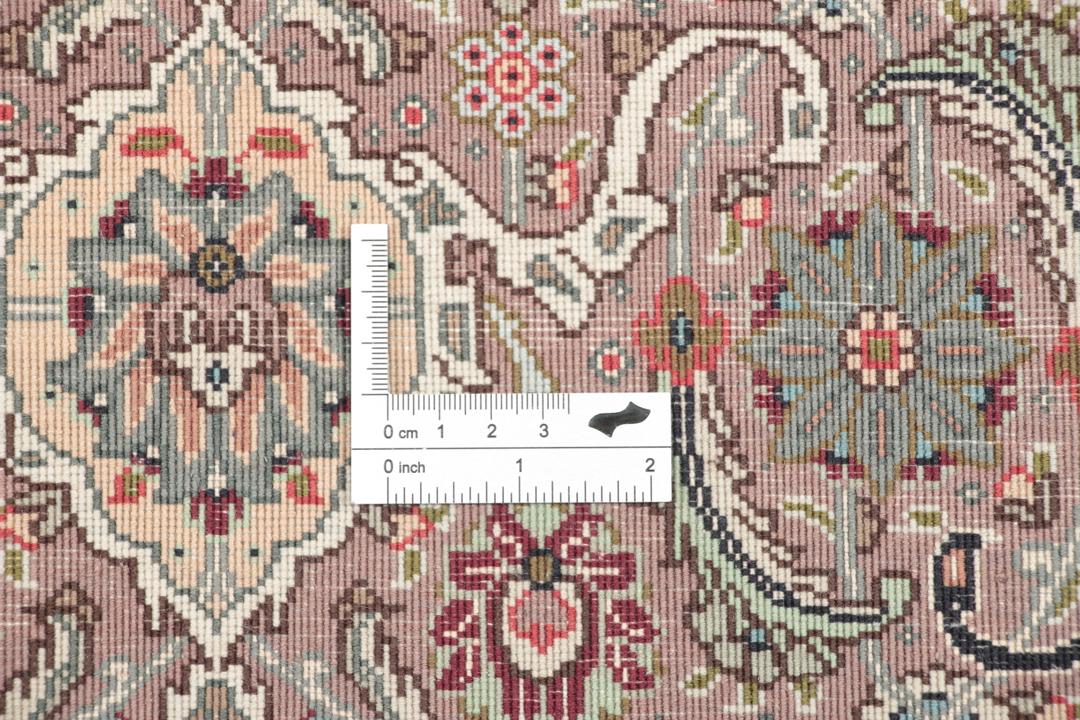
The designation '50 Raj' refers to a specific system of measuring the quality and fineness of the knotting based on a standard unit of measure. In the context of Tabriz weaving, a higher raj count indicates a greater number of knots per unit, which translates into thinner, more flexible threads and a more detailed, intricate pattern. This classification is a hallmark of premium quality, signalling that the rug has been crafted with a superior level of technical precision.
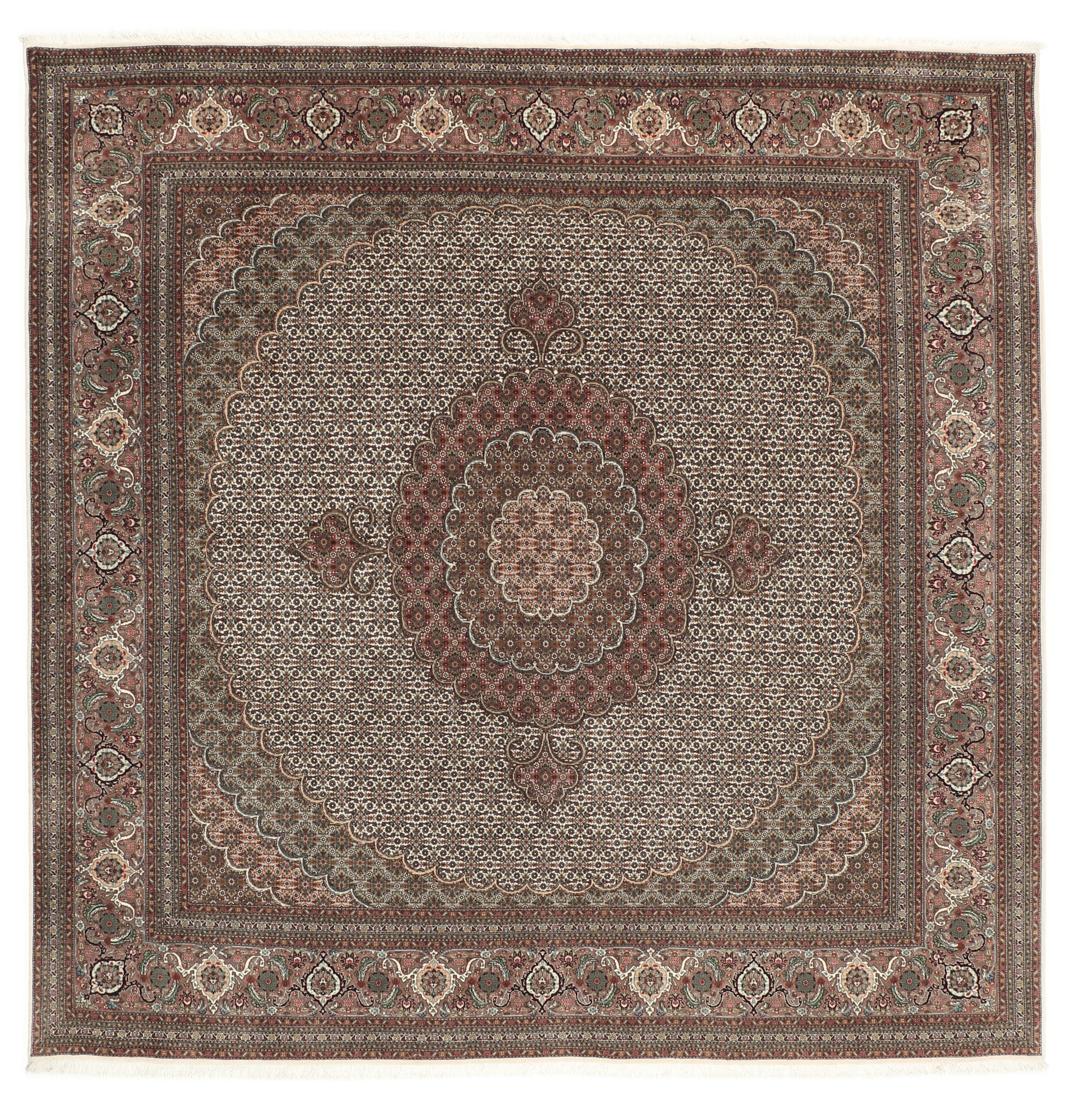
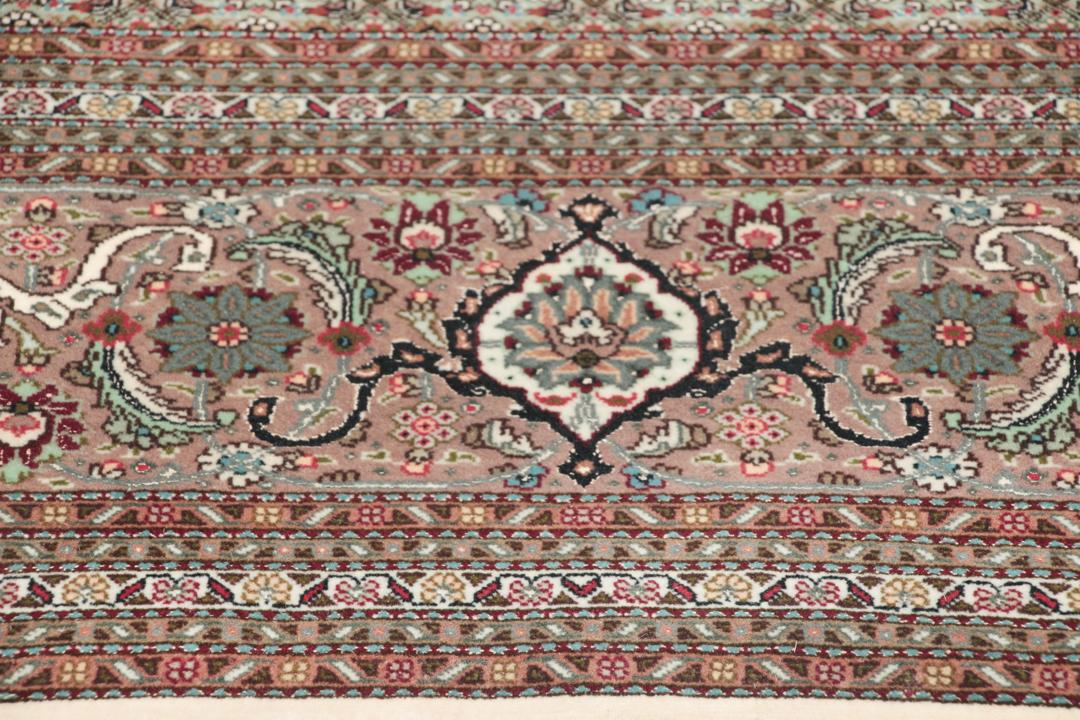
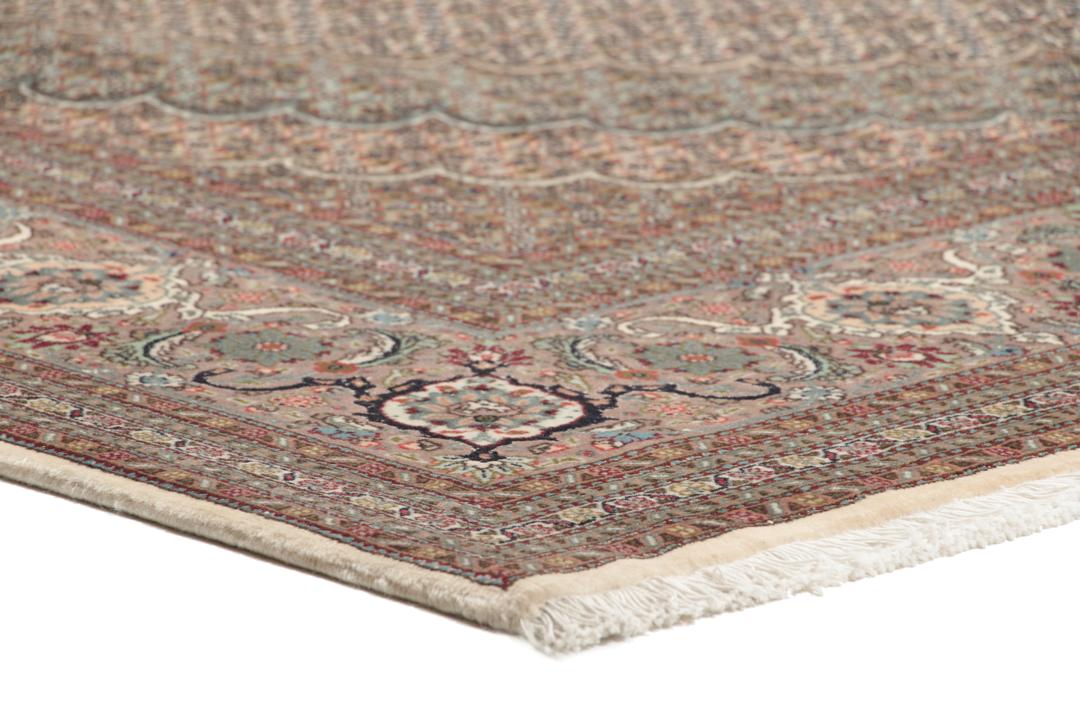
Visually, Tabriz rugs are often defined by their magnificent central medallions, intricate floral arabesques, and highly decorative borders. The design language is characterised by a formal balance and a refined colour palette that draws on centuries of artistic evolution. While many pieces follow these classical motifs, each weaver introduces subtle variations in shading and detailing, ensuring that every rug is a unique expression of the tradition.
Collectors and design enthusiasts value Tabriz rugs for their combination of artistic beauty and functional longevity. Owning a piece from this tradition is an investment in a storied craft that has been passed down through generations. These rugs are not merely floor coverings but are regarded as cultural artefacts that reflect the skill, patience, and aesthetic heritage of their makers, making them prized possessions in any home.