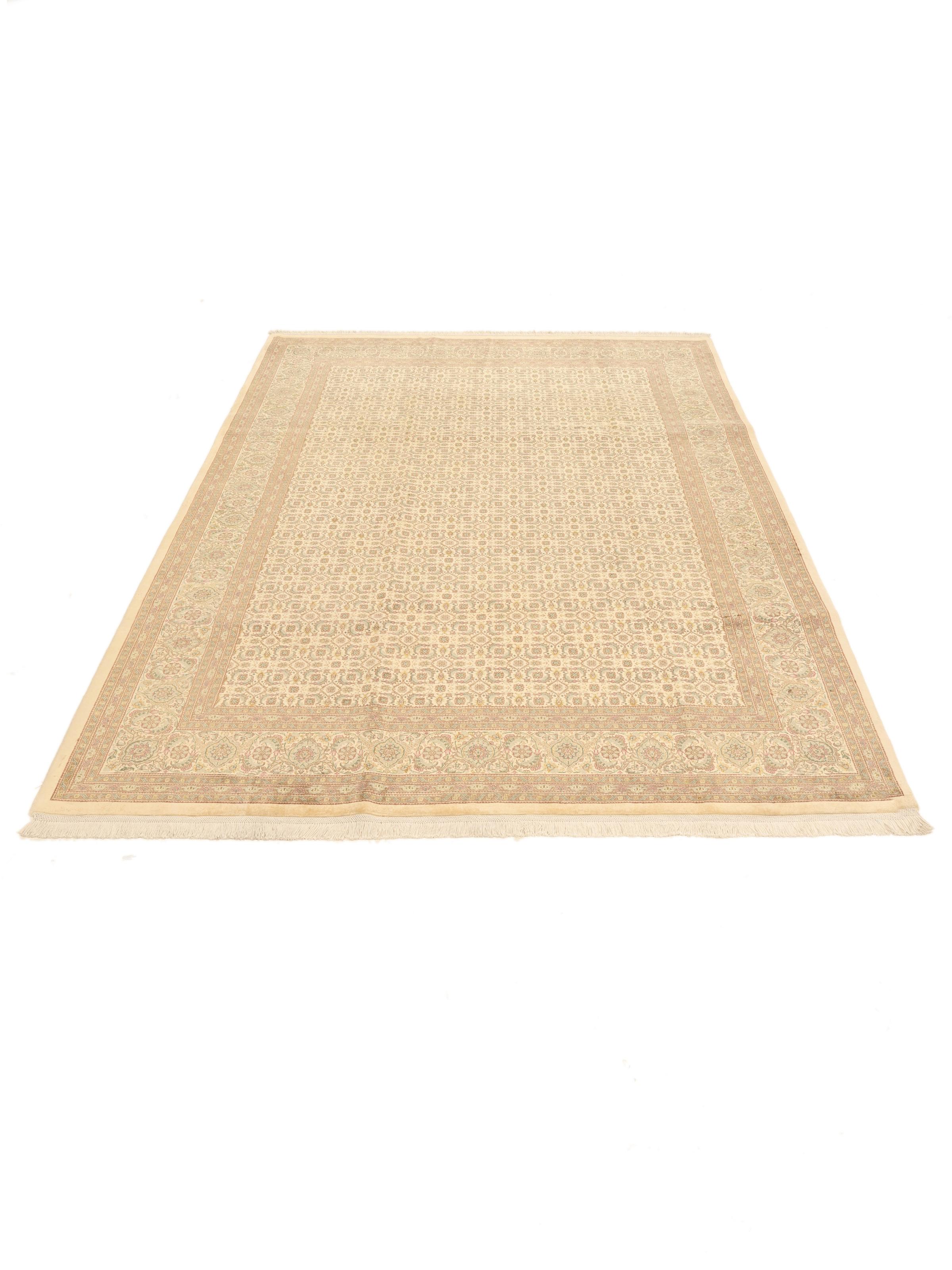
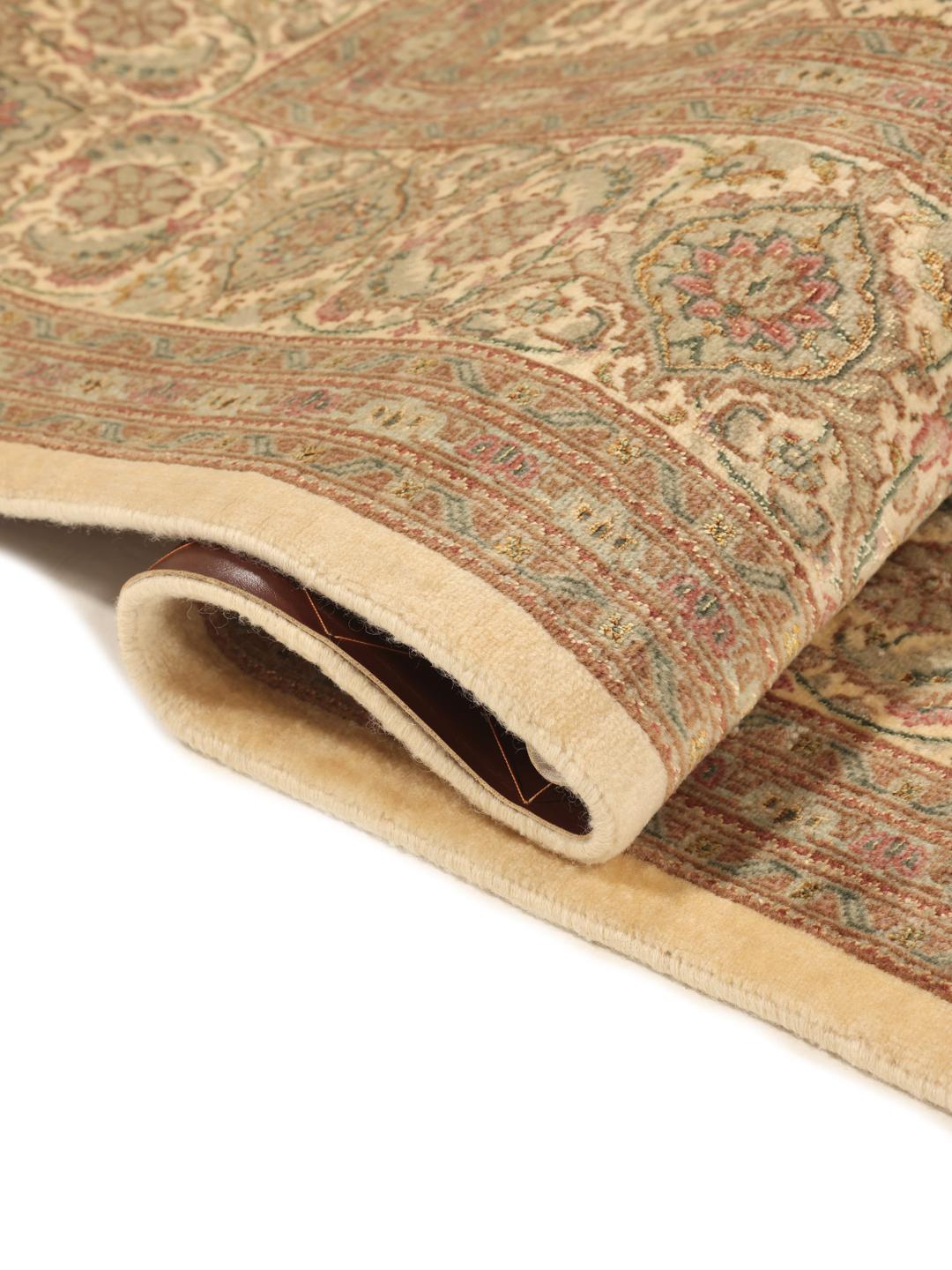
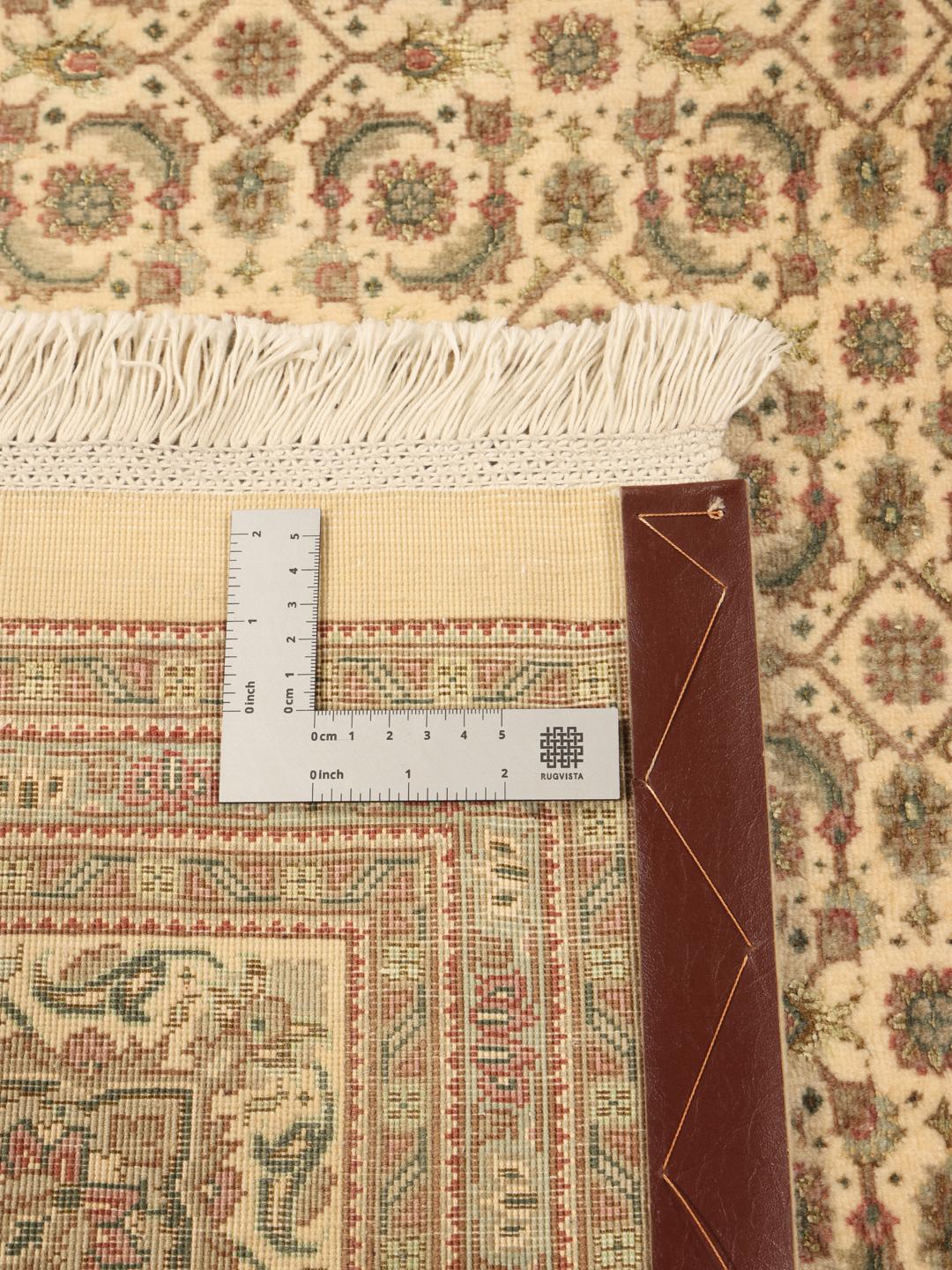
Tabriz rugs hail from one of the oldest and most significant weaving centres in the Middle East. Located in a historic city that served as a major crossroads for travellers and merchants on the ancient trade routes, the local weaving tradition has evolved over centuries to become synonymous with technical excellence and artistic sophistication.
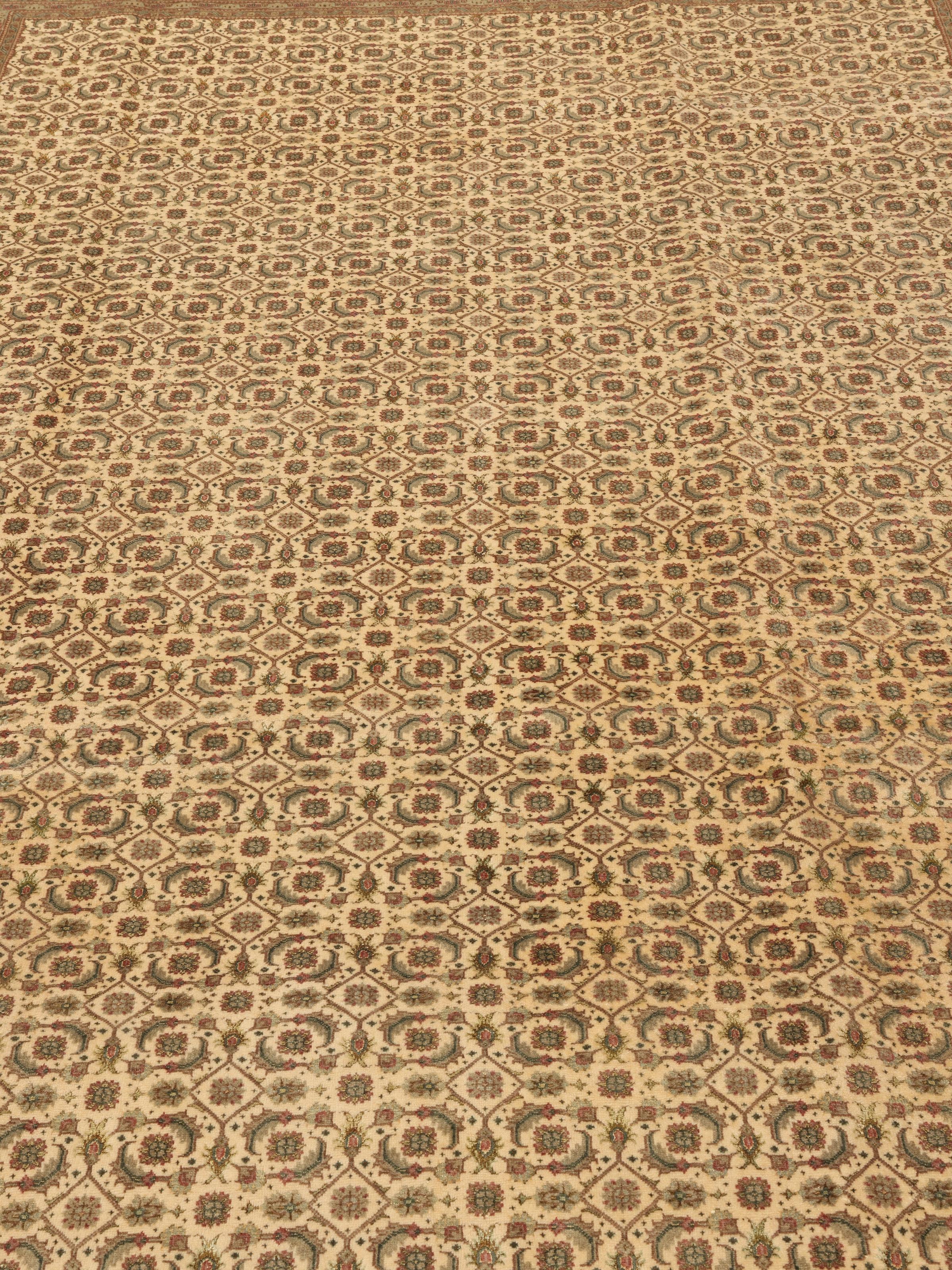
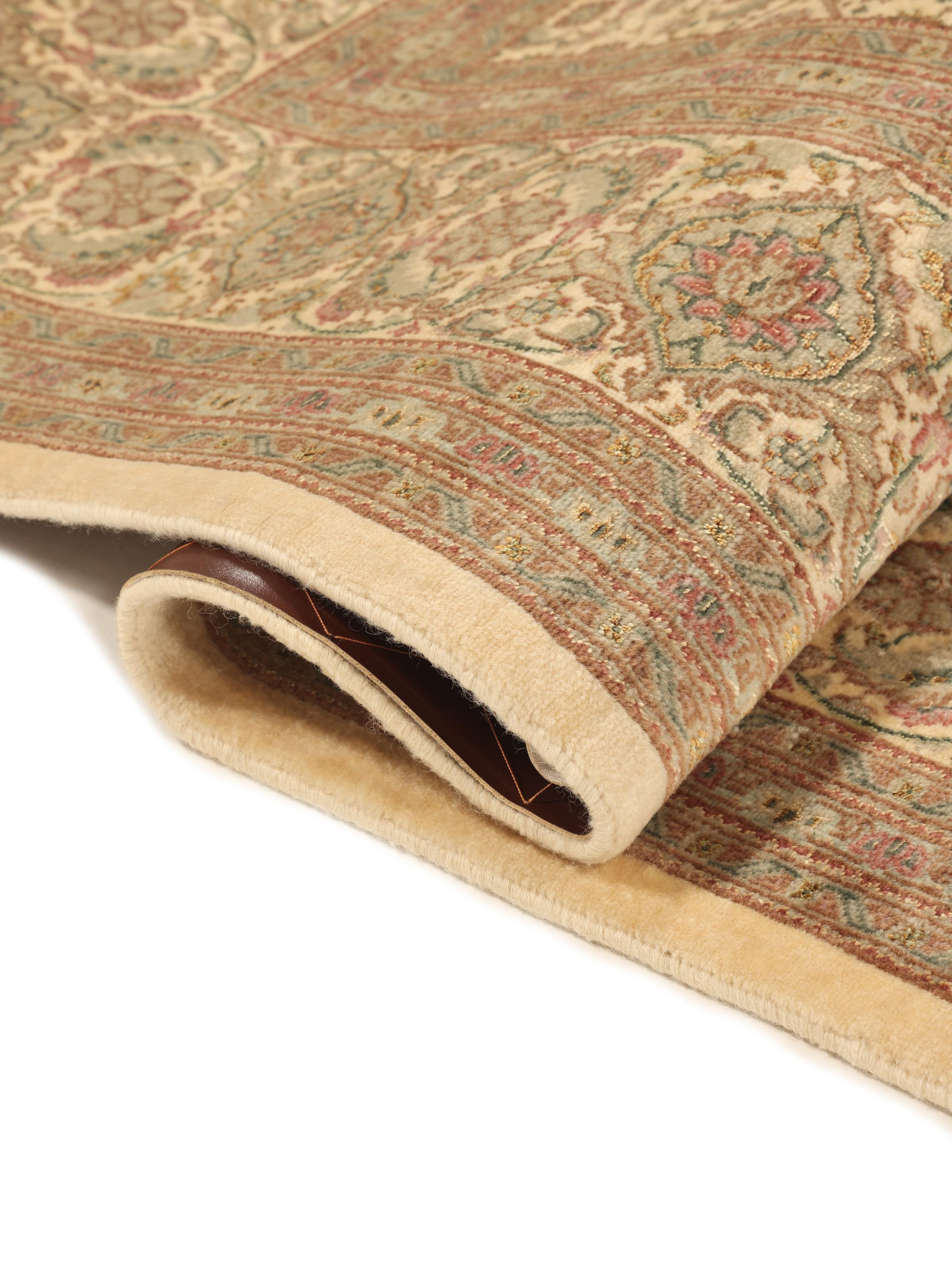
The designation of 50 Raj refers to a specific technical standard of knot density, where the number of knots per 7 cm is measured. This system is a reliable indicator of the rug's quality, as a higher Raj count demands finer materials and more precise, smaller knots. This density allows for the creation of incredibly detailed, curvilinear patterns that are a hallmark of the finest rugs from this region.
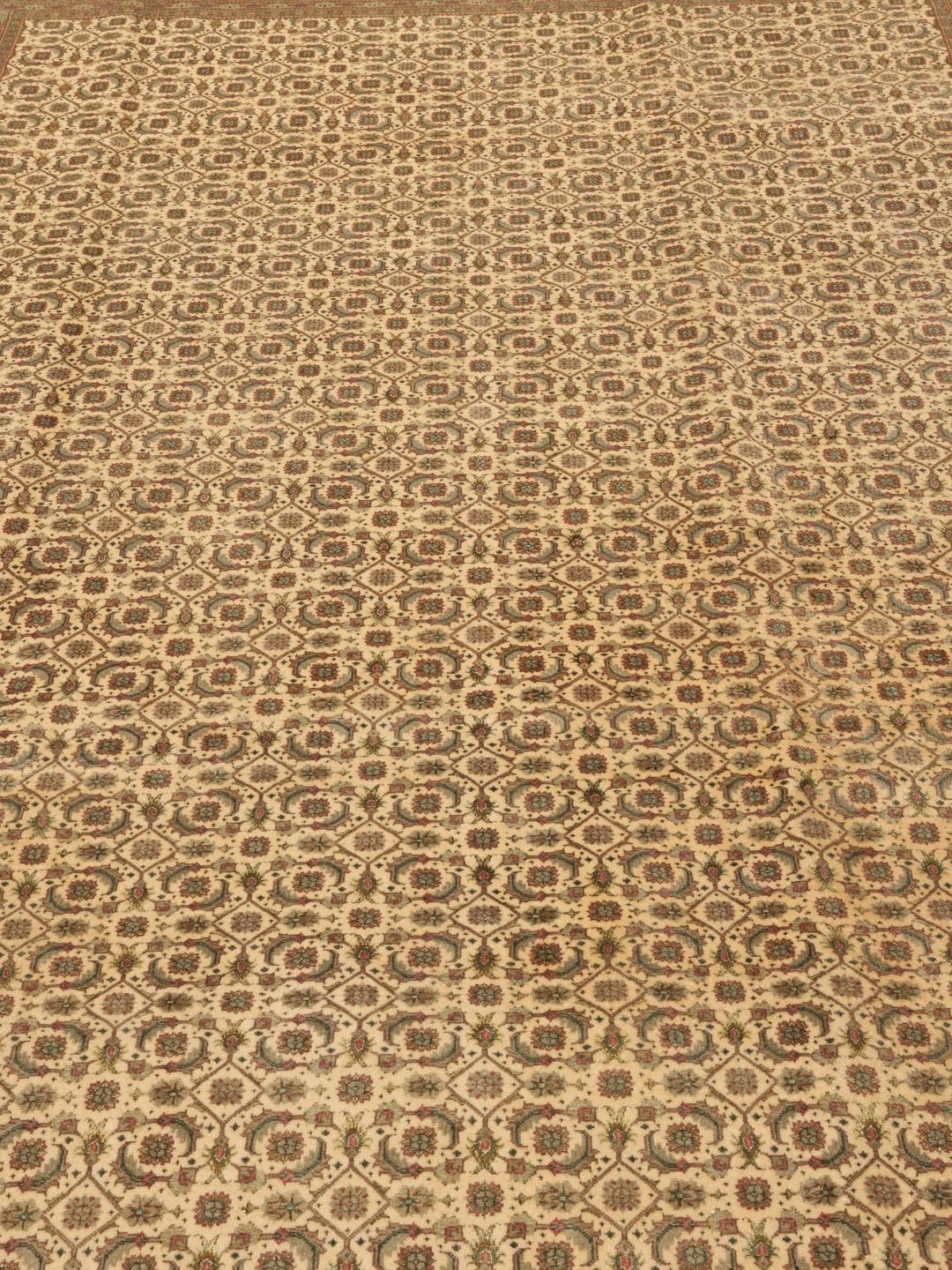
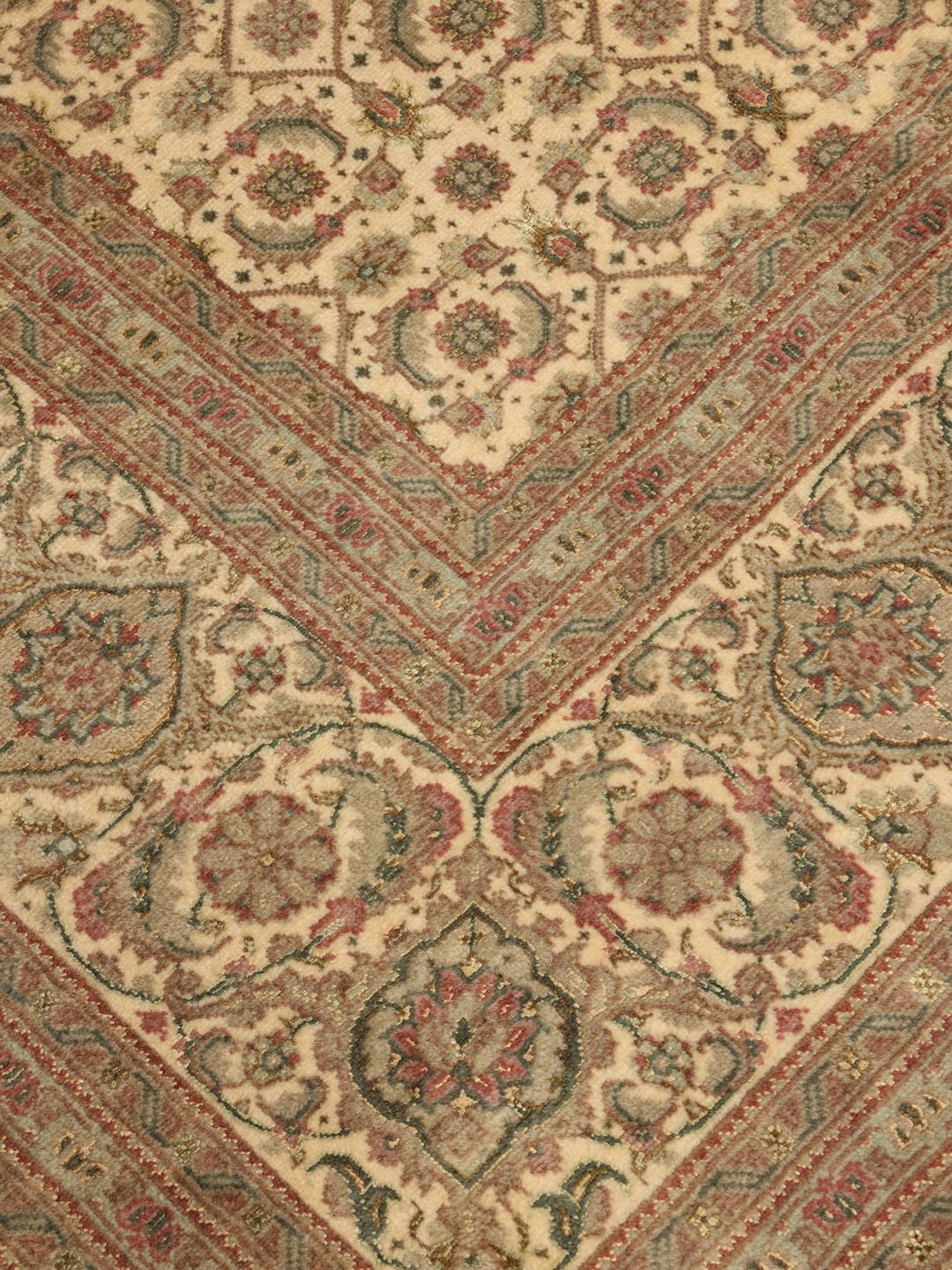
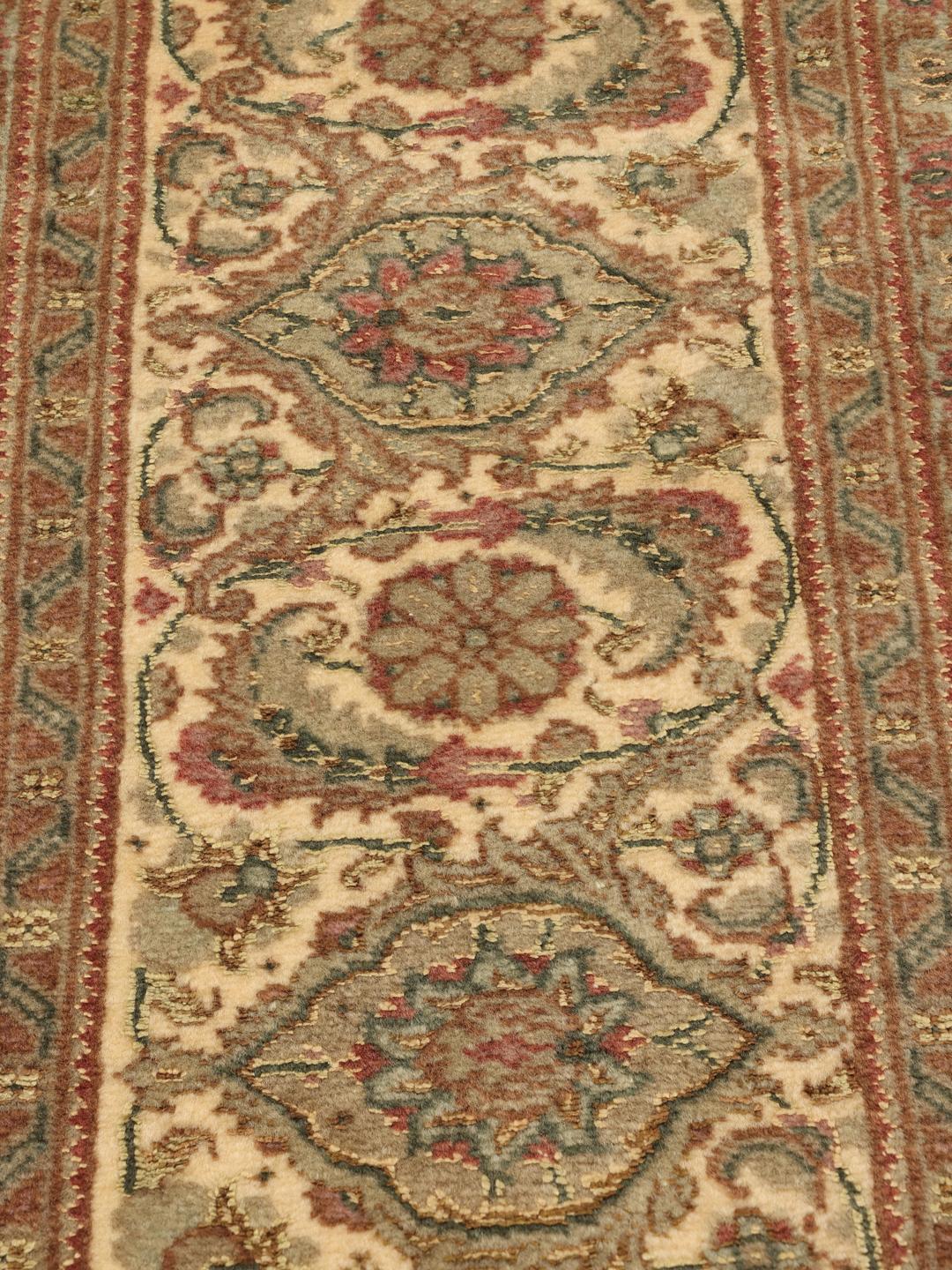
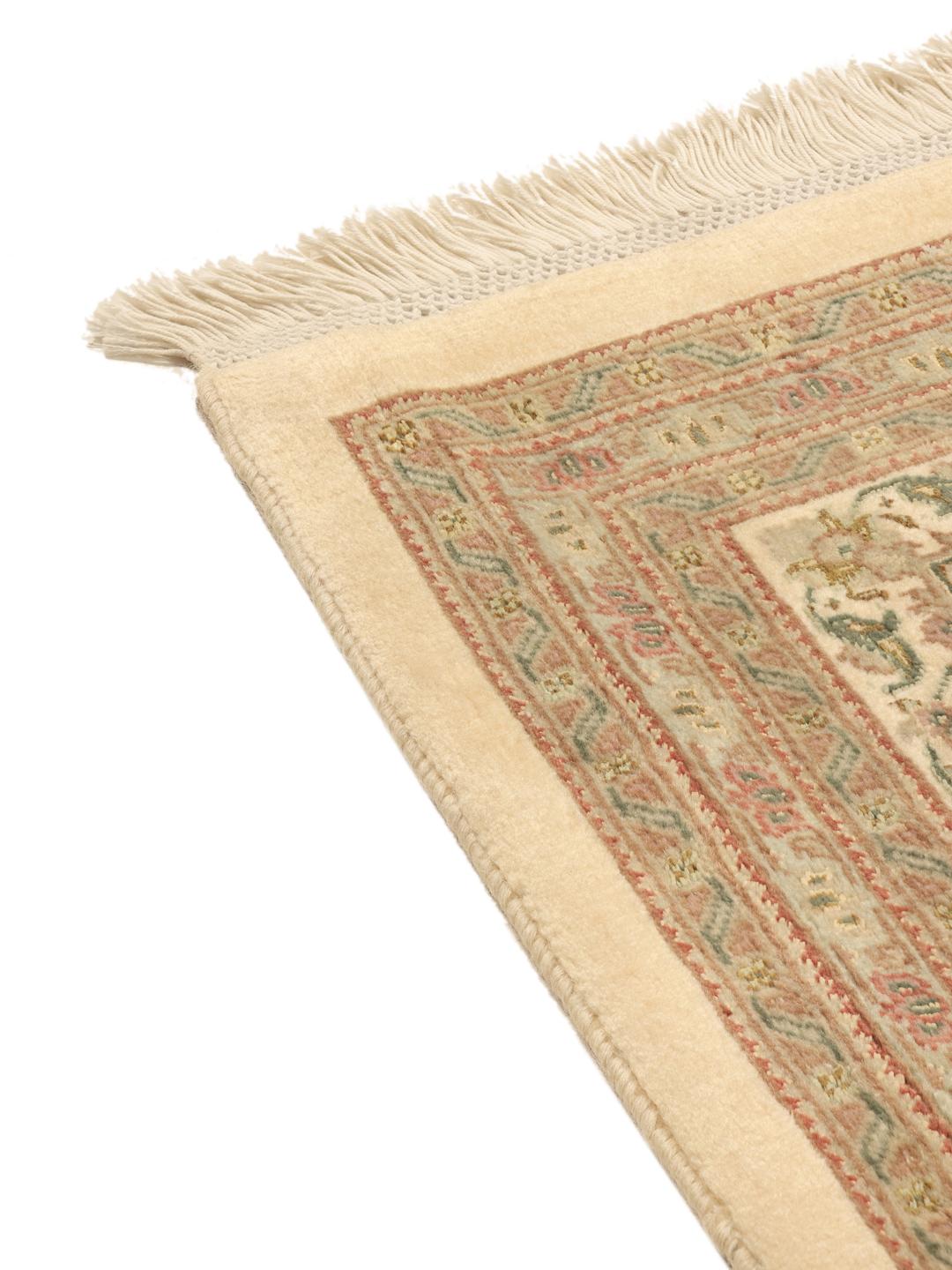
Visually, these rugs are celebrated for their elaborate compositions. They often feature a central medallion surrounded by a complex field of floral motifs, vines, and palmettes. The borders are typically multi-layered and just as detailed as the centre, creating a balanced and formal aesthetic. This particular piece adheres to those classic traditions, showcasing a harmony of form and colour that reflects the region's long-standing design heritage.
Collecting a rug from this tradition is an investment in human skill and cultural continuity. These pieces are highly valued by connoisseurs not just for their appearance, but for the immense discipline required to produce them. Owning such a rug is a way to celebrate a craft that has been passed down through generations, ensuring that these artistic traditions continue to thrive in modern homes.