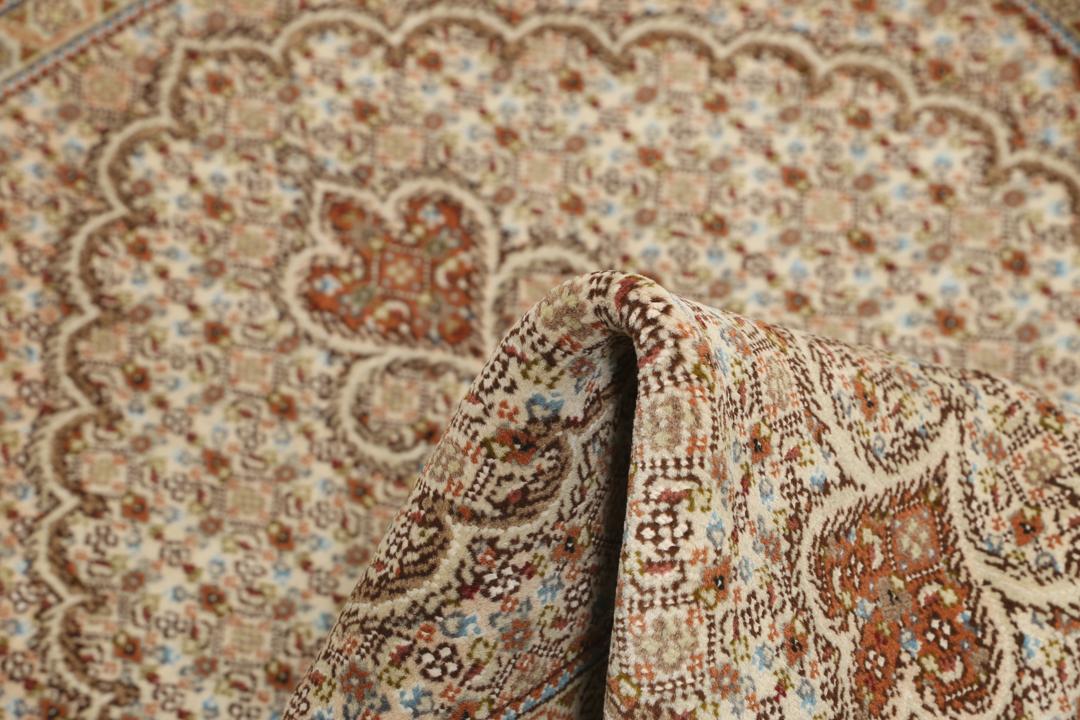
Tabriz rugs originate from one of the oldest carpet-weaving centres in the Middle East. Located in a historic city that served as a major stop on the ancient Silk Road, Tabriz has long been a melting pot of cultural exchange and artistic innovation. The tradition here is defined by a commitment to high standards and an openness to diverse design influences, which has allowed the region to remain a leader in the world of fine rug making.
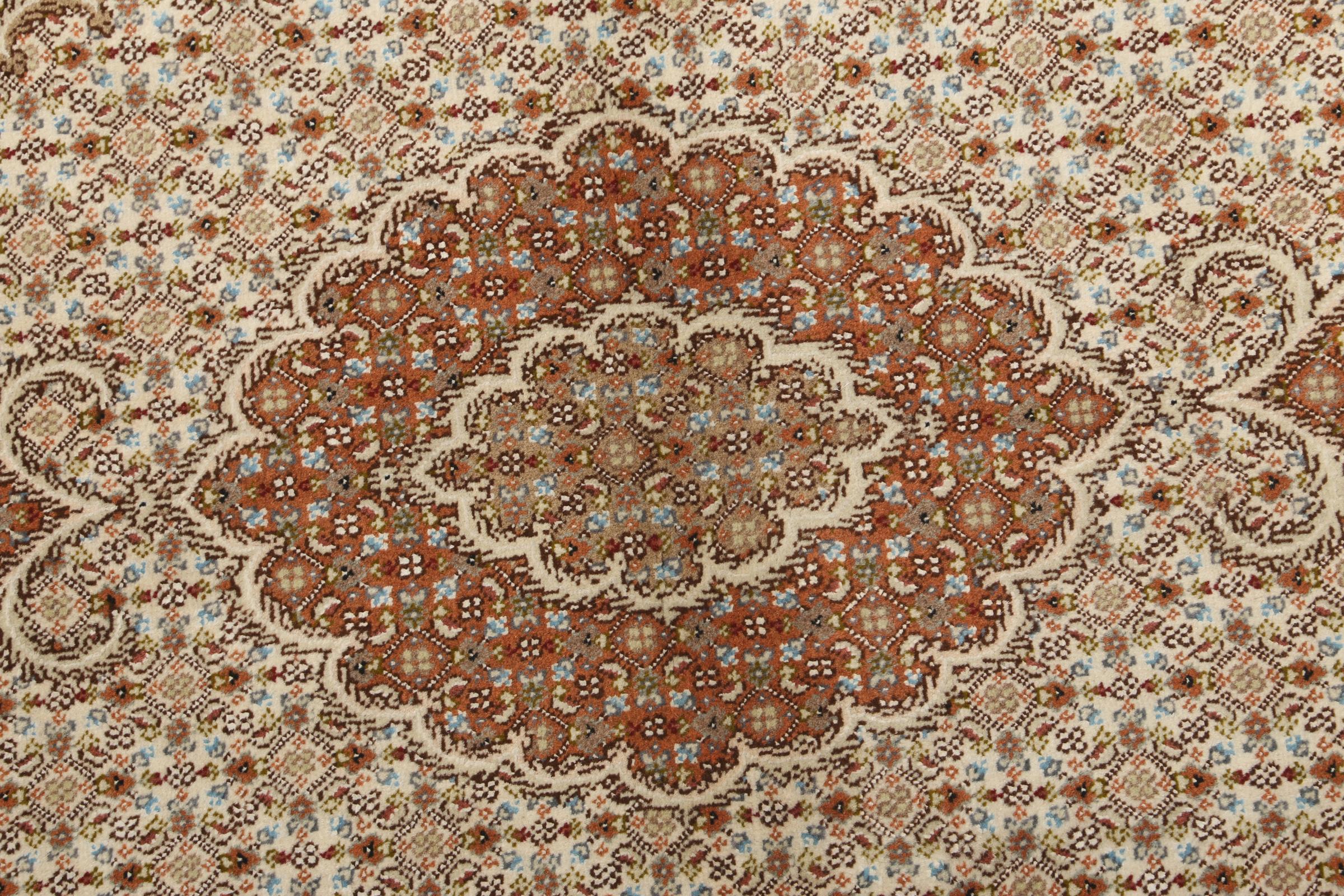
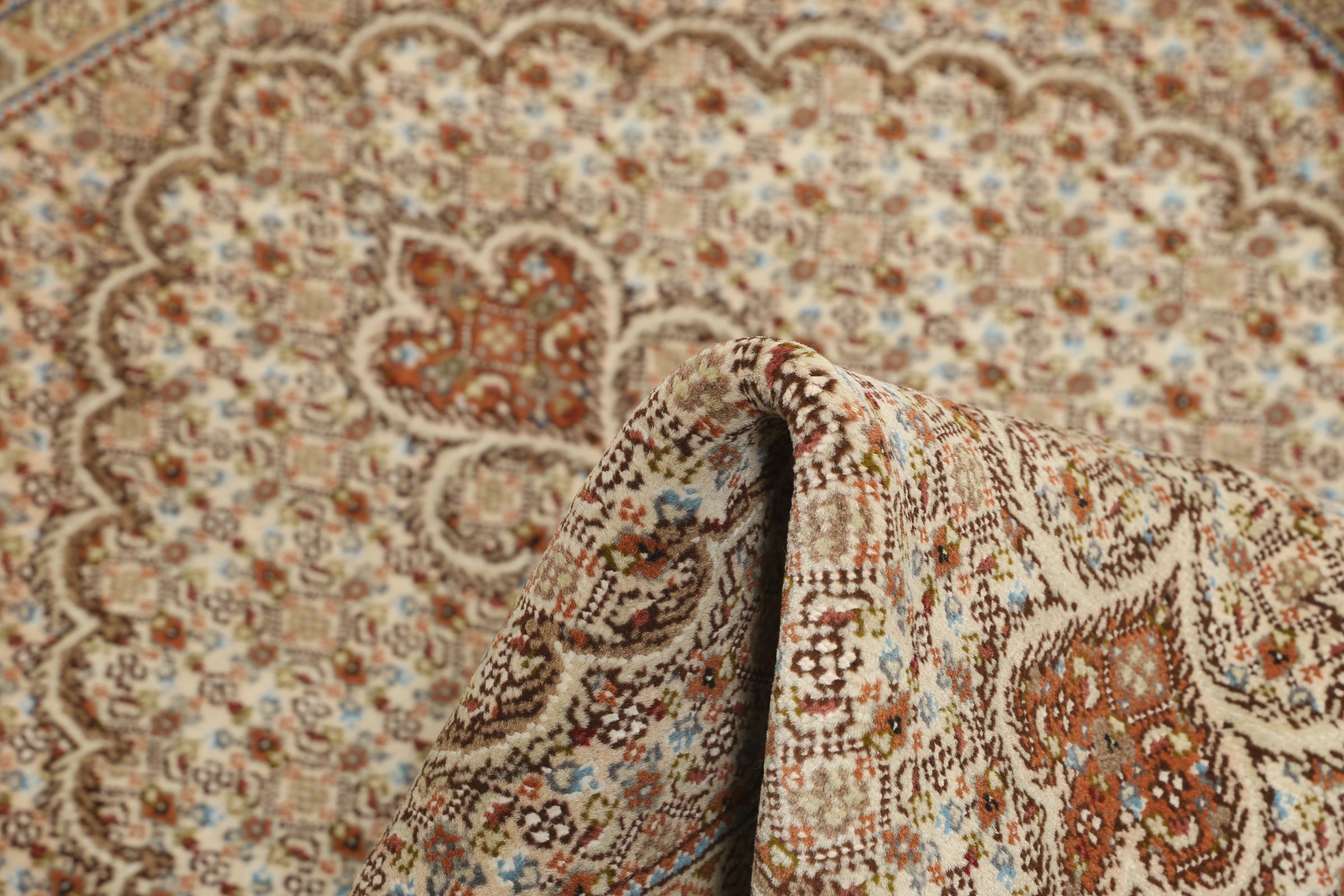
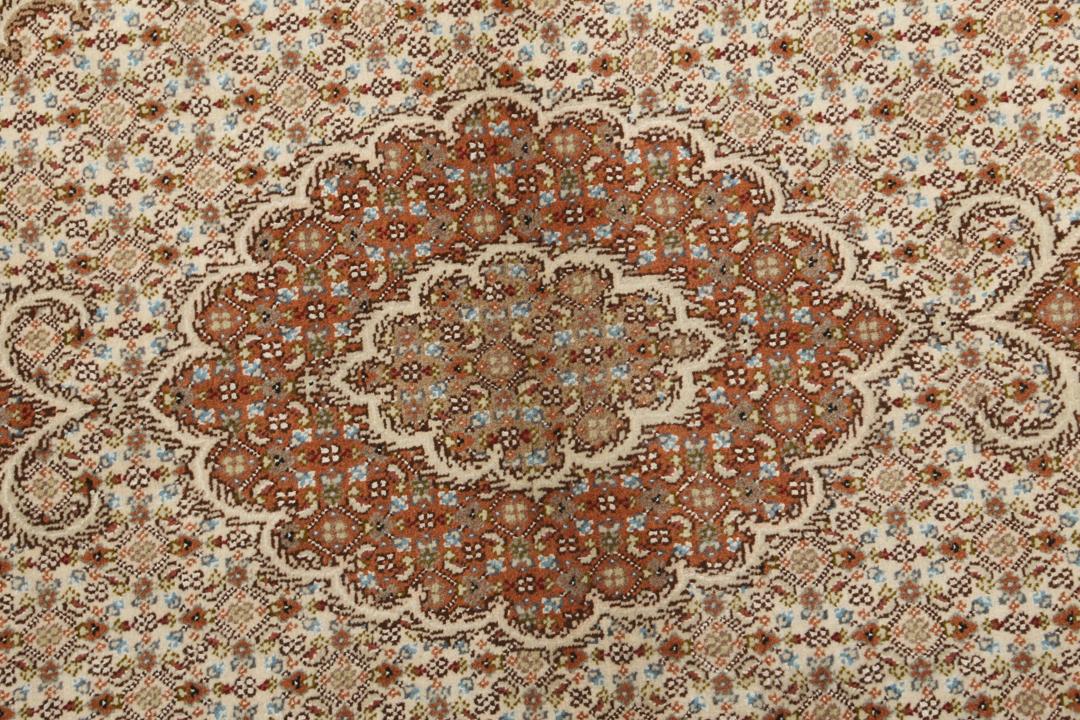
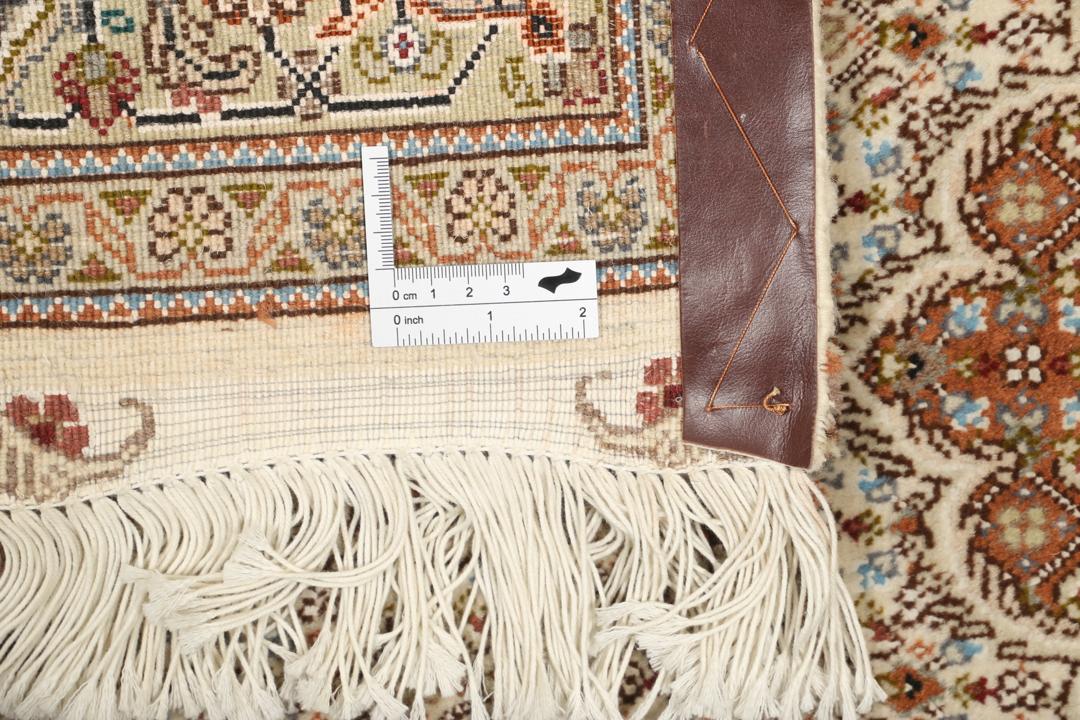
The designation 50 Raj refers to the traditional system of measuring knot density based on the number of knots in a specific width of the rug. A 50 Raj rug indicates a high level of technical refinement, requiring a skilled weaver to manage a complex grid of threads. This density allows for the creation of very detailed motifs, which is why rugs from this tradition are so celebrated for their intricate, flowing patterns and fine lines.
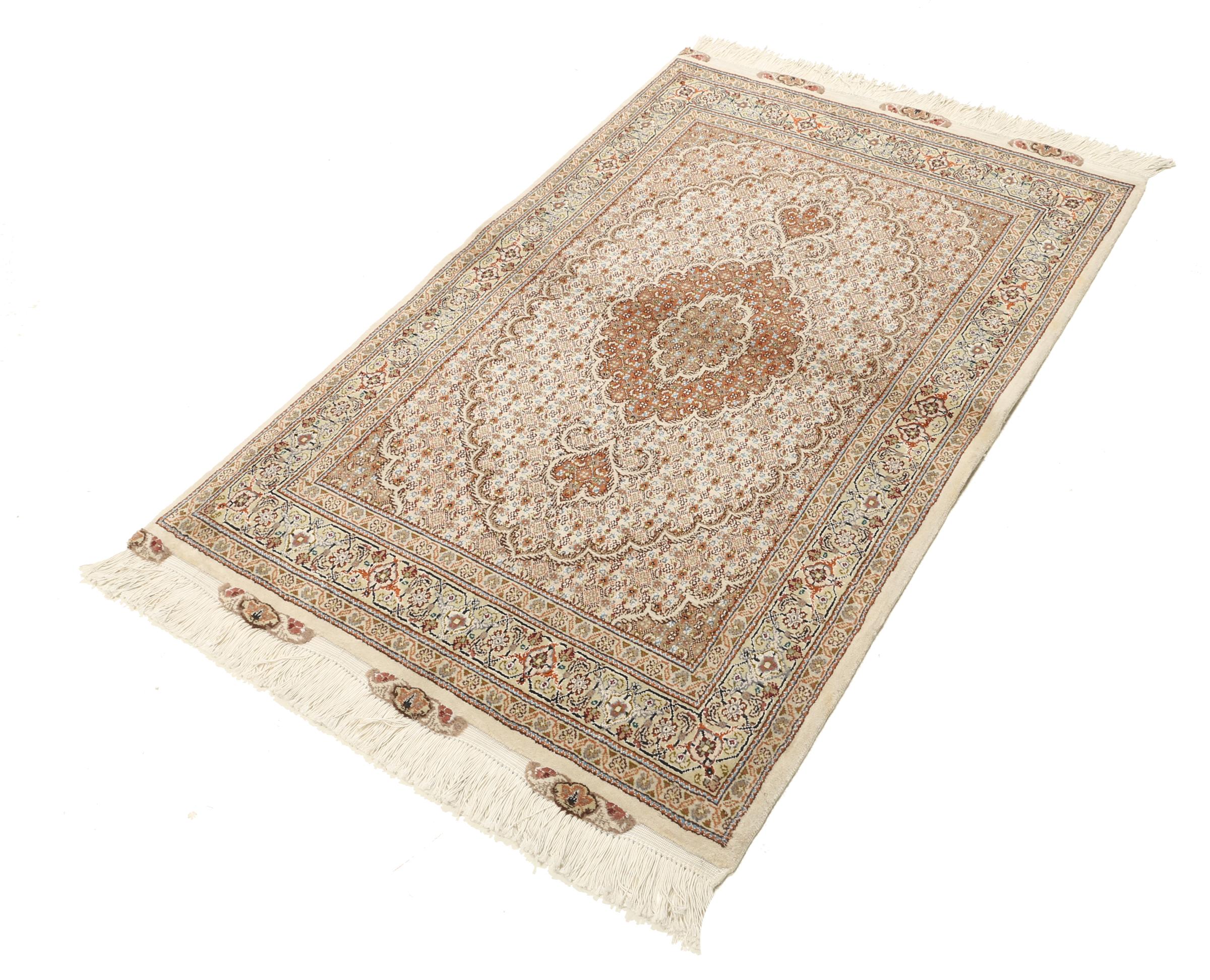
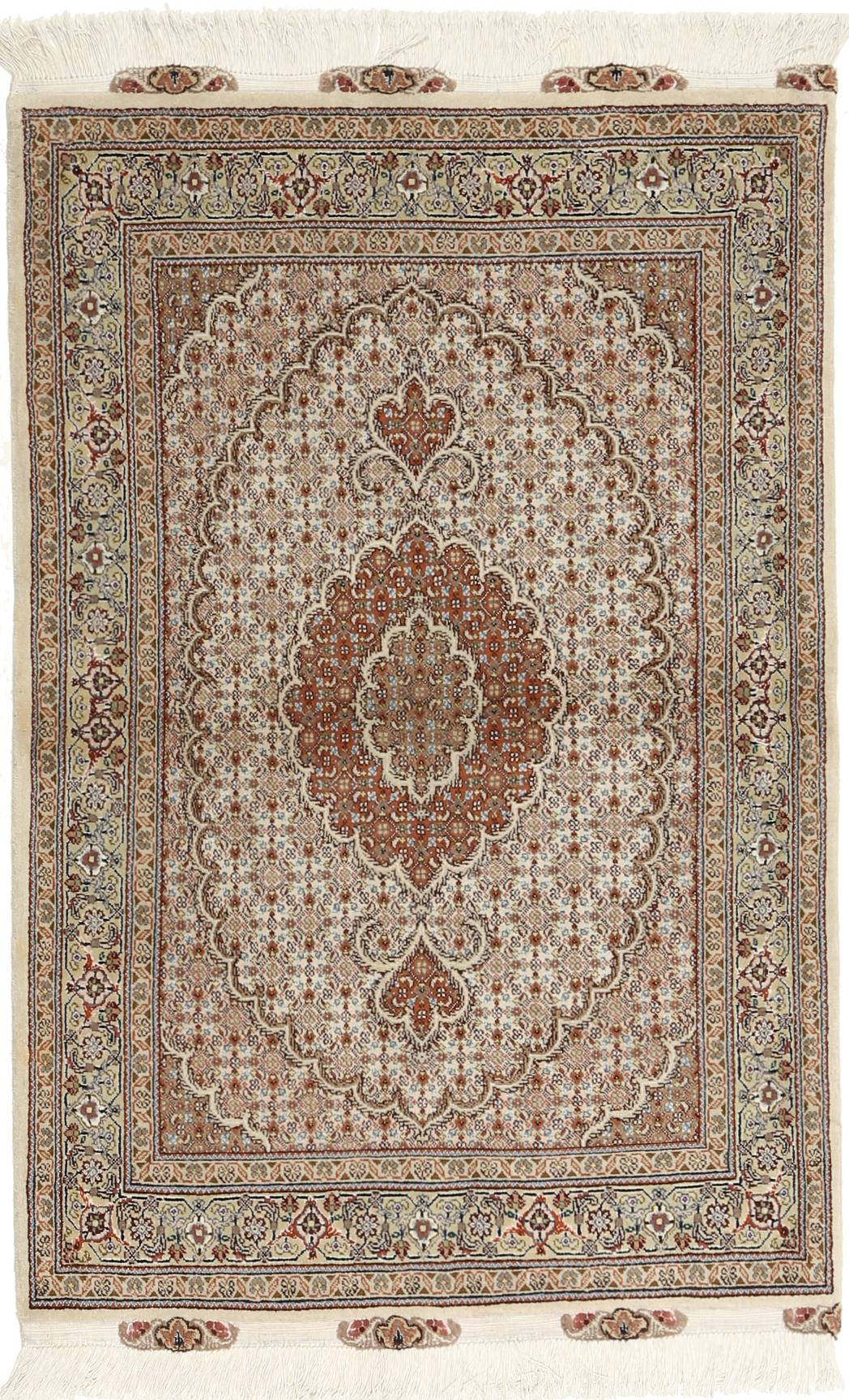
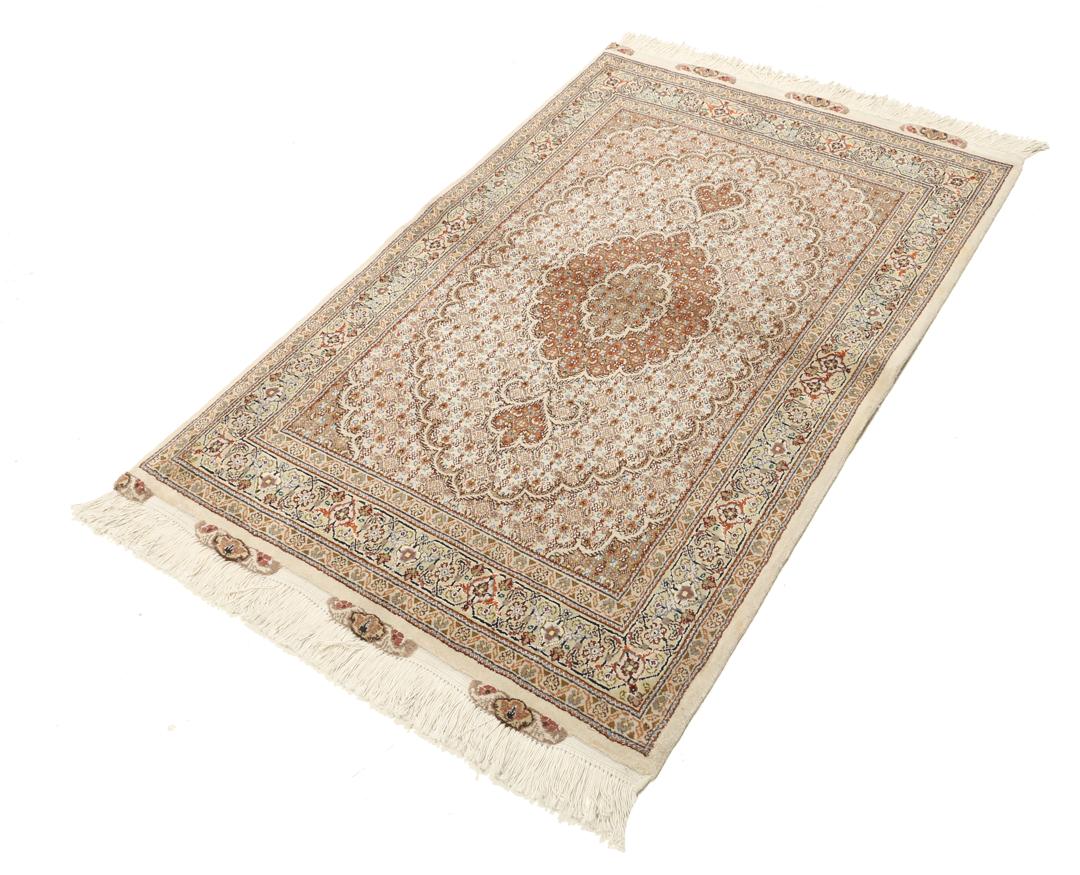
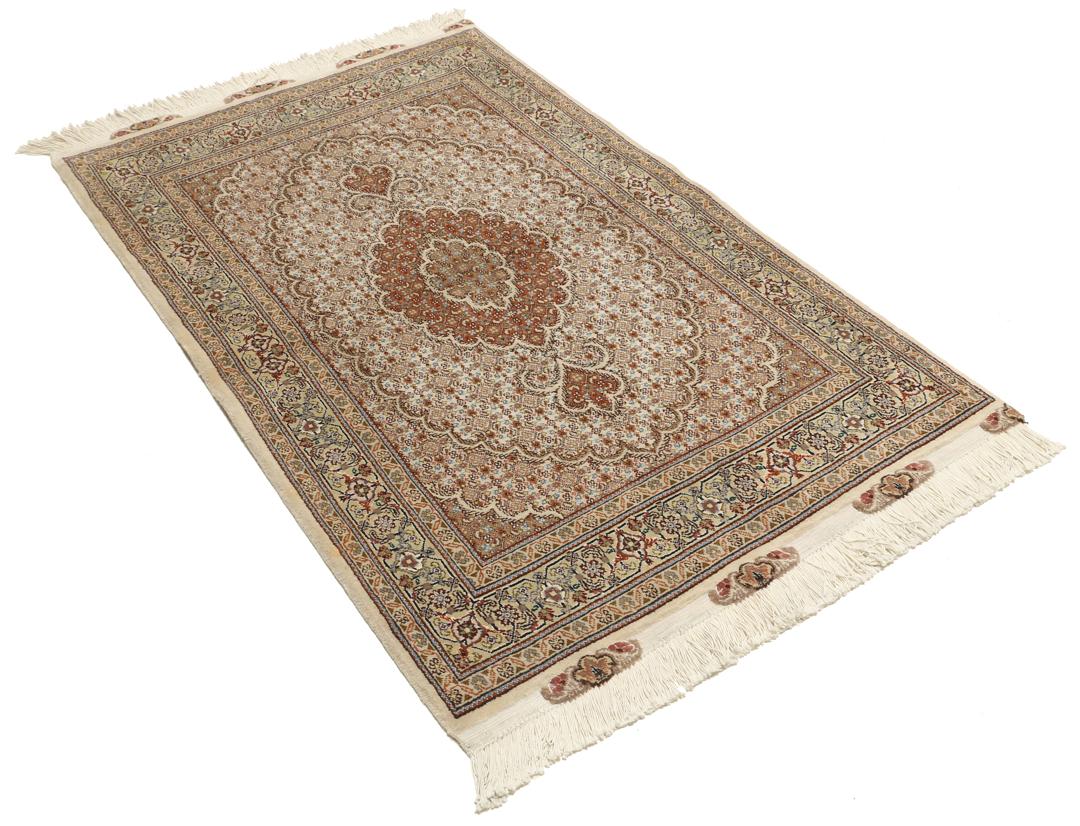
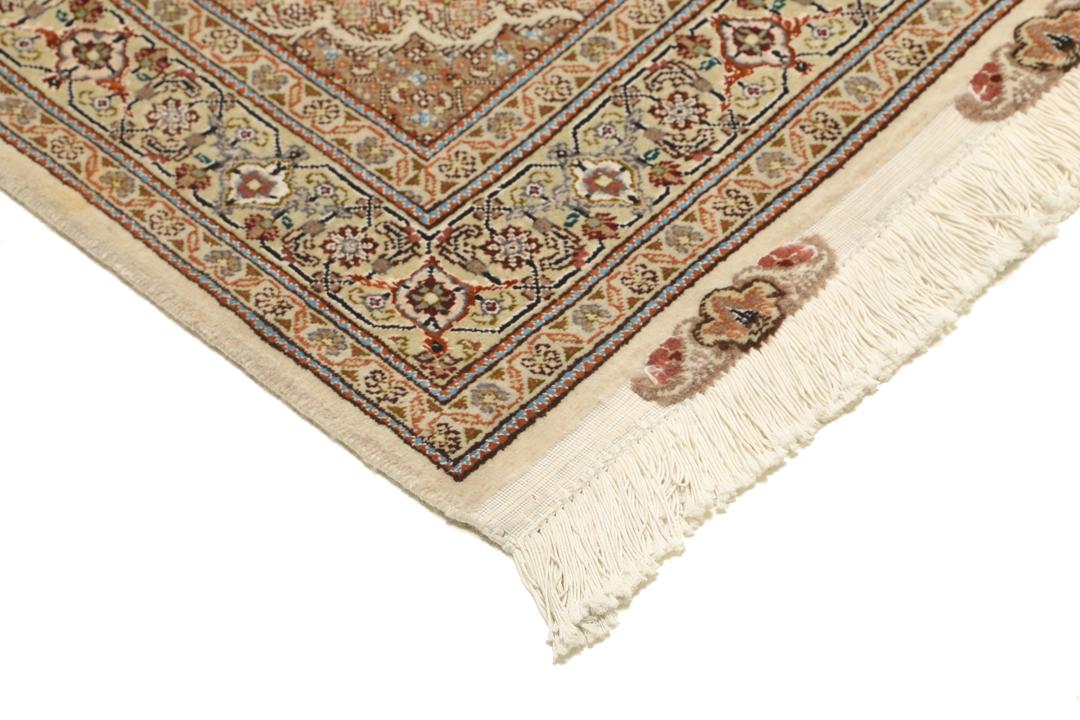
Visually, these rugs are known for their sophisticated compositions, often featuring a central medallion surrounded by dense floral or geometric scrolls. The borders are typically elaborate, framing the main field with multiple secondary lines that add depth and a sense of balance. This specific rug carries forward these classic design elements, showcasing a harmonious arrangement that reflects the aesthetic values of its origin.
Collecting a rug from this tradition is an investment in human skill and regional heritage. These pieces are highly valued not just for their aesthetic appeal, but for the story they tell about the patience and mastery of the individuals who created them. By bringing one into your home, you are participating in a long-standing practice of honouring quality and supporting the survival of traditional craft.