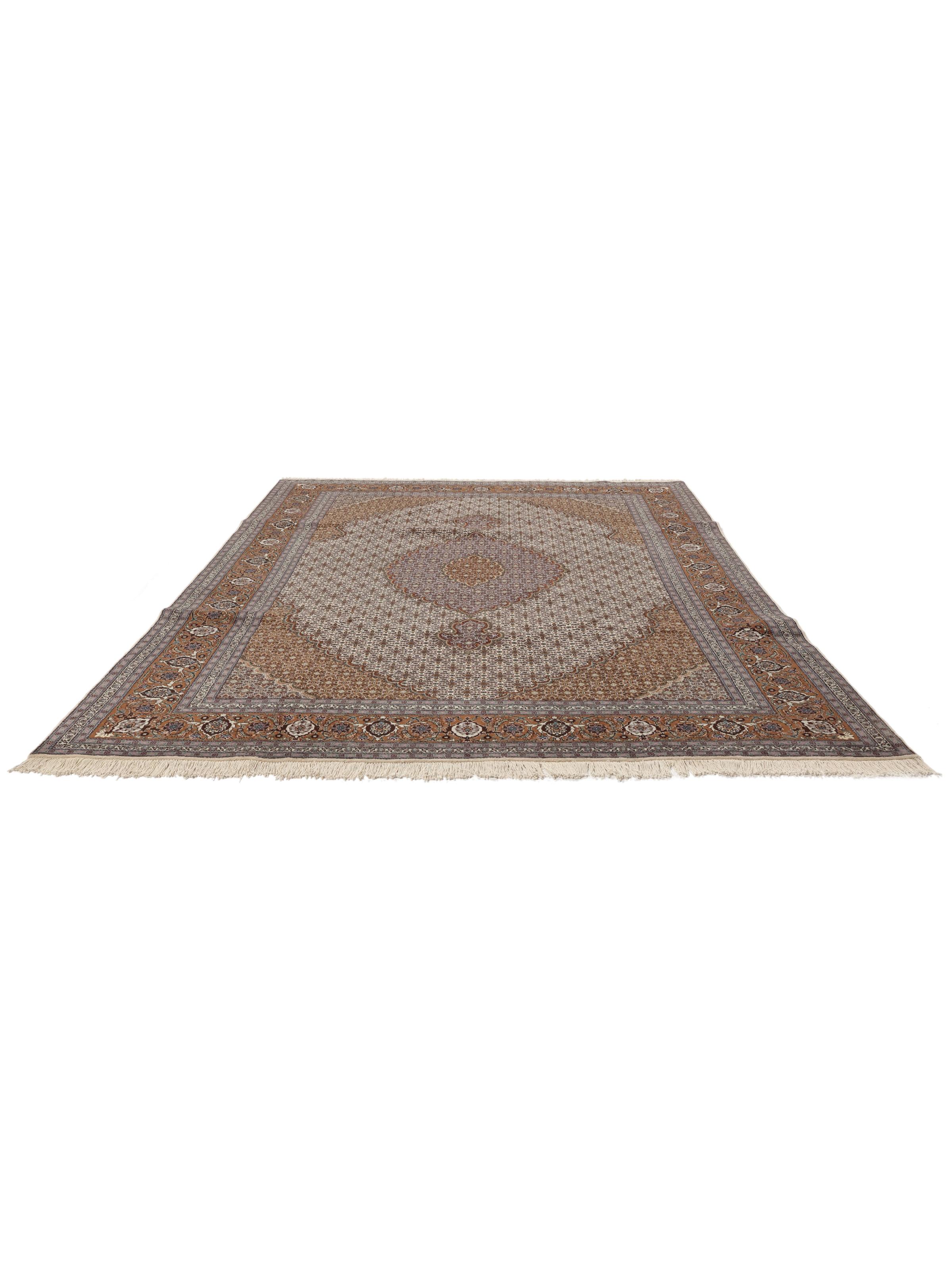
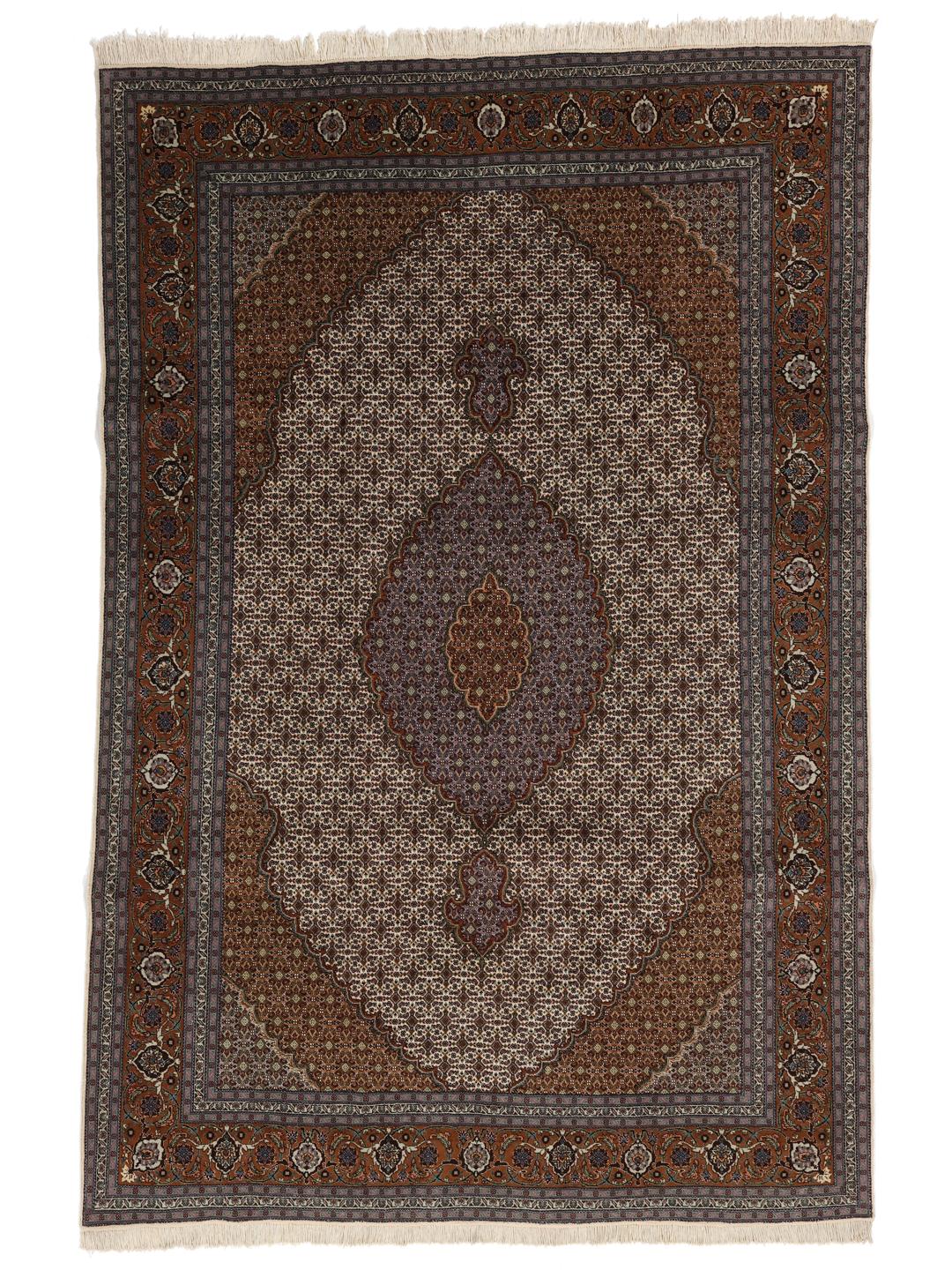
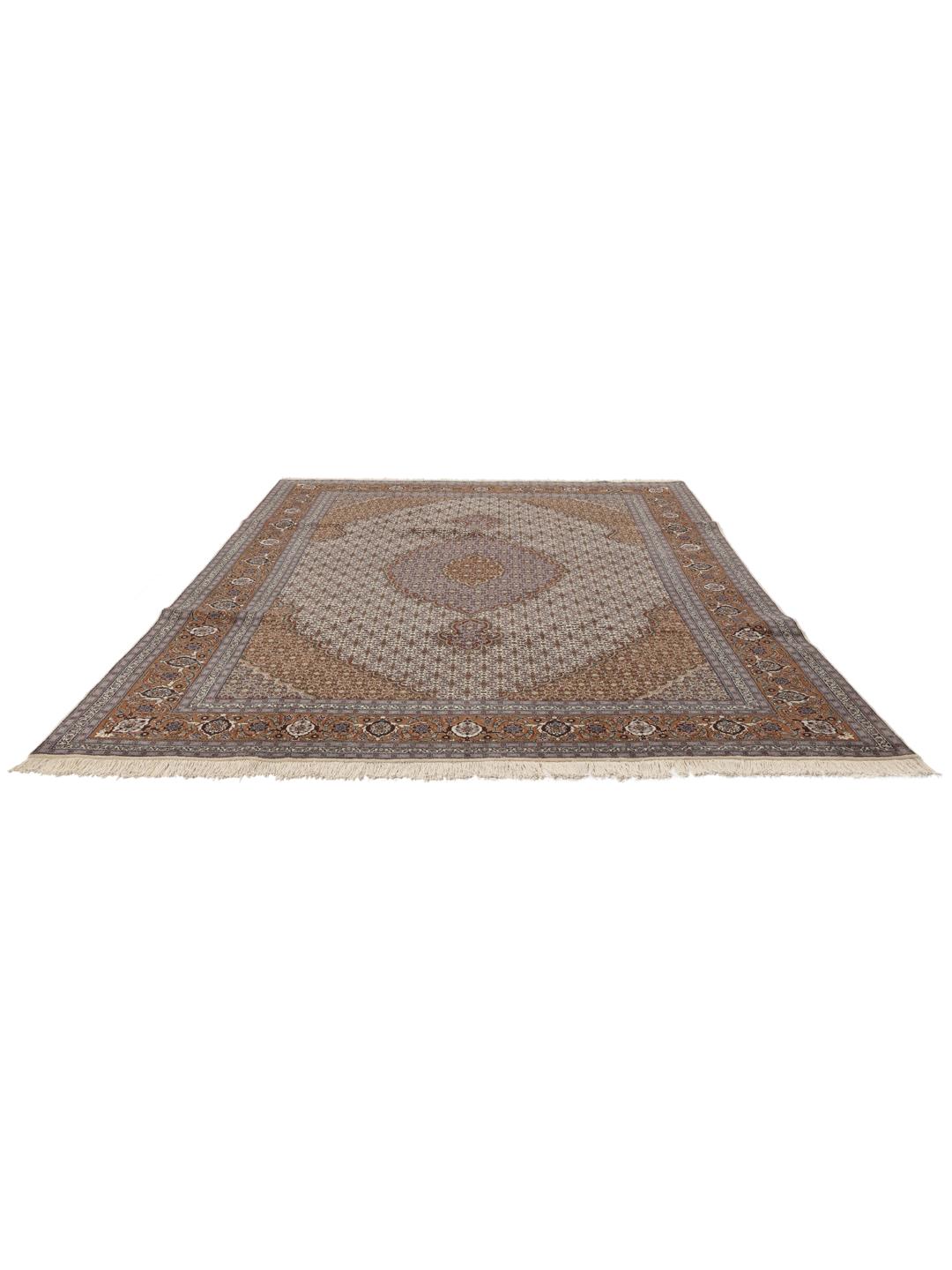
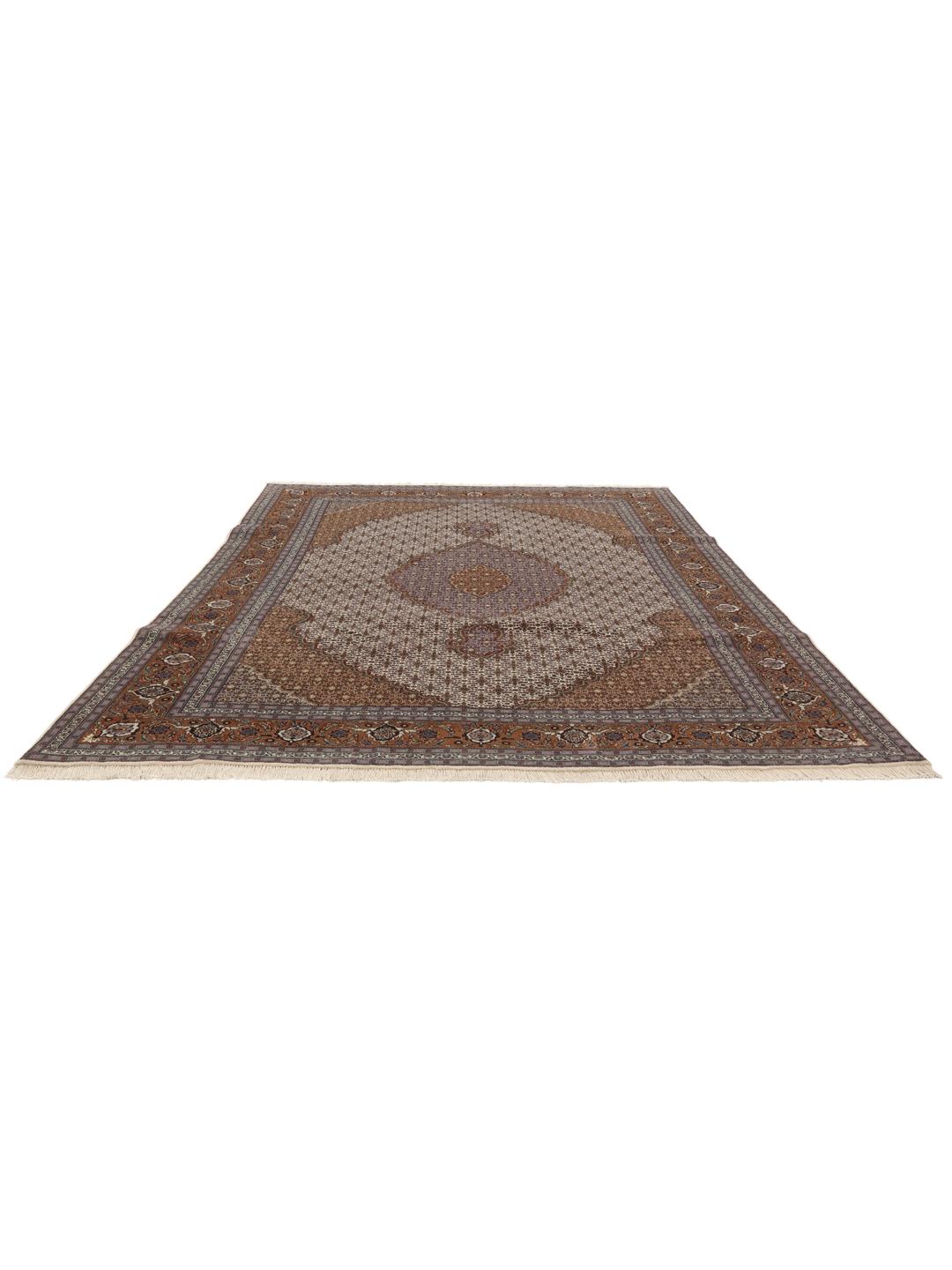
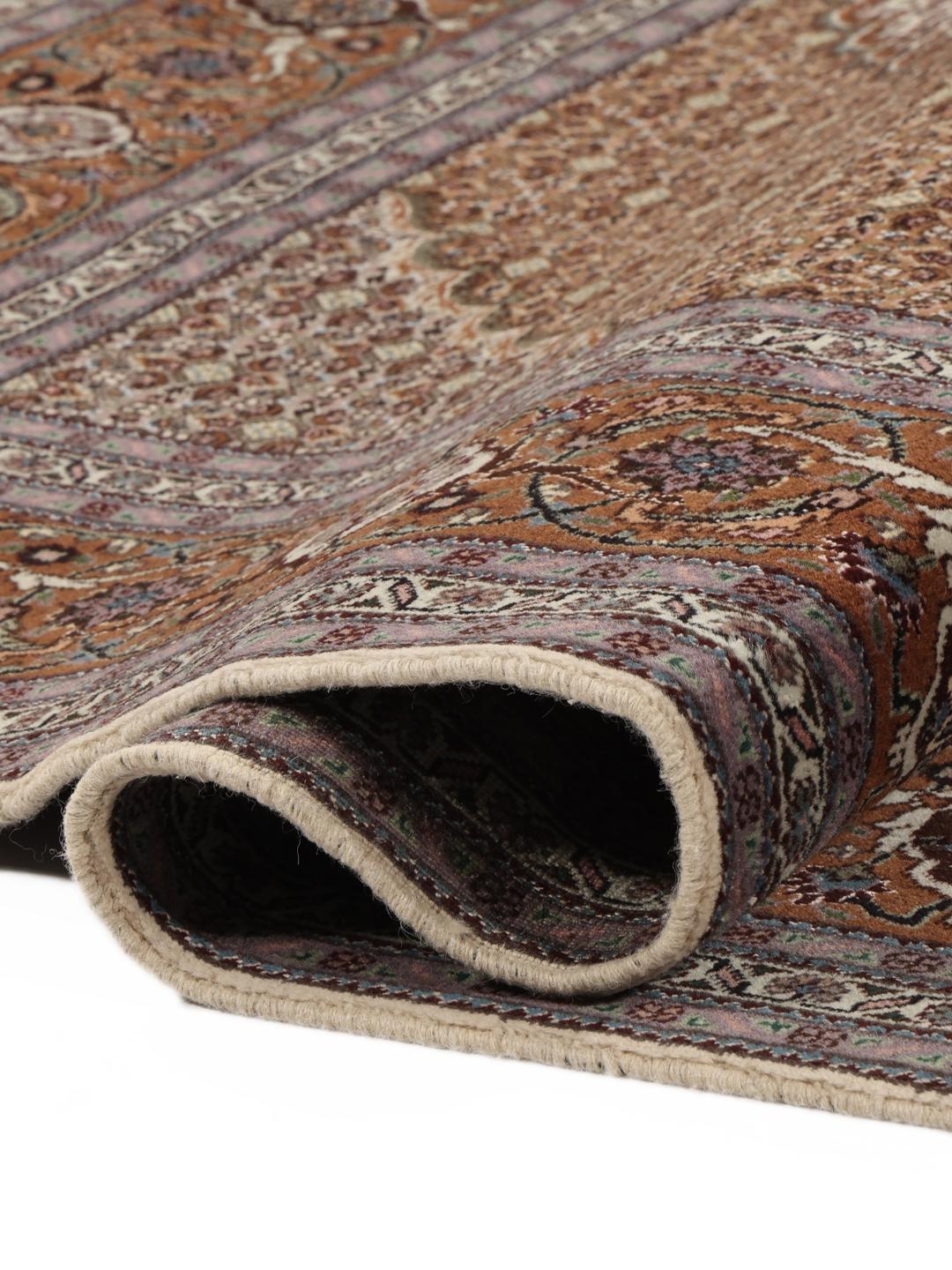
The Tabriz rug tradition hails from the historic city of Tabriz in the Middle East, a long-standing centre for textile production and trade. Situated along the historic Silk Road, the city has long been a melting pot of artistic influences, allowing its weavers to develop a diverse range of styles that incorporate both floral and geometric elements with exceptional technical proficiency.
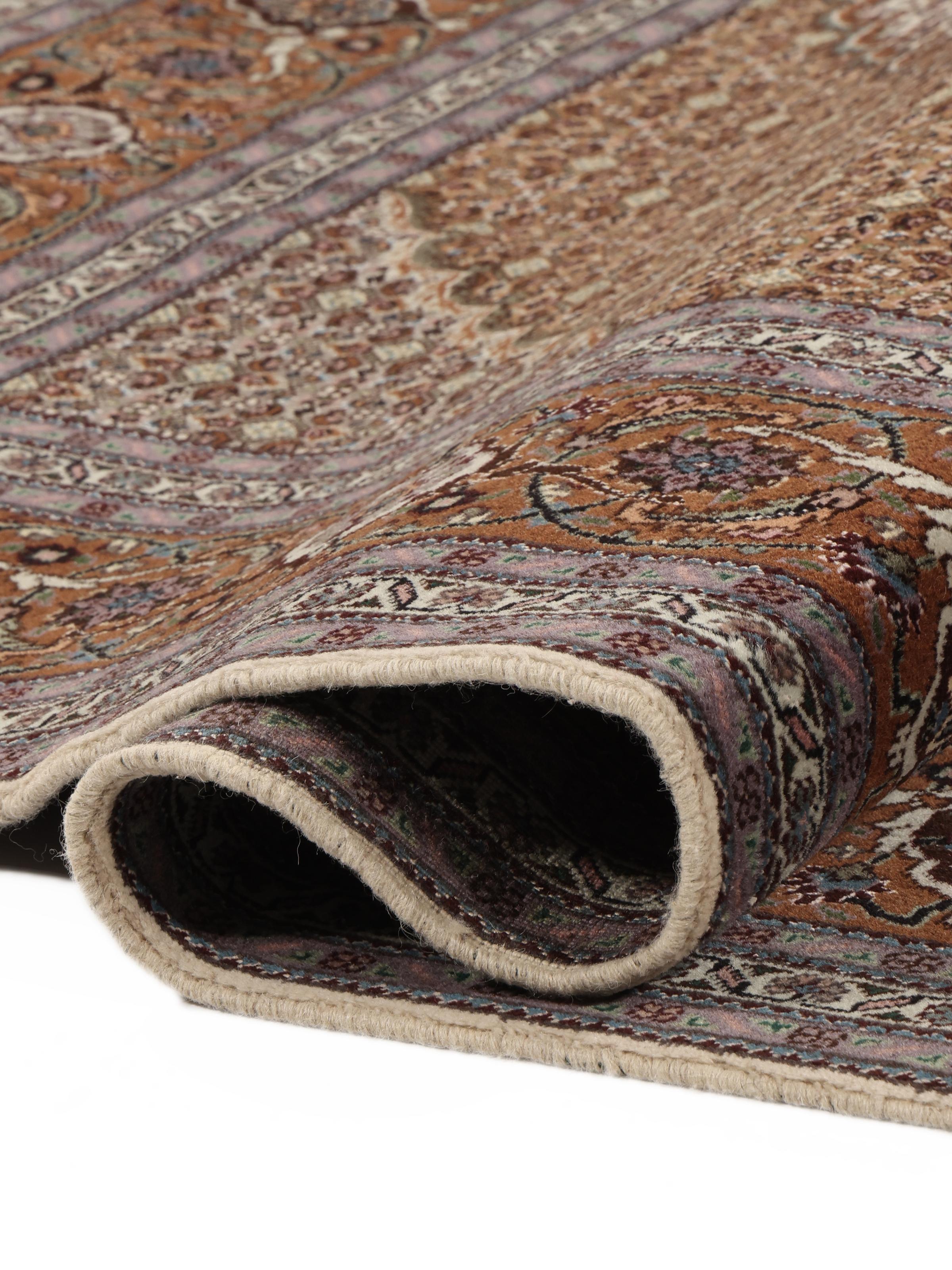
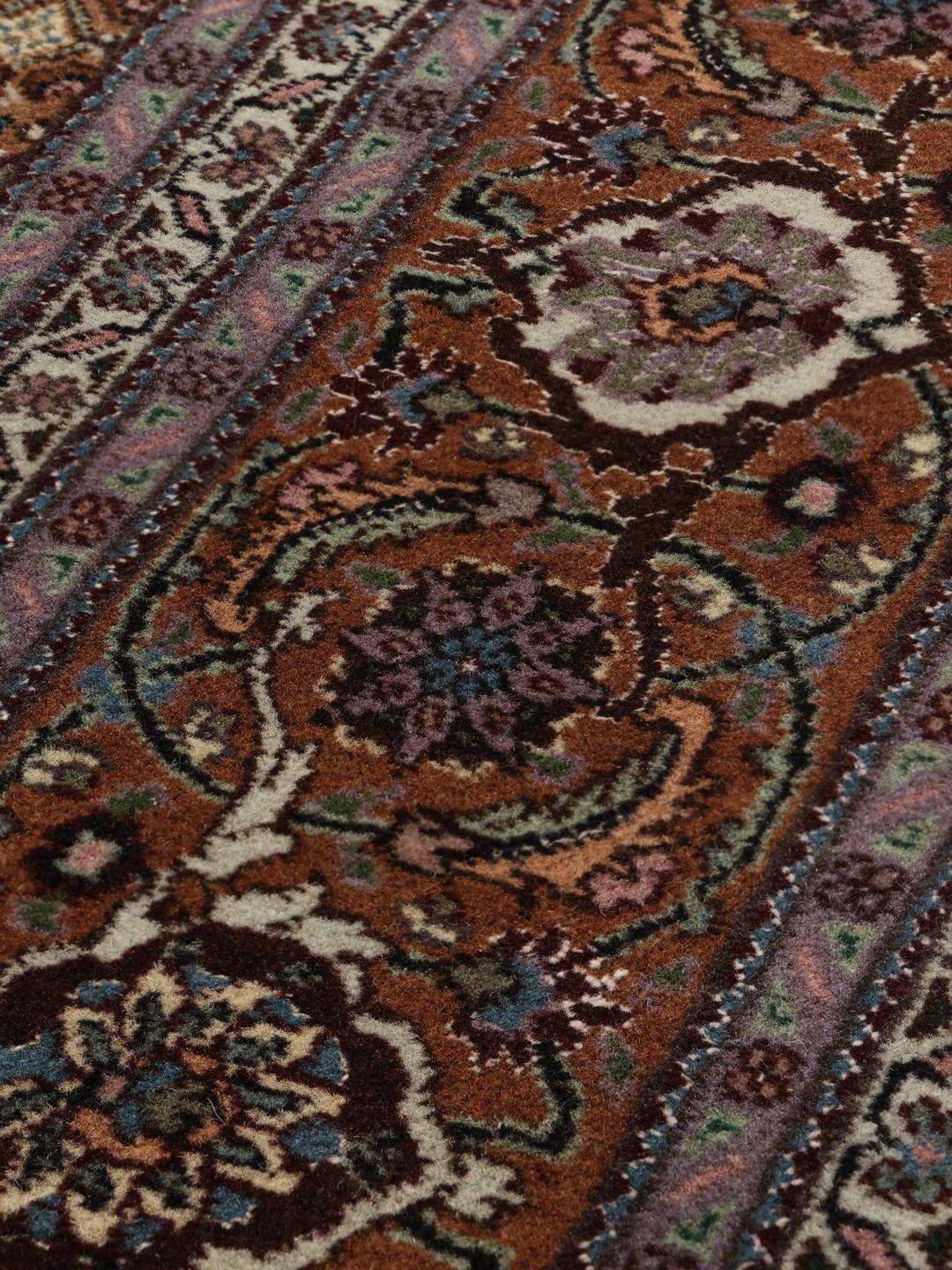
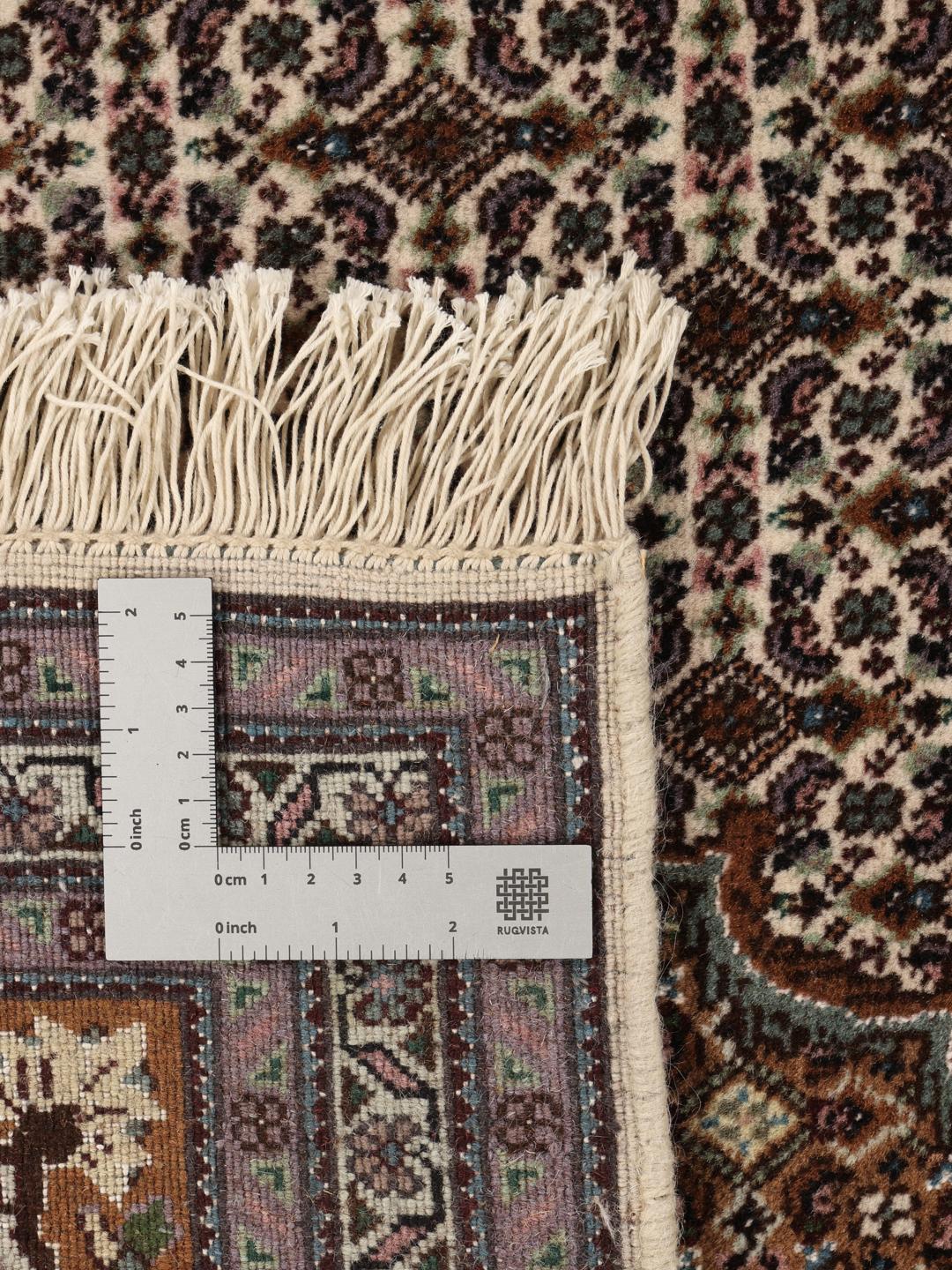
The designation 40 Raj refers to the traditional method of measuring the fineness of the weave based on the number of knots within a specific width. This technical indicator is vital for understanding the quality of the piece, as a higher Raj count correlates directly to a finer, more detailed, and more durable rug. This standard has been used for generations to distinguish the most skilled weaving work from more common carpets.
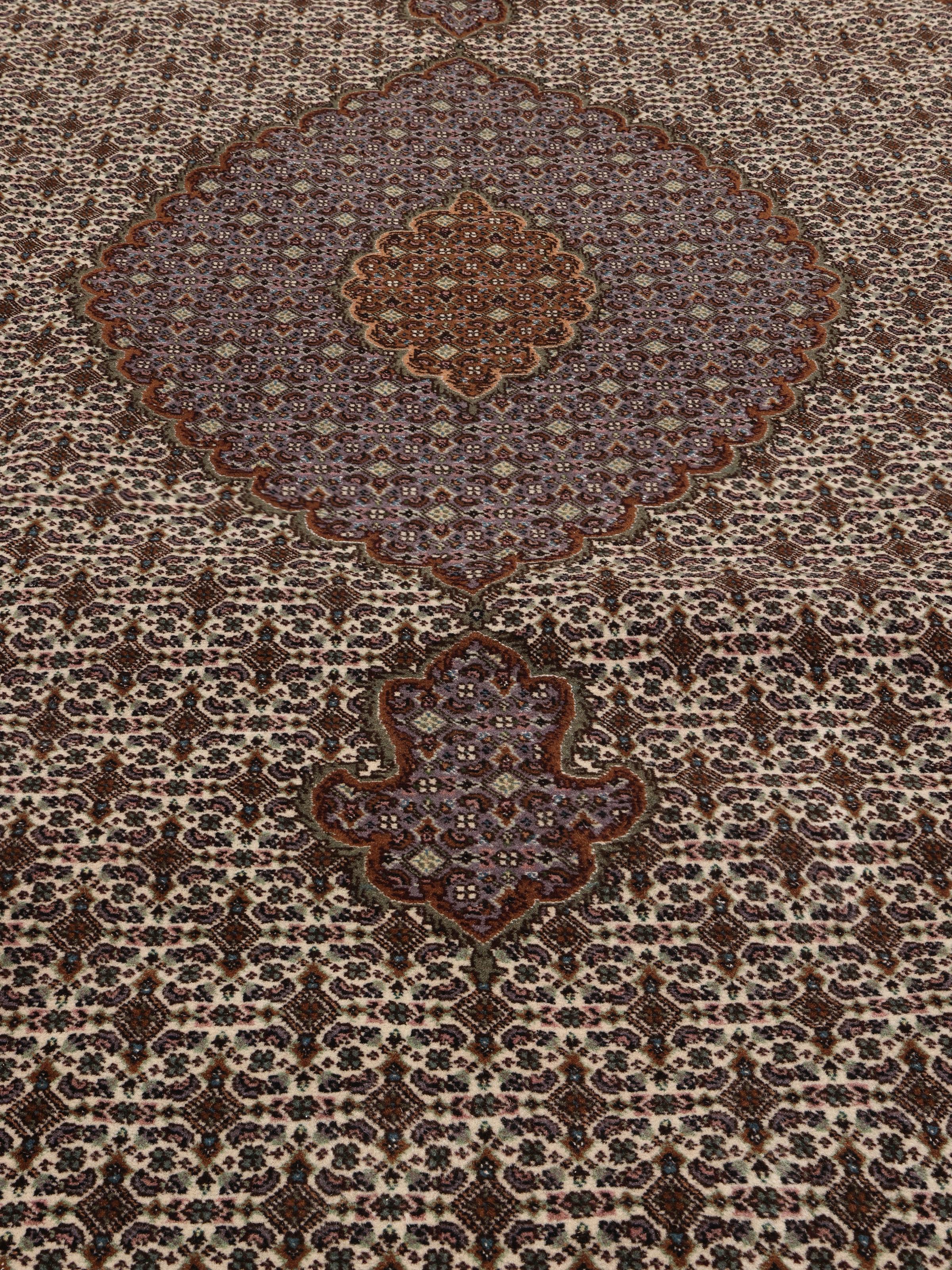
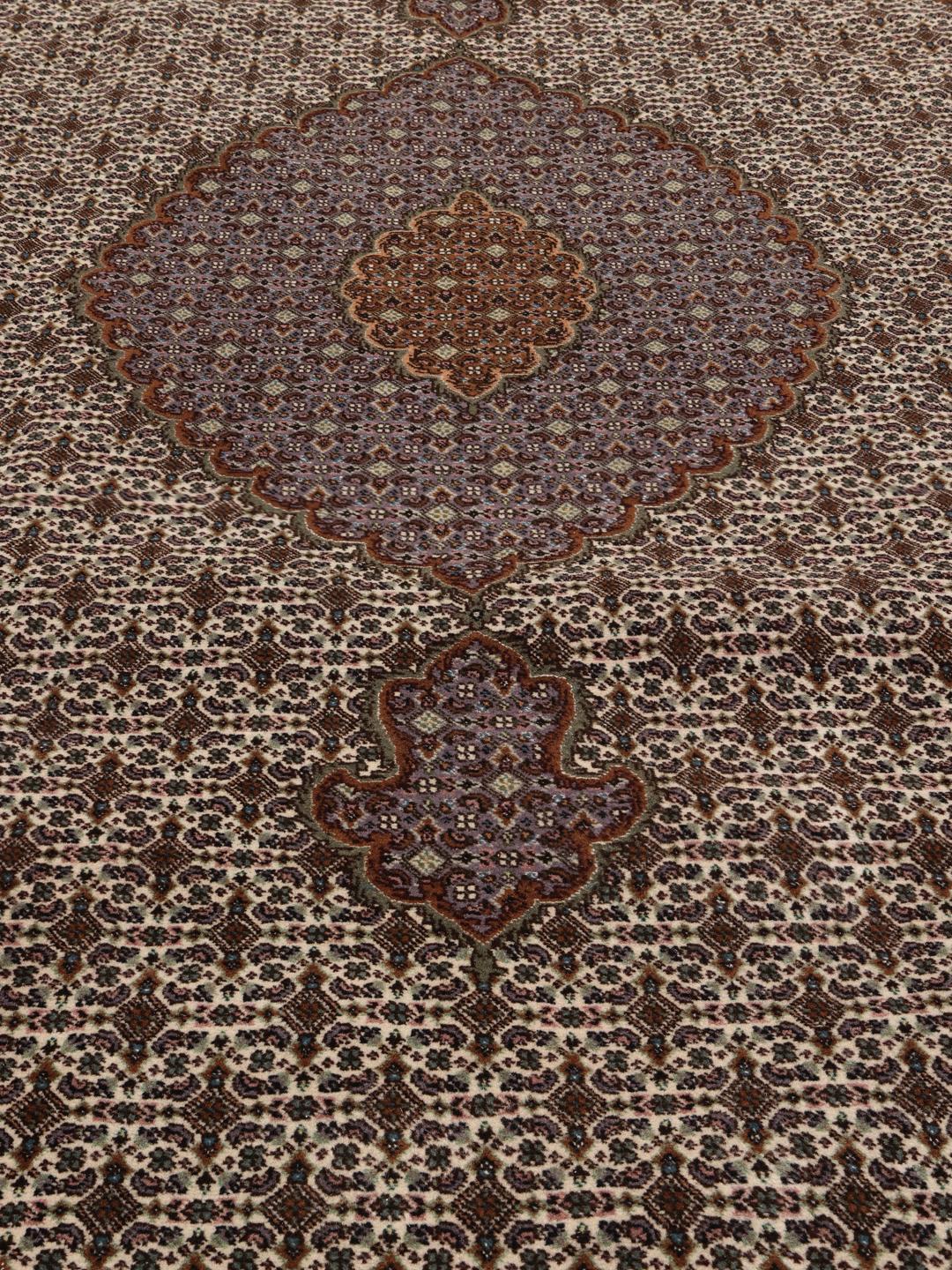
Design-wise, these rugs are often celebrated for their intricate central medallions and ornate corner spandrels, which are frequently surrounded by a series of detailed floral borders. The visual language of Tabriz is one of balance and complexity, often utilising a sophisticated palette that highlights the depth of the patterns. Each rug reflects the specific vision of the master weaver who oversaw its creation.
Collecting a rug from this tradition is an act of preserving cultural heritage. These pieces are highly valued by connoisseurs for their combination of artistic expression and technical perfection. By bringing one into your home, you are participating in a long-standing legacy of excellence, ensuring that these traditional skills and stories continue to be appreciated in modern living spaces.