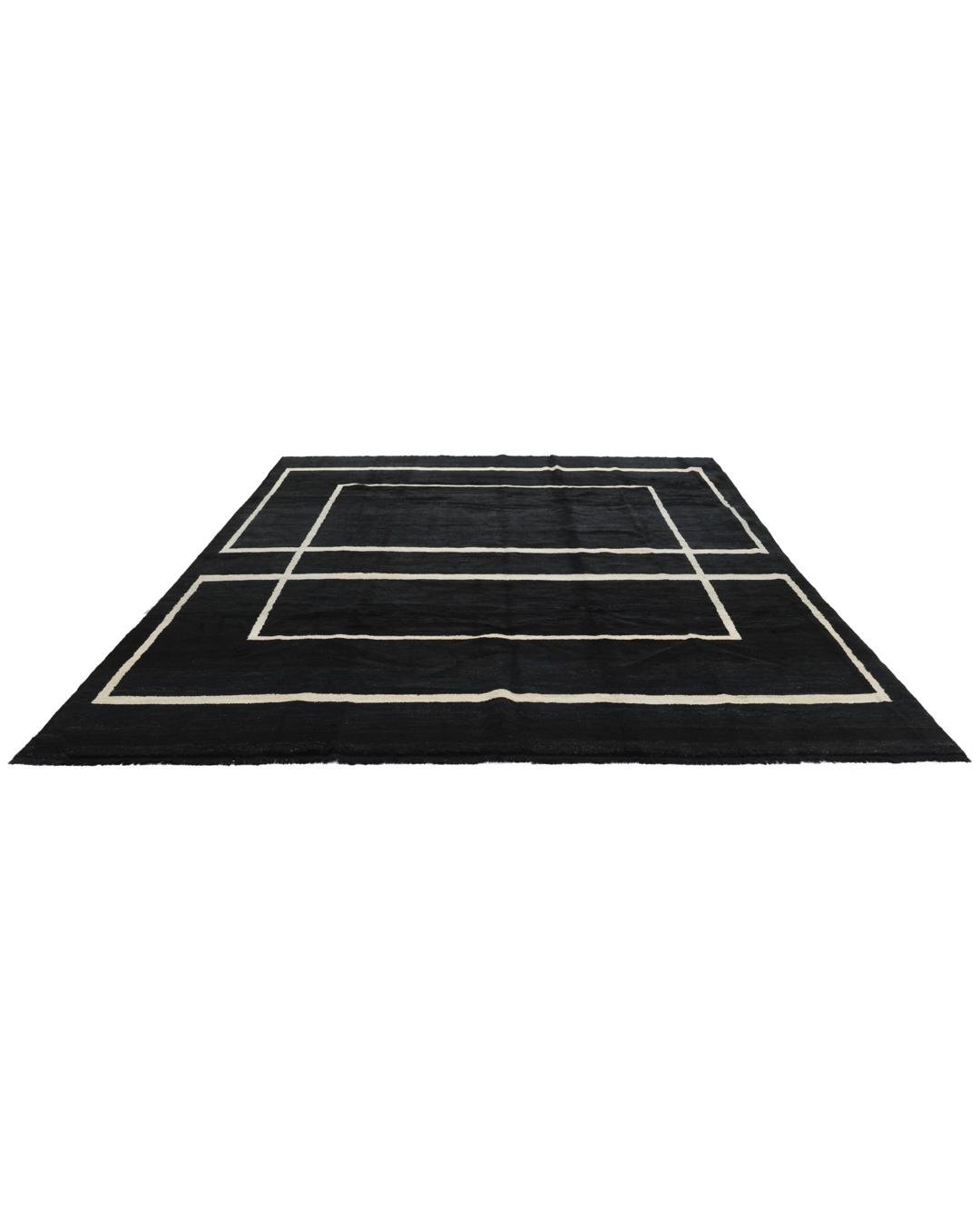
The Gabbeh tradition originates from the nomadic tribes of the Middle East, particularly known for their deep-rooted history in the rugged landscapes of the region. Traditionally, these rugs were crafted by tribal weavers for their own domestic use, serving as warm bedding and floor coverings. Over time, these rugs have evolved from simple, utilitarian items into highly sought-after pieces of art, celebrated for their spontaneous, expressive designs and raw, natural Wool.
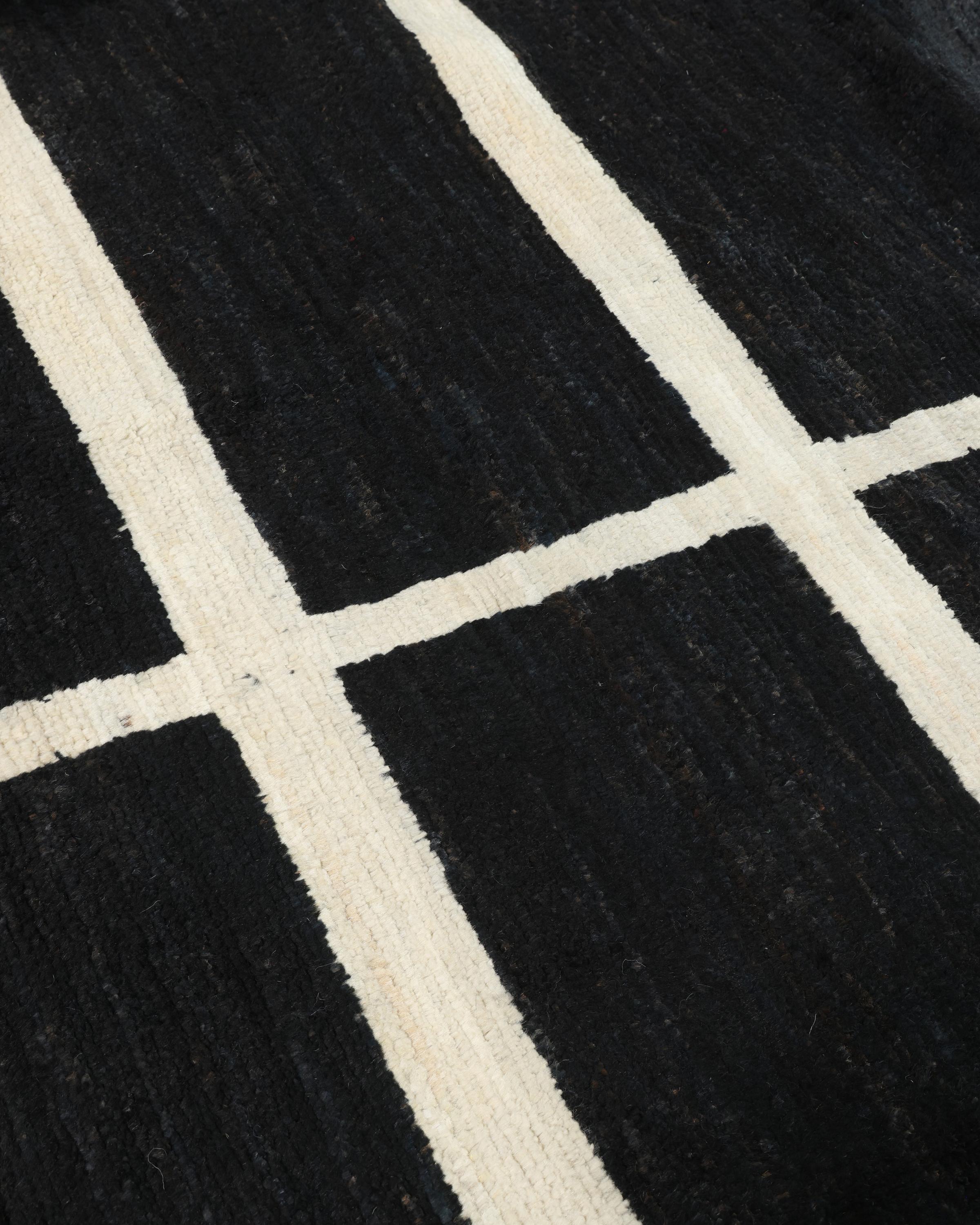
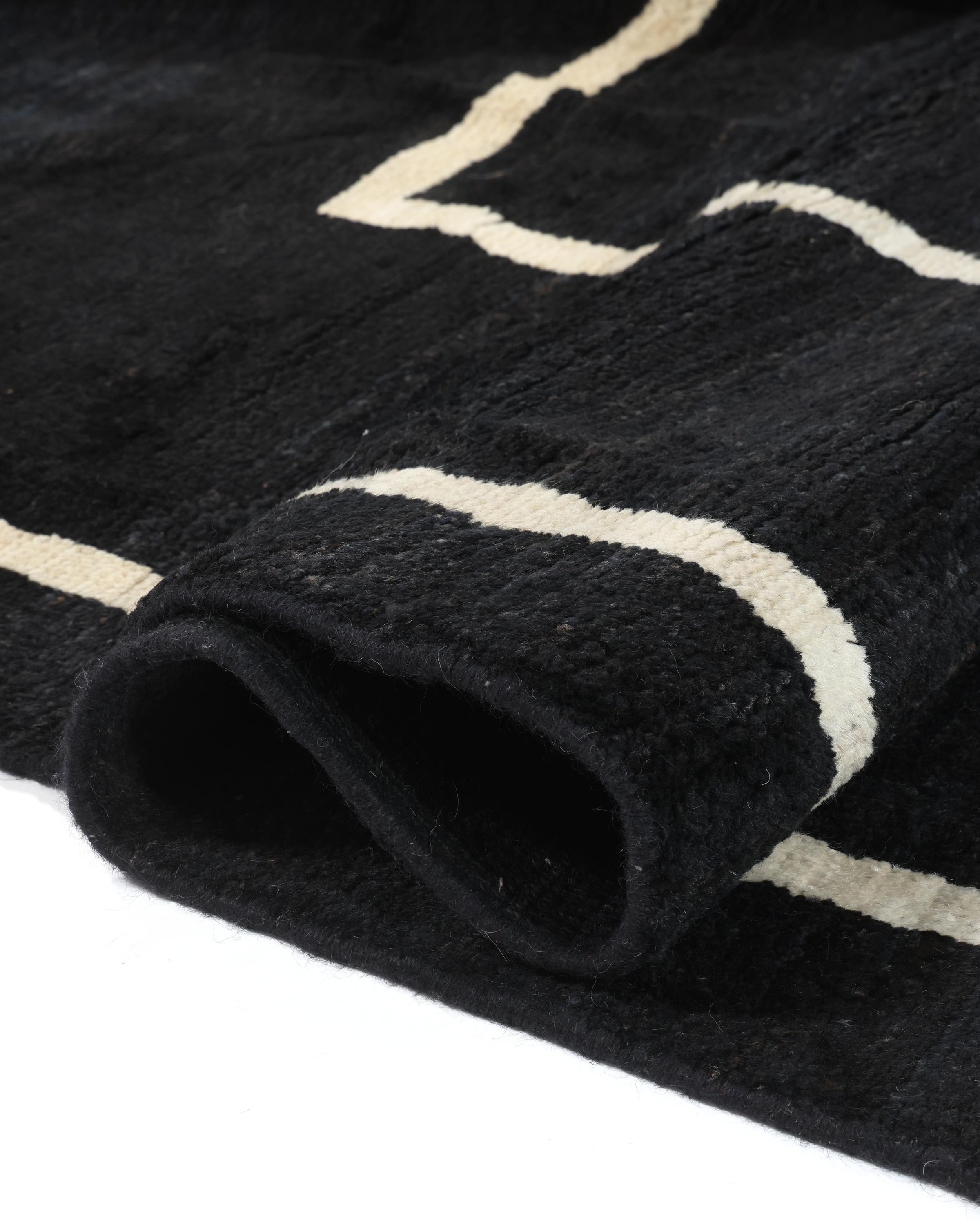
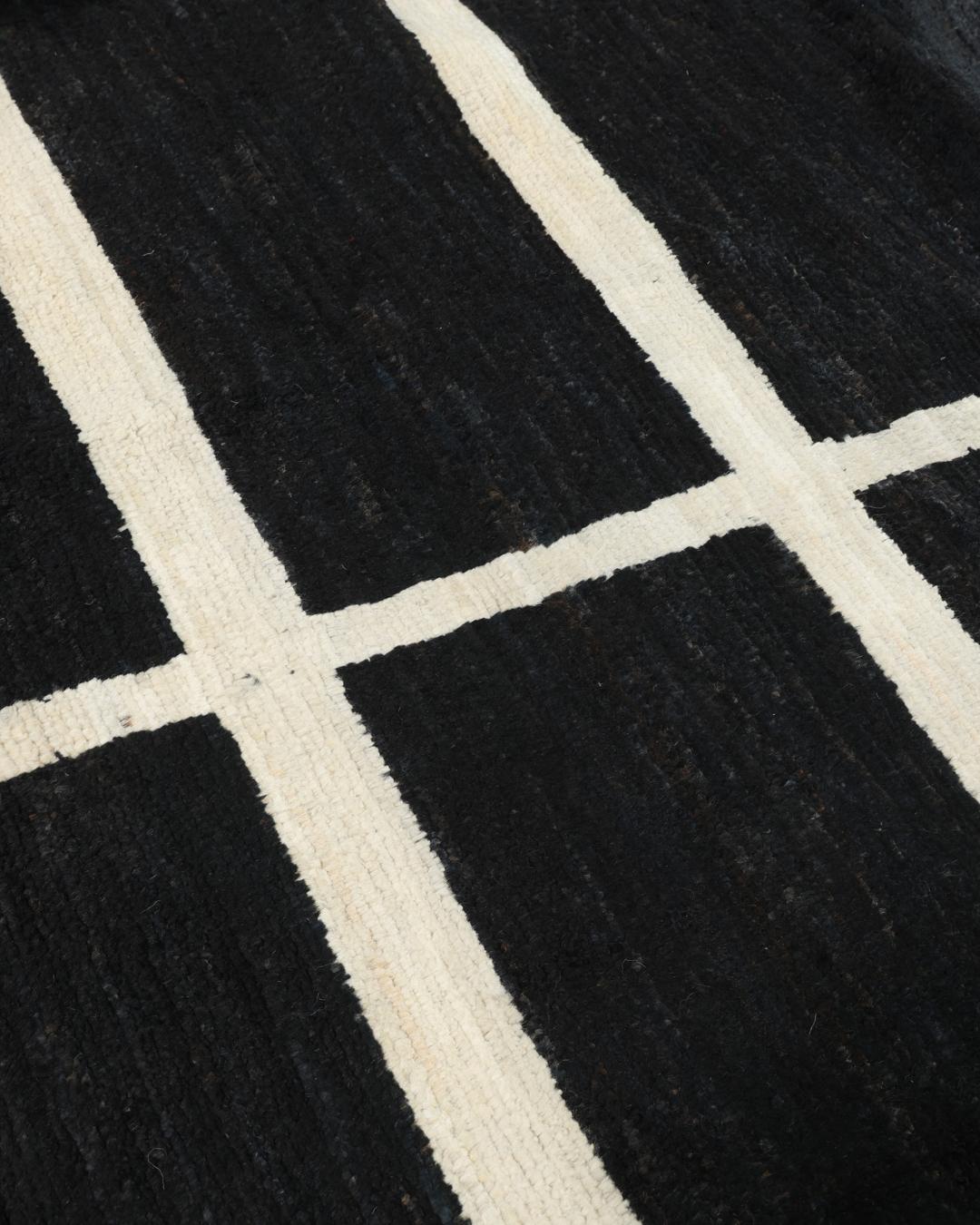
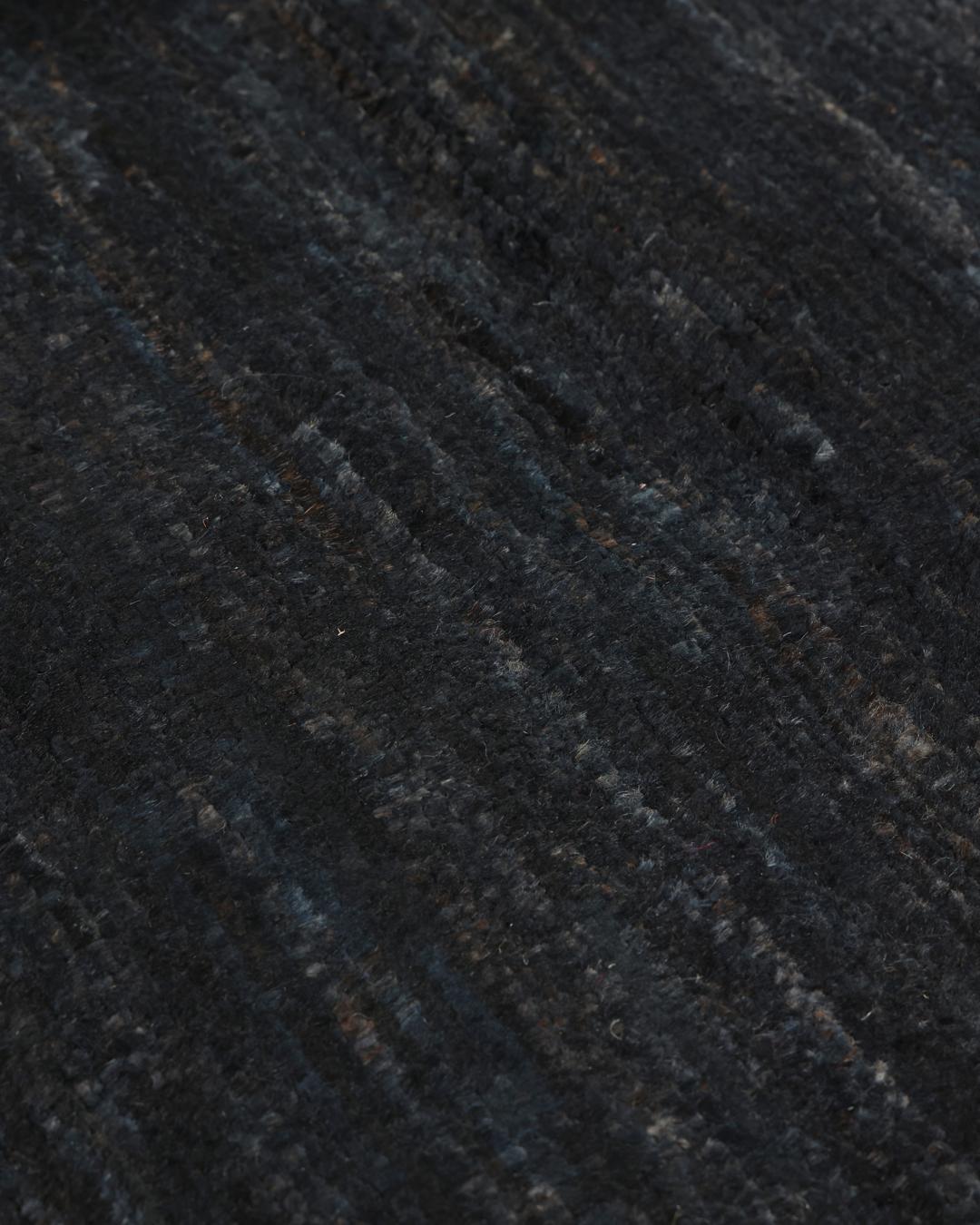
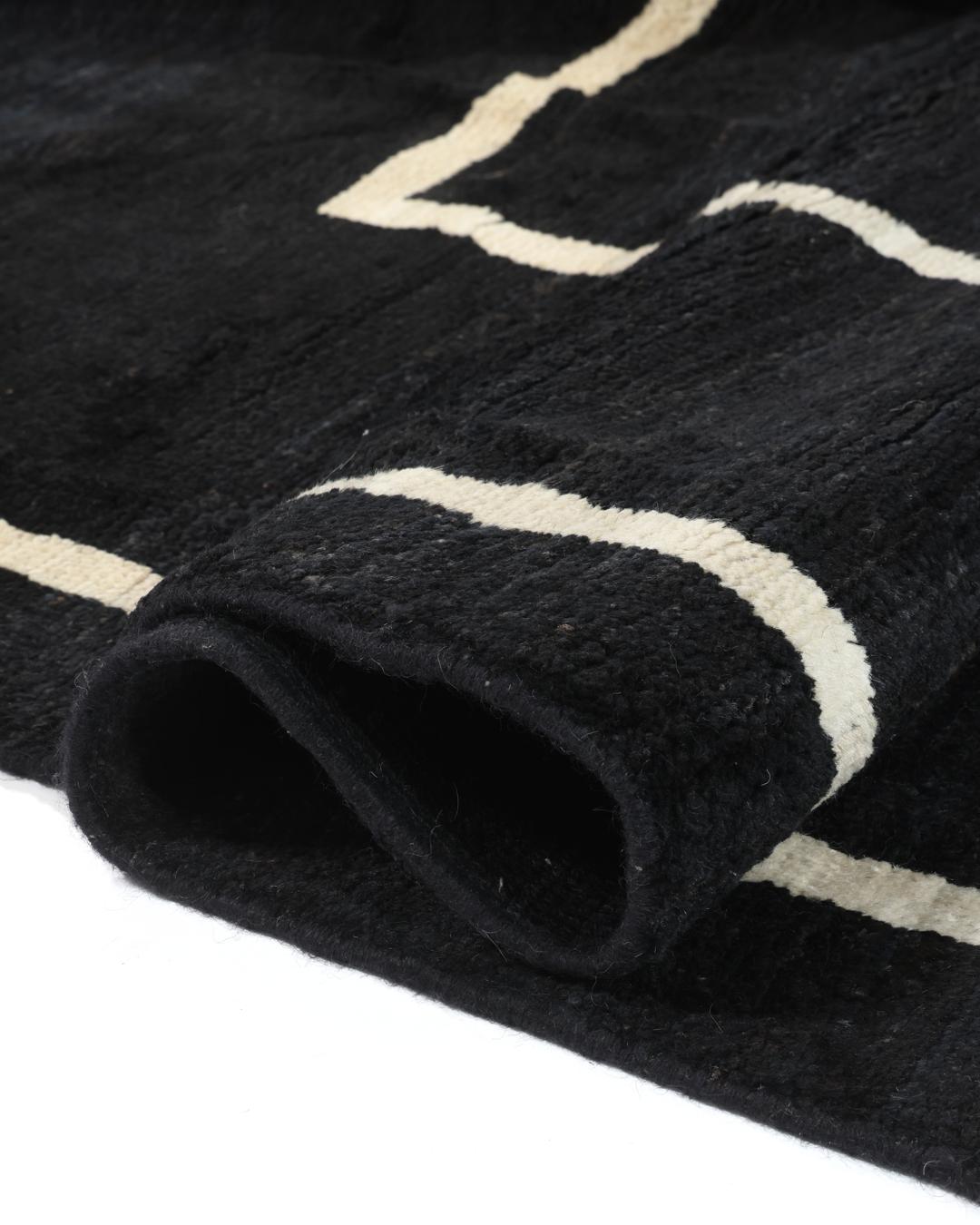
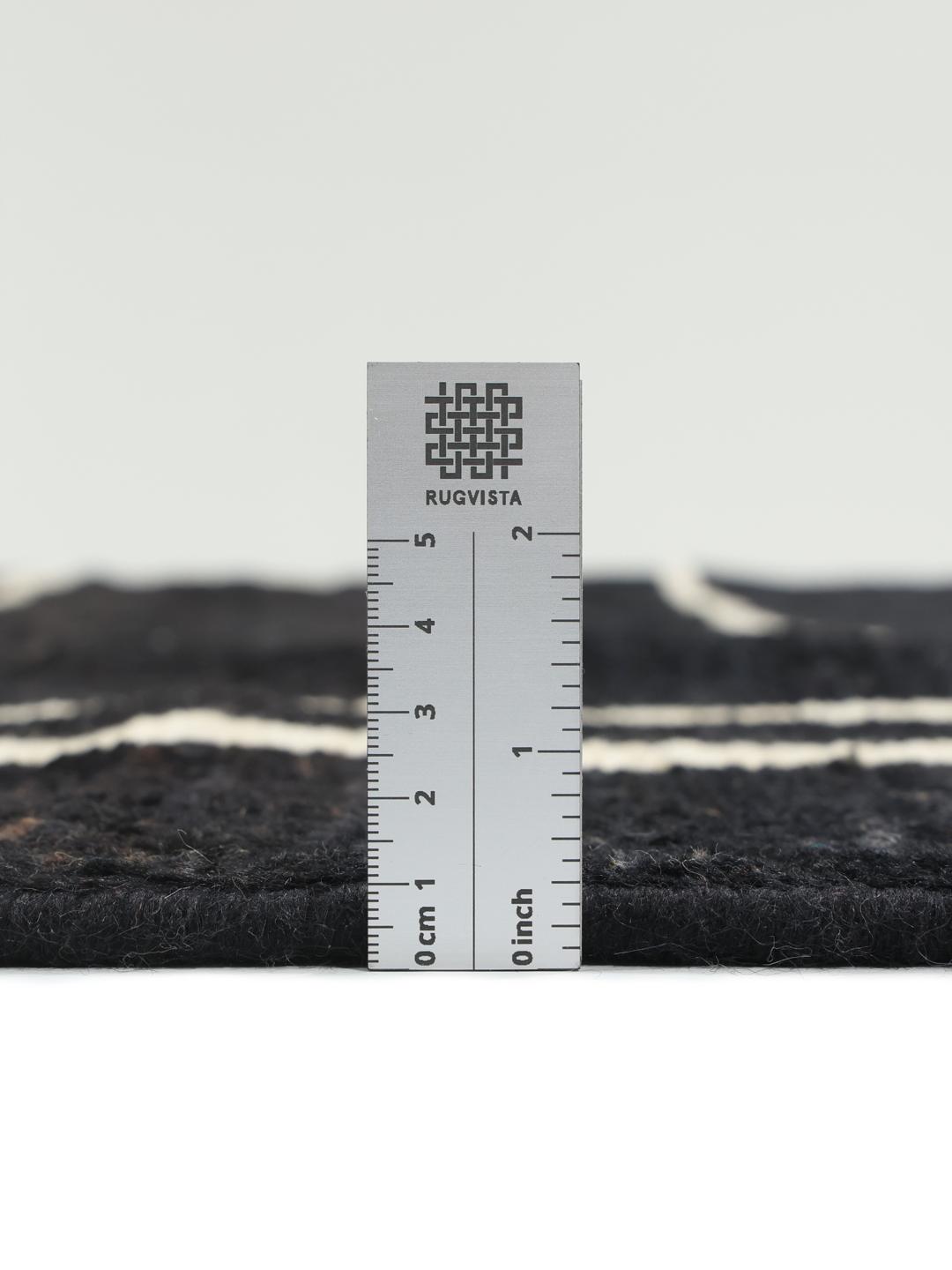
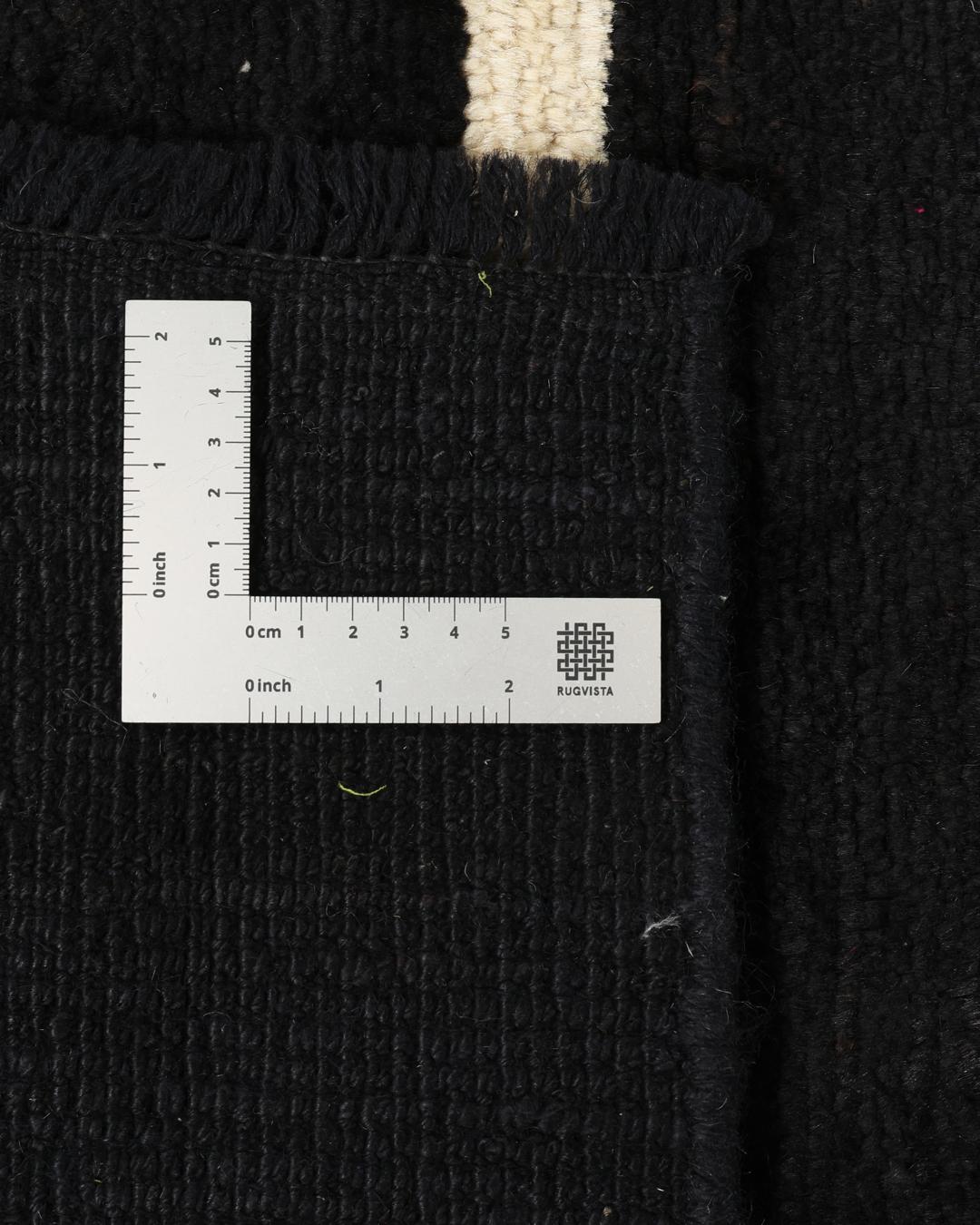
A key aspect of this craft is the use of hand-spun Wool, which often retains natural variations that give the final piece a vibrant, living quality. The term 'Gabbeh' itself refers to a rug that is thicker and more loosely knotted than traditional formal carpets, which allows for a softer, more cushioned feel. This construction method highlights the artisan's individual touch, as the design is often created from memory rather than a rigid pattern, allowing for artistic freedom in every knot.
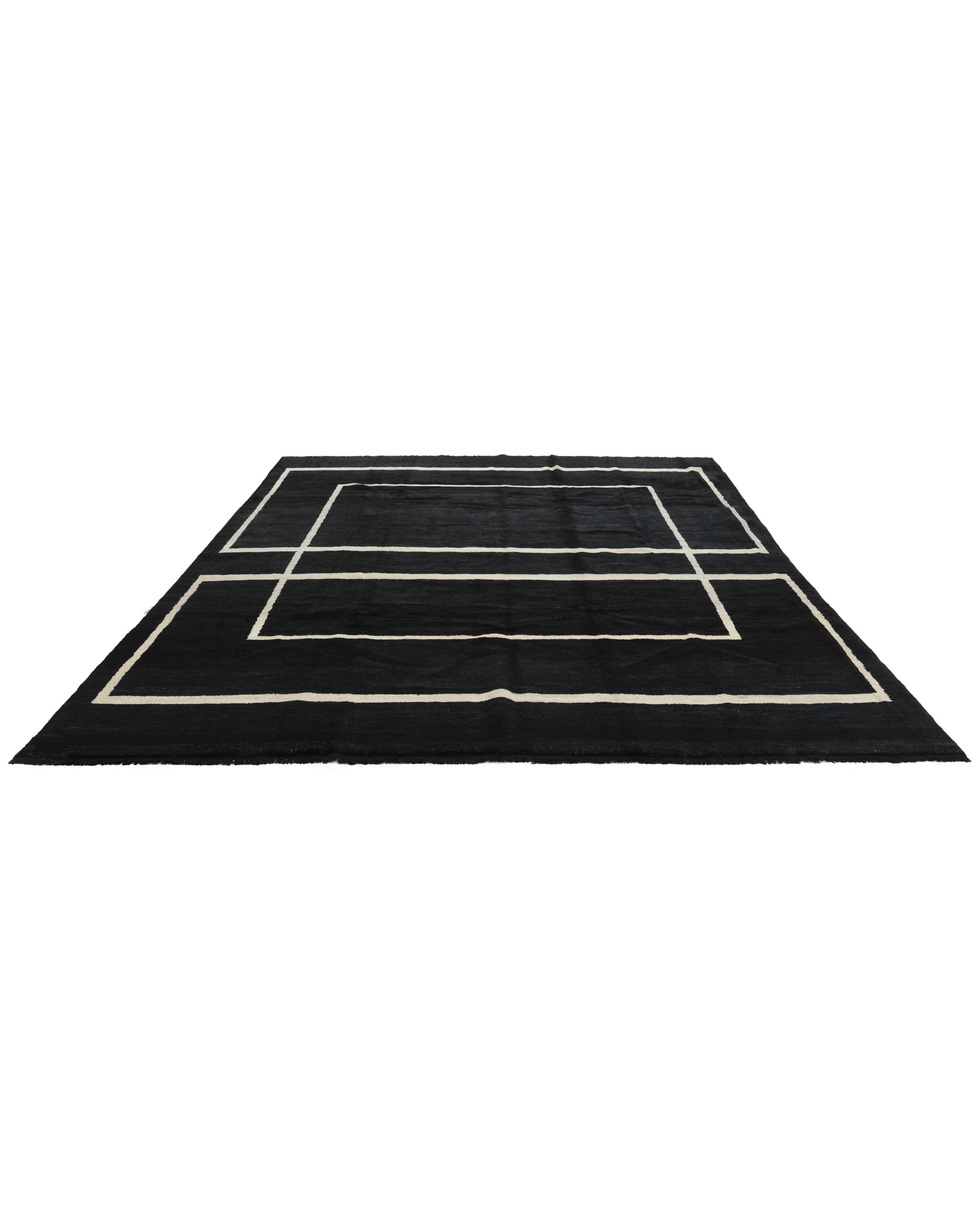
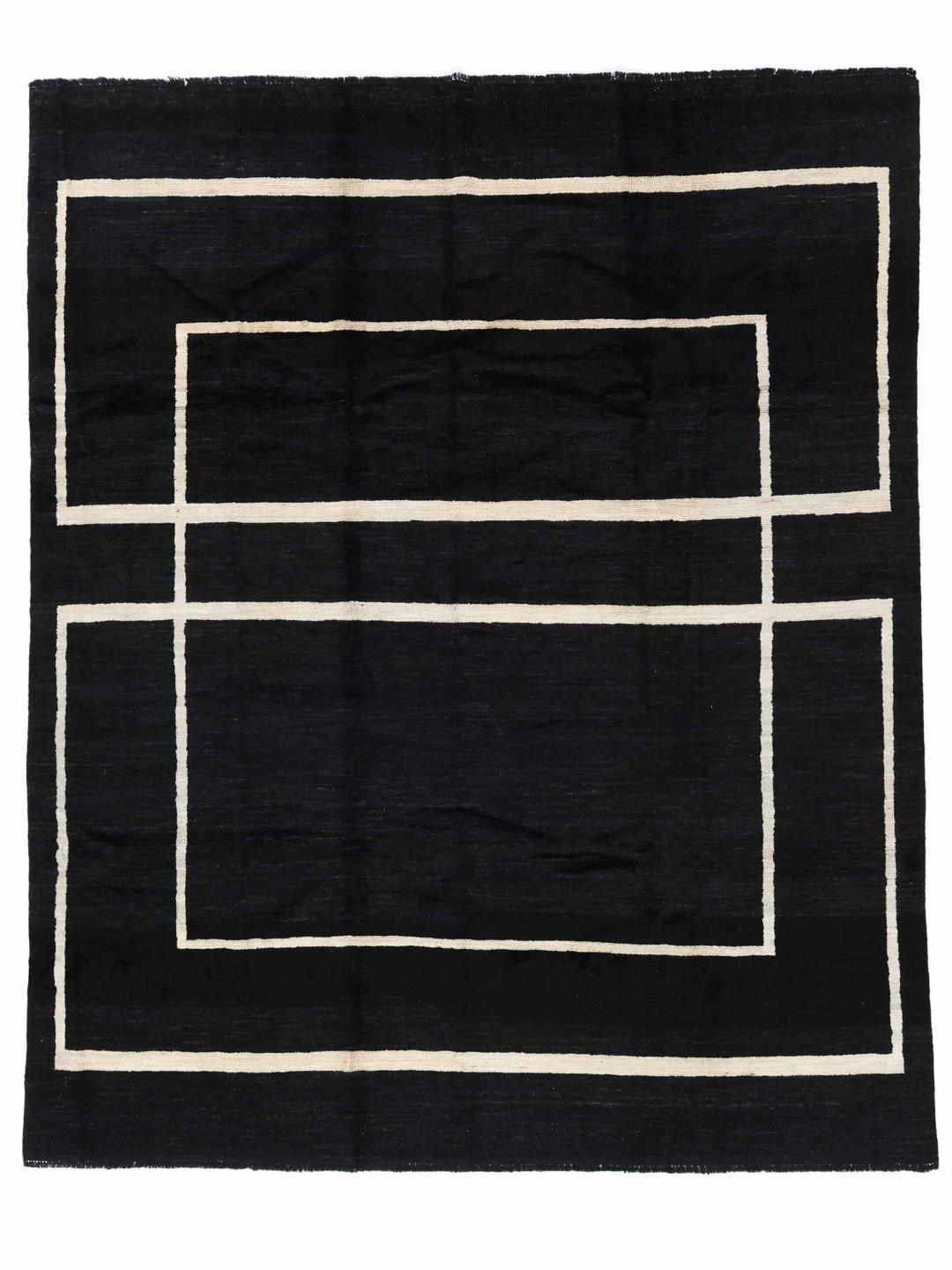
The design of this specific rug reflects a modern interpretation of these ancient traditions. While traditional Gabbehs are often known for their colourful, pictorial, or tribal motifs, the move toward minimalist, geometric patterns in contemporary Gabbeh production highlights the versatility of this craft. By stripping away intricate detail in favour of bold, clean shapes, the weavers demonstrate how a centuries-old technique can seamlessly adapt to modern interior aesthetics.
Collecting a piece like this is a way to bridge the gap between ancient nomadic heritage and modern living. Because these rugs are not mass-produced, each one carries the spirit of the weaver’s environment and the cultural legacy of their region. Owning this rug means you are preserving a craft that relies on human touch and traditional knowledge, making it a meaningful addition to any home that values authenticity and enduring quality.