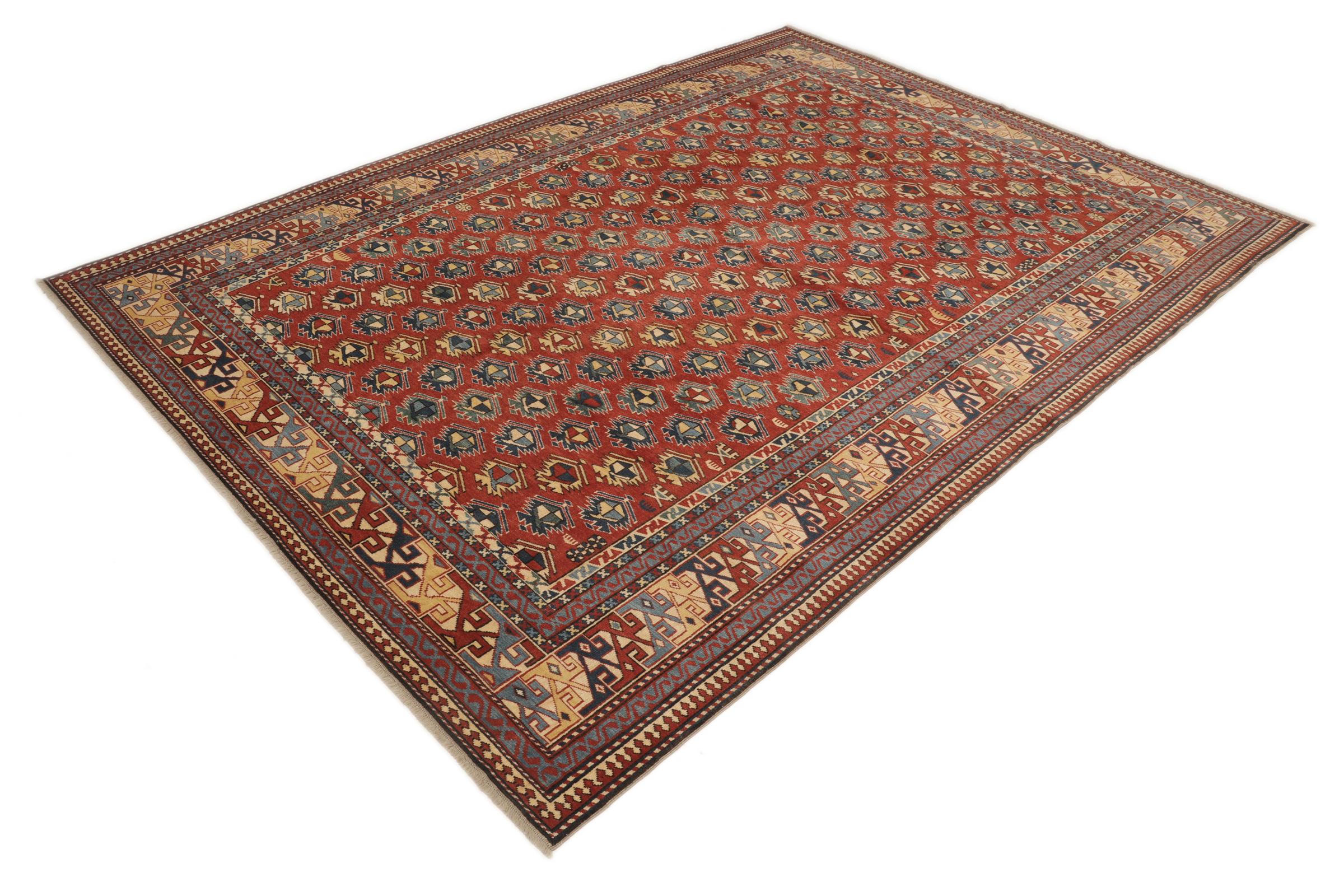
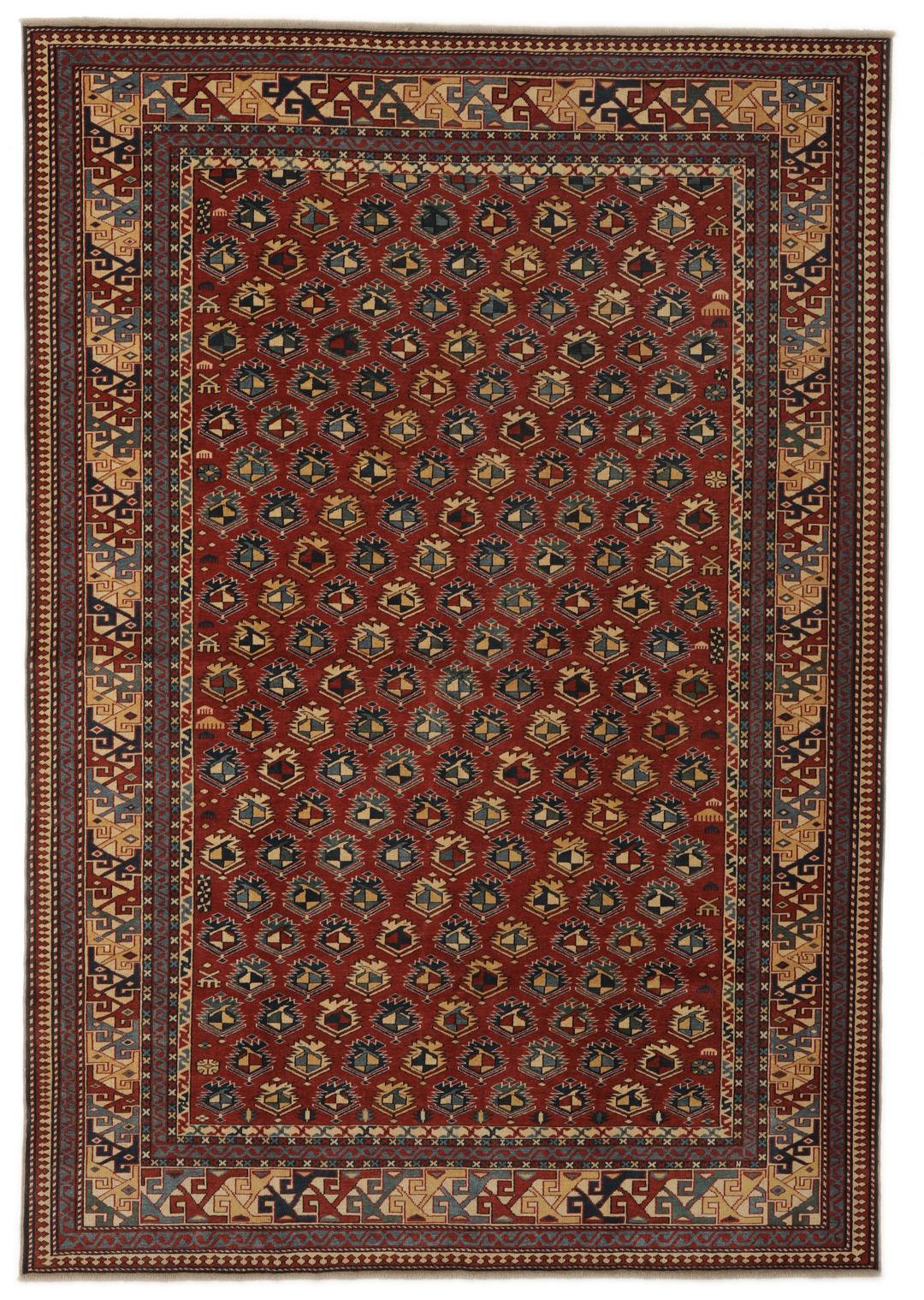
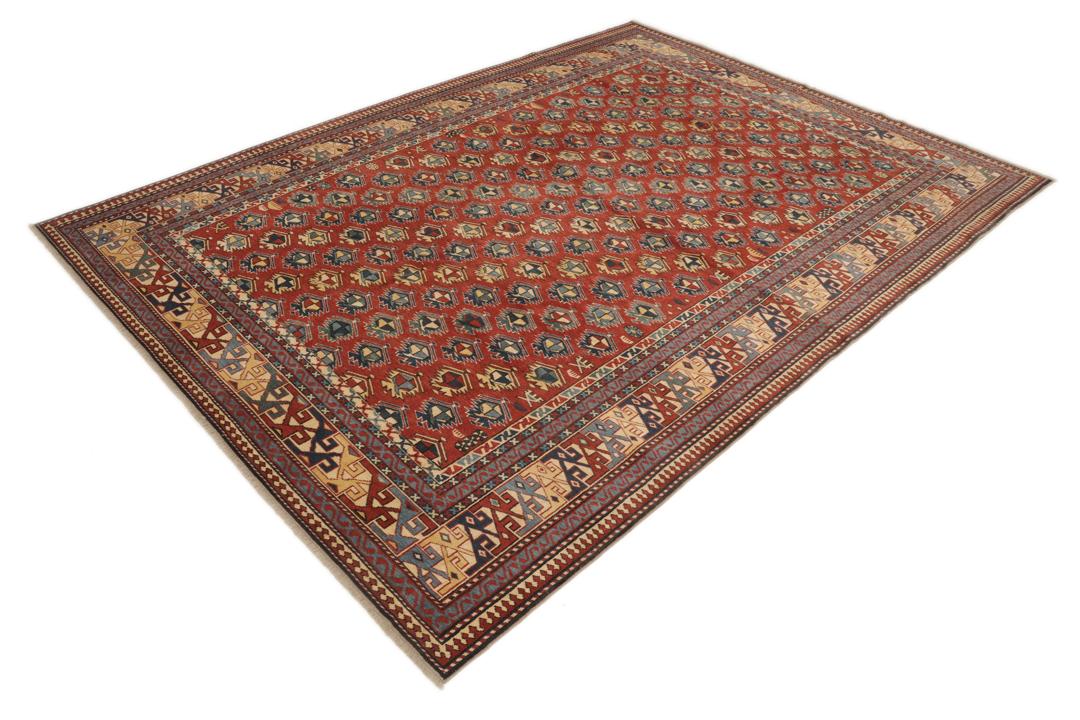
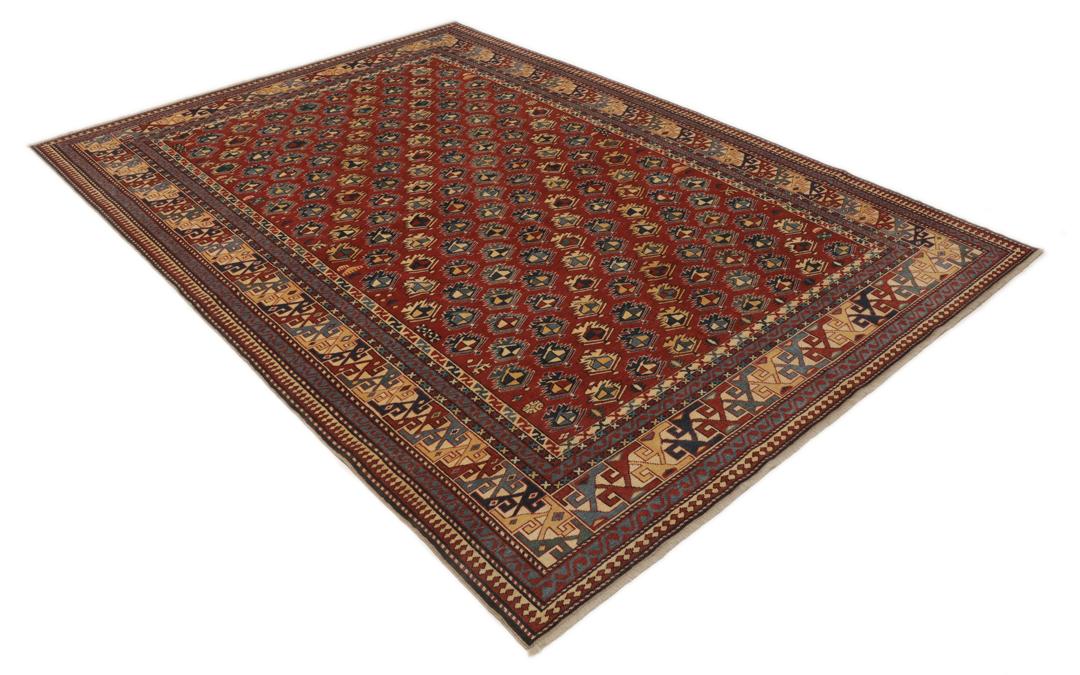
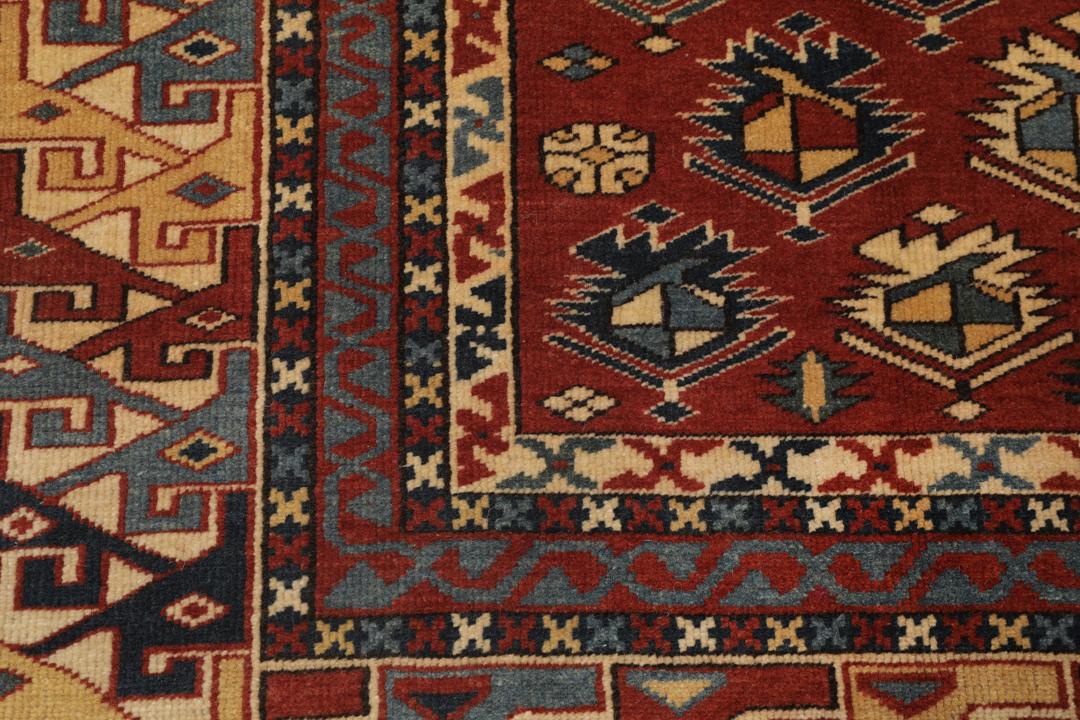
The Shirvan tradition is deeply rooted in the Caucasus region, historically known for producing some of the most sought-after rugs in the world. While the style originates from the eastern part of the Caucasus, the weaving knowledge has migrated and flourished across Anatolia, where artisans have continued to honour these classic designs. Owning a piece like this is to participate in a long lineage of textile artistry that has been passed down through generations.
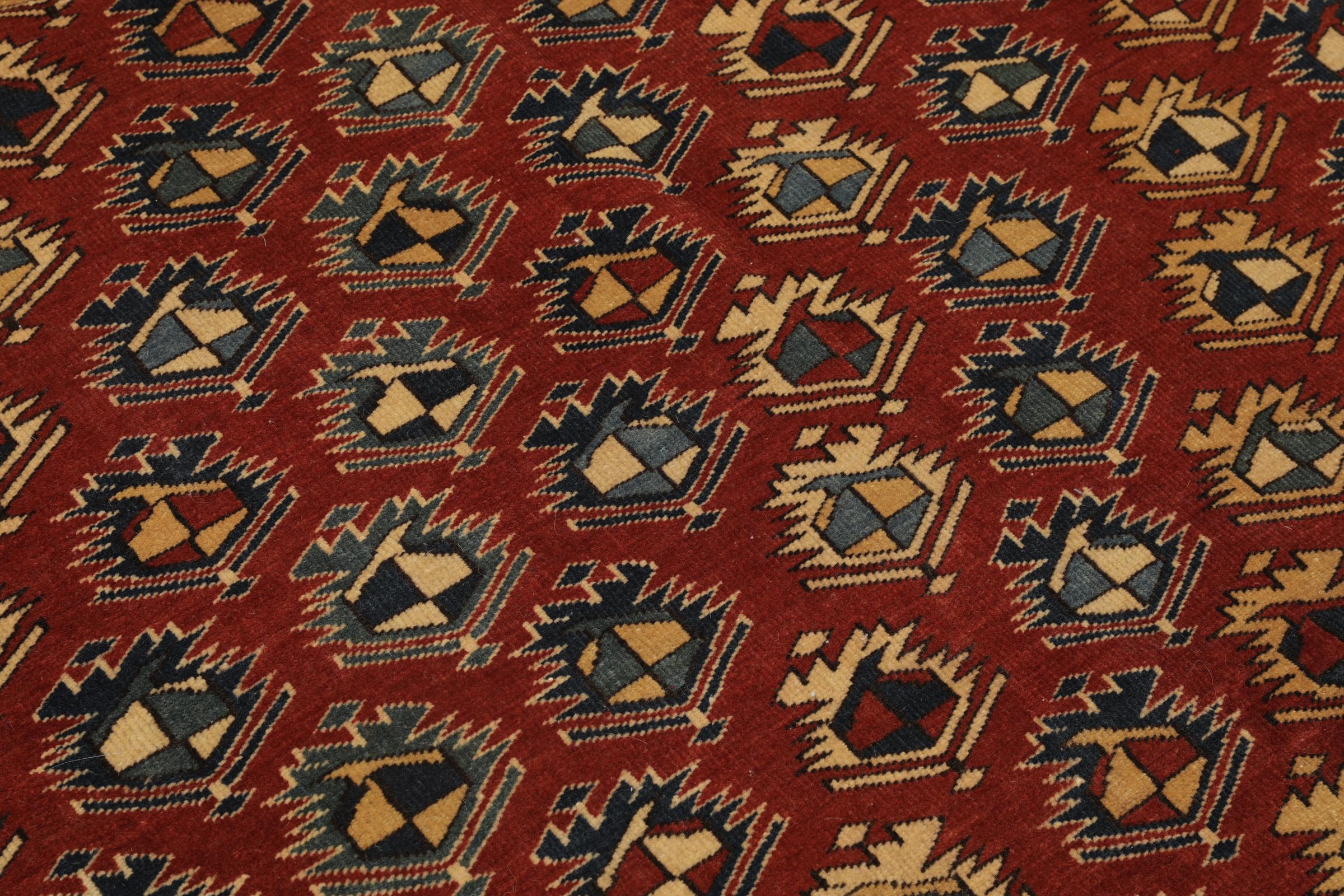
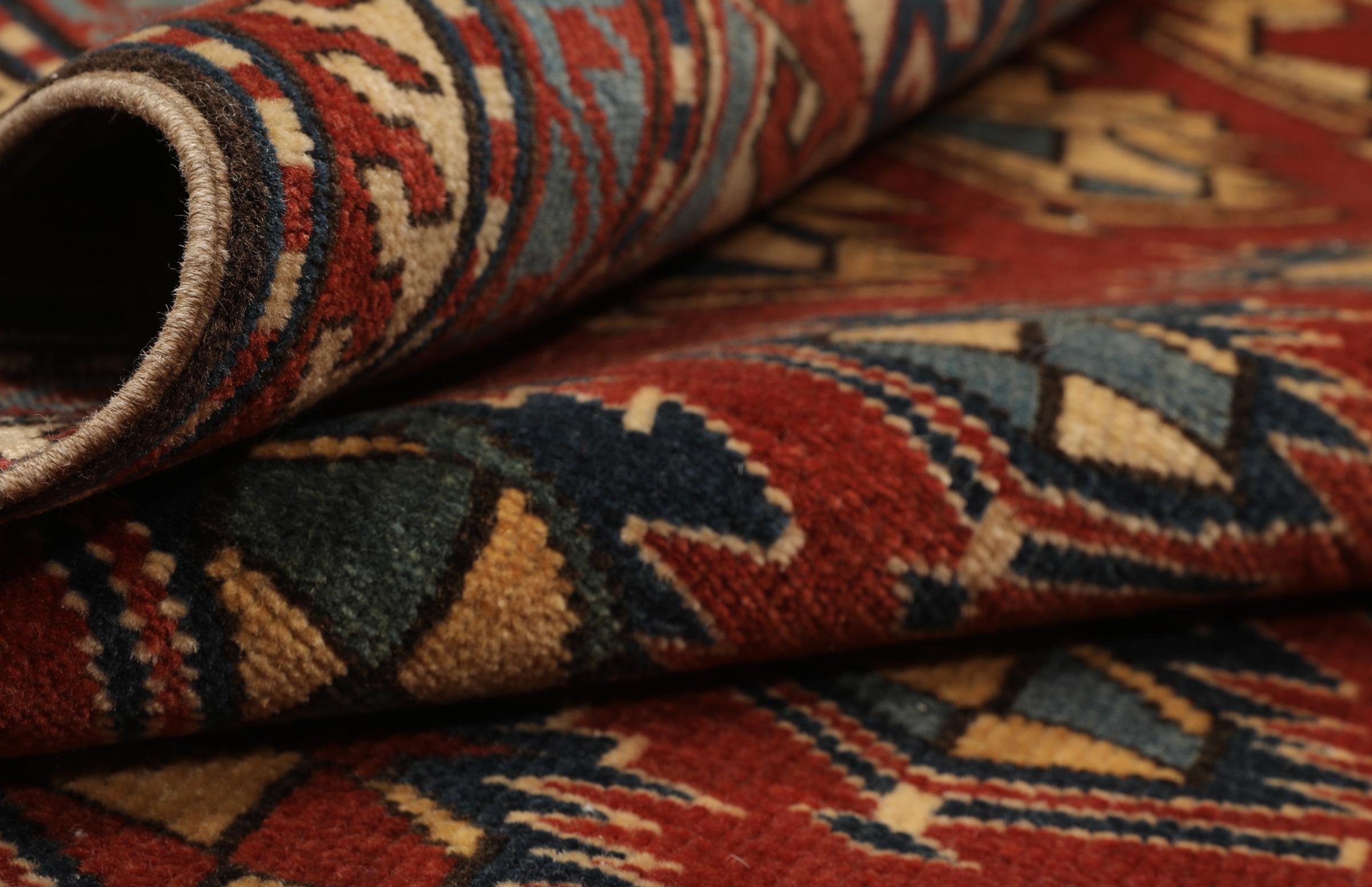
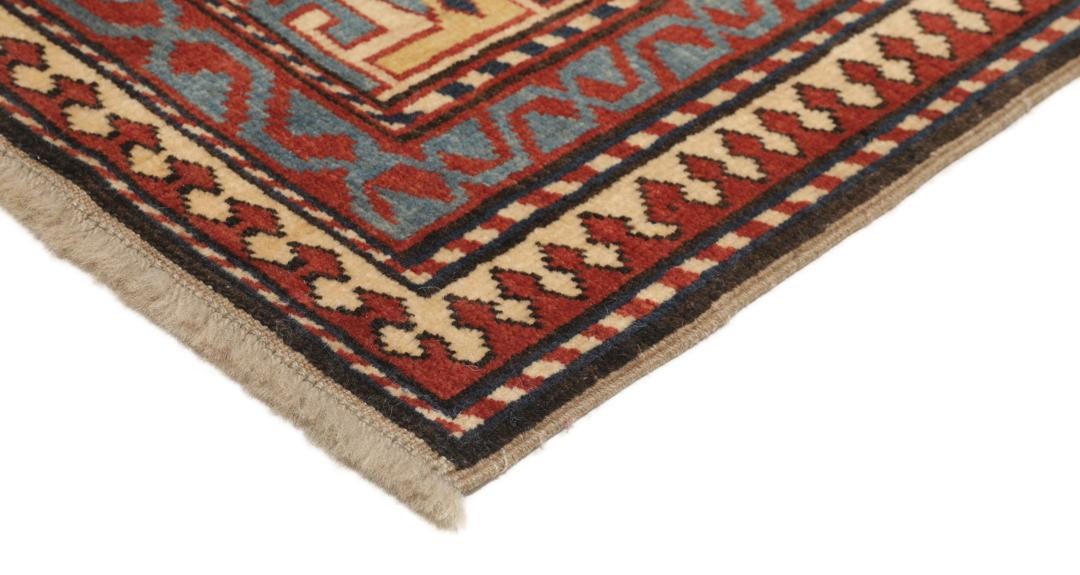
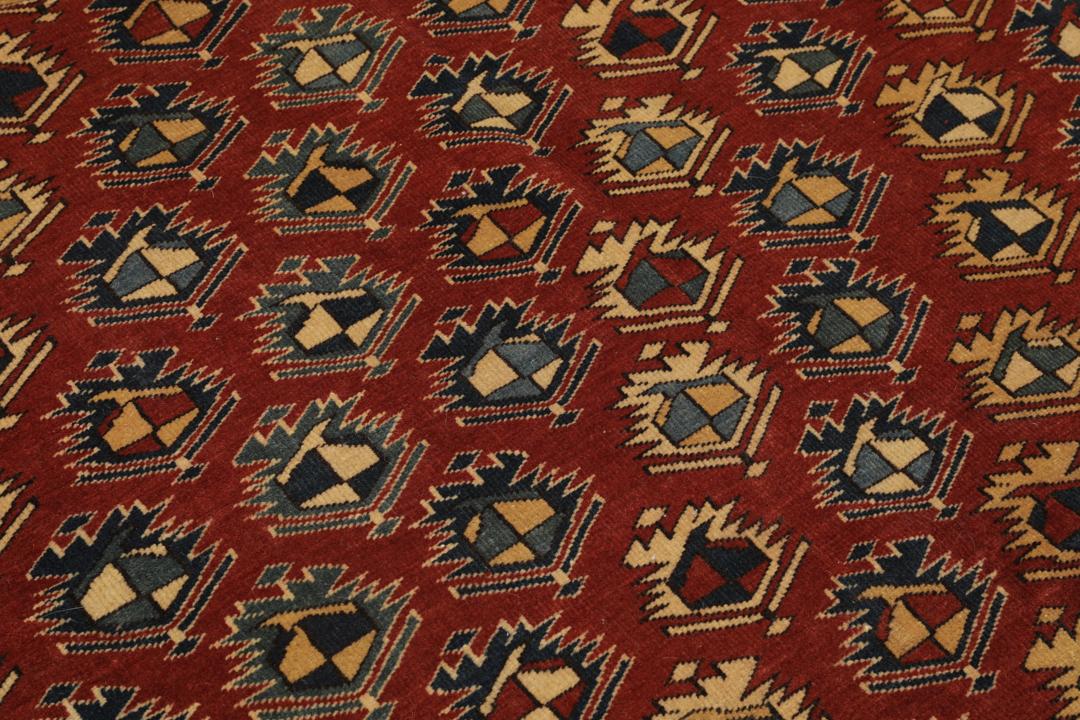
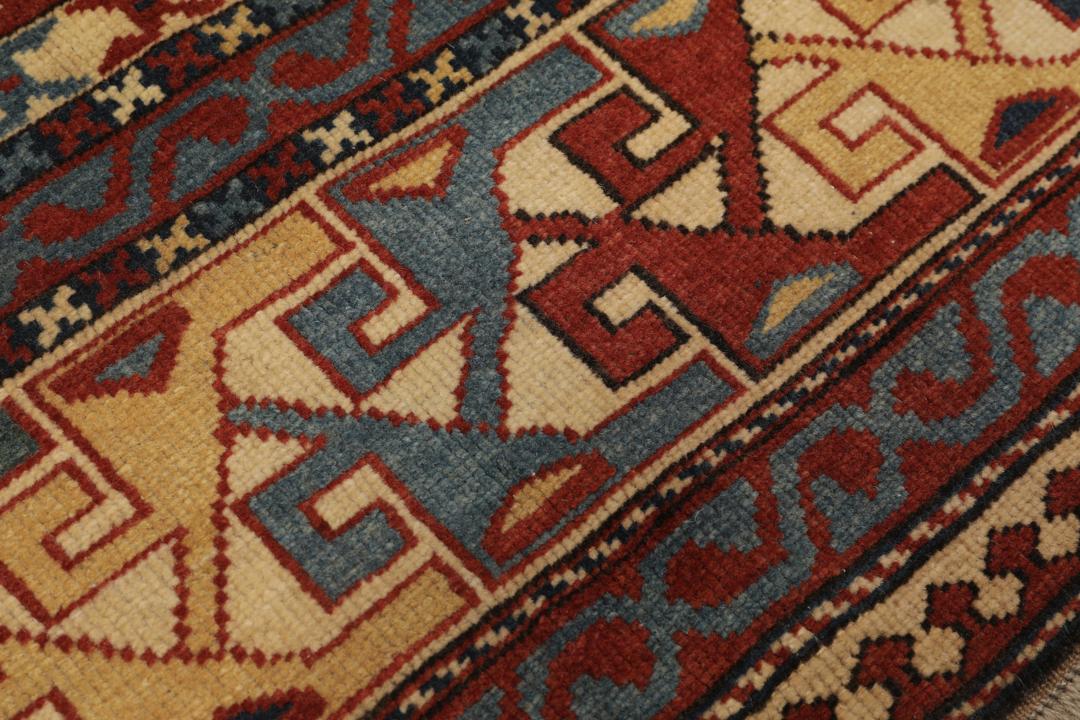
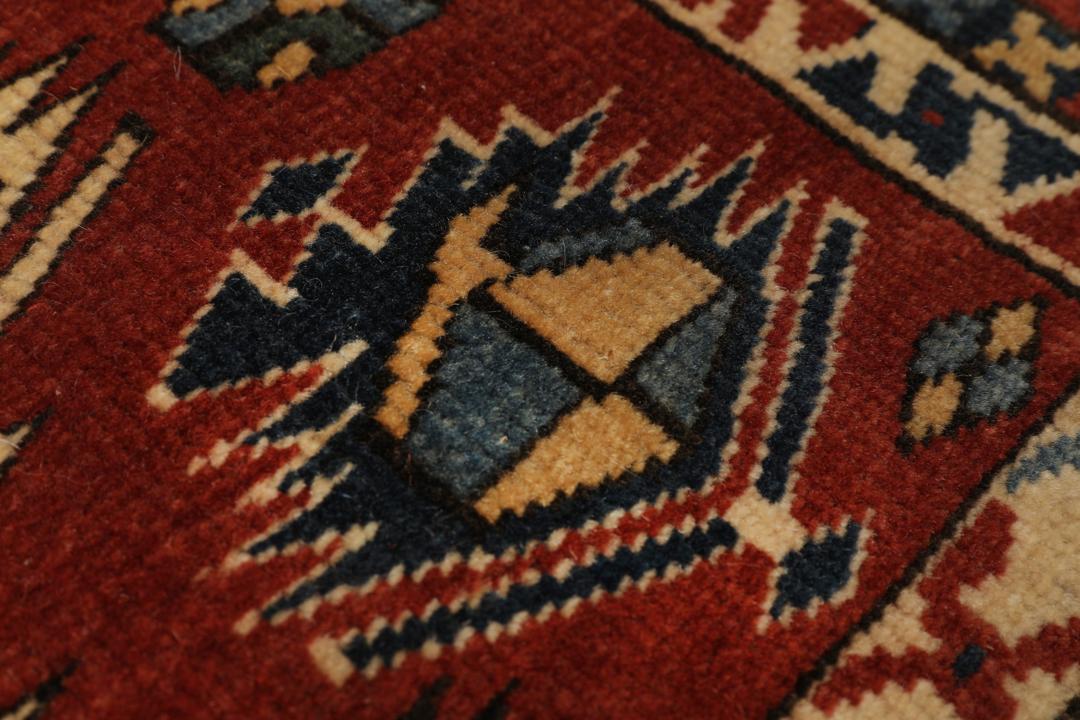
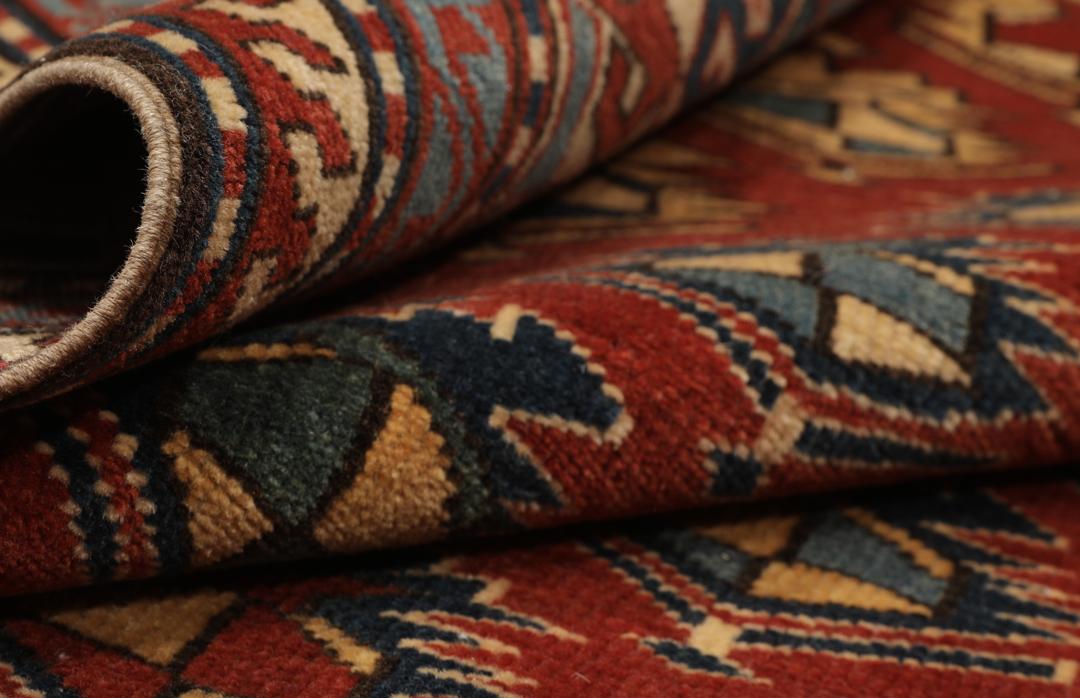
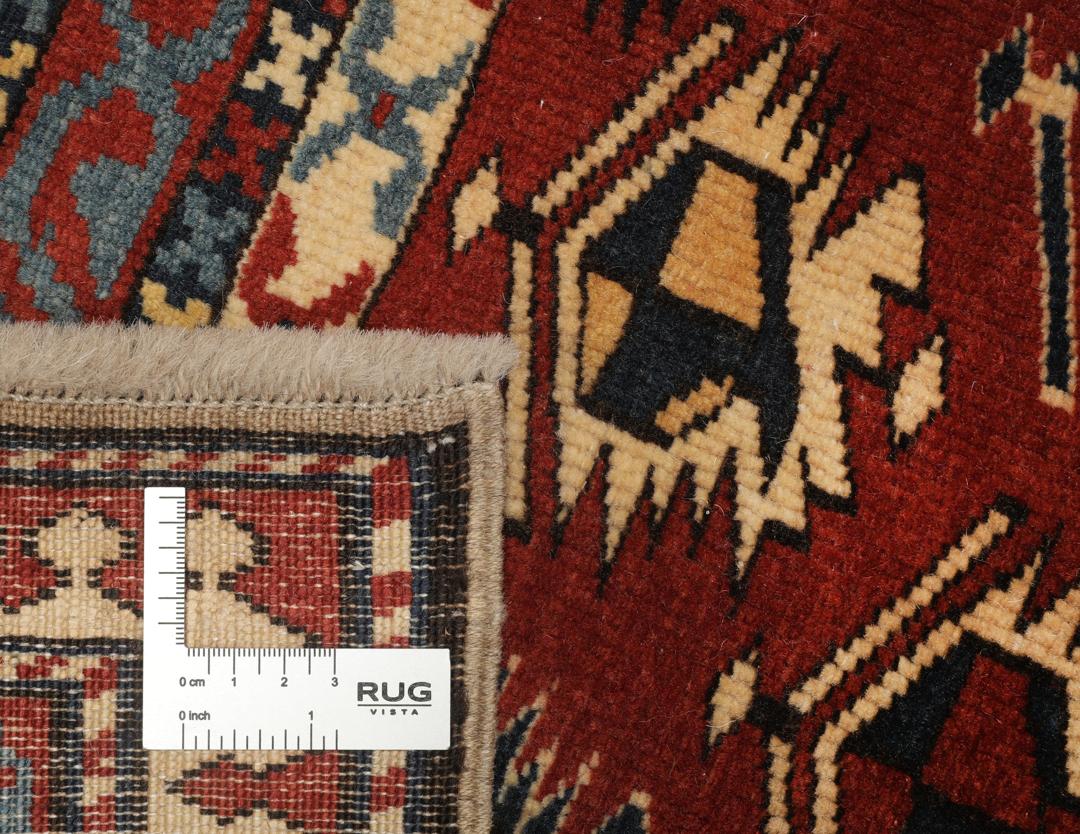
Technically, the Shirvan style is defined by its precise, often geometric, and sometimes pictorial motifs. The use of fine wool, which is naturally durable and soft, is essential to the quality of these rugs. The construction techniques used here ensure a level of detail that is difficult to achieve otherwise, allowing the weavers to create complex patterns that remain clear and vivid even after decades of use.
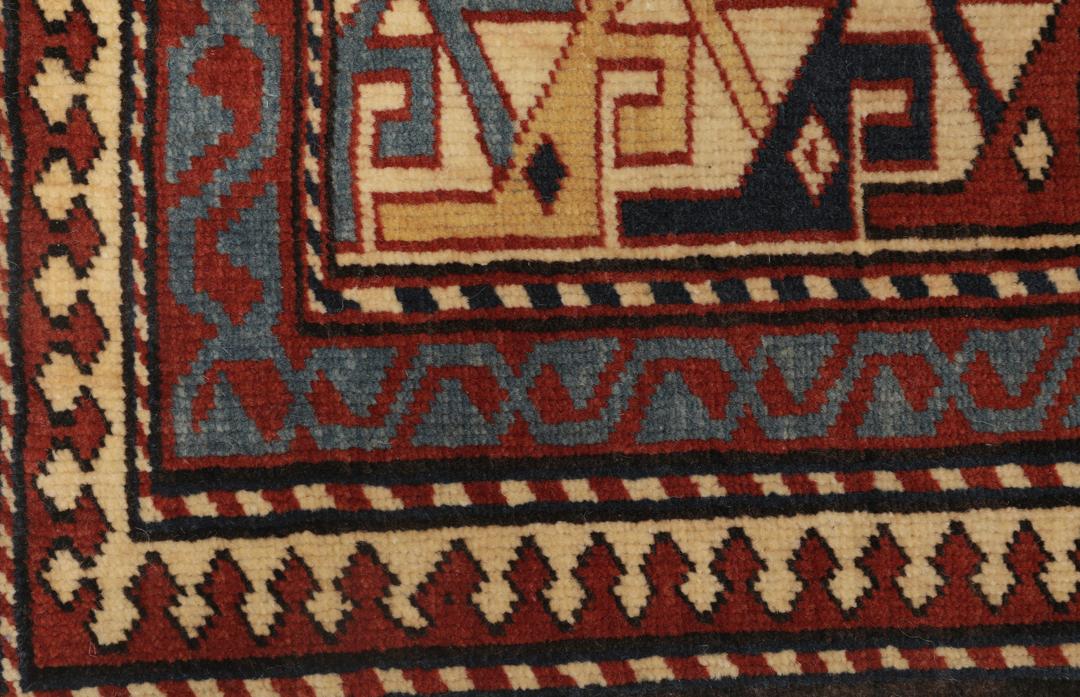
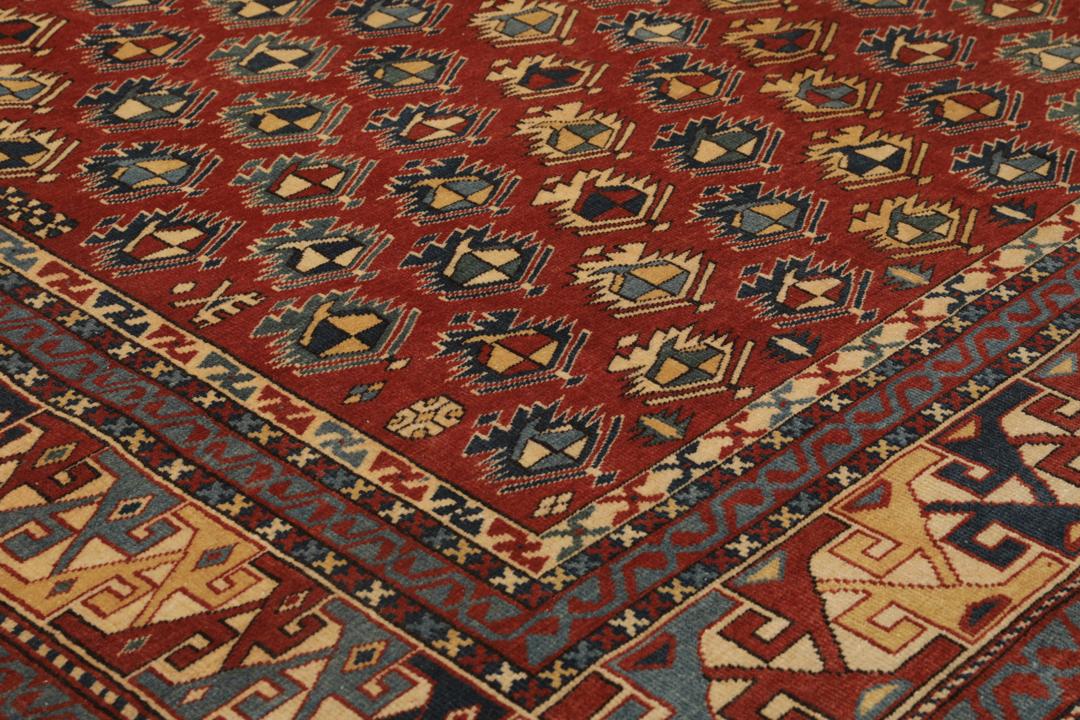
The visual language of this rug is characterised by its repeating geometric elements, which often include stylised medallions or floral motifs. The borders are typically formal and intricate, acting as a frame for the central field. This particular example from the 1980s perfectly captures that balance, featuring a cohesive colour scheme that highlights the precision of the design work, typical of the high-quality output seen during that period.
These rugs are highly valued by collectors and homeowners alike for their cultural weight and lasting aesthetic appeal. To own a hand-knotted piece is to possess a tangible connection to human skill and history. It is more than just a floor covering; it is a testament to the dedication of the maker and an heirloom-quality object that brings a timeless sense of heritage into your home.