The Shirvan region, located in the eastern Caucasus, is celebrated for producing some of the most distinctive and highly regarded rugs in the world. Historically, these rugs were woven in small villages and nomadic settlements where the craft was an integral part of daily life. The aesthetic of the region developed in isolation, leading to a unique style that remains instantly recognisable to those familiar with textile heritage.
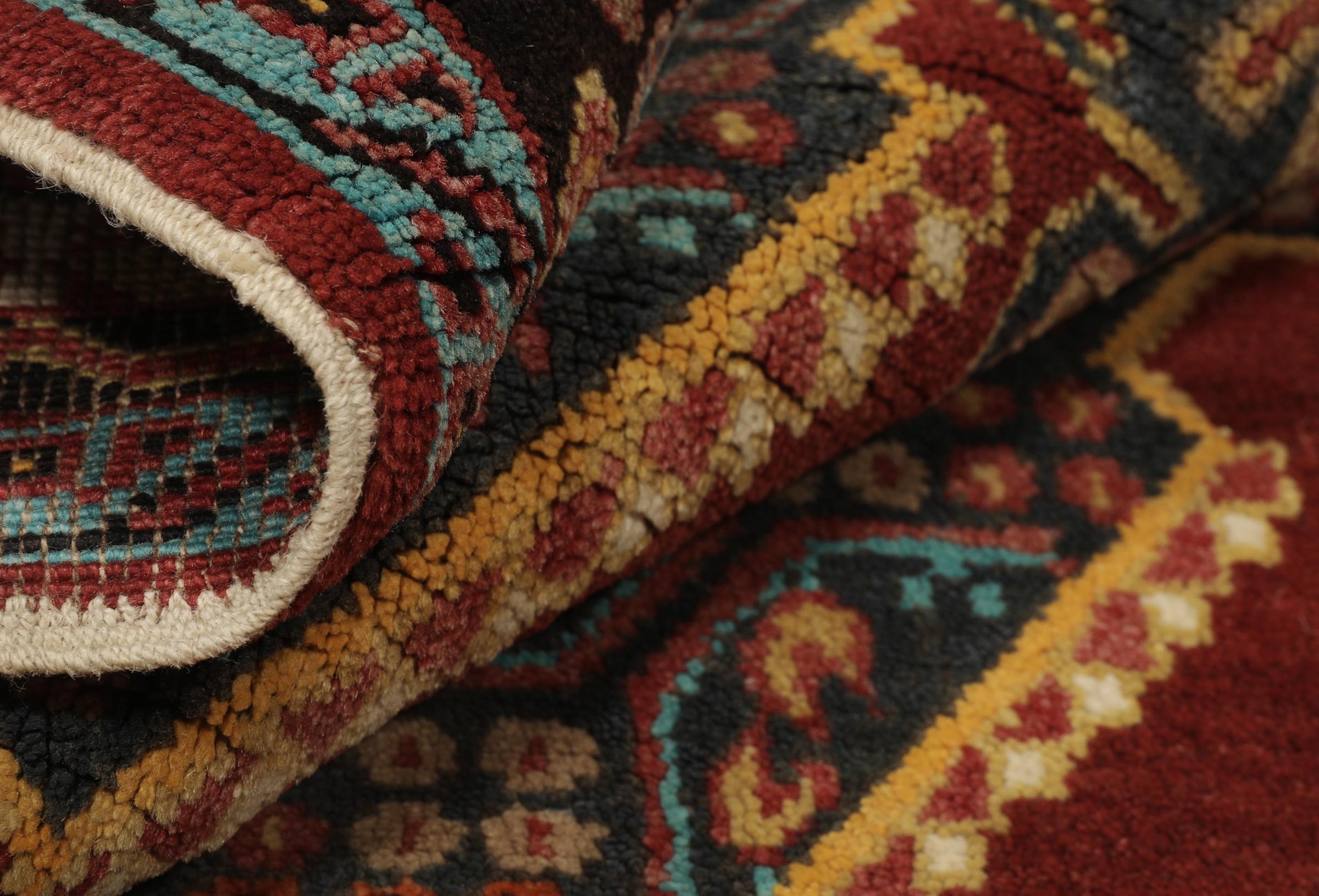
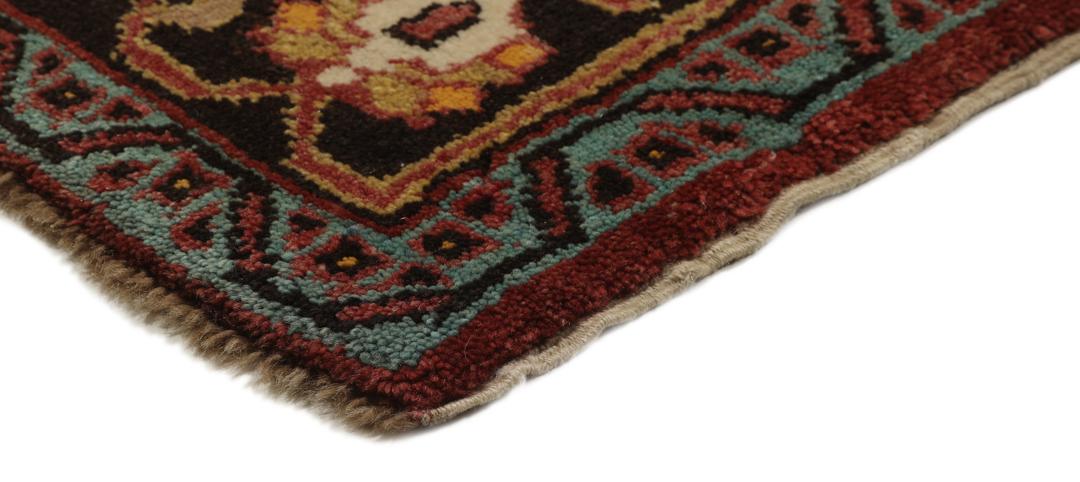
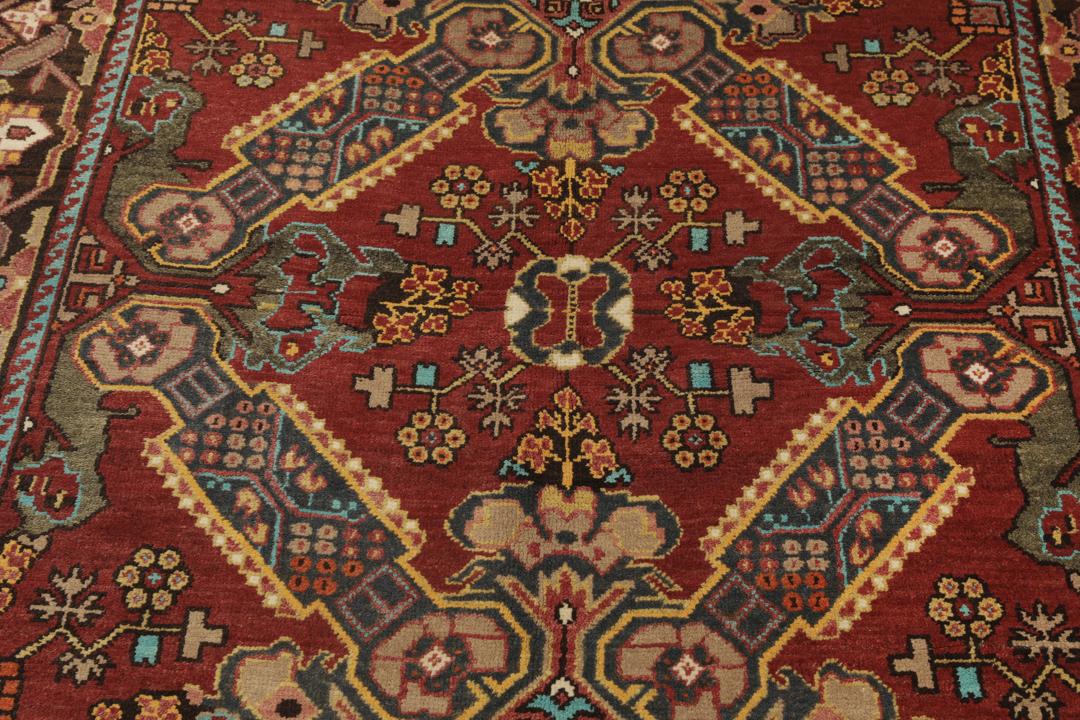
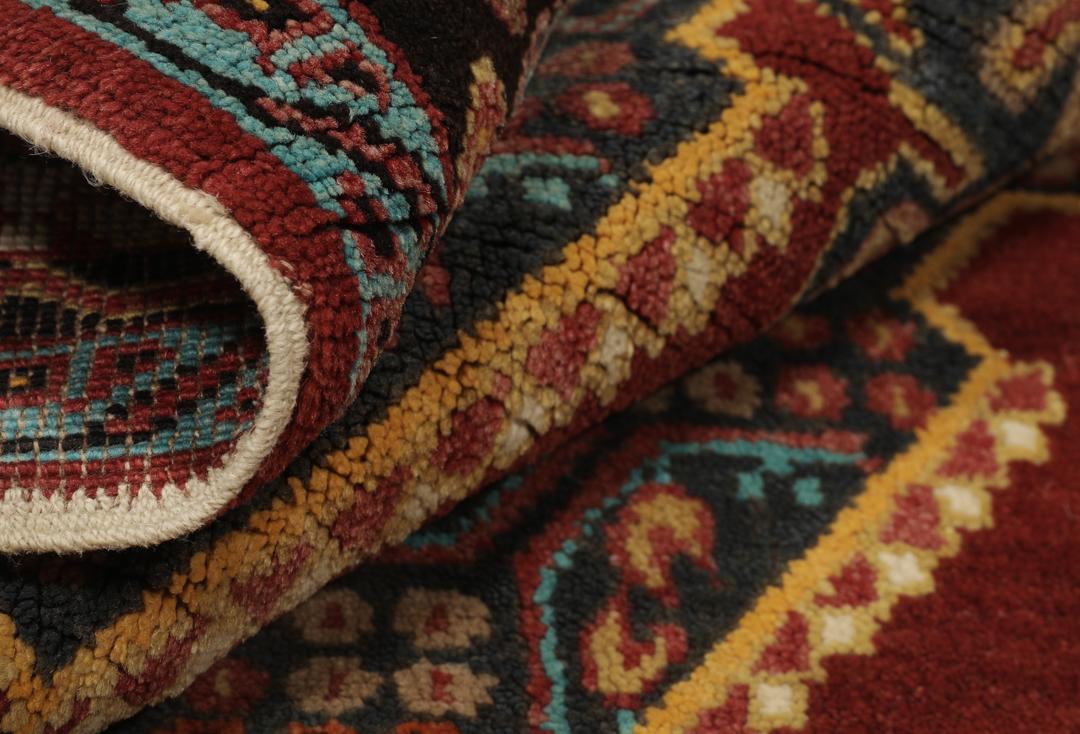
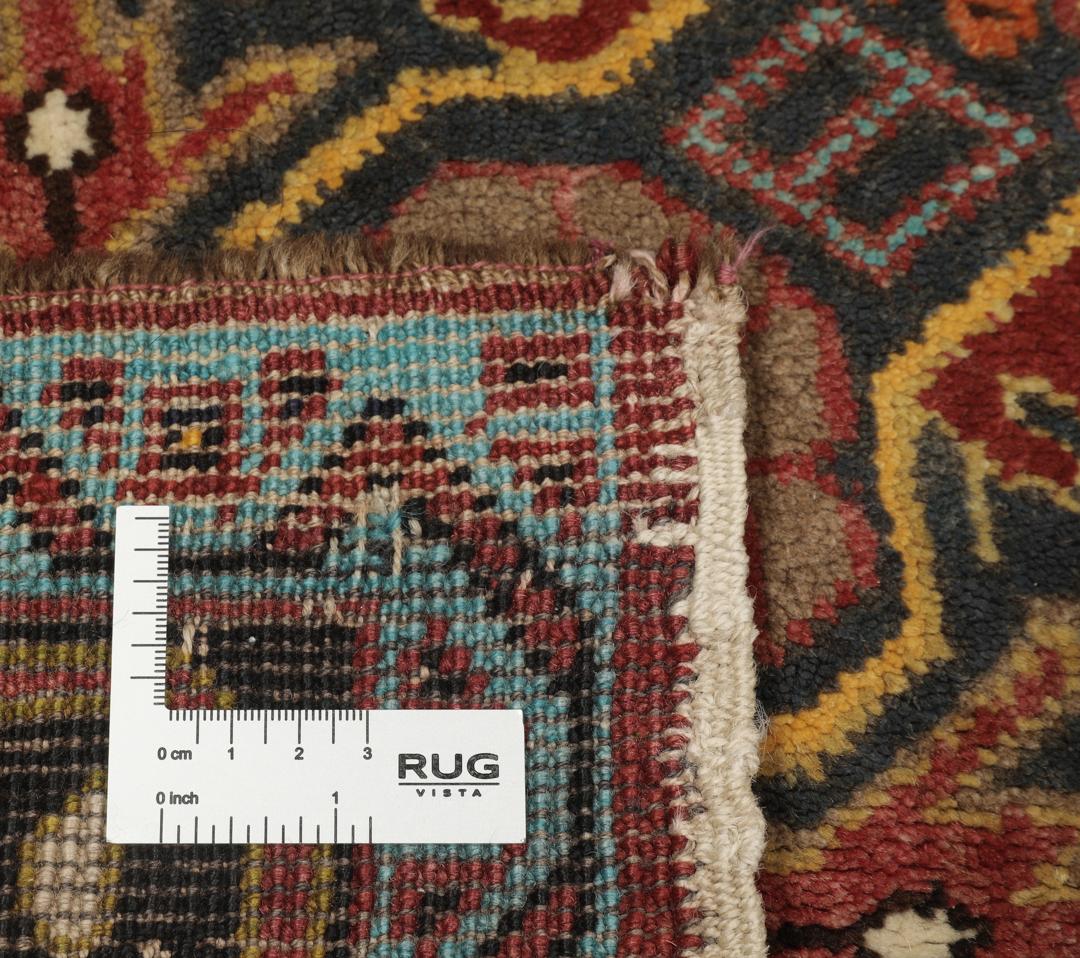
The term Shirvan refers not only to a geographical area but to a specific tradition of knotting and design. These rugs are known for their relatively fine weave, which allows for the creation of complex, geometric patterns that remain sharp and clear. This technical precision is balanced by a creative use of colour, often utilising natural dyes that have mellowed beautifully over the decades.
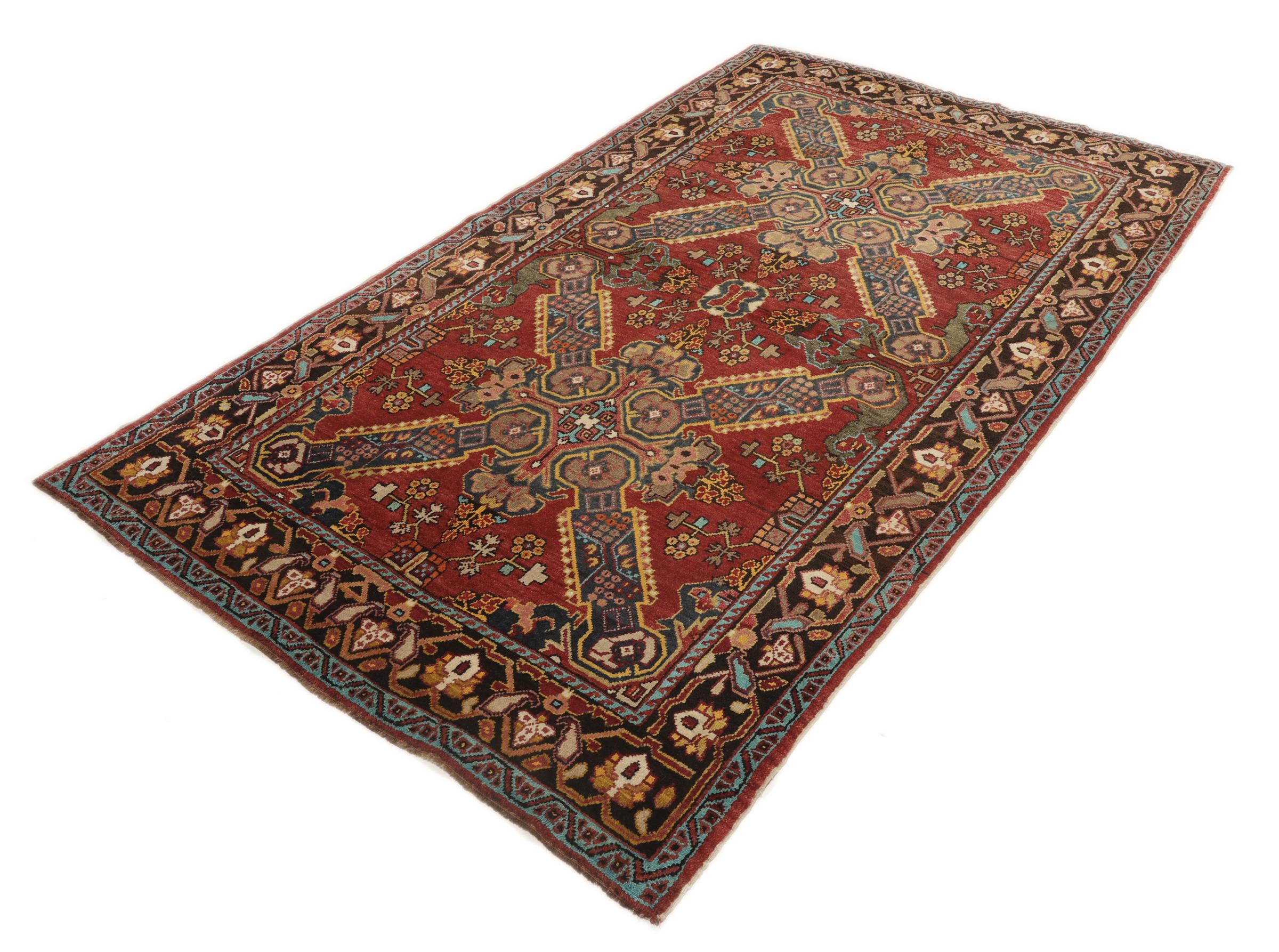
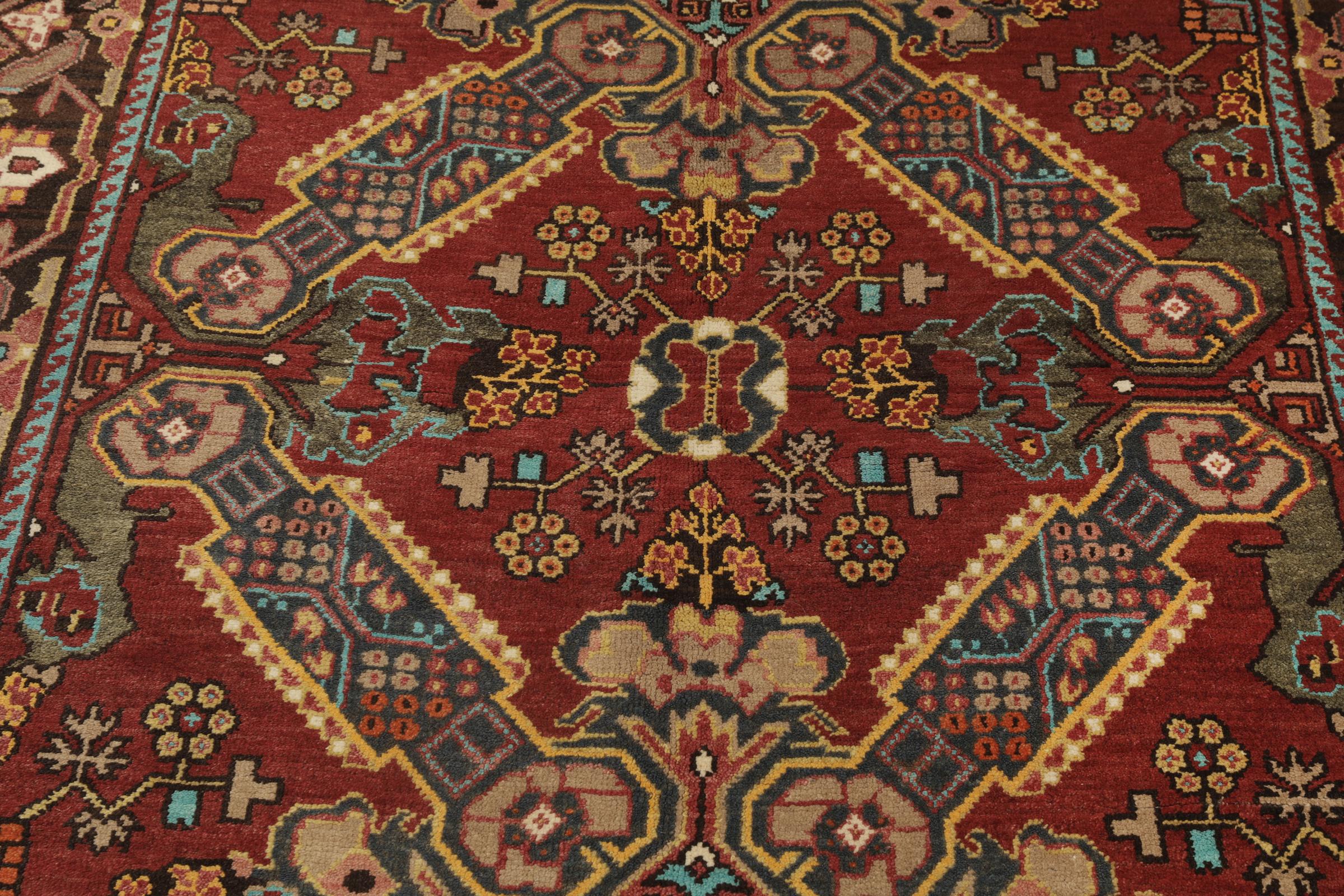
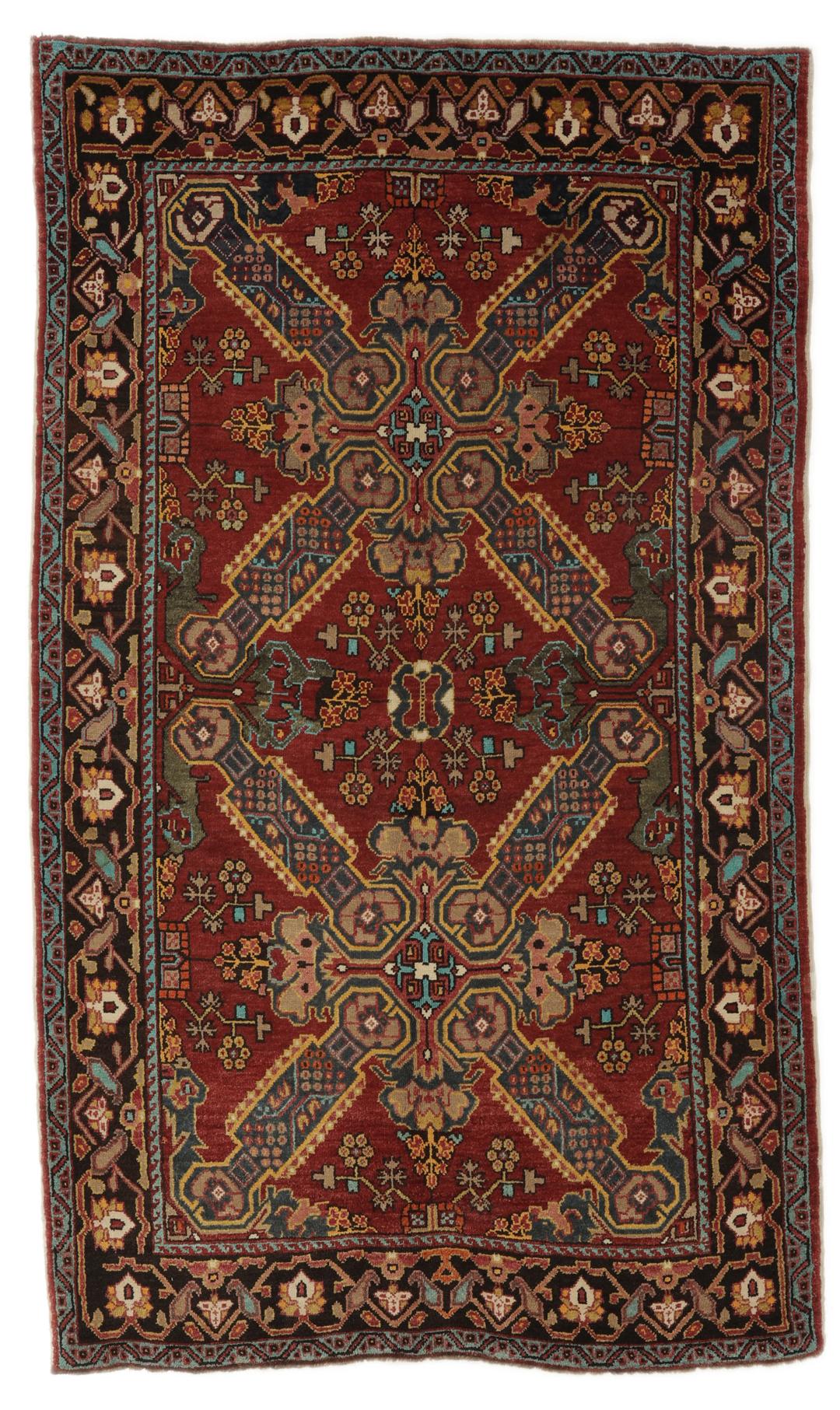
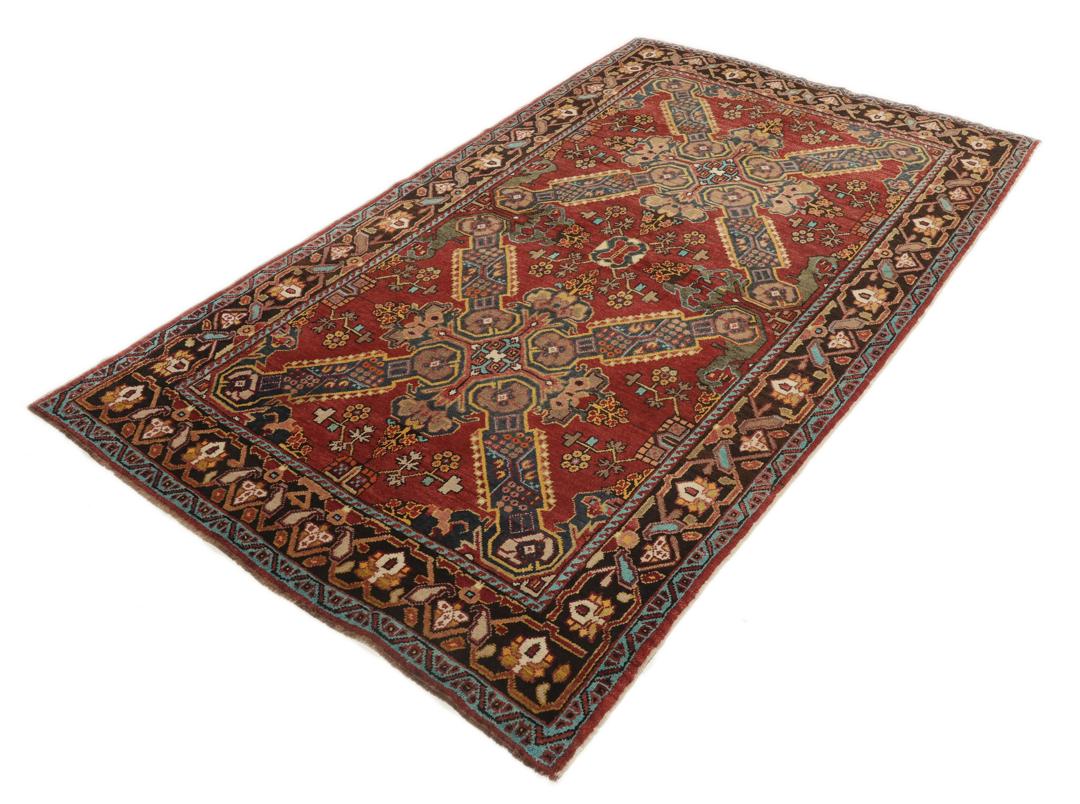
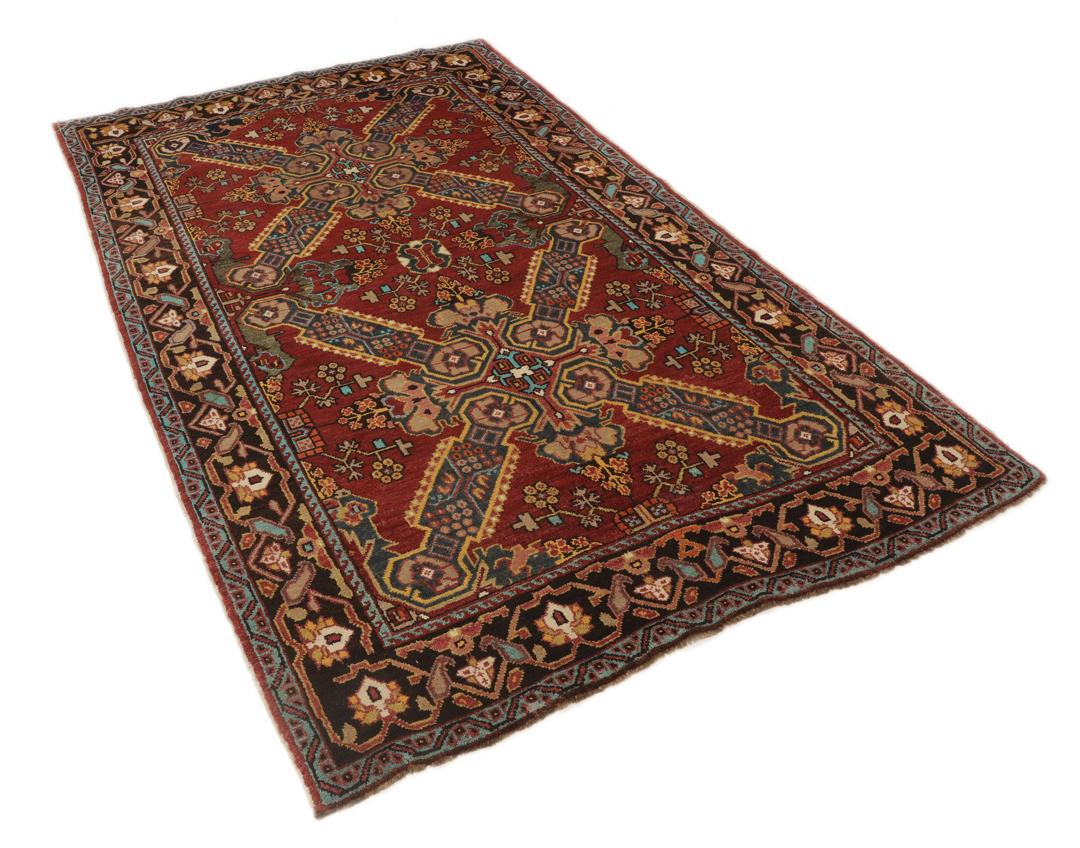
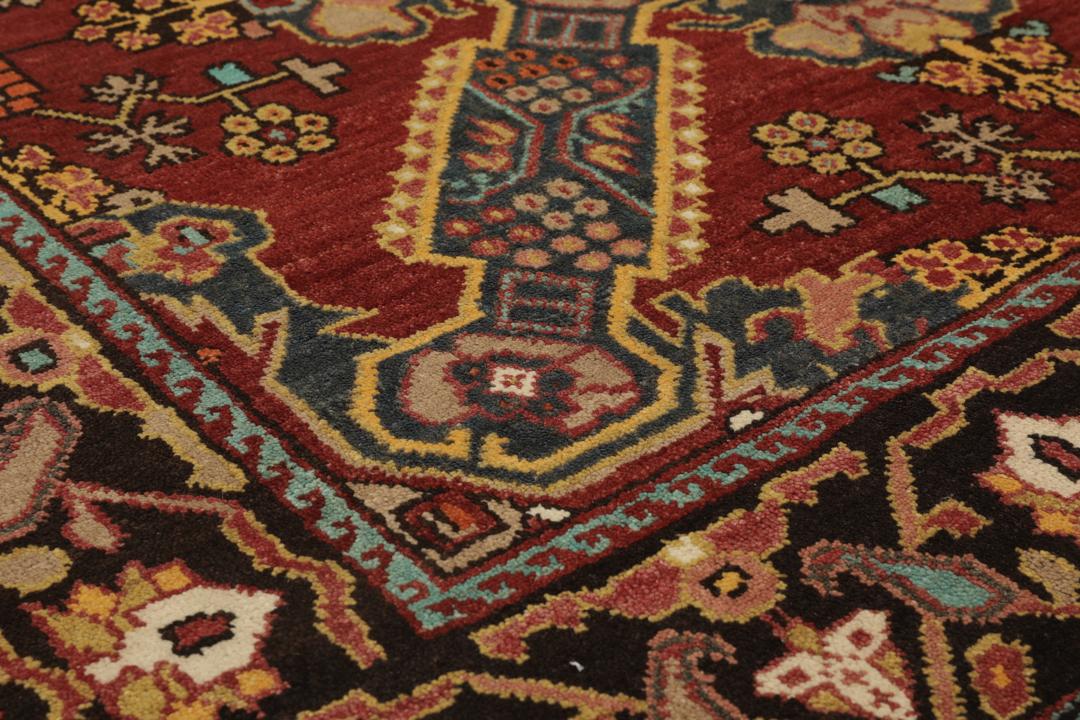
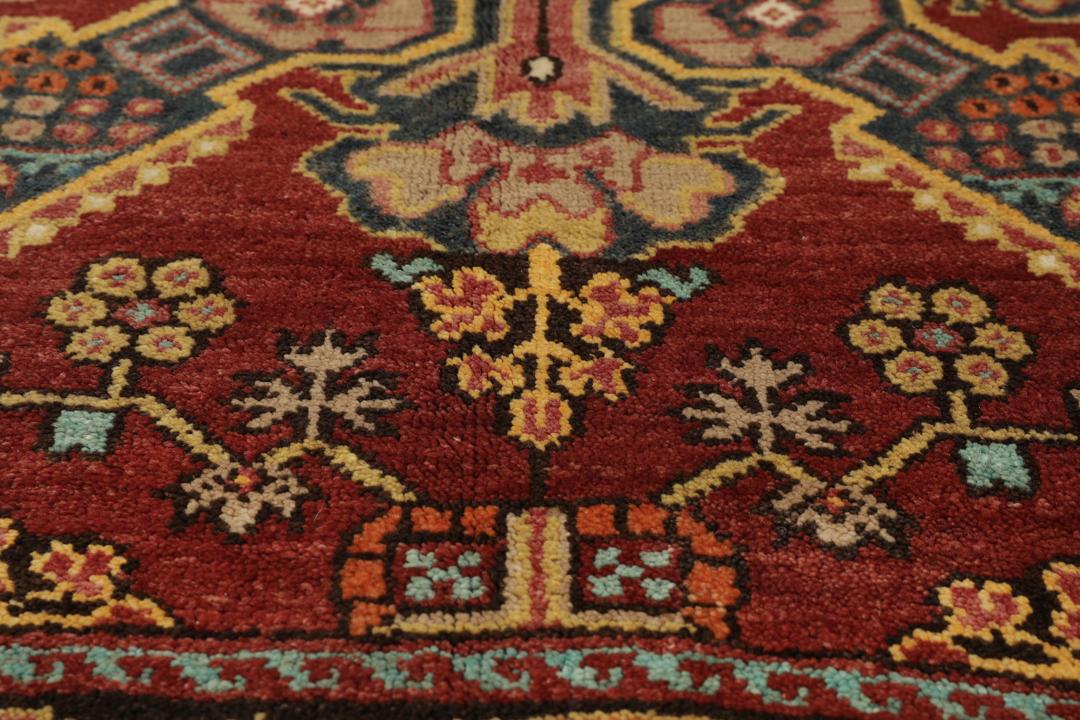
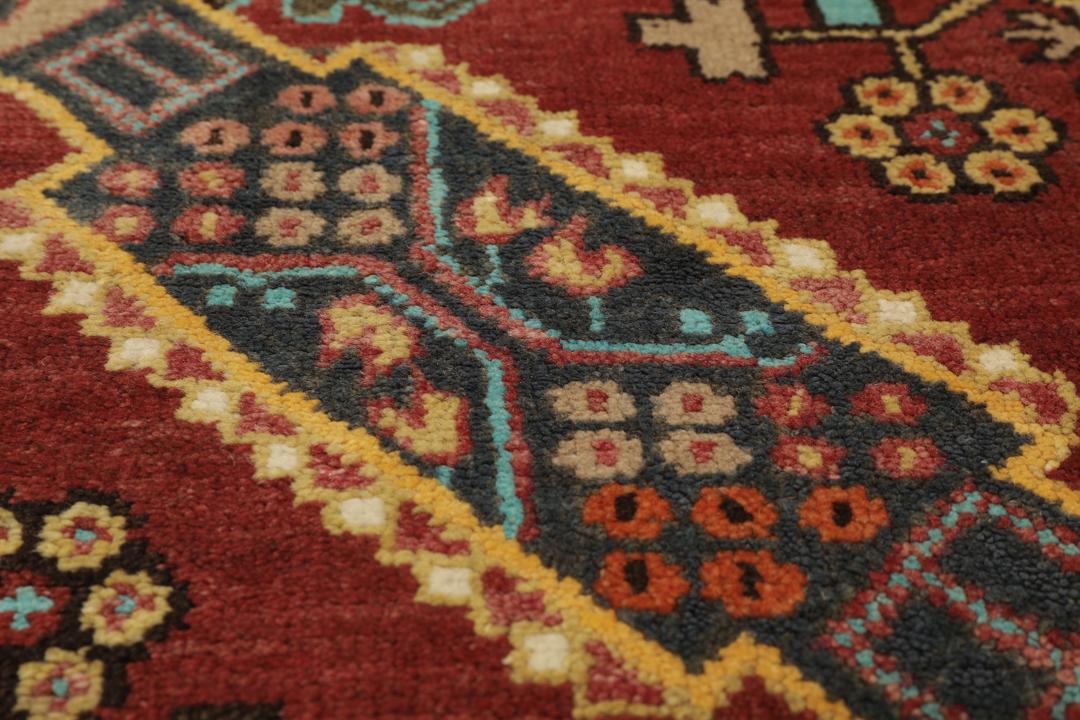
Signature elements of Shirvan rugs often include stylised geometric motifs, such as medallions and repeating floral forms, framed by elaborate, multi-layered borders. This particular piece showcases the tradition of bold, structured arrangements that define the region's output. The use of deep reds paired with contrasting blue and gold tones is a classic hallmark of the area's design legacy.
Collectors value Shirvan rugs for their authenticity and the deep cultural connection they offer to the historic Caucasus. Owning one is an investment in a disappearing craft, representing a bridge to a time when every rug was a unique expression of its maker's skill and local environment. These are pieces that carry weight and significance, serving as enduring links to the history of textile artistry.