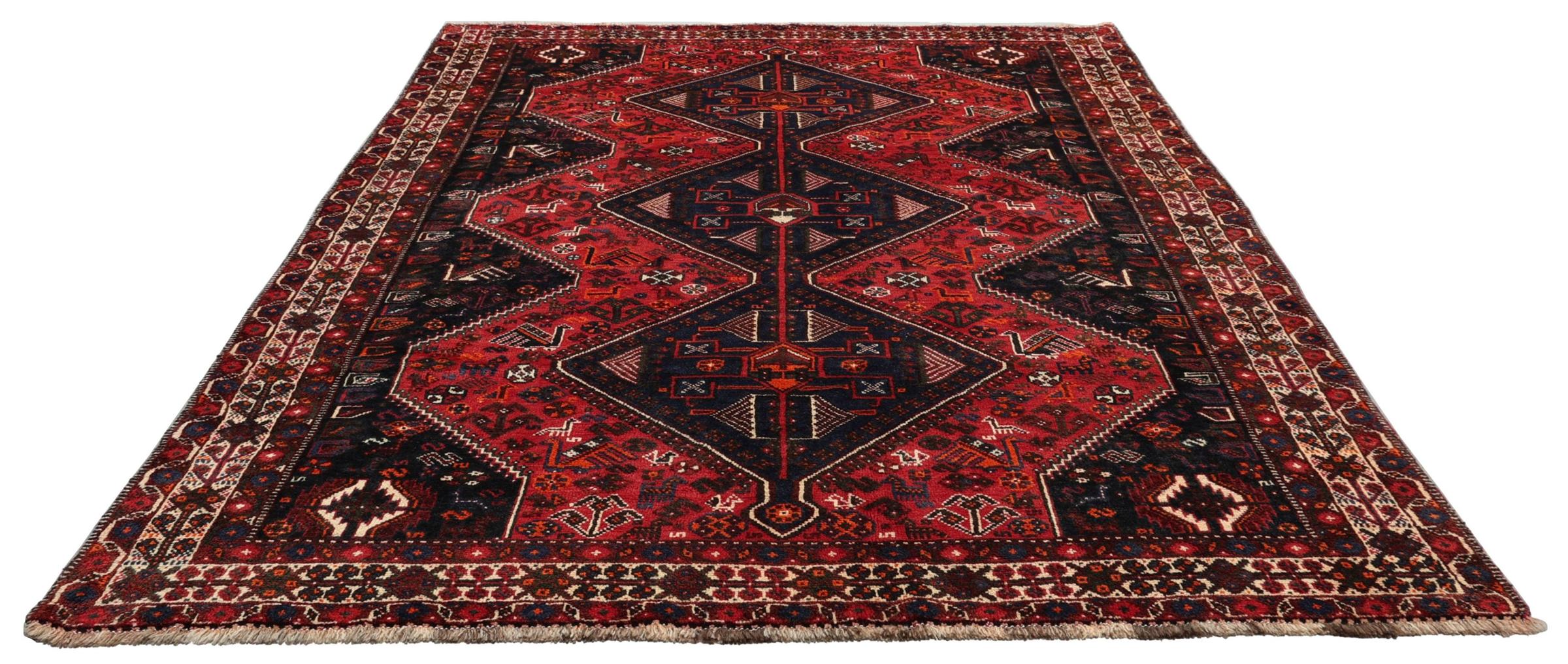
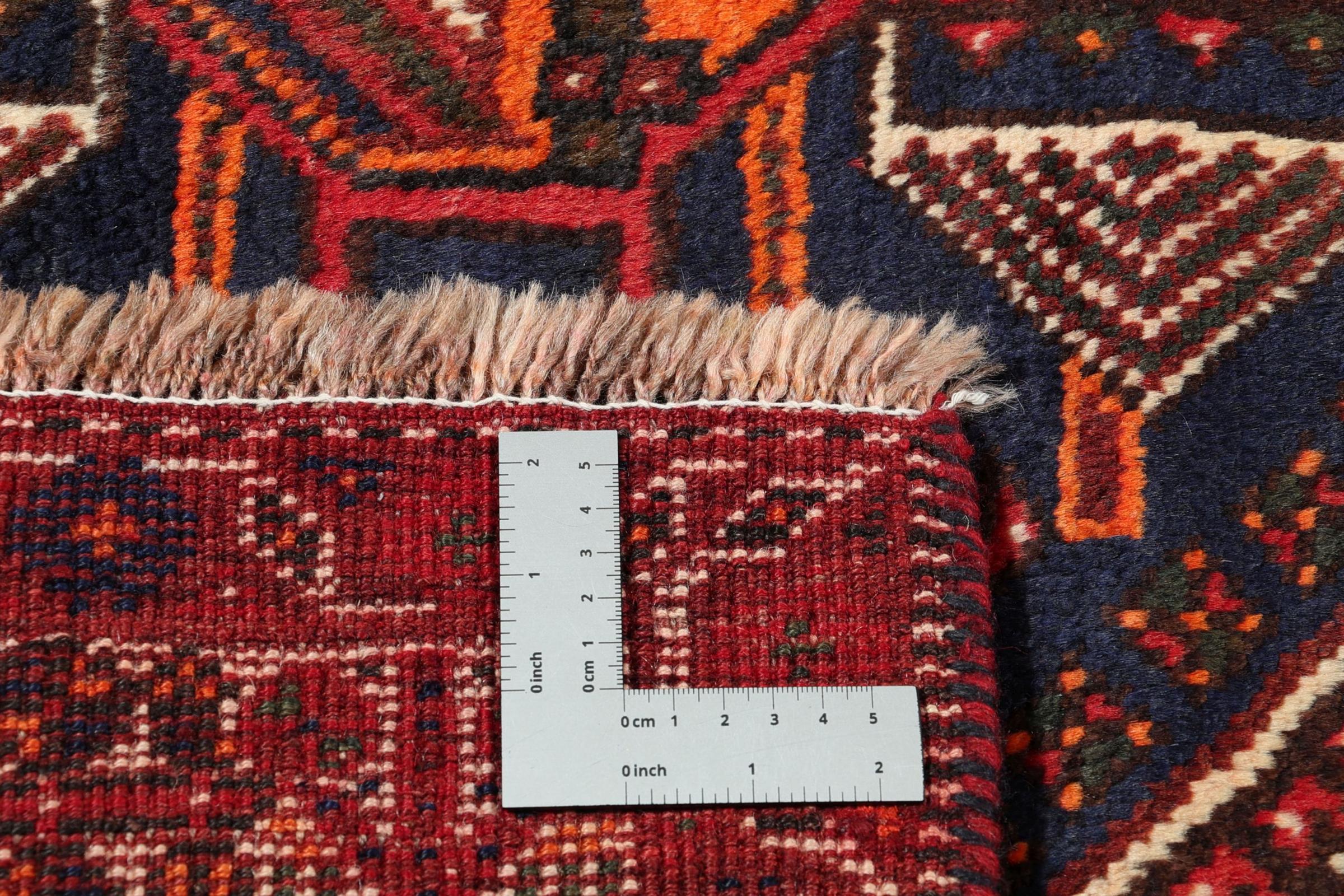
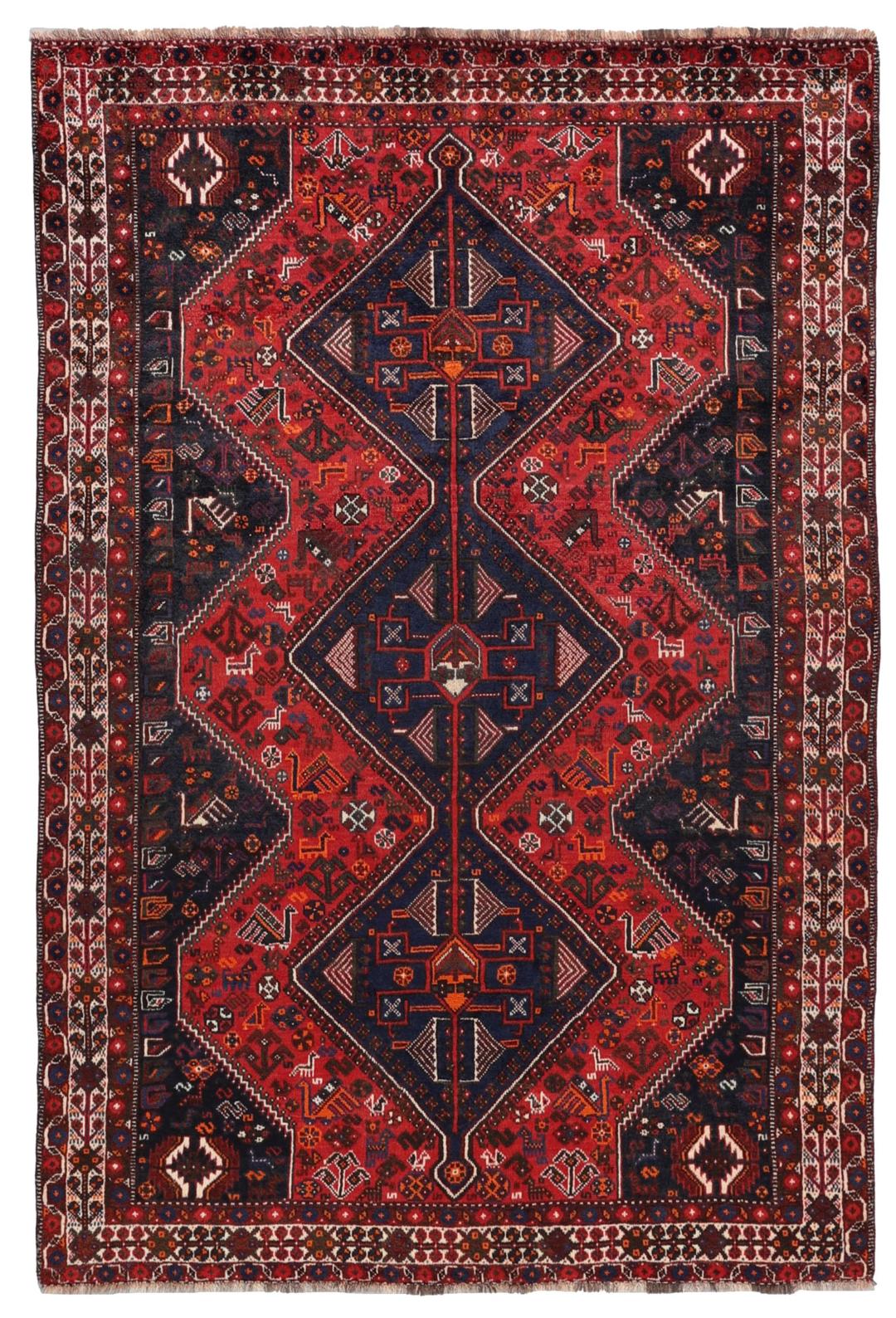
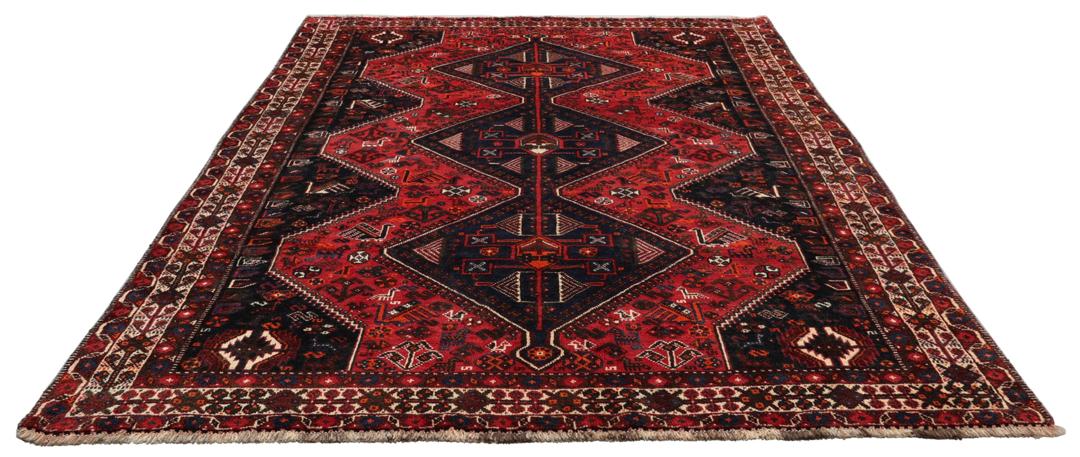
Shiraz rugs originate from the Fars province in the Middle East, a region with a storied history of nomadic and semi-nomadic weaving traditions. These rugs are traditionally crafted by various tribes, including the Qashqai and Khamseh, who have passed down their design language through generations. The patterns found in these rugs are not merely decorative but are deeply rooted in the cultural identity and daily lives of these nomadic groups.
The term Shiraz is often used as an umbrella for the diverse weaving styles found in this region, which are celebrated for their spontaneity and lack of formal, rigid planning. Unlike urban workshop rugs that follow precise cartoons, these pieces are often woven from memory, allowing the artisan to improvise and adapt the design as they work. This gives every rug a unique, authentic feel that reflects the artist’s individual perspective and heritage.
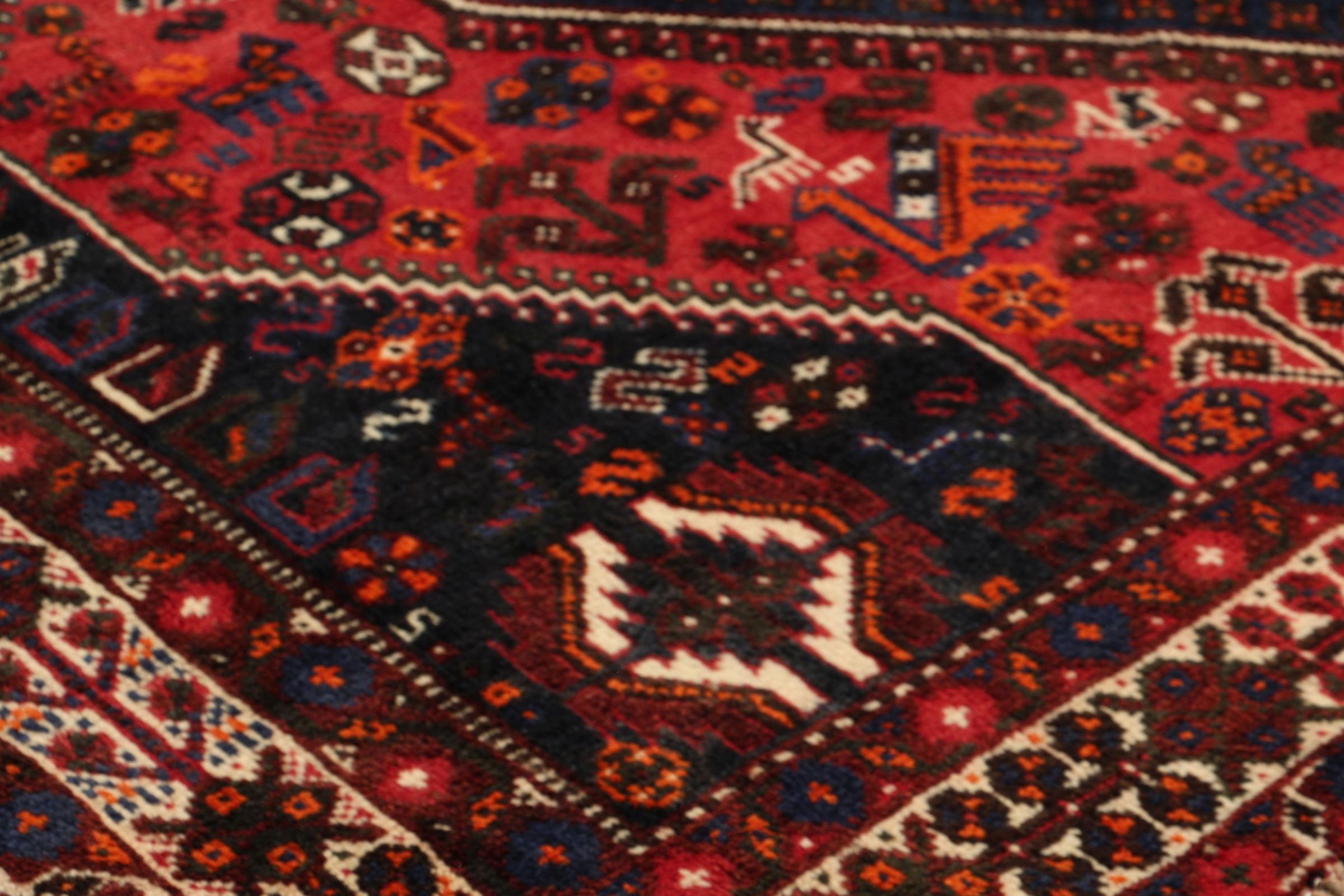
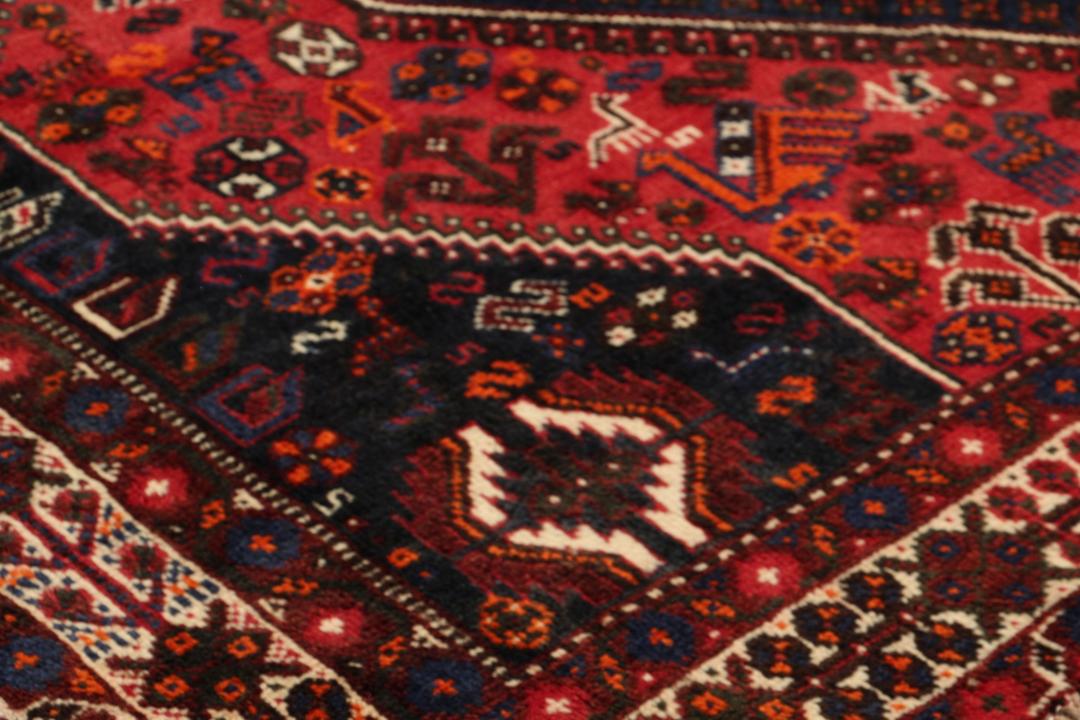
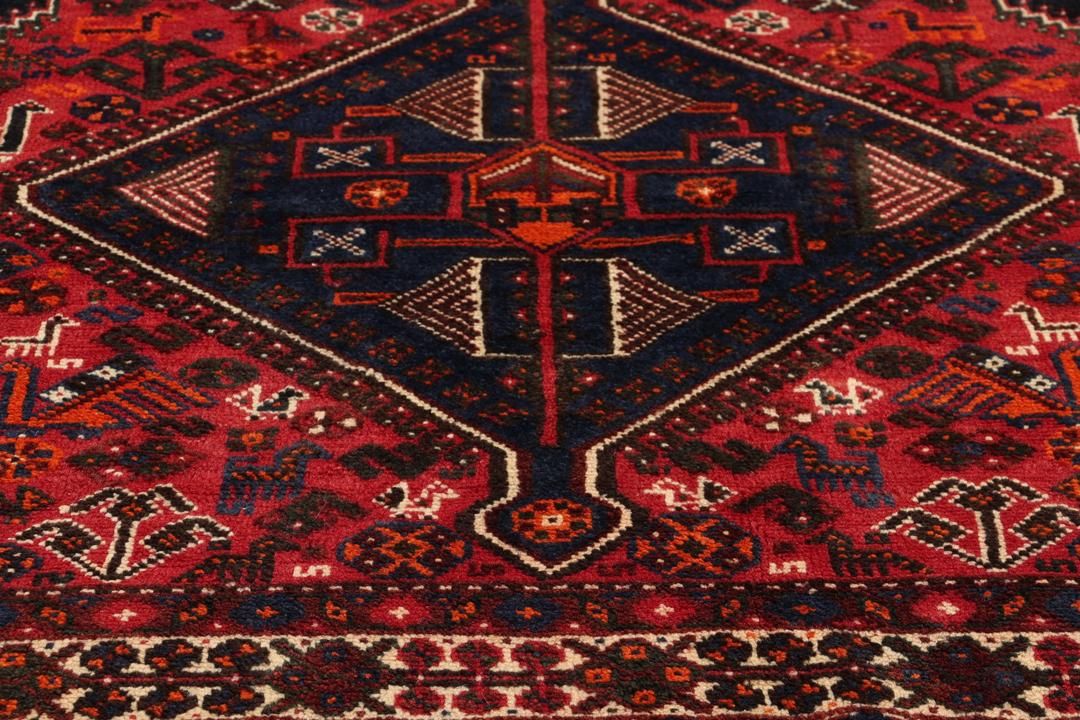
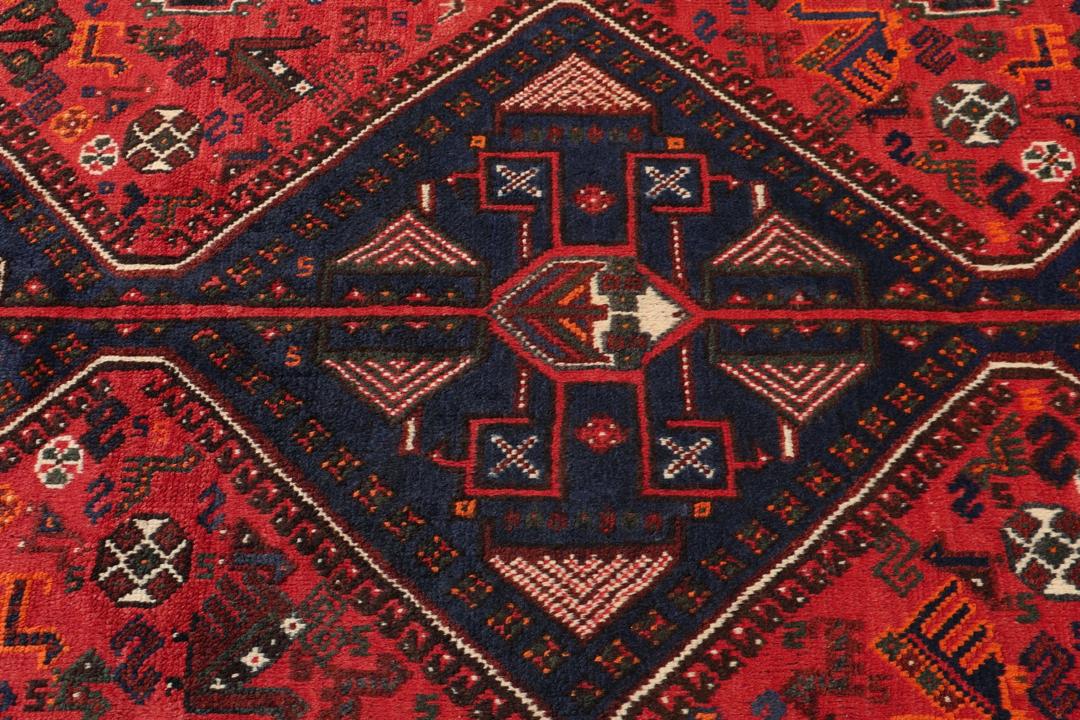
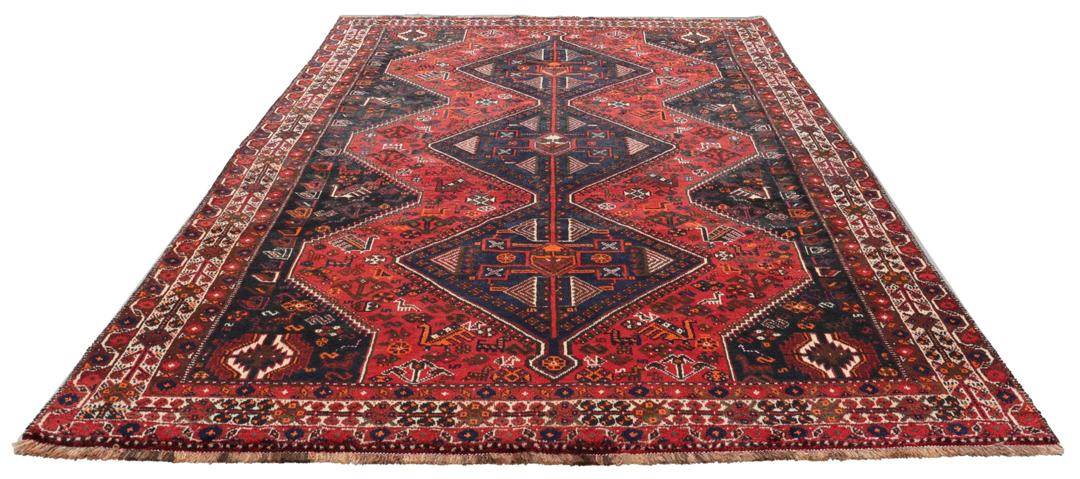
Signature elements of this tradition include geometric medallions, stylized animals, and flora, all rendered in a bold, vibrant palette. The borders are typically filled with intricate, repeating tribal patterns that frame the central field. It is common to see these rugs featuring a deep, saturated red or blue foundation, which creates a dramatic contrast with the lighter accents and adds to the overall visual impact of the piece.
Collectors value Shiraz rugs for their genuine, unpretentious nature and the historical narrative they carry. Owning a piece from this tradition is an investment in cultural heritage, representing a level of skill and artistic freedom that is increasingly rare in the modern world. These rugs are prized not just for their beauty, but for the story of the nomadic spirit they bring into a home.