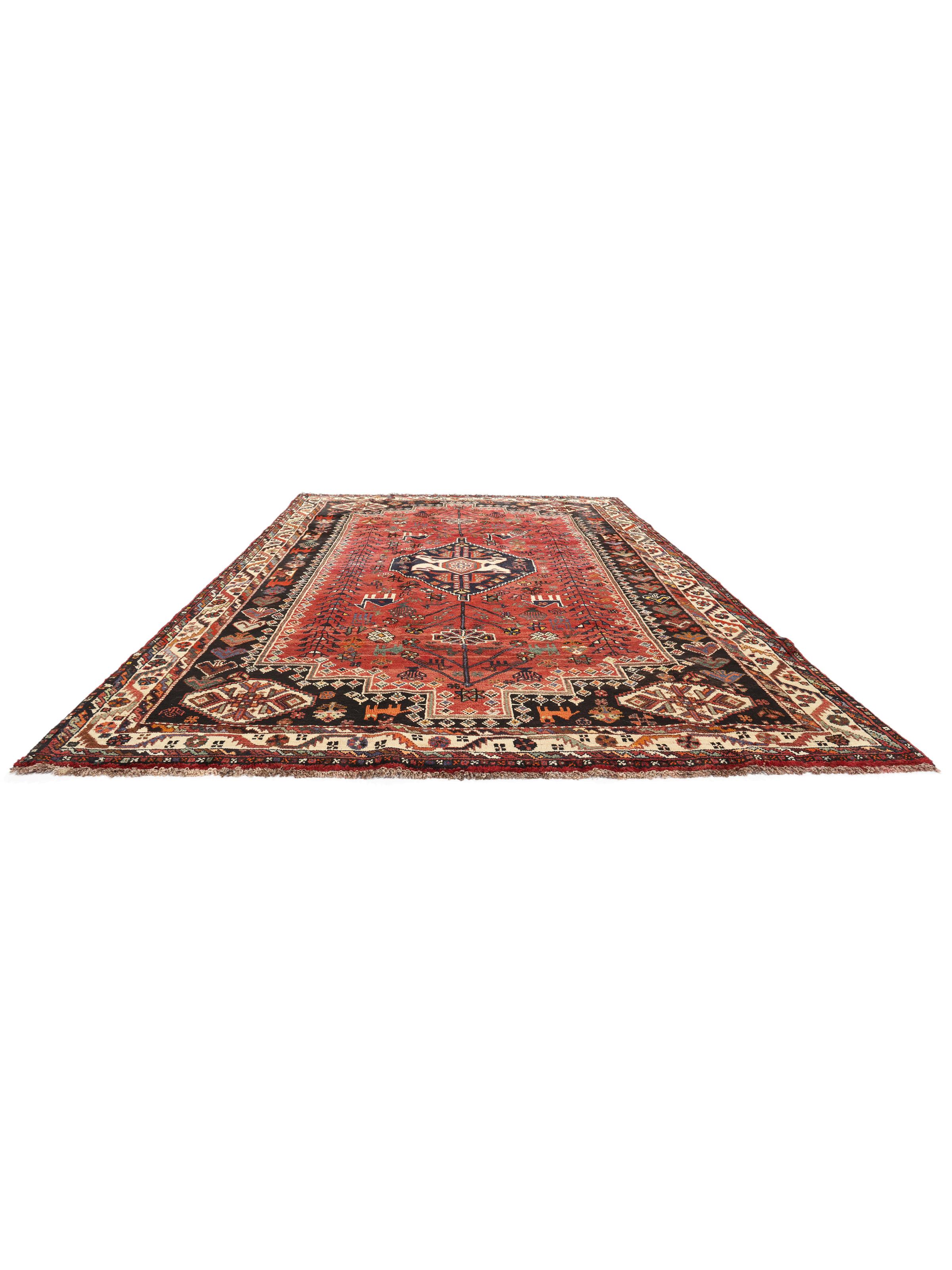
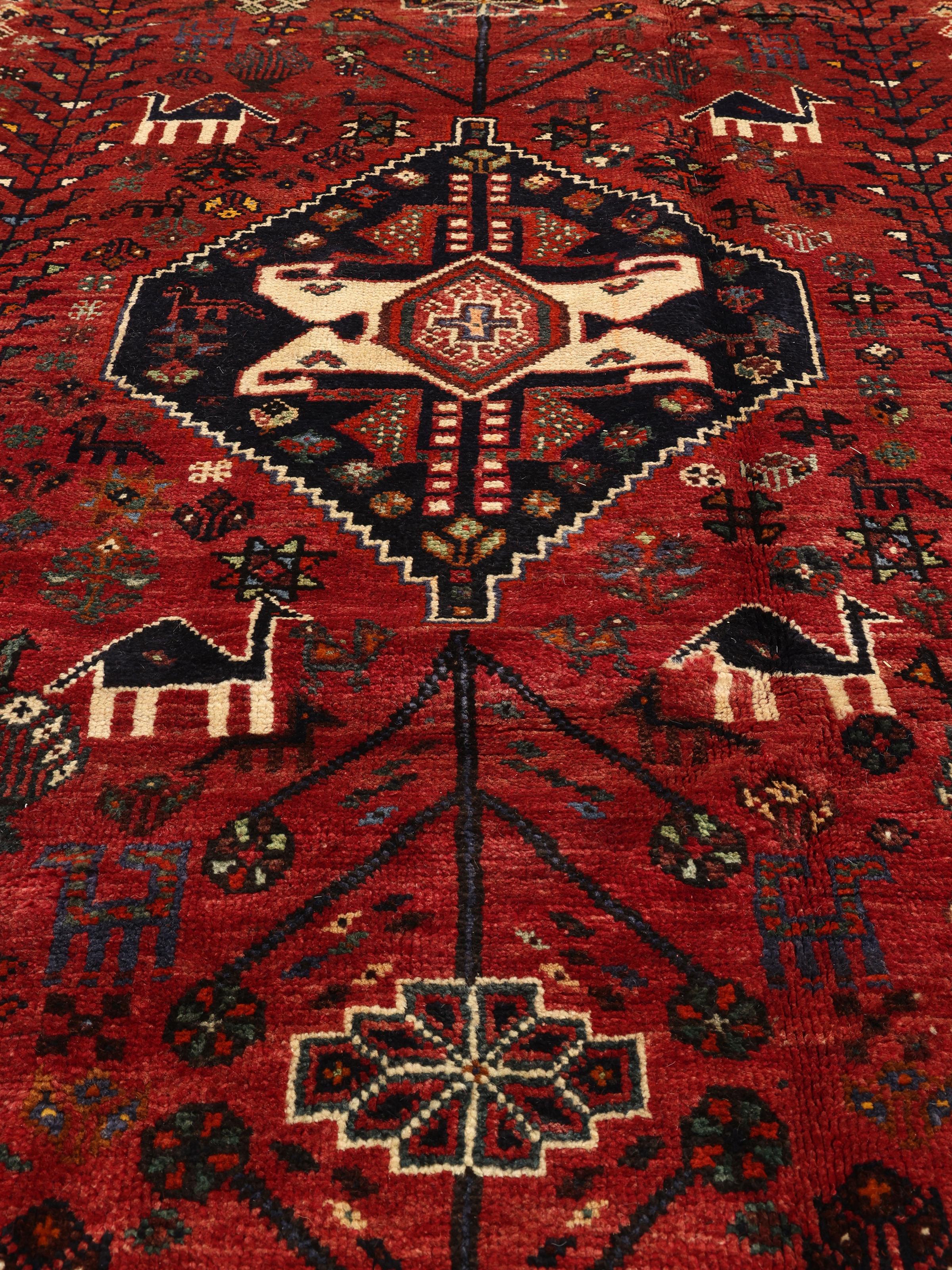
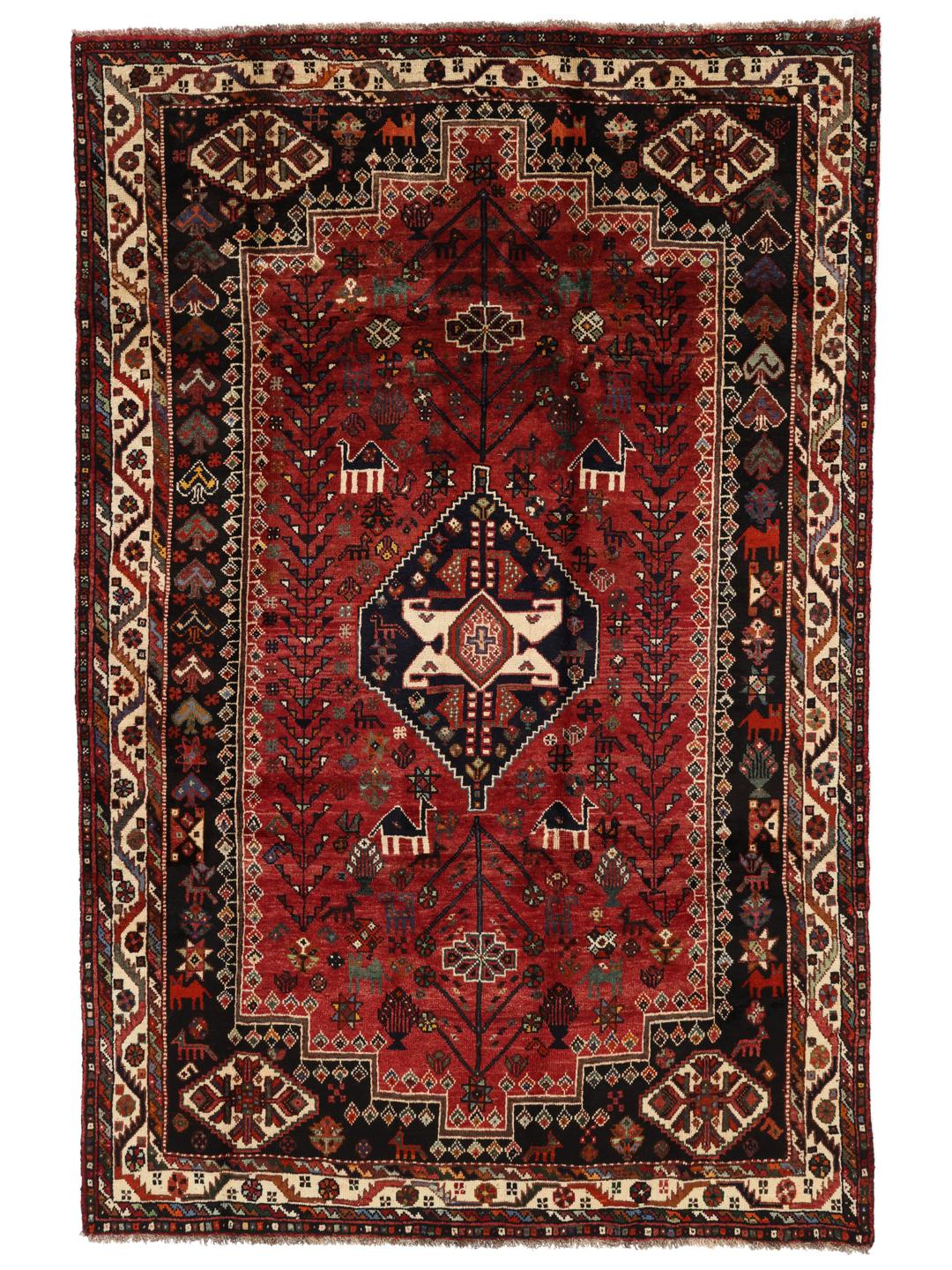
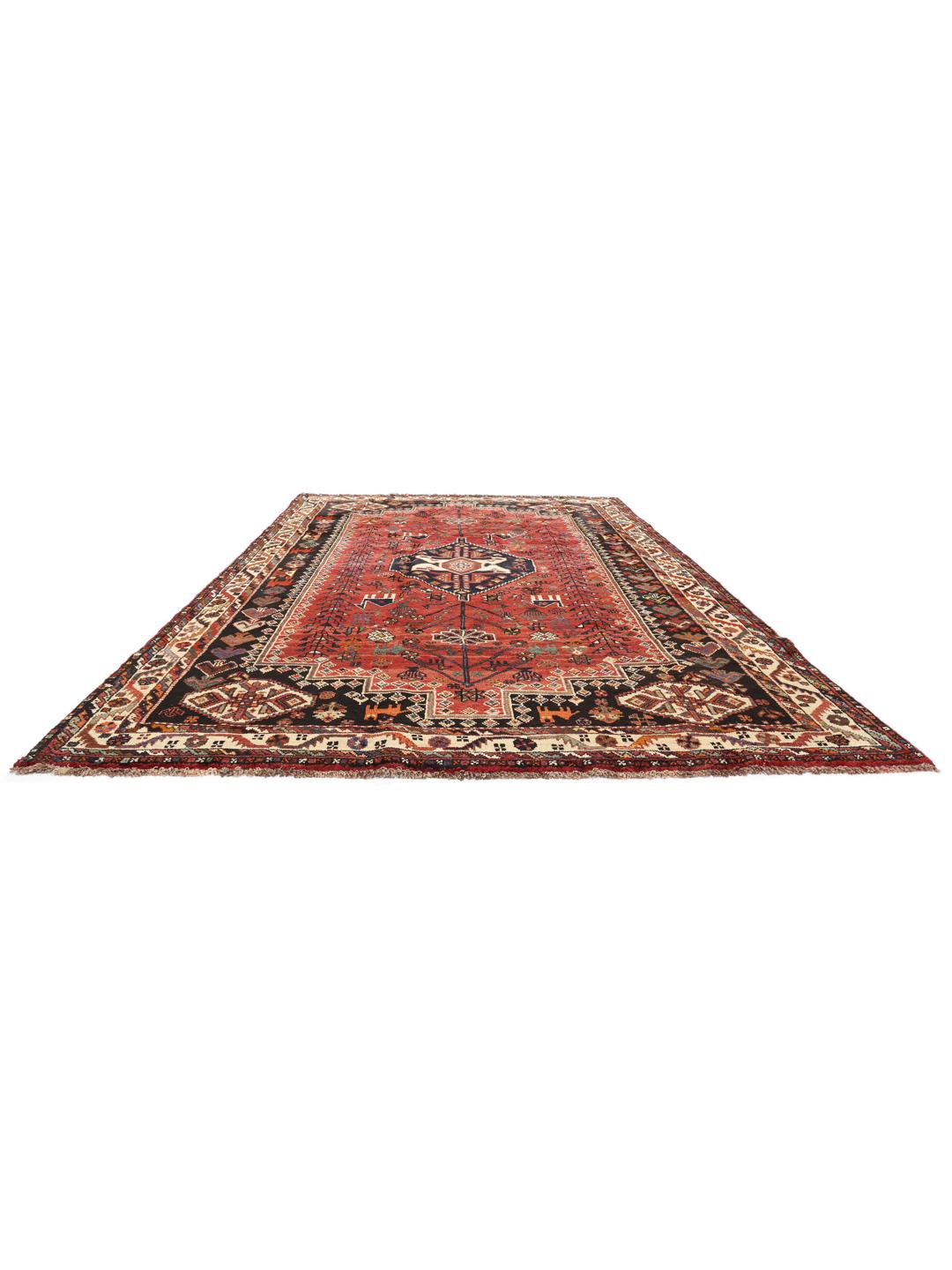
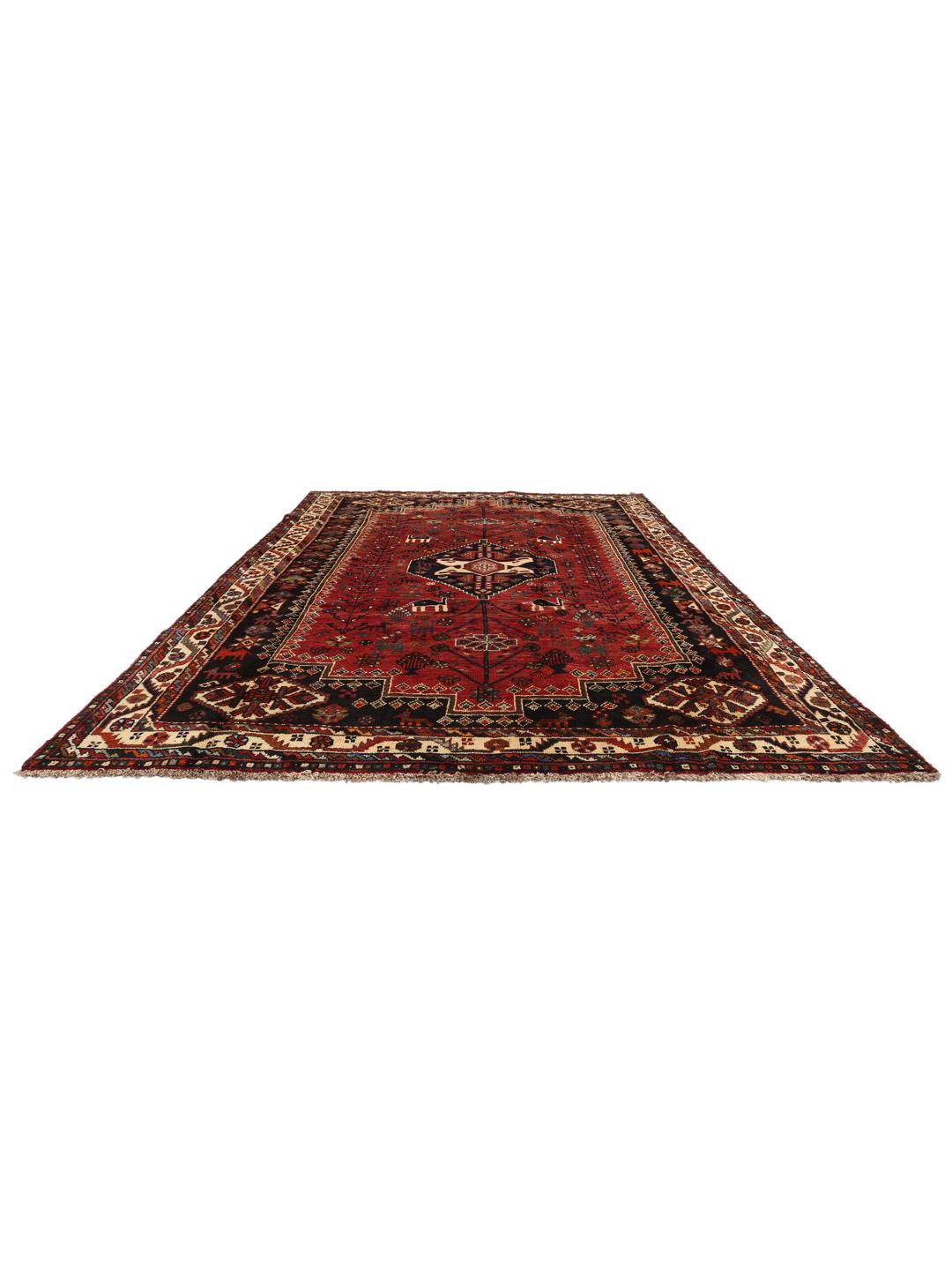
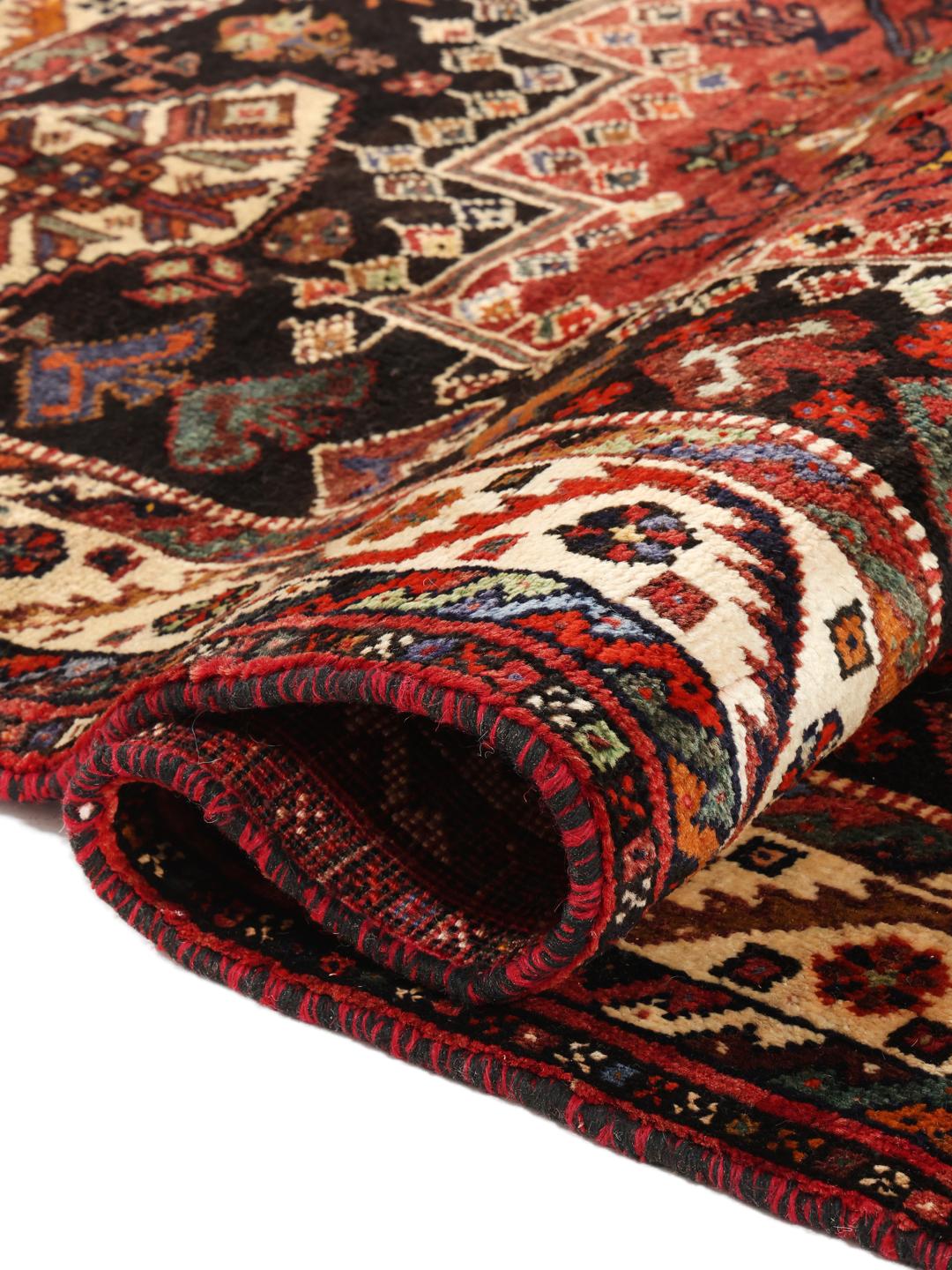
Shiraz rugs hail from the Fars province in the Middle East, a region with a deep-rooted history of nomadic and village weaving. Traditionally crafted by Qashqai and other tribal groups, these rugs are not merely decorative items but are functional extensions of a nomadic lifestyle, designed to be portable, durable, and highly expressive of the weaver's personal and tribal identity.
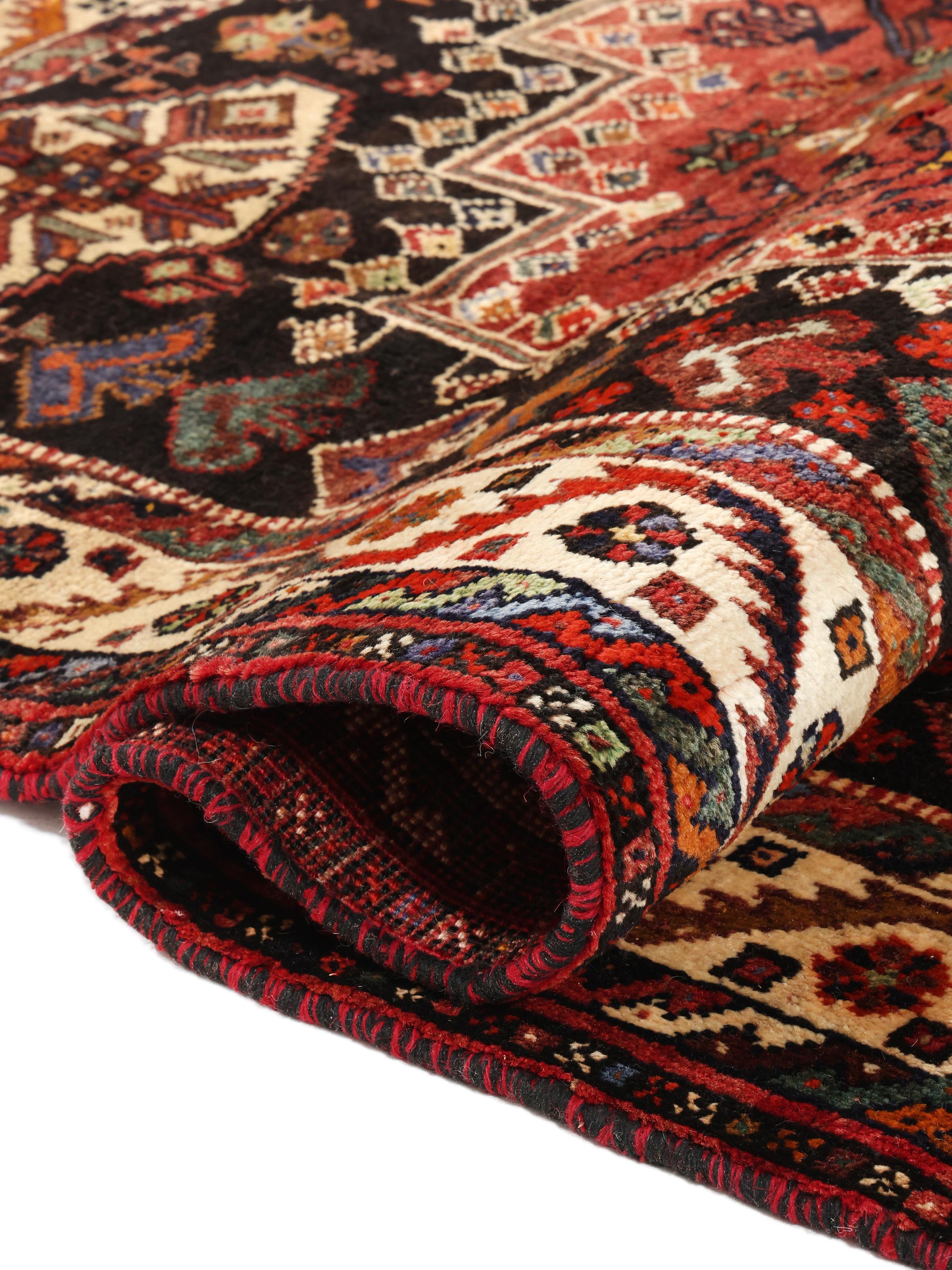
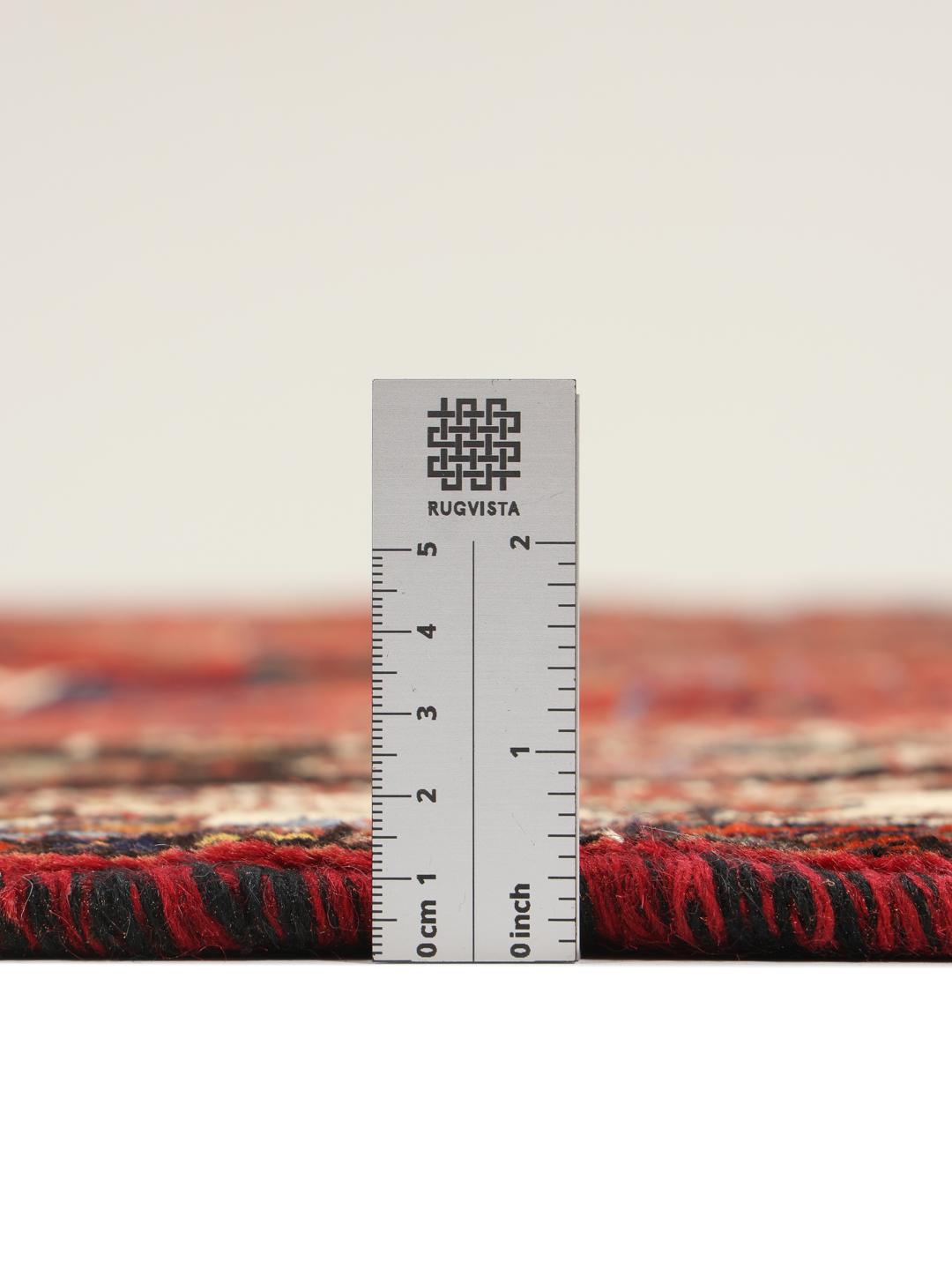
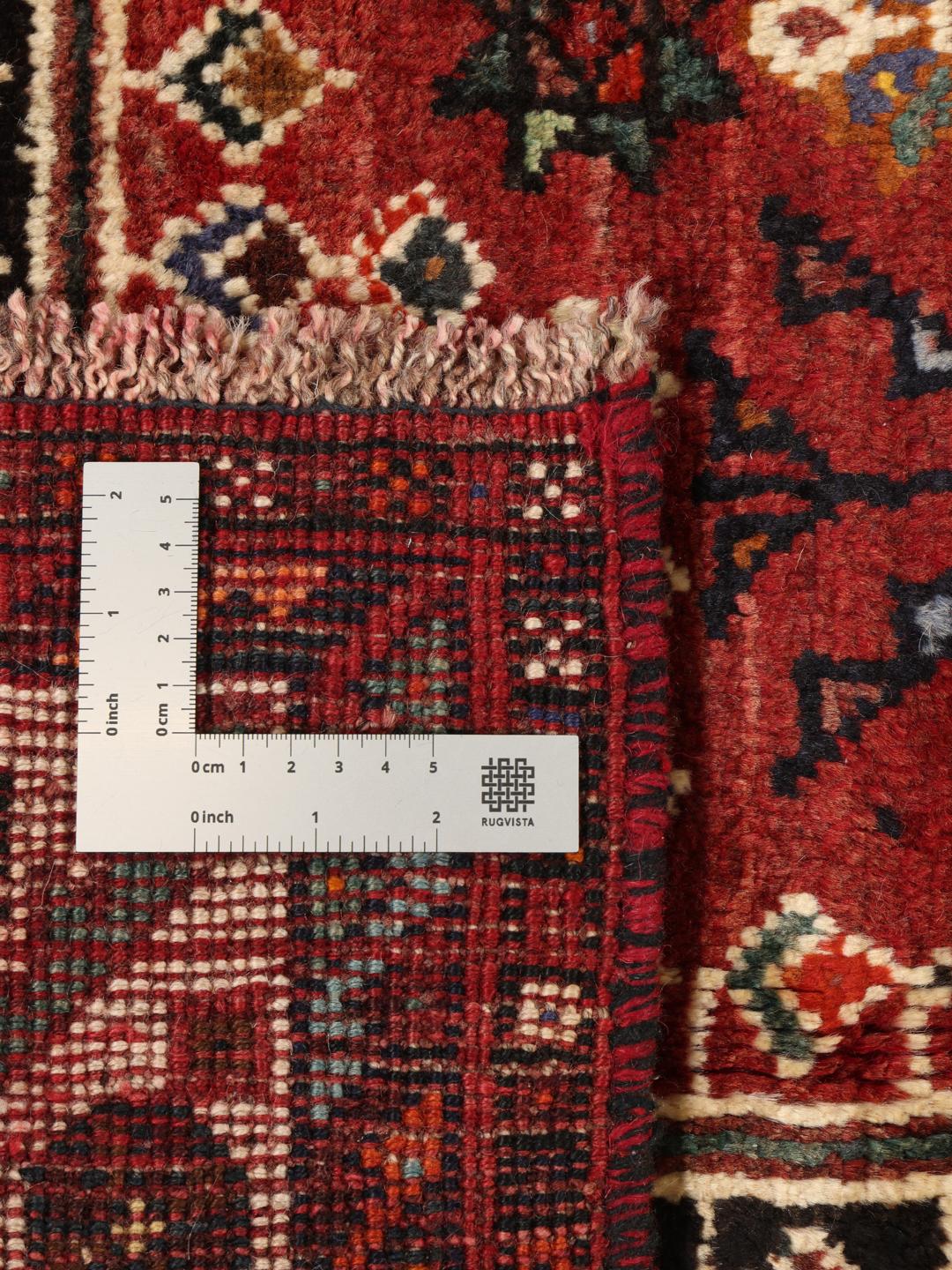
The terminology surrounding these rugs often reflects their origins in the village workshops and nomadic encampments of the region. Unlike more formal urban-produced rugs, Shiraz pieces are characterised by a slightly more rustic, spontaneous construction technique. This often results in a soft, supple handle that allows the rug to drape beautifully and feel remarkably comfortable underfoot.
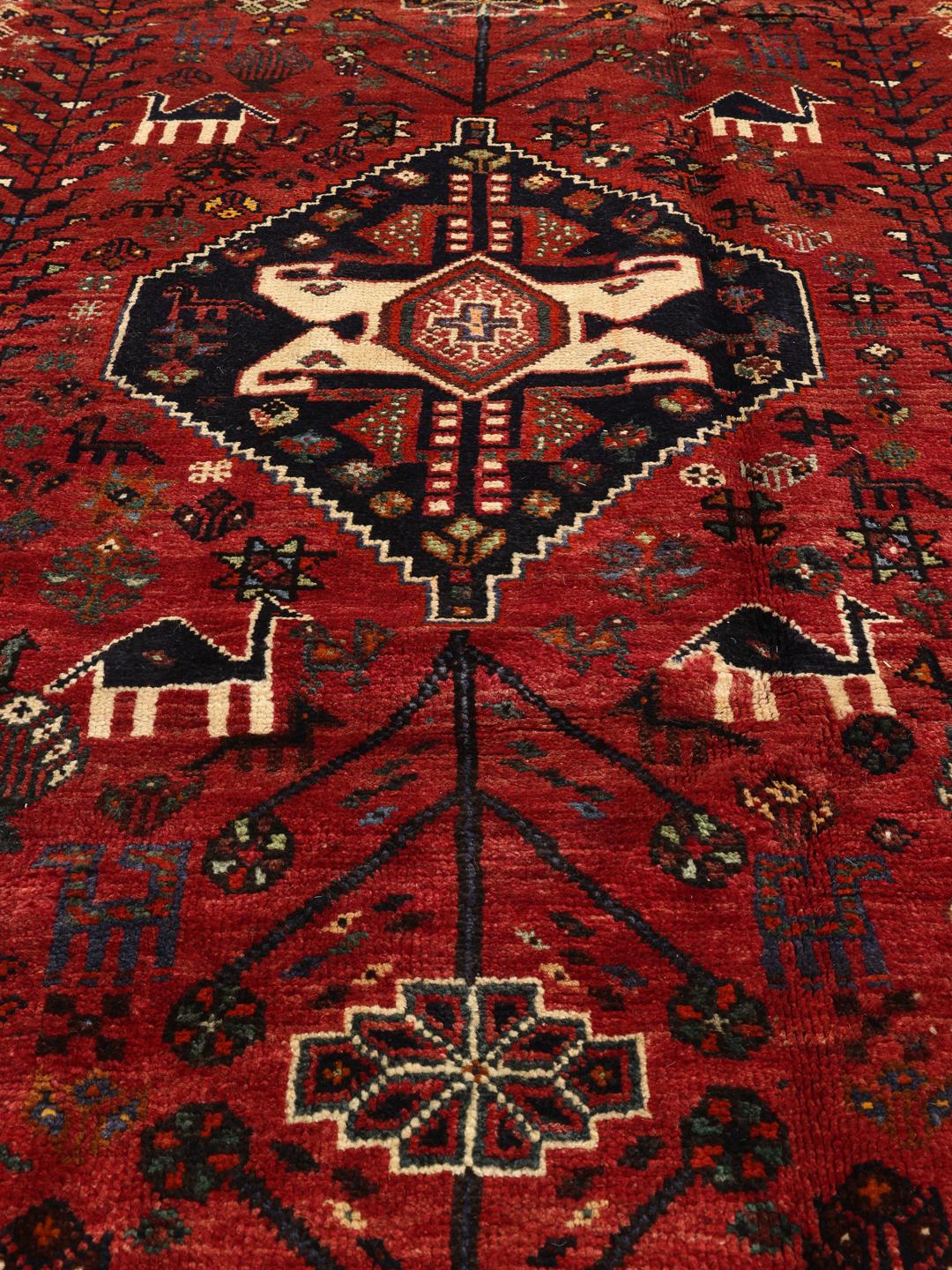
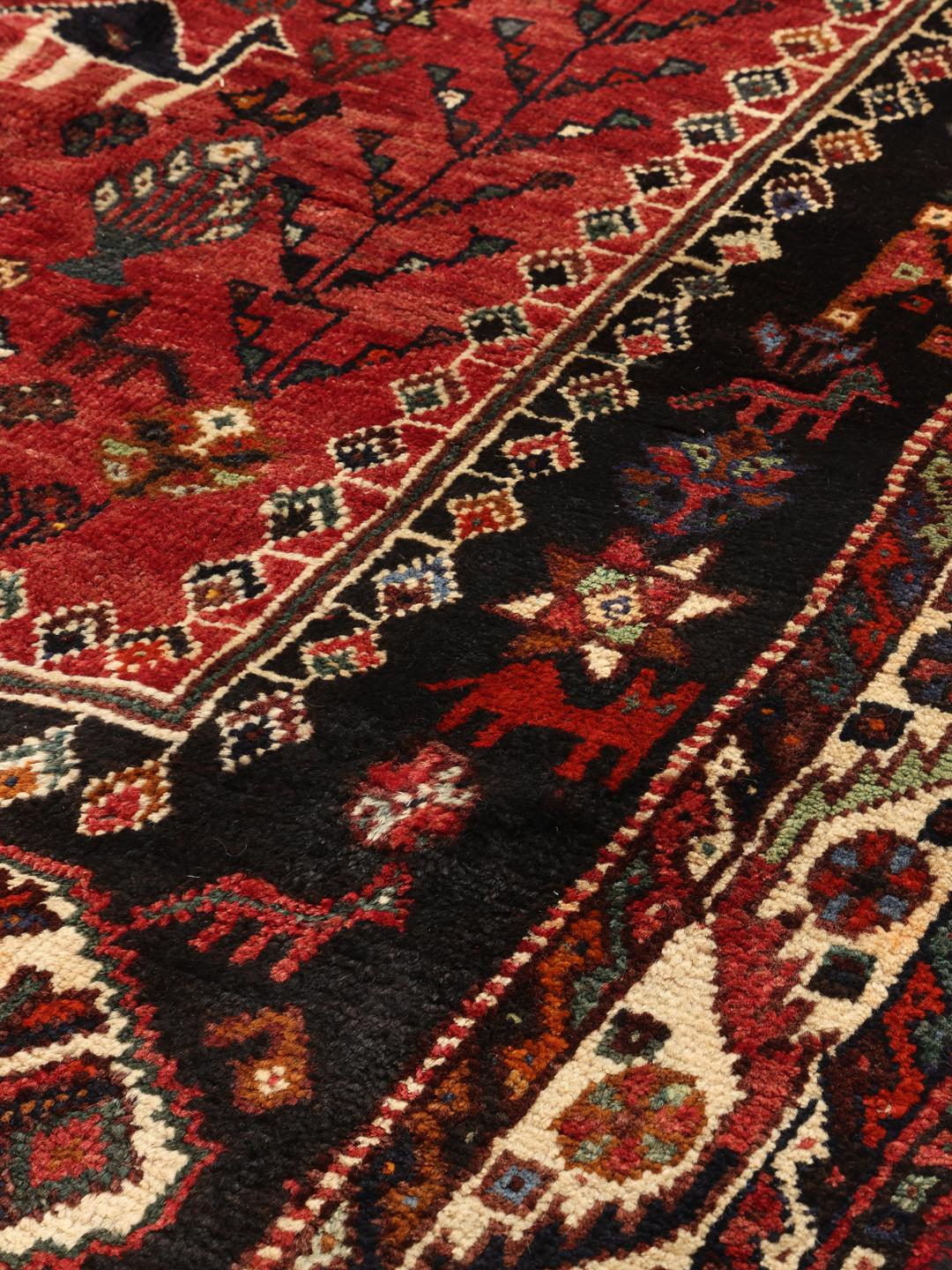
Signature design elements of this tradition include geometric medallions, stylised floral forms, and a variety of pictorial motifs such as birds, animals, and trees. These patterns are often arranged in a repeating or symmetrical format, enclosed by complex, multi-layered borders. The use of dark, rich backgrounds—often contrasted with warm, earthy reds—is a hallmark of the style, creating a sense of depth and vibrancy.
Collectors value these rugs for their authenticity and the direct link they provide to a centuries-old craft tradition. Owning a Shiraz rug is an investment in cultural heritage, representing the skill and aesthetic vision of generations of weavers. Because they are rooted in spontaneous, unwritten design traditions rather than rigid templates, each rug serves as a historical document of the artistic landscape of the region.