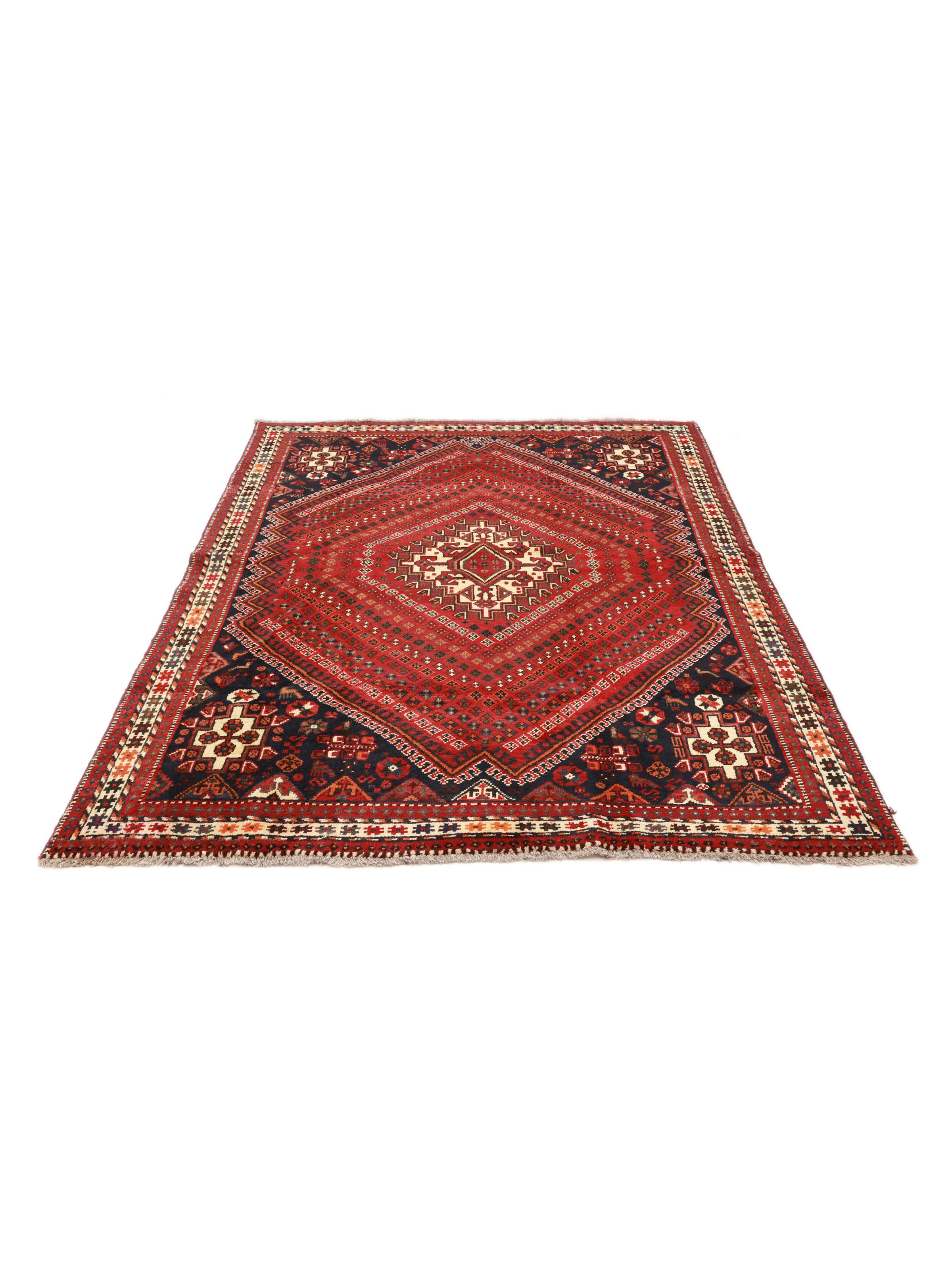
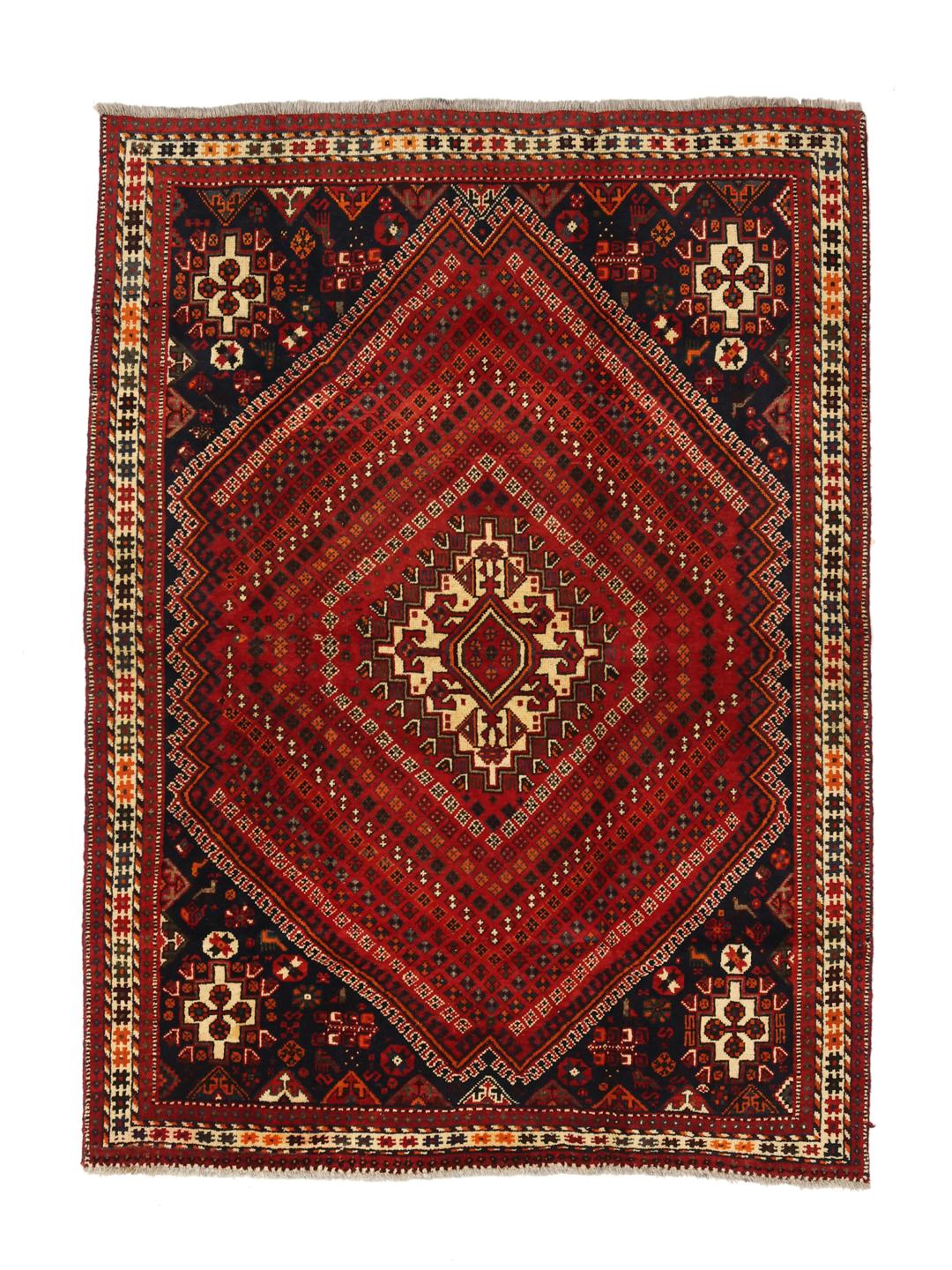
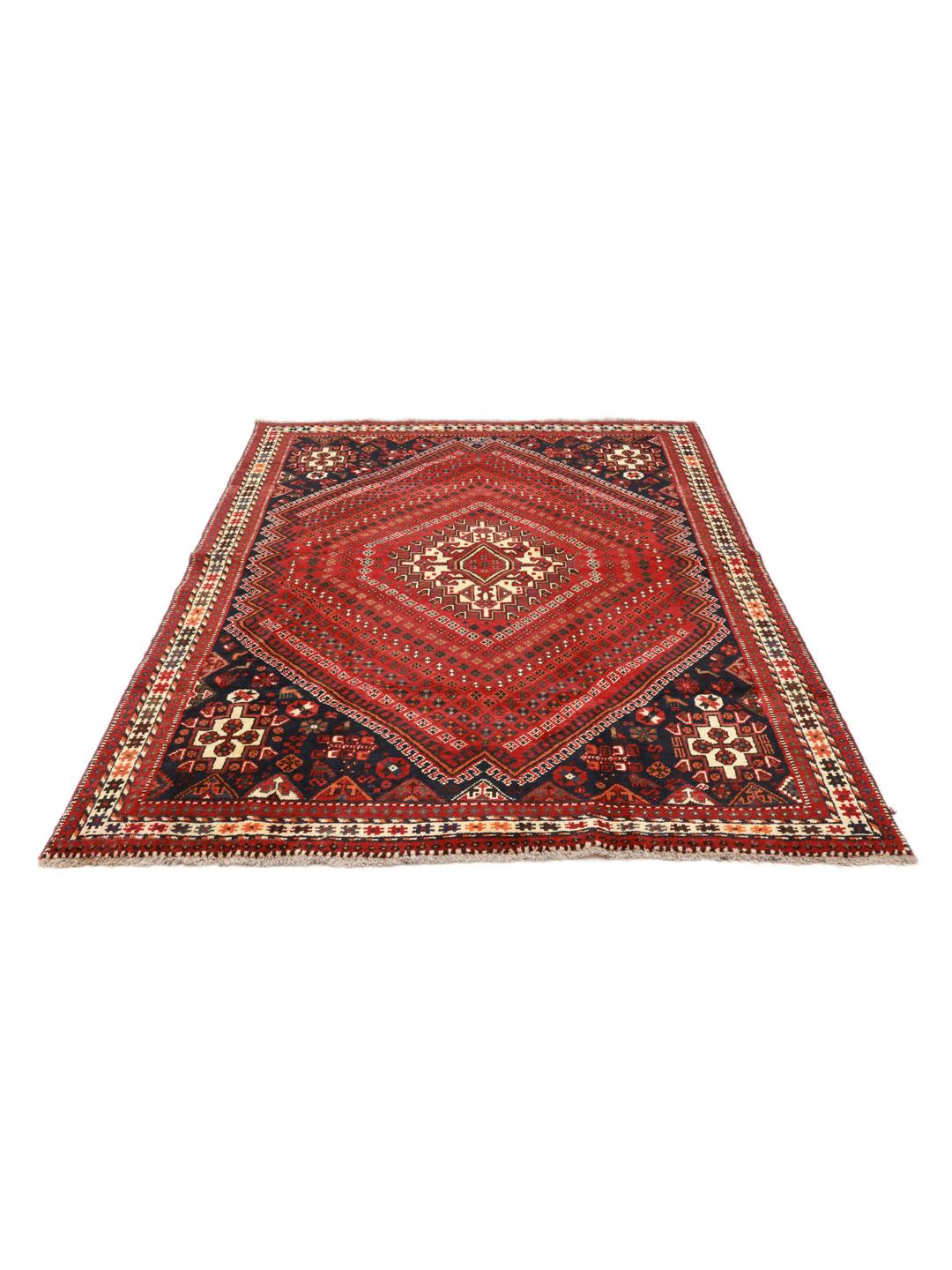
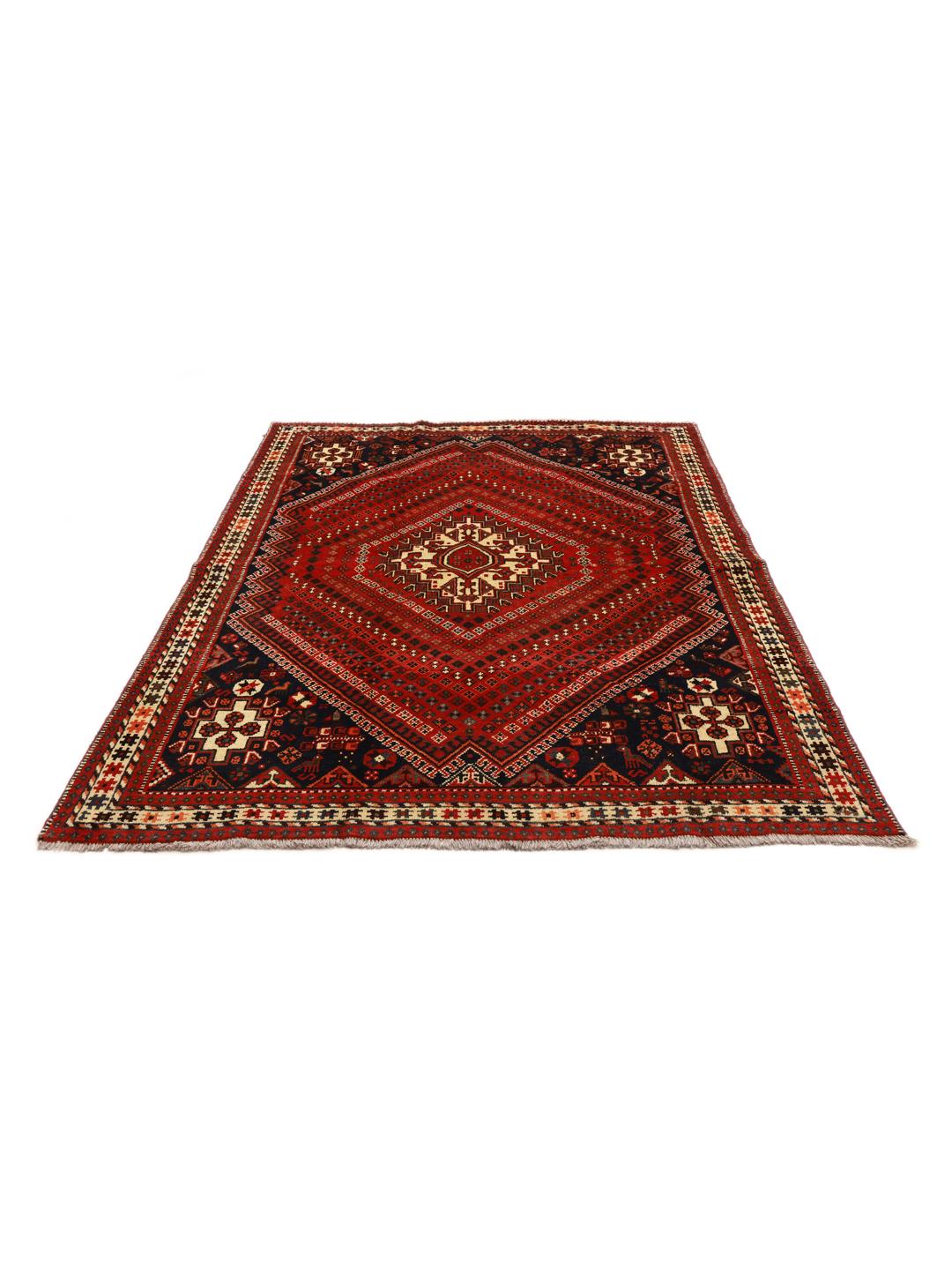
Shiraz rugs originate from the Fars province in the Middle Eastern region, a territory historically inhabited by nomadic tribes. These rugs are deeply connected to the cultural identity of the Qashqai and other local groups, who have traditionally woven these pieces on horizontal looms while travelling. This nomadic heritage is reflected in the spontaneous, expressive nature of their designs.
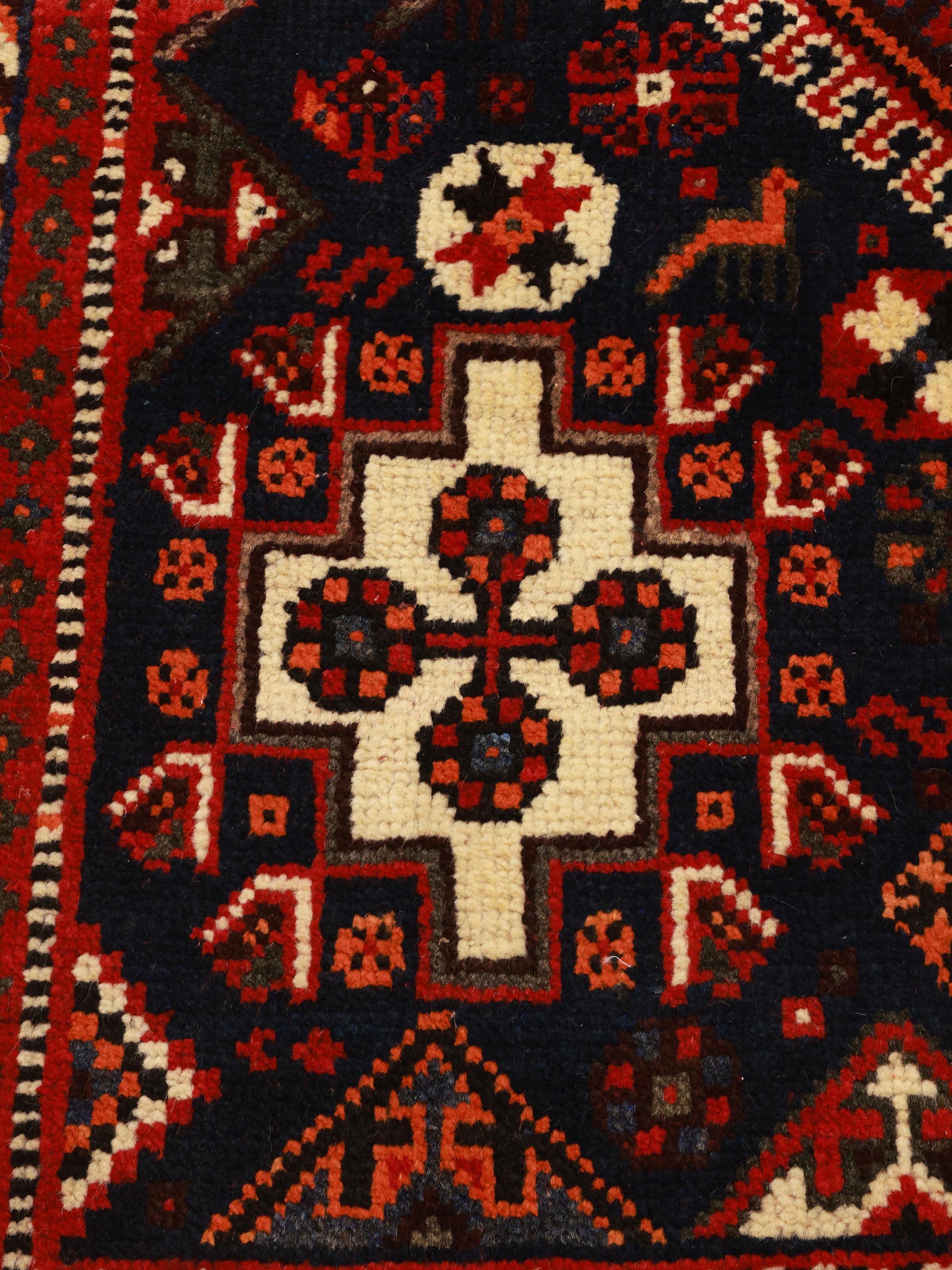
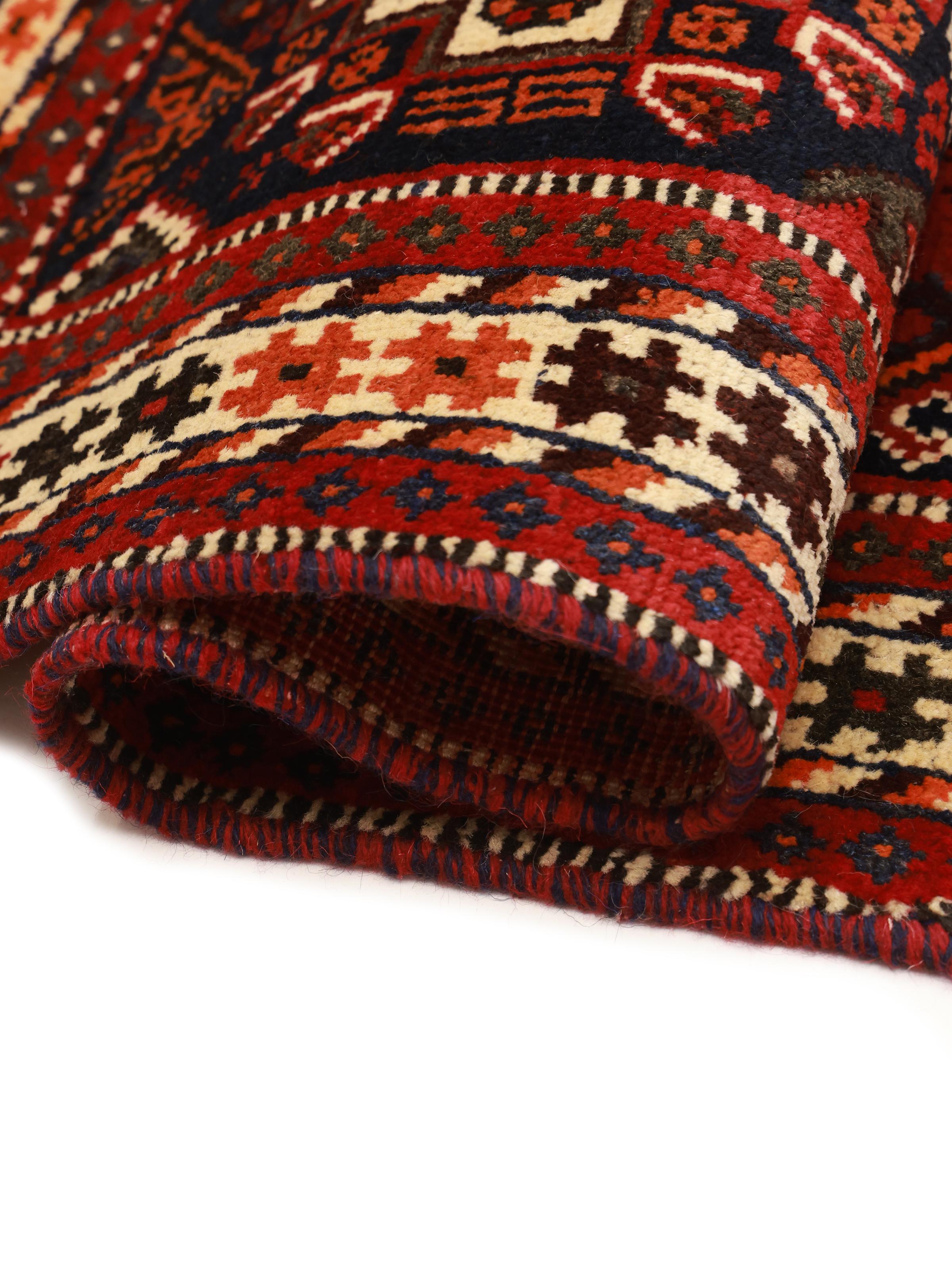
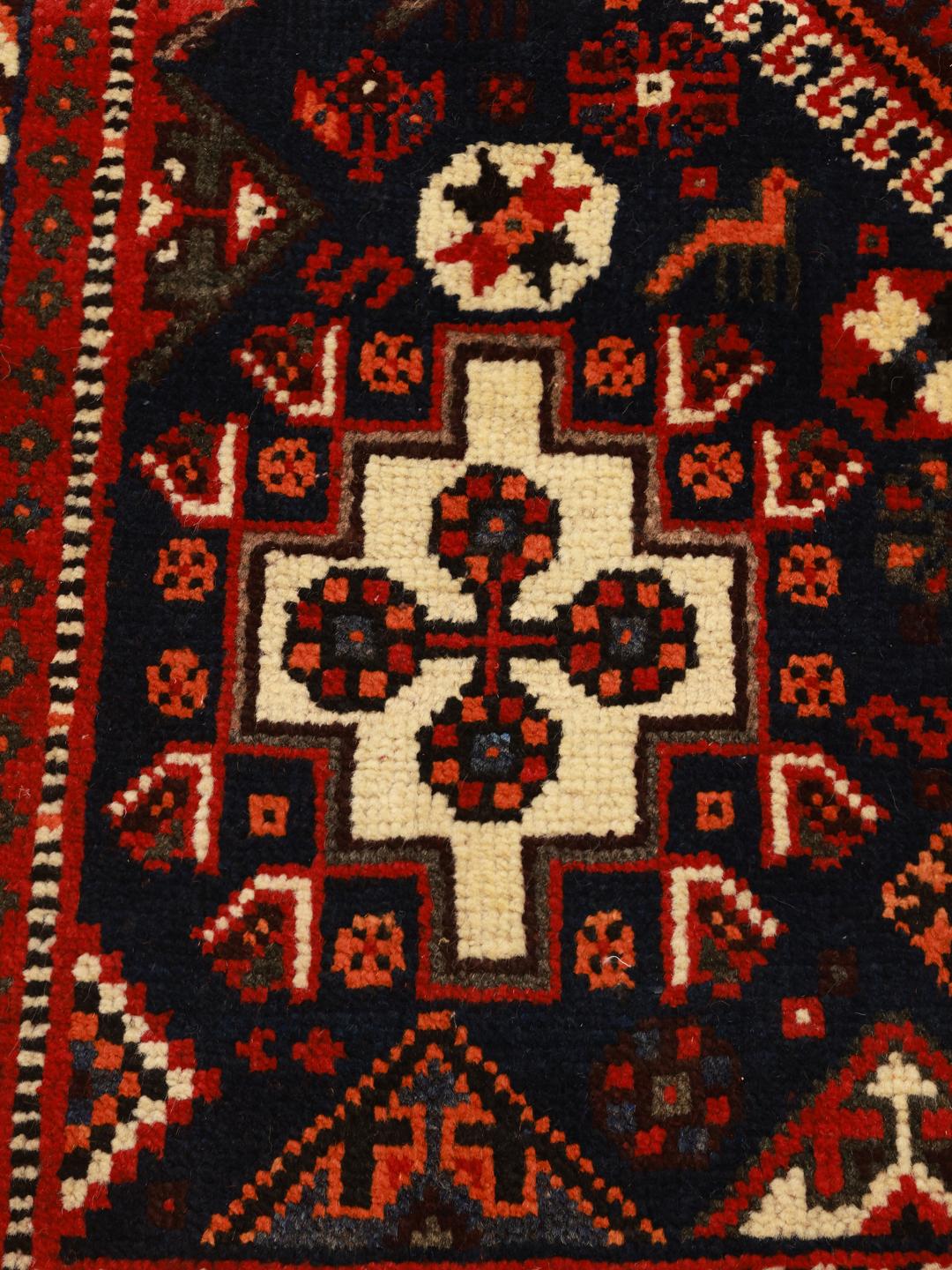
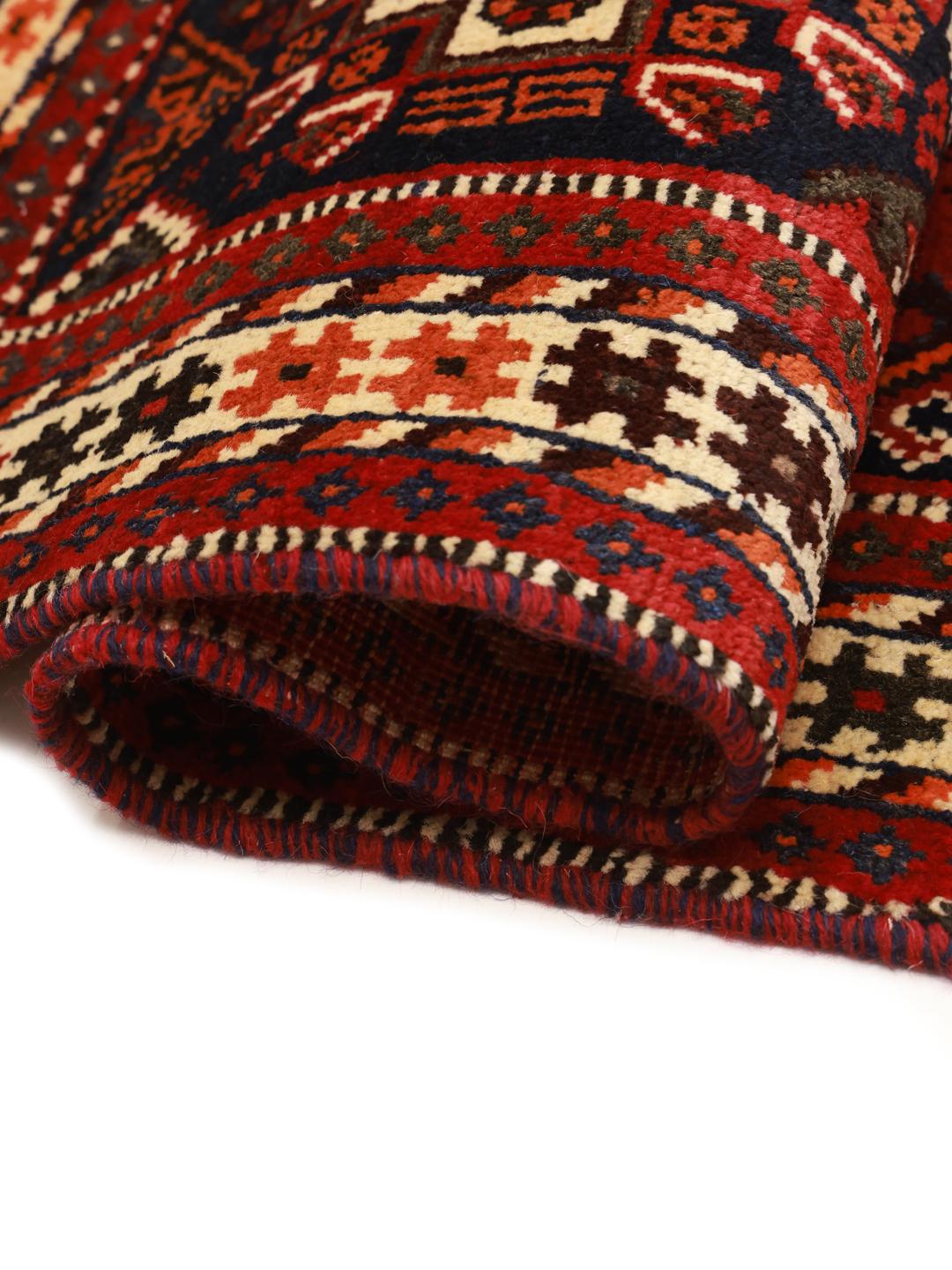
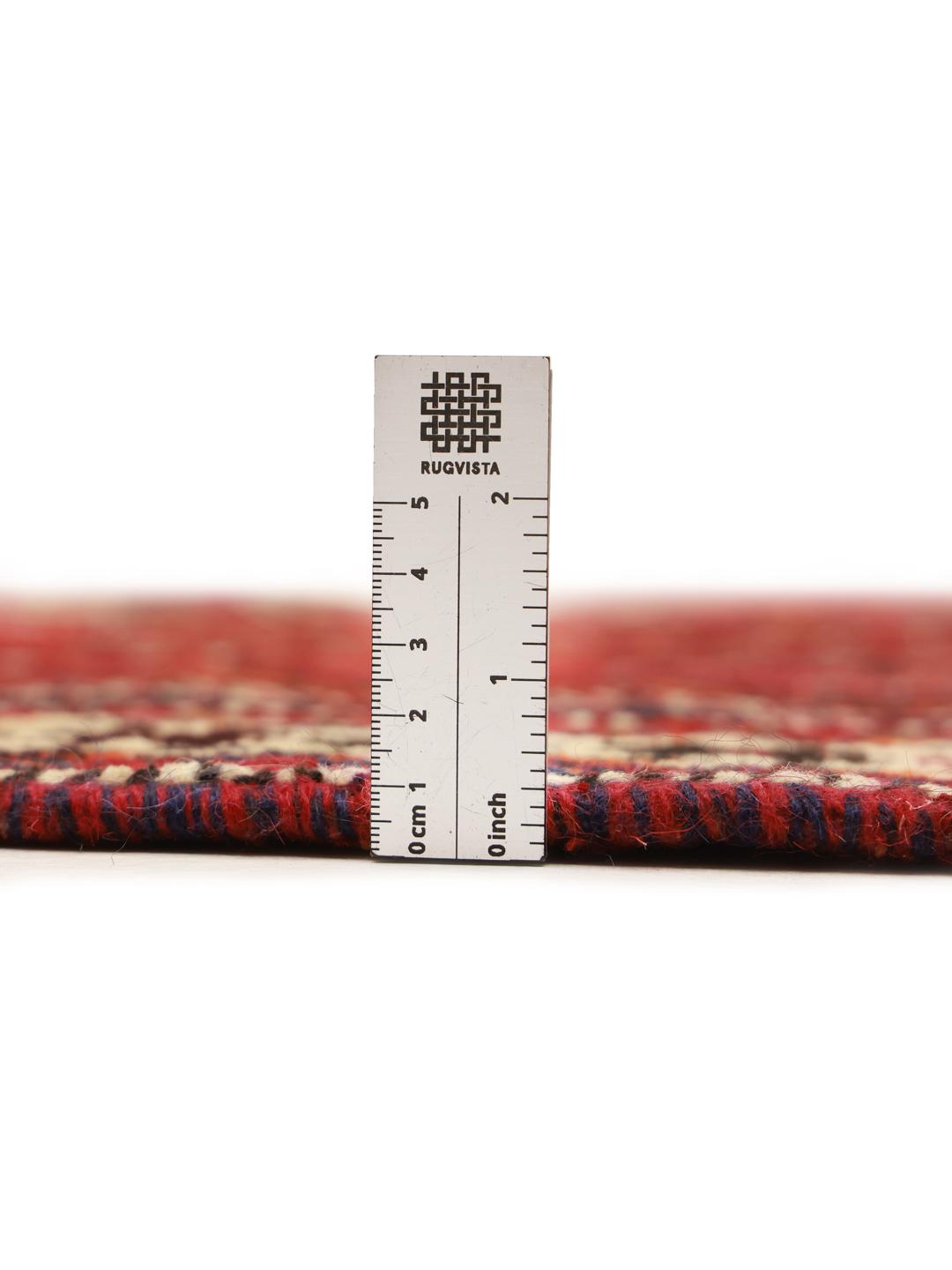
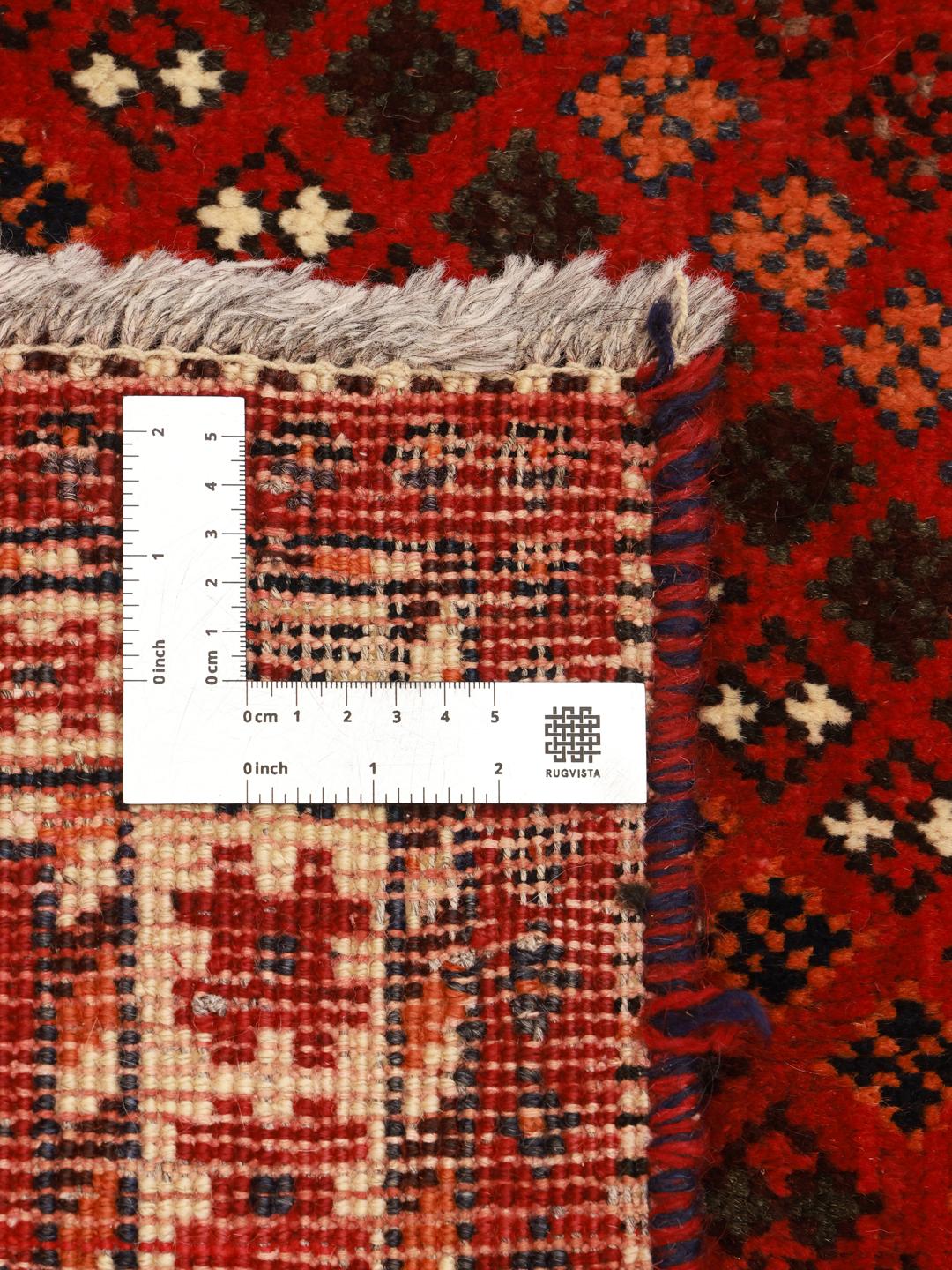
The term hand-knotted refers to the laborious technique where each knot is tied by hand to the warp and weft foundation. This method is the hallmark of quality in the region, as it allows for a high degree of control over the pile's texture and durability. A hand-knotted construction ensures that the rug is not only a functional floor covering but a lasting investment that matures gracefully over time.
Signature design elements in these rugs often include geometric medallions, stylized animals, and repeating floral motifs, all rendered in a distinctive, tribal visual language. Unlike urban workshops that follow rigid, pre-planned patterns, these rugs often incorporate motifs from the weaver's own memory and environment, leading to a charming asymmetry and a highly individualistic look.
Today, these rugs are prized by collectors and homeowners alike for their authenticity and the human story behind every knot. Owning a piece from this tradition means connecting with a craft that has survived centuries of change, offering a sense of heritage and enduring quality that mass-produced items simply cannot replicate.