Shiraz rugs are deeply rooted in the nomadic and semi-nomadic weaving traditions of the southern Middle East. Historically crafted by various tribes, most notably the Qashqai, these rugs were woven on portable horizontal looms that could be easily packed and moved as the tribes migrated. This nomadic heritage gives Shiraz rugs their distinctively spontaneous and lively character, reflecting the daily lives and natural surroundings of the weavers.
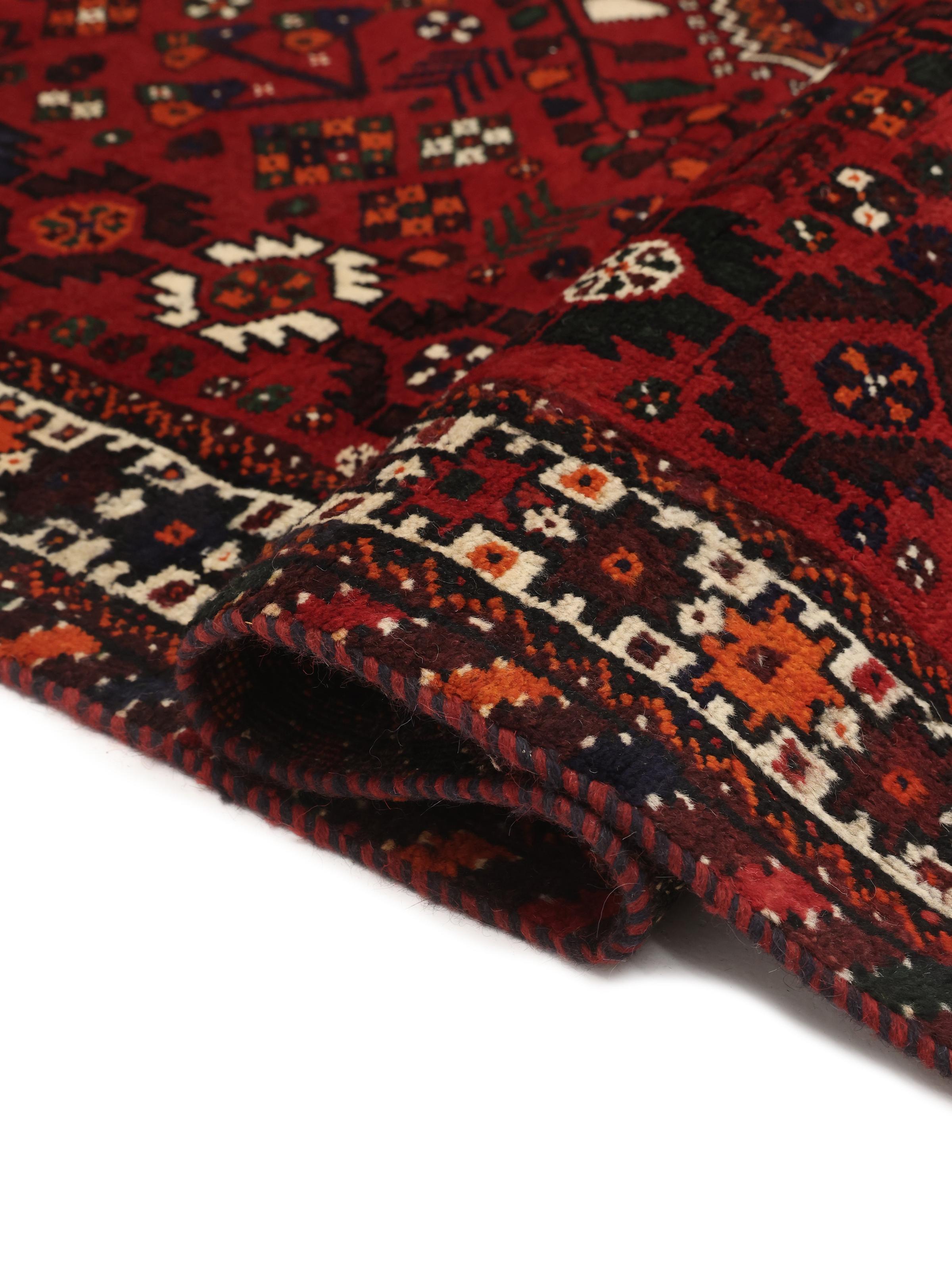
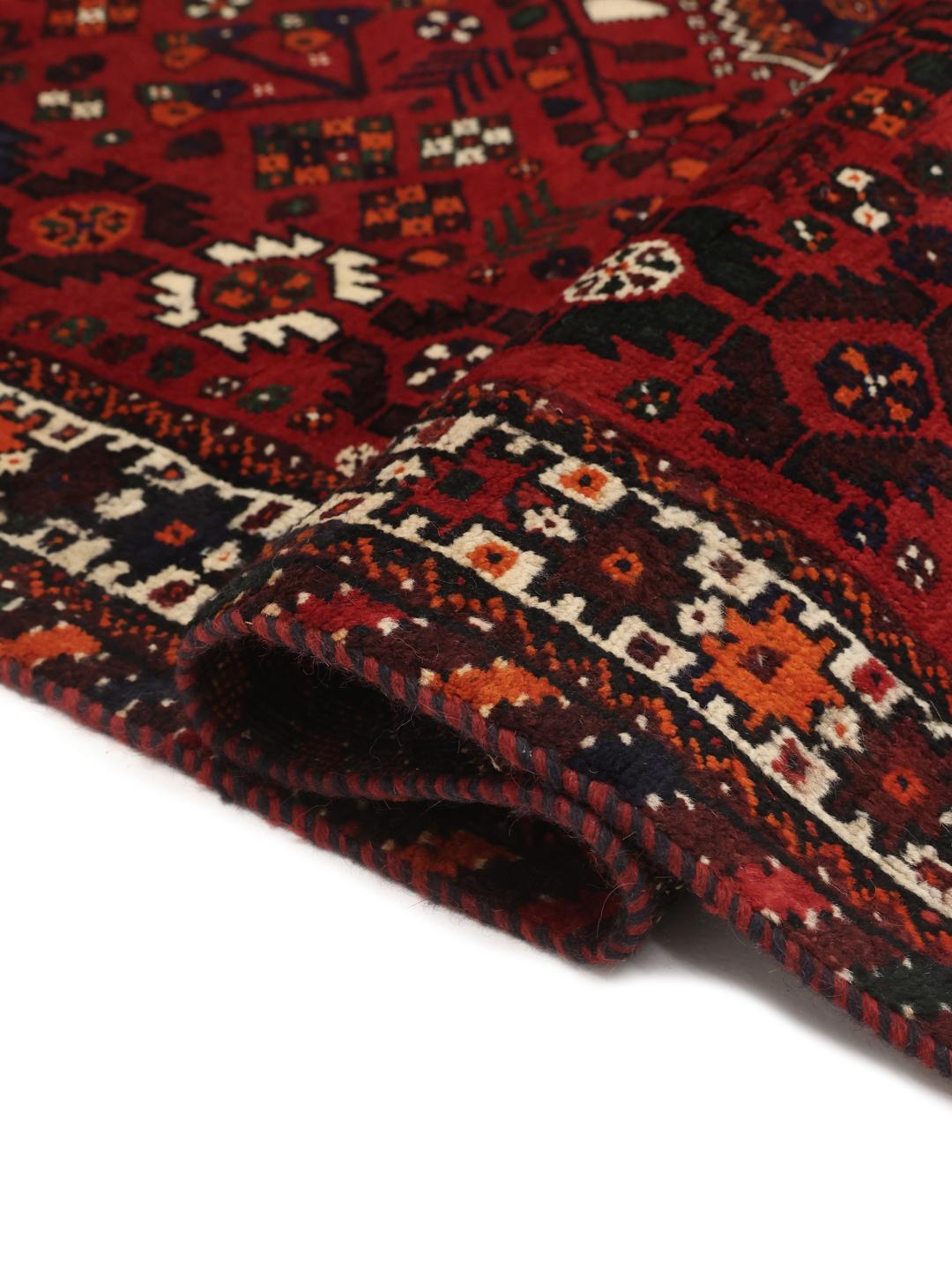
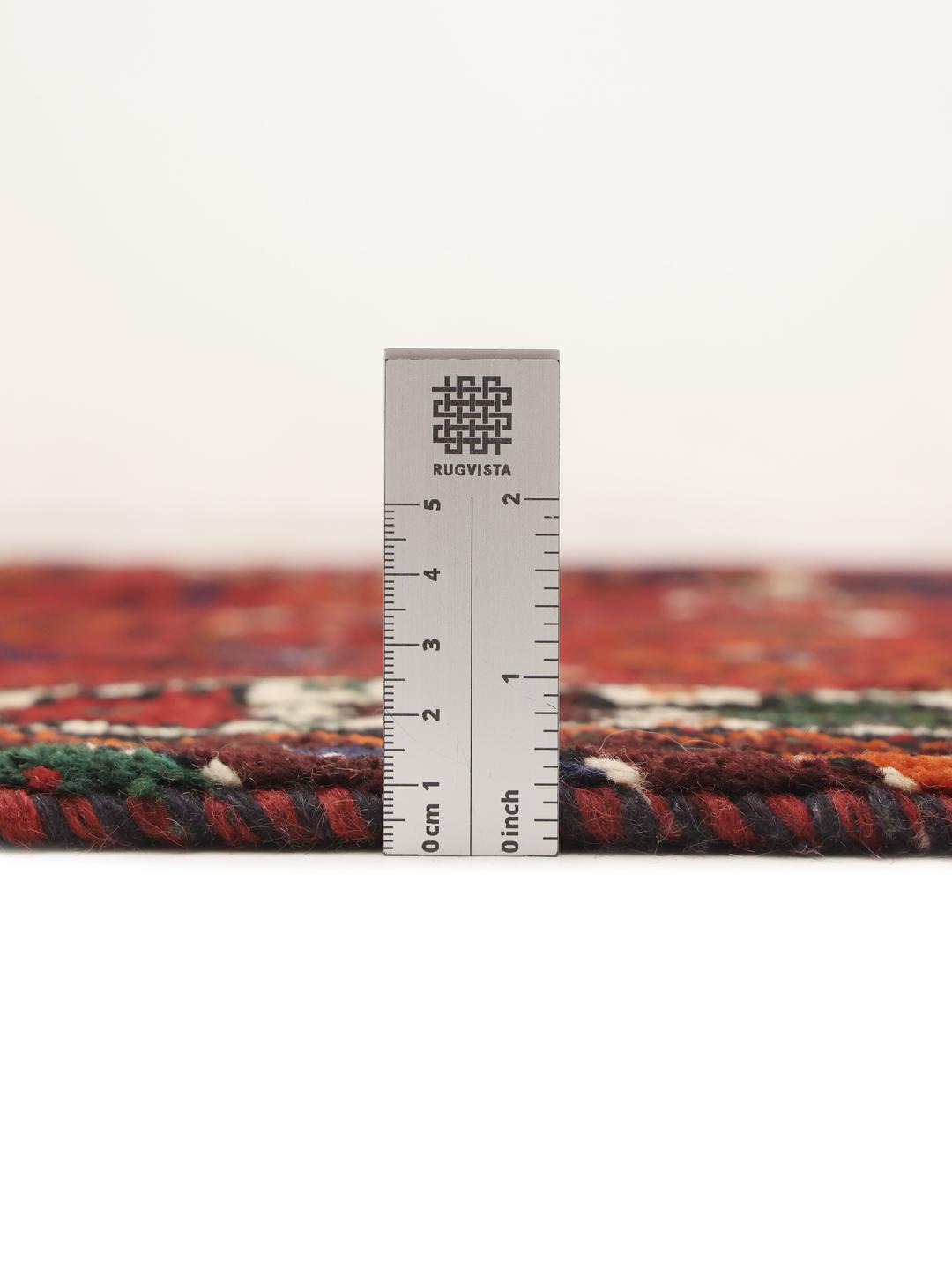
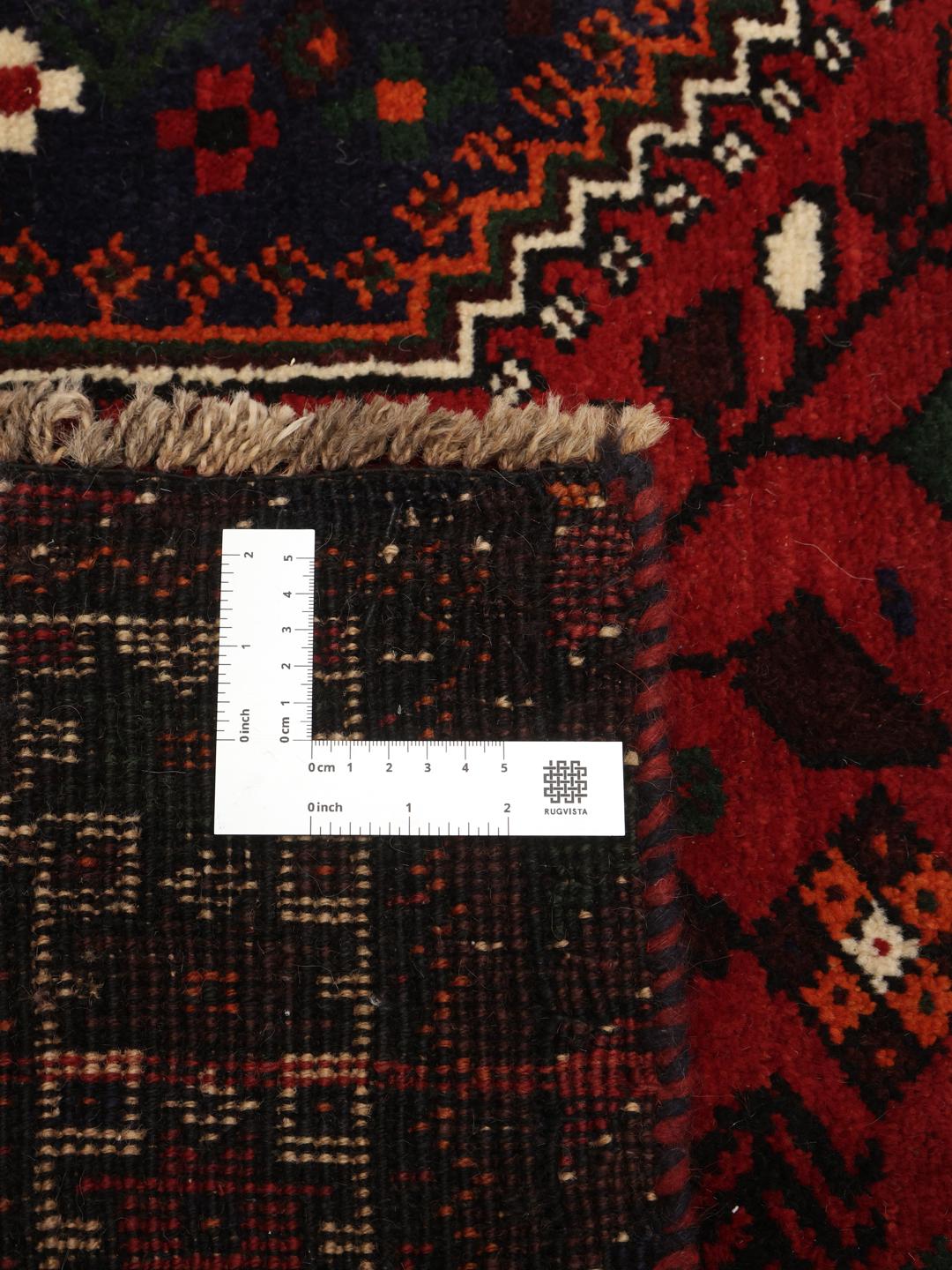
The name Shiraz refers not only to the historic city that served as the primary trading market for these tribal rugs, but also to a specific style of robust construction. These rugs are traditionally woven using local wool for both the pile and the foundation, resulting in a remarkably supple yet heavy-duty piece. The overcast edges, often wrapped in multi-coloured wool, are a classic signature of the region's tribal craftsmanship that protects the sides from wear.
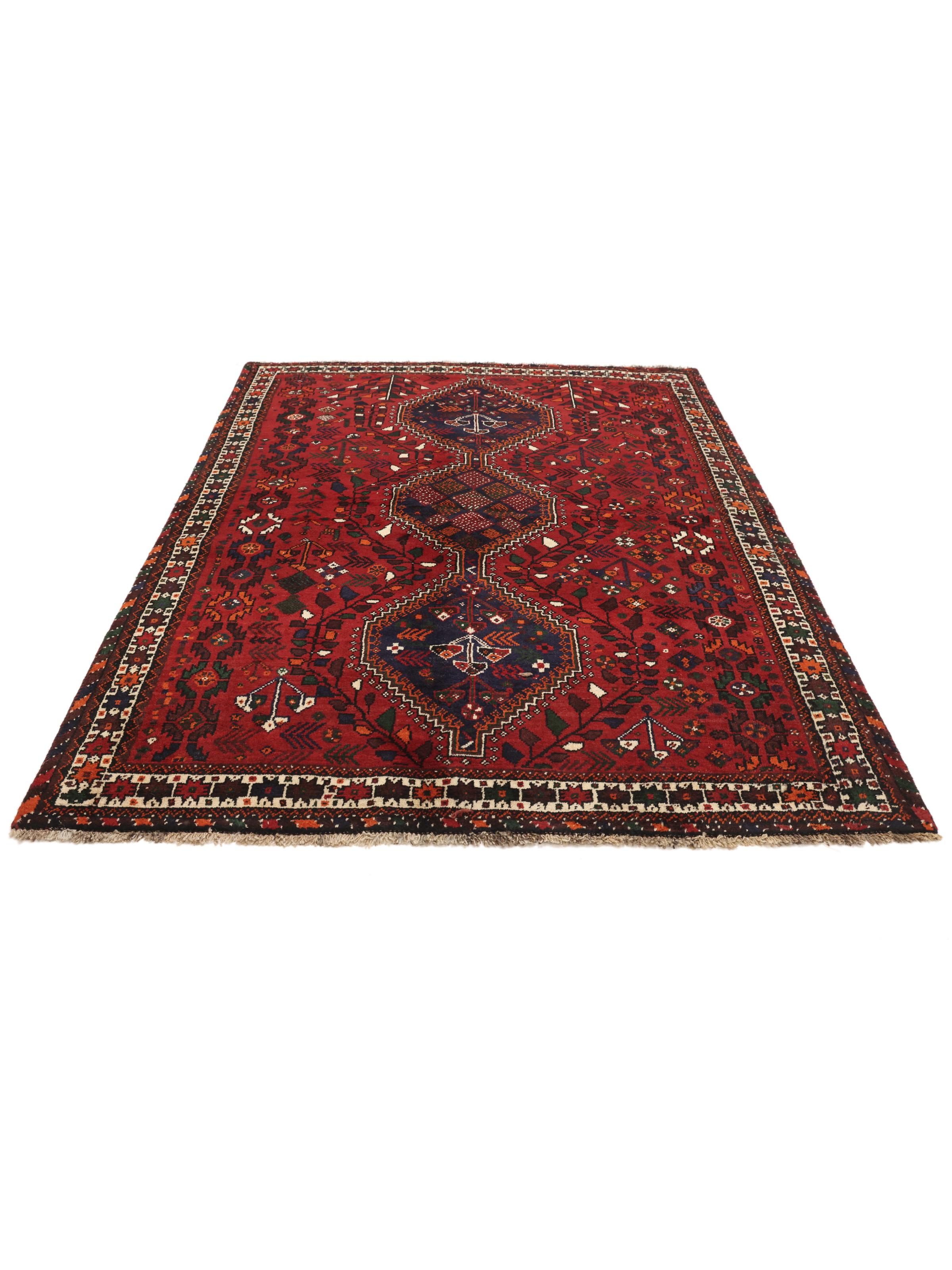
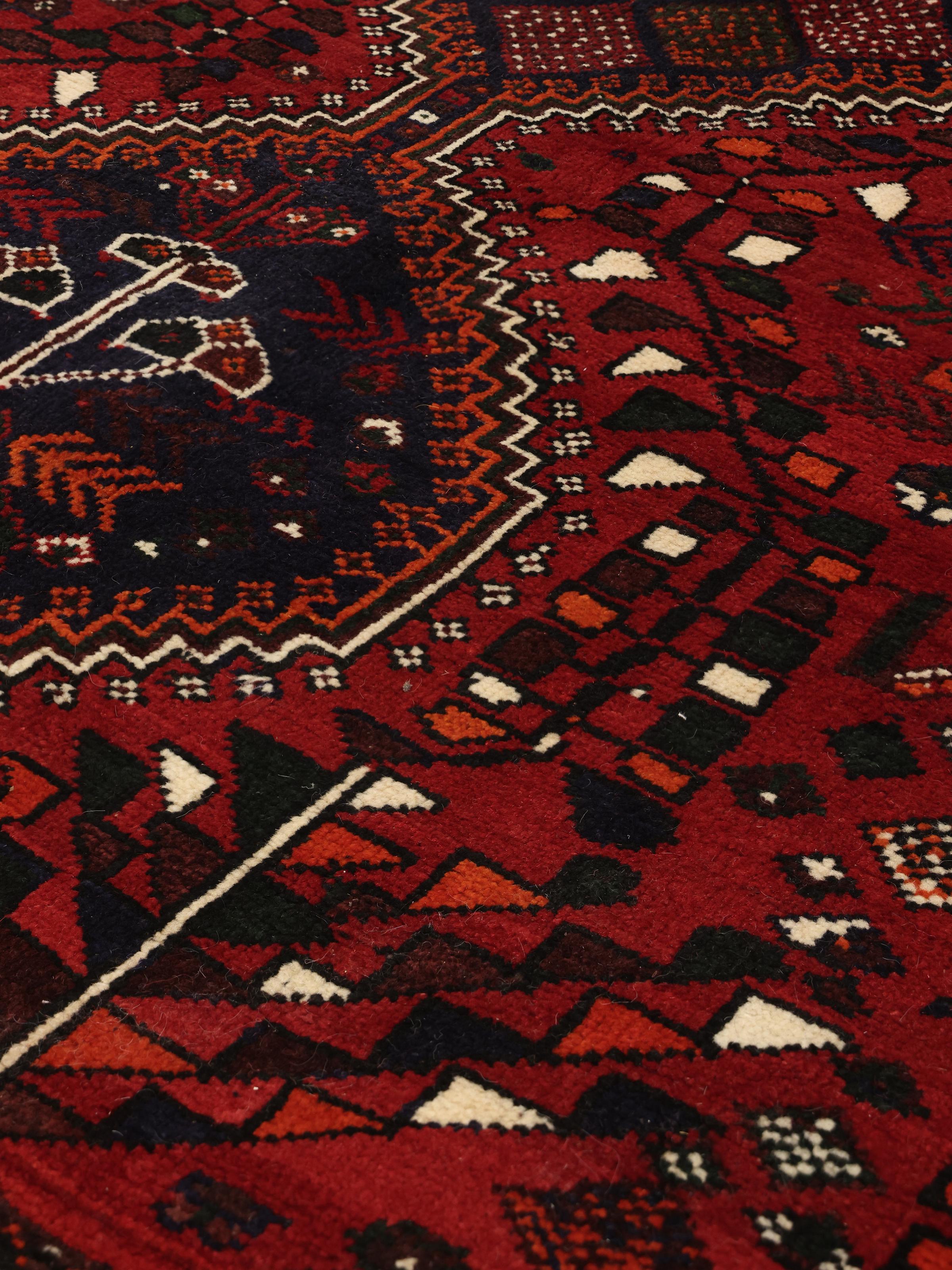
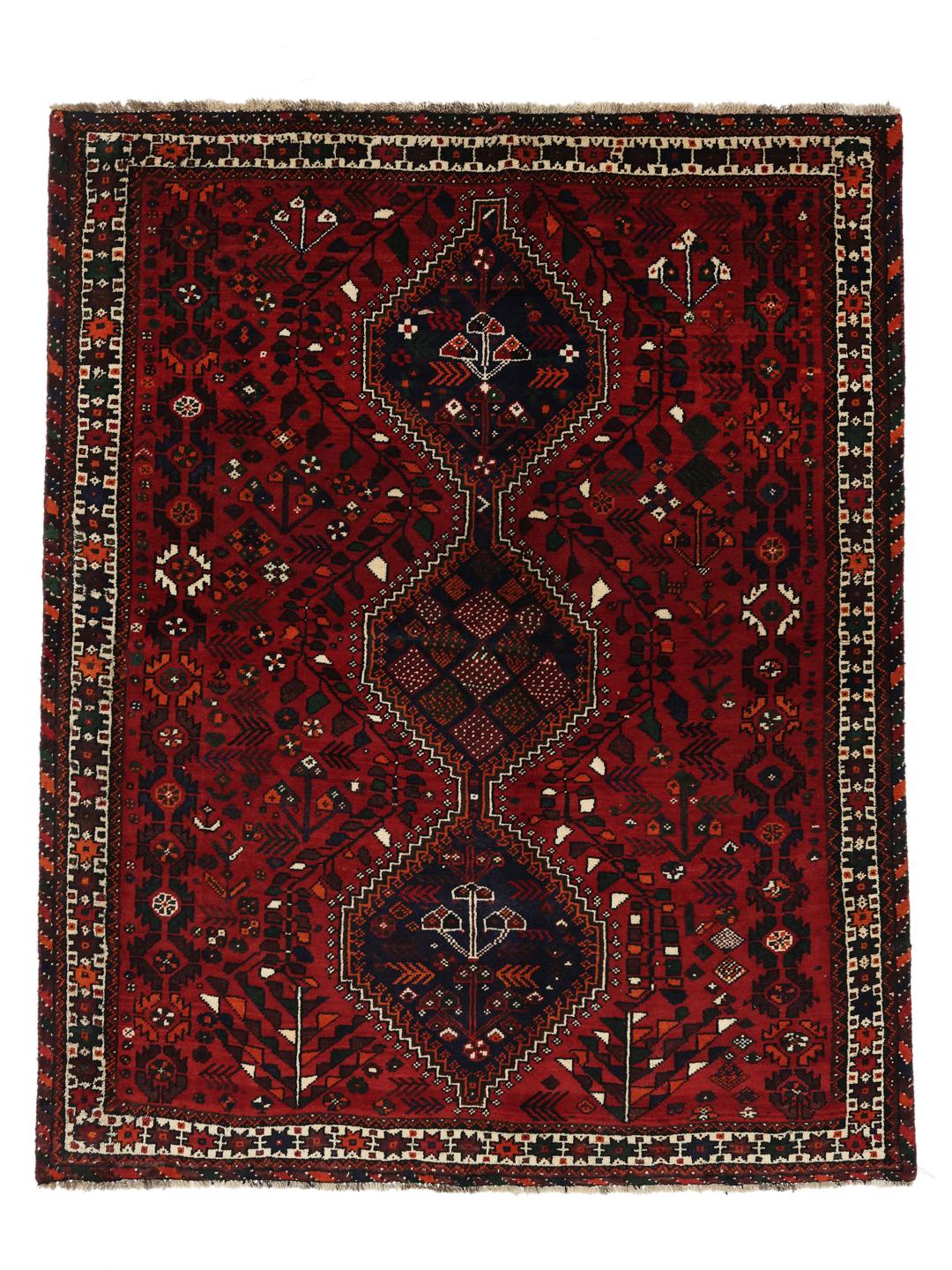
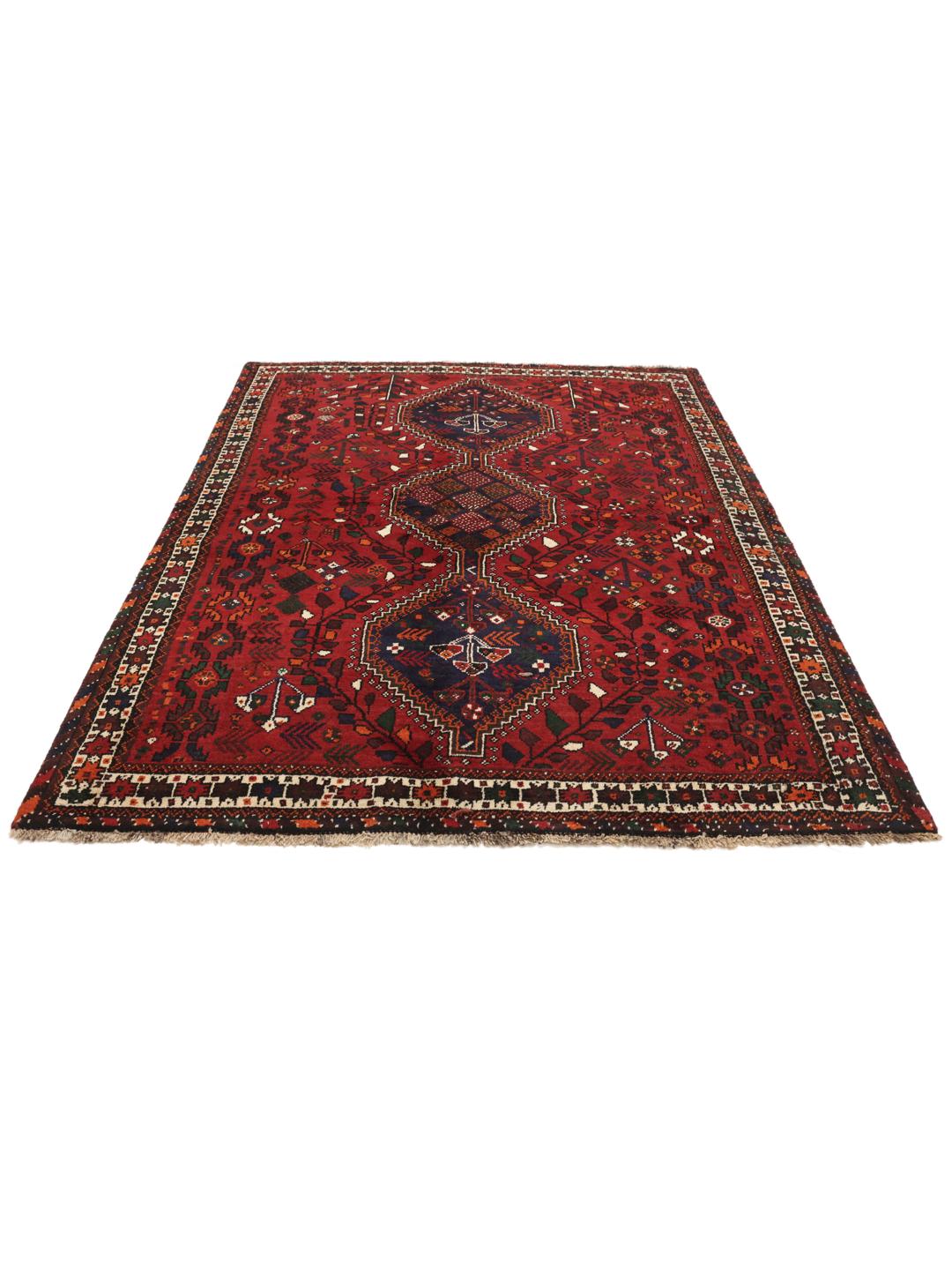
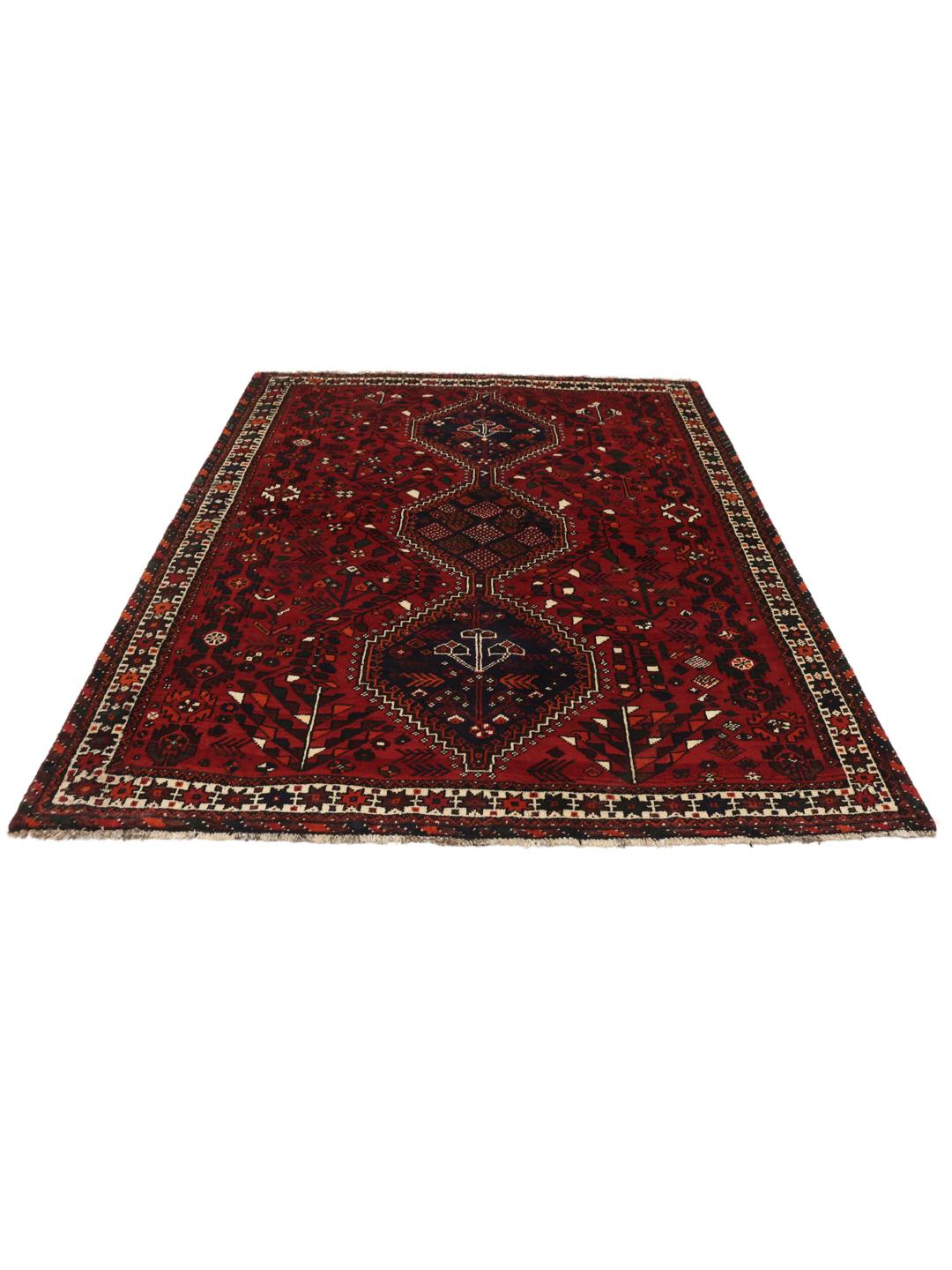
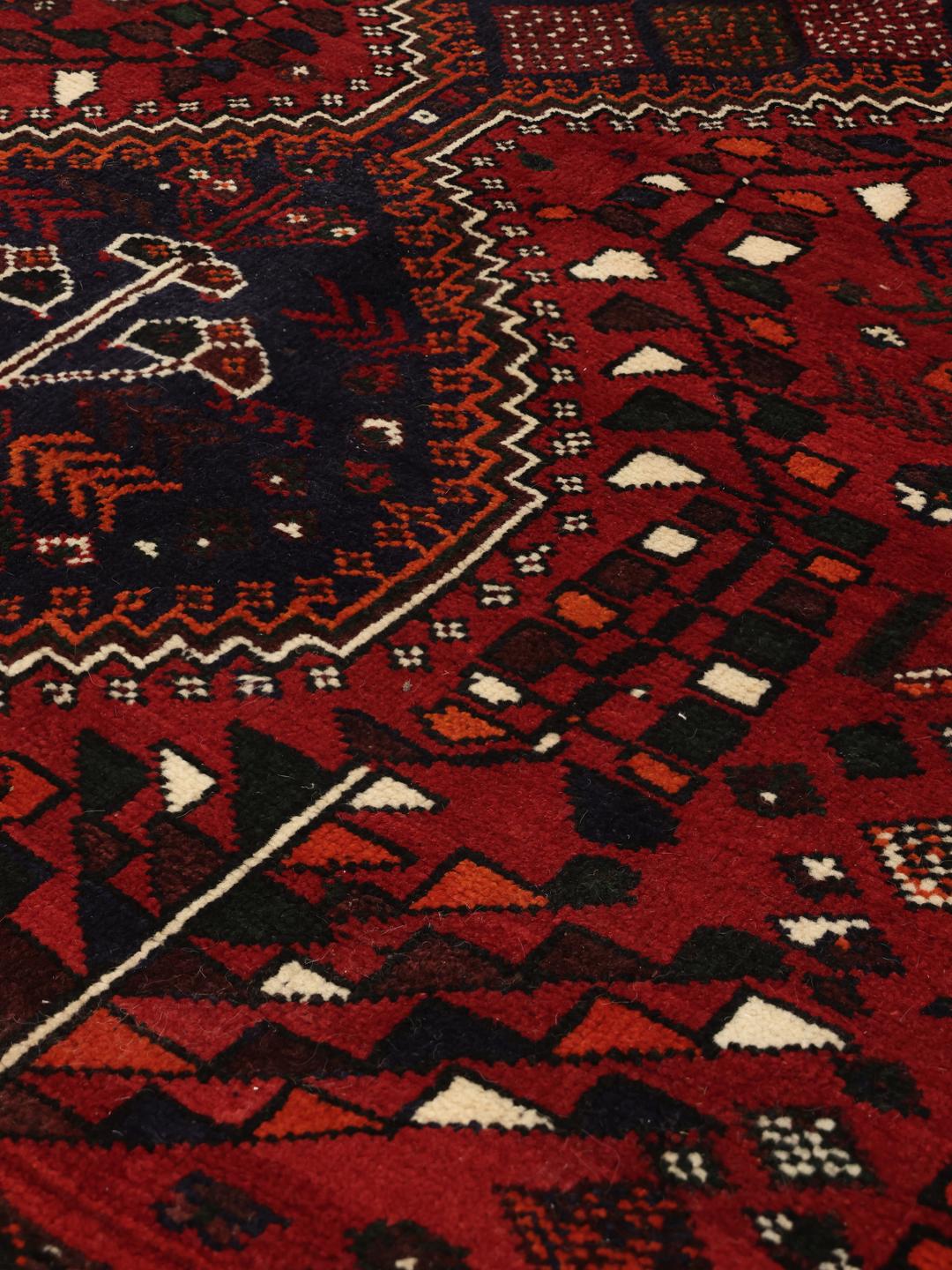
Visually, Shiraz rugs are celebrated for their bold, geometric designs and deep, warm colour palettes dominated by rich terracottas, dark reds, and deep blues. The central field often features repeating diamond-shaped medallions or stylised plant and animal motifs that represent the flora and fauna of the southern highlands. These geometric elements are surrounded by multiple narrow borders filled with intricate, smaller patterns, creating a beautiful frame that draws the eye inward.
Owning a Shiraz rug is like owning a piece of living history, highly valued by collectors and homeowners alike for its authentic tribal charm. Unlike formal city rugs, these pieces display charming irregularities and creative choices made by individual weavers, making each one a highly personal expression of cultural heritage. They bring an incomparable sense of warmth, soul, and historical depth to modern and classic interiors alike.